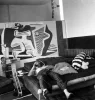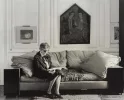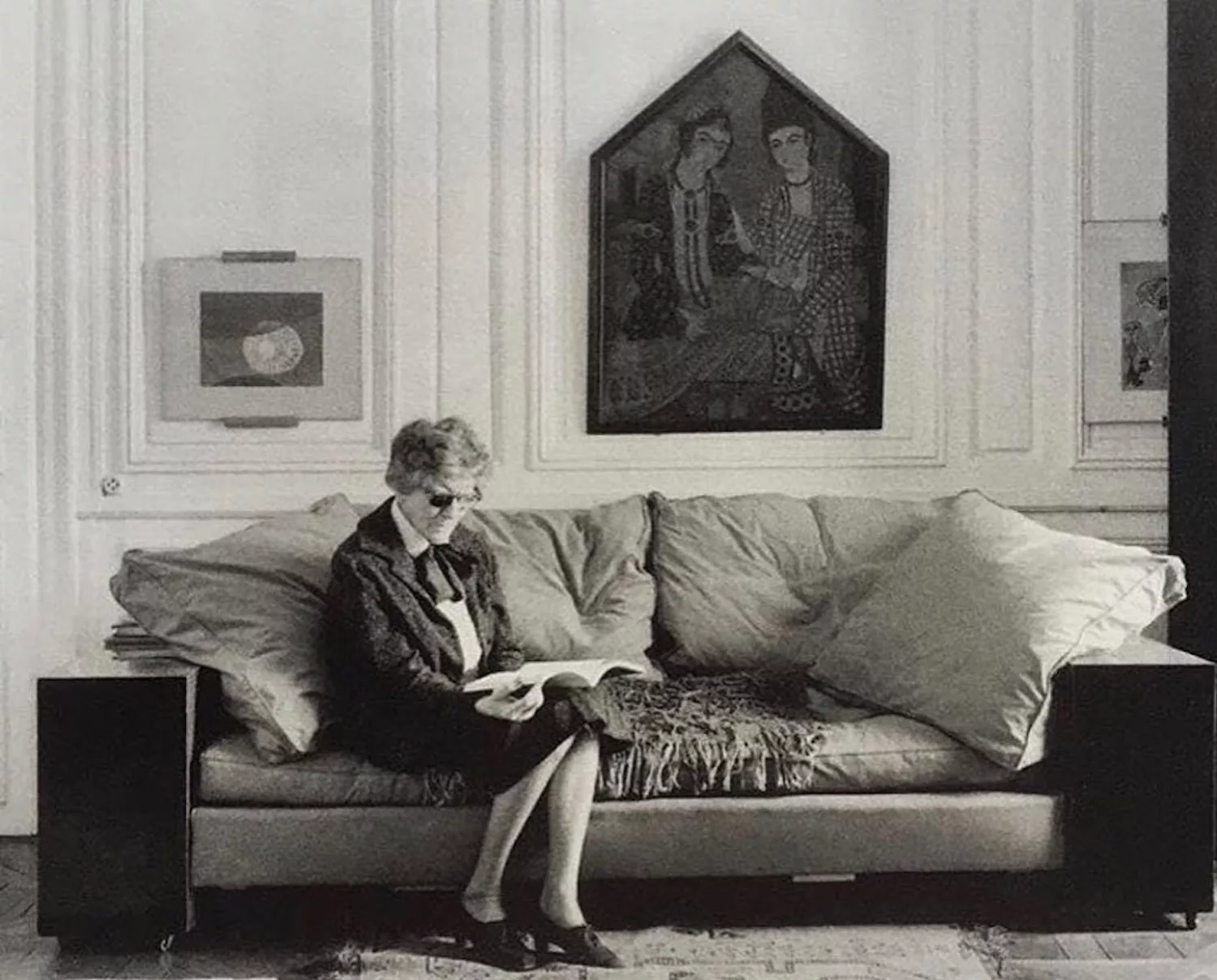
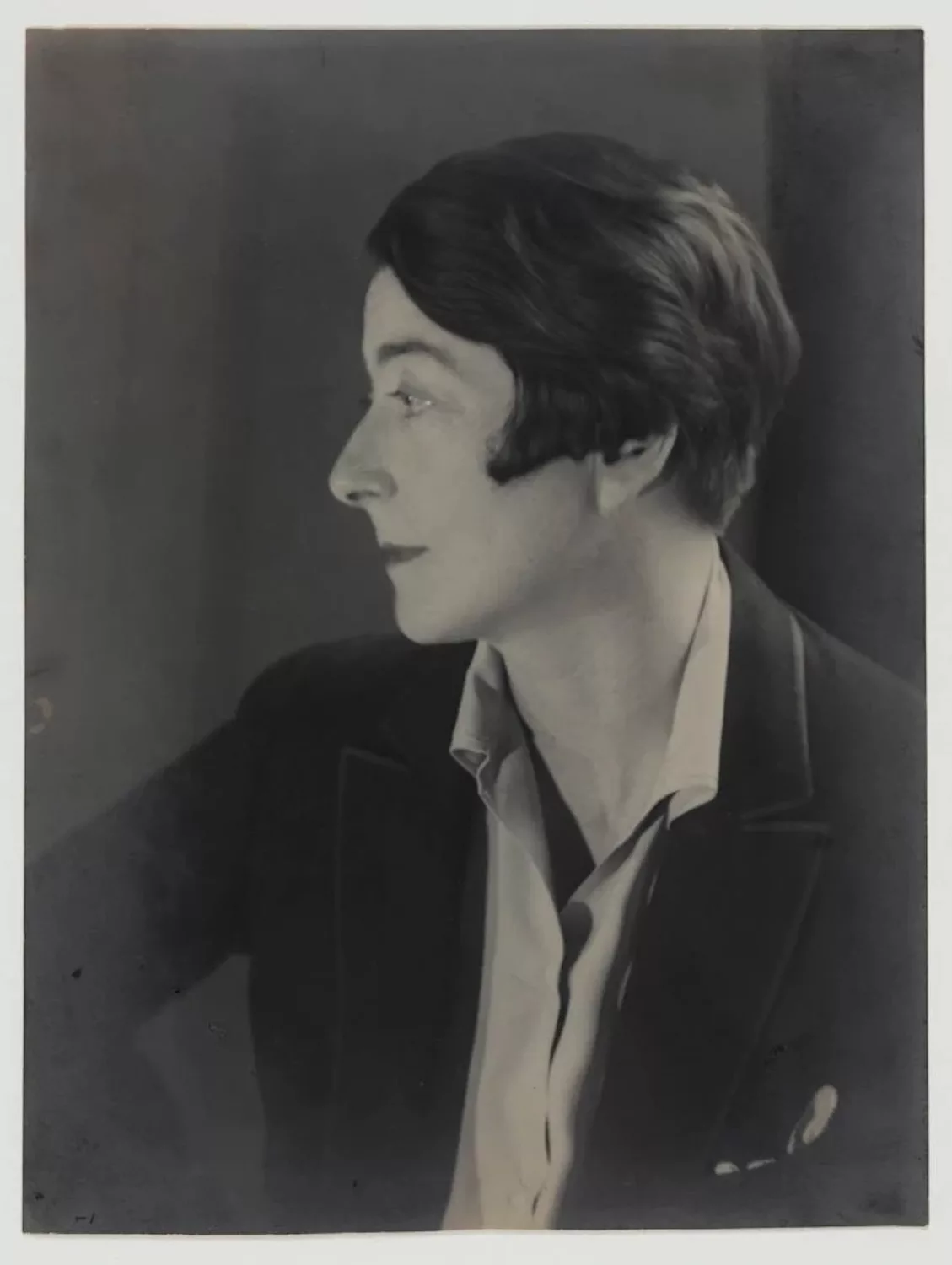
Berenice Abbott, Portrait d’Eileen Gray, Paris, 1926, Courtesy Eileen Gray Archives, Commerce Graphics LTD
Benton, Tim, « Eileen Gray’s Jean Désert showroom, 217 rue du Faubourg Saint-Honoré, Paris: marketing design in the 1920s », Les Cahiers de la recherche architecturale urbaine et paysagère [on line], Matériaux de la recherche, 2021
→Pitiot, Chloé et Stritzler-Levine, Nina (ed.), Eileen Gray: Designer and Architect, New Haven / New York, Bard Graduate Center / Yale University Press, 2020
→Adam, Peter, Eileen Gray: Architect/Designer, New York, Harry N. Abrams, 2013
Eileen, Gray, National Museum of Ireland, Dublin, permanent exhibition
→Eileen Gray, Centre Pompidou, Paris, February 20 – May 20, 2013
→Eileen Gray, Museum of Modern Art, New York, February 6– April 1, 1980
Irish industrial designer and architect.
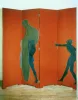
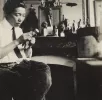
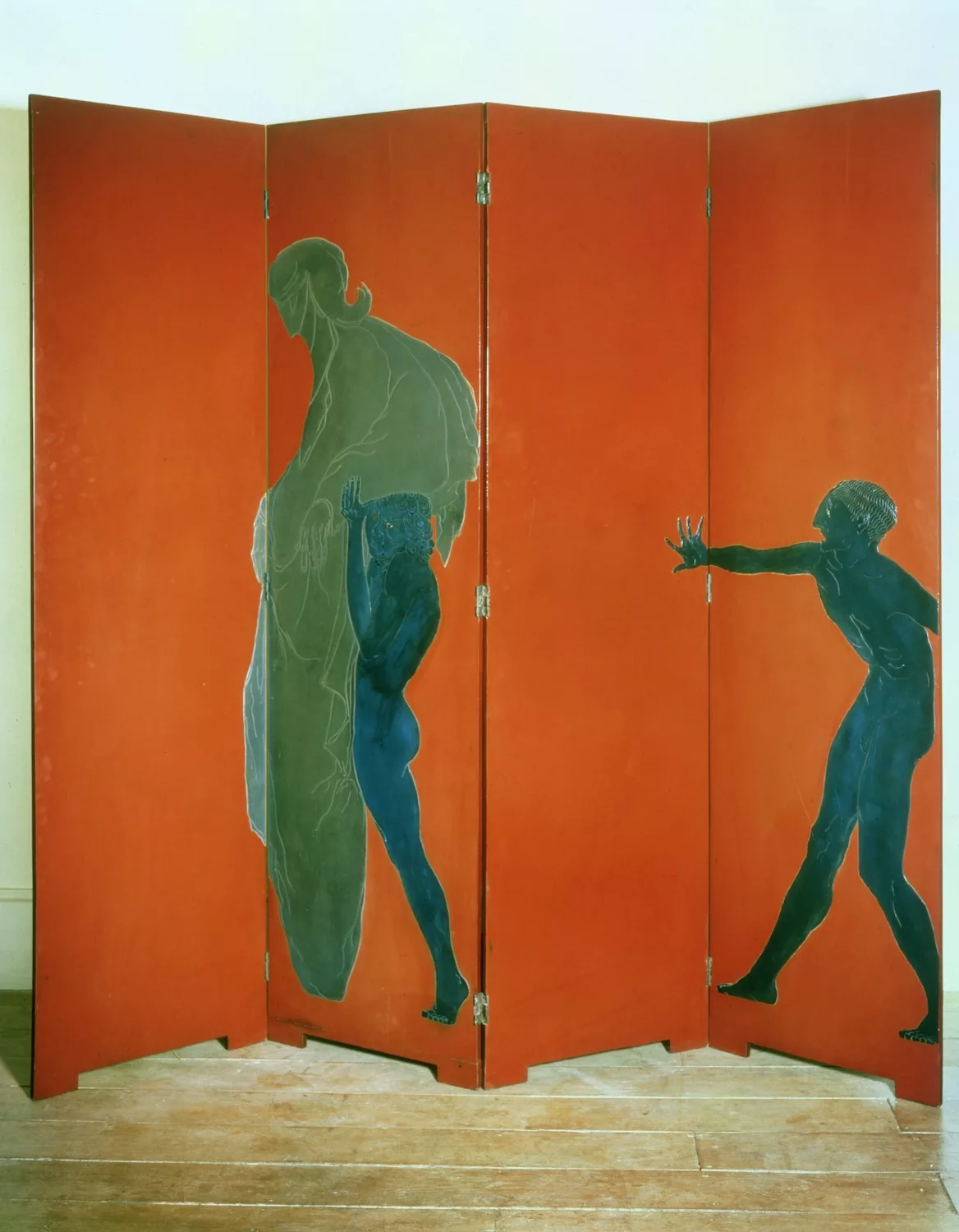
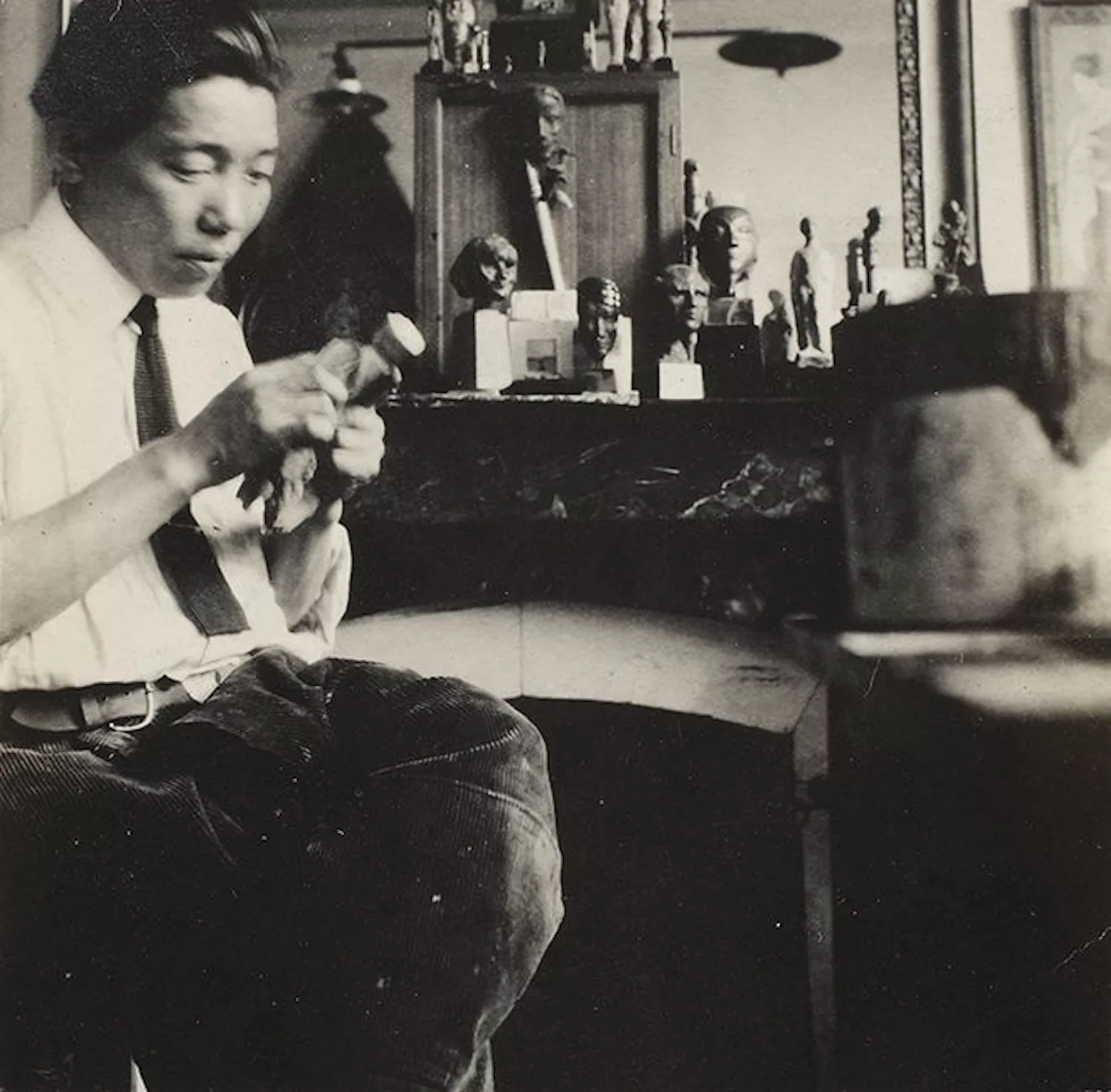
A major but long-marginalised figure of modernism in France, Eileen Gray produced a unique body of work combining decorative arts, industrial design and architecture. She was born in Ireland in 1878 and studied drawing and painting locally before moving to Paris in 1902 to further her training. She took up lacquer work, refining her skills from 1906 onwards with Japanese master Seizo Sugawara (1884–1937). Their shared workshop was the origin of several iconic pieces, including a panel titled Le Magicien de la Nuit (1913) and the Le Destin folding screen (1914).
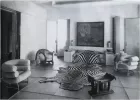
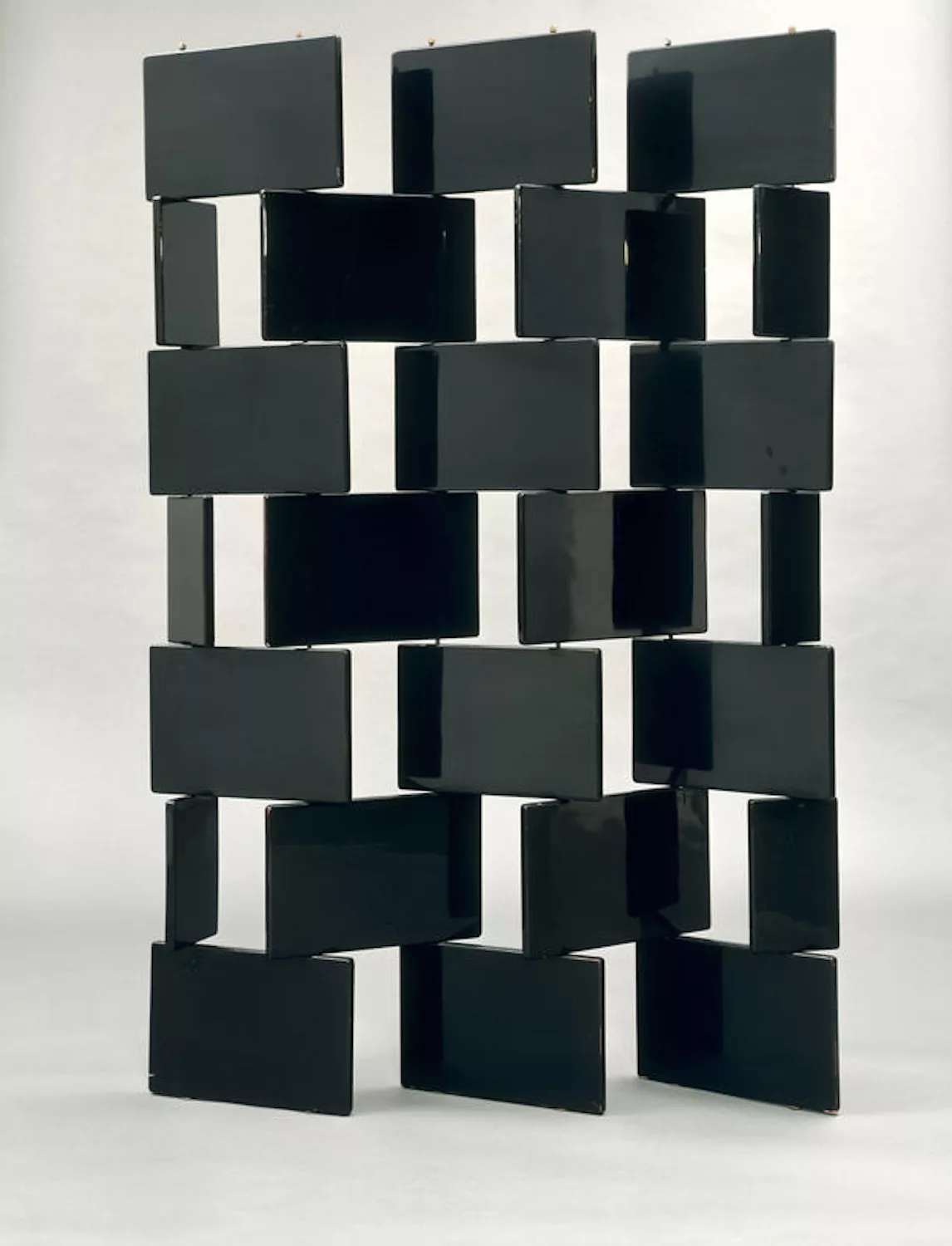
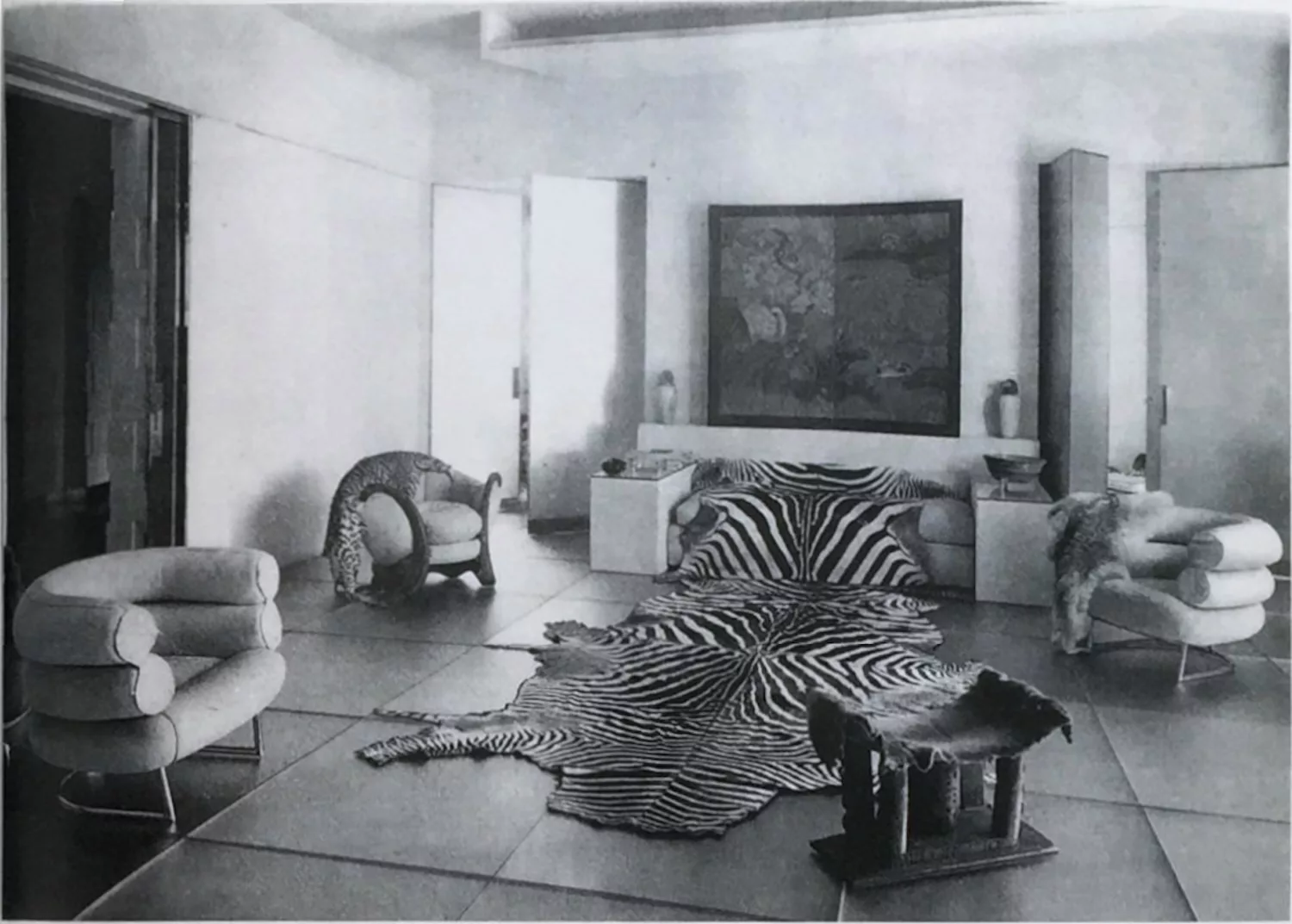
The first commissions E. Gray received from fashion designer and collector Jacques Doucet, including Sirène and Fauteuil Dragon (1917), helped spread her work. She handled the interior design of Juliette Mathieu-Lévy’s flat between 1919 and 1922, and in 1922, on rue du Faubourg-Saint-Honoré, launched Galerie Jean Désert, a space that became a central showcase for her furniture, rugs and interior-design projects. During this period, she met Jean Badovici (1893–1956), architect and editor of the magazine L’Architecture vivante. The 1920s were the most prolific period of her career, marked by a shift towards modernism as well as architectural training under J. Badovici and Adrienne Gorska (1899–1969). She developed a formal language favouring tubular metal, glass and industrial materials, as exemplified by Fauteuil Bibendum (1925).
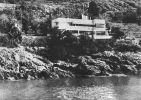
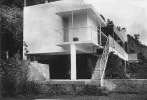
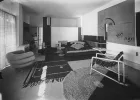
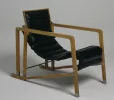
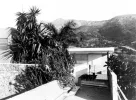
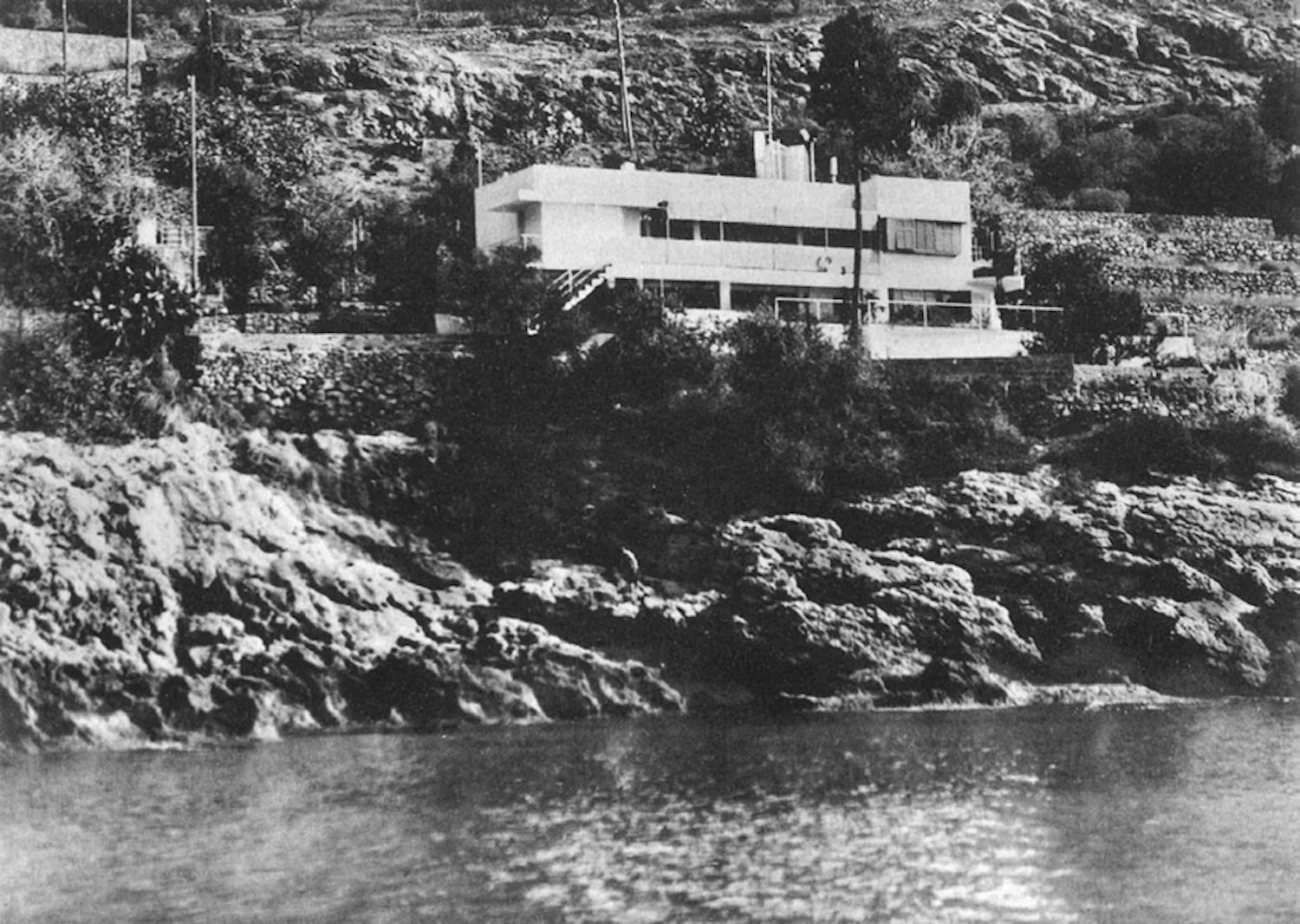
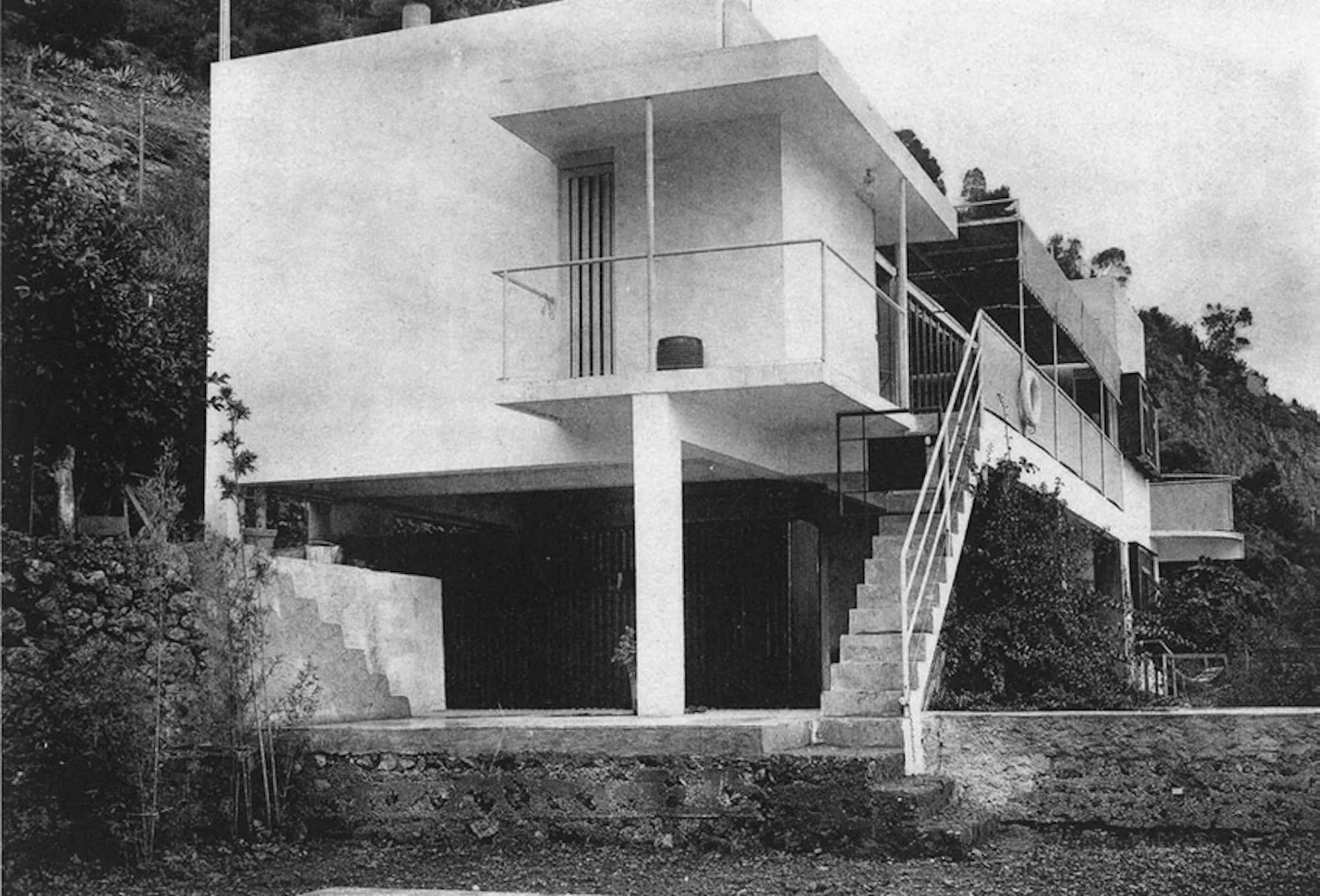
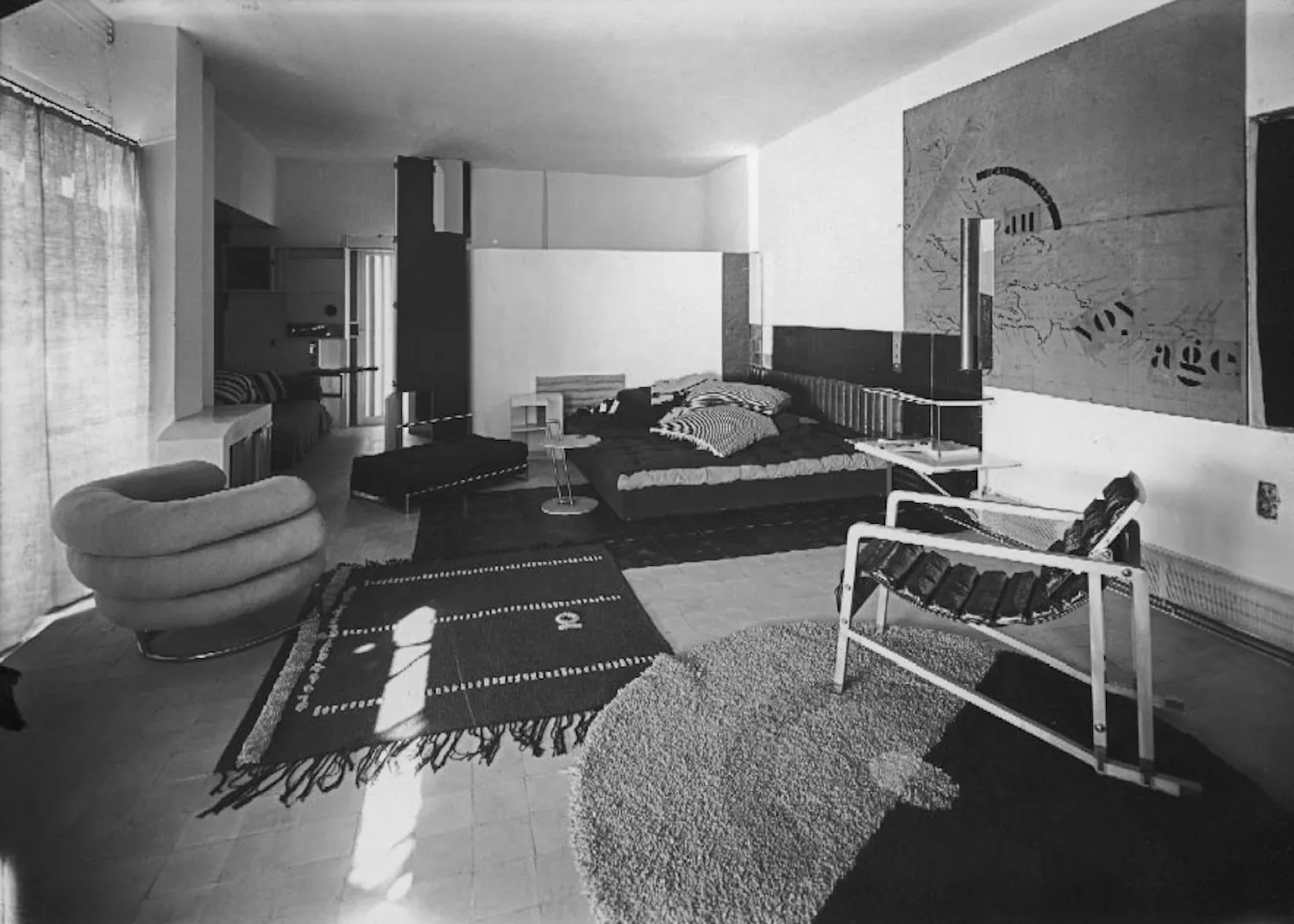
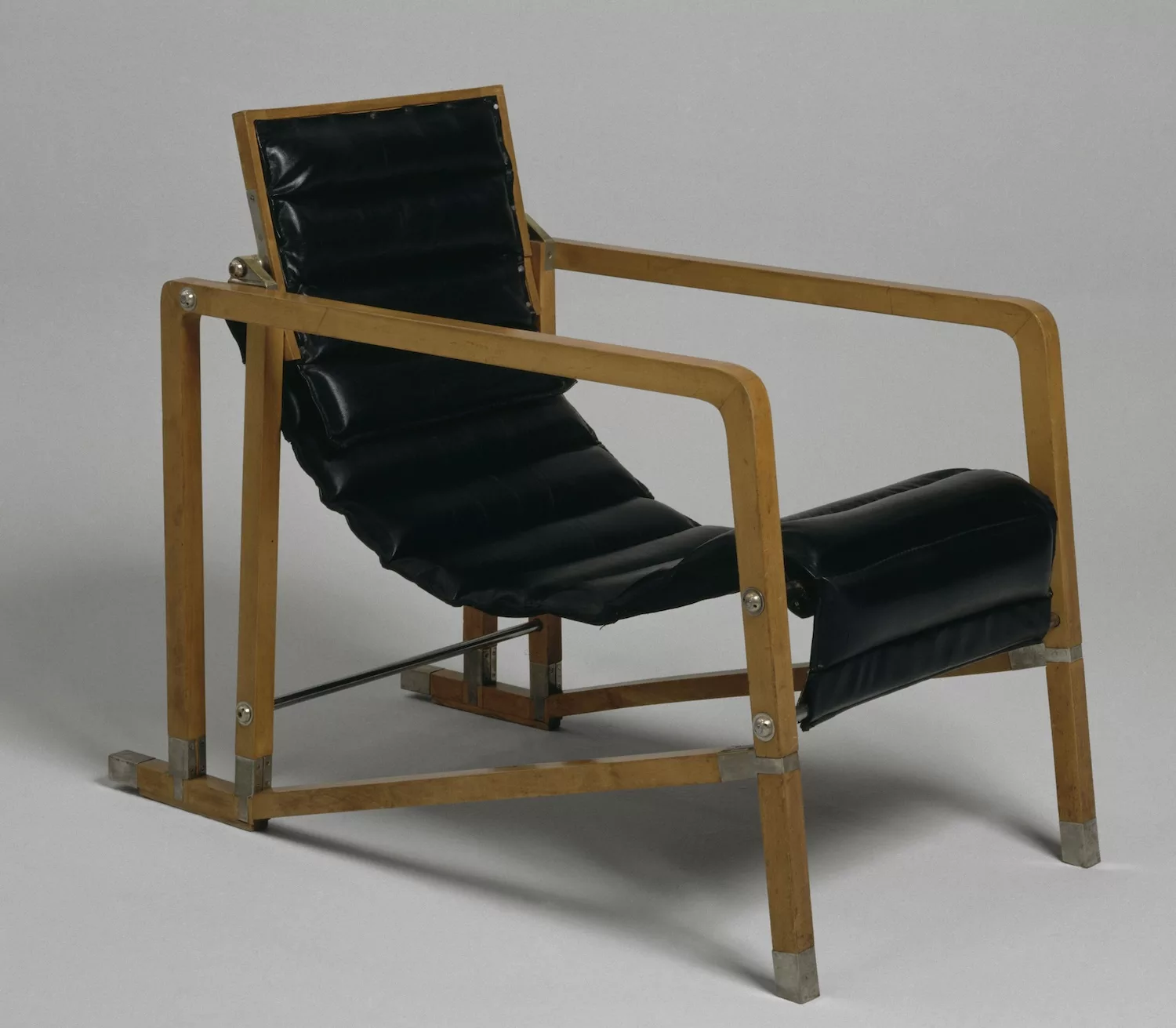
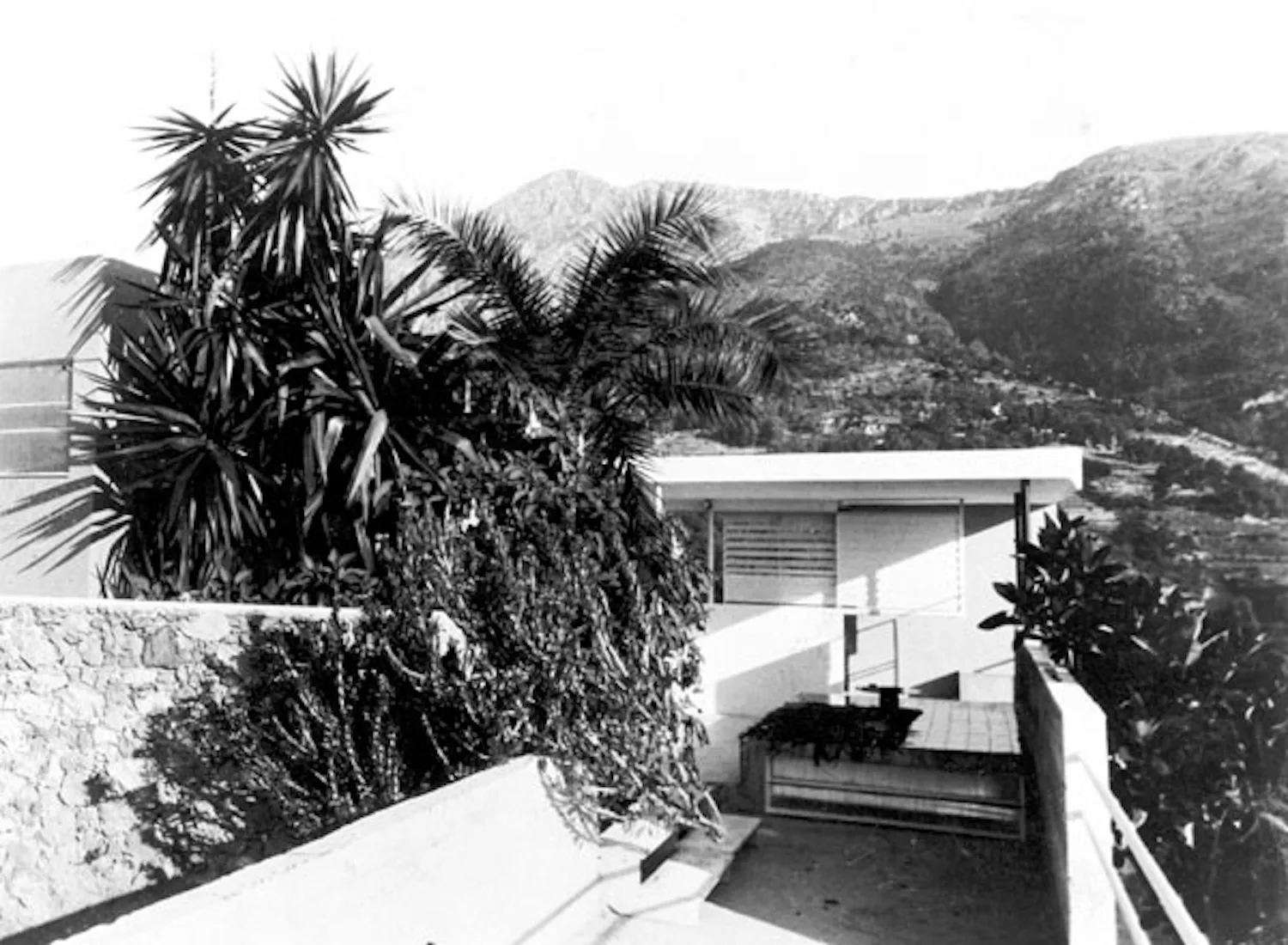
In 1926 E. Gray purchased a seaside plot in the southeastern French town of Roquebrune-Cap-Martin on behalf of J. Badovici; they then constructed their Villa E-1027 there over the next three years. Conceived as an organic ensemble combining architecture, furnishings and landscape, and characterised by the use of reinforced concrete, glass and metal, the villa embodies a sensitive modernity attentive to “real-life” needs. Following a “minimal” approach, the architectural design accommodates private, everyday living while connecting with the exterior and the sea. An example of this style is the Transat armchair (1927), reminiscent of ocean-liner aesthetics. Villa E-1027 maintains a critical distance from an “abstract” type of modernism tending towards systematic rationalism. The house was imagined as “a living organism” that anticipates the physical, private and spiritual needs of its occupants, functioning as a kind of “cognitive envelope”, as they explain in “De l’éclectisme au doute” (From Eclecticism to Doubt), the essay they co-authored in 1929: “A house is not a machine for living in. It is man’s shell, his extension, his enlargement, his spiritual radiance.” A network of stencilled inscriptions (“Fine weather”, “Let’s travel”, “Come in slowly”, “No laughing”) scattered throughout the villa imbues the spaces with evocative or humorous narrative references, helping to redefine the conventions of modernist imperatives, although E. Gray downplayed them, commenting, “Words are nothing. Life is everything.” Fraught relations with Le Corbusier (1887–1965), especially after he painted murals in the villa in 1937, without E. Gray’s approval – an act she saw as vandalism – had a lasting impact on the project’s critical reception, Le Corbusier notably having sought to appropriate credit for the house.
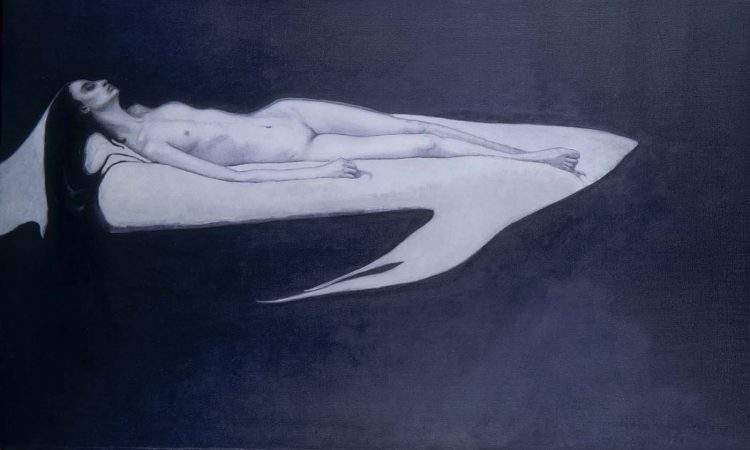
In 1931 E. Gray built Villa Tempe a Pailla in the neighbouring town of Menton. Later, in the 1950s, she undertook the restoration and extension of Villa Lou Pérou near Saint-Tropez. The projects of this period reflect a renewed dialogue between modernism and the vernacular. At the same time, she continued painting and drawing, practices that she explained gave her a sense of freedom. Between 1956 and 1975 she put together a portfolio of her projects, thereby performing a deliberate review of her work.
E. Gray died in 1976 and is now acknowledged as an important figure in a humanistic, cross-disciplinary and independent modernism. After remaining long overlooked in this movement’s history, E. Gray’s oeuvre began to see a gradual revival in the 1970s. The sale of J. Doucet’s collection in 1972, and the reissue of her furniture by Zeev Aram starting in 1973, contributed to initial international recognition, soon reinforced by archival research and the restoration of Villa E-1027 starting in the 1990s. Her work has since been featured in many prominent exhibitions, in particular at the Museum of Modern Art (New York), the Centre Pompidou (Paris), the Victoria and Albert Museum (London) and the National Museum of Ireland (Dublin). Several retrospectives, including “Eileen Gray: Designer and Architect” (MoMA, 1980) and “Eileen Gray” (Centre Pompidou, 2013), have helped secure a lasting place for her in the canon of 20th-century art and design. Although she received few honours during her lifetime, this belated institutional recognition is part of a critical re-examination of modernist narratives, highlighting both the historical erasure of women creators and E. Gray’s essential role in the emergence of an independent modernity.