Jane B. Drew


Jackson, Iain, and Jessica Holland, The architecture of Edwin Maxwell Fry and Jane Drew, Farnham, Surrey: Ashgate Publishing, 2014
→Uduku, Ola, “Modernist architecture and ‘the tropical’ in West Africa: The tropical architecture movement in West Africa, 1948–1970”, Habitat International, Volume 30, Issue 3, 2006, Pages 396-411
→Le Roux, Hannah. “Modern Architecture in Post-Colonial Ghana and Nigeria”, Architectural History, 47, 2004, p. 361-392
Tropical Modernism: Architecture and Independence, The V&A London, 2 March 2024 – 22 September 2024
→Jane Drew (1911-1996): An Introduction, Institute of Contemporary Arts, London, 12 February 2014 – 23 March 2014
→Permanent collection and display, Chandigarh Architecture Museum, Chandigarh, India
 Lecture by Jane Drew at the Architectural Association, London, 19th January 1983
 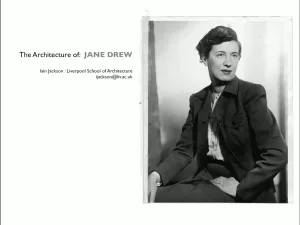 Iain Jackson - From Croydon to Chandigarh: Jane Drew and the Creation of Tropical Modernism | Lecture at the Architectural Association, London 28th April 2015
 British Architect and author.
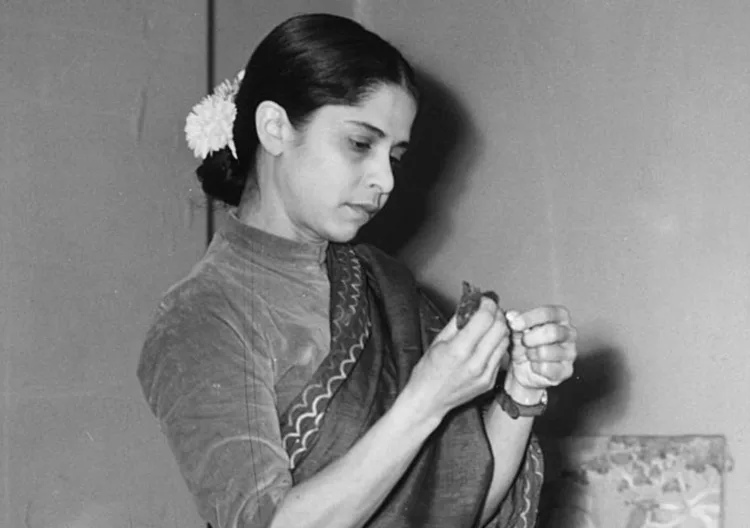
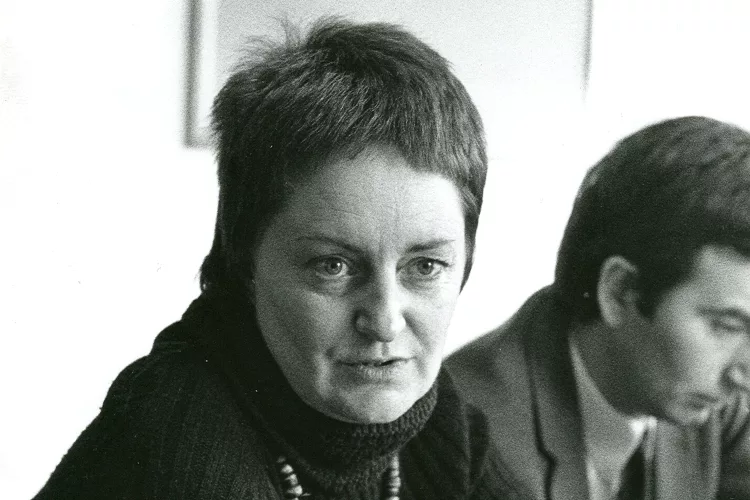
Jane B. Drew attended Croydon High School before reading architecture at the Architectural Association, London between 1929 and 1934. Whilst at university J. Drew’s grades were inconsistent, and she preferred the creative classes and participating in the infamous school carnivals rather than the construction classes. Upon graduation gaining employment was difficult and she faced considerable prejudice, eventually securing work with Joseph Hill (1888–1947). She found the work demoralising and after winning a competition for a small hospital and several house commissions she established her own practice. At this time J. Drew participated in various RIBA Housing Group exhibitions, such as Kitchen Planning at Dorland Hall (1944) and Britain Can Make It (1946) for the Council of Industrial Design.
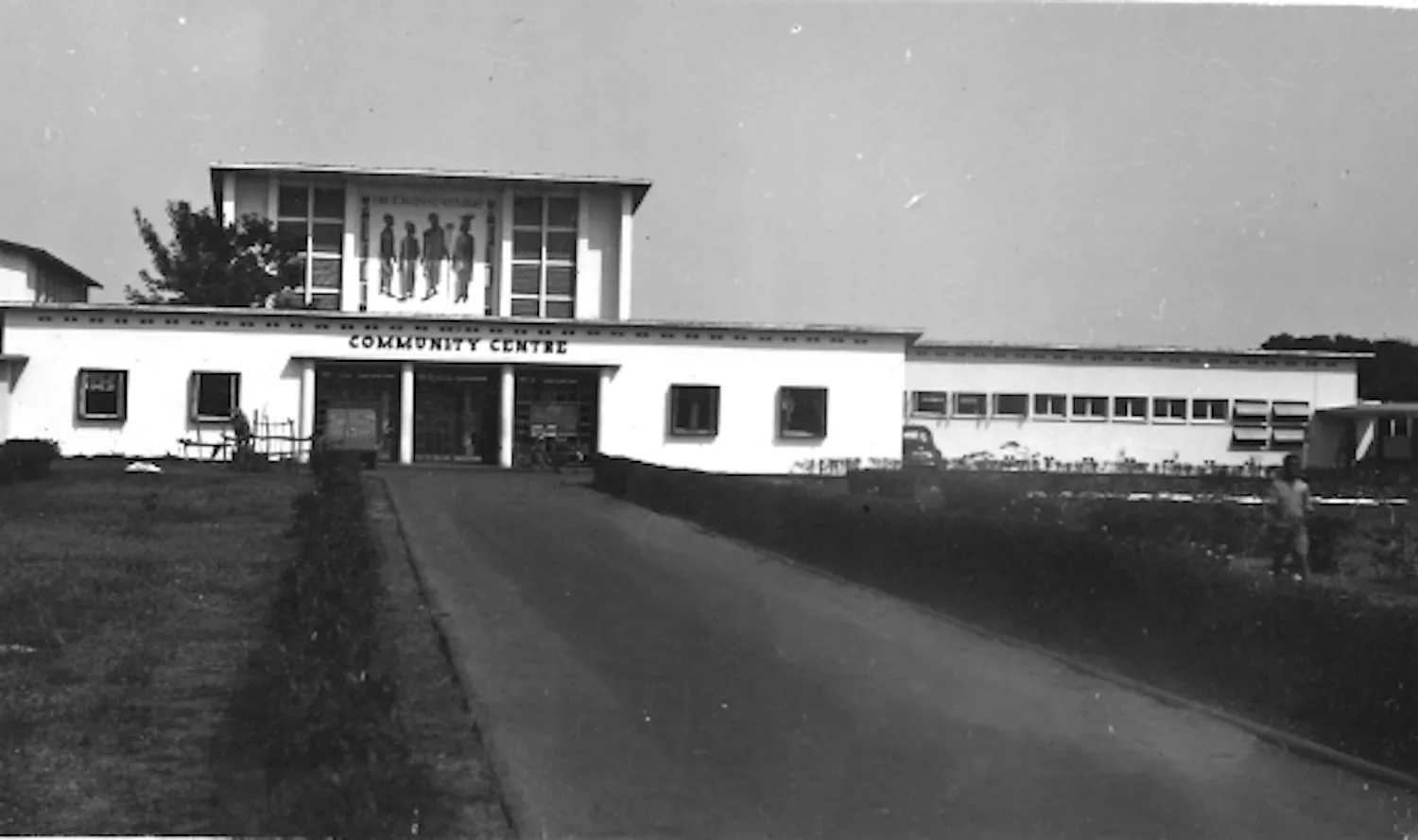
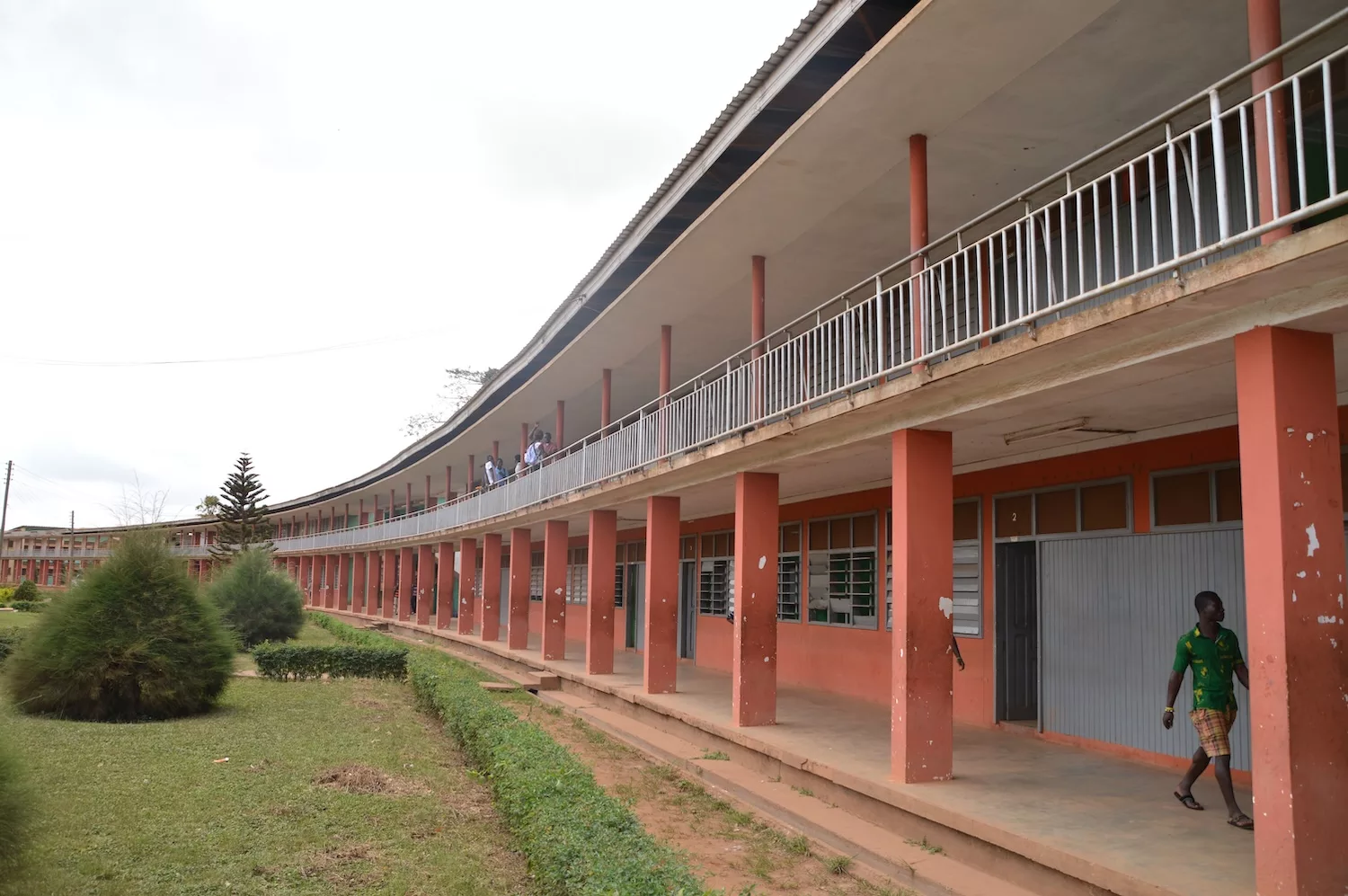
She was also a member of the Modern Architectural Re-Search (MARS) Group concerned with investigating new towns, planning and functional responses to design, and attended the Congrès Internationaux d’Architecture Moderne. After forming a personal and professional relationship with E. Maxwell Fry (1899–1987), she practiced with him in West Africa from 1944 and developed several village housing schemes as well as writing a pioneering tropical building design manual – one of several that proposed climatic responses to design. The couple would go on to design around twenty schools across Ghana in the 1950s as well as community centres at Accra and Tarkwa. Together with E. M. Fry, she designed Ibadan University in Nigeria (1953–1959), and several commercial office projects for BP and the Co-operative Bank at Lagos and Ibadan during Nigeria’s financial boom in the early Independence period.
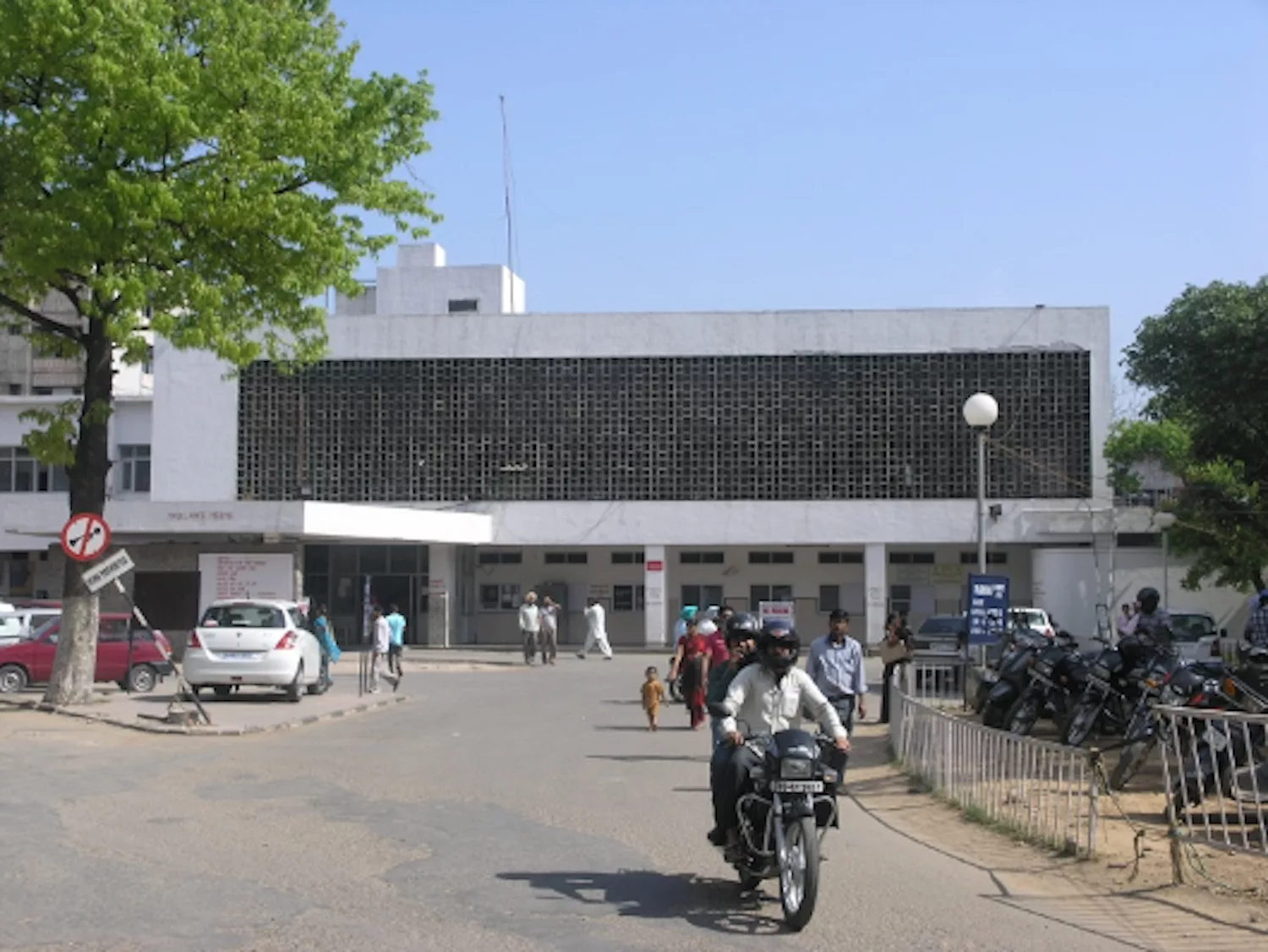
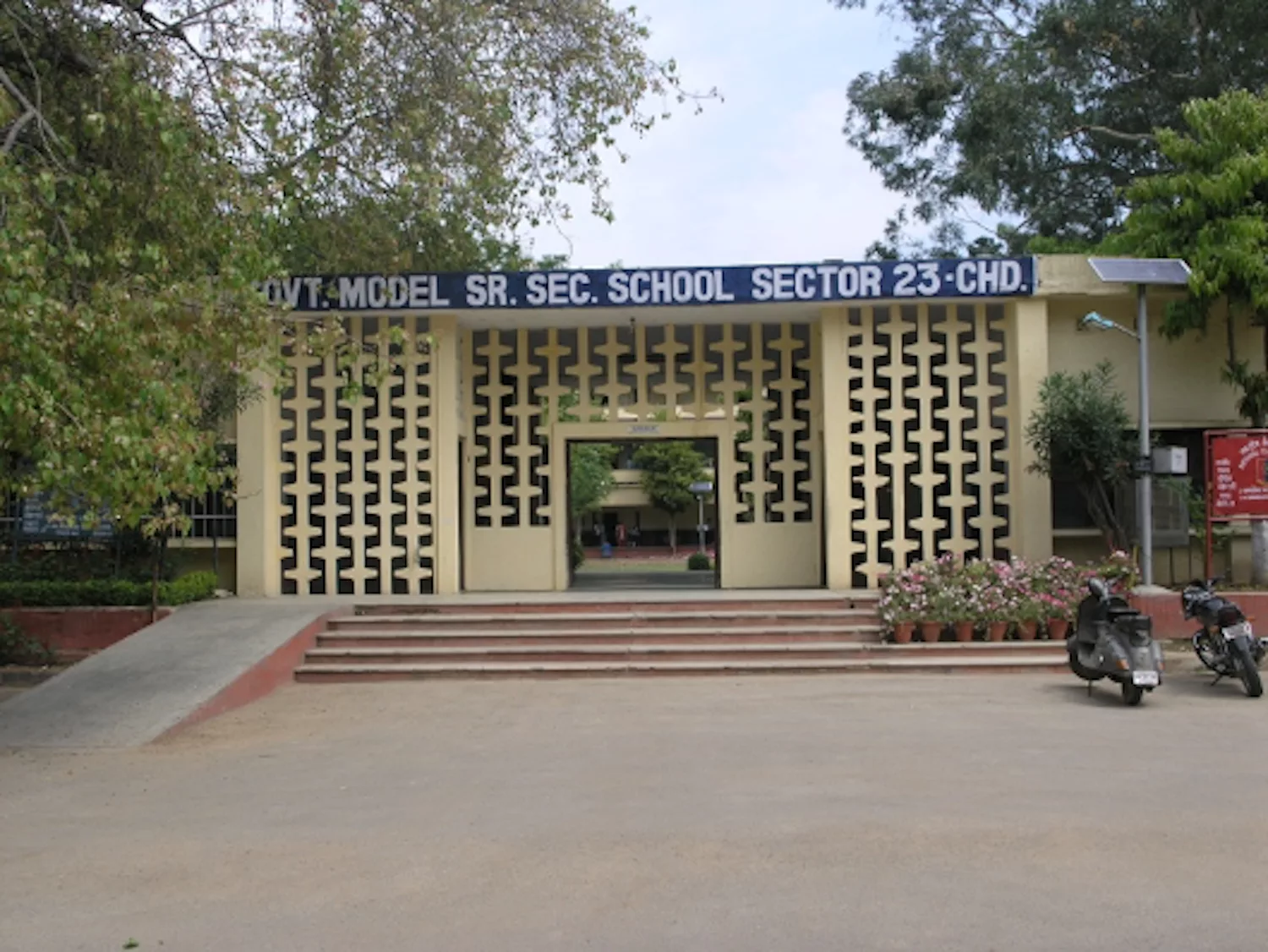
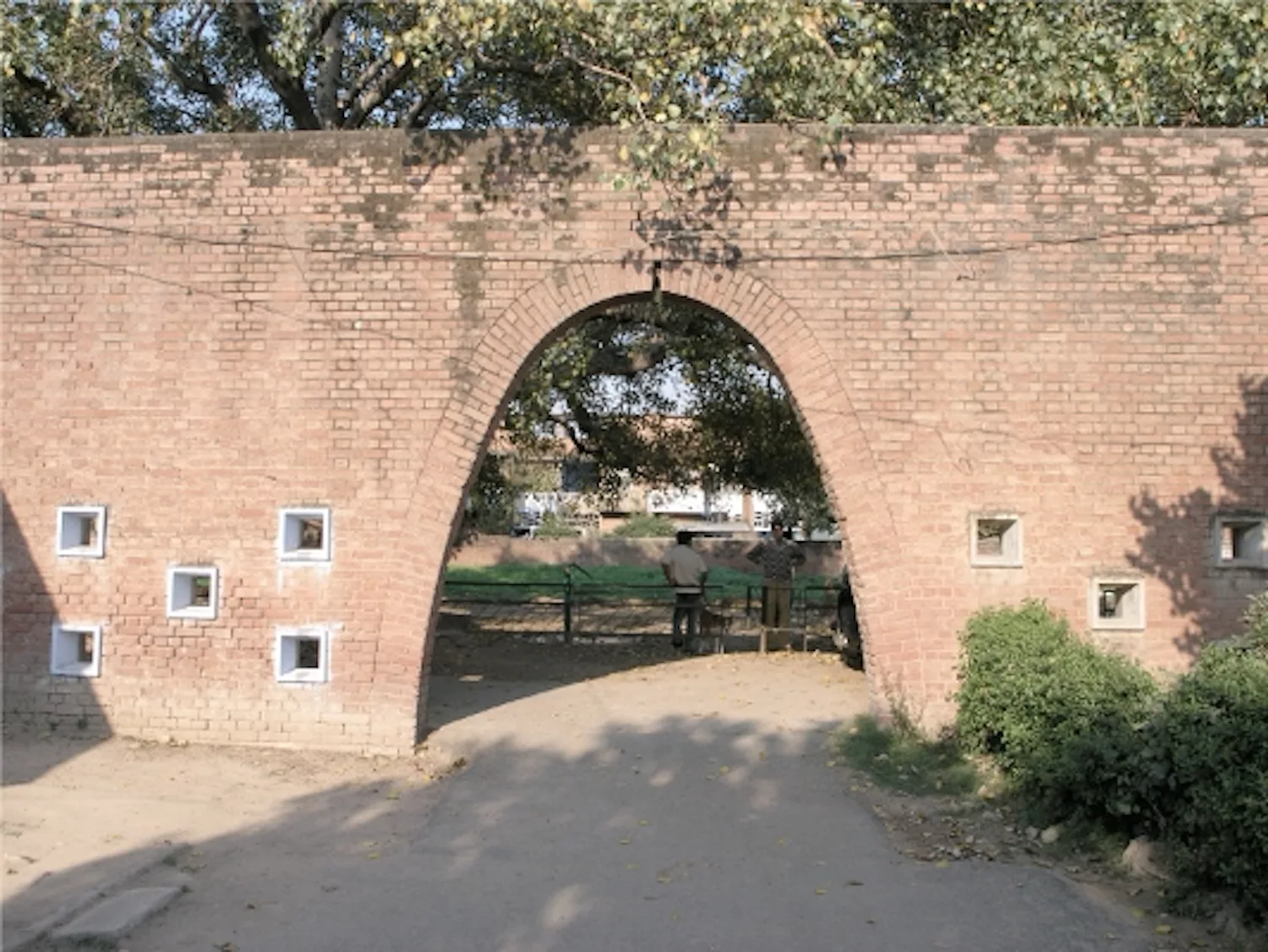
One of her main design contributions was for the new city of Chandigarh, India, where she developed inexpensive housing solutions in Sectors 22 and 23 (1951–1954). Working alongside Le Corbusier (1887–1965) and Pierre Jeanneret (1896–1967), J. Drew developed neighbourhood plans centred around health centres, cinemas, schools and parkland. In addition, she designed Chandigarh’s main hospital and the experimental secondary school in Sector 23 with its climatically responsive courtyards, concrete screens and outside ‘classrooms’. J Drew’s approach was people-focused – she sought out clients with a purpose and cause that she believed in, and she enjoyed developing solutions that nurtured community and improved daily life through careful design. It was an approach she continued with her work for the Open University in the UK and in her housing designs for oil worker villages and housing in Iran. Equally, she liked to shock and provoke, often taking contrarian views to incite a strong reaction.
Her practice would go on to design projects in Sri Lanka, Mauritius and Singapore, and J. Drew continued to write for various publications as well as contributing to the Department of Tropical Architecture at the Architectural Association. J. Drew founded the Architects’ Yearbook anthology series and she was the first female visiting professor at Harvard Graduate School of Design. She helped to establish the Institute of Contemporary Art in London, and was made Dame Commander of the Order of the British Empire in 1996. The Jane Drew Prize is awarded annually by the Architects’ Journal in her honour.