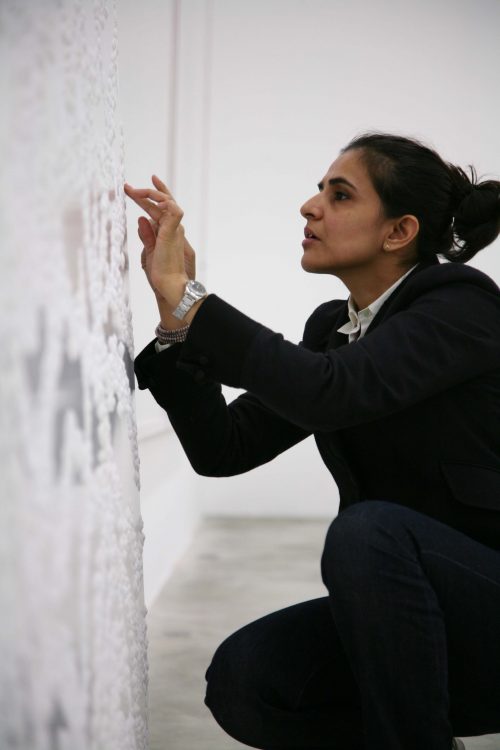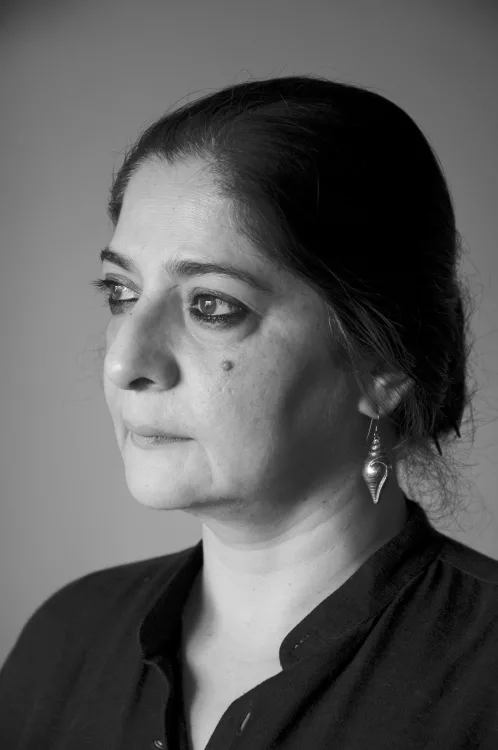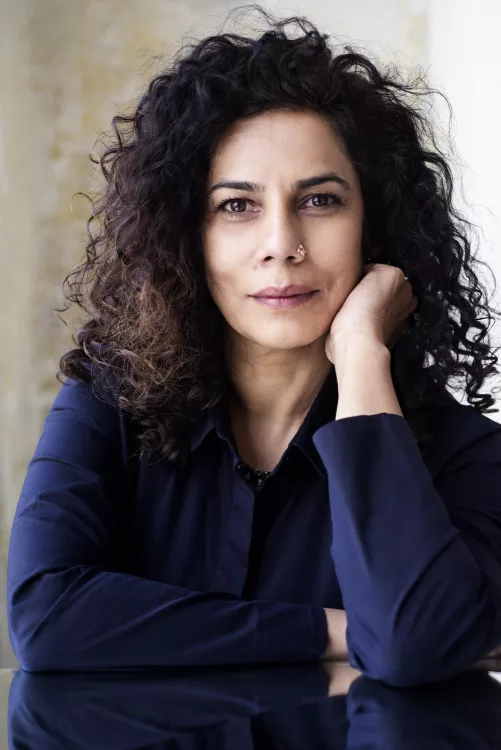
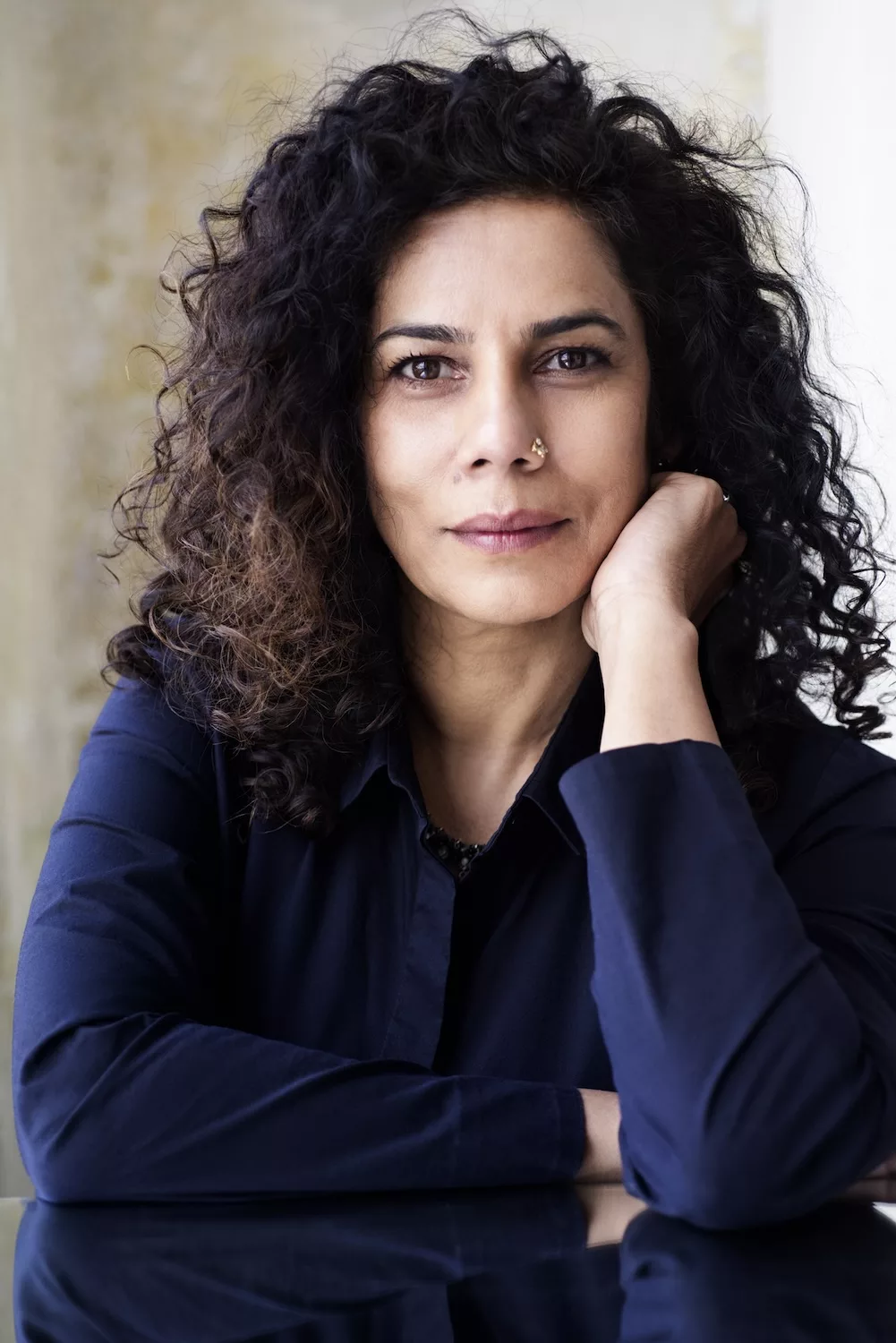
Portrait of Anupama Kundoo, © Andreas Deffner
Kallehauge Mette Mar, Anupama Kundoo, The Architect’s Studio, Lars Müller Publishers, 2020
→Anupama Kundoo, Wege zur Architektur: Wissen Bauen, Gemeinschaft Bauen [Building Knowledge, Building Community], Franz Schneider Brakel GmbH + Co KG, 2017
→Anupama Kundoo, Roger Anger: Research on Beauty: Architecture 1953-2008, JOVIS Verlag, 2009
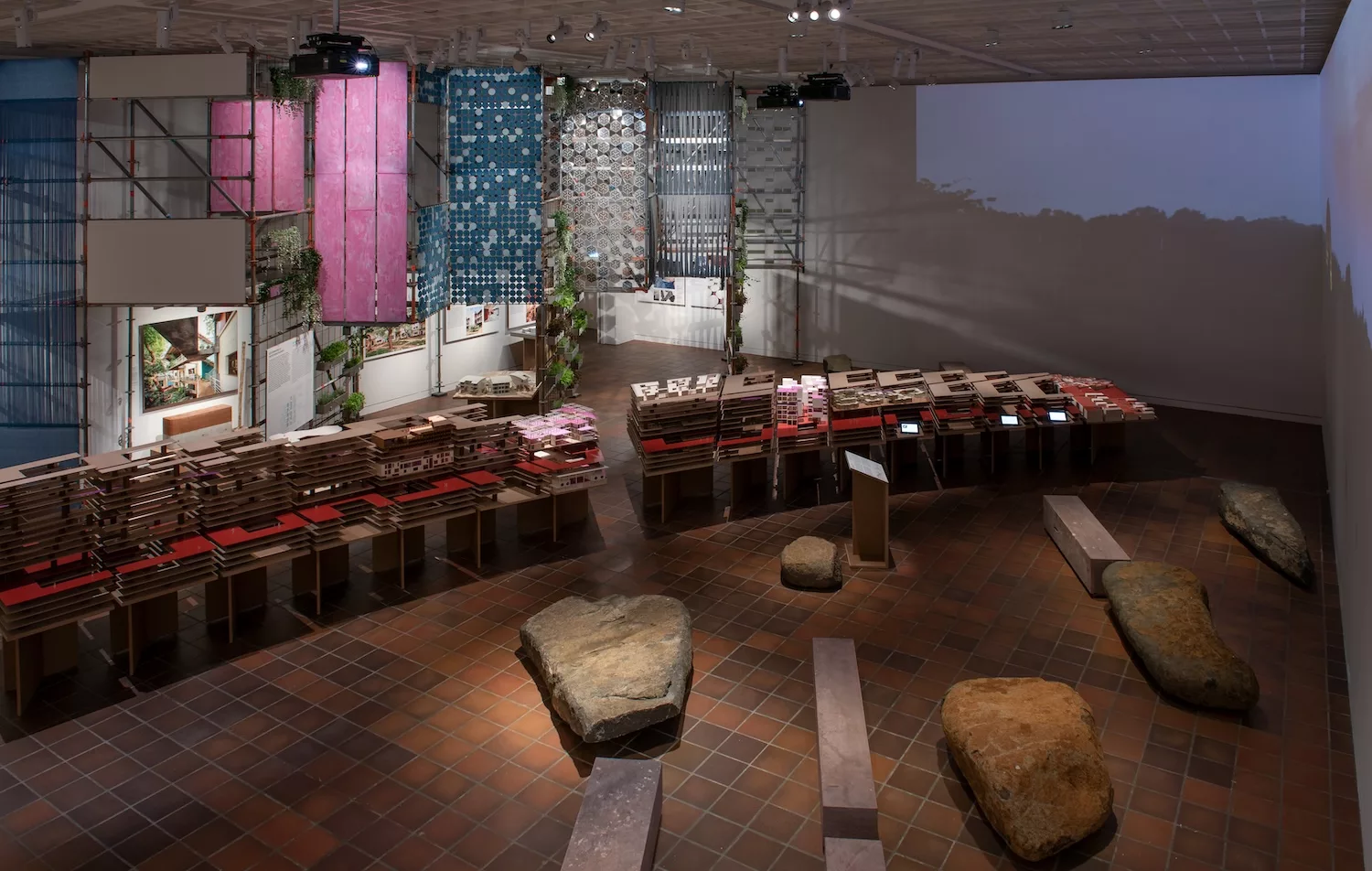
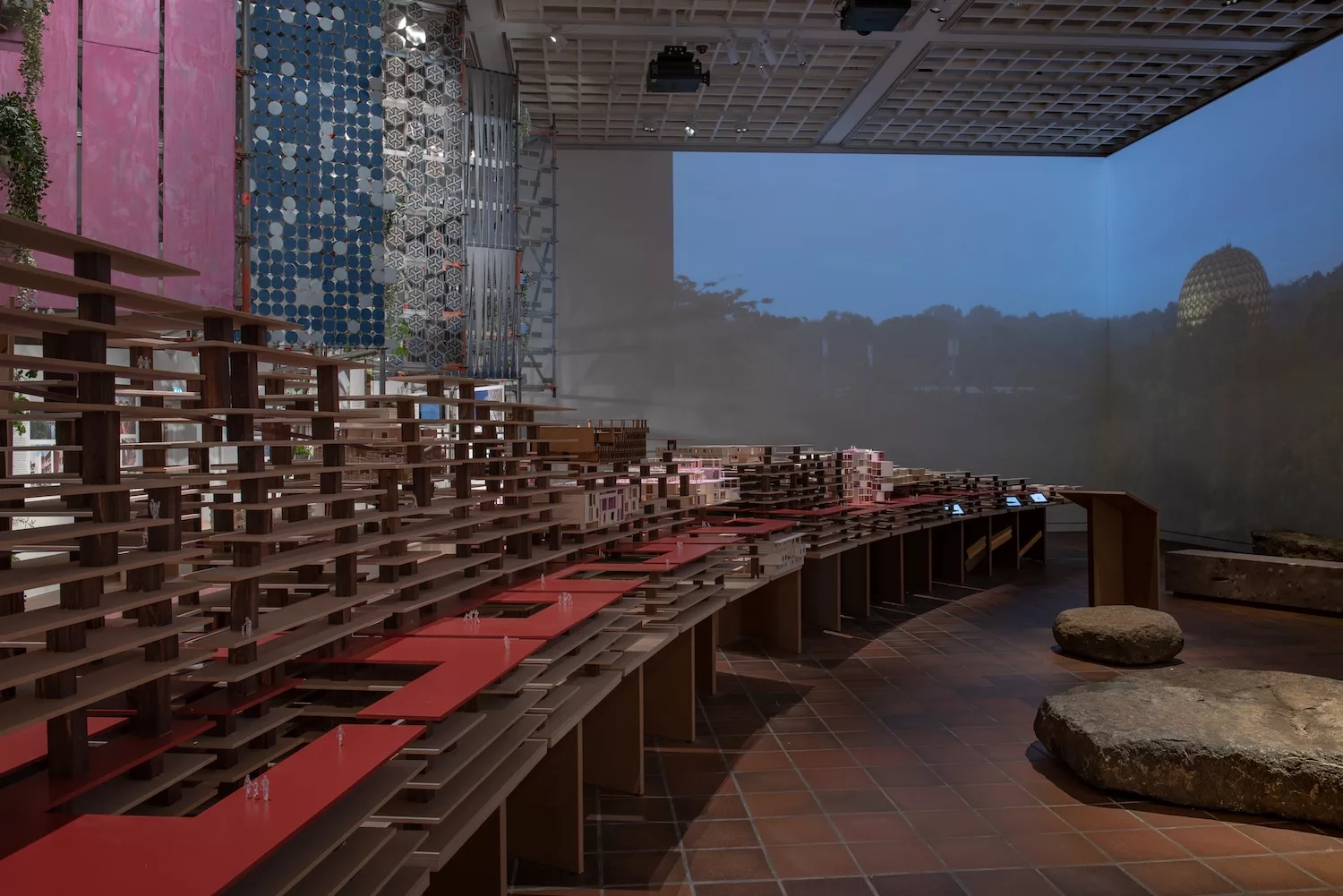
Anupama Kundoo – Taking Time, Louisiana Museum of Modern Art in Humlebæk, Denmark, 2020-2021
→Full Fill Home, Venice Biennale, 2016
→Wall House One to One, Venice Biennale, 2012
Indian achitect.
Anupama Kundoo works on the cross-section of housing, public building and urban design, championing resourceful, inclusive architecture that actively involves local communities in the processes of designing and building.
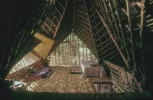
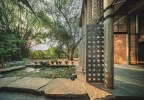
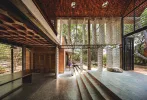
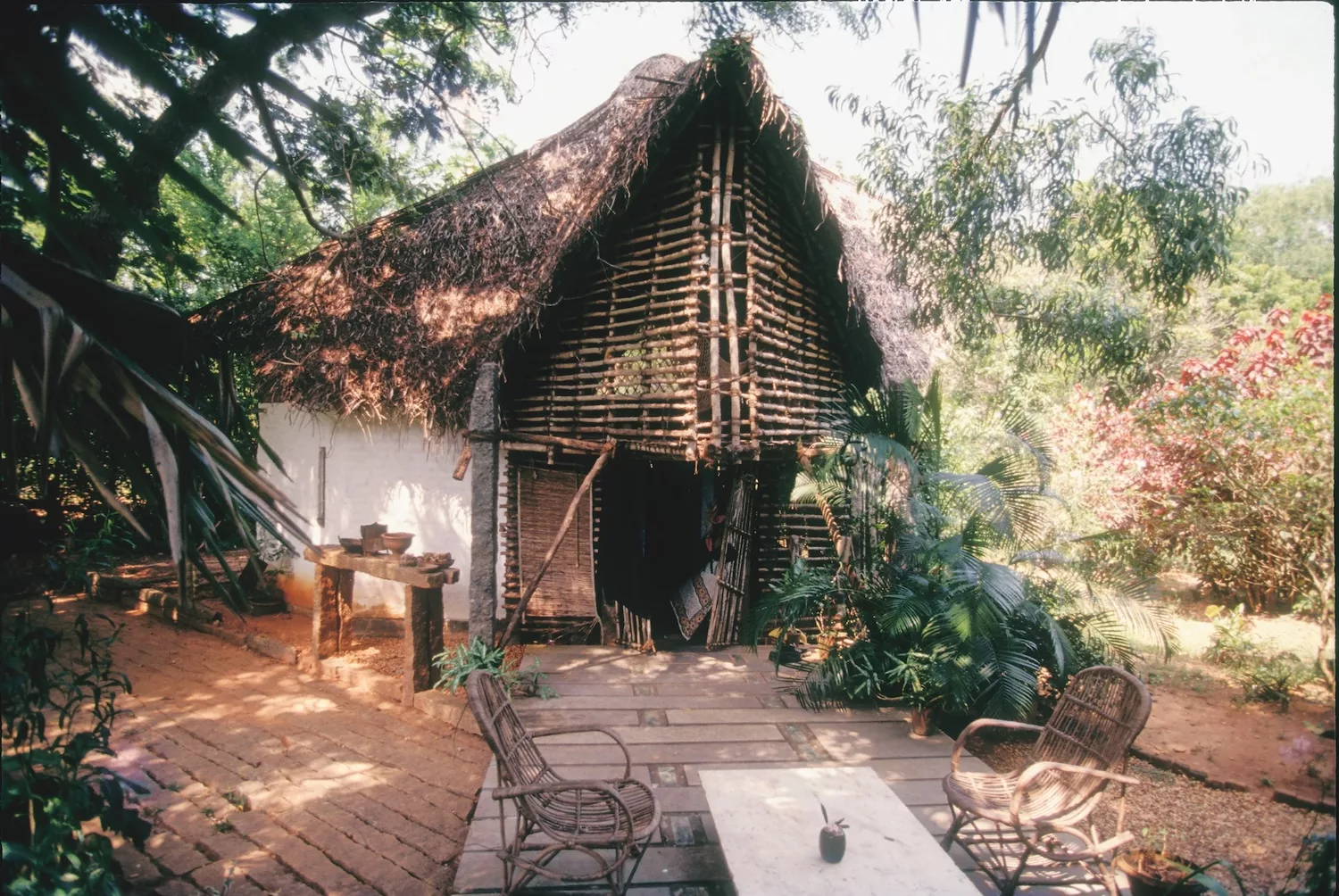
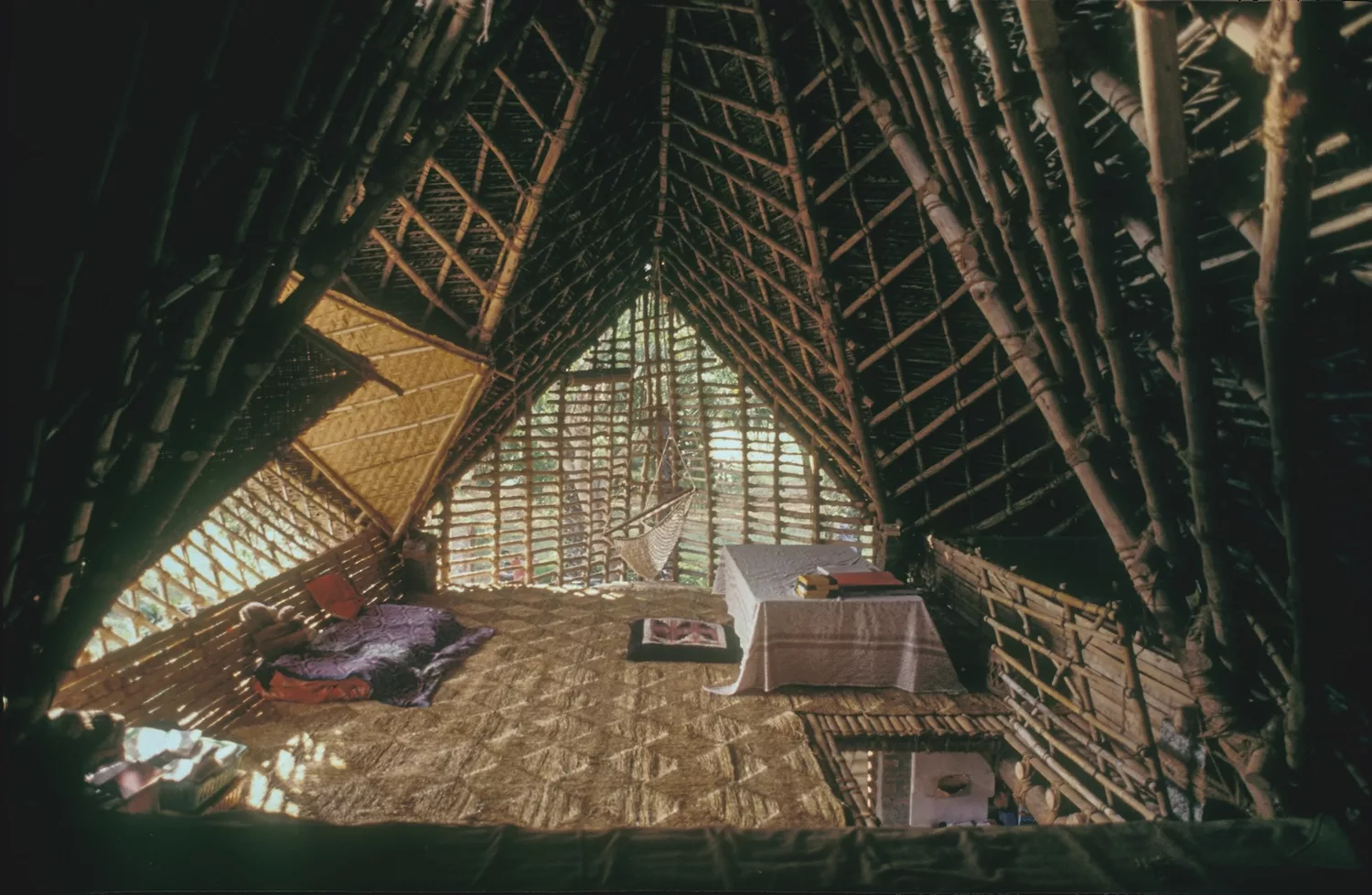
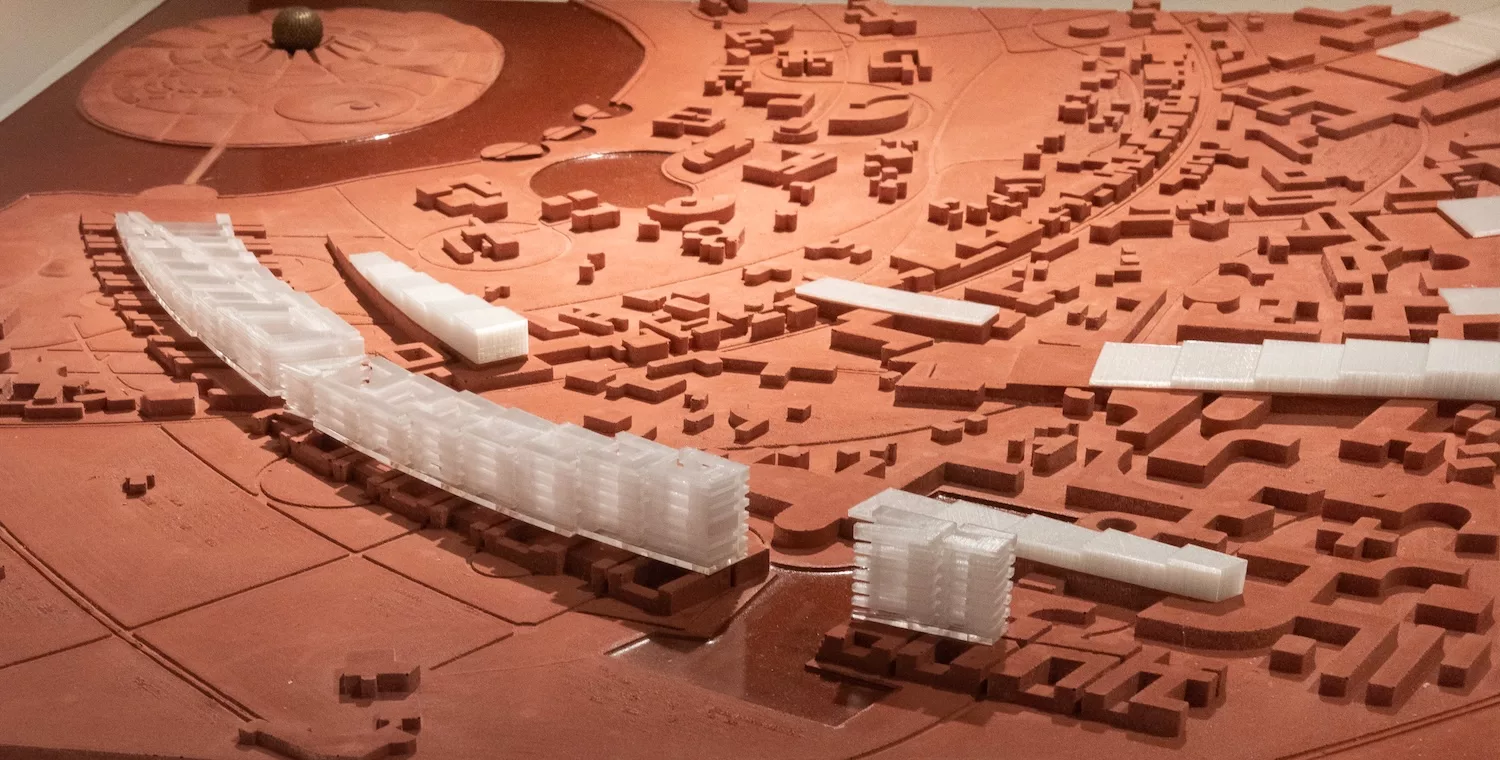
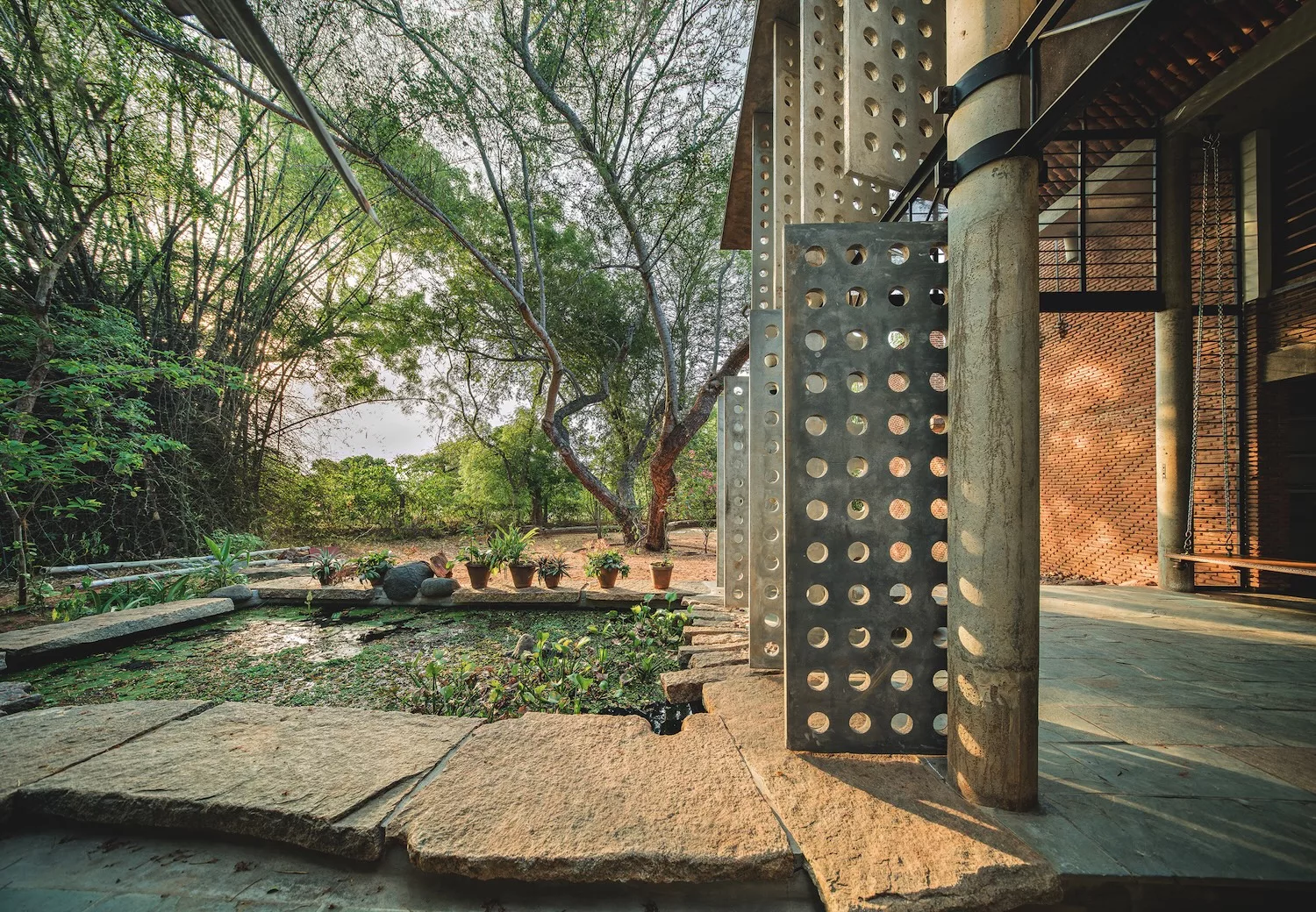
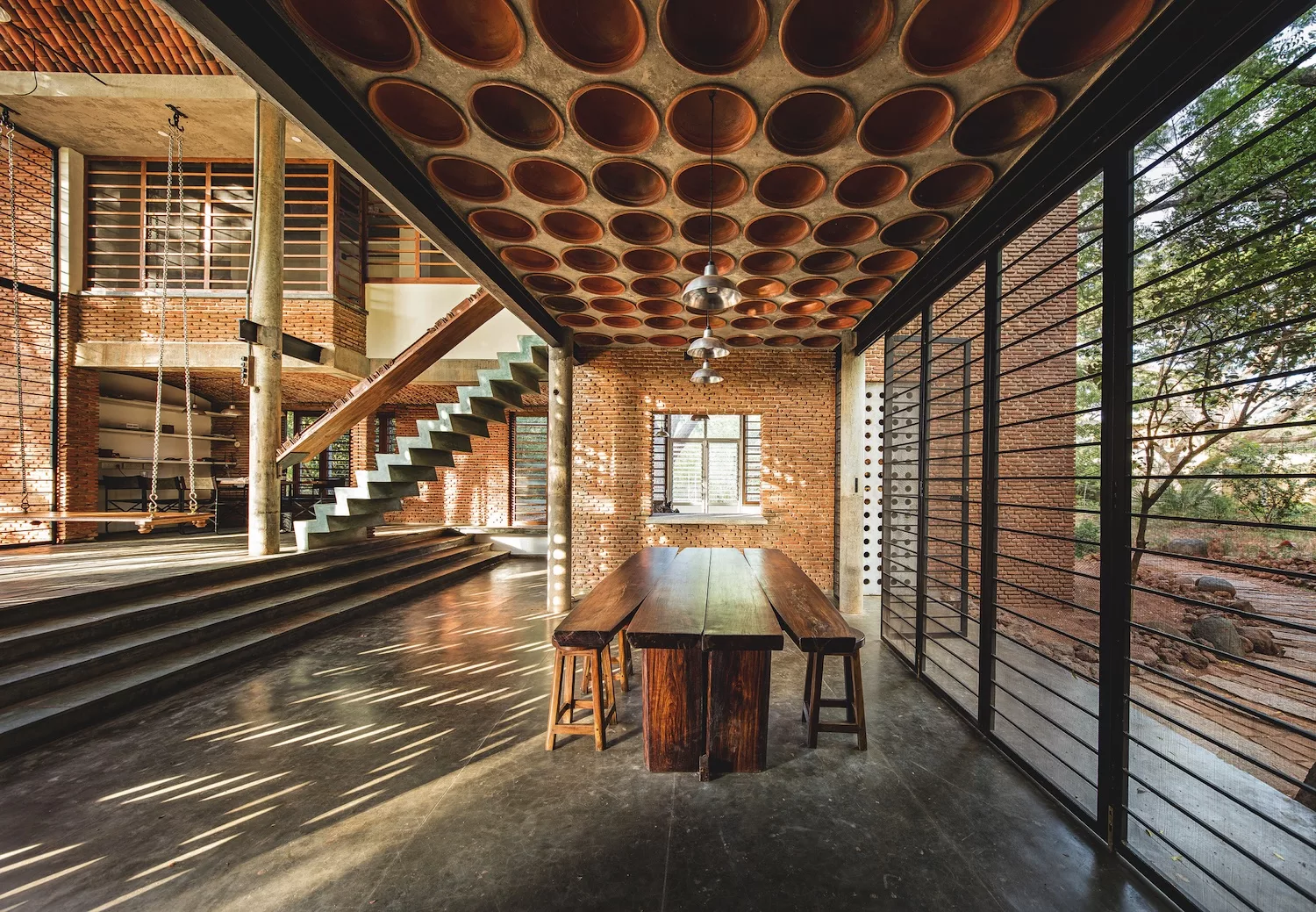
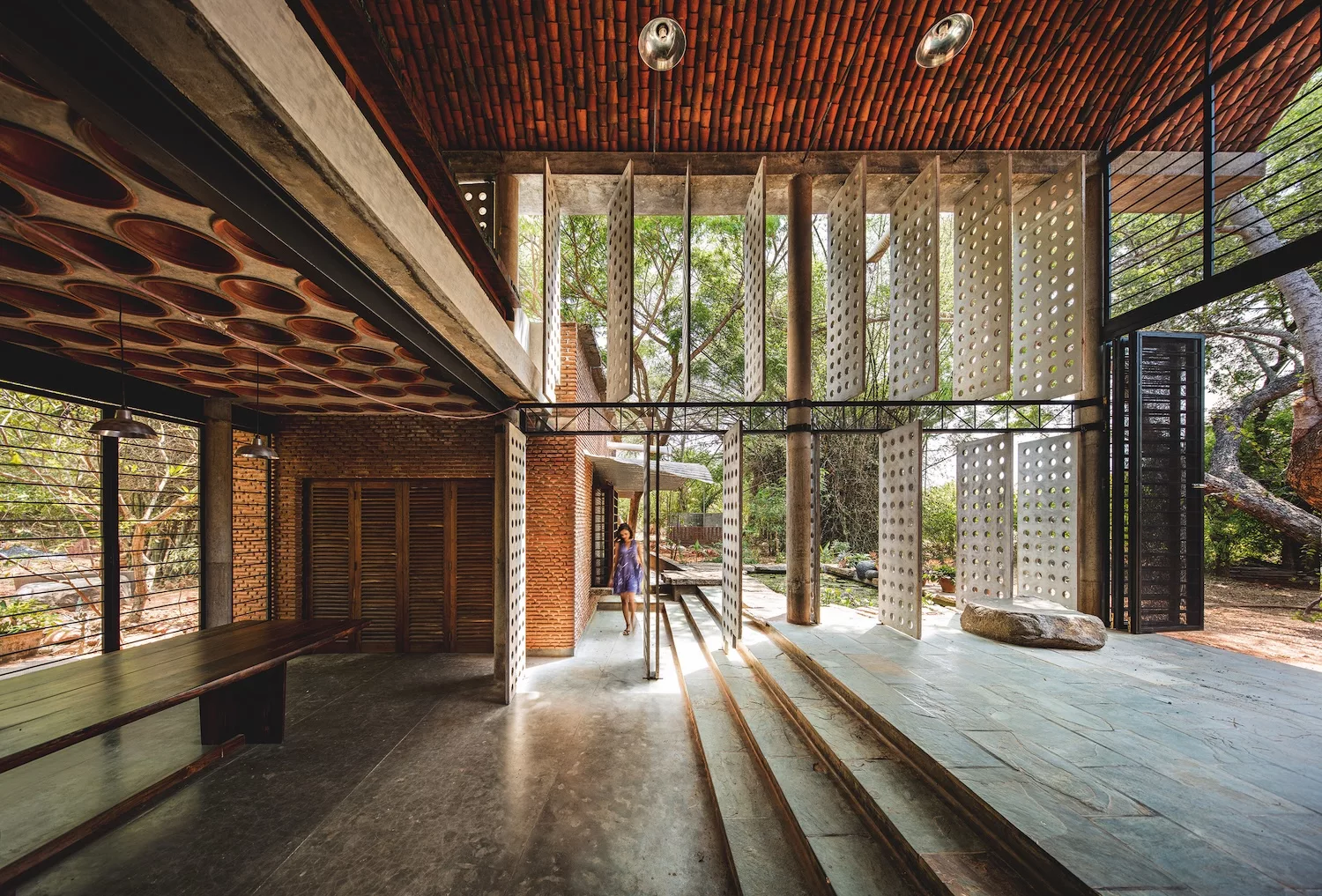
She studied architecture at the Sir J. J. College of Architecture, University of Bombay, graduating in 1989 with the thesis Urban Eco-Community: Design and Analysis for Sustainability, for which she received the Vastu Shilpa Foundation Fellowship award in 1996. In 1990, she founded her practice, Anupama Kundoo Architects, in Auroville – a utopian city conceived to bridge modernist functionalist planning with spiritual and cosmopolitan ideas of unity. Her early work equally reflects an experimental design philosophy rooted in ancestral material understanding and technical mastery. Notable early designs include Hut in Petite Ferme (1990) and The Wall House (Auroville, India, 1997–2000). Continuing to build on previously completed works, her designs evolve through testing innovations, embracing site-specificity (or life-specificity) and treating time as a design material. Throughout her practice, A. Kundoo engages with more conceptual questions of purpose, permanence, scale, collectivity and the exploration of fluidity in spatial arrangement. Many of her projects seek to restore inhabitants’ relationships with their (social) environment, particularly in these times of resource scarcity, climate emergency and rapid urban development.
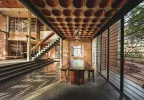
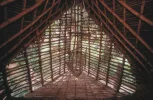
Her practice also belongs to a middle generation of Indian architects, who bridge the ideals and techniques of the late-modernists with a renewed sense of inclusivity, equity, joy and future-orientation. A. Kundoo is particularly influenced by the legacies of architects Roger Anger (1923–2008) and Balkrishna Vithaldas Doshi (1927–2023), with whom she worked or interacted closely and consistently from when she helped produce the masterplan for Auroville in 1999. Recently, her work has been re-evaluated for its contribution to contemporary debates on what ‘modern’ architecture constitutes, expanding or even abolishing its conventional vocabulary. Her projects emphasise refined technical solutions, aligning industrially produced materials with those sourced or crafted by local artisans, drawing on specific, generational knowledge. For her contributions, she received the 2021 Auguste Perret Prize for architectural technology, the 2021 RIBA Charles Jencks award, the 2021 Building Sense Now global award from the German Sustainable Building Council (DGNB) and the 2022 Global Award for Sustainable Architecture under the patronage of UNESCO.
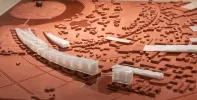
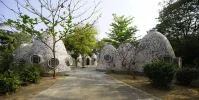
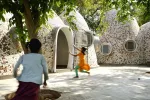
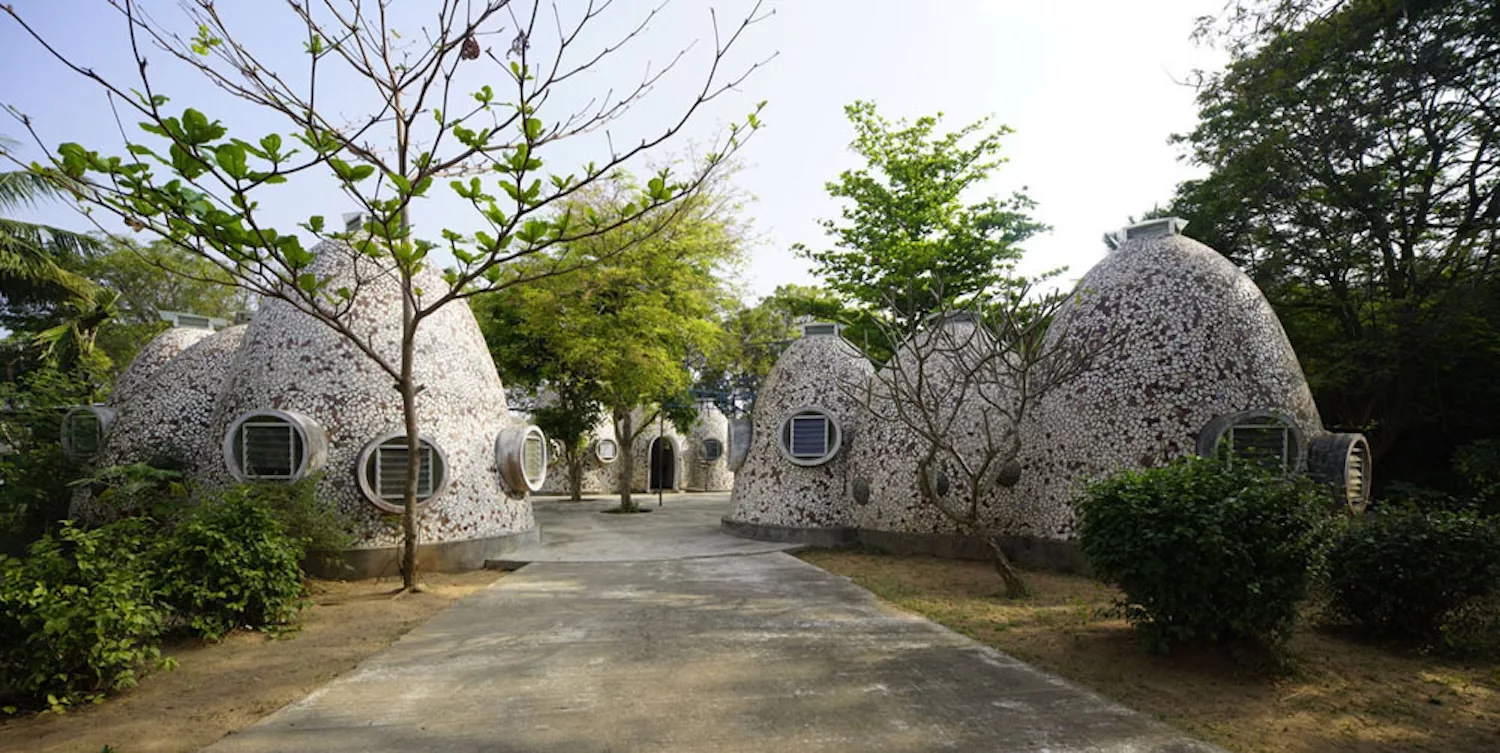
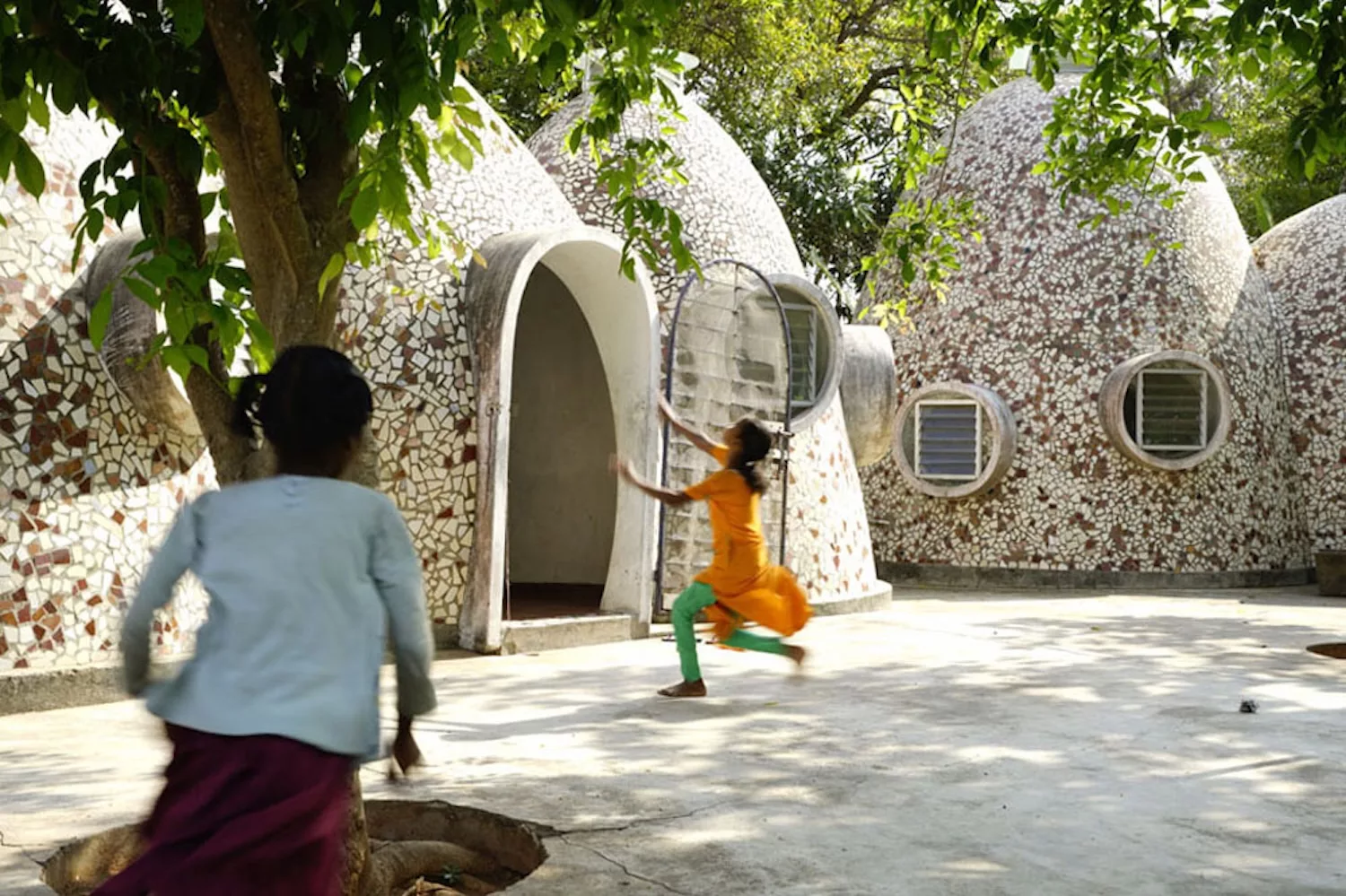
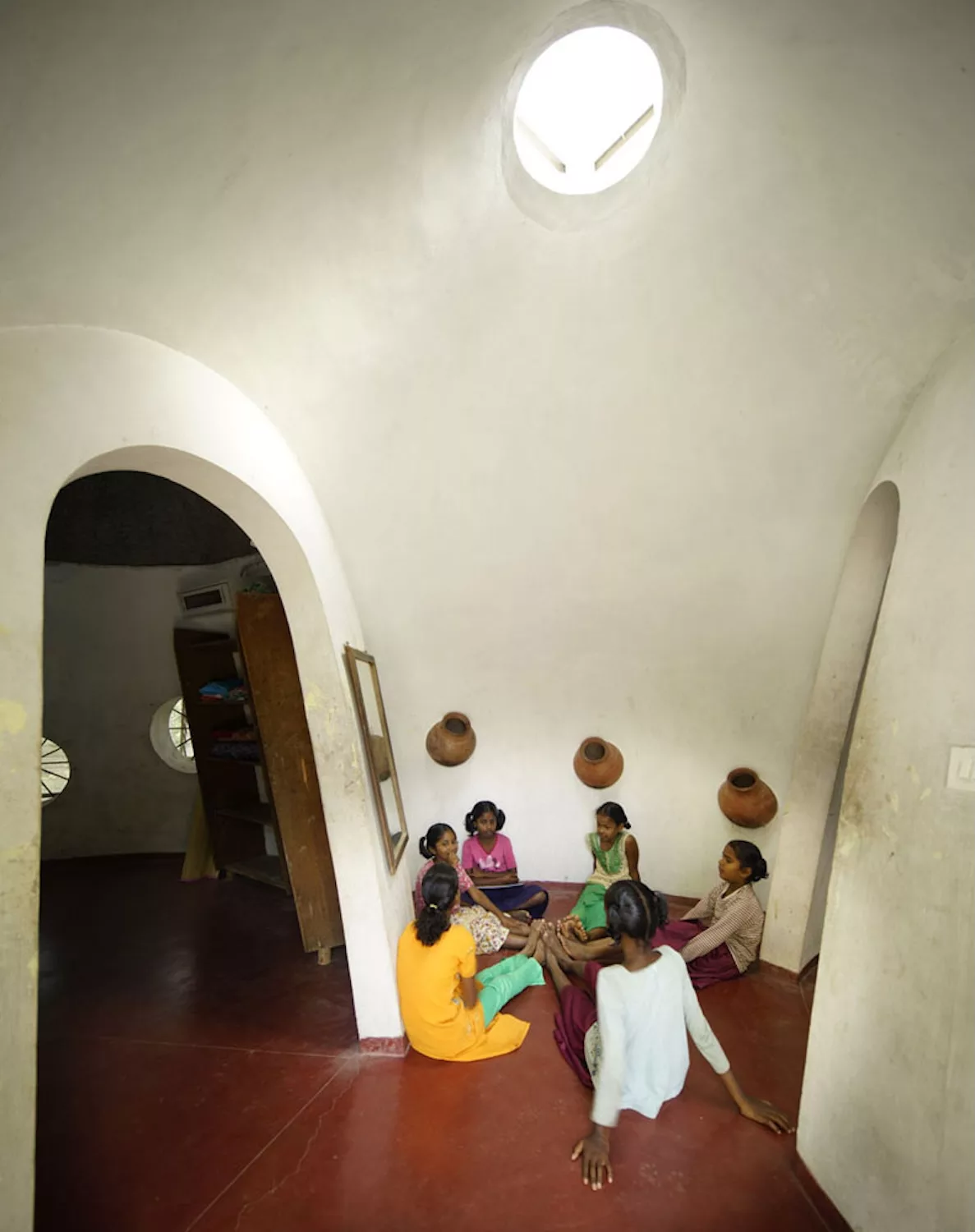
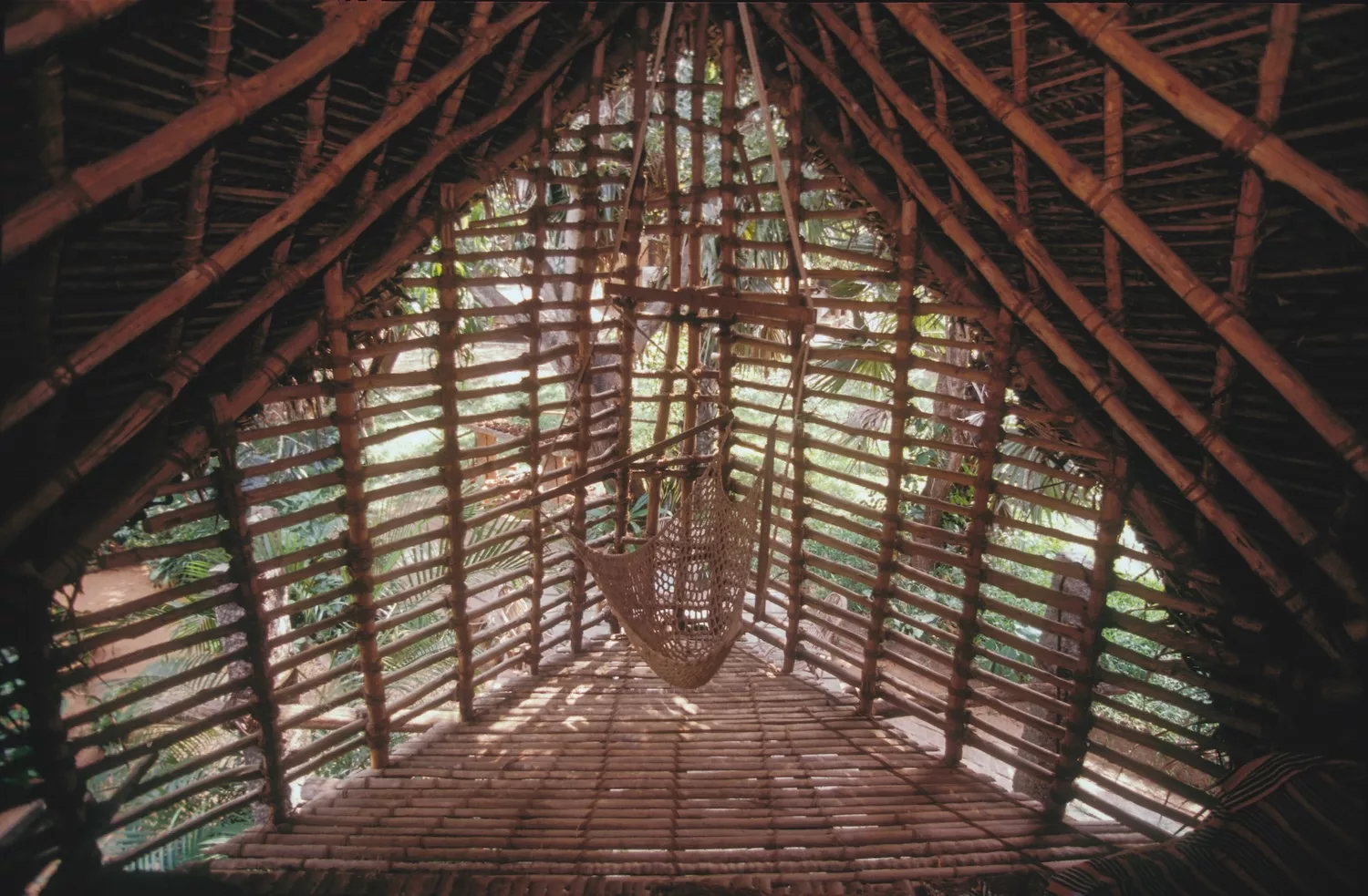
Pedagogy, skill sharing and open tools are integral to A. Kundoo’s research and design portfolio, whether through employing artisanal knowledge in specific design challenges, teaching locals on-site in the production of the built environment or embedding student projects or 1:1 scale pedagogical experiments. With a minimal material footprint and the use of local resources, her work embraces openness of space and democratised spatial experiences, prioritising user well-being while maintaining beauty and conceptual richness – as seen, for example, in the celebrated Volontariat Homes for Homeless Children (2008), which coupled the firing of the house-domes with making sellable goods for local ceramists, or the Line of Goodwill (2017–), in which her design ideas are integrated on the scale of an urban eco-community. As a teacher in design institutions, A. Kundoo educates and inspires students and fellow architects, and in turn uses this research to strengthen her expertise in urbanisation and climate-focused building. A. Kundoo received her doctoral degree from Technische Universität Berlin in 2008, after which she held teaching positions and (visiting or assistant) professorships, including at Technische Universität Darmstadt; Parsons School for Design; the University of Queensland; Yale University: Cornell University; and the European School of Architecture and Technology at Universidad Camilo José Cela in Madrid. Since 2024 she has been Full Professor for Architecture and Design Methods at TU Berlin.
A biography produced as part of the programme “Common Ground”
© Archives of Women Artists, Research and Exhibitions, 2026