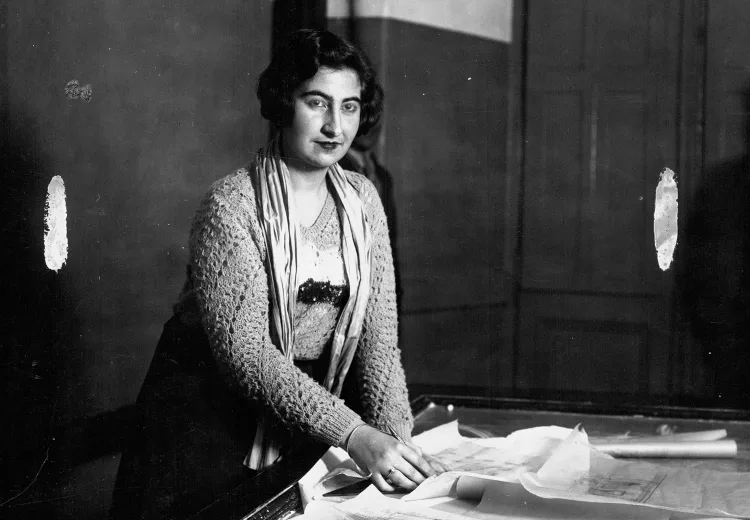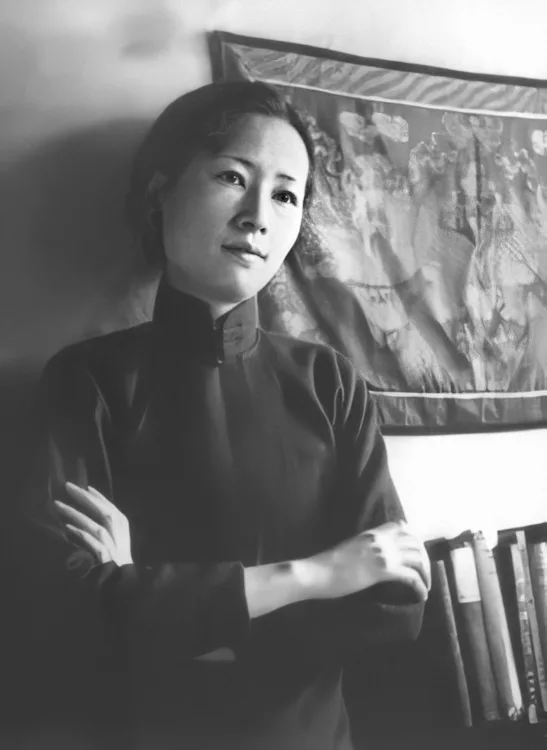
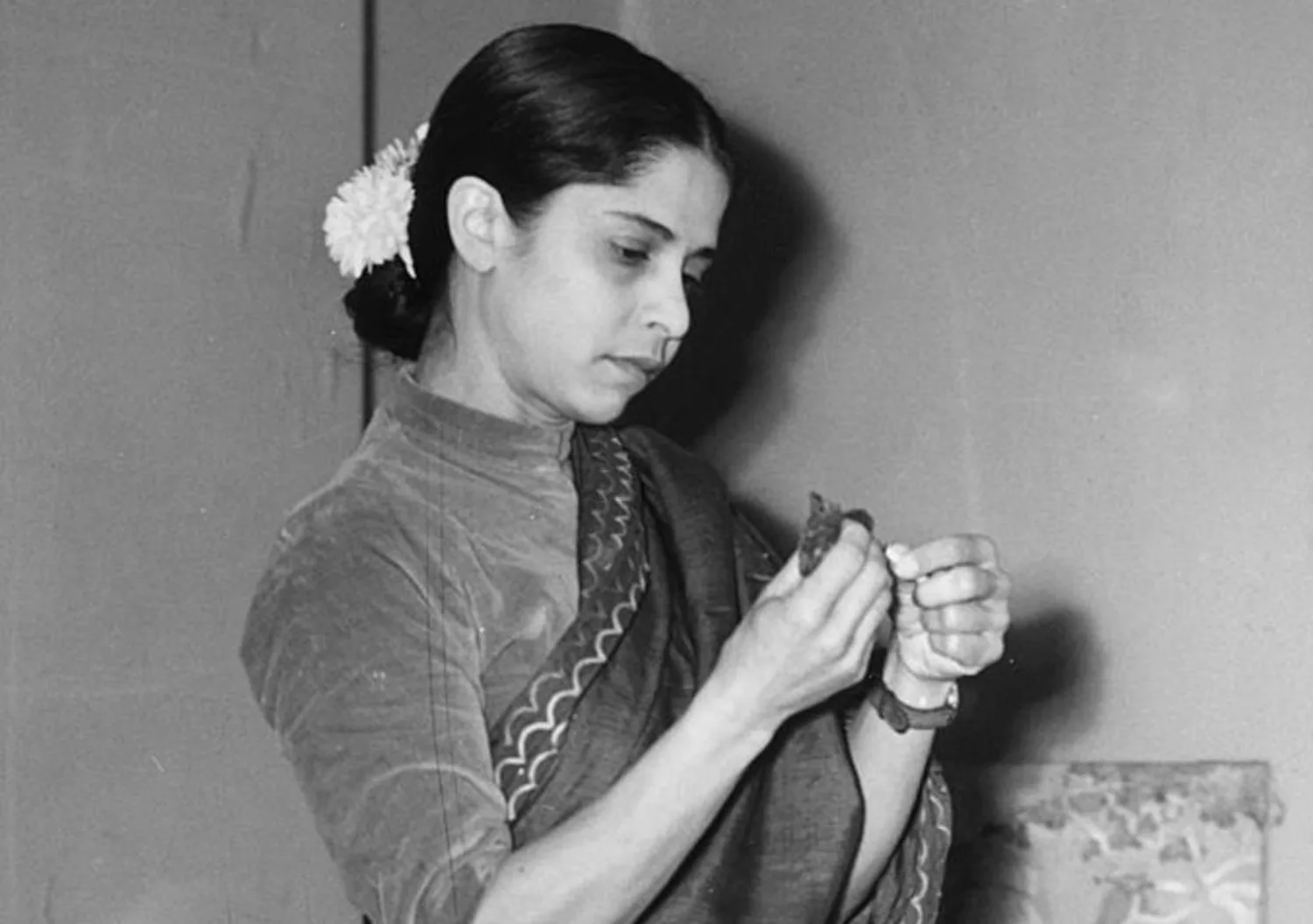
Portrait of Minnette De Silva
Pereira, Sharmini et al. Second Volume: The Watapuluwa Housing Scheme by Minnette De Silva, Colombo, Museum of Modern and Contemporary Art Sri Lanka, 2024
→Iyer Siddiqi, Anooradha, Minnette De Silva: Intersections, London, MACK, 2024
→De Silva, Minnette, The Life and Work of An Asian Woman Architect, Minnette De Silva (Pvt) Ltd, 1998
12 Villages: A Study of Habitat in India, Bangladesh and Sri Lanka, Commonwealth Institute, London, July 7-31 1987
→88 Acres: The Watapuluwa Housing Scheme by Minnette De Silva, Museum of Modern and Contemporary Art, Colombo, November 30, 2023– July 7, 2024
Sri Lankan architect.
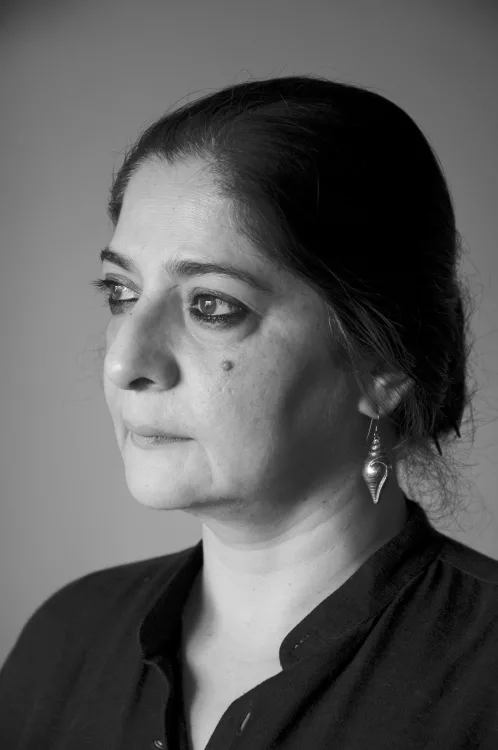
Minnette De Silva was the first Asian woman to become an associate of the Royal Institute of British Architects (RIBA) in 1948. M. De Silva began her architectural career as an apprentice at Mistry and Bhedhwar Firm, Bombay, in 1939, before studying architecture at the Sir J. J. School of Art Bombay in 1941. Following her expulsion in 1942 for participating in a protest against the arrest of Mahatma Gandhi, M. De Silva went on to complete her training at the Architectural Association School of Architecture (AA) in London, graduating in 1948. Upon her return to Sri Lanka (formerly Ceylon) in the same year, she set up The Studio of Modern Architecture, becoming one of the first women in the world to establish an independent architectural practice, alongside contemporaries like Lina Bo Bardi (1914–1992).
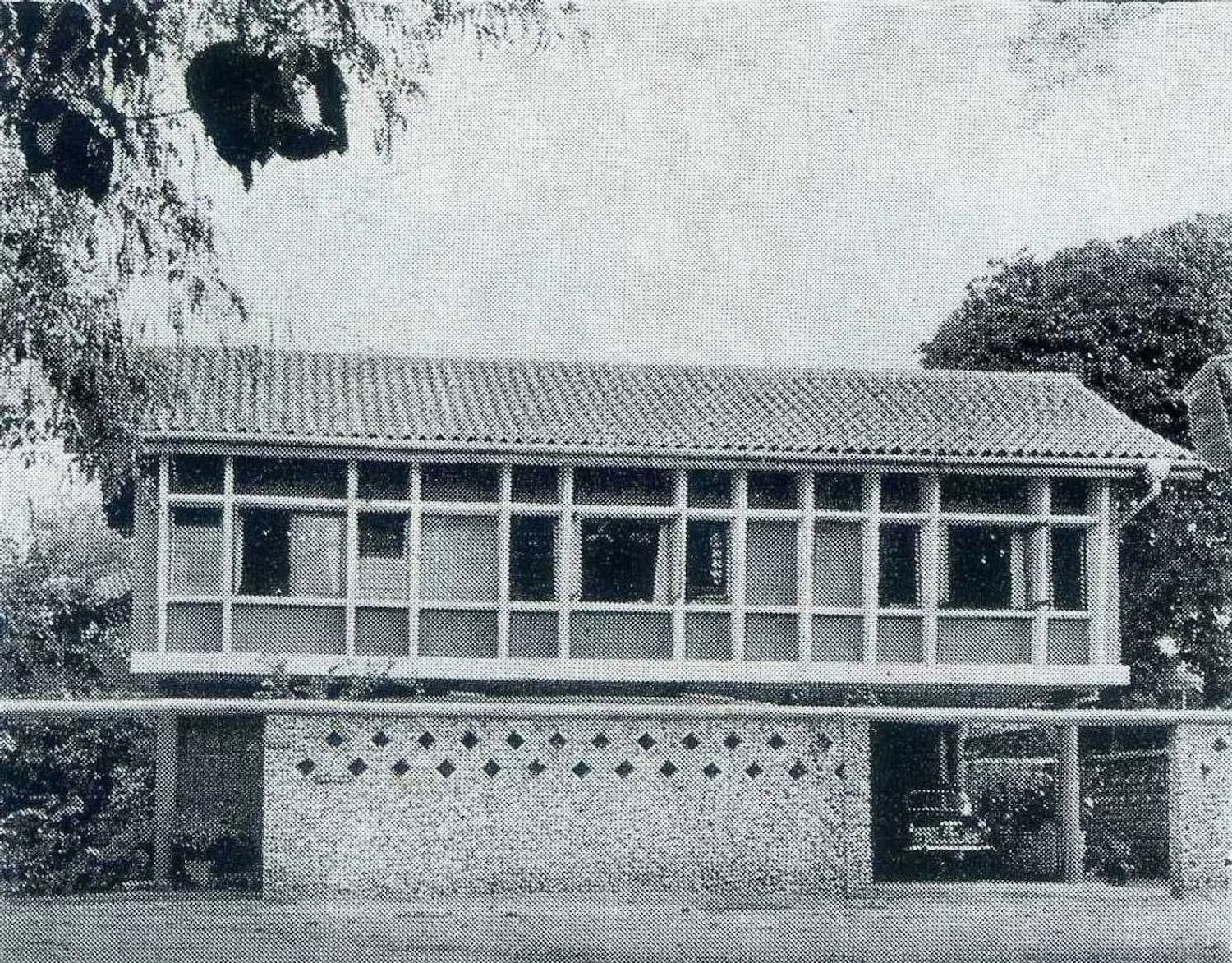
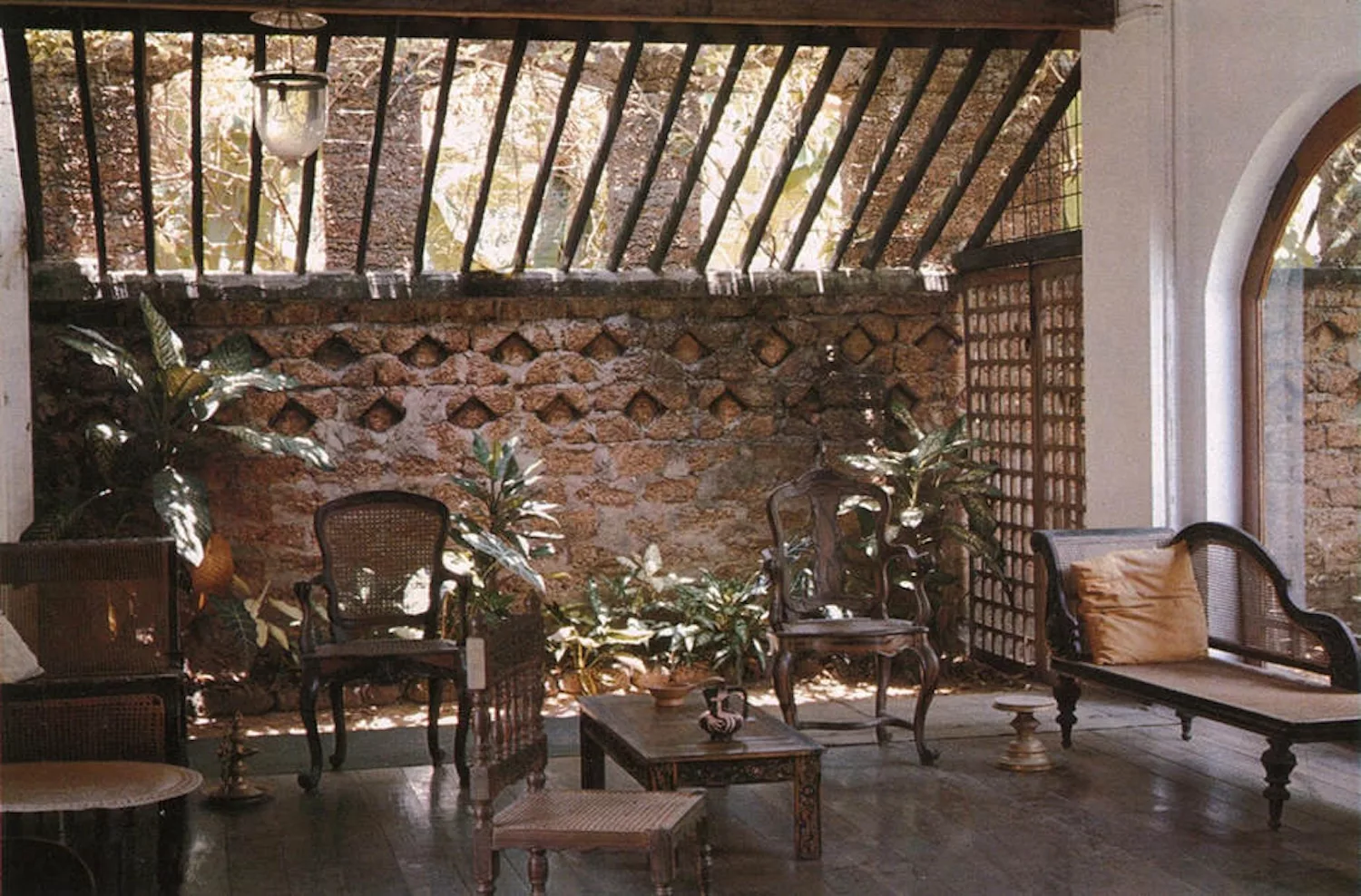
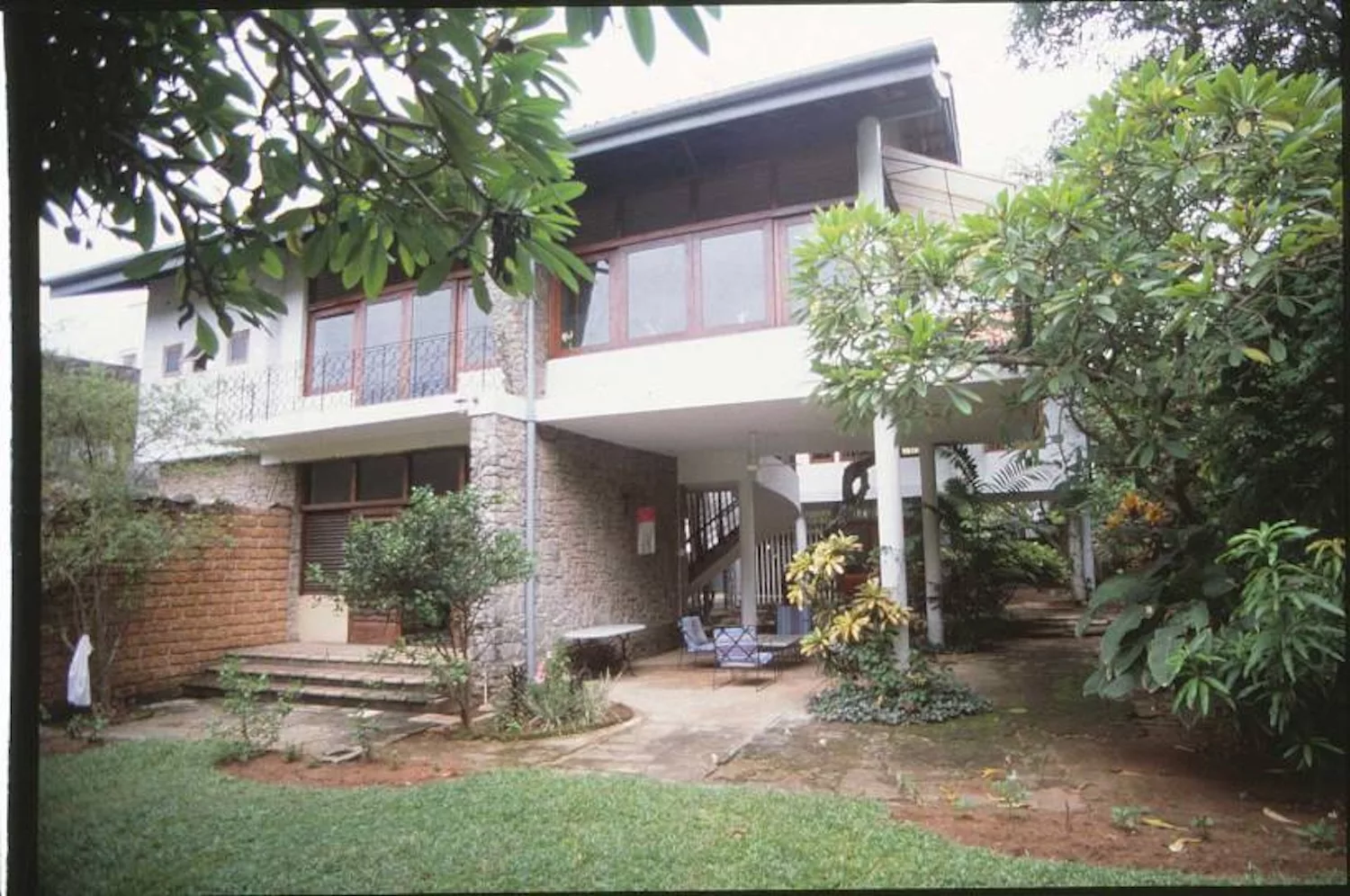
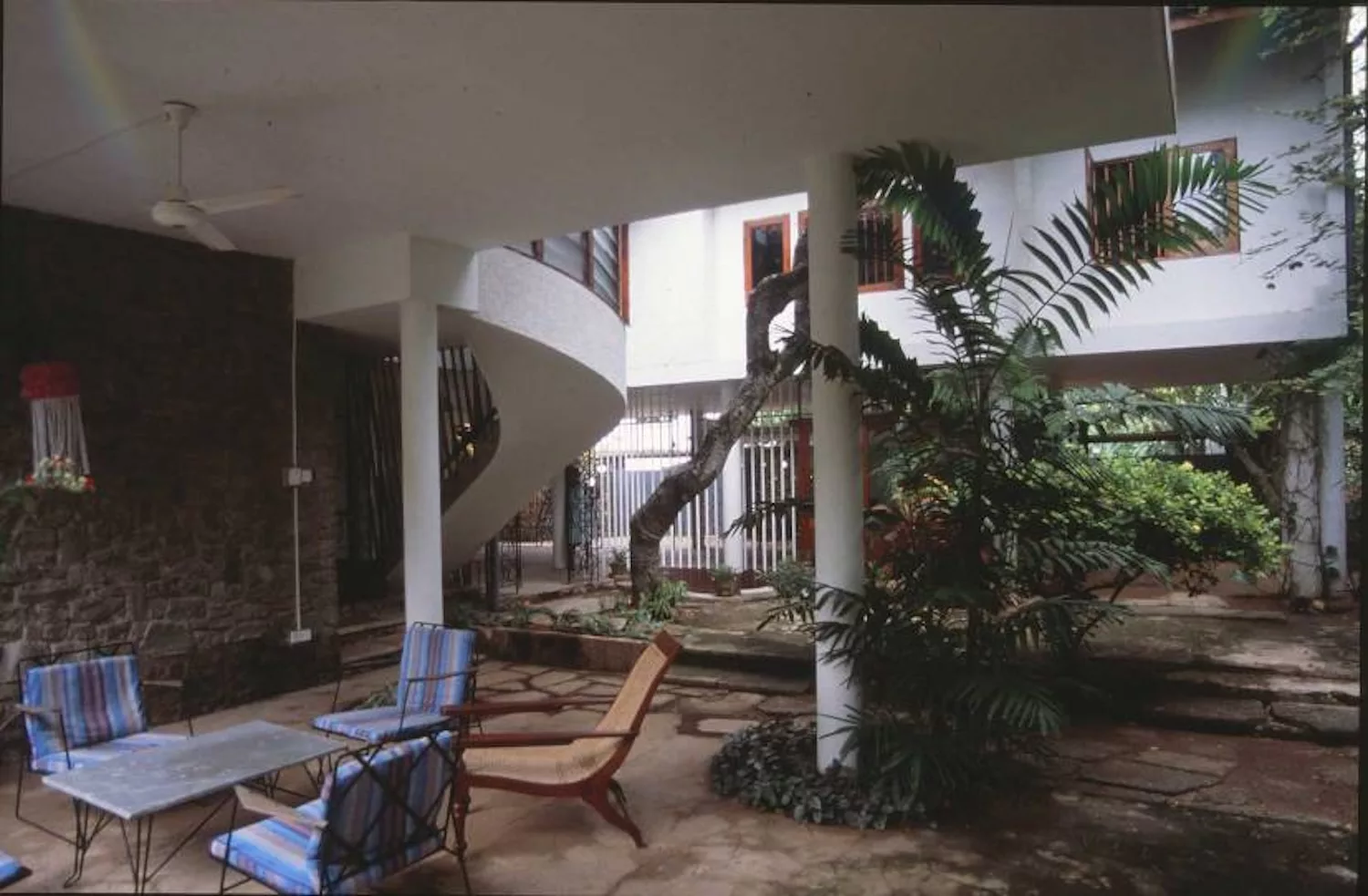
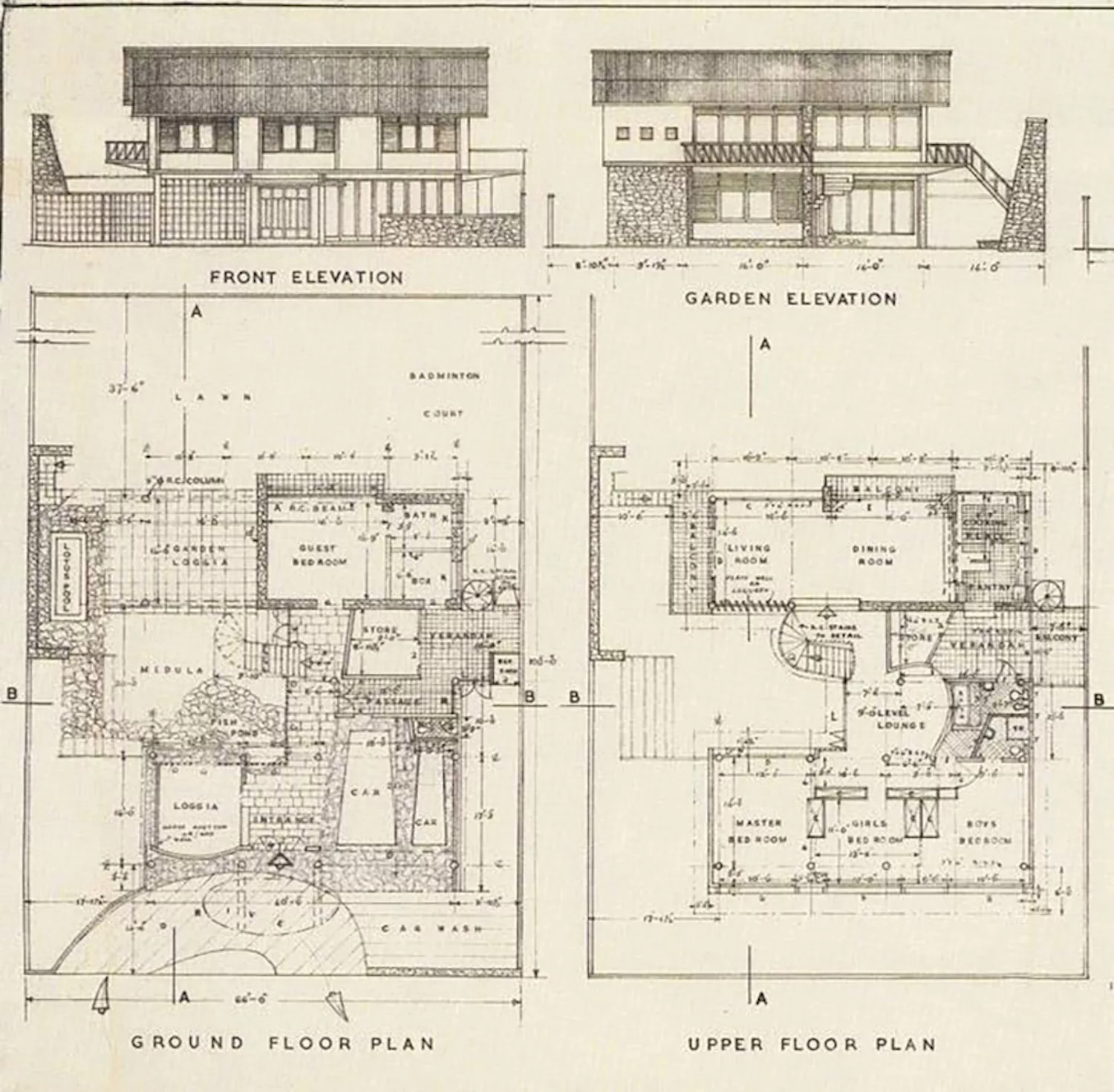
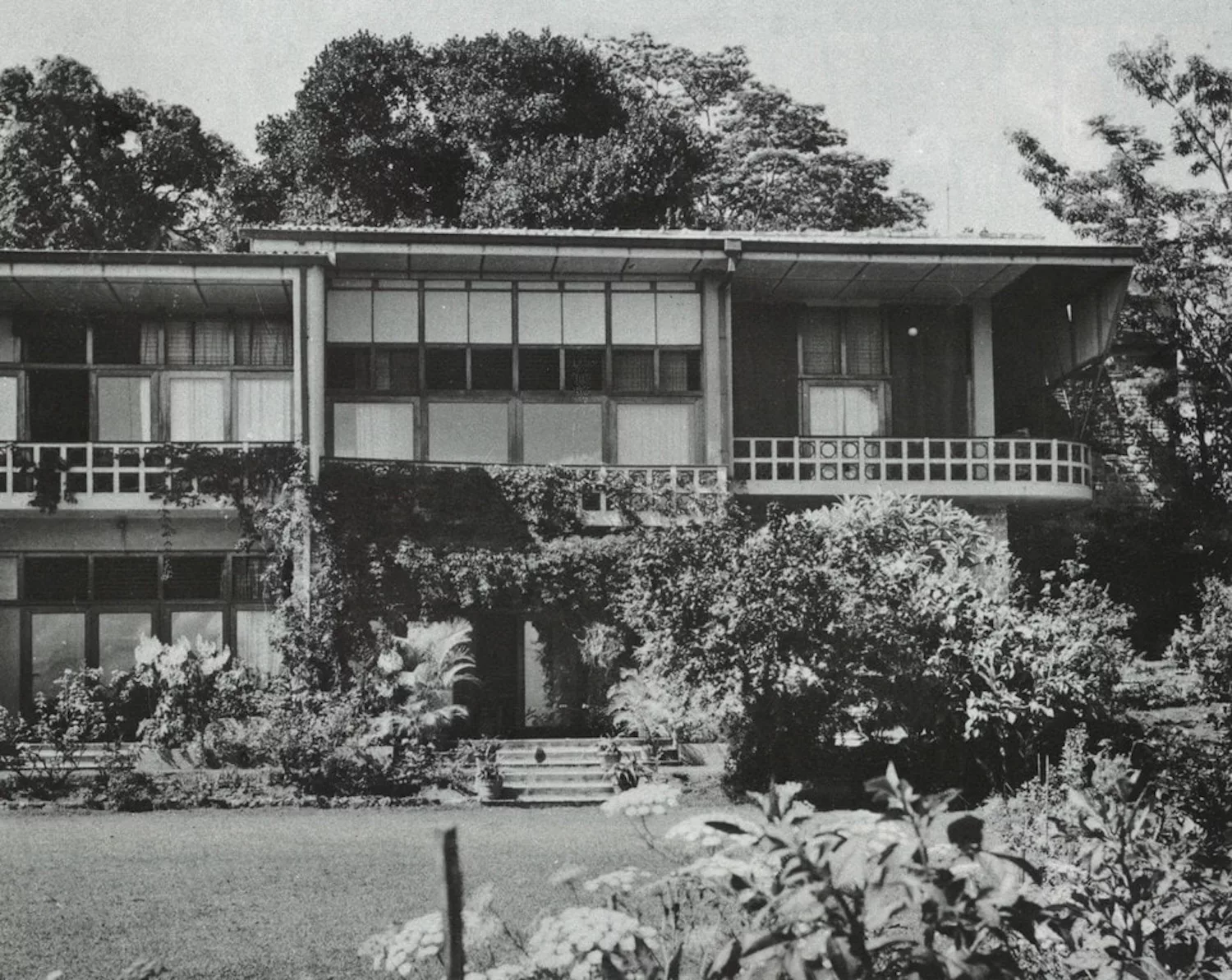
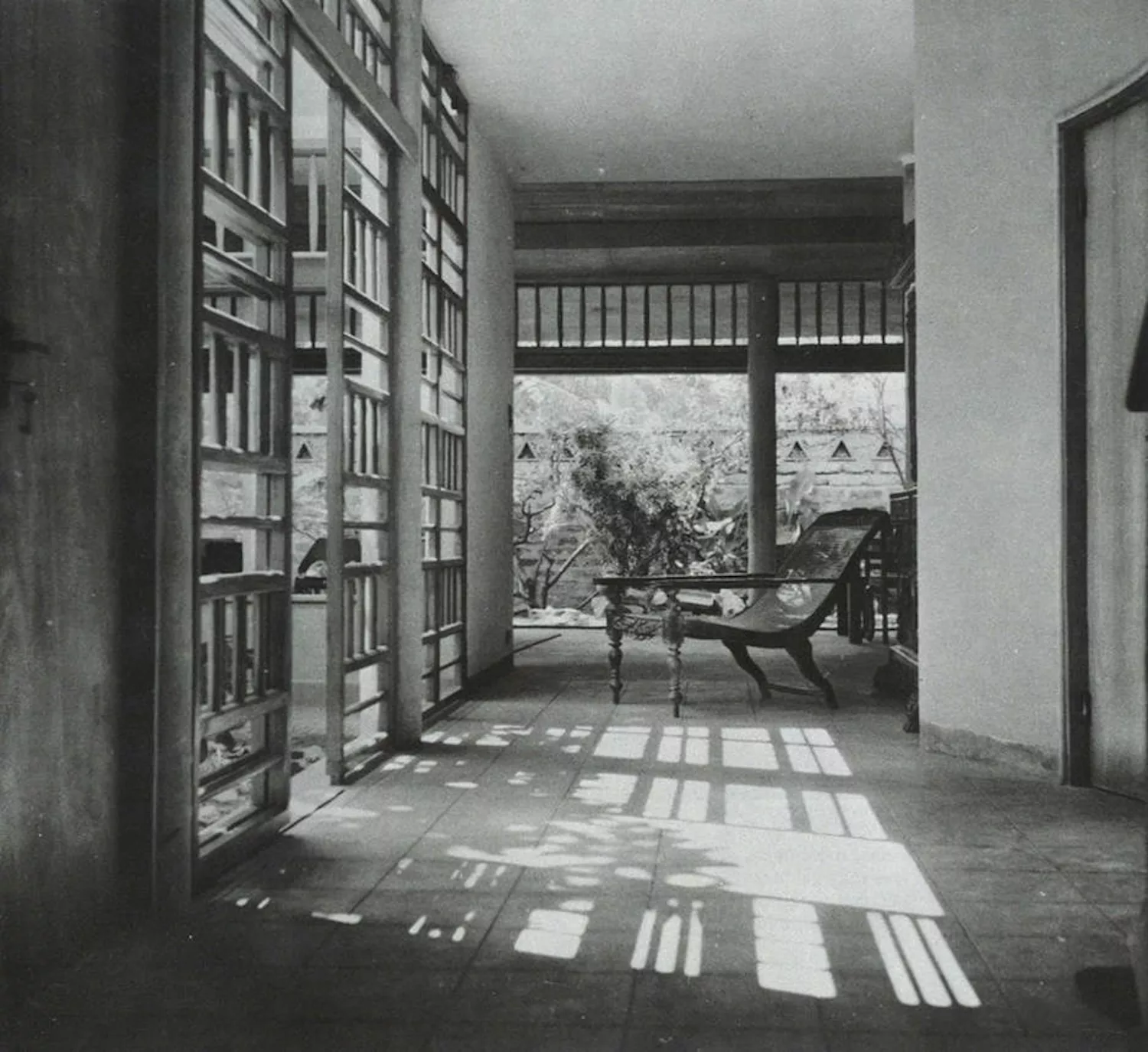
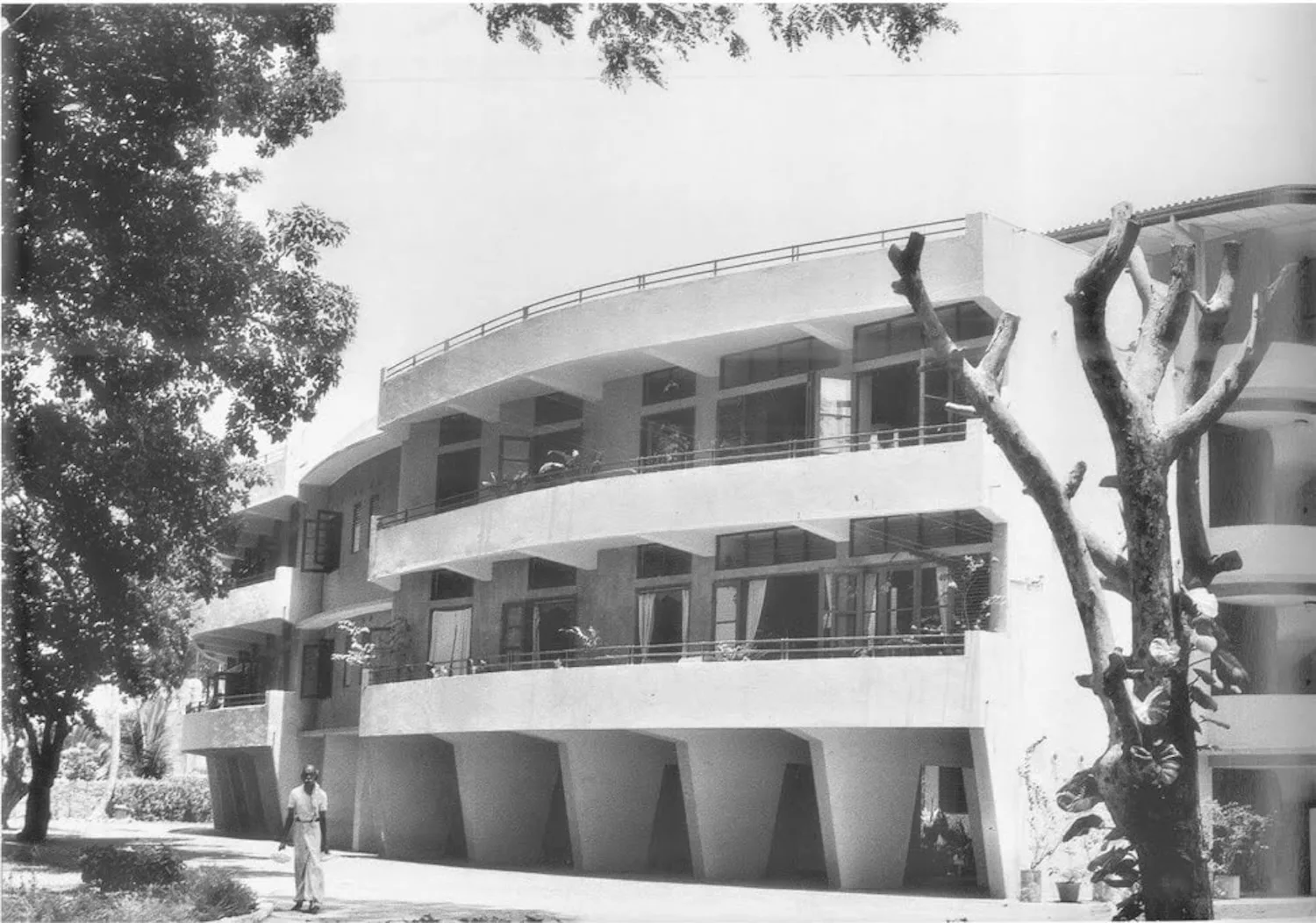
M. De Silva articulated innovative ideas about urban planning, sustainability, the use of local architectural features, materials and craft through a practice that combined architectural design, writing, research and teaching. She coined the term ‘modern regional architecture’, to refer to her ‘experiments’ which emphasised community, ecology and craftsmanship from a Sri Lankan perspective. For the design of Jinaraja College (1950), M. De Silva leveraged the natural topography to inform spatial hierarchies and circulation; for the C. H. Fernando House (1954, destroyed today) she experimented with cost-effective design methods; for the Watapuluwa Housing Scheme (1958) she introduced a participatory approach to social housing; and at the Senanayake Flats (1954–57) she featured ‘verandah-living rooms’ and arranged the flats around interior courtyards. Advocating for a ‘modern regional architecture’, M. De Silva’s experiments also incorporated Sri Lankan craftsmanship such as lacquer work, terracotta and Dumbara weaving, as exemplified in her first building, the Karunaratne House (1949). Her interest in craft persisted throughout her career with the design of furniture and handlooms.
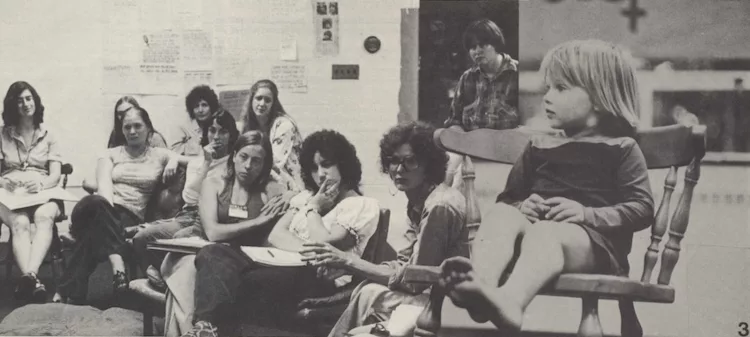
Prior to setting up her architectural practice, M. De Silva was involved in discussions about the rapid cultural, political and social changes taking place around her. In 1946, she was a founding editor of MARG (Modern Architectural Research Group), a journal started in Bombay by Mulk Raj Anand. In the following year, she was a delegate at the International Congress of Modern Architecture (CIAM) in Bridgwater, Somerset, and in 1948 she attended the World Congress of Intellectuals for Peace in Poland. As a writer, M. De Silva contributed to MARG (1953), Ekistics Journal (1963), Bannister Fletcher’s A History of Architecture (1975), Mimar (1987) and several local newspapers. From 1963 to the late 1970s, she also worked on a multi-volume book, A Comparative History of Asian Architecture (unpublished), for which she conducted research, travelling across Asia and the Middle East. M. De Silva later used the photo documentation from this period as teaching slides when she taught Asian History of Architecture at the University of Hong Kong between 1975 and 1979.
Later in her career, M. De Silva worked on several eco-tourism projects (1960–1980), which advocated for the preservation of cultural heritage and ecological balance, anticipating the harm of overtourism. However, many were not built and remain as ideas, suggesting that her practice was ahead of its time. In 1982, she designed a public arts centre in her home town, the Kandy Art Association Cultural Centre, which was to be her last significant building. Her importance as an architect was recognised in the last few years of her life when she was awarded the Sri Lankan Institute of Architects (SLIA) Gold Medal in 1996, and the Officier dans l’Ordre des Arts et des Lettres by the French Government in 1997. Until her death in 1998, M. De Silva was working on The Life and Work of an Asian Woman Architect (Volume 1), which she referred to as a ‘scrapbook’ of her archive.
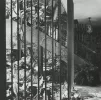
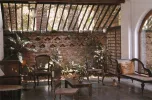
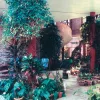
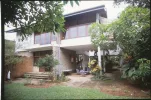

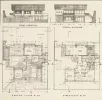
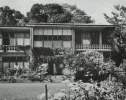
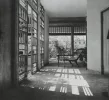
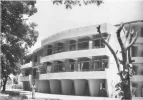


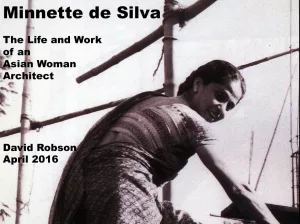 David Robson - Minnette de Silva: The Life and Work of an Asian Woman Architect | Architectural Association School of Architecture, 2016