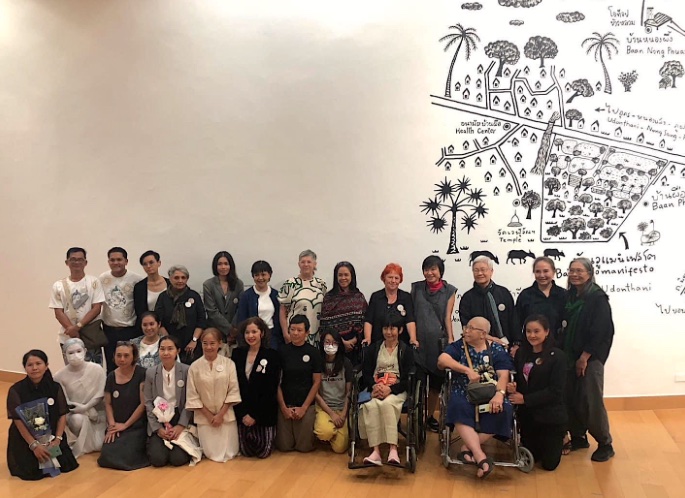
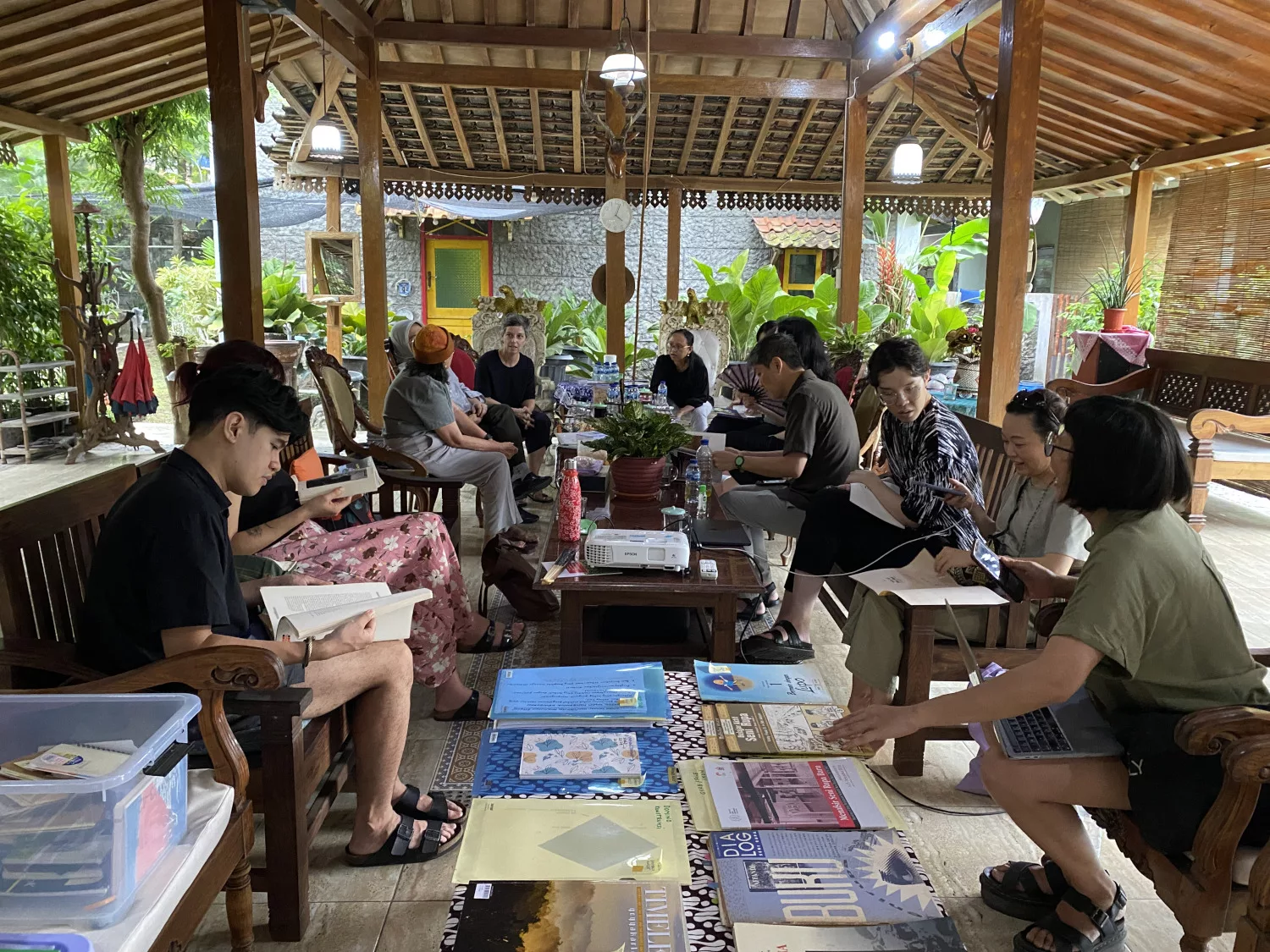
Membres from The Flow of History: Southeast Asian Women Artists committee at Siti Adiyati’s studio, 2024, photo: Özge Ersoy
In November 2024, AWARE: Archives of Women Artists, Research and Exhibitions and Asia Art Archive (AAA), in collaboration with the Indonesian Visual Art Archive (IVAA), organised a research trip and public programme in Yogyakarta as part of The Flow of History: Southeast Asian Women Artists. As part of this initiative, members of the programme’s advisory committee visited Sity Adiyaty’s studio to explore her practice as an artist, educator and organiser since the 1970s.
Below is an edited version of Sity Adiyaty’s email to the AWARE and AAA teams, following our discussion about her involvement in the New Art Movement (Gerakan Seni Rupa Baru – GSRB), her artistic experimentation with materials drawn from popular culture, her reflections on gender-centric models of self-organisation, and her experiences in Paris during the 1980s.
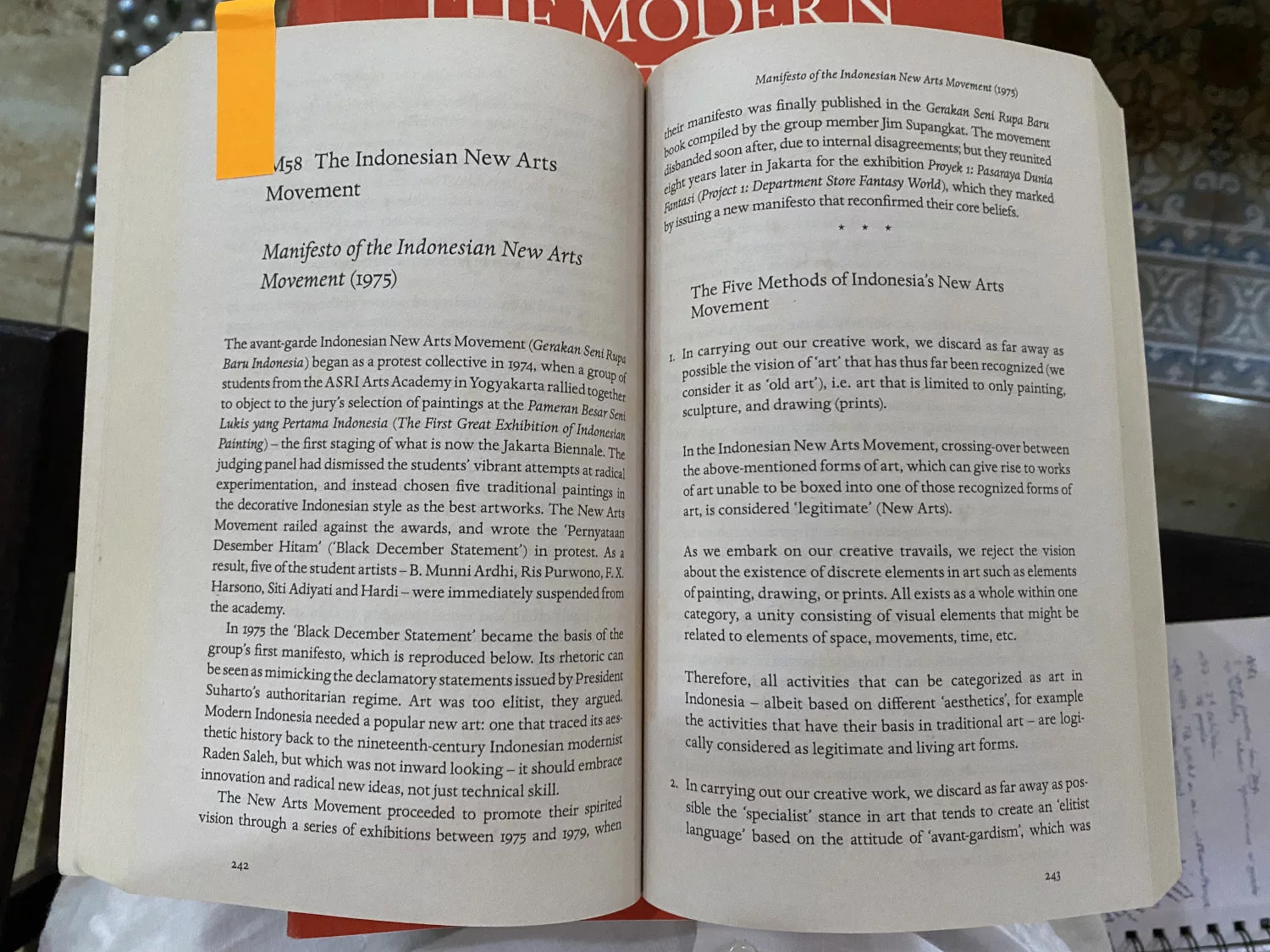
Documents from Siti Adiyati’s personal collection, 2024, photo : Özge Ersoy
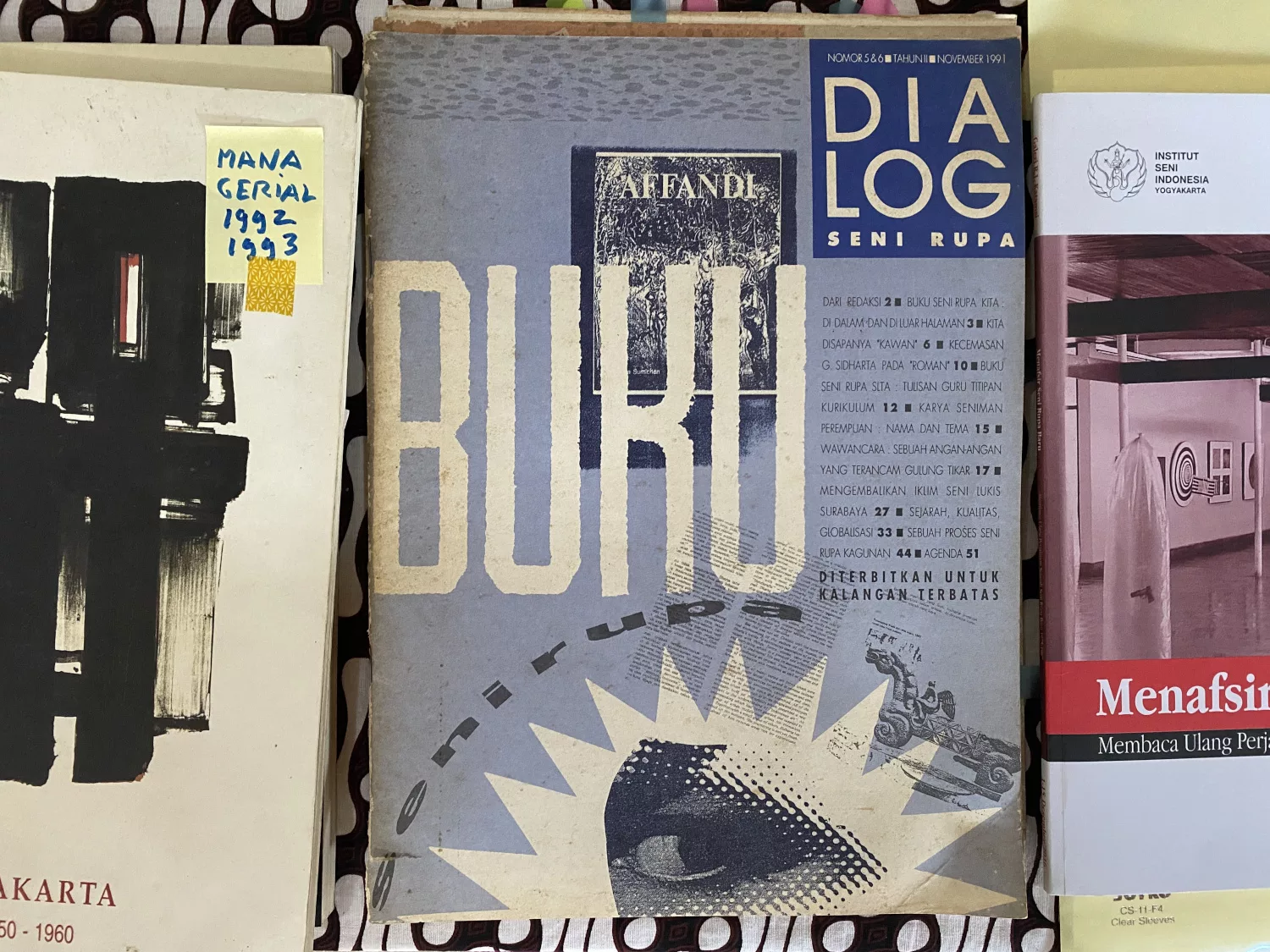
Journals and periodicals from Siti Adiyati’s personal collection, 2024, photo: Özge Ersoy
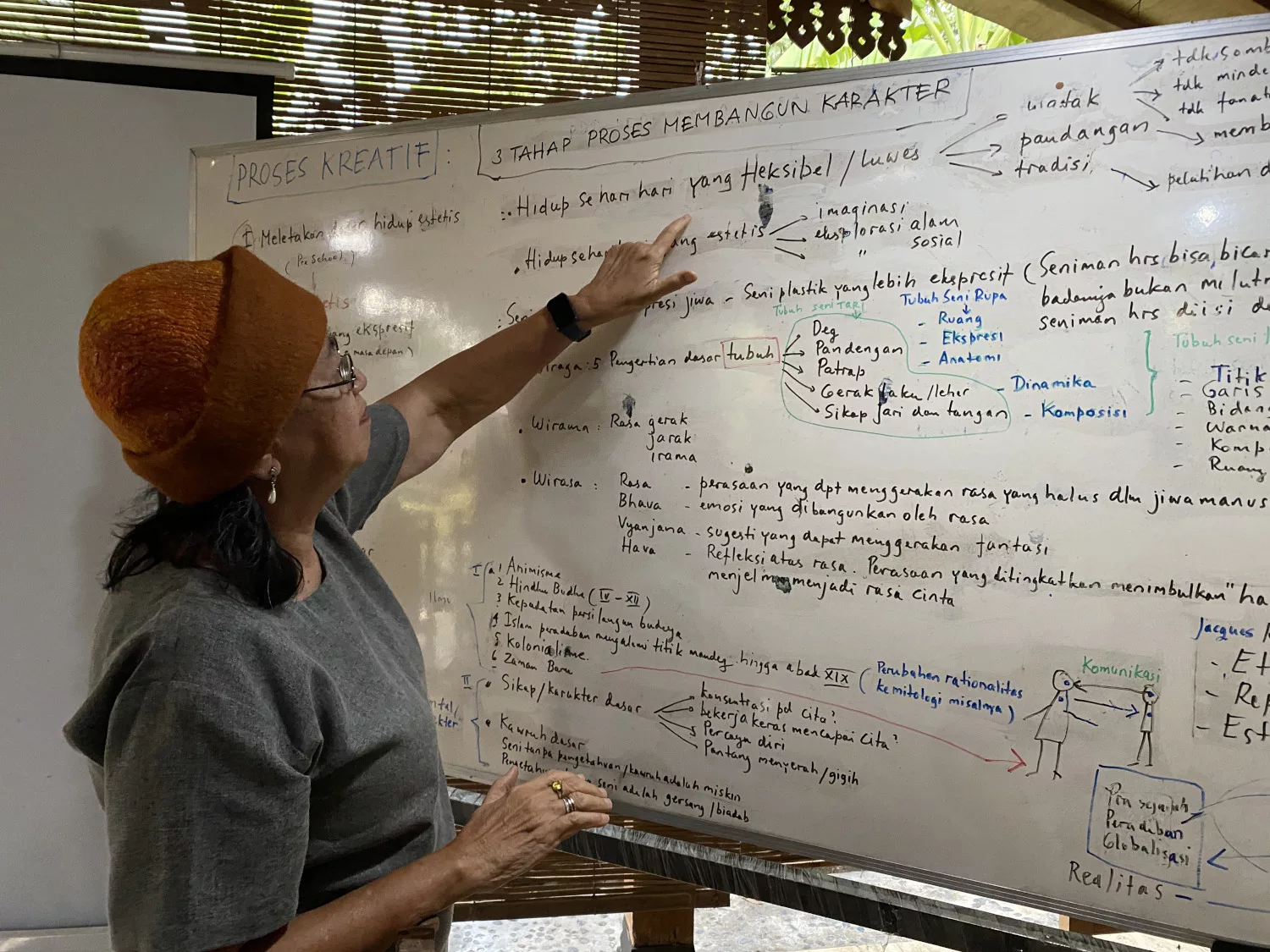
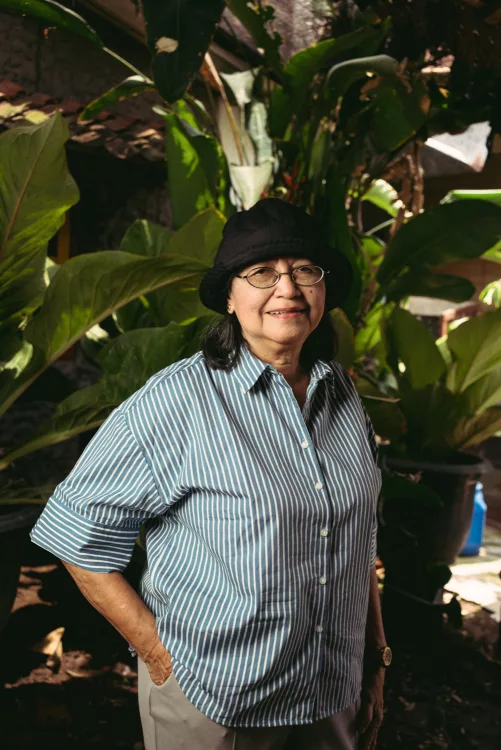
Portrait of Siti Adiyati at her studio in Yogyakarta, 2024, photo: Özge Ersoy
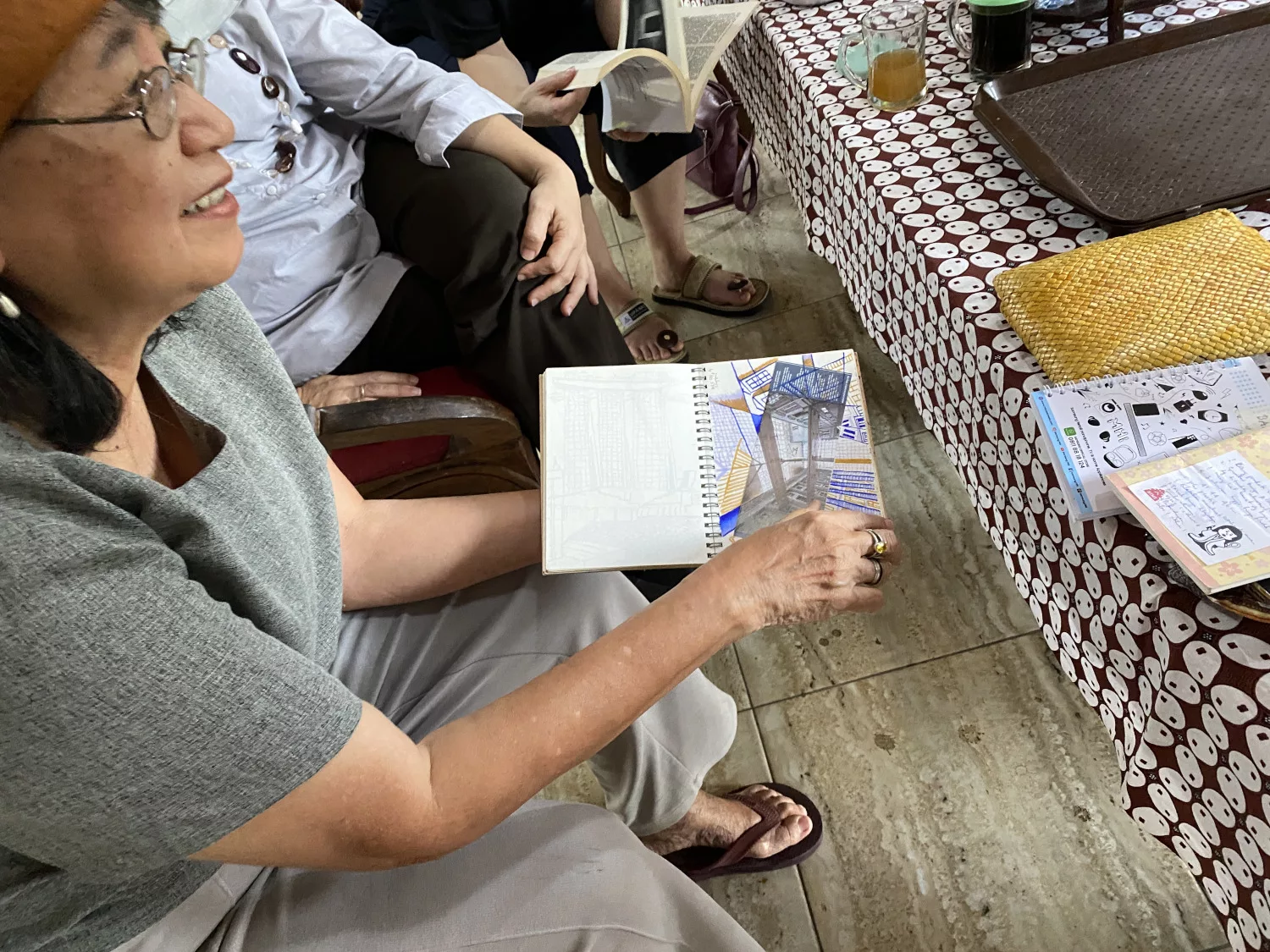
Portrait of Siti Adiyati at her studio in Yogyakarta, 2024, photo: Özge Ersoy
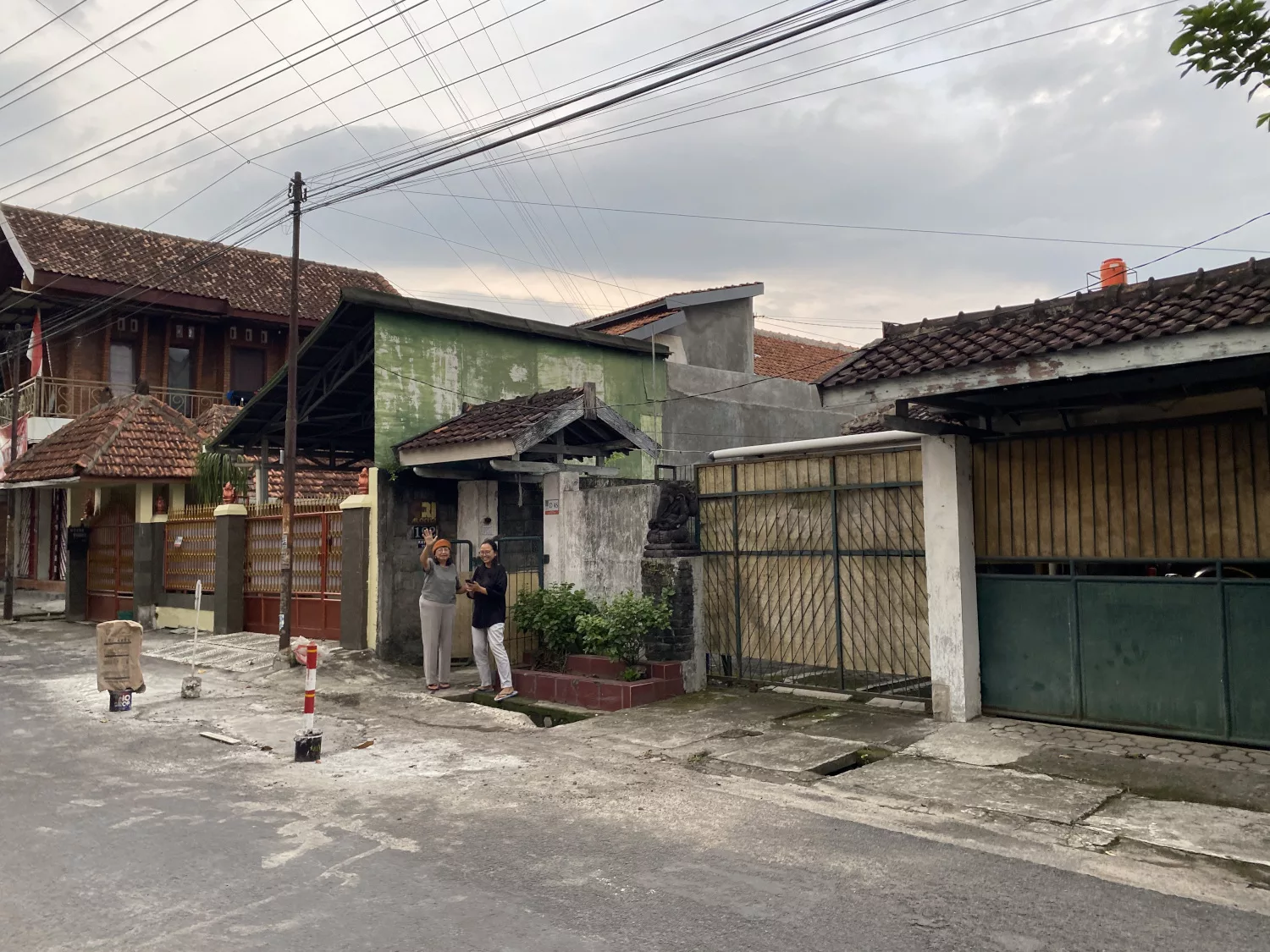
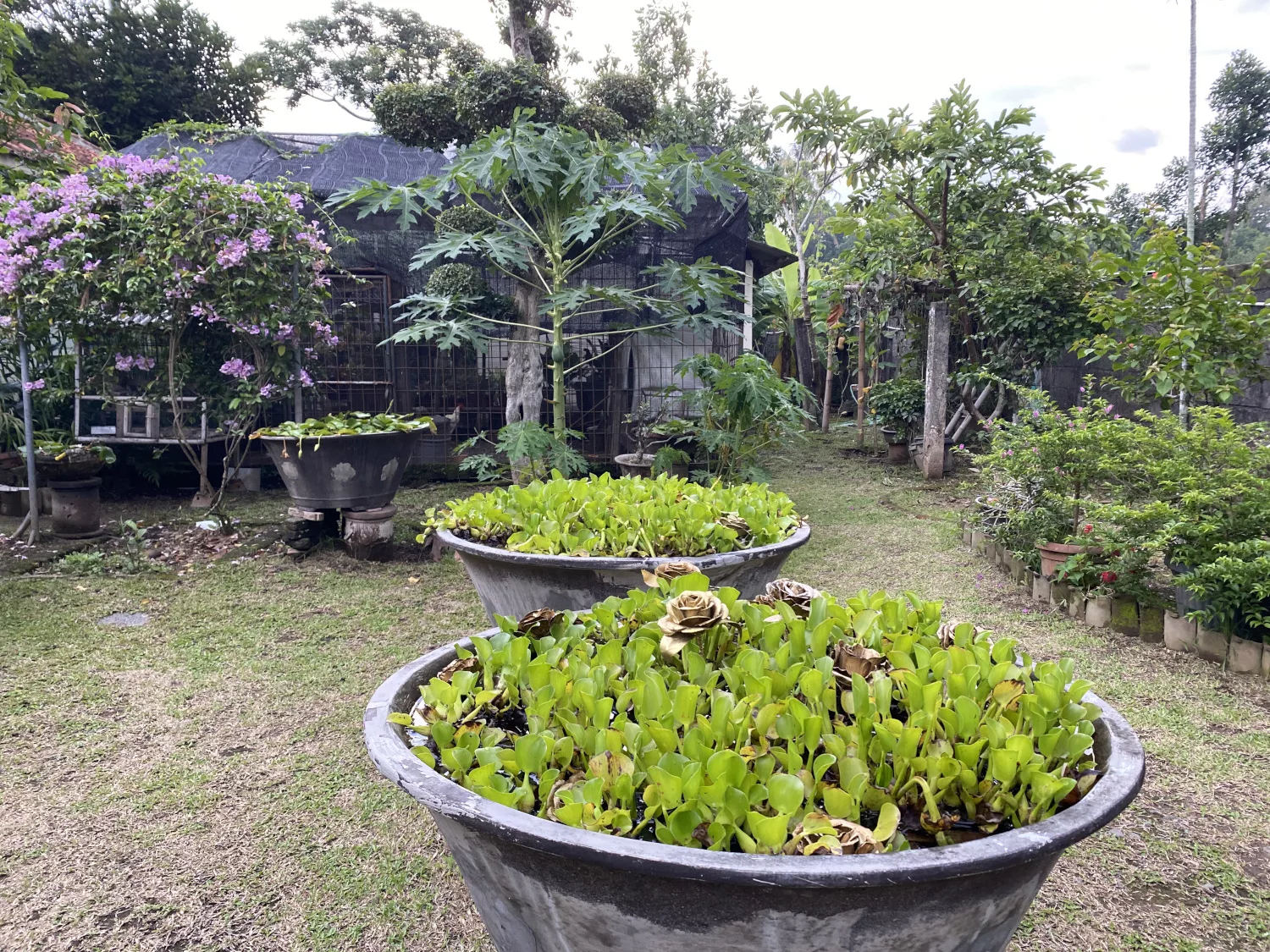
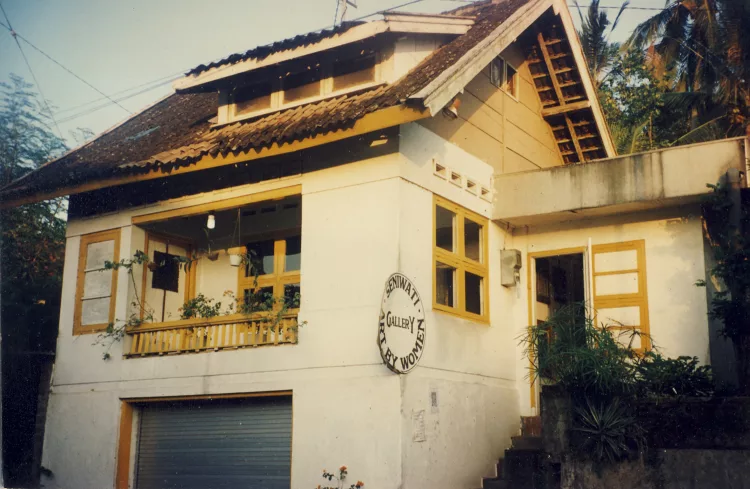
Siti Adiyati’s studio, Yogyakarta, 2024, photo: Özge Ersoy
From: Siti Adiyati
Sent: 13 December 2024
To: Nina Volz AWARE; Özge Ersoy AAA
Object: Greeting from Yogyakarta
Dear Ms Nina and Ms Özge,
Thank you for taking the time to visit my home and studio in Yogyakarta with the Flow of History committee. Unfortunately, we didn’t have enough time and I feel that you still have many unanswered questions, especially about female artist figures in Indonesia. I never thought that there was a differentiation between male and female artists. Of course, every artist (male/female) has their own personal background. As far as I know, in society or in everyday life, there are natural differences but no dichotomy. I only realised that there was this male-female categorisation in around the early 1990s, at the time when higher education began to develop various new majors and study programmes – not to mention the NGOs working on women’s issues, like domestic violence, women in the workplace etc. The term has been expanding since the government created a ministry office to deal with women’s affairs.
In Javanese history, there have been several honourable female figures, such as Queen Shima (5th century), Tribhuwana Wijayatunggadewi, the Queen of the Majapahit Kingdom and Gayatri Rajapatni (14th century). They were considered wise leaders and true rulers without real power. Then in the 18th century, the ruling female figure was replaced by the mythological figure of Ratu Kidul. This explained the transformation from symbolic to mythological understanding due to the changing political constellation, beliefs and power of the time.
I was born into a Javanese aristocratic family and educated in a conservative manner. We had to learn classic dance, batik or tembang (singing poem), which formed the foundations of knowledge from childhood onwards. Archery, horse riding, dance and other forms of sport were also required for boys. But the late 20th century, in my youthful past, saw the beginning of a change. We began to have the possibility to choose what was suitable for us, and were able to have personal preferences and decisions.
The role and history of women in the palace’s harem and those linked to its environment, who lived in the chaotic atmosphere of symbolic conflict, from the past until the 20th century, left an essential impression in my subconscious mind – maybe there will be changes, because the current Sultan does not have a harem and his daughter will take his position. My father was open-minded and educated in the Netherlands, so I have some insight from a more rational perspective of the West. Therefore, I had the privilege to free myself from the conservative rules and social restrictions of the family, and to develop my individual-self in my preferred field without breaking any family rules. It can be said that I became less concerned with “limitations” such as putting our family first and foremost. The sovereign is more important than even his royal subjects who have excellent skills, expertise and loyalty – the name, reputation and achievement belong to the family and sovereign, and there are no individuals, only members, either family or royal household. Even though I did not rebel – maybe my “rebellion” happened elsewhere – I could choose which path to take with full responsibility and my parents’ support.
When I chose to enter the world of Fine Arts, even though there were no visual artists in my family or in my extended environment, nothing prevented me from choosing this path. In classical dance I learned about history, philosophy and ethics, as well as technical and artistic discipline, because my family have been competent dance teachers, choreographers and classical art writers. To this day, the philosophy of Yogyakarta classical dance has become a basic subject at school for dance apprentices. These are my sources of knowledge that I can call upon each time I take a breath and to give rhythm to my life. However, in this day and age, that alone is not enough. So I had to study harder with a broad perspective in mind. Studying Fine Arts formally, and embracing the opportunity to experience life outside of my hometown of Yogyakarta, gave me the possibility to listen a lot, gain more insight and to challenge the short-sighted vision of others, building and testing the persistence and perseverance of the heart.
In my world of art, men and women join together as equal friends to accumulate the energy to “fight” and discover our identity. In the case of Black December 1974, an event that forced us to act bravely, we were eventually expelled from the academy. However, we did not give up, and continued discussing, writing, giving press interviews etc. Afterwards, solidarity emerged from the friends at the Bandung Institute of Technology (ITB), and our resistance found a more suitable form with the New Fine Arts Movement (GSRB), which was born as an art exhibition in August 1975. Our vision was that art should be freely and widely developed, not always measured in conservative, old-fashioned, nepotistic manners and prioritising value more on the basis of individual identity and nationalism. Finally, we could speak up. It became a non-violent resistance. Our movement was compared to the Malari Incident, a previous student protest in early January 1974 in Jakarta, which escalated into a violent response by the authorities, causing too many victims and casualties.
From Yogya, I moved to Jakarta after being expelled from the academy. I got married and had a family, and started working as an art teacher while raising my children. Nevertheless, I continued my artistic practice. I lived in Jakarta for almost forty-five years, and in between I also lived in Paris and Japan for several periods. It was then that I saw a window opening onto the world: I learned more about world civilisation and at the same time about my own civilisation and homeland.
After this, I learned about the role of symbolic figures such as Marianne, Jeanne d’Arc, and Simone de Beauvoir or Shikibu Murasaki. They were born as women, but their work influenced many people and changed the world around them. And we should grasp future opportunities, instead of taking them for granted. In this way I can give meaning to myself as a woman, a mother and at the same time a social creature.
I have formulated how women resemble rocks – however fiercely they are struck by the waves and storms, they can still stand tall. They are porous and flexible, like sponges that absorb life, nurture and protect the weak like their own children.
People often ask my view about feminism, gender or women’s struggles. That makes me feel like I’m a second-class citizen. I never think that way. Genetically, I was born as a woman, but it doesn’t necessarily mean that my character and soul are also the prototype of a woman, because character is not genetic. The most important thing is that, like every other individual, I have the freedom to think, act and create whatever is possible with my own abilities, and to share knowledge and extend our creativity to understand other people, amid our civilisations and amid relationships between nations. We, humans, do not live alone. Whether or not this is a new form of feminism doesn’t matter.
There is also the question of why I don’t like to participate in group exhibitions with women, even though I joined the Nuansa Group of Indonesian women artists in the late eighties. Frankly, I have a specific image about women gathering together, talking about household issues, health, microeconomics and micromanagement. Far from creativity, the group’s main concerns were challenges, ways of thinking in building ideas and concepts, not art. They discussed when or where the next exhibition would be held, who would take part, what theme should be chosen etc., all relating to the technicality of the exhibition rather than the creative process. For me, it triggered no new knowledge.
I hope one day there is an opportunity to have an exhibition with my fellow female artists with the awareness that we will be able to swim in the pool of free artistic thinking. An exhibition not just about the identity and prototype of women, but examining the vibrant spectrum of the art itself.
I think I have made this letter too long, but hopefully it answers some of the incomplete questions and will help us understand each other better.
Yogyakarta, 13 December 2024
Salam Merdeka from Indonesia
Siti Adiyati
Note for Ms Nina:
In 1994 I received the Chevalier des Arts et des Lettres award from the French government for my contribution in rediscovering, in 1992, the largest Indonesian collection of French paintings that was previously lost – one held today at the National Gallery of Indonesia. Later, I organised a restoration programme and exhibition of Indonesian and French artists from that period with the same historical importance. The exhibition was entitled Jakarta-Paris 1959–1960.
The historical existence of the artworks began in 1959 on the initiative of diplomat and cultural figure Ilen Surianegara when he was the Cultural and Press Attaché in Paris (1954–1959). He also met Jean-Paul Sartre and became acquainted with journalist Etienette Bénichou, a close friend of Andre Malraux, who was then the French Minister of Culture. Under the pretext of creating a Museum of Modern Art in Jakarta, Ilen and Etienette received paintings from artists, who brought their works to the Indonesian Embassy at rue Cortambert 47–49.
Perhaps they were touched because a newly independent country had thought of a Museum of Modern Art. At that time Paris had indeed become the centre of the modern world of art, with artists coming from various nations and countries. The collected works amounted to 160, consisting of lithographs, etchings and oil paintings by artists such as Soulages, Wassily Kandinsky, Victor Vasarely, Hans Hartung, Zao Wou Ki, Kumi Sugai, Sonia and Robert Delaunay etc. These works by French artists were presented to the Indonesian people under President Soekarno as a demonstration of friendship and assistance in building a modern art museum in Jakarta – although the museum imagined by Ilen Surianegara has not yet been realised to this day.
At that time Paris was like a spring flower, bursting forth with international artists. These works are therefore important to us and to art history. We brought in Claire Stoullig, curator at the Centre Pompidou, together with the Musée du Louvre’s restorers, Mr and Mrs Le Pavec, and the restoration was carried out with the assistance of many volunteers. At the time of the Jakarta-Paris exhibition, France was under Mitterrand’s government with Dominique Girard as the French Ambassador in Indonesia, and Indonesia under Soeharto with Fued Hassan as the Minister of Culture.
It is unfortunate that as yet no book has been published on this interesting French collection. I am trying to contact the French embassy in Jakarta and also the National Gallery which now holds the works, so that a new chapter can be written on the history of important world painters in the 20th century.
Siti Adiyati is an Indonesian multidisciplinary artist, known for her installations that engage and include the public in her art.