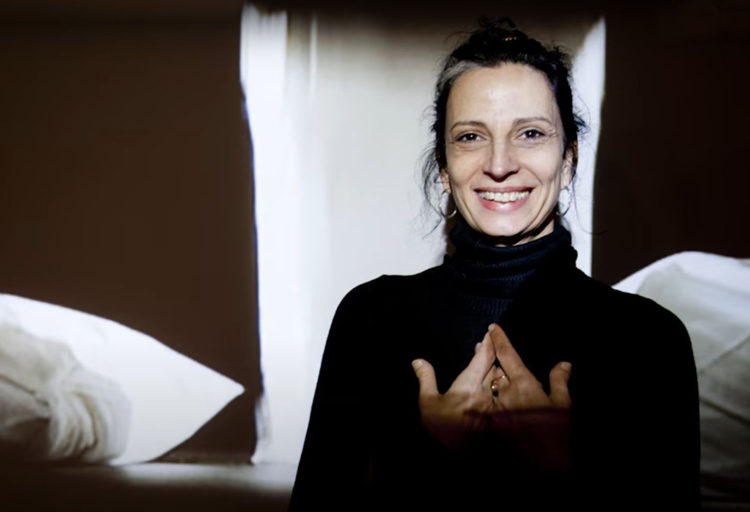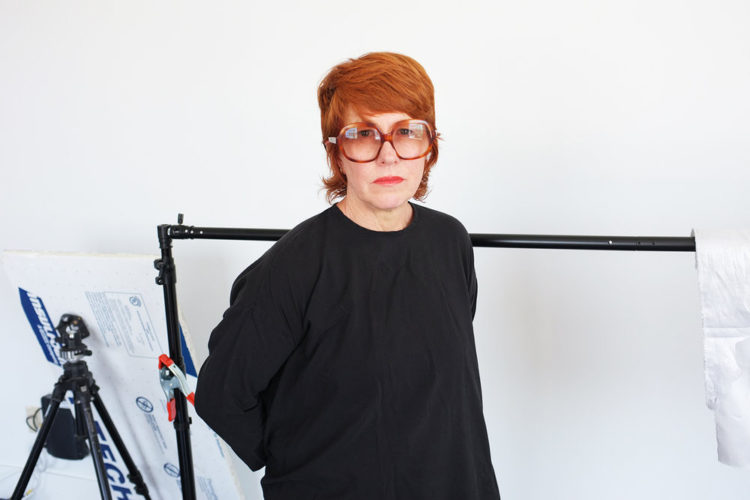
Portrait of Voluspa Jarpa
Jarpa, Voluspa, Pérez Rubio, Agustín, Esche, Charles, Breitwieser, Sabine, Giunta, Andrea, Valdés, Adriana, Medina, Cuauhtémoc, Mayol, Alberto, Altered Views. Voluspa Jarpa, Santiago, Ediciones Puro Chile, 2021
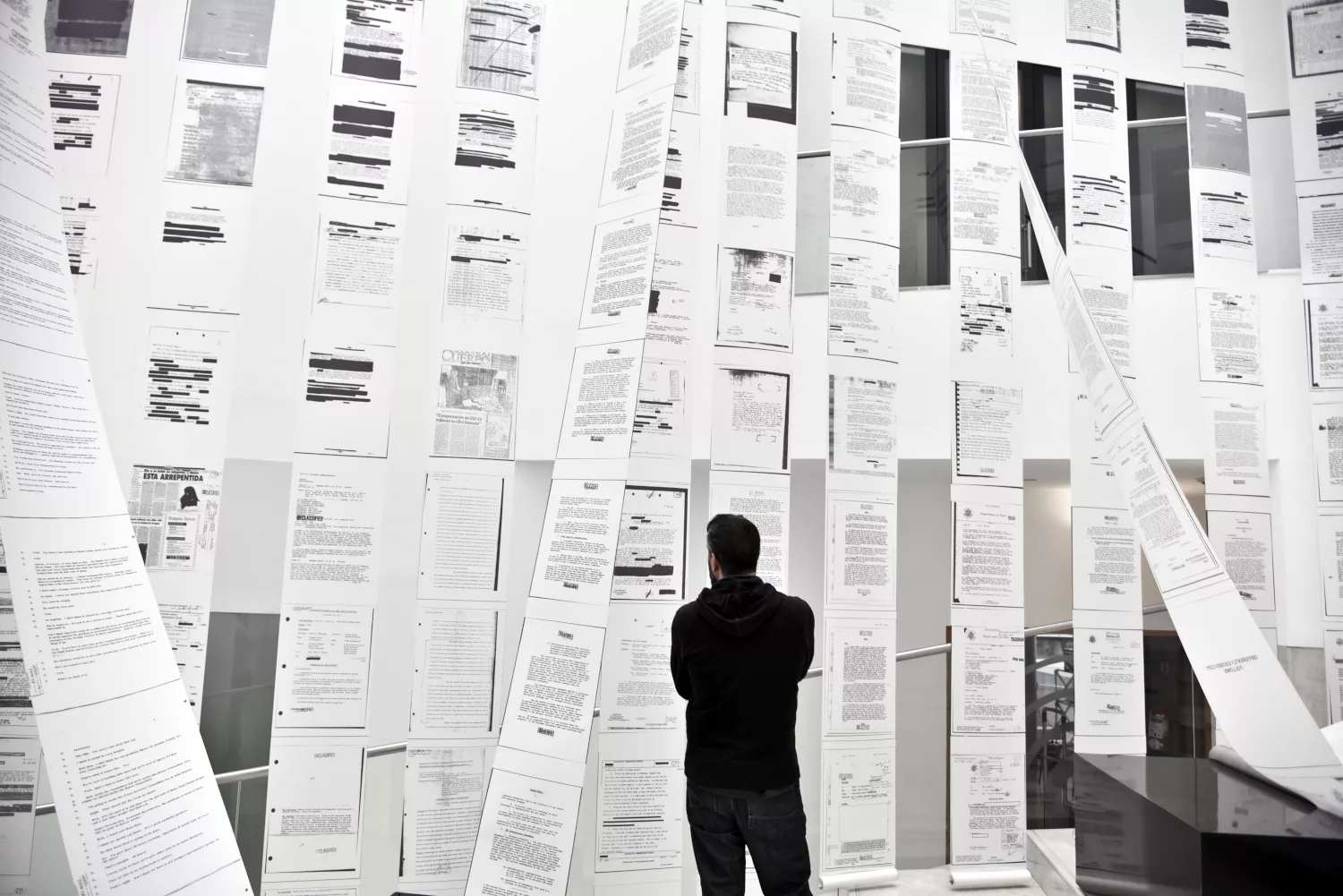
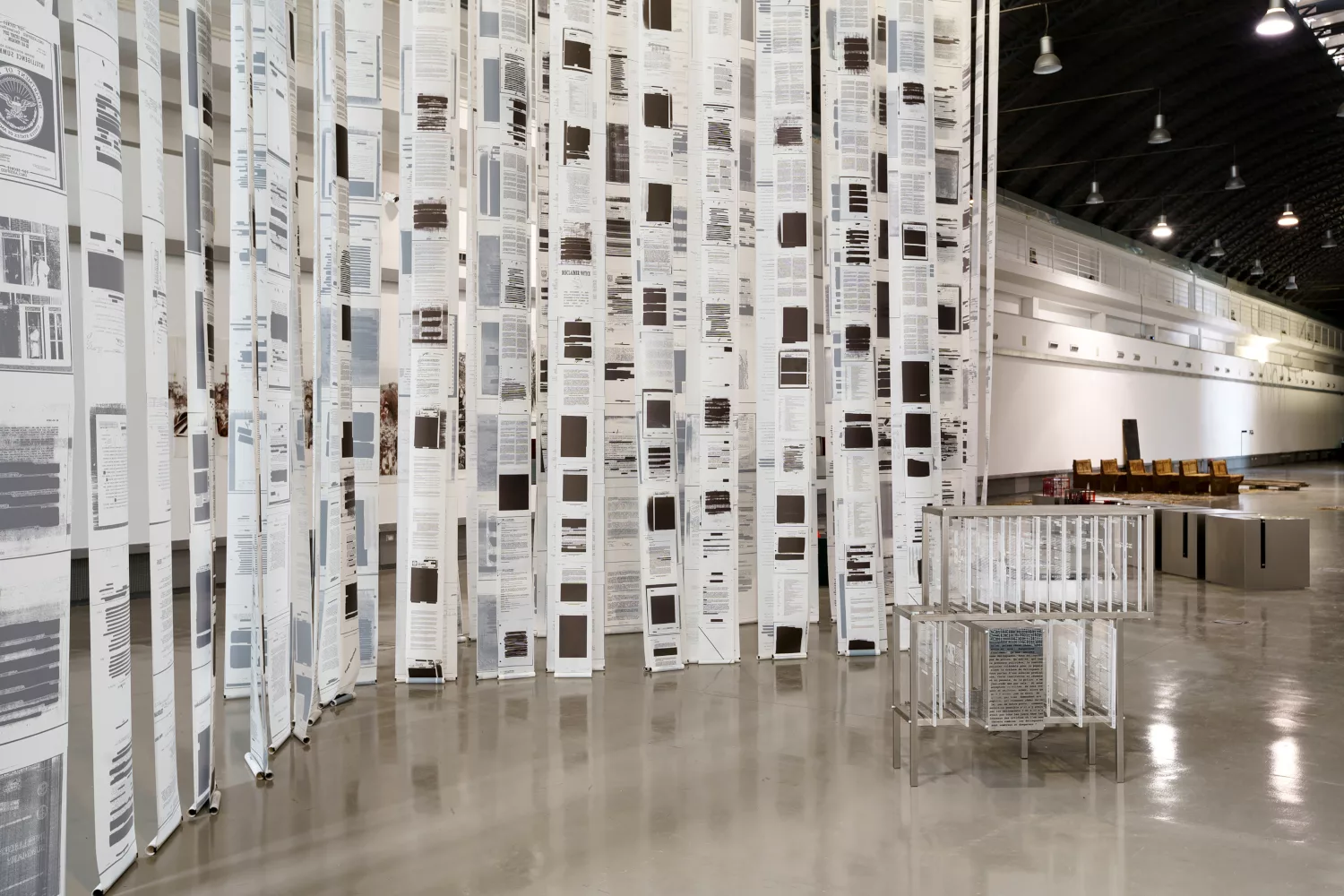
→Pérez Rubio, Agustín, Esche, Charles, Tala, Alexia, Voluspa Jarpa. En Nuestra Pequeña Región de por Acá, Buenos Aires, Malba, 2018
→Munder, Heike (ed.), Resistance Performed—An Anthology on Aesthetic Strategies under Repressive Regimes in Latin America, Zurich, JRP Ringier, 2015
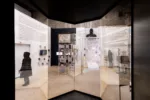
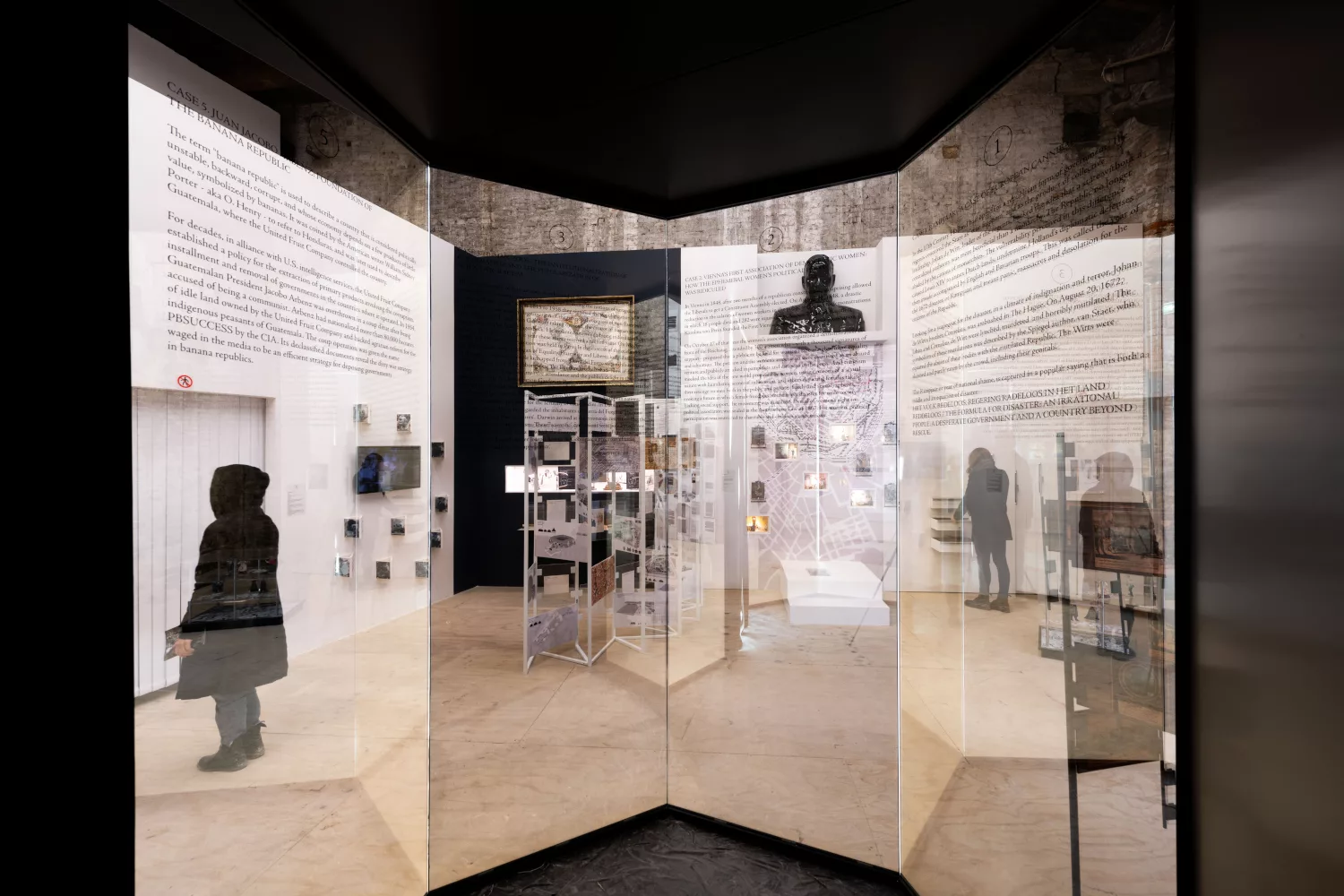
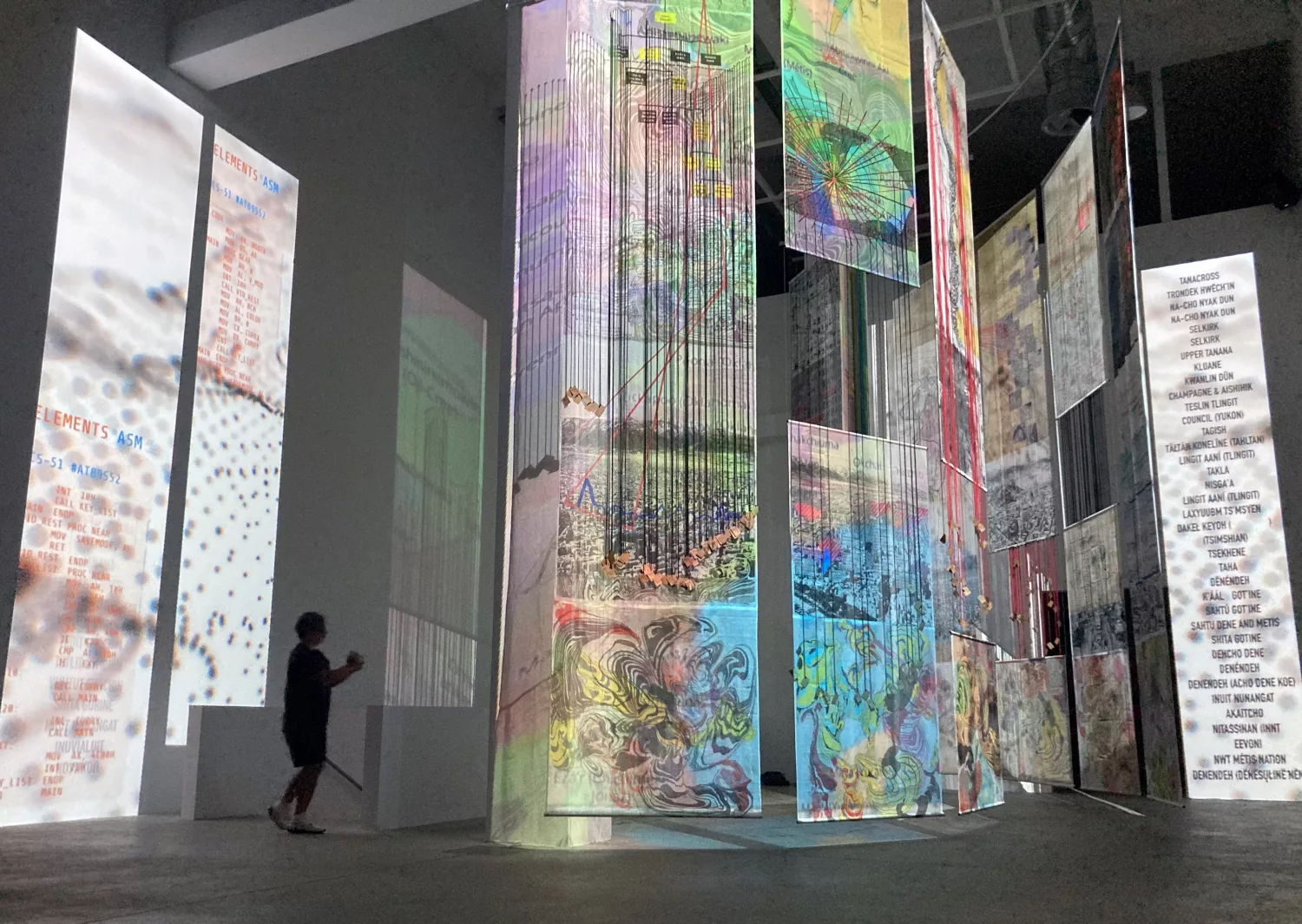
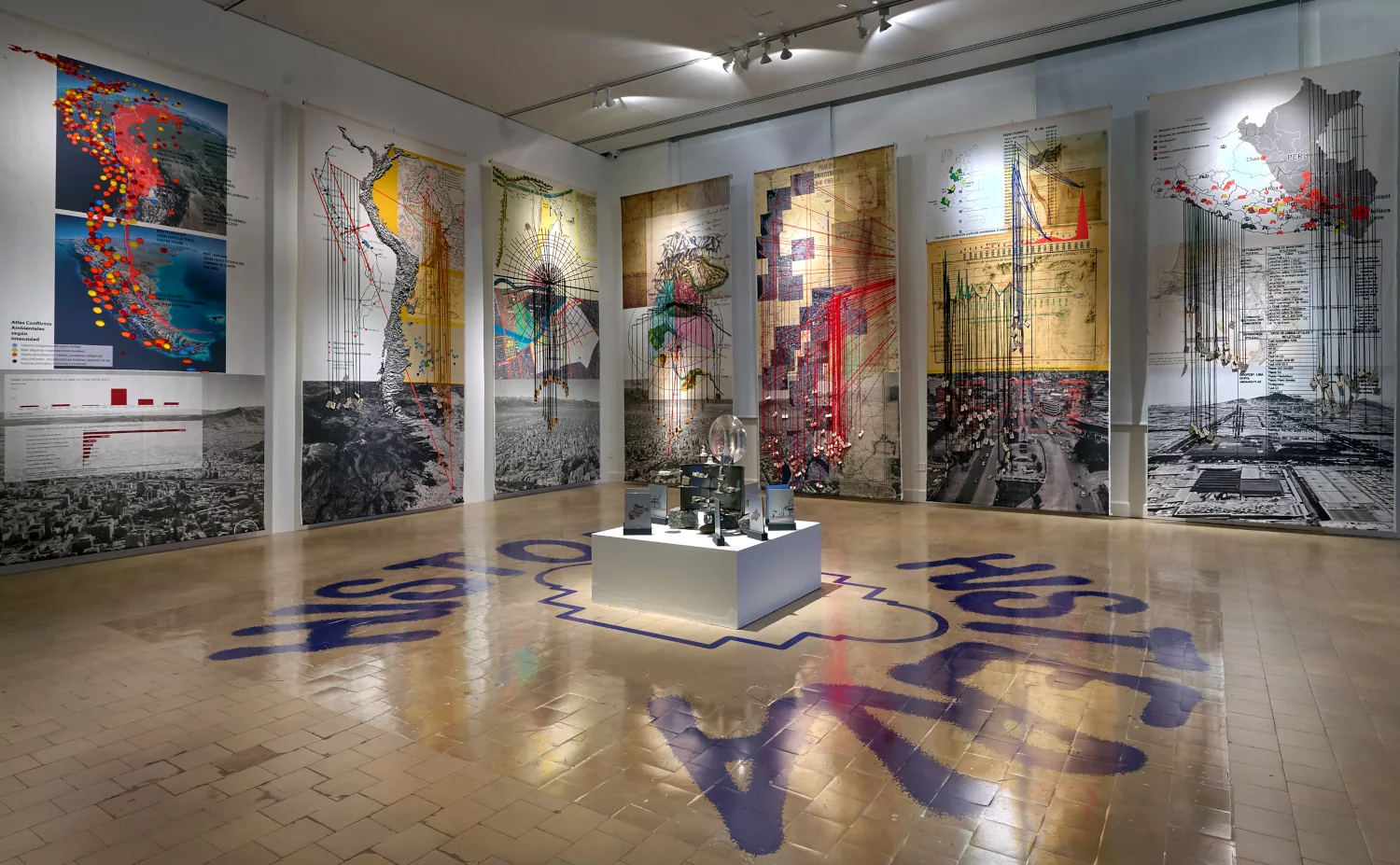
Altered Views, Chilian Pavilion, 58th Venice Biennale, Venice, 11 May–24 November, 2019
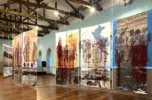
→En Nuestra Pequeña Región de por acá, Museo de Arte Latinoamericano de Buenos Aires MALBA, Buenos Aires, 15 July–3 October, 2016
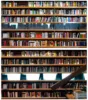
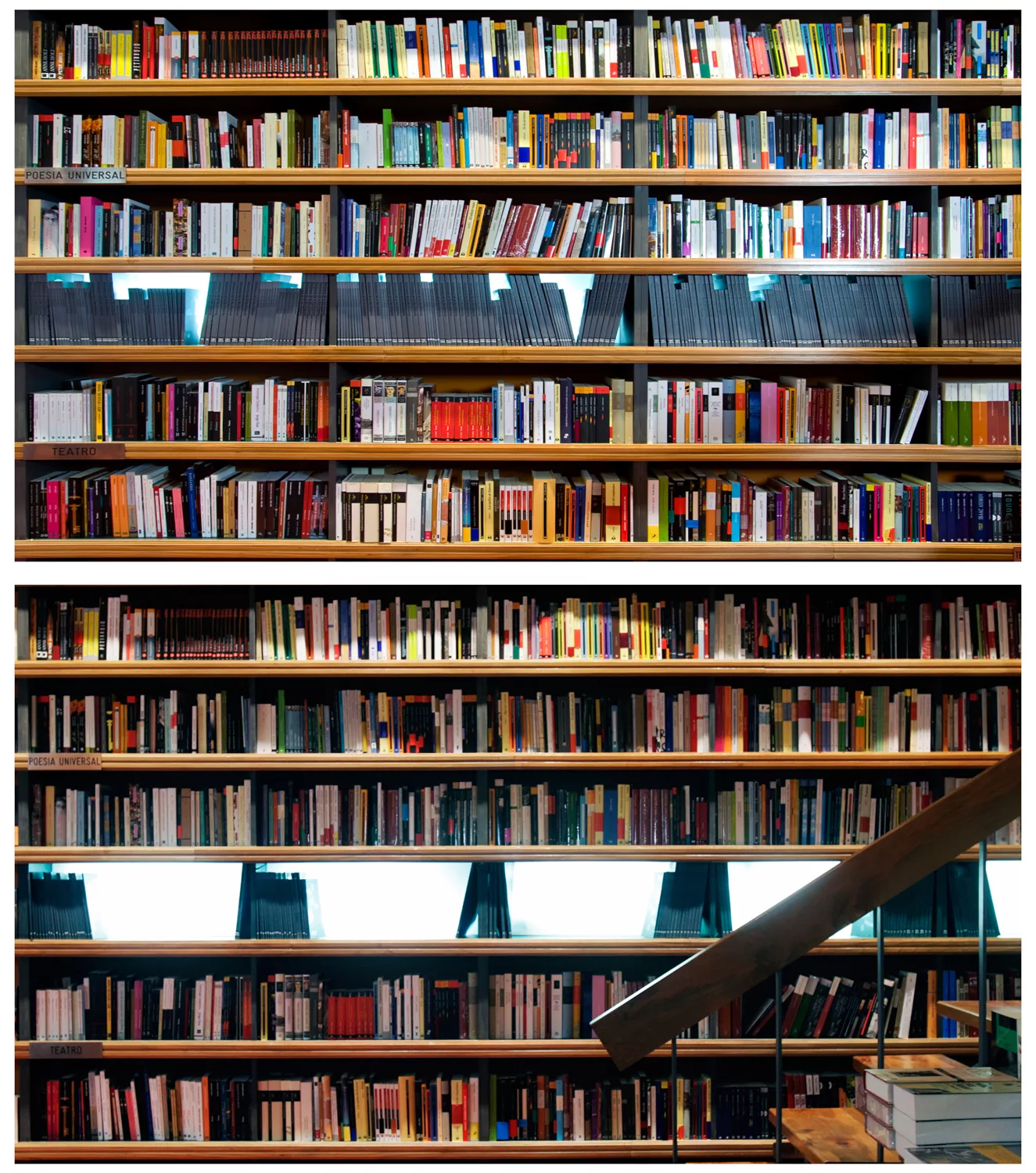
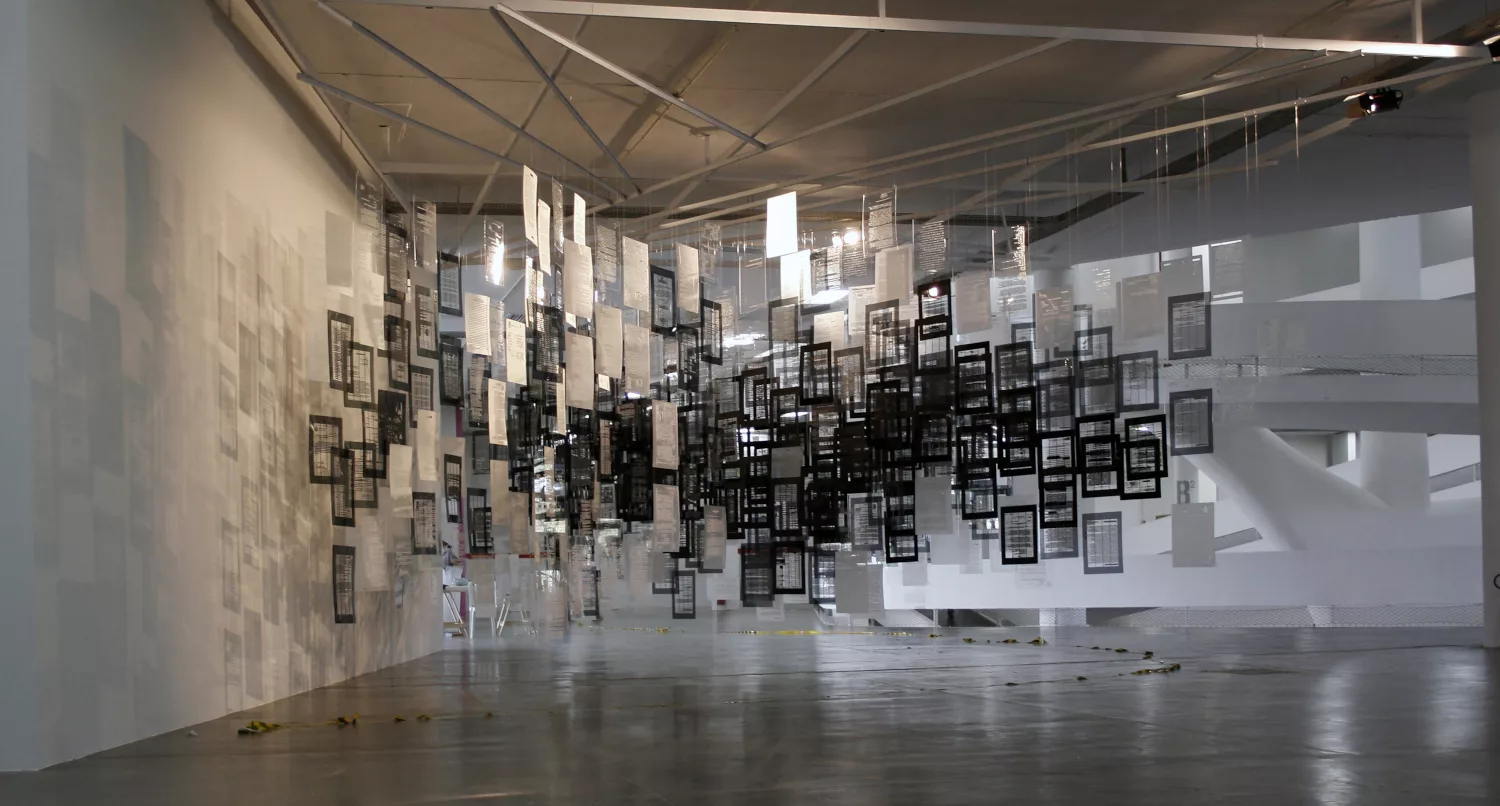
→The No-History’s Library, 12ª de Istanbul Biennal, 17 September – 13 November, 2011
Chilean teacher and cross-disciplinary artist.
Voluspa Jarpa structures her work around in-depth research into concepts and notions that traverse her series and inform her work over time. Through large paintings, site-specific installations, multimedia projects and, above all, cross-disciplinary projects, V. Jarpa creates a unique aesthetic that oscillates between history and hysteria, censorship and memory, archive and document, trauma and psychoanalysis, translation and language.
V. Jarpa spent her youth in Brazil and Paraguay with her family, before returning to Chile in 1989. From 1989 to 1996 she studied at the Art School of the Faculty of Arts at the Universidad de Chile, where she also studied for a Master’s in Visual Arts (1995–1996), but chose not to graduate. Since 2006 she has been an academic at the Faculty of Arts at the Pontificia Universidad Católica de Chile.
In Los eriazos [Wastelands, 1992], she explores sites of poverty and neglect in the city of Santiago, which are understood as residues of history. This series of paintings is organised into polyptychs attesting to an iconography of local representation: the haphazard expansion of the outskirts left to their own devices. These wastelands feature again in the series El jardín de las delicias [Garden of Delights, 1995], where they are comments on a desolate city and a metaphor for traumatic experiences.
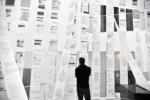
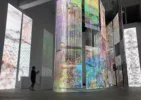
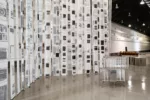
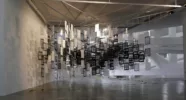
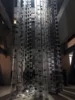
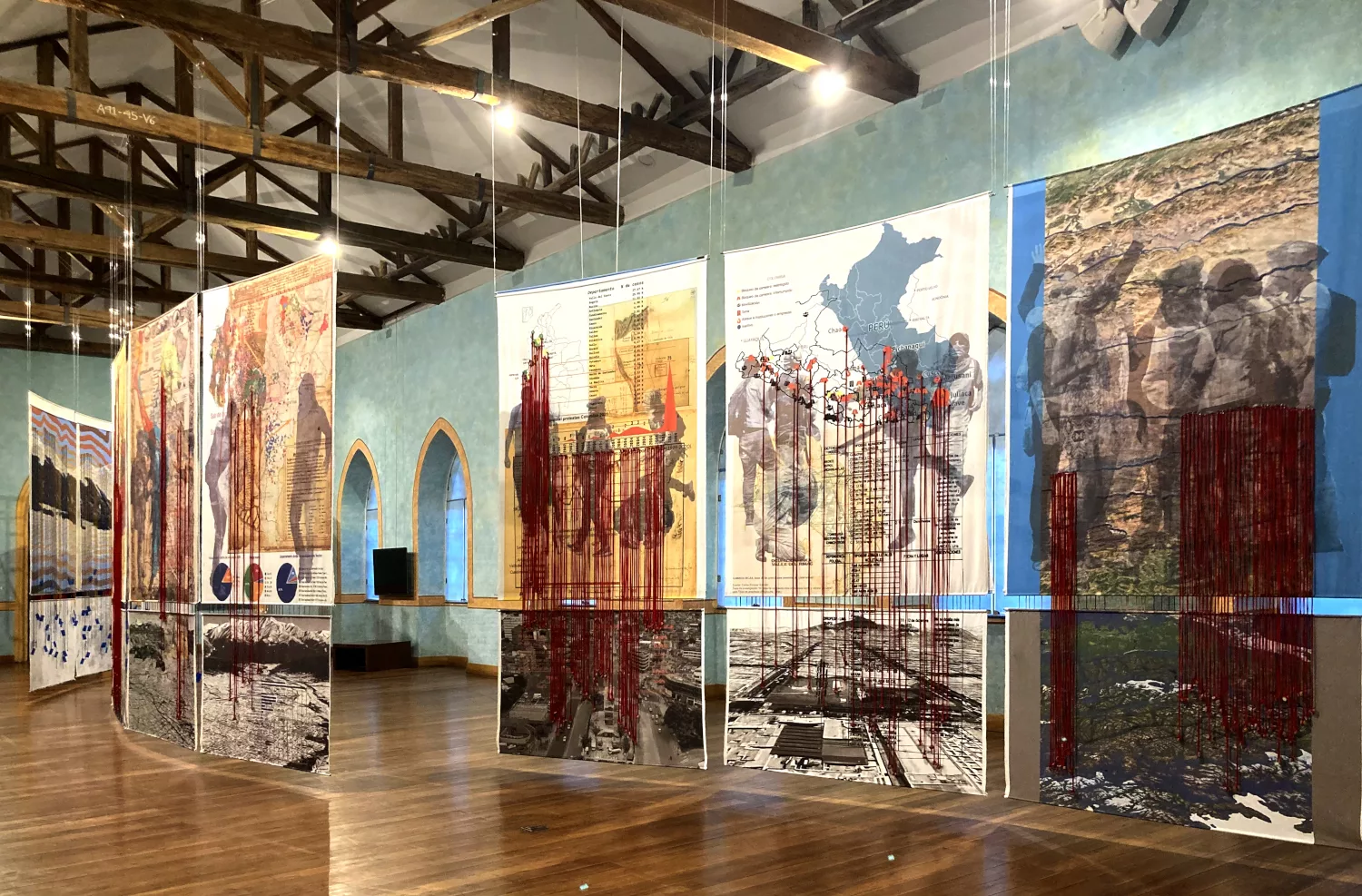
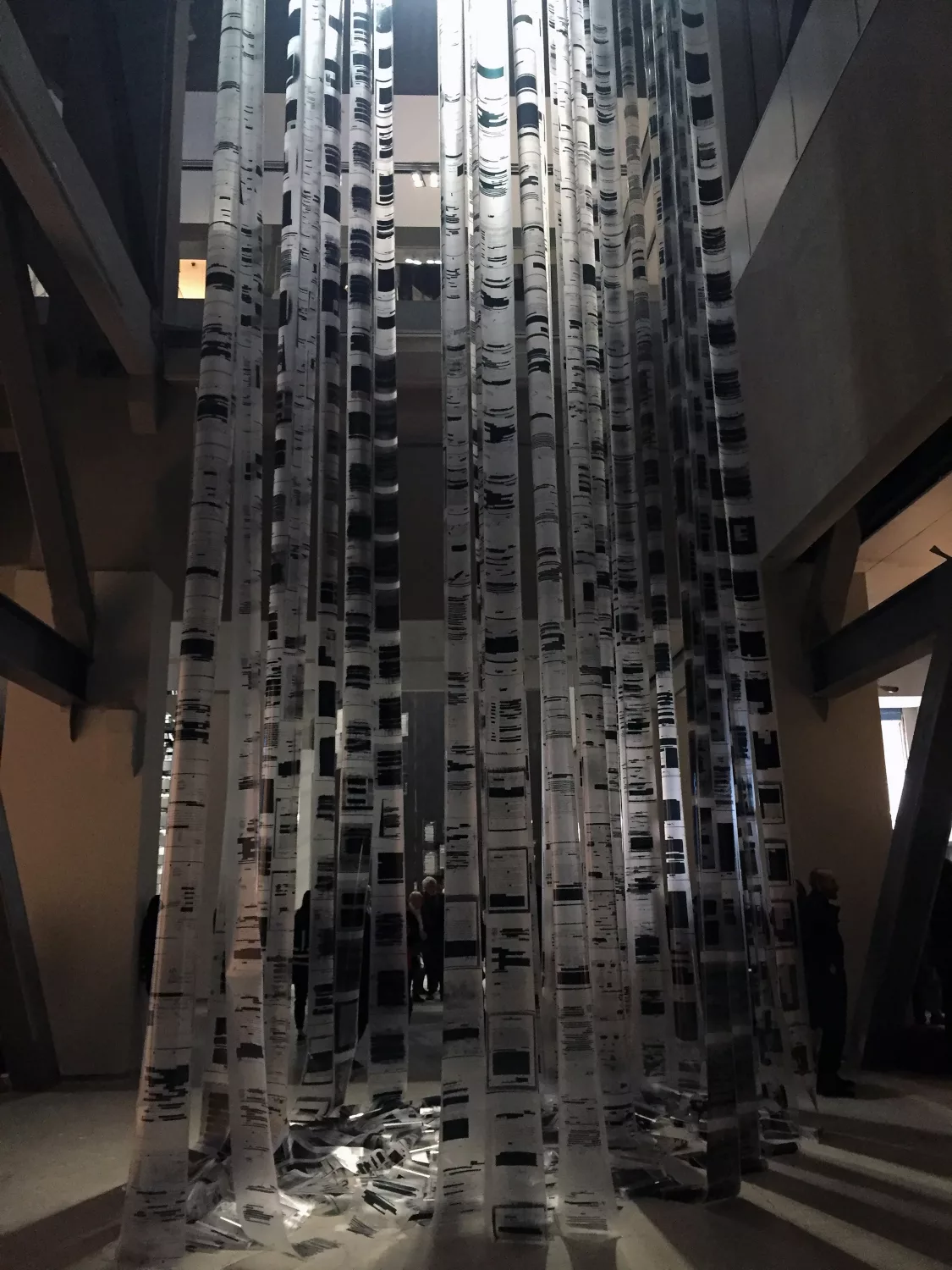
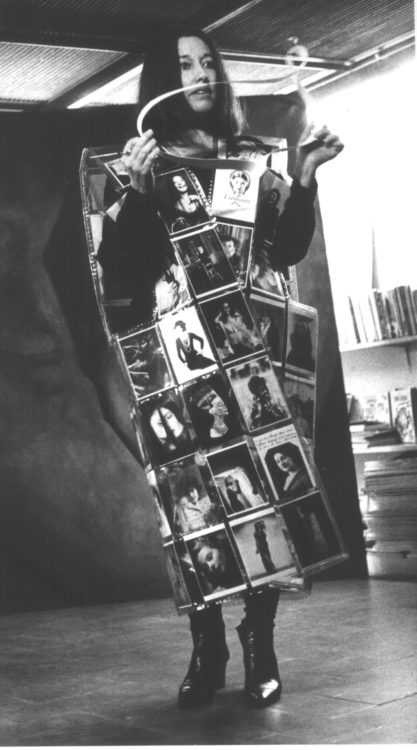
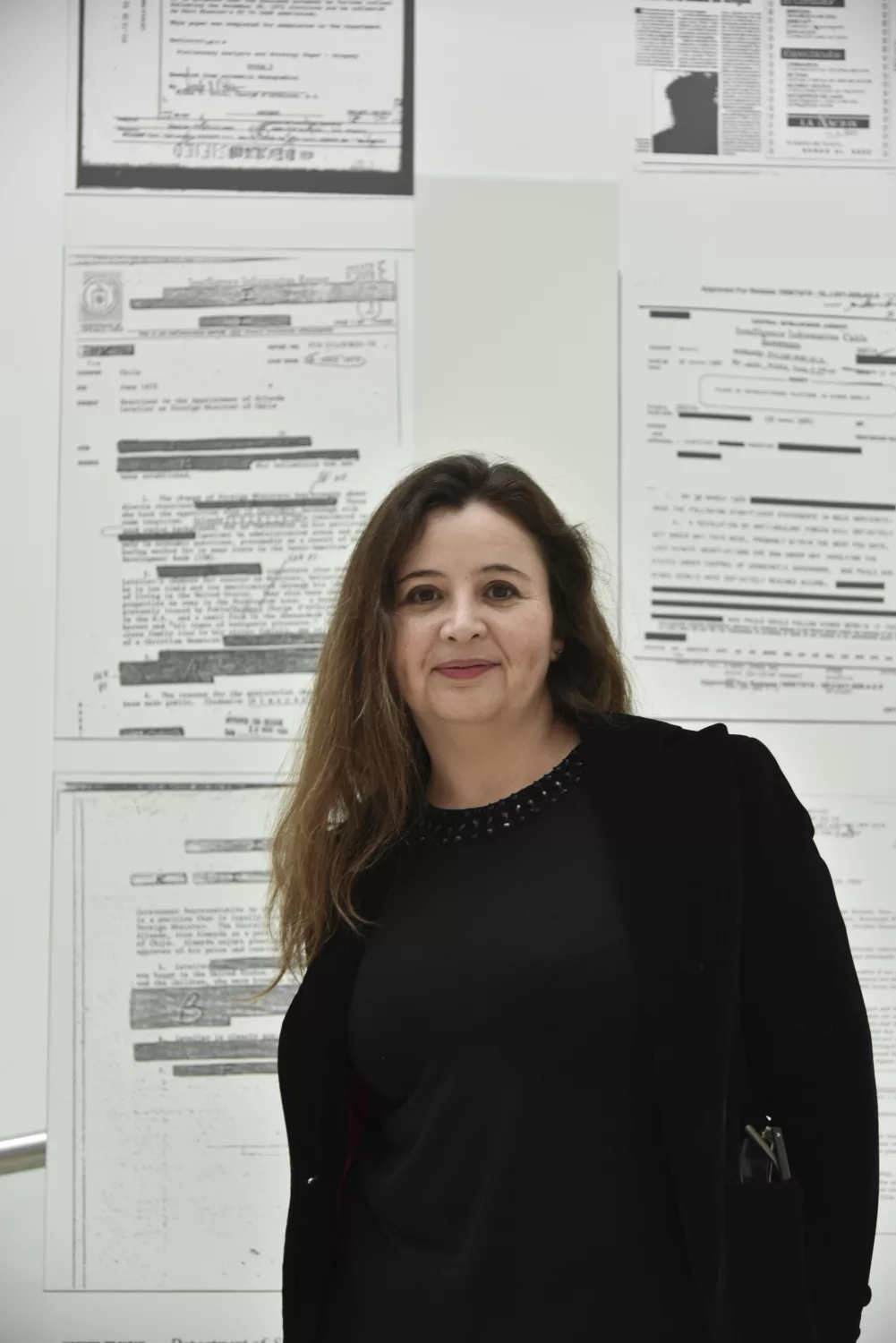
Since the 2000s V. Jarpa has addressed images linking the female body to hysteria (Paisaje somático [Somatic Landscape, 2005]; Soma [Soma, 2006]; Plaga [Plague, 2008]; L’Effet Charcot [The Charcot Effect, 2010]) and questioned the social and cultural constructs around ‘feminine ailments’. Later, she worked with declassified archives from the CIA. This research focused on secrets and operations during the Cold War and revived the fragmented history of the Latin American region during its military dictatorships. Through documents and the voices and testimonies of people involved, she created a symbol of censorship based on erasure – the divested image that denies history in a single stroke. This collaborative and cross-disciplinary project evolved into a site-specific installation titled En nuestra pequeña región de por acá [In Our Little Region Around Here, 2016–2017], which was first shown at the Museo de Arte Latinoamericano de Buenos Aires and then at the Centro Cultural Matucana 100, Santiago. Here, she presented the nature of the archive alongside memory and the cultural and symbolic notion of the social trauma of fourteen Latin American countries, which are connected by their intelligence archives from 1948 to 1994.
V. Jarpa has taken part in several biennials, including those in Havana (1996), Shanghai (2003, 2019), Mercosur, Istanbul (2011), São Paulo (2014), Venice (2019) and BienalSur (2019, 2021, 2025). She has received multiple awards, including the Award for Excellence in Artistic Creation from the Pontificia Universidad Católica de Chile (2016), the first Julius Baer Award for Latin American Female Artists (2020) and the Acquisition Award of the 16th Bienal de Cuenca (2023). In 2024 she was nominated for the Mario Merz Prize in Turin. In 2025 she was awarded the Fundación Ama Amoedo Grant, José Ignacio, Uruguay, for the artistic development of Latin America and the Mid-Career Award of the Cisneros Fontanals Art Foundation, Miami. In 2026 she received the S+T+ARTS Buen-TEK Grand Prize from the European Commission in the Netherlands.
A notice produced as part of the TEAM international academic network: Teaching, E-learning, Agency and Mentoring
© Archives of Women Artists, Research and Exhibitions, 2026