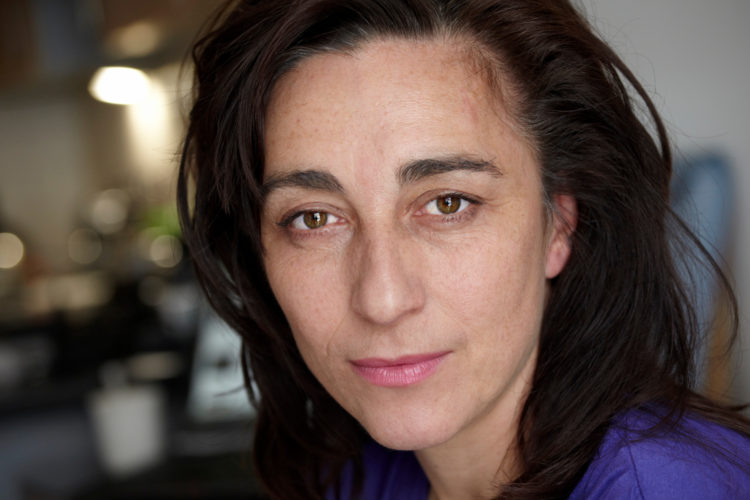
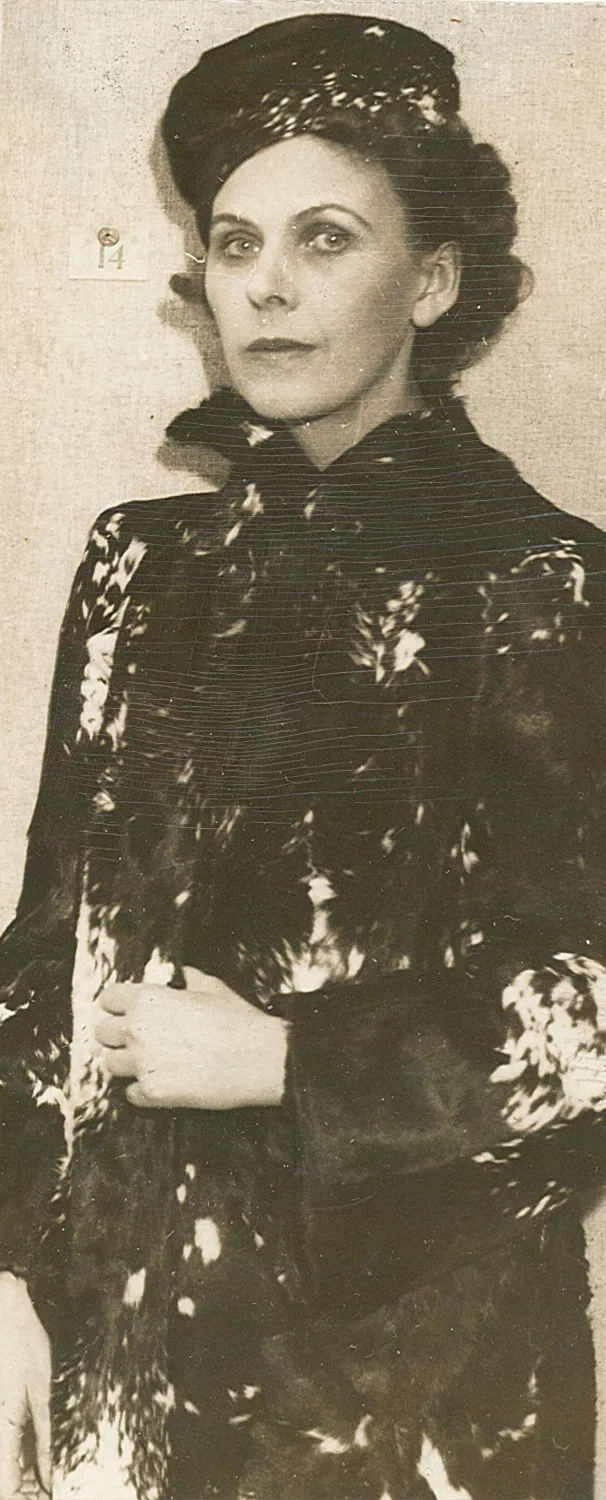
Portrait of Joronn Sitje ca. 1935–1940, Oslo Museum
Katz, Gry Iverslien, Den gåtefulle Joronn Sitje: om Afrika, kunsten og kjærligheten, Oslo, Messel, 2011
→Högkvist, Stina, “Mörka hemligheter: Representationer av det vita och svarta Afrika i Nasjonalgalleriets samling,” Kunst og kultur 93, no. 3, 2010, p. 180–91
→Graham, Beate, “Joronn Sitje og Karen Blixen,” Kunst og kultur 89, no. 1, 2006, p. 48–57
Solo Exhibition, Kunstnerforbundet, Oslo, 1925; 1931; 1933; 1942; 1946; 1961; 1976
→Solo Exhibition, Kunstnernes Hus, Oslo, 1935; 1939; 1940; 1941; 1949
→Solo Exhibition, Blomqvist, Oslo, 1923
Norwegian painter.
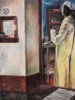
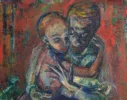
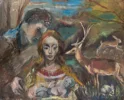
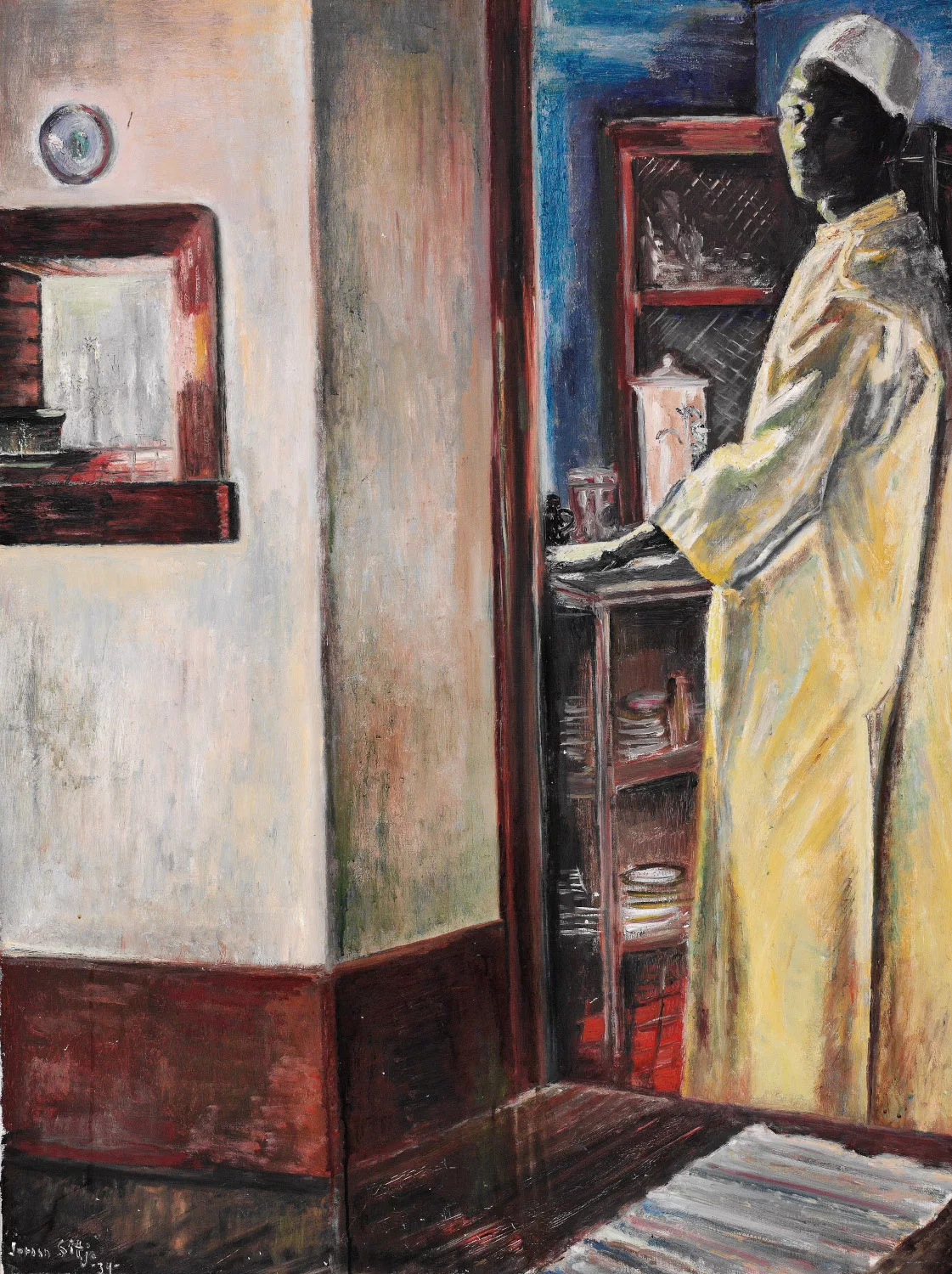
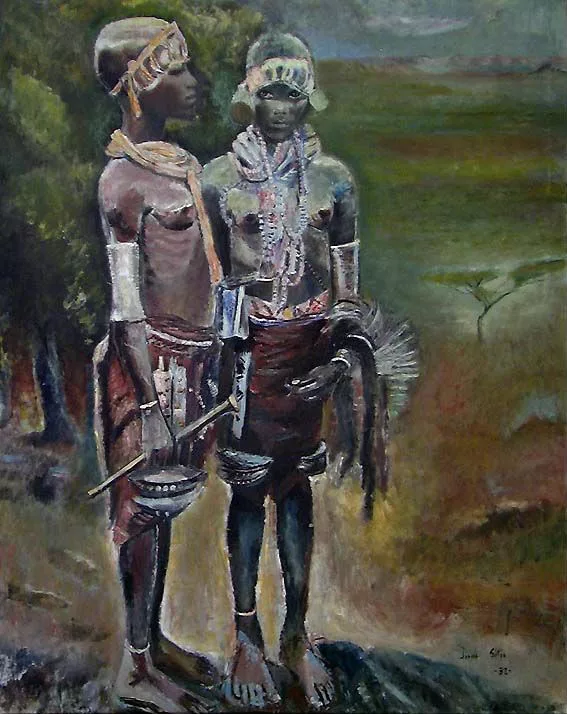
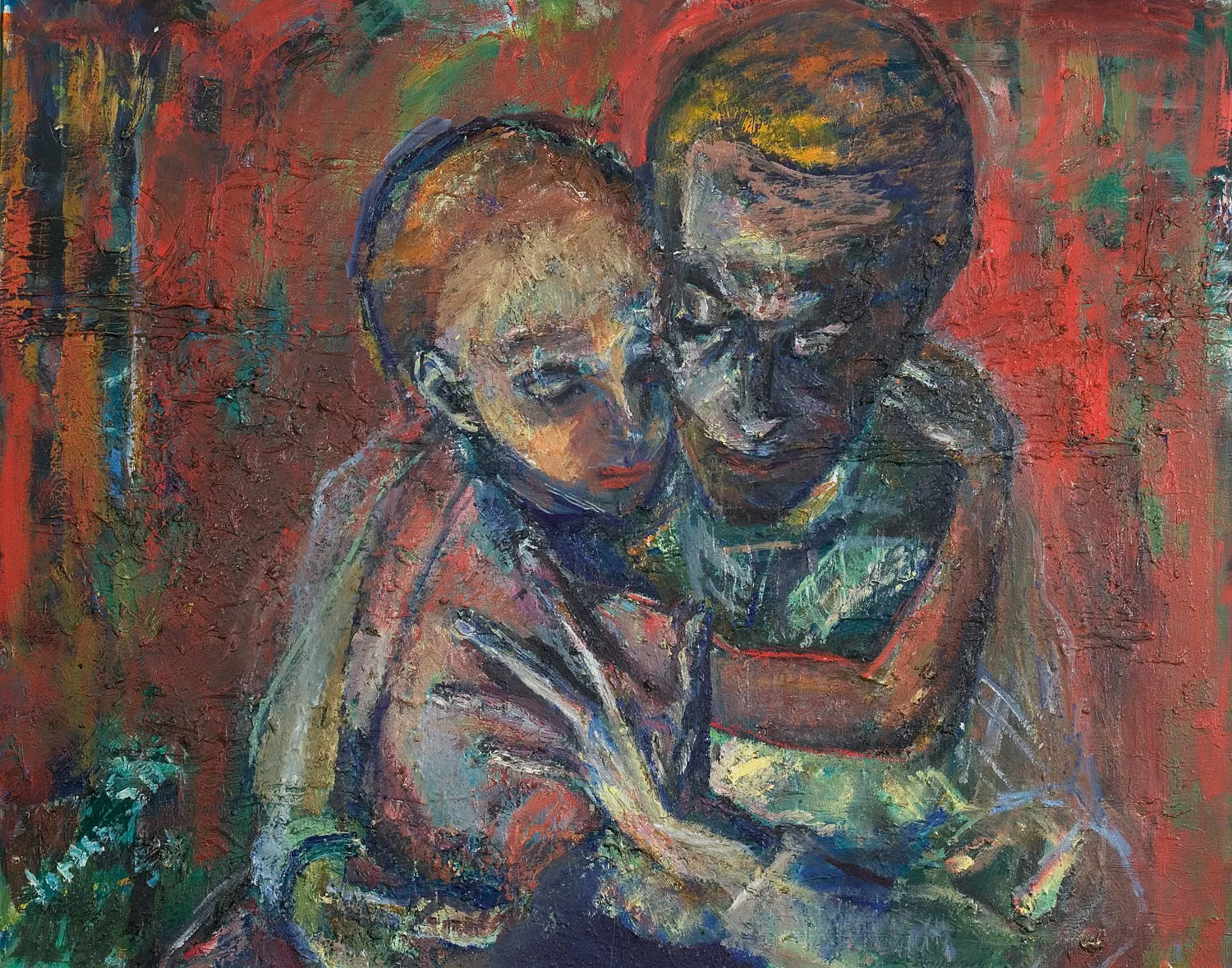
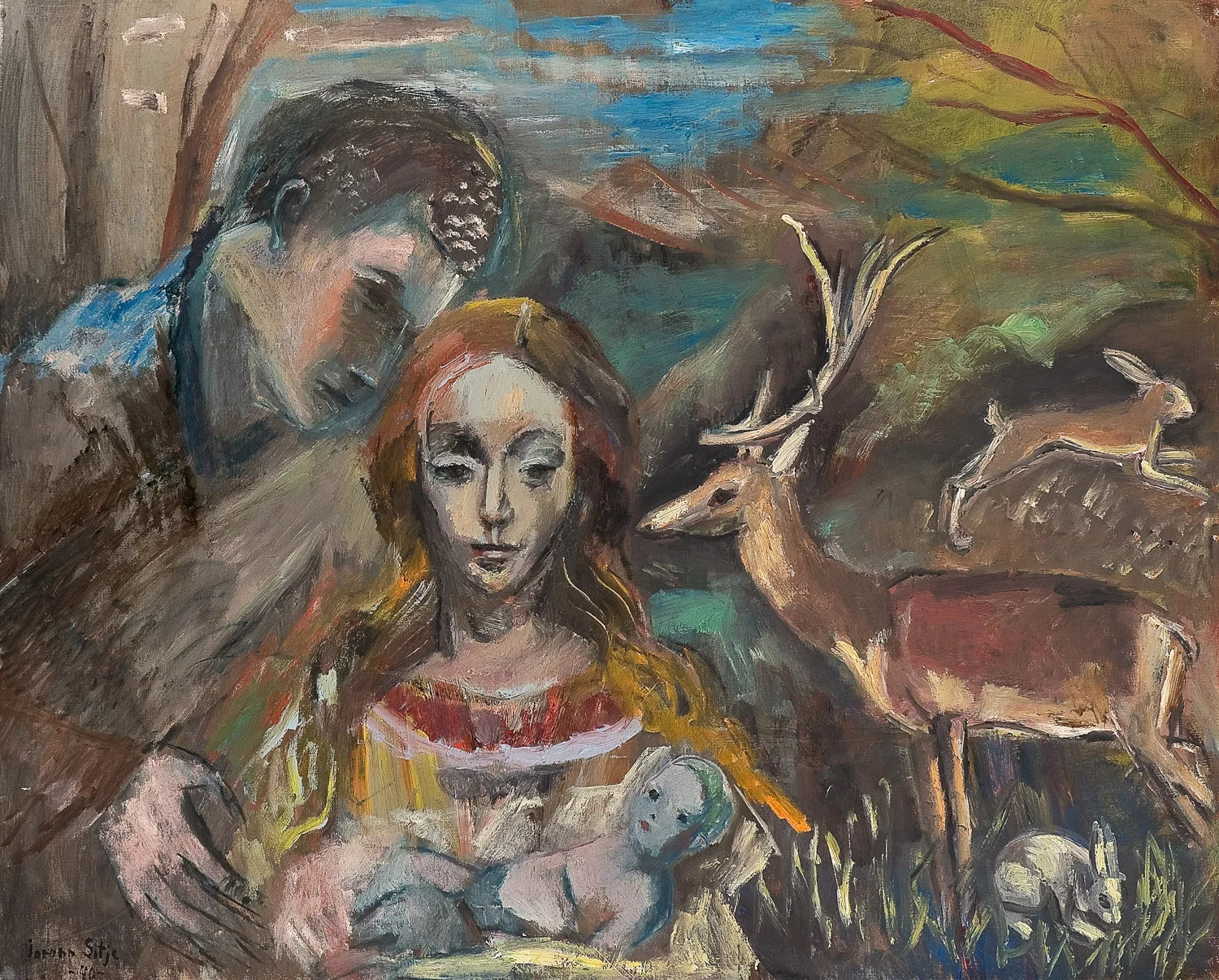
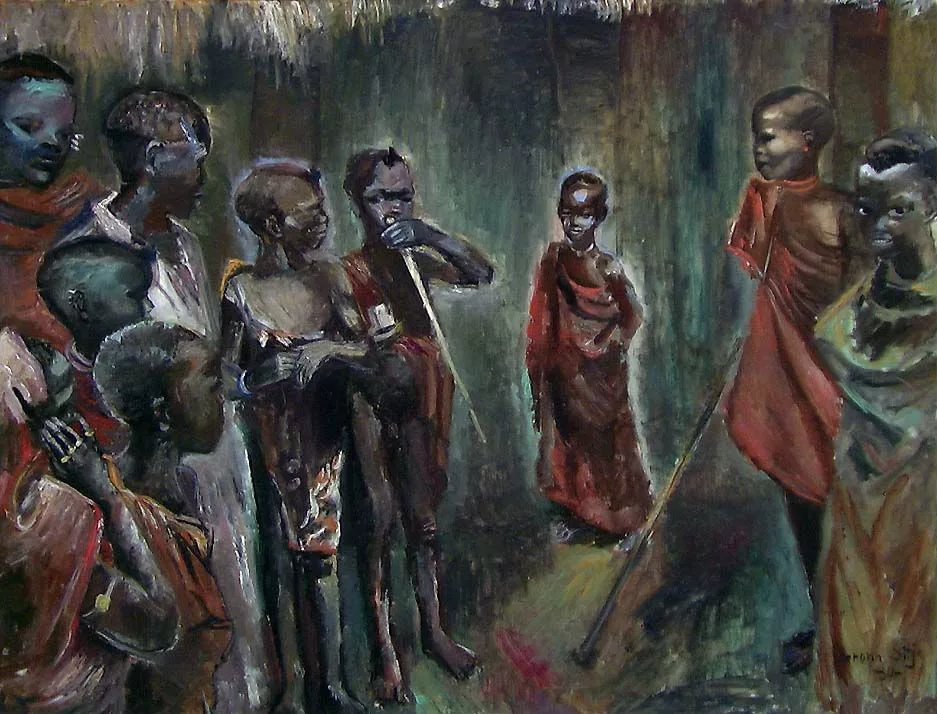
Jorunn Sitje’s paintings are bold and expressionist, with motifs ranging from political, visionary and symbolic to depictions of her immediate surroundings, including interiors, portraits, animals and landscapes, many of which were painted in Kenya, where she lived for several years.
J. Sitje was born in Kristiania (present-day Oslo). In 1913 she moved with her family to Hokksund, a small town west of Kristiania, where her father, Olaf Halvorsen Sitje, served as Magistrate. In 1914, at the age of 17, she enrolled at Statens håndverks- og kunstindustriskole [The National College of Art and Industrial Design], where she studied under Oluf Emil Wold-Torne (1867–1919) and Lars Utne (1862–1922). At around the same time, she was introduced to the painter Henrik Sørensen (1882–1962), then amongst Norway’s most acclaimed artists, and he became something of a mentor to her. When J. Sitje moved to Paris in 1920, where she stayed for the next four years, she quickly became part of H. Sørensen’s circle there.
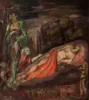
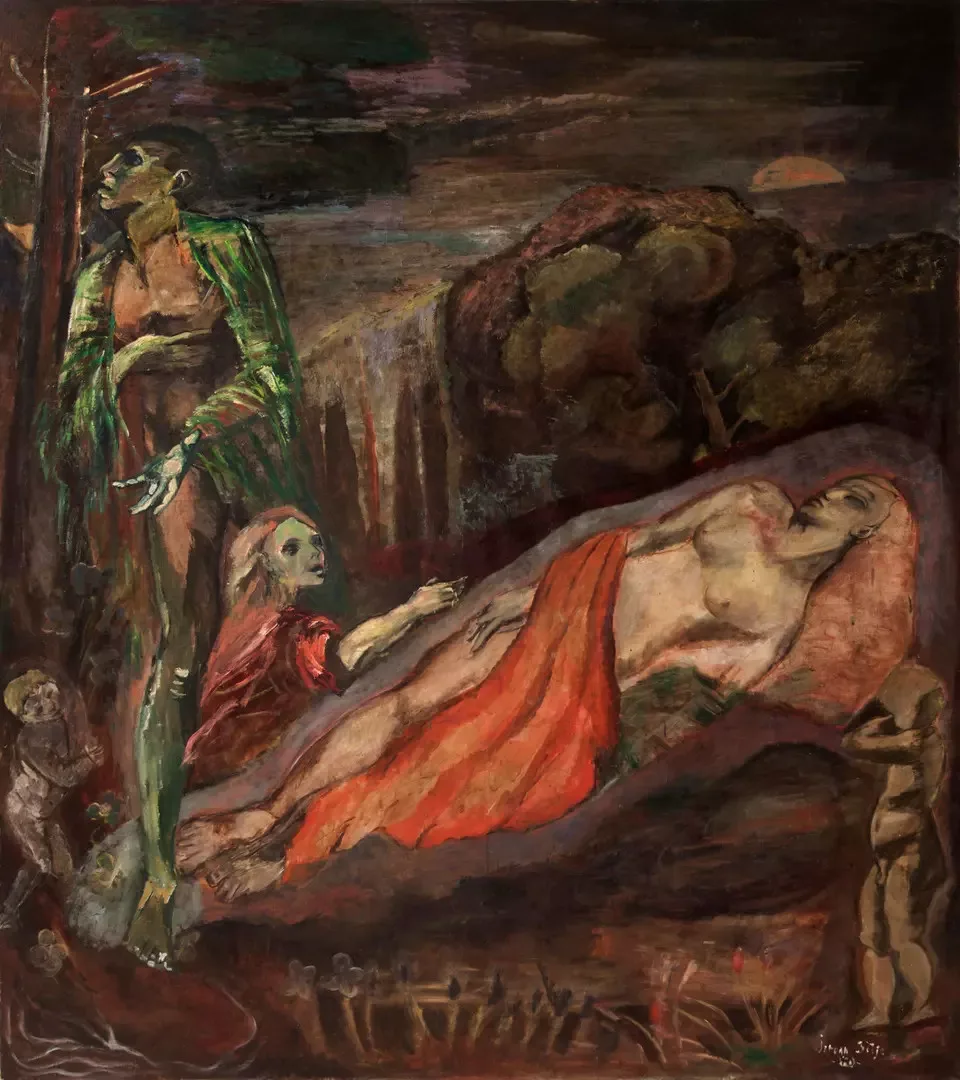
In 1923 she made her debut with a solo show at Blomqvist Kunsthandel, a renowned art dealer and exhibition venue in Oslo. The works she exhibited were large-scale figure compositions, emotionally charged and symbolic. Several paintings depicted biblical or religious scenes. Åses død [Death of Åse, 1925] exemplifies her symbolic approach in this period.
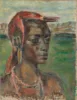
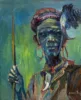
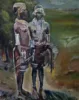
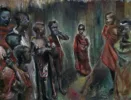
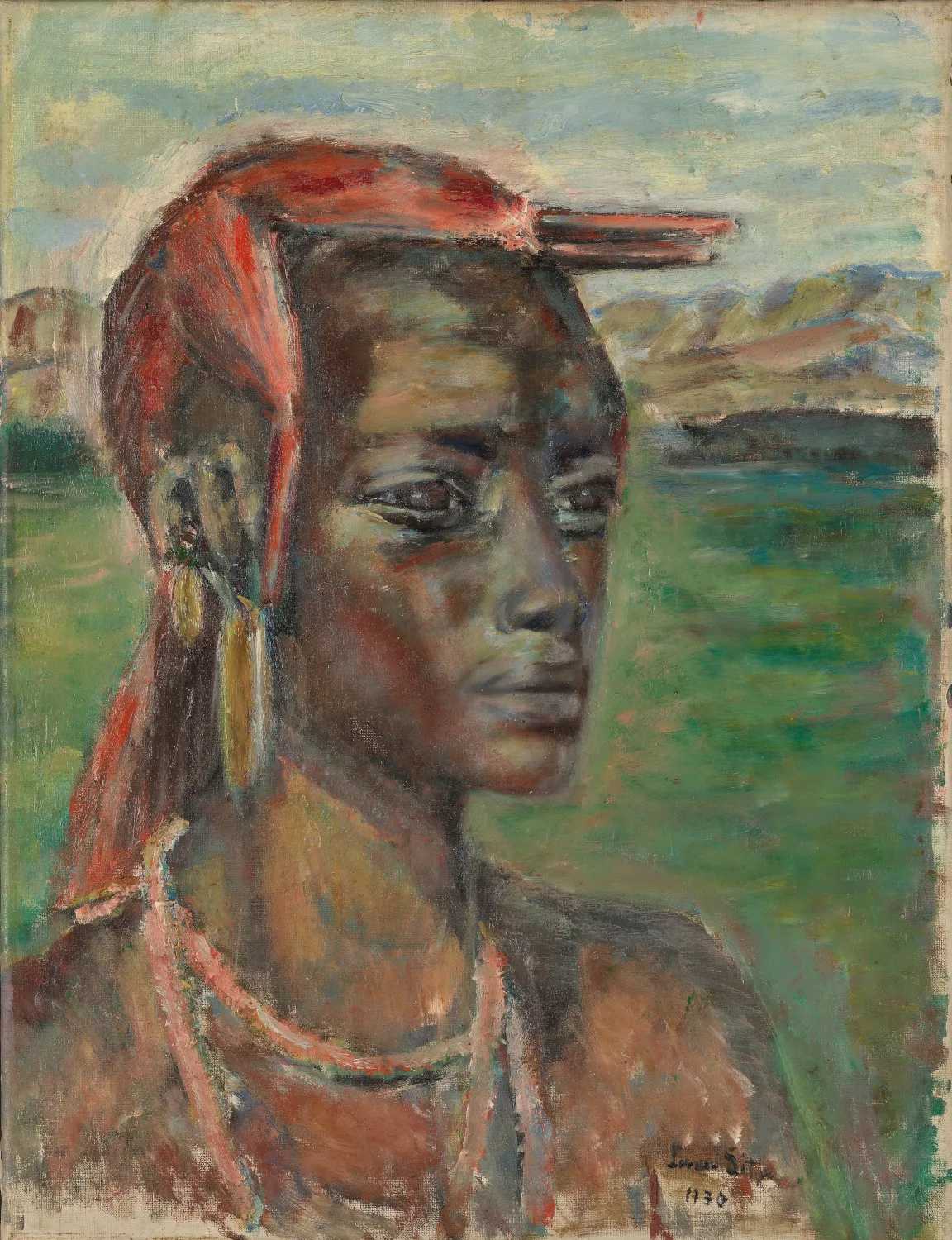
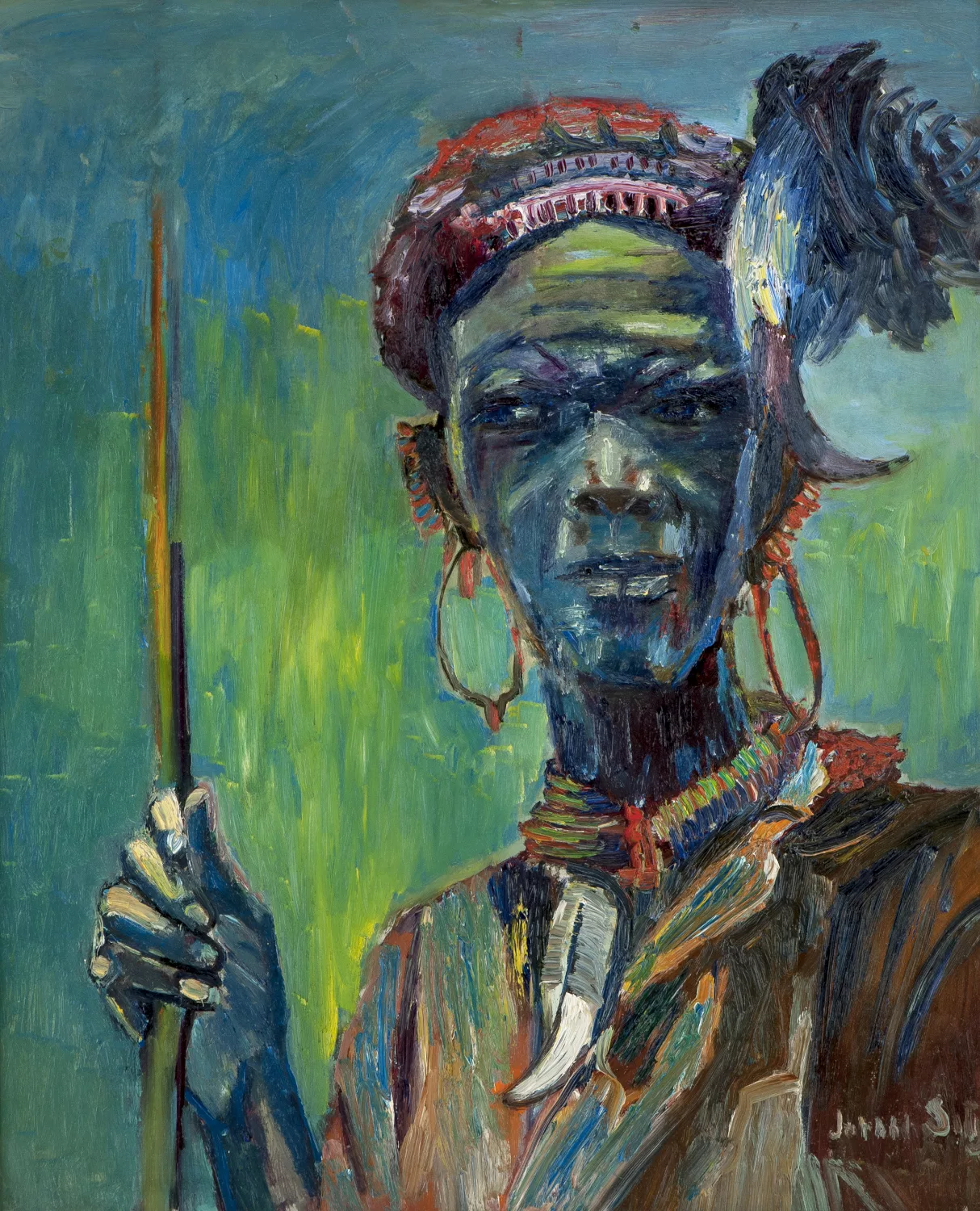
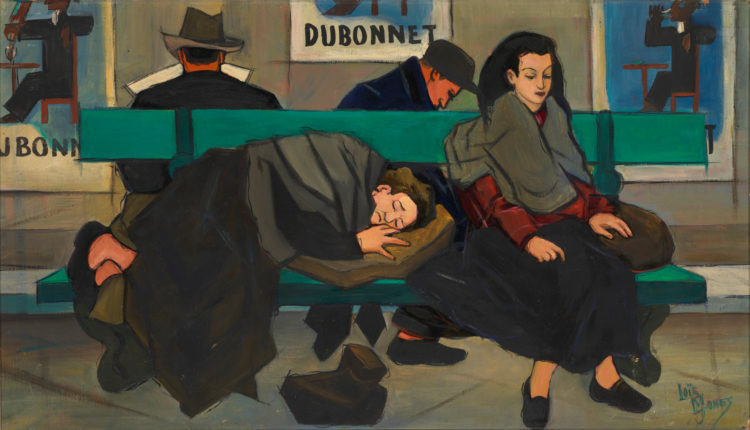
After marrying Fridtjof Lous Mohr (1888–1942) in 1928, J. Sitje moved with him to his nearly 750-acre farm in British East Africa (present-day Kenya). The farm was her home for the next eleven years, until 1939. During this period, J. Sitje painted the works for which she became best known, her so-called “African pictures” (afrikabilder). She abandoned dreamy, symbolic subjects in favour of depictions of her new surroundings, painting wildlife (her husband was an avid safarist, writing several autobiographical books on the topic, which J. Sitje illustrated), and, most of all, portraits of local farmworkers, often in traditional dress, which often display the white colonising gaze on the ‘exotic other’. By the late 1930s, she was also portraying the increasingly grim political situation in works such as Europa (1940) and Flyktninger [Refugees, 1939].
J. Sitje’s commercial breakthrough came in 1931, with a major solo exhibition at Kunstnerforbundet [The Norwegian Artist’s Association] in Oslo, in which most of the works were painted in Kenya. In the following years, she held several large exhibitions at art venues in both Norway and Sweden. From the 1960s onwards, however, attention gradually faded. J. Sitje returned to Norway from Kenya in 1939 and settled in Asker, near Oslo. She died in Oslo in 1982.
Although J. Sitje was a well-known artist throughout most of her career (she exhibited frequently at prominent venues and enjoyed commercial success), her work is rarely shown on a comprehensive scale today, despite being included in significant collections such as The National Gallery, Oslo, MUNCH (the collection of Rolf Stenersen) and Lillehammer Kunstmuseum. Exceptions include a solo exhibition at Nøstetangen Museum (2012) the duo-exhibition Versus to at Trafo Kunsthall (2017) and the group exhibition Når vi døde vågner at Munchmuseet i bevegelse – Kunsthall Oslo (2017–2018).
A biography produced in collaboration with MUNCH
© Archives of Women Artists, Research and Exhibitions, 2026