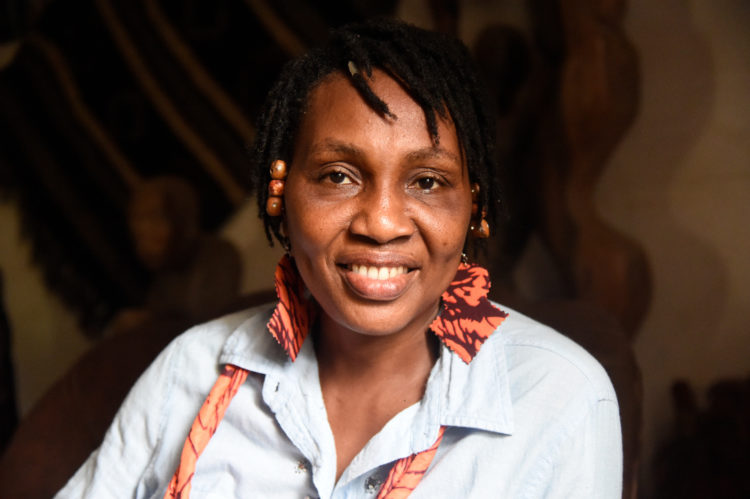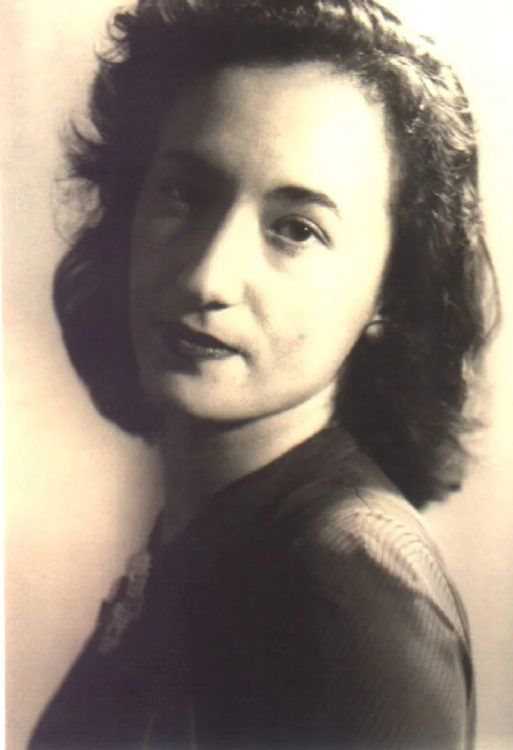

Portrait of Ana López by Adrian Rocha Novoa, 2024 © Courtesy the artist and W—galería
Argentine painter and sculptor.
It was her love for drawing that first attracted Ana López to the arts. She enrolled in the Escuela Panamericana de Arte, where she studied with Luis Felipe Noé in 1972 and 1973. She obtained her diploma from the Escuela Nacional de Bellas Artes Prilidiano Pueyrredón (1979–1984) and continued her training at the Escuela Superior de Bellas Artes Ernesto de la Cárcova (1986–1989) under the direction of Juan Pablo Renzi (1940–1992) and Juan Carlos Diestéfano (1933–). There she met Heloisa Schneiders da Silva (1955–2005) and Feliciano Centurión (1962–1996), with whom she founded the group Tres x tres (three artists, three countries, three ways of thinking). Their group exhibitions included TresxTres (1987) at the Centro de Arte y Comunicación (CAyC), Superficies iluminadas [Iluminated Surfaces, 1990] at the Centro Cultural Recoleta and Preludio [Prelude, 1991] at the Galería del Rojas.
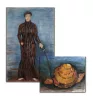
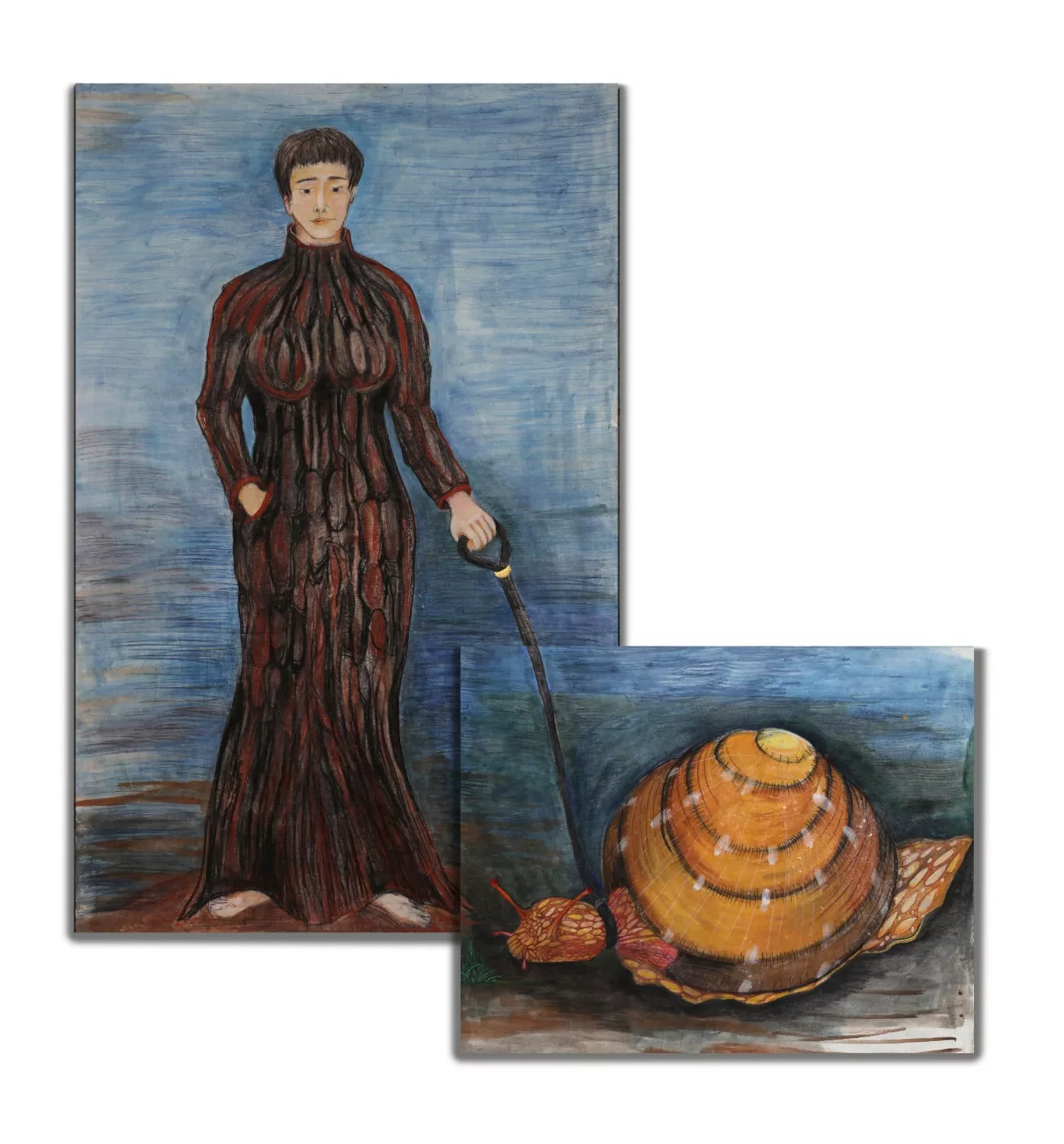
In 1992 A. Lopez was awarded a grant by the Fundación Antorchas, which allowed her to travel to Finisterre, Spain, from where her family originated. That was where she made …dónde va la mujer de negro… [Where is she going, the woman in black,1992], a painting about the strength, the work and the silence of women after the Spanish Civil War. It was shown at the Capela do Pilar in Corcubión, the Escola da Praza in Cee and the Finisterre Biblioteca Pública Municipal, all in Galicia. After returning to Buenos Aires in 1994, she joined with Alicia Herrero (1954–) and Cristina Schiavi (1954–) to mount Violaciones domésticas [Domestic Violations, 1994] at the Espacio Giesso, considered one of the first visual arts exhibitions to address feminist issues. It was followed by the group show Juego de Damas [Checkers, which can also be understood as “Ladies’ Game”, 1995] at the Museo Municipal de Bellas Artes Juan B. Castagnino.
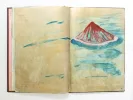
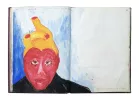
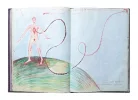
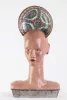
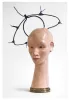
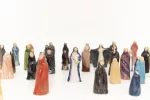
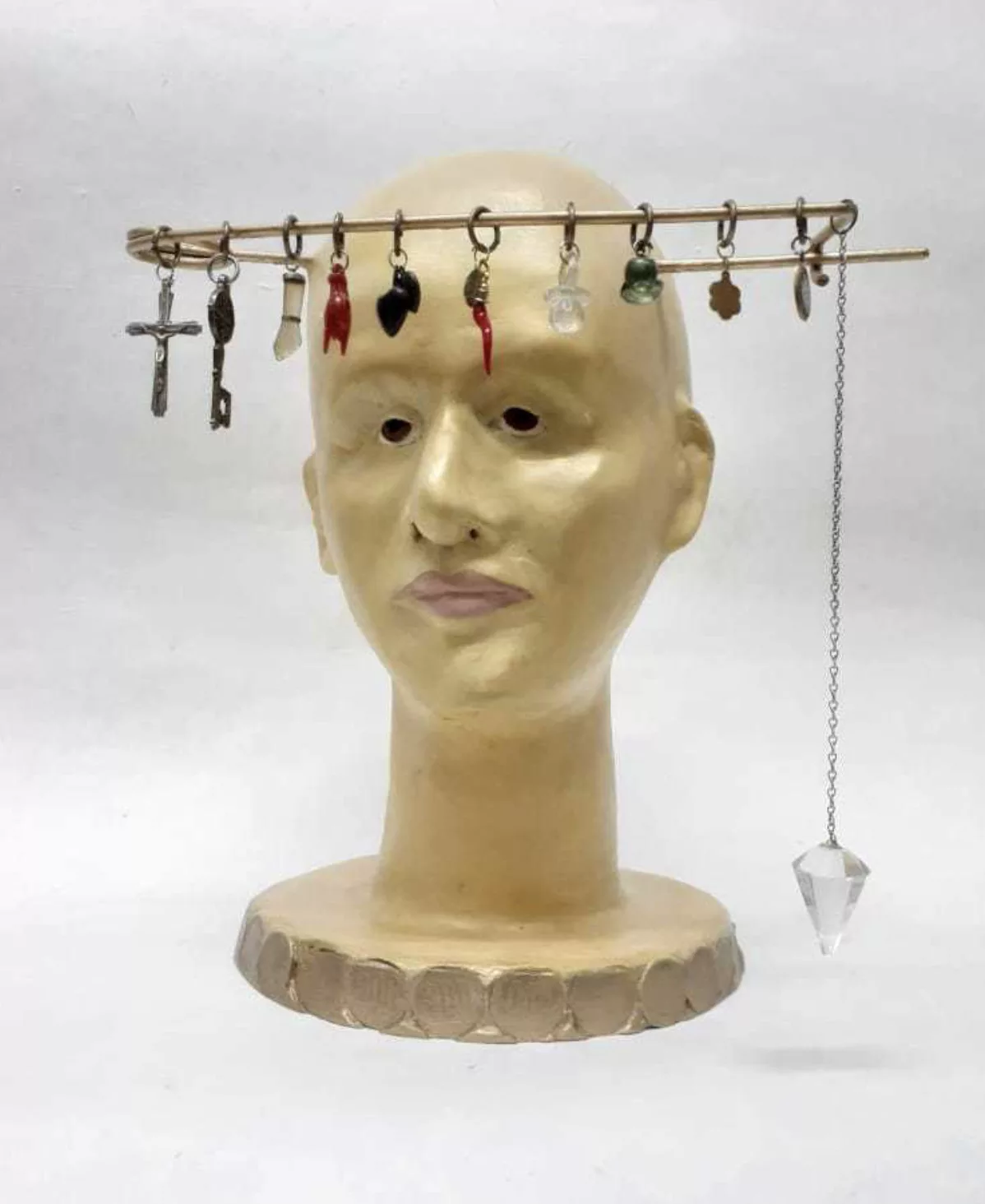
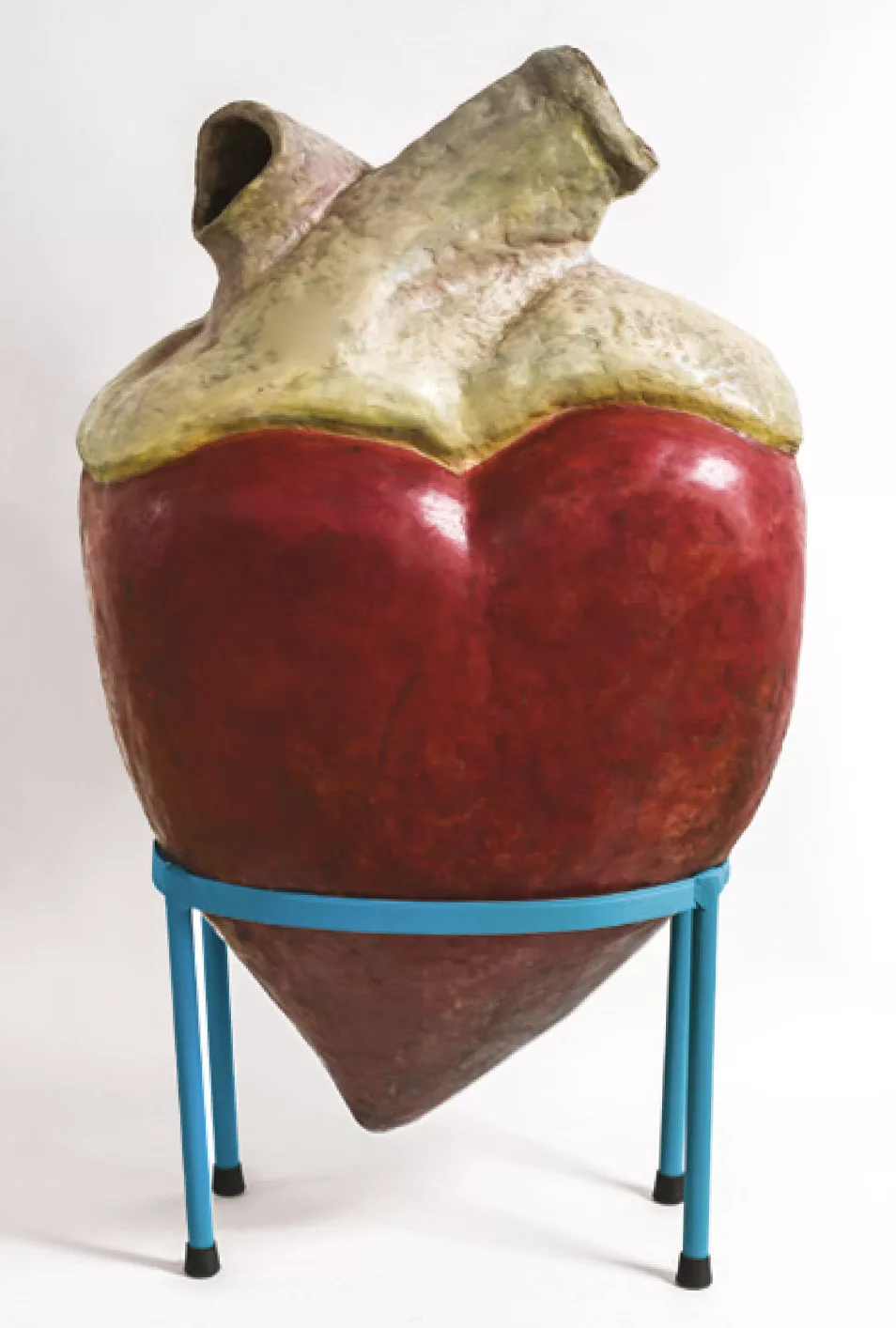
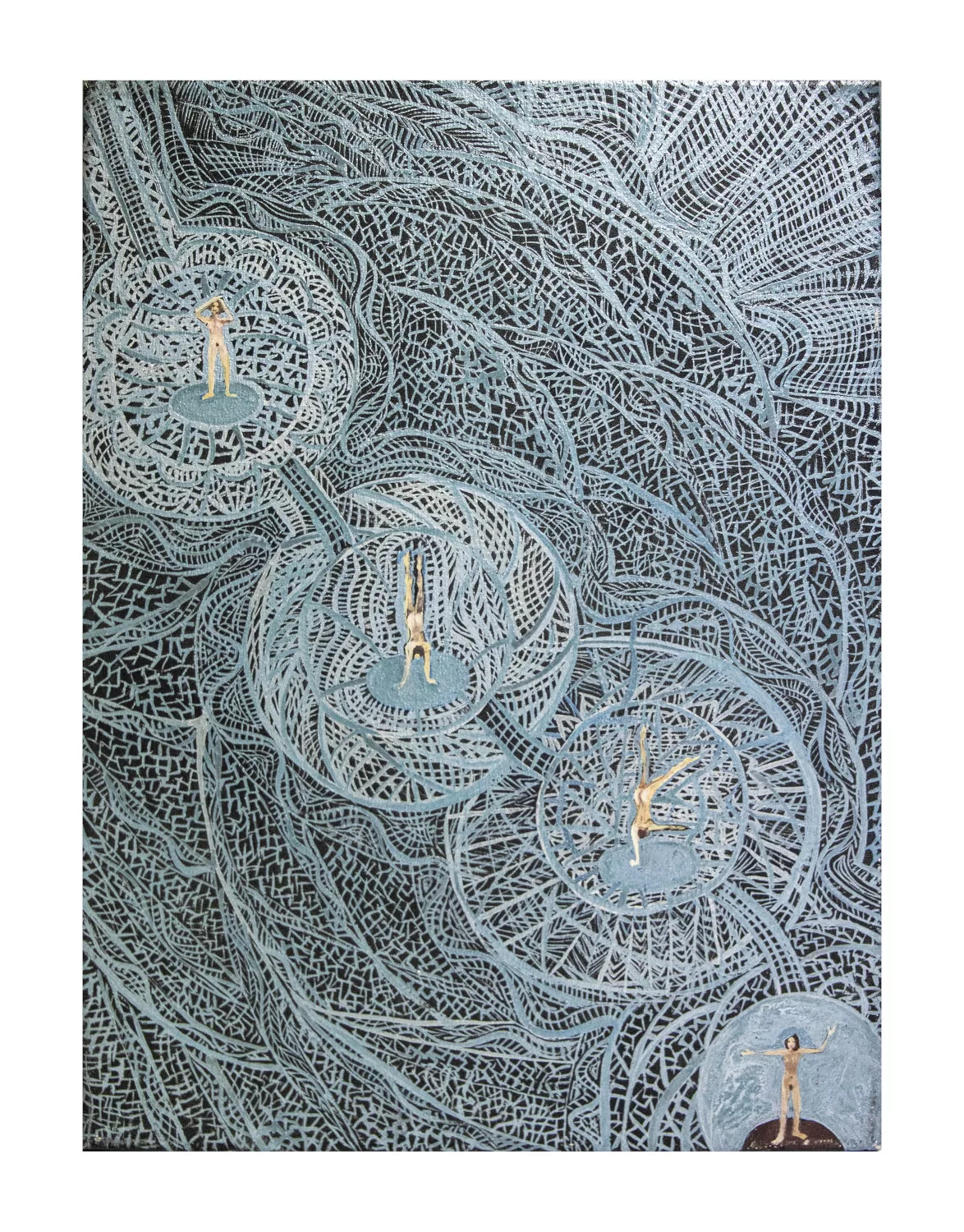
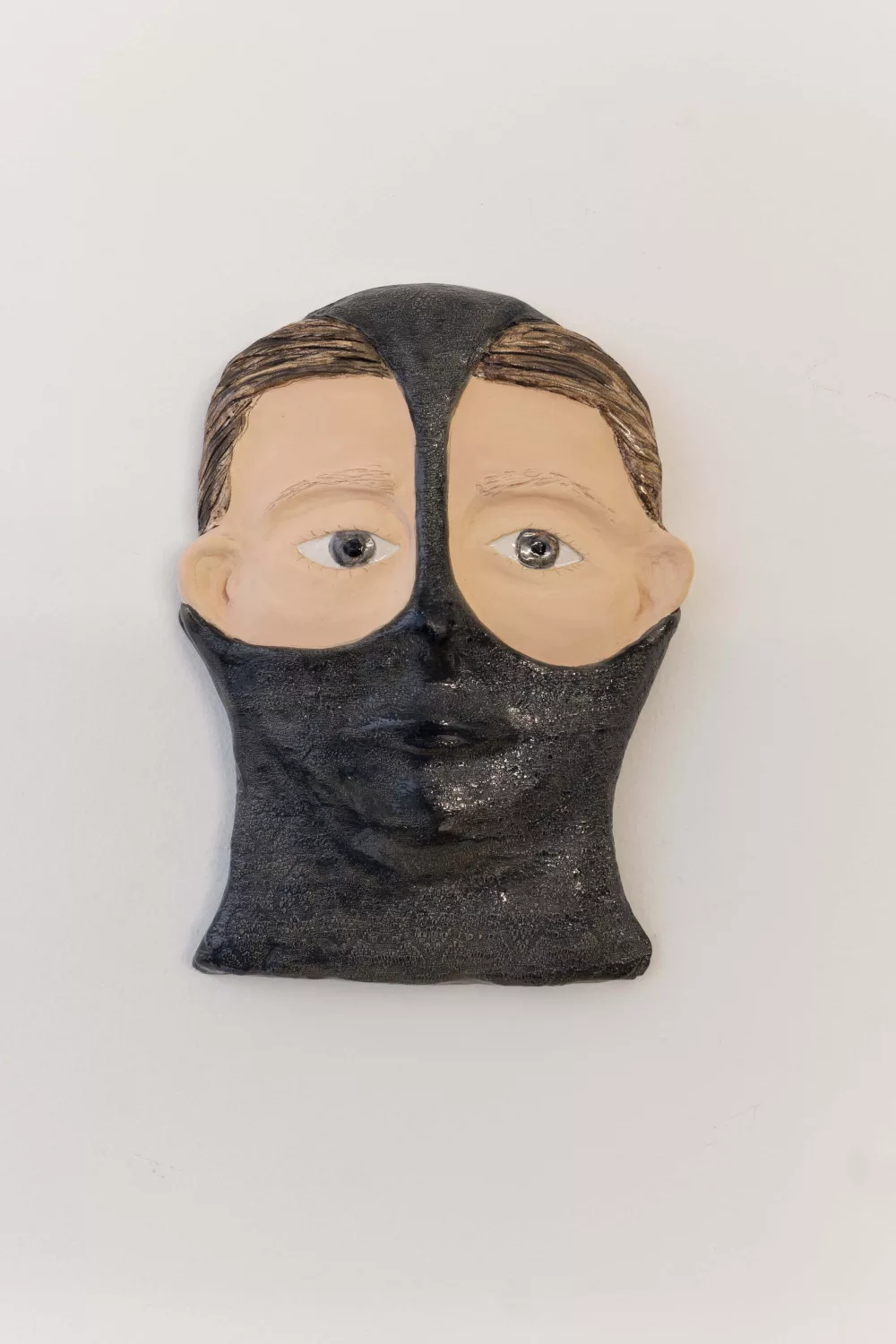
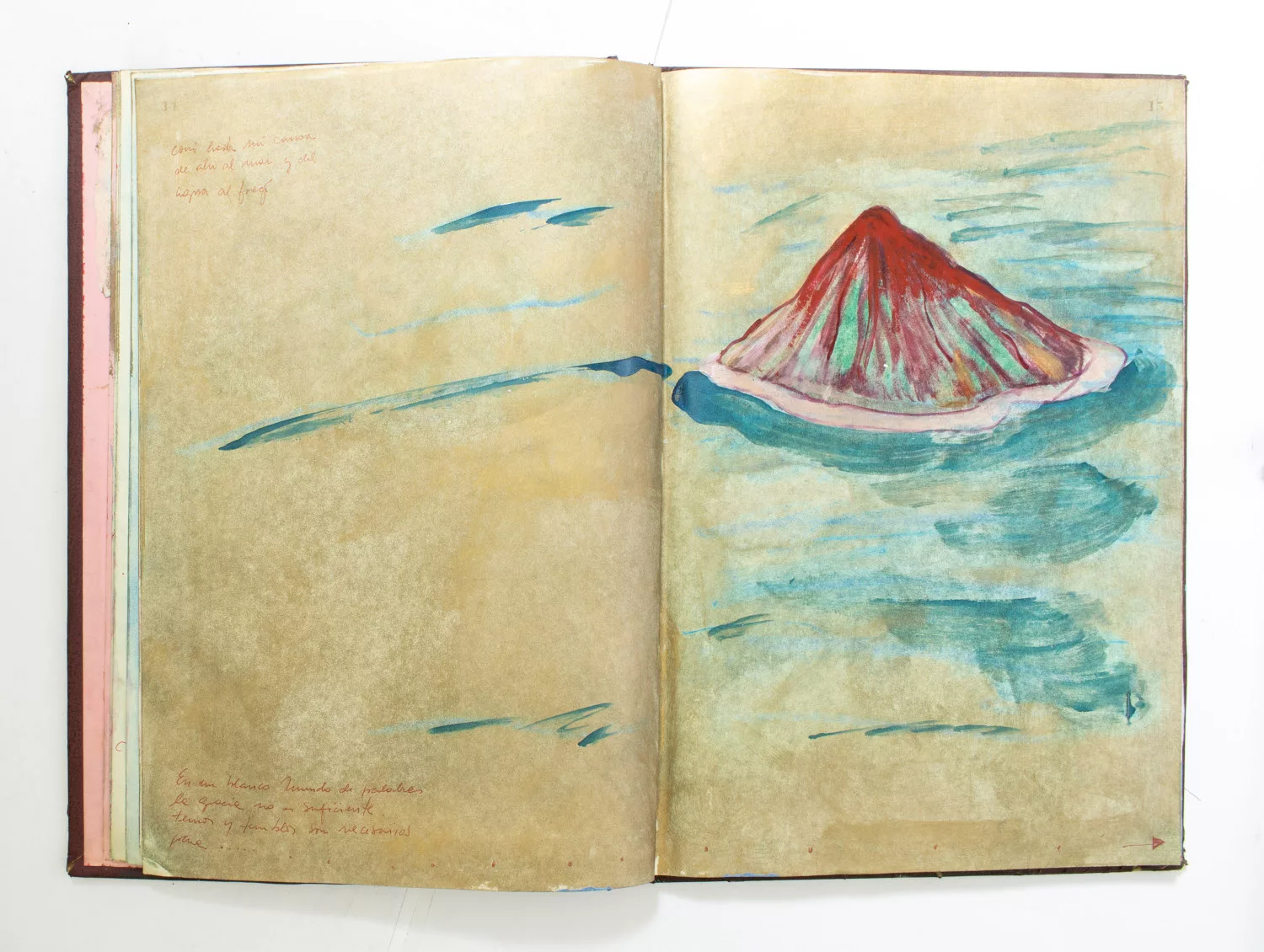
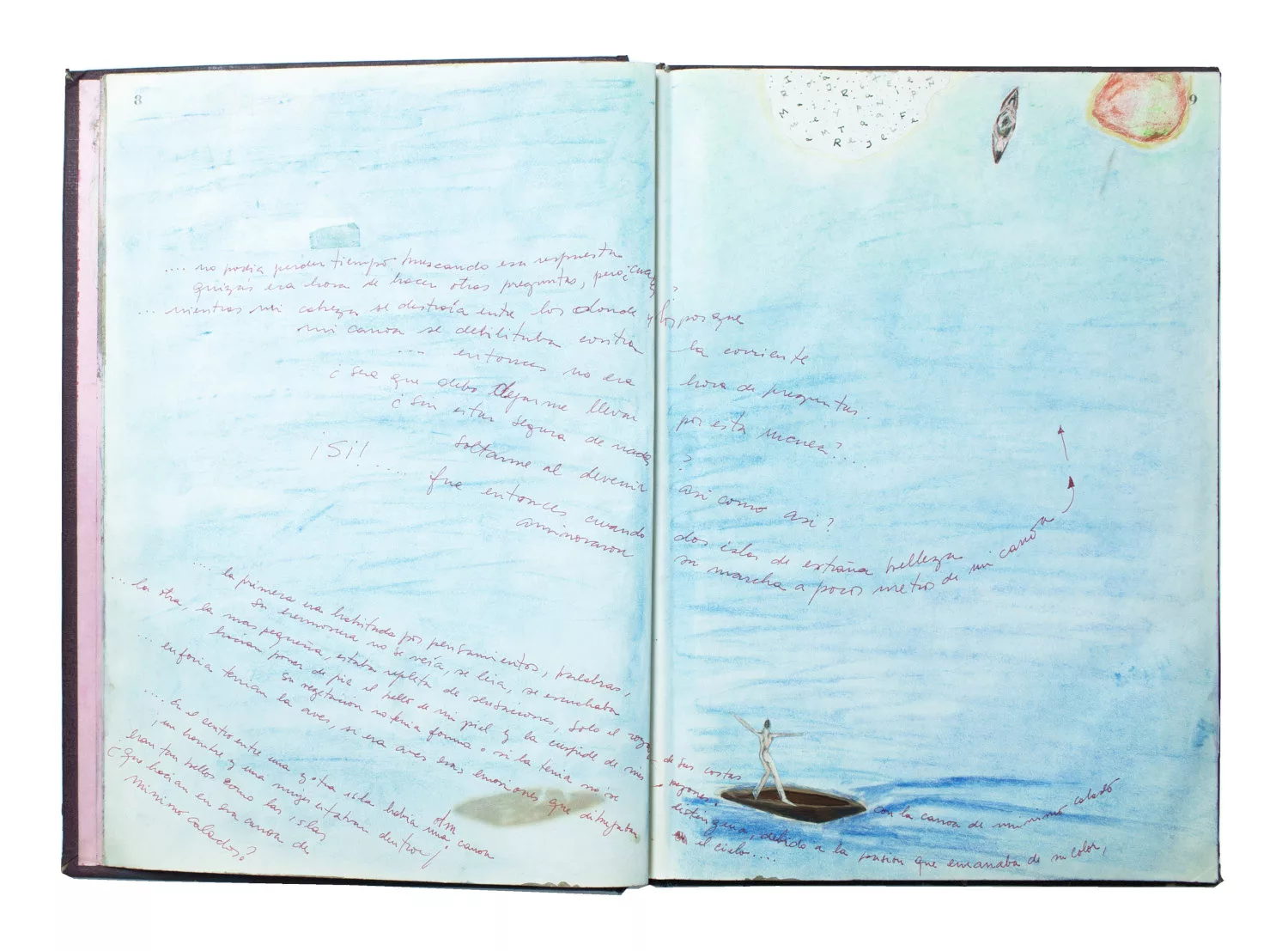
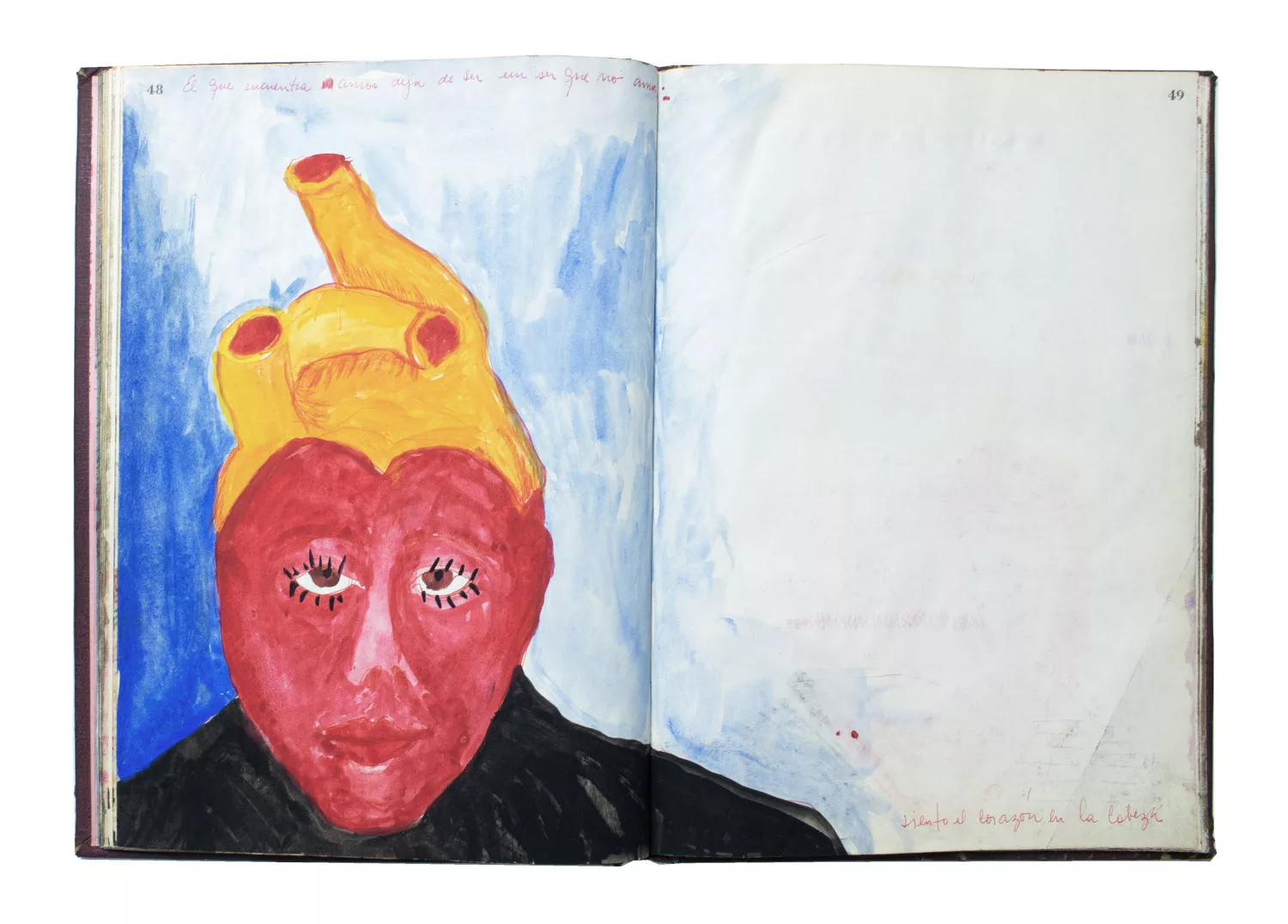
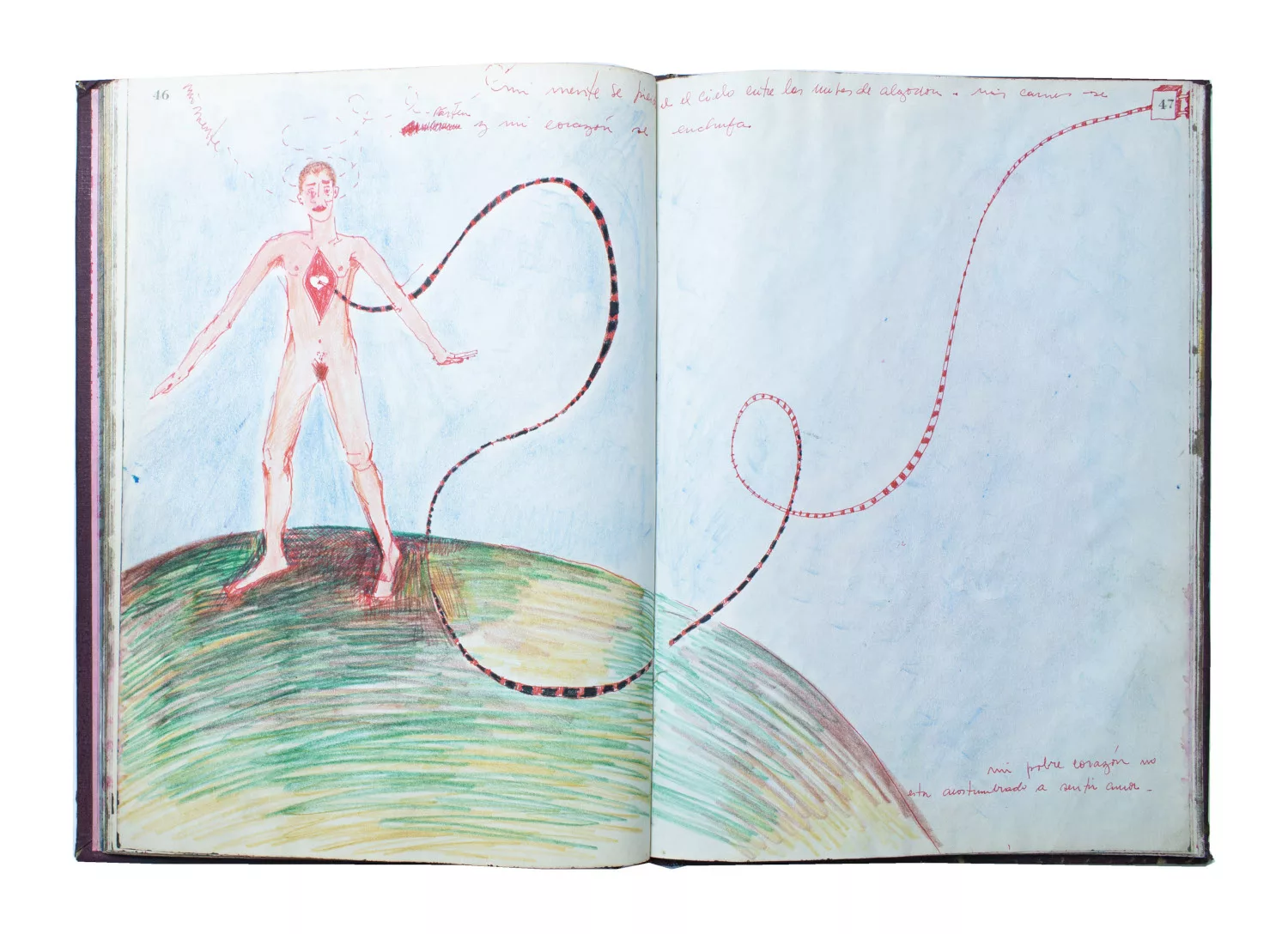
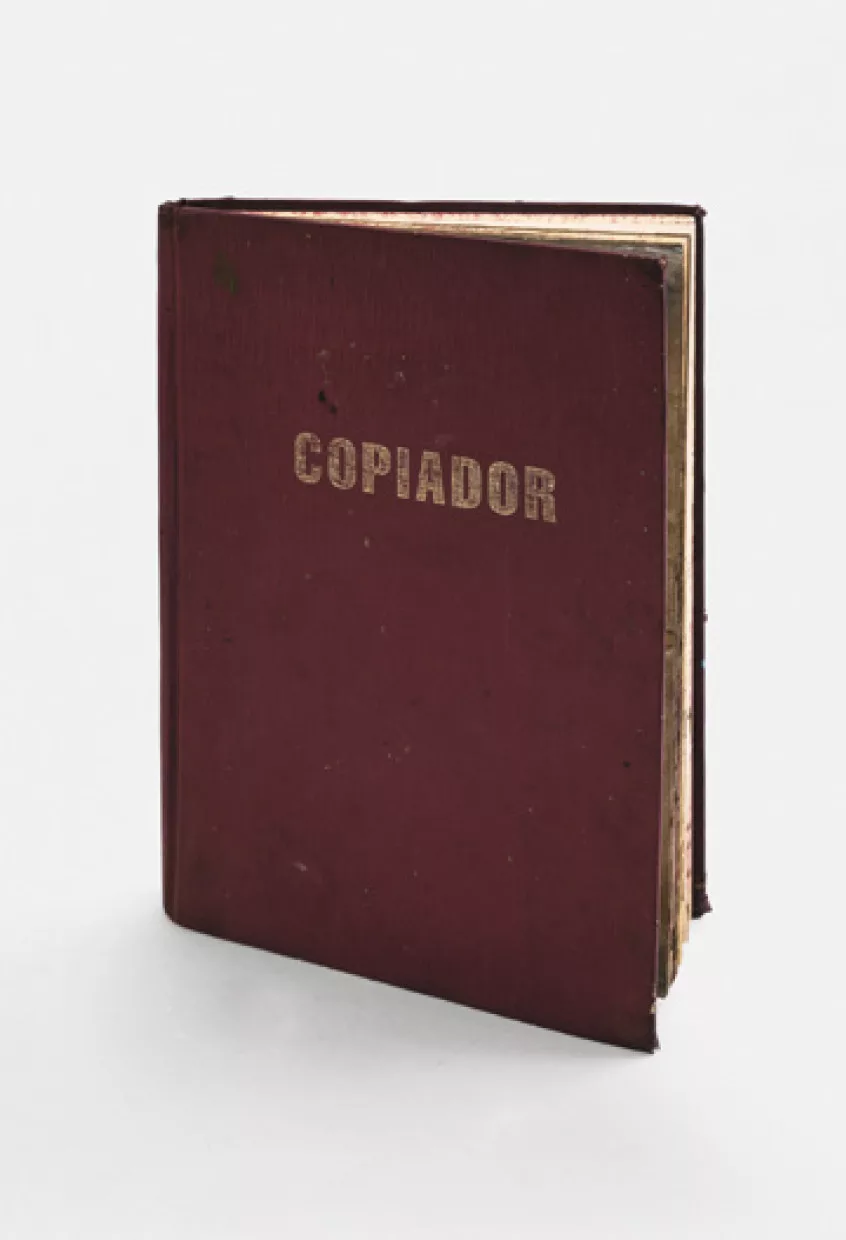
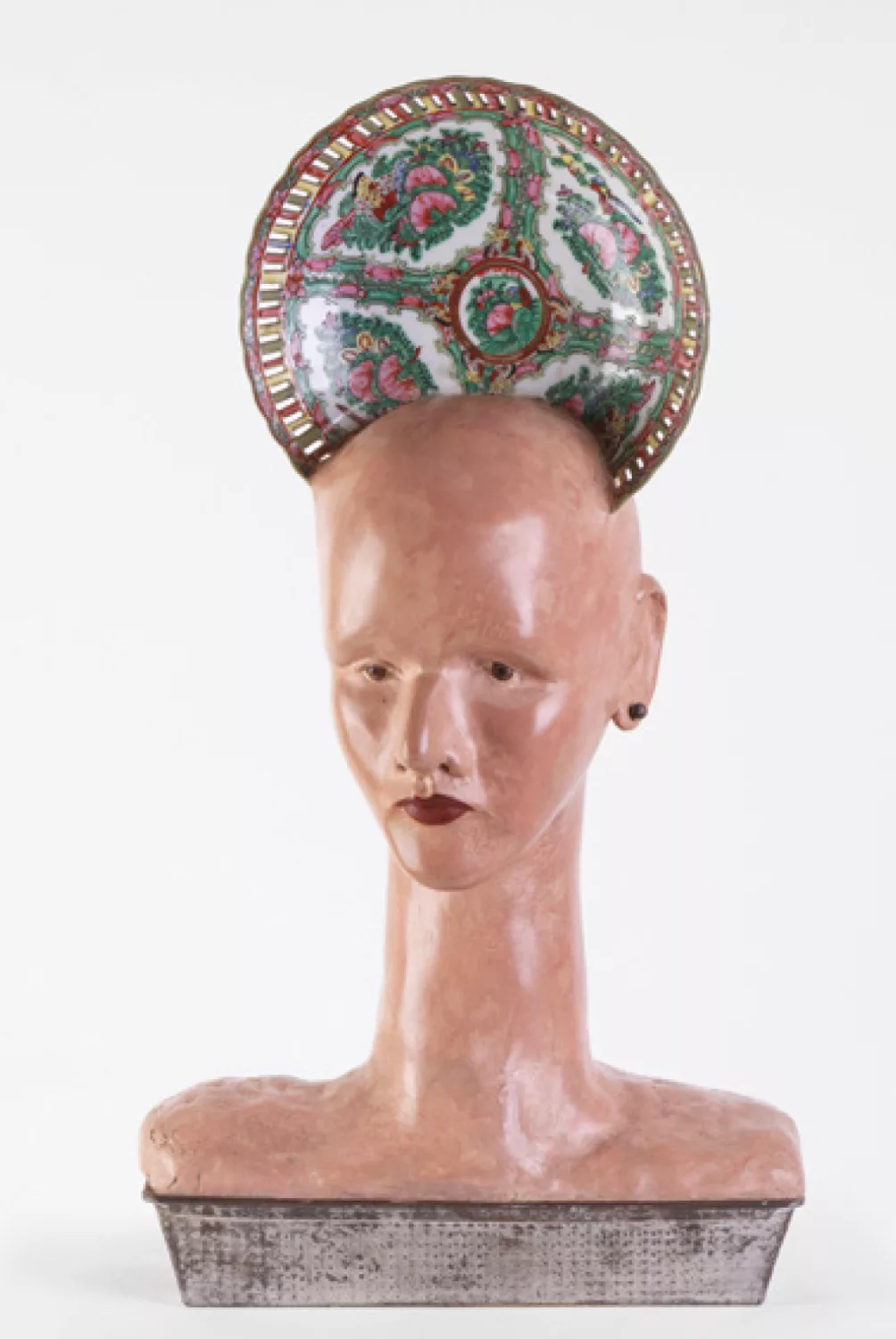
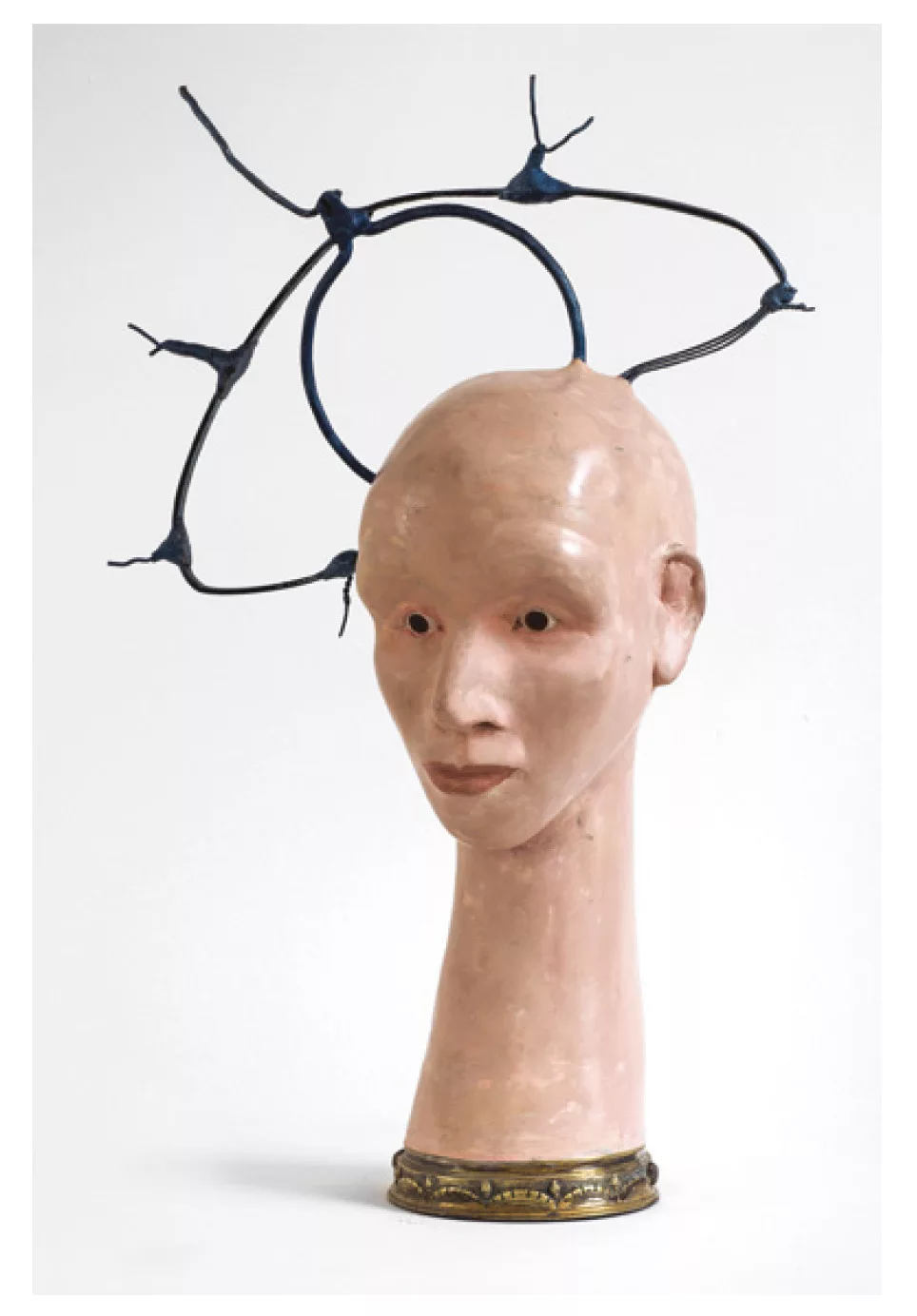
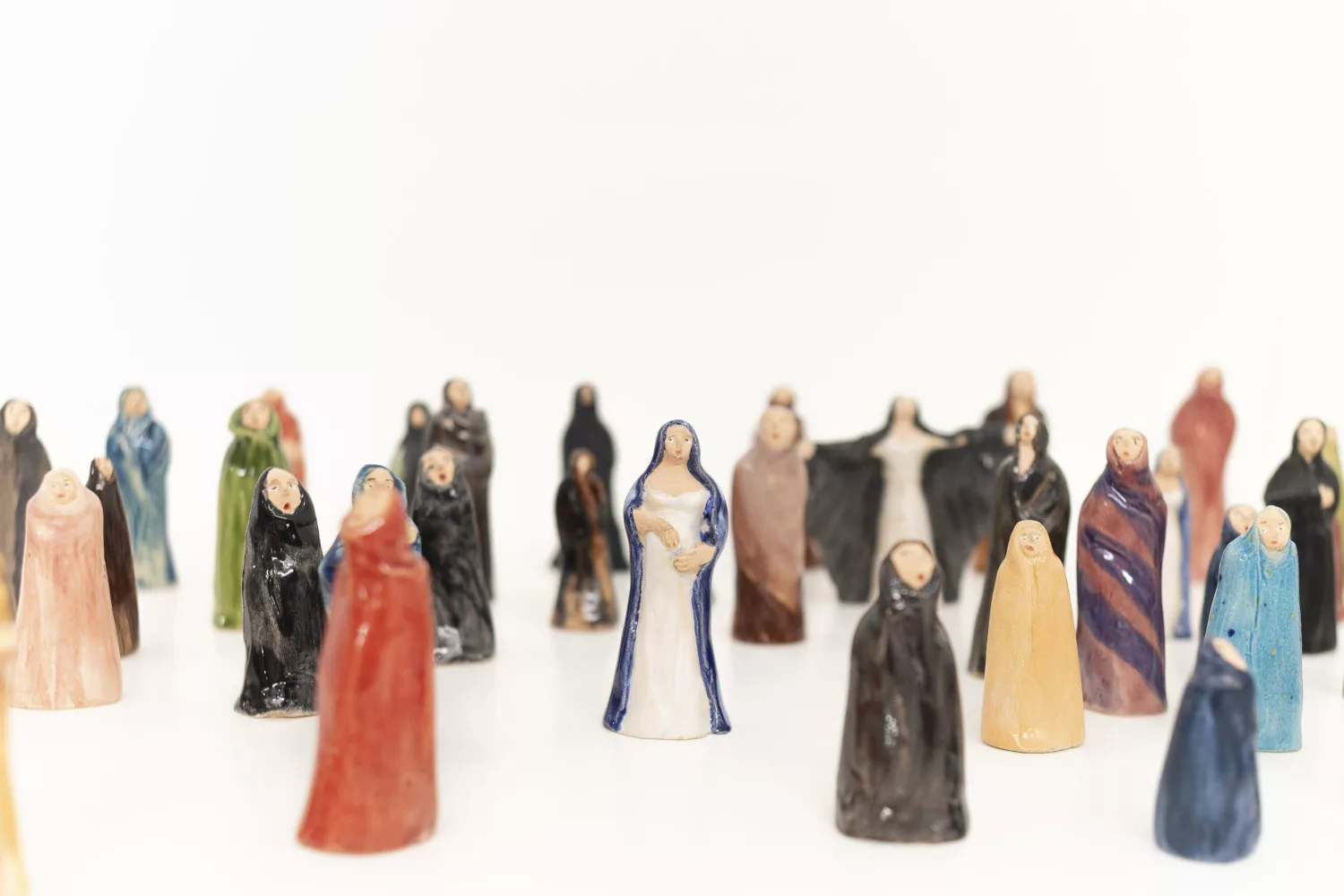
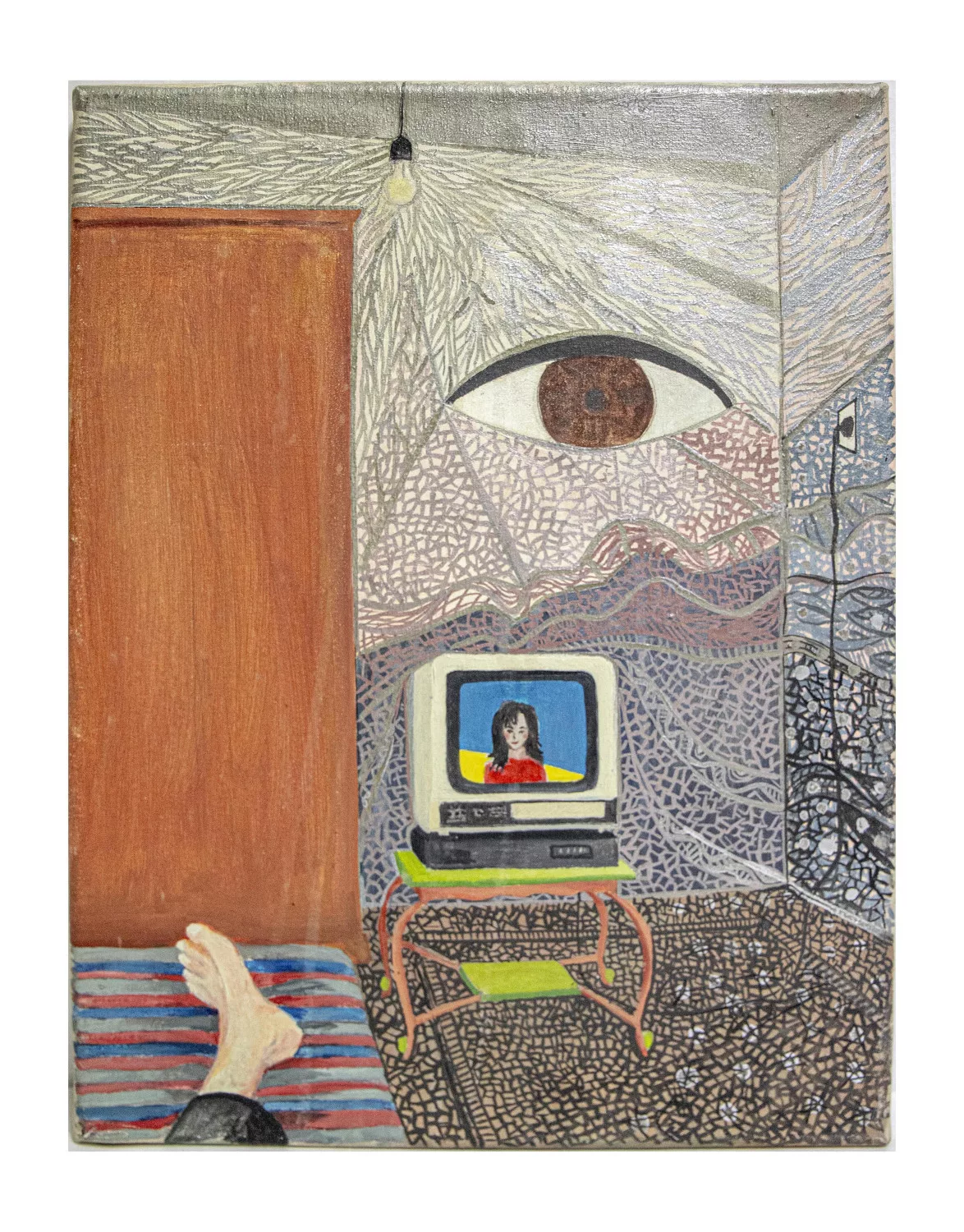
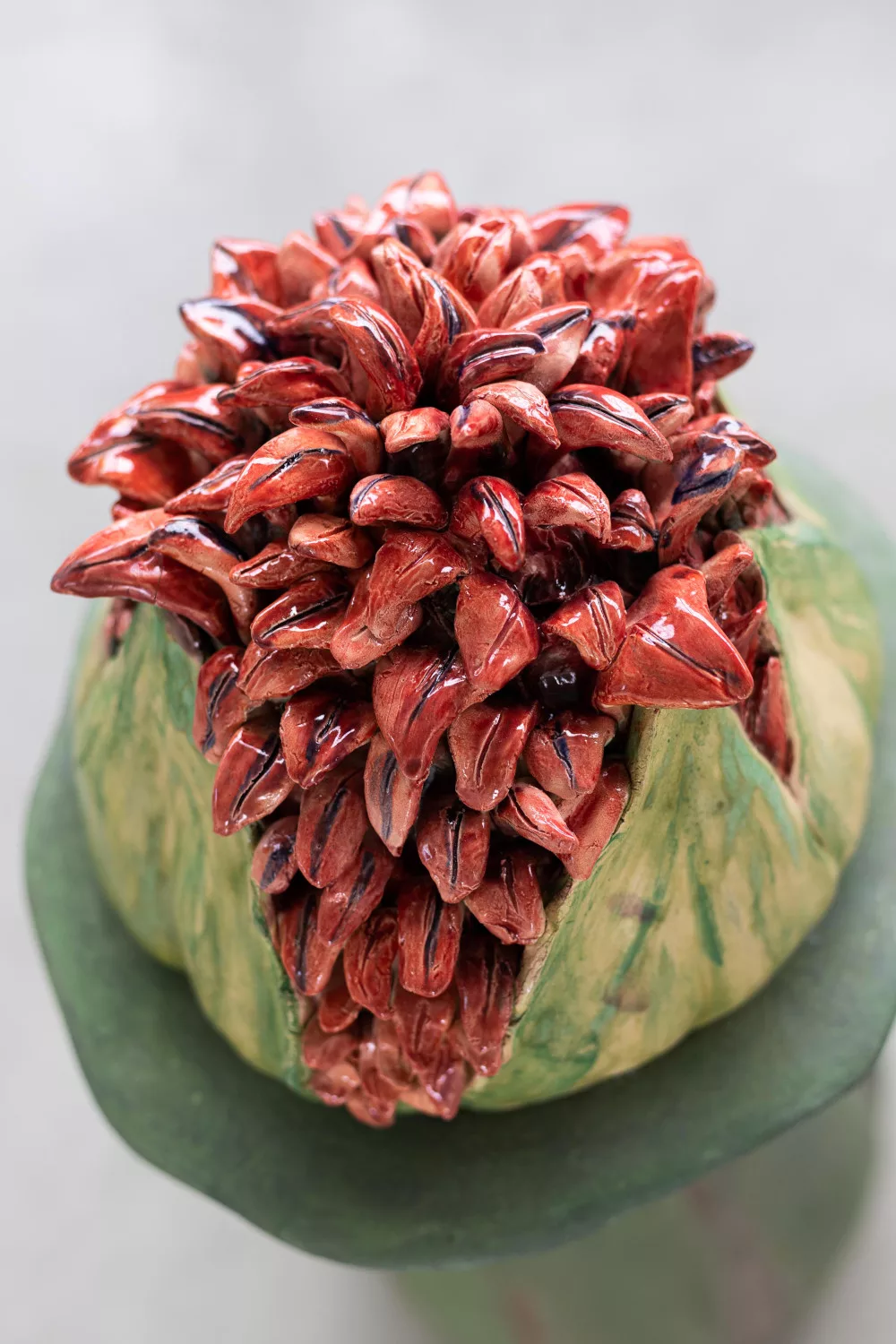
During the 1990s A. López adopted a multimedia experimental practice involving various materials and techniques, including drawing, painting, sculpture, ceramics and texts, allowing her to address issues of personal and private life, recurring themes in her oeuvre underlying works such Las Chicas [The Girls, 1993], Corona de cabeza de casa [Head of the Household Crown, 1994], Ellas [These Women, 2003] and the series Comandantas [Women Commanders, 2020]. Narration, conceived in visual terms, is a fundamental element in A. Lopez’s work. The starting point for each of her pieces is a story. Sometimes they take the form of an artist’s book, such as Con una canoa de mínimo calado [With a Shallow-Draught Canoe, 1994–1995] and the publications Un sueño del siglo pasado [A Dream of the Last Century, 2001], Ellas [Them, 2003] and Lurdes Ventura, una vida ejemplar [Lurdes Ventura, an Exemplary Life, 2006].
A. López also sometimes creates theatrical stage sets, and designs clothing and accessories. She produces handmade paper for the Papelera Palermo, and teaches these techniques at a printing plant in Suzhou, China, where she exhibited Imágenes aplicadas [Applied Images, 2010]. Between 2012 and 2022 she was a member of an interdisciplinary team working with young people caught up in legal difficulties – a project initiated by the Secretaría Nacional de Niñez, Adolescencia y Familia.
In 2023 A. López won the first prize awarded by the Fundación Amalia Lacroze de Fortabat. Her work is held by several private collections and the New York Institute for Studies on Latin American Art (ISLAA) and the Museo de Arte Latinoamericano in Buenos Aires (MALBA).
A notice produced as part of the TEAM international academic network: Teaching, E-learning, Agency and Mentoring
© Archives of Women Artists, Research and Exhibitions, 2026