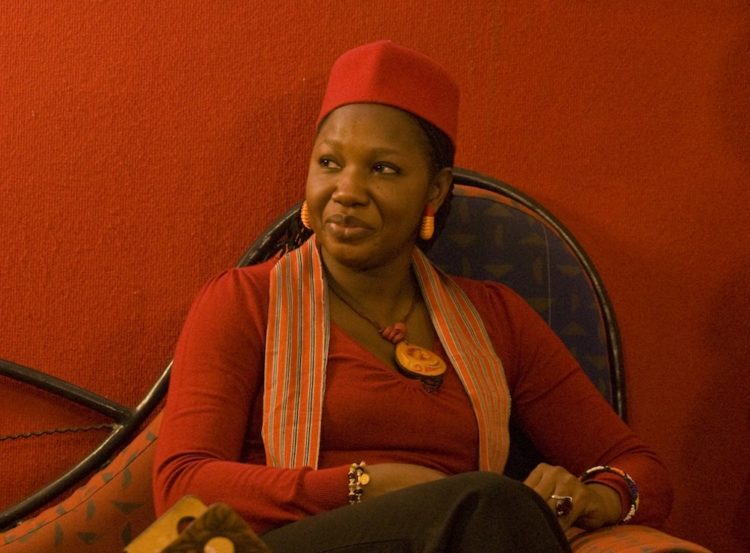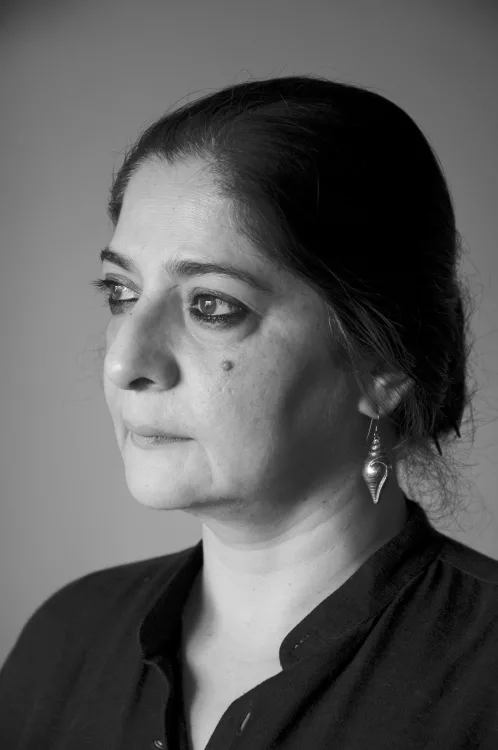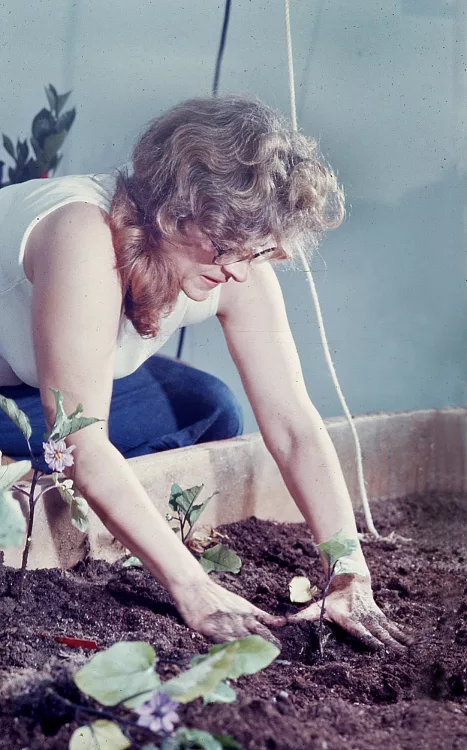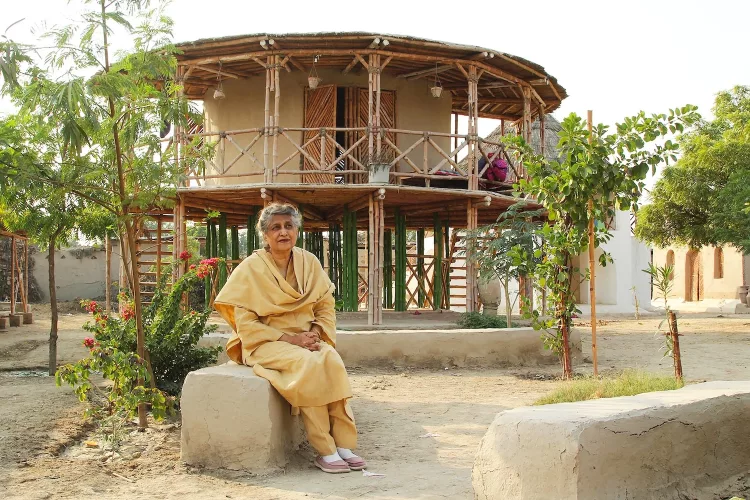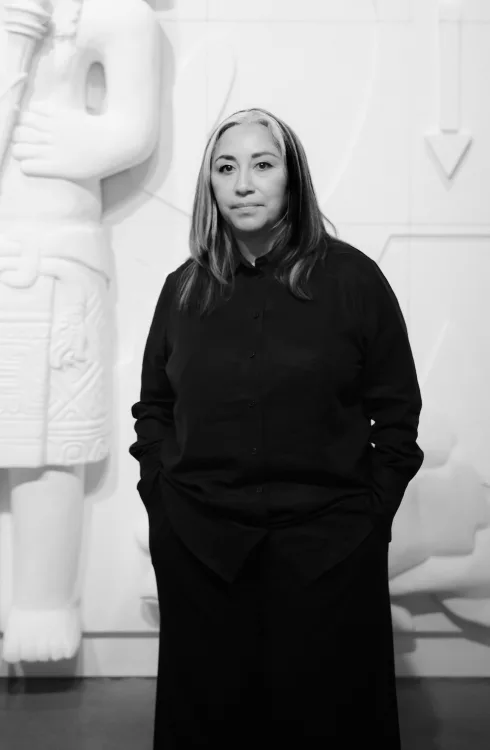
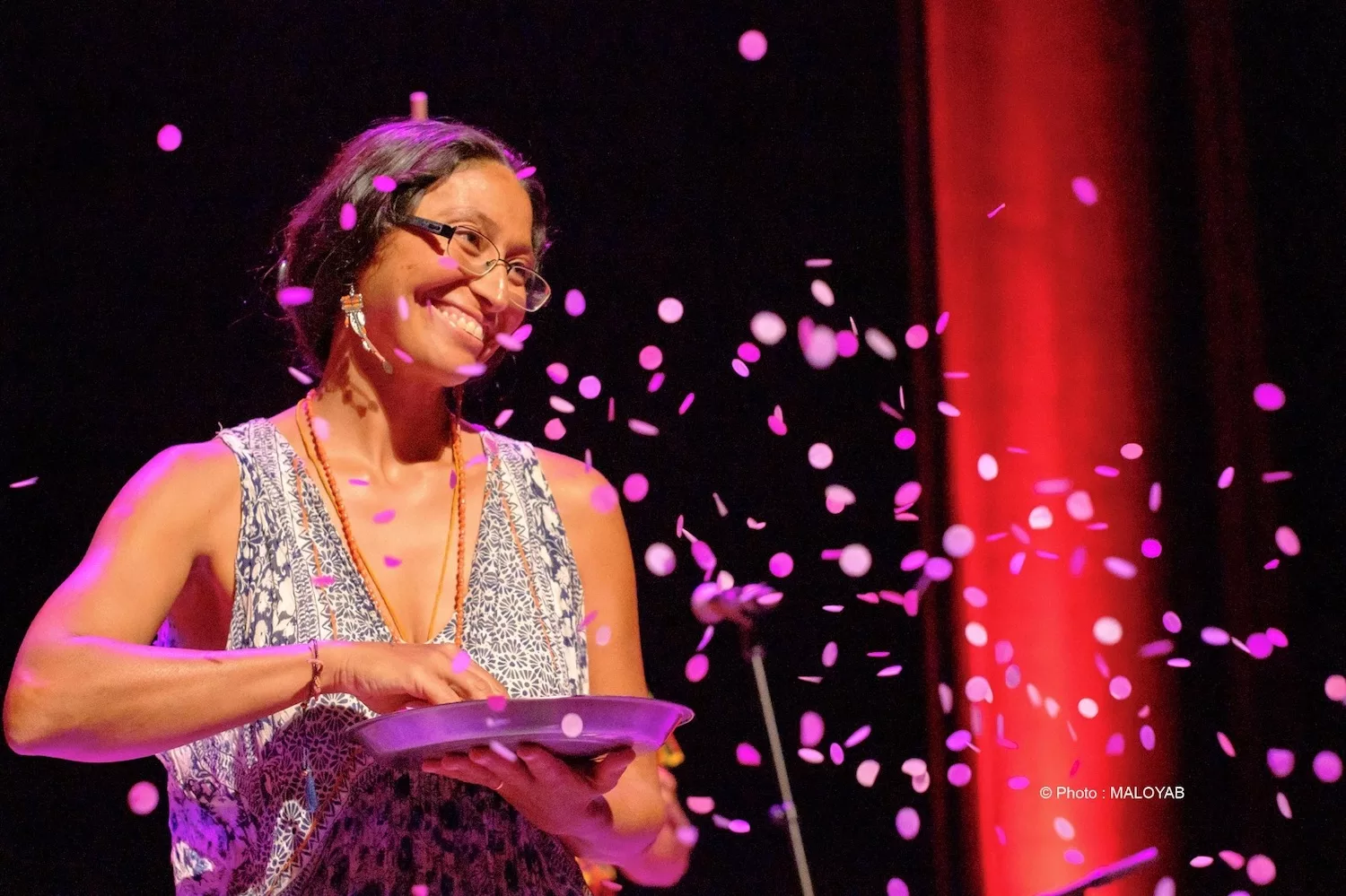
Portrait of Florans Féliks-Waro
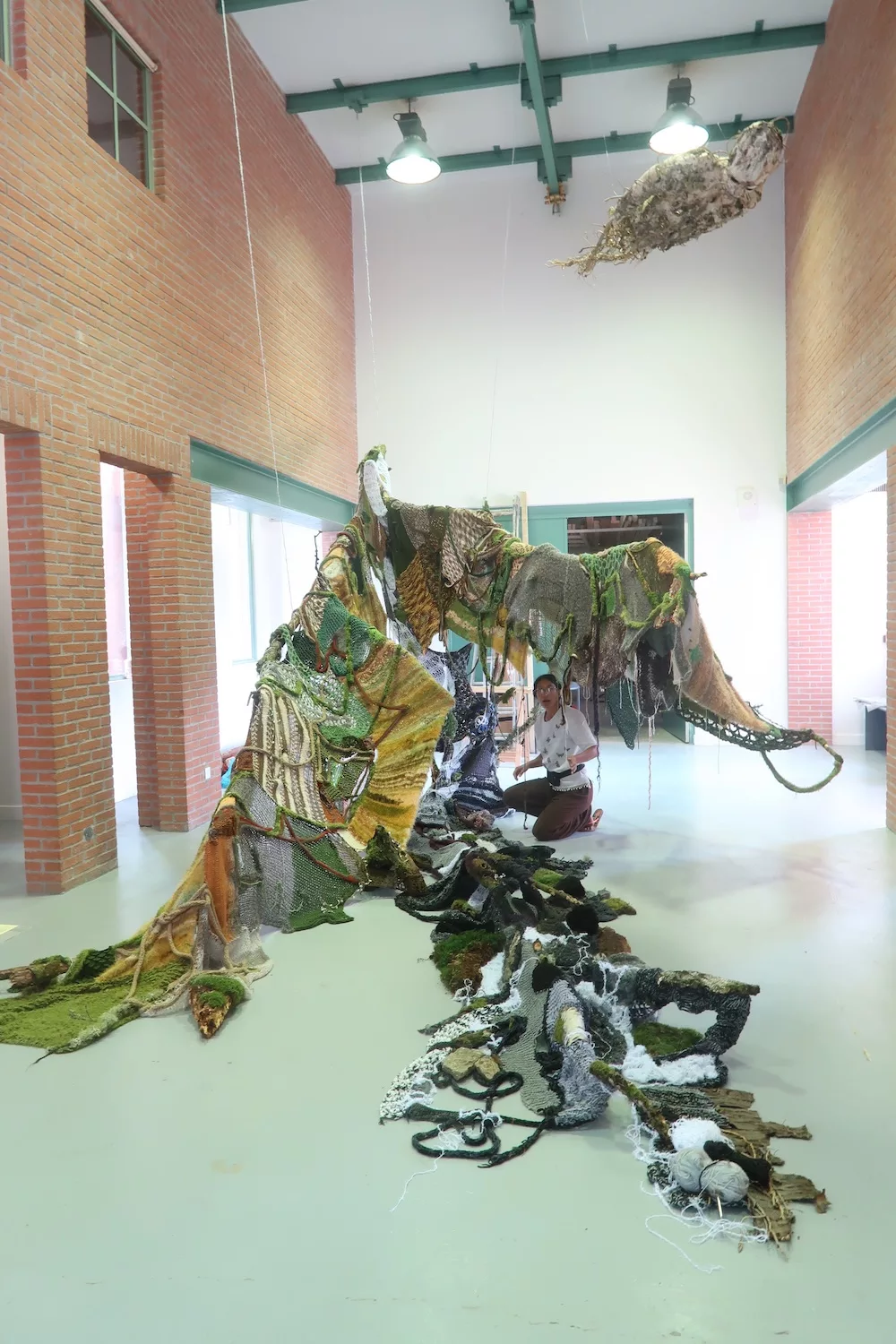
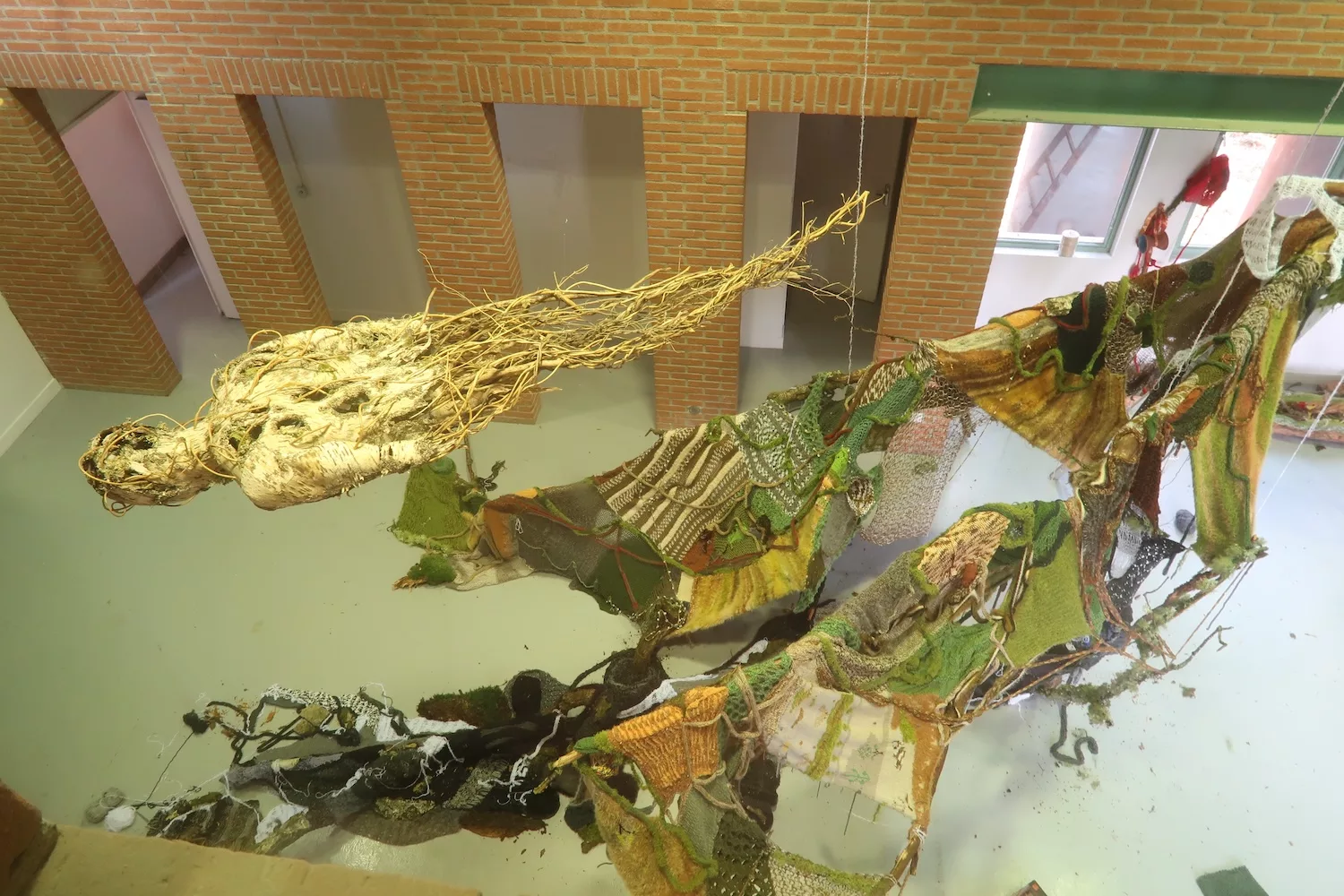
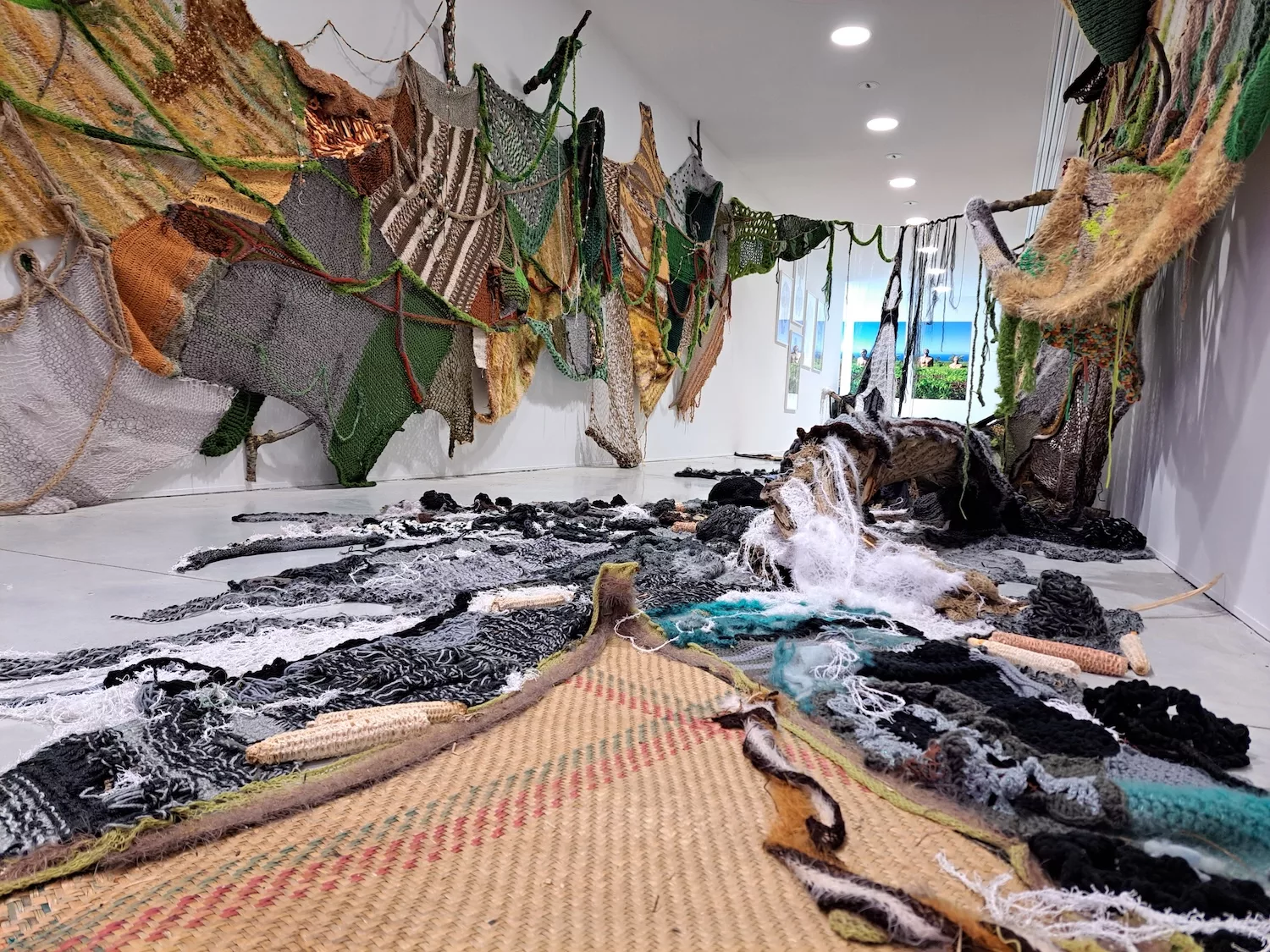
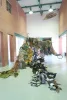
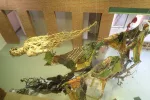
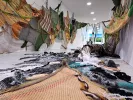
“Aster Aterla” in Tours, Centre de Création Contemporaine Olivier Debré, July 2023 to January 2024, Marseille, Friche la Belle de Mai, February to June 2024
→“Mutual Core” in Saint-Denis, Reunion, Artothèque, November 2021 to March 2022
→“La Sagesse des Lianes” in Beaumont-du-Lac, Centre International d’Art et du Paysage de Vassivière, March to July 2021
Réunionese multidisciplinary artist.
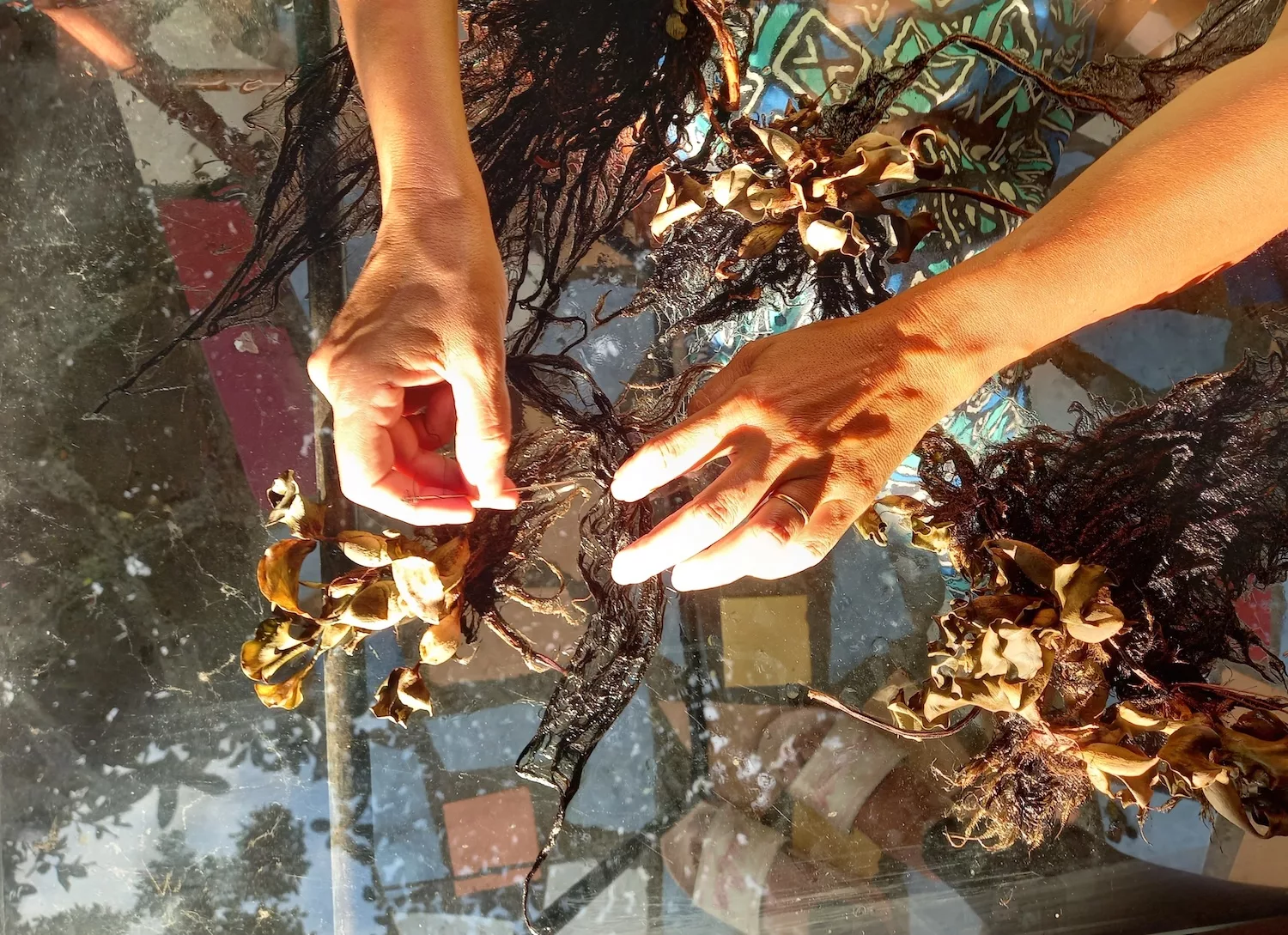
Working in her home studio, Florans Féliks-Waro produces art intimately connected to her identity as a creator, a mother and a woman with deep roots in the island of Réunion. Her practices lie at the intersection of art, awareness-raising and environmentalism and seek to reimagine ways of inhabiting the world. In her approach, relationships between humans, the plant world and the land form shared spaces of creation.
F. Féliks-Waro was born in the Tampon and grew up in Saint-Denis. Early on, she demonstrated an interest in books and drawing. After completing high school aged just sixteen and going on to earn a bachelor’s degree in economics at Université de La Réunion, she studied art at the island’s École des Beaux-Arts and then at École Nationale Supérieure des Beaux-Arts in Paris. She then rounded out her training with a corporeal and sensory approach drawing on dance, perceptual pedagogy and meditation.
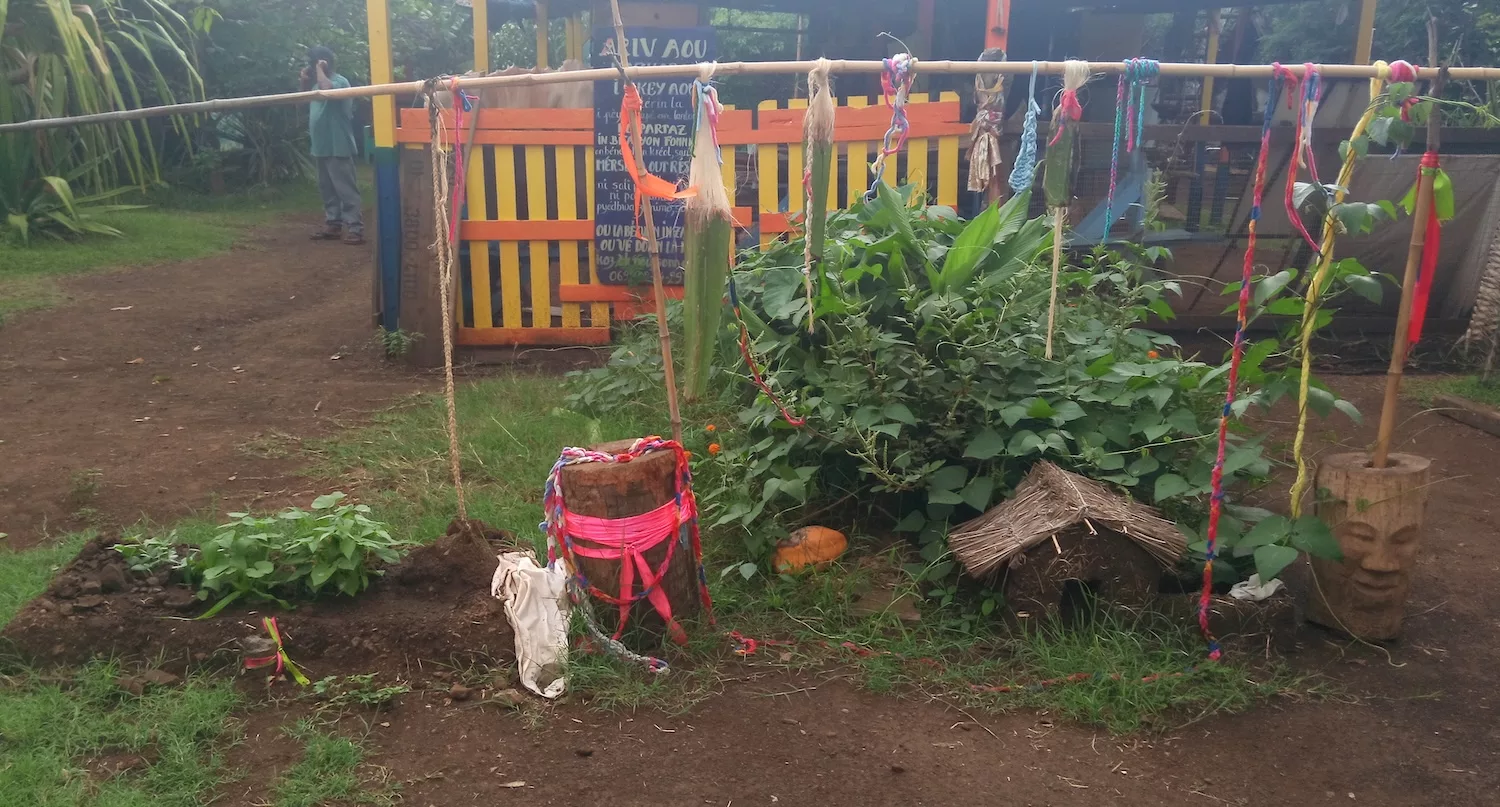
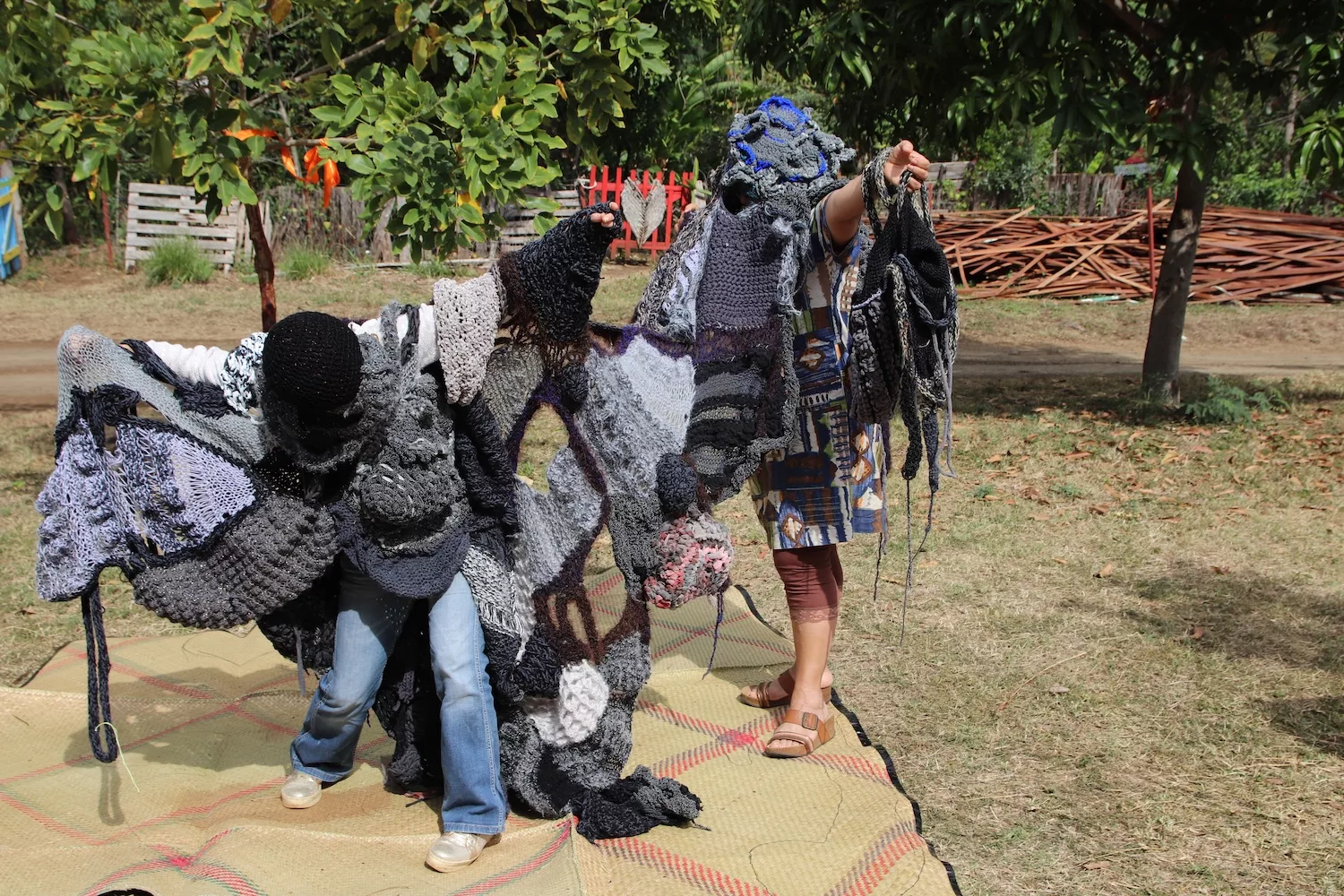
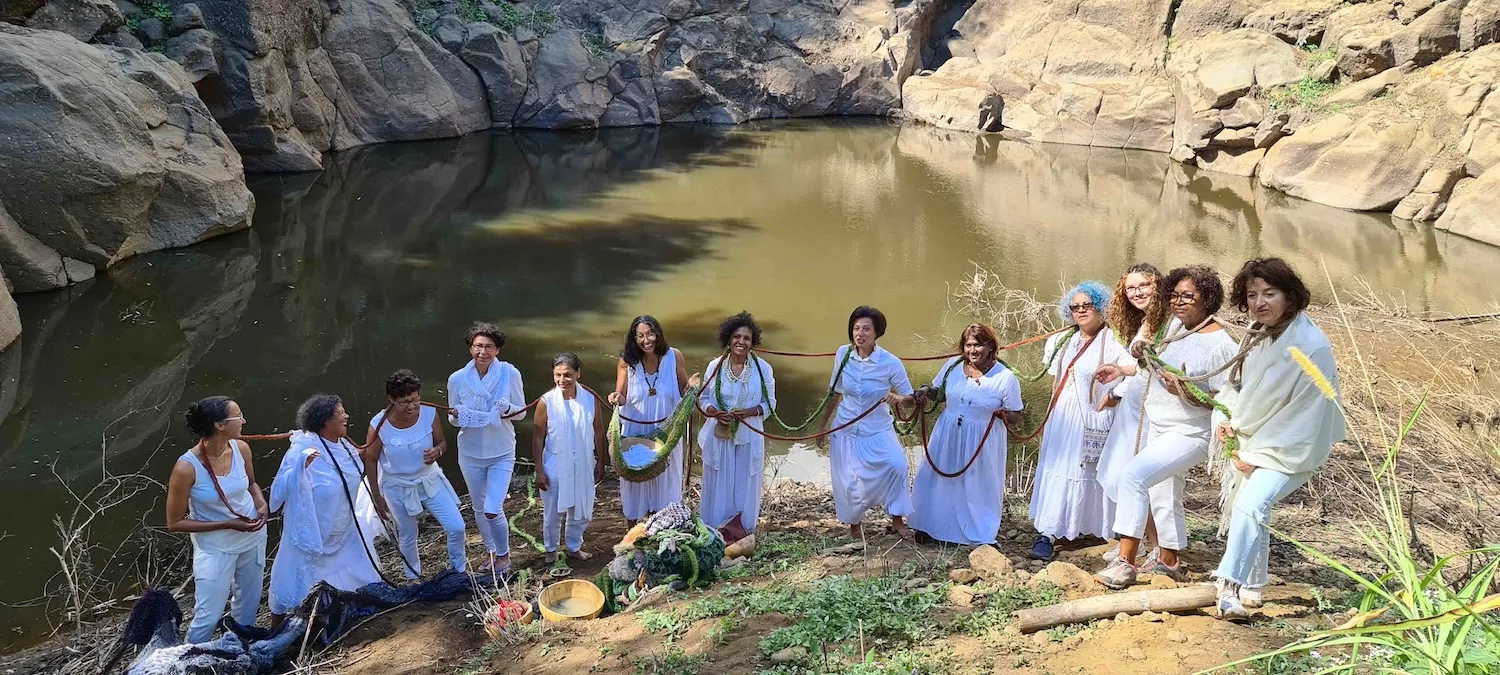
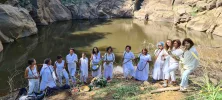
Returning to Réunion in the 1990s, she showed works in the 1997 group exhibition “Bwadébène” at Artothèque de La Réunion. However, she never saw institutional exposure as the ultimate goal. Instead, she pursued other avenues including performance art, song, open-air ritual, illustrations for albums and books, in-situ landscape events and prints commissioned by a Malbar temple (with her Barldon, Mahabarata series and the 2024 exhibition “Les Totems de l’Aube”). In 2006, F. Féliks-Waro founded Kazkabar, a one-of-a-kind space devoted to cultivating both the land and the mind, in the Bois-Rouge district among the hills overlooking Saint-Paul. Kazkabar was designed to function as a school of life, combining culture, environmentalism and traditional practices including pottery, weaving, cob construction, papermaking, planting, cooking and the Kabar. This venue for experimentation and knowledge-sharing serves a diverse population ranging from children and university students to adults re-entering the job market and elders.Supported by the artist’s inner circle and her husband, maloya singer Danyèl Waro, this community project reinvents the concept of bitasyon [field] by linking it to a contemporary artistic and ethical approach. This perspective on relating to the land and the natural world has also informed F. Féliks-Waro’s teaching at École Supérieure d’Art de La Réunion, and more specifically at the Landscape studio she co-founded with Migline Paroumanou.
F. Féliks-Waro positions herself as an ecofeminist and uses her voice to challenge hierarchies between the “major” and “minor” arts, between tradition and modernity, between the French language and Creole and finally between the visible and invisible realms. From this viewpoint, she advocates for a form of creation “in full presence” with an ongoing connection to the landscape, memory, life and otherness. Since 2020, she has enjoyed growing exposure on France’s contemporary art scene. Her work encourages viewers to reconsider the place of artists from France’s island territories as well as that of landscapes commonly considered less valuable than others. By intertwining intimacy, communality, ritual and place, F. Féliks-Waro’s art taps into the interstices of life to create a kind of living archive. Every one of her works inspires both engagement and humility.
A biography produced as part of the programme “Common Ground”
© Archives of Women Artists, Research and Exhibitions, 2026
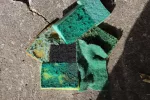
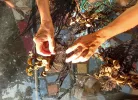
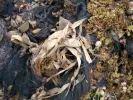


 Astèr Atèrla - Florans Féliks | FRAC Réunion, November 2023