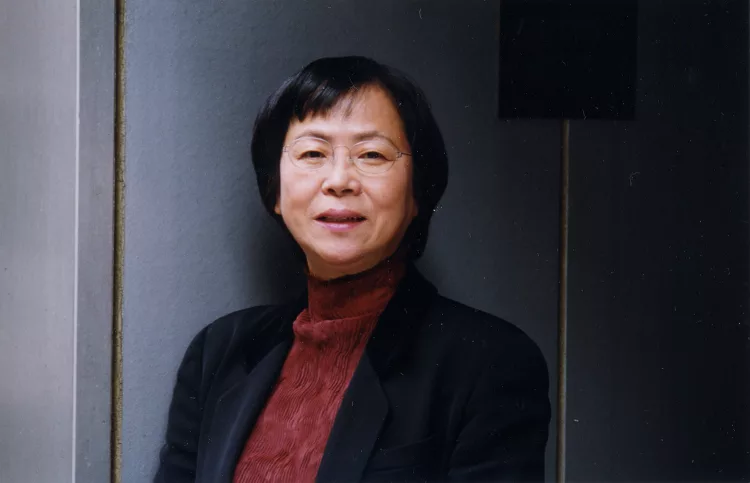
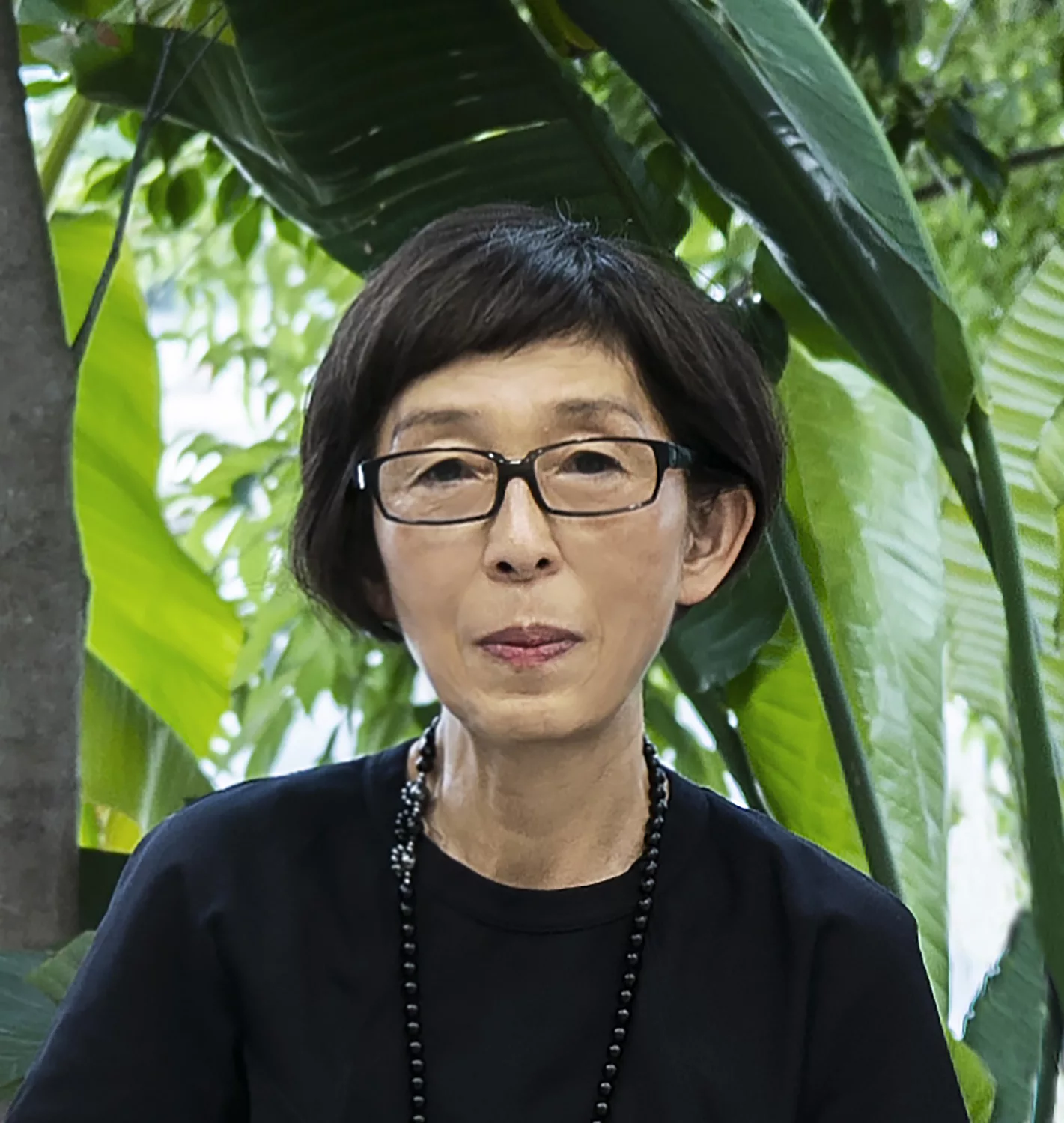
Portrait of Kazuyo Sejima © Photo: SANAA
Kazuyo Sejima, Ryue Nishizawa. Kazuyo Sejima + Ryue Nishizawa Reader, Tokyo, A.D.A. EDITA Tokyo, 2005, 2013, 2024
→KAZUYO SEJIMA RYUE NISHIZAWA SANAA 1987-2005 Vol. 1 / 2005–2015 Vol. 2 / 2014–2021 Vol. 3, Tokyo, TOTO Publishing, 2021
→Kazuo Sejima Reader—1998, Tokyo, A.D.A. EDITA Tokyo, 1998
Kazuyo Sejima + Ryue Nishizawa / SANAA – Architecture & Environment, TOTO Gallery Ma, Tokyo, Japan, October 22, 2021 – March 20, 2022
→Kazuyo Sejima + Ryue Nishizawa SANAA, Towada Art Center, Aomori, Japan, February 1, 2014 – March 30, 2024
Japanese Architect.
Kazuyo Sejima is one of the most influential architects of her generation, known for her visionary approach to transparency, lightness and the subtle choreography of human experience within space. Born in Ibaraki, Japan, in 1956, she completed her graduate studies at Japan Women’s University in 1981 and began her career at Toyo Ito’s office. In 1987, she founded her own studio, Kazuyo Sejima & Associates, and in 1995 co-founded SANAA (Sejima and Nishizawa and Associates) with Ryue Nishizawa (1966–). Their collaboration has become a cornerstone of contemporary architecture.
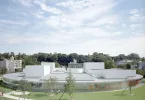
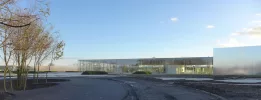
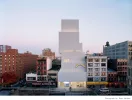
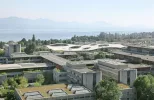
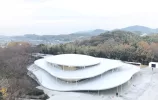
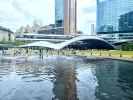
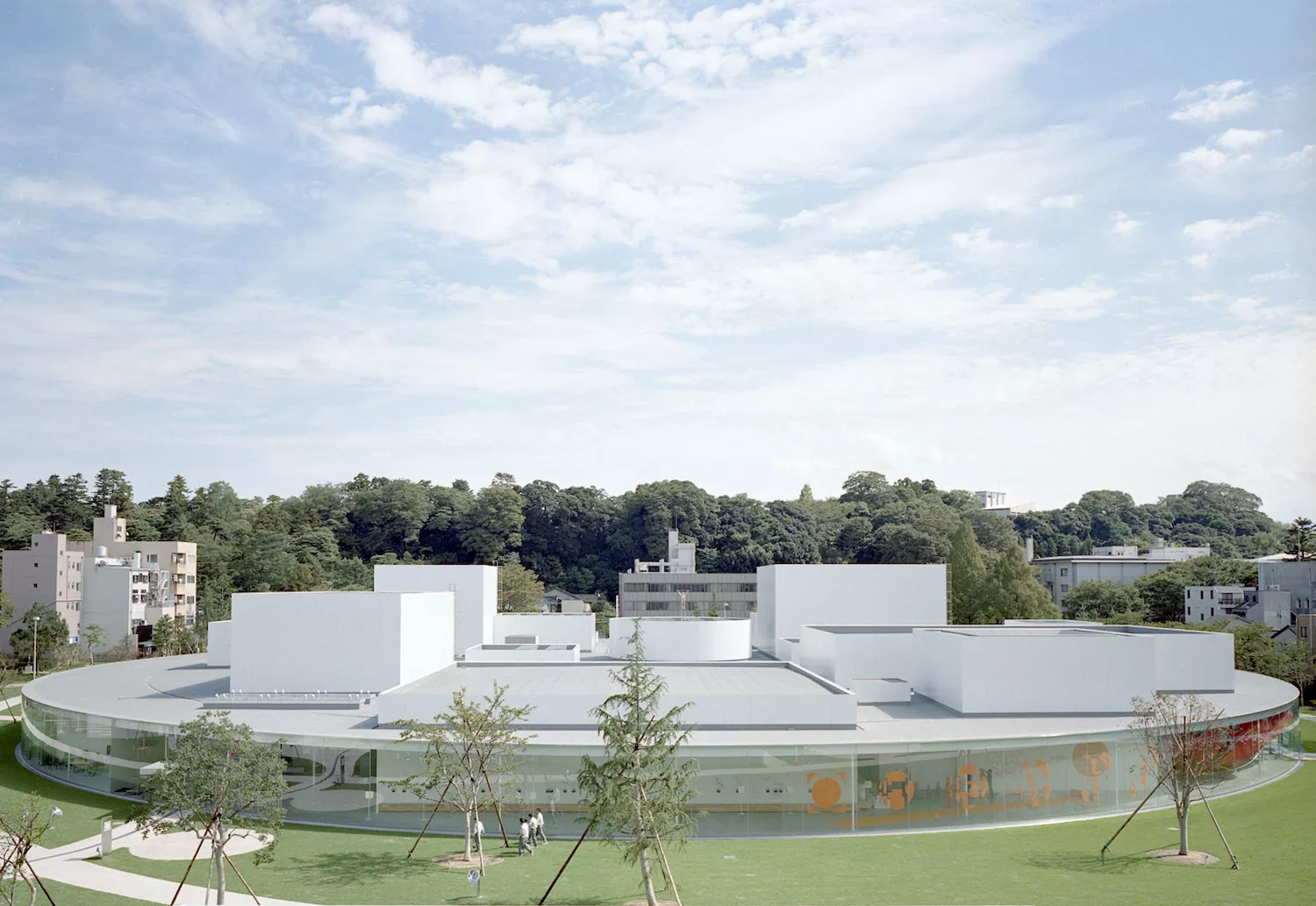
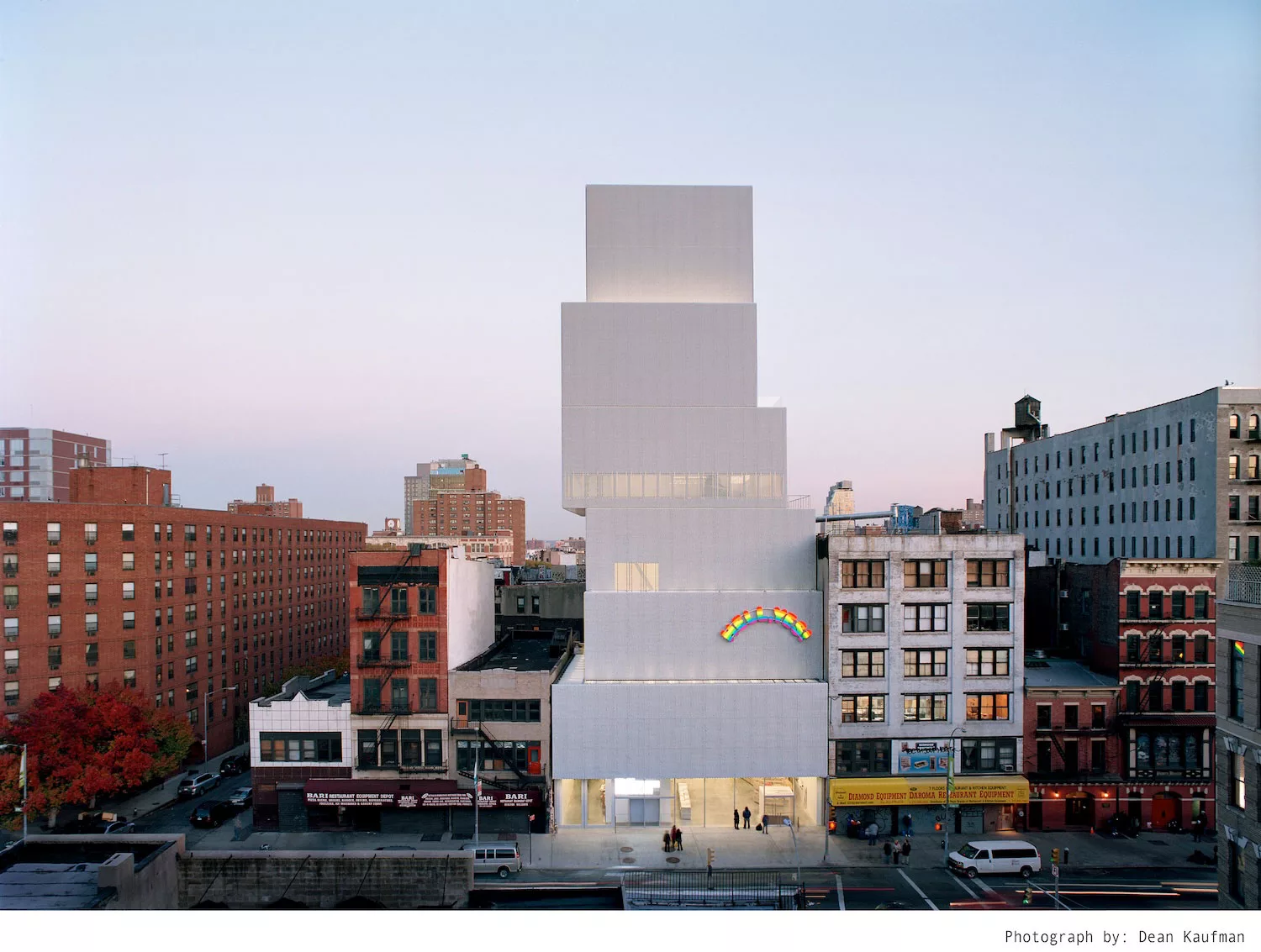
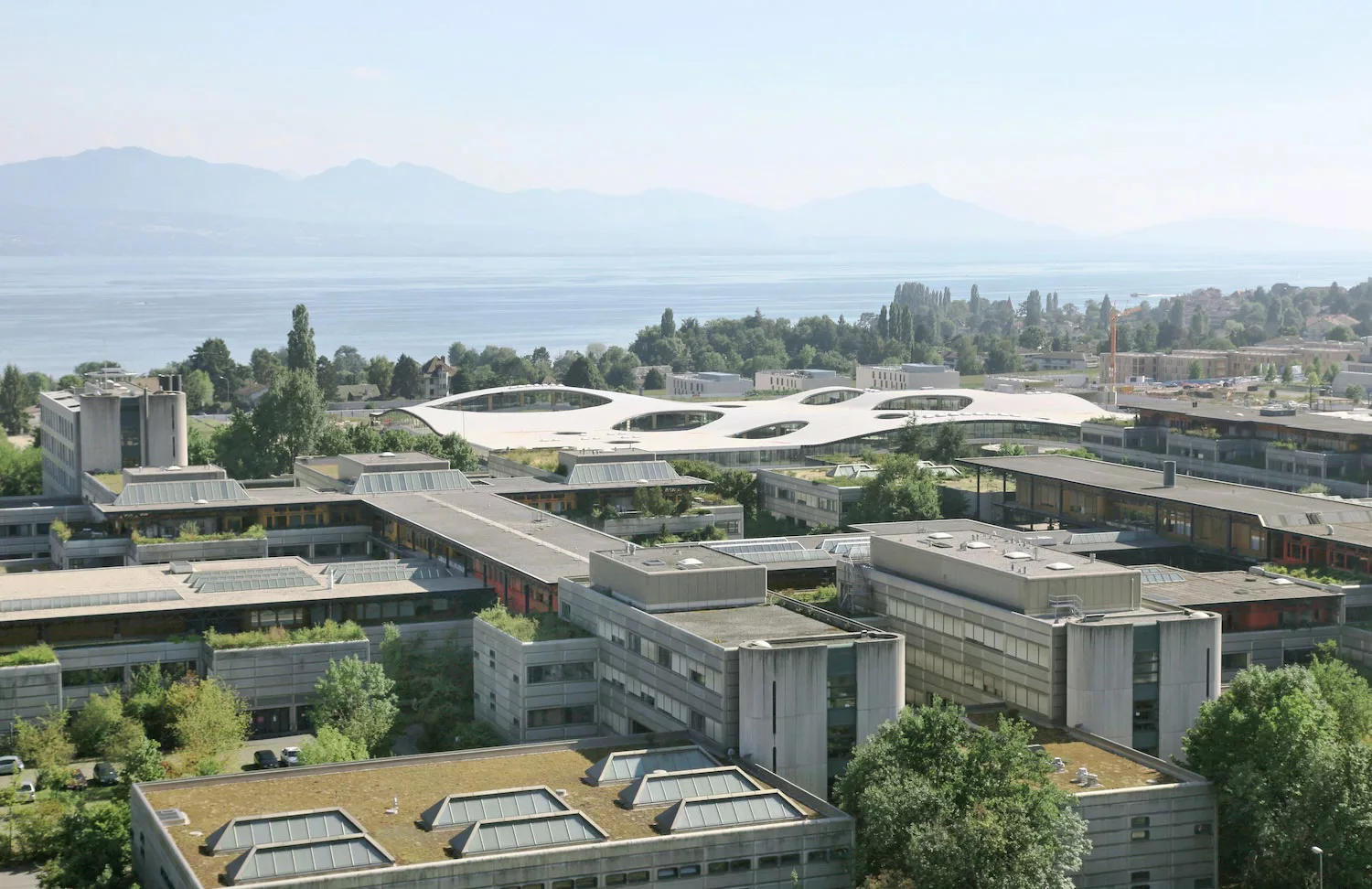
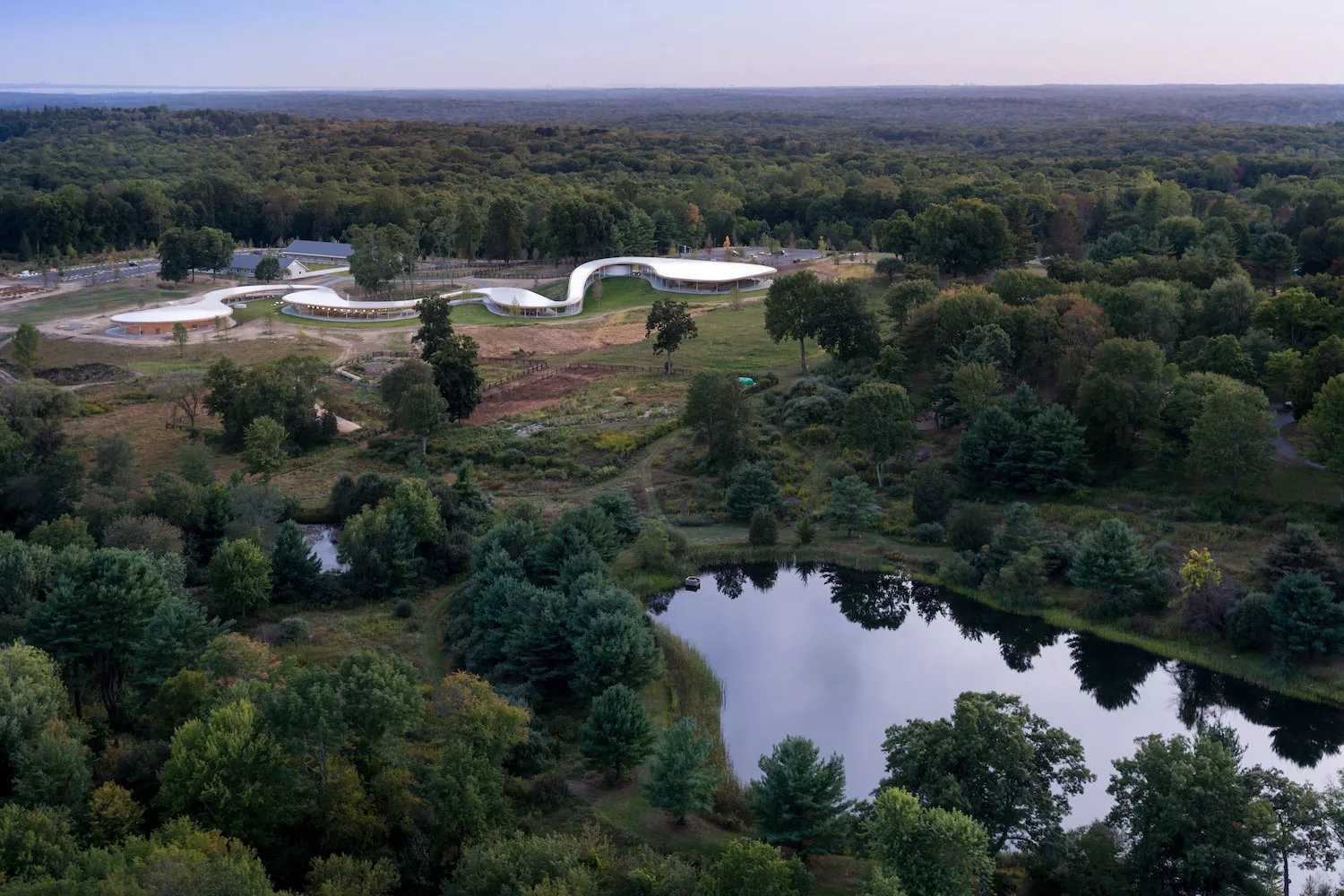
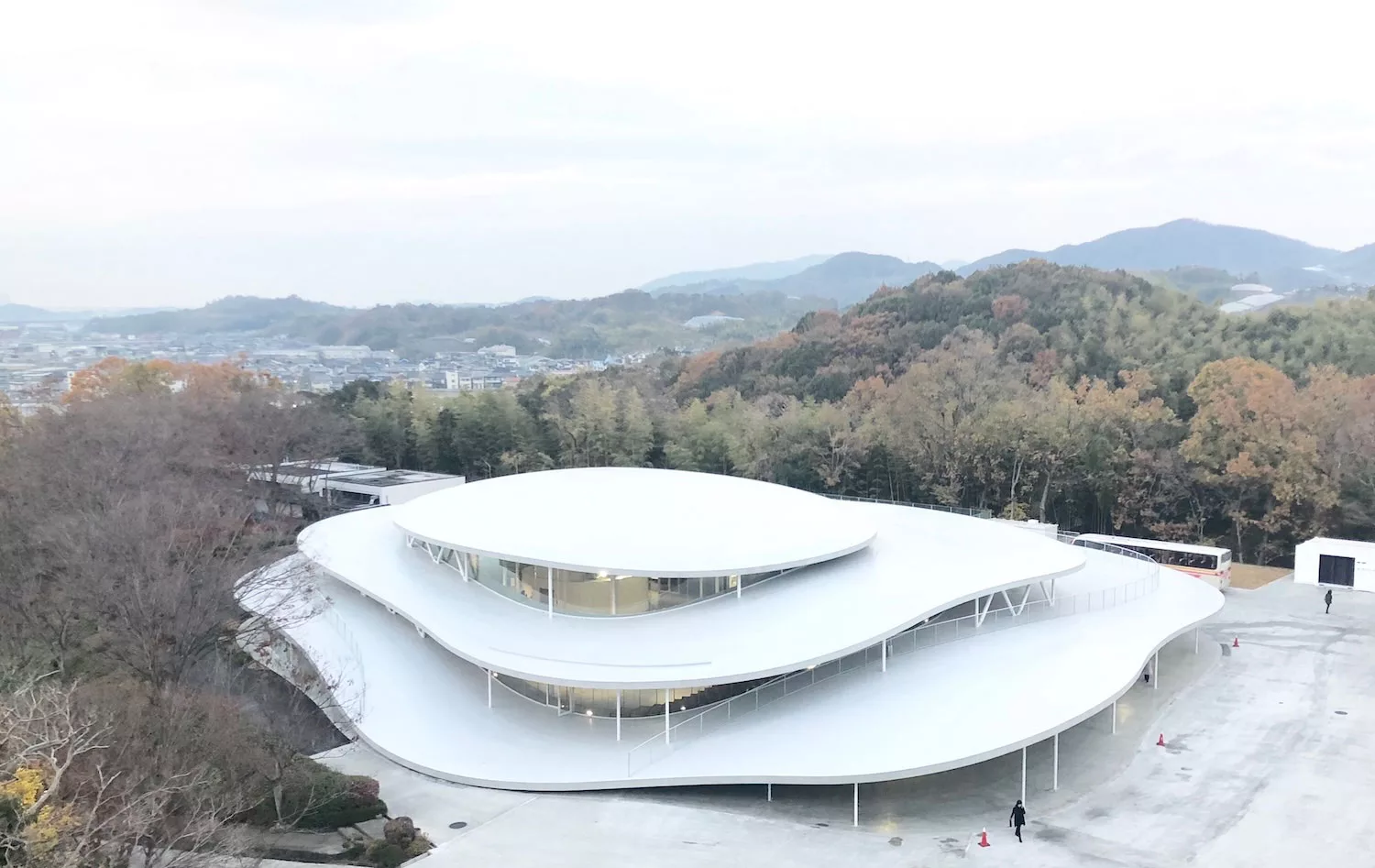
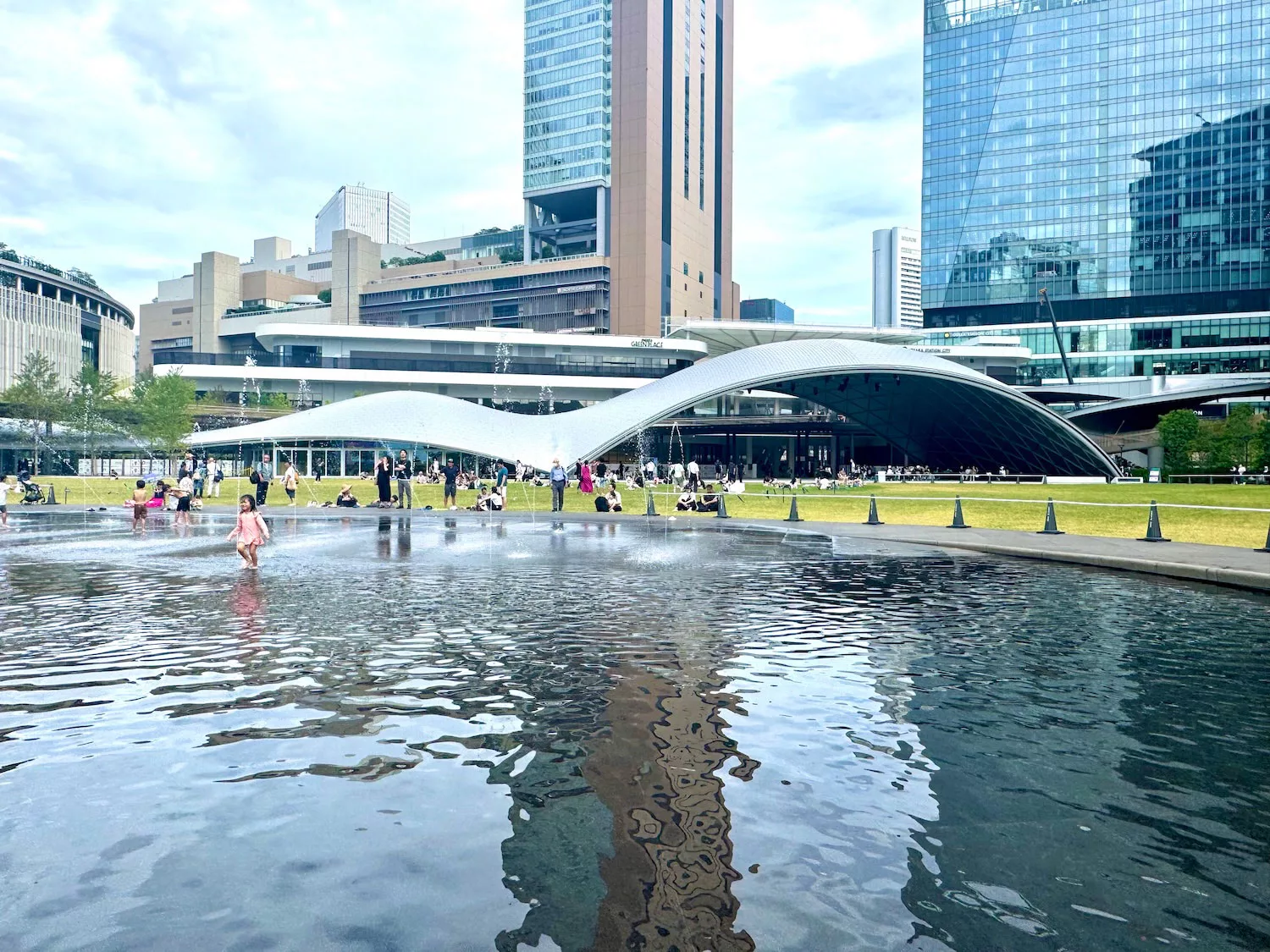
Sejima’s architectural language is characterised by its ephemeral lightness and its capacity to negotiate the boundaries between public and private, interior and exterior. Her buildings seem to hover between nature and artefact, often inviting fluid movement and sensory openness. This architectural sensibility found a landmark expression in the 21st Century Museum of Contemporary Art, Kanazawa (2004), where circular transparency redefined the concept of a civic art space. Other seminal works include the New Museum of Contemporary Art in New York (2007), the Rolex Learning Center in Lausanne (2009), and the recently completed the Large Canopy in Grand Green Osaka (2024), which functions both as architectural canopy and civic stage, gently merging built form with the public realm.
In 2010, Sejima was appointed Director of the Venice Architecture Biennale – becoming the first woman to hold the position solo– where her curatorial theme, People Meet in Architecture, emphasised the relational and participatory nature of spatial design, including contemporary art. In the same year, Sejima and Nishizawa were jointly awarded the Pritzker Architecture Prize, recognised for their “delicate architecture that seems simultaneously universal and Japanese”.
Throughout her career, Sejima has consistently challenged the gendered structures of the architectural profession. While rarely foregrounding identity politics, her presence as a woman leading one of the world’s most acclaimed architectural practices has shifted assumptions and opened paths for new generations. She has also held influential academic positions at institutions such as Keio University, the University of Applied Arts Vienna, and Milan Polytechnic, and currently serves as Director of the Tokyo Metropolitan Teien Art Museum.
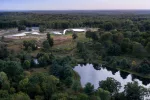
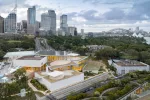
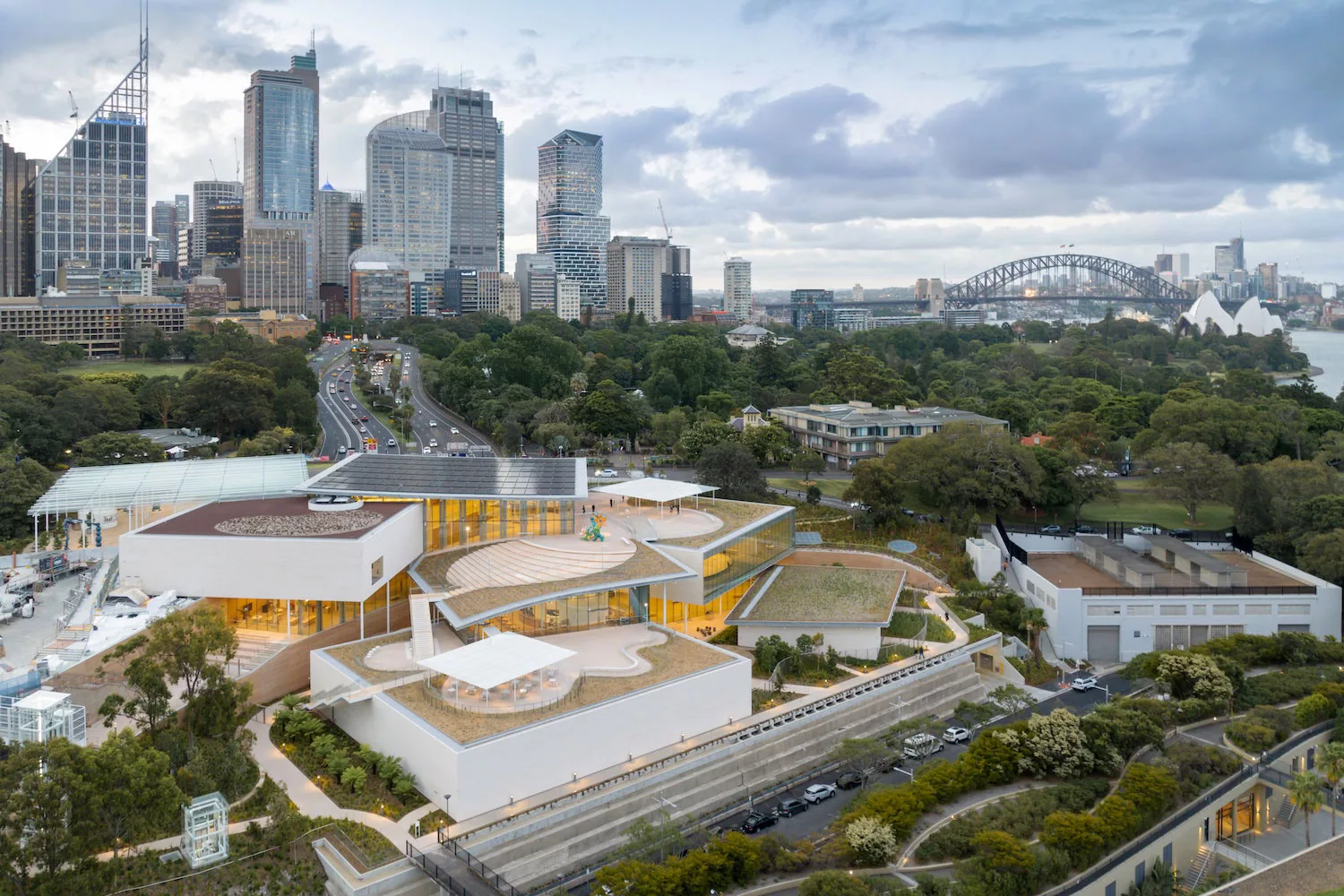
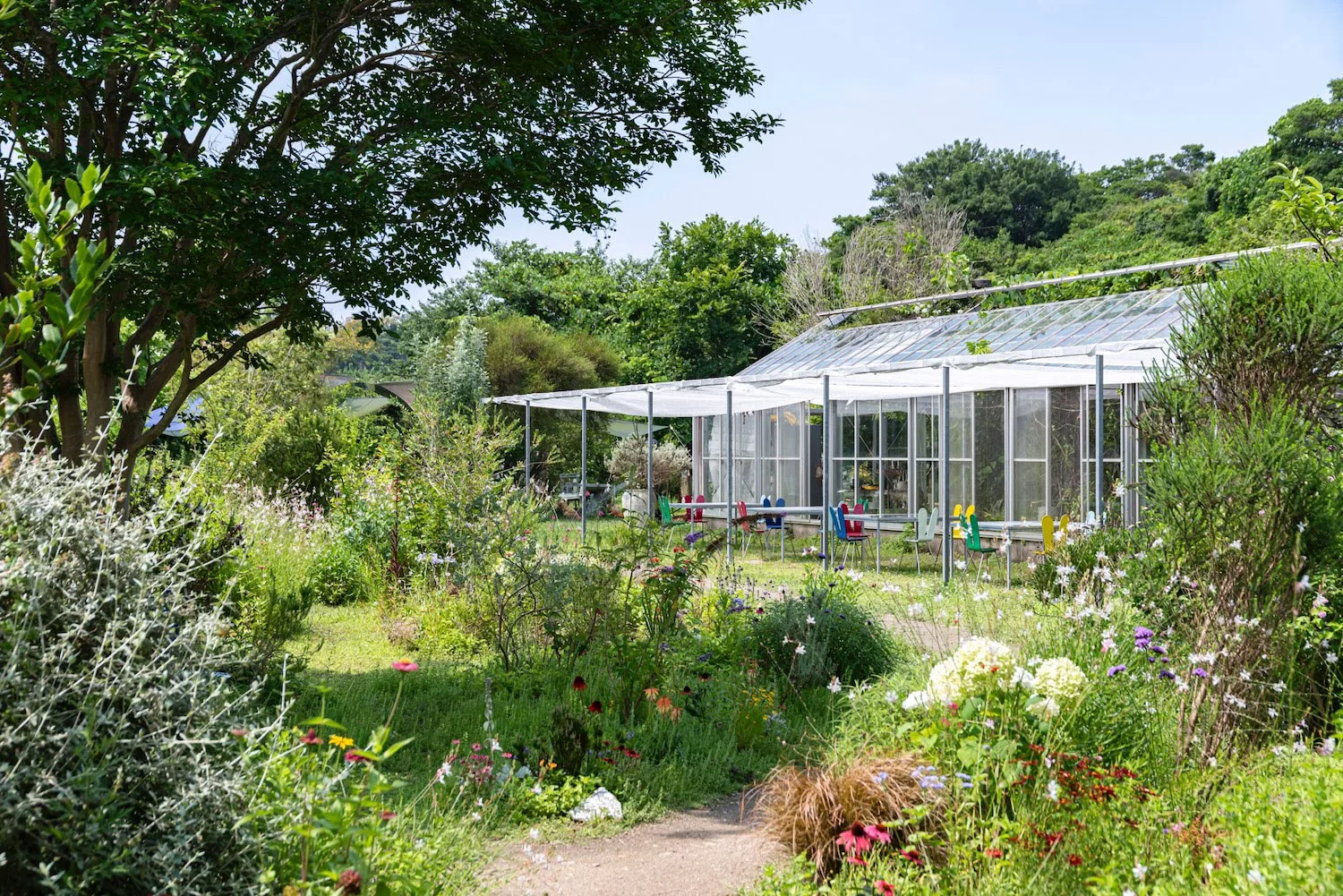
Her long-standing commitment to human-centred design continues to evolve, often drawing from the environments and communities in which her projects are embedded. In recent interviews, she speaks of architecture “not as a structure imposed upon nature, but as something quietly extending from it”. This ethos resonates in recent works such as the Naala Badu Building for the Art Gallery of New South Wales (2022) and the Taichung Green Museumbrary (2025) in Taiwan, where architecture behaves more like landscape than monument.
Kazuyo Sejima’s work stands as a testament to architecture’s ability to remain both precise and porous – to shelter without enclosing, to define space without dominating it. Throughout her career, she has shaped not only buildings but the very way we imagine their relation to life, community and the world.