


Saodat Ismailova
Nominee of Prix 2026
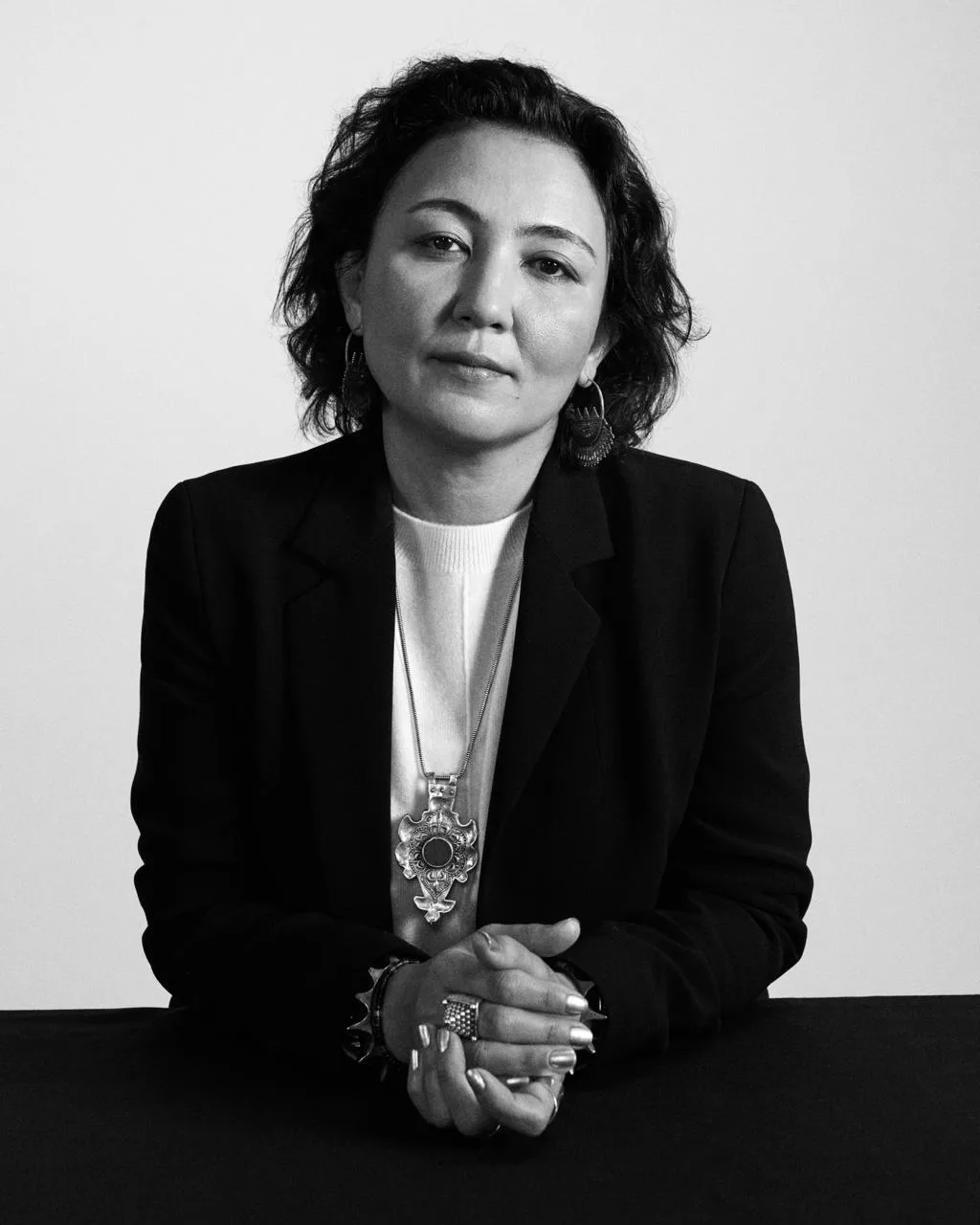
Portrait of Saodat Ismailova, © Art Basel Awards
Saodat Ismailova is an Uzbek artist and filmmaker whose practice, while widely recognised on the international stage, remains comparatively less visible within France’s art landscape. She is often described as a representative of a generation of Central Asian artists who came of age during – and were shaped by – the transition from the USSR to independence. Building her career between her hometown of Tashkent and her professional base in Paris, S. Ismailova weaves Central Asian myths and legends into critical reflections on the region’s historical past and present. Grounded in a research-based approach, her oeuvre pays particular attention to female voices, emphasising their roles as bearers of knowledge, guardians of memory and agents of intergenerational care. At its conceptual core, S. Ismailova’s practice examines the violent advent of modernity in Central Asia and traces its lingering effects on modes of thought, belief, knowledge production, self-identification and relationships with other-than-human species.
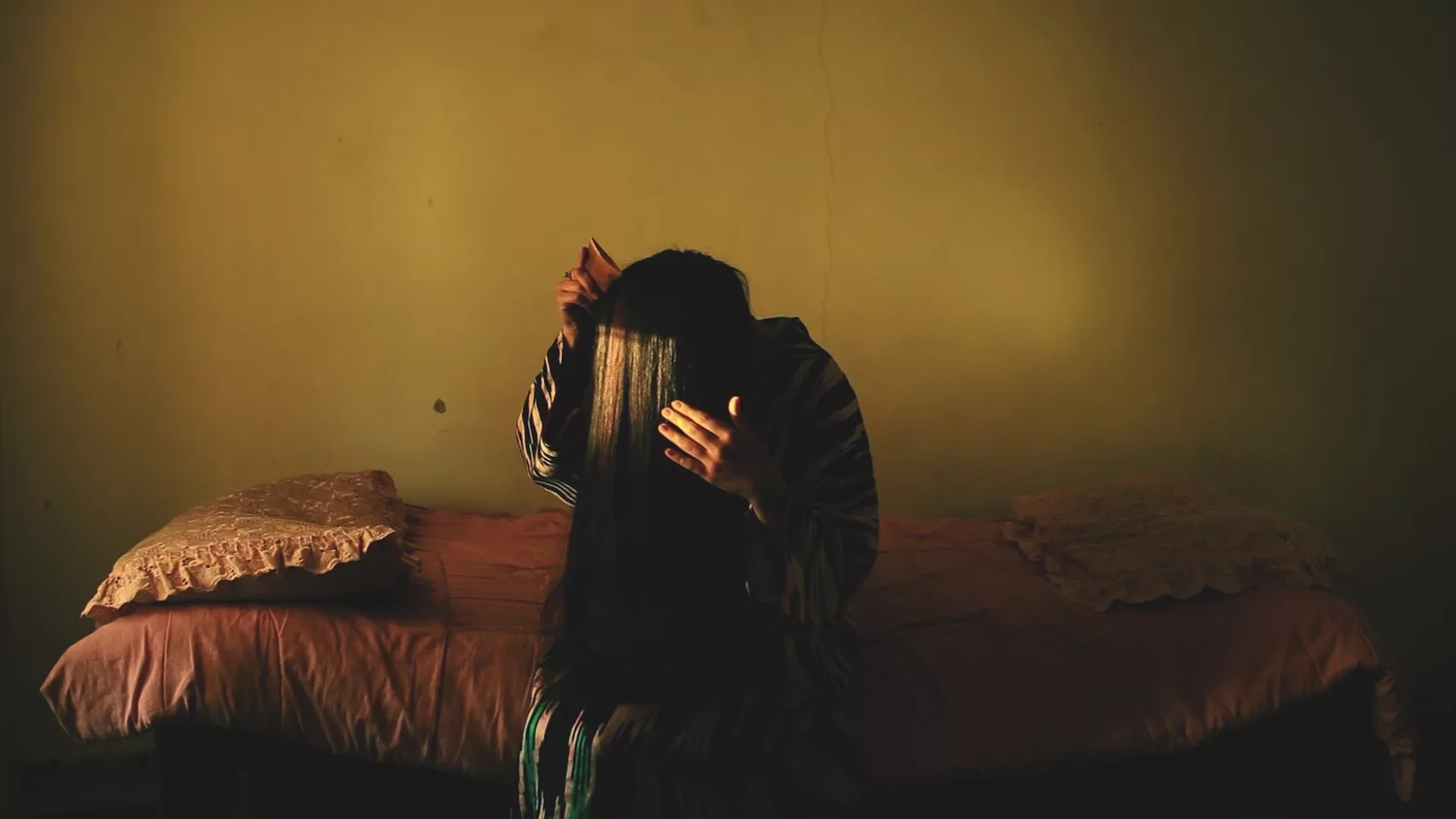
Saodat Ismailova, Zukhra, 2013, video, Courtesy Saodat Ismailova
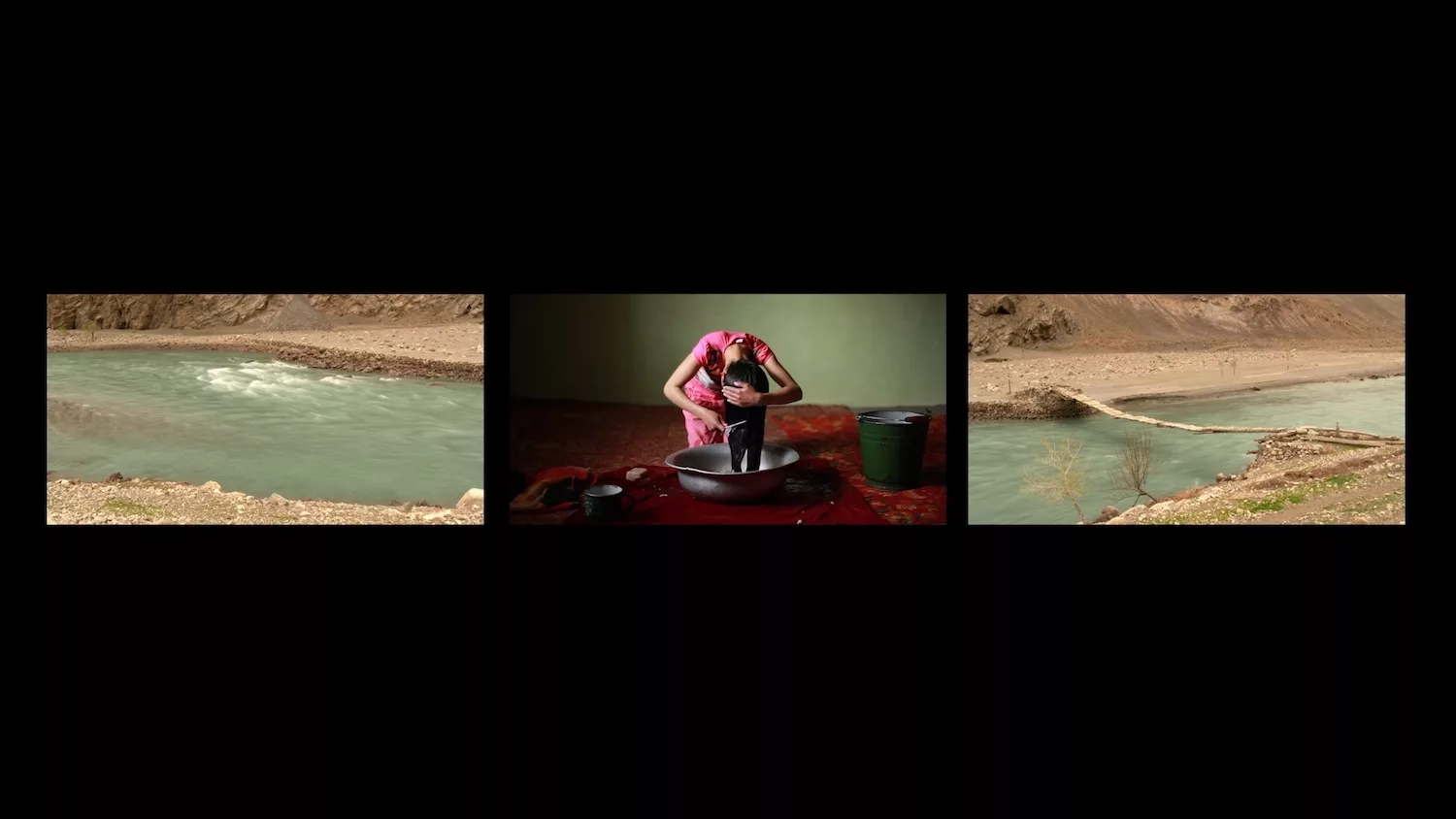
Saodat Ismailova, Stains of Oxus, 2016, audio installation and multi-screans video, Courtesy Saodat Ismailova
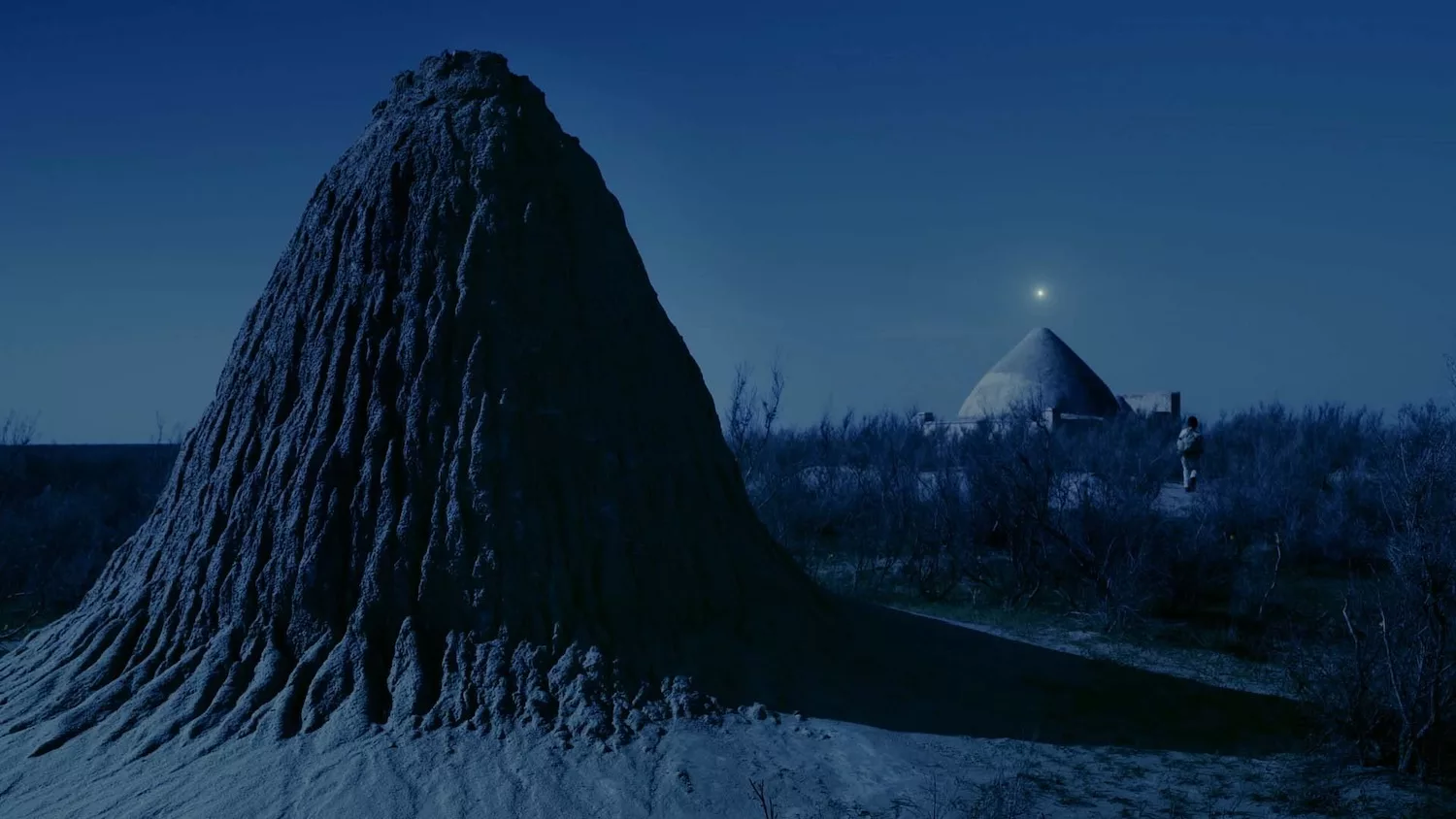
Saodat Ismailova, Two Horizons, 2017, video installation with two screans, Courtesy Saodat Ismailova
Video, the artist’s primary medium, is often approached by S. Ismailova in a cinematic manner, reflecting both her classical training in filmmaking at the Tashkent State Art Institute and the influence of her father, Abdurakhim Ismailov, a Soviet and Uzbek cinematographer. Since the mid-2010s, however, she has increasingly identified as a visual artist, a shift that has allowed her to move away from strict technical rigour in favour of greater sensuality and experiential openness. This period of her practice brought Zukhra (2013) to life and was later followed by the time spent at Le Fresnoy – Studio National des Arts Contemporains, from which she graduated in 2017, producing Stains of Oxus (2016) and Two Horizons (2017), two of the key pieces within her oeuvre. In the wake of this transition, S. Ismailova has progressively incorporated and increased the presence of other media – including textile, sound, photographic collage, spoken word, poetry, performance, glass and even gold – resulting in a multimedia body of work in which the moving image nevertheless remains central.
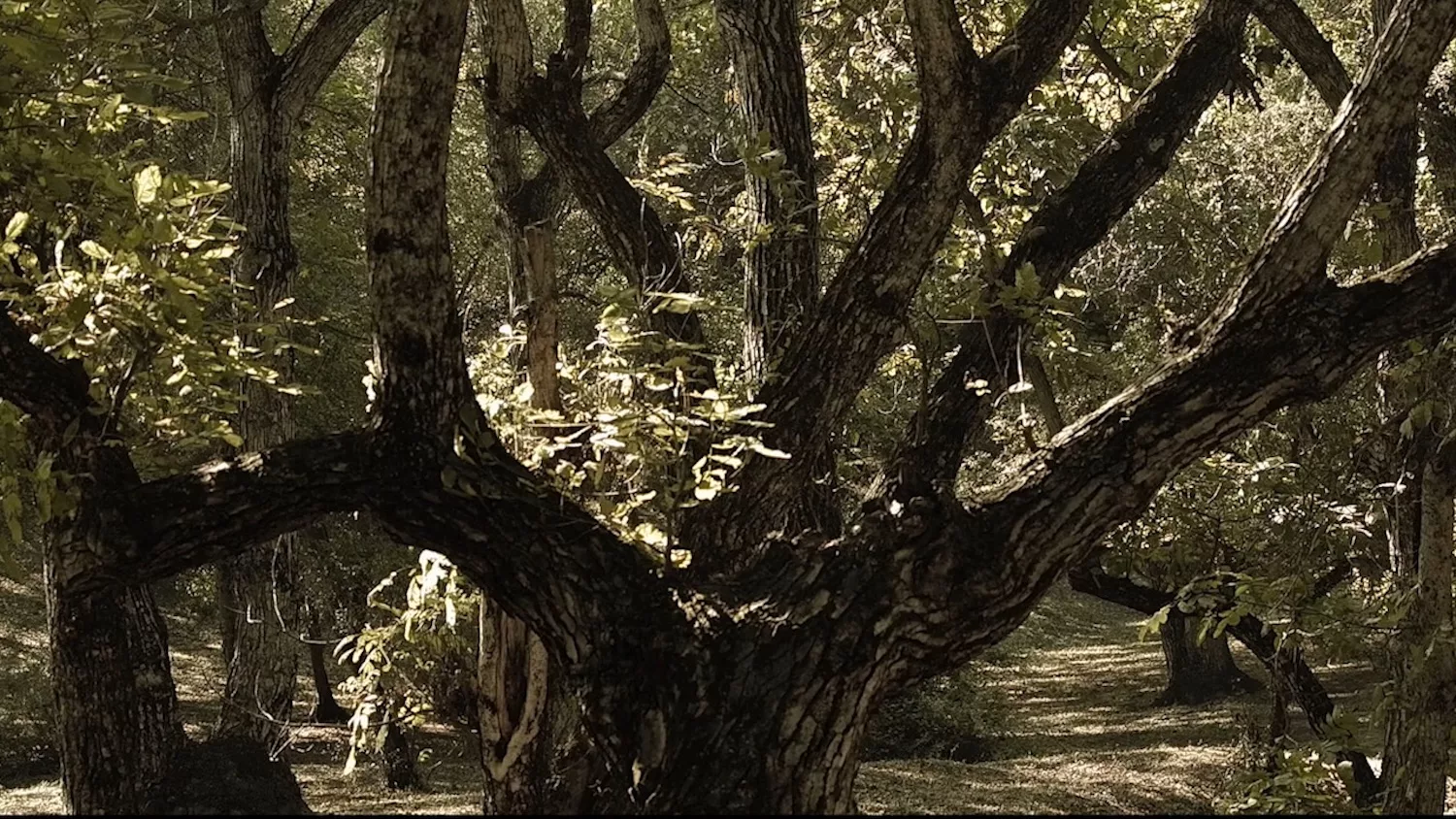
Saodat Ismailova, Arslanbob, 2023, video, 19’ min, Courtesy Saodat Ismailova
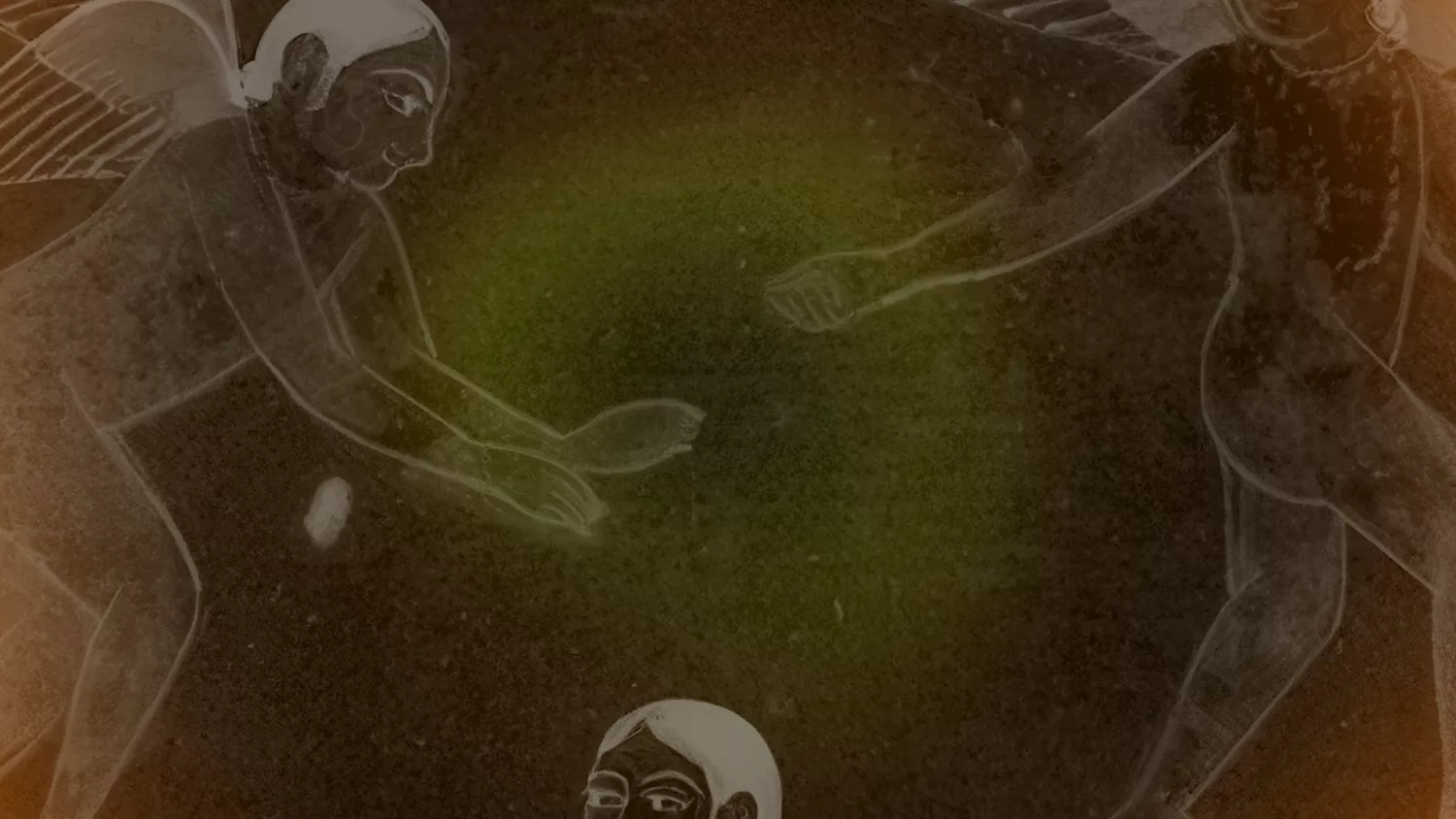
Saodat Ismailova, Arslanbob, 2023, video, 19’ min, Courtesy Saodat Ismailova
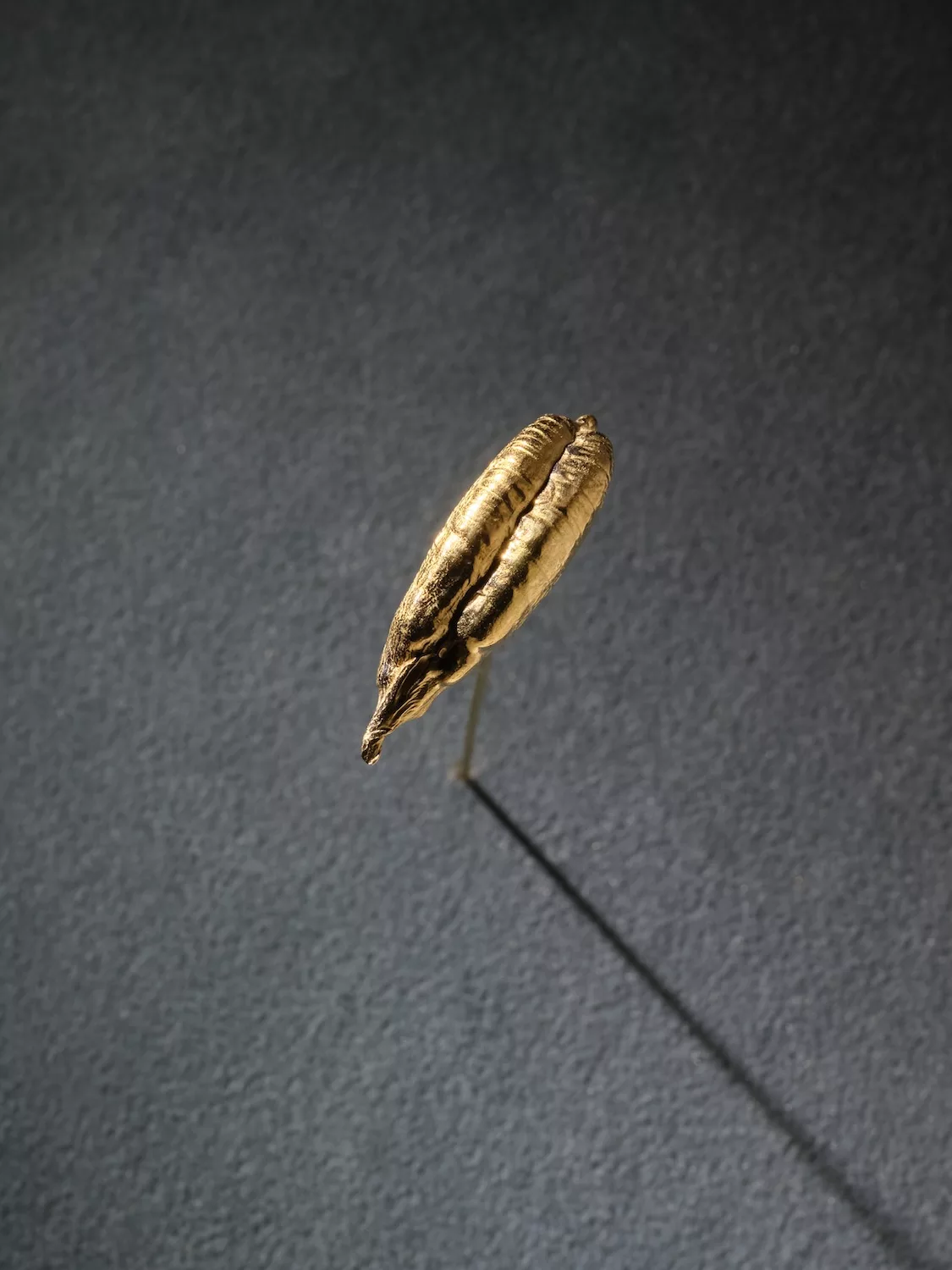
Saodat Ismailova, A seed under our tongue, 2024, video, Courtesy Saodat Ismailova
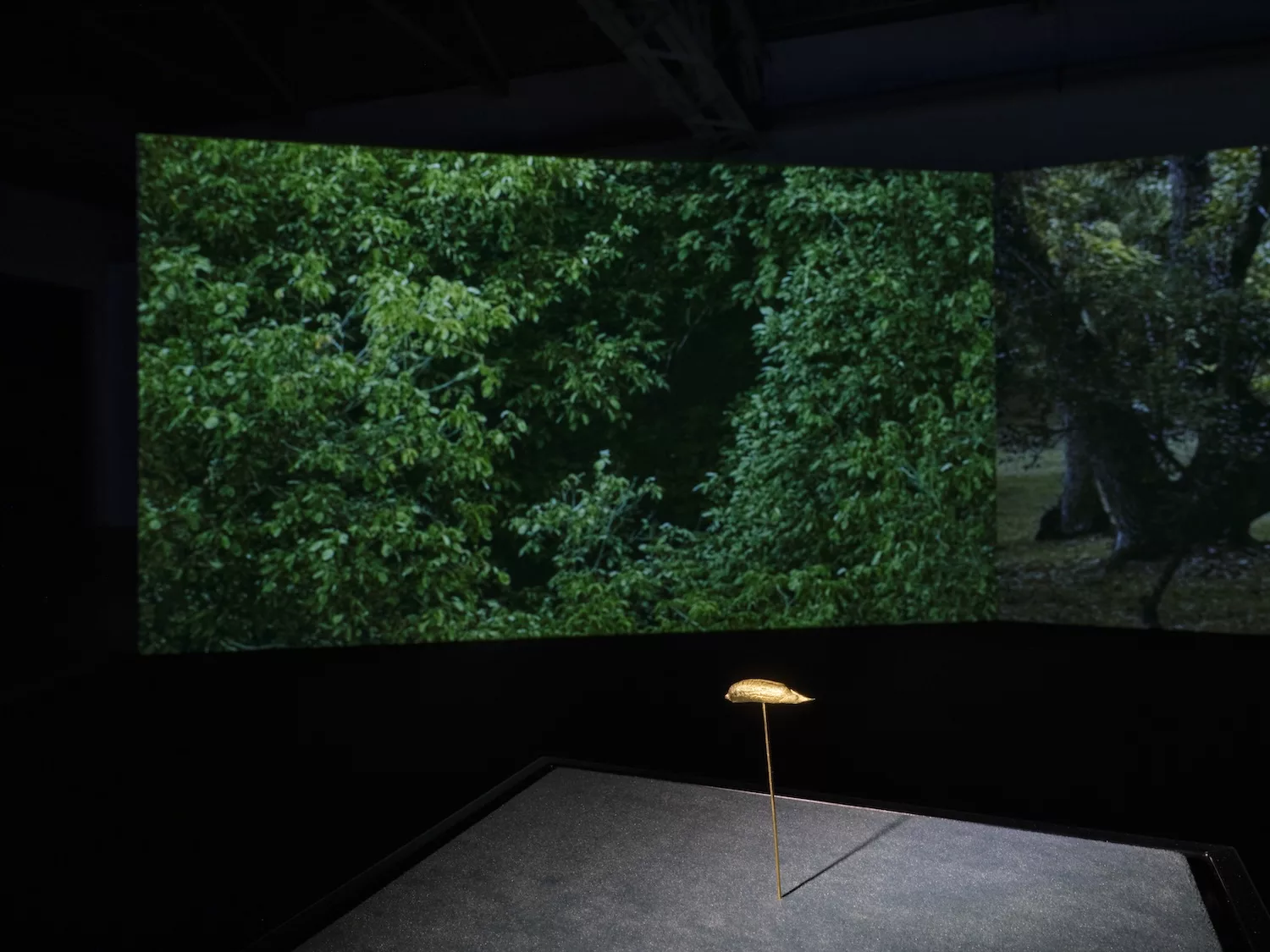
Saodat Ismailova, A seed under our tongue, 2024, video, Courtesy Saodat Ismailova
A telling example of the artist’s approach appears in a recent sequence of works devoted to the Arslanbob forest located in present-day Kyrgyzstan. Long venerated as a sacred site by Central Asian communities – whose belief systems connect it to episodes ranging from antiquity to modern history – the world’s largest natural walnut forest also functions today as an economic resource, with its harvest integrated into regional trade networks. Arslanbob’s dense semantic, mnemonic and historical strata provide S. Ismailova with a fertile terrain for artistic inquiry. Through animation, on-site filming, performance, sculpture and sound recording, she undertakes a meticulous dissection of the forest’s layered socio-political entanglements, while preserving its evaporating myths. The outcomes of this complex process unfold gradually, materialising in the works Arslanbob (2023), The Seed Under Our Tongue (2024) and Amanat (2026).
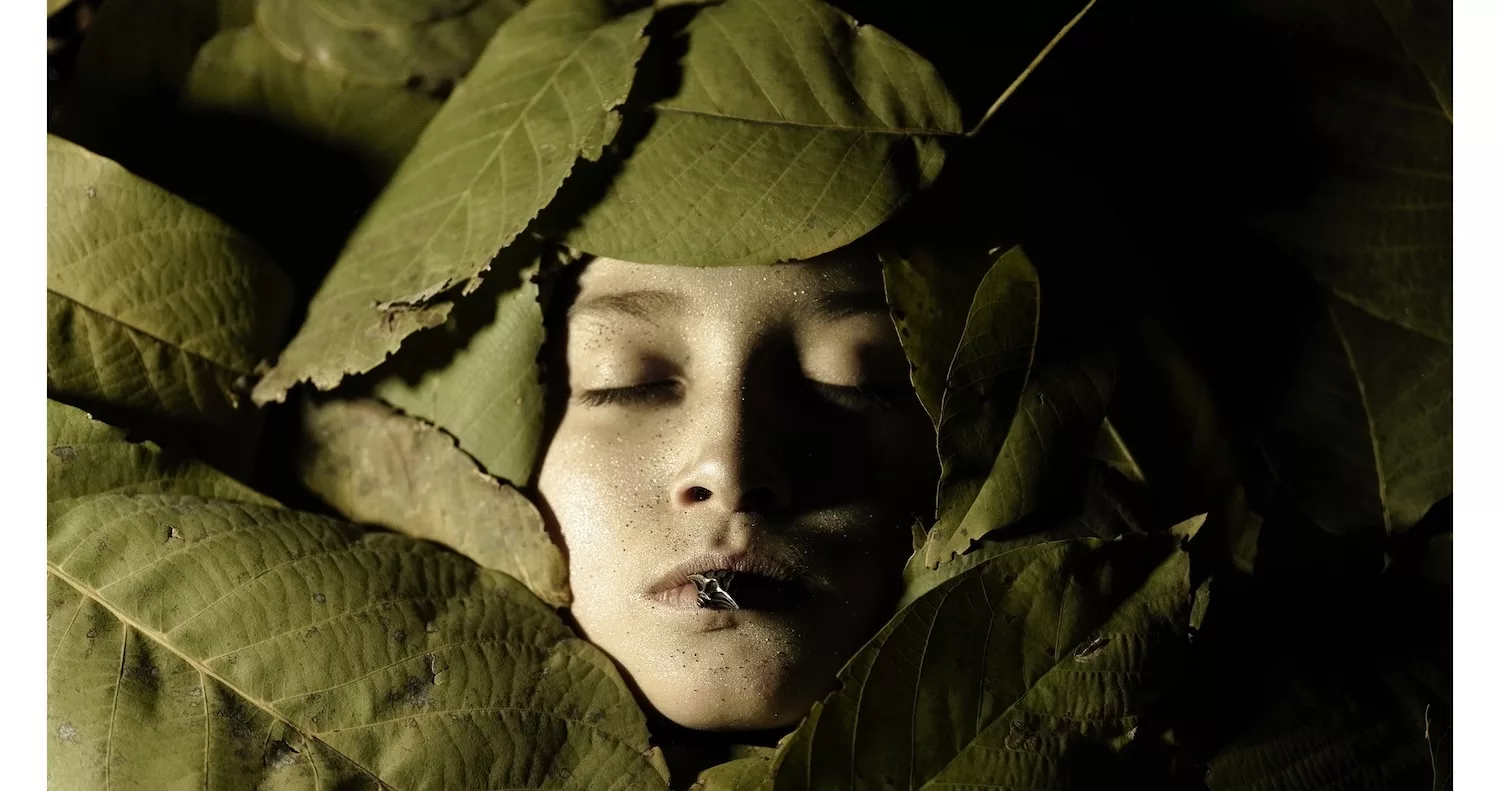
Saodat Ismailova, Amanat, 2026, video, Courtesy Saodat Ismailova
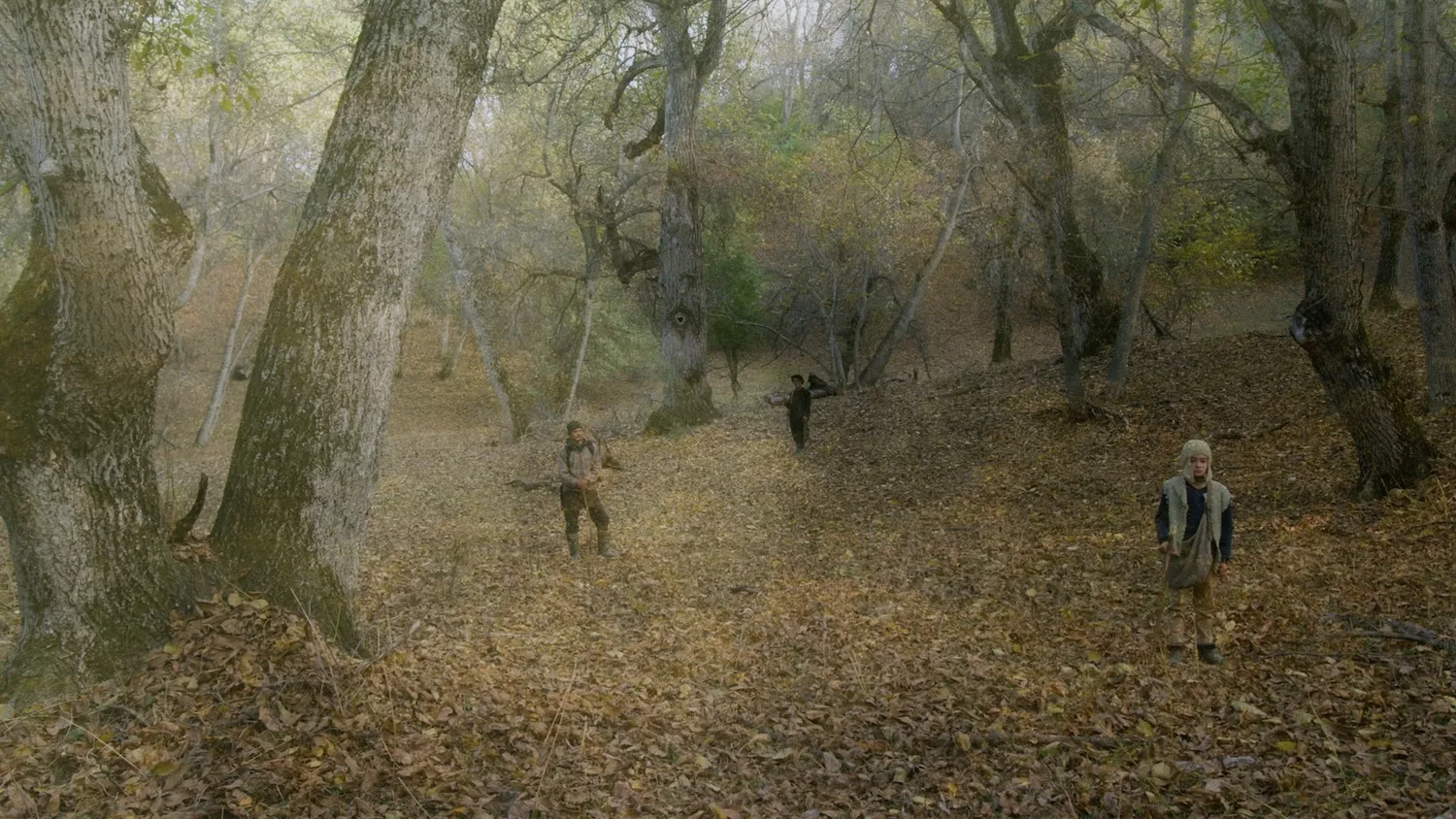
Saodat Ismailova, Amanat, 2026, video, Courtesy Saodat Ismailova
Beyond her own artistic practice, S. Ismailova is deeply committed to community building and education, particularly in her native Central Asia. She actively shares her knowledge by teaching and mentoring emerging artists, and regularly serves as a tutor, invited reviewer and jury member. In 2021 she founded DAVRA, a Central Asian research collective that brings together younger creative voices from across the region with the aim of fostering cultural connections beyond state-sponsored national agendas.
S. Ismailova’s artistic practice privileges interconnectedness over individualism, remembrance over oblivion, and slow, communal growth over extractive modes of production.
Dilda Ramazan
Saodat Ismailova is an artist and filmmaker based in Paris whose work weaves personal and collective memories, myths, and rituals into everyday life, evoking the layered histories of Central Asia. She studied at the State Institute of Arts in Tashkent (Uzbekistan), Fabrica (Italy), and Le Fresnoy – Studio national des arts contemporains (France). Recent solo exhibitions include Pirelli HangarBicocca, Milan (2024–2025), Eye Filmmuseum, Amsterdam (2023), and Le Fresnoy, Tourcoing (2023). Her work has been featured at the Venice Biennale (2013, 2022), documenta fifteen (2022), and in leading international film festivals. In 2021, she founded DAVRA, a collective dedicated to Central Asian cultural knowledge.

