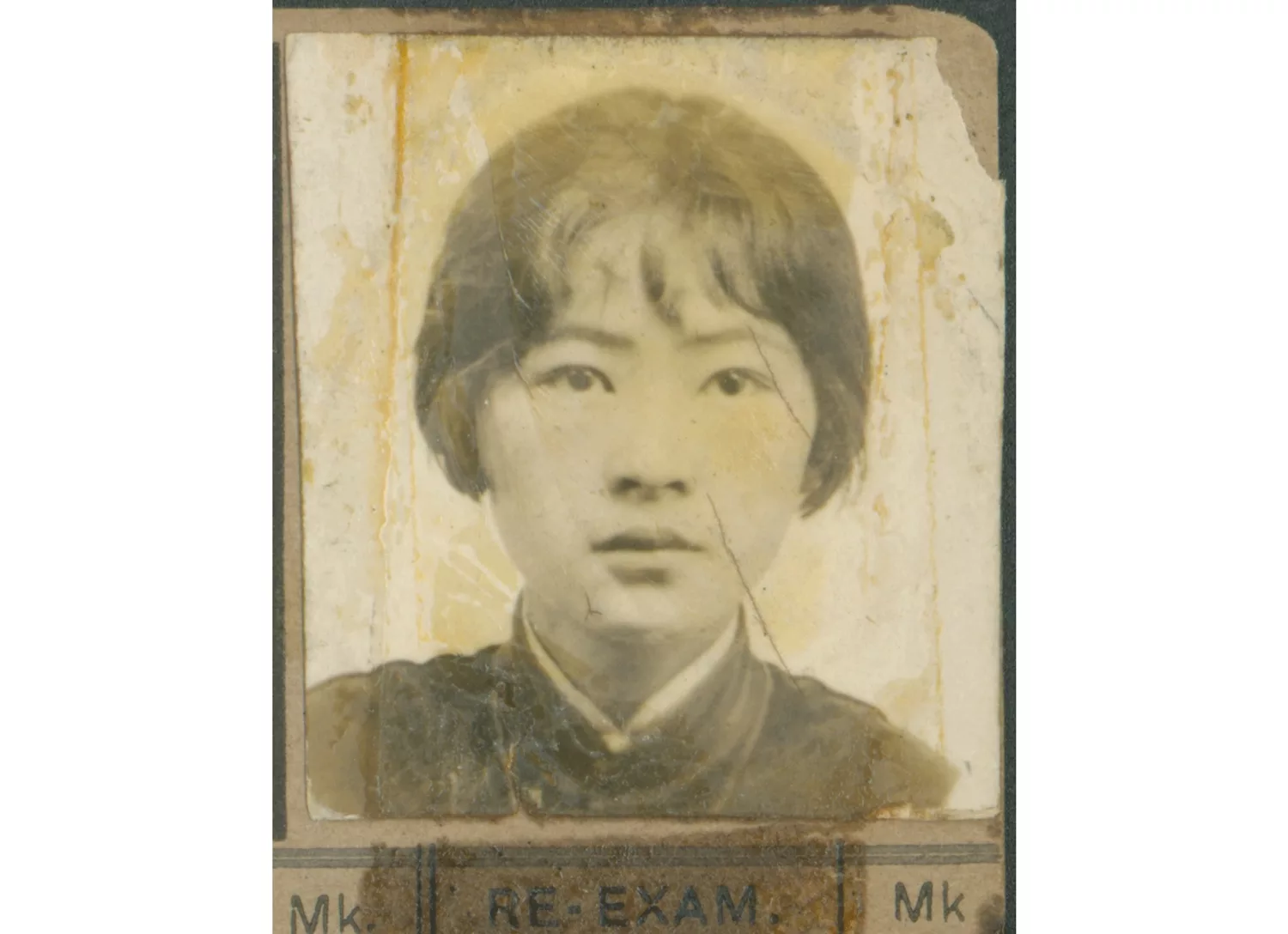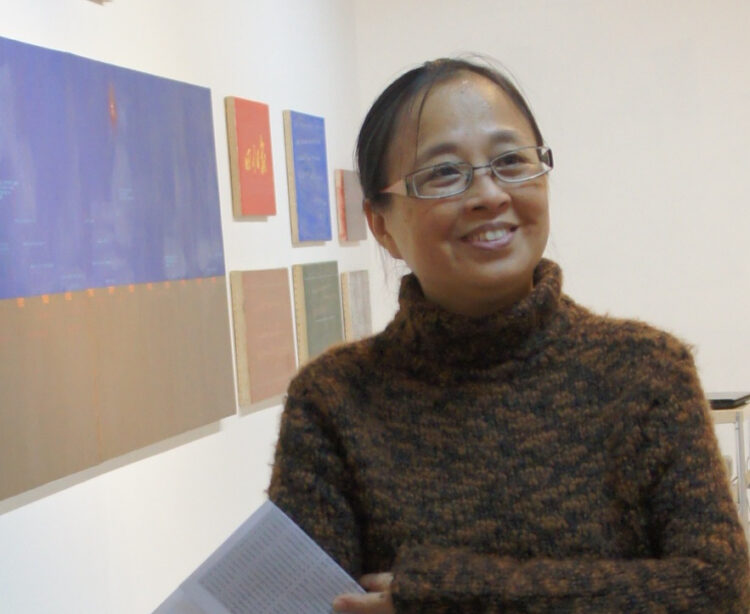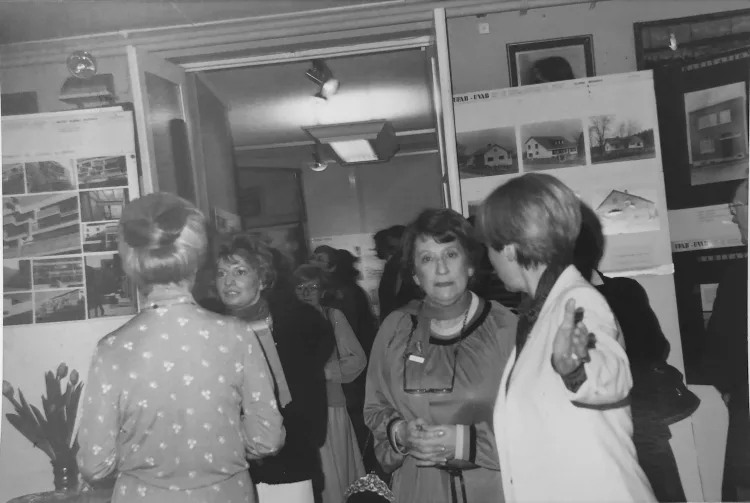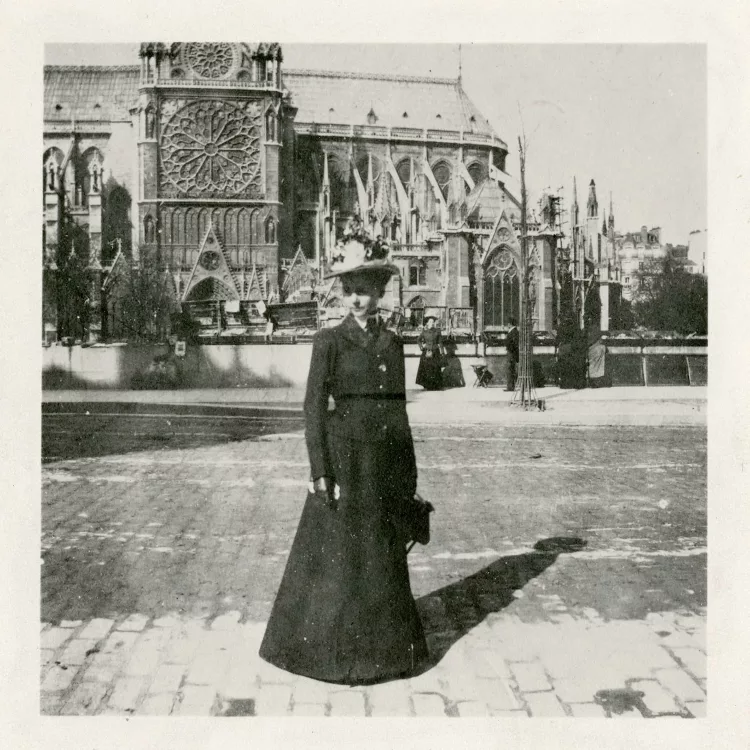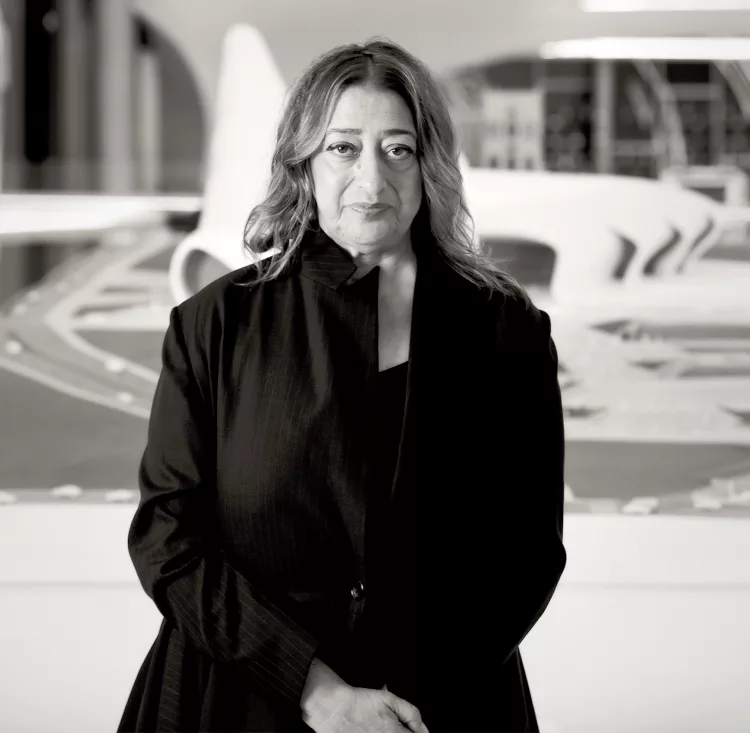
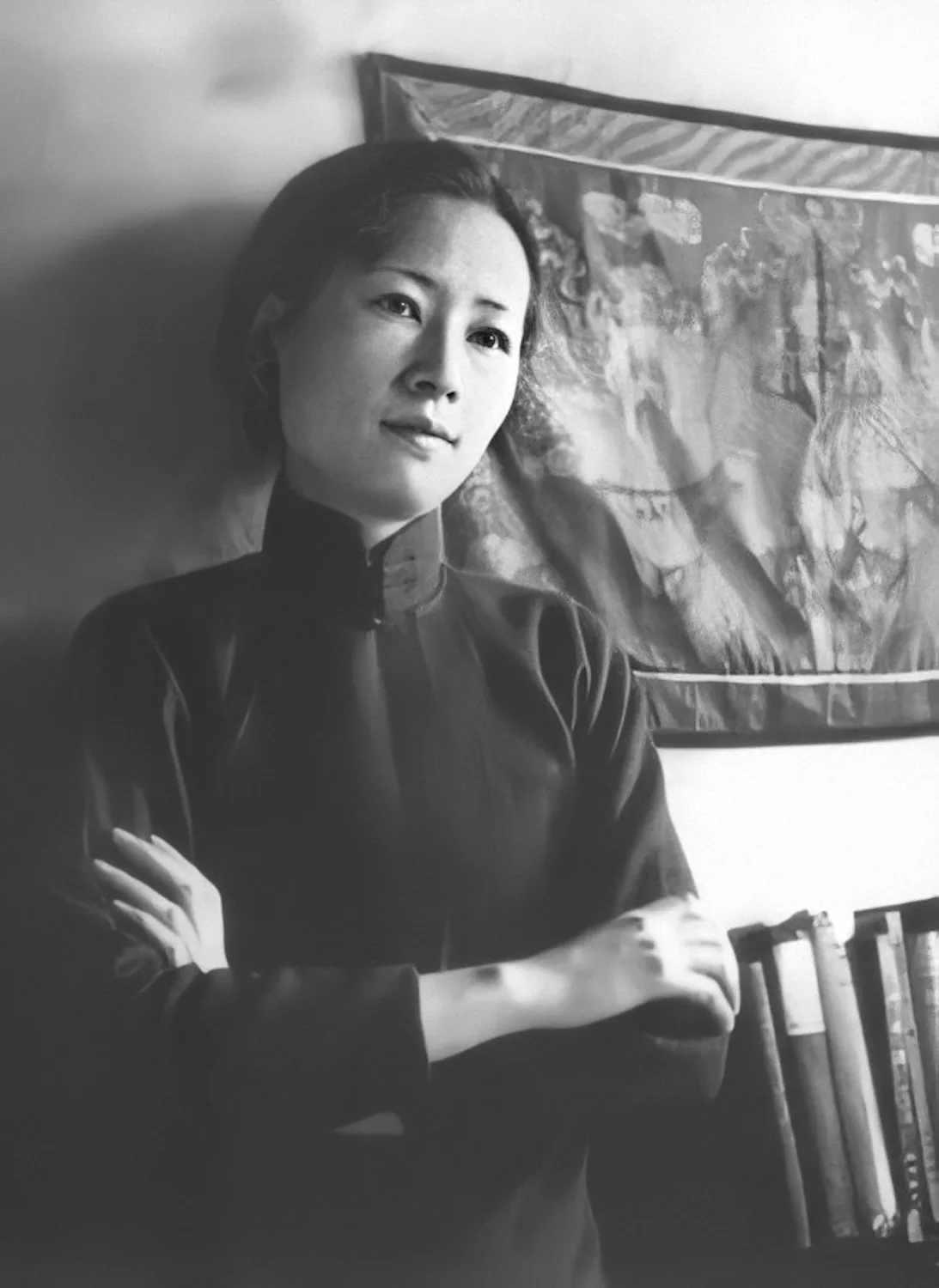
Portrait de Lin Huiyin
Harald Kalman, « ‘Chinese Spirit in Modern Strength:’ Liang Sicheng, Lin Huiyin, and Early Modernist Architecture in China », Journal of the Royal Asiatic Society Hong Kong Branch 58, 2018, p. 154-188
→Wijie Song, « The Aesthetic versus the Political: Lin Huiyin and Modern Beijing », Chinese Literature: Essays, Articles, Reviews 36 , décembre 2014, p. 61-94
→Wilma Fairbanks, Liang and Lin: Partners in Exploring China’s Architecture Past, Philadelphie, University of Pennsylvania Press, 1994
Architecte chinoise.
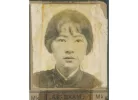
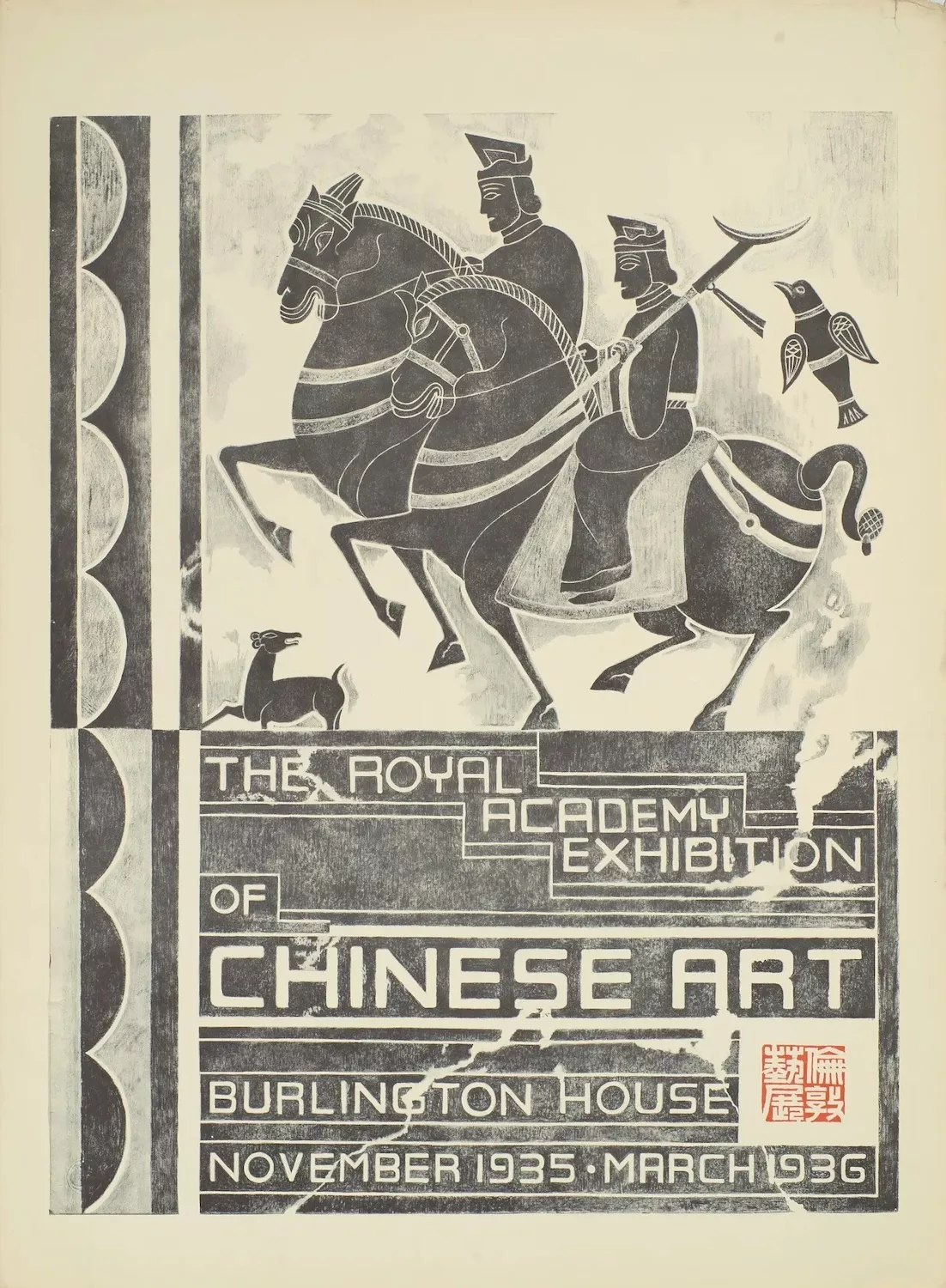
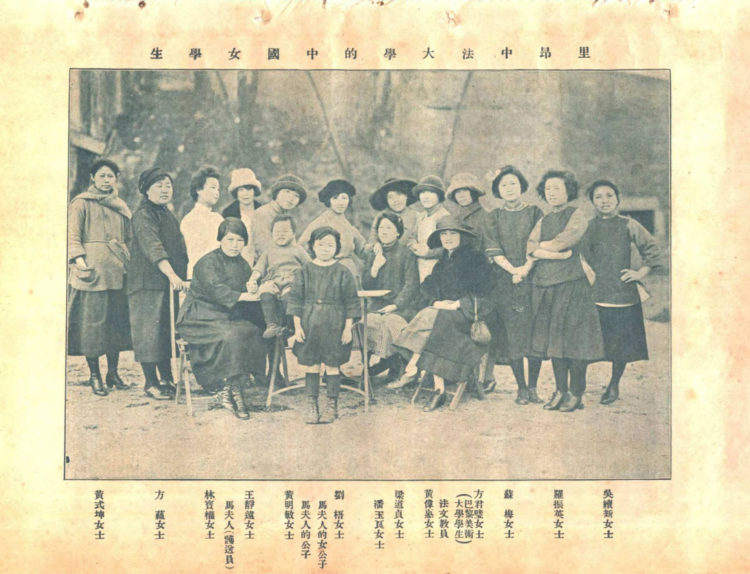
Lin Huiyin, qui fait partie de la première génération de Chinois·es à suivre une formation officielle en architecture, est la première femme architecte du pays. De 1924 à 1927, elle étudie à l’université de Pennsylvanie, où elle obtient un Bachelor of Arts plutôt d’un diplôme d’architecture car l’université n’octroie alors pas encore ces titres aux femmes. Elle passe cependant tout un été à travailler au bureau de son professeur, l’architecte Paul Philippe Cret (1876-1945). Elle étudie ensuite brièvement le décor scénique à la School of Drama de l’université Yale. En 1928, elle épouse Liang Sicheng (1901-1972), lui aussi architecte et diplômé de l’université de Pennsylvanie. Tous deux font le tour de l’Europe avant de rentrer en Chine, où ils fondent à Shenyang le département d’architecture de l’université du Nord-Est. Dès lors, ils entreprennent d’identifier le patrimoine bâti national et s’engagent pour sa préservation.
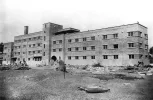
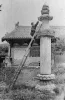
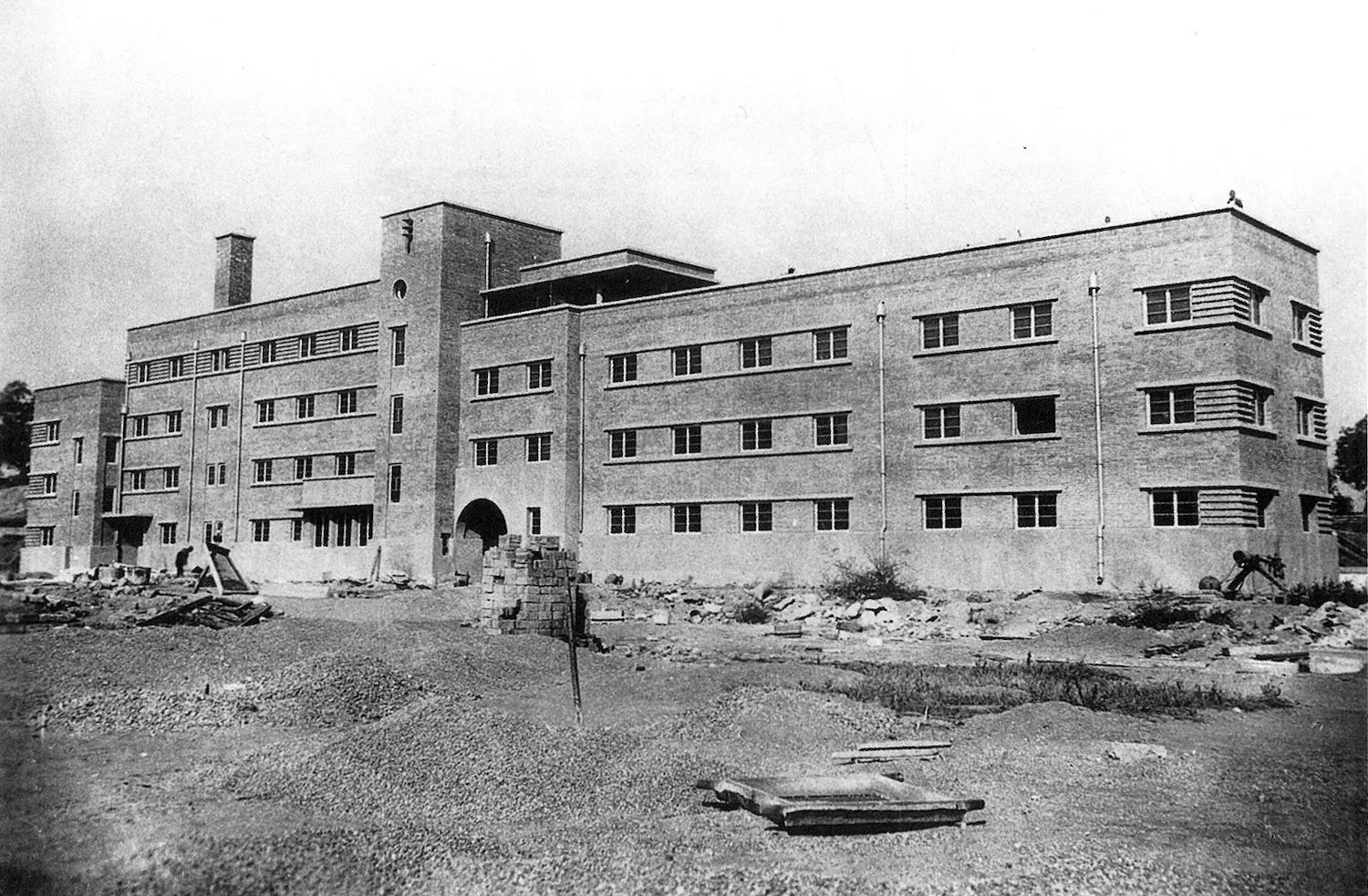
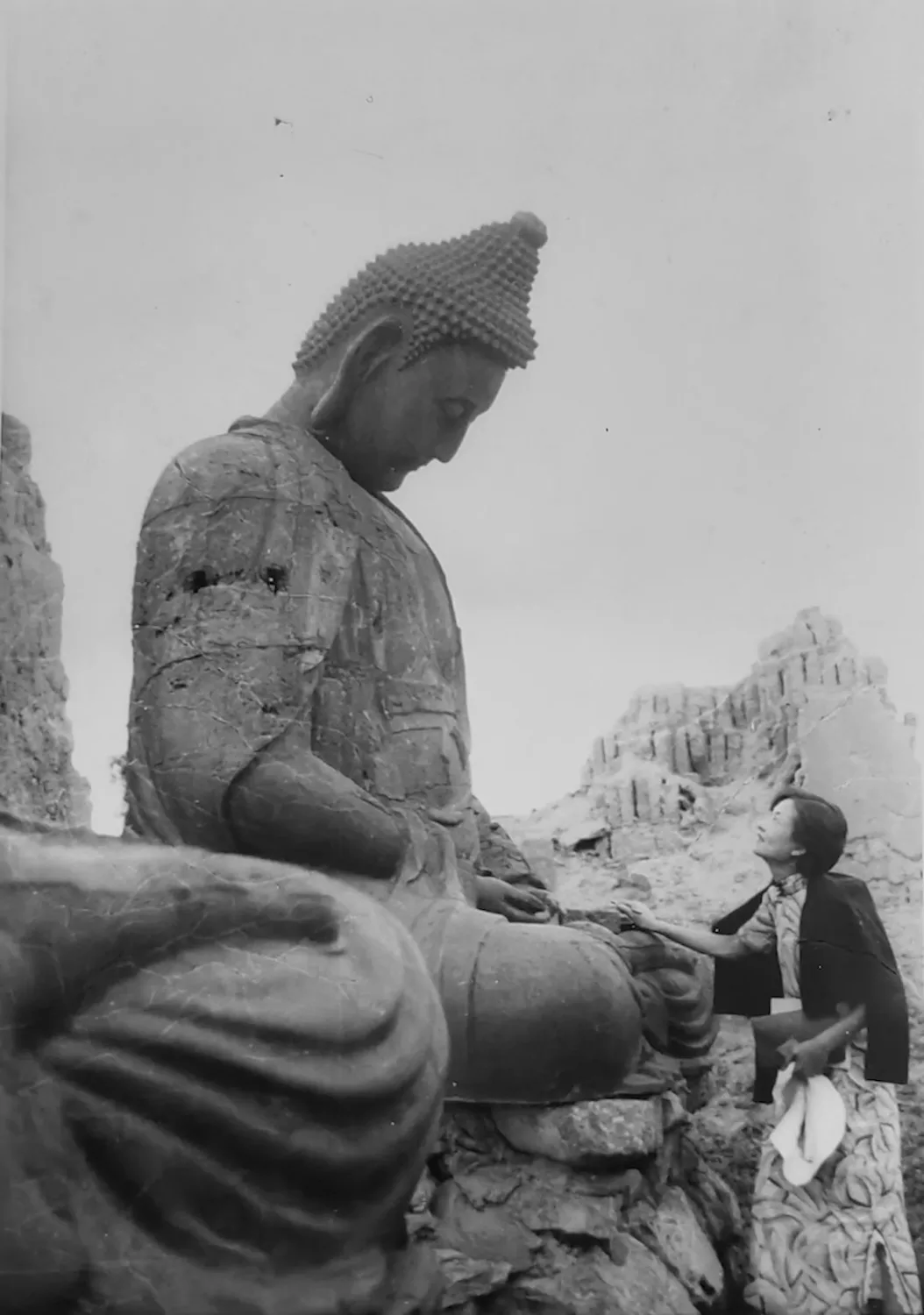
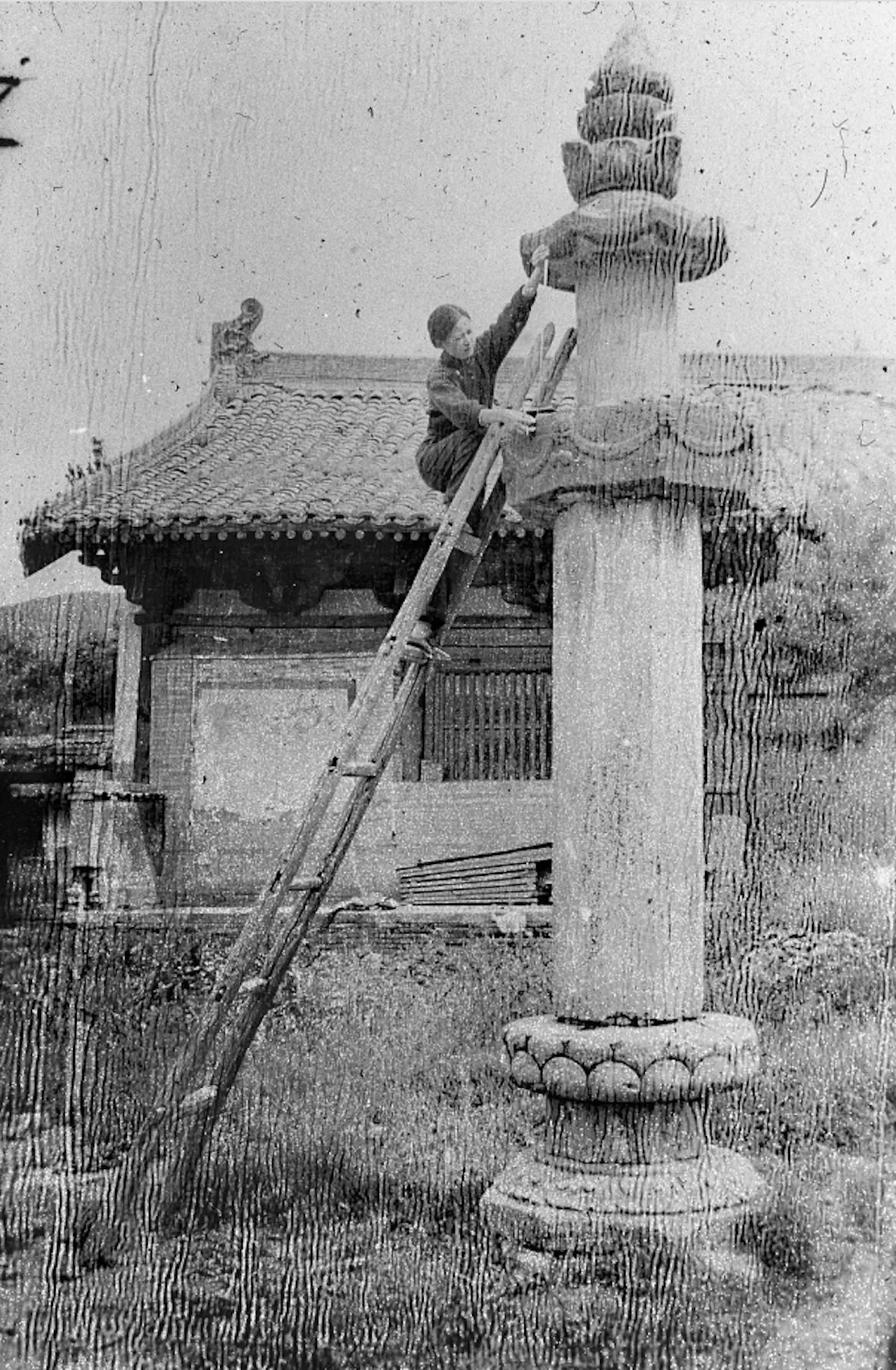
En 1930, Lin H. emménage à Pékin, où elle travaille avec Liang S. à l’Institut de recherche sur l’architecture chinoise. Ils continuent à documenter le passé architectural de la Chine, voyageant à travers le pays pour retrouver la trace d’édifices médiévaux oubliés depuis longtemps, et deviennent ainsi les plus éminents historiens dans ce domaine. Lors d’une expédition en 1937, ils datent de la dynastie Tang (618-907) la salle orientale du temple de Foguang, dans la province du Shanxi, ce qui constitue un événement mémorable dans l’histoire de la recherche sur l’architecture chinoise – Lin H., par ailleurs, est particulièrement enthousiasmée par la découverte d’une inscription indiquant que la donatrice de cette salle était une femme. Durant ces années, le couple conçoit aussi le bâtiment de géologie (1934-1935) et le dortoir des femmes (1935) de l’université de Pékin. Ces deux édifices sont réalisés en brique, dans un style moderne influencé par les constructions vues en Europe. Après la déclaration de guerre contre le Japon à l’été 1937, les époux déménagent dans le Sud, d’abord à Kunming (1937), où ils se construisent une maison modeste, puis à Lizhuang (1940). Ils sont de retour à Pékin en 1946.
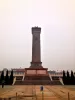
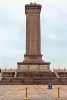
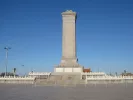
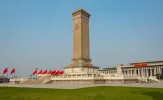
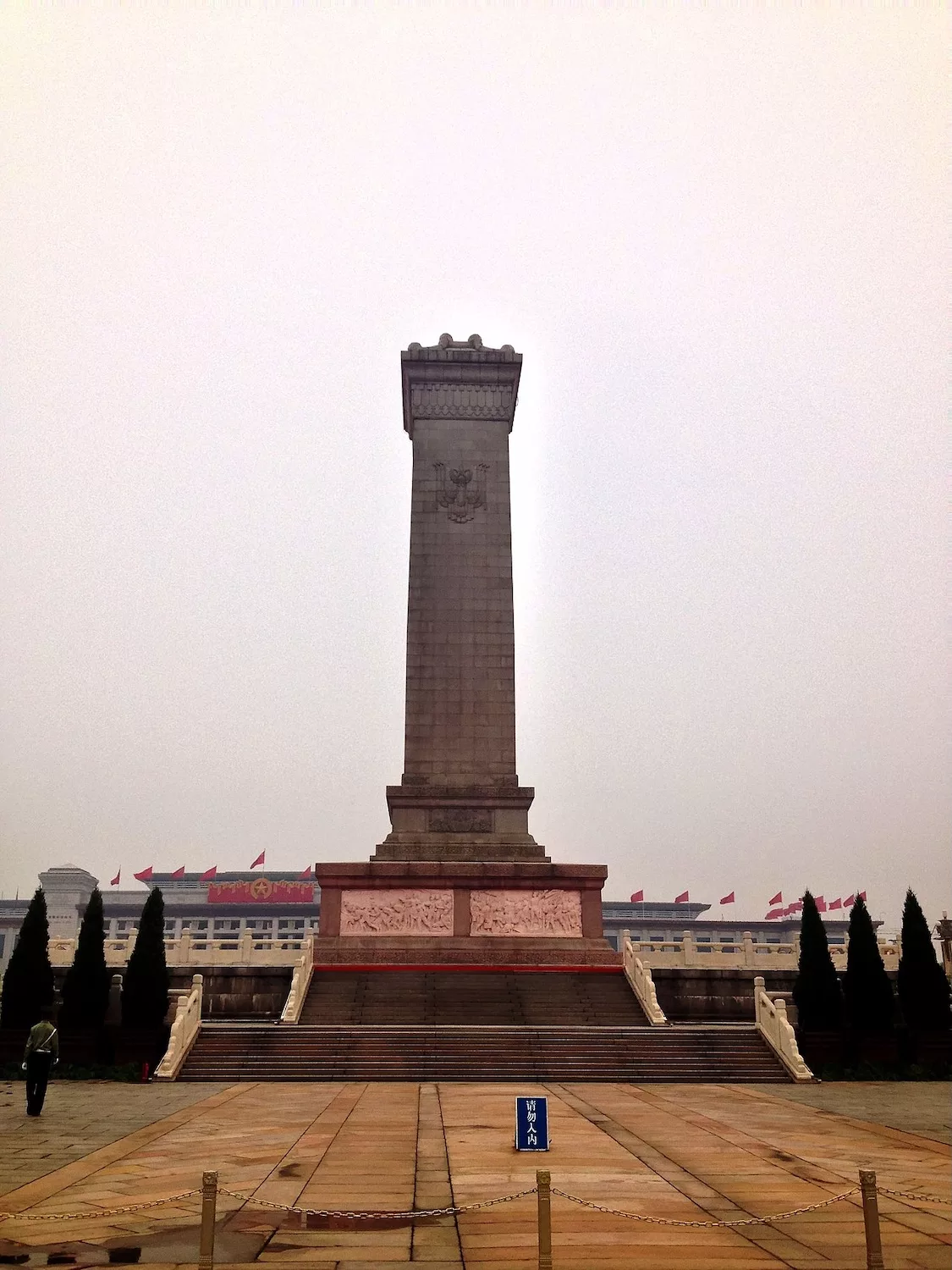
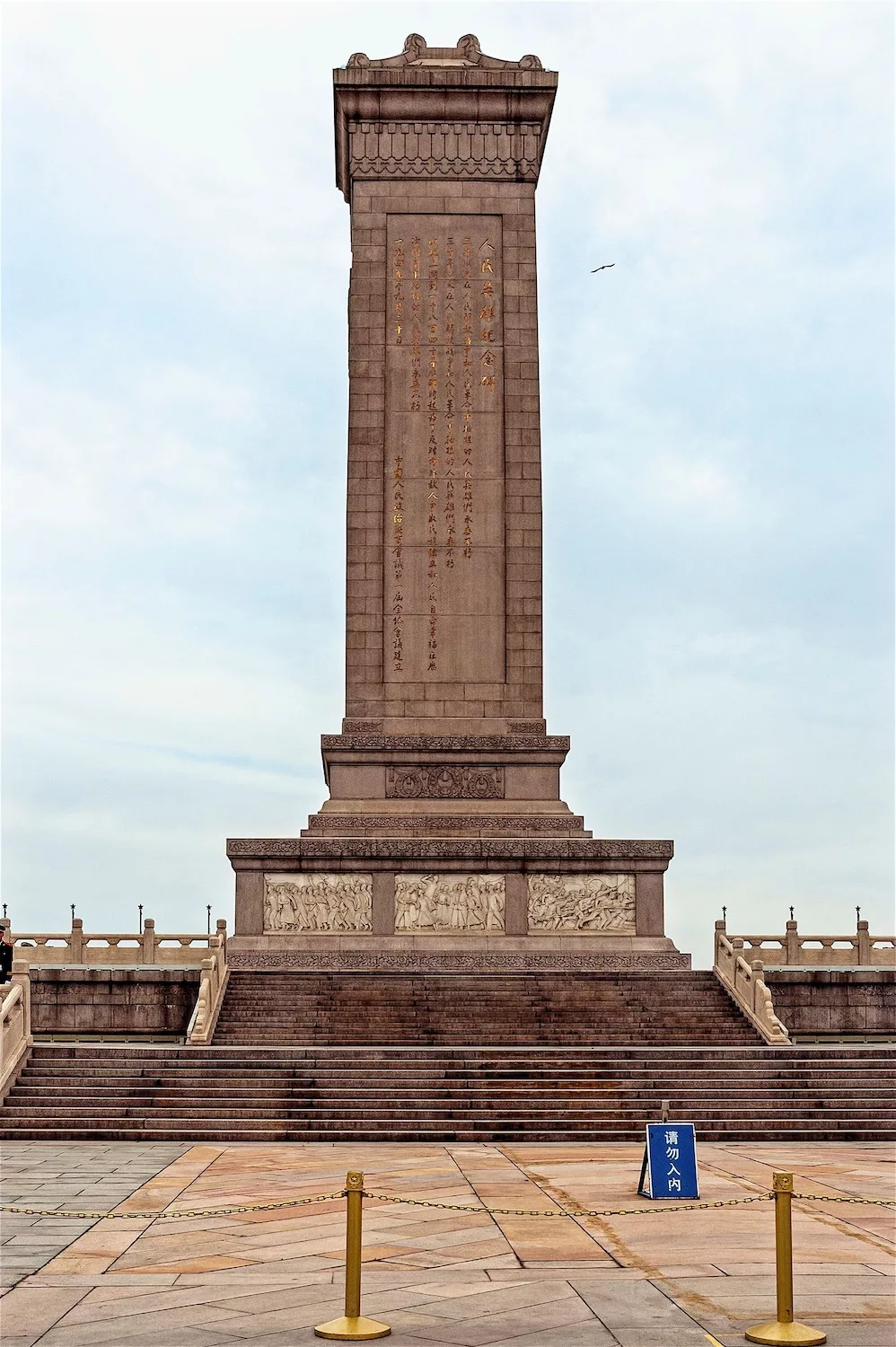
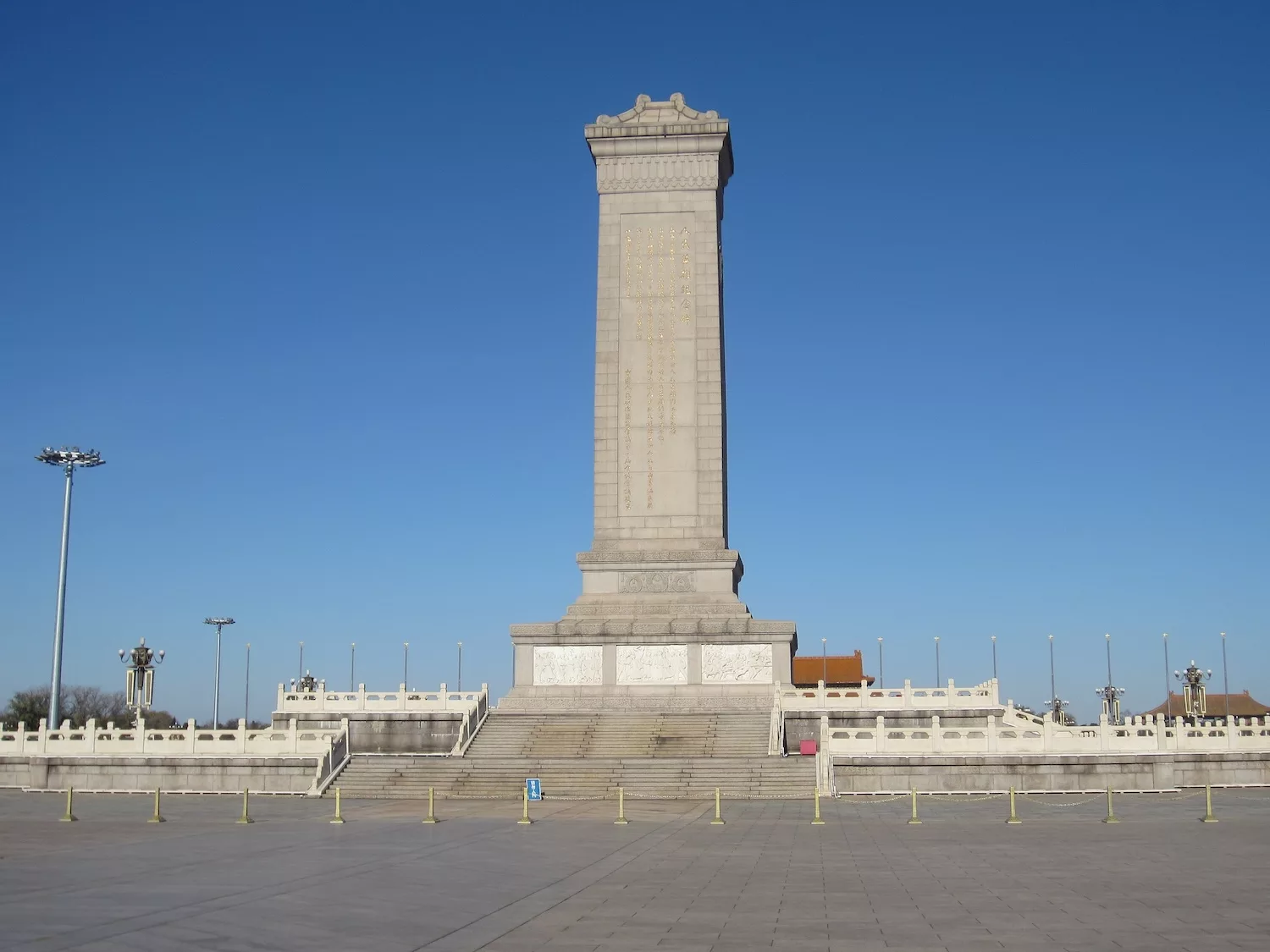
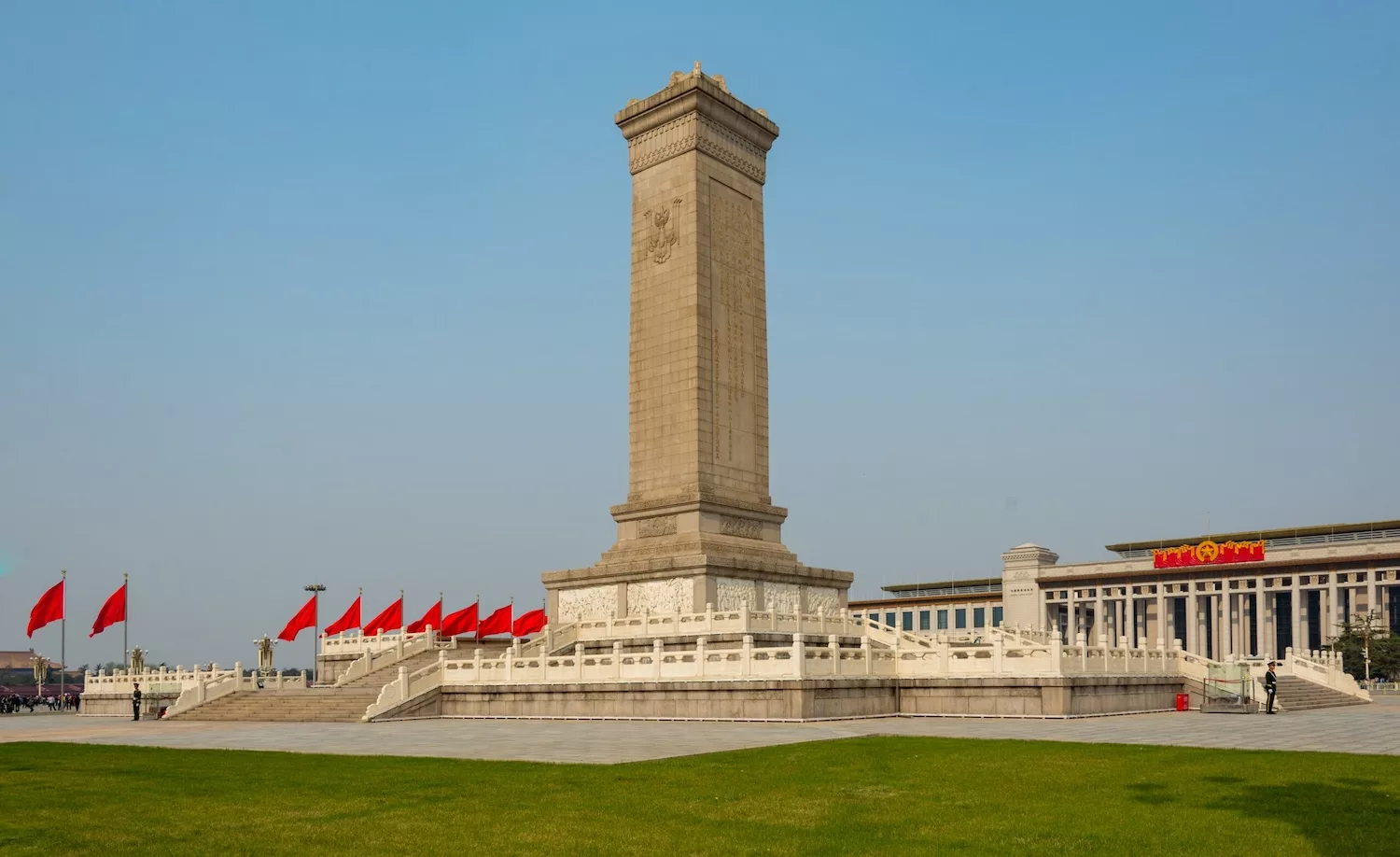
Soutiens du régime communiste, Lin H. et Liang S. participent à la conception du nouvel emblème national : leur dessin représente la place Tian’anmen, à Pékin, où Mao a proclamé la constitution de la République populaire en 1949. Professeure à l’université Tsinghua, Lin H. endosse un certain nombre d’autres fonctions officielles : elle est notamment membre du comité de planification urbaine de Pékin, représentante au premier Congrès du peuple de la ville et membre de l’Assemblée pour la littérature nationale. Elle est aussi membre du comité qui, sous la direction de Liang S., conçoit le monument aux héros du peuple de la place Tian’anmen, inauguré en 1958 : elle est responsable d’une grande partie du dessin du socle. Malgré cette reconnaissance officielle, les deux architectes échouent à préserver les vestiges de l’ancienne muraille de la ville ainsi que d’autres édifices historiques.
Lin H. meurt en 1955 de la tuberculose, dont elle souffrait depuis un vingt-cinq ans. En plus de ses réalisations comme architecte, historienne de l’architecture et graphiste, c’est une importante figure littéraire, célébrée pour ses poèmes et ses nouvelles ainsi que pour ses articles de recherche sur l’architecture. Avec son ami le poète Xu Zhimo, elle sert d’interprète à Rabindranath Tagore lors de son voyage en Chine en 1924. Elle tient aussi un salon important à Pékin. Enfin, elle a pour nièce l’architecte états-unienne Maya Lin (née en 1959).