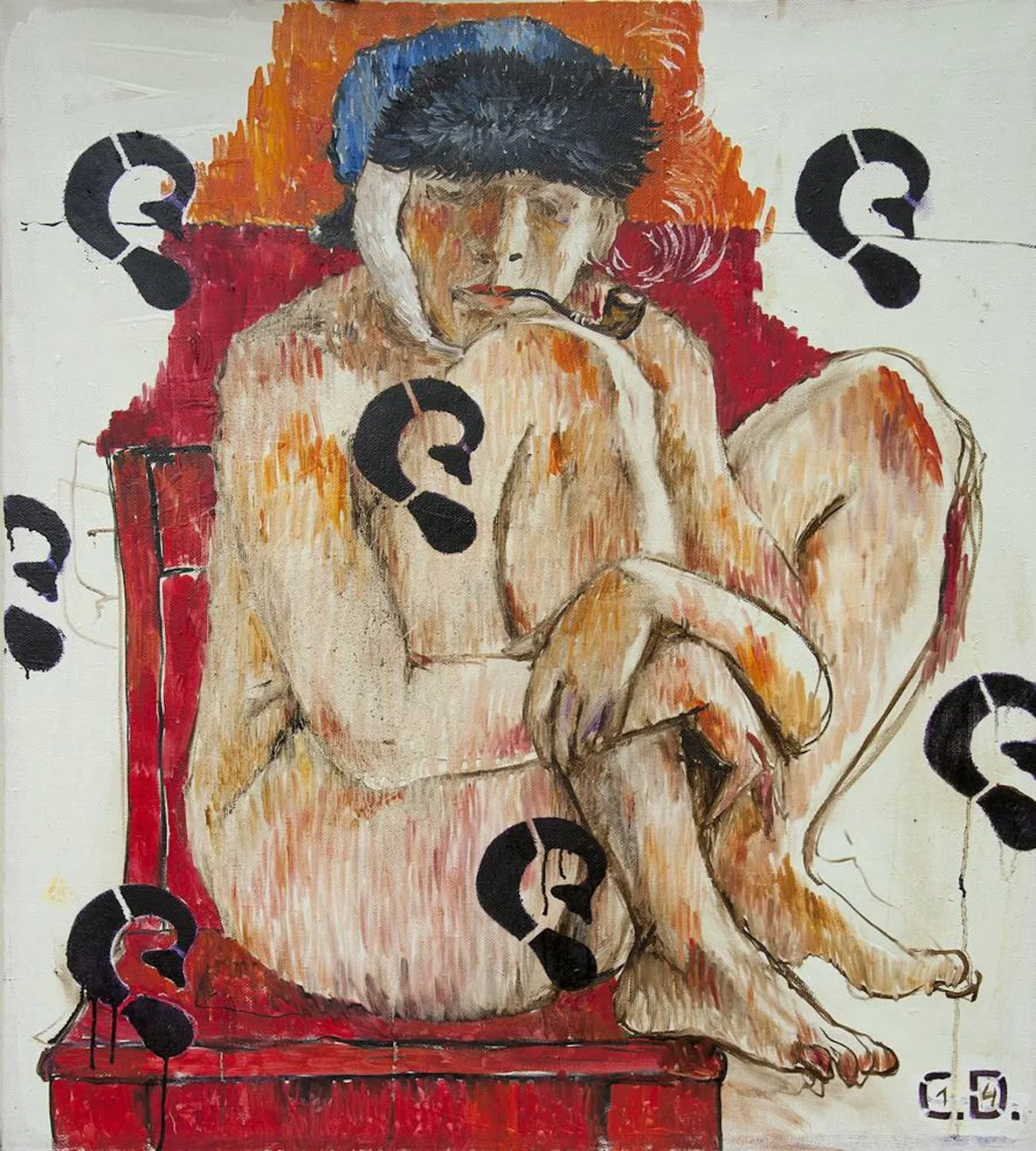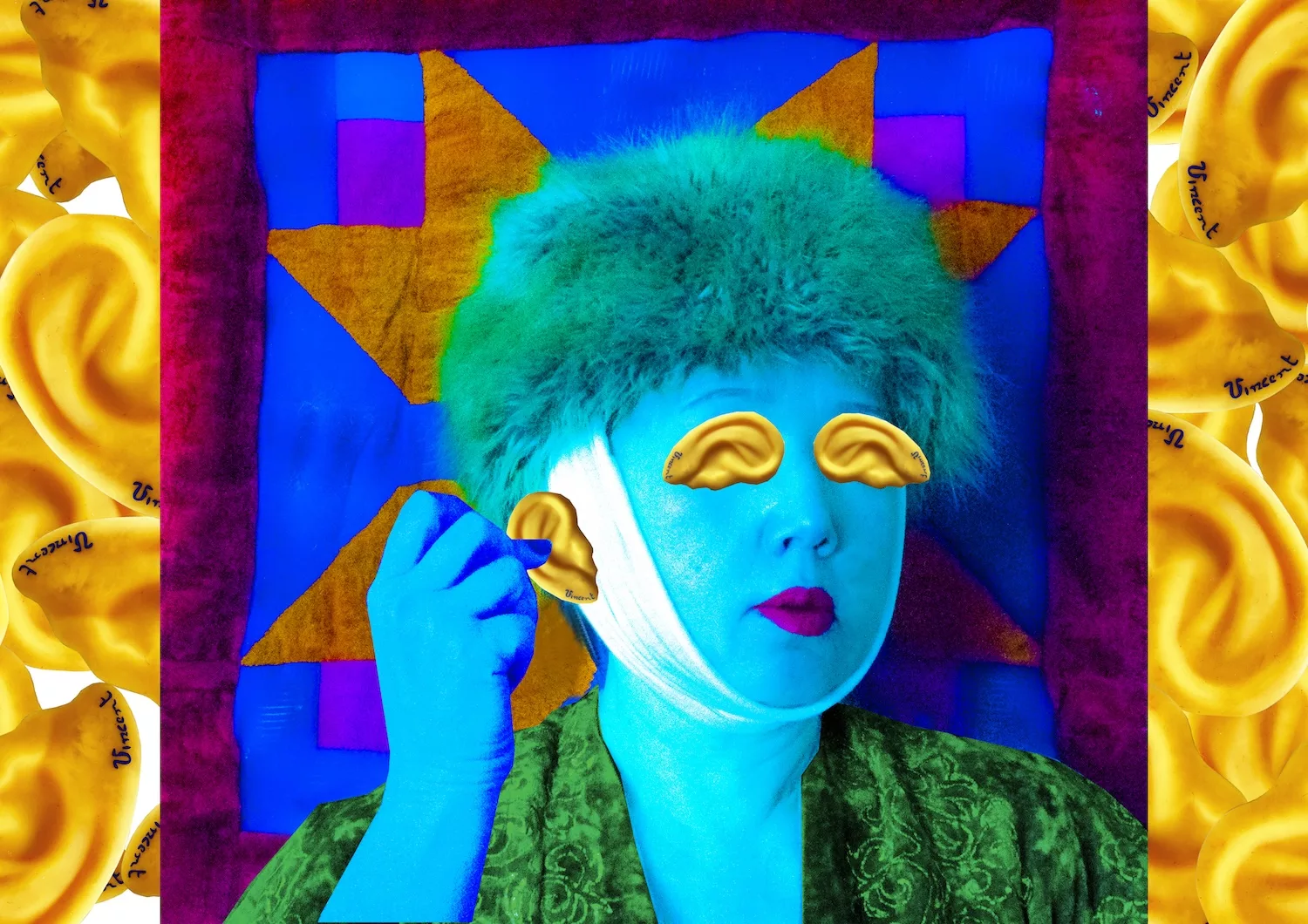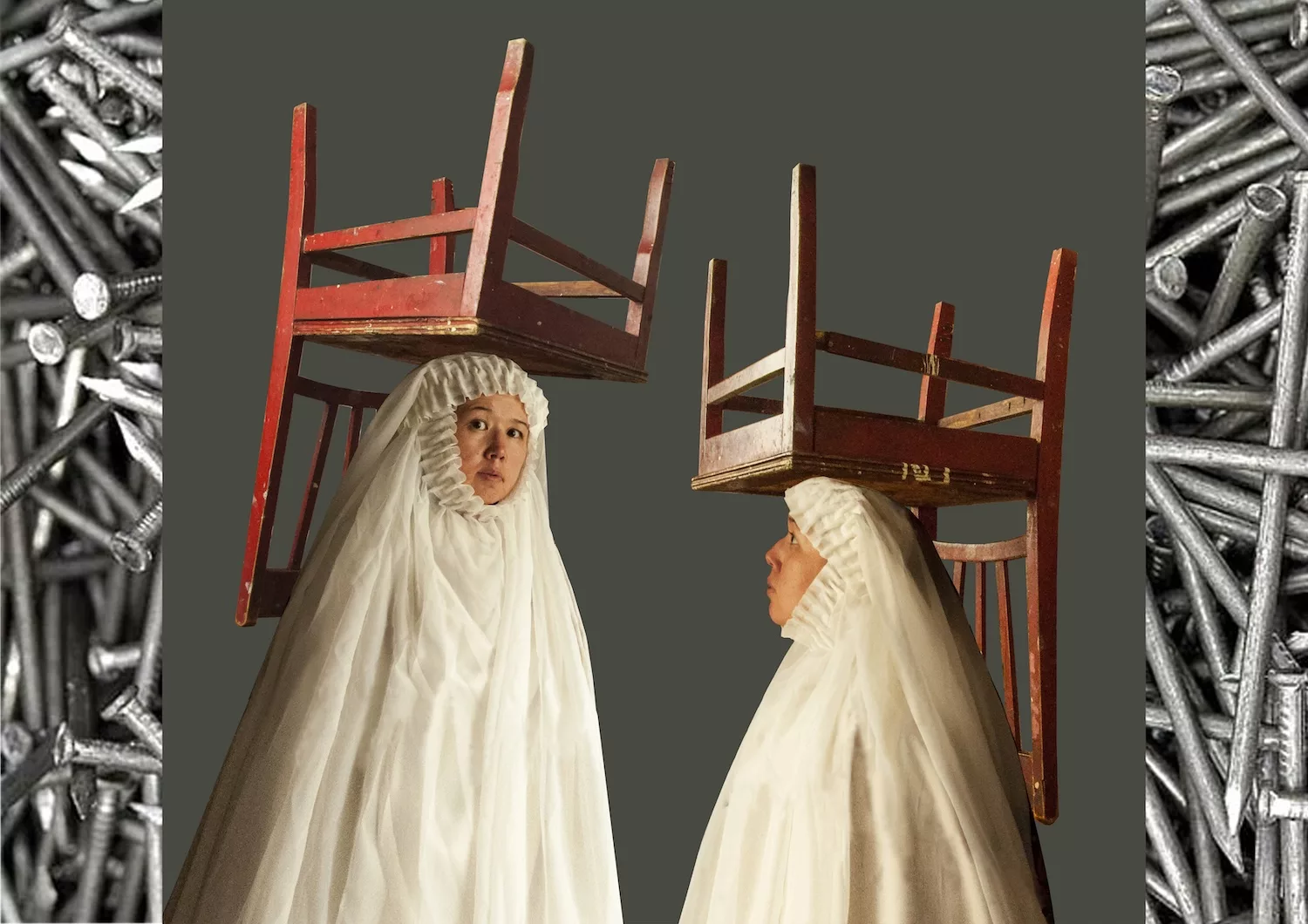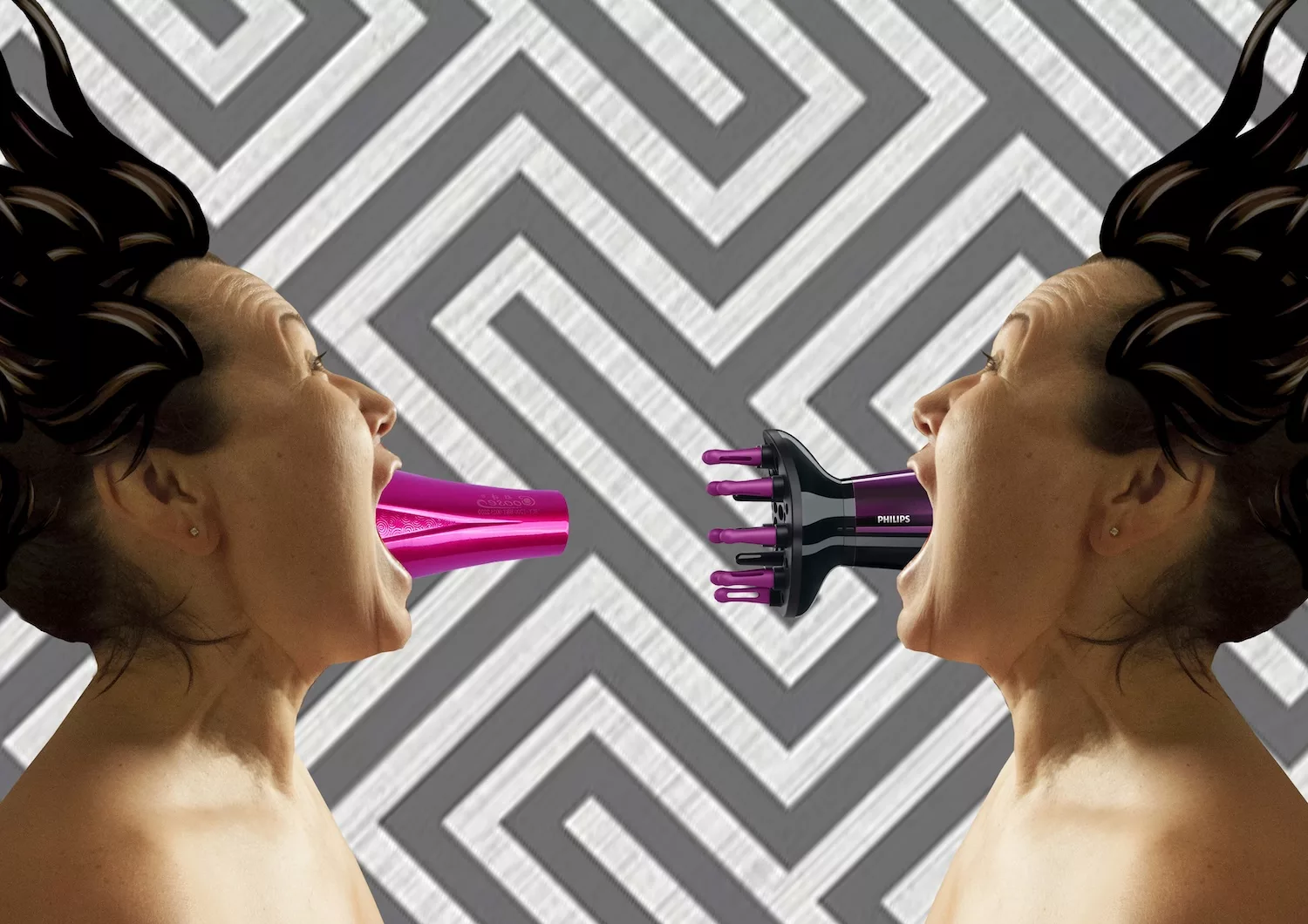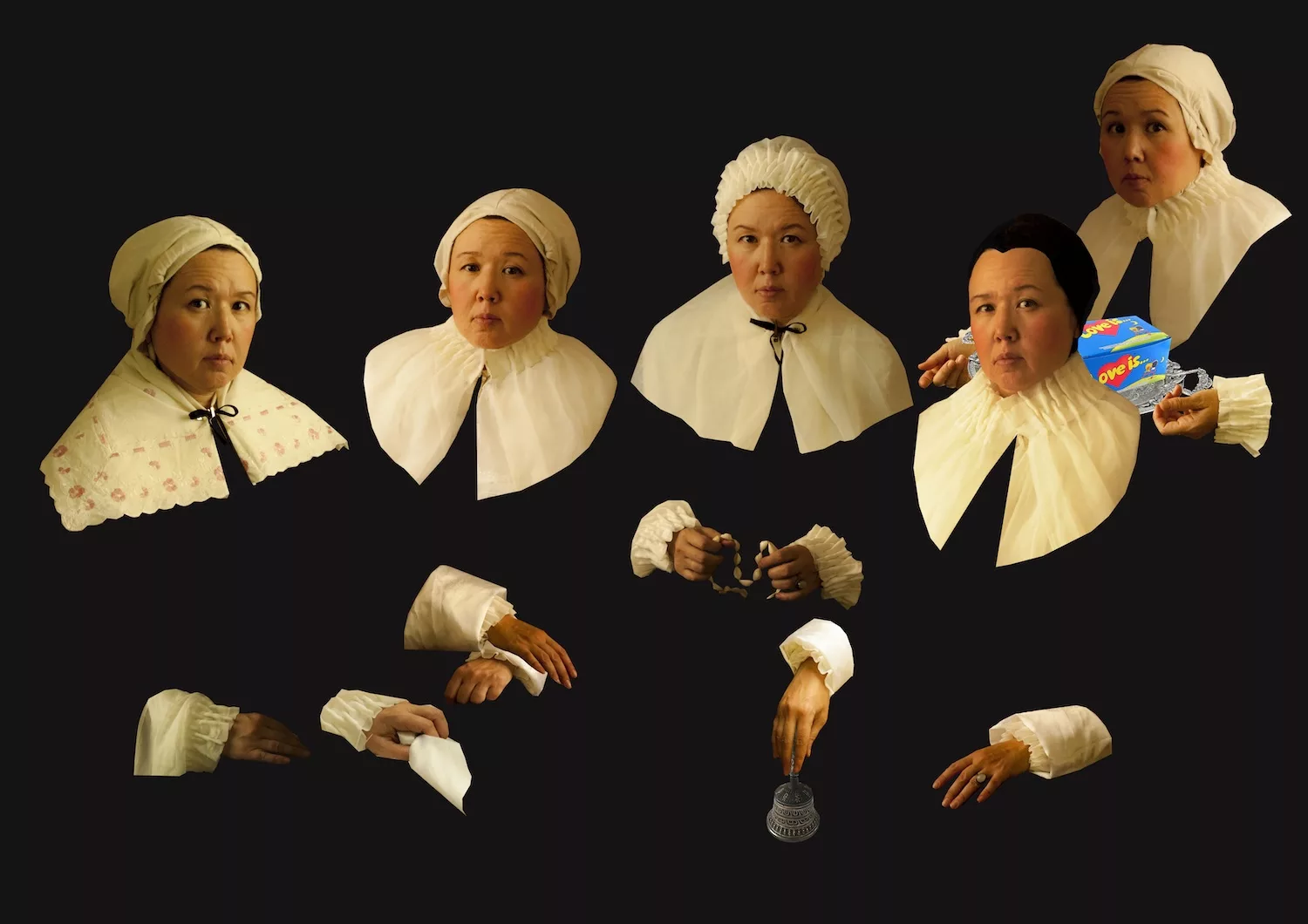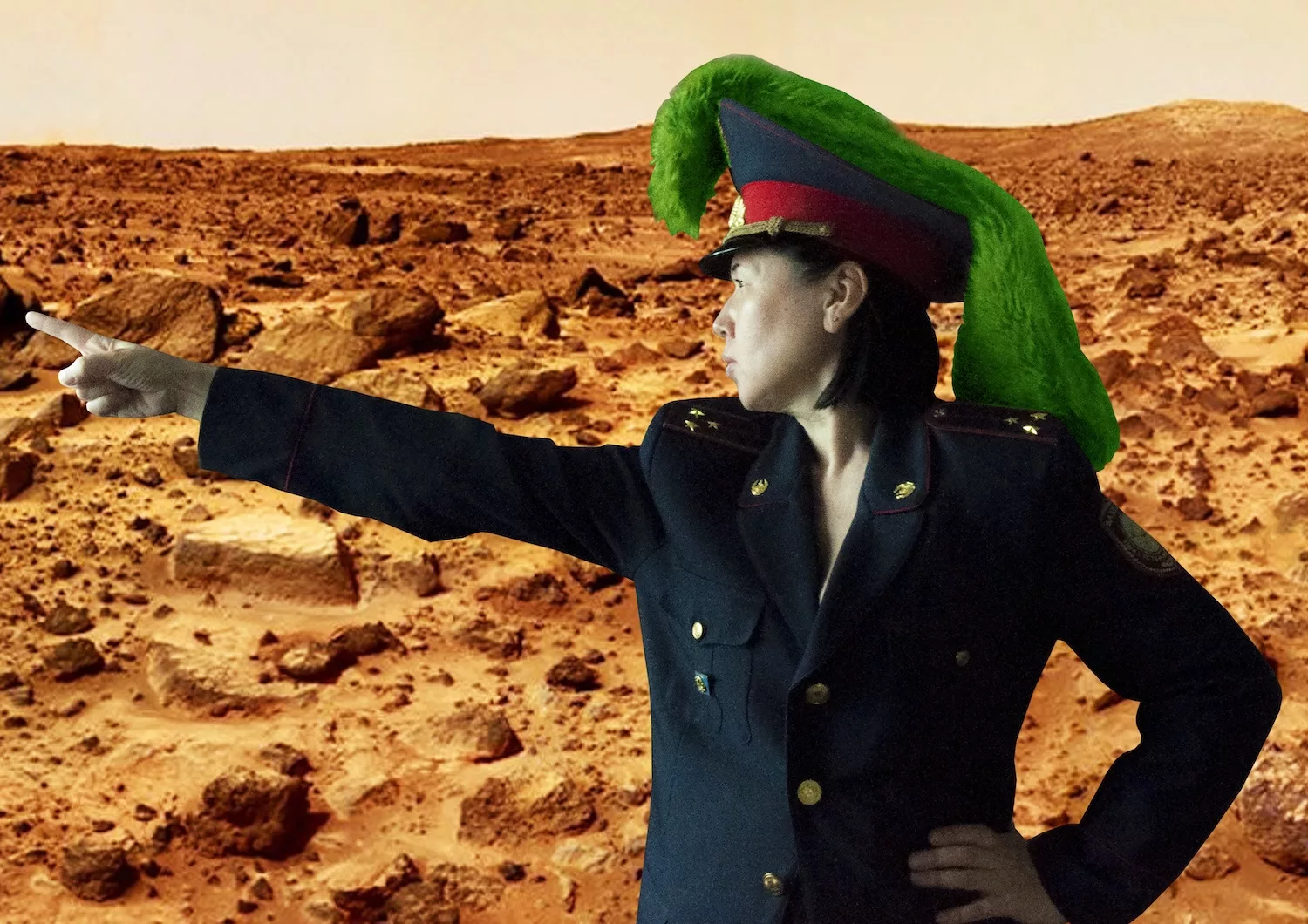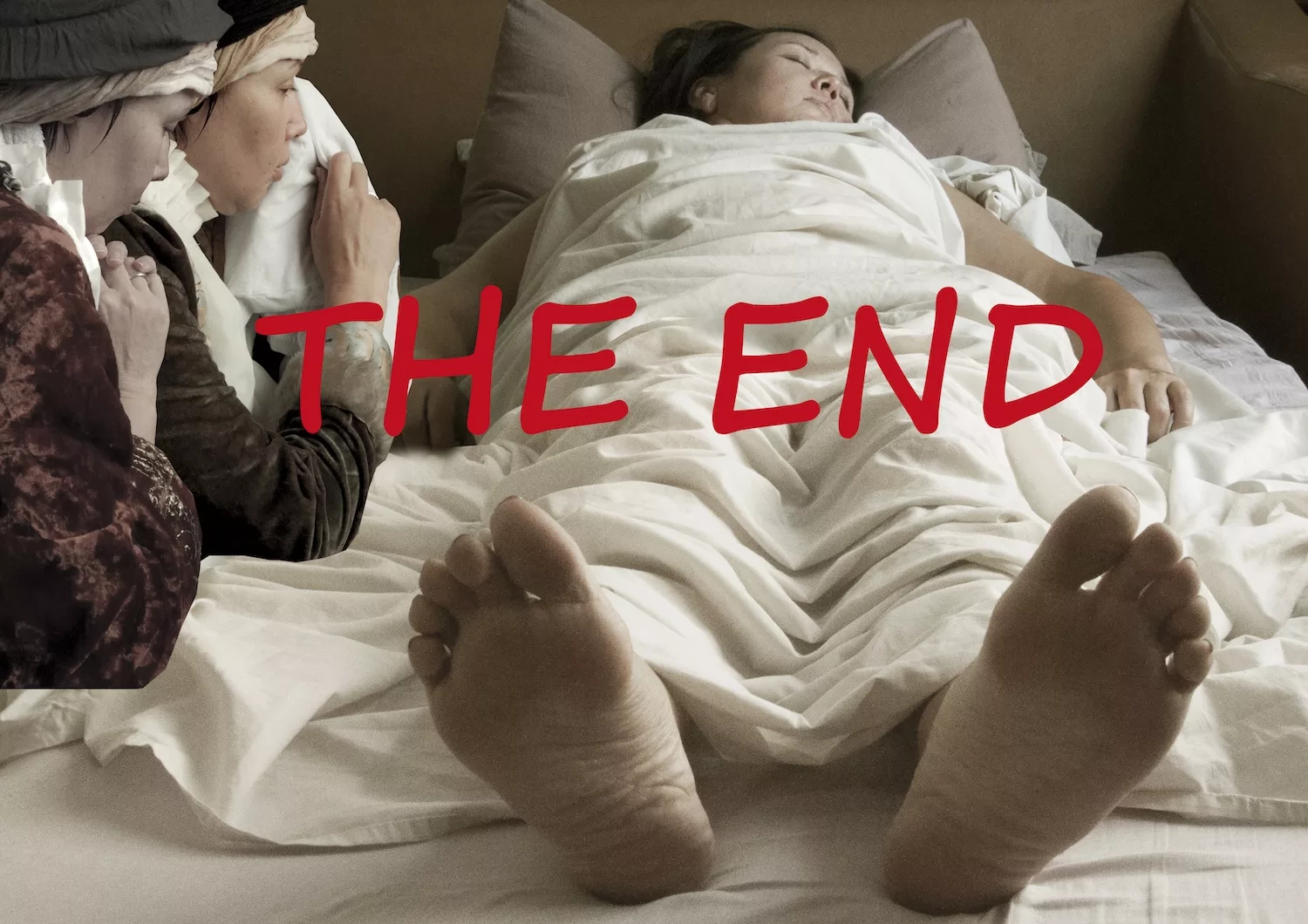
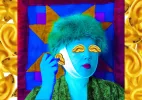
Saule Duisenbina, Self-portrait, 2018, video, 5′, Courtesy Saule Dyussenbina
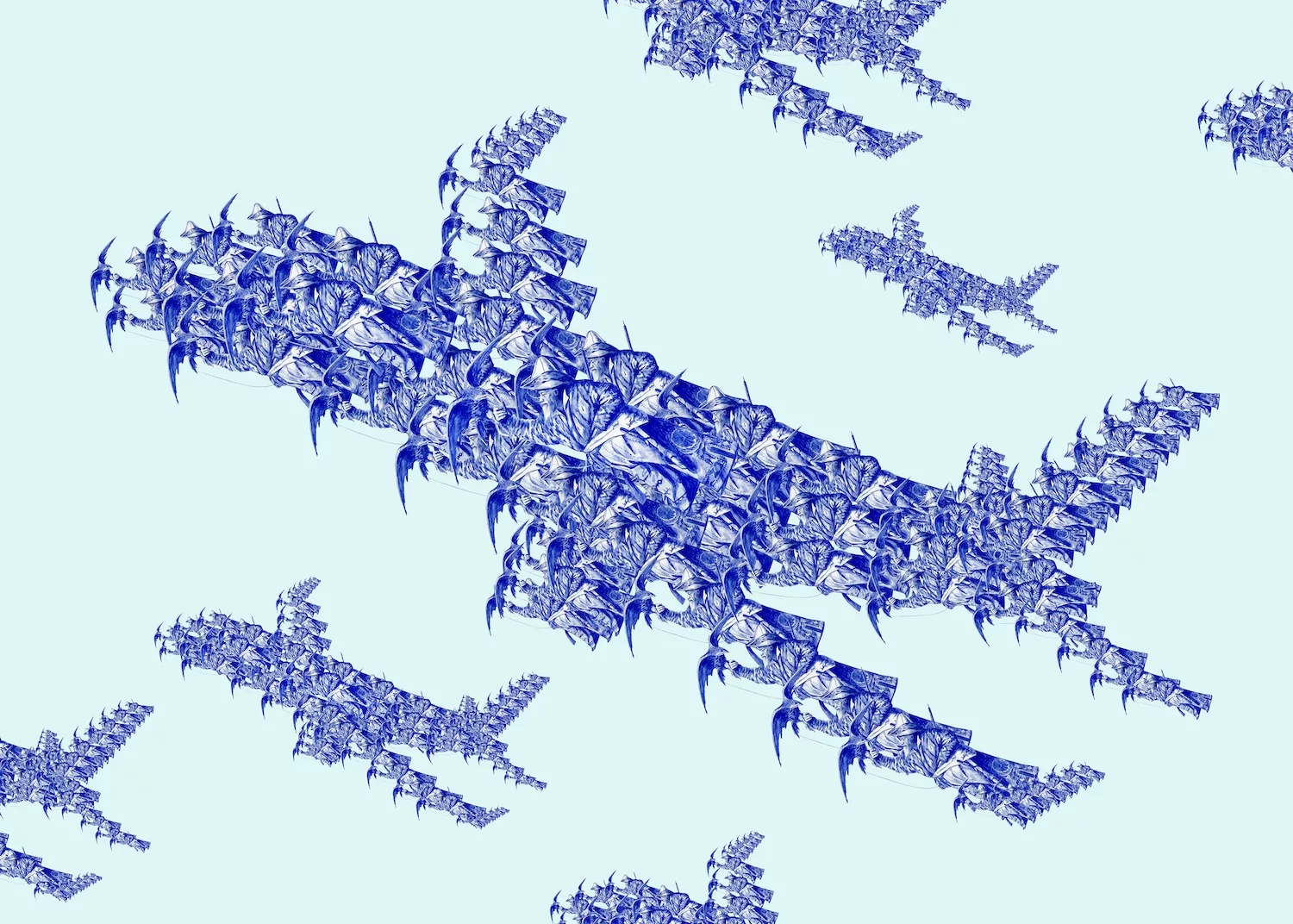
Blue Origin, Egin Art Space, Almaty, December, 16, 2025 – January, 30, 2026
→Wall-paper Kazakh Funny Games, Esentai Gallery, Almaty, May, 18 – June, 8 2017
→Ou, Esentai Gallery, Almaty, November, 11 – December 12, 2014
→Memory Card, Art Center Alma-Ata, Almaty, May, 12 – May, 26 2011
Kazakh multimedia artist.
Saule Dyussenbina was born in Karaganda into a family of Kazakh intelligentsia who, from her early years, cultivated her artistic aspirations. At fifteen, she moved to Almaty, Kazakhstan’s major cultural and intellectual centre, to study at the College of Arts. Her years of study coincided with a period of profound transformation in the country: from the Jeltoqsan student-led uprising in December 1986 to the later dissolution of the Soviet Union and the shift from one ideology to another. The atmosphere of uncertainty and change deeply affected S. Dyussenbina and prompted her first reflections on power, identity and resistance – themes that would later find expression in her artistic practice.
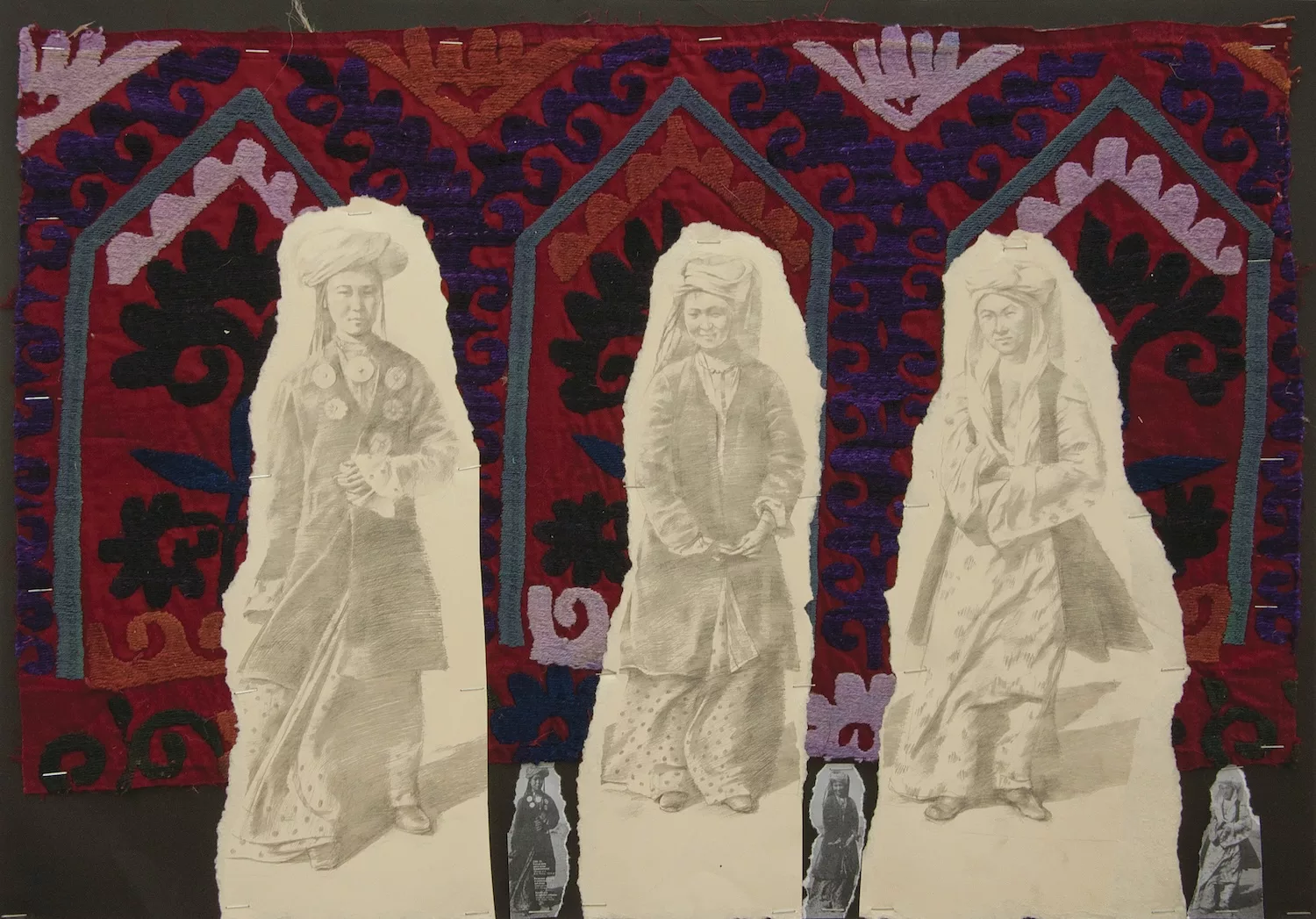
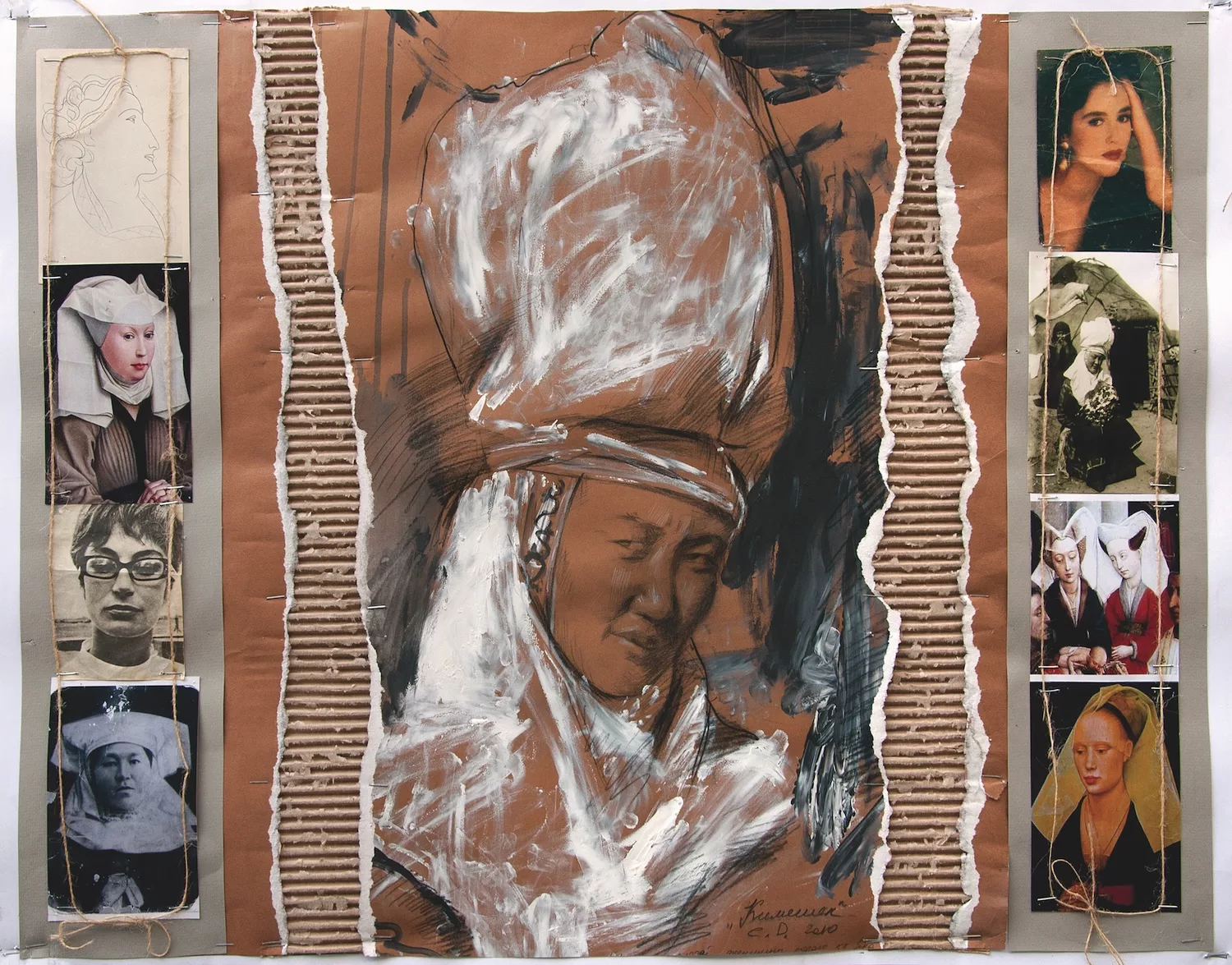
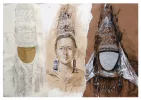
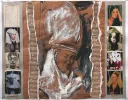
Her early professional life was devoted to a career in design and art education before she transitioned to contemporary art in her forties, debuting with her first project, Memory Card (2011). This series of collages combines pencil drawings inspired by colonial photographs of 19th-century Kazakhs with found objects, including fabric, wrappers and her children’s drawings, as well as photographs of her mother and grandmother, reprints of her favourite artworks, and magazine cut-outs of pop stars from her youth. Although the project had not yet developed the visual language that would become her hallmark, it introduced the key themes that recur in her work: Kazakhness, womanhood, national identity and a playful dialogue with Western and Central Asian art.
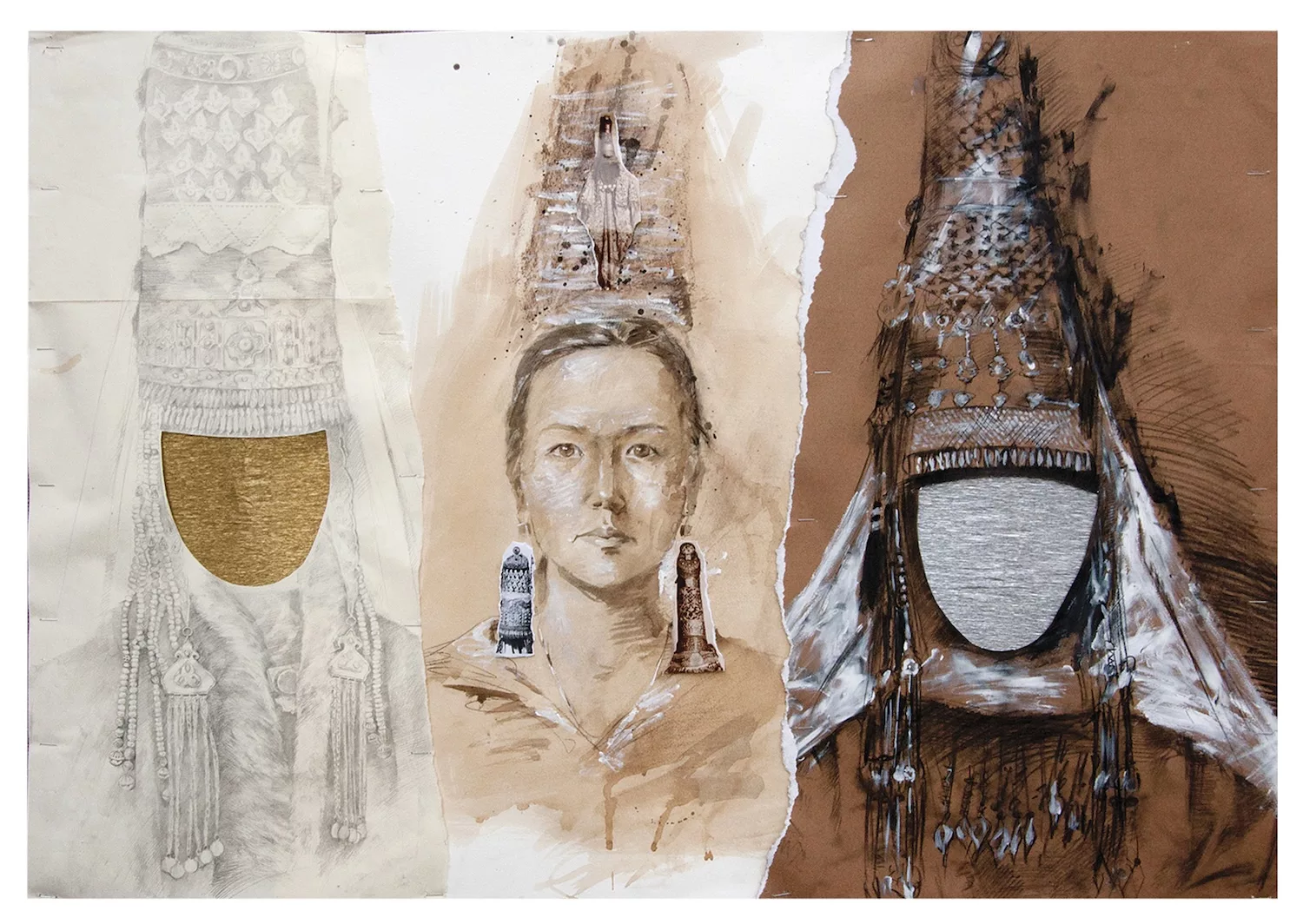
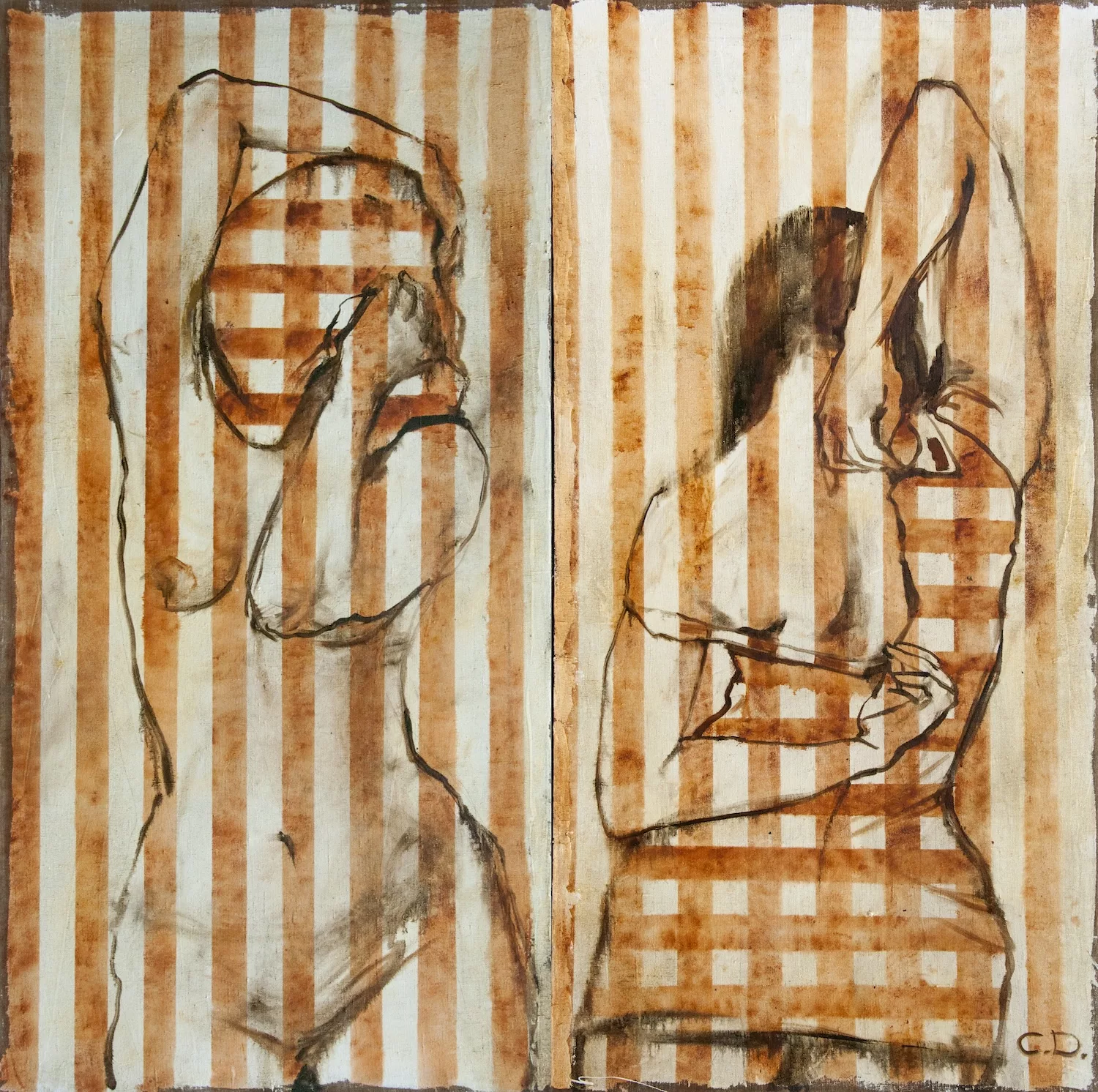
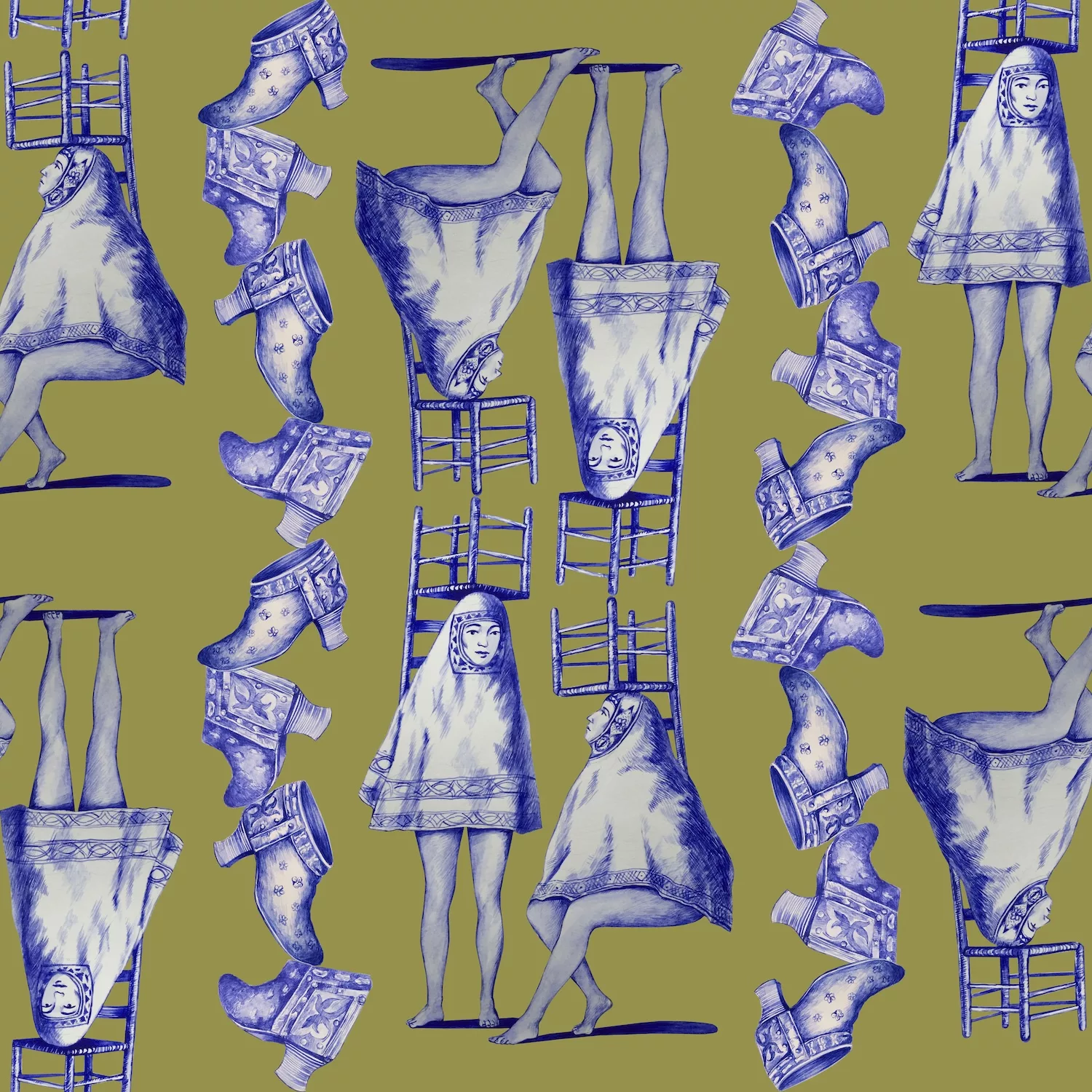
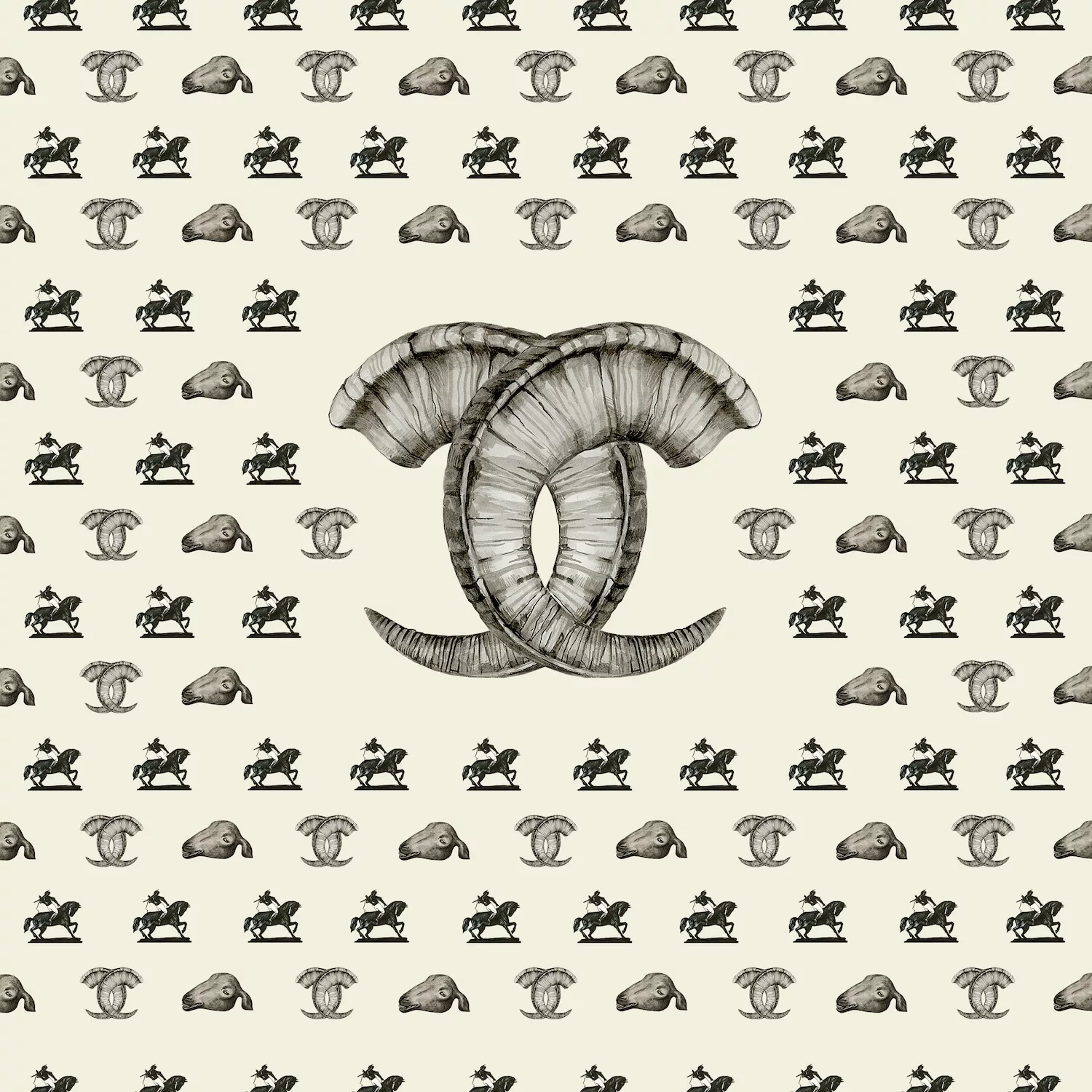
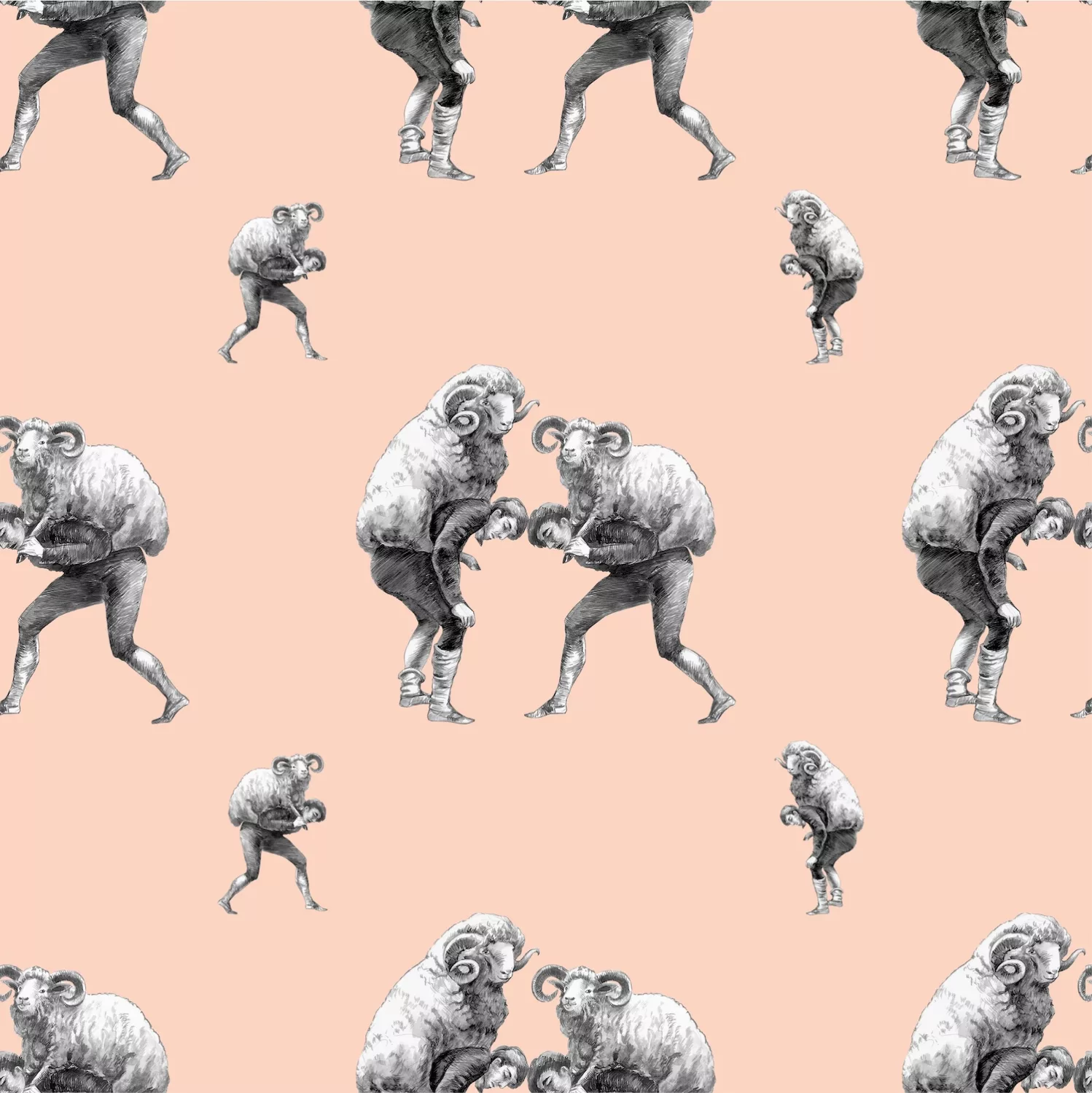
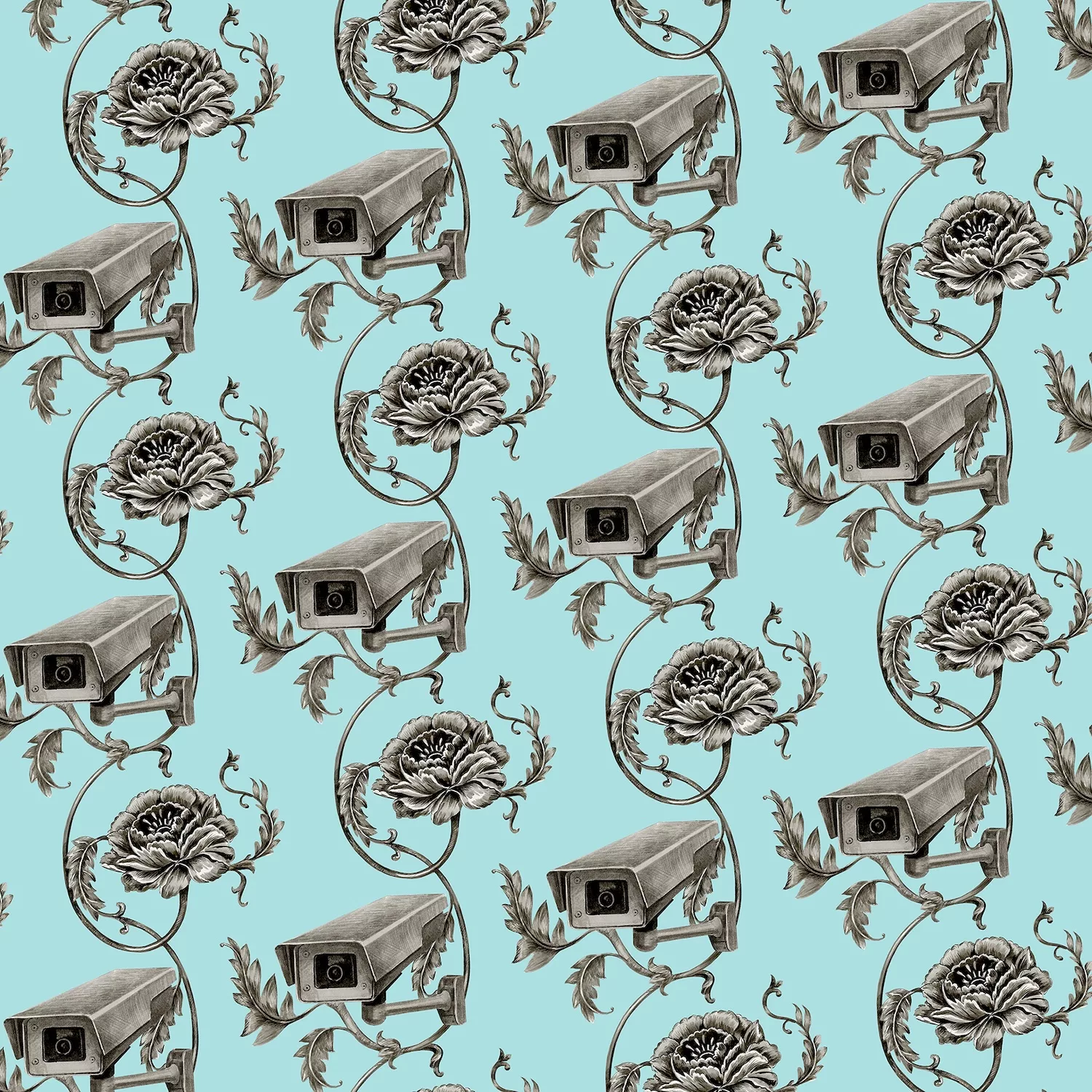
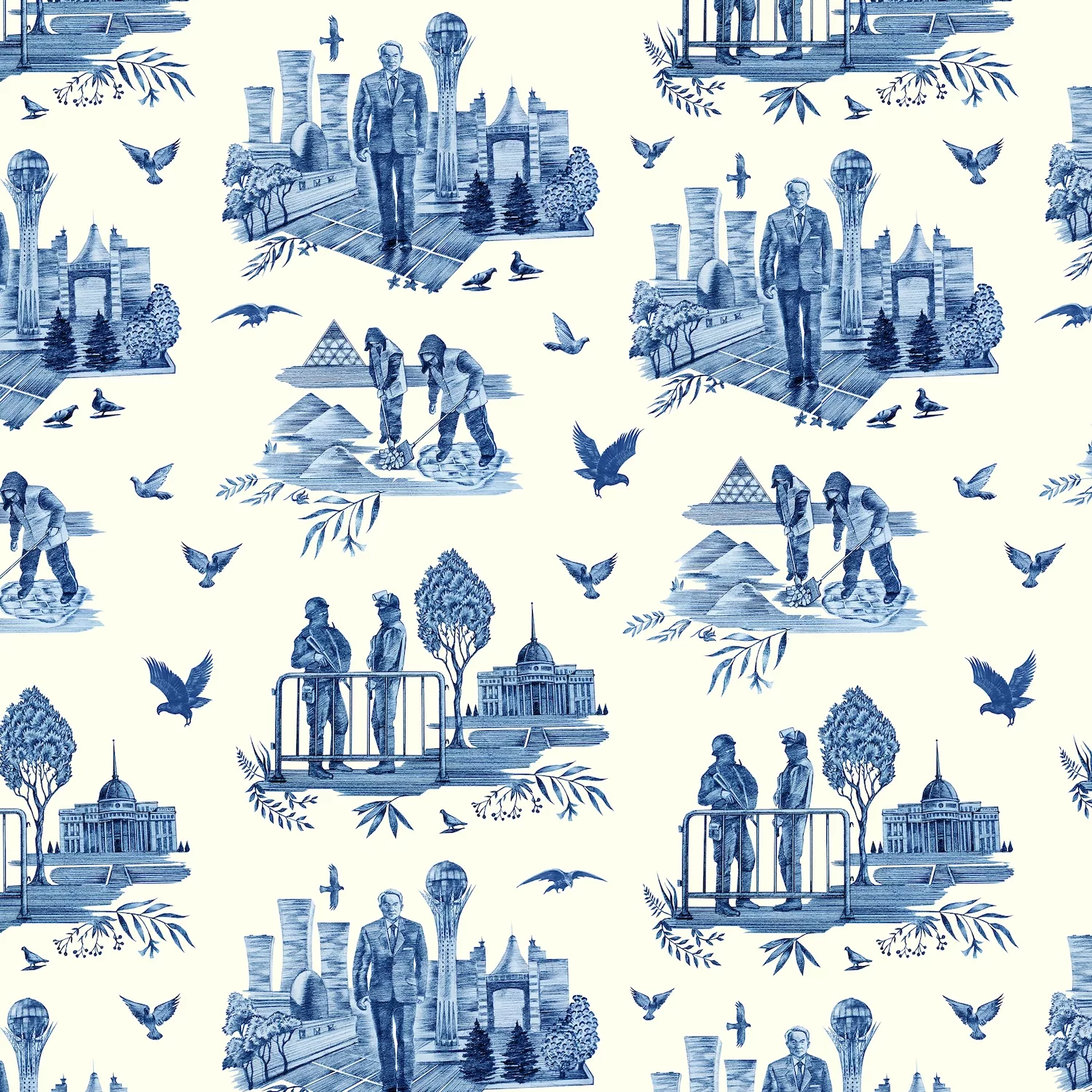
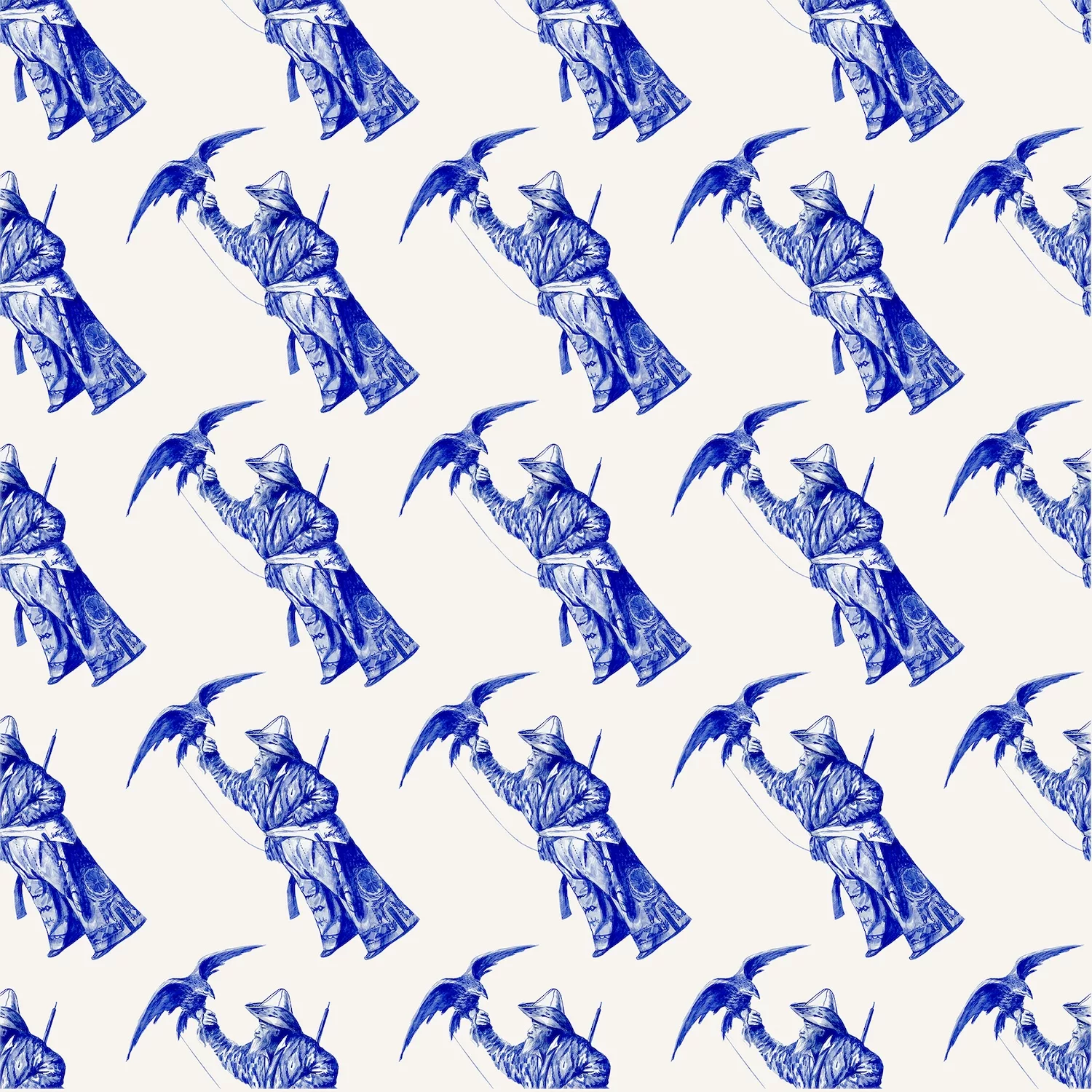
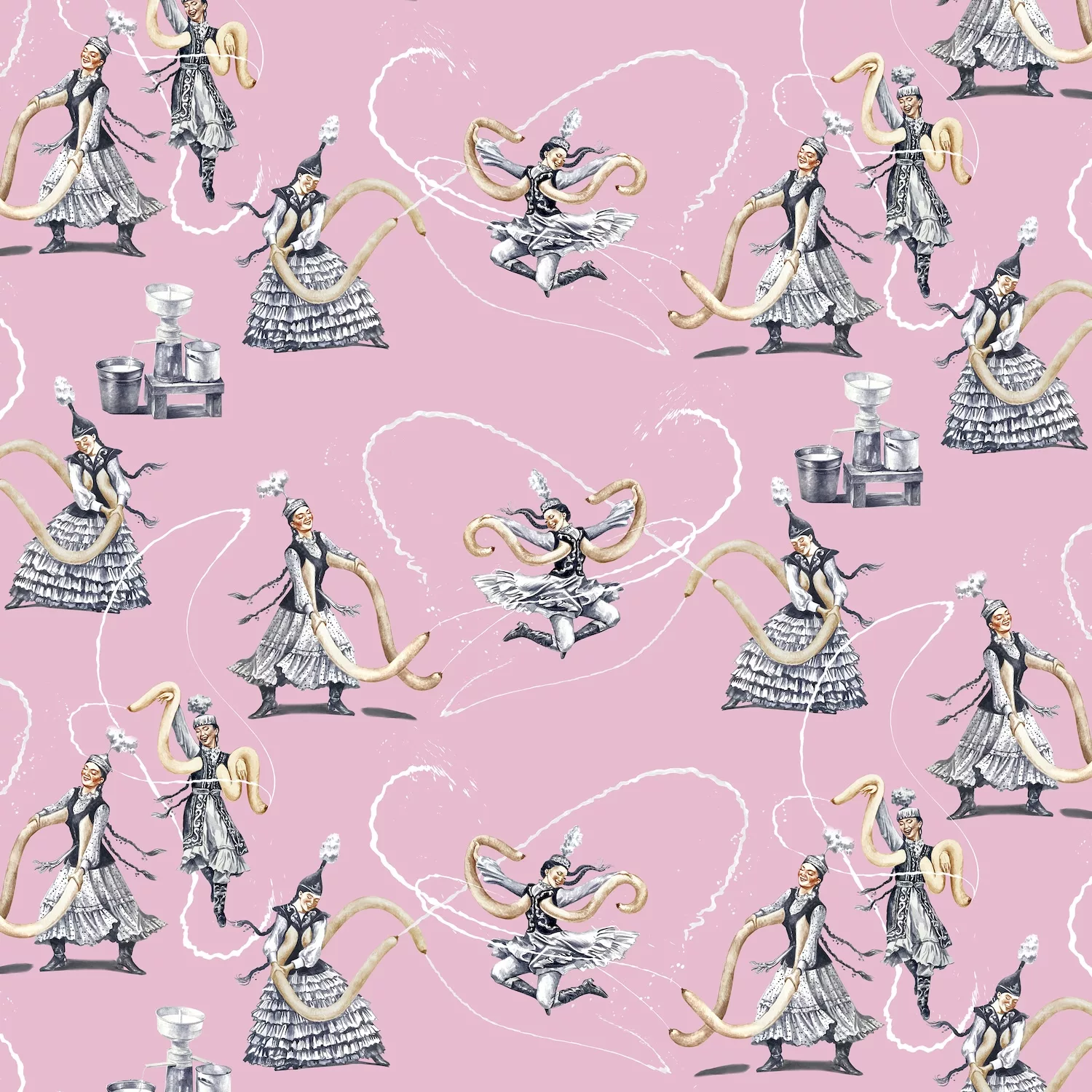
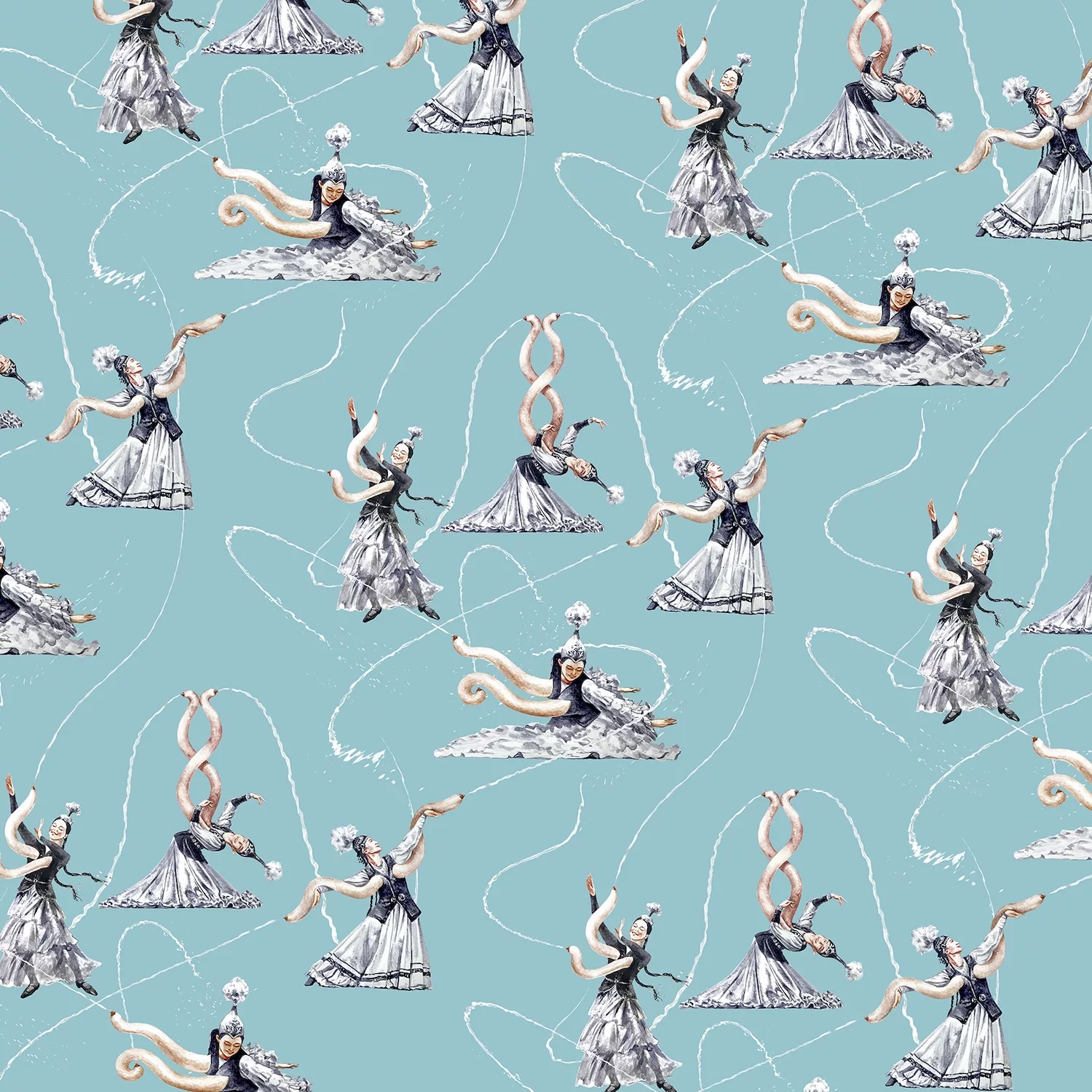
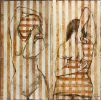
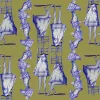
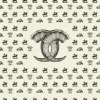
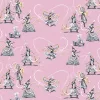
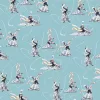
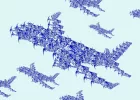
In the oil painting series Oyu (2013–2014), S. Dyussenbina shifted focus to the notion of ornament, tracing its appearance on and around faceless female bodies that merge corporeality and decoration. All these themes culminated in her opus magnum, the 2017 project Kazakh Funny Games, in which ornaments carrying hidden, witty messages adorned everyday objects – from wallpapers and plates to aprons, condoms and tablecloths. Amongst them appeared the traditional ram’s horns of Kazakh ornament reimagined as the Coco Chanel logo, equestrian monuments of national batyrs falling into meat grinders, surveillance cameras framed in baroque floral motifs and caricatured landmarks of Astana, the newly built capital. Through this ironic interplay of symbols, S. Dyussenbina exposes the contradictions of post-Soviet identity, where national revival, consumerism and patriarchal nostalgia coexist. Her political commentary is deliberately subtle, at first glance appearing as innocent decorative patterns, yet upon closer inspection it reveals engagement with heavy and complex themes. These patterns inspired the artist to expand her medium and turn to video animation, creating a series of cyclical animated works titled Ornaments (2016–2019).
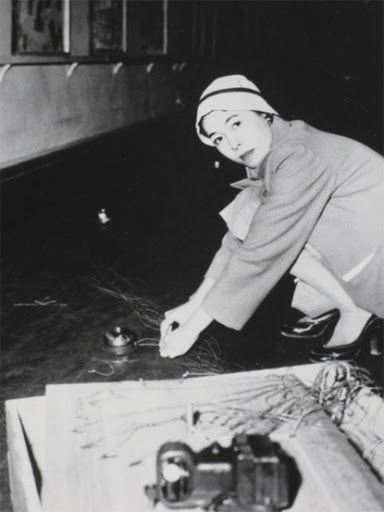
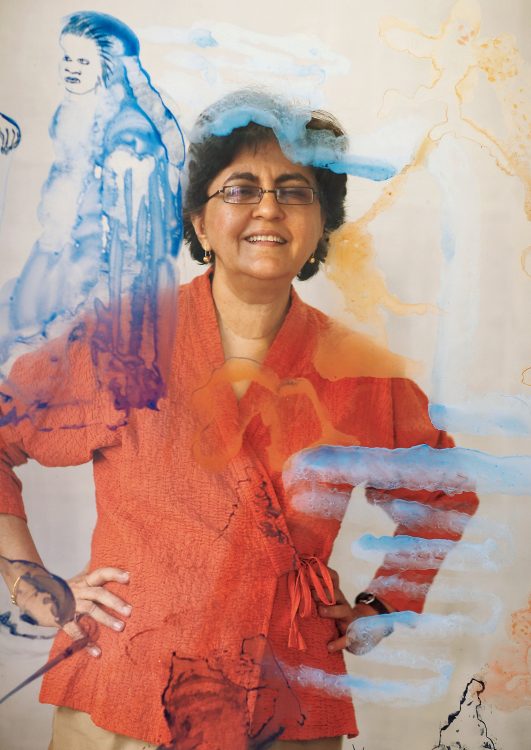
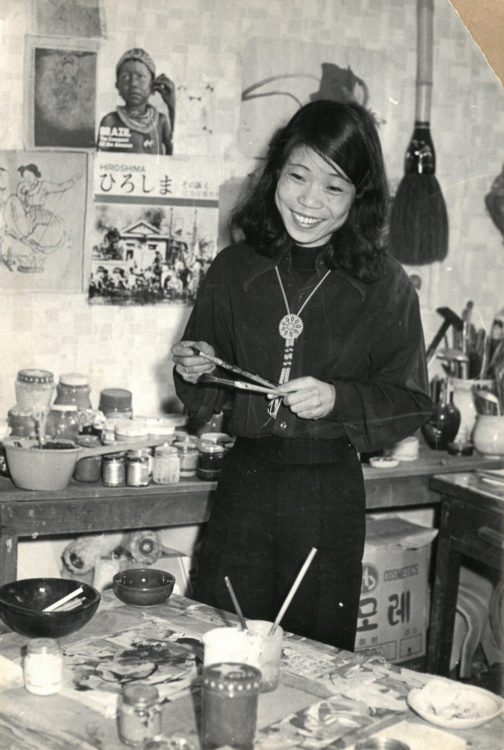
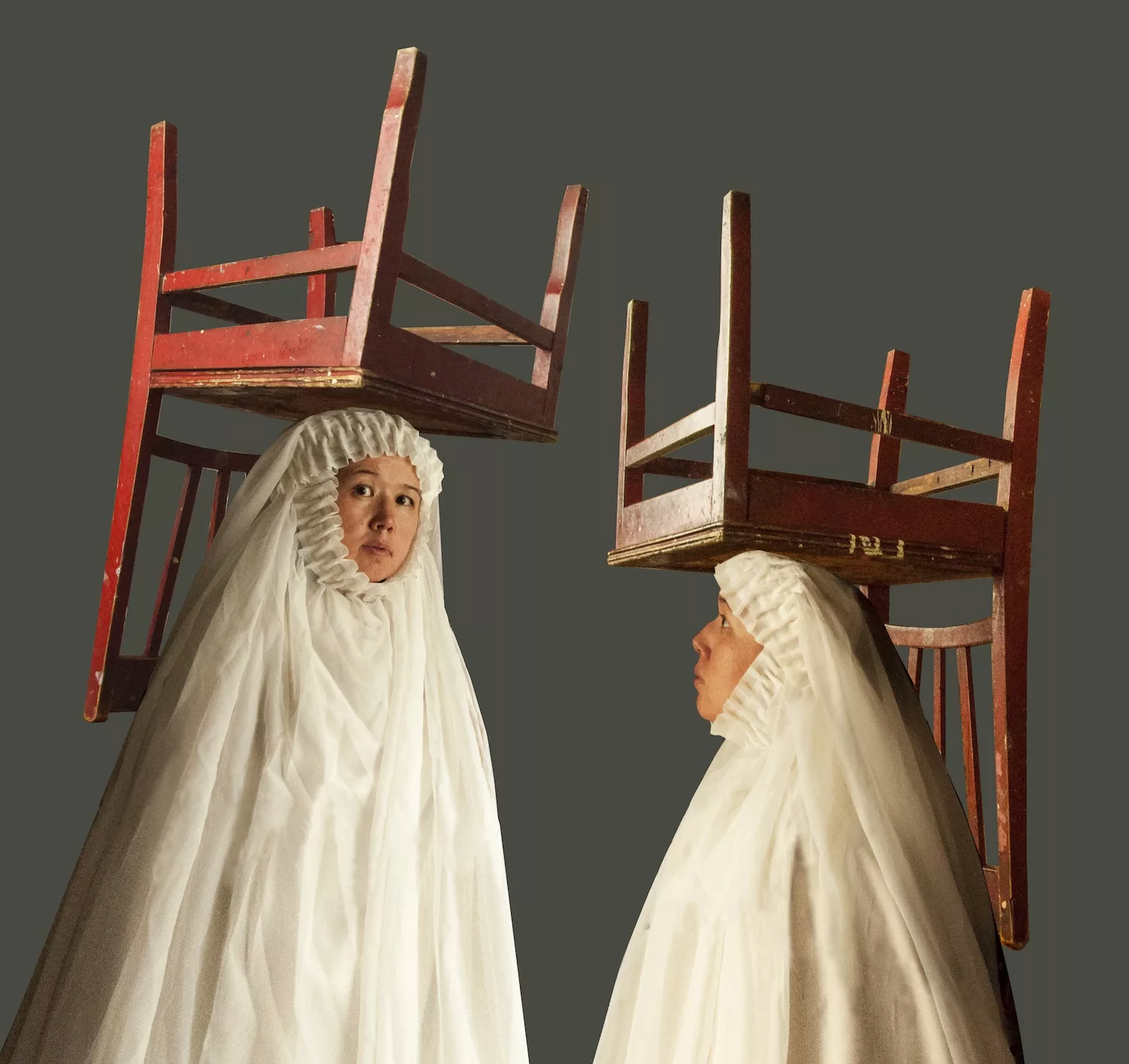
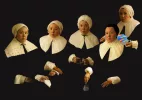
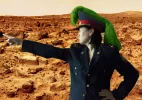
A distinctive feature of her practice is her dialogue with other artists, classical and contemporary, Western and Central Asian, expressed with gentle irony. In her animated Self-Portraits (2018), she embodies different classical European and iconic local artists. In #IwantShapan (2018), she dresses Western artists in Kazakh attire; in Food (2019), she wittily comments on the artistic practices of her peers from the Kazakh art scene. Perhaps her comparatively late entry into contemporary art grants S. Dyussenbina a certain outsider’s perspective, allowing for an ironic distance and self-reflexive humour. In her latest project Albasty (2024), she turns to Kazakh female mythology, re-envisioning the long-breasted spirit as a contemporary Kazakh woman in a so-called ‘traditional’ attire (in fact a Soviet-era invention), and reclaims the monstrous feminine through her artistic gaze.
S. Dyussenbina stands among the most significant Kazakh artists of her generation, recognised for her distinct visual language and incisive social commentary.
A biography produced with the support of the French Embassy in Kazakhstan.
© Archives of Women Artists, Research and Exhibitions, 2026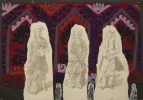
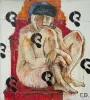
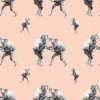
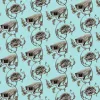
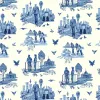
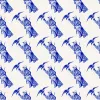
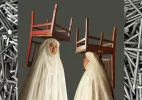




 Saule Duisenbina, Food, 2016-2019
  Saule Duisenbina, Self-portrait, 2018
  Saule Duisenbina, Ornaments, 2016-2019