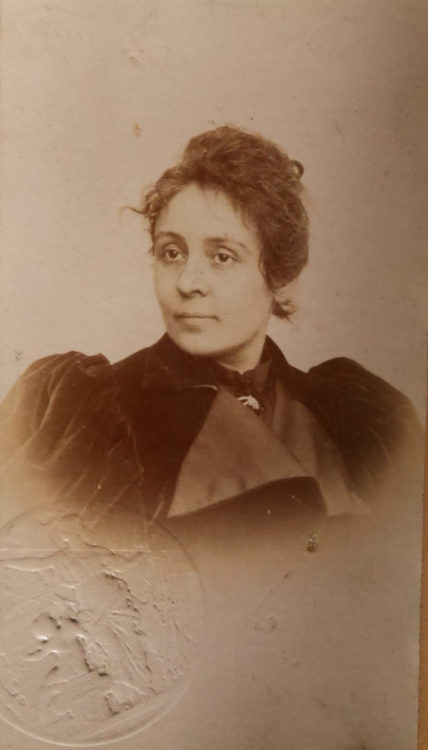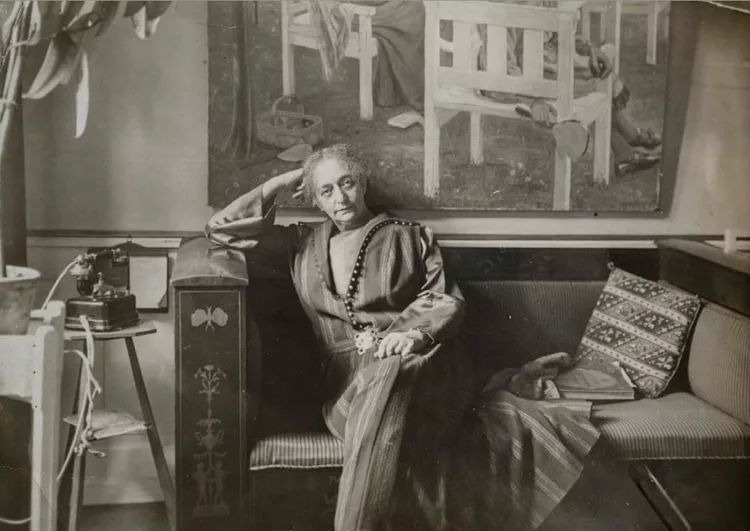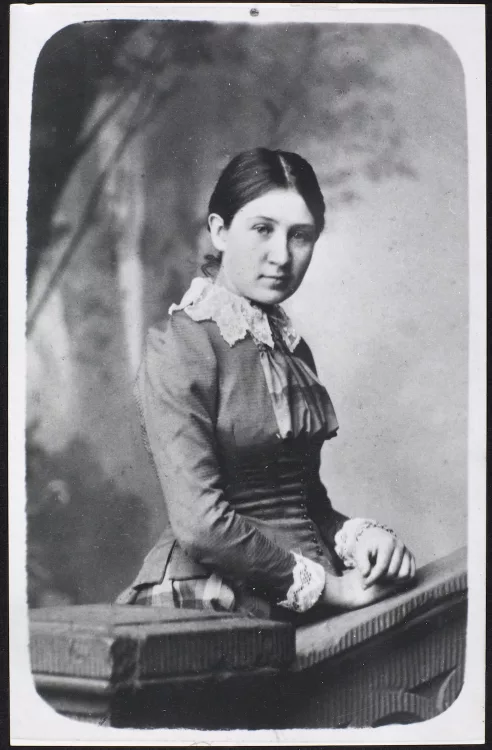
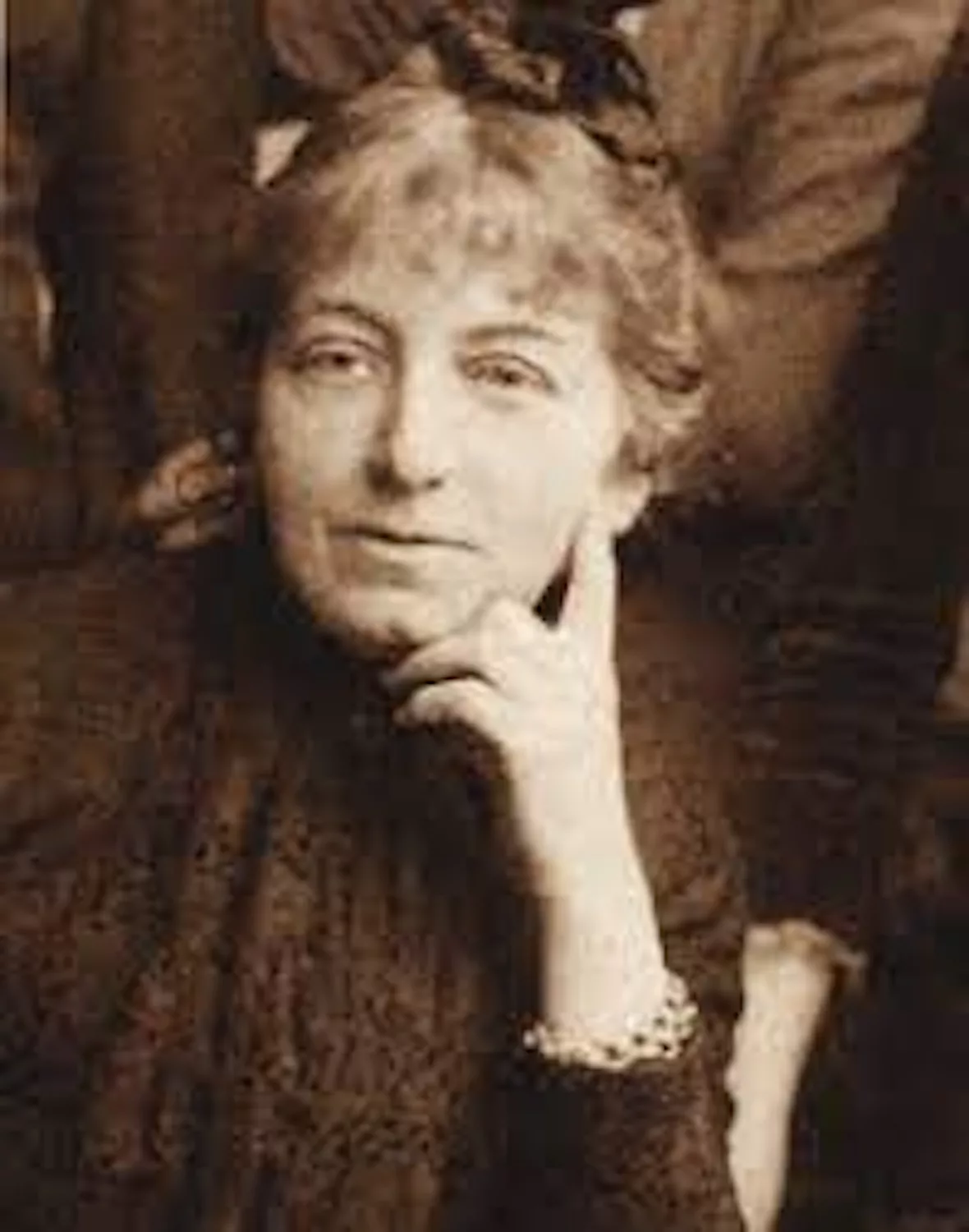
Portrait of Anna Petersen
Bech, Inge Lise Mogensen (ed.) and Rønberg, Lene Bøgh (ed.), Women Artists in Denmark, 1880-1910, exhi. cat., The Hirschsprung Collection, Copenhagen [August 28, 2024 – January 12, 2025], Aarhus, Yale University Press and Aarhus Universitetsforlag, 2025
→Boe Bierlich, Emilie et al., Against All Odds – Historical Women and New Algorithms, exhi. cat., SMK – National Gallery of Denmark, Copenhagen [August 31 – December 8, 2024], Copenhagen, SMK Forlag, 2024
→Pohl, Eva, Gennembrud. Kvinder i dansk kunst fra 1600-tallet til i dag [Breakthrough. Women in Danish art from the 17th century to the present day], Copenhagen, Strandberg Publishing, 2021
Women visualising the modern. Danish art 1880-1910, The Hirschsprung Collection, Copenhagen, August 28, 2024 – January 12, 2025
→Against All Odds – Historical Women and New Algorithms, SMK – National Gallery of Denmark, Copenhagen, August 31 – December 8, 2024
→The Women Artists’ Retrospective Exhibition, Den Frie Udstilling, Copenhagen, September 18 – October 14, 1920
Danish painter and sculptor.
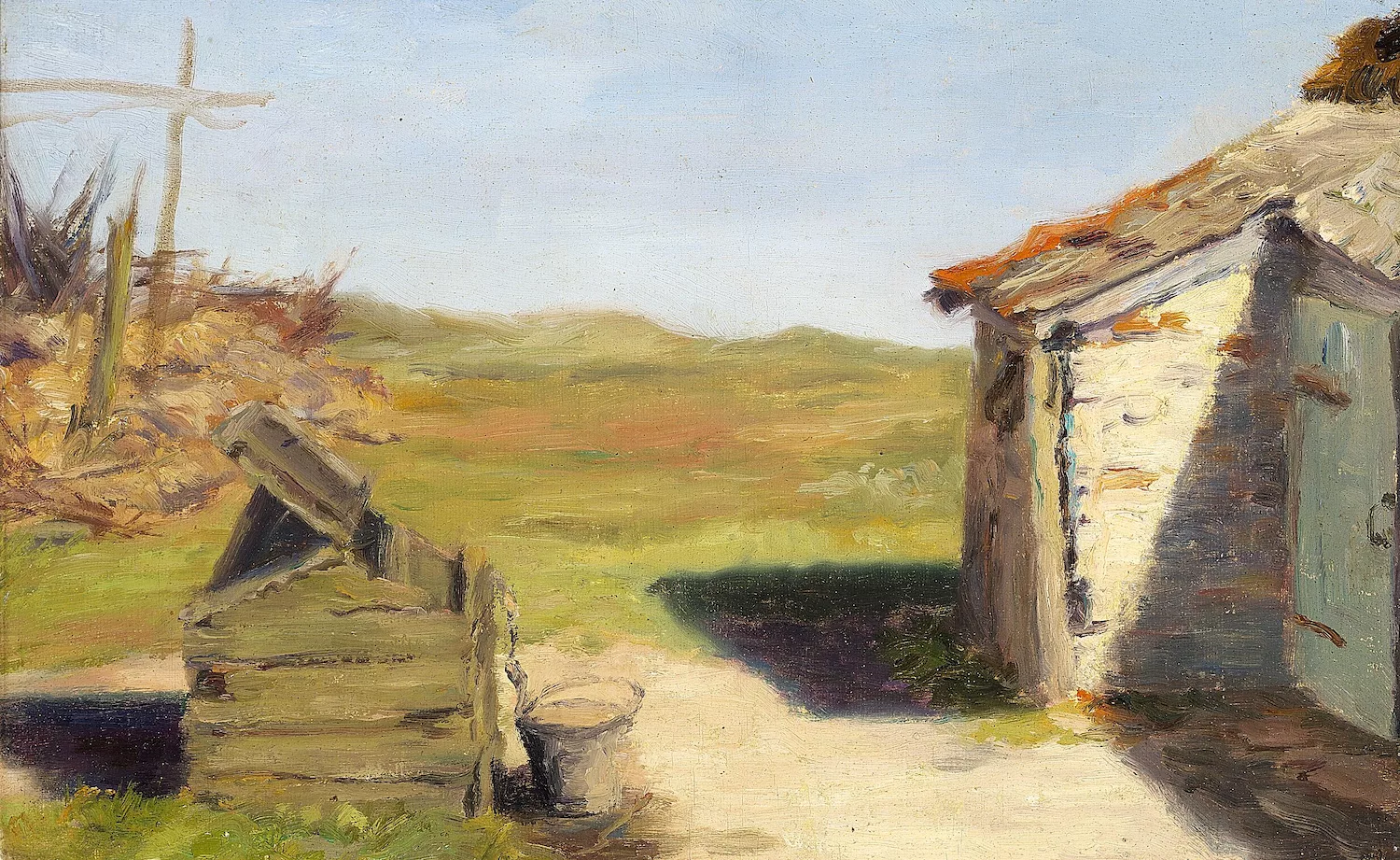
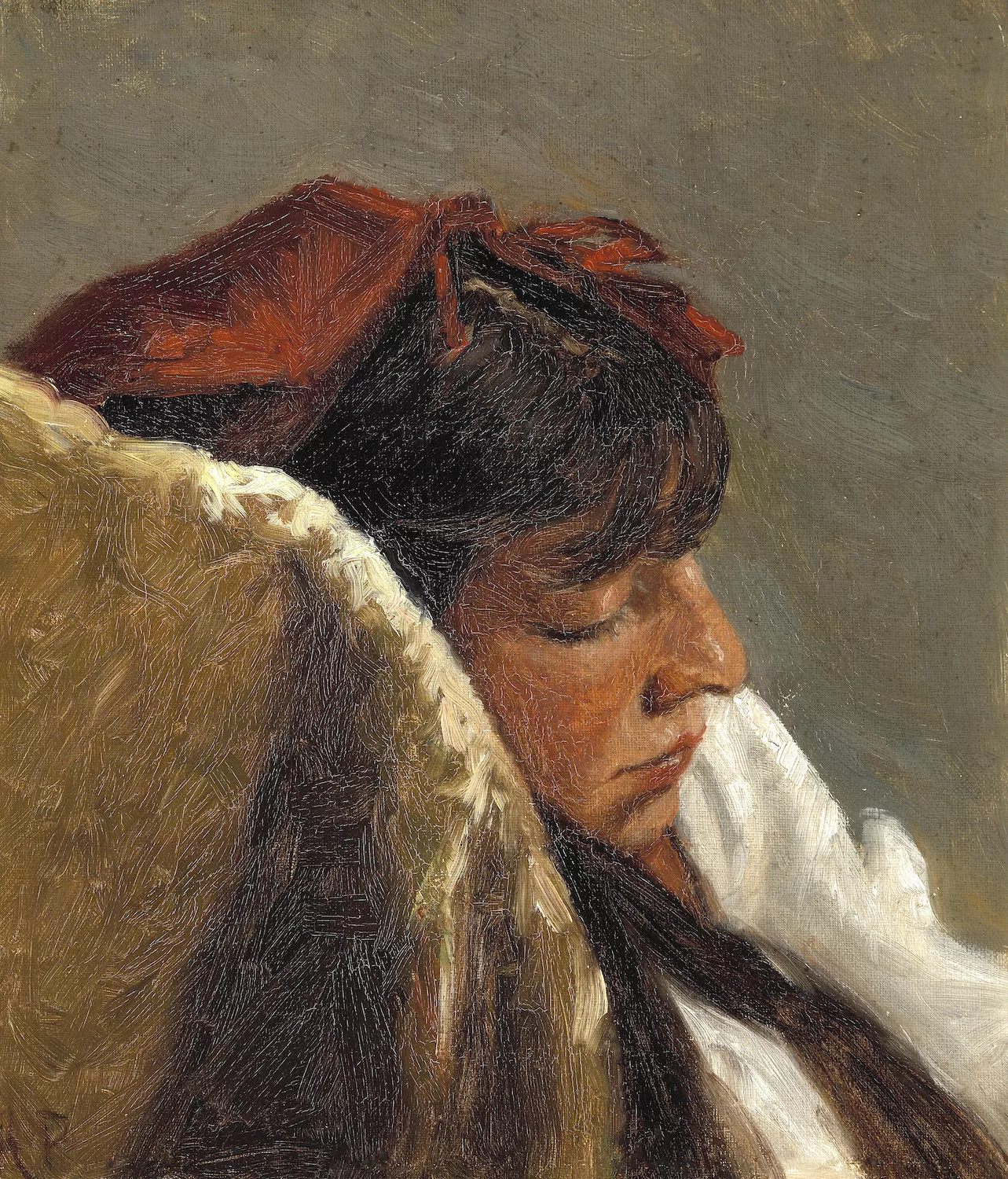
Anna Sophie Petersen received her first artistic training at Tegne- og Kunstindustriskolen for Kvinder [The School of Drawing and Art Industry for Women] in Copenhagen, which was founded in 1875 by Dansk Kvindesamfund [The Danish Women’s Society]. In 1880 A. Petersen travelled to Paris, where she studied at the Académie Julian and with the French painters Jean-Jacques Henner (1829–1905) and Louis Marie Adrien Jourdeuil (1849–1907). She exhibited at the Salon de Paris in 1886 and 1889.
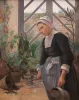
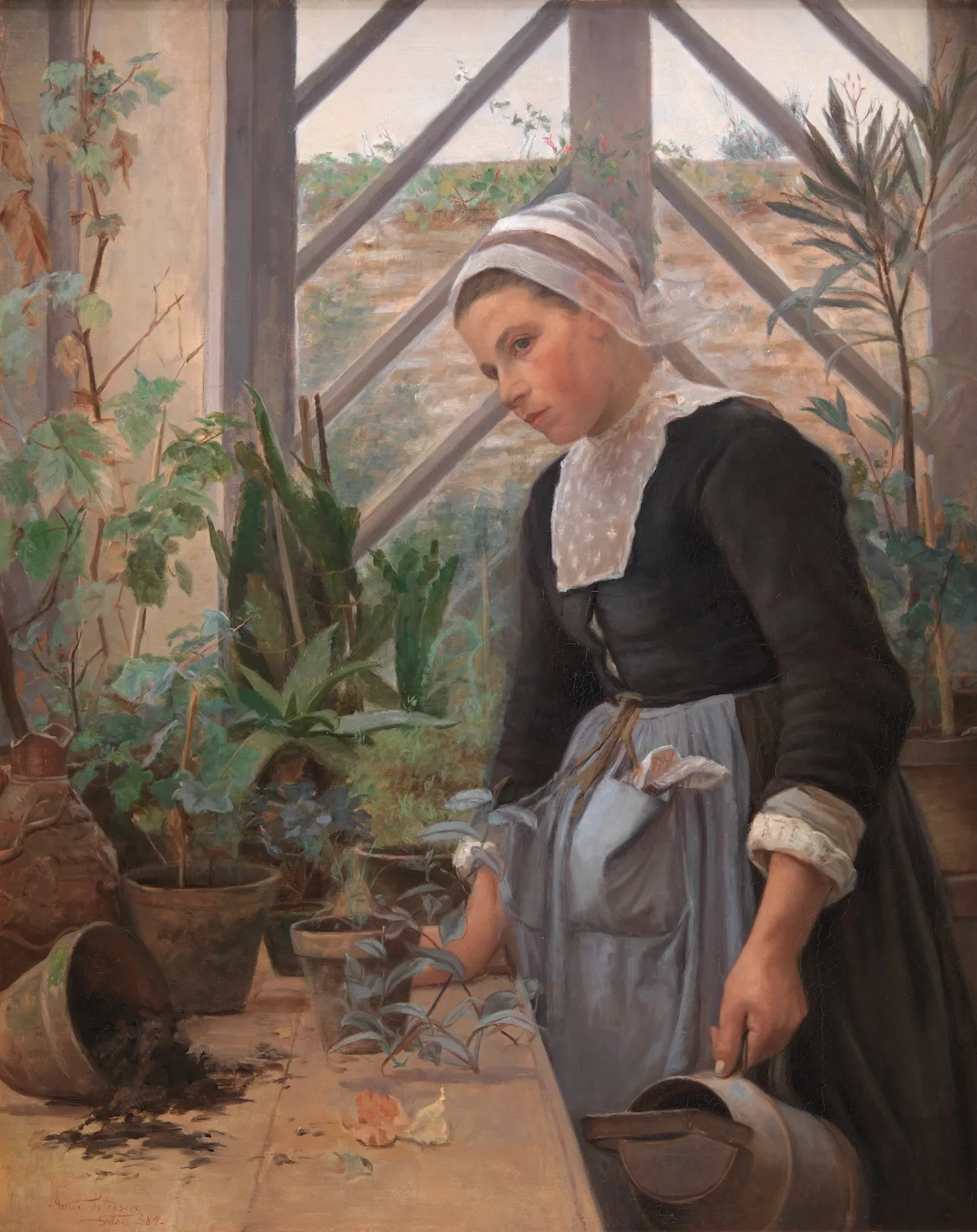
Like many of her fellow women artists, she signed a petition to the Danish parliament in 1888, advocating for women’s access to the Royal Academy of Fine Arts. In around 1900, she explored the art of sculpture. During her time in Paris, she travelled to Brittany, the location of the scene in her painting Bretagnepige ordner planter i et drivhus [Breton Girl Looking After Plants in the Hothouse, 1884]. In 1889 she participated in the Exposition Universelle in Paris. In the same year, A. Petersen travelled to Spain with the Danish artist Jens Ferdinand Willumsen (1863–1958). In 1890 she studied at Kunstakademiets Kunstskole for Kvinder [the Women’s School of the Royal Danish Academy]. In the following winters, she spent her time in Volterra, Italy, where she lived at the home of the Italian sculptor Giuseppe Bessi (1857–1922). He taught both in his private studio and at the local art academy, where he was director of the “alabaster school”, which later developed into the Art School of Volterra. From Volterra, A. Petersen travelled to Florence, Rome, Sicily, and Tyrol. In Rome, she met other Scandinavian artists, such as the Finnish painter Elin Danielson-Gambogi (1861–1919). In 1906 A. Petersen travelled from Volterra to Paris, wishing to perfect her skills in sculptural reliefs.
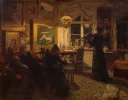
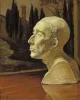
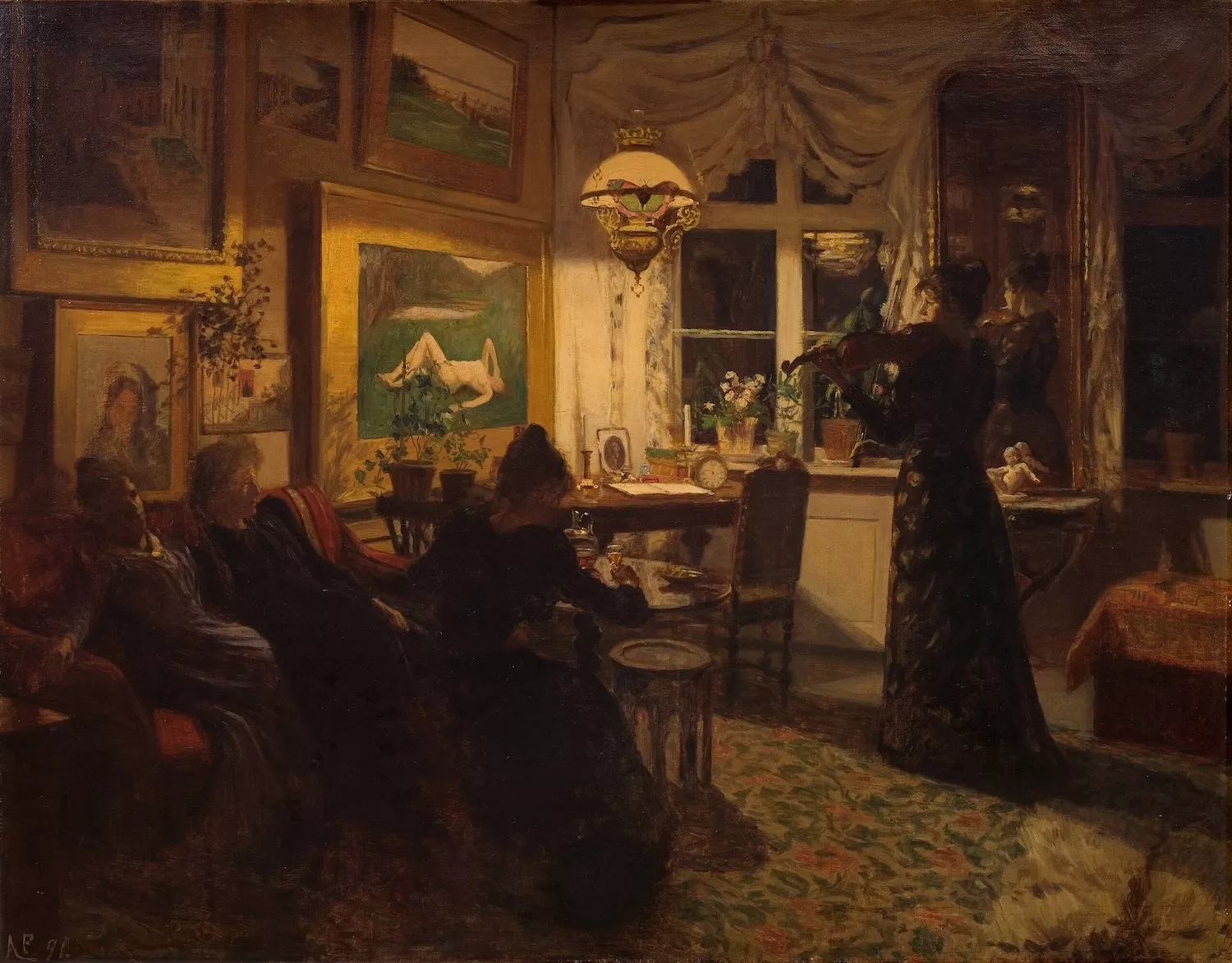
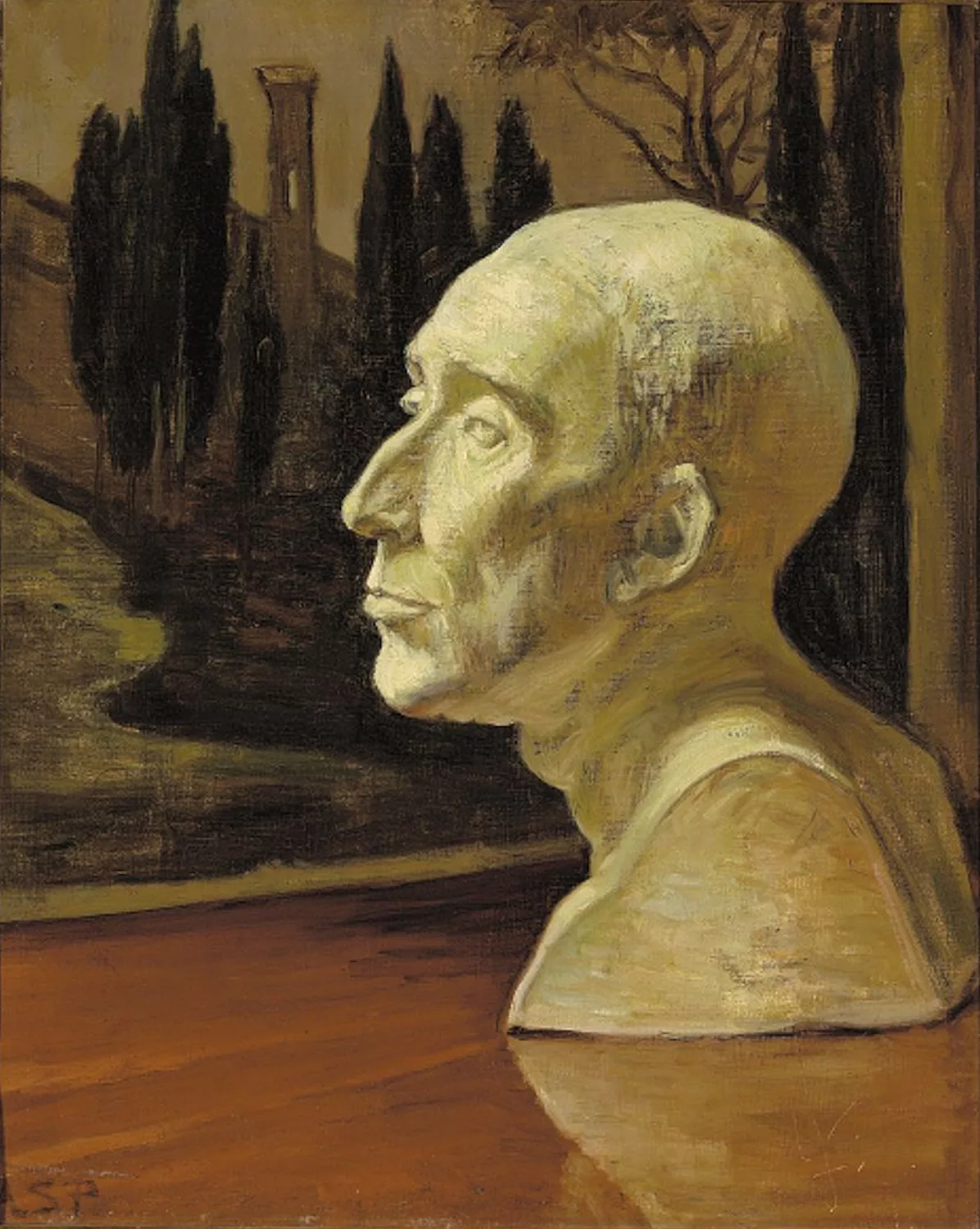
Today, A. Petersen is primarily known as a painter. A central work is En aften hos veninden. Ved lampelys [An Evening with Friends. By Lamplight, 1891], which depicts Bertha Wegmann (1846–1926), Jeanna Bauck (1940–1926), Marie Krøyer (1867–1940) and the violinist Frida Schytte, portraying a female artistic community. The only known sculpture by her hand is her parents’ grave monument at Assistens Cemetery in Copenhagen. However, letters from A. Petersen to fellow artists, such as J. Willumsen, suggest that she saw herself more as a sculptor than as a painter.
When A. Petersen died in 1910, the Danish art historian Emil Hannover wrote her obituary in the newspaper Politiken, stating that she had renewed Danish art in her lifetime, but that her own self-doubt had stood in the way of her success. During her life, she was regarded as part of the Skagen art society, as she worked there on several occasions.
Published in partnership with SMK – National Gallery of Denmark, as part of the exhibition Against All Odds: Historical Women and New Algorithms
© Archives of Women Artists, Research and Exhibitions, 2025