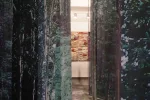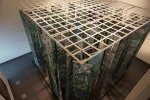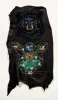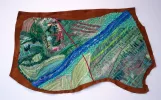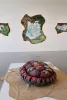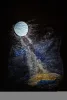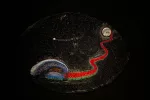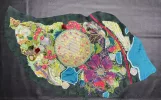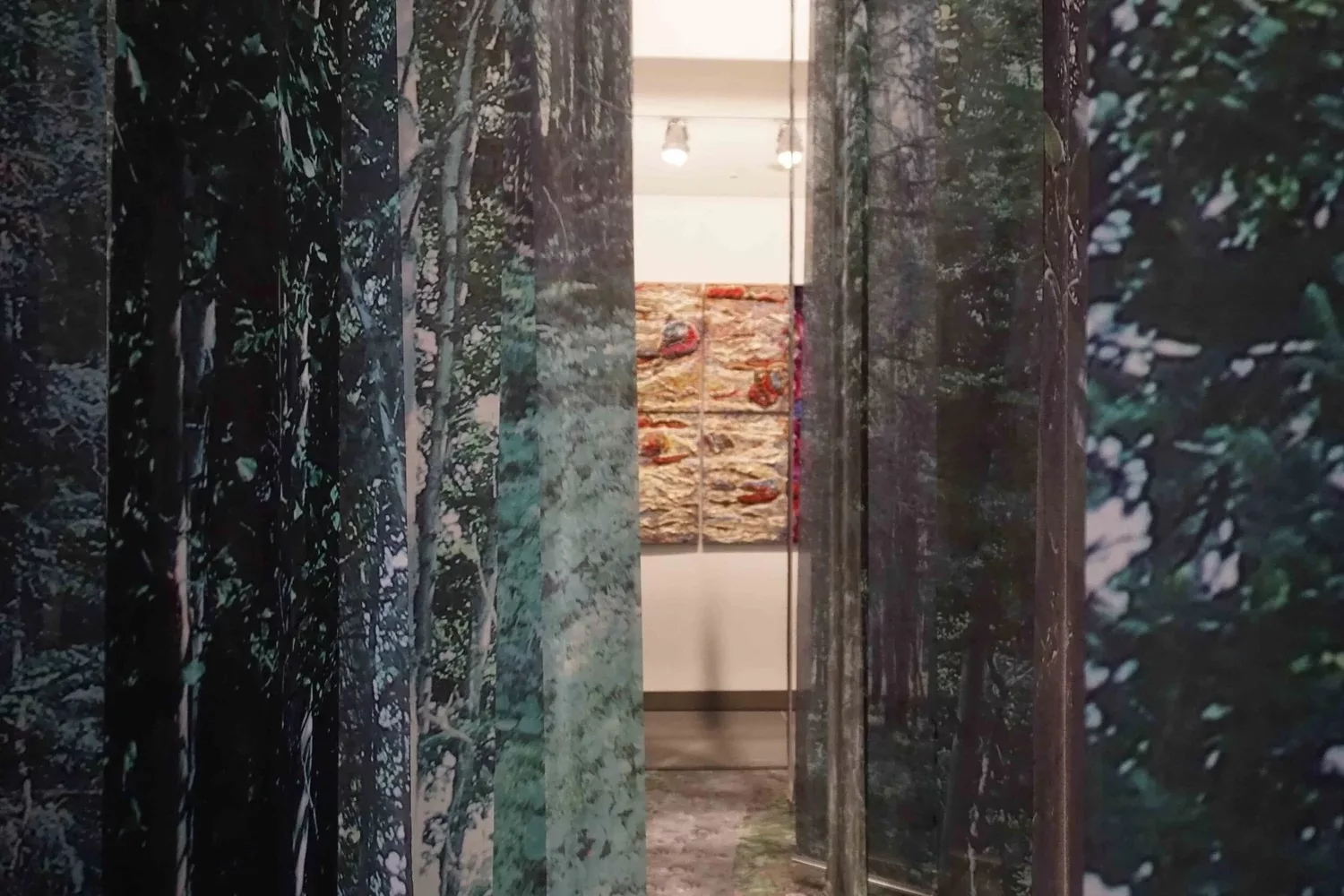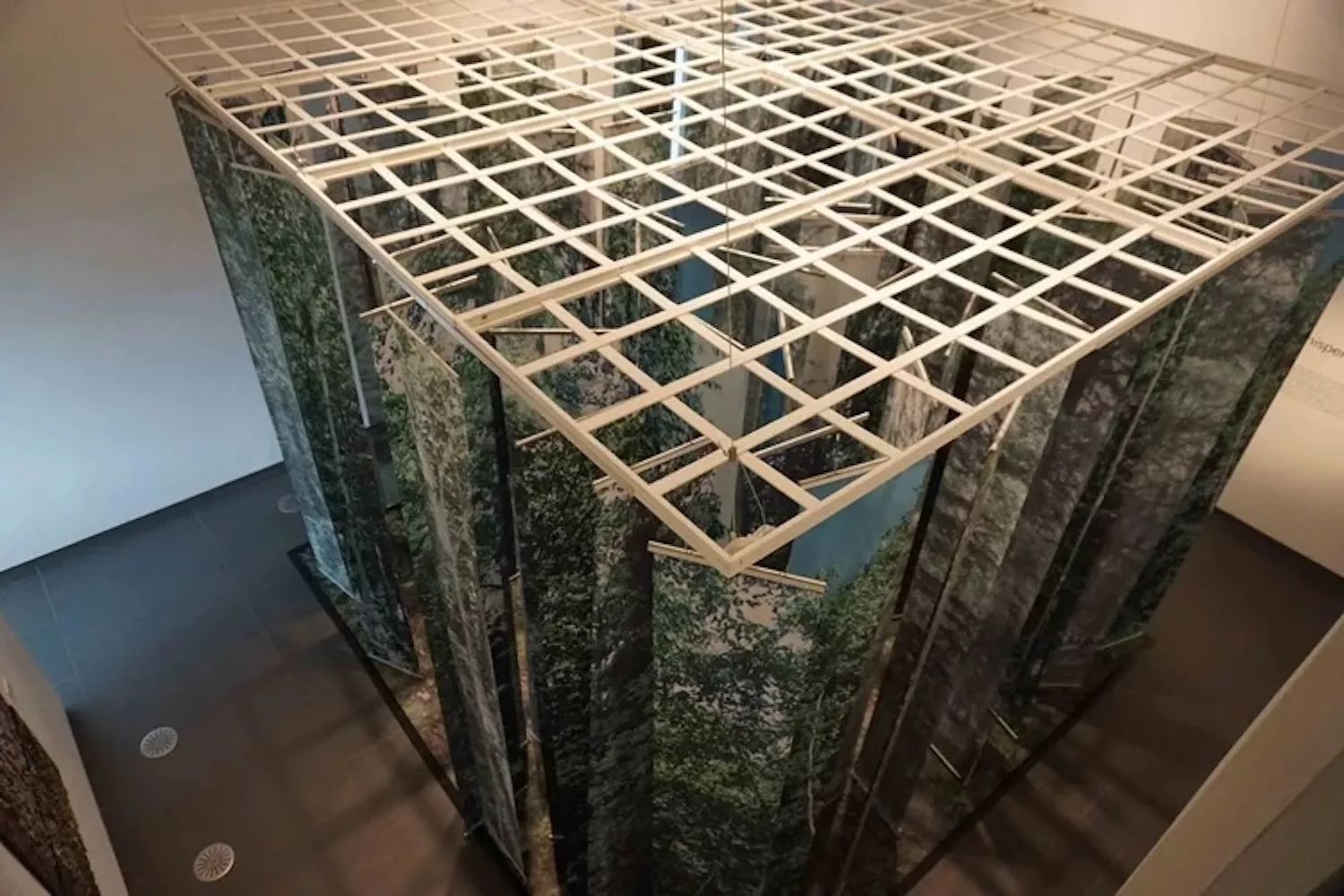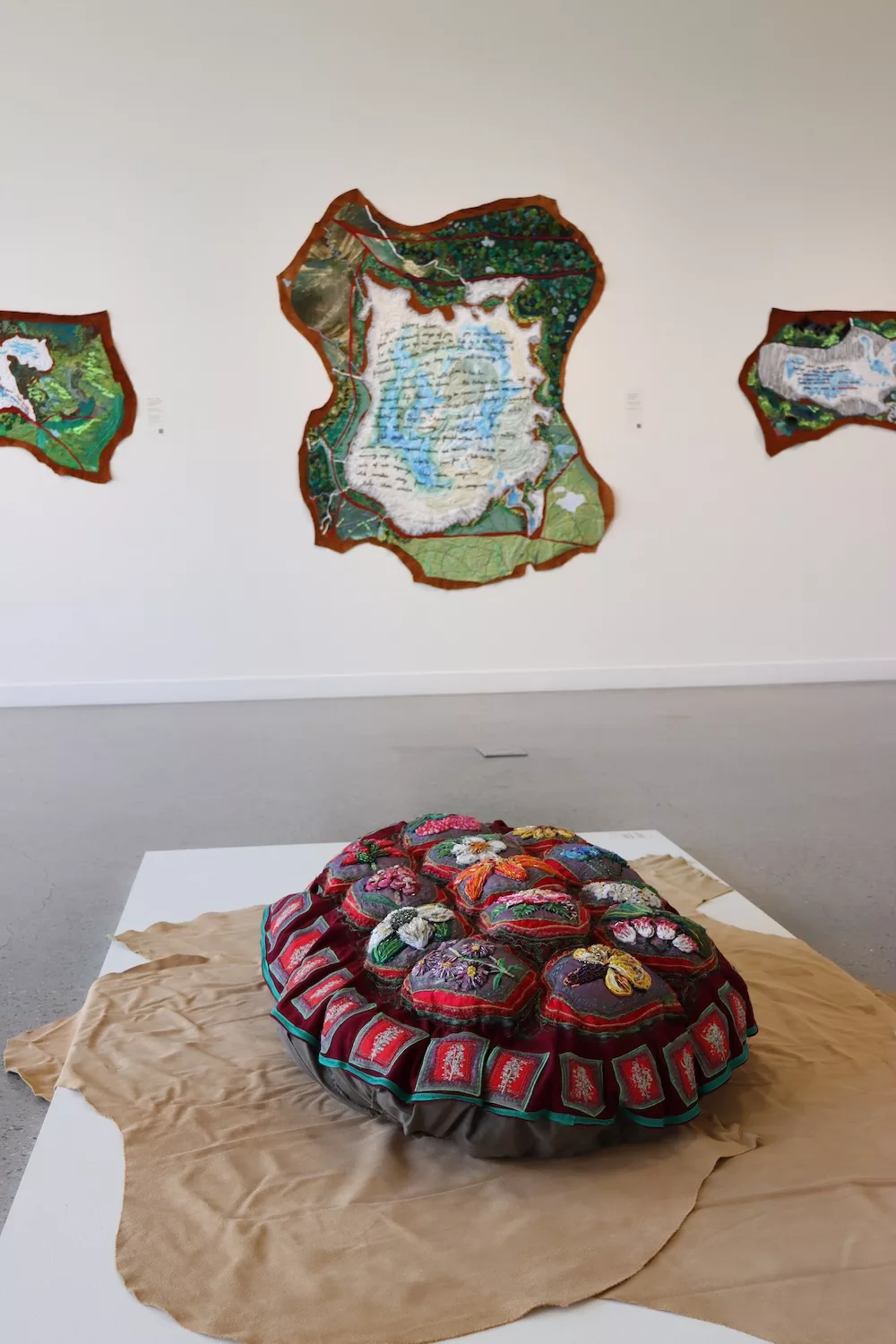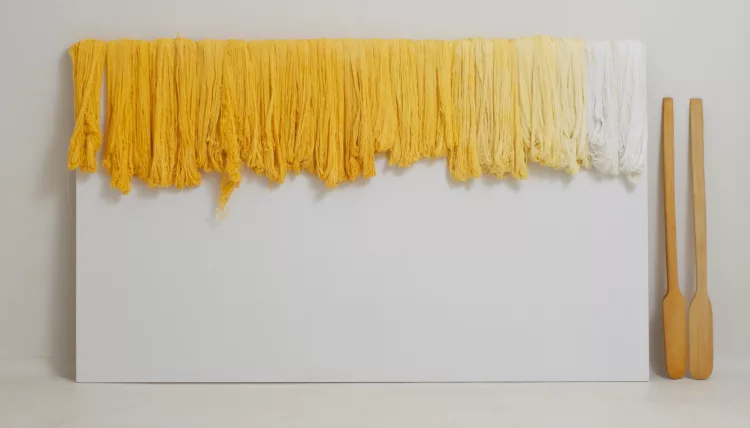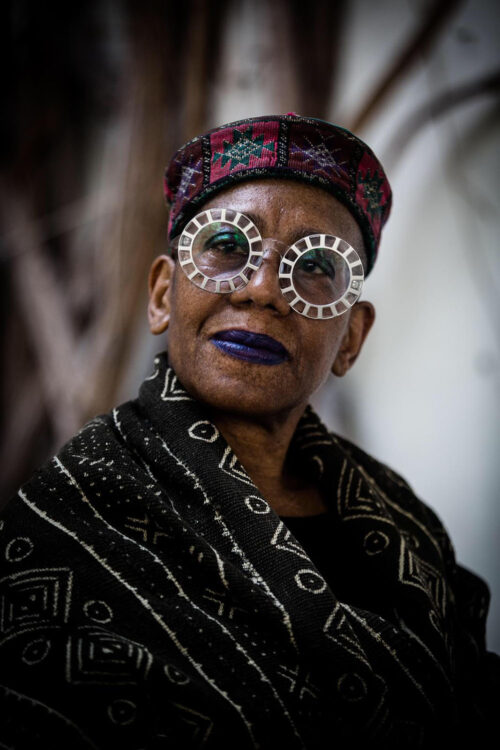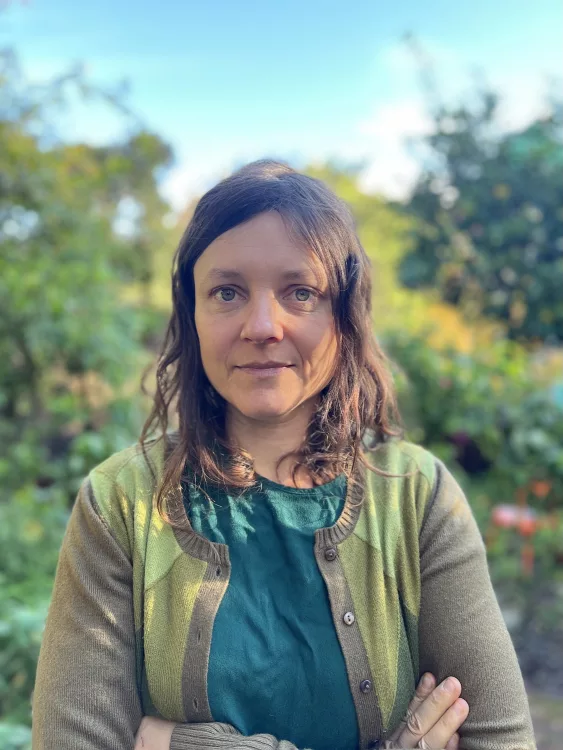
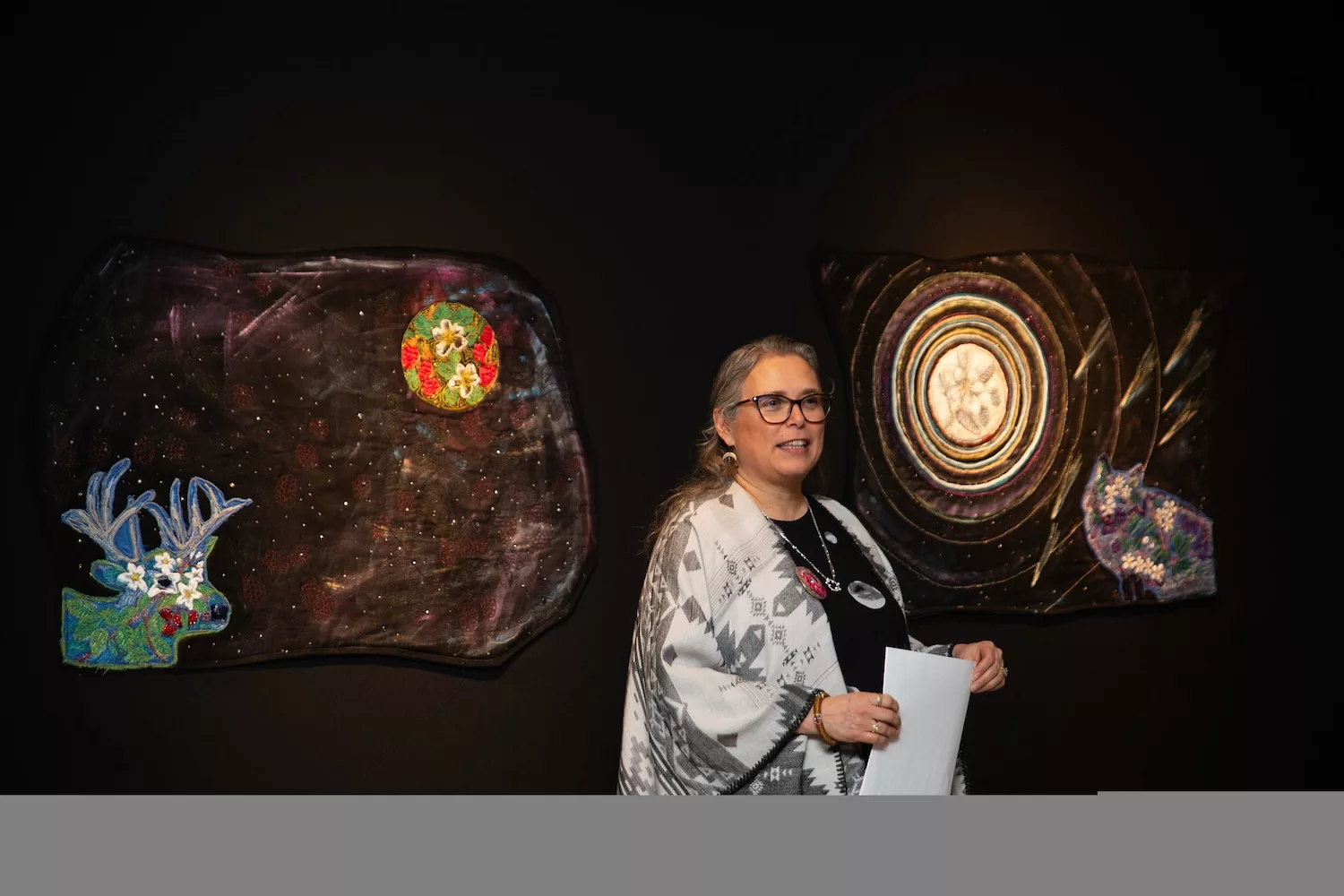
Heather Shillinglaw in her exhibition Nookomis/Dibiki-giizis/GrandmotherMoon hosted McMullen Art Gallery, University of Alberta Hospital, Edmonton Alberta, 2024, © Photo: Amanda Gault Photography, Courtesy Heather Shillinglaw
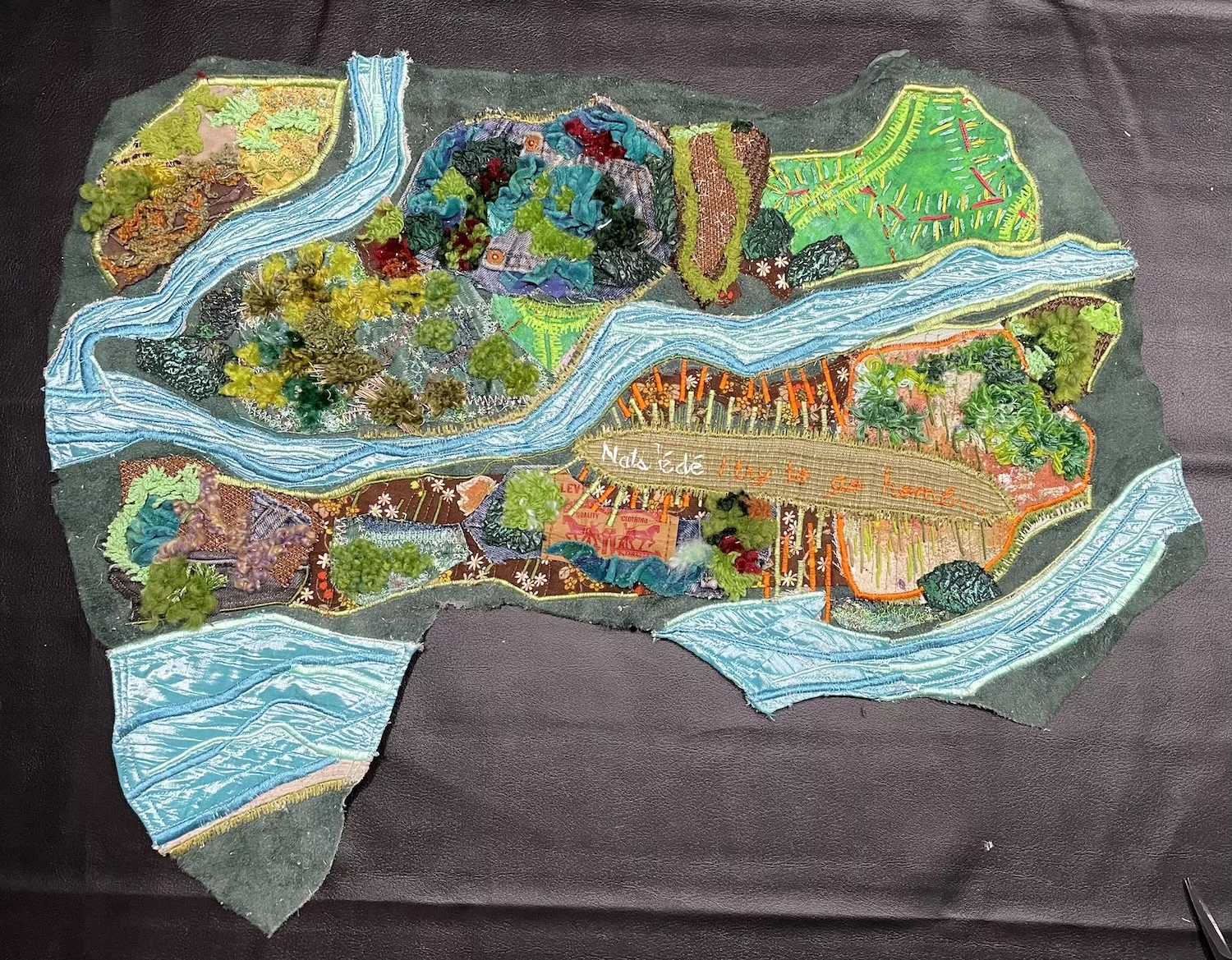
Heather Shillinglaw : Nats’edé (Les gens arrivent), Art Mur, Montreal, Quebec, Canada, September 13 – November 1, 2025
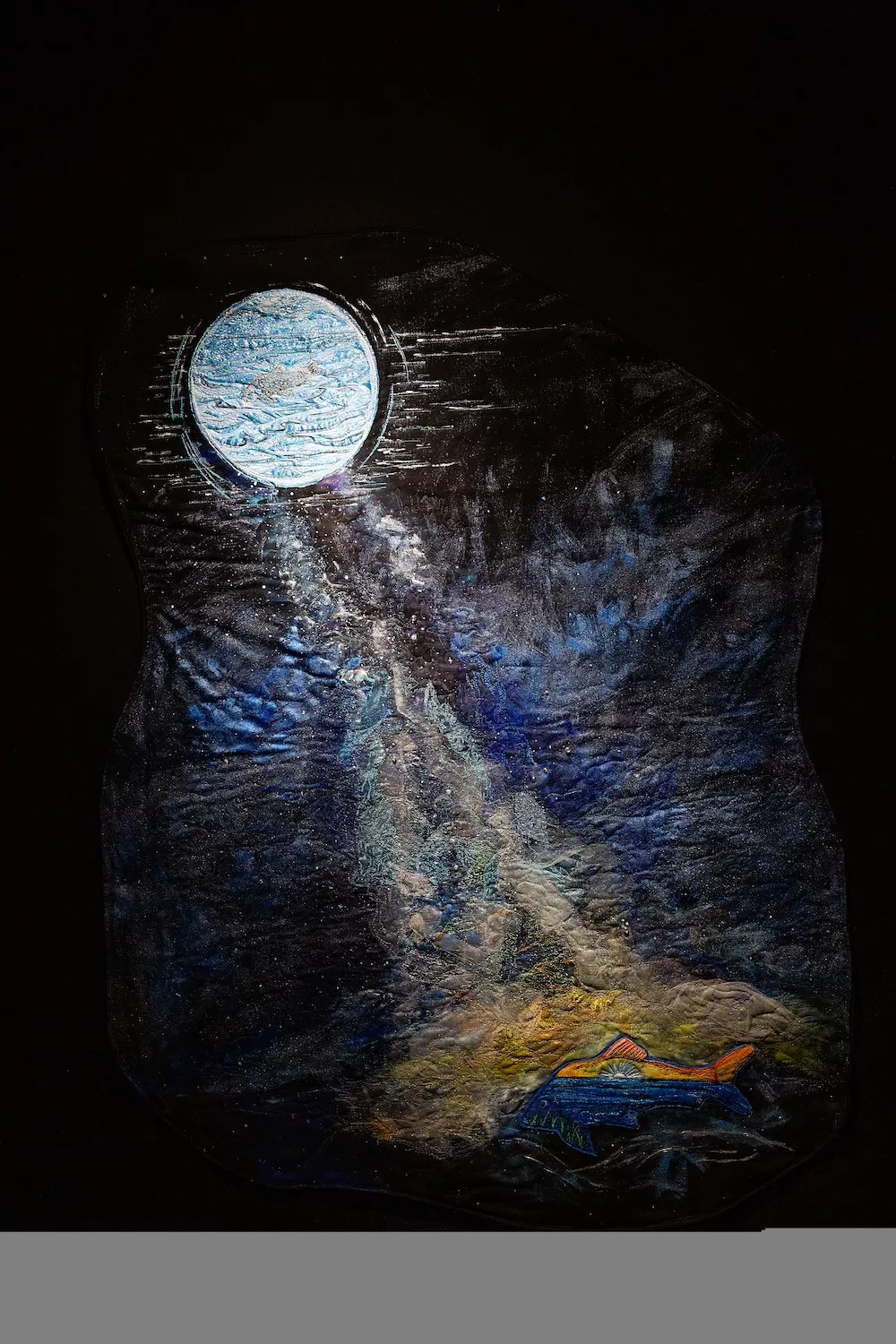
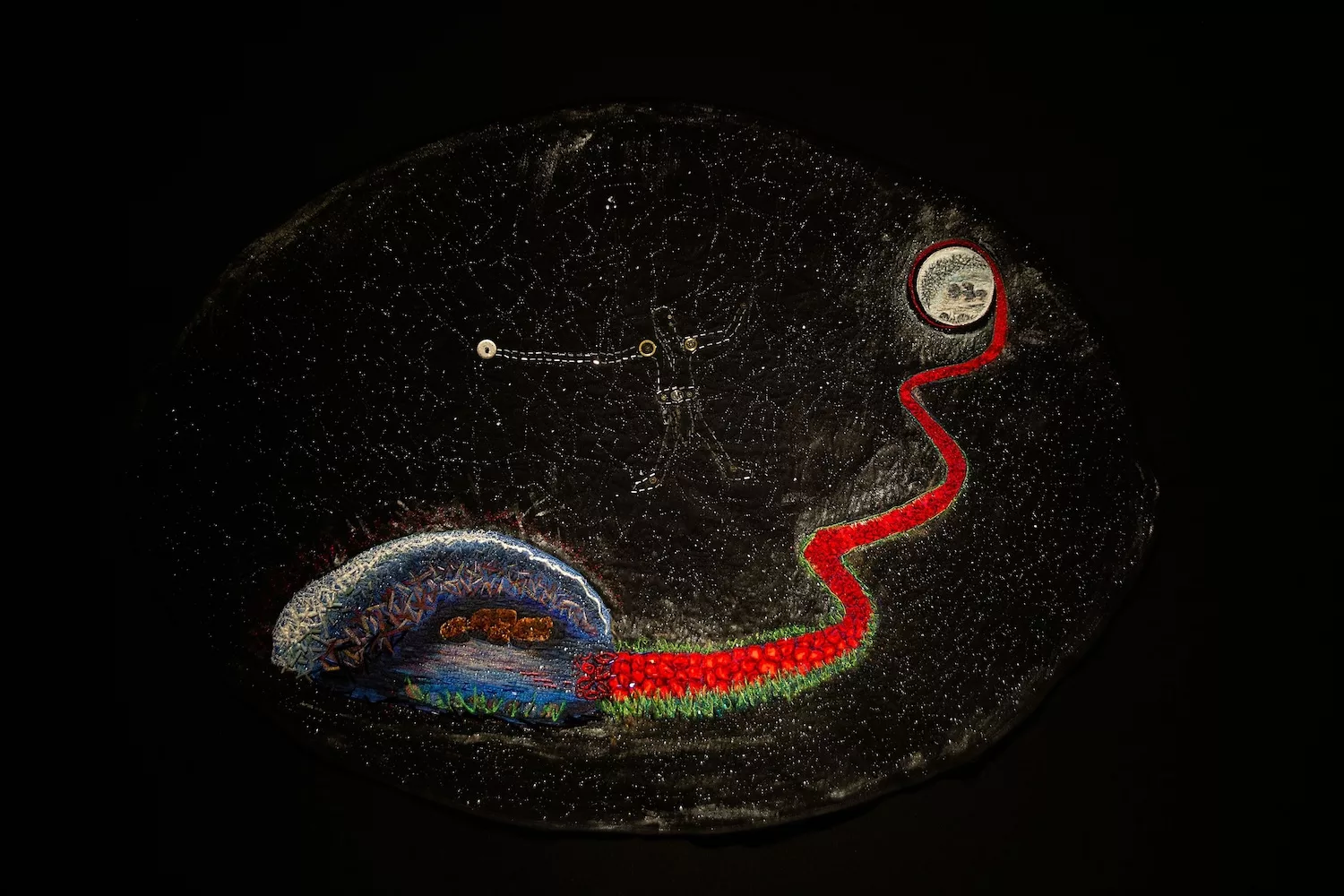
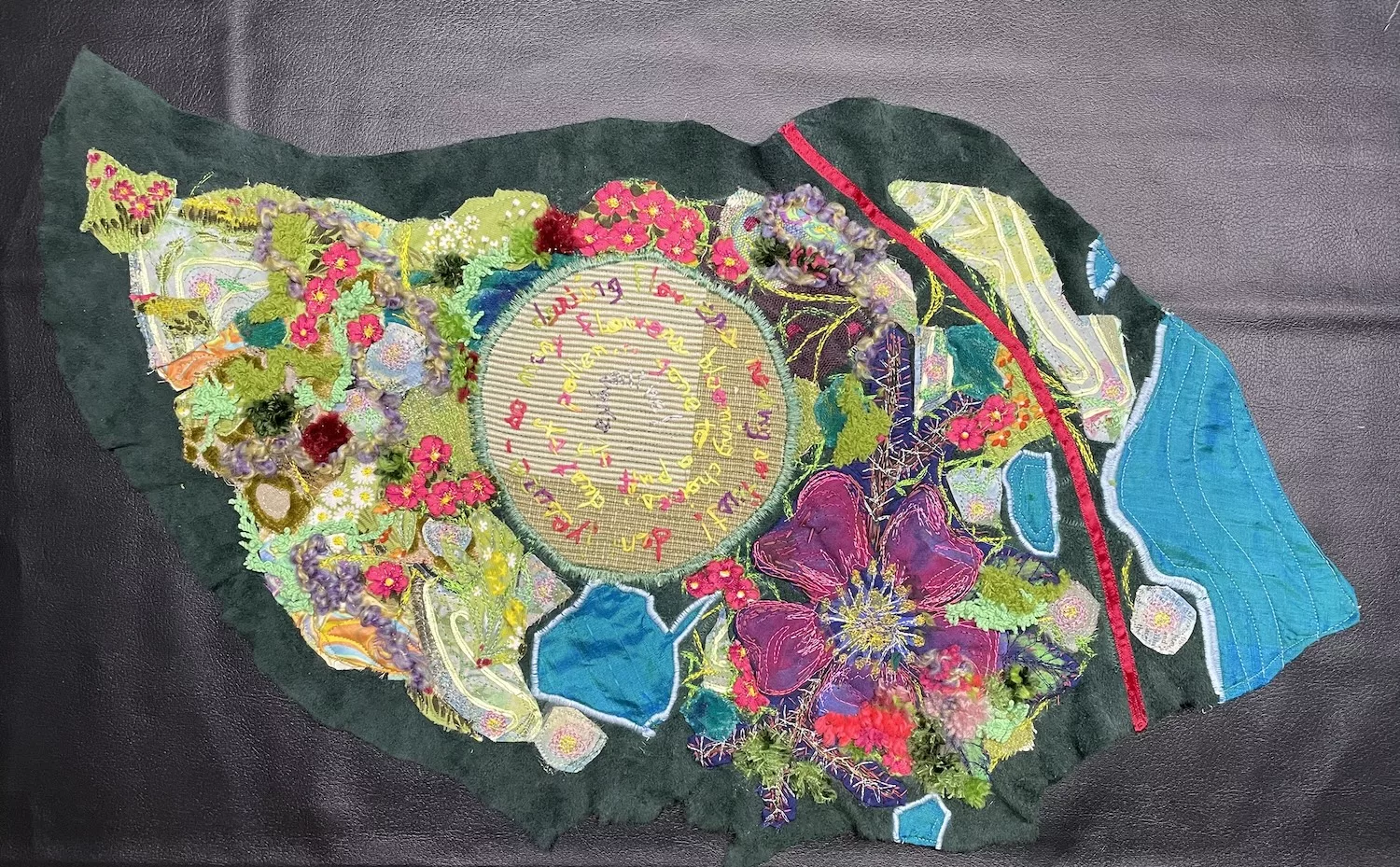
→Nookomis/Dibiki-giizis/GrandmotherMoon – series: Midasso-ishi-niswi miskwaadesi Giizis (13 Turtle Moons) McMullen Art Gallery, University of Alberta Hospital, Edmonton Alberta, 2024
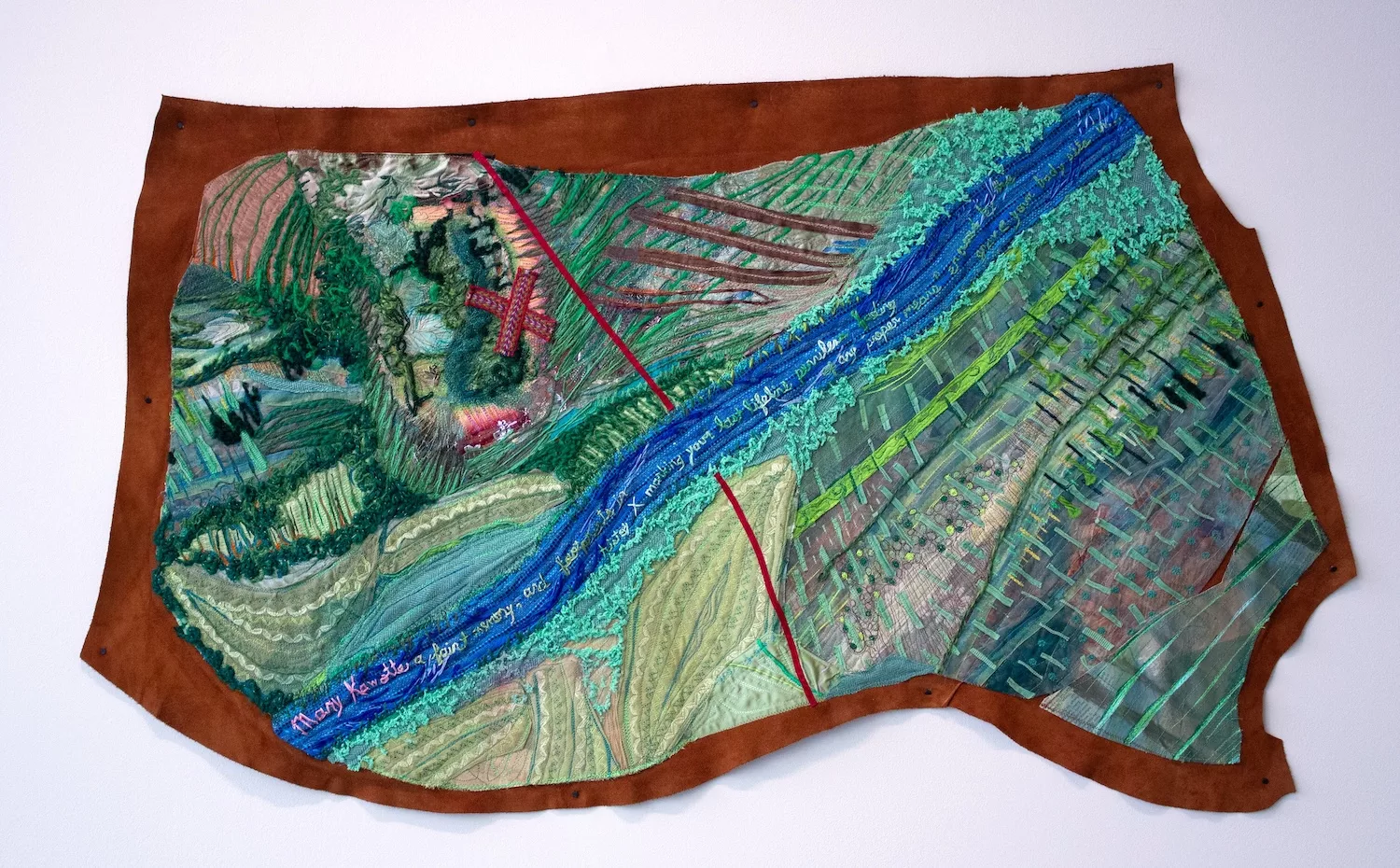
→ᒫᒥᑐᓀᔨᐦᒋᑲᐣ ᑯᑖᐄᐧᐤ mâmitonêyihcikan kotâwîw, – ‘my mind digs into the soil like a turtle’, Art Gallery of St Albert, Art and Heritage of St Albert, October 5 – November 25, 2023
Cold Lake First Nation mixed media artist.
Heather Shillinglaw is of Appetogasan, Nehiyaw/Cree, Dene, Salteaux Chipewyan and Scottish/French heritage. A member of the Cold Lake First Nation, she is a prolific mixed media and fibre artist.
In 1996, H. Shillinglaw completed a Bachelor of Fine Arts in drawing at the Alberta College of Art and Design. She quickly established a professional practice, showing in group and solo exhibitions across Canada and internationally.
Her driving artistic concern has always been the land. Her Indigenous maternal ancestors travelled across the region that is now known as Alberta since time immemorial. Her artworks look closely at the land itself, seeing it as a place of knowledge and history, while ardently advocating for its conservation and preservation.
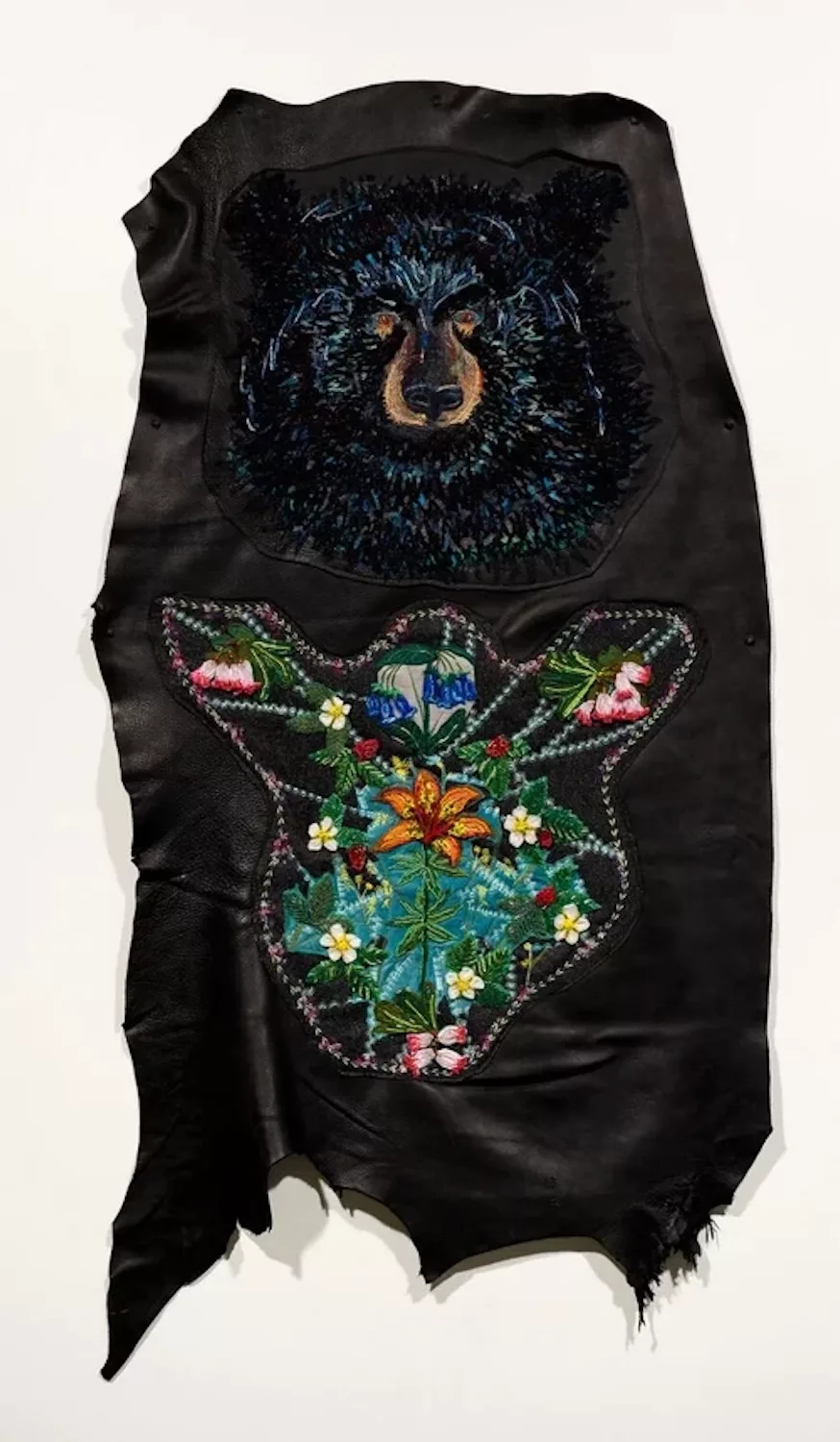
H. Shillinglaw’s art practice is informed by familial and community relationships, history, language and a merging of traditional and modern art practices. H. Shillinglaw incorporates mixed media and found objects into her artwork, repurposing materials that would have otherwise been thrown away. In around 2016, she began to incorporate sewing and quilting, and traditional Indigenous arts practices of beading, tufting and stitching.
H. Shillinglaw begins each of her artworks with a cup of tea and conversation out on the land, learning from many Elders and Knowledge Keepers. Her mother and frequent collaborator Shirley Norris-Shillinglaw (from the LeGoff Indian Reserve) has shared teachings passed down by her ᓄᐦᑰᒼnohkômak [grandmothers].
But there are painful gaps, losses of language, knowledge and cultures – direct consequences of colonisation and Indian Residential Schools. Herself a survivor of Indian Residential Day School, H. Shillinglaw uses her artworks as a site of cultural reclamation. She is learning her maternal ancestral languages, Obijway, Nehiyawewin/Cree and Dene, and through the language, the worldview of her ancestors. Common to all these languages is relationality, a responsibility to all living beings and to the land. Across numerous bodies of work, H. Shillinglaw archives land-based teachings, traditional stories and the lived experiences of her family, gathered through interviews and extensive archival research.
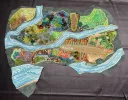
Of note are three series of art quilts. ᒫᒥᑐᓀᔨᐦᒋᑲᐣ ᑯᑖᐄᐧᐤ mâmitonêyihcikan kotâwîw my mind digs into the soil like a turtle (2021–2023) presents thirteen aerial views of lands and waterways that are connected to her Nehiyawewin/Cree and Dene ancestry. Red ribbons trace travelling routes, while locations of residential schools and unmarked family gravesites recognise the scars of generations. Midasso-ishi-niswi miskwaadesi Giizis 13 Turtle Moons (2022–2023) shares traditional Ojibway teachings of the annual lunar calendar, the constellations and the cosmos. Nats’ede – people are coming (2024–2025) celebrates the Densuline language and the lands of the people who lived in northern Alberta. H. Shillinglaw’s poetry is stitched into many of the works, giving voice to emotion.
Between 2016 and 2025, she presented twelve solo exhibitions in Galleries across Canada, four commissions for large-scale public artworks, and attended several international artist residencies. In 2024 and 2025 she was included in two prestigious contemporary Canadian art biennales, BACA and MOMENTA. With a balance of frank honesty and cultural pride, H. Shillinglaw’s work is a celebration of Indigenous resilience.
A biography produced as part of the programme “Common Ground”
© Archives of Women Artists, Research and Exhibitions, 2026