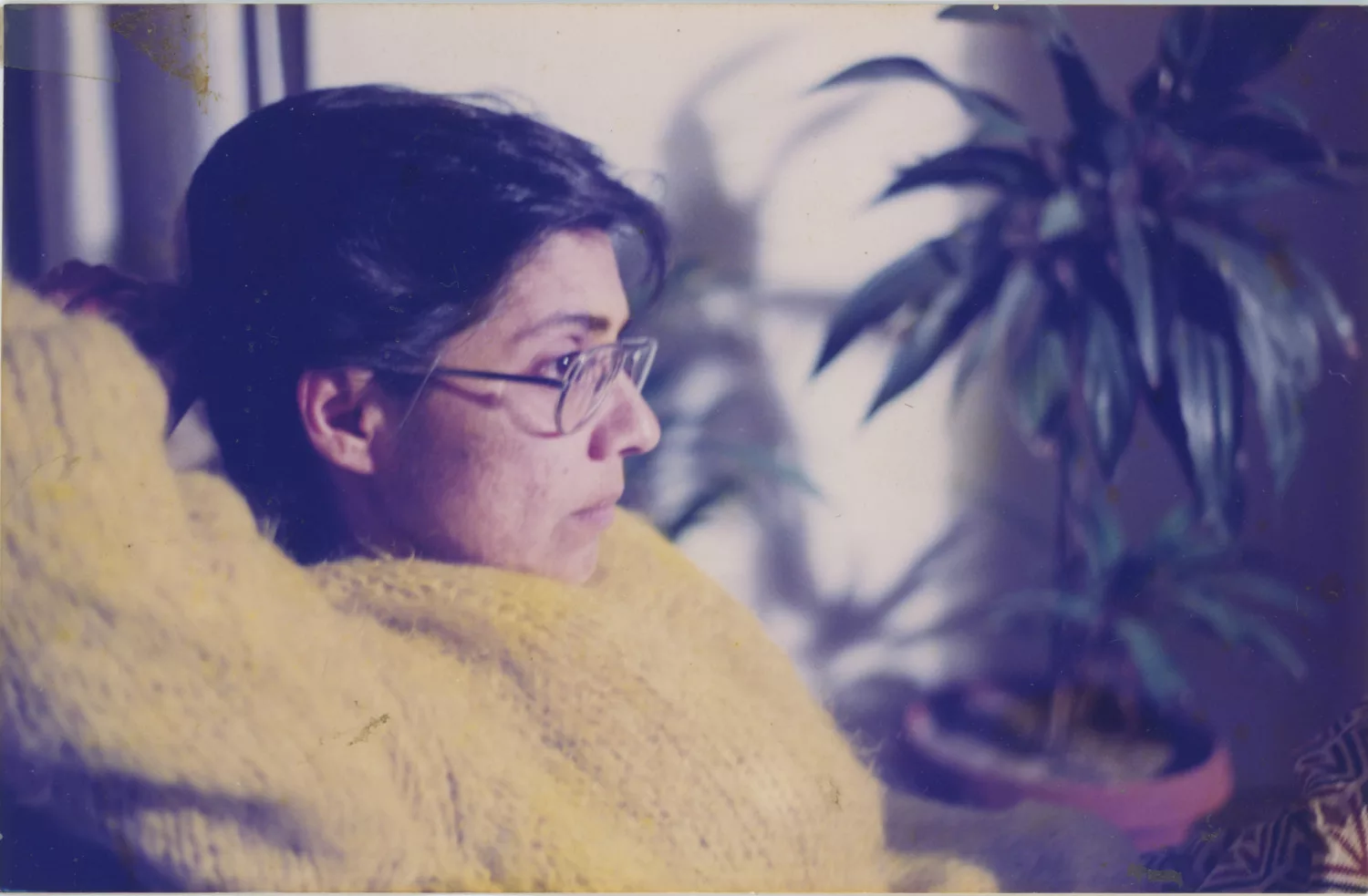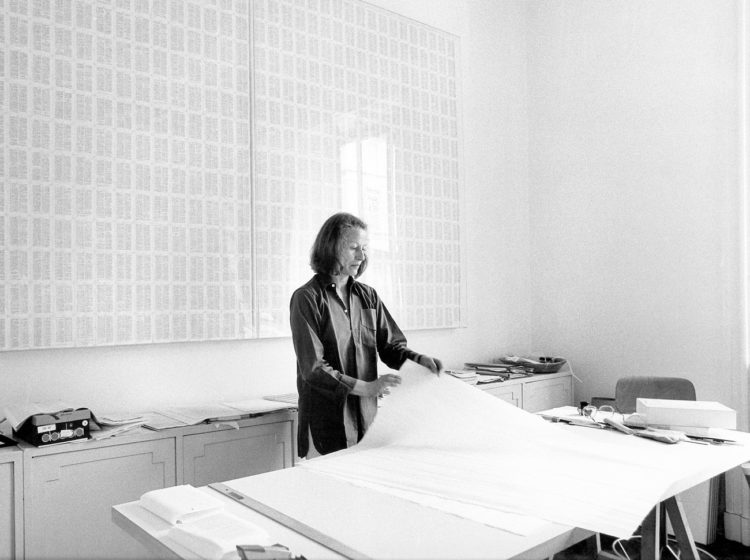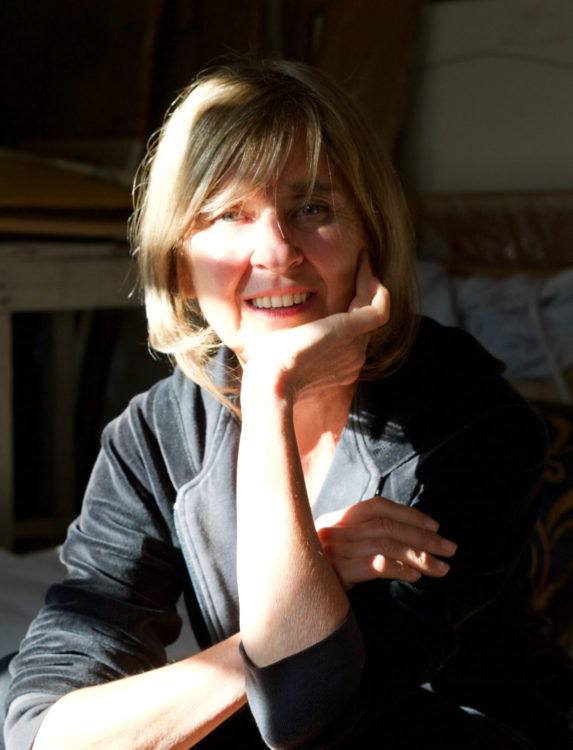
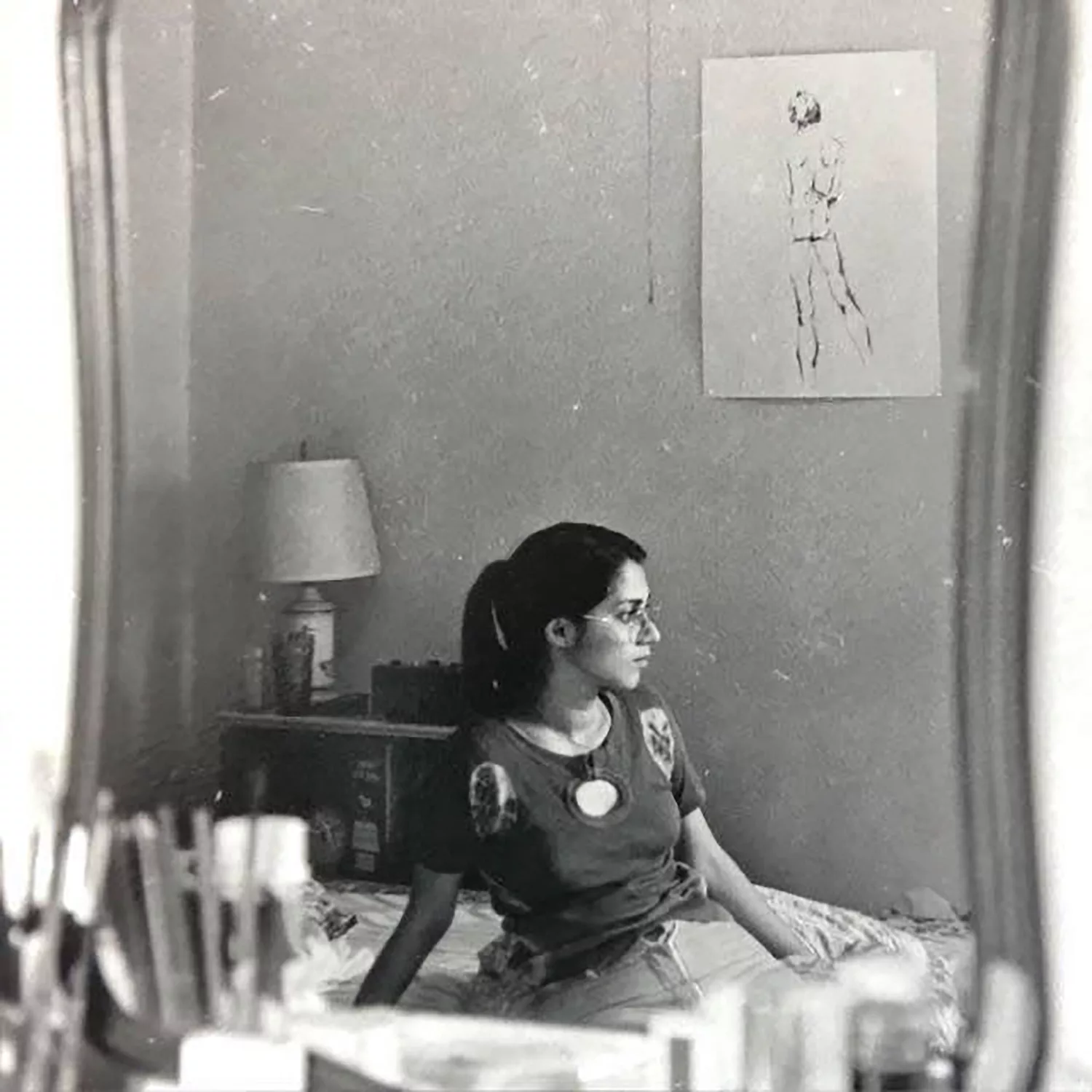
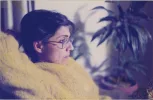
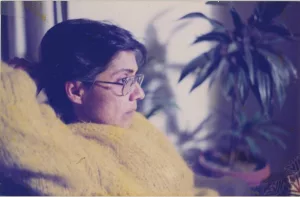
Portrait of Lala Rukh in her studio/room in the late 1970s, University of Chicago © Image courtesy of the Estate of Lala Rukh and Grey Noise
Ansari, Saira, Rupak / 2016–2017, exh. cat., documenta 14, Athens (8 April–16 July, 2017), Dubai, Grey Noise, 2017
→Ginwala, Natasha, “Lala Rukh – Introduction”, documenta14, accessed 7 January, 2026, https://www.documenta14.de/en/south/902_lala_rukh_introduction_by_natasha_ginwala
→Lookman, Mariah, “Lala Rukh”, in Eungie Joo (ed.), Sharjah Biennial 12: The Past, the Present, the Possible, exh. cat., Sharjah Biennal 12, Sharja (5 March–5 June, 2015), Sharjah, Sharjah Art Foundation, 2015, p. 296-305
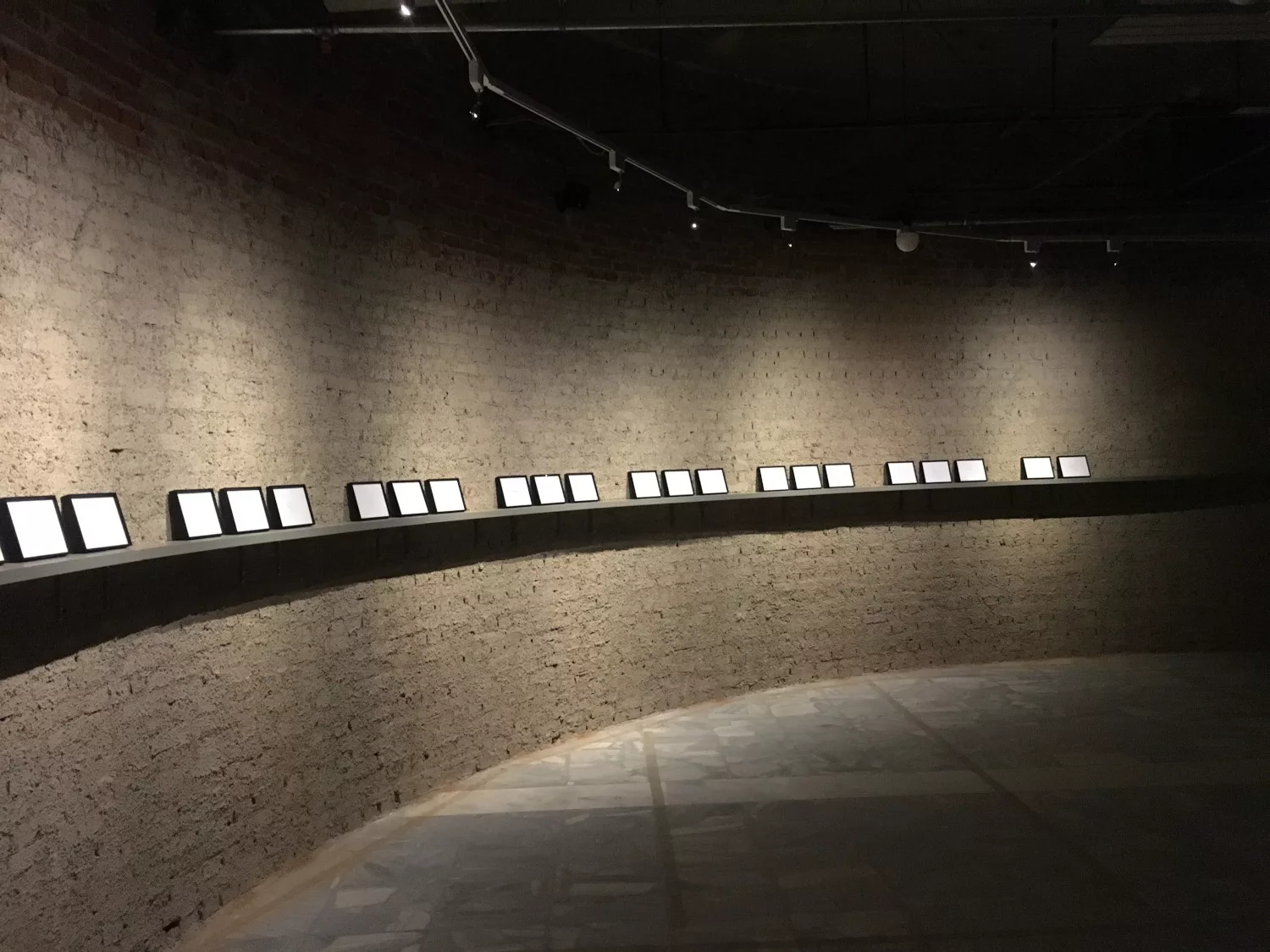
Lala Rukh: In the Round, Sharjah Art Foundation, Sharjah, 24 February, 2024–16 June, 2024
→Sagar, Grey Noise, Dubai, 9 March–13 May, 2017
→Exhibition of Works: 1989-2004, Zahoor-ul-Akhlaq Gallery, National College of Arts (NCA), Lahore; VM Art Gallery, Karachi, 2004
Pakistani artist, educator and feminist activist.
Lala Rukh was born in Lahore a year after Pakistan’s independence from British rule and partition from India. Her artist’s name, mistaken for a first and last name, was bipartite and she preferred to use it in full (though to those who knew her she was simply Lala). She grew up in a family steeped in culture and surrounded by musicians and intellectuals. In 1959 her father, Hayat Ahmad Khan (1921–2005), founded the All Pakistan Music Conference (APMC), an institution that revived the country’s classical music heritage after partition and continues to this day. Participating in the APMC since its early years, Lala Rukh observed performances that shaped her art and her appreciation for music.
After receiving an MFA at the University of the Punjab (1970), Lala Rukh earned another at the University of Chicago (1976), where exposure to conceptual practices and music expanded both her visual vocabulary and her worldview. Returning to Lahore after graduating, she deepened her drawing practice and began teaching at the University of the Punjab and later at the National College of Arts (NCA). In 2000, she established the MA (Hons) Visual Art programme at NCA, pioneering an art education model in Pakistan emphasising critical inquiry.
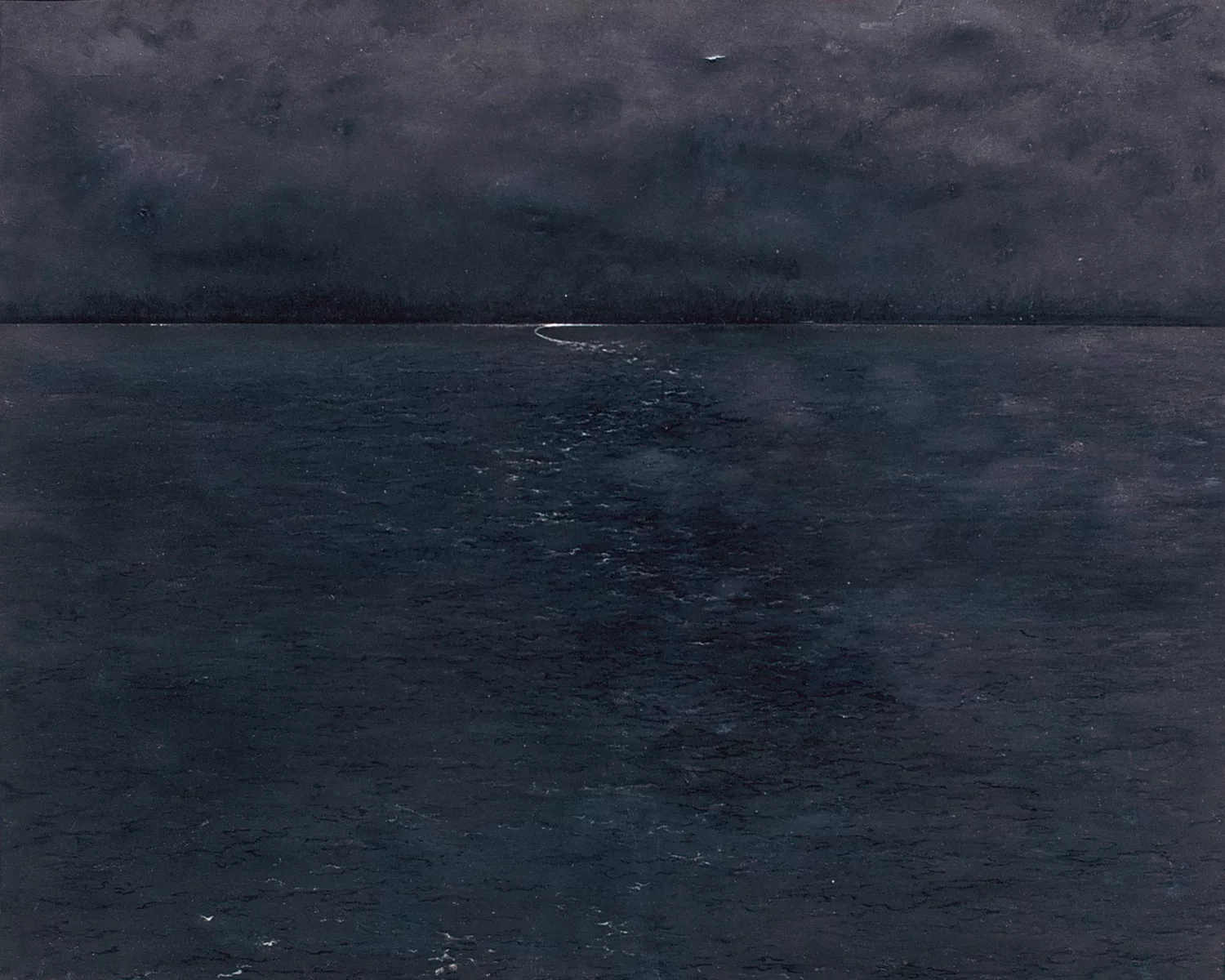
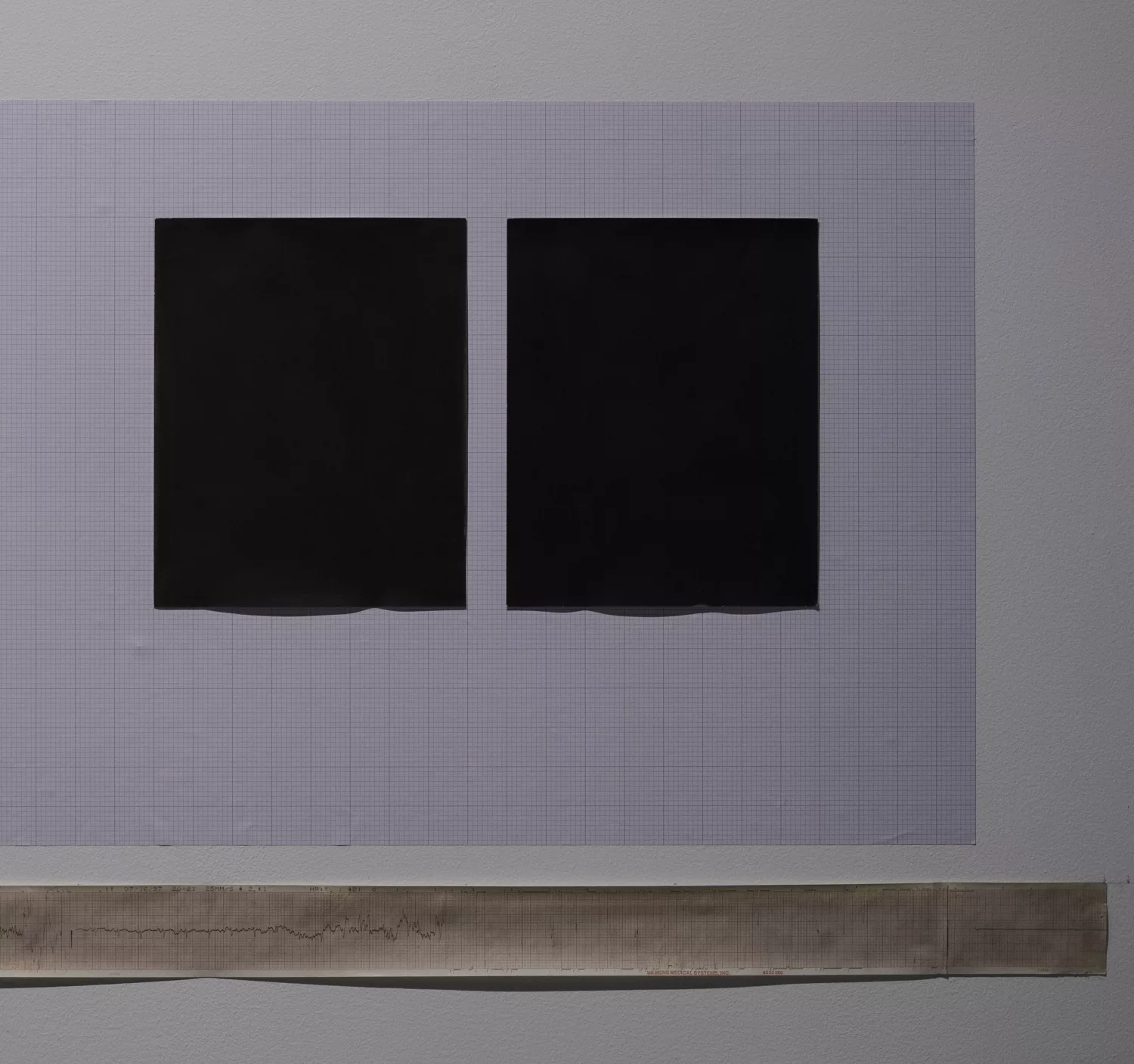
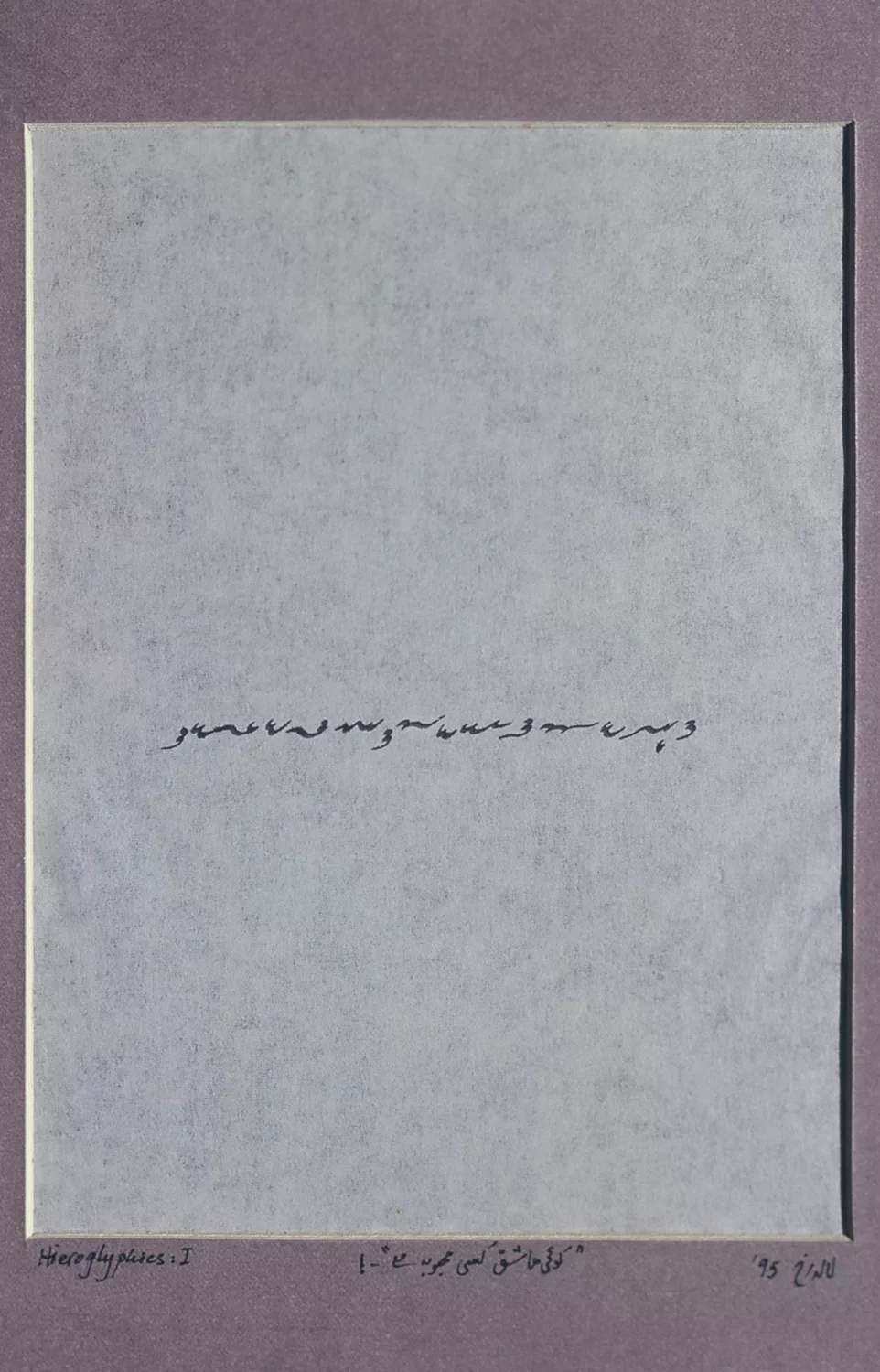
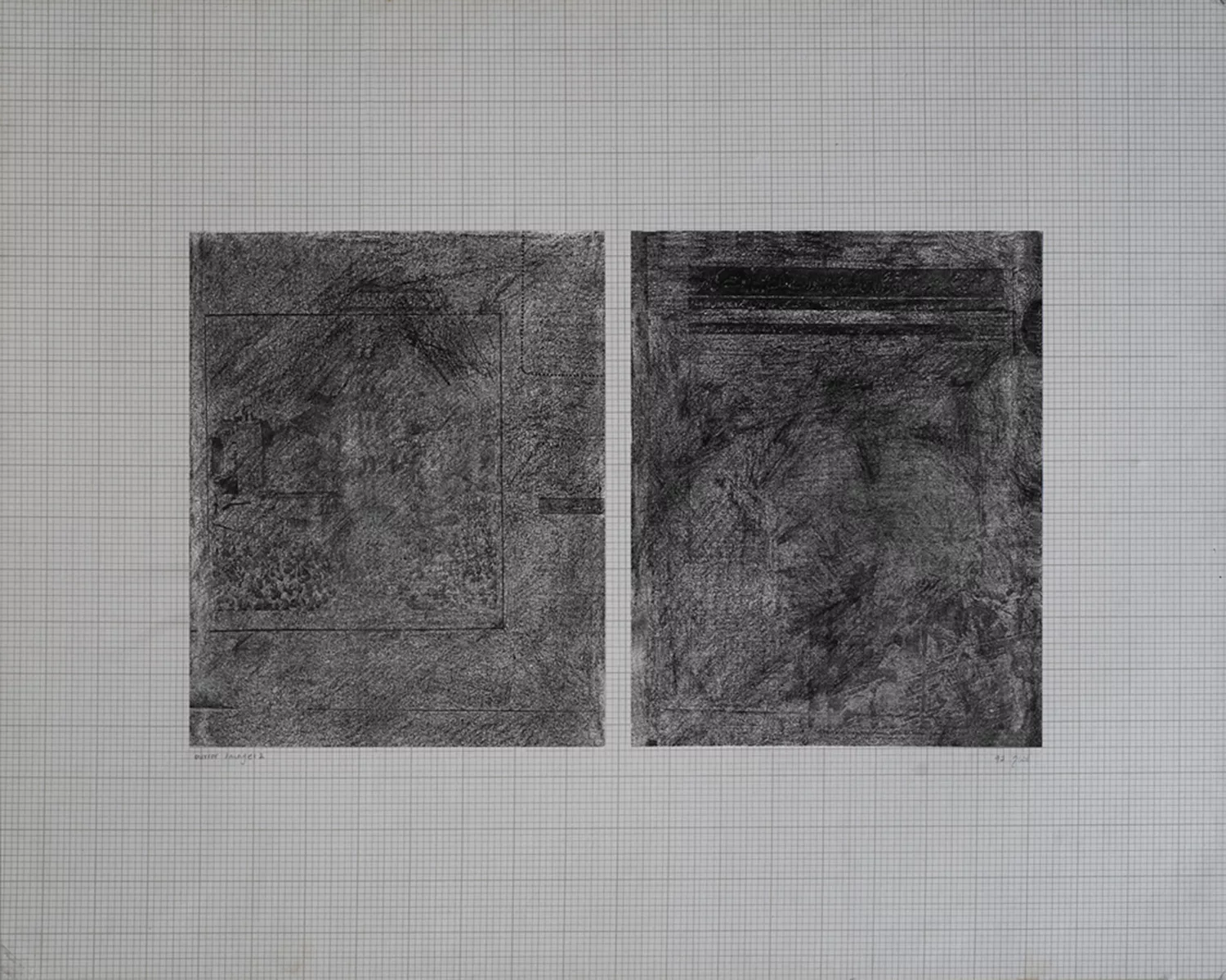
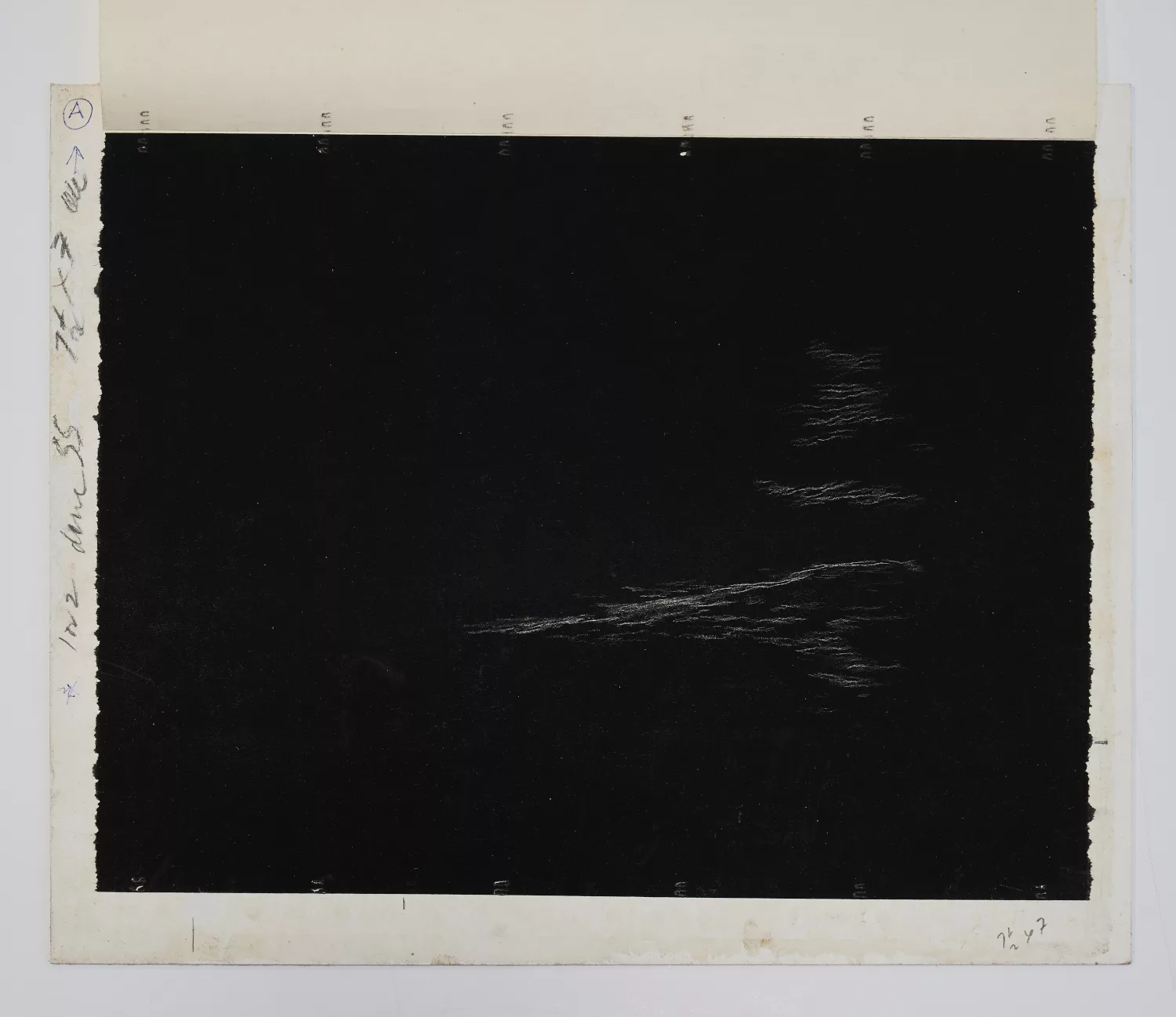
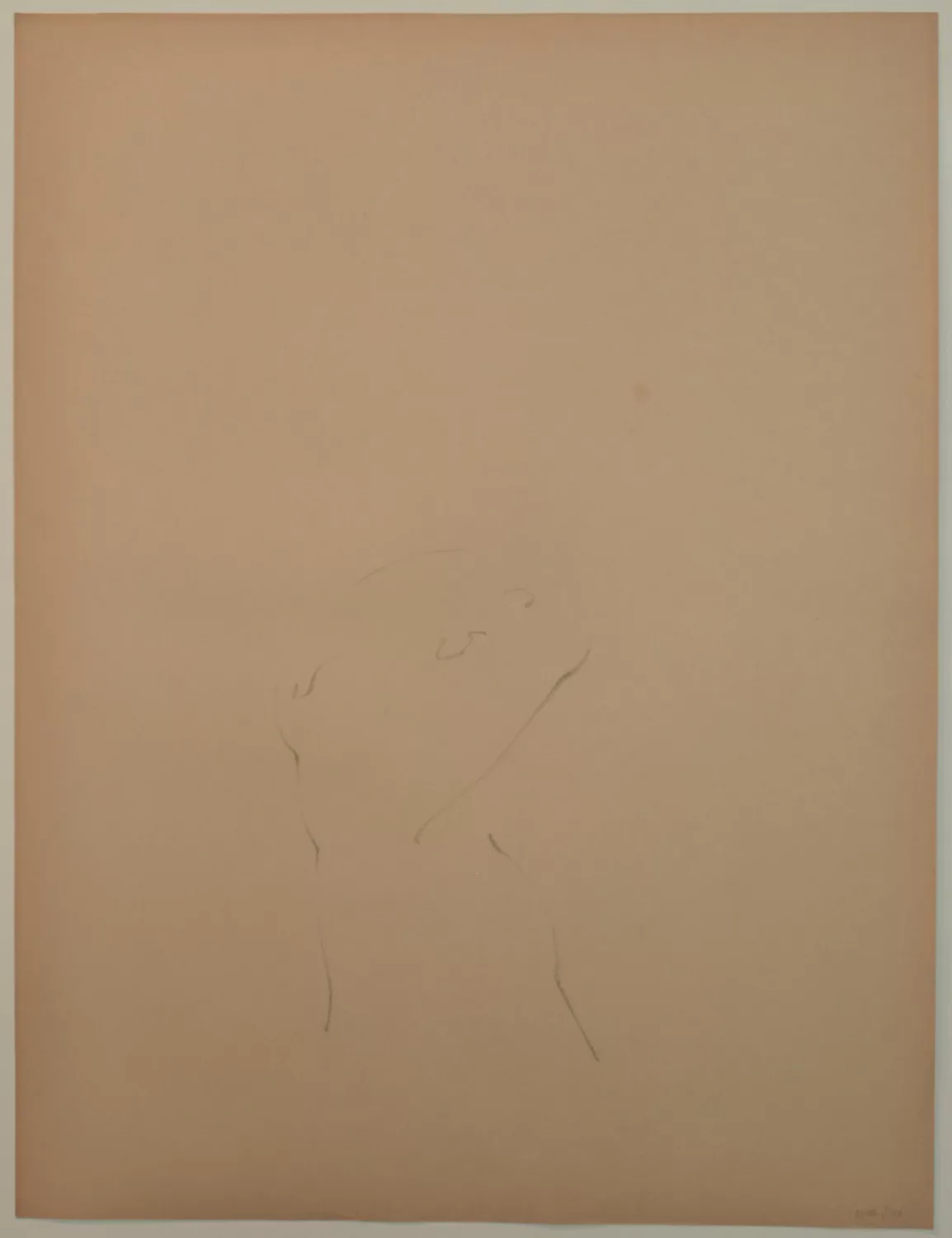
As an artist, Lala Rukh developed a language of measured reduction and an isolation and quietude which she sought fiercely in her studio. Working primarily with drawing and simple, impermanent materials – newsprint, carbon sheets, photo paper – she explored rhythm, light and the passage of time through sparse mark-making. Her drawings Hieroglyphics (1995) and River in an Ocean (1992) translate poetry and waterscapes into subtle marks, evoking calligraphic notation or tidal motion, while works like Heartscape (1997) and Mirror Image (1997) render grief and collective memory as abstract visual scores set against gridded grounds. The horizon, a recurring motif here and across many works, symbolises both a visual and conceptual line. Heartscape, drawn from ECG recordings of the artist’s mother’s heartbeat until her passing, is especially poignant in its characteristic restraint. Her minimalism, then, was not formalist; it emerged from lived experience, shaped by memory.
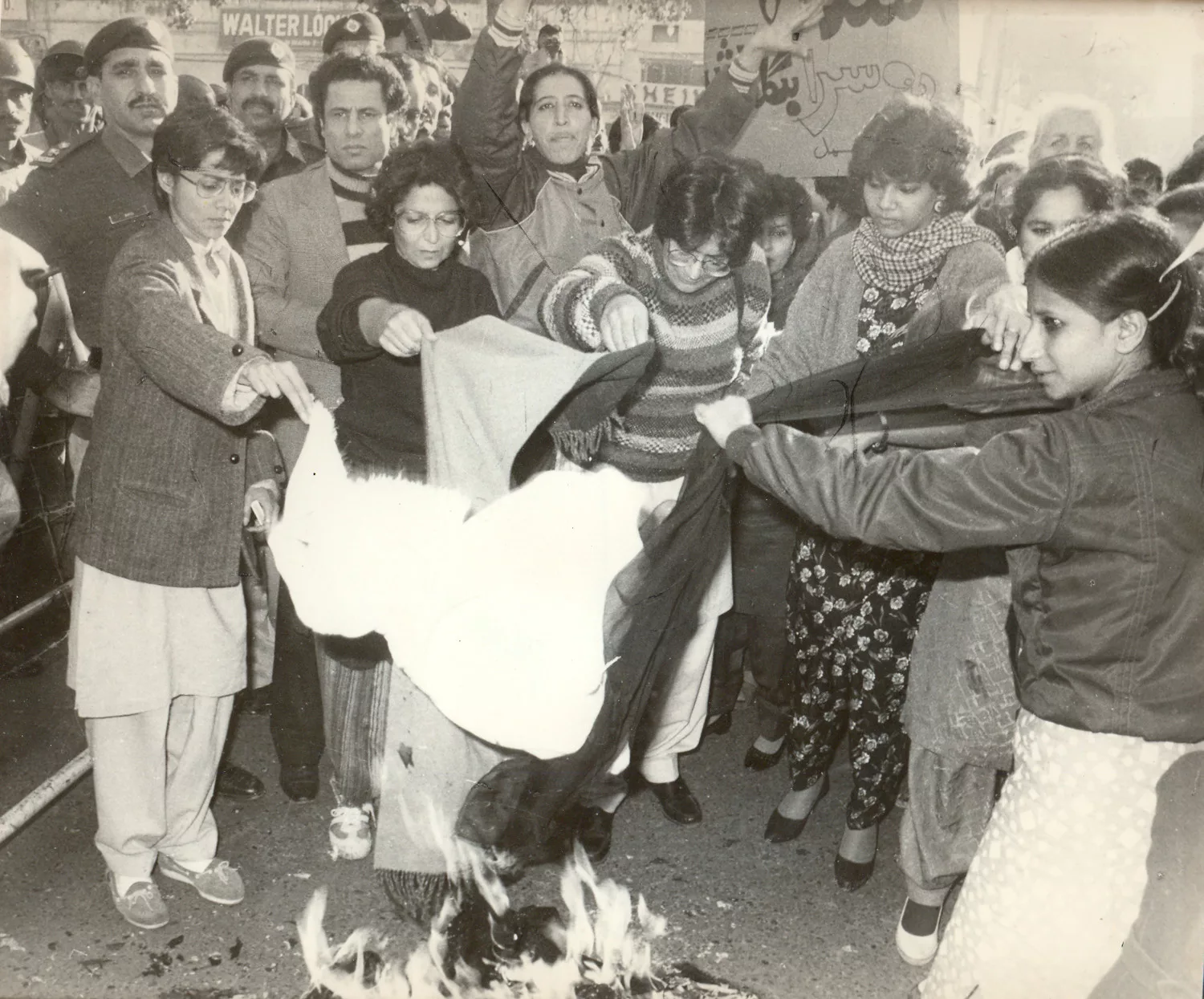
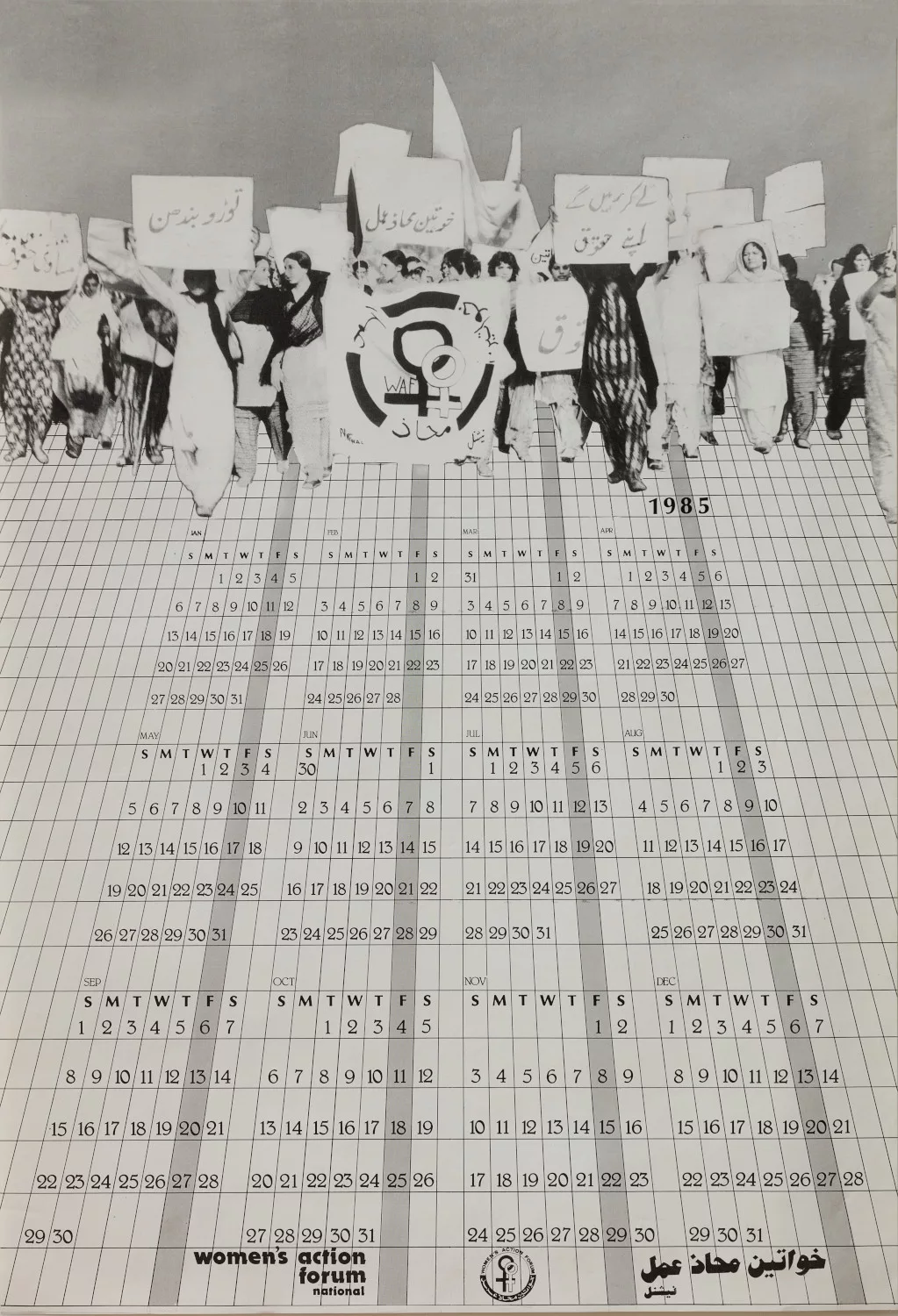
Lala Rukh was also a founding member of the feminist group Women’s Action Forum (WAF), established in 1981 during Muhammad Zia-ul-Haq’s dictatorship to mobilise against discriminatory laws and the suppression of women’s rights. When printing presses were restricted from producing materials deemed subversive, she set up a screen-printing workshop in her home, designing and producing WAF’s posters and campaigns. She later compiled In Our Own Backyard (1987), a manual for self-taught printing that circulated across South Asia’s feminist networks, enabling other women to publish, organise, and speak out.
Lala Rukh’s final work, Rupak (2016), commissioned for documenta 14 in Athens, was a sound-based animation of a calligraphic unit mapping a rhythm cycle, uniting her lifelong interests in classical music and drawing. The work, which marked the culmination of her minimalist practice shortly before her death in 2017, was critically lauded and became her introduction to a wider audience.
Through her minimal forms and her commitment to activism and education, Lala Rukh presented a radical and unapologetic vision. She remains a central figure in South Asian contemporary art and feminist thought.





 Part one of an interview with Lala Rukh conducted in 2009, Lahore, by Maliha Noorani, AAA researcher for Pakistan
 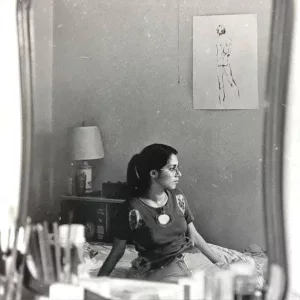 Interview with Lala Rukh conducted on 6 January 2016 by Mariah Lookman in Lahore, Pakistan, AAA