Almagul Menlibayeva


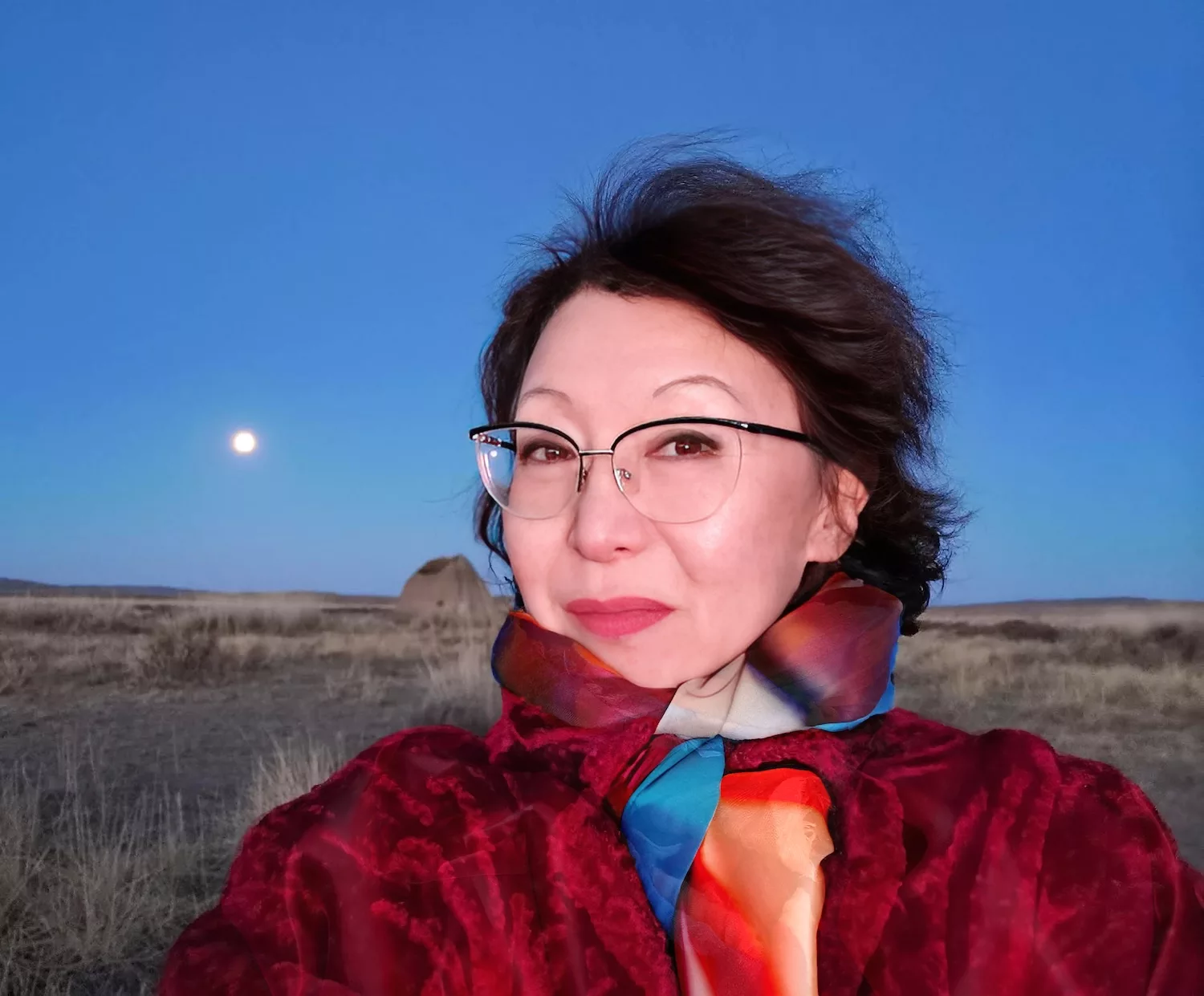
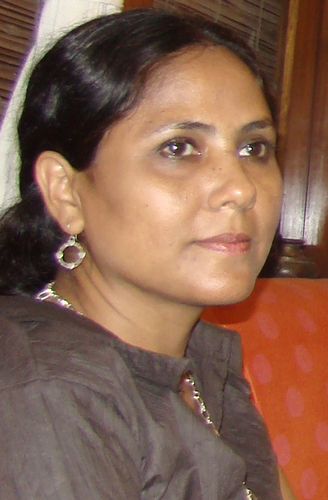
Portrait Almagul Menlibayeva, near mazar Japel Ata during filming, 2022, Courtesy of Almagul Menlibayeva
Rakhimzhanova, Anel (ed.), Almagul Menlibayeva: I Understand Everything, exh. cat., Almaty, Almaty Museum of Arts, 2026
→Monnet, Livia, “The Immanation-Image: Immanent Experience and Kazakhstan’s Socialist and Postsocialist Modernity in Almagul Menlibayeva’s Video Installation Transformation (2016)”, Toxic Immanence: Decolonising Nuclear Legacies and Futures, London, Chicago, McGill-Queen’s University Press, 2022, p. 332–72
→Ibraeva, Valeria (ed.), Almagul Menlibayeva, exh. cat., compiled by Lidia Blinova, Almaty, Soros Foundation-Kazakhstan, 1995
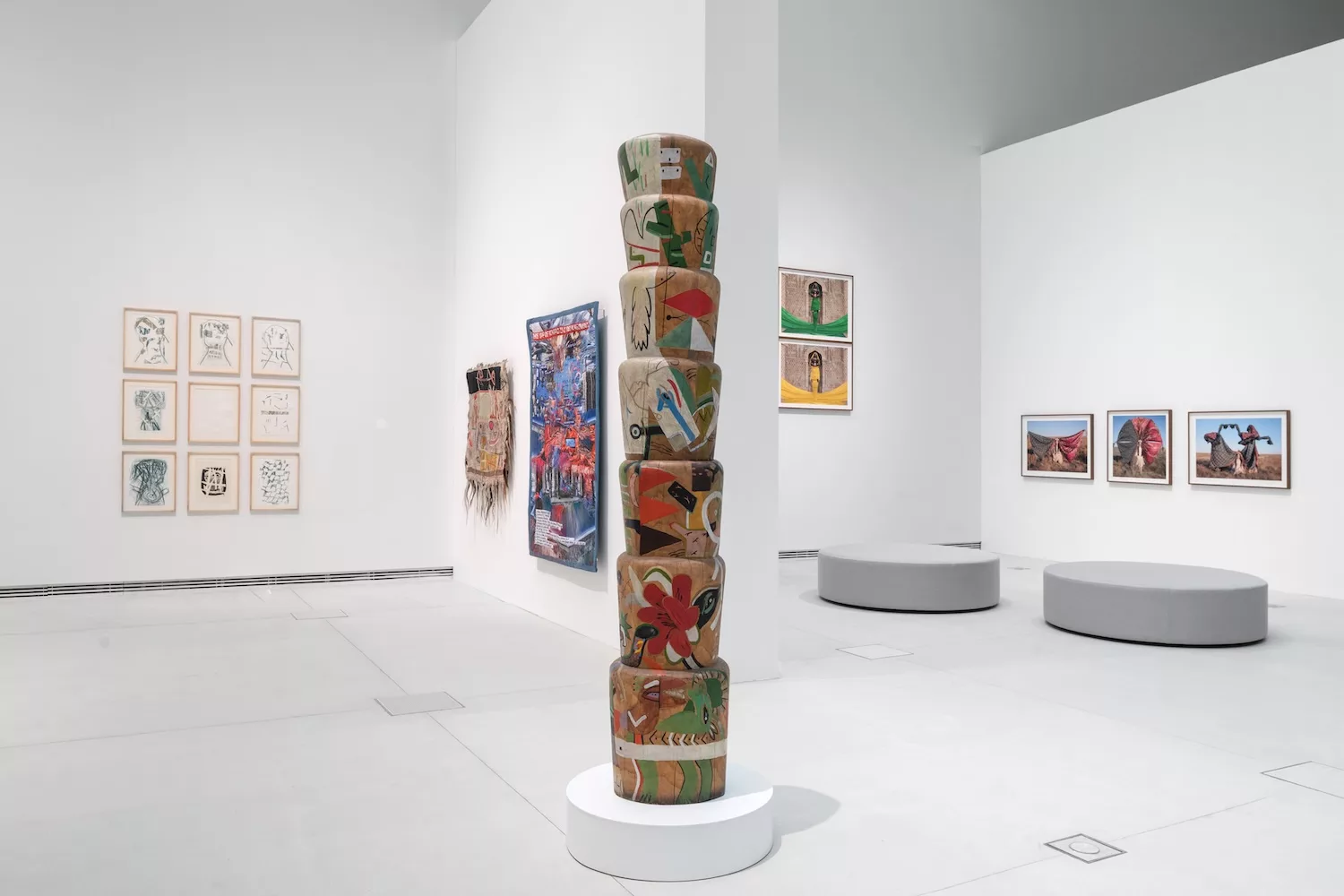
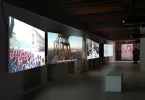
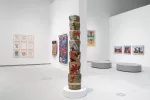
Almagul Menlibayeva: I Understand Everything retrospective, Almaty Museum of Arts, Almaty, 11 September 2025–17 May 2026
→Almagul Menlibayeva: My Silk Road to You and Nomadized Suprematism, Aga Khan Museum, Toronto, 1 May–2 September 2024
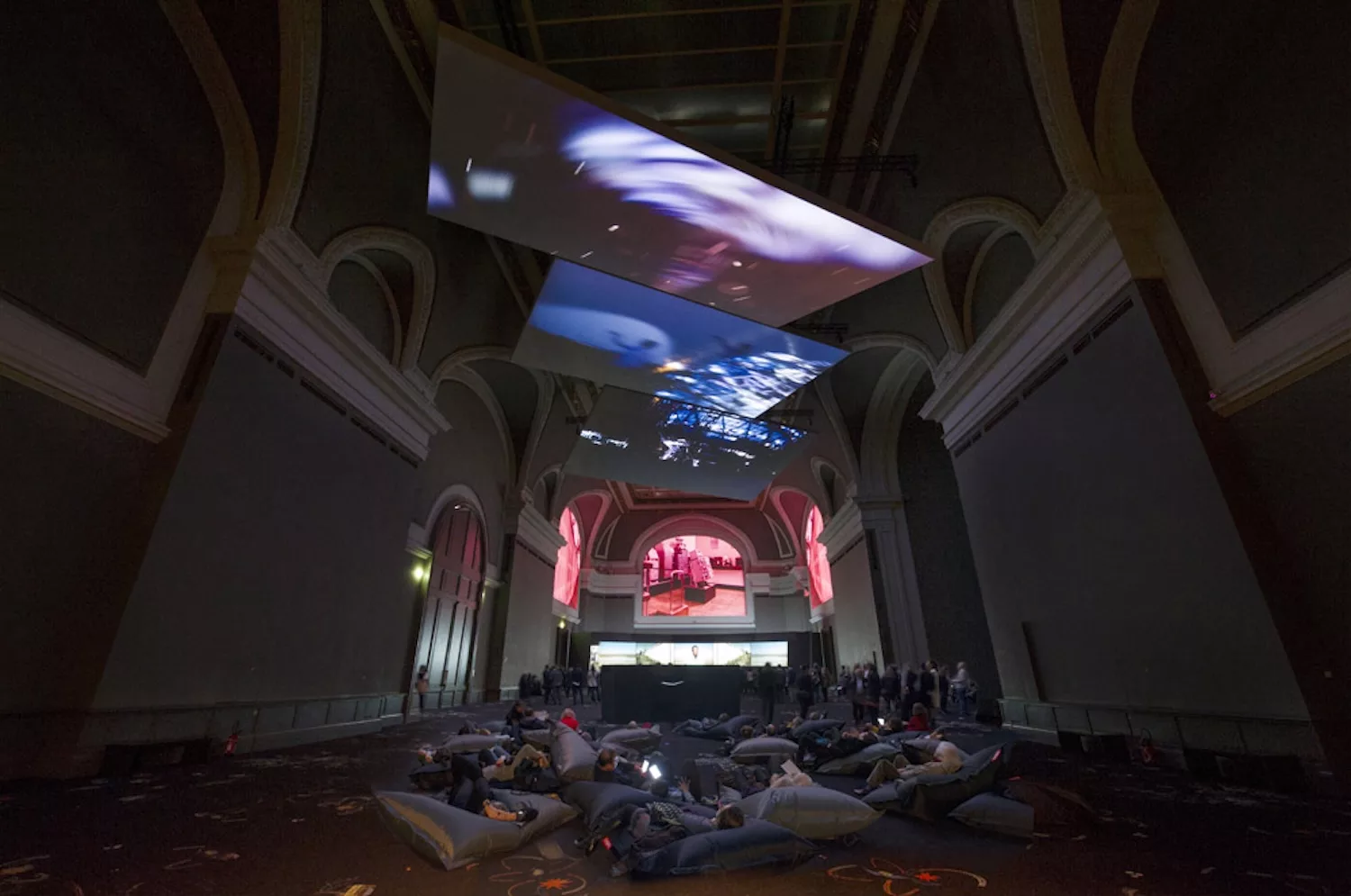
→Transformation, Grand Palais-Salon d’Honneur, Paris, 17 December 2016–2 January 2017
Kazakh contemporary artist.
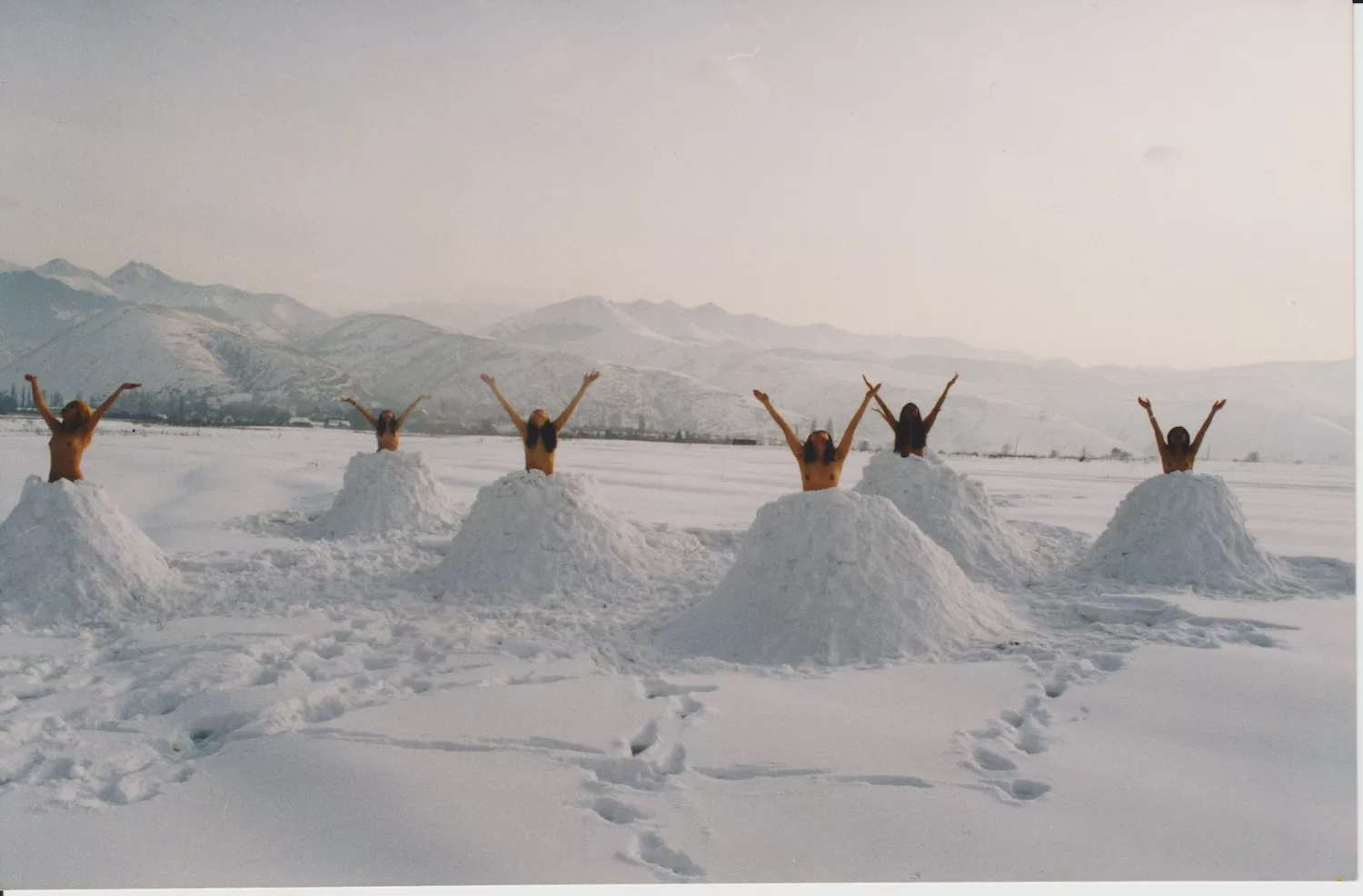
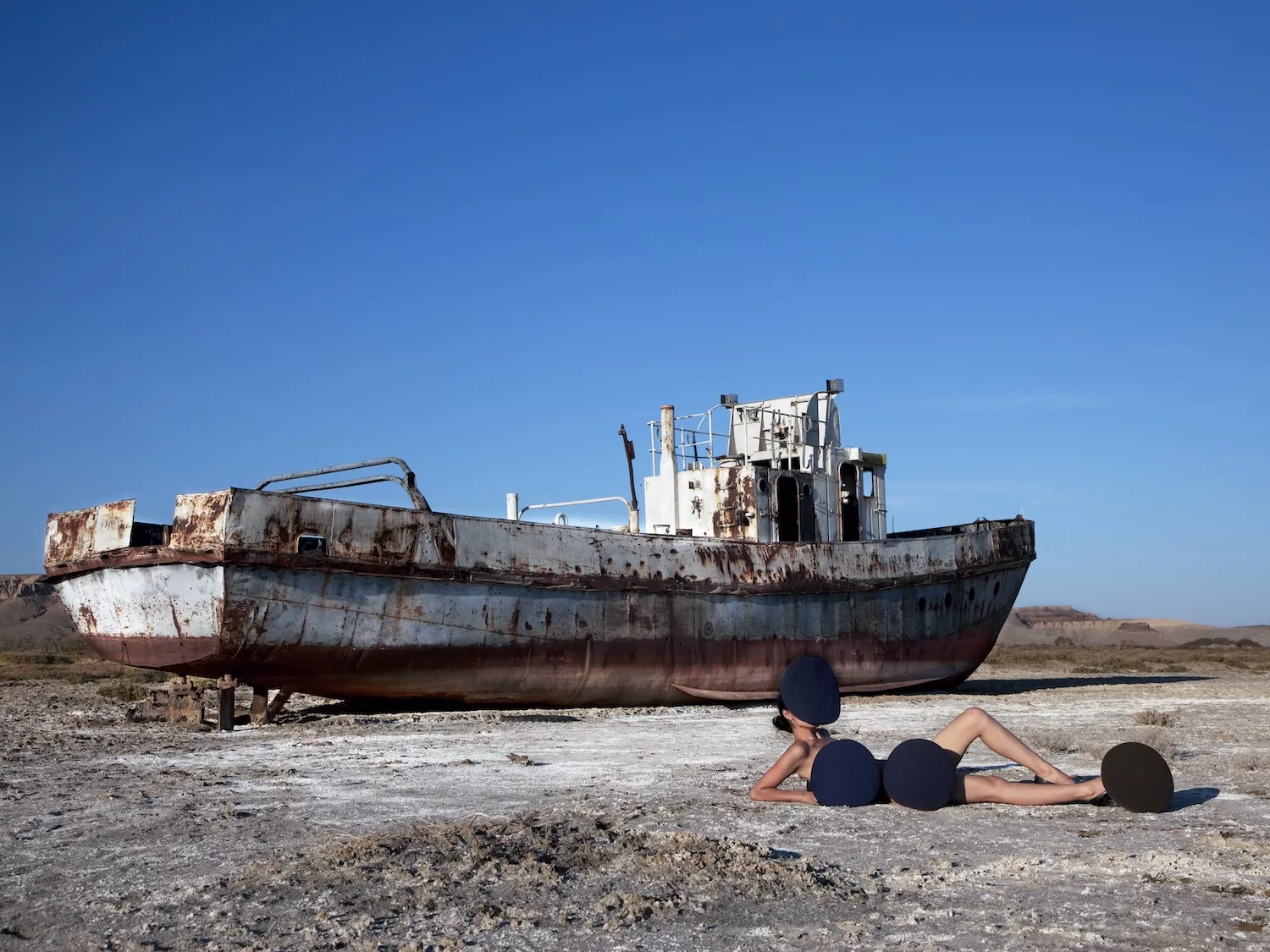
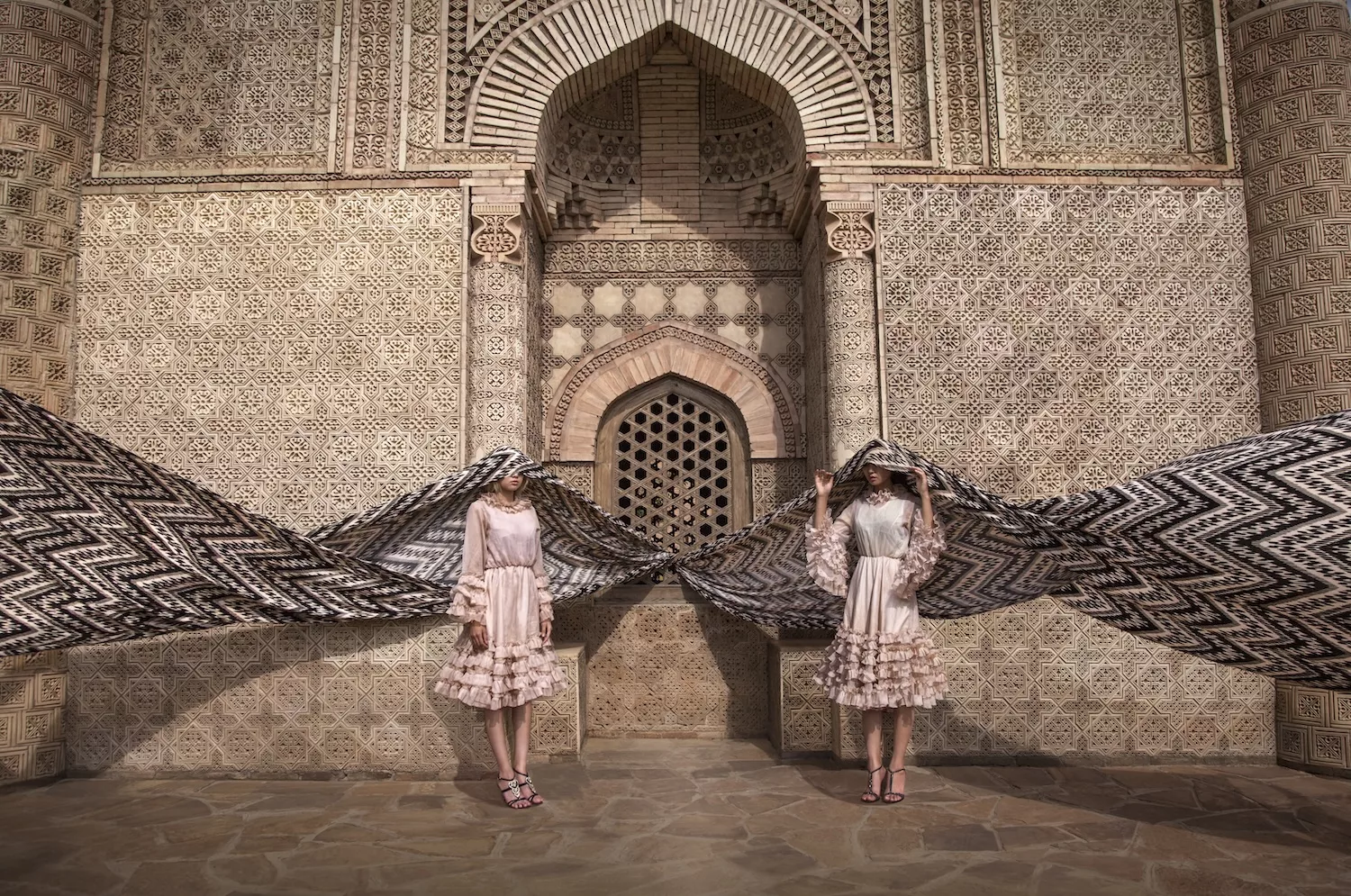
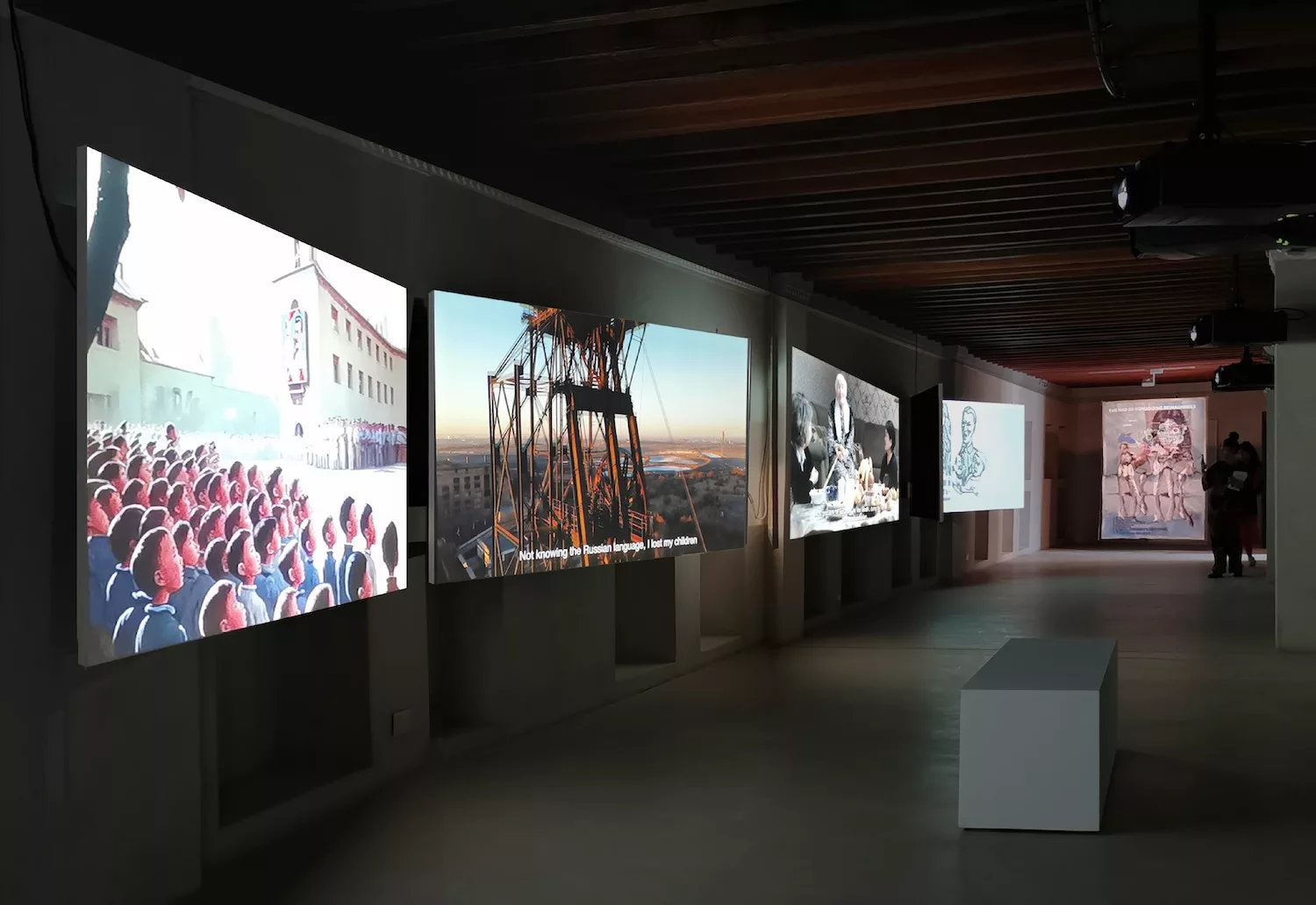
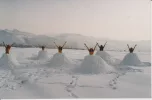
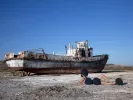
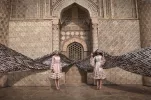
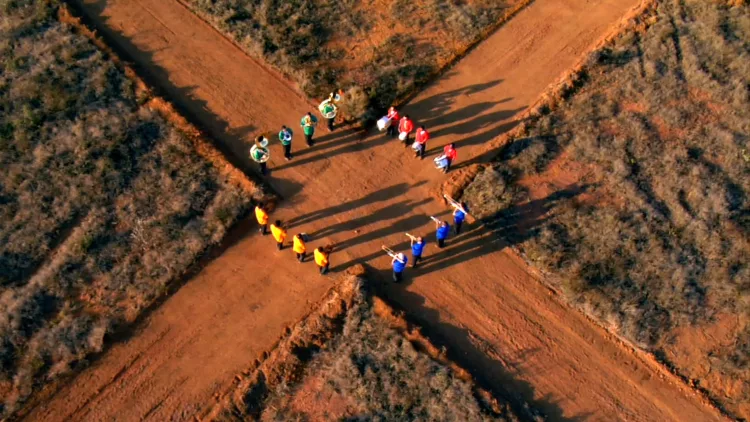
One of the pioneers of video art in Central Asia in the early 2000s, Almagul Menlibayeva has continually expanded the possibilities of artistic media, developing landmark multichannel video narratives and, more recently, collaborating with AI in moving-image and textile installations. Her distinctive visual language – documentary footage, landscapes of ecological degradation, counter-mythologies around powerful women-spirits – introduced global audiences to Central Asian modernity. A. Menlibayeva’s earlier video projects established her recognisable pantheon of female goddesses and trickster spirits in post-industrial nomadic realities: Kurban, Exodus (both 2009), Milk for Lambs (2010) and the renowned Transoxiana Dreams (2011). Kurchatov 22 (2012) marks her turn to oral histories in examining Soviet militant industrial projects, such as the Kurchatov nuclear testing site, Karlag labor camp, and the Kazakh famine of 1930–33 (Archipelago Karlag (2016), The Tongue and Hunger: Stalin’s Silk Road (2022)).
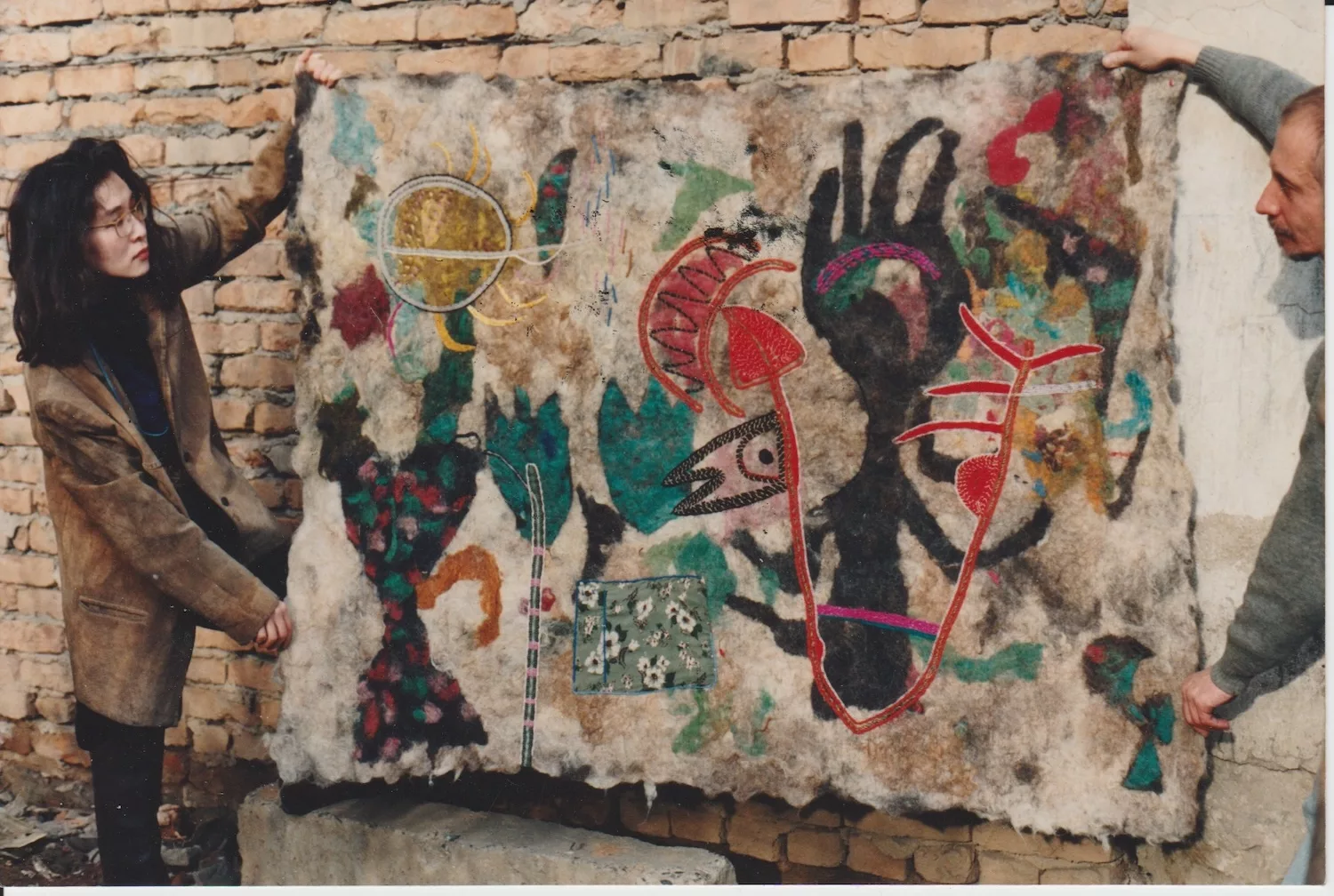
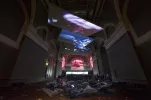
A. Menlibayeva approaches photo and video projects as extensions of her textile practice, treating them as layered, three-dimensional compositions activated through site-specific installations. Transformation (2016), an immersive solo exhibition at the Salon d’Honneur of the Grand Palais in Paris, engaged with the Soviet nuclear past and Kazakhstani nuclear futurism, earning her the Chevalier de l’Ordre des Arts et des Lettres from the French Ministry of Culture. At the Venice Biennale, Fire Talks to Me (2015) reimagined Palazzo Barbaro through a tragic story of a self-made oil magnate under Bolshevik rule. In Ulugh Beg: Intrinsic Futurist Machine of Central Asia (2020), A. Menlibayeva converted a disused planetarium in Lahore into a visual exploration about the Samarkandi polymath and astronomer.
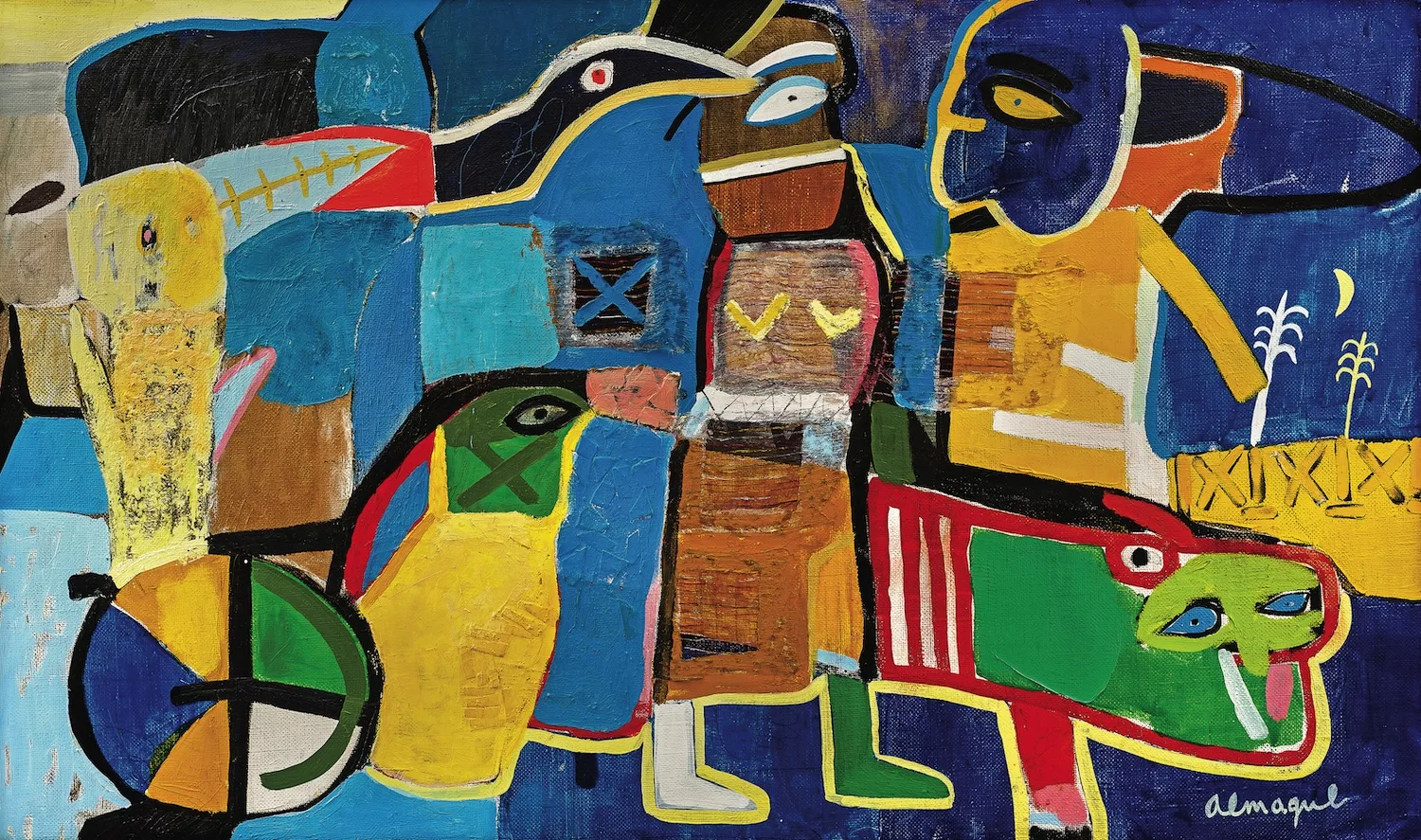
The inaugural exhibition of the Almaty Museum of Arts, Almagul Menlibayeva: I Understand Everything, curated by Gridthiya Gaweewong, brought together the artist’s oeuvre in her home town, encompassing paintings, works on paper, textiles, photographic and video works and performances created since 1988. Emerging as an artist in Almaty, Kazakhstan, during the late Soviet period of Gorbachev’s thaw, A. Menlibayeva was part of a vibrant artistic community whose radical practices reflected the era’s political and social transformations. Supported by her mother, Gulbibi Joldanova, she received early training in painting while still at high school, studying at the studios of watercolourist Gani Bayanov (1949–) and conceptual artist Sergei Maslov (1952–2002). She deliberately chose to study at the Decorative and Applied Arts Department of the Almaty State Institute of Arts and Theatre named after T. Zhurgenov (1987–92), seeking an education in industrial textiles and national crafts that was less ideologically constrained than the socialist realism–driven fine arts programmes. Alongside her academic studies, A. Menlibayeva played a formative role in the experimental collectives Zelenyi treugol’nik (Green Triangle) and Gruppa chetyrekh(Group of Four), as well as a broader generation of artists who shaped contemporary art across Almaty and Bishkek. Her work as a costume designer on Kazakhfilm productions introduced her to camera-based practice, which would become a central medium of her artistic expression. She lives and works between Almaty and Berlin.
A biography produced with the support of the French Embassy in Kazakhstan.
© Archives of Women Artists, Research and Exhibitions, 2026