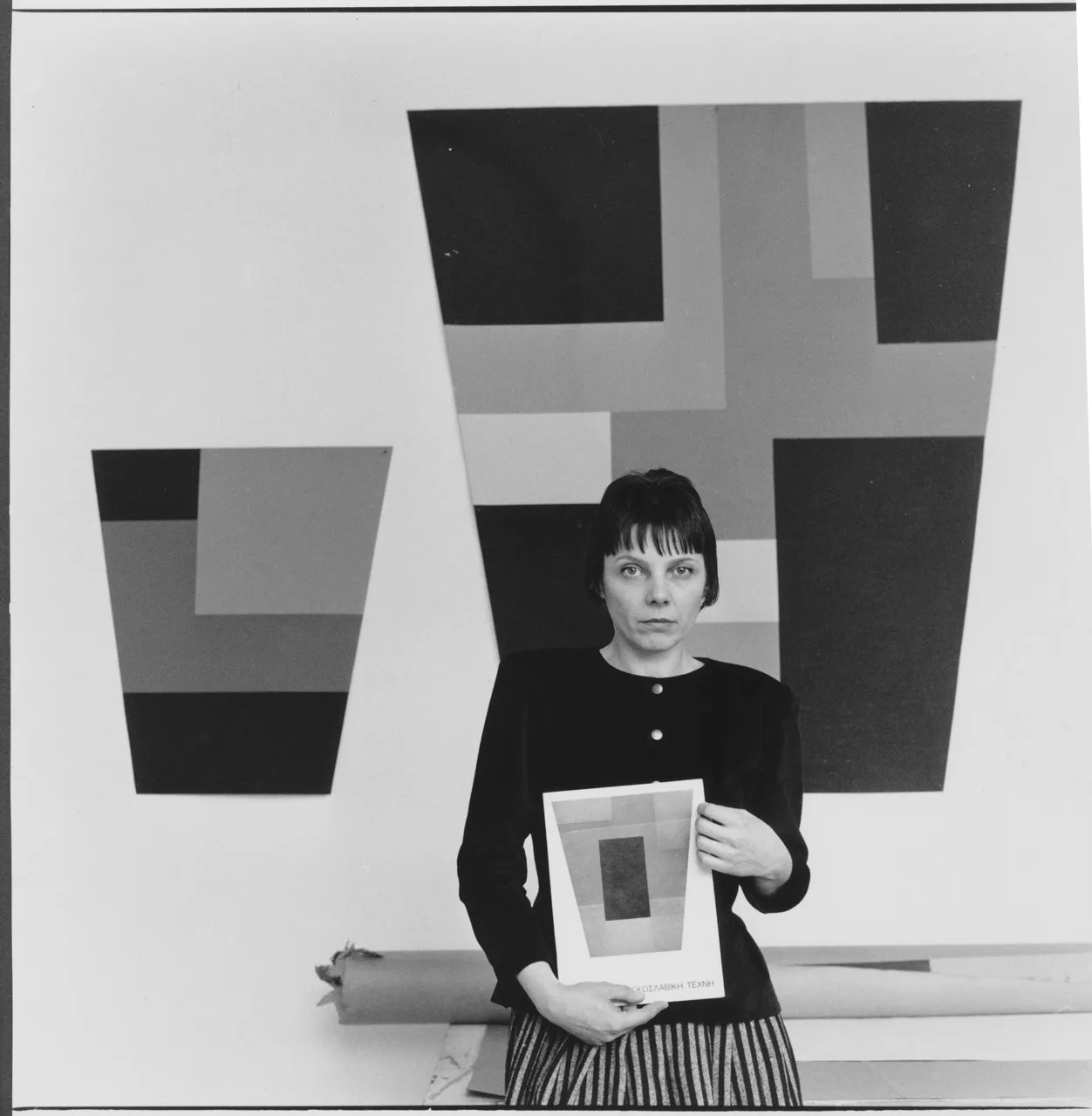
Portrait of Edita Schubert, 1979, photo: Gérard Rondeau © Edita Schubert Estate
Crowley, David (ed.), Edita Schubert: Profusion, exh. cat., Muzeum Susch, Susch (13 December, 2025–24 May, 2026), Berlin, Hatje Cantz Verlag GmbH & Co KG, 2025
→Kovač, Leonida (ed.), Edita Schubert: Retrospektiva, exh. cat., Klovićevi Dvori Gallery, Zagreb (24 September–15 November, 2015), Museum of Fine Arts, Osijek (18 February–18 April, 2016) Zagreb, Klovićevi Dvori Gallery, 2015
→Kovač, Leonida, Edita Schubert, Zagreb, Horetzky, 2001
Retrospektiva, Klovićevi Dvori Gallery, 24 September–15 November, 2015; Museum of Fine Arts, Osijek, 18 February –18 April, 2016
→Edita Schubert – Transavangarda, City Museum Virovitica, 13 August–20 September, 2010
→Yugoslav Pavilion, Venice Biennale, 13 June–12 September, 1982
Croatian visual artist.
Trained and primarily perceived as a painter, throughout her thirty-year career Edita Schubert produced paintings, collages, installations and performances. Her body of work is so diverse that it is hard to conceive it all stemming from a single artist. From one exhibition to the next, she explored different media, testing and inventing techniques and formats.
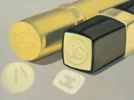
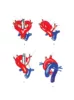
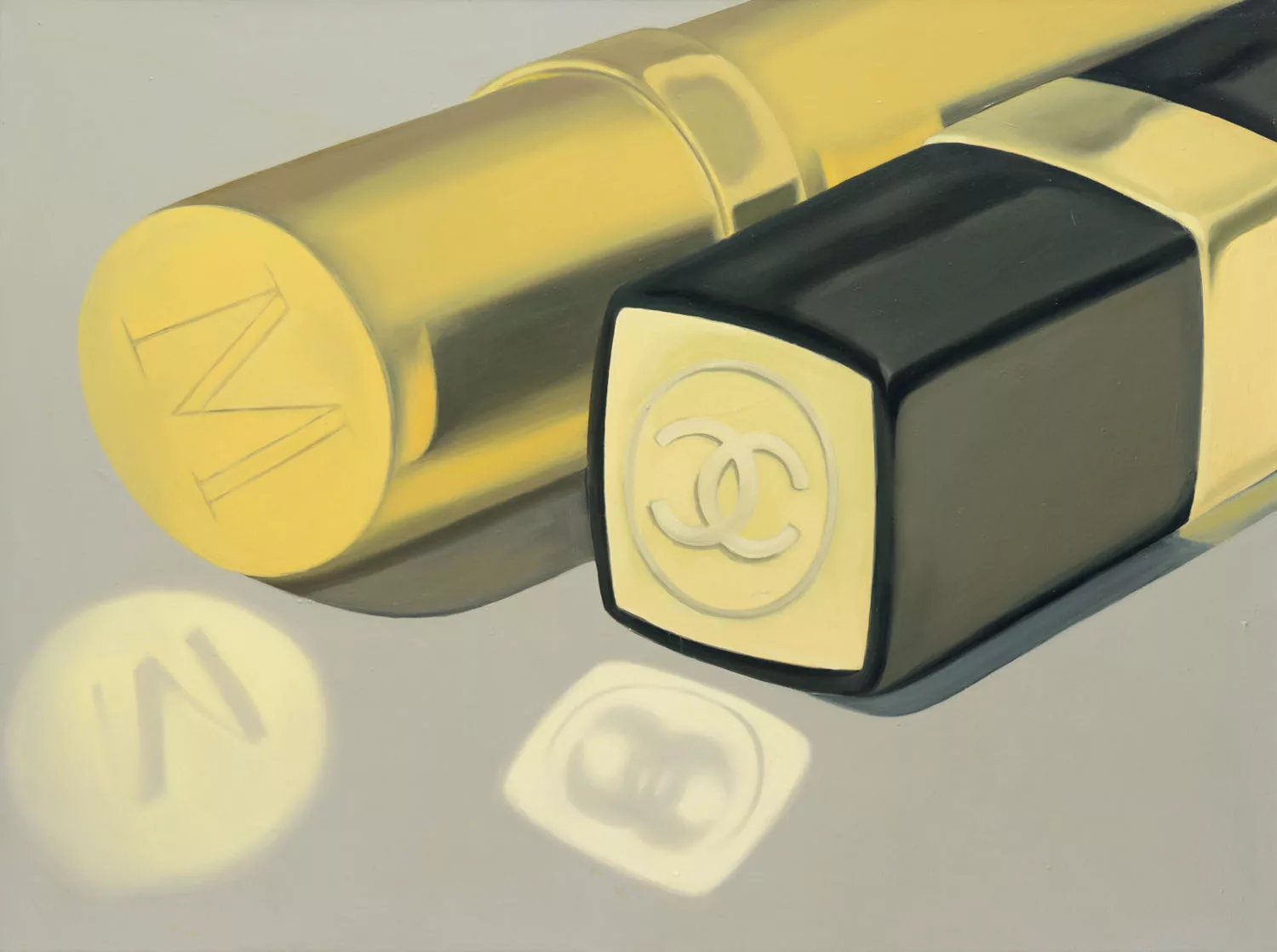
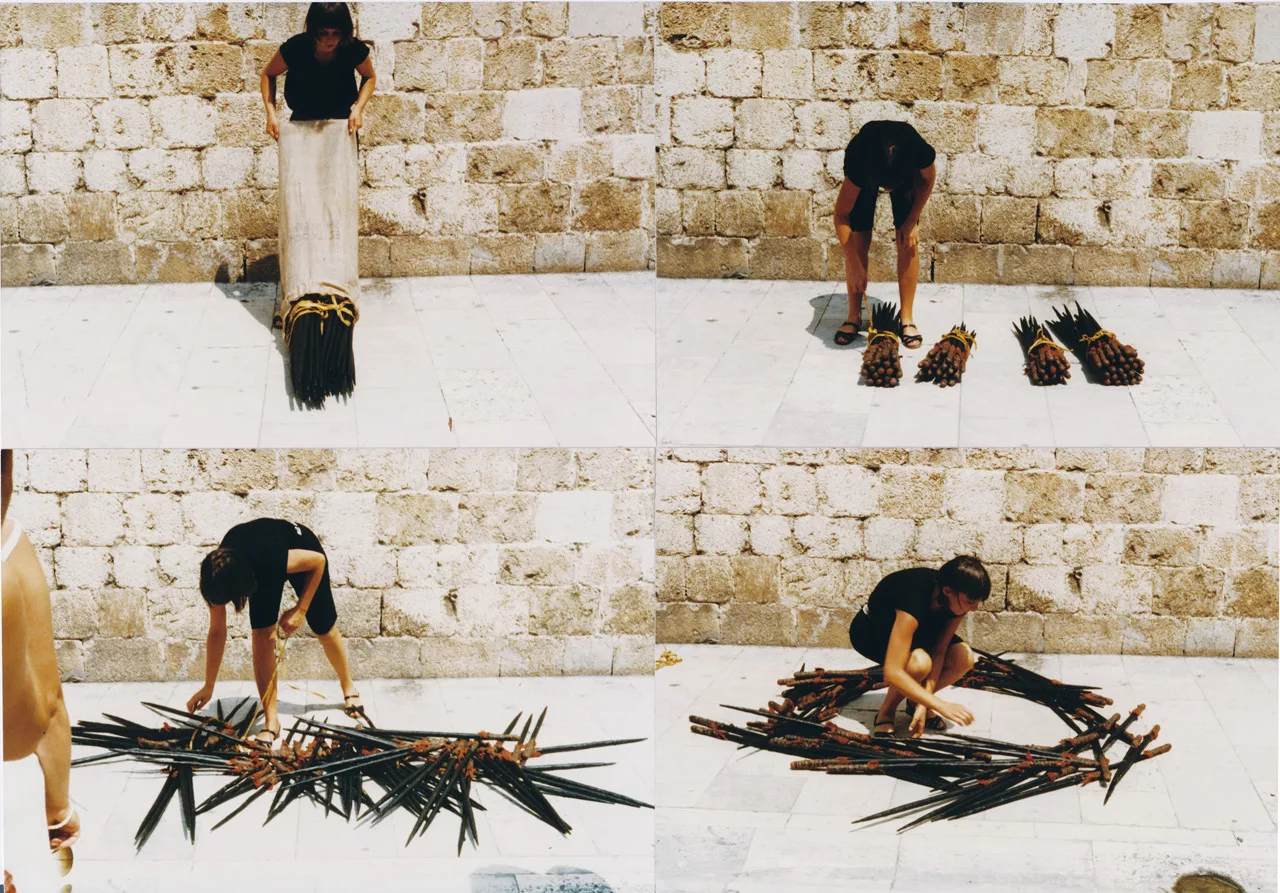
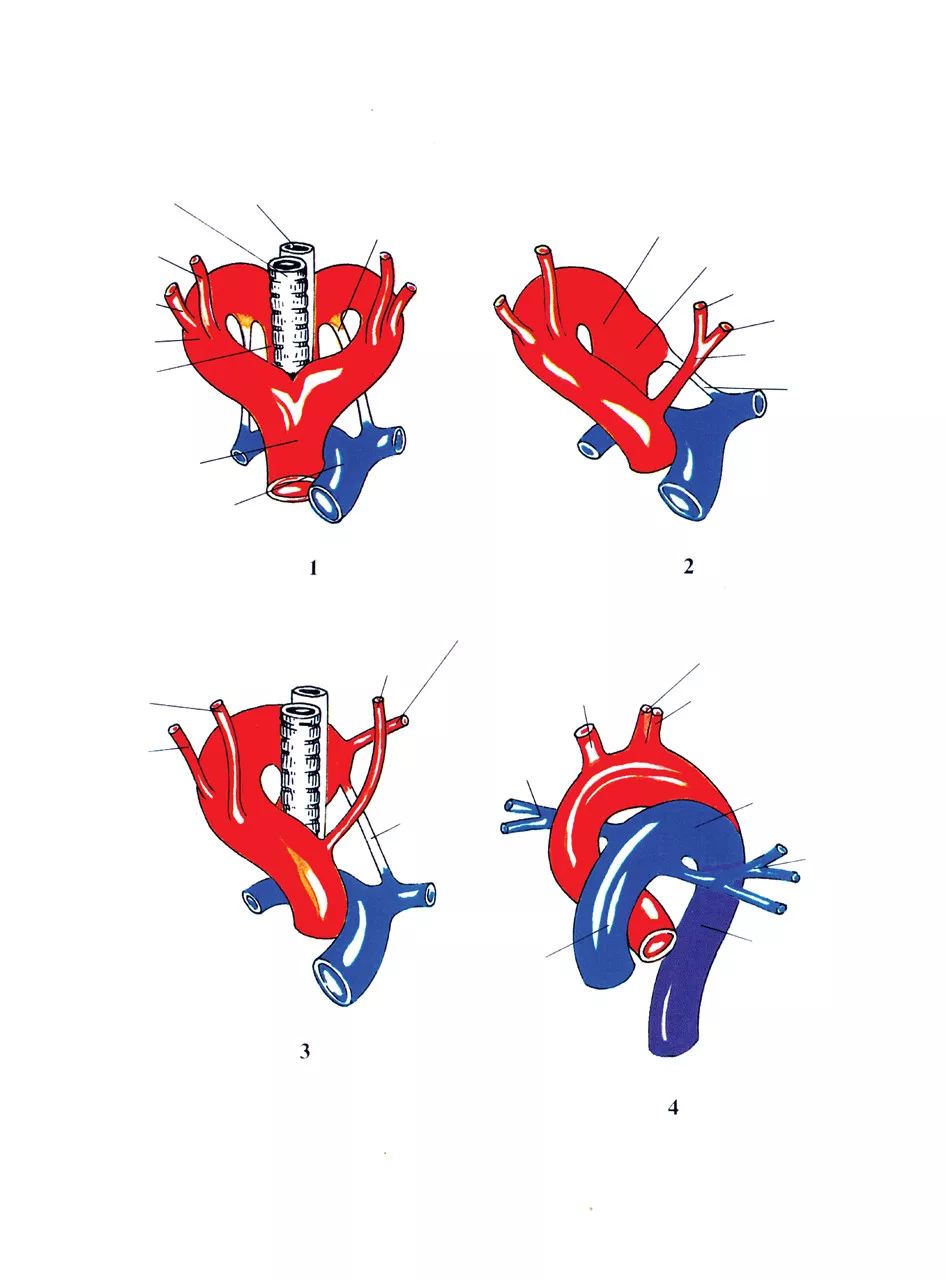
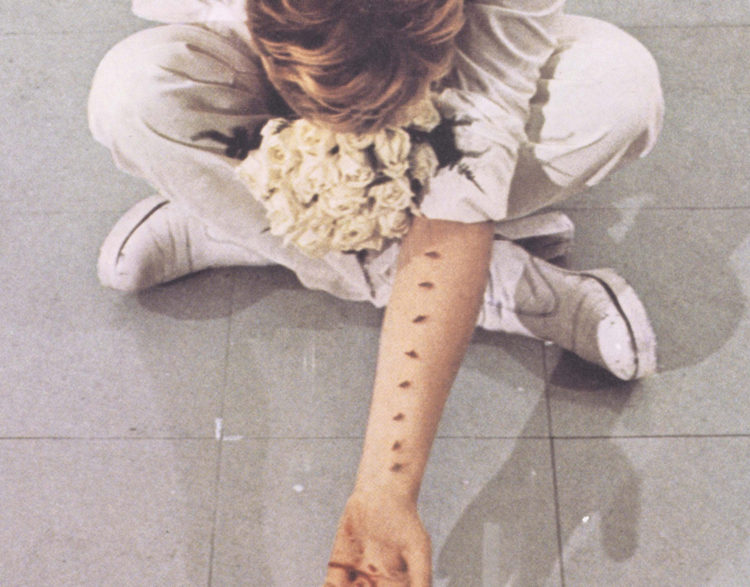
E. Schubert graduated from the Zagreb Academy of Fine Arts in 1971. In 1973 she was employed at the Anatomy Department of the University of Zagreb School of Medicine, where she worked as anatomical illustrator until her untimely death and where she also had her studio. She began exhibiting hyperrealist paintings in the early 1970s, already departing from conventional techniques, as she did not use photography, projection or airbrushing. These early works depict gender-coded quotidian objects – a summer dress, lipstick, hairpins and a bracelet. After this phase, she experimented with the surface of the canvas in her series of eleven Perforated canvases (1977): she cut the canvas as if stabbing it and fixed it with sticking plaster as if healing it, and eventually performing behind it in her Self-Portrait Behind a Perforated Canvas (1977). The performativity of her works, as well as a resistance to the dominance of visuality, mostly in the direction of haptic and even olfactory experiences, became a defining aspect of her practice.
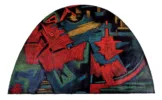
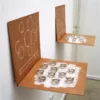
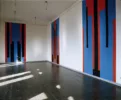
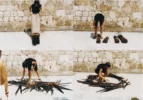
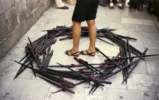
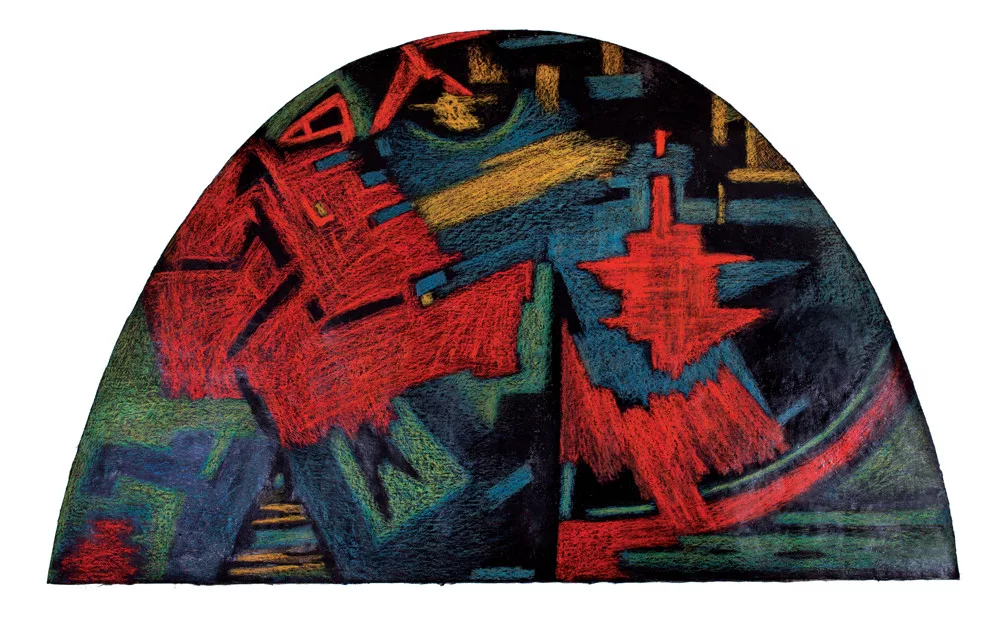
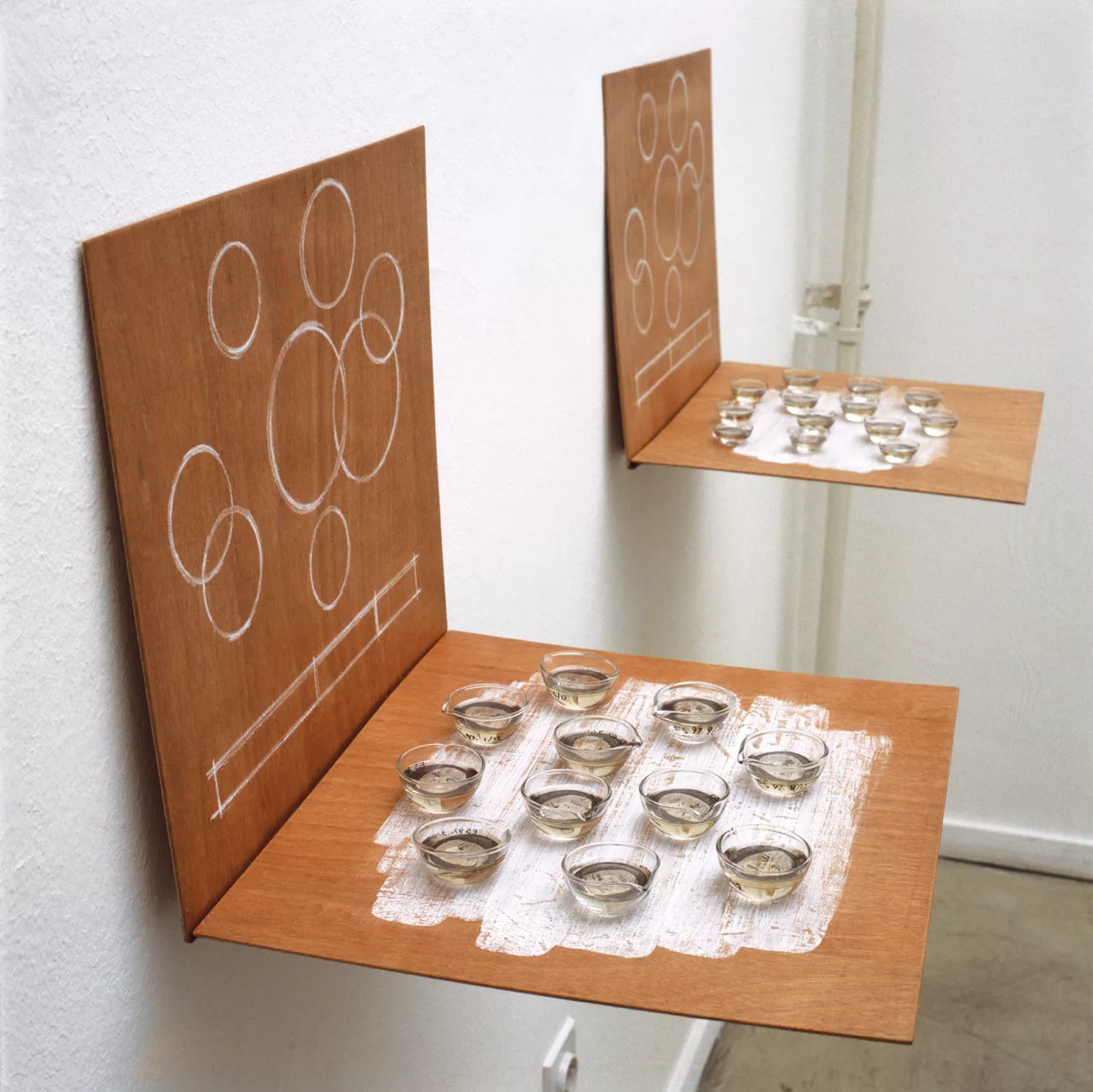
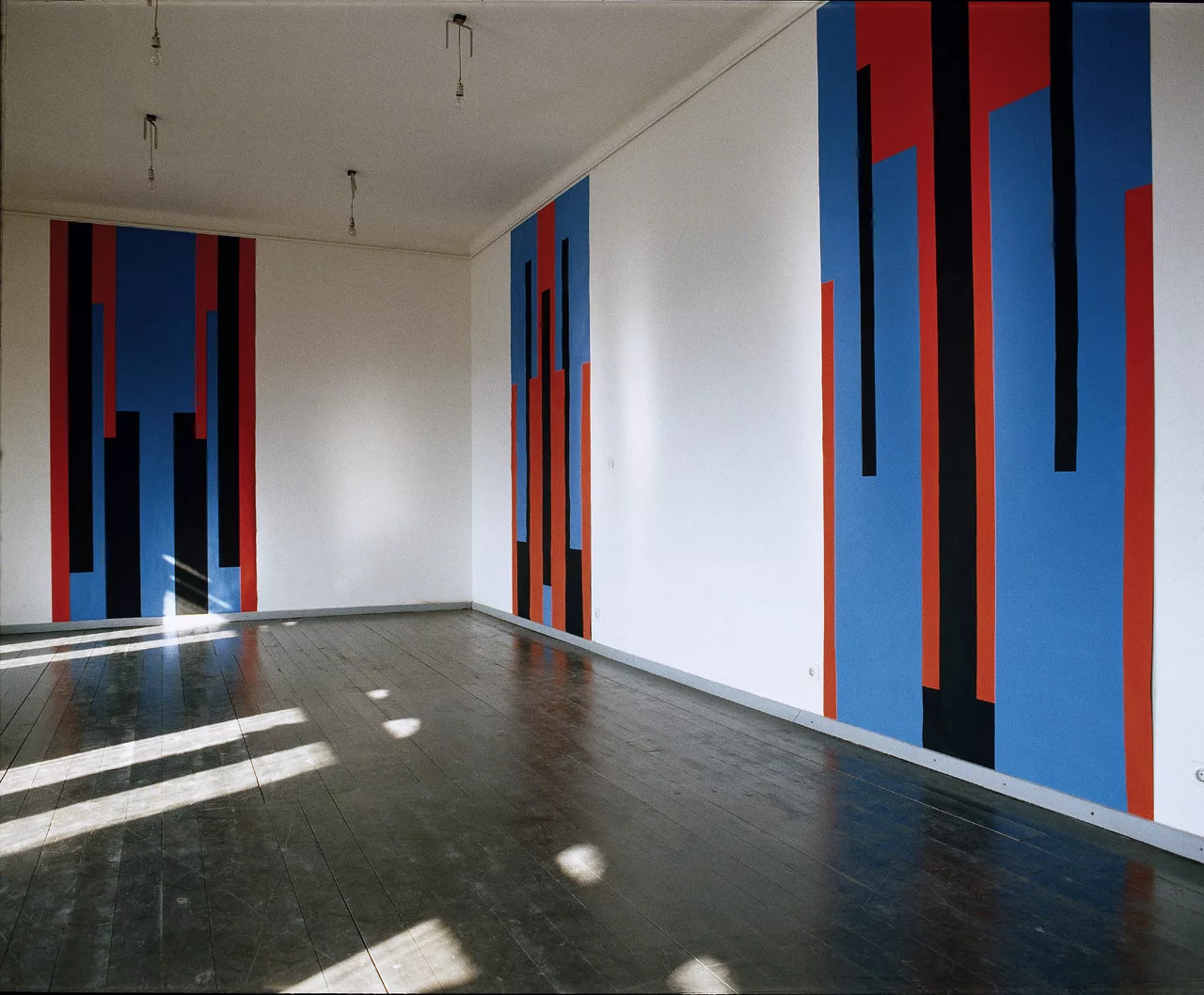
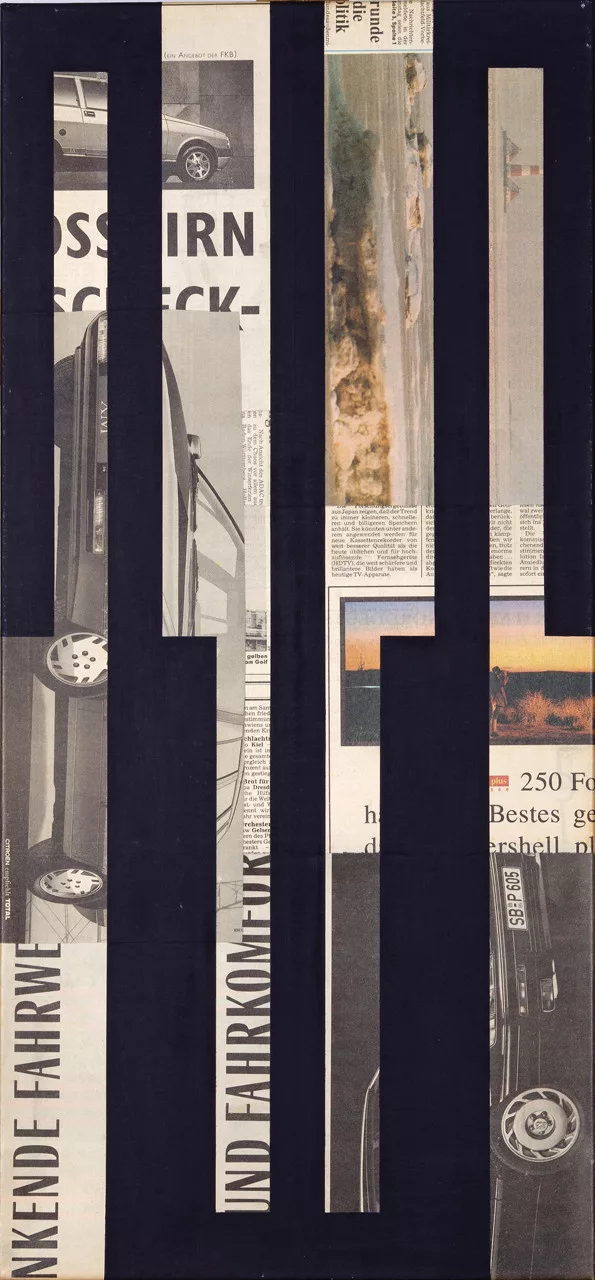
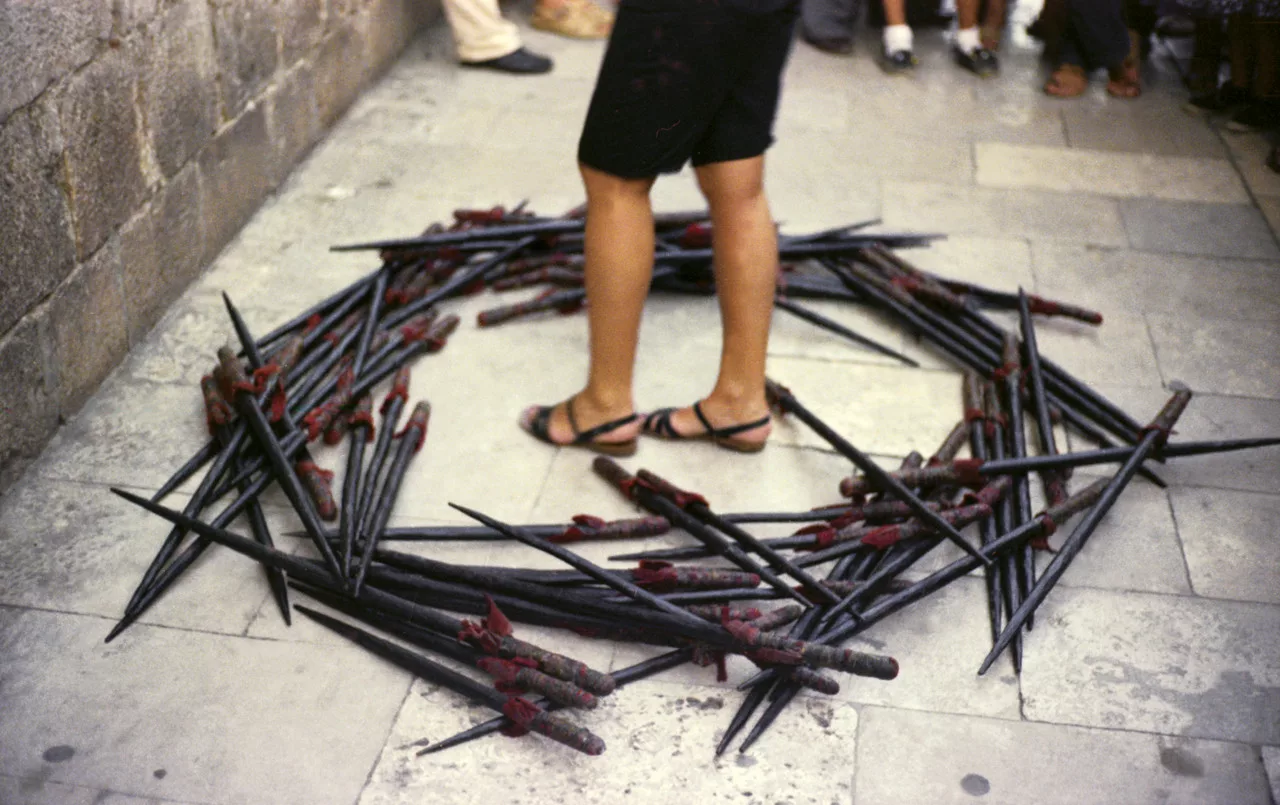
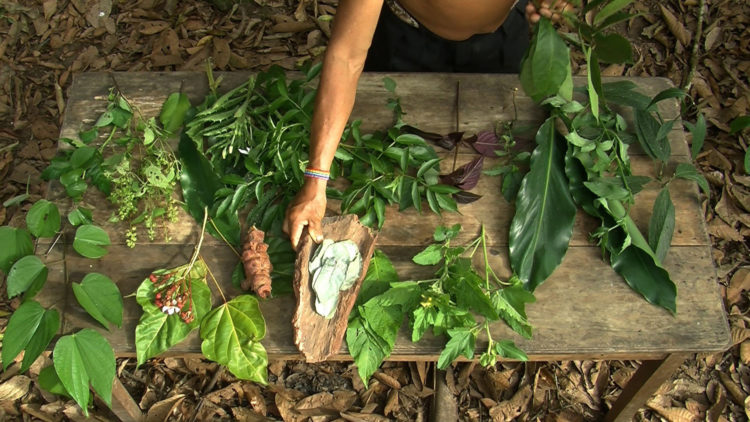
In the late 1970s E. Schubert began using materials found in nature and creating installations (Herbarium, 1977; 8.IX., 1979, A Hundred Roses, A Doormat, 1979). From the 1980s onwards, she introduced irregular formats in the series of paintings she named Pale [Altarpieces] due to their semicircular format, in which she raised ecological issues (Fish, 1982; Red machine, 1983; City, 1983; Nuclear Plant, 1983). In the mid 1980s she embraced neo-geometric conceptualism, yet retained the irregular formats. With the start of the 1990s and a political turn, she moved towards mass-media found material. In the series Collages (1990–1991) she pasted newspaper clippings directly onto the canvas, then painted over them with horizontal and vertical black lines. These political comments on war photographs mark the most intense intrusion of ‘stark reality’ in her work thus far. In the second half of the decade, she focused on the exploration of self-representation, incorporating biographical elements: photographs from her family albums, professional equipment from her workplace, photos of her artworks and scenes of her living space, along with references to consumer society, most notably barcodes (Ambiance, 1996; Biography, 1997; Embedding, 1997; My Apartment, 1999).
Although she was of the generation that produced the New Art Practice’s scene, which brought together artists active in the socialist Yugoslavia from the late 1960s to the 1980s, she was not part of it. Despite her conceptual orientation and experimental techniques, she was not commonly associated with the neo-avant-garde, arguably because of her enduring attachment to the painterly tradition. The feminist dimensions of her work – found in the performativity of her painting, her use of body and autobiographical references, as well as appropriation of gendered consumer symbols – are underscored by Leonida Kovač, the author of E. Schubert’s monograph (2001), and her two retrospective exhibitions (2015 and 2019).
A notice produced as part of the TEAM international academic network: Teaching, E-learning, Agency and Mentoring
© Archives of Women Artists, Research and Exhibitions, 2026