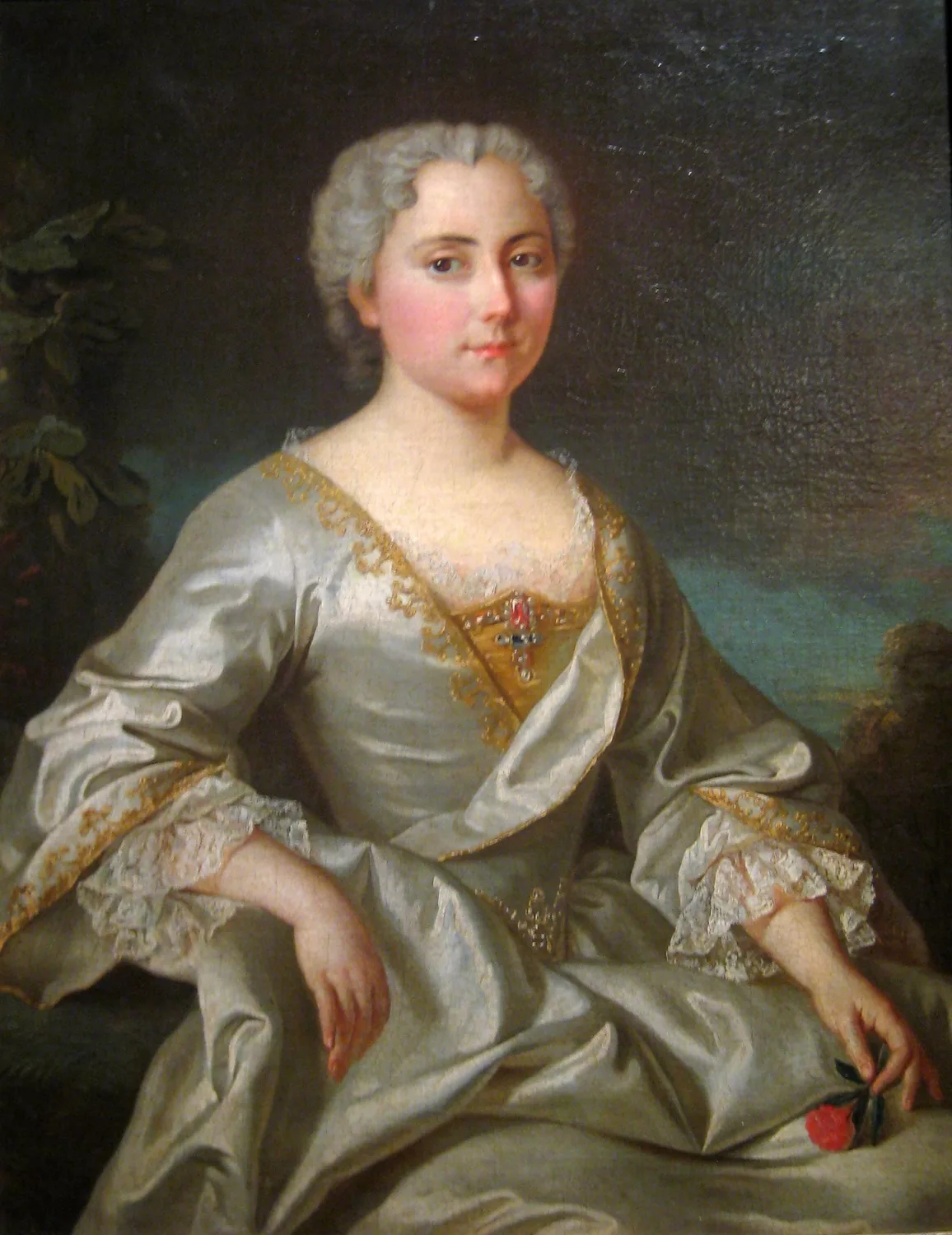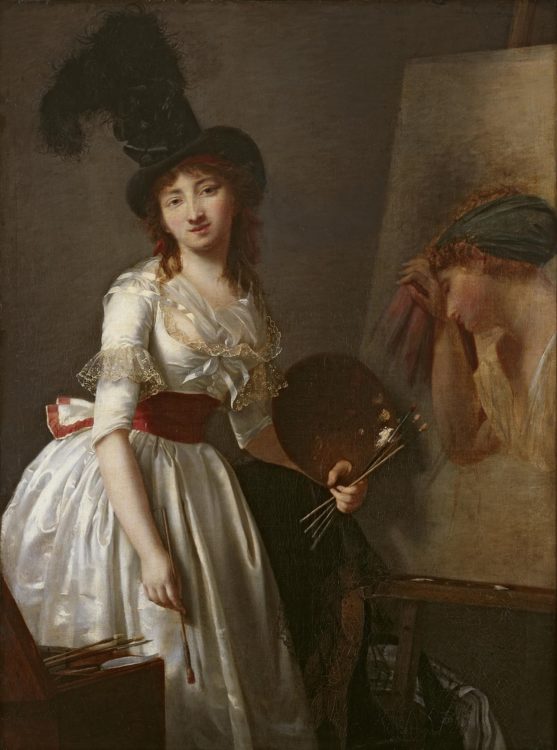
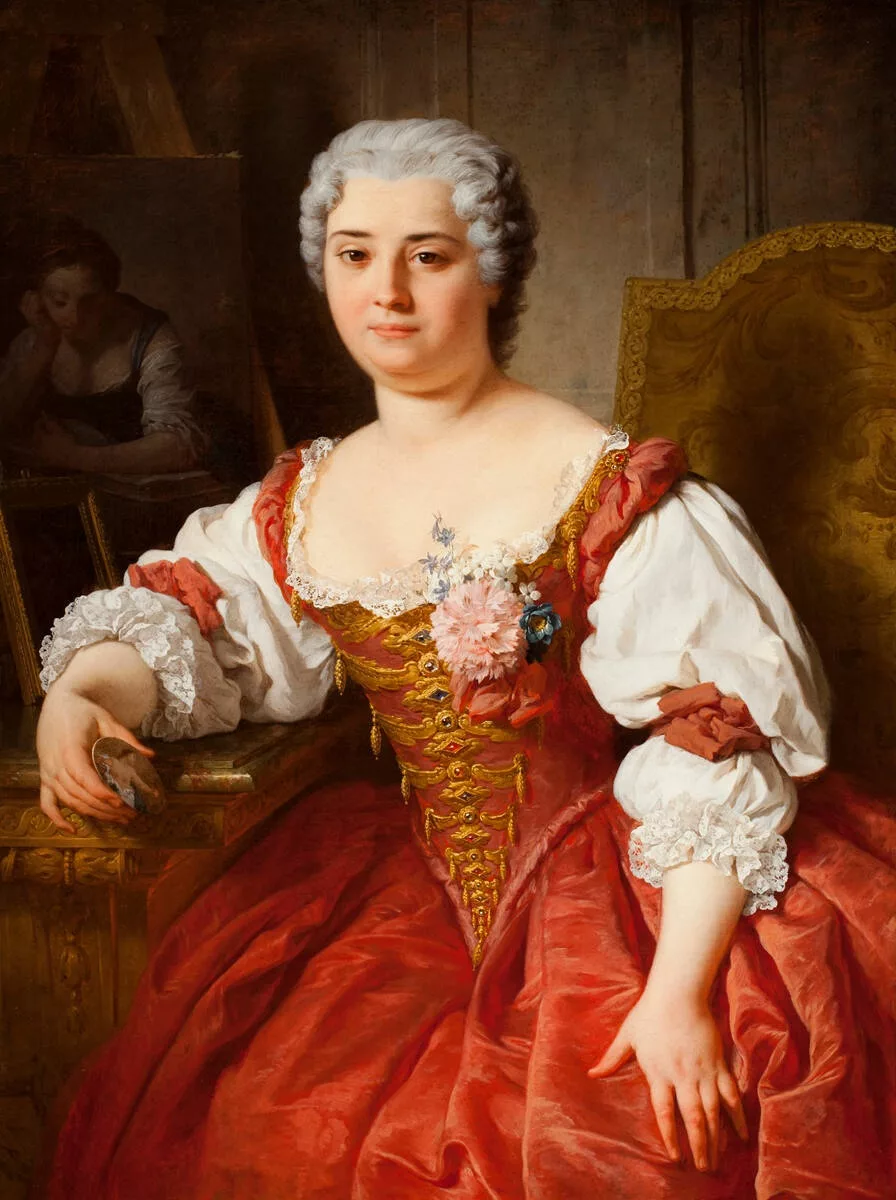
Pierre Subleyras, Maria Felice Tibaldi, 1739-1749, oil on canvas, 99.1 x 74.3 cm, Worcester Art Museum, Massachusetts, United States
Jessica Calipari, in Roma Pittrice. Artiste al lavoro tra XVI e XIX secolo, ed. by Ilaria Miarelli Mariani, Raffaella Morselli, with Ilaria Arcangeli, exh. cat., Museo di Roma – Palazzo Braschi, Rome (24 October 2024–4 May 2025), Rome, Officina Libraria, 2024, p. 272
→Olivier Michel, in Pierre Subleyras, ed. by Pierre Rosenberg, Olivier Michel, exh. cat., Paris, Musée du Luxembourg (20 February – 26 April 1987), Rome, Académie de France – Villa Médicis (18 May – 19 July 1987), Paris, Réunion des Musée Nationaux, 1987, pp. 77–81, 109–12
→Nicolas Lesur, Pierre Subleyras (1699-1749), Paris, Arthena, 2023, pp. 83–96, 136–38, 165–76, 443, 456–63, 466, 470–76
Roma Pittrice. Artiste al lavoro tra XVI e XIX secolo, Museo di Roma – Palazzo Braschi, Rome, 24 October 2024–4 May 2025.
Italian painter.
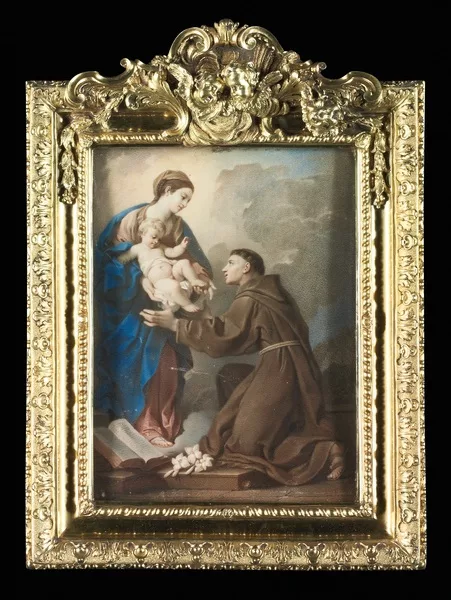
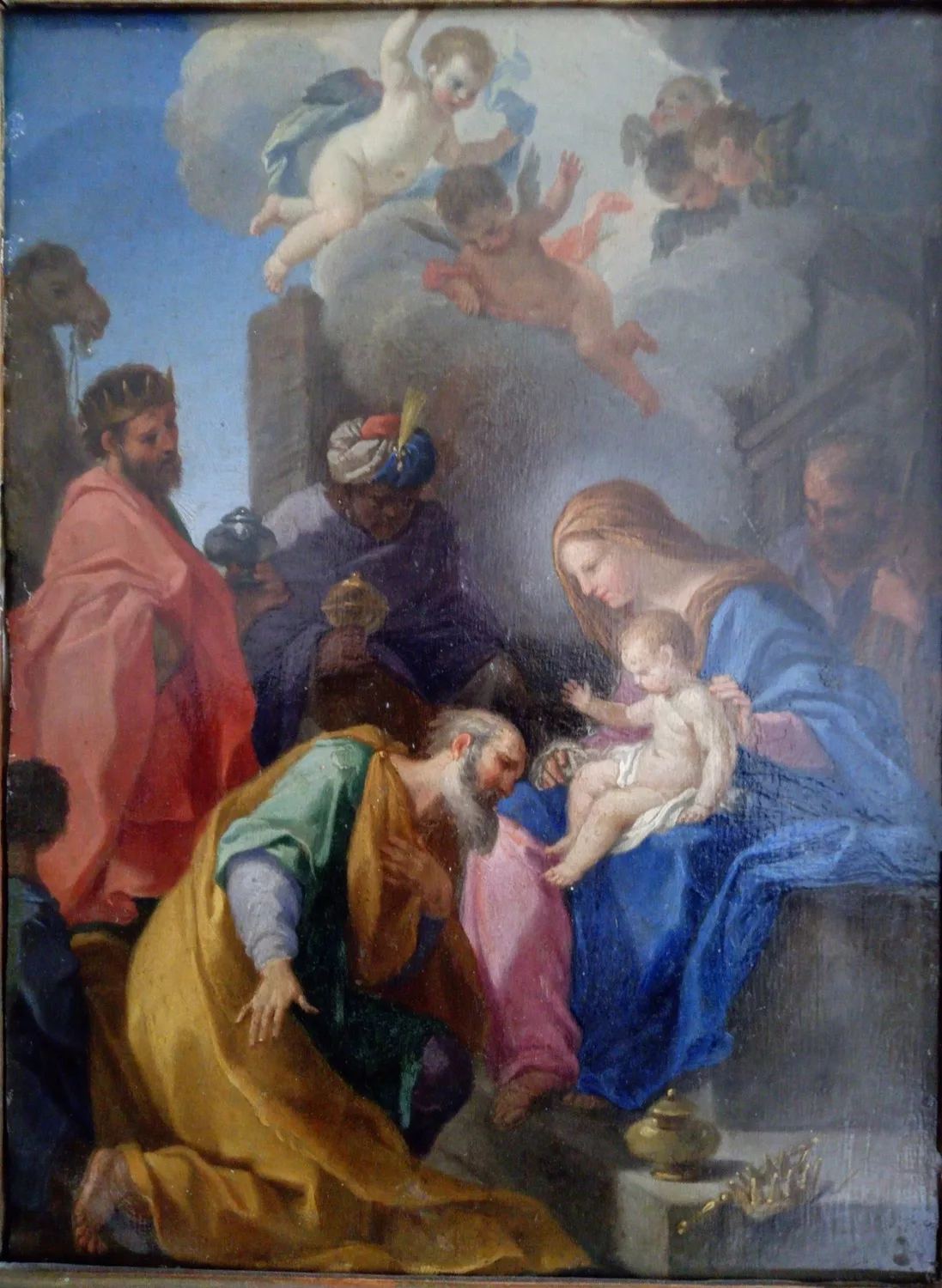
Maria Felice Tibaldi was amongst the most celebrated women miniaturists active in Rome during the 18th and 19th centuries, a period in which small-format painting flourished thanks to the demands of Grand Tour collectors. The daughter of the renowned violinist Giovanni Battista Tibaldi, she was introduced to miniature painting at a very young age by Abbot Giuseppe Felice Ramelli (1666–1740), considered by contemporaries to be among the finest miniaturists of the period. By the age of ten, M. F. Tibaldi was already supporting her family financially, compensating for her father’s declining popularity on the Roman music scene.
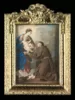
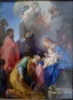
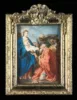
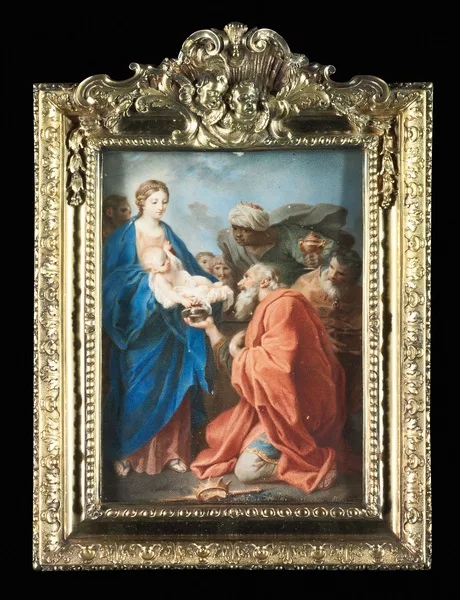
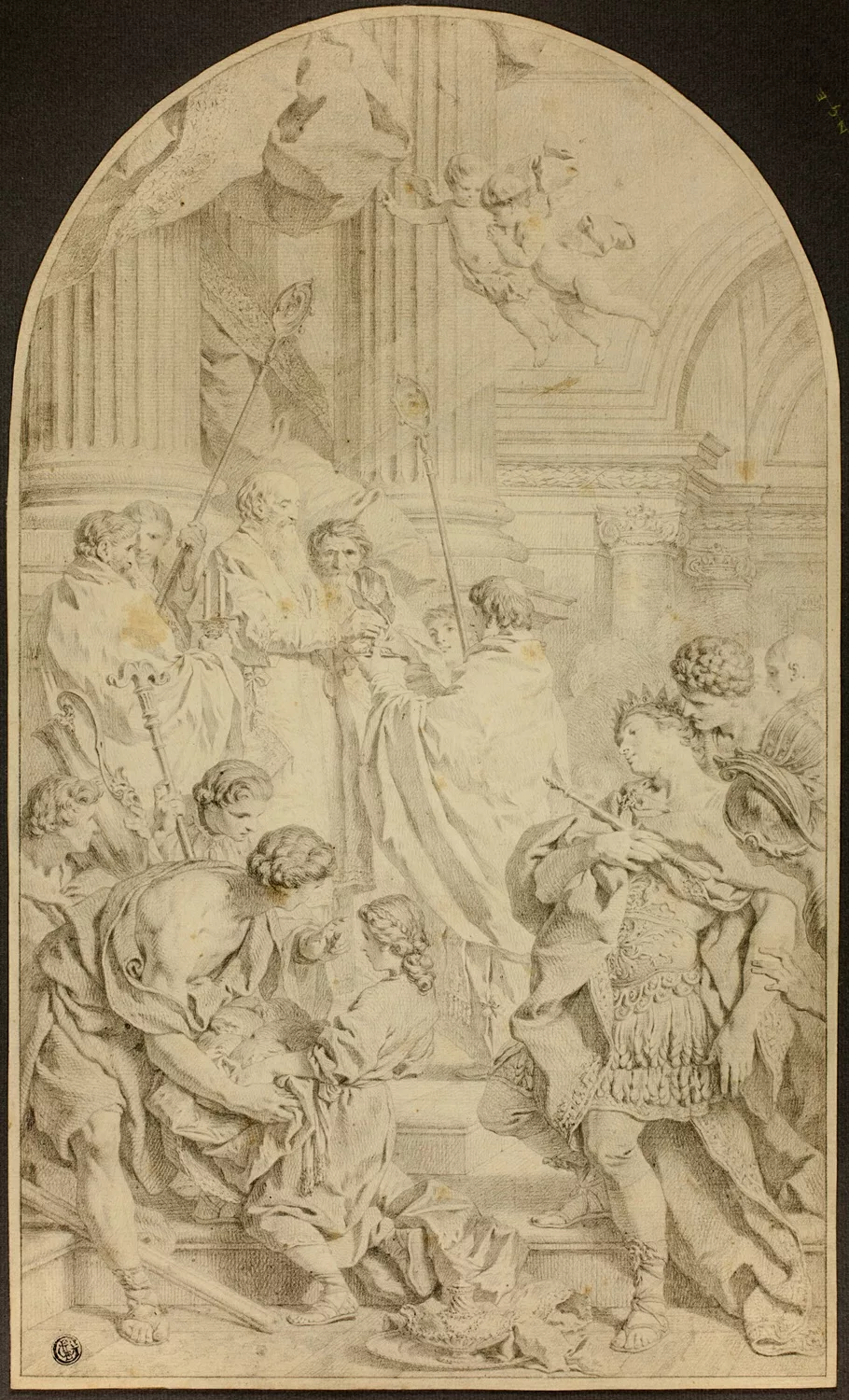
Specialising in historical subjects and portrait miniatures, she was also highly regarded for her refined copies of Old Masters and contemporary paintings – especially those of the French artist Pierre Subleyras (1699–1749), whom she married in 1739 and successfully introduced to Roman patrons. After he died in 1749, she supported her family through her art and managed a highly active and respected studio, where she worked alongside her sister Teresa Tibaldi and daughter Clementina Subleyras, both artists in their own right.
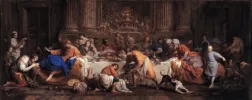
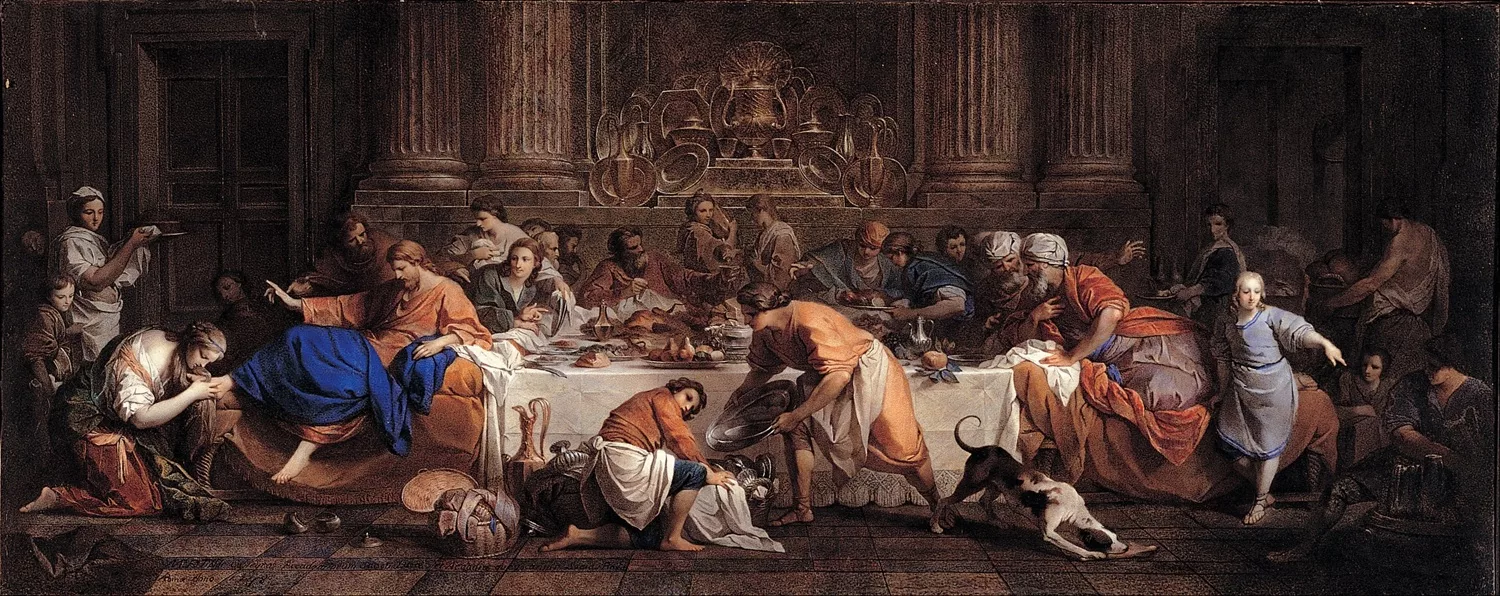
M. F. Tibaldi’s reputation was solidified through significant institutional recognition. In 1742 she was admitted to the Accademia di San Luca, and in the following year she joined the Arcadian Academy under the name Asteria Aretusa. One of the highest honours of her career came in 1752, when her miniature copy of the Dinner at the House of Simone il Fariseo (c. 1748) – after a painting by her husband – was purchased by Pope Benedict XIV for the Musei Capitolini. It was the first work by a living artist to enter the collection, and remains there to this day.
Her clientele included some of the most prominent figures of the time, amongst them Cardinals Silvio Valenti Gonzaga and Cosimo Imperiali, and Charles Theodore, Elector Palatine of Bavaria. Although contemporary sources mention her work in oils, no signed painting survives; however, her portrait by P. Subleyras (now in the Worcester Art Museum, Massachusetts) depicts M. F. Tibaldi seated beside a canvas in progress, suggesting that she also painted beyond the miniature format. Recent studies have identified a substantial body of miniatures by her hand, while the attribution of pastel works remains under investigation.
M. F. Tibaldi’s refined technique, her role as teacher and studio head, and her success in navigating Rome’s elite artistic and social circles make her one of the most important – and enduring – figures of female artistic production in 18th-century Italy.