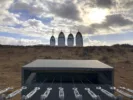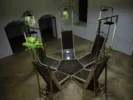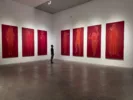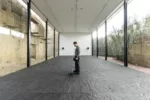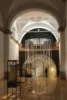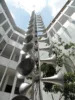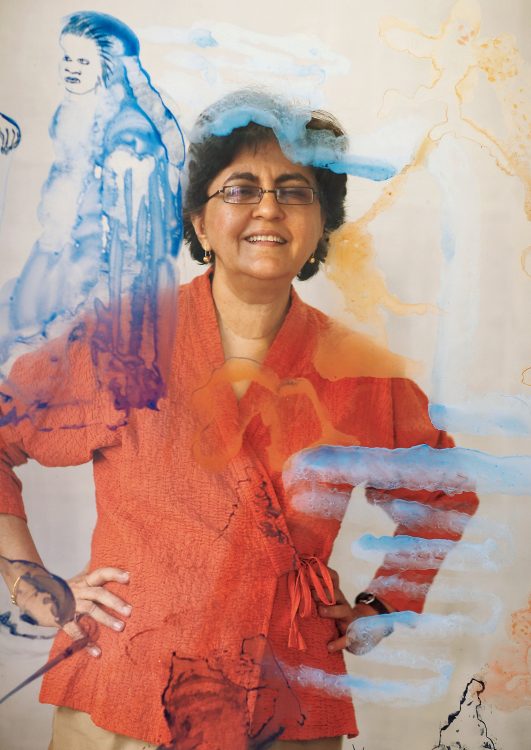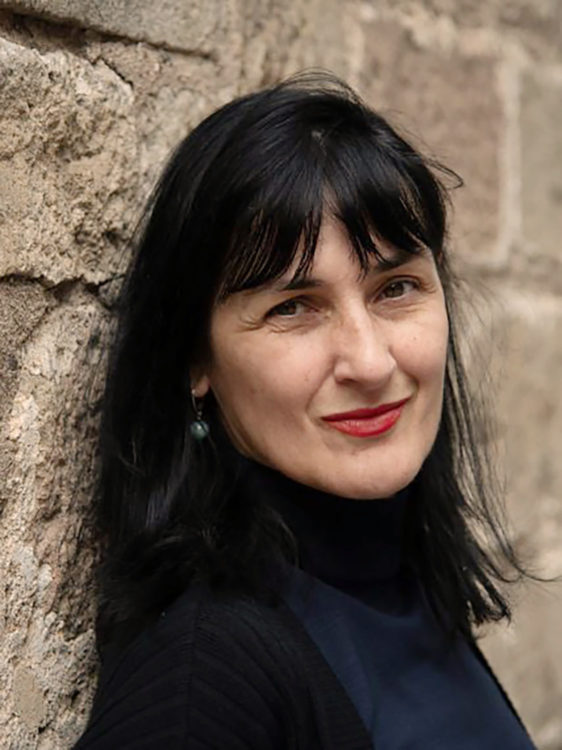
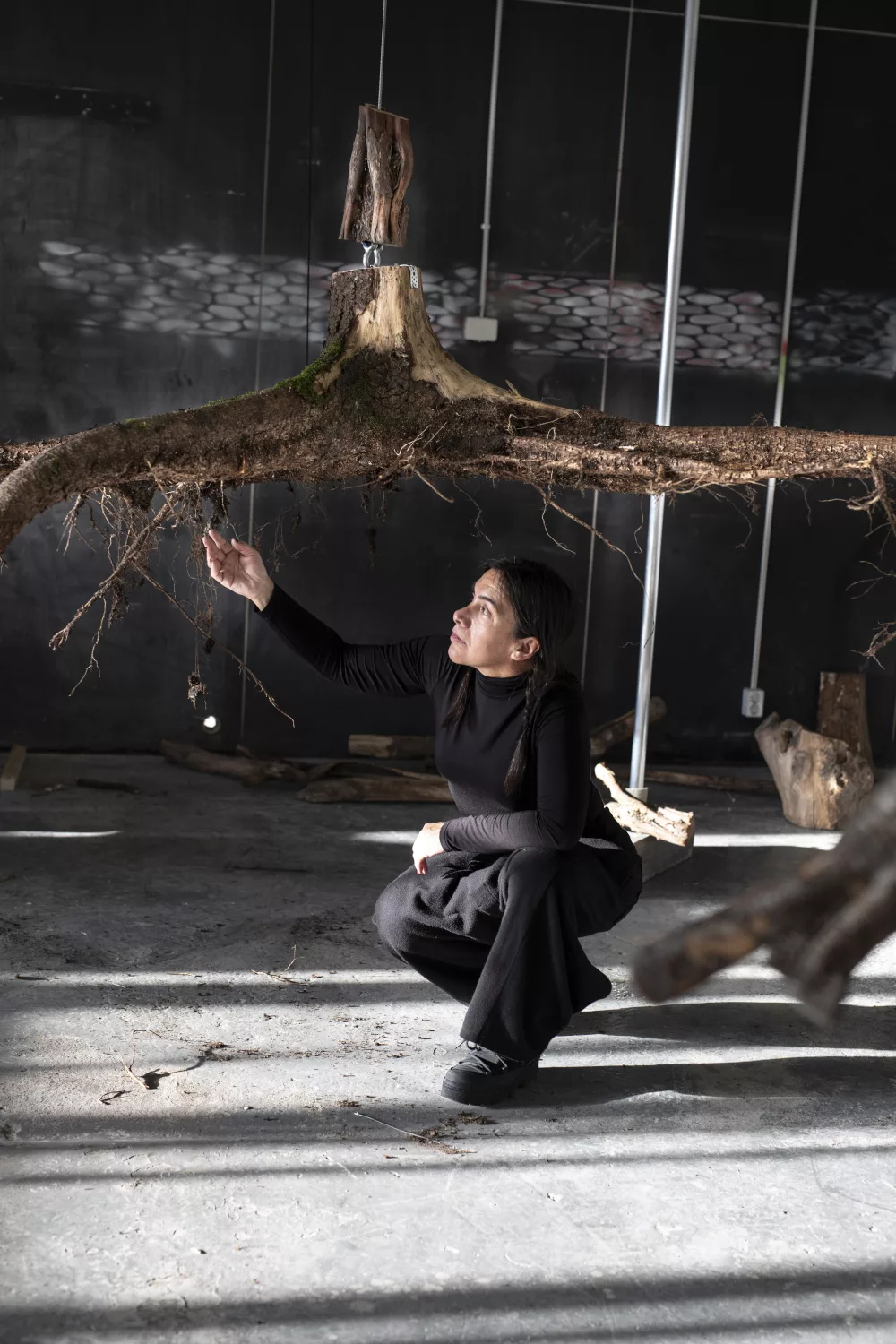
Portrait of Tania Candiani © HAM Helsinki Biennial, photo: Cristian Lafertte
Blackmore, Lisa, “Art for the Hydrocommons: Rethinking Human-Water Relations in Latin America,” Environmental Humanities 17, no. 1, 2025, p. 23–44
→López García, Vanessa (ed.), Tania Candiani: Como el trazo, su sonido / Like the trace, its sound, exh. cat., Museo de Arte Contemporáneo (Mexico City, 18 June–27 November, 2022), Mexico City, MUAC-UNAM, 2022
→Jasso, Karla, Cinco variaciones de circunstancias fónicas y una pausa, exh. cat., Laboratorio Arte Alameda, Mexico City (30 October, 2012–1 March, 2013), Mexico City, Instituto Nacional de Bellas Artes y Literatura, 2015
Desminar. Fragmentos: Espacio de Arte y Memoria, Bogotá, 13 April–28 July 2024
→Tania Candiani. Como el trazo, su sonido, Museo de Arte Contemporáneo (MUAC), Mexico City, 18 June–27 November, 2022
→Cinco variaciones de circunstancias fónicas y una pausa, Laboratorio Arte Alameda, Mexico City, 30 October, 2012–1 March, 2013
Mexican interdisciplinary artist.
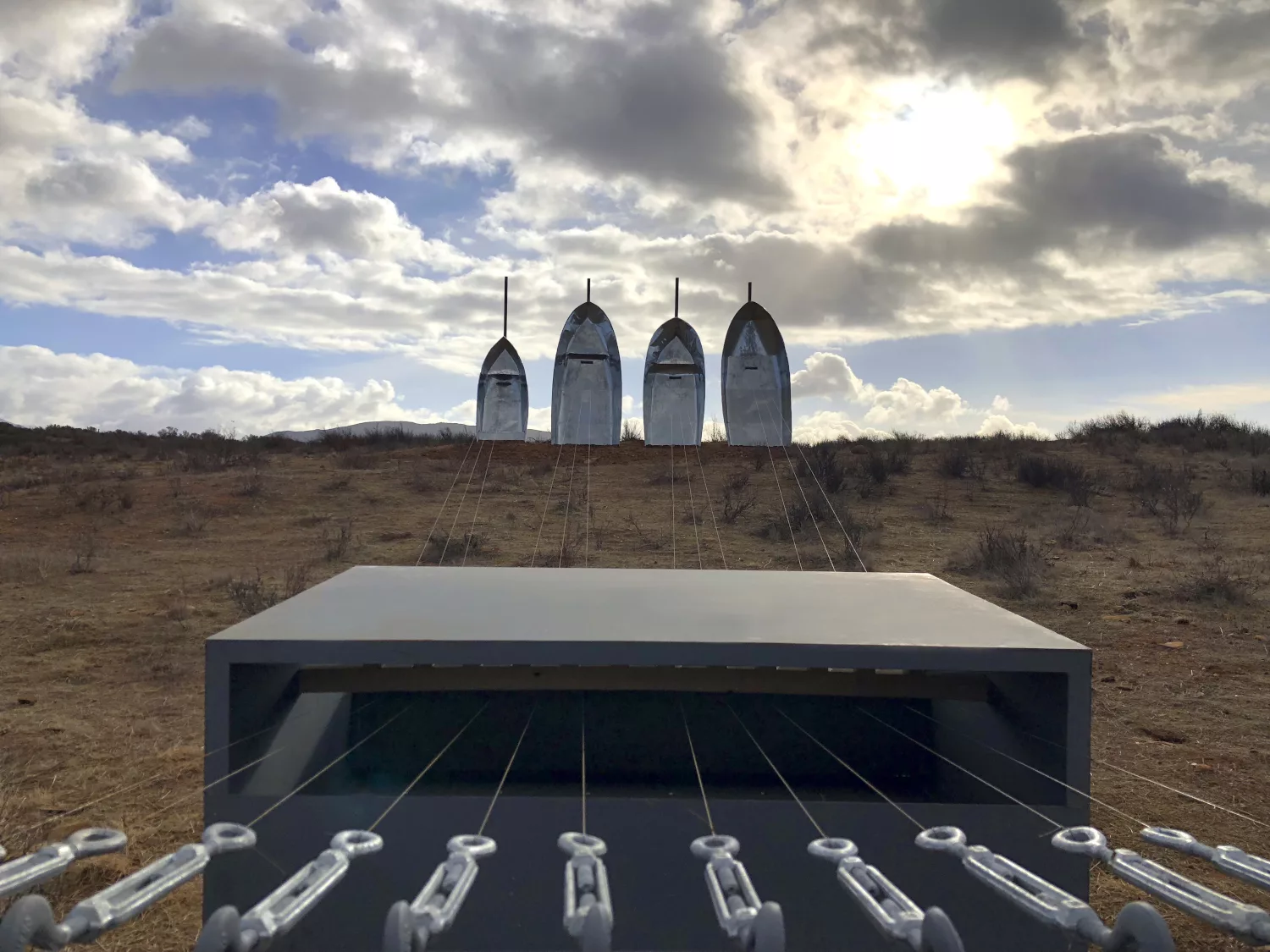
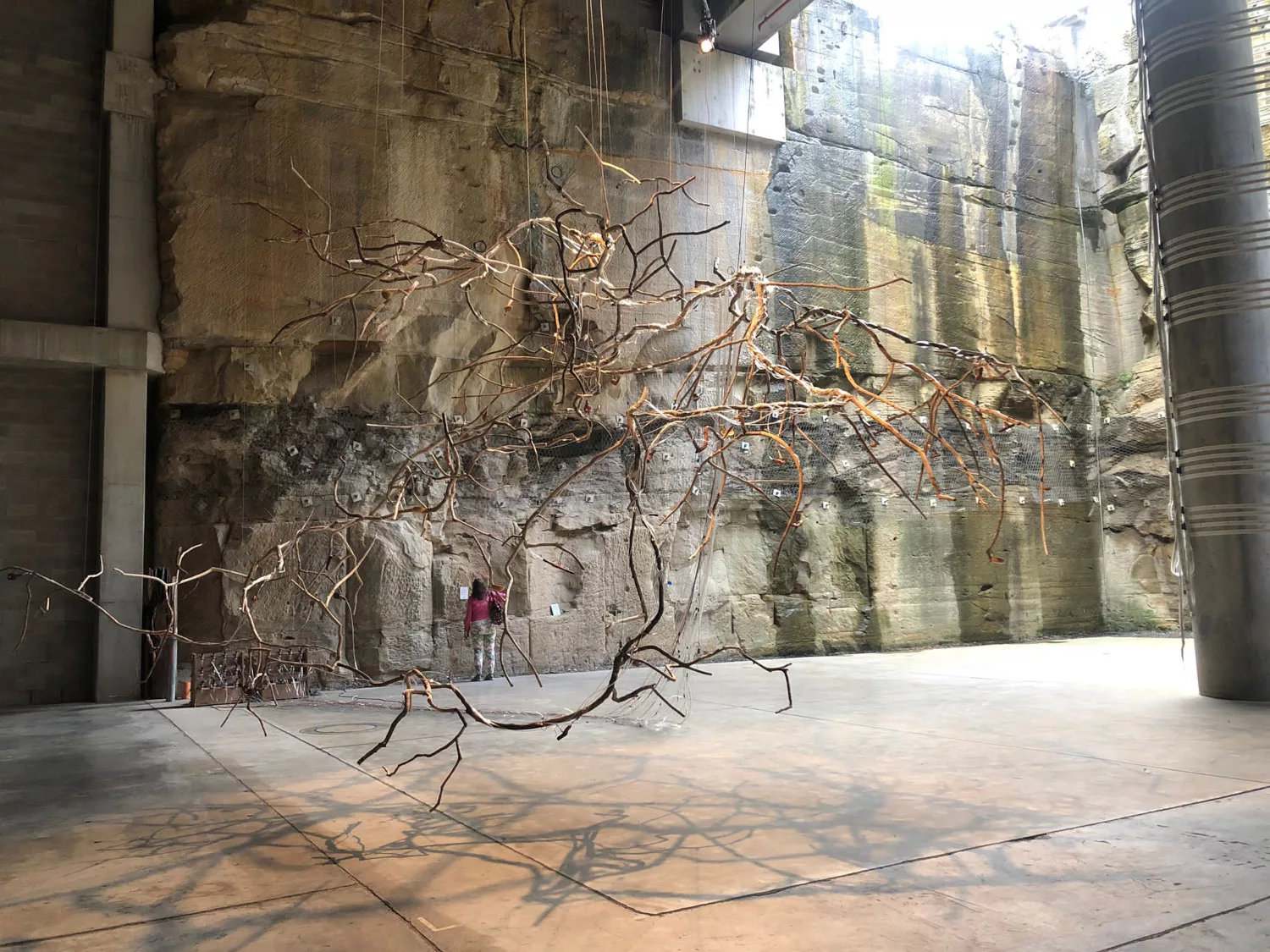
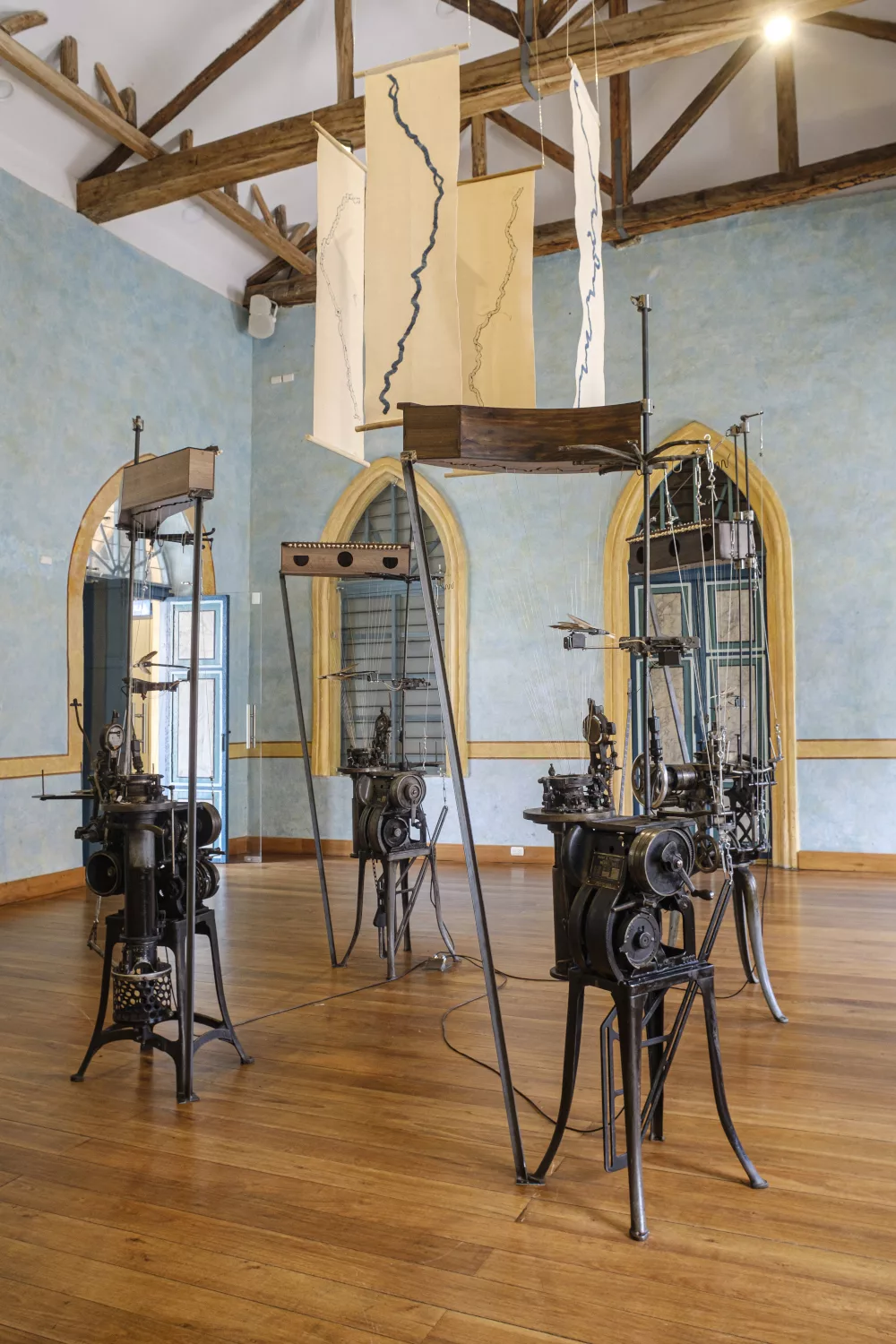
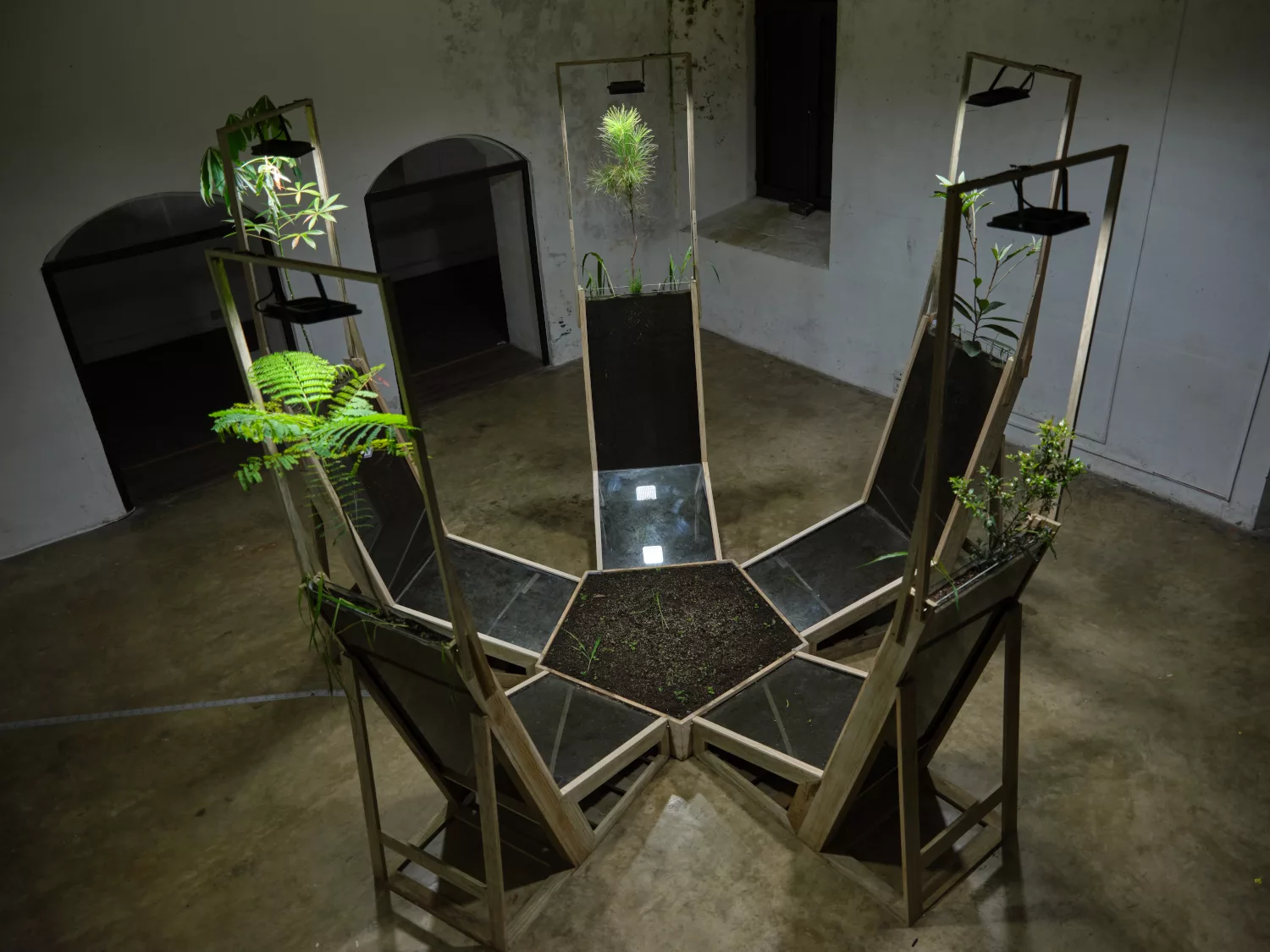
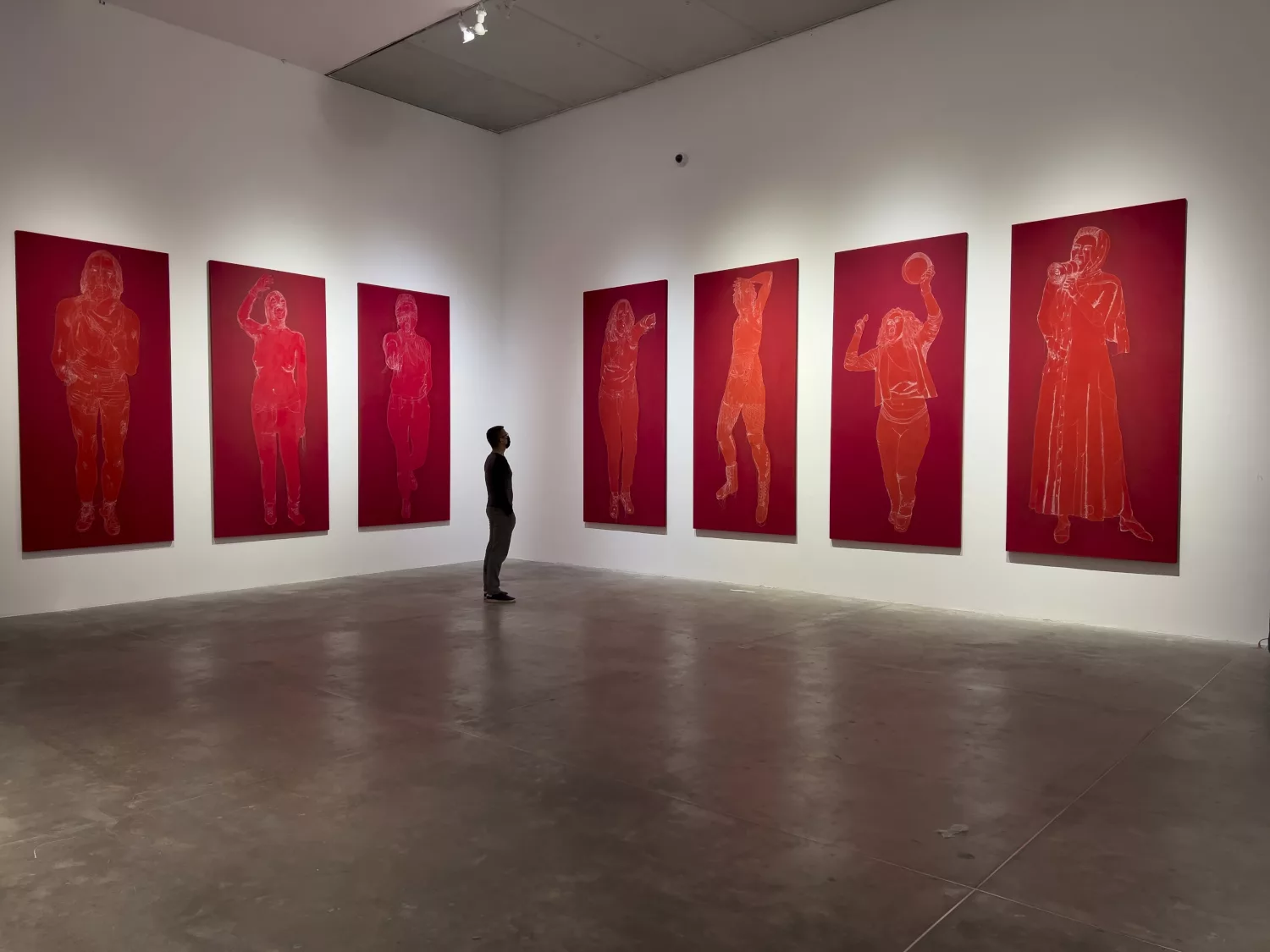
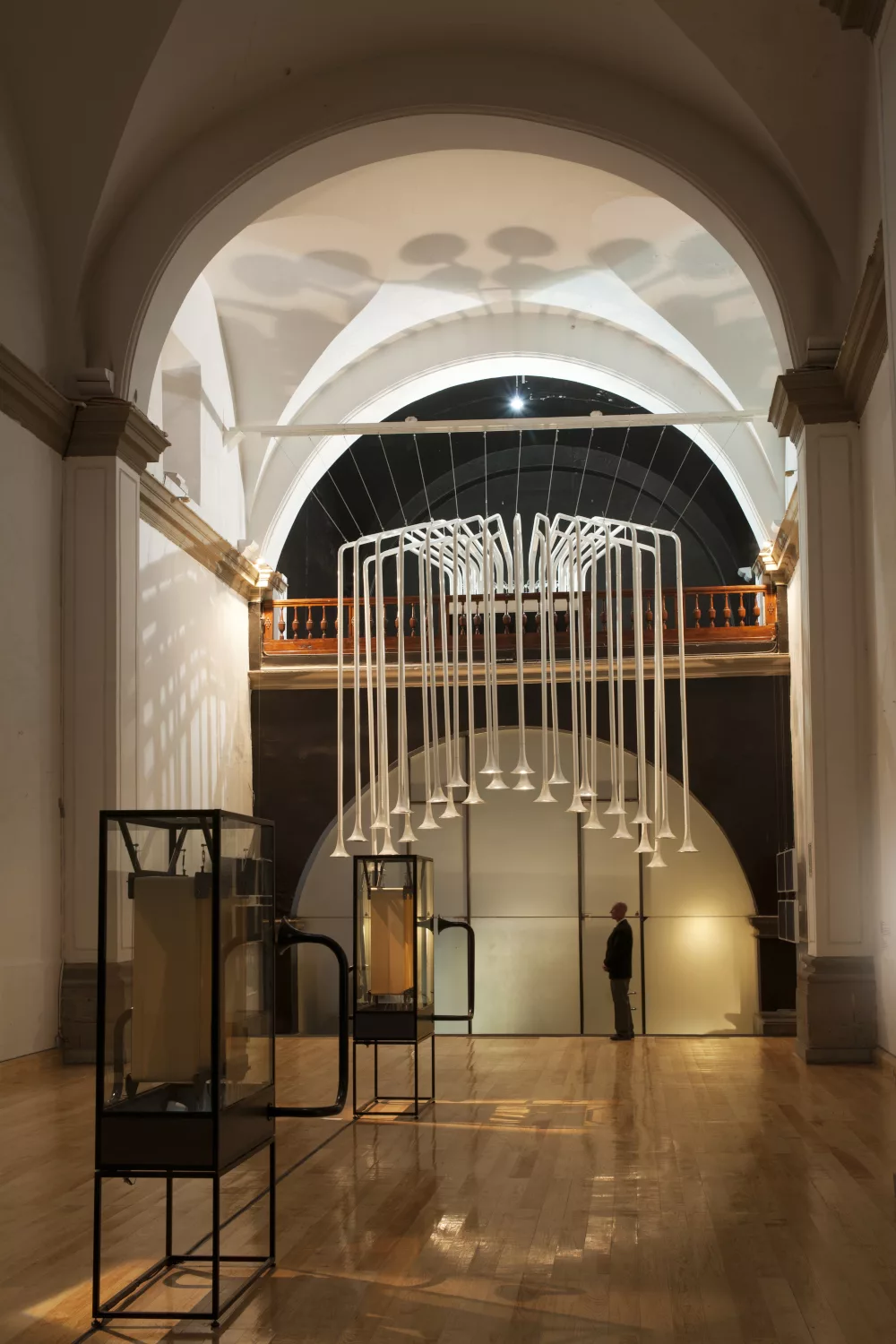
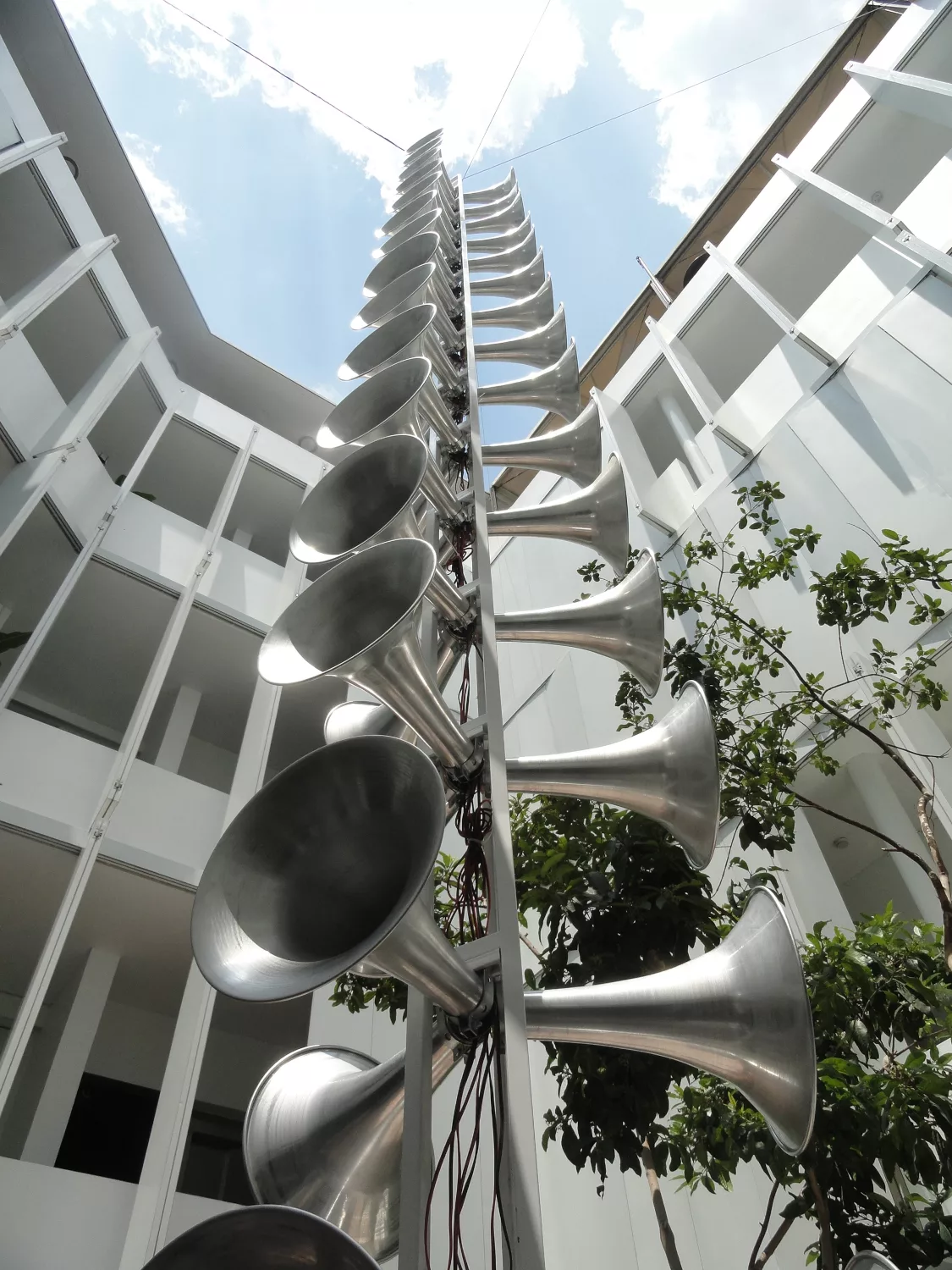
Tania Candiani’s practice exists at the intersections of the automatic and the mechanical; past and present; speaker and listener. Utilising a variety of media, ranging from fabric to code, her work expands the concept of translation – or, more specifically, the concept of what can be translated. As patterns and sounds pulse through their constructed environments, T. Candiani investigates the interrelations between systems of language, boundaries and sovereignty.
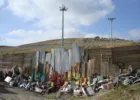
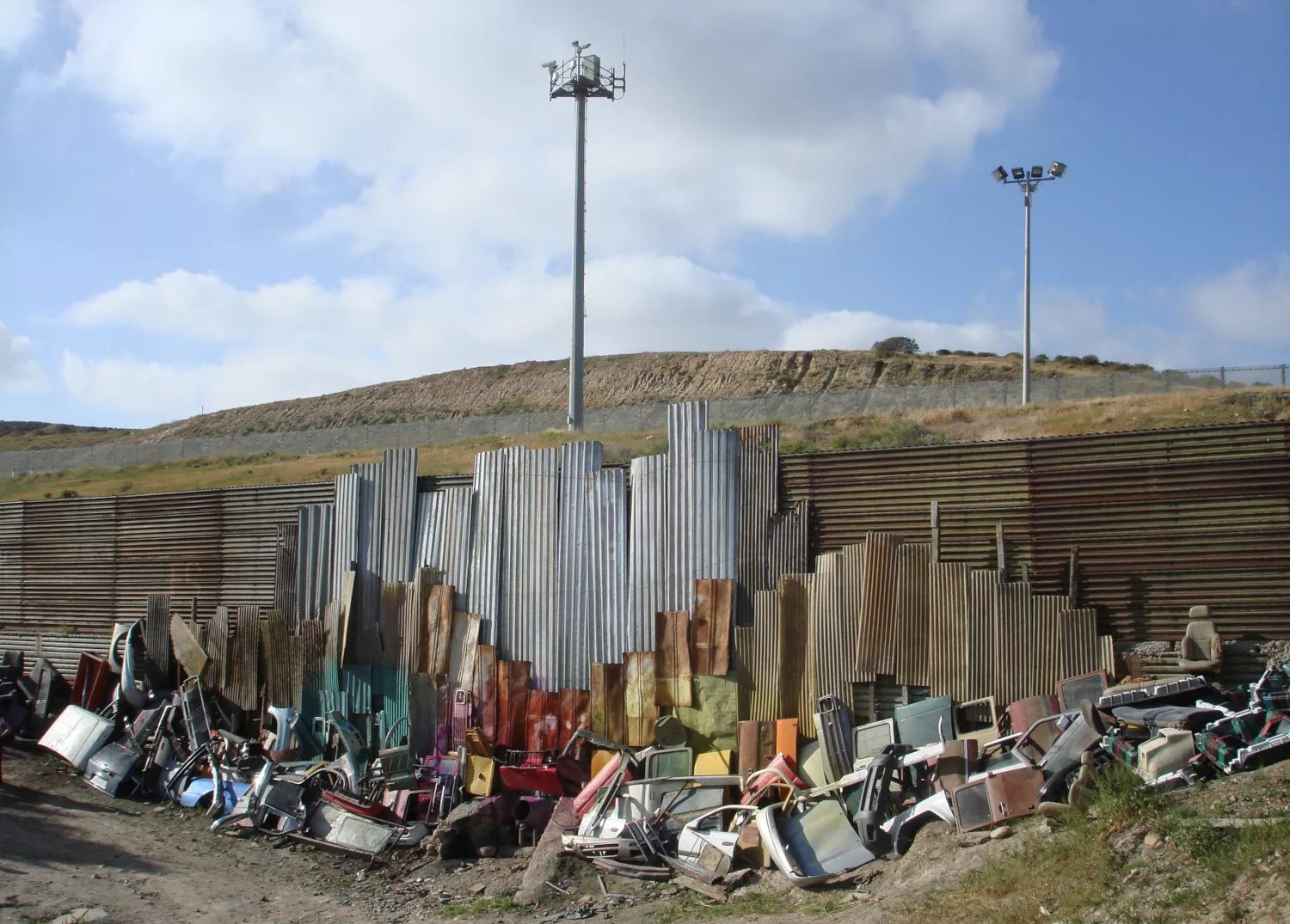
Translation can be defined as a mode of converting something to a different from. Deeply inspired by living amongst graffiti artists in Tijuana, Mexico in the late 1990s, she learned to approach text as medium and shape as text. In Cierre Libertad [Closure of Freedom, 2008], T. Candiani reimagines the borderland’s relationship to place and colonial history. Using discarded metal scraps drenched in vibrant colours, her installation renders mountains that would have been observable without the physical obstruction of the United States border fence. Despite only modifying a small fraction of the fence, she reframes the seemingly rigid physical divider as malleable, as open to transformation.
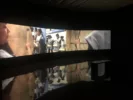
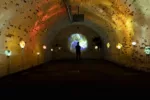
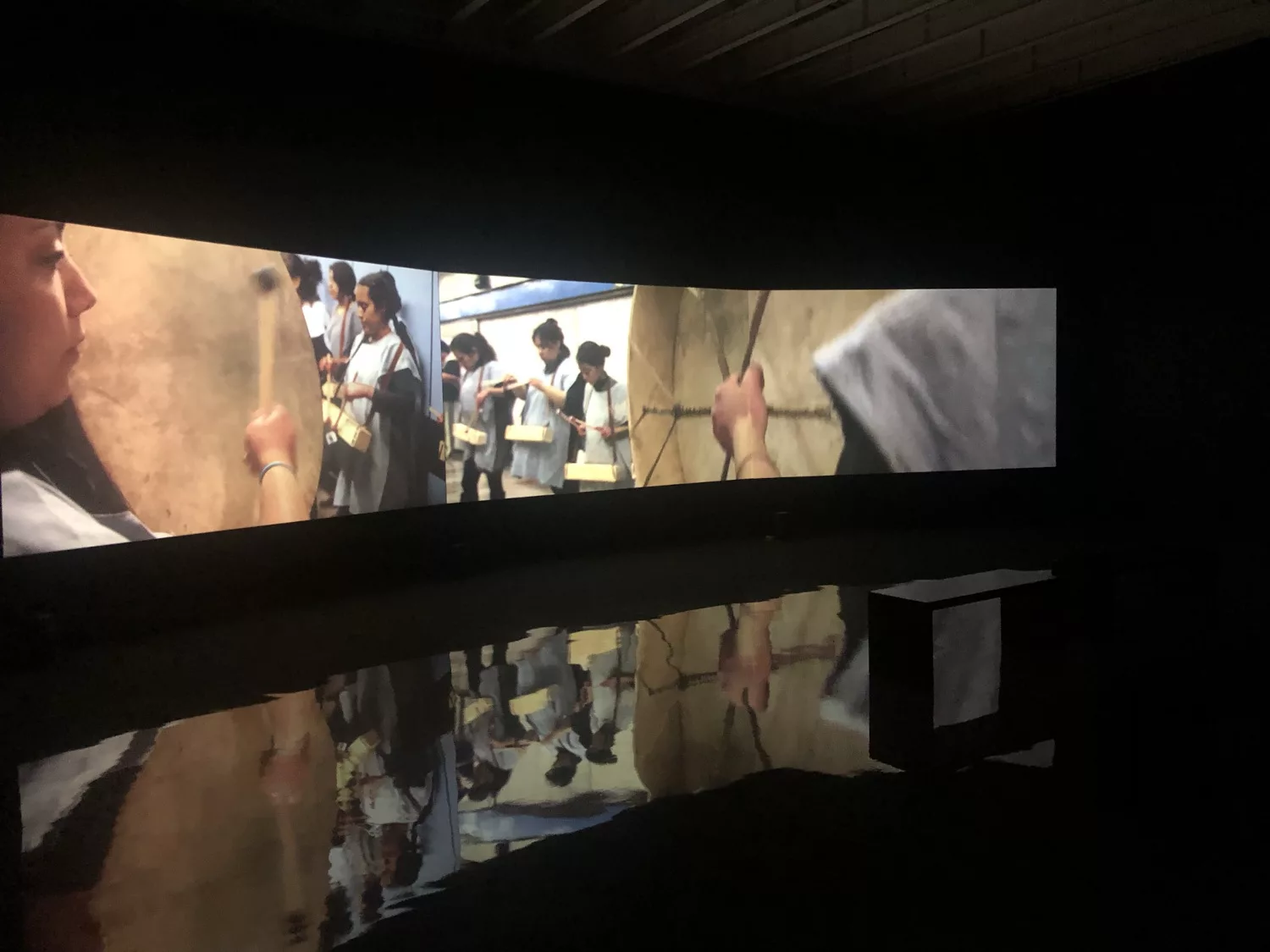
T. Candiani’s practice extends from envisioning a new world to listening to an ancient one. Pulso [Pulse, 2016–2019], follows the interconnected histories of Mexico City’s subway system, the waterways of the Mexico Basin and social systems of gender and labour. In this recorded performance, 195 women travel all twelve lines of the Metro. As they await their next train, their scarlet cochineal-dyed hands play a pre-Hispanic teponaztli [type of slit drum] that – historically – had been played only by men. The physical labour of silently carrying the instruments through railway carriages contrasts with the vitality of the 195 drumbeats that amplify below ground. Intended to be one collective pulse (evidenced by the singular title ‘Pulse’ versus the plural ‘Pulses’), T. Candiani orchestrates a reclamation of space that flows between past and present.
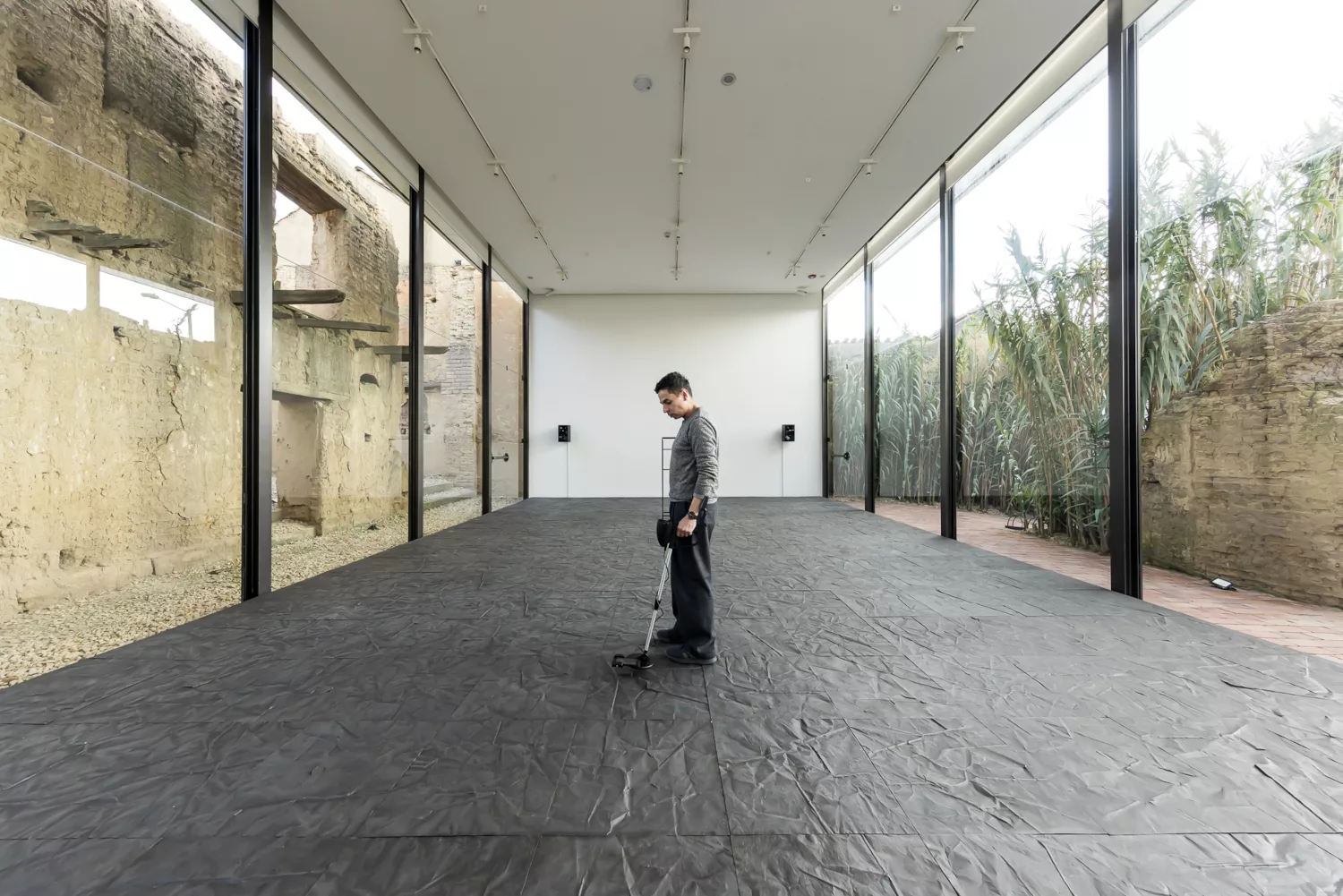
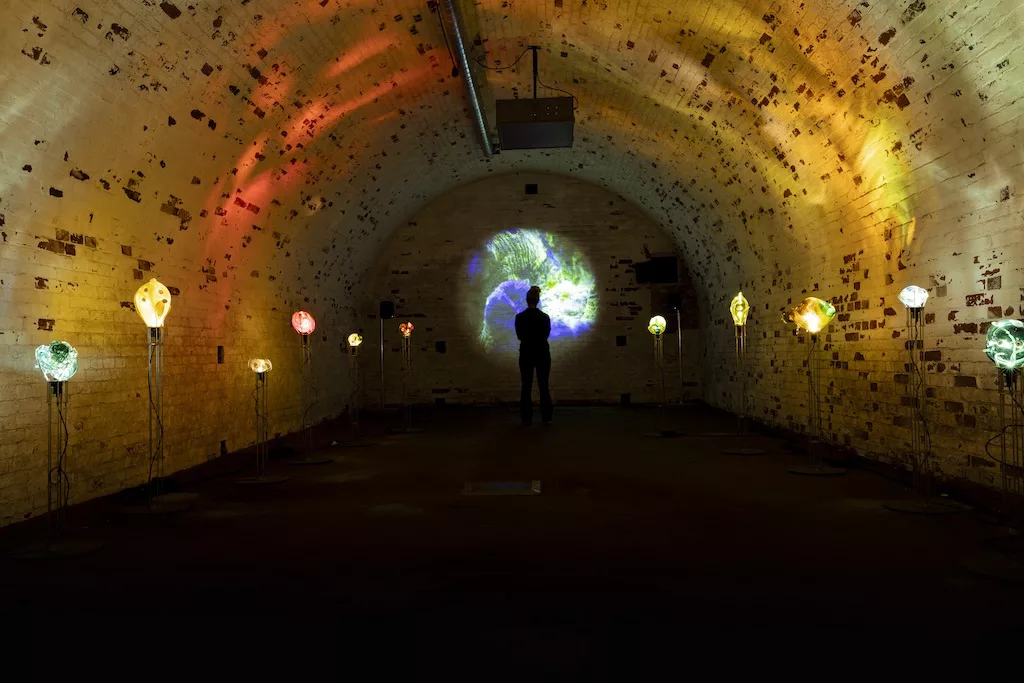
Desminar [Demining, 2024] continues to bring a variety of voices to visualise the effects of military violence in Colombia and Mexico. The work repurposes a mine detector into a participatory sculpture that interacts with the metal plate floor of Fragmentos: Espacio de Arte y Memoria in Bogotá – constructed in 2017 from melted weapons by Doris Salcedo (Colombia, 1958–) and survivors of sexual abuse – and references Plaza de las Tres Culturas, Mexico City, a site marked by the 1968 student massacre and by colonisation. Coded through an artificial intelligence program, Desminar superimposes real-time audiovisual projections onto the synthetic surfaces, transforming their physical traces into a polyphonic lament that evokes the immaterial dimensions of trauma and care.
T. Candiani has received numerous grants to support her artistic research, including fellowships from the Guggenheim Foundation (2011), Smithsonian Institution (2017–2018), and the Sistema Nacional de Creadores de Arte in Mexico (2012–2015; 2016–2019). In 2015 she represented Mexico at the 56th Venice Biennale and has produced commissions for major biennials, including PAAD/Public Art Abu Dhabi (2024), Shanghai (2025) and Helsinki (2025). Her work is exhibited internationally in museums, institutions and independent spaces, and public and private collections.
A notice produced as part of the TEAM international academic network: Teaching, E-learning, Agency and Mentoring
© Archives of Women Artists, Research and Exhibitions, 2026