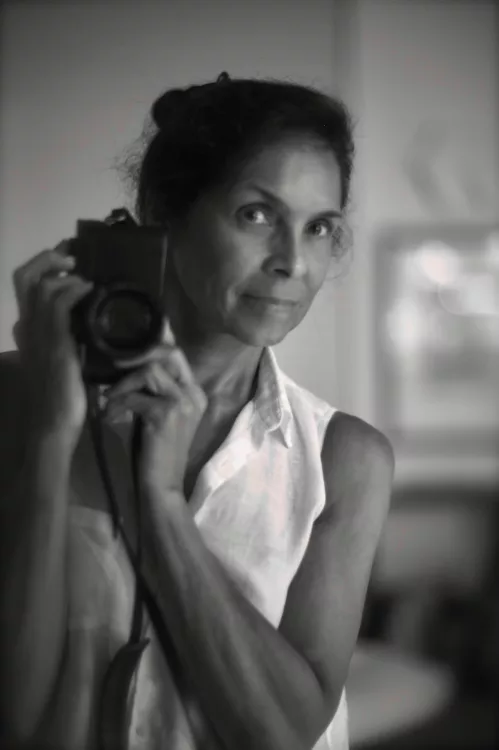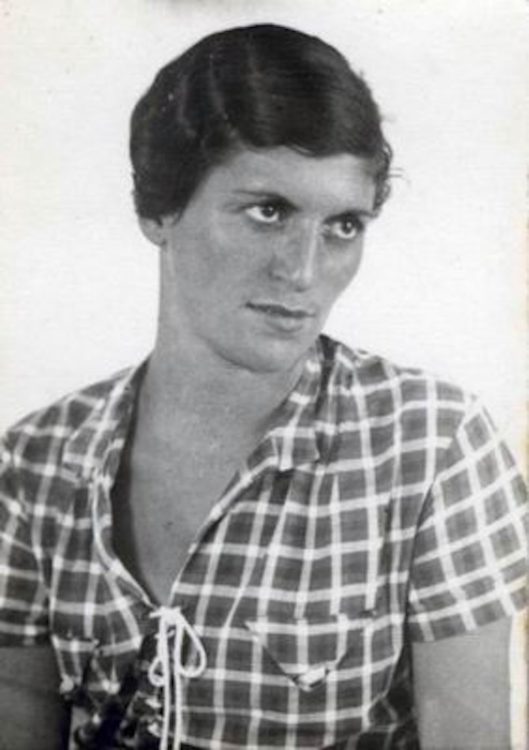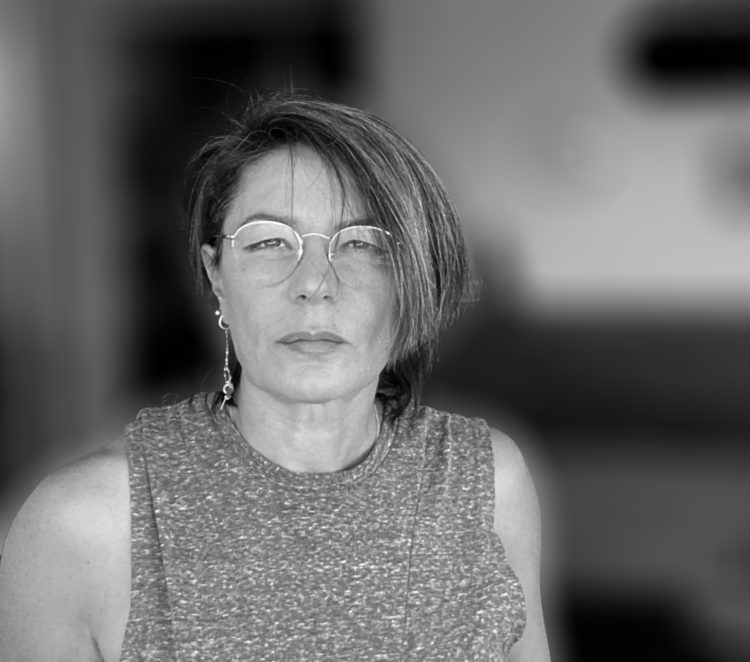
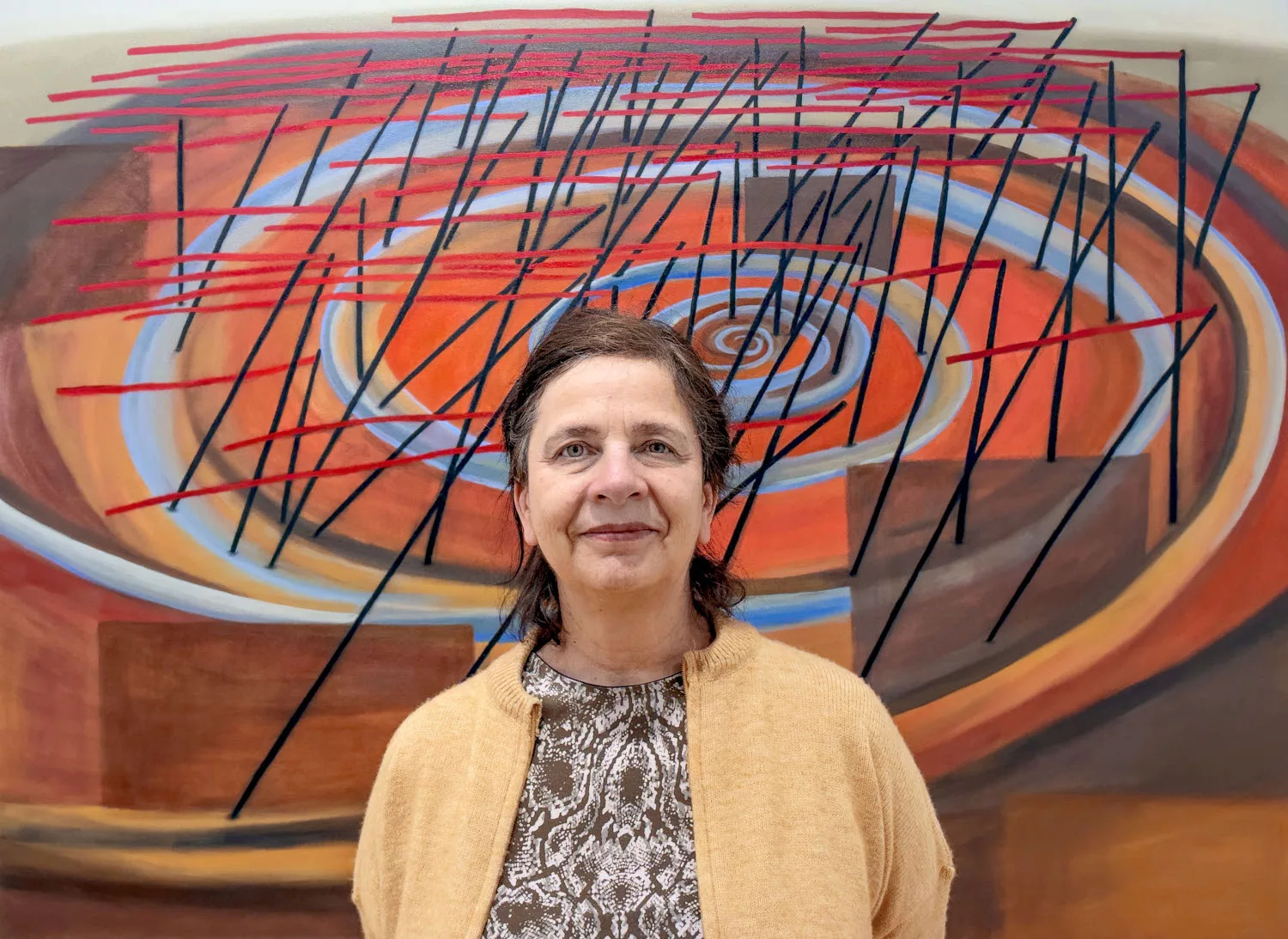
Portrait of Magdalena Jitrik
Macon, Cecilia, “Archivos anacrónicos, Magdalena Jitrik sobre la resignación política”, Iberoamericana, vol. 24, no. 85, 2024, p. 13-25
→
Cyroulnik, Philippe, Diez Fischer, Agustín, Qualina, Florencia, Jitrik, Buenos Aires, Adriana Hidalgo Editora, 2022
→Qualina, Florencia, “Golpe y melancolía”, en Teresa Riccardi, Ellas. Política, ficción, creación, Buenos Aires, Museo de Arte Contemporáneo de Buenos Aires, 2017, p. 47-65
Extremo Sur, W-galería, Buenos Aires, 10 March–28 April, 2023
→Pueblo Fantasma, Galería Luisa Strina, São Paulo, 8 July–19 August, 2023
→La superación de la guerra, W-galería, Buenos Aires, 13 June – 3 August, 2019
Argentinian painter.
Magdalena Jitrik, the daughter of writers Nilda Mercado (1939–) and Noé Jitrik (1928–2022), went into exile with her family in Mexico City (1974–1987) during the military dictatorship in Argentina – an experience which proved pivotal in her ideological and artistic development. She studied visual arts at the National School of Visual Arts at the Universidad Nacional Autónoma de México (1984–1987). Upon returning to Argentina, she enrolled at the Universidad de Buenos Aires and studied arts at the Faculty of Philosophy and Humanities (1989–1991). In 1988 and 1989 she participated in workshops by Carlos Gorriarena (1925–2007), Roberto Broullón (1932–2012) and Roberto Aizenberg (1928–1996). Later, between 1991 and 1993, she attended the Taller de Artes with Guillermo Kuitca (1961–), through a grant from the Antorchas Foundation. In 2000 she took part in Proyecto Trama, organised by Claudia Fontes (1964–).
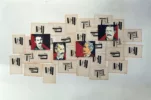
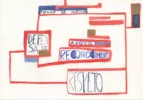
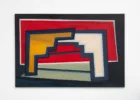
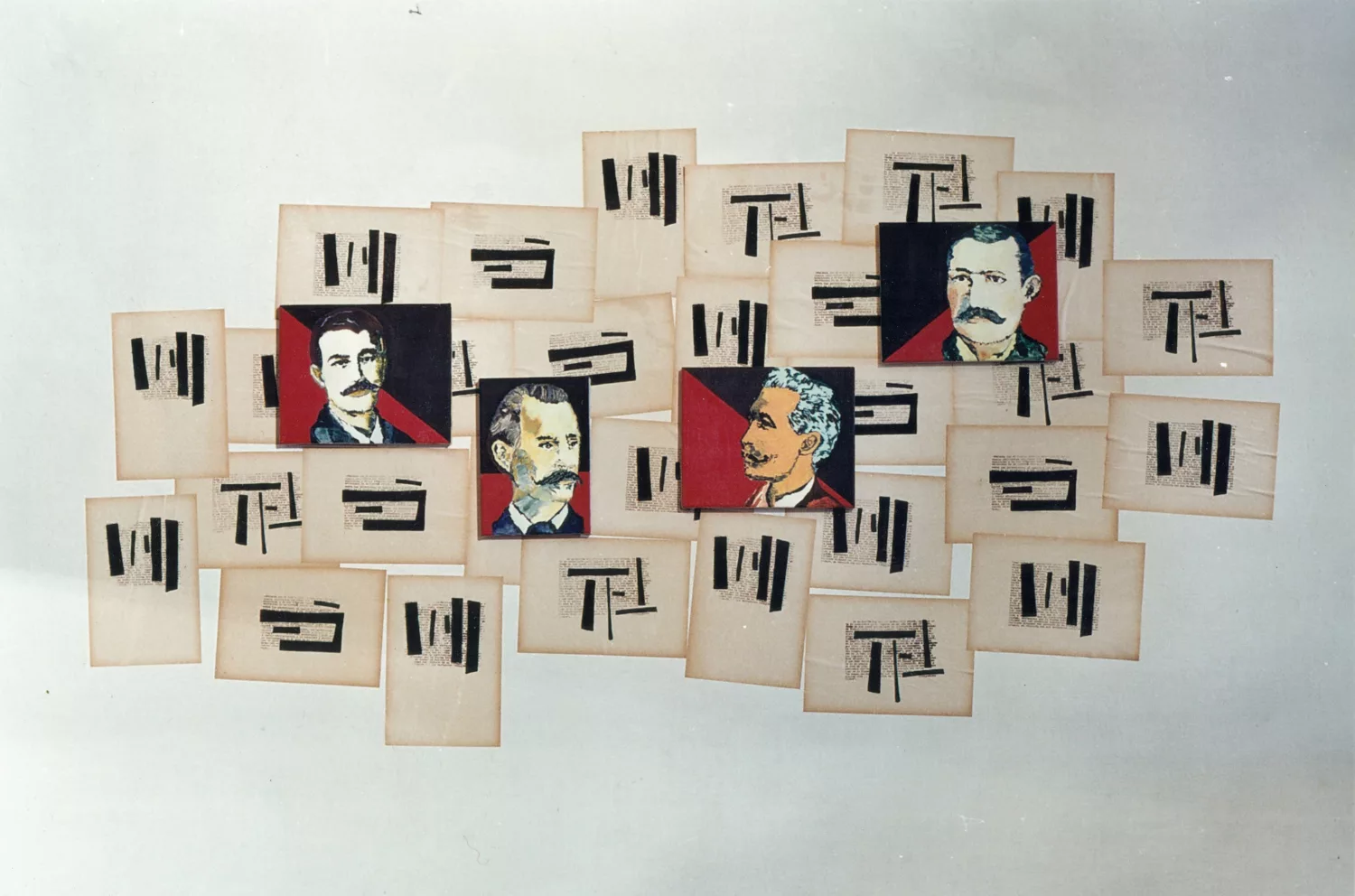
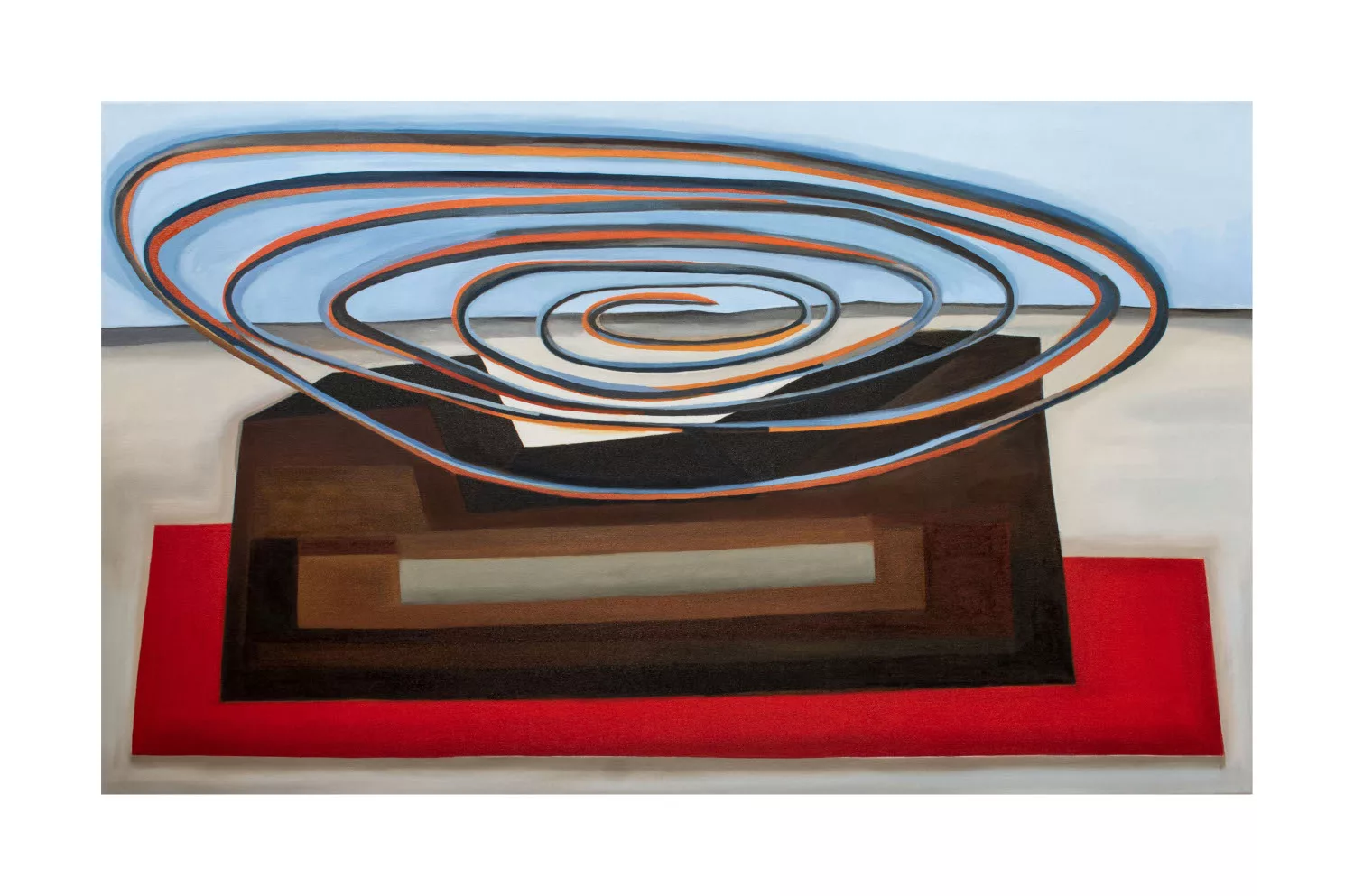
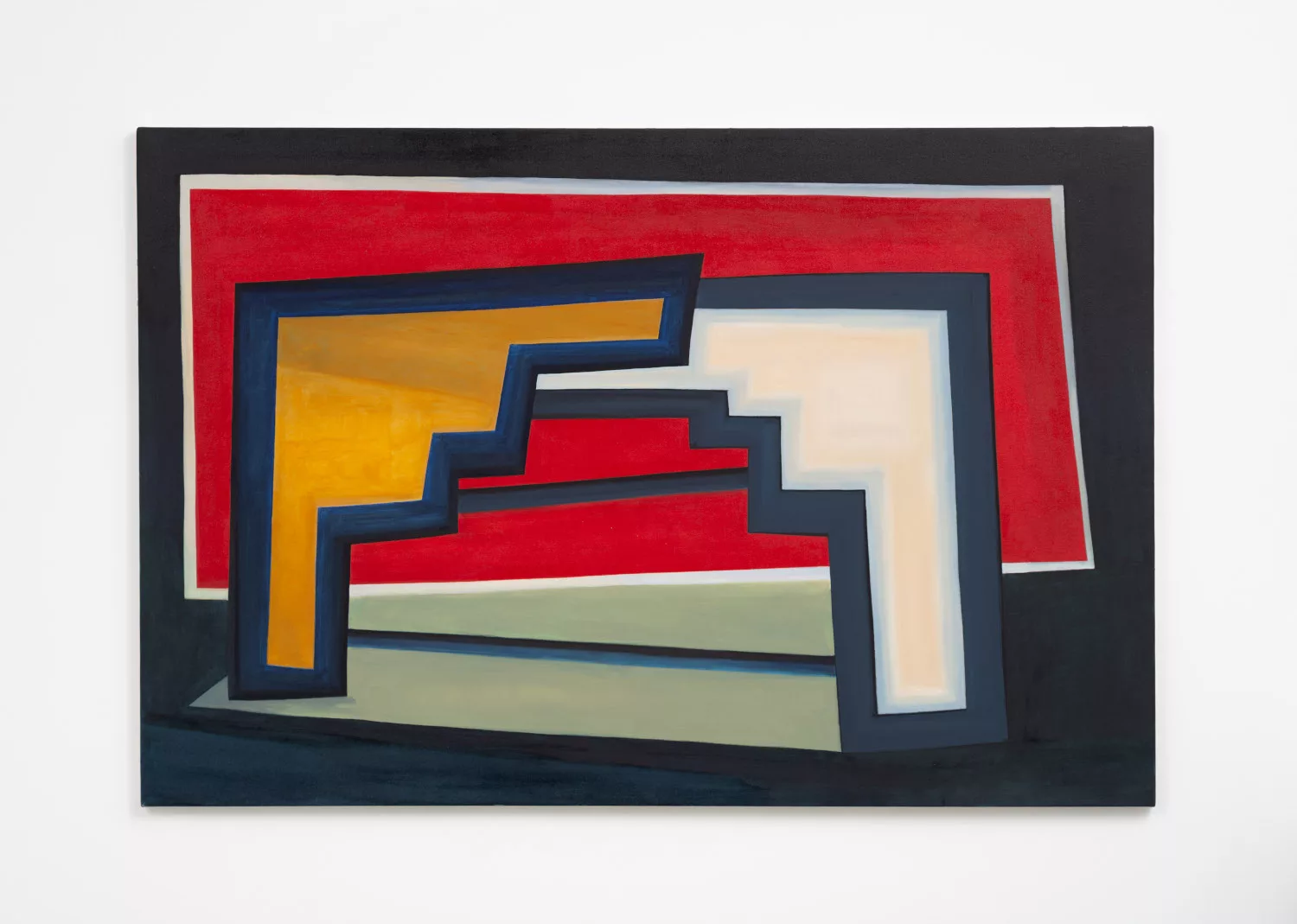
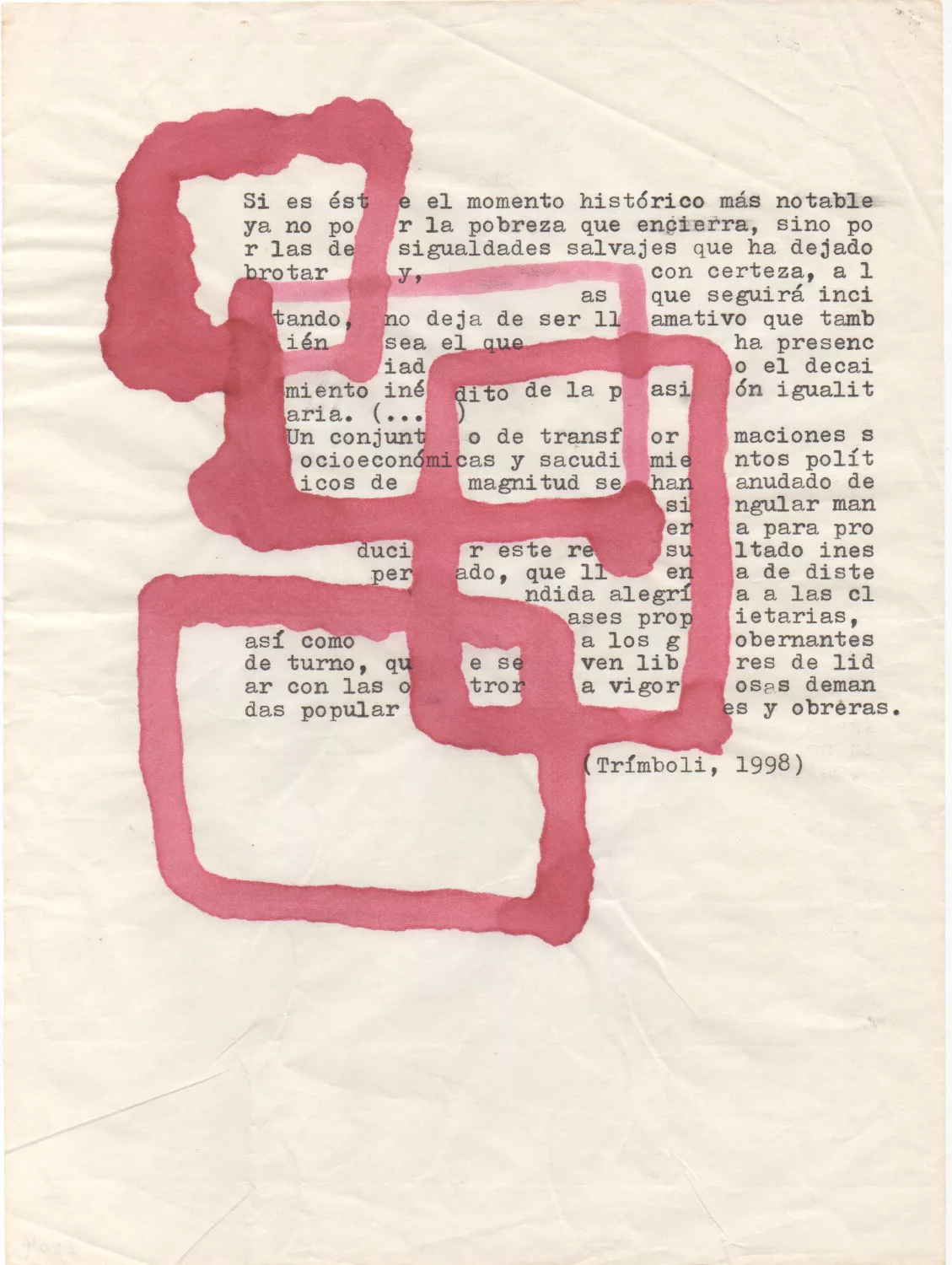
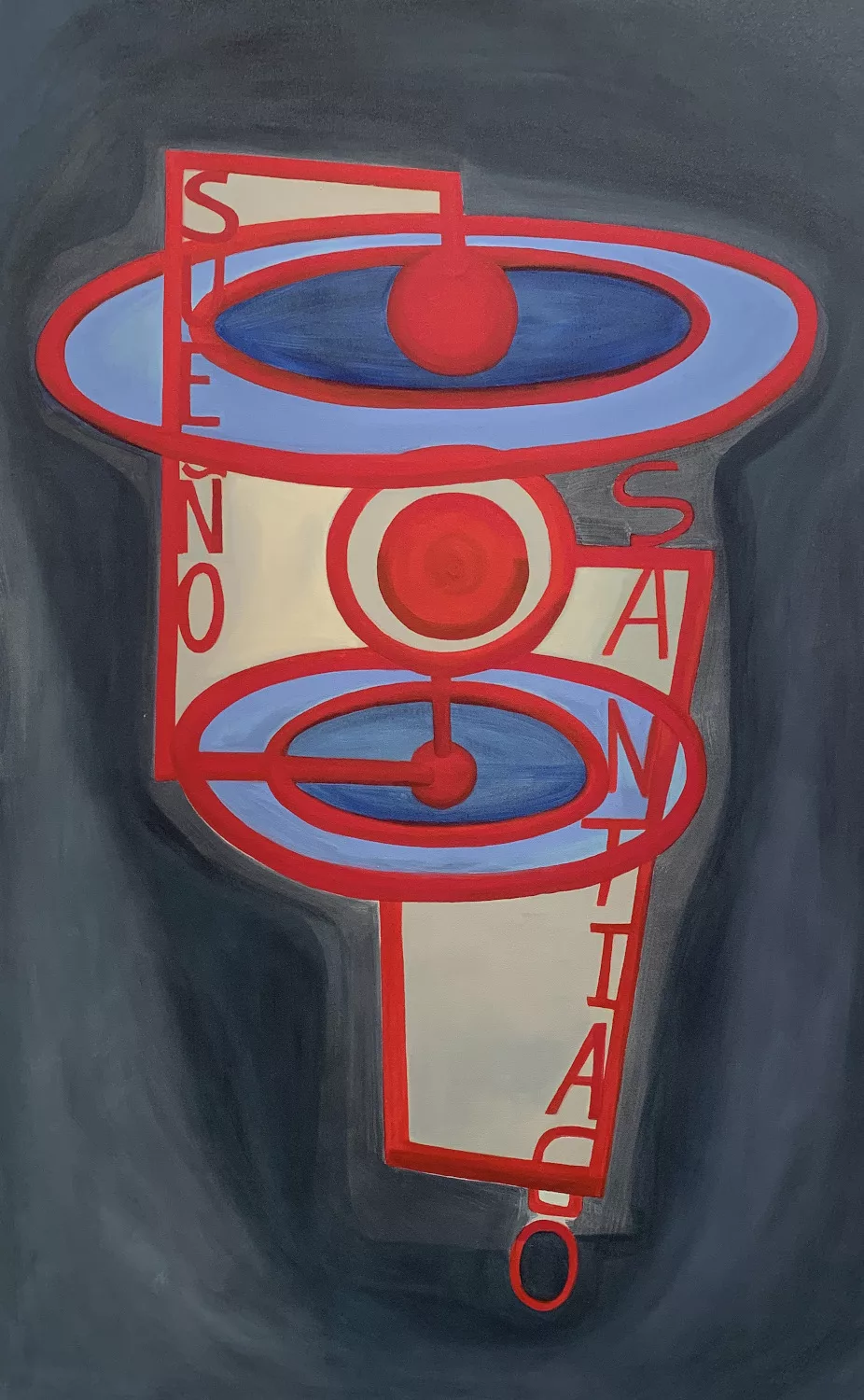
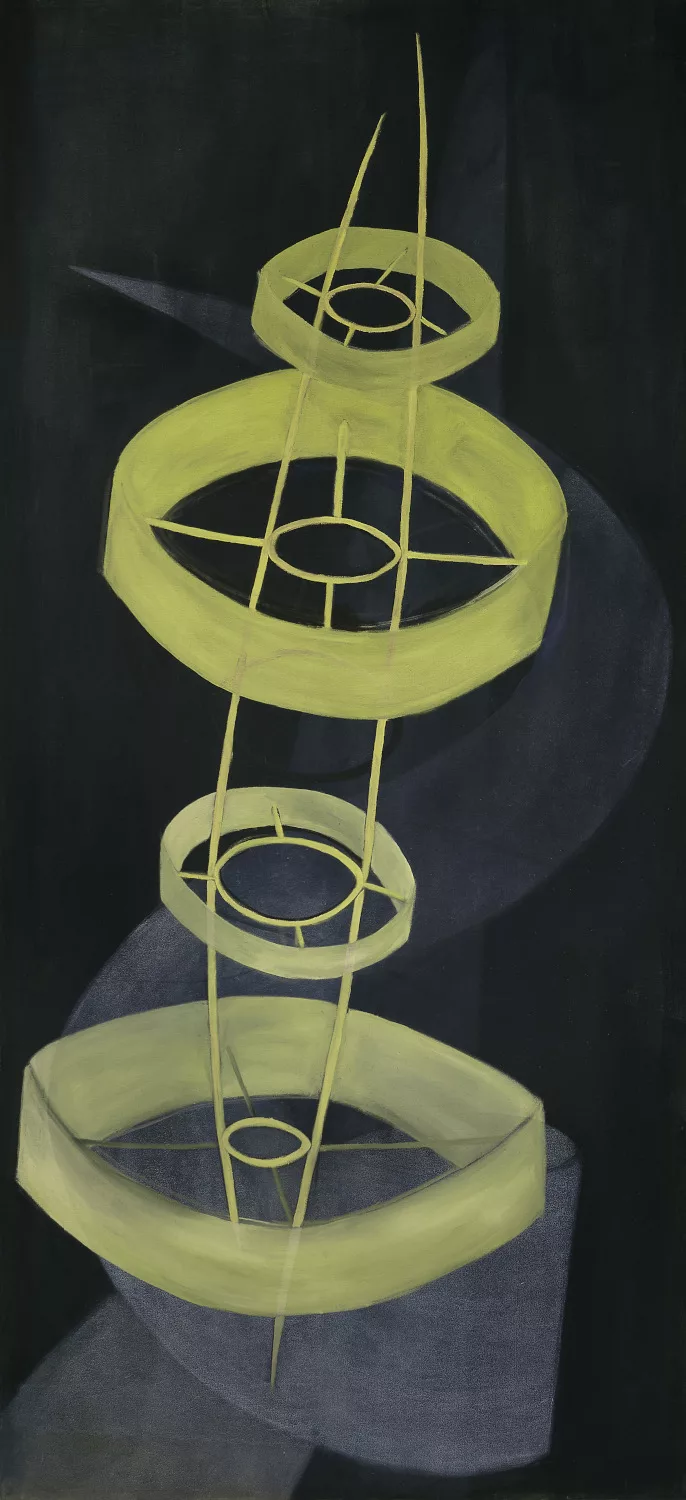
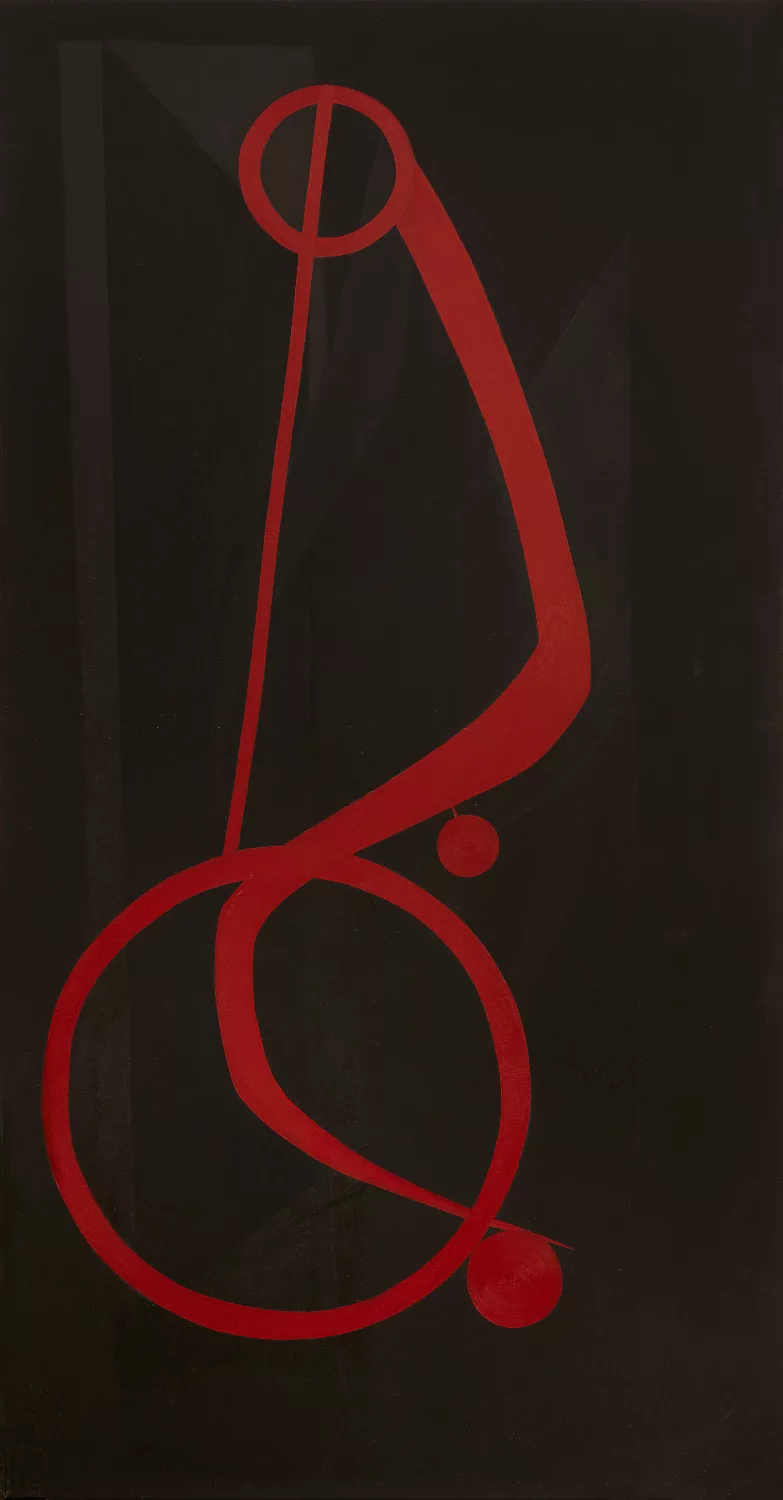
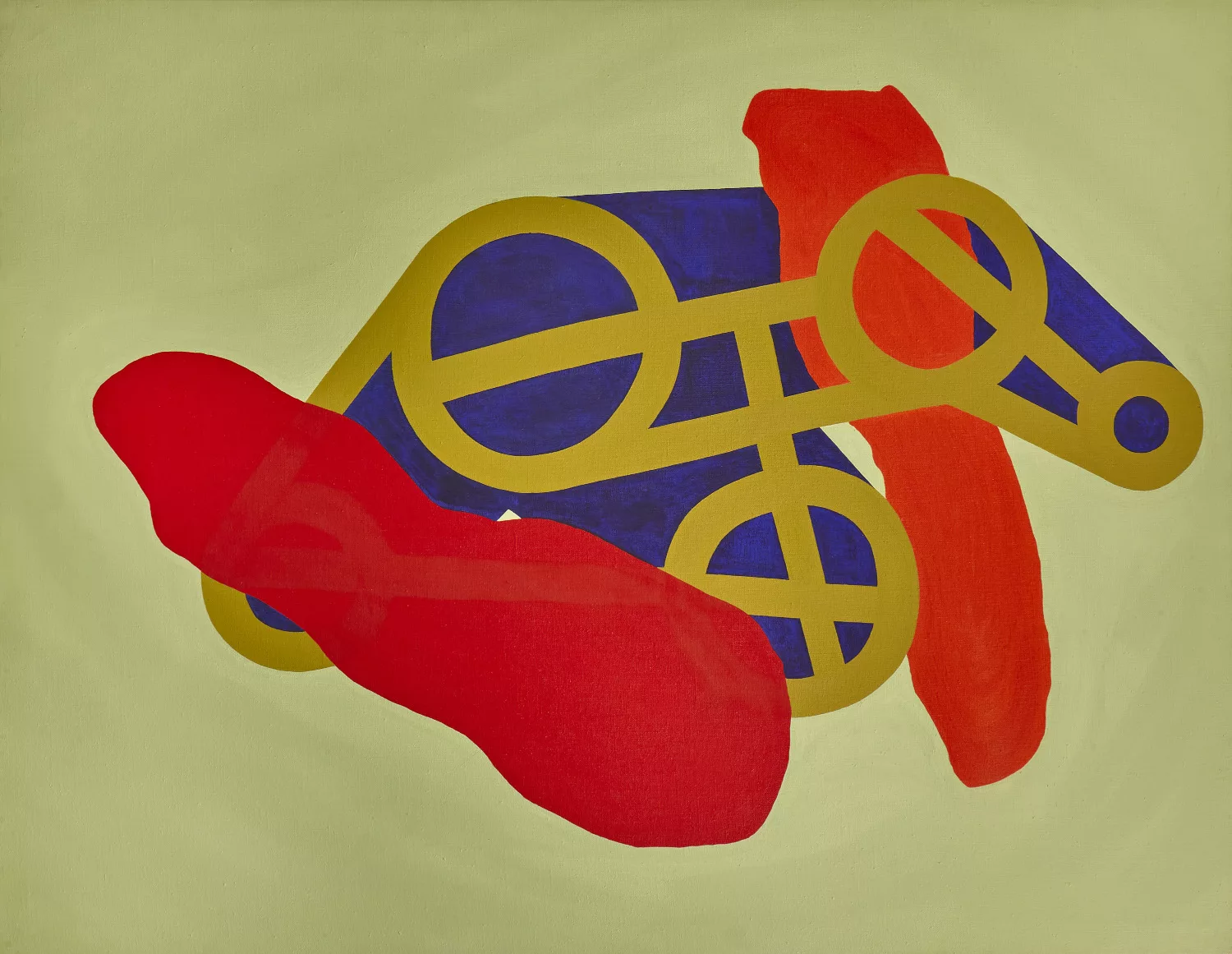
M. Jitrik held her first solo exhibition, titled Pinturas [Paintings, 1990] at Galería del Rojas, where she also worked as a curator between 1991 and 1993. From the start of 1990s, her work revealed an interest in geometric abstraction, but it was not until the middle of that decade that she began to combine this idiom with reflections on the political history of the left and avant-garde movements. This confluence is manifested clearly in her series of paintings titled Manifiesto [Manifesto, 1996], the exhibition Revueltas. 11 pinturas de Magdalena Jitrik [Riots. 11 paintings by Magdalena Jitrik, 1997] held at the Centro Cultural Borges and Desobediencia [Disobedience, 1999] shown at Galería del Rojas. Her interest in anarchism prompted her to explore the archives of the Federación Libertaria Argentina (FLA), where she made Ensayo de un museo libertario [Essay of a Libertarian Museum, 2000], an installation in which she grouped together objects, stamps, journals and other elements from the FLA archives, in dialogue with some of her other works, including Mártires de Chicago [Chicago Martyrs, 2000].
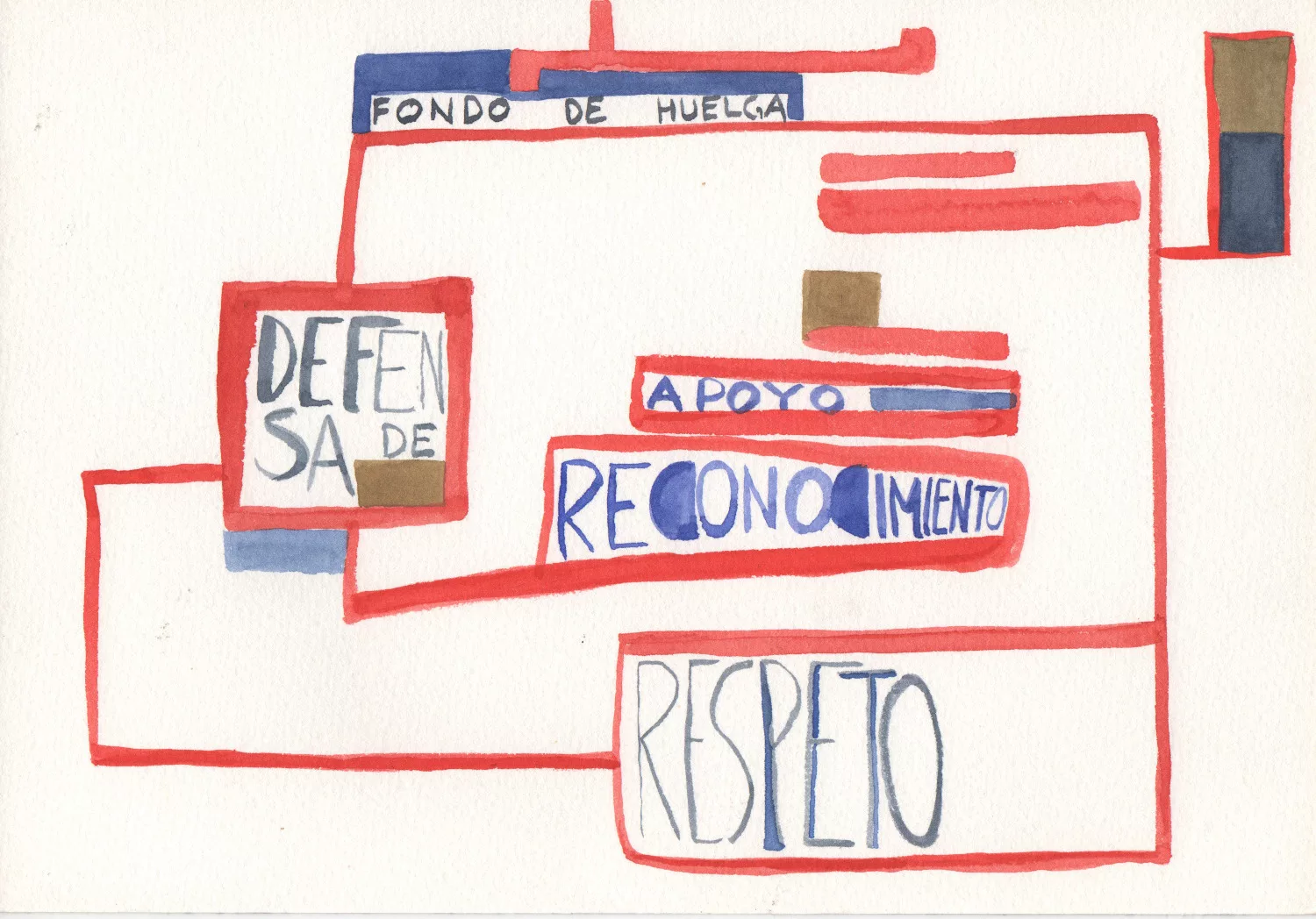
In 2001 she co-founded the Taller Popular de Serigrafía (2001–2007), a collective dedicated to artistic activism that emerged from the social and economic crisis in Argentina, with Mariela Scafati (1973–) and Diego Posadas (1973–). During this period, she prioritised collective work and had no solo exhibitions until 2007, when she presented Fondo de huelga [Strike Fund] at Oficina Proyectista. Throughout her career, M. Jitrik has sought to express her principal concerns, namely artistic freedom, abstraction and artistic and political thought.
M. Jitrik has had residencies at Le 19 Centre Régional d’Art Contemporain (Montbéliard, France, 1998), Espace de l’Art Concret (Mouans-Sartoux, France, 2000) and Askeaton Contemporary Arts (Askeaton, Ireland, 2009). She has participated in several biennials, including the 27th Bienal de São Paulo (Brazil, 2006), Bienal del Mercosur in Porto Alegre (Brazil, 2009), the San Juan Poly/Graphic Triennial (Puerto Rico, 2009), Manifesta 9 in Genk (Belgium 2012) and the 16th Bienal de Cuenca (Ecuador, 2023). She has been honoured with several awards during her career, including the Premio Nacional de Pintura del Banco Central (2021) and the Konex Award for Painting (2022).
Her work features in the collections of such prestigious institutions as the Museo Moderno de Buenos Aires, Museu d’art Contemporani de Barcelona (Spain), Museo de Arte Latinoamericano de Buenos Aires (Argentina), Museo Nacional Centro de Arte Reina Sofía (Spain) and Museo Universitario de Arte Contemporáneo (Mexico).
A notice produced as part of the TEAM international academic network: Teaching, E-learning, Agency and Mentoring
© Archives of Women Artists, Research and Exhibitions, 2026