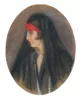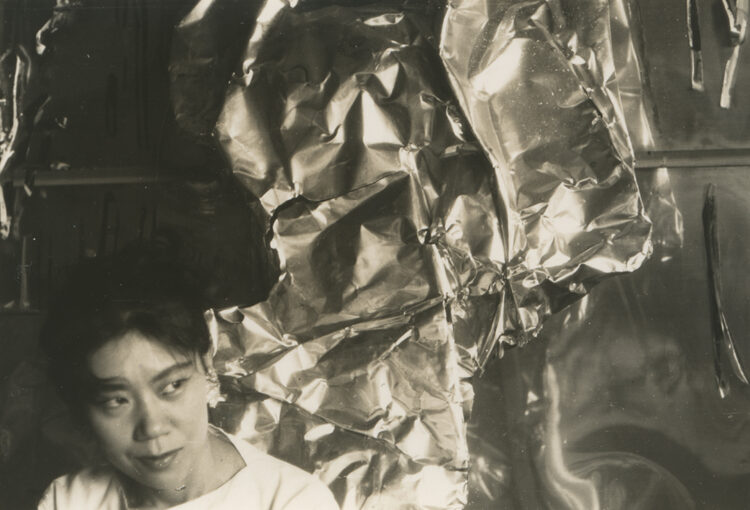
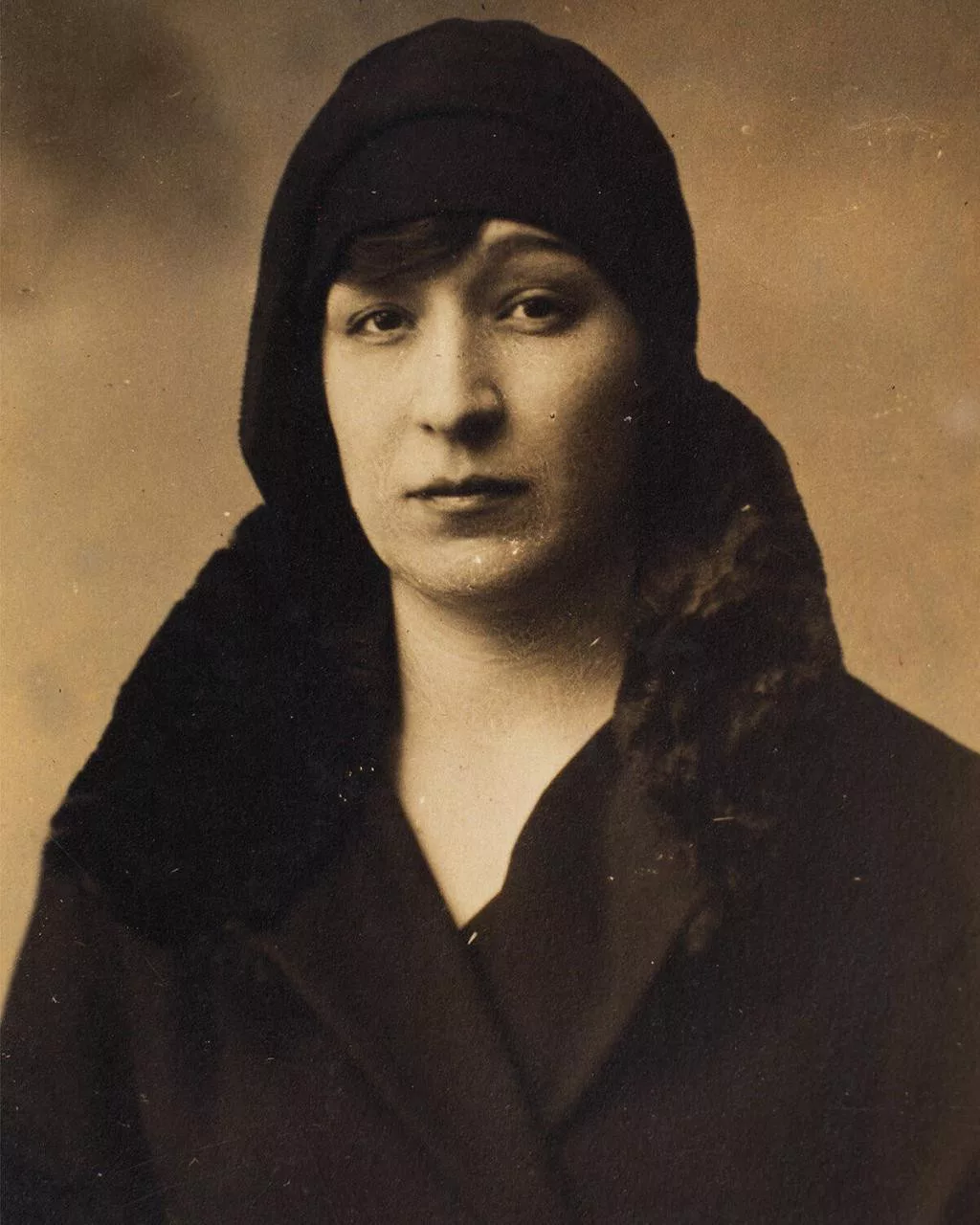
Portrait of Melek Celâl Sofu
Arslanay, Ecem (ed.), A Forgotten Woman of the Republic: The Many Ways of Melek Celâl, exh. cat., Sakıp Sabancı Museum, Istanbul (26 December, 2023– 28 April, 2024), Sakıp Sabancı Museum Publications, Istanbul, 2023
→Melek Lampé, exh. booklet, Galerie Schumacher, Munich (24 March–24 April, 1964), 1964
→Nihal, Şükûfe, “The Biography of Melek Celâl Sofu,” Kadın Gazetesi [Women’s Newspaper], Istanbul, 1948
A Forgotten Woman of the Republic: The Many Ways of Melek Celâl, Sakıp Sabancı Museum, Istanbul, 26 December, 2023– 28 April, 2024
→Melek Lampé, Galerie Schumacher, Munich, 24 March–24 April, 1964
→Exhibition with Graphic Designer İhap Hulusi Görey, Mısır Apartments, Istanbul, 21 September–?, 1935
Turkish painter, researcher and writer.
Melek Celâl Sofu (née Ziya, also known as Melek Celâl and Melek Lampé) was born into an upper-class Ottoman family. She was encouraged to paint by Şair Nigâr (1856–1918), a family friend and one of the notable female poets of the Ottoman reform period known as Tanzimat (1839–1876). Influenced by the ‘autographomania’ movement, M. Celal Sofu began corresponding with prominent painters, writers and composers from Brussels, London, Barcelona and Paris in her mid-teens.
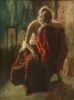
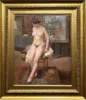
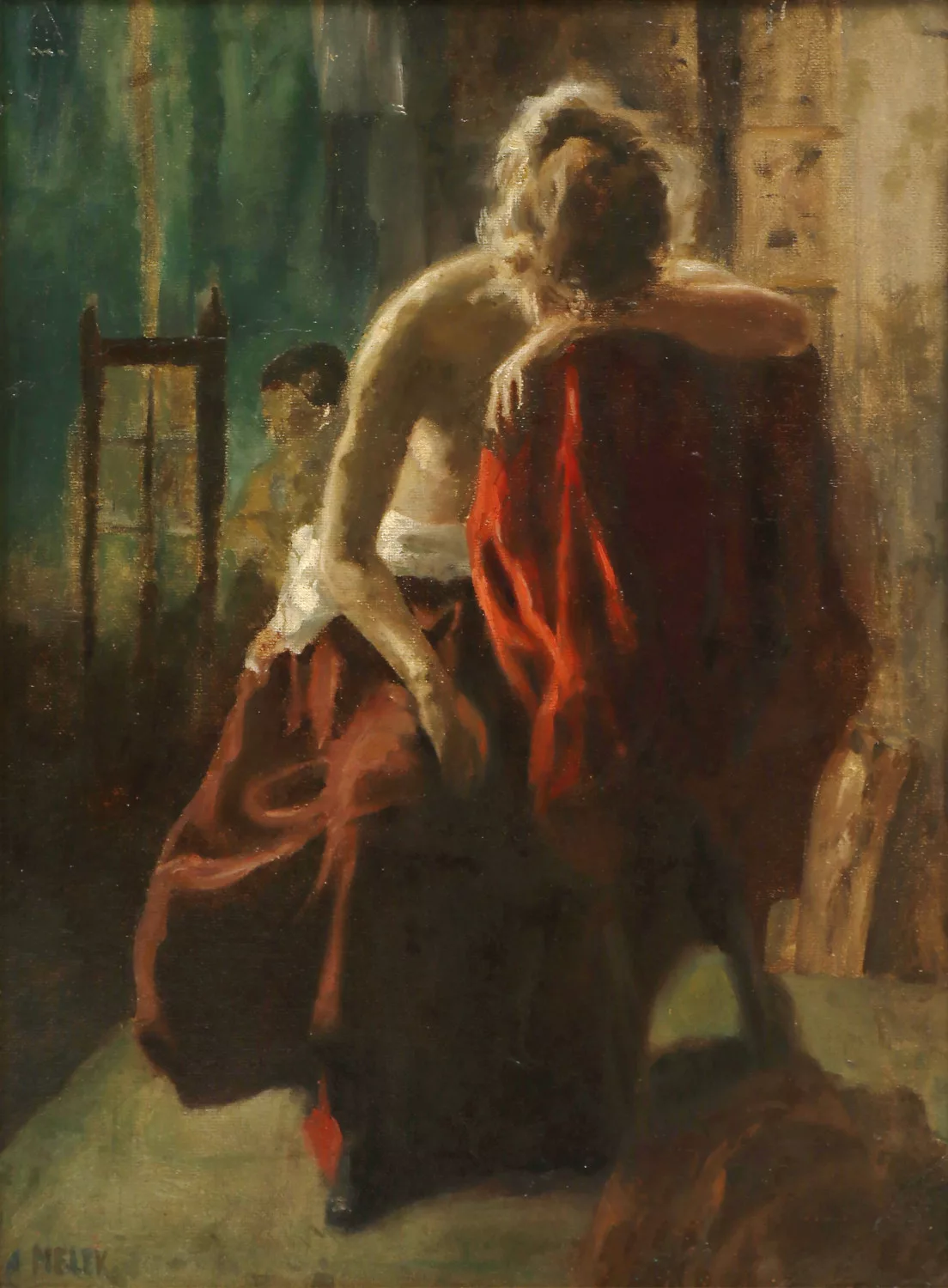
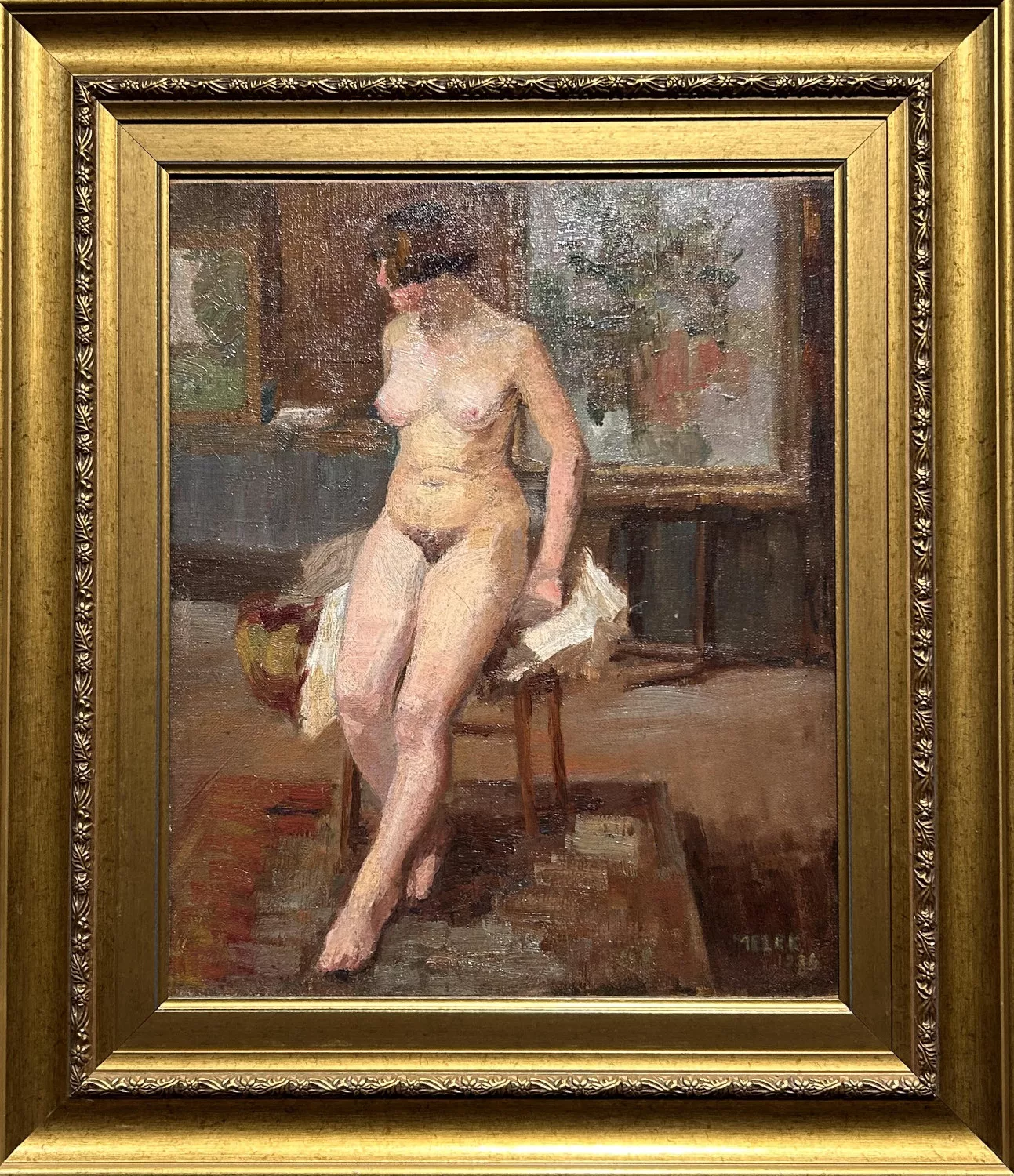
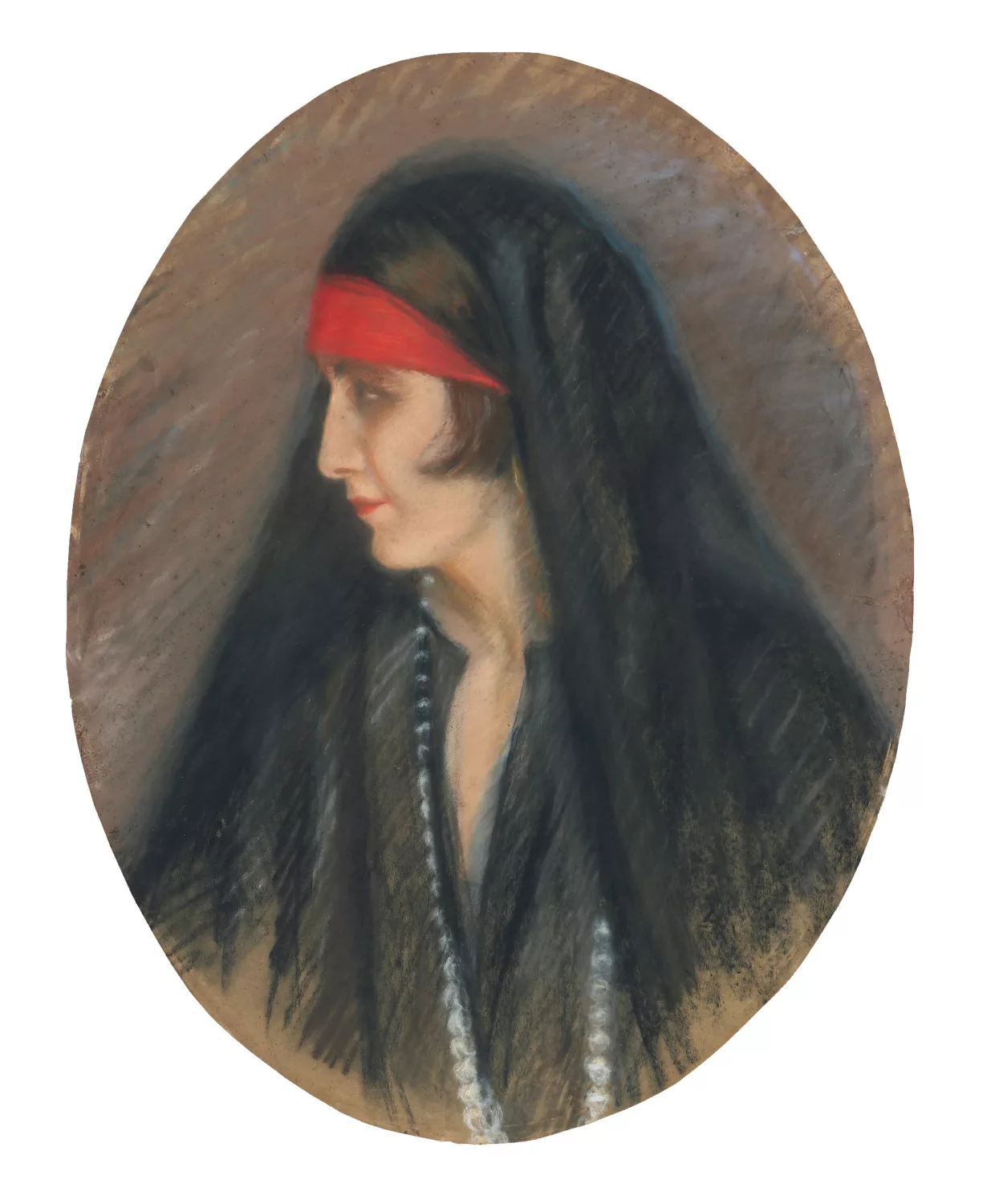
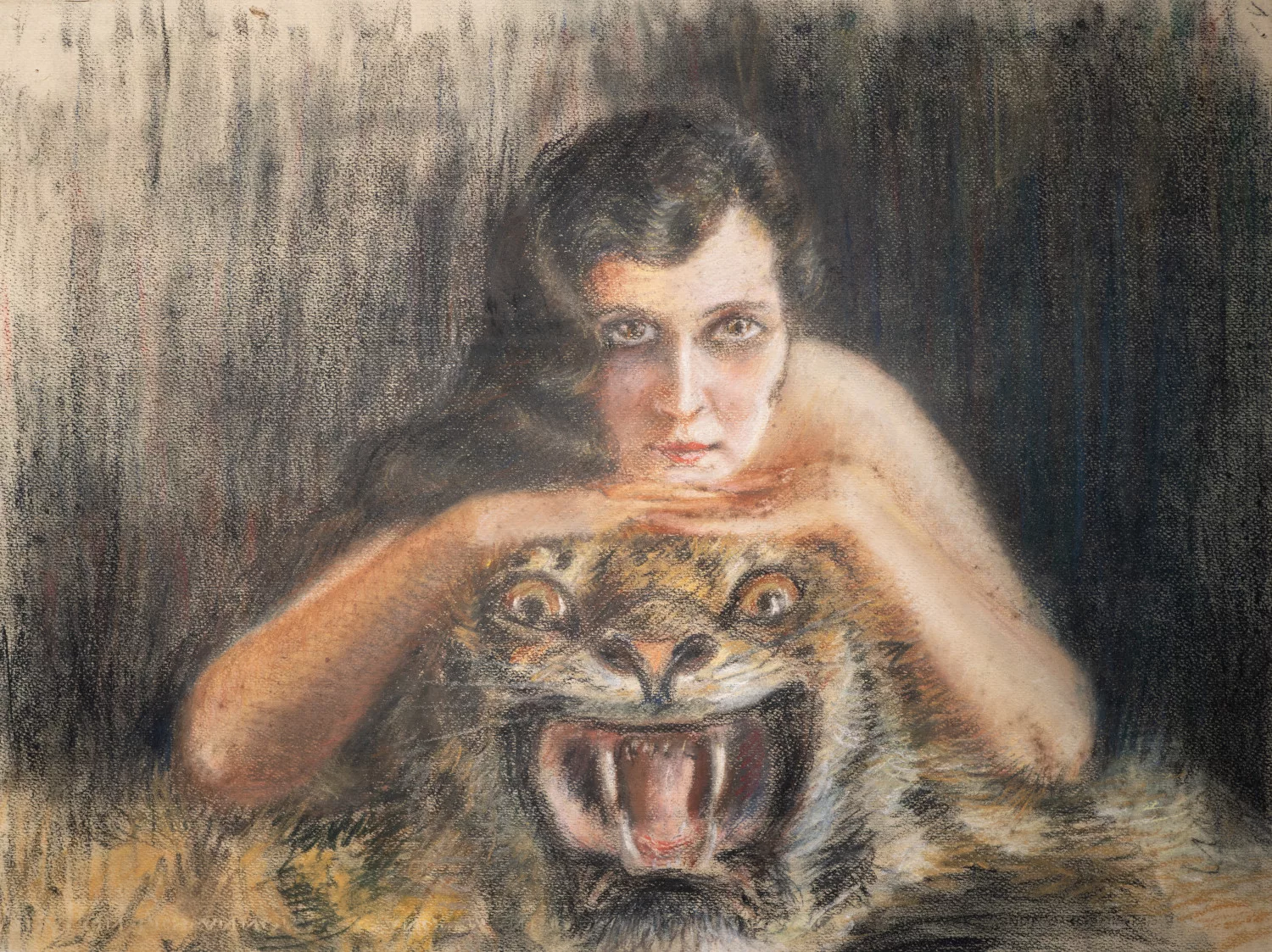
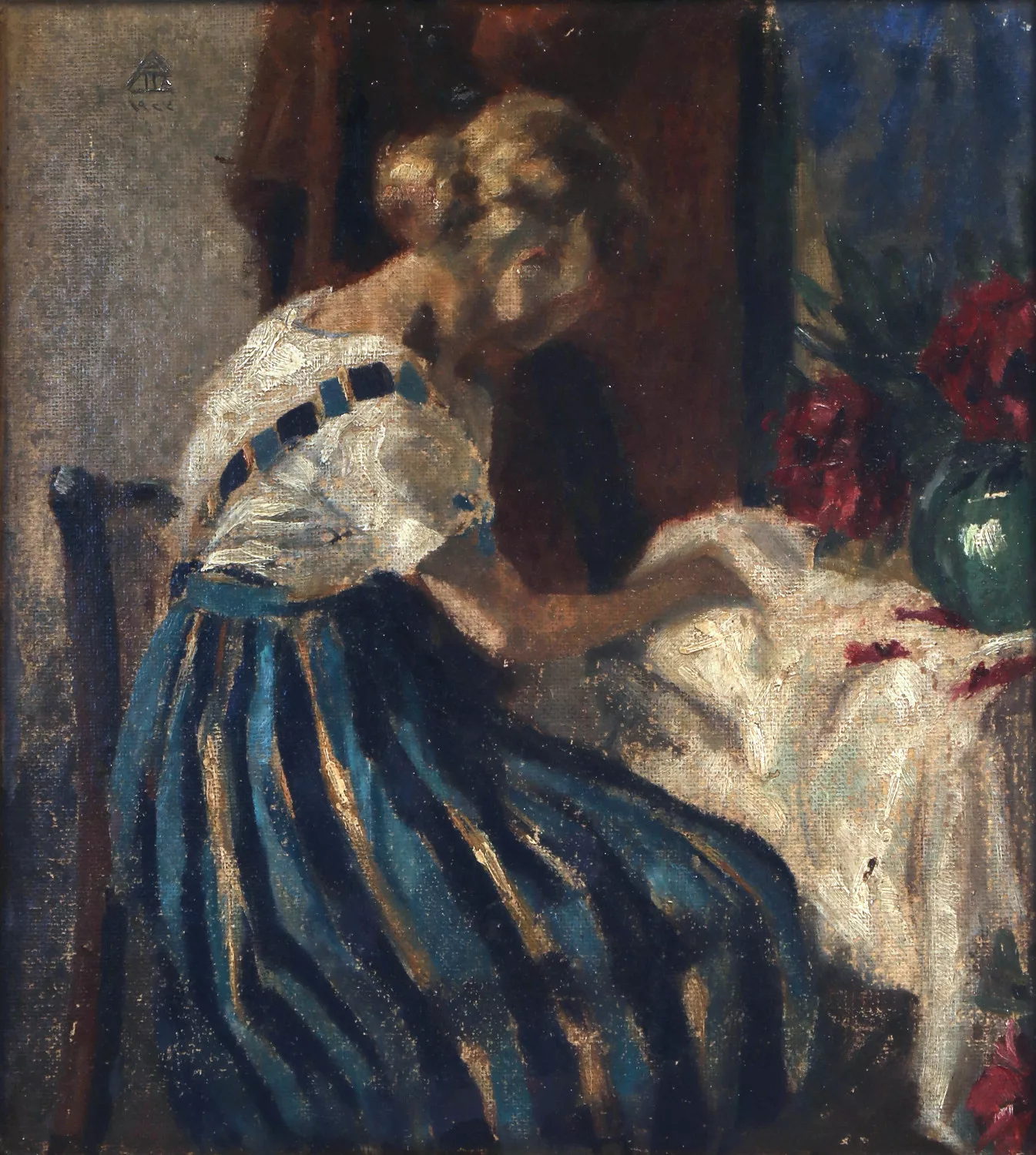
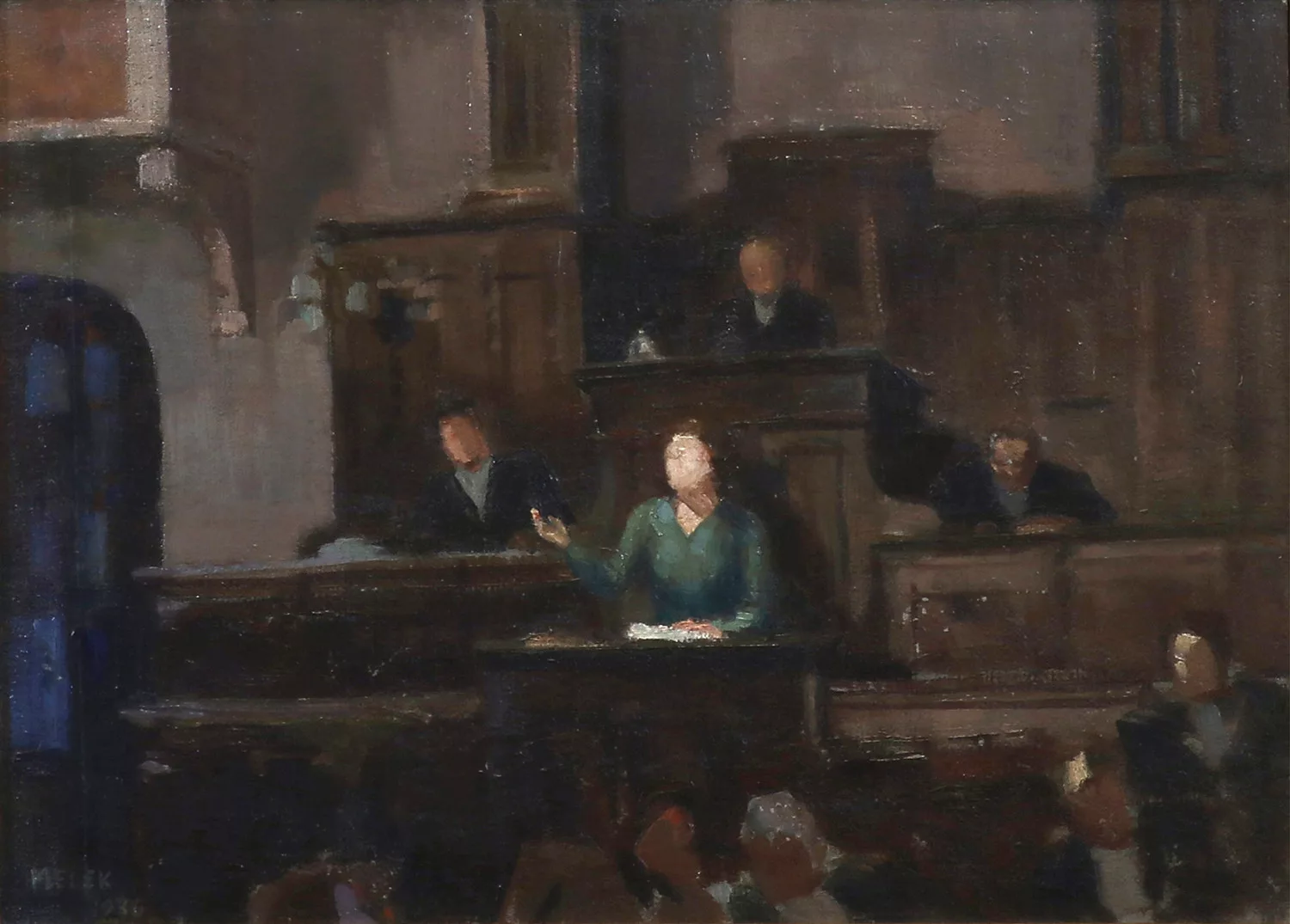
M. Celâl Sofu was mostly known as a portraitist, but she also painted still lives, nudes and landscapes. She participated in twenty-seven group exhibitions throughout her life. Between 1917 and 1943, she was a regular exhibitor at the annual Galatasaray Exhibitions (1916–1951). She is known as the first female painter to display a nude painting in Turkey in 1924. Her art was heavily influenced by the political and social changes she experienced. Her most acclaimed painting, Woman Taking the Floor at the Old Grand National Assembly (1935), was inspired by women’s newly granted right to vote and stand for election in Turkey in 1934. After the death of Mustafa Kemal Atatürk (1881–1938), the founder of the Turkish Republic, she produced a commemorative medal that read, “The Turkish women you saved show their devotion to you”.
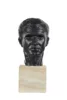
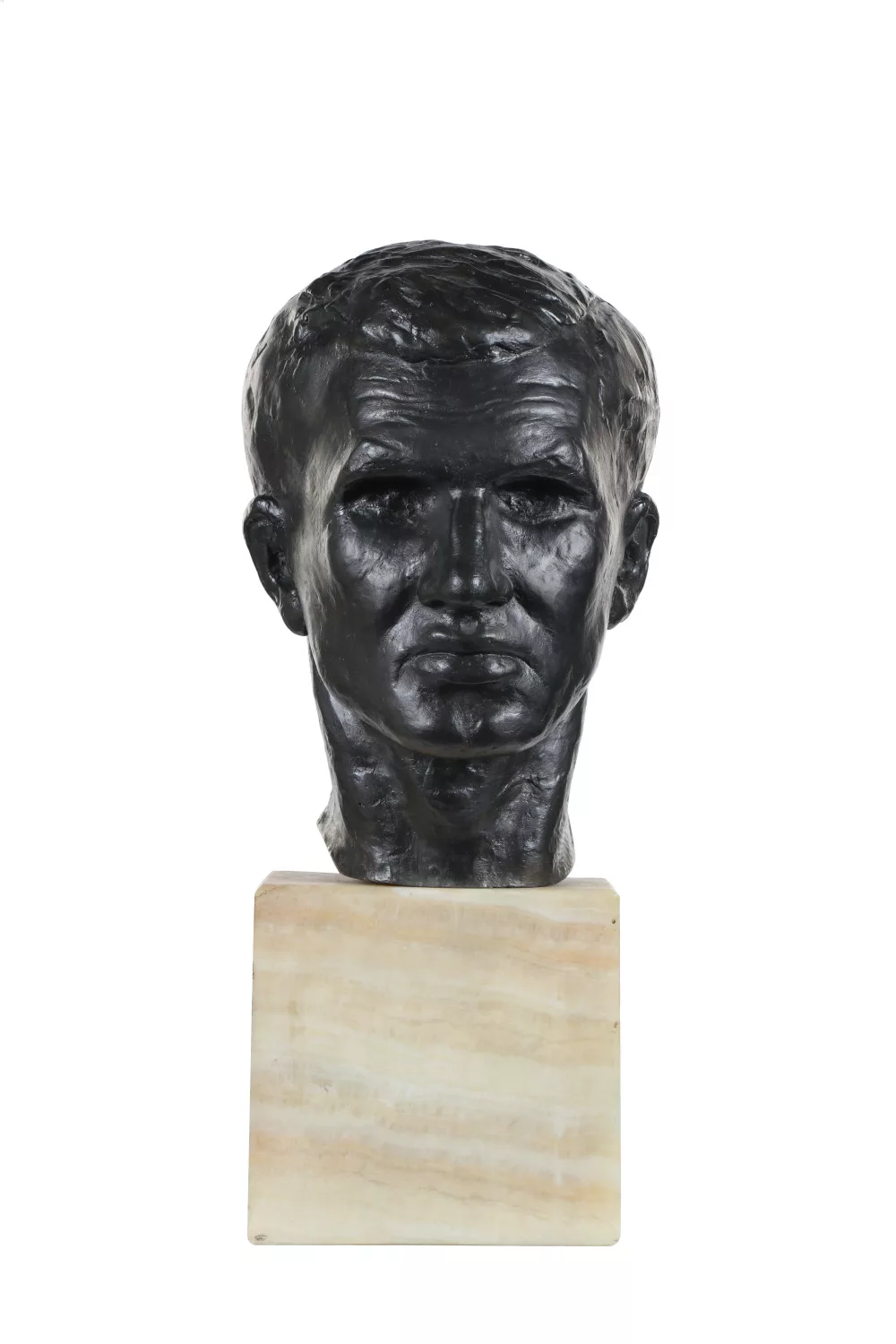
During the Early Republican Period (1923–1945), she and her first husband Celâl Sofu lived in Villa Wohl in Moda (a district on Istanbul’s Asian side). From the 1920s to the 1940s, the mansion became a gathering place for renowned intellectuals and artists, including poet Yahya Kemal Beyatlı (1884–1958), painter Nazmi Ziya Güran (1881–1937) and architect-decorator Louis Süe (1875–1968). M. Celal Sofu painted portraits of her friends, including musician Neyzen Şevki Sevgin (1893–1969) and painter Roman Bilinski (1897–1981). The latter collaborated with her in her Villa Wohl studio and was the model of some of her rare sculptures. In 1935, she organised an exhibition with her close friend and graphic designer İhap Hulusi Görey (1898–1986) at the historic Mısır Apartment in Istanbul.
M. Celâl Sofu challenged social norms with her lifestyle and public presence in Istanbul. She was amongst the first women to publicly wear a swimsuit. Following the death of her first spouse in 1946, in 1956 she married the German physician Dr. Arno Eduard Lampé (1886–1974), and moved to Munich, where she exhibited and published under the name Melek Lampé. In 1964, she debuted a solo exhibition at Galerie Schumacher in Munich.
In addition to being an artist, M. Celal Sofu was a researcher and writer who published in Turkish, German and French. She wrote books on Turkish folk art and the calligrapher Kâmil Akdik (1861–1941), the father of the painter Şeref Akdik (1899–1972). Her articles, which focused on Turkish carpet-making, embroidery and urban planning, were published in periodicals. She also presented papers at international conferences in Germany and France.
Some of her sculptures and paintings are currently housed in private collections and institutions, including the Istanbul State Painting and Sculpture Museum.
A notice produced as part of the TEAM international academic network: Teaching, E-learning, Agency and Mentoring
© Archives of Women Artists, Research and Exhibitions, 2026