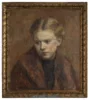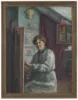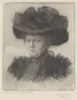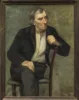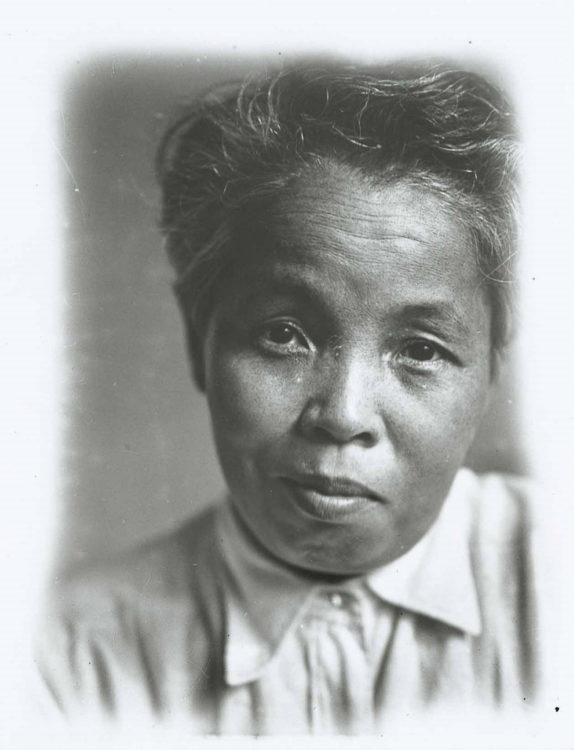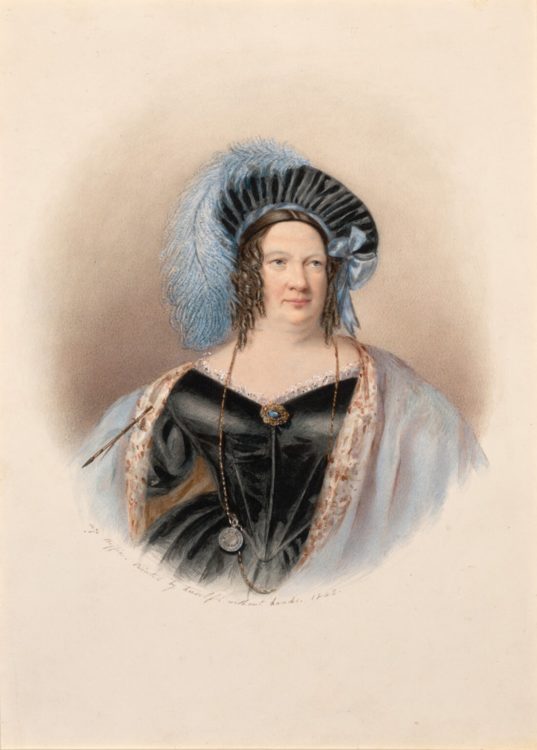
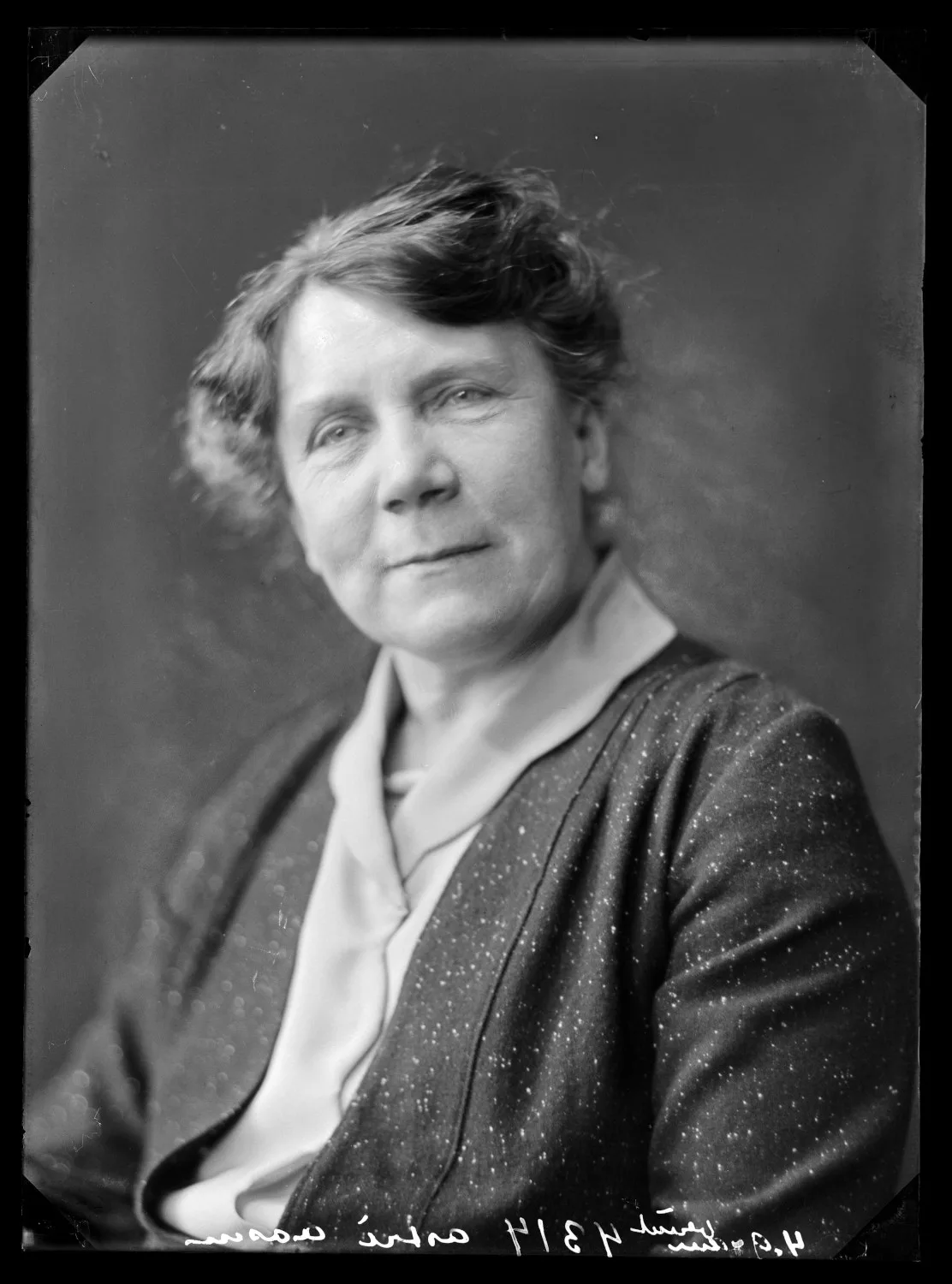
Portrait of Astri Aasen
Thorstensen, Sofie V., Fra Malerinne til Kunstner: Astri Aasen og kunstkritikken på begynnelsen av 1900-tallet, Trondheim, NTNU, 2023
→Pushaw, Bart, “Elsa Laula, Astri Aasen, and the Ascent of Sámi Visual Sovereignty, 1904-1917” in Greaves, Kerry (ed.), Modern Women Artists in the Nordic Countries, 1900-1960, New York, Routledge, 2021
→Mona, Marte, Berømte og Gløymde Trondheimskvinner, Oslo, Samlaget, 2004
Astri Aasen – Minneutstilling, Trondhjems Kunstforening, Trondheim, 27 September, 2001–21 October, 2001
→Astri Aasen Sort- og Hvitt Utstilling, Trondhjems Kunstforening, Trondheim, September, 1935–October, 1935
→Astri Aasen, Oslo Kunstforening, Oslo, September, 1933–October, 1933
Norwegian painter, lithographer and graphic artist.
Astri Aasen began an apprenticeship in professional retouching of film photography in 1891, at the age of 16. Her interest in photo editing led her to move from Trondheim to Christiania (now Oslo), to continue training in the craft. She was an apprentice until the end of the 1890s, when she was recommended for work as a professional retoucher in Ålesund. It was here, in her 20s, that she took up painting as a hobby and soon fell in love with it.
In 1900 she moved to Bergen to begin a formal art education at Asor Hansen’s (1862–1929) painting school, which had newly started accepting female students. Two years later, she applied to Harriet Backer’s (1845–1932) painting school in Christiania, and was approved for early, out of season, admission in December 1902. H. Backer was impressed by A. Aasen’s skills and wrote her a recommendation letter which granted her a scholarship to the Royal Danish Academy of Fine Arts, where she pursued her education for two years under the artist Viggo Johansen (1851–1935). A. Aasen was unsatisfied with her lessons and decided to go back to H. Backer’s school for two more years (1907–1909), before being told by H. Backer herself that she no longer needed a teacher.
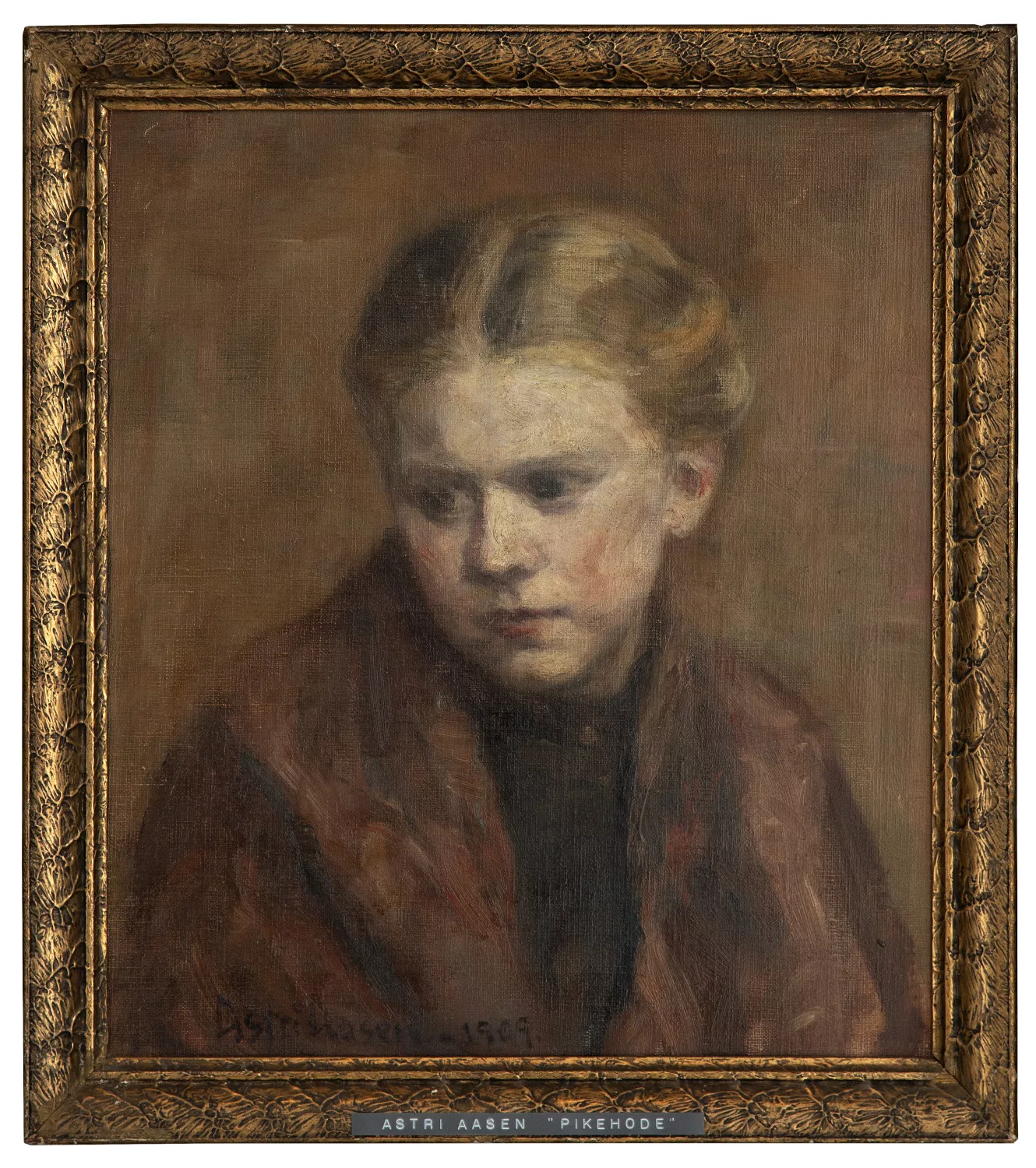
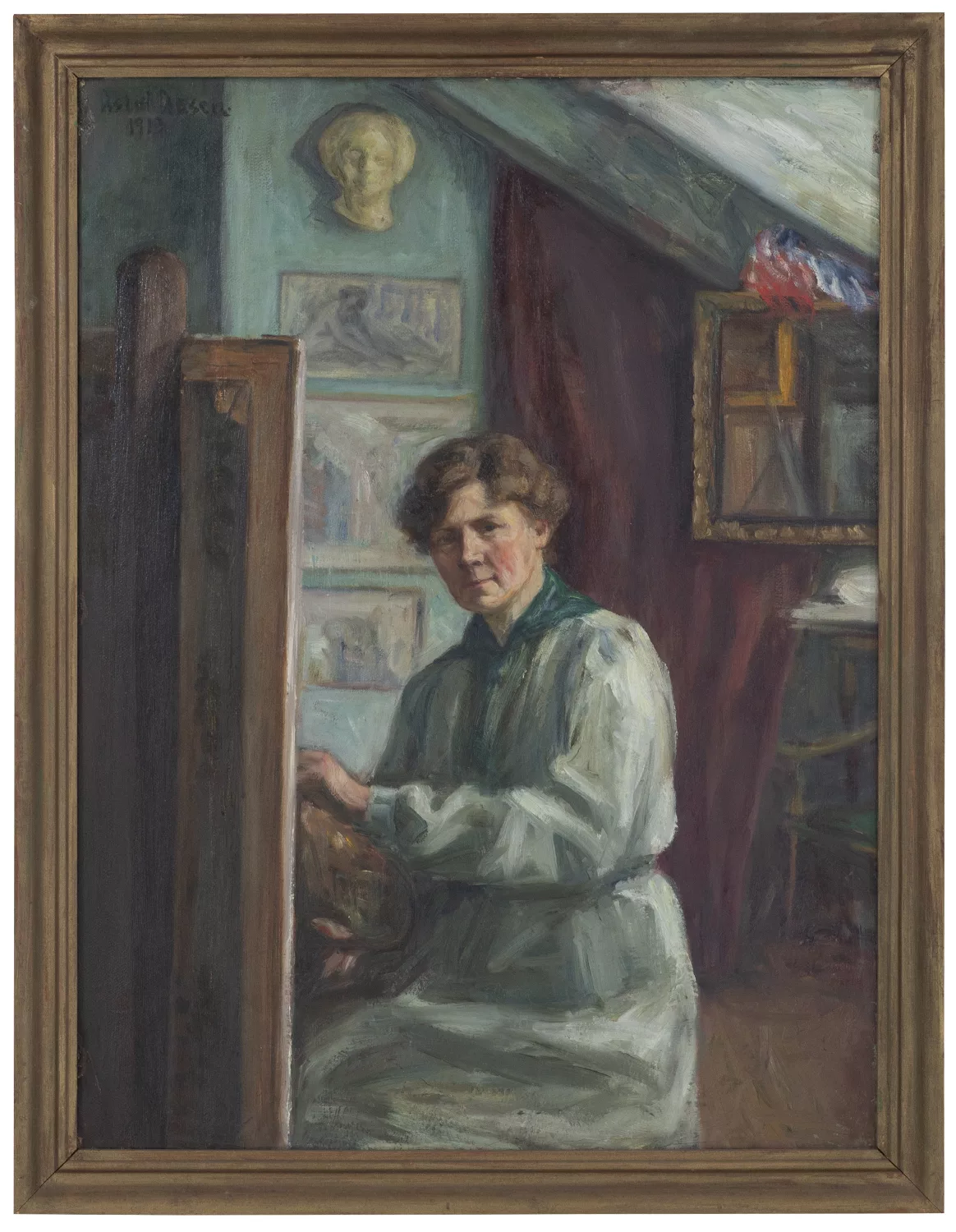
She started displaying her work at Høstutstillingen, the annual Norwegian art autumn exhibition (1905, 1909, 1912, 1915, 1927–1933 and 1935). Though the records of the specific paintings she exhibited at Høstutstillingen remain unclear, she strongly favoured portraiture during this period of her career. Kenne (1908), a portrait of her sister, is an example of a theme she would revisit many times: a distant, melancholic woman painted in muted tones. Her subjects never make eye contact with the viewer, with the exception of some of her self-portraits.
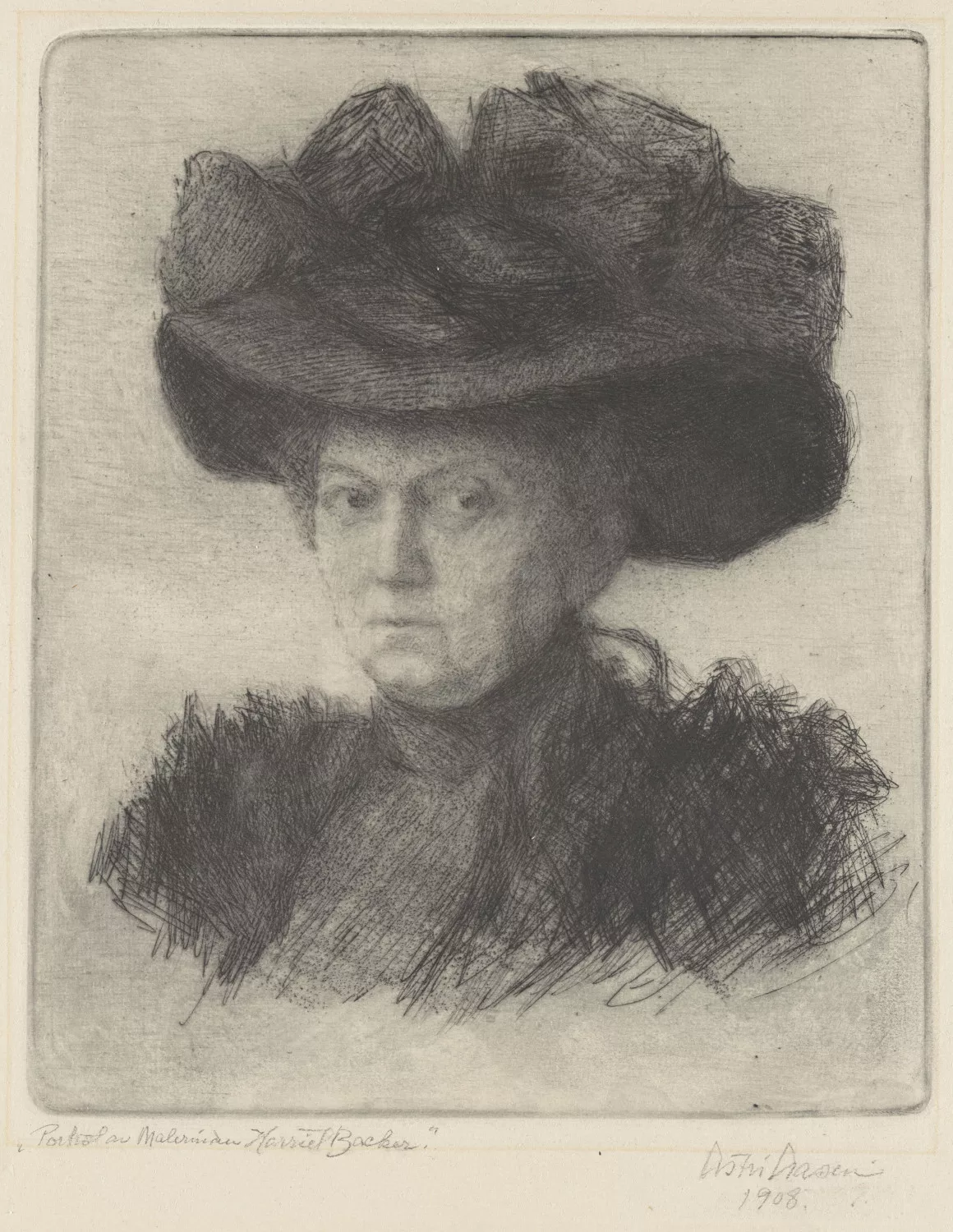
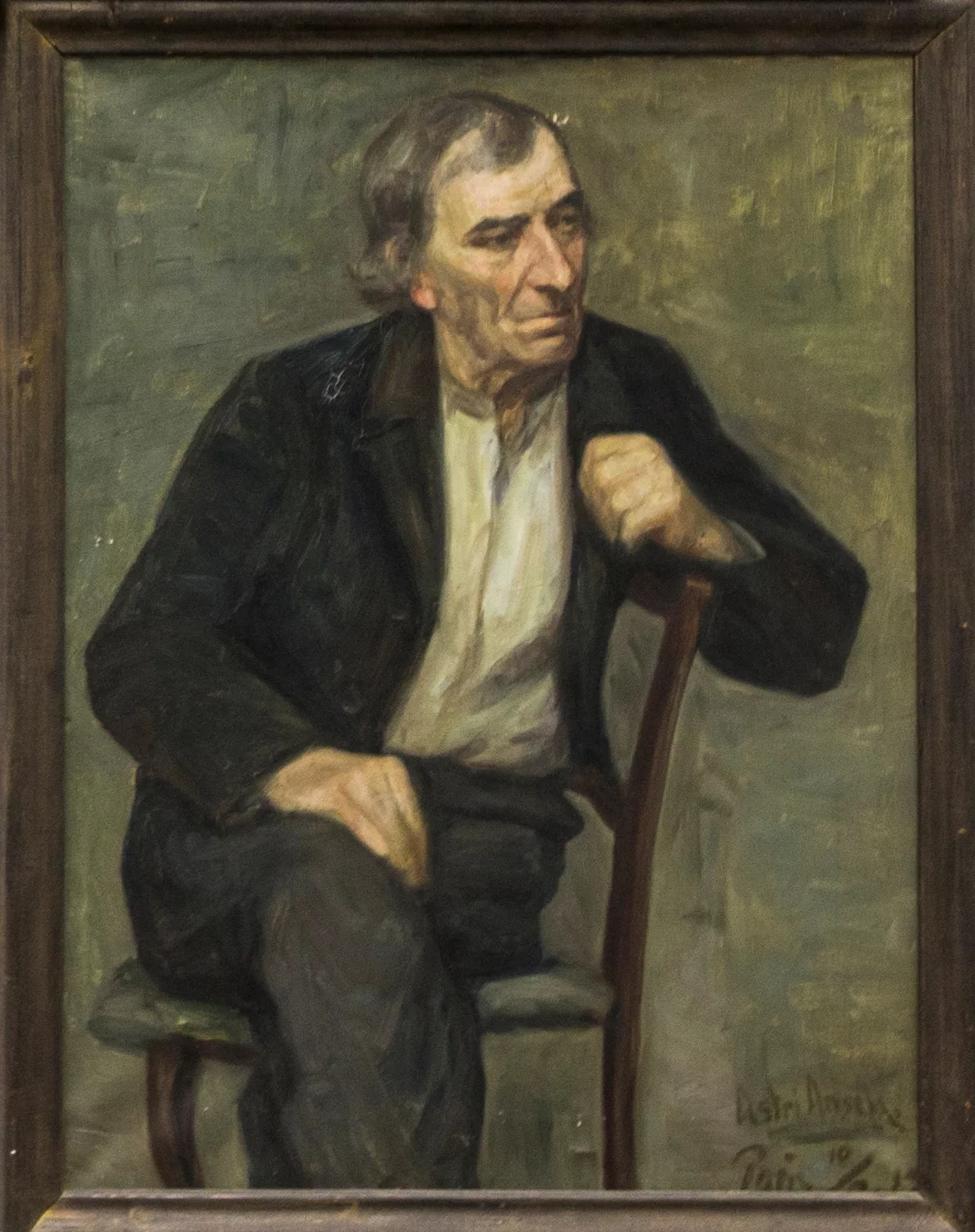
A. Aasen studied for two more years (1909–1910) at the Norwegian National Academy of Fine Arts. She travelled to Paris in December 1911 to study under Léon Bonnat (1833–1922) – H. Backer’s previous teacher – for a year. She also travelled across Europe, both appreciating and creating art. One of the artworks from this period is Mannsportrett. Paris [The Portrait of a Man. Paris, 1915], which is held in the collection of Trondheim Kunstmuseum. Her paintings were exhibited in New York, Riga, London, Stockholm and Florence. She also exhibited her lithographs, such as Harriet Backer (1908), now in the collection of Nasjonalmuseet in Oslo.
The Astri Aasen Gave was created in her name after her death in 1935, in accordance with provisions set out in her will, and was financed by a donation of 500 of her works. The grant is intended to help young artists pursue art despite a lack of funds. It has had a significant impact, helping to shape the Norwegian art sphere by supporting artists such as Håkon Bleken (1929–2025). Nevertheless, her legacy remains overlooked – her works lost, her exhibitions forgotten and her image largely unrecognised. She deserves sustained scholarly and public recognition; her name an eternal fixture in the history of the art sphere in Trondheim.
A biography produced in collaboration with MUNCH
© Archives of Women Artists, Research and Exhibitions, 2026