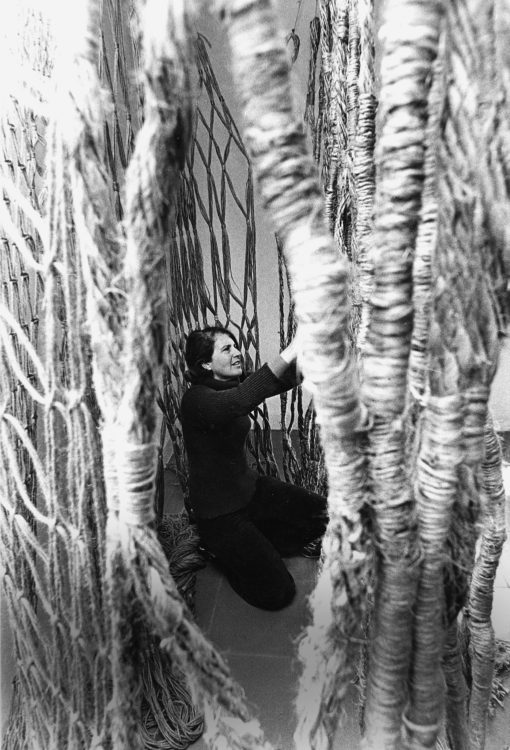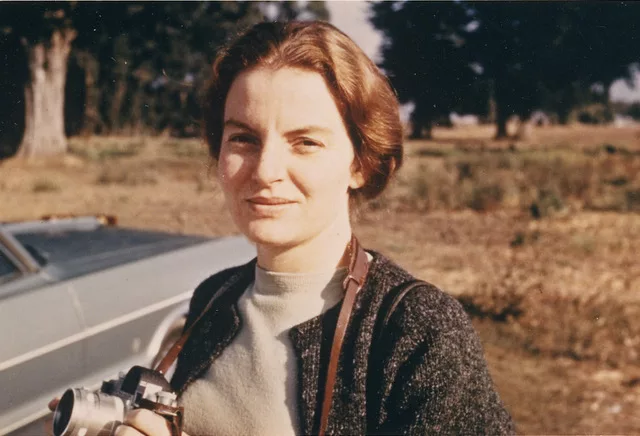
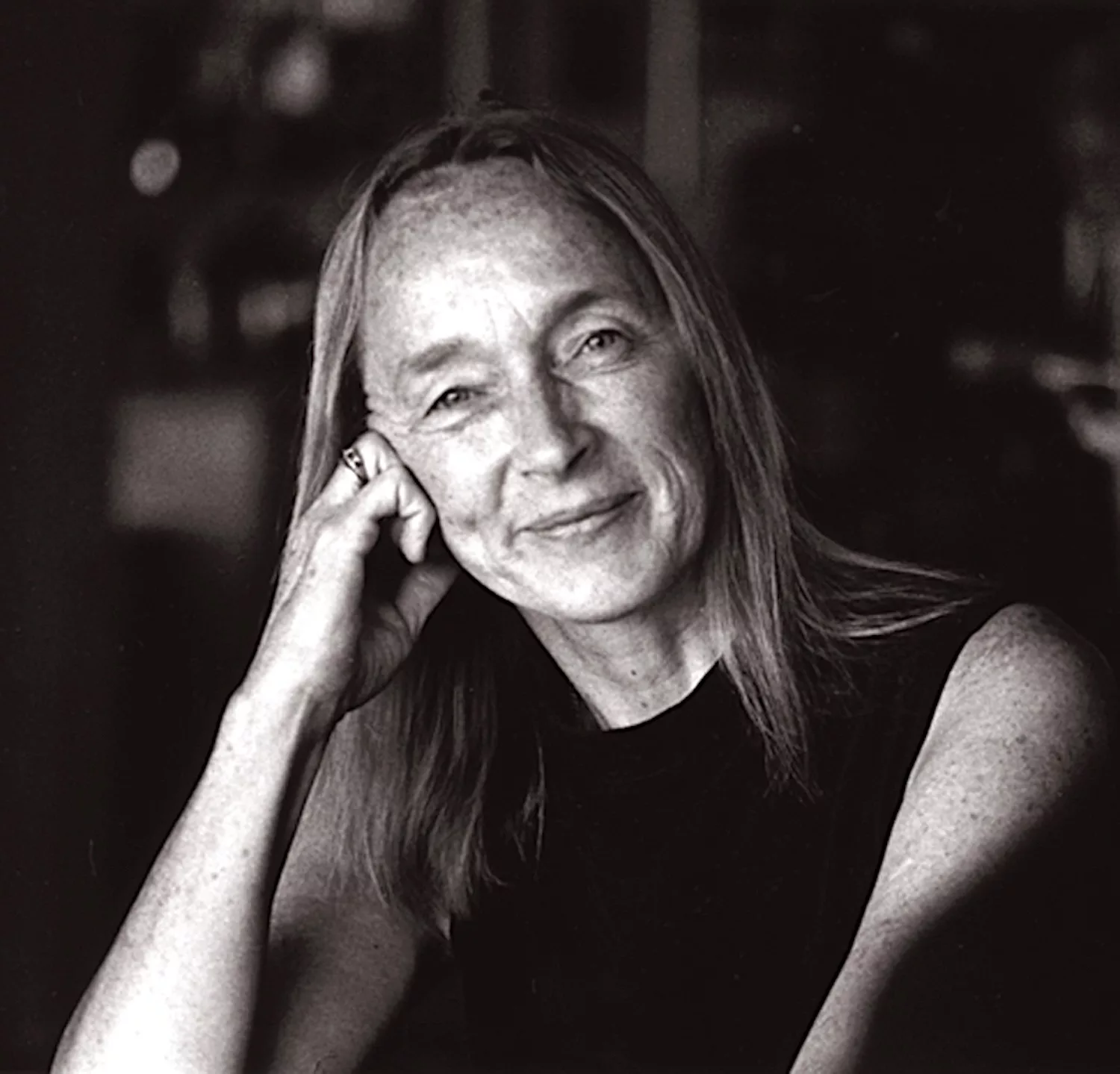
Portrait of Brit Andresen
Beck, Haig et Cooper, Jackie (ed.), UME # 22, collective monographic issue in 3 vol.: « Andresen O’Gorman – Texts and Commentaries » / « Andresen O’Gorman – Texts and Works 1965-1985 » / « Andresen O’Gorman – Works 1983-2001 », 2022
Norwegian architect and teacher.
Hailing from the small seaside town of Sandnes, southwest of Oslo, Brit Andresen had a cosmopolitan upbringing, spending part of her early years and attending school in Australia. In 1965, back in Norway, she began studying architecture at Norges Tekniske Høgskole in Trondheim, notably enrolling in classes taught by modernist architect Arne Korsmo (1900–1968). After graduating in 1969, she was awarded a scholarship to research housing in The Netherlands.
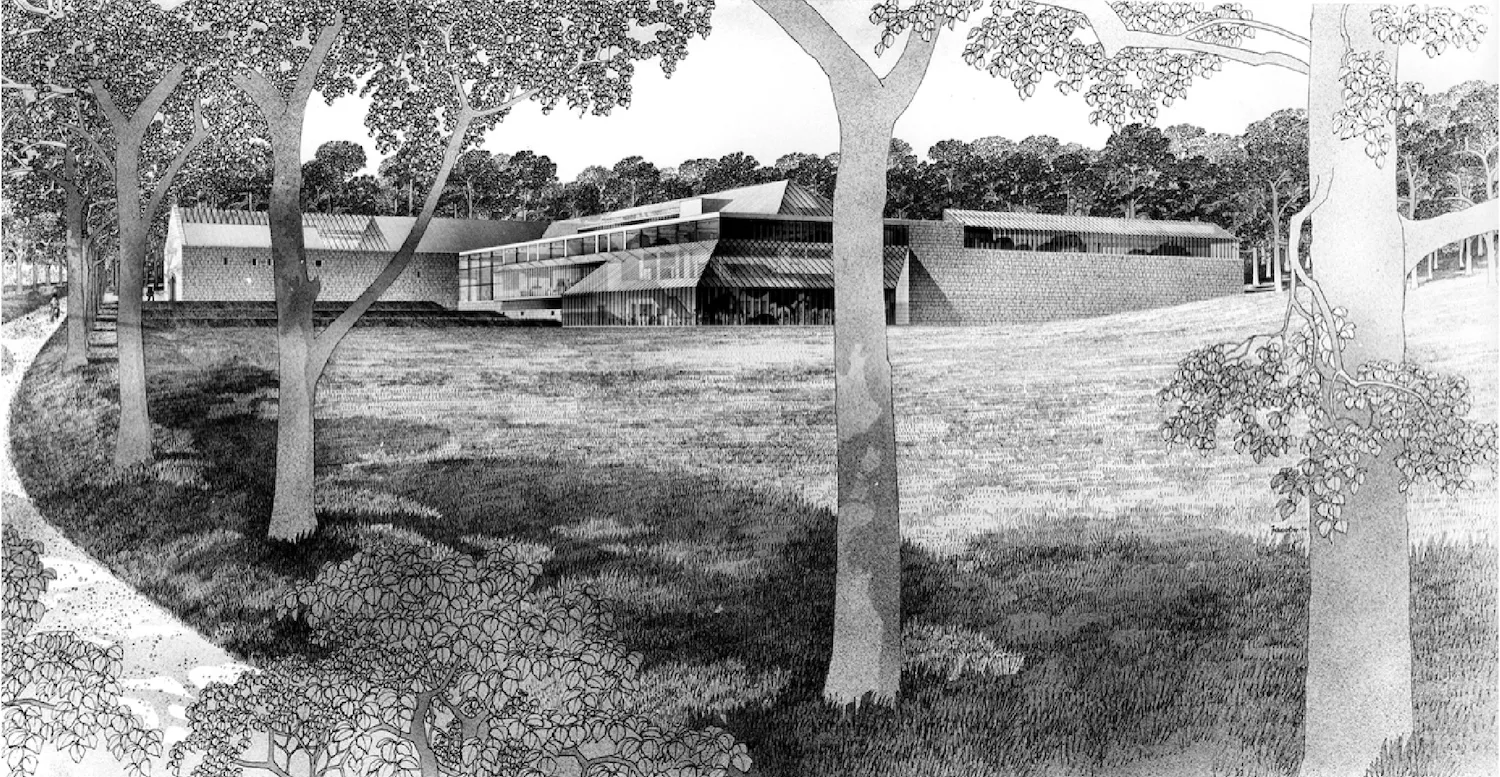
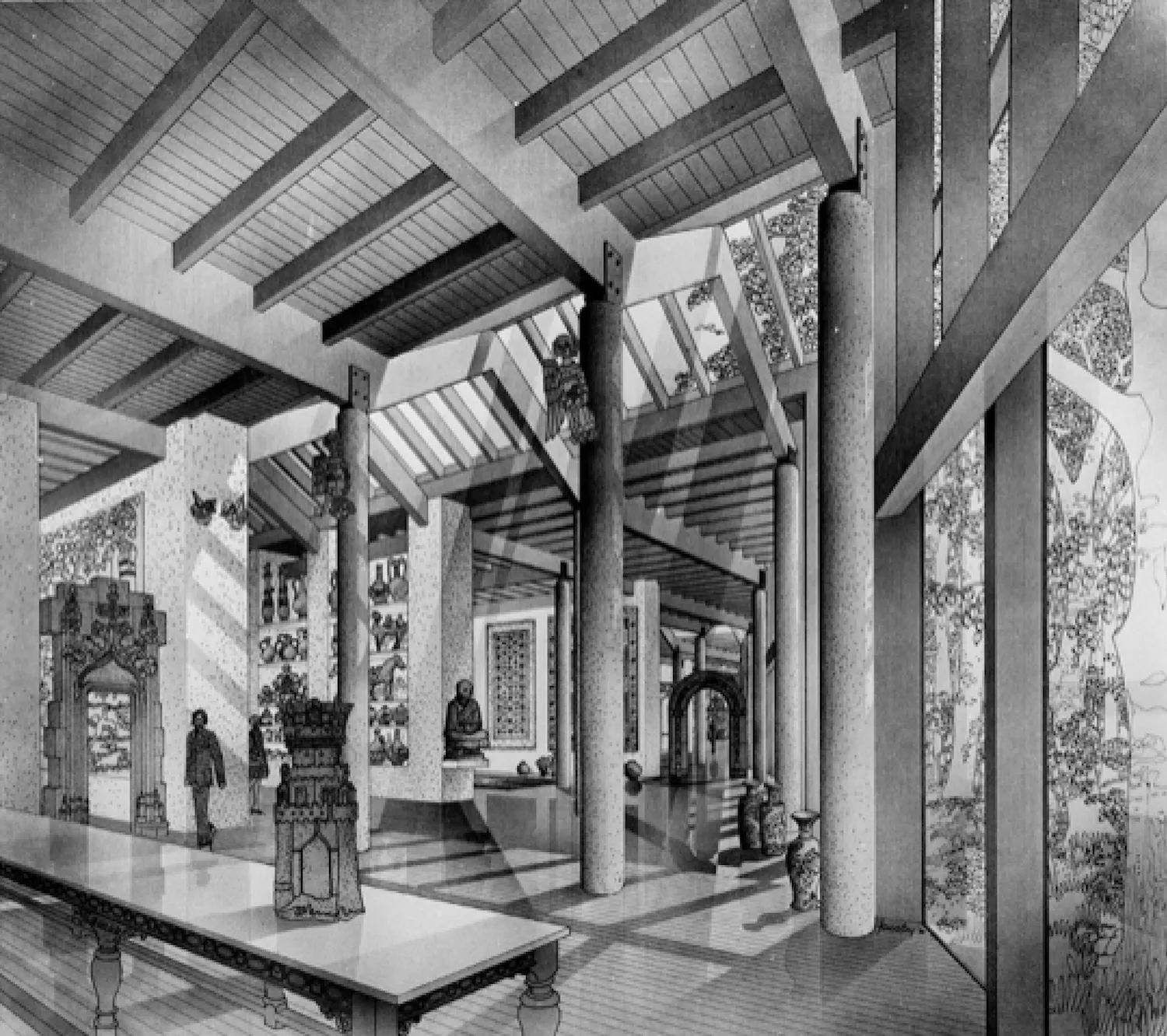
She accepted teaching positions at the Architectural Association School of Architecture in London, and the University of Cambridge. In 1971, still in the United Kingdom, she opened her own architecture practice, where she won the architectural design competition for the Burrell Museum in Glasgow with Gasson and Meunier, continuing on this project with Barry Gasson 1972-1976.
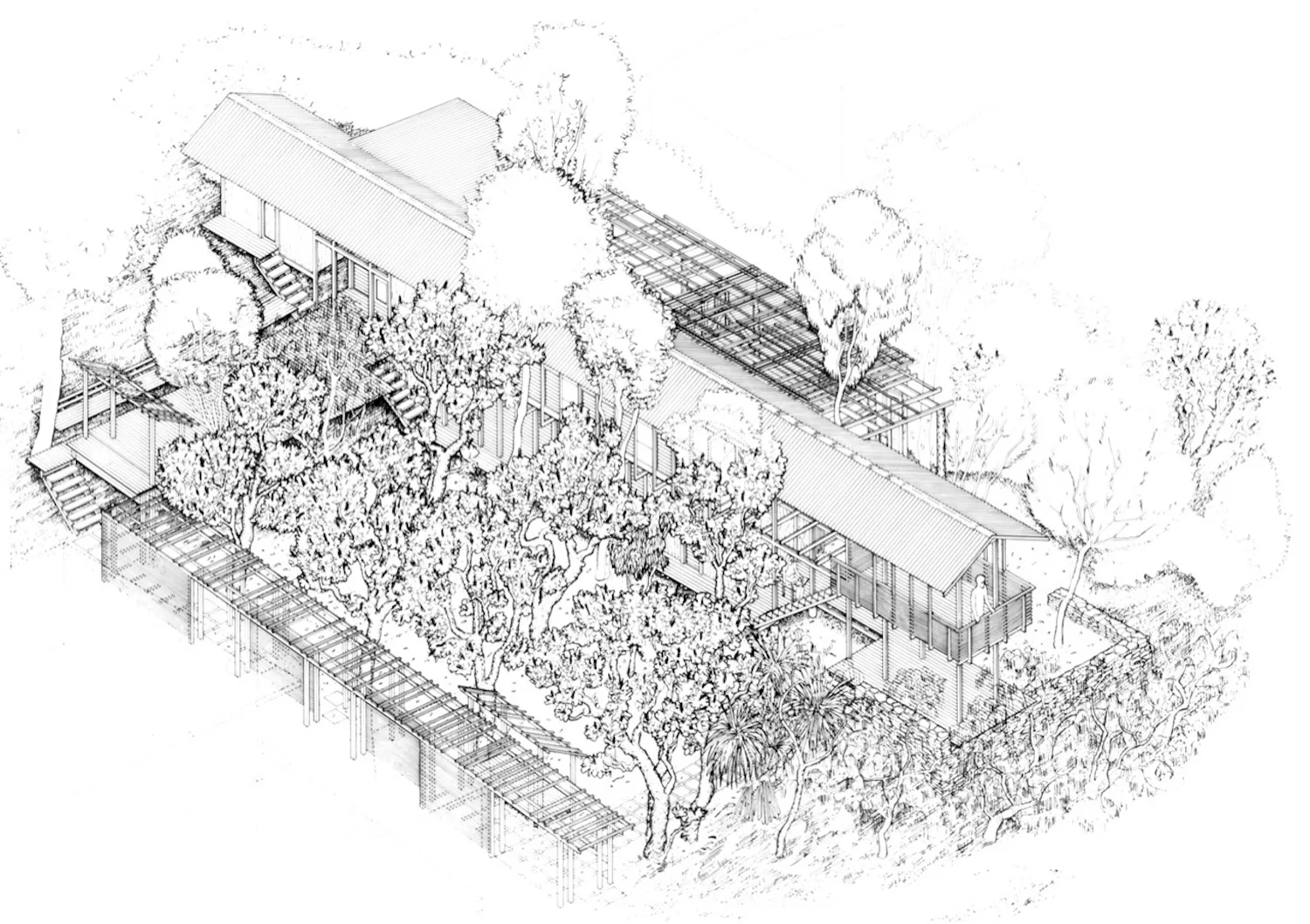
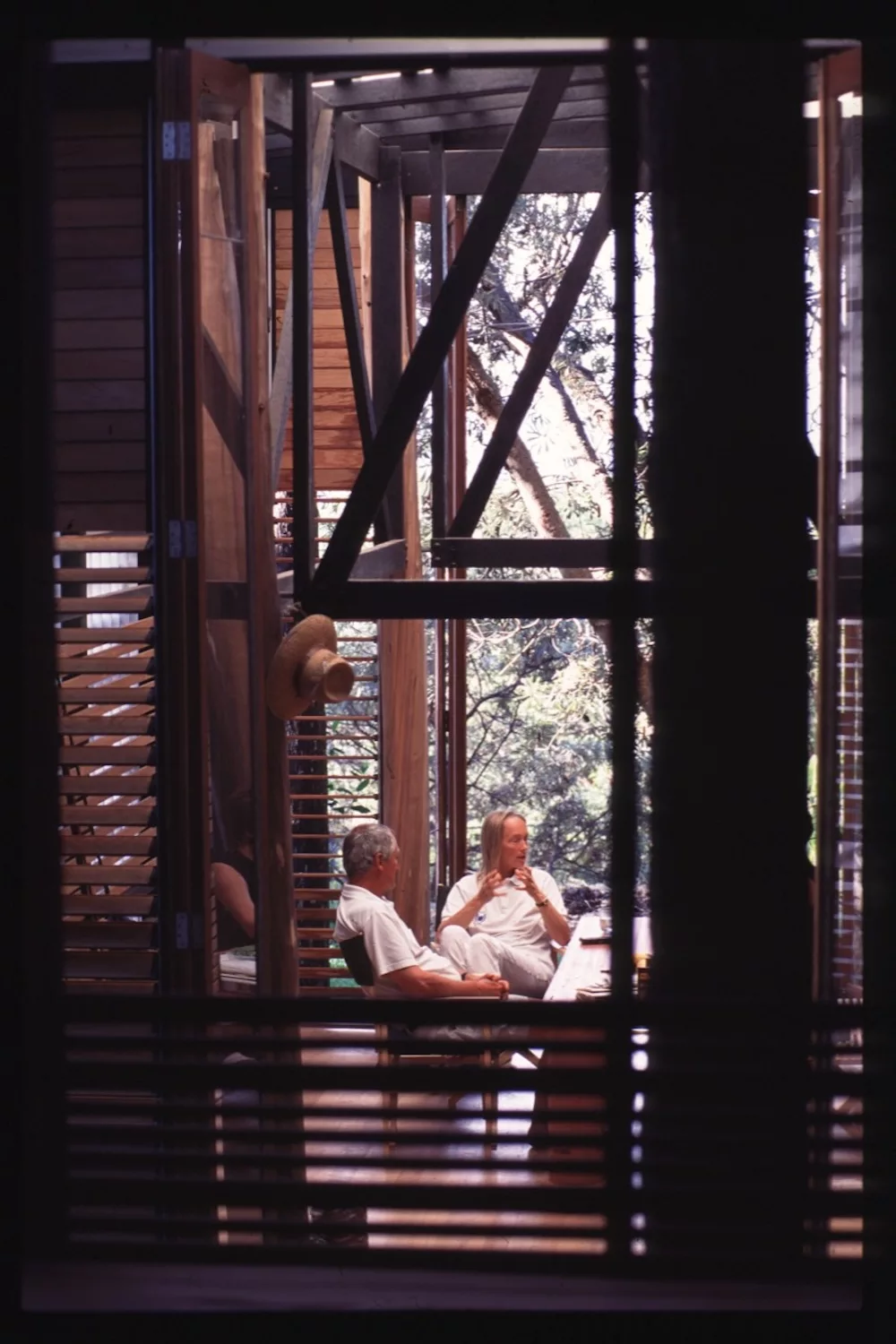
At the end of 1976, she moved to Brisbane in the Australian state of Queensland and partnered with a colleague, Peter O’Gorman (1940–2001), whom she would marry in 1980. With a scholarly focus and grounded in references, their firm, Andresen O’Gorman Architects, tackled the landscapes of Queensland with the discipline’s fundamental principles – scale, order, proportion, materiality and use – and explored the structural potential of native hardwoods. Most of their designs were for residential schemes. This approach combined the experience of primitive shelters and echoes of traditional houses and temples (such as those in Norway or Japan) with tectonic rigour and poetry as well as domesticity and spirituality. The refined repetition of semi-open vertical planes in these houses led some to consider the two architects’ vision as ‘matchbox mannerism’.
B. Andresen joined the University of Queensland’s School of Design, Architecture and Planning in 1977 as its first female lecturer, marking the beginning of her thirty-three-year career at this institution as full professor. There, in keeping with her design ethos, she championed an architectural approach in which living spaces create essential bonds with places, landforms and climates, as well as with memories and stories that bring a sense of enchantment to daily life. She has given many lectures and, sometimes in collaboration with P. O’Gorman, published essays on the history and theory of her favourite subjects: the expressive potential of timber construction, the architecture of ‘old forms of assembly’ amongst certain Nordic masters and the ‘scales of relationship’ between a building and its components and contexts. The couple deliberately limited the projects their firm took on to ensure they could still travel outside Australia and teach at the University of California Los Angeles.
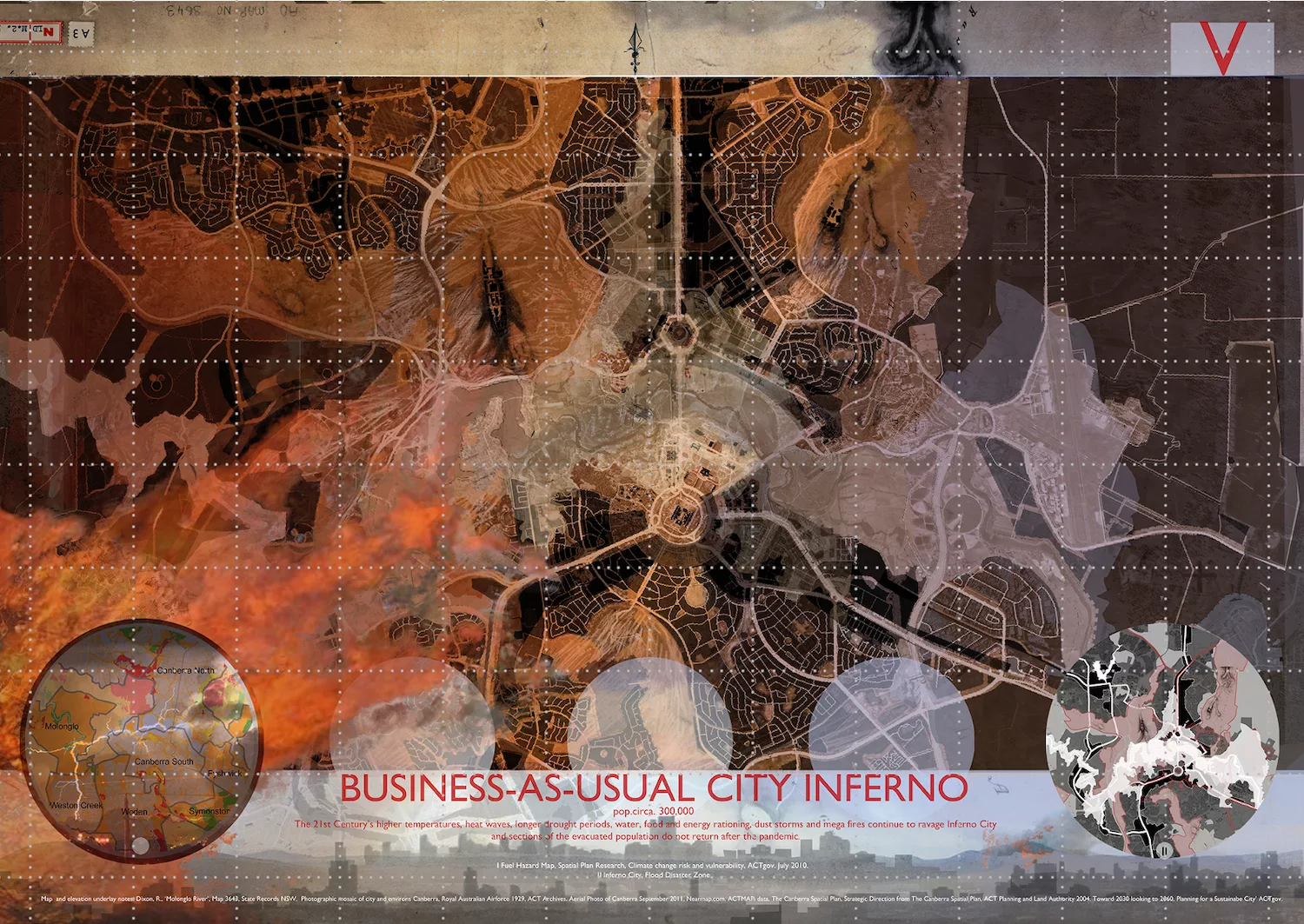
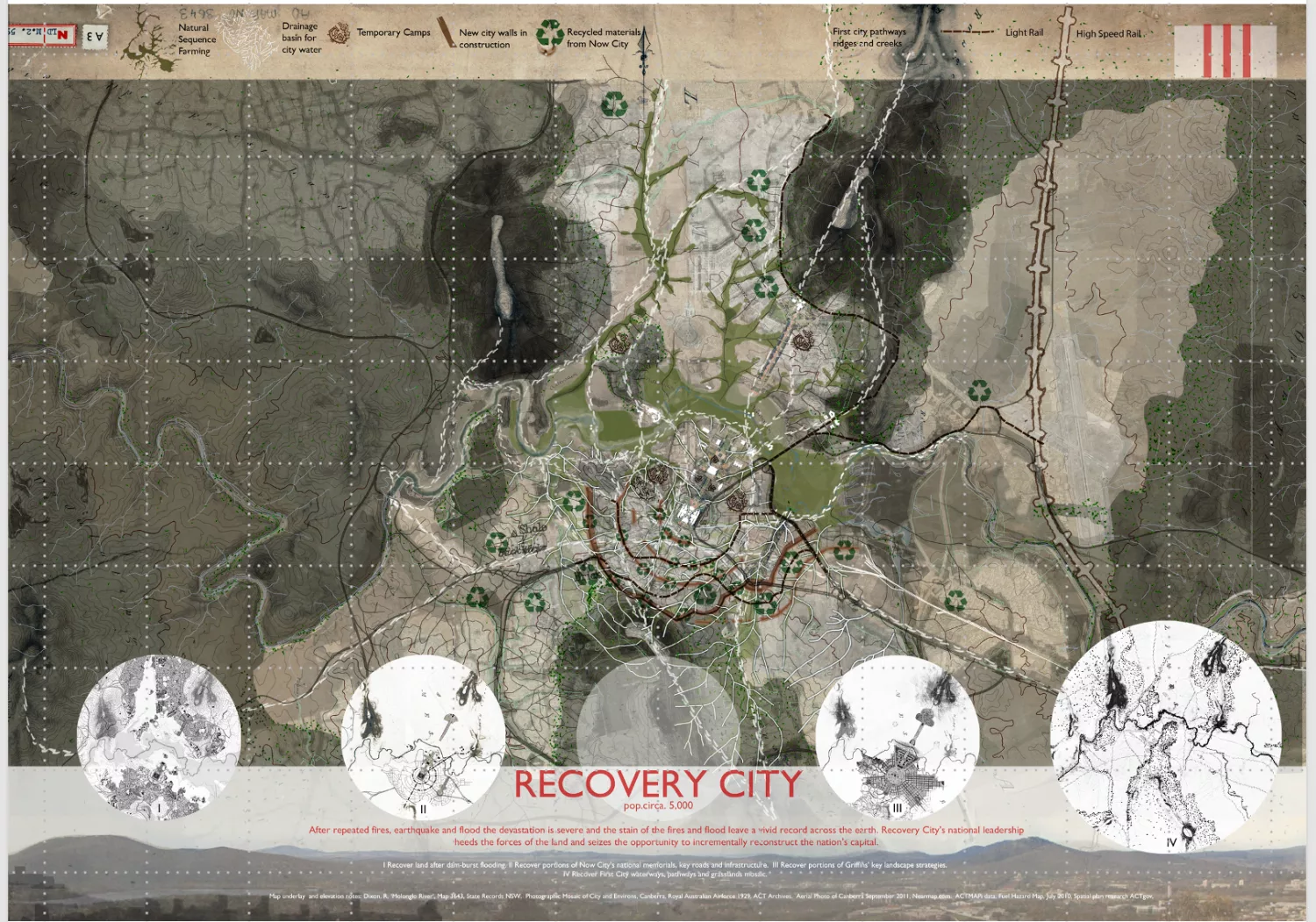
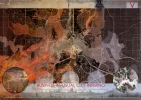
After P. O’Gorman’s death, B. Andreson maintained these activities and continued teaching at the University of Queensland until her retirement in 2010, when she was recognised for her contributions to the school with the distinction of professor emerita. Her practice continued with some project such as Sedimentary City (2010) with Mara Francis. In 2002, she became the first woman to receive the Gold Medal from the Royal Australian Institute of Architects, the nation’s largest architectural association.
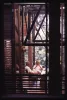
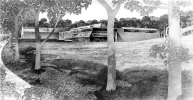
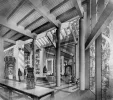


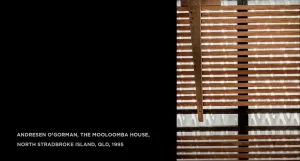 The Mooloomba house - Andresen O'Gorman | Museums of History NSW, March 2017