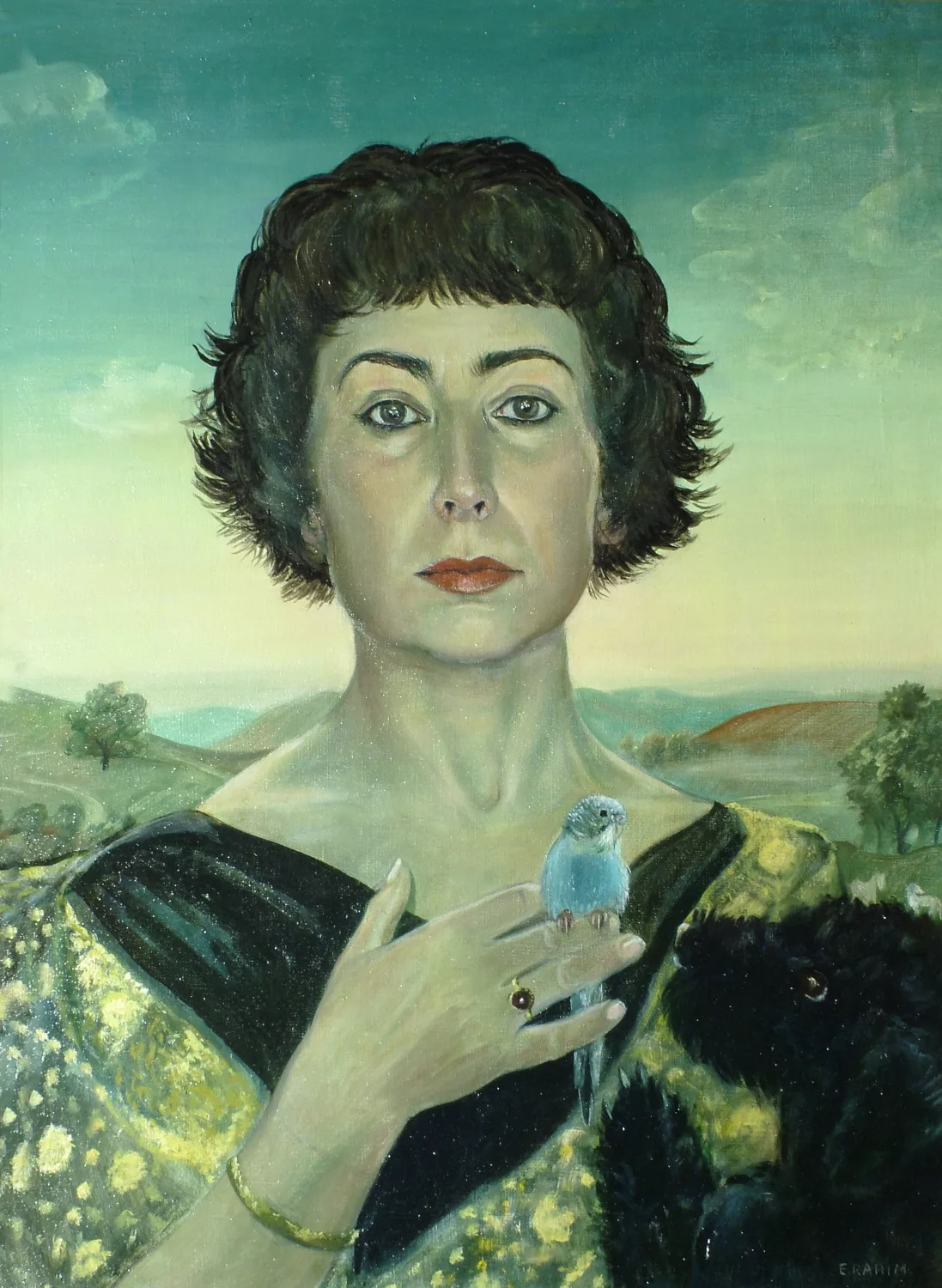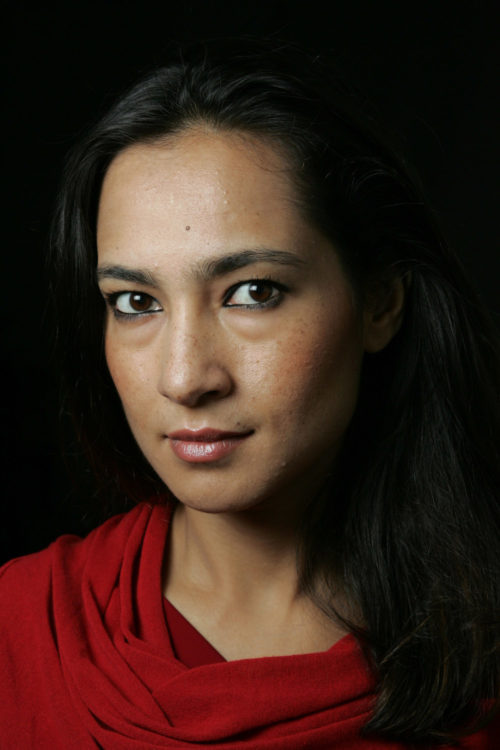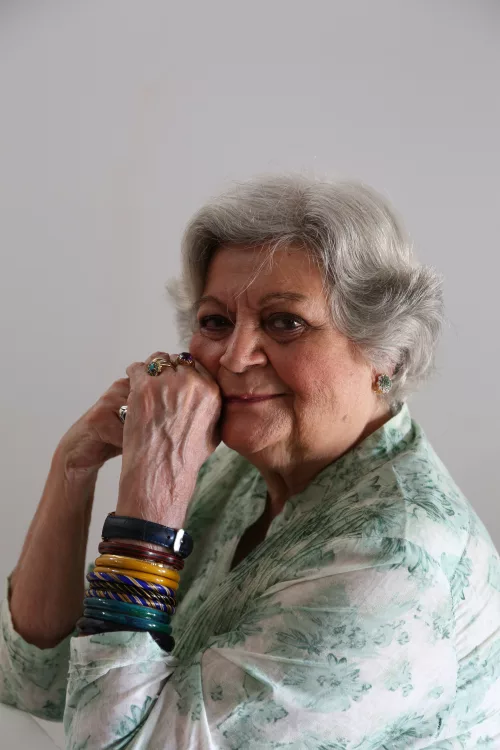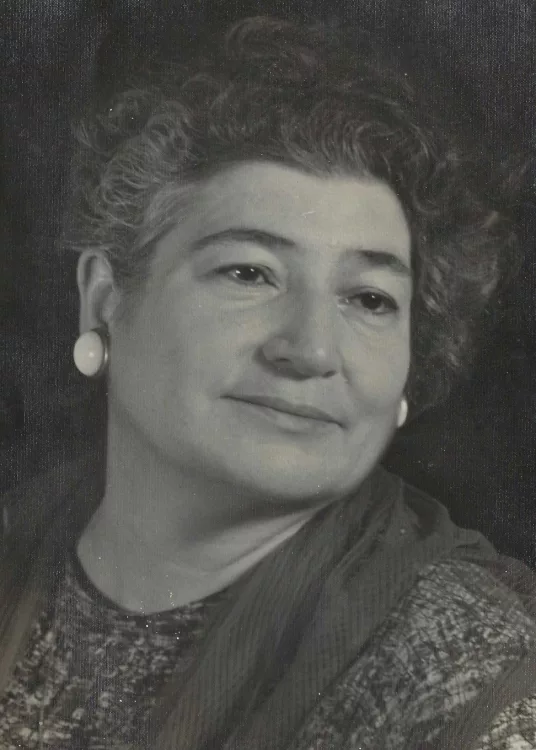
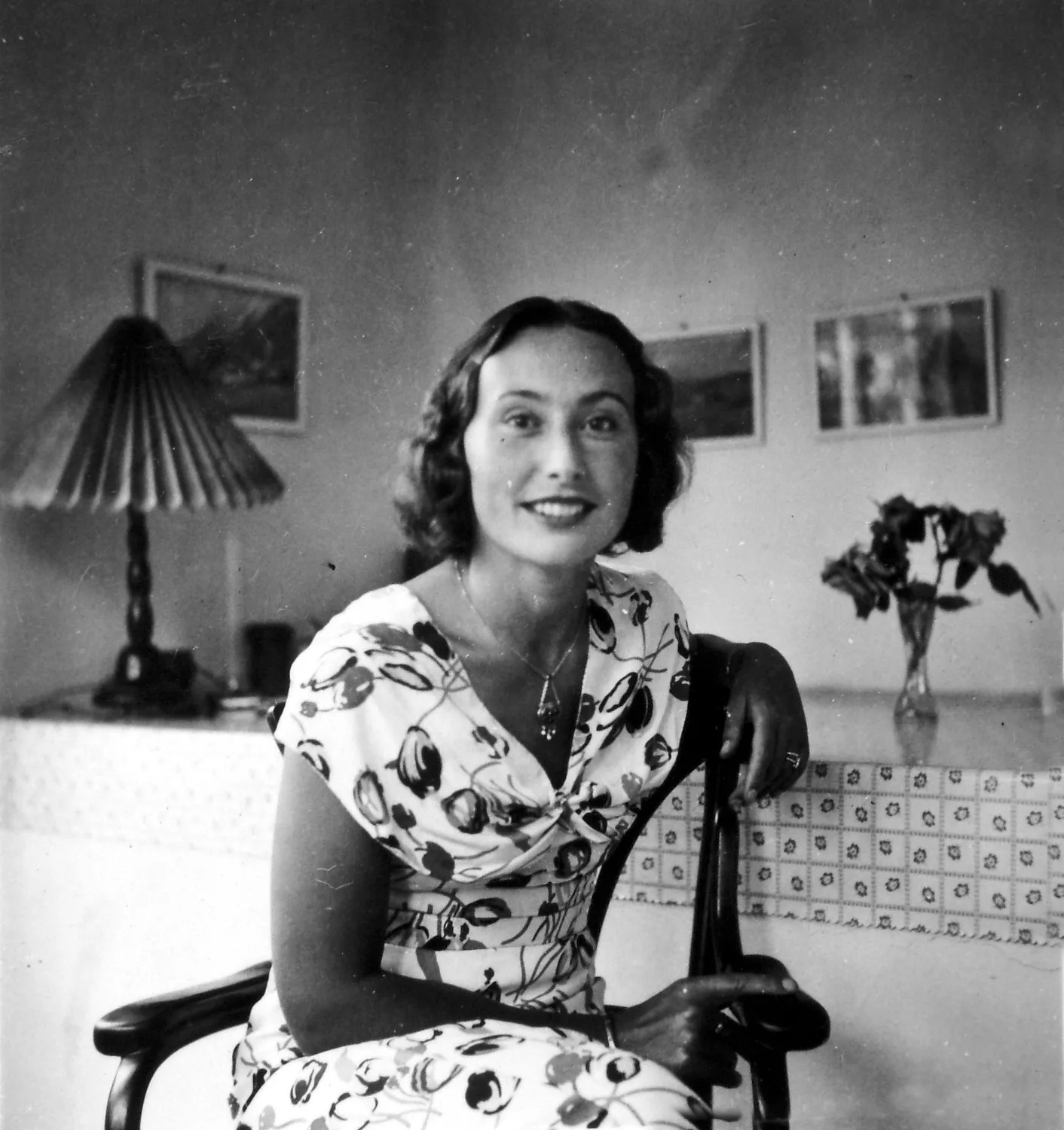
Portrait of Esmet Rahim
Rahim, Sikander, Hashmi, Salima, Ataullah, Naazish, Travels Mundane and Surreal: The Art of Esther Rahim, Lahore, Sang-e-Meel, 2006
→Goswamy B. N., “The Little-known Esther Rahim”, The Tribune, 10 June, 2007, accessed 18 July, 2026, https://www.tribuneindia.com/2007/20070610/spectrum/art.htm
→Hashmi Salima, Unveiling the Visible: Lives and Works of Women Artists of Pakistan, Lahore, ActionAid Pakistan, 2003
Nude with Attitude, Museum Arnhem, Arnhem, 14 March–20 September, 2026
→Esmet Rahim: Journeys from Real to Surreal, COMO Museum Lahore, 16 September, 2025–15 February, 2026
→3rd São Paulo Biennale, São Paulo, 2 July–12 October, 1955
German-Pakistani Painter.
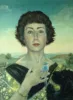
Esmet Rahim (née Esther Joesten) was the eldest of three children of the physician Dr. Joseph Joesten and the painter Amalie von Nesselrode-Hugenpoet. E. Rahim is known for adapting European modernist styles to South Asian histories and visual traditions. This synthesis reached its fullest expression in her dreamlike landscapes produced in the last decade of her life, making her one of the pivotal surrealist painters of Pakistan.
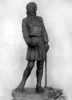
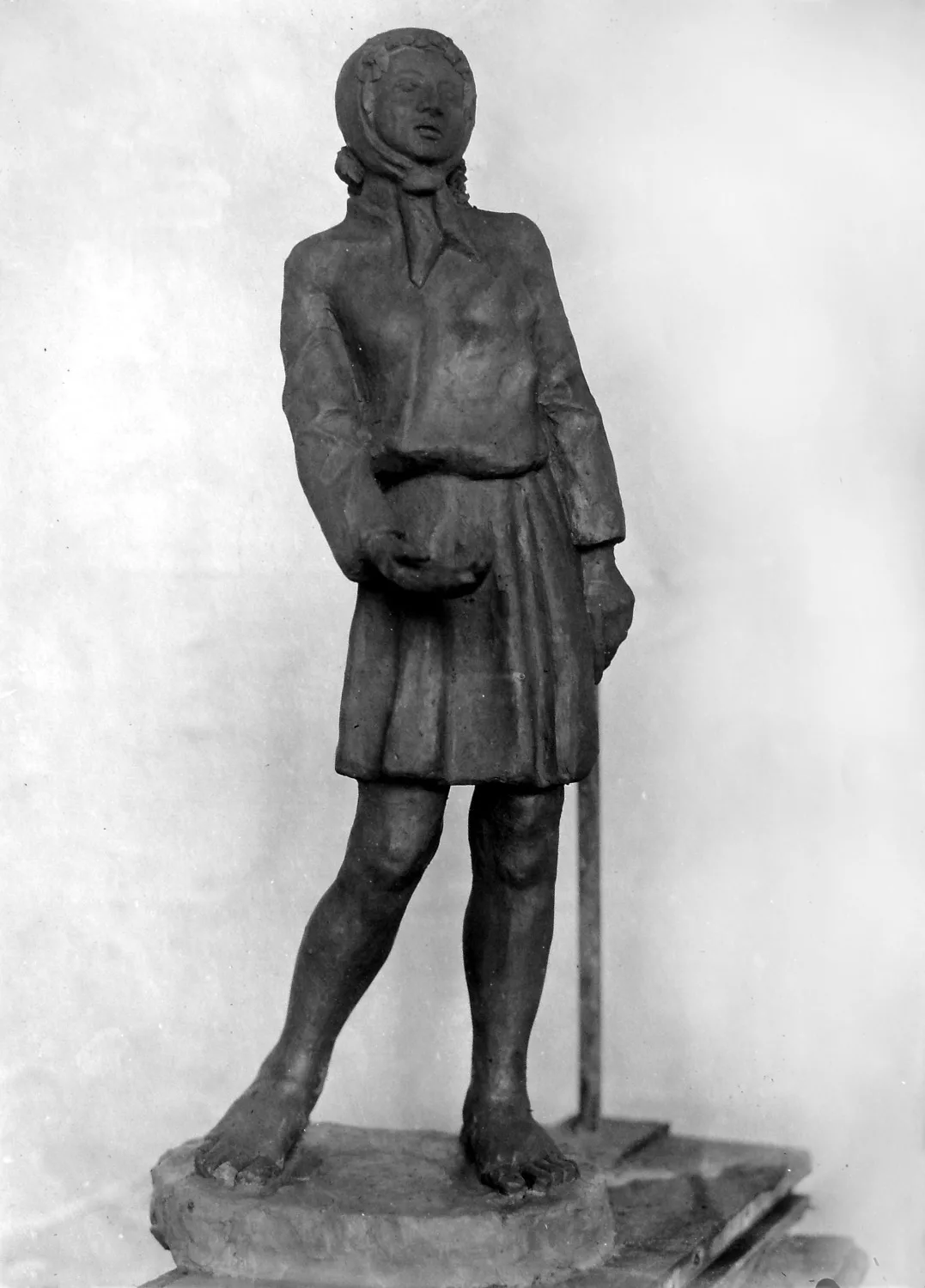
In the mid-1920s, E. Rahim studied at the École des Beaux-Arts in Paris for two years, followed by training with the prominent French sculptor Antoine Bourdelle (1861–1929), after which she continued her art education in Düsseldorf. In 1929 she completed her PhD dissertation in psychology at the University of Munich and married Jalaluddin Abdur Rahim, who was pursuing graduate studies in chemistry at the same university. She converted to Islam, adopting the name Esmet Khadija, and was later known as Esmet Rahim.
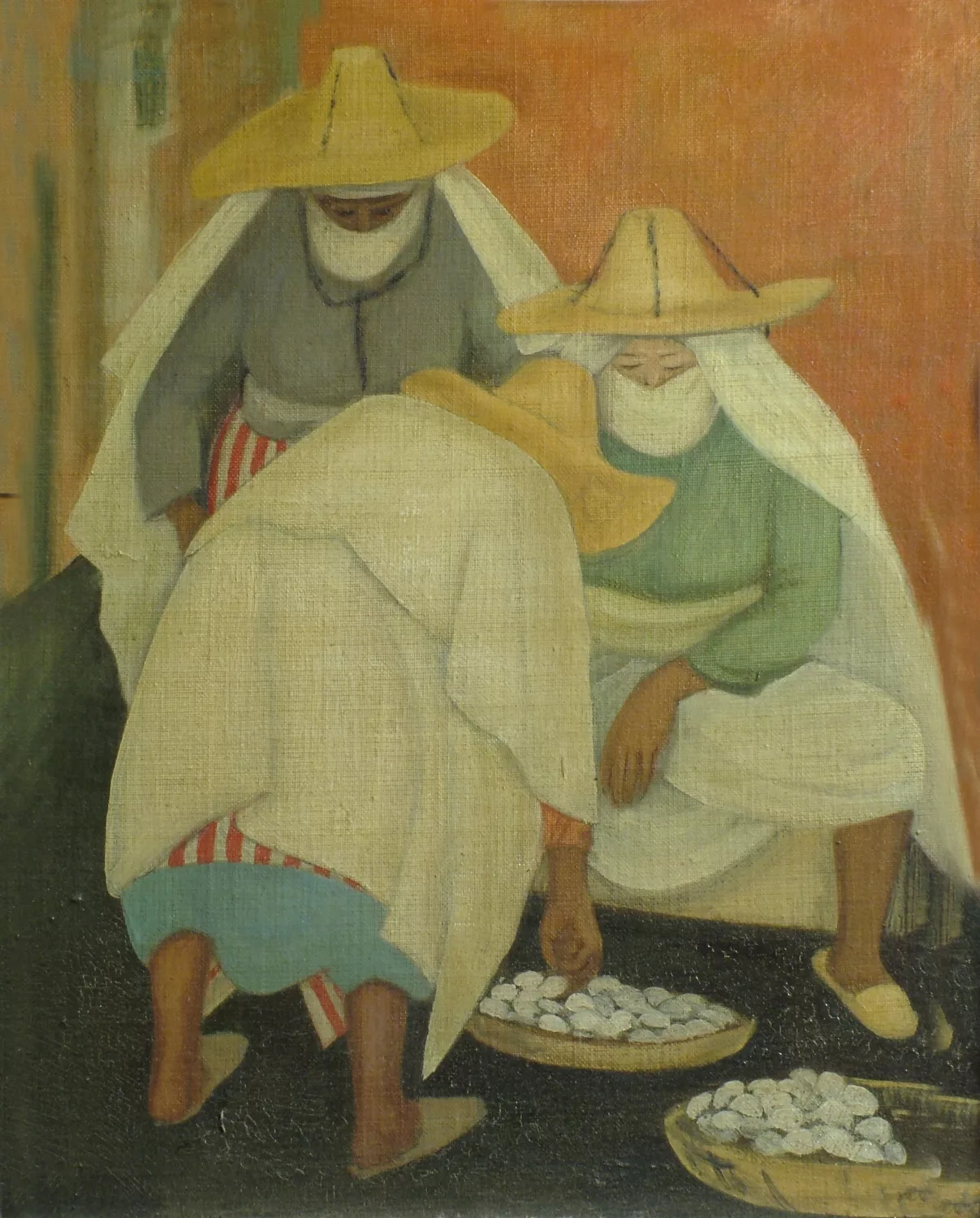
In 1930 E. Rahim relocated to Madras, South India, with her husband, a civil servant, subsequently moving frequently between postings within India and abroad. This itinerant life made it difficult for her to sustain her sculptural practice. She therefore turned to painting, gradually developing a distinct artistic language.
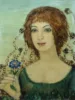
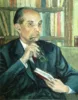
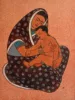
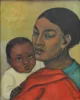
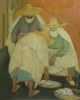
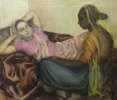
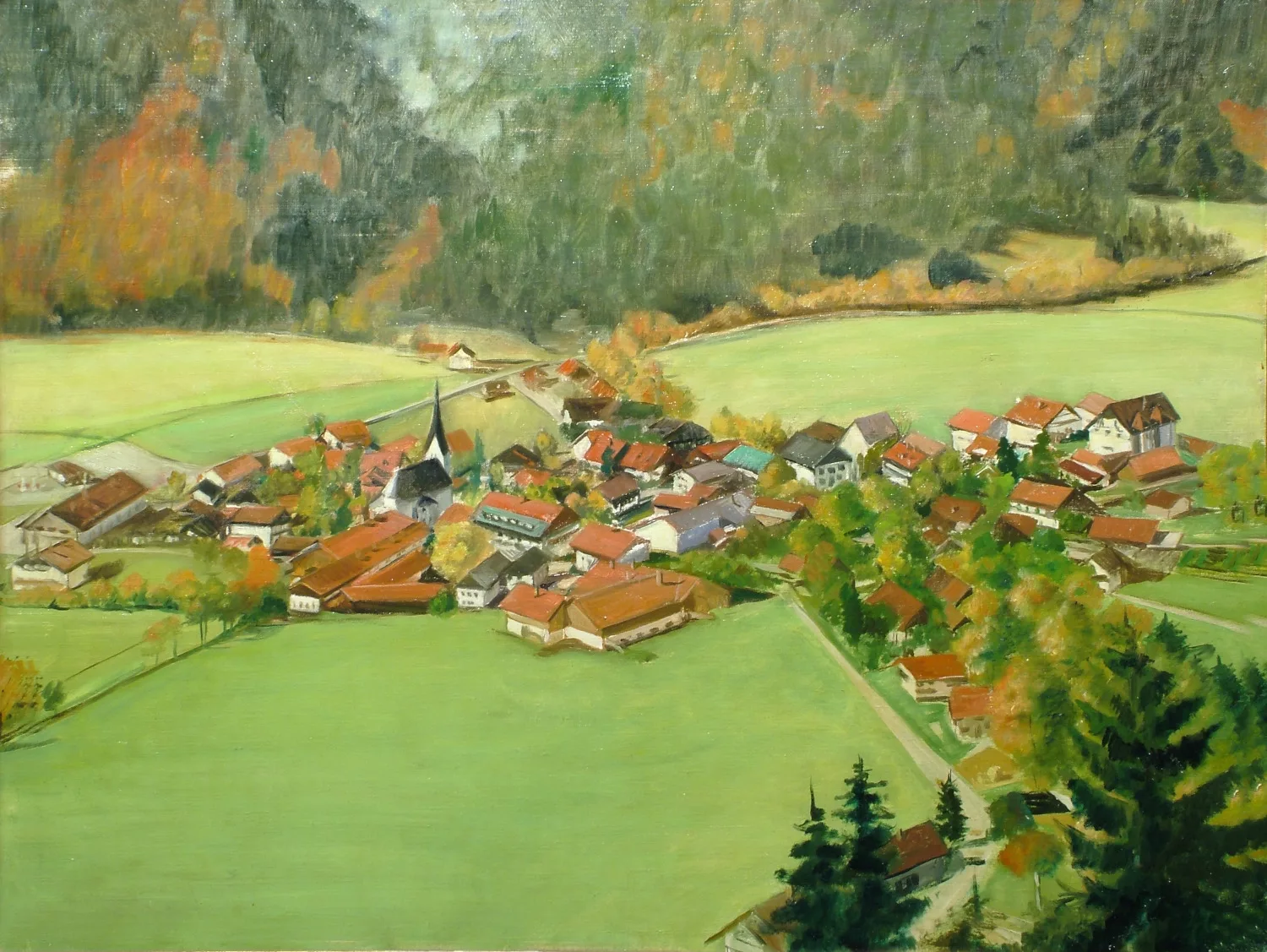
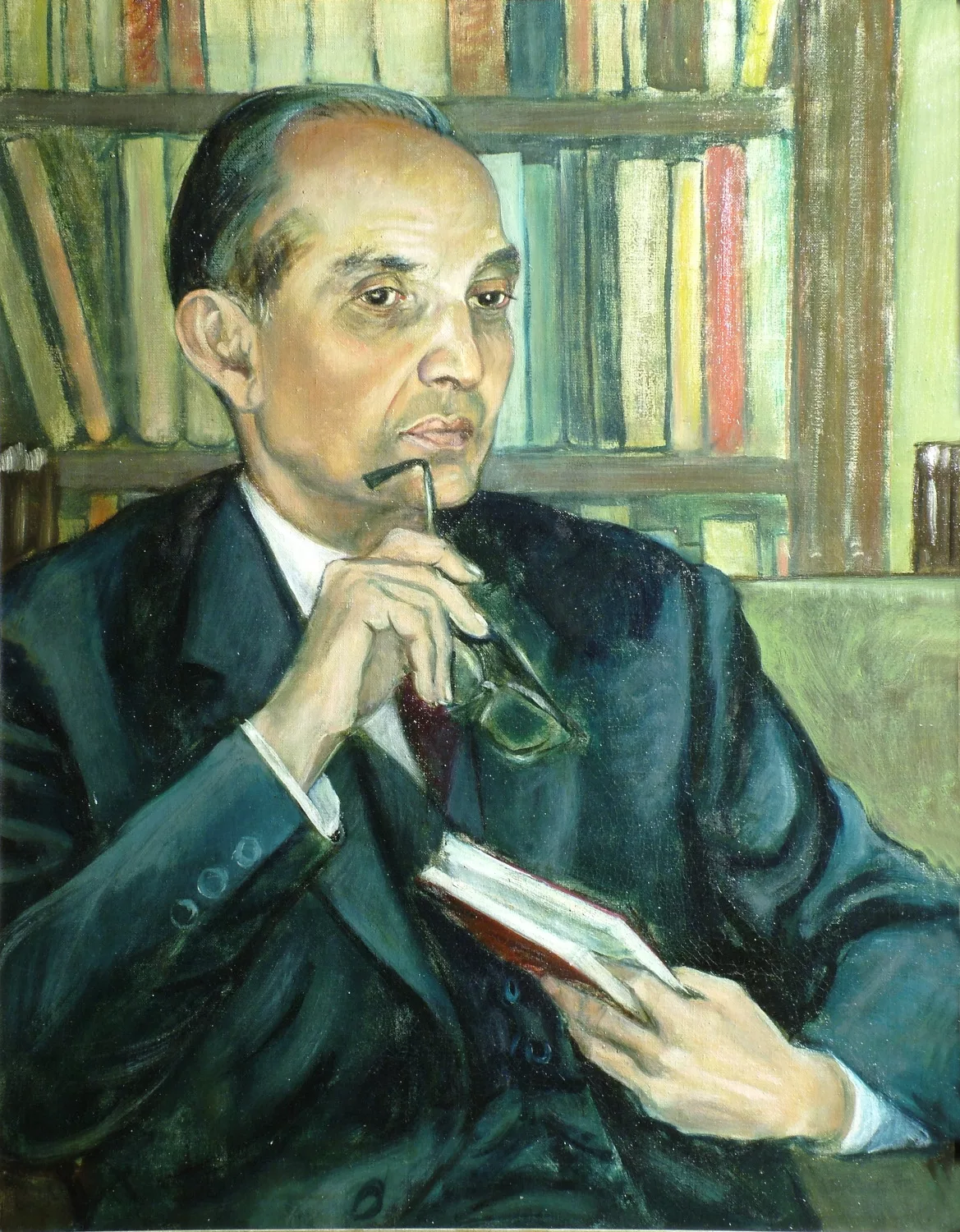
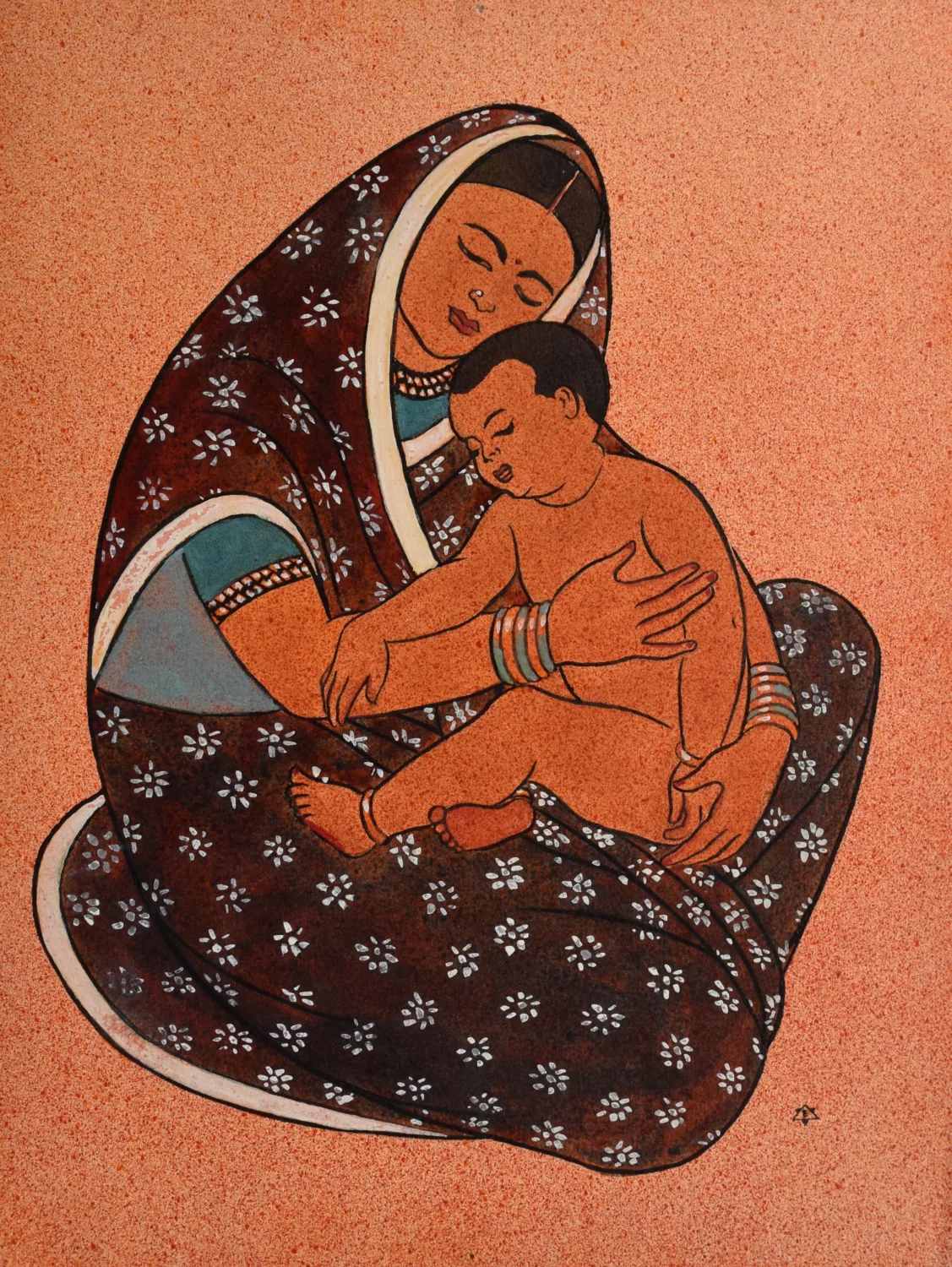
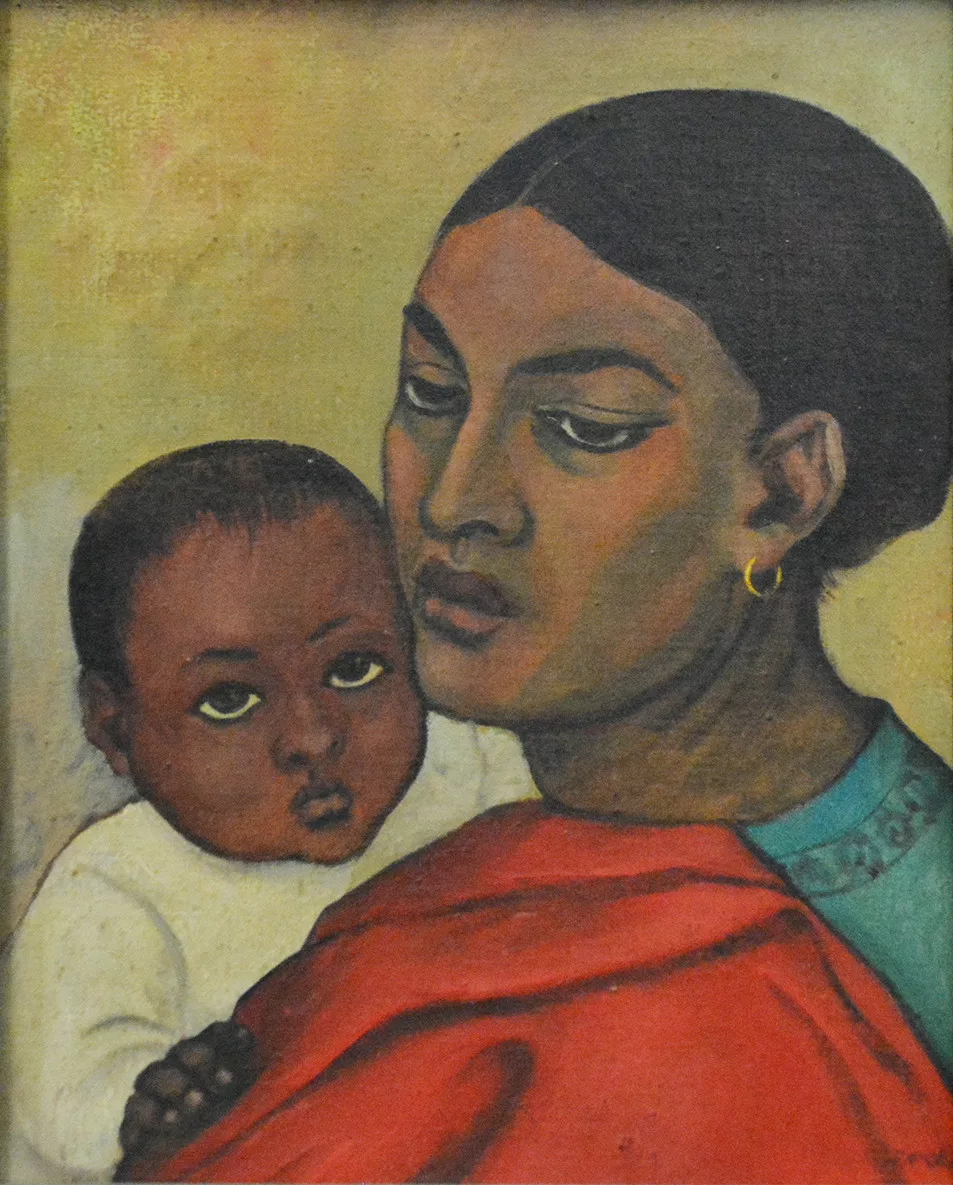
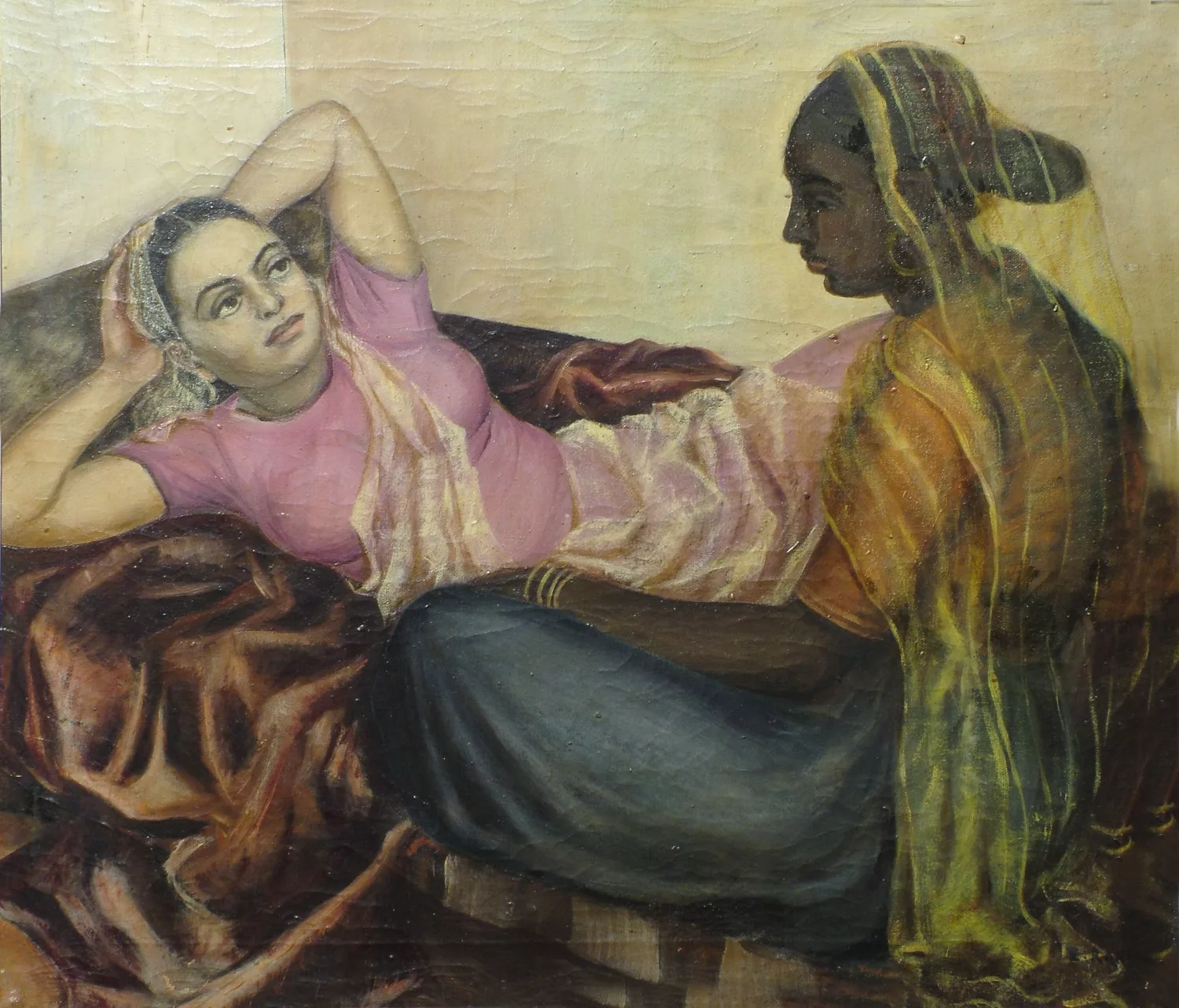
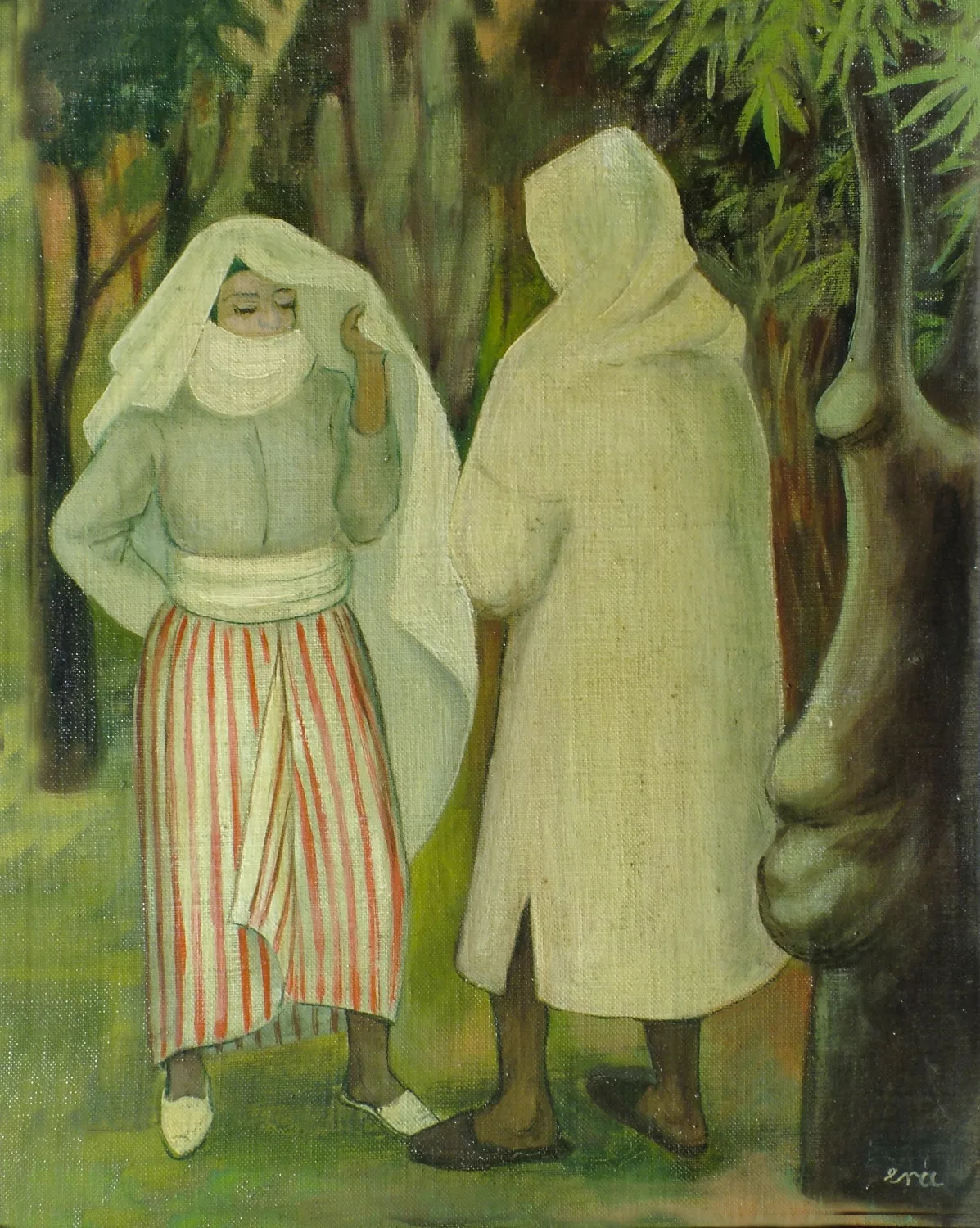
E. Rahim’s artistic trajectory unfolded across cultural and geographic contexts. Her early practice was grounded in observational drawing and painting, and she became widely recognised for her portraits of distinguished public figures and dignitaries as seen in J. A Rahim’s Portrait (1957). As a member of India’s elite aristocratic circles, E. Rahim developed friendships with leading Indian artists such as Jamini Roy (1887–1972) and Amrita Sher-Gil (1913–1947). These relationships profoundly influenced the evolution of her artistic practice, as evidenced by Two Women Chatting (1950).
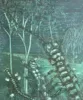
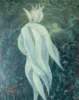
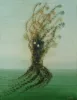
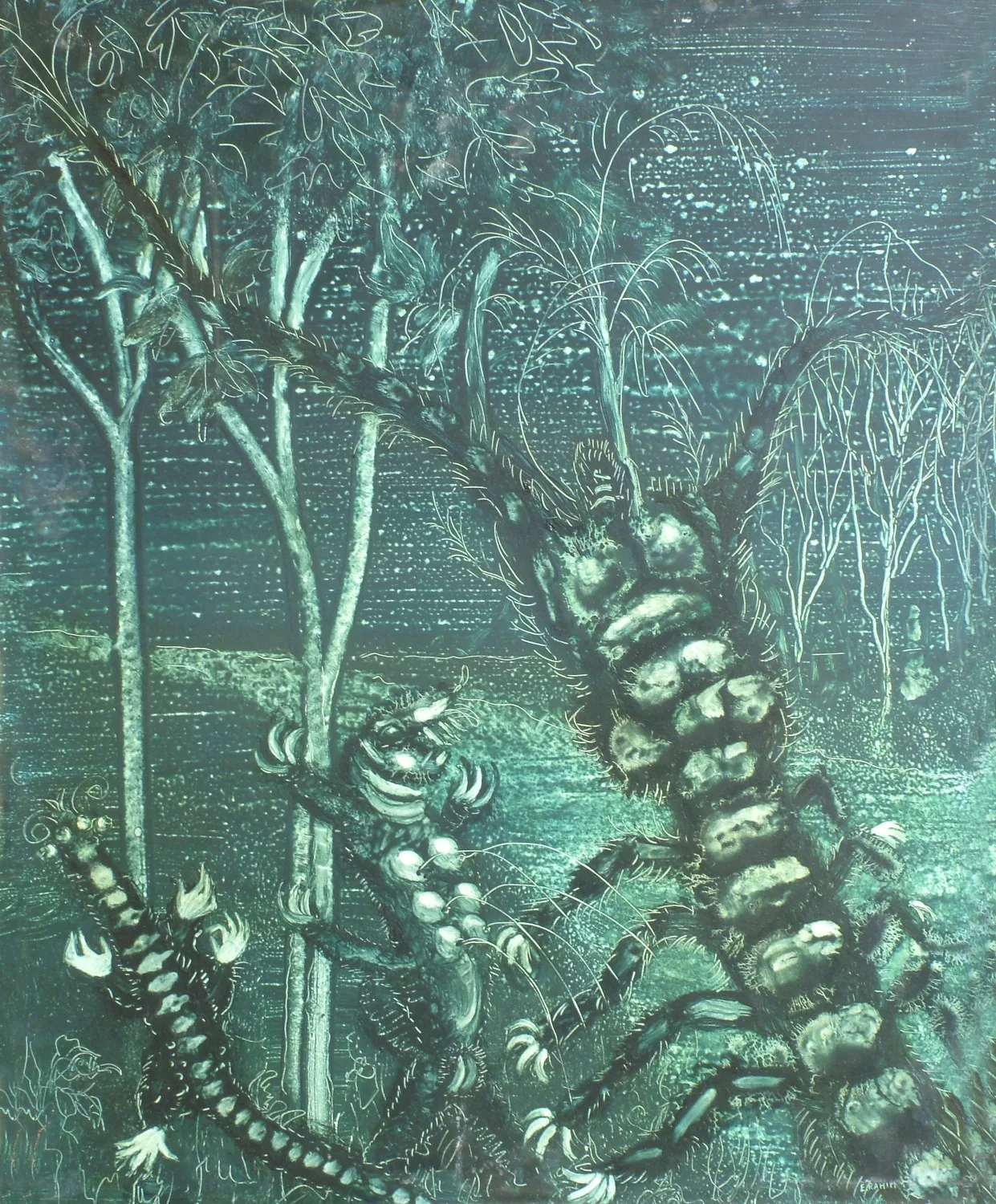
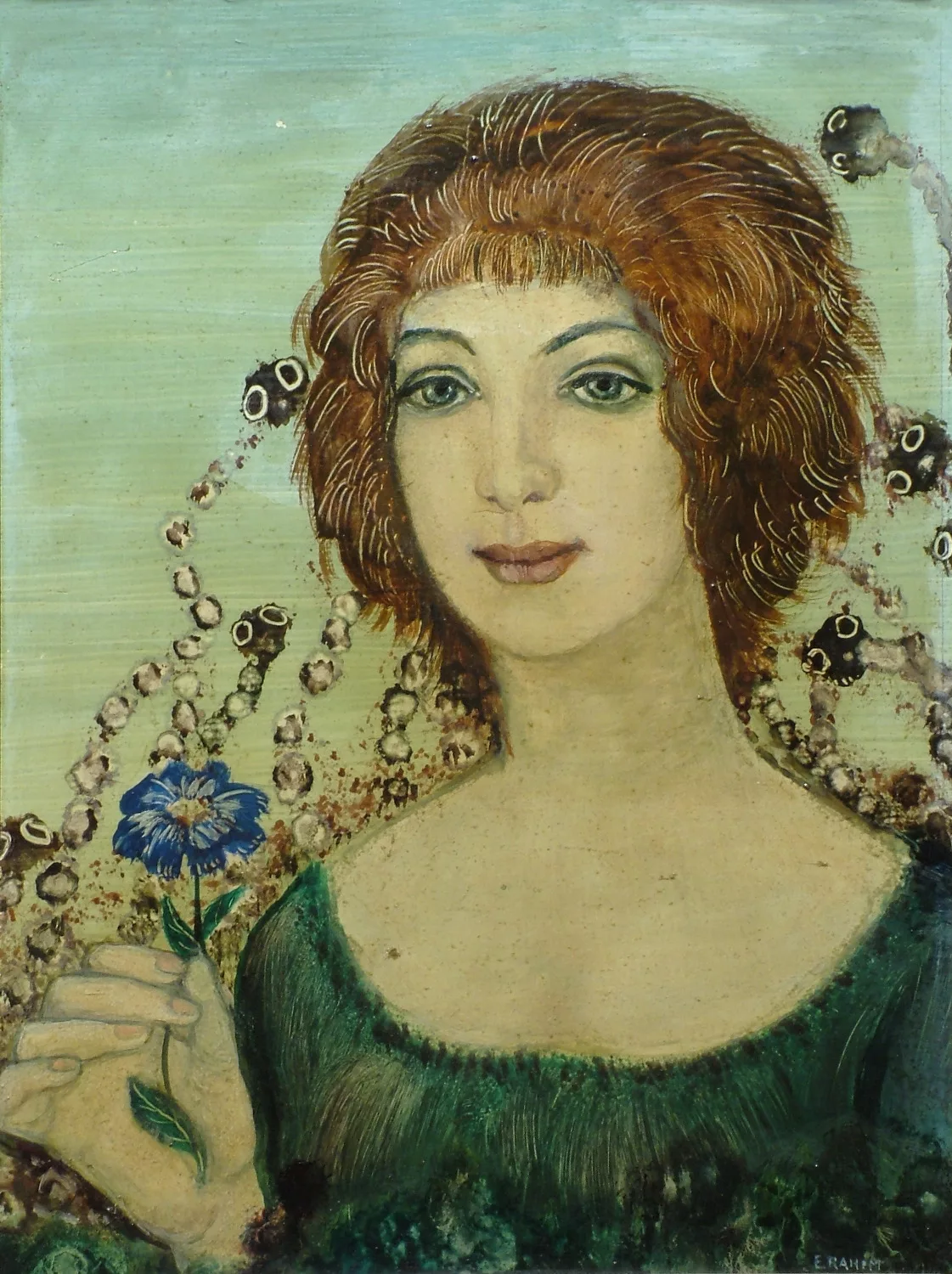
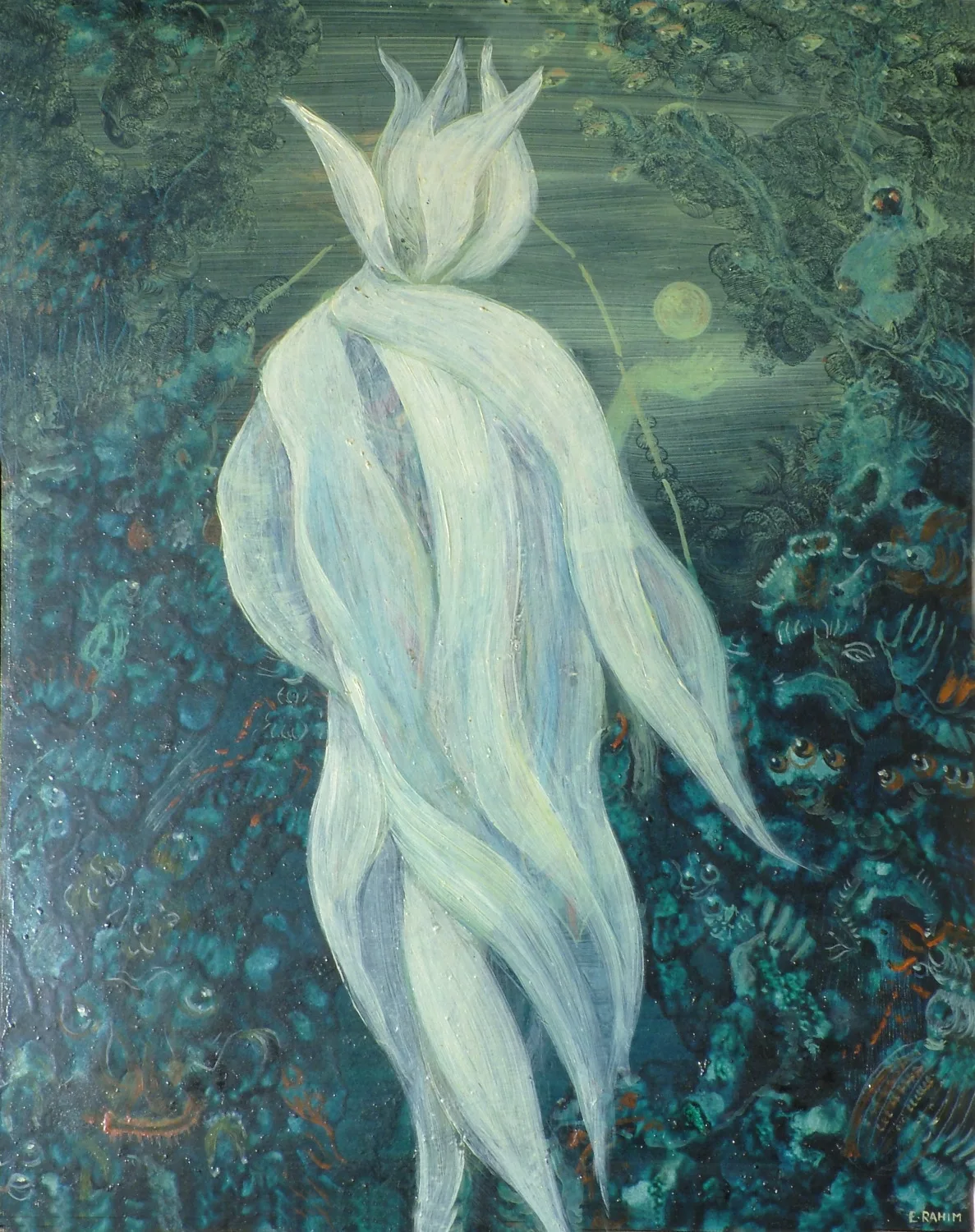
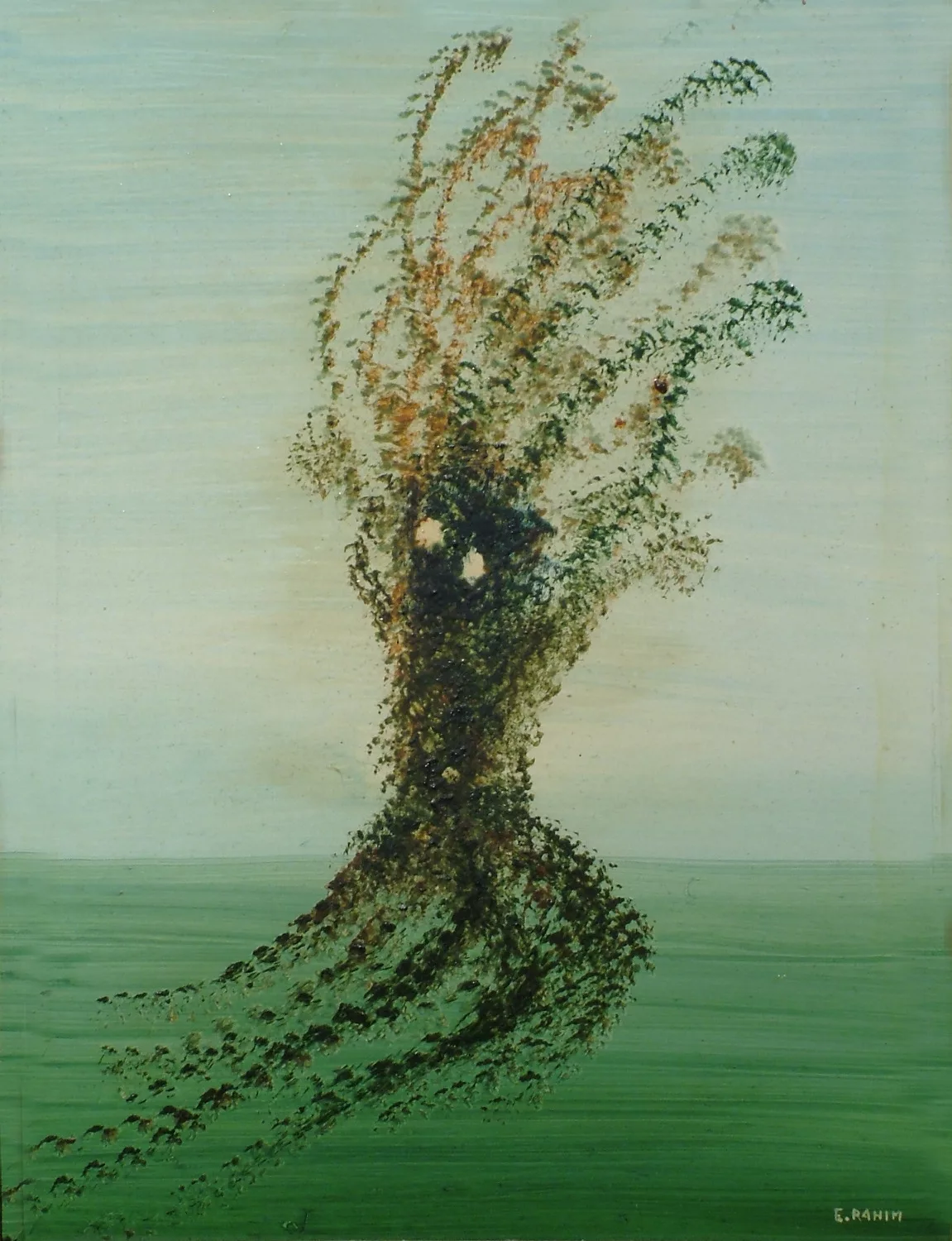
Gradually E. Rahim’s practice merged material experimentation with intellectual reflection, revealing her profound engagement with the metaphysical dimensions of nature, memory and identity, and traversing the imaginative and psychological terrains of Surrealism, which echoed her doctoral research on the ability of artists to visualise their works prior to their physical realisation. Between 1960 and 1963, E. Rahim created an expansive body of work comprising fantastical landscapes and seascapes suffused with enigmatic dreamlike intensity, as seen in Water Creatures (1961–1962). In works such as Spirit Flower (1962–1963) and Creatures of the Night (1961–1962), she developed a highly symbolic visual vocabulary of spiky, animated creatures, ethereal spirits hovering above the sea and unblinking eyes that oscillate between playfulness and unease. She employed the Surrealist technique of decalcomania in conjunction with the perceptual phenomenon of pareidolia, creating ambiguous imagery that invites multiple interpretations. These works compel the viewer into an uneasy encounter, where beauty and disquiet coexist and imagination presses against the boundaries of reality in a world at once wondrous and unsettling.
Travel played a pivotal role in E. Rahim’s life and practice. Her extensive journeys across South Asia, Egypt and Europe were never merely geographical but constituted a form of enquiry – an epistemic crossing that reconfigured relations between self, society, culture and environment. These experiences cultivated a transnational artistic vision rooted in observation, transformation and dialogue with artists and thinkers both from the East and the West.
E. Rahims’ art resists definitive resolution; instead, it opens a dialogue between the visible and the imagined, creating spaces for reflection, questioning and emotional resonance. Her practice stands as a vital contribution to broader conversations on women artists and the ways in which transnational, cross-cultural experiences, resilience and the search for meaning have shaped their artistic journeys.