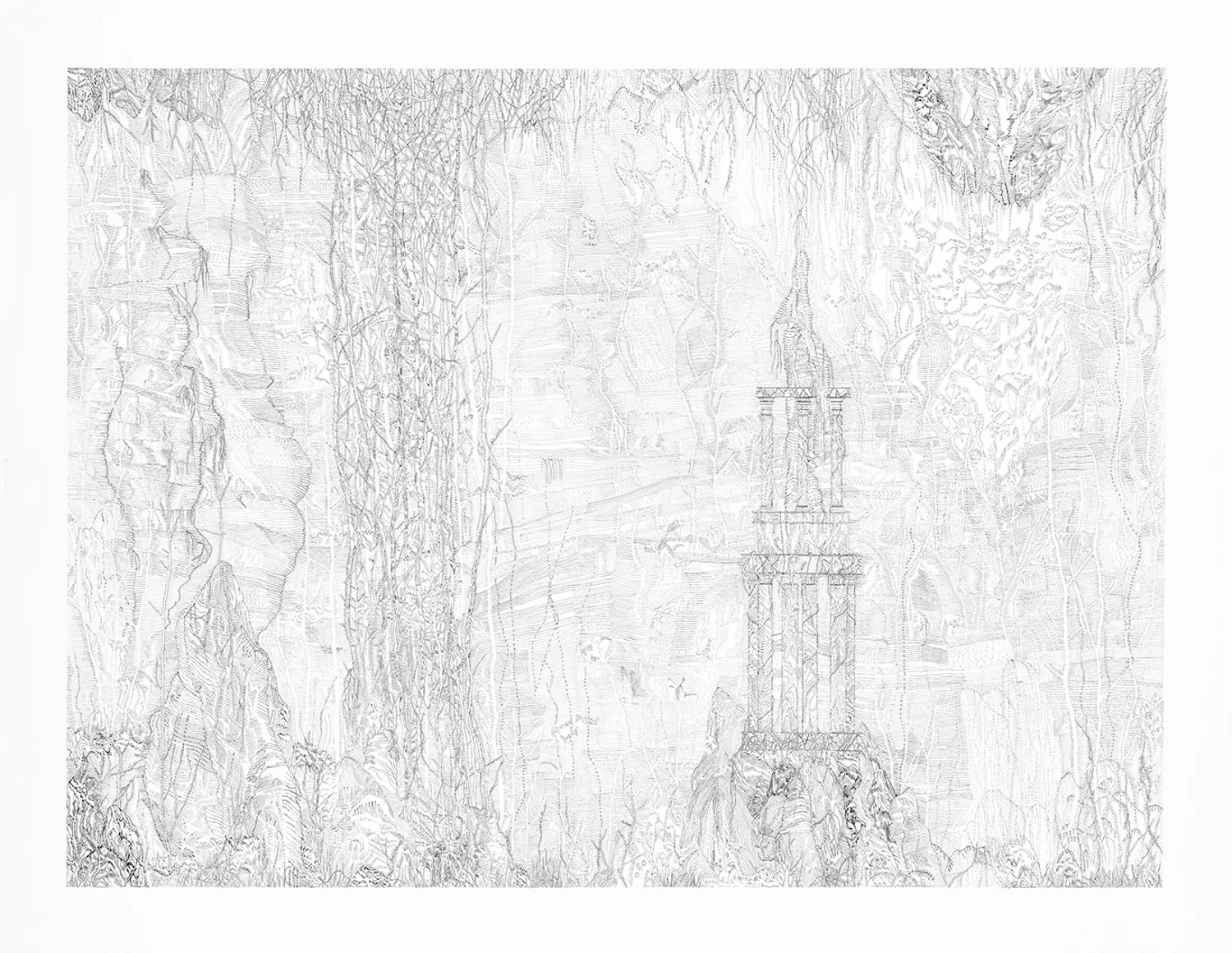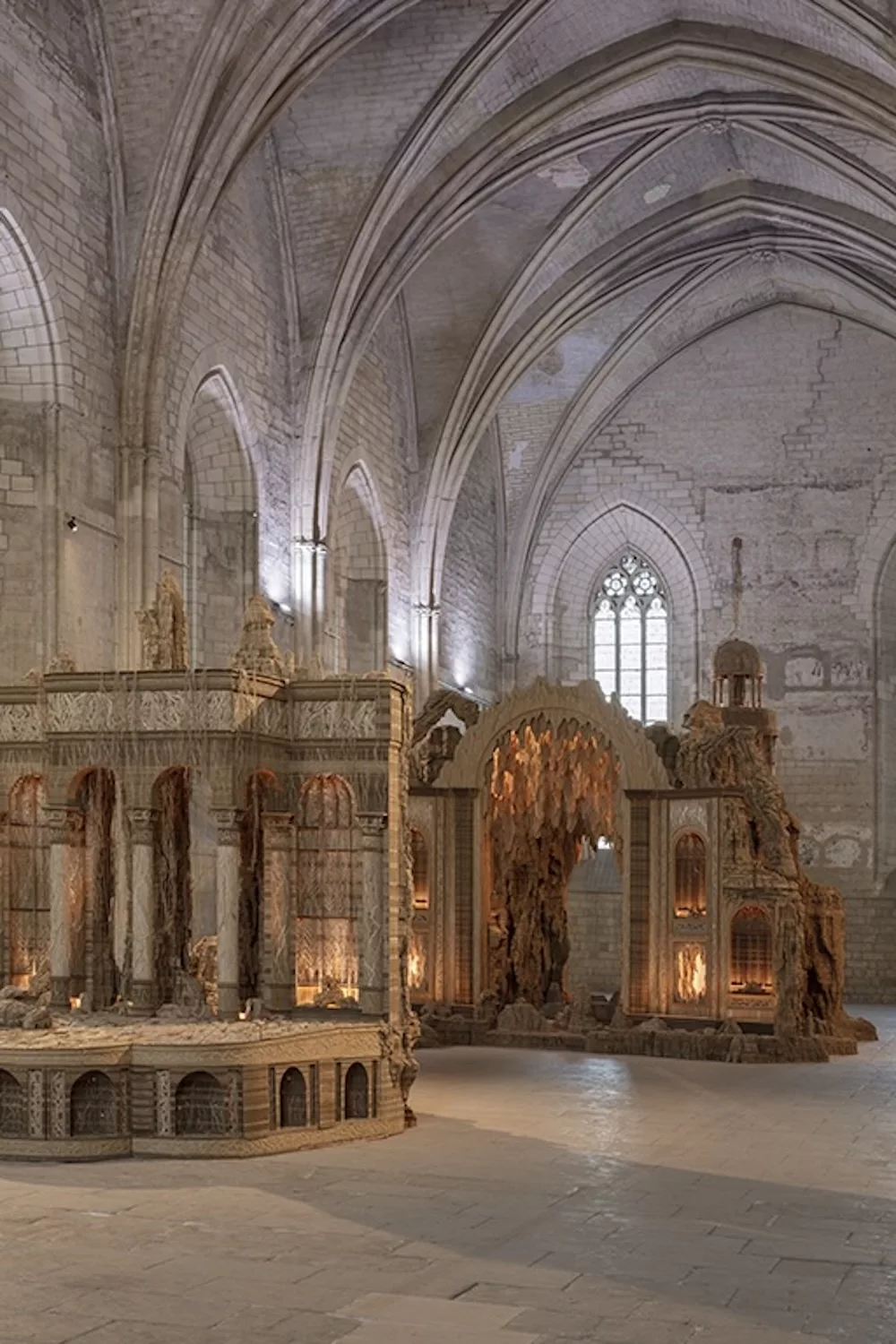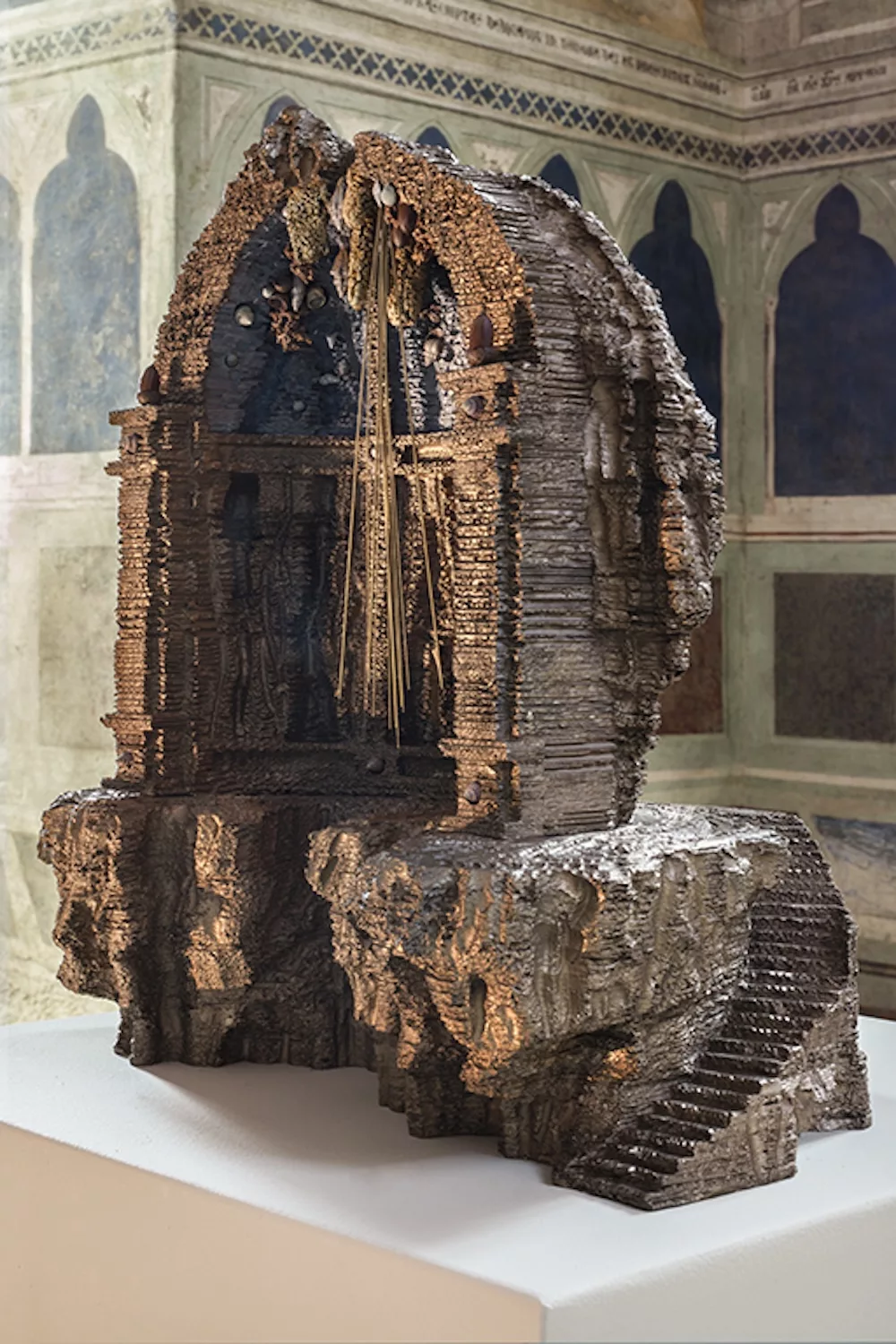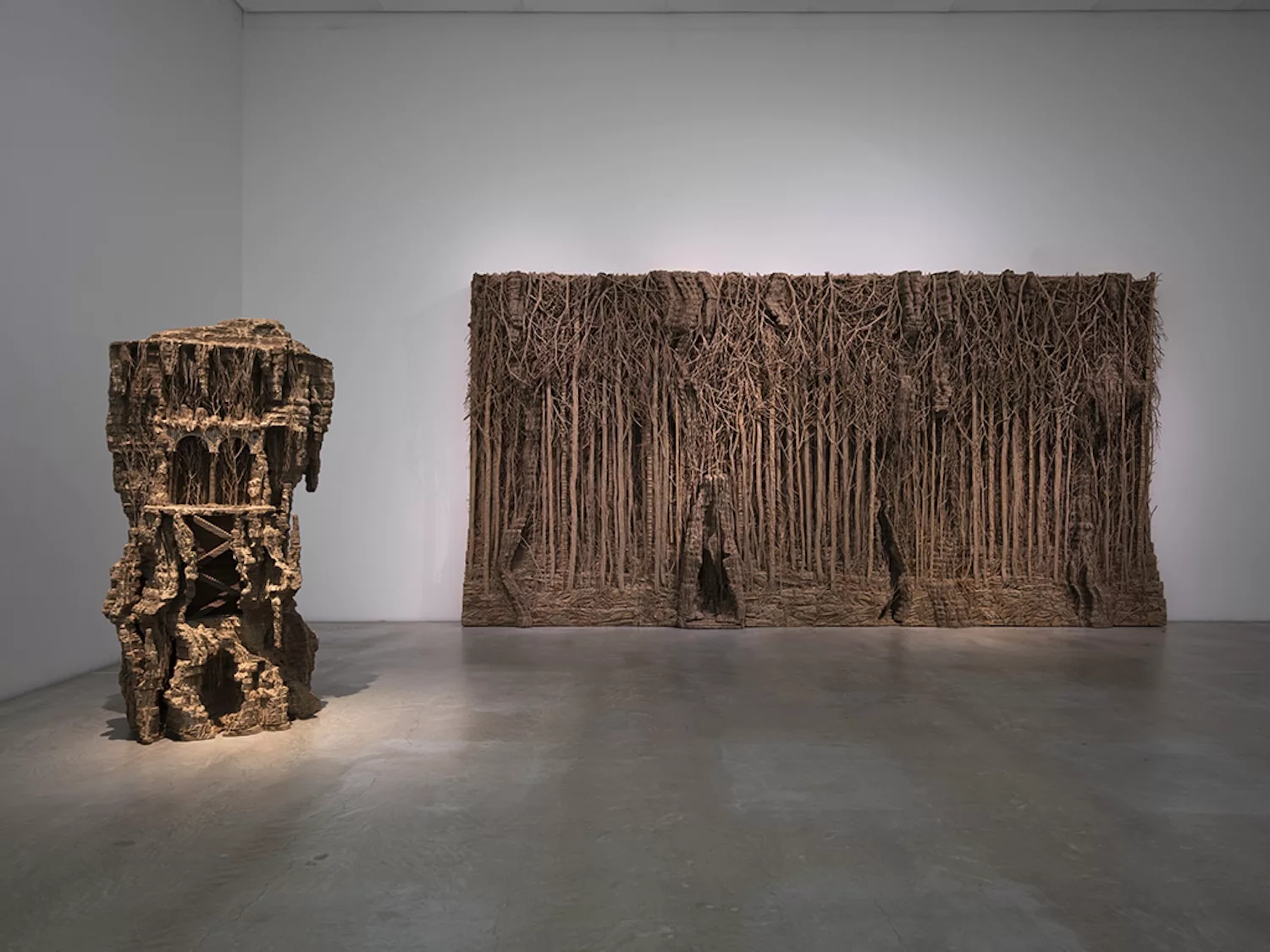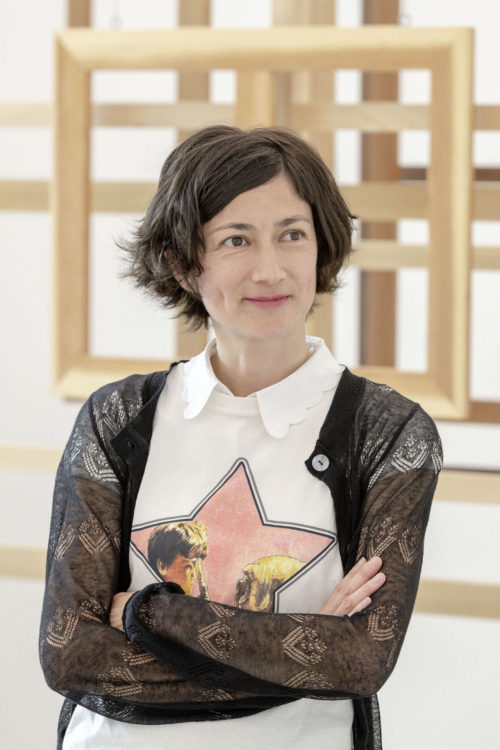
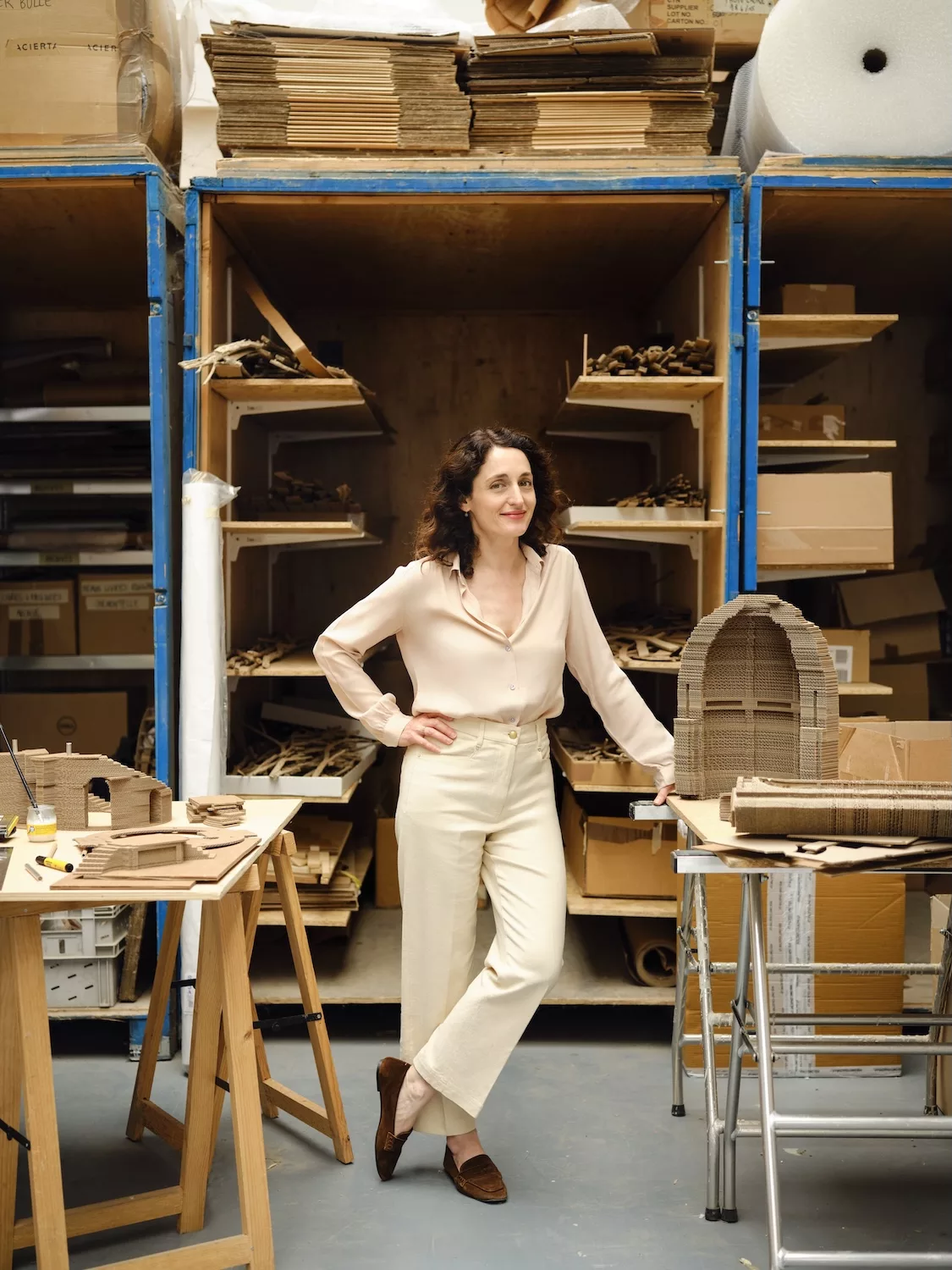
Eva Jospin, © photo: Clément Vayssières
Eva Jospin, Grottesco, cat. exp. Grand Palais, Paris [December 10, 2025 – March 15, 2026], Paris, RMN Éditions, 2025
→Wat Pierre, Palazzo, exh. cat., Palais des Papes, Avignon [June 30, 2023 – January 7, 2024], Paris, Gallimard, 2023
→Germain-Donnat Christine (dir.), Eva Jospin. Galleria, exh. cat., Musée de la Chasse et de la Nature, Paris [November 16, 2021 – March 20, 2022], Paris, Lord Byron, 2022
→Sciama Cyrille, Eva Jospin : de Rome à Giverny, exh. cat., Musée des impressionnismes, Giverny [November 19, 2021 – January 16, 2022], Paris, Atelier EXB, 2021
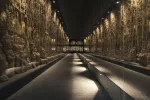
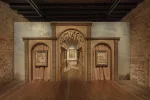
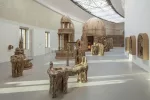
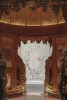
Eva Jospin, Grottesco, Grand Palais, Paris, December 10, 2025 – March 15, 2026
→Eva Jospin – Chambre d’écho, Atelier Courbet, Ornans, June 28 – October 19, 2025
→Eva Jospin, Orangerie du Château de Versailles, Versailles, June 18 – September 19, 2024
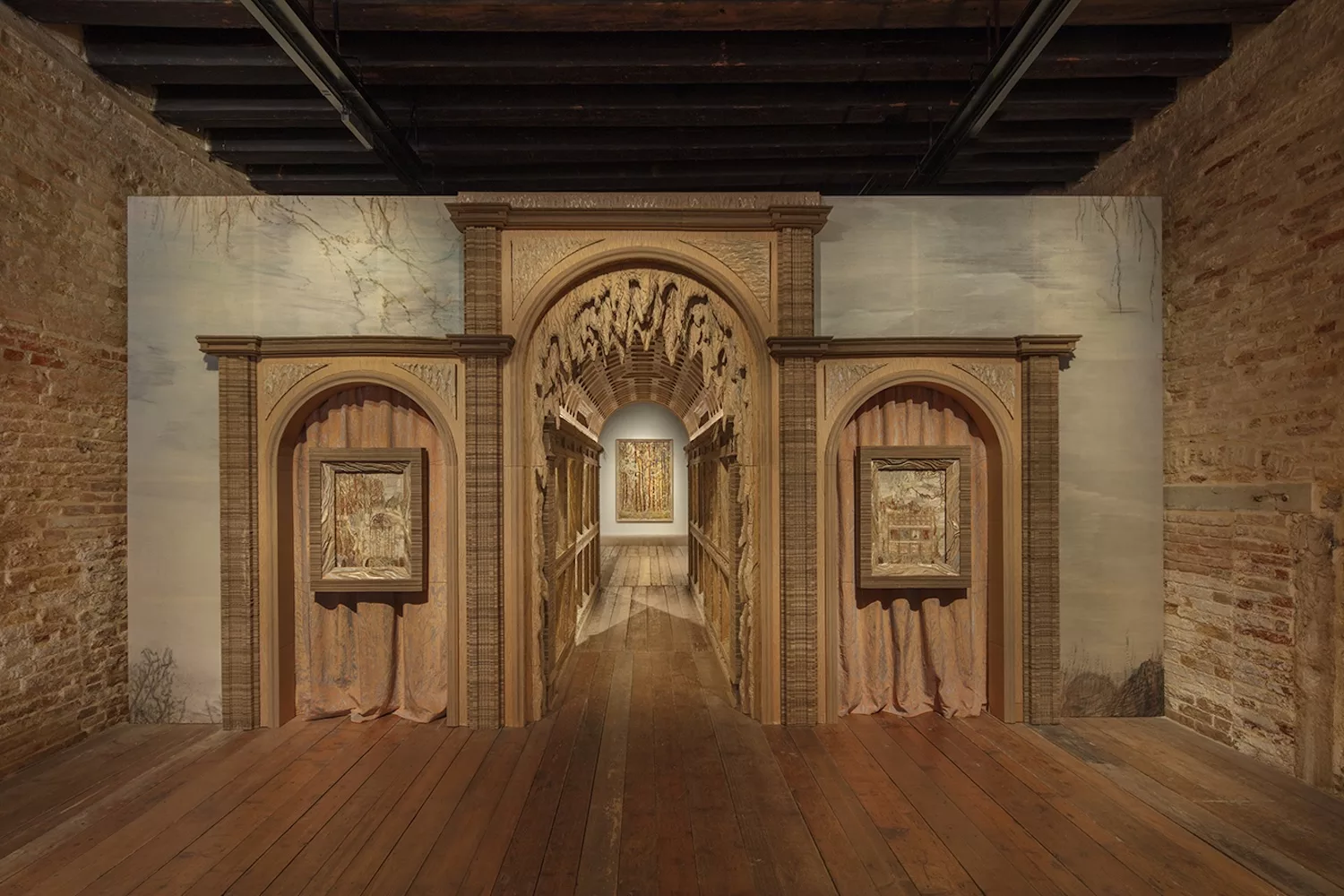
→Selva, Museo Fortuny, Venise, April 10, 2024 – January 13, 2025
French sculptor.
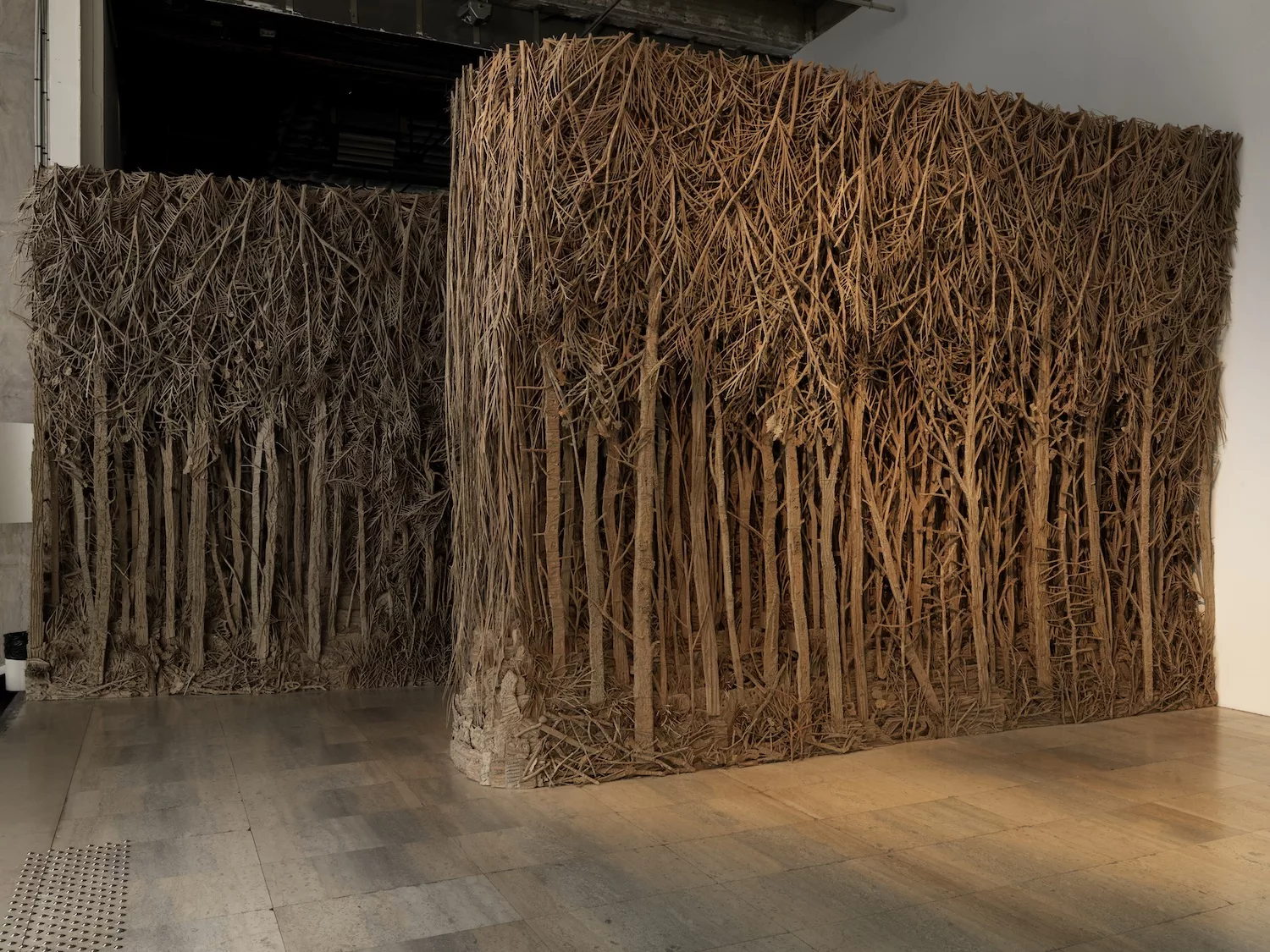
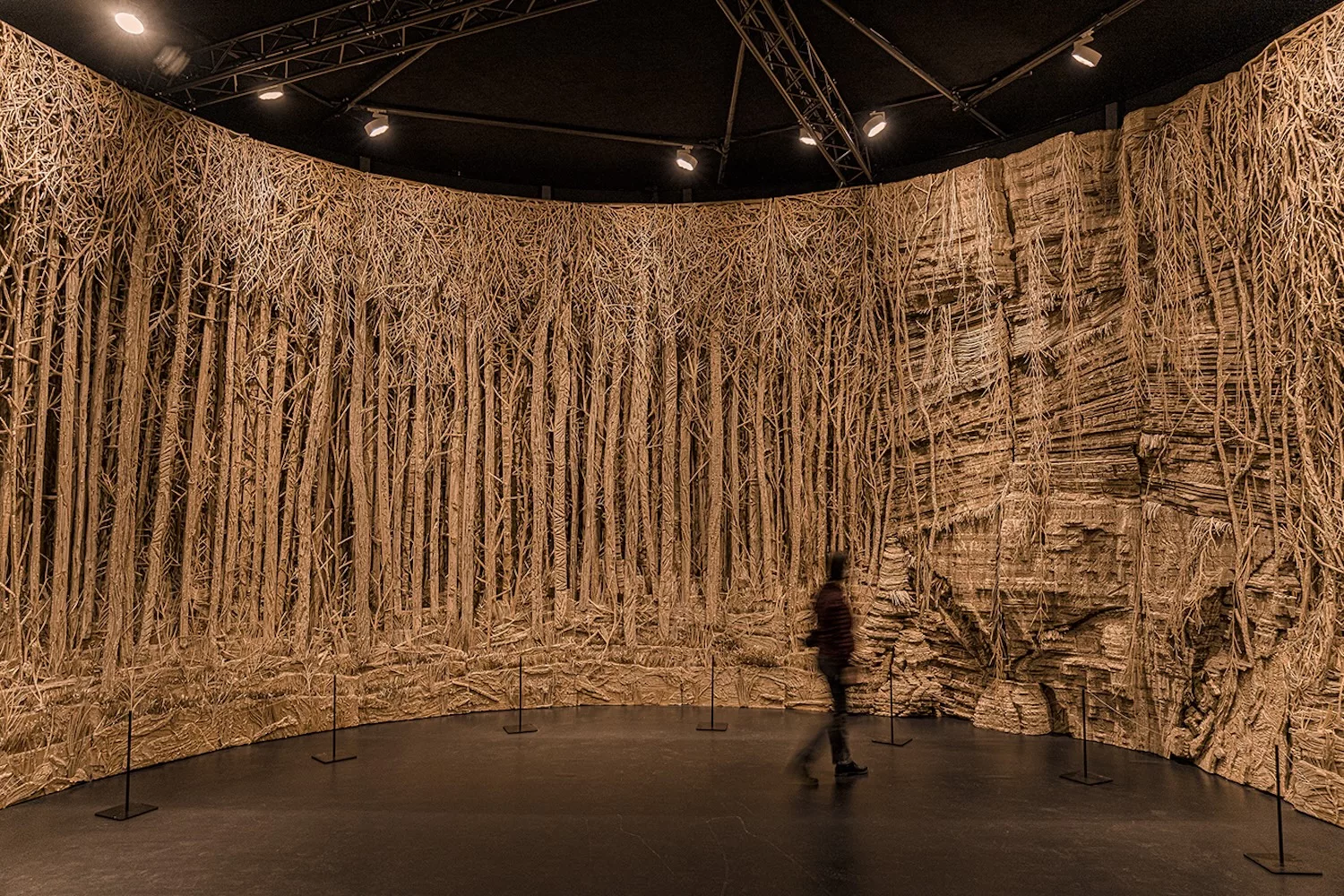
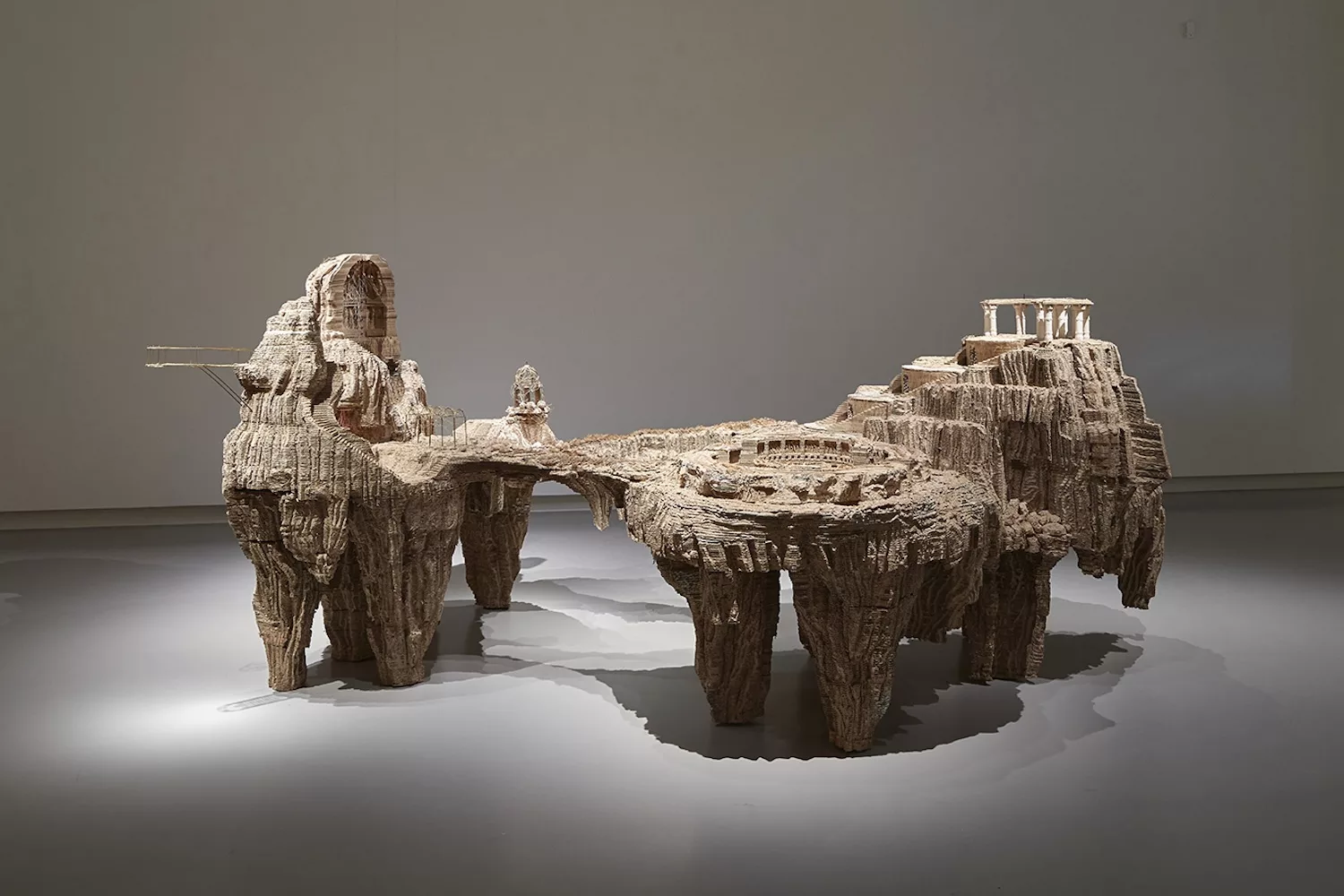
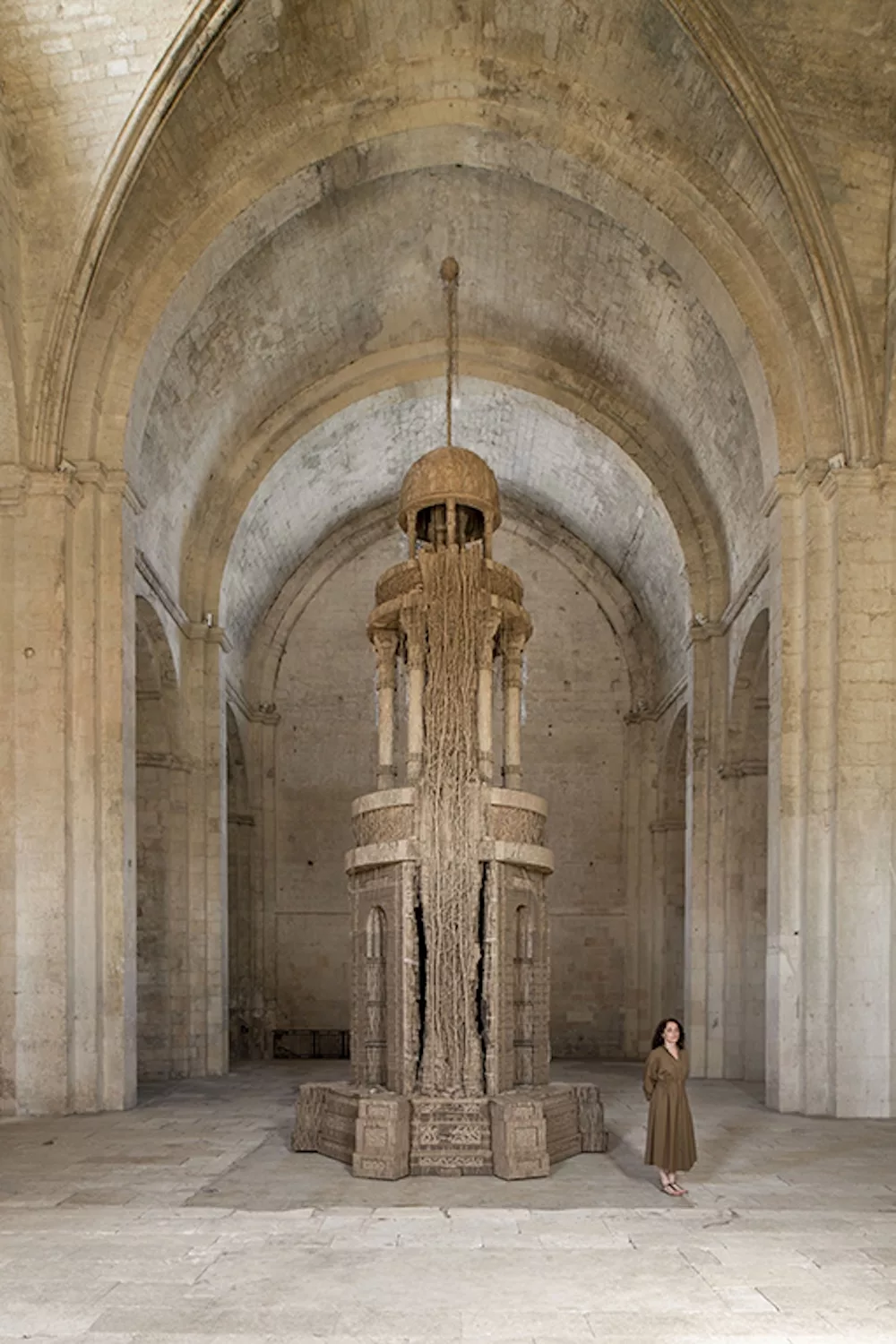
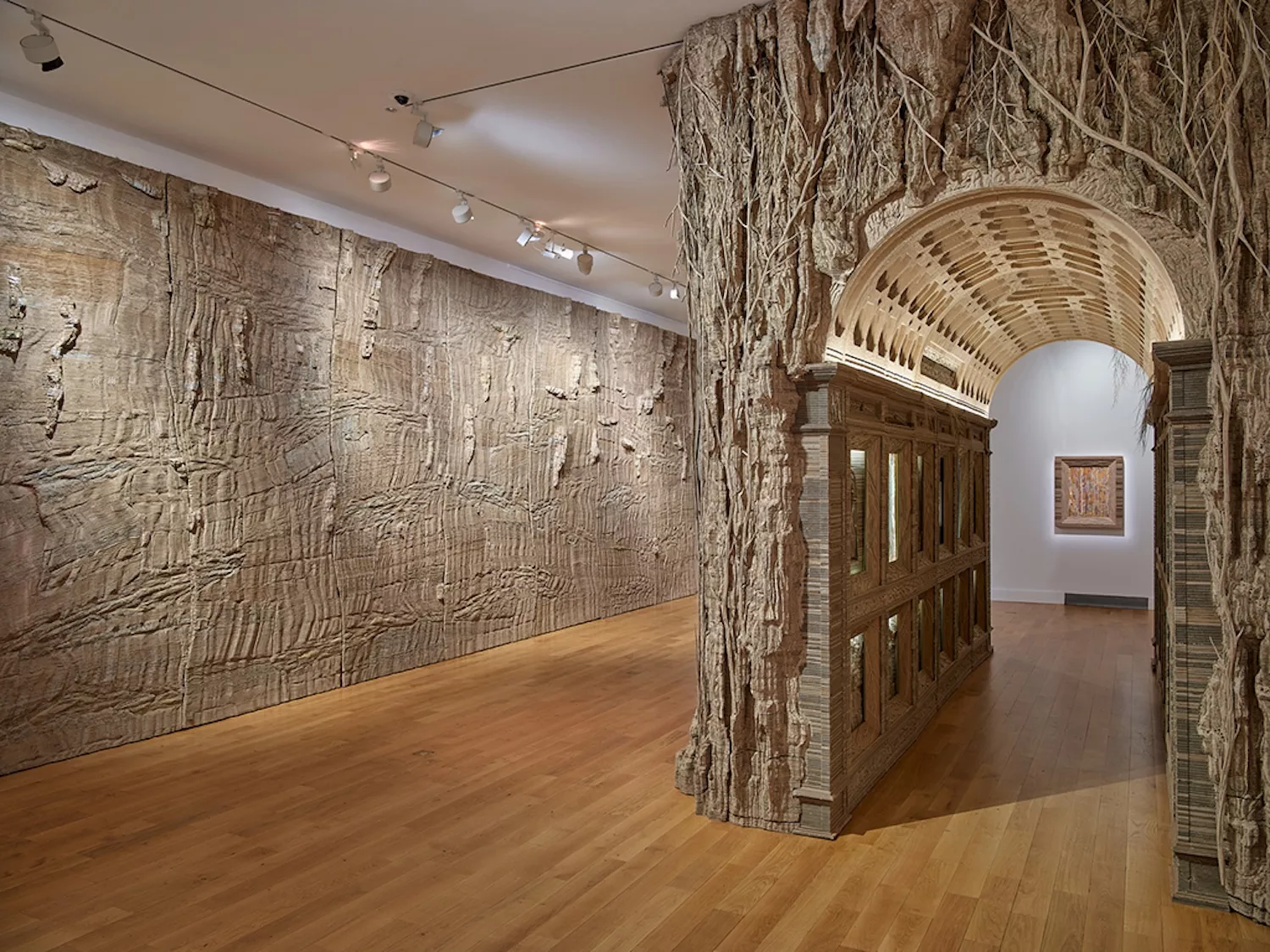
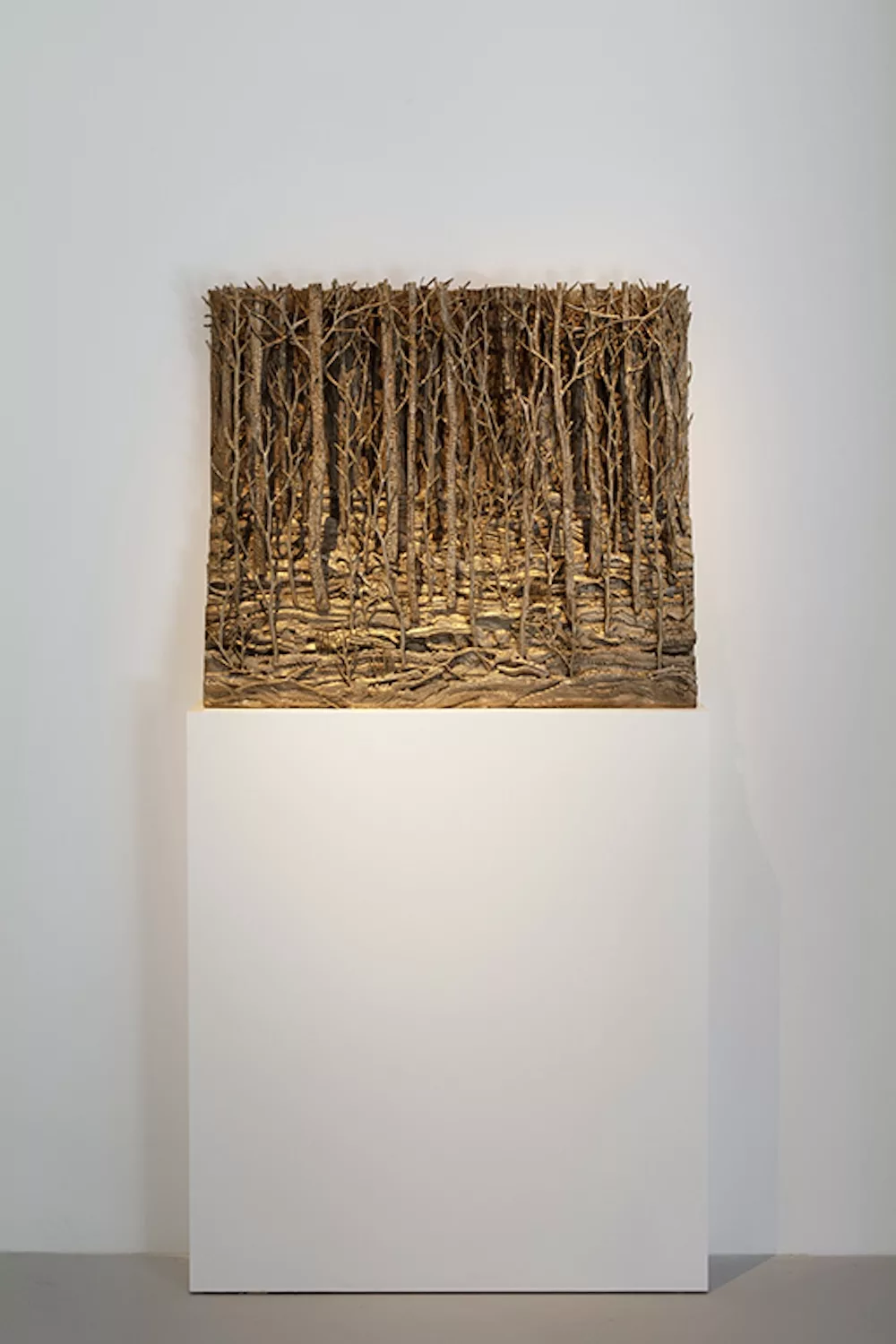
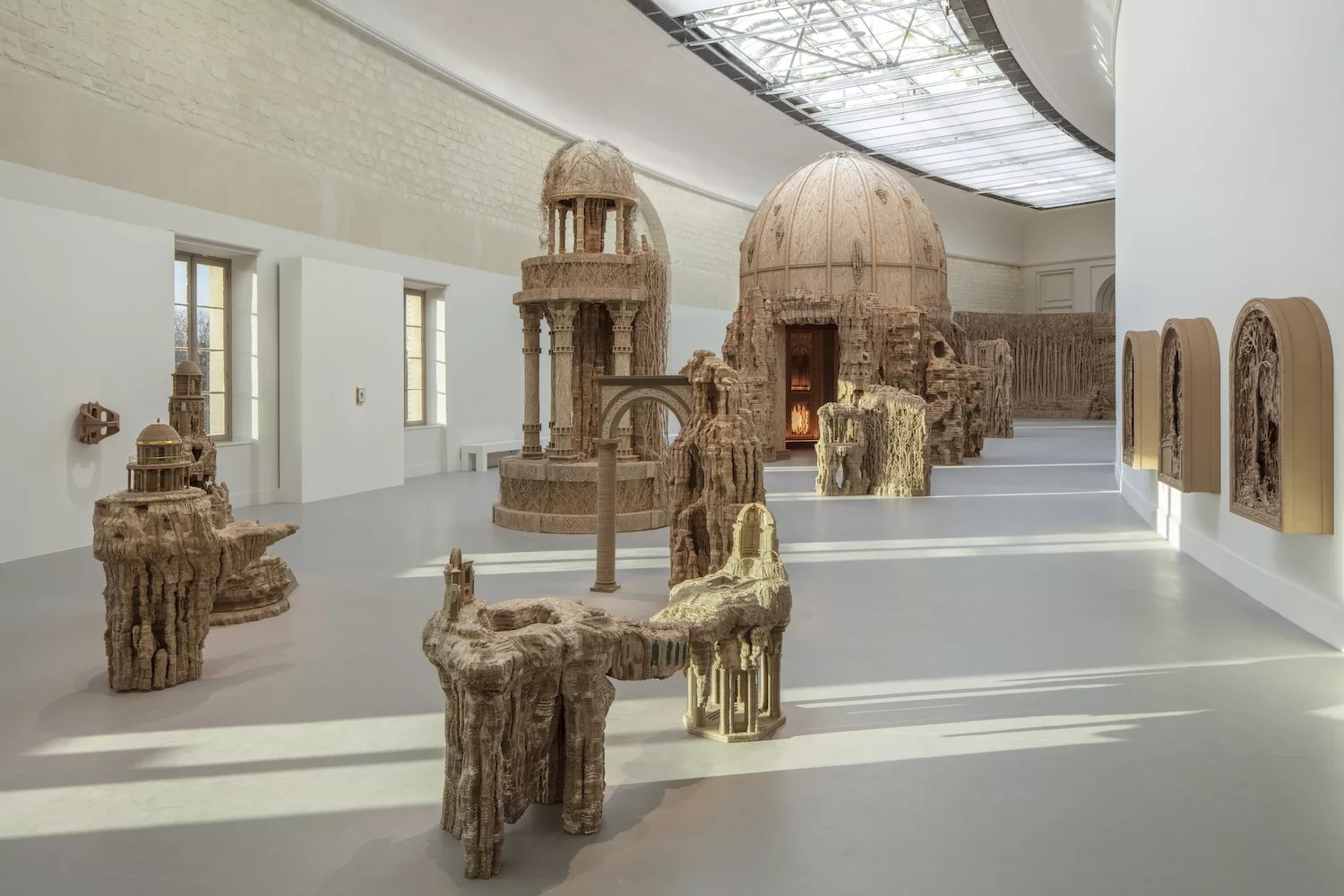
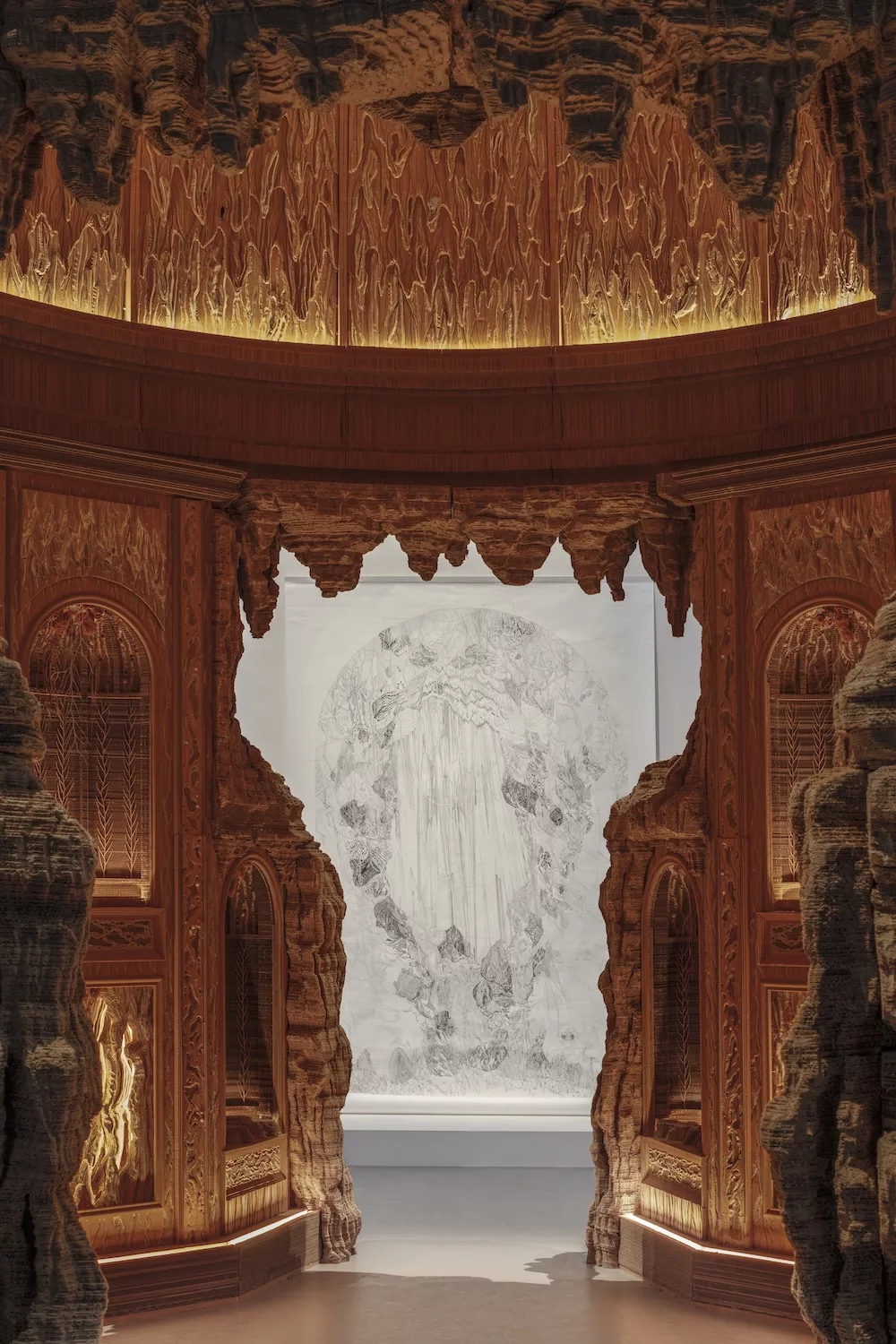
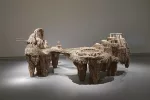
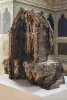
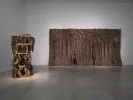
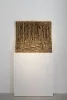
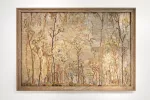
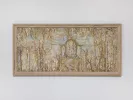
After graduating from the École Nationale Supérieure des Beaux-arts de Paris in 2002, Eva Jospin began her career carving in cardboard. This inexpensive and easily accessible material is not only natural, being made from paper pulp, but also serves as a symbol of our consumer society due to its use in packaging. E. Jospin works patiently in layers, stacking multiple sheets of cardboard together to create solids and voids as well as plays of light and shadow. An expertise reminiscent of the decorative arts is clearly involved in her method. For E. Jospin, the thin boundary between art and craft furnishes a fertile ambiguity that drives her creation.
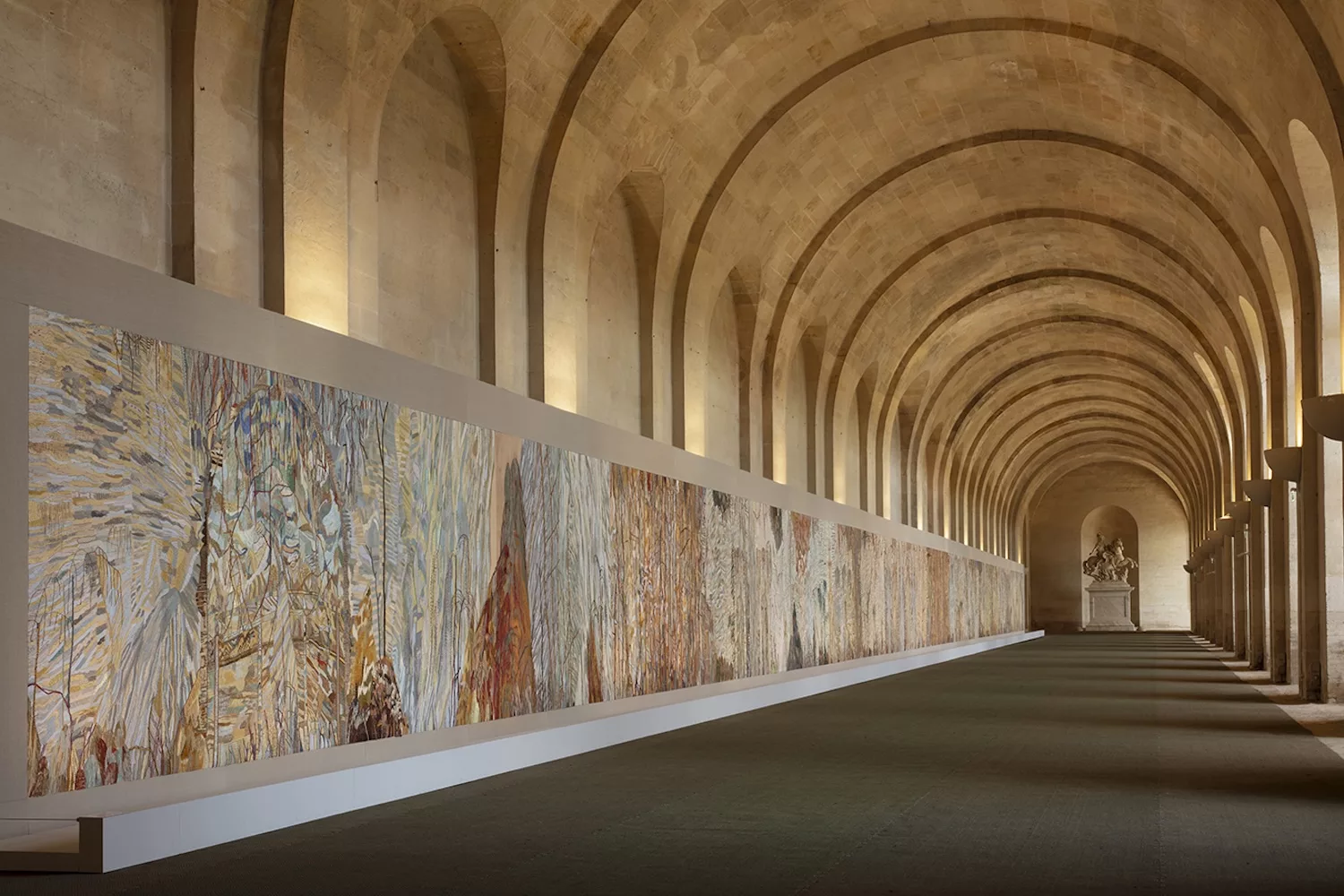
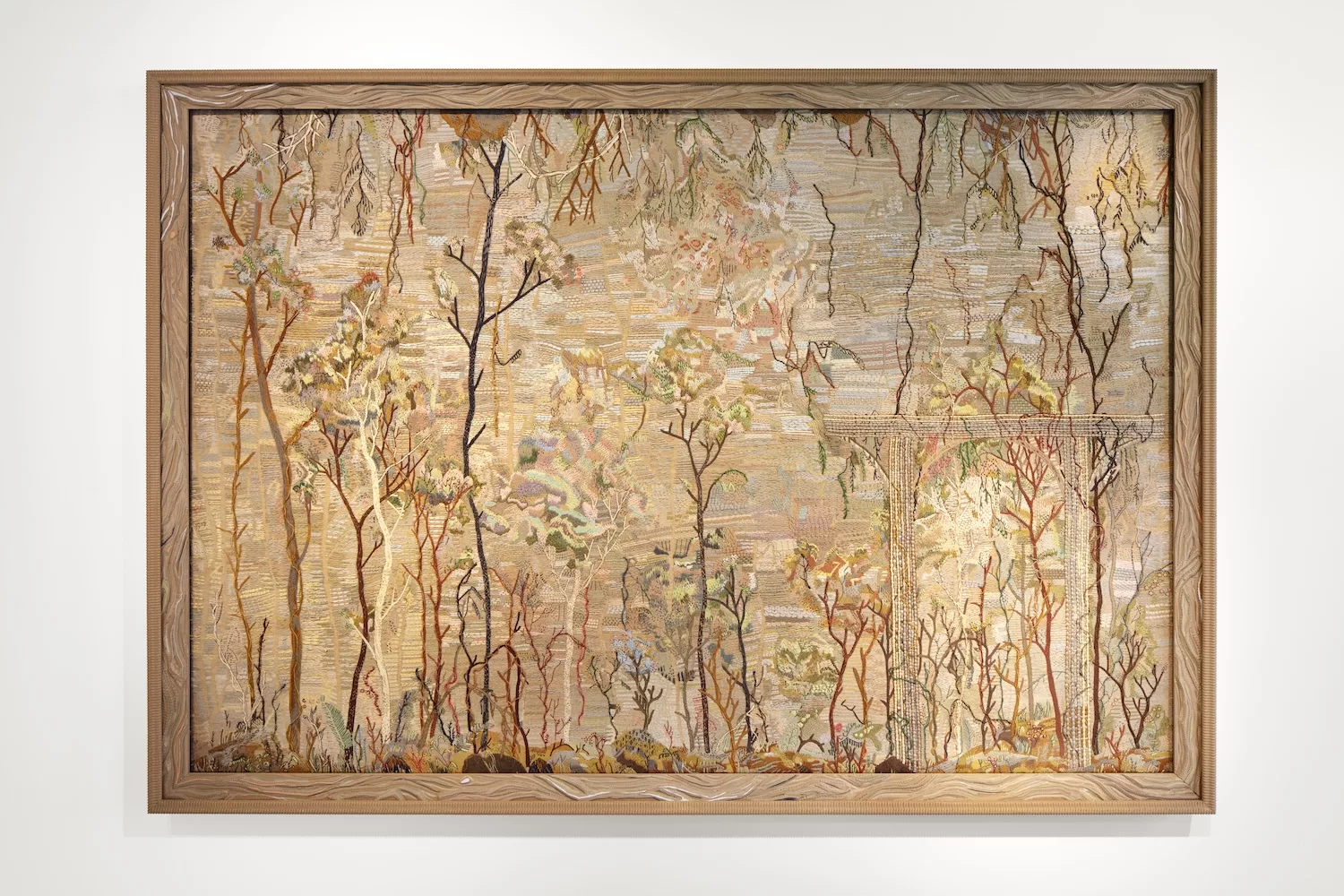
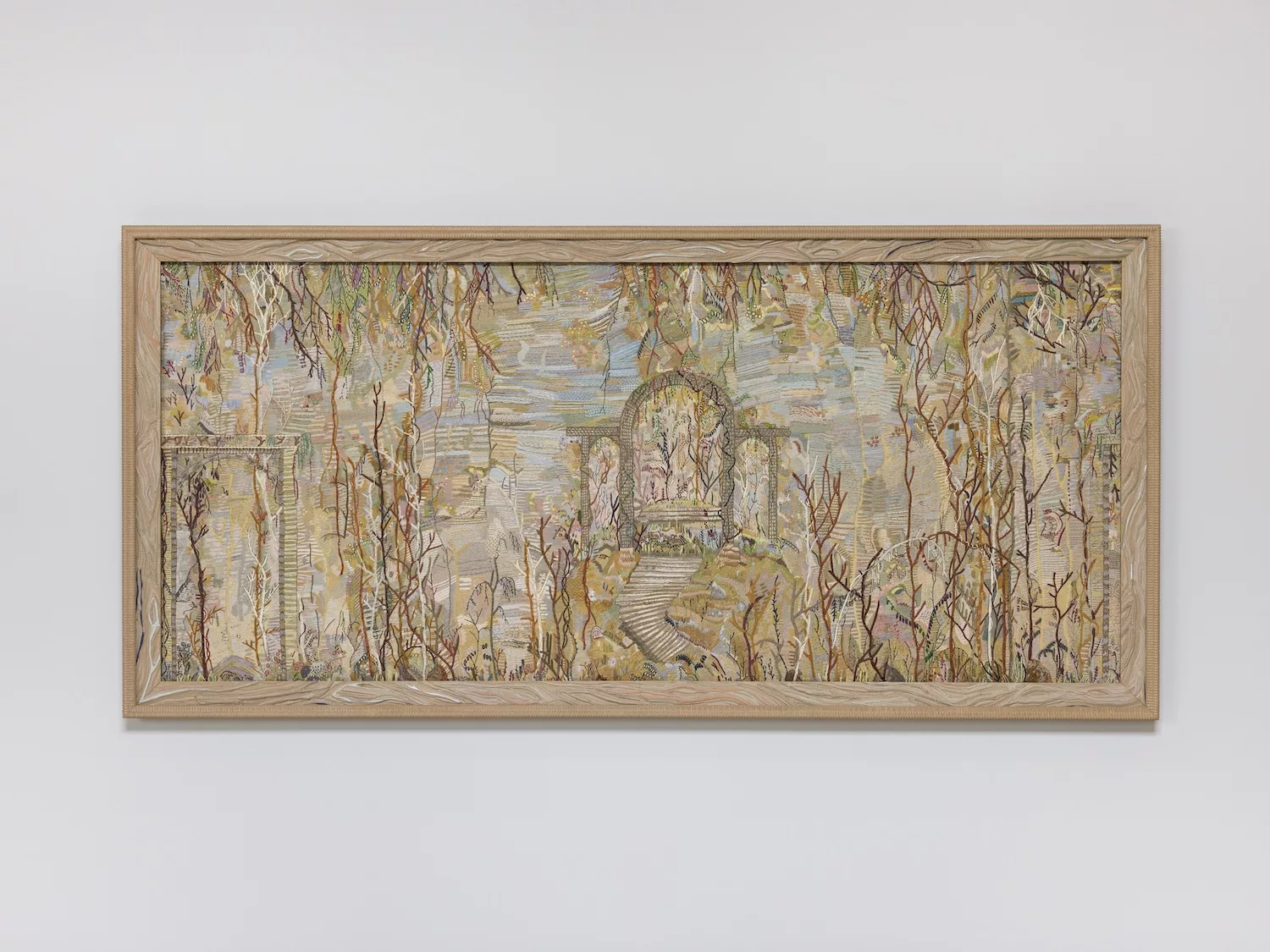
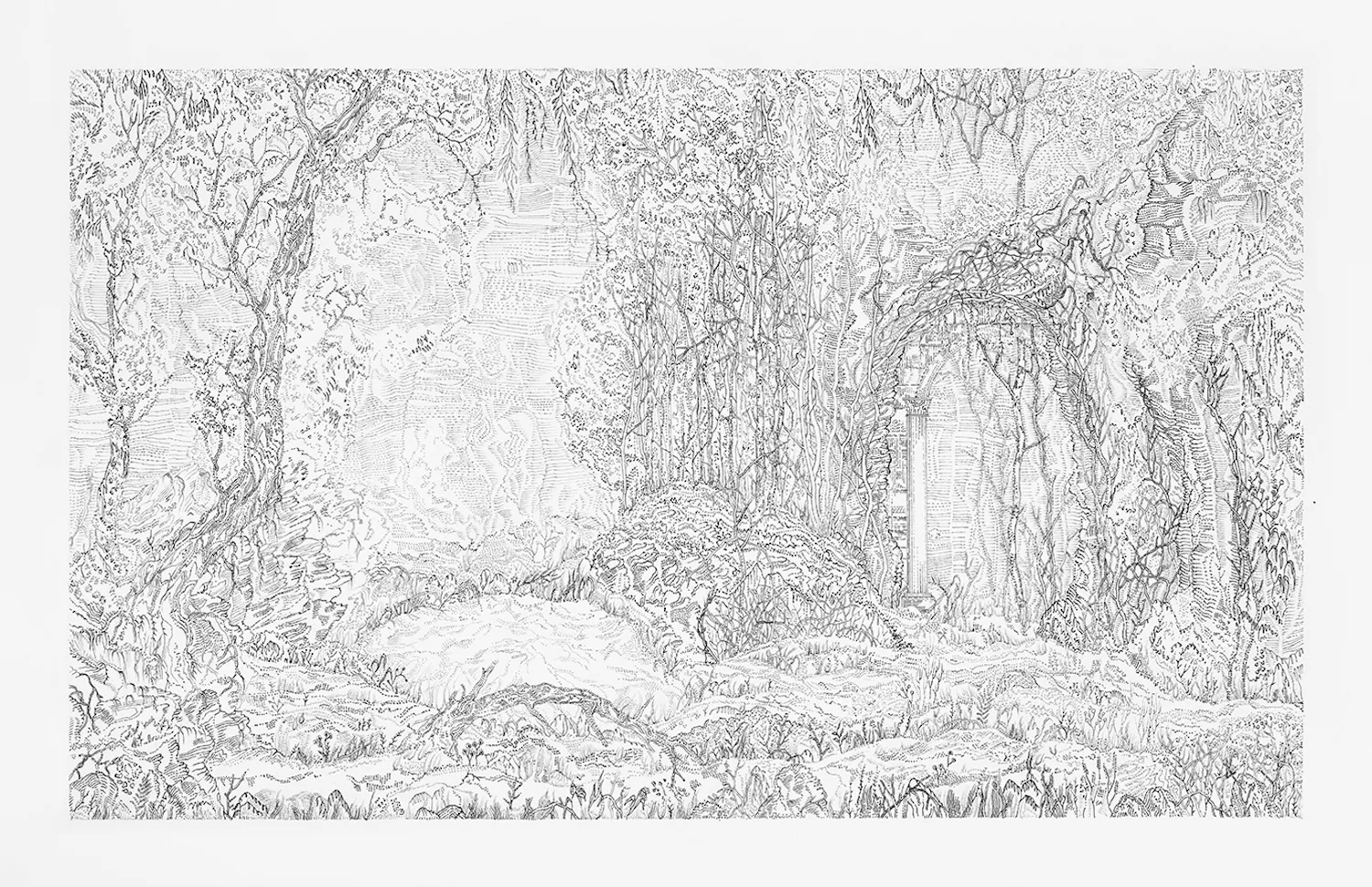
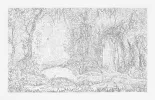
Although cardboard is still her favourite material, she later diversified her practice with drawings on paper, sculptures made of bronze and embroidery on silk. She also incorporates materials sourced from nature (cork, stones and shells) in her sculptures and installations. She began using silk when Dior invited her to contribute to the Autumn/Winter 2021–2022 fashion show. This collaboration led to the creation of a major piece, Chambre de soie (2021), a monumental work that drew inspiration from the Embroidery Room of Palazzo Colonna in Rome as well as Virginia Woolf’s essay “A Room of One’s Own”. Installed in the style of an 19th-century panorama (a recurring format for the artist), it was produced in collaboration with embroidery artisans in India.
The history of classical art, particularly the Baroque period, informs E. Jospin’s creations. Italy is a key historical, cultural and linguistic influence for her, as many of her exhibition titles demonstrate: Galleria [Gallery] (Musée de la Chasse et de la Nature, Paris, 2021), Palazzo [Palace] (Palais des Papes, Avignon, 2023) and Selva [Forest] (Museo Fortuny, Venise, 2024). In 2016–2017 she completed a residency at the Villa Medici in Rome. She became a member of the Académie des Beaux-arts (sculpture section) in 2024, and her work entered the collections of the Musée National d’Art Moderne in the same year.
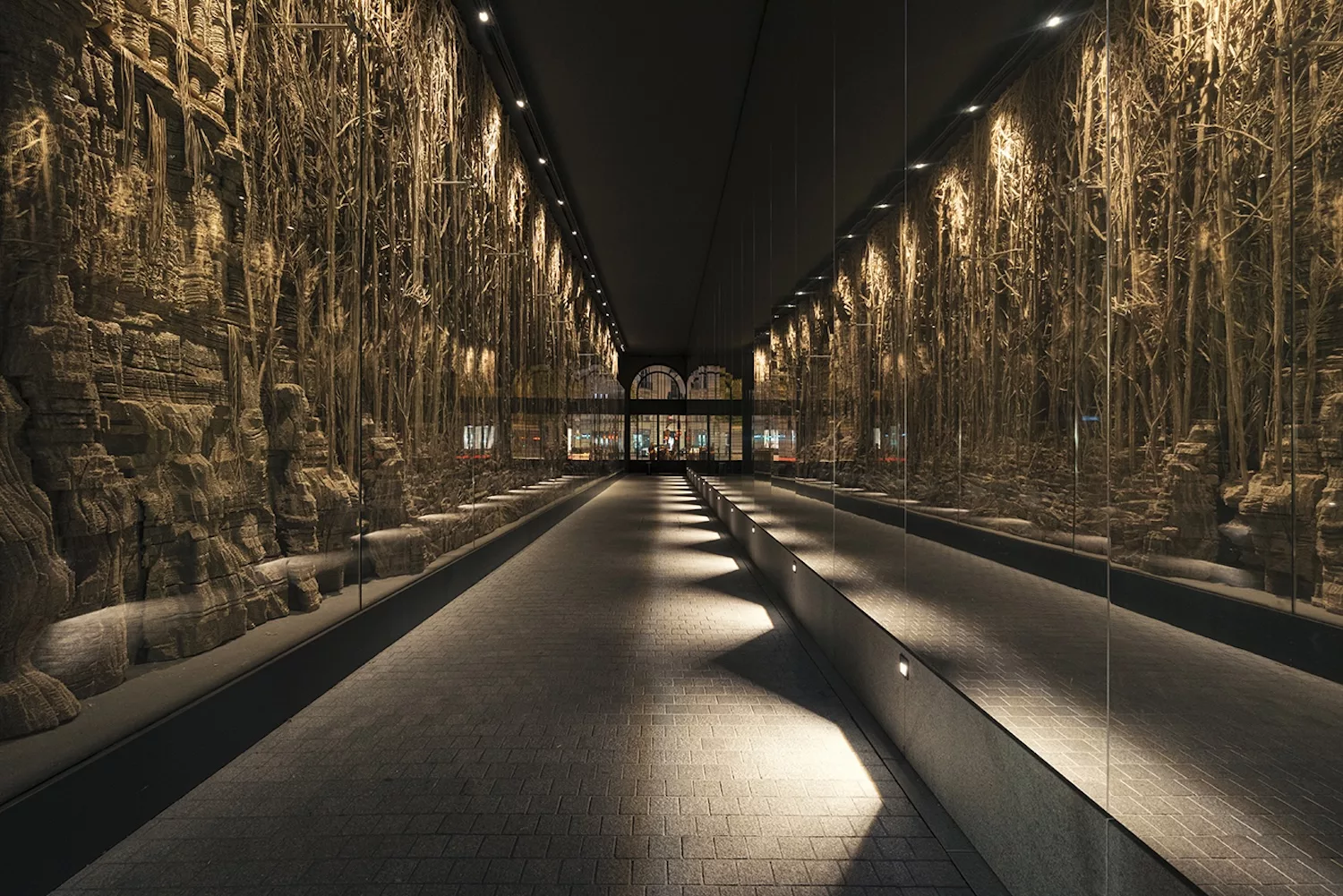
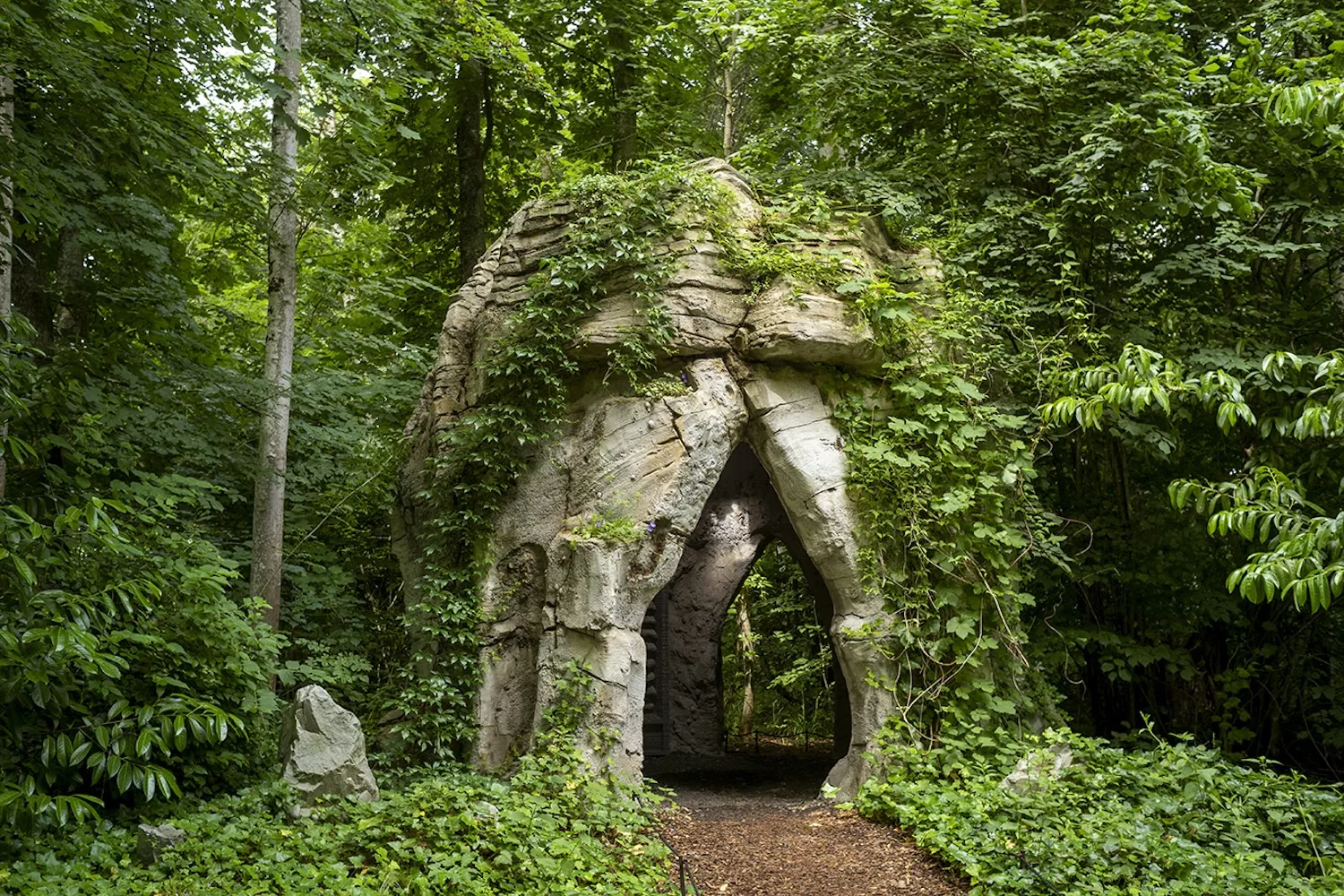
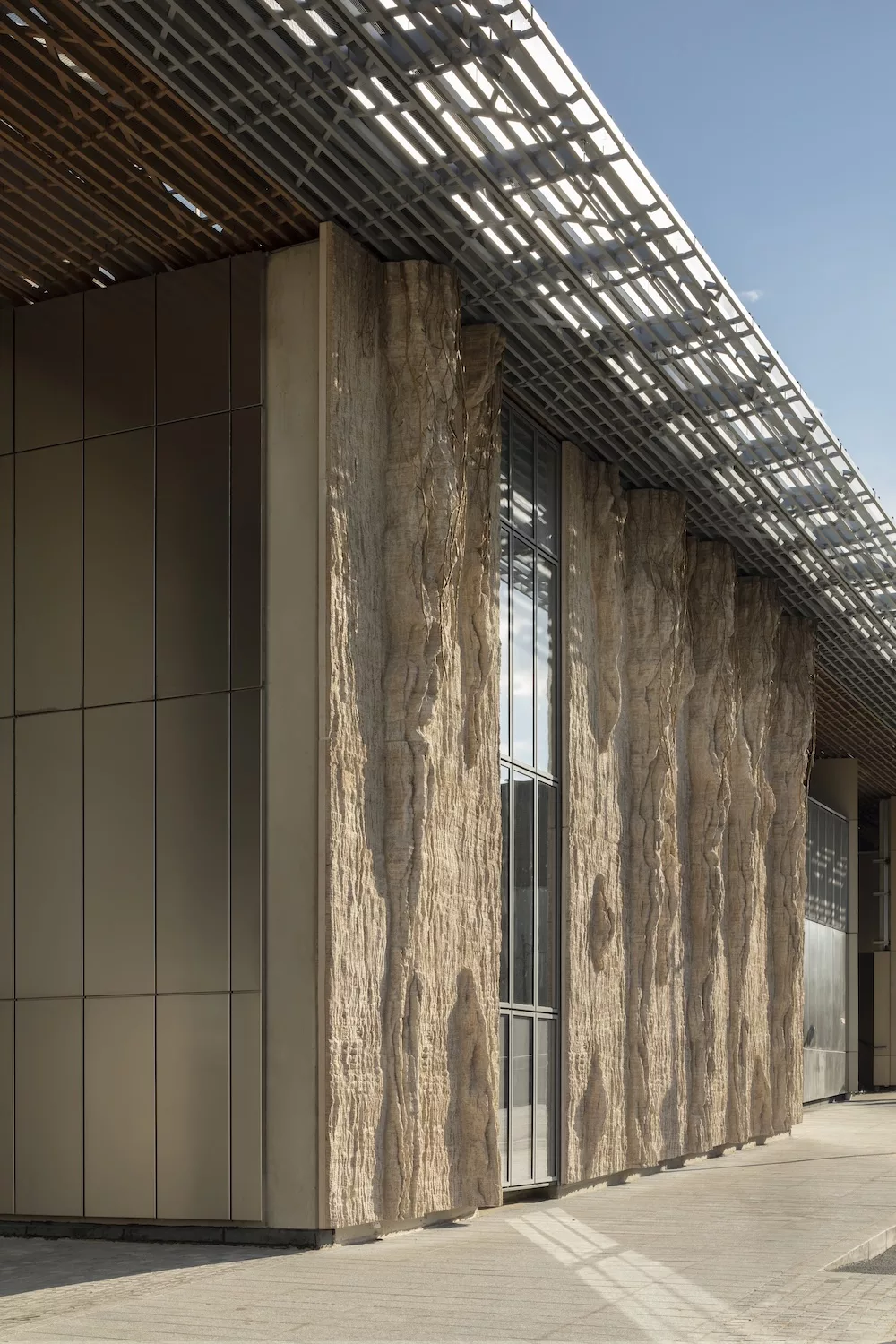
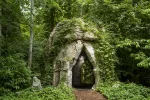
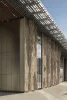
E. Jospin regularly receives invitations to exhibit her art at heritage sites such as La Cour Carrée du Louvre (Panorama, 2016) and L’Abbaye de Montmajour (Cénotaphe, 2020). She has also executed permanent works in both natural contexts (Folie, 2015, at the Domaine de Chaumont-sur-Loire) and urban spaces (La Traversée, 2018, in Beaupassage, Paris, and Trésors enfouis, 2024, at the Hôpital-Bicêtre train station, Le Kremlin-Bicêtre). Her creations reflect considerations inherent to site specificity and the influence of architecture.
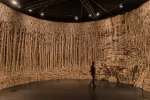
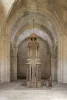
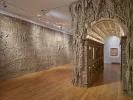
This artist often plays with scale. In her landscapes, a single motif can cast the viewer either as a mere observer or, in the case of monumental, immersive installations, as an active participant. Grottoes and forests number among her subjects of predilection. Carrying strong symbolic weight and serving as sites for initiatory quests, they foster dialogue between the sublime and the fearsome. E. Jospin’s art alternately evokes dark forests, Baroque gardens, rococo-style decorations or artificial grottoes, and represents a journey, an invitation for viewers to wander through a dense tangle of motifs, whether botanical or mineral. But nature is always recreated, with artifice and theatricality, in these timeless pieces that play with both illusion and fascination.
A biography produced as part of the +1 programme.
© Archives of Women Artists, Research and Exhibitions, 2026


 Les Jeudis MO.CO. Panacée – Eva Jospin | MOCO Montpellier Contemporain, 2025 (French)