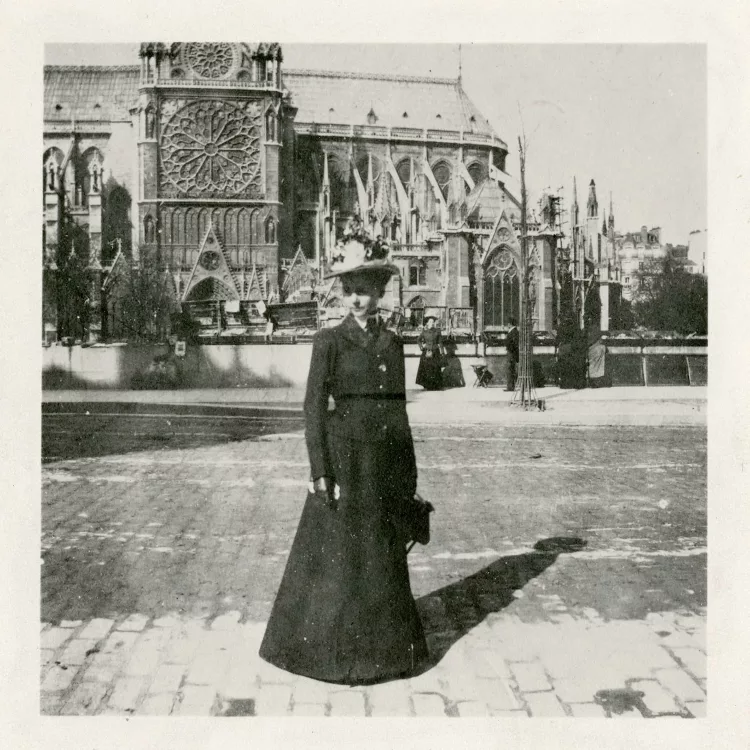

Julia Morgan standing in front of Notre Dame, Paris, 1901, Julia Morgan Papers, Special Collections, Cal Poly San Luis Obispo
Karen McNeill, “Julia Morgan.” In Oxford Bibliographies Online: Architecture, Planning, and Preservation. Oxford University Press, 2024
→Gordon Fuglie, Julia Morgan: The Road to San Simeon, Visionary Architect of the California Renaissance, New York, Rizzoli Electa, 2022
→Victoria Kastner, Julia Morgan: An Intimate Biography of the Trailblazing Architect, San Francisco, Chronicle Books, 2021
American architect.
Julia Morgan blazed a trail for women in architecture. Born in San Francisco and raised in Oakland, she earned a degree in civil engineering from the University of California, Berkeley (UC Berkeley), in 1894. Two years later she set sail for Paris, where she became the first woman to earn a degree in architecture from the École des Beaux-Arts (1902). In 1904 J. Morgan became the first woman to secure her California state architectural licence. Nearly forty years and over 700 commissions later, the Women’s Board of the Golden Gate International Exposition named her one of the most important women in the state of California, and in 2014 J. Morgan became the first woman to be awarded the American Institute of Architects’ highest honour: the Gold Medal.
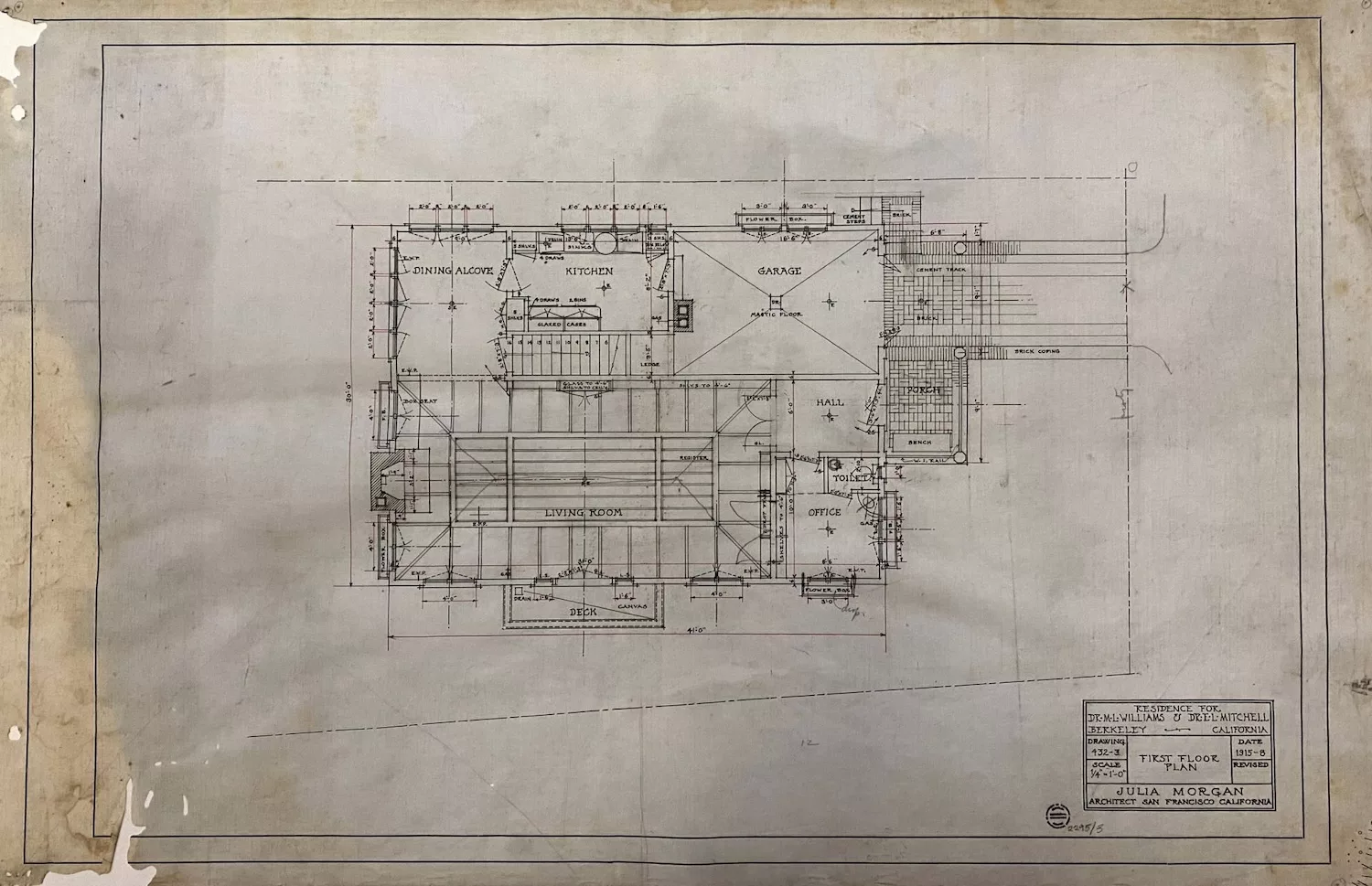
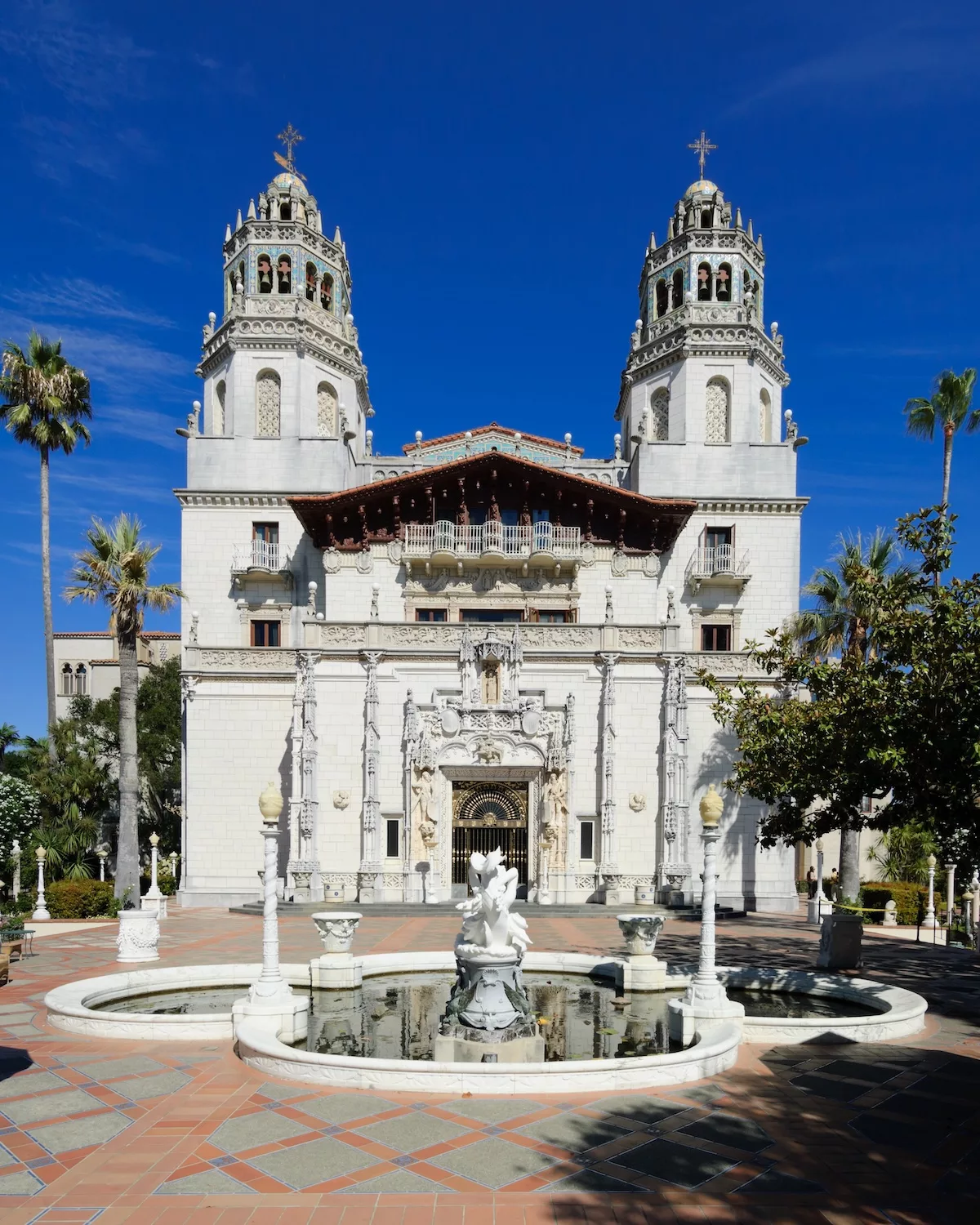
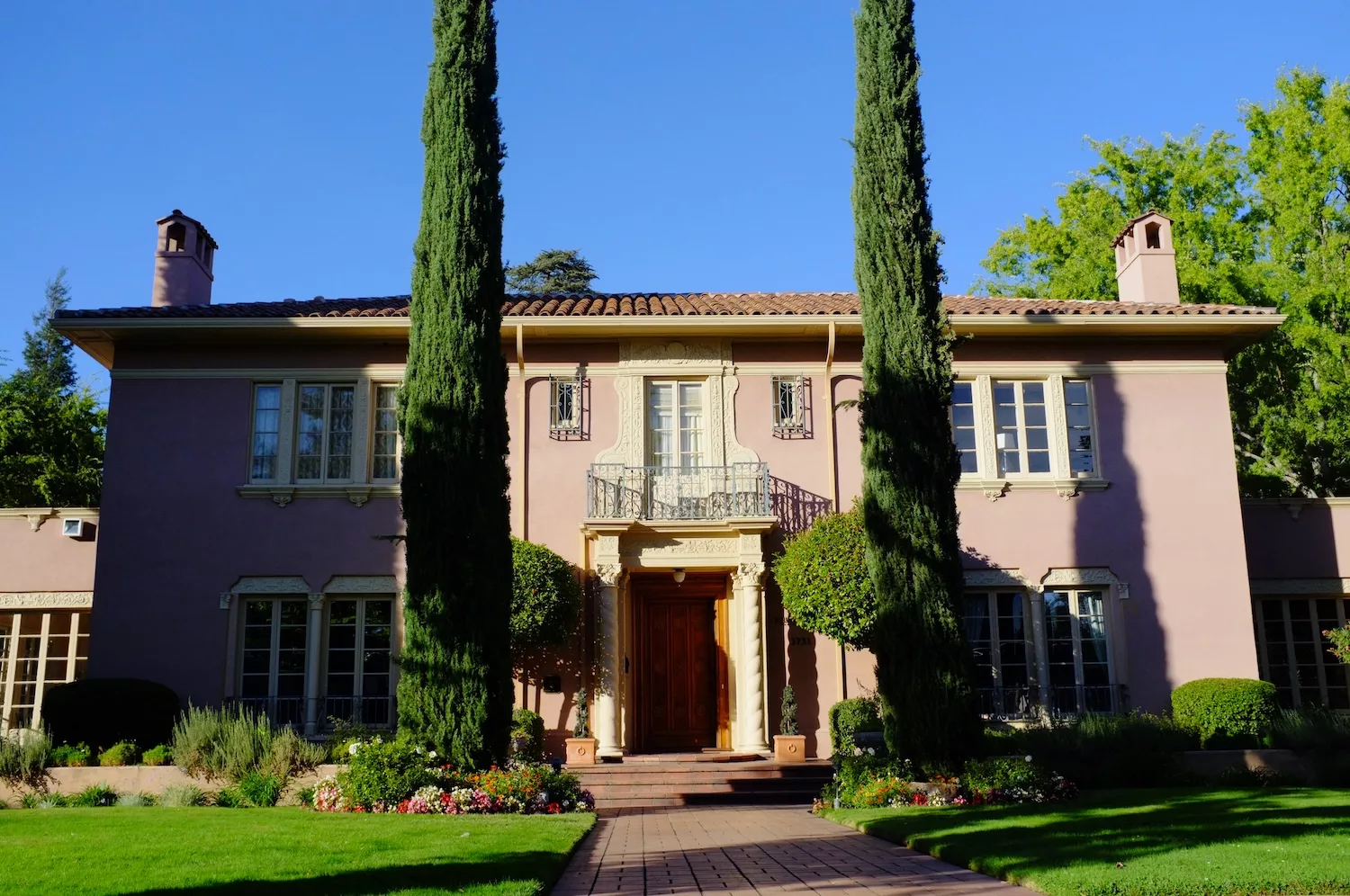
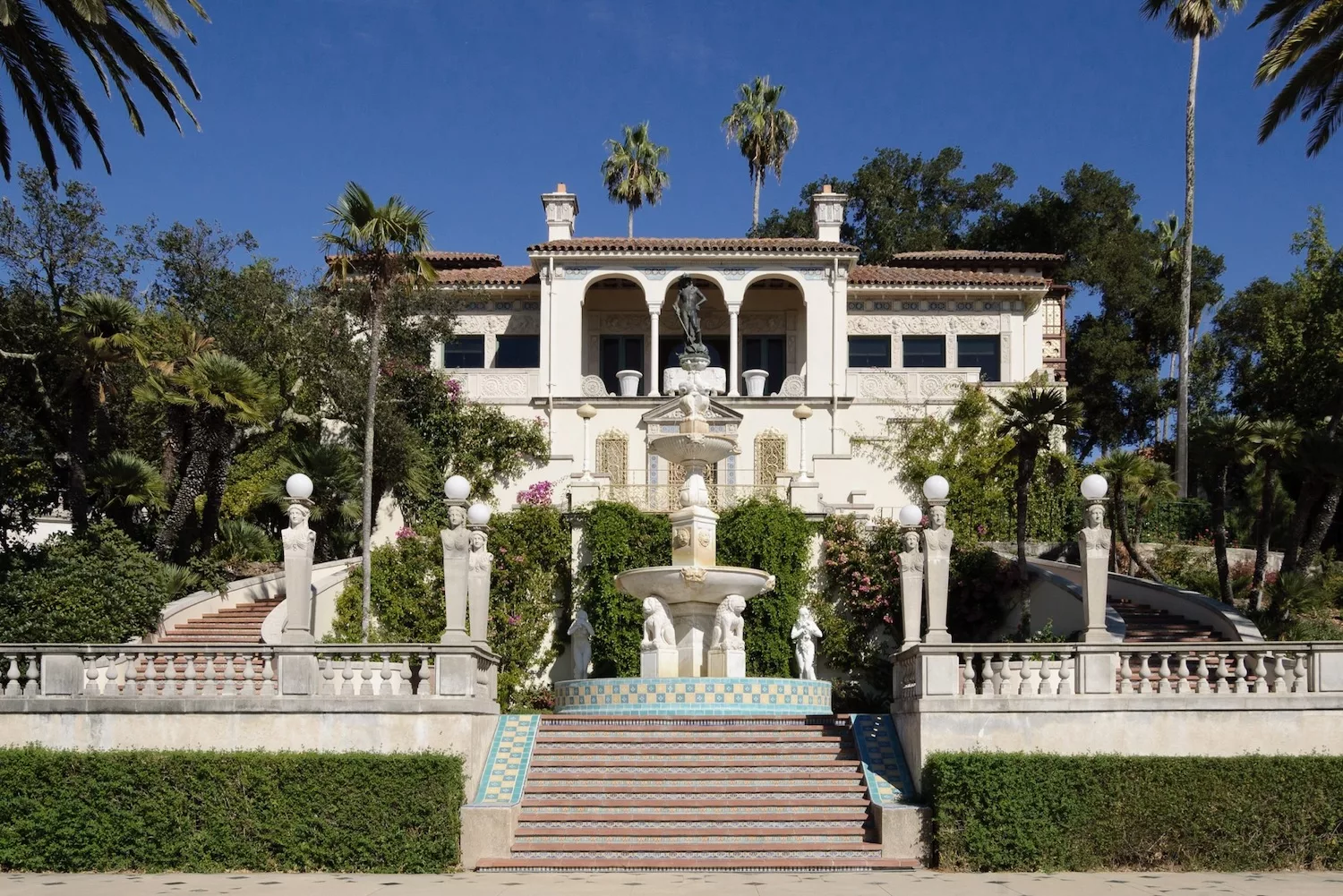
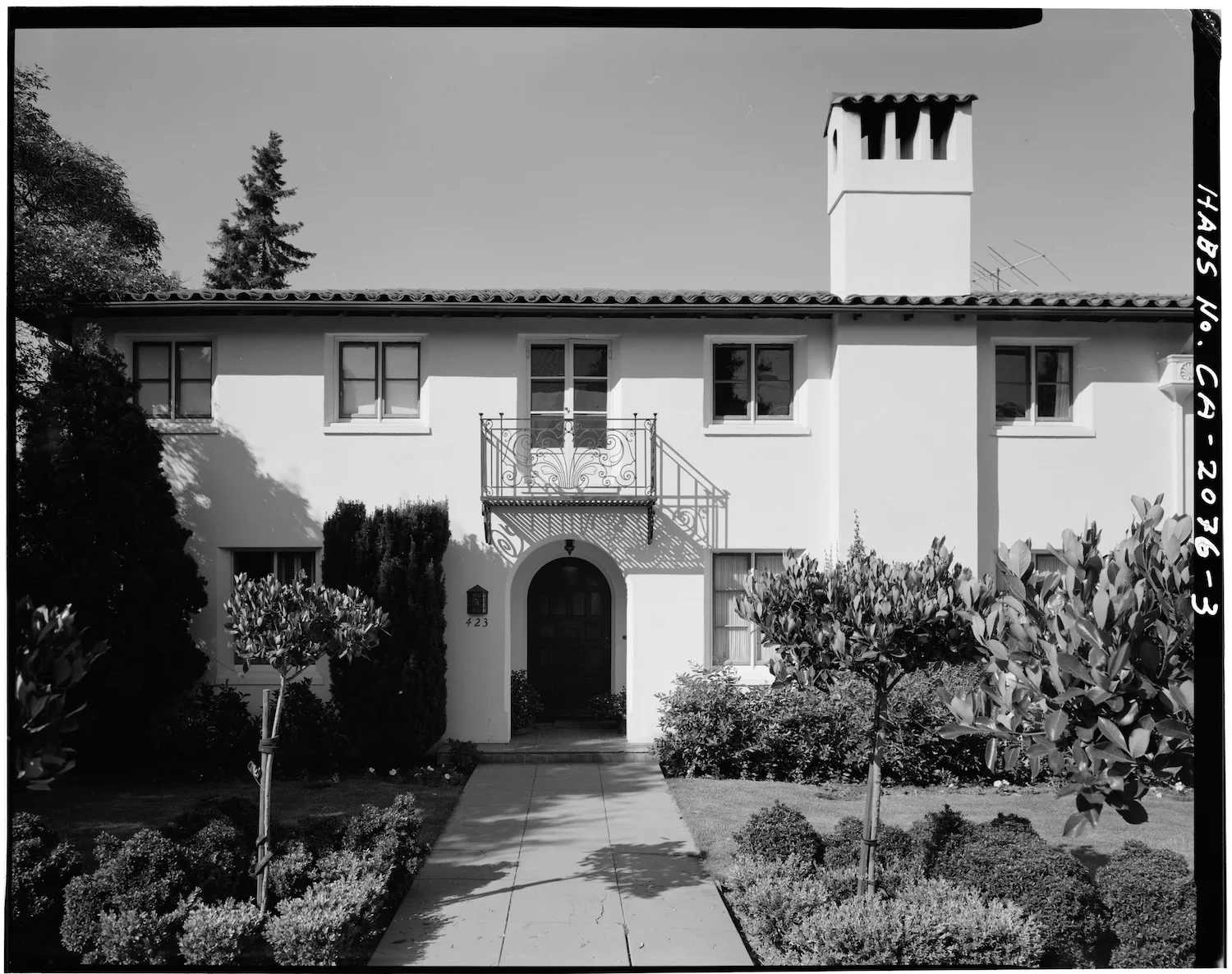
One of the most prolific American architects of her generation, J. Morgan designed hundreds of unique residences: dozens of schools, churches, commercial and industrial buildings, and nearly 100 buildings for women’s organisations. She designed from the inside out, focusing on the function of a space first and then wrapping it in whatever style – or styles – the client desired. This resulted in an oeuvre that includes everything from proto-modernist brown-shingle “Bay Tradition” style bungalows to the flamboyantly extravagant Hearst Castle and its Mediterranean mix of Greek Revival, Spanish Moorish, Gothic, Byzantine and Italian Renaissance-inspired architecture.
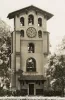
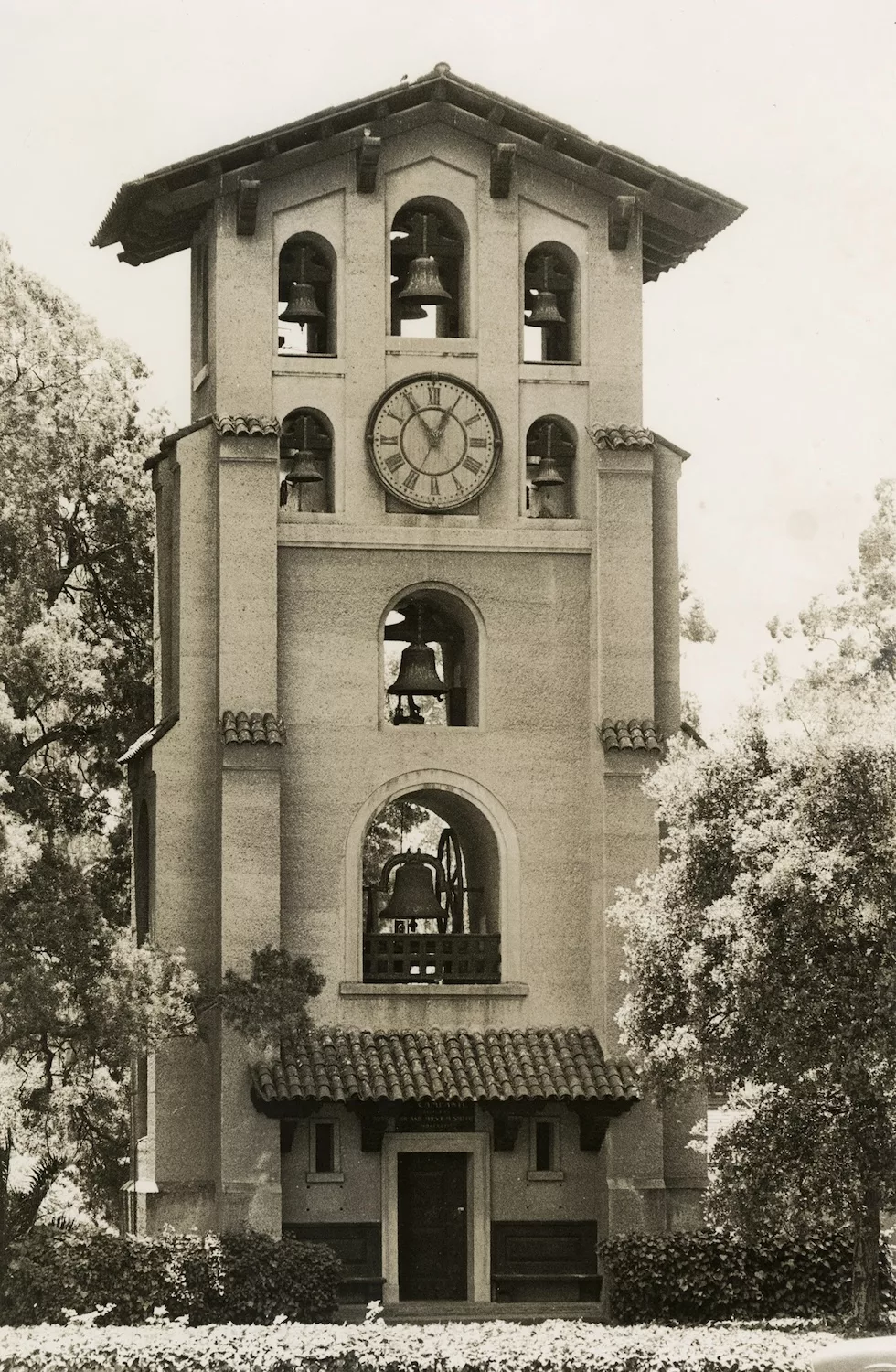
The catastrophic 1906 earthquake and fires constituted a pivotal event in J. Morgan’s early career. Much of San Francisco lay in rubble and ash, but across the bay the architect’s three earliest major projects – the Greek Theater at UC Berkeley (1903), and a campanile (1904) and library (1905) at Mills College in Oakland – survived intact. They stood as unparalleled examples of modern concrete design and construction, which cemented J. Morgan’s reputation for excellence amongst her fellow architects, engineers and builders. From this point forward, her work garnered attention in the professional press.
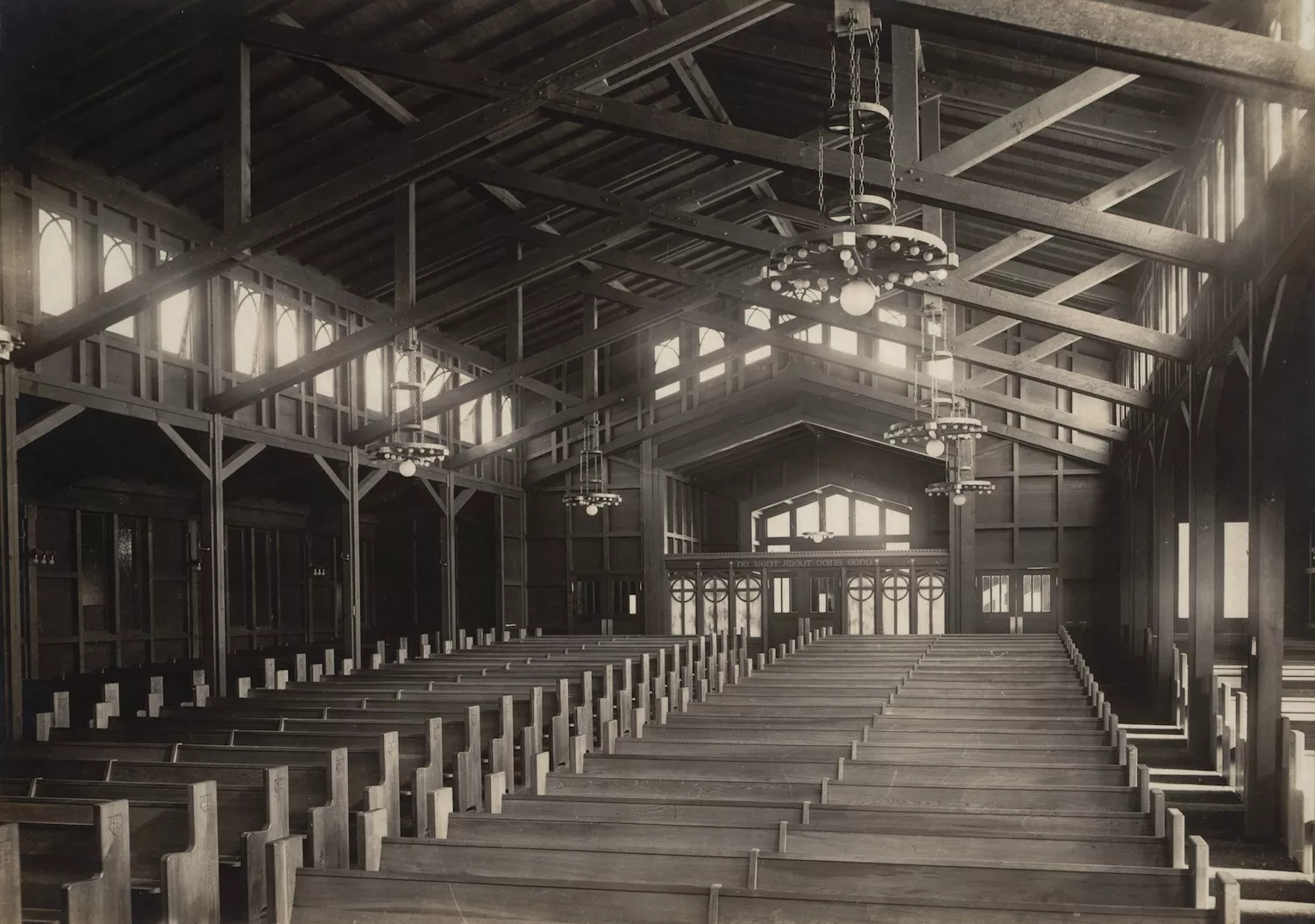
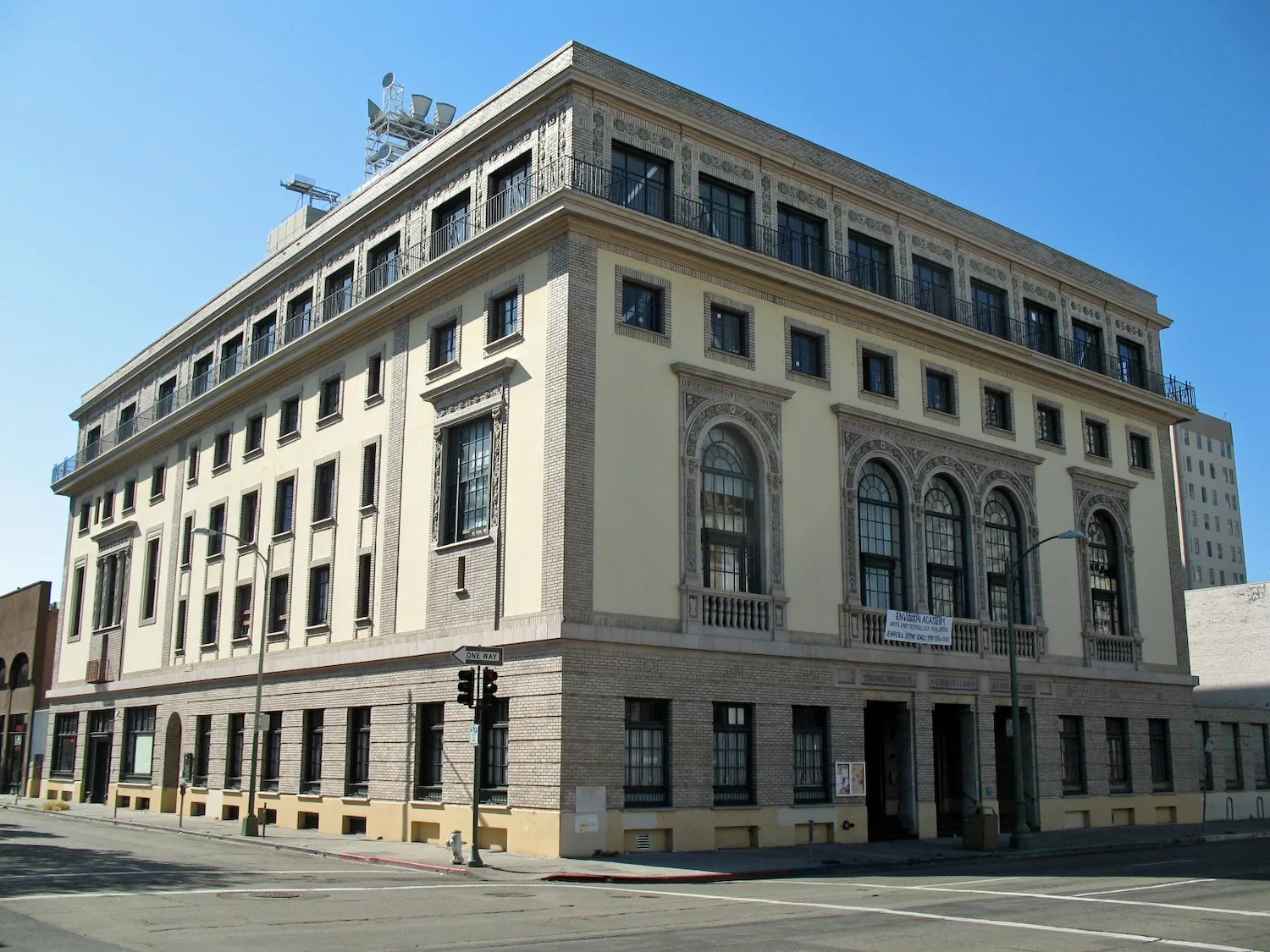
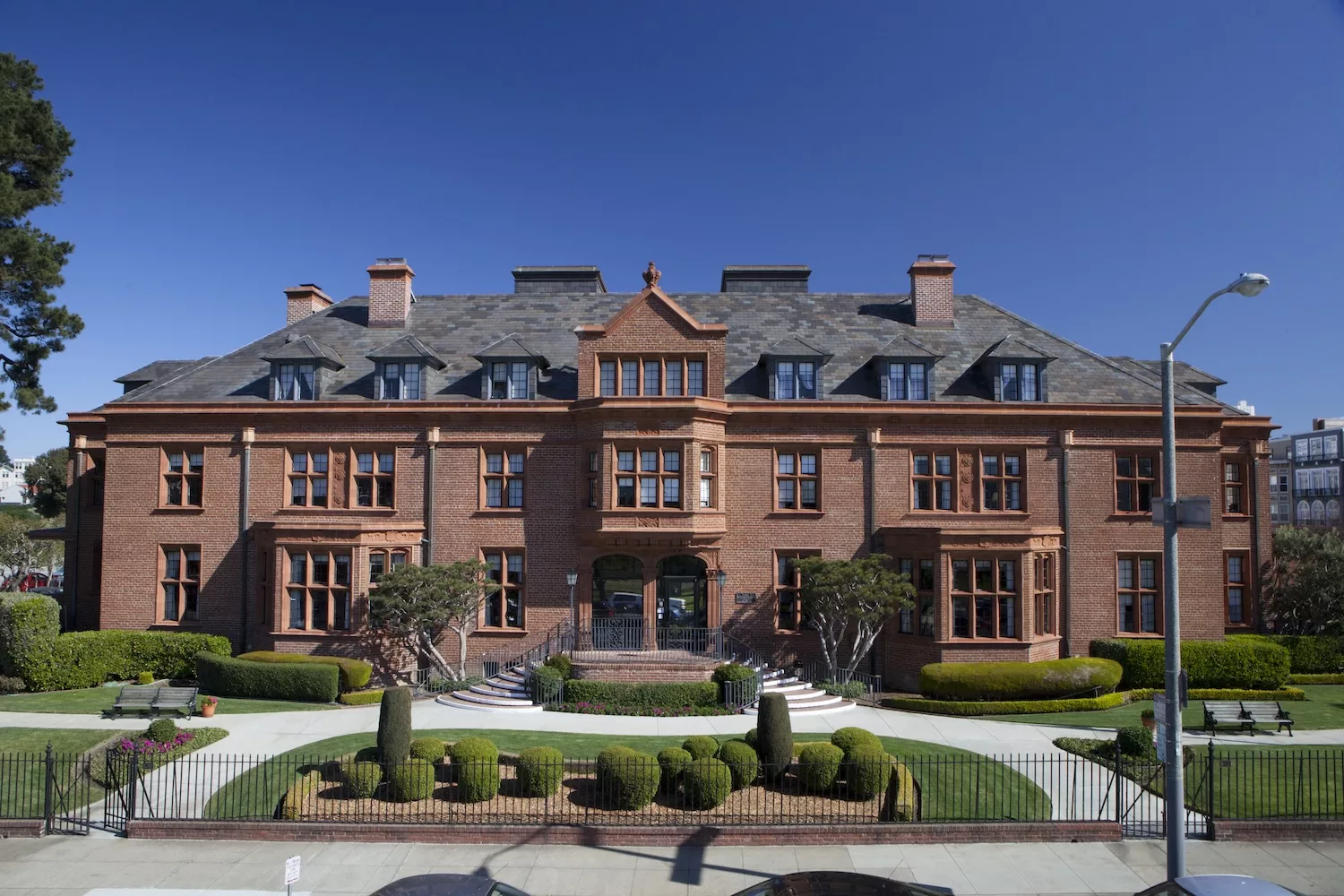
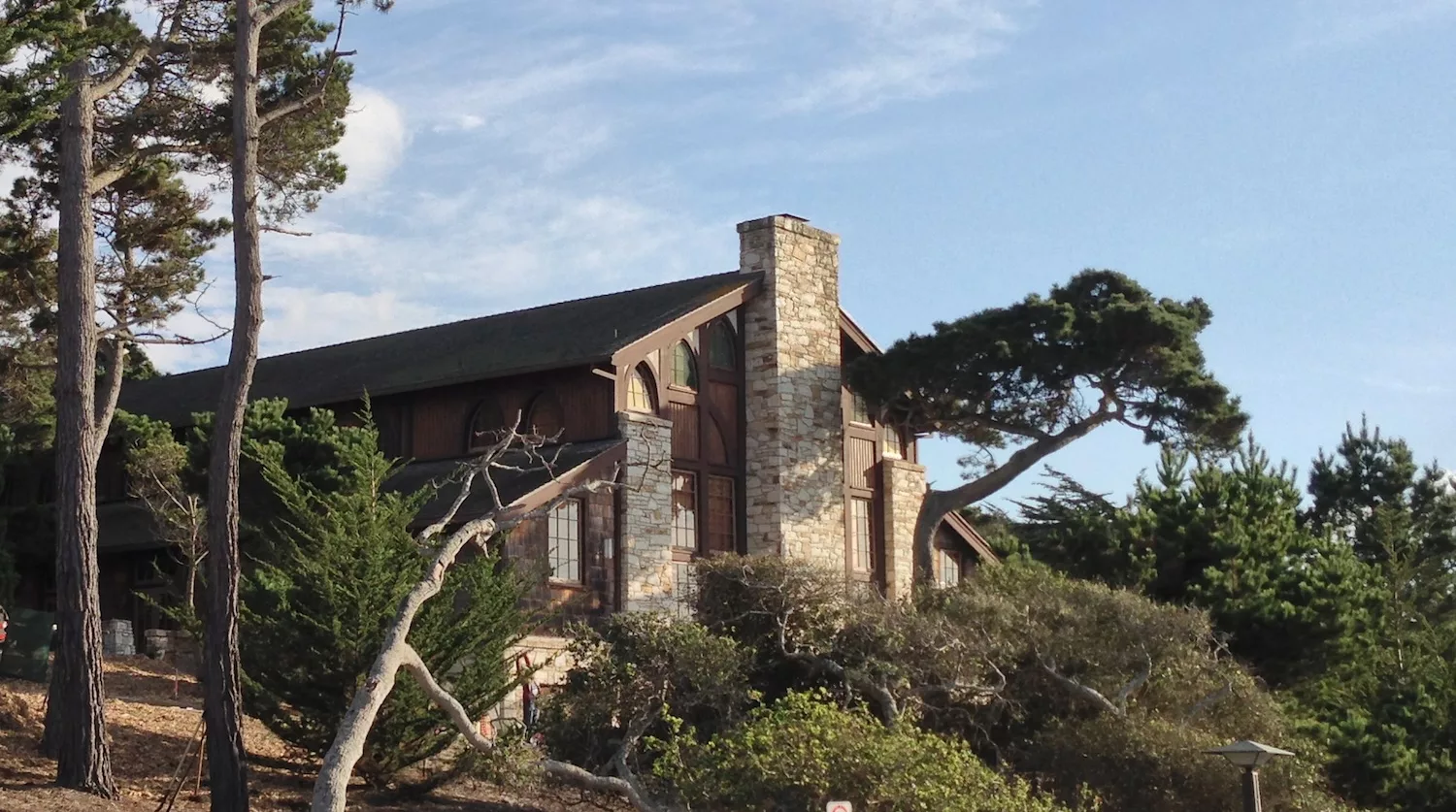
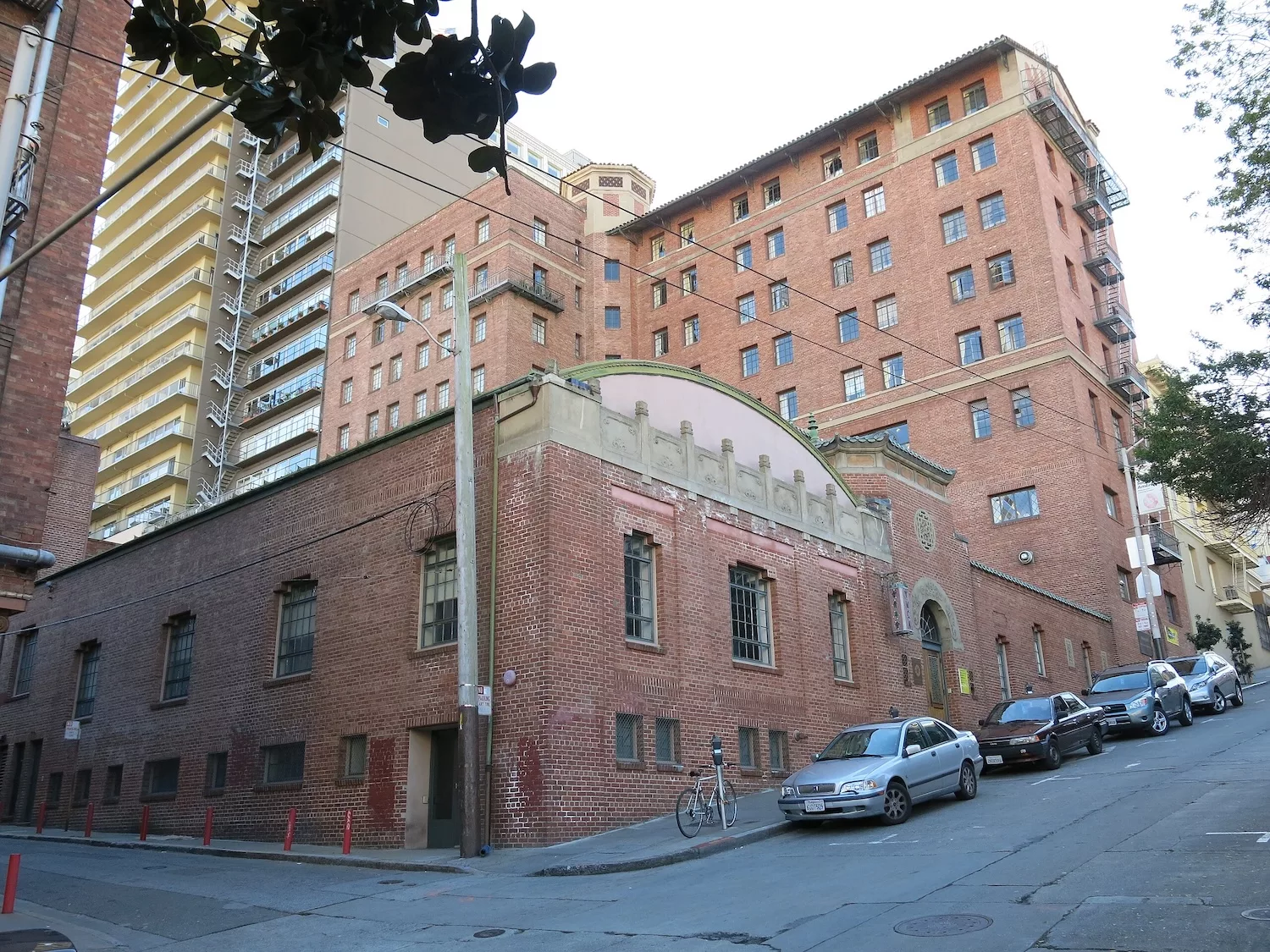
An expansive network of women who championed many social, cultural and political causes was also central to J. Morgan’s success. The campanile at Mills College initiated a twenty-year relationship with that women’s institution, and J.Morgan’s most prolific institutional client was the Young Women’s Christian Association (YWCA). Over a period of twenty years J. Morgan designed dozens of local association buildings and was also the supervising architect for a World War I-era national building programme. J. Morgan’s masterpieces for women’s organisations include the Bay Tradition-style Asilomar Conference Grounds (1913–1928), the Renaissance Revival YWCAs in Oakland (1915) and Honolulu (1926), the Gothic Moorish Berkeley City Club (1930) and the Chinese YWCA in San Francisco (1932).
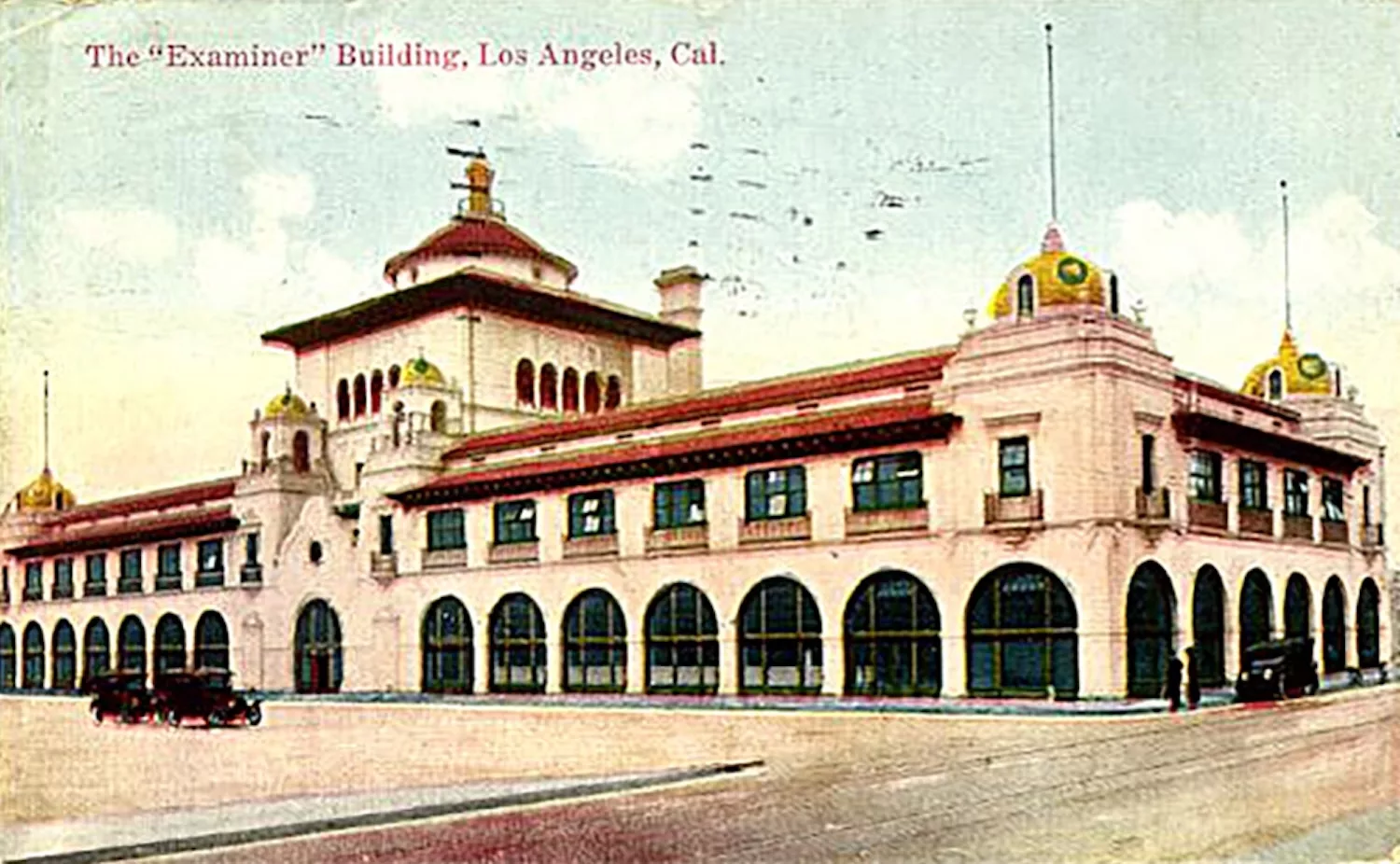
No biography of J. Morgan is complete without acknowledging the importance of the Hearst family. Phoebe Hearst, wealthy philanthropist and mother of media mogul William Randolph Hearst, secured J. Morgan’s relationship with the YWCA. In 1914 J. Morgan completed her first major commission for W. R. Hearst – the Los Angeles Examiner building – and nearly three decades of work on Hearst Castle began in 1919. Other major commissions included a Georgian-revival Santa Monica beach house complex (1920s), the neo-Classical Phoebe Hearst Memorial Gymnasium at UC Berkeley (1926) and Wyntoon, a Bavarian-inspired family compound in Shasta County (1930s).
J. Morgan retired in 1947 and died ten years later at the age of 85.