Kristina Solomoukha


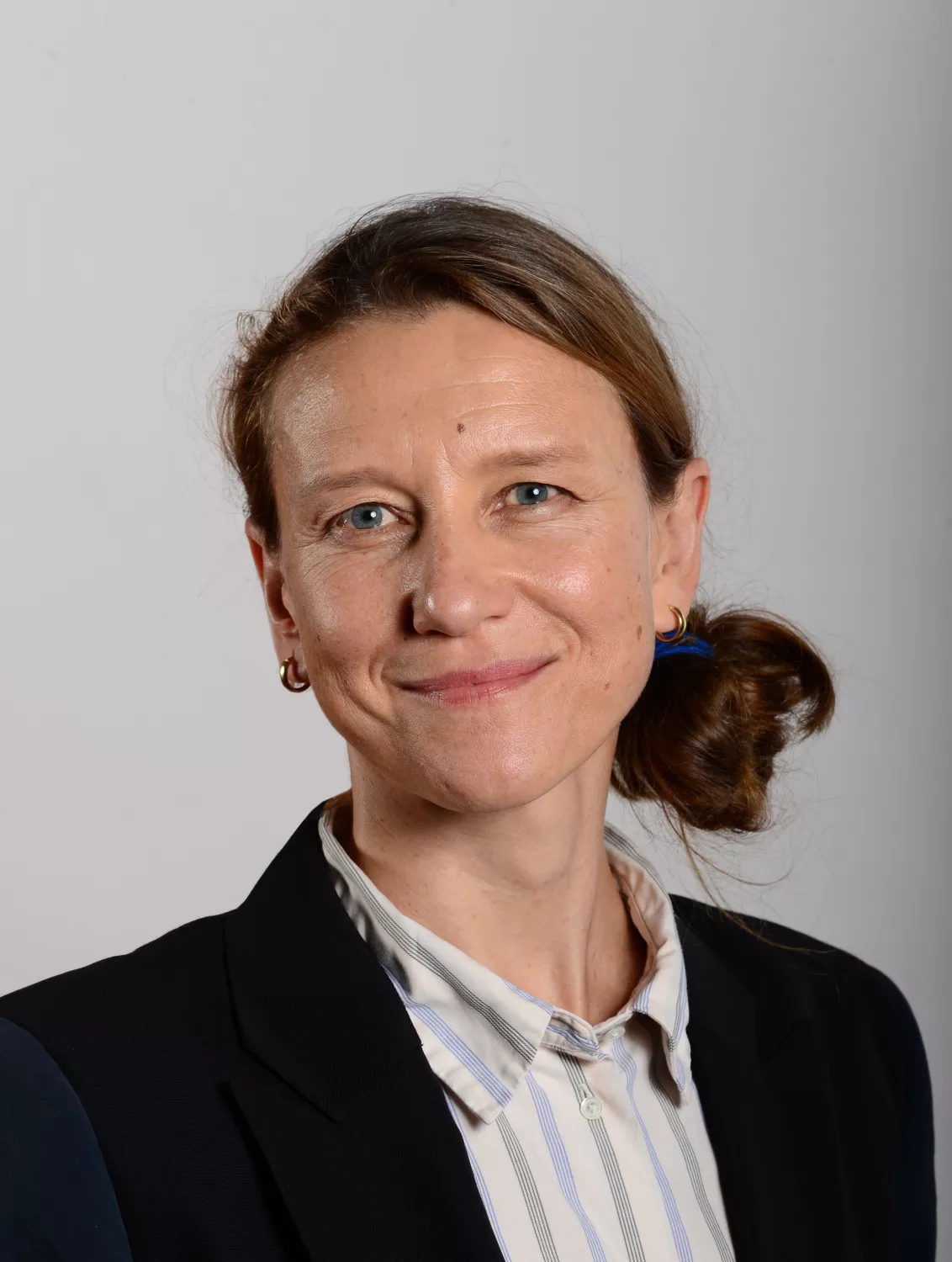
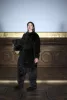
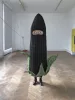
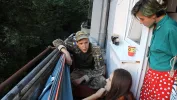
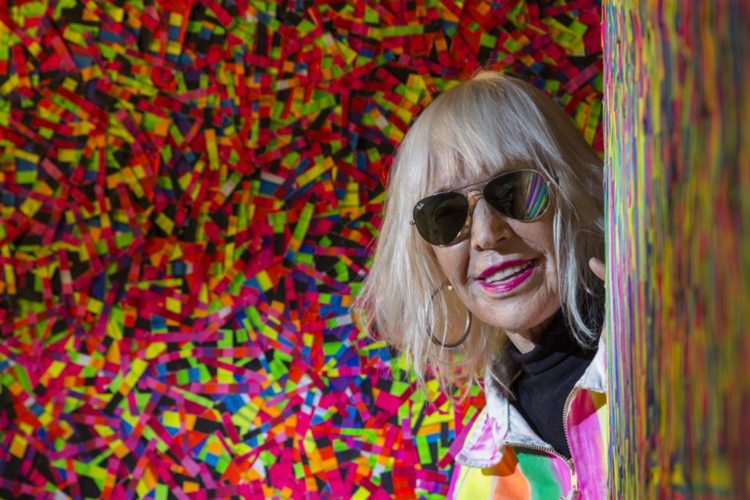
Portrait of Kristina Solomoukha © Béryl Libault
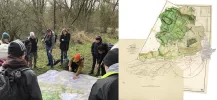
Cozzolino, Francesca, Maurin, Coralie, Solomoukha, Kristina, “Interroger et façonner des savoirs sensibles. Une collaboration entre art et anthropologie issue d’une enquête au Chiapas”, dans Anne Bationo-Tillon, Francesca Cozzolino, Sophie Krier, Nicolas Nova (ed.), En quête d’images, écritures sensibles en recherche-création, Dijon, Presses du réel – ArTeC, 2024, p. 24-70
→Solomoukha, Kristina, Codeluppi, Paolo, “Lire les formes. Utilisation des motifs en quadrillage et en damier datés du Néolithique à l’époque moderne dans un projet d’art contemporain”, Polygraphe(s), approches métissées des actes graphiques, no 04, 2022, p.112-117
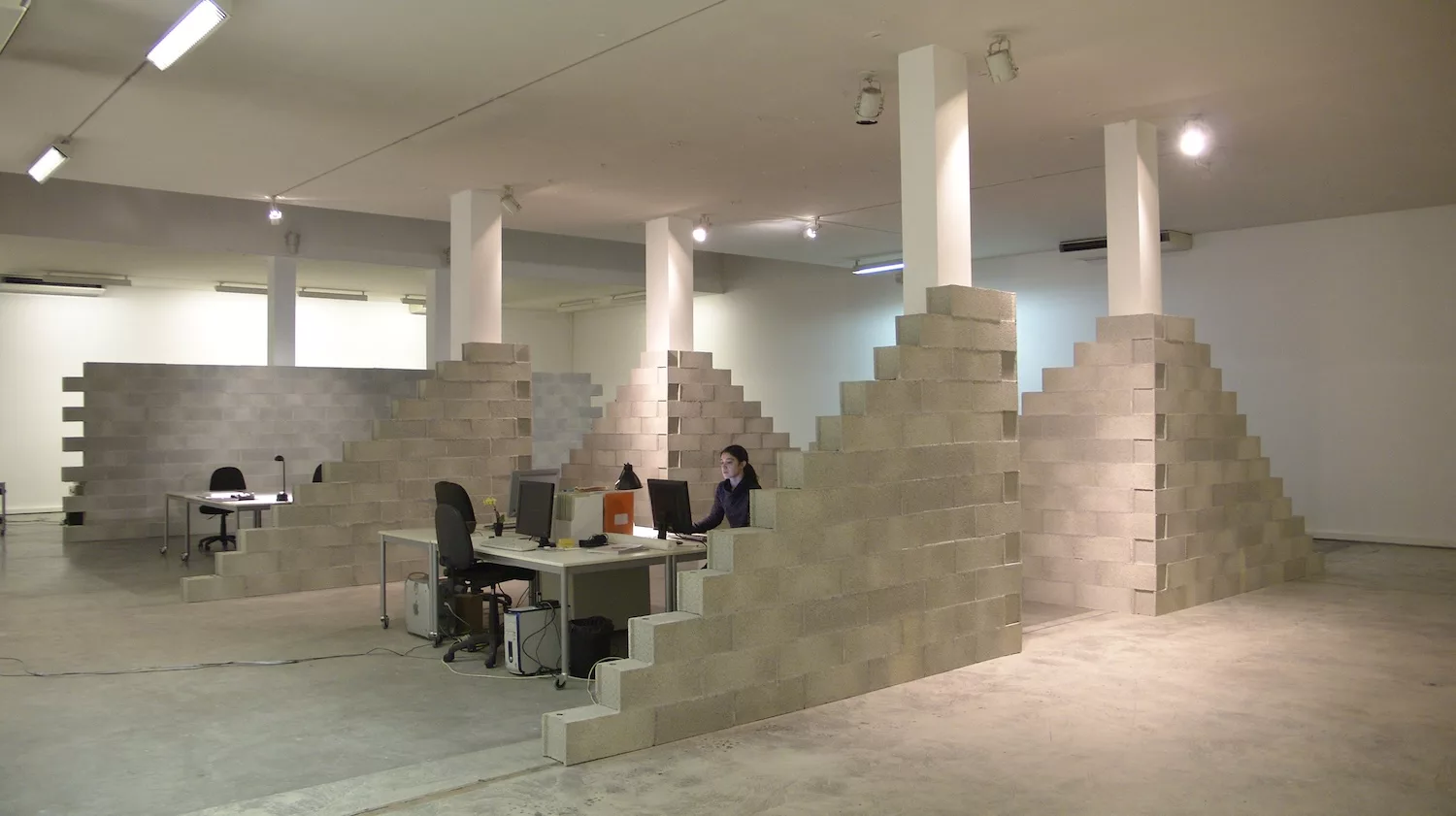
→Solomoukha, Kristina, Turpin, Elfi, Courant, Jean-Marie, Journal, Paris, Bibliothèque Générale, 2013
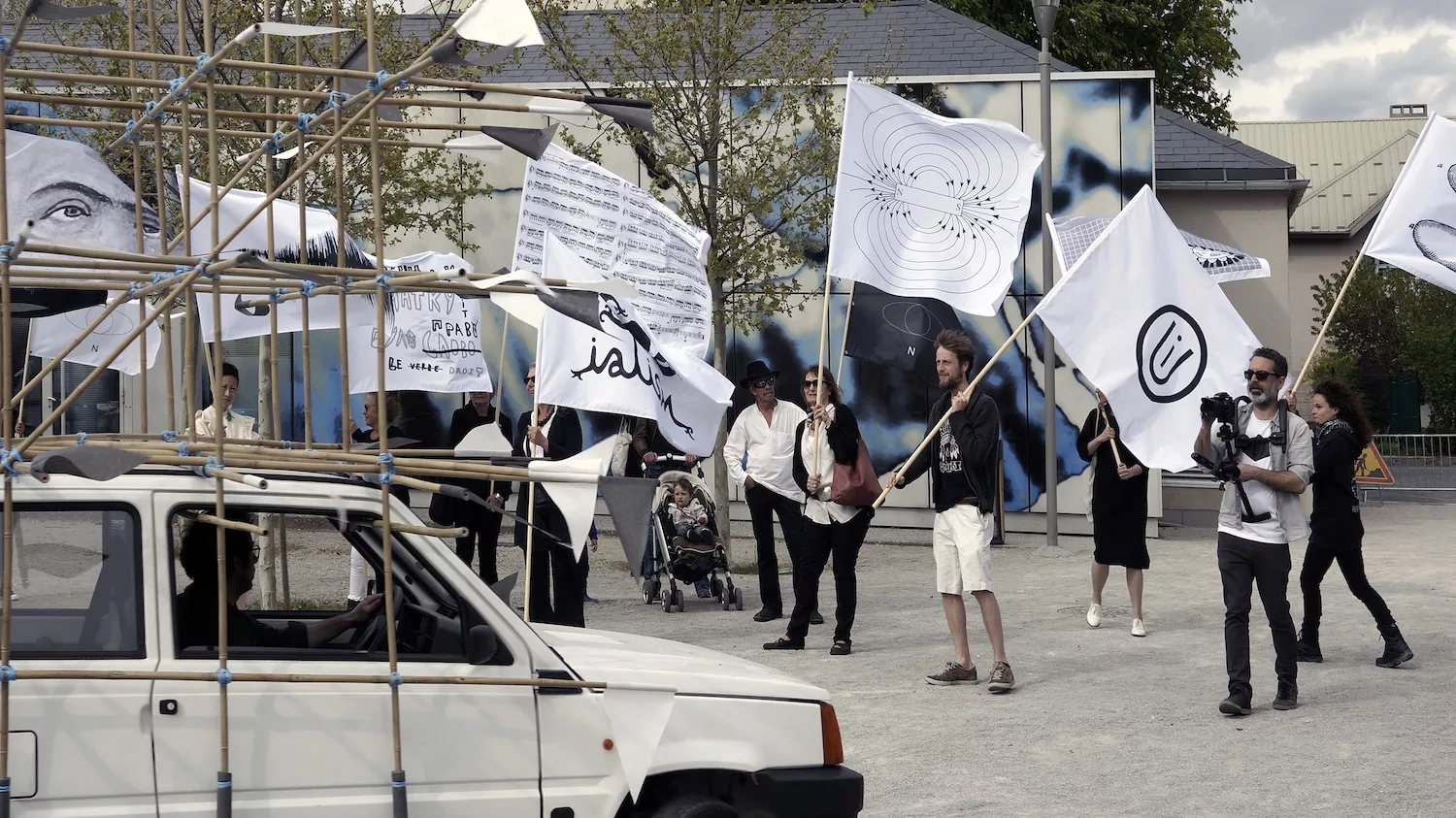
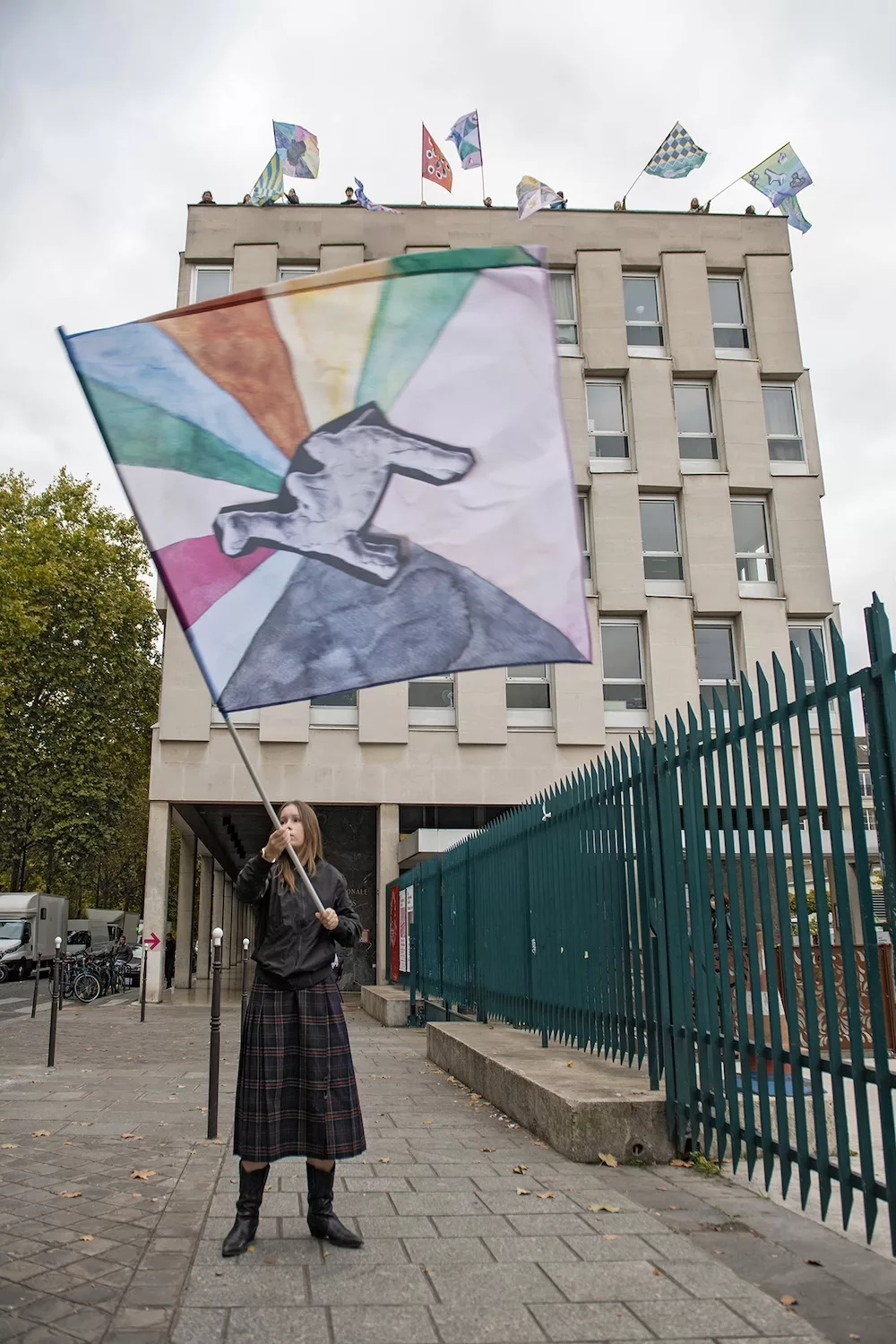
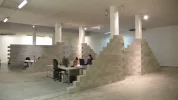
Yes and No Parade & Cinema as Spare Parts / Parade du OUI et du NON & Cinéma en pièces détachées, CAC Les Capucins, Embrun, April – June 2017
→Les objets qui parlent, galerie Dohyang Lee, Paris, Marsh – April 2012
→Pastime Paradise, PinchukArtCentre, Kyiv, Ukraine, April – May 2008
 Mental Geography – Interview with Paolo Codeluppi et Kristina Solomouhka | Zoo centre d’art contemporain, 2022 (French)
 French-Ukrainian multidisciplinary artist.
Trained at the Kyiv School of Industrial Art (1986–1989), Kristina Solomoukha moved to France in 1989, graduating from the École nationale supérieure des Beaux-Arts in Paris (1995), completing the postgraduate programme at the École des Beaux-Arts in Nantes (1997) and attending the fourth year at the École nationale supérieure d’architecture Paris-Malaquais (2002). Her practice spans installation, drawing, video, performance and collaborative forms, exploring the political and symbolic dimensions of images, urban spaces and shared narratives. Informed by anthropology, history and architecture, her projects unfold as investigations of place and protocols of knowledge, where poetry, humour, fiction and social critique converge.
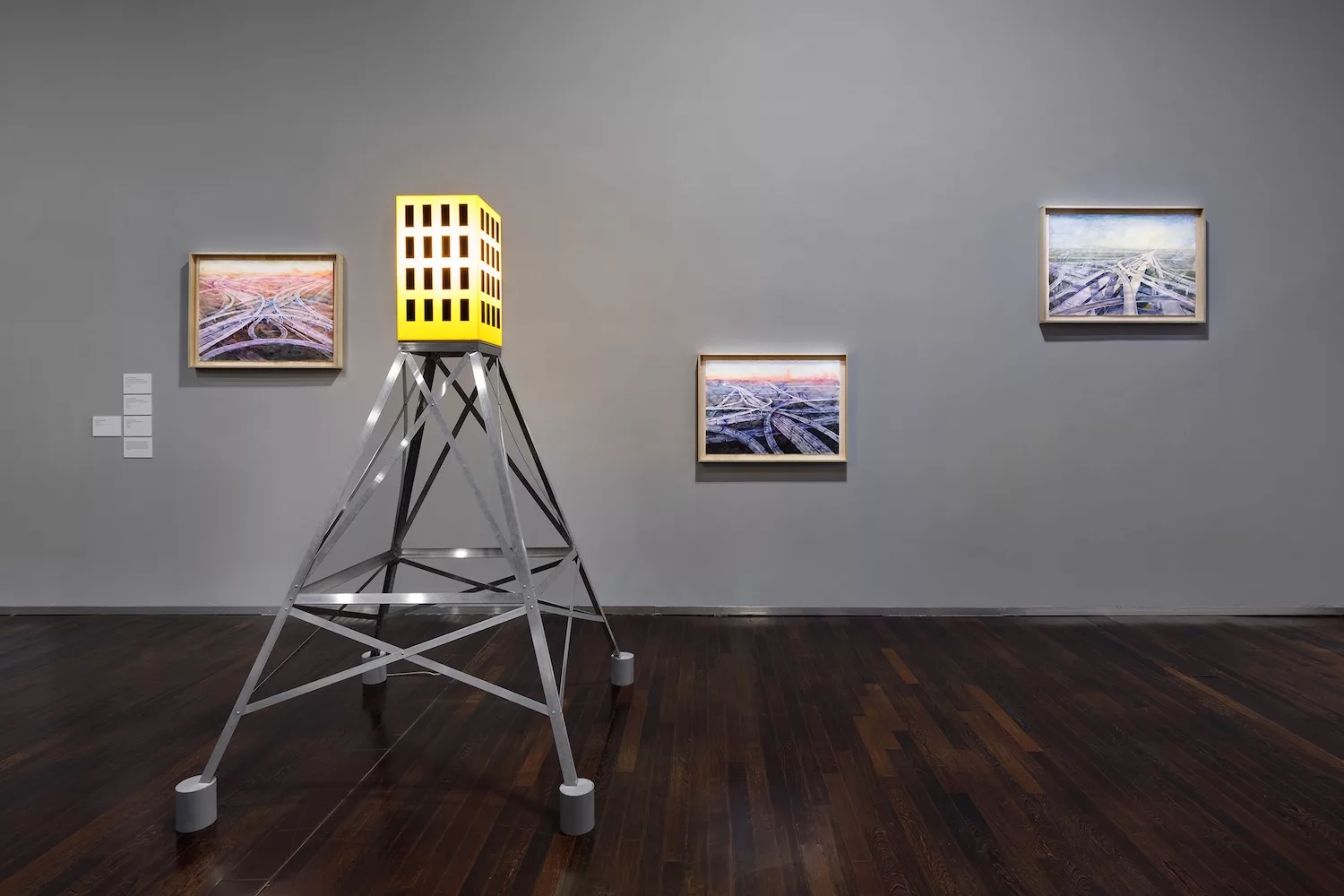
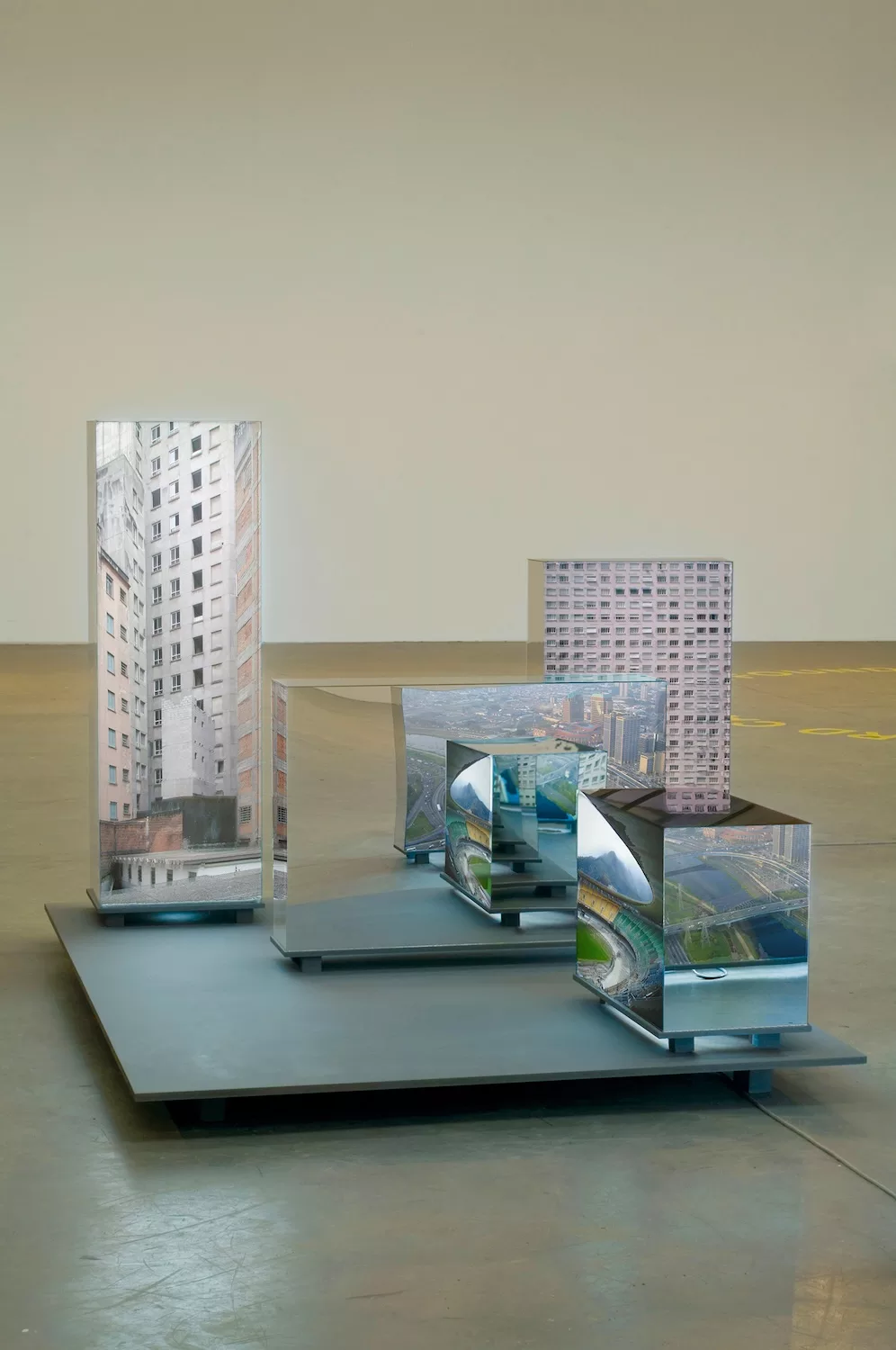
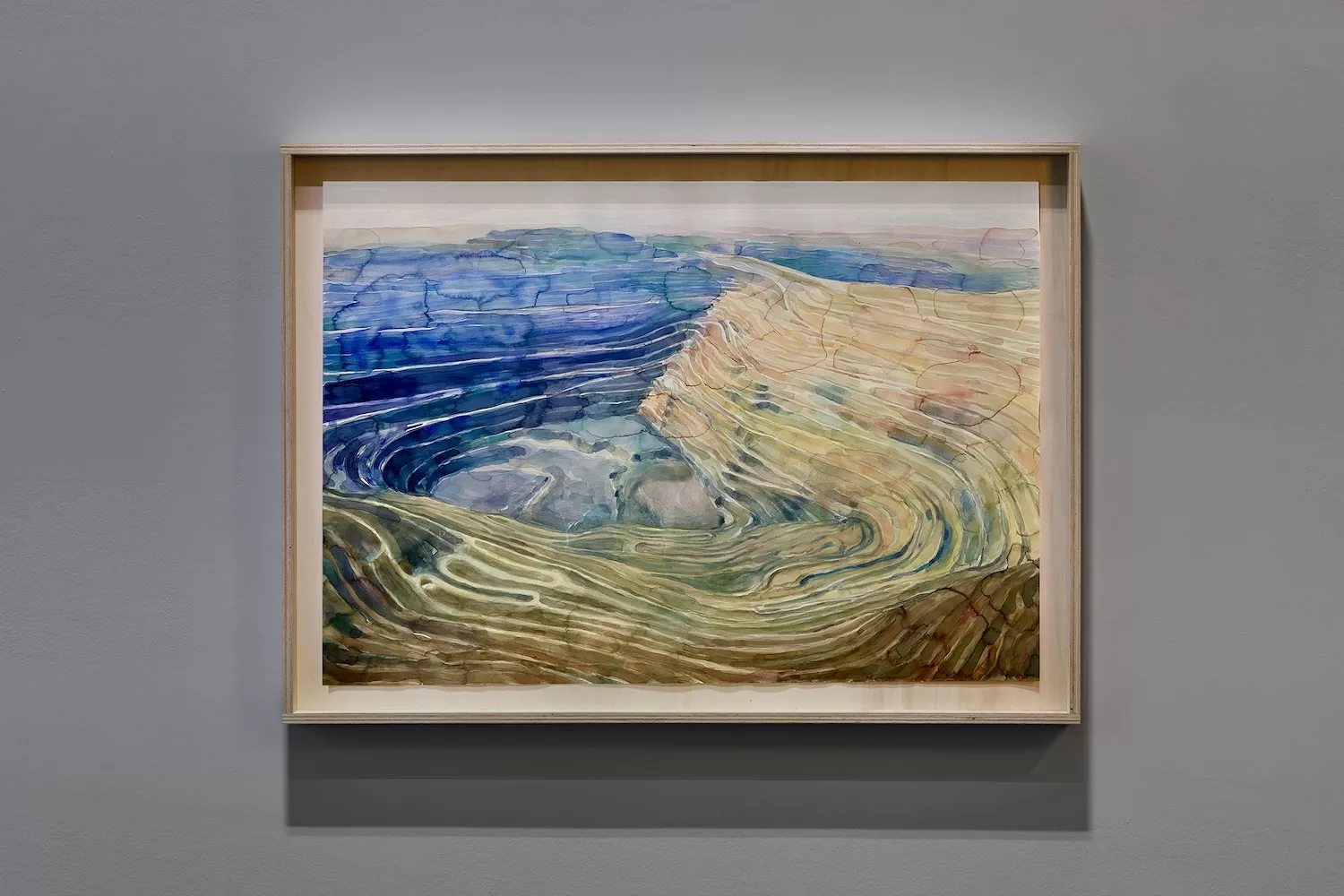
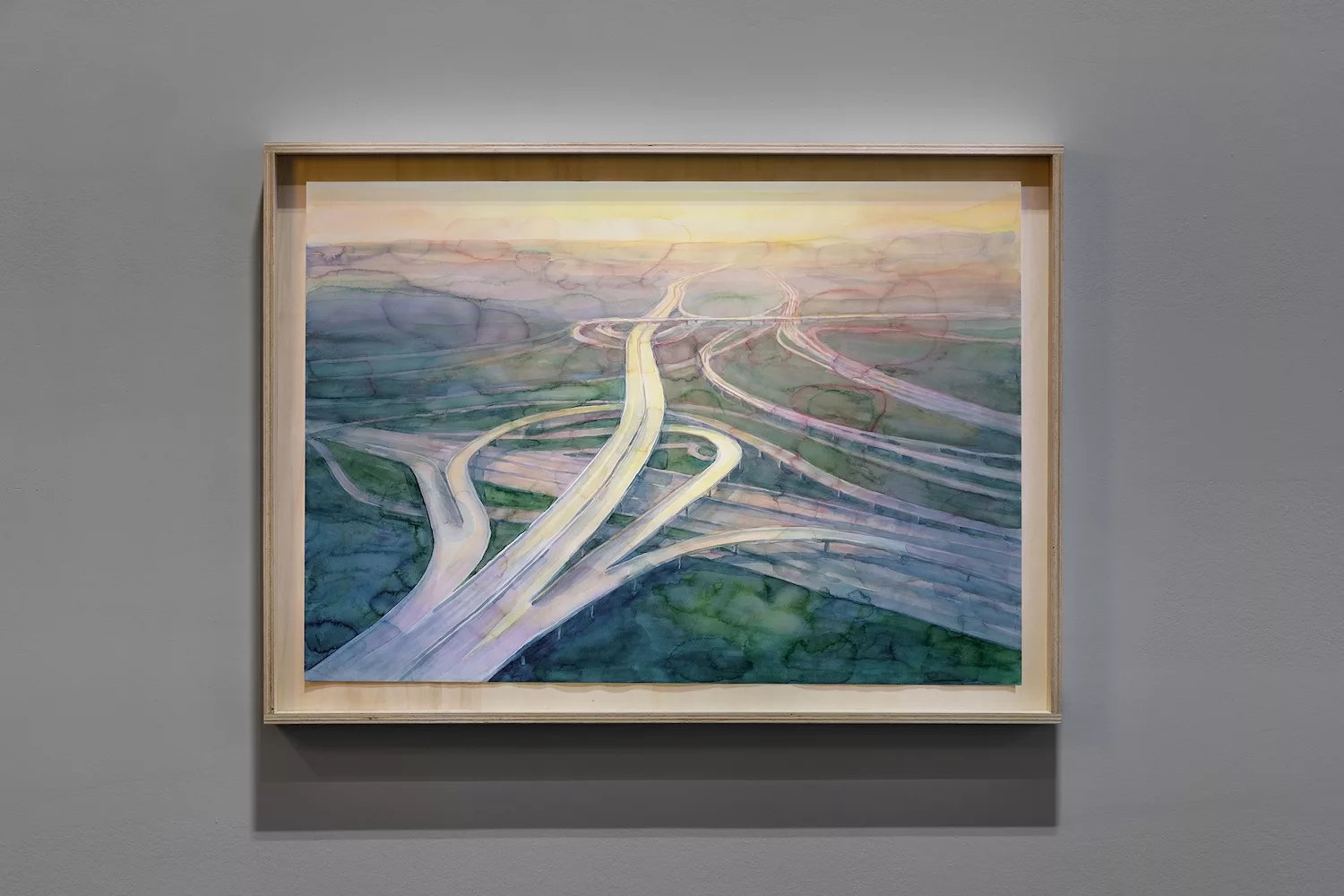
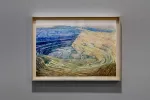
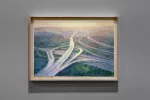
Since her early works, she has turned the city into a site of reflection. In her installations Project/Cinema (1998) and Shedding Identity (2006), light and fragments of urban fabric become metaphors for the shifting relations between space, memory and identity. Returning to Kyiv, her exhibition Pastime Paradise (PinchukArtCentre, 2008) playfully dissected post-Soviet urban imaginaries steeped in nostalgia, kitsch and utopia. Her fascination with liminal and suspended spaces deepened in her solo shows Stoptime Hotel (Fundació La Caixa, Barcelona, 2006) and 3305,74 TTC (Le Dojo, Nice, 2009), both evoking abandoned visions of progress. This extends to her watercolours, fromGeography of Nowhere (2006) to Dancing at the Edge of the World (2024), where motorway junctions dissolve into speculative, post-human landscapes.
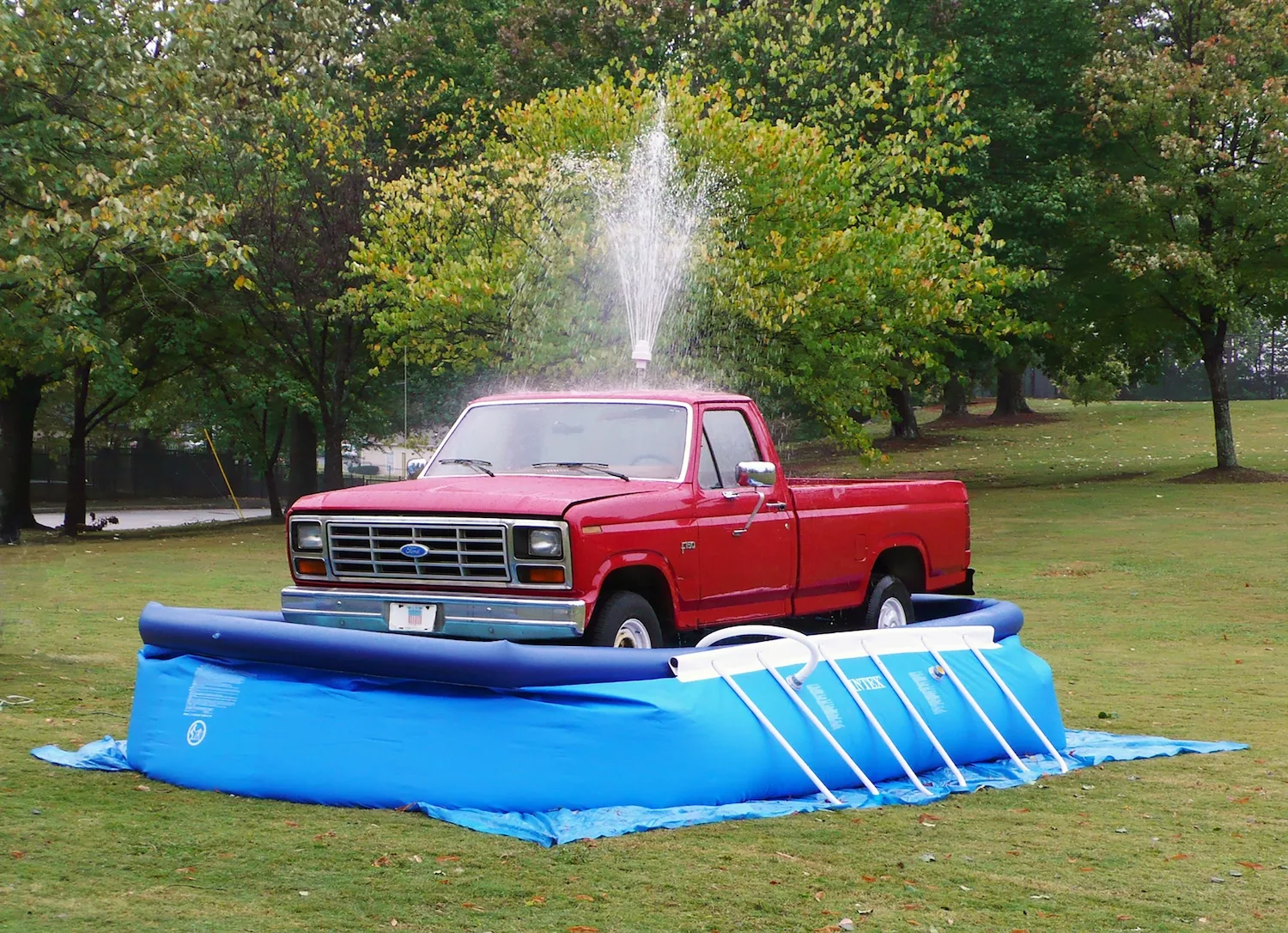
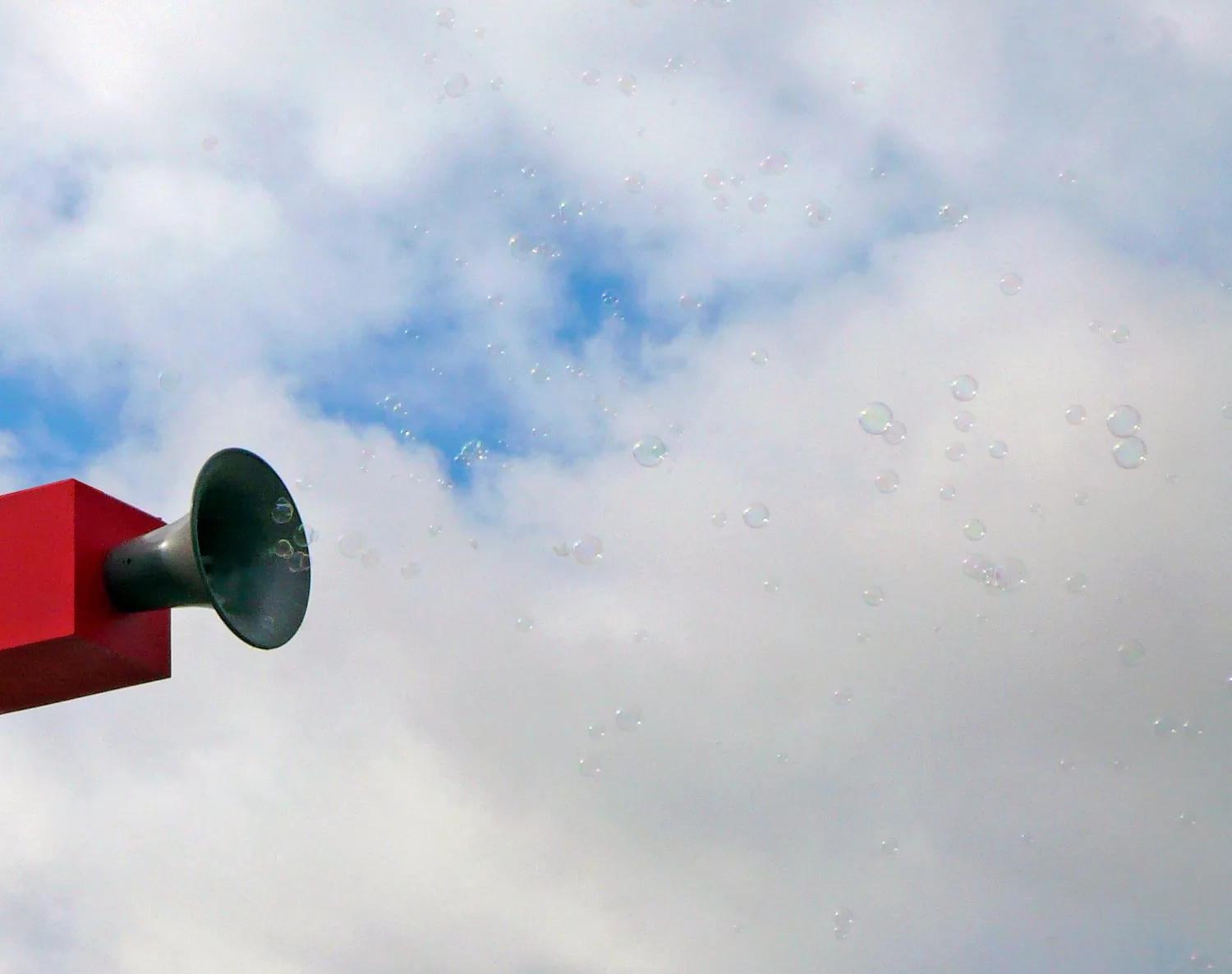
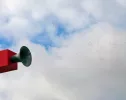
Her work often unfolds in public space, as a fleeting architecture of the communal and the political. At the Bordeaux Biennial (2009), Loudspeaker – a monument of silent speakers emitting soap bubbles – illuminated the fragility of public discourse. Other interventions explore the tension between function and fiction, the intimate and the collective: Mind the Gap Fountain (2008, Atlanta, USA) turned a pickup truck into a playful civic fountain, while Lighthouse (2010, Mokpo, South Korea) rose as an abstract beacon reflecting on orientation and isolation.
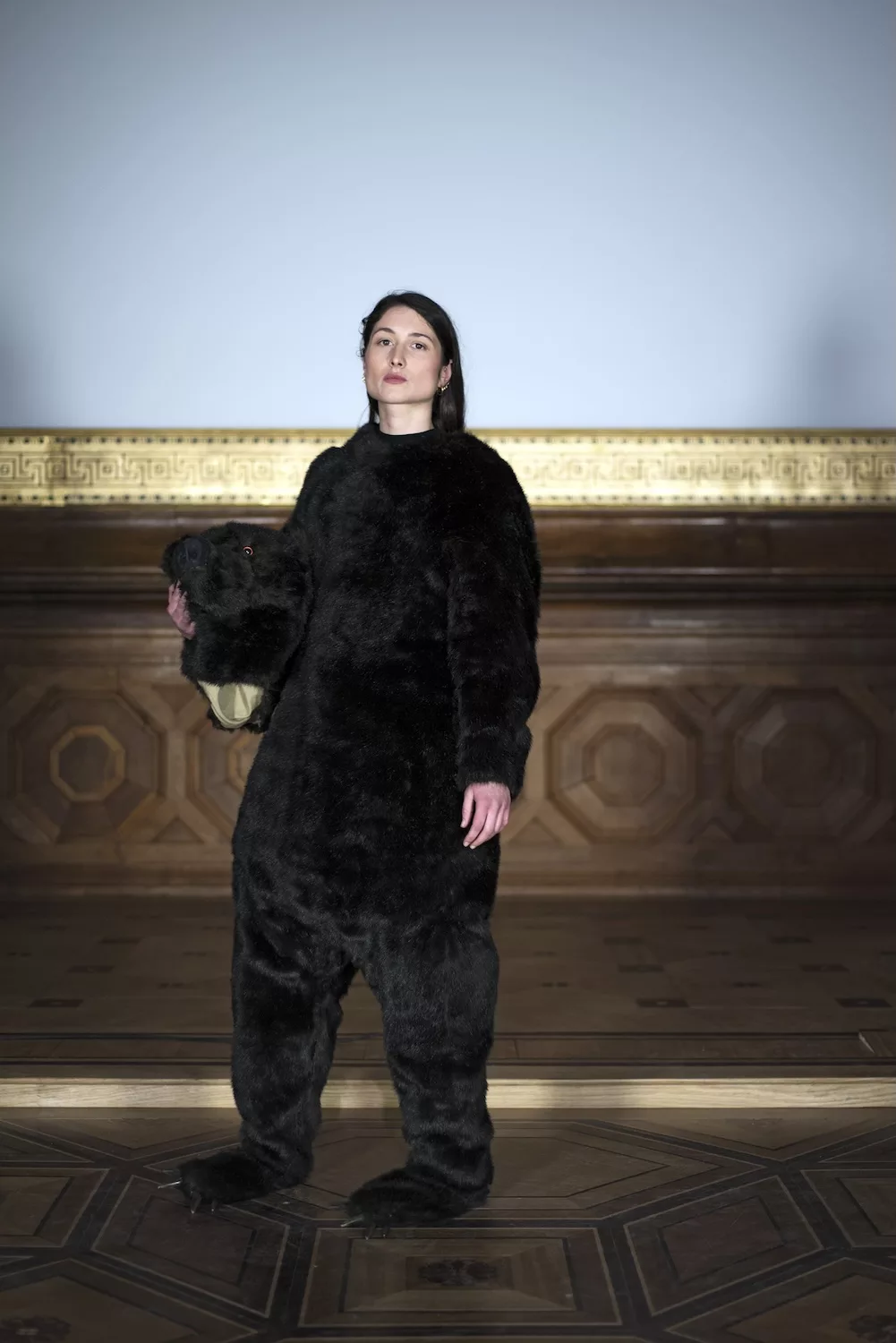
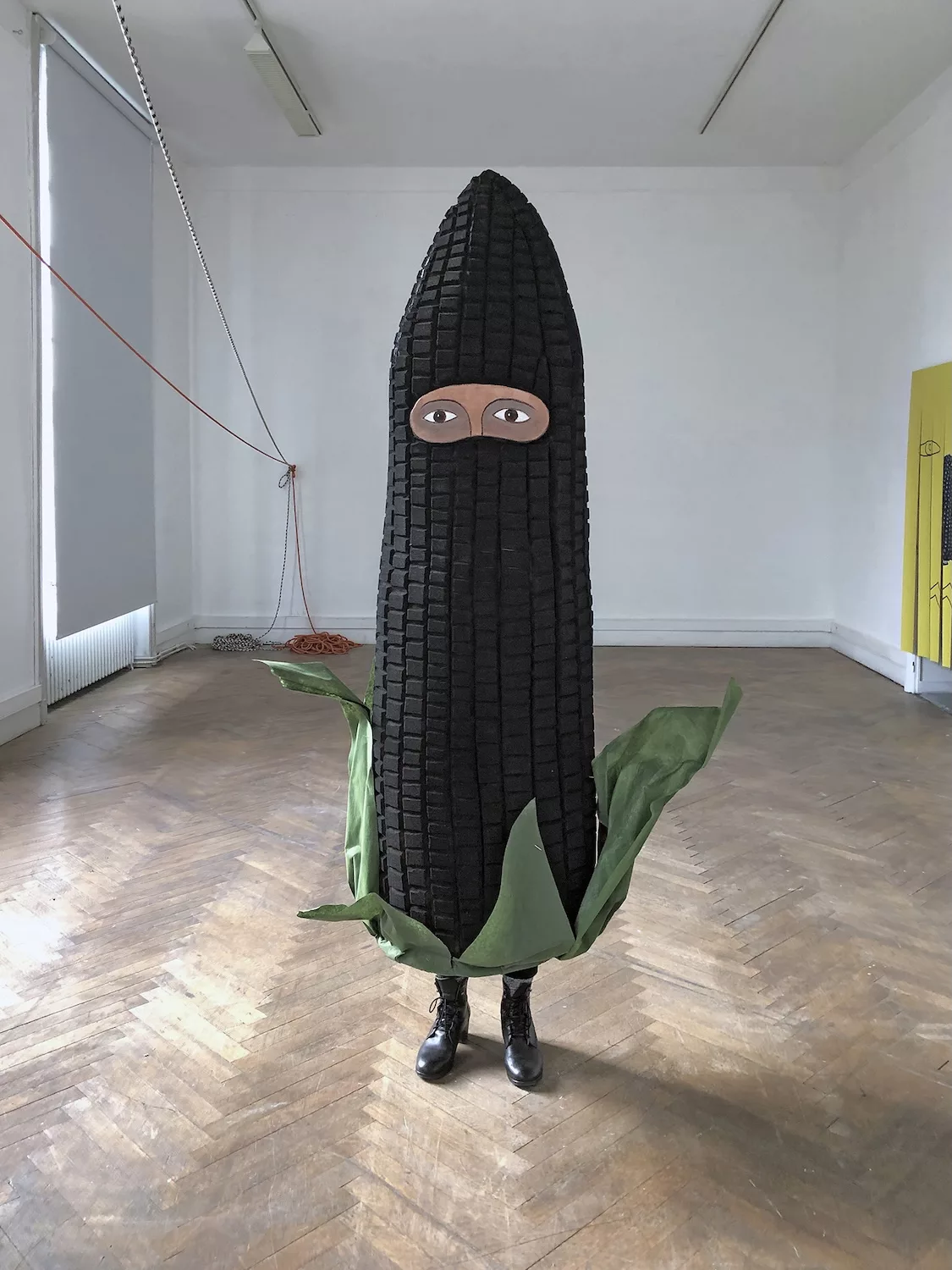
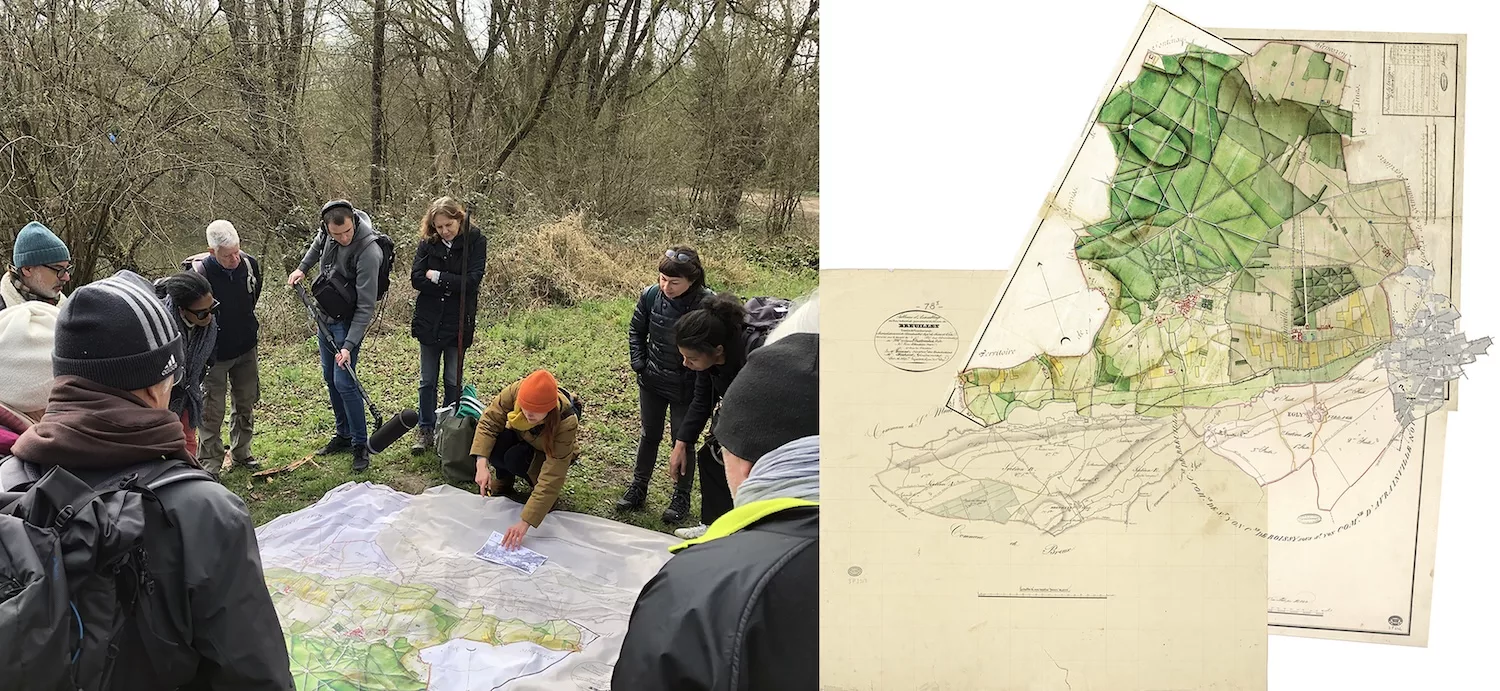
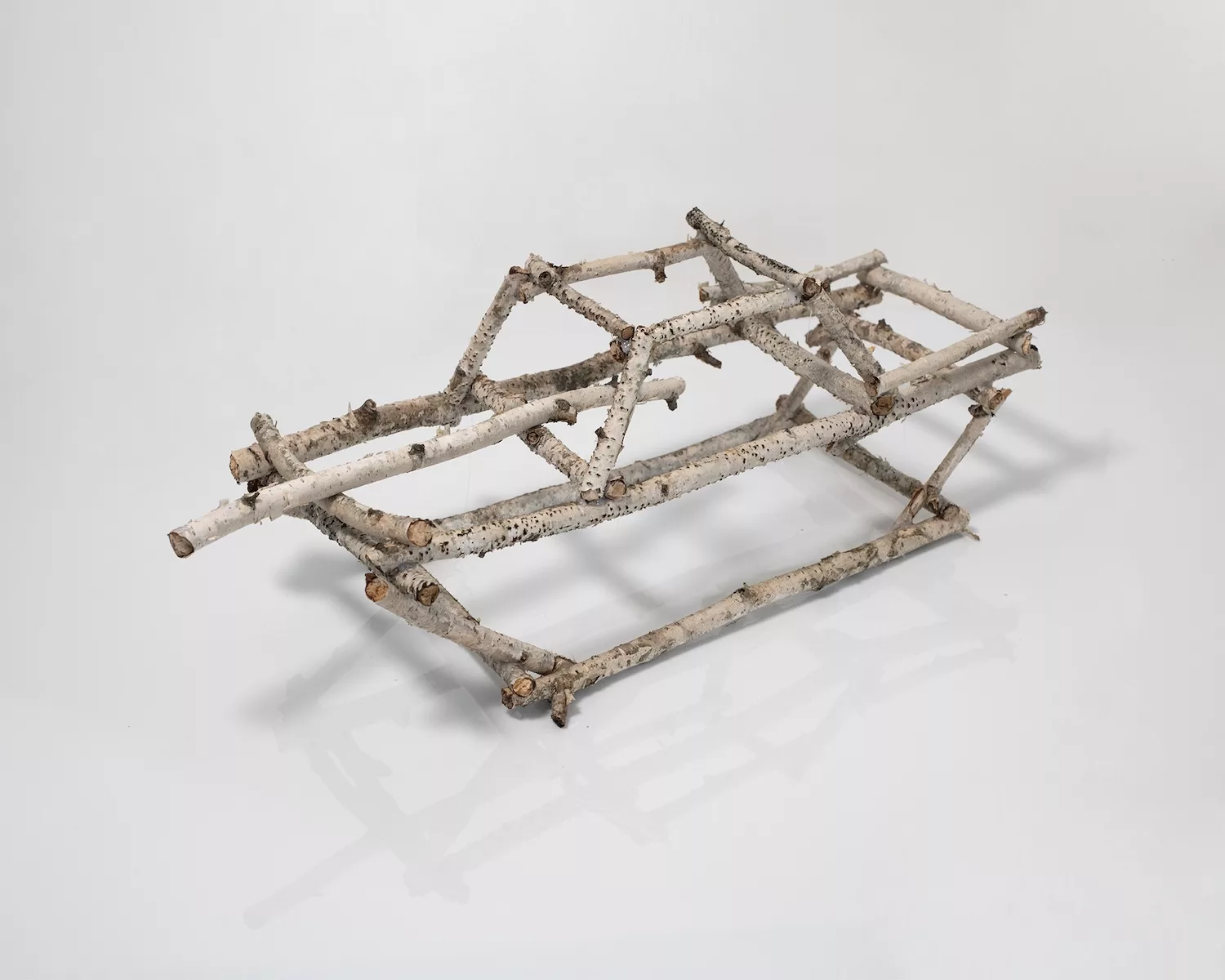
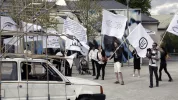
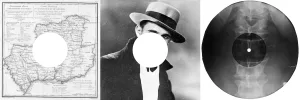
Many of her projects arise from field research, drawing on collected images and stories. In her exhibition Les objets qui parlent (Galerie Dohyang Lee, Paris, 2012), clay ‘contracts’ echo Mesopotamian calculi as poetic vessels of memory and exchange. Her video House of the Bear (2015, with Paolo Codeluppi) revisits the Native American myth of Devils Tower, evoking the connection between landscape, memory and cosmology. In Chiapas, her collaboration with anthropologist Francesca Cozzolino on Zapatista iconography led to Atlas Caracol (2022), a visual map of insurgent imagery.
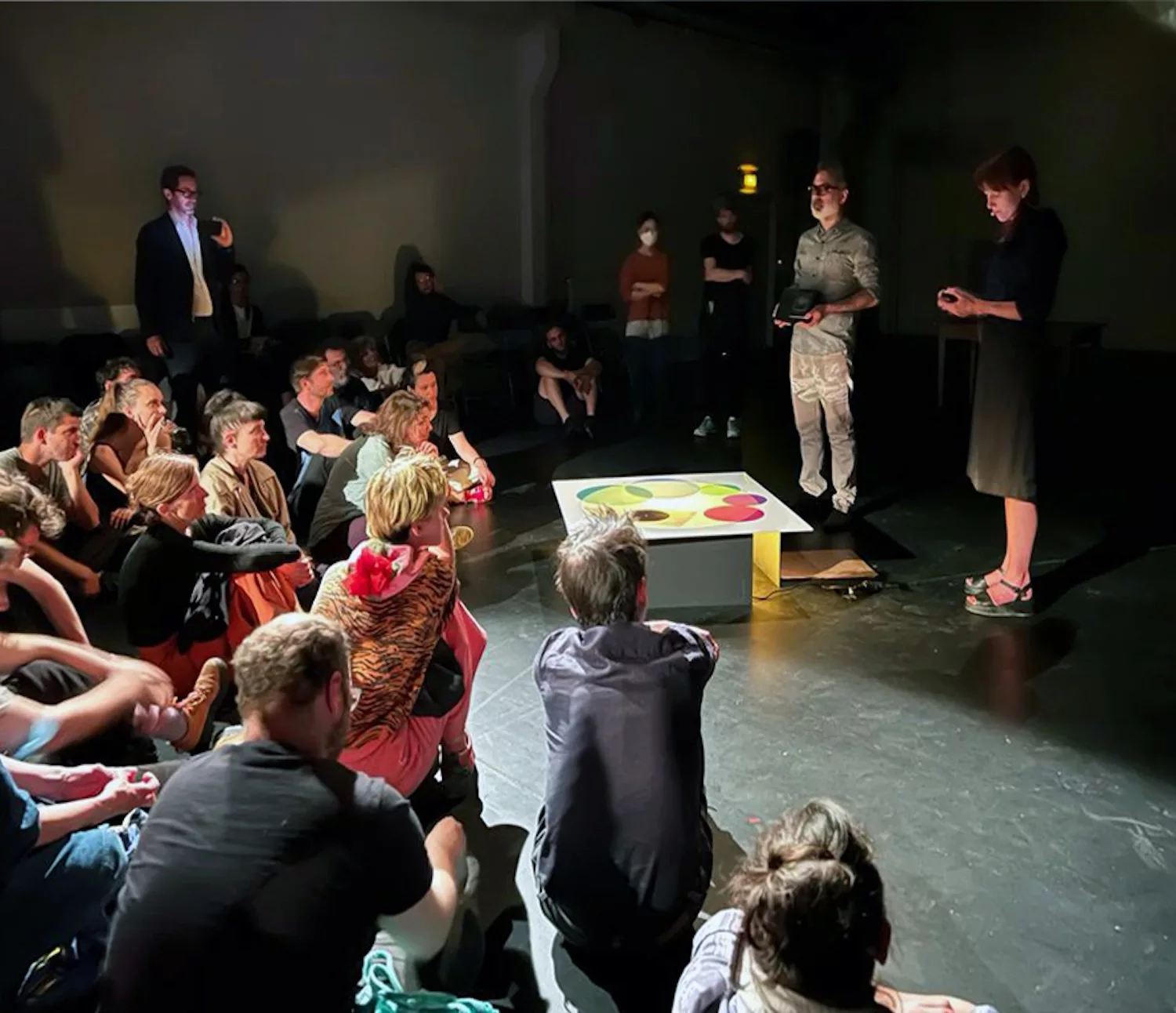
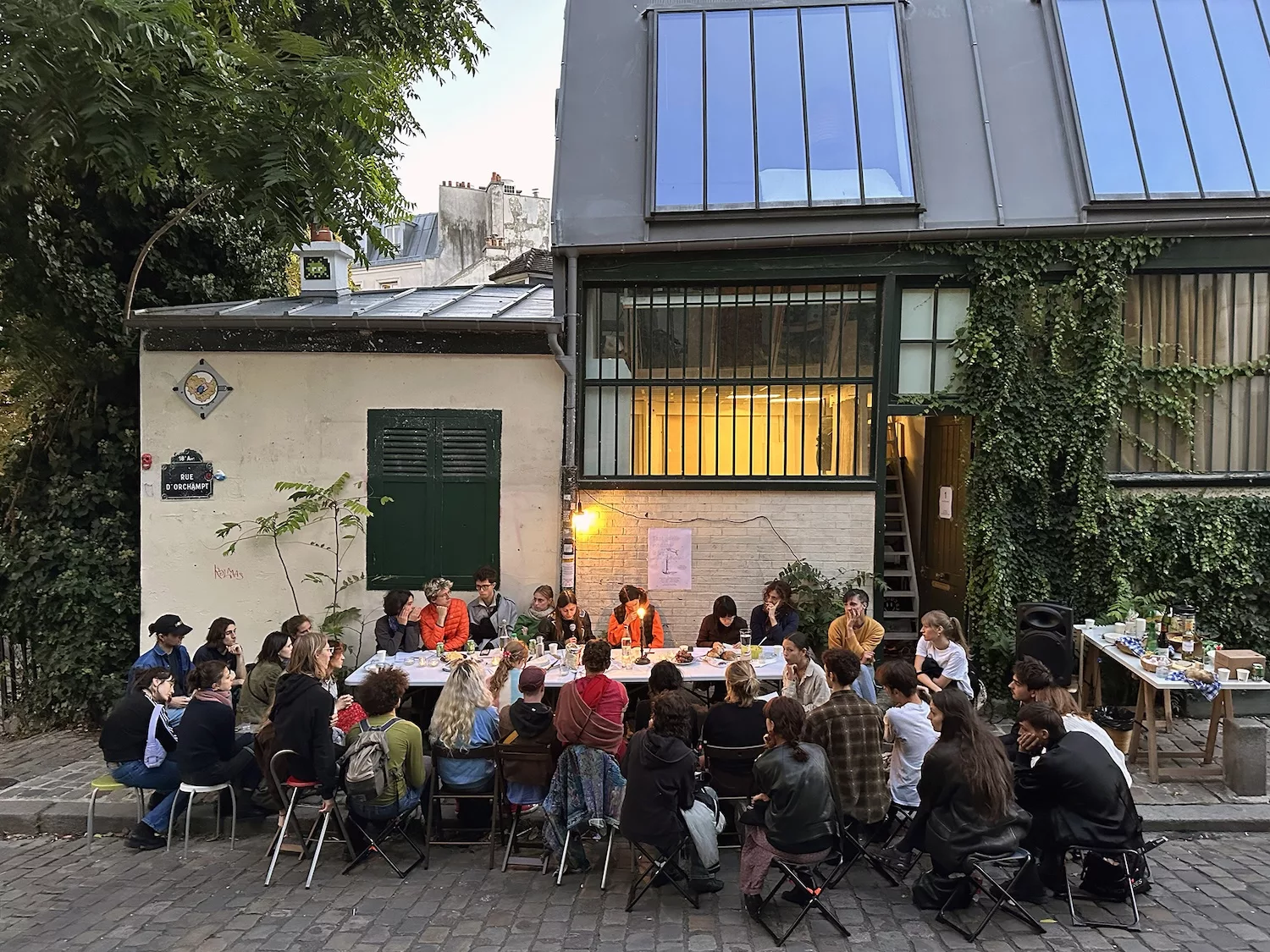
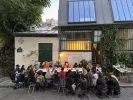
Her practice embraces collaboration, weaving art, activism and pedagogy. She teaches at ENSAD Paris and conducts her research within EnsadLab, focusing on forms of situated and collective creation. Since 2020, together with Paolo Codeluppi, she has co-directed La maison de l’ours in Montmartre, a space for creation that has become a point of anchorage for the Ukrainian art scene in exile. K. Solomoukha was nominated for the AWARE Prize 2025. Her work, widely shown (Tate Modern, Palais de Tokyo, Documenta 15 and the Lyon, Berlin and São Paulo Biennales), is held in major French public collections (CNAP, FNAC, FRAC).