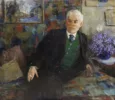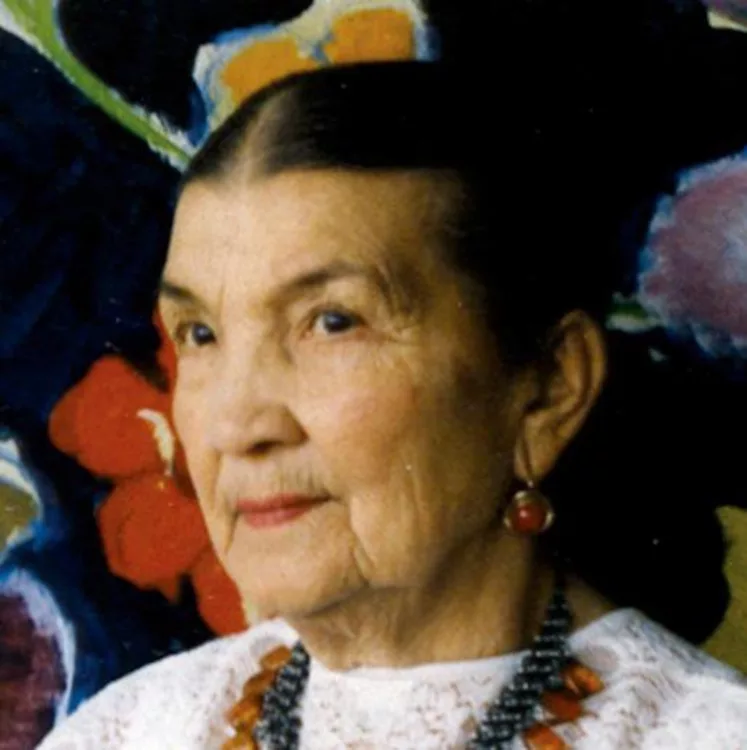
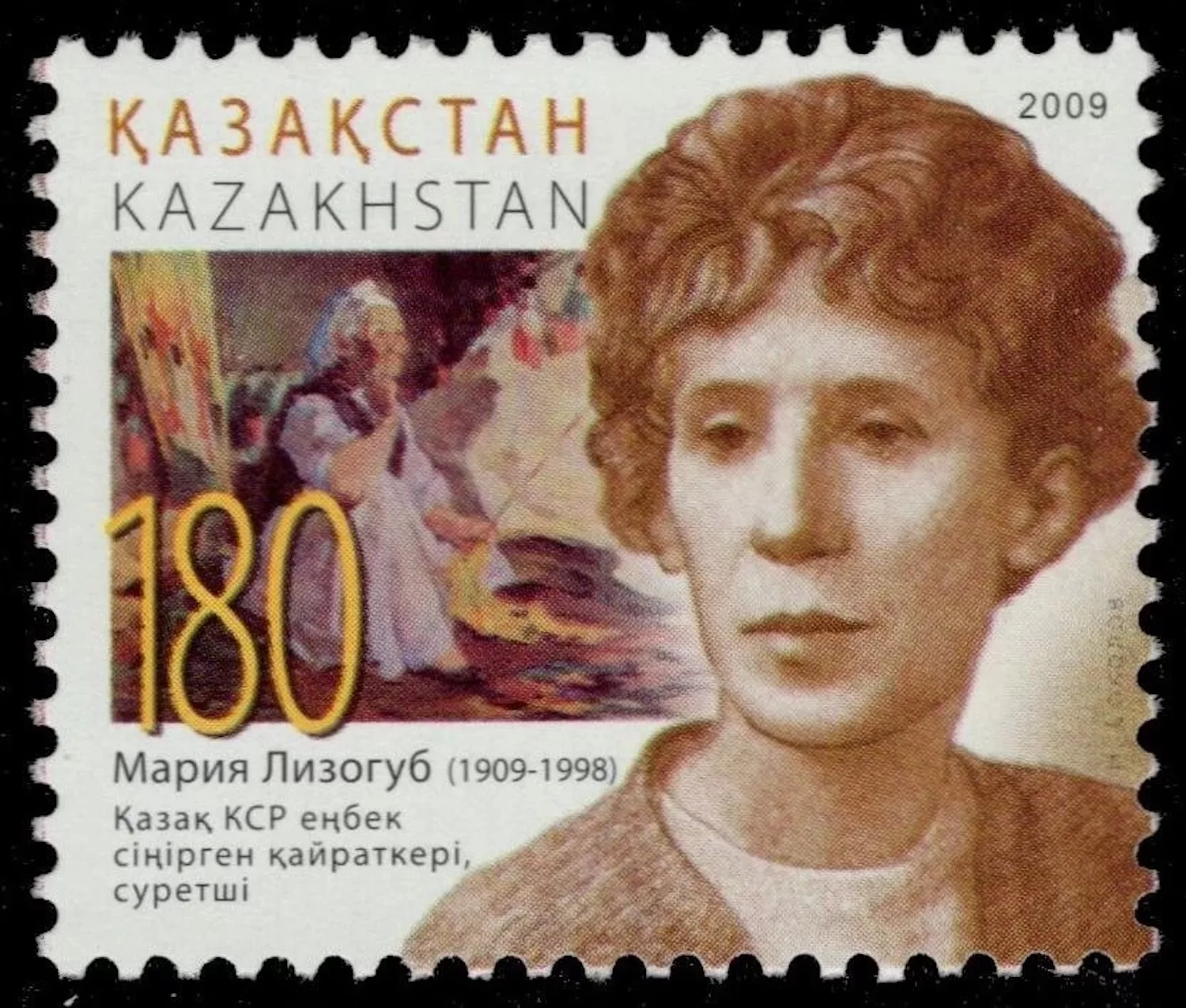
Portrait of Maria Sergeevna Lizogub on a stamp
Qonaqtar, Almaty Museum of Arts, Almaty, 2025
→At the Crossroads of Asia and Europe: 20th-century Masterpieces from the A. Kasteyev State Museum of Arts in Kazakhstan, Exhibition catalogue, National Arts Club, New York (18 June – 15 July 2018), Almaty, A. Kasteyev State Museum of Arts of the Republic of Kazakhstan, 2018
→Қазақстан республикасының Ә. Қастеев атындағы мемлекеттік өнер музейі [A. Kasteyev State Museum of the Republic of Kazakhstan collection catalogue], Almaty, Oner publishing house, 2003
Qonaqtar, Almaty Museum of Arts, Almaty, 12 September 2025-ongoing
→At the Crossroads of Asia and Europe: 20th-century Masterpieces from the A. Kasteyev State Museum of Arts in Kazakhstan, National Arts Club, New York, 18 June–15 July, 2018
Painter, Merited Artist of the Kazakh Soviet Socialist Republic.
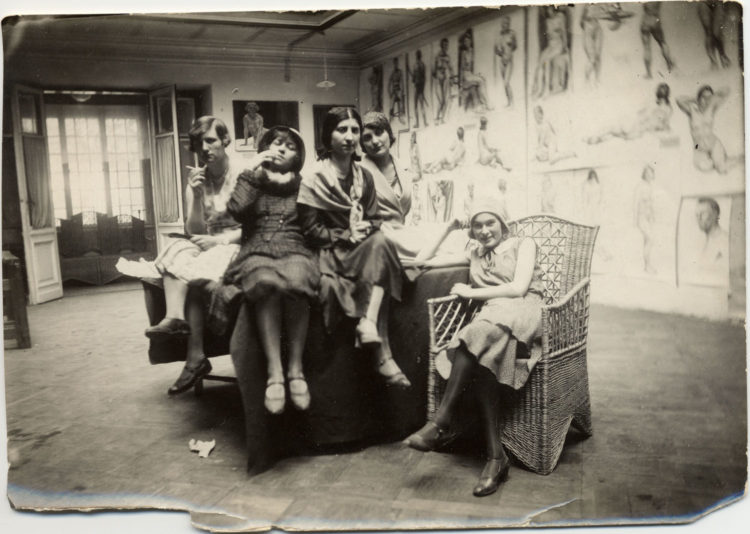
Born on 4 August 1909, in Mykolaiv, Ukraine, Maria Sergeevna Lizogub grew up exposed to various forms of art: as a child, she practised pottery, drawing, theatre plays and music. M. S. Lizogub graduated from the Kyiv Art Institute in 1940, where she studied under artists such as Fedir Krychevsky (1879–1947), Oleksii Shovkunenko (1884–1974) and Michail Sjaronov (1881–1957). In 1941 she moved to Alma-Ata (now Almaty), the then-capital of the Kazakh SSR. M. S. Lizogub spent the majority of her life in this city, leaving it shortly after Kazakhstan gained independence following the collapse of the USSR. Her artistic legacy is today deeply rooted within Kazakhstani art history and occupies an important place in its 20th-century period.
Although forced migration was a widespread phenomenon in the Soviet context, M. S. Lizogub’s relocation from a European republic to a Central Asian one was a deliberate choice. She first visited Alma-Ata in 1938, drawn by her fascination with the Kazakh and Soviet aqyn (poet and storyteller) Jambyl Jabayev, on whom she completed her diploma project when studying in Kyiv. When she returned to Alma-Ata in 1941 to settle permanently, M. S. Lizogub became a participant in the formative years of the Kazakh national school of painting. Her strong academic training from Ukraine allowed her to contribute greatly to this emerging artistic scene.
An active member of the Union of Artists of the USSR, to which she was admitted in 1940, M. S. Lizogub also worked as a painter for the Alma-Ata Puppet Theatre. Her career unfolded within the framework of the Socialist Realism-dominated paradigm, which shaped much of Soviet cultural production. It is through this lens that her artistic legacy should be considered today.
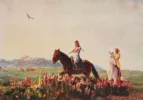
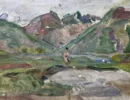
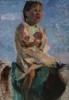
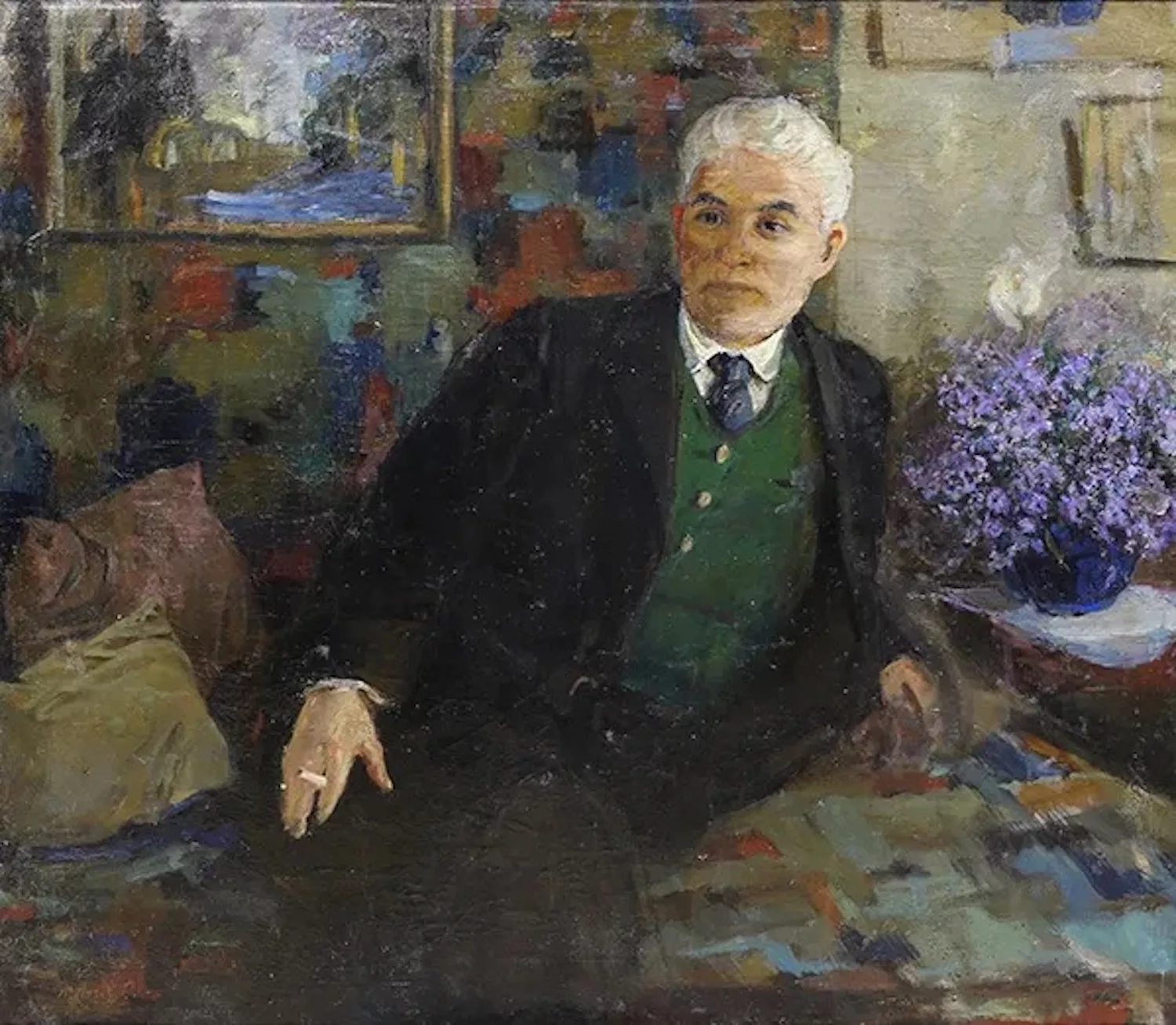
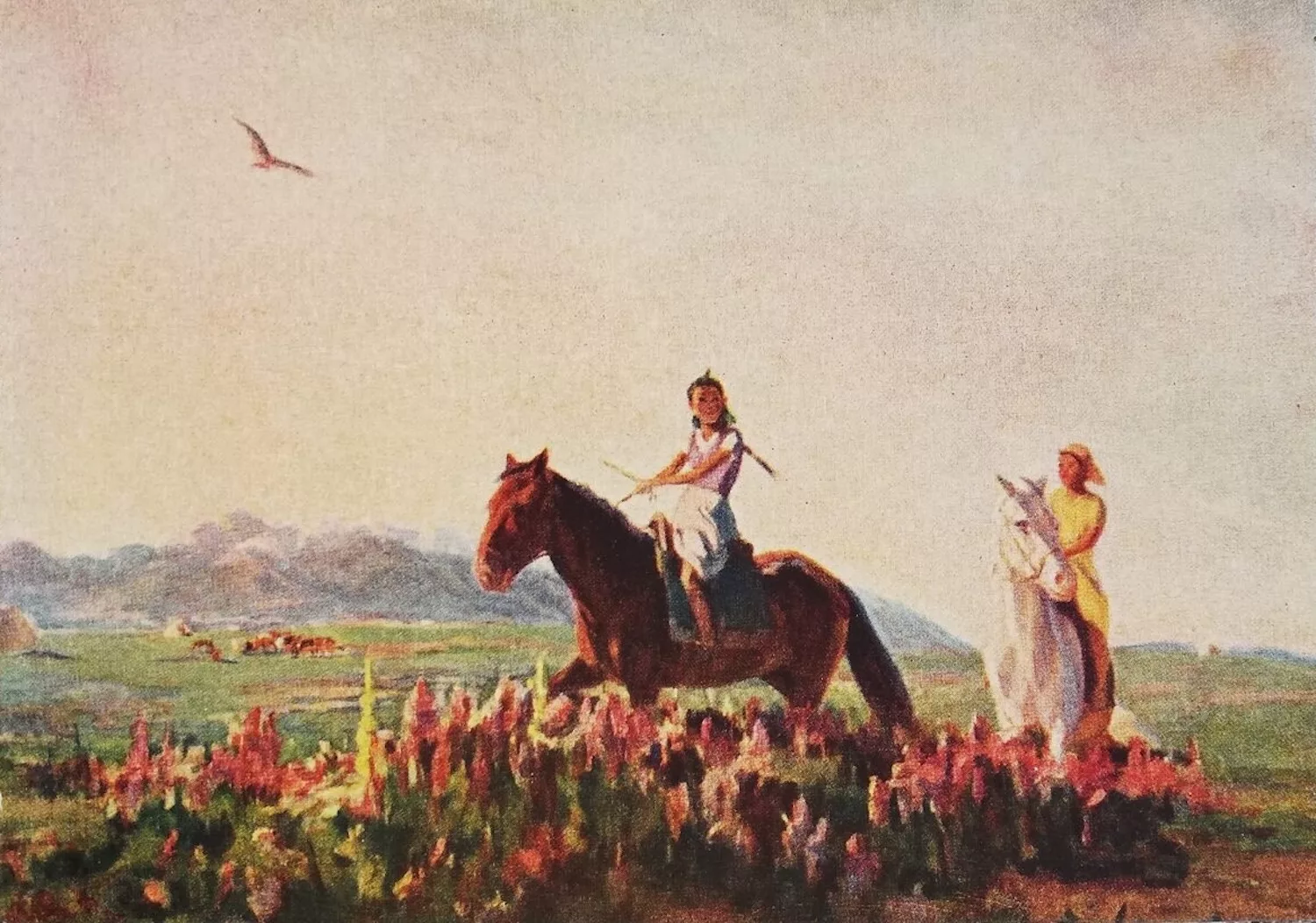
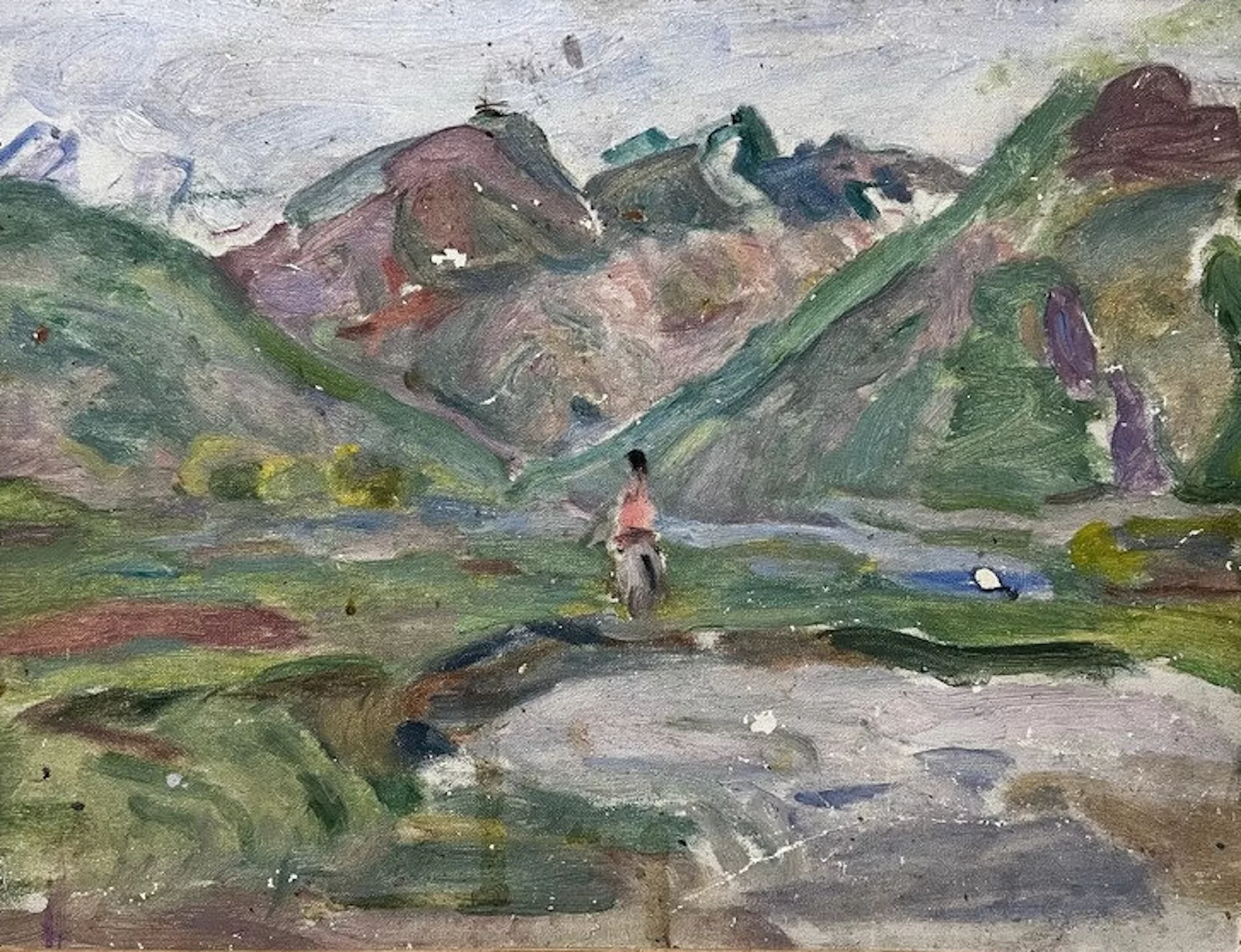
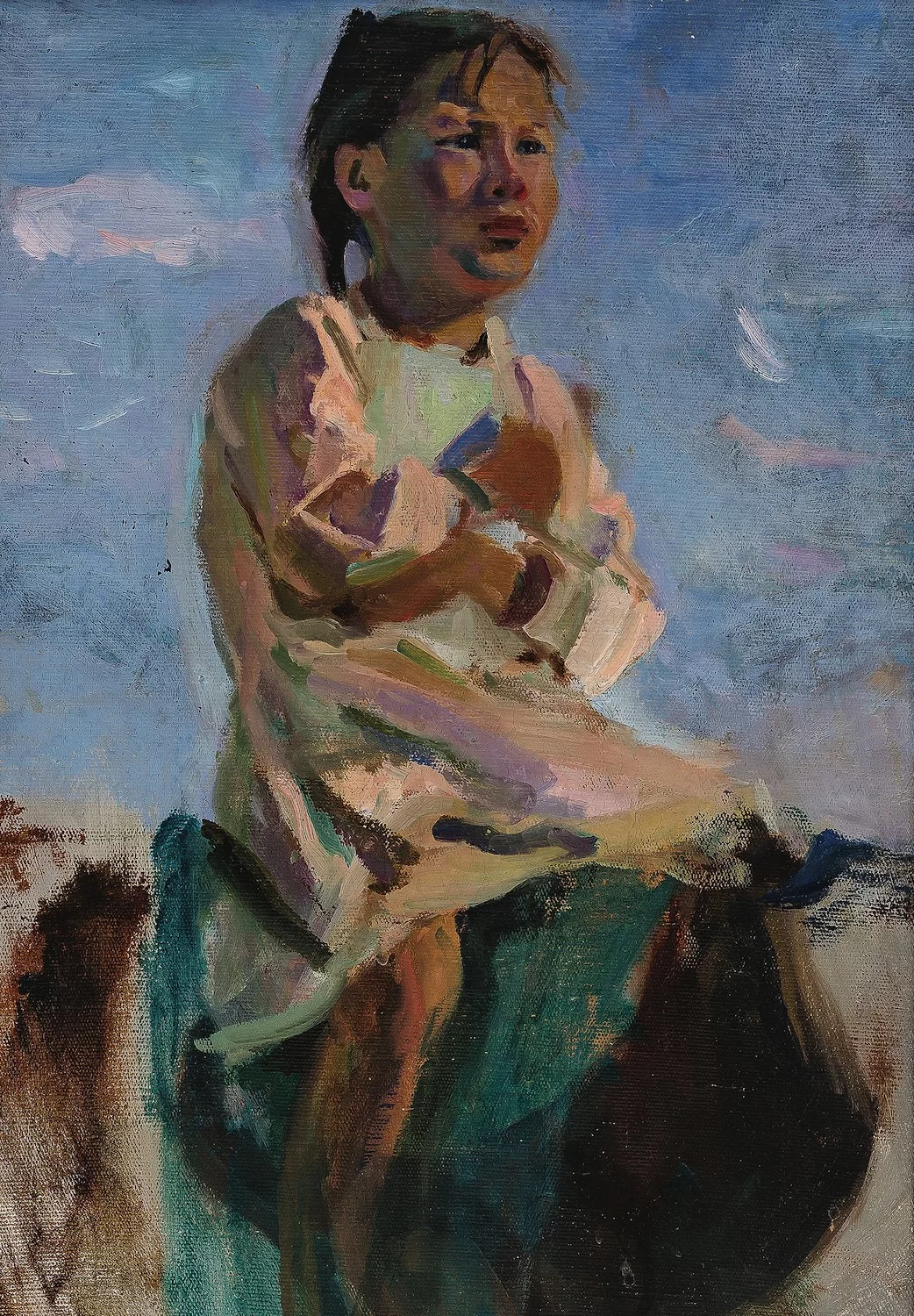
Portraiture was central to M. S. Lizogub’s oil painting – particularly portraits of women. Soviet-era art historians often highlighted her skill in conveying the psychological depth and emotional subtlety of her subjects. From the mid-1950s onward, her oeuvre diversified to include still lifes and landscapes, yet human figures remained central even within these genres. Deeply inspired by Kazakh culture, M. S. Lizogub frequently depicted scenes from everyday life and traditional customs, portraying people in national attire or capturing characteristic moments of domestic activity. Her most notable works, such as Сказка [Fairytale, 1958] and Народная мастерица [Folk Craftswoman, 1961], exemplify this interest.
Over more than five decades of Kazakhstan-based life and artistic practice, M. S. Lizogub created a rich body of work that foregrounds the country as a vital meeting point of diverse cultural and artistic traditions. Her paintings are part of Kazakhstan’s A. Kasteyev National Museum of Art, Pavlodar Regional Art Museum, and Almaty Museum of Arts collections.
A biography produced with the support of the French Embassy in Kazakhstan.
© Archives of Women Artists, Research and Exhibitions, 2026