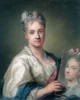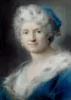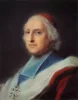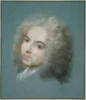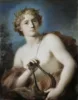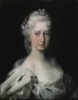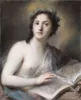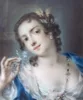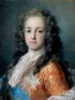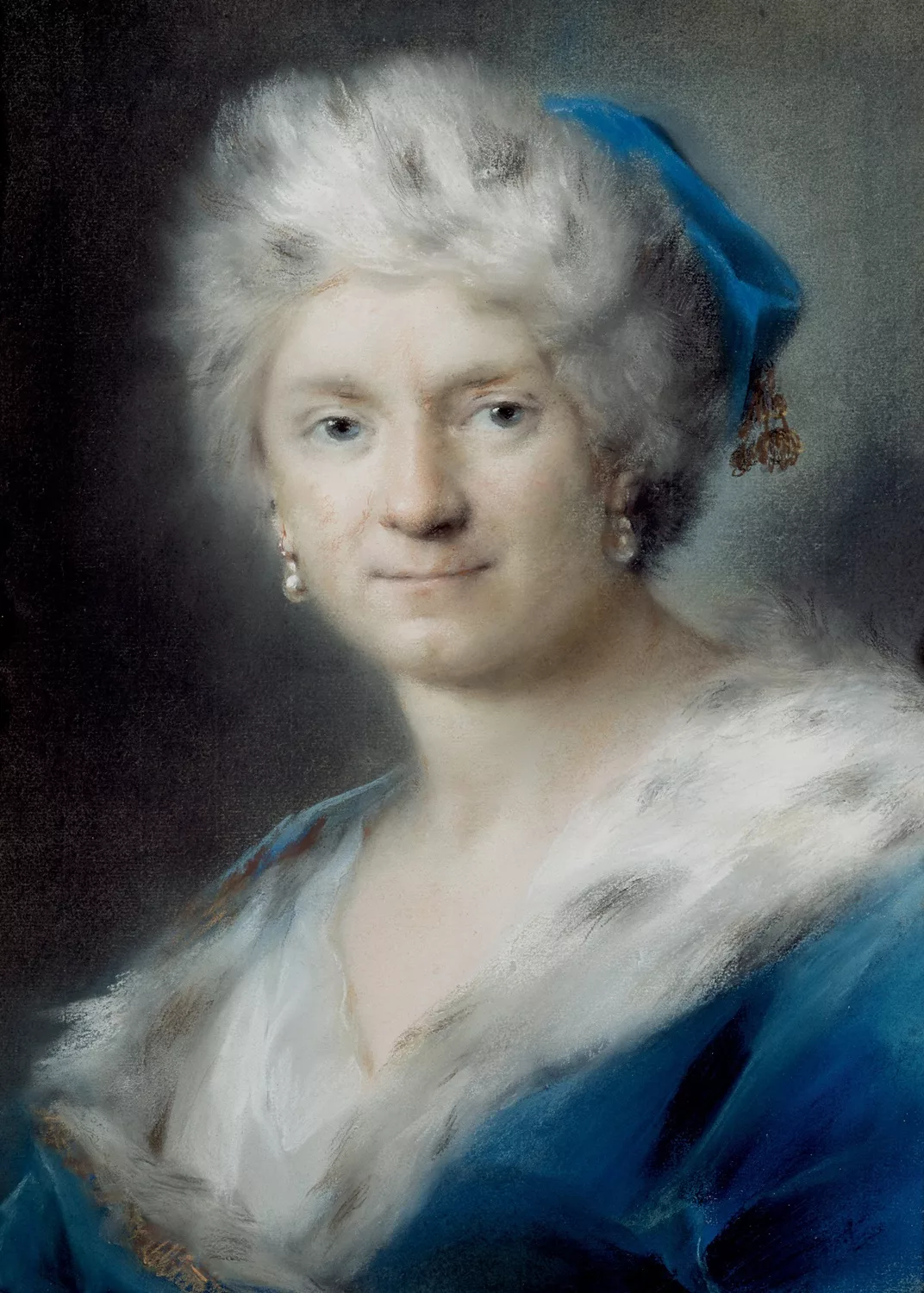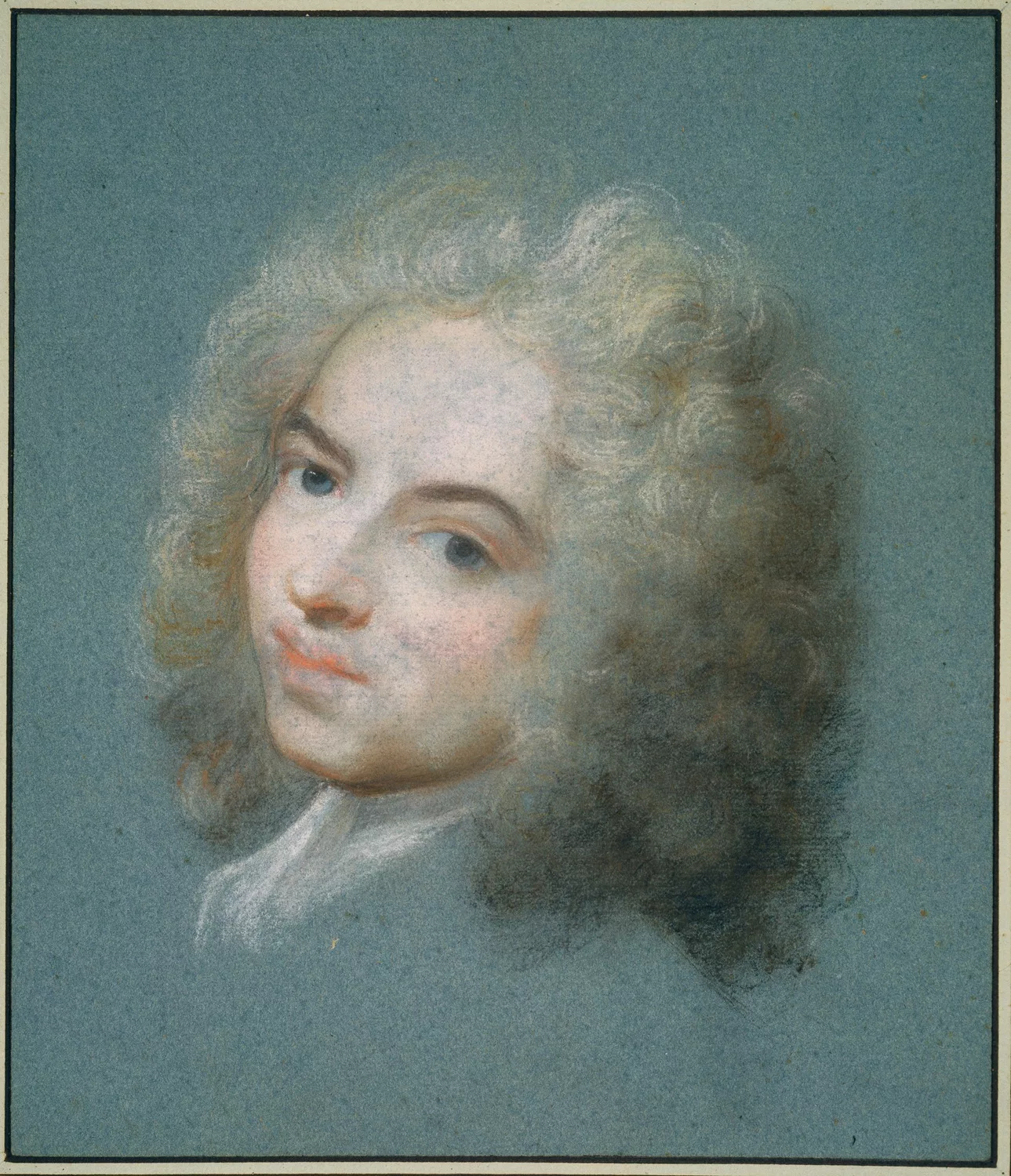
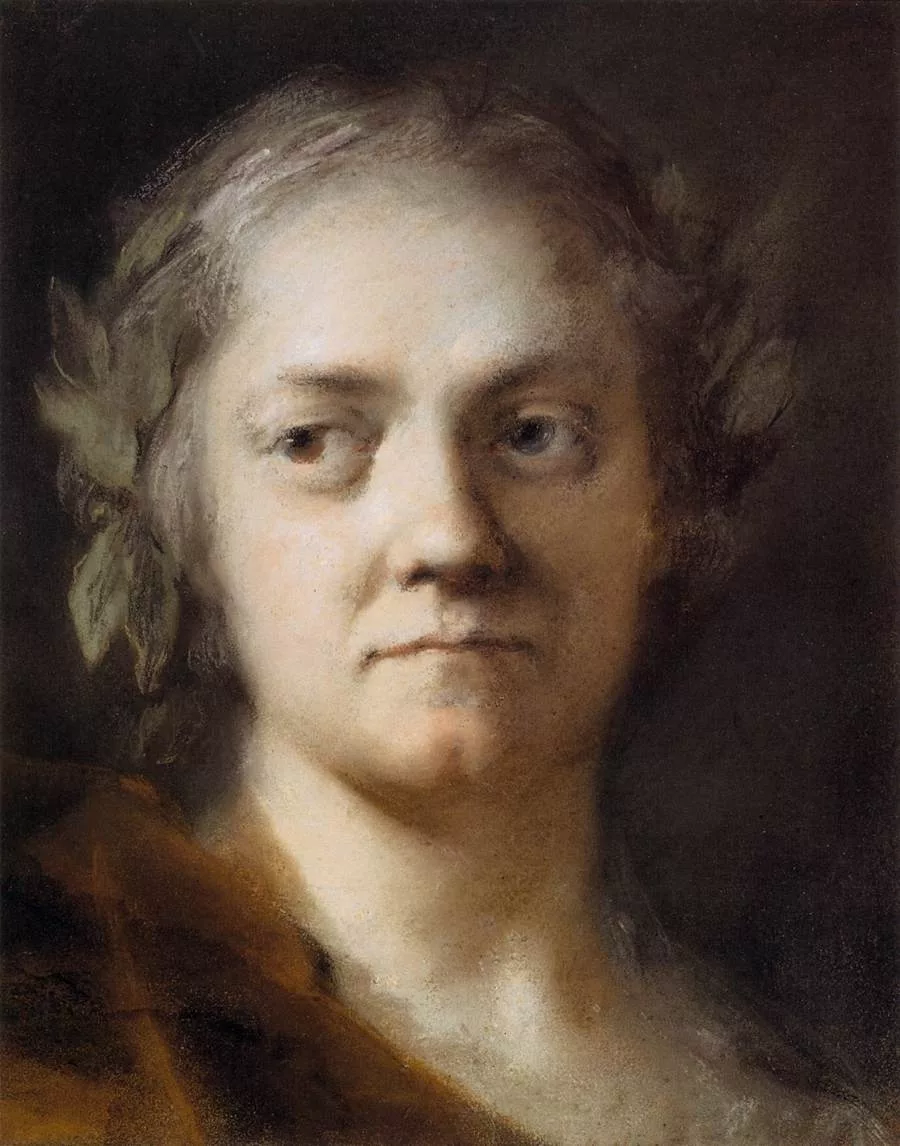
Rosalba Carriera, Self-Portrait, c.1746–1747, pastel on blue paper, 31 × 25 cm, Gallerie dell’Accademia, Venice
Salomon, Xavier F., “Rosalba Carriera Unframed”, Women Artists and Artisans in Venice and the Veneto, 1400-1750, Cooper, Tracy E. (ed.), Amsterdam, Amsterdam University Press, 2024
→Oberer, Angela, The Life and Work of Rosalba Carriera (1673-1757): The Queen of Pastel, Amsterdam, Amsterdam University Press, 2020
→Julien, Albane, Rosalba Carriera. Une Vénitienne dans l’Europe des Lumières. Entre peinture et écriture (1673–1757) [Rosalba Carriera. A Venetian in Enlightenment Europe: Between Painting and Writing (1673-1757)], Paris, Harmattan, 2019
→Sani, Bernardina, Rosabla Carriera, 1673-1757: Maestra del pastello nell’Europa del ancien régime [Rosalba Carriera, 1673-1757: Master of Pastel during Europe’s Ancien Regime] , Turin, Allemandi, 2007
Rosalba Carriera – Perfektion in Pastell [Rosalba Carriera – Perfection in Pastel], Gemäldegalerie Alte Meister, Dresden, June 9-September 24, 2023
→Rosalba Carriera “prima pittrice de l’Europa” [Rosalba Carriera “ The First Woman Painter in Europe”], Palazzo Cini, Venice, September 1-October 28, 2007
Venetian miniaturist and pastel painter.
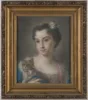
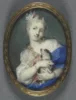
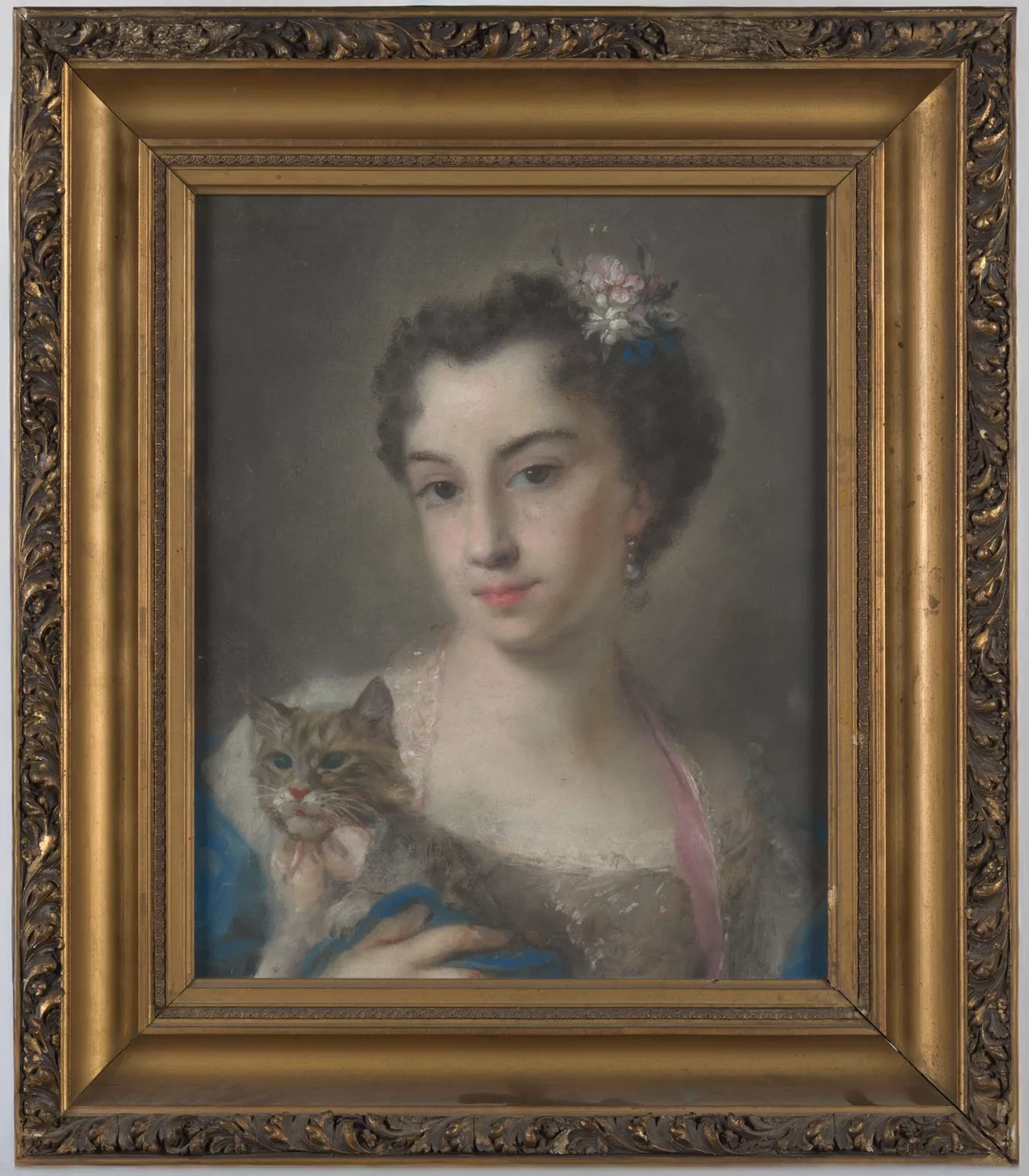
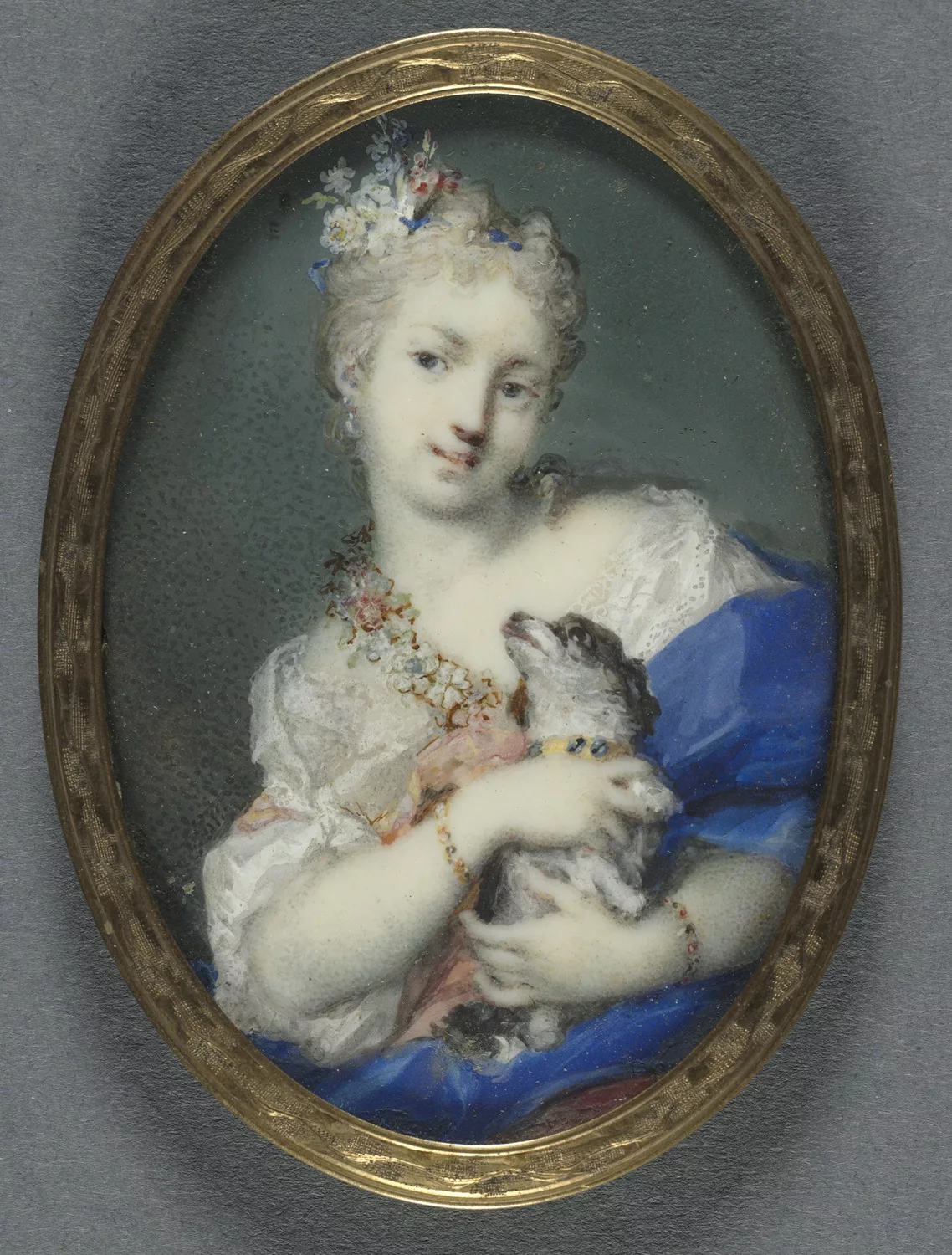
In 1931 the Museo Nacional de Bellas Artes de Chile was bequeathed more than two hundred artworks owned by the recently deceased aristocrat and industrialist Carlos Cousiño Goyenechea (1859–1931), an art collector who was heir to one of nineteenth-century Chile’s most prominent business families. One item in this collection was a small pastel depicting a young woman holding a cat in one hand. Regardless of the accuracy of its attribution to Rosalba Carriera, this piece raises interesting questions about the possible circulation and reception of this artist’s work in Chile during the late nineteenth and early twentieth centuries.
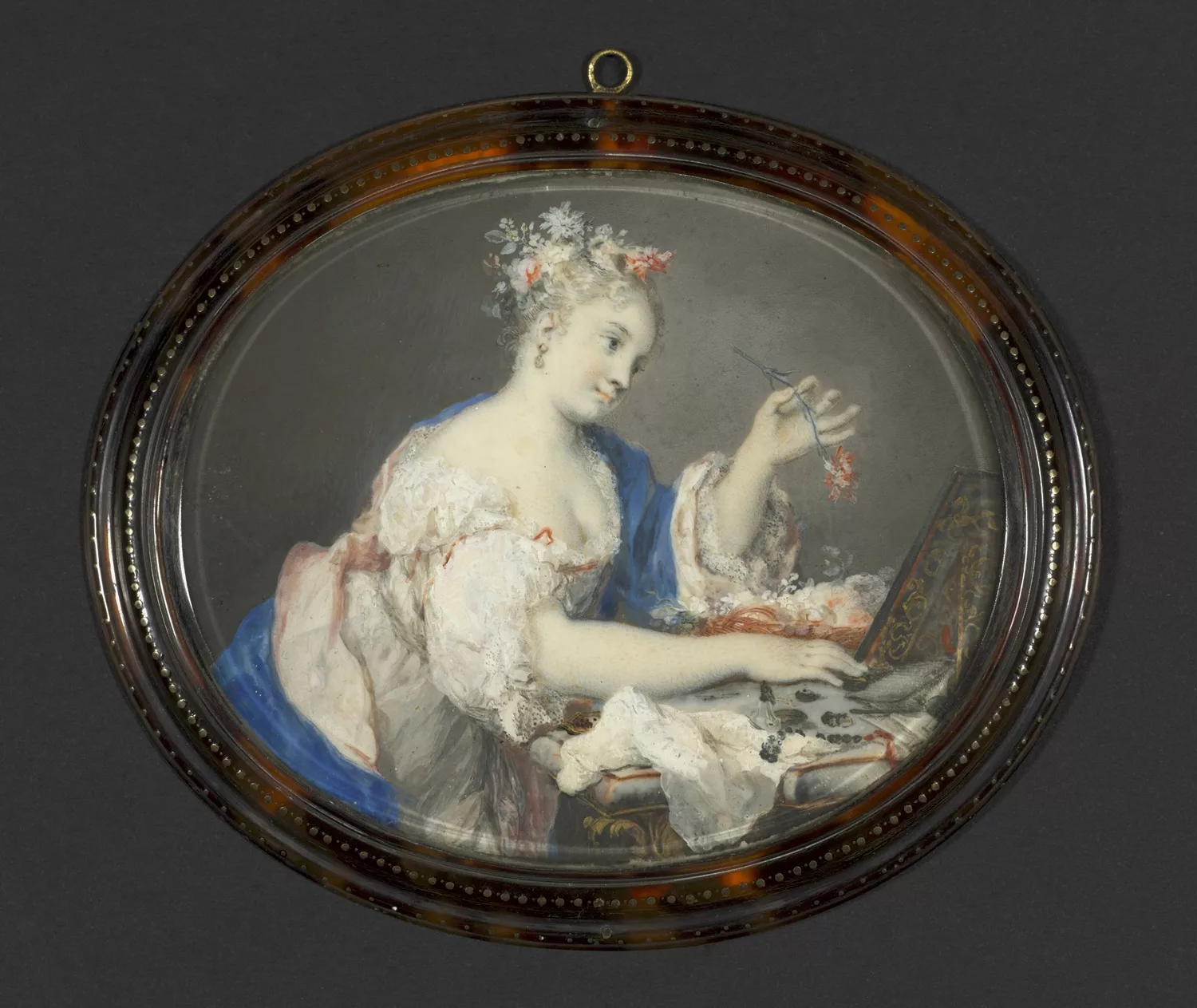
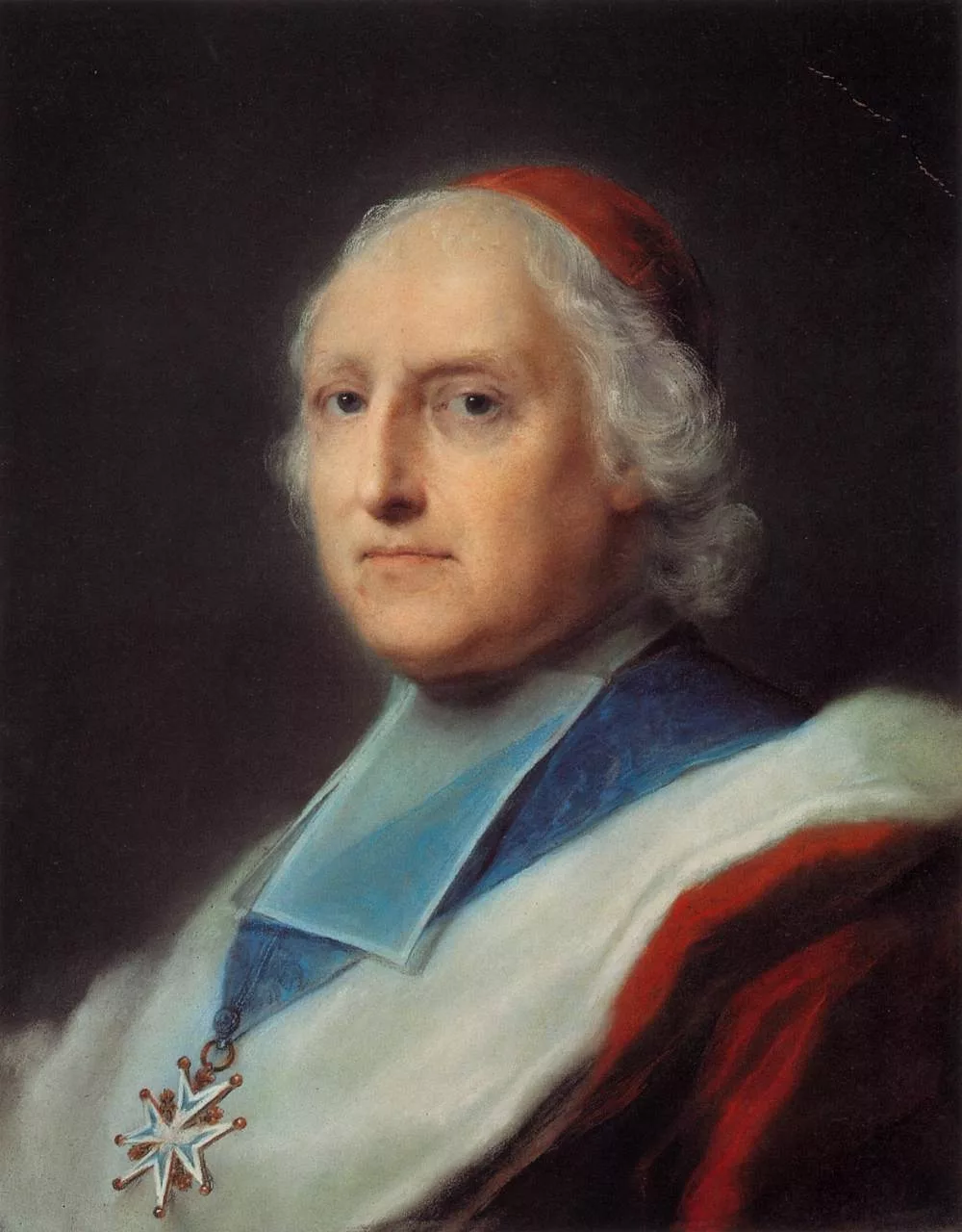
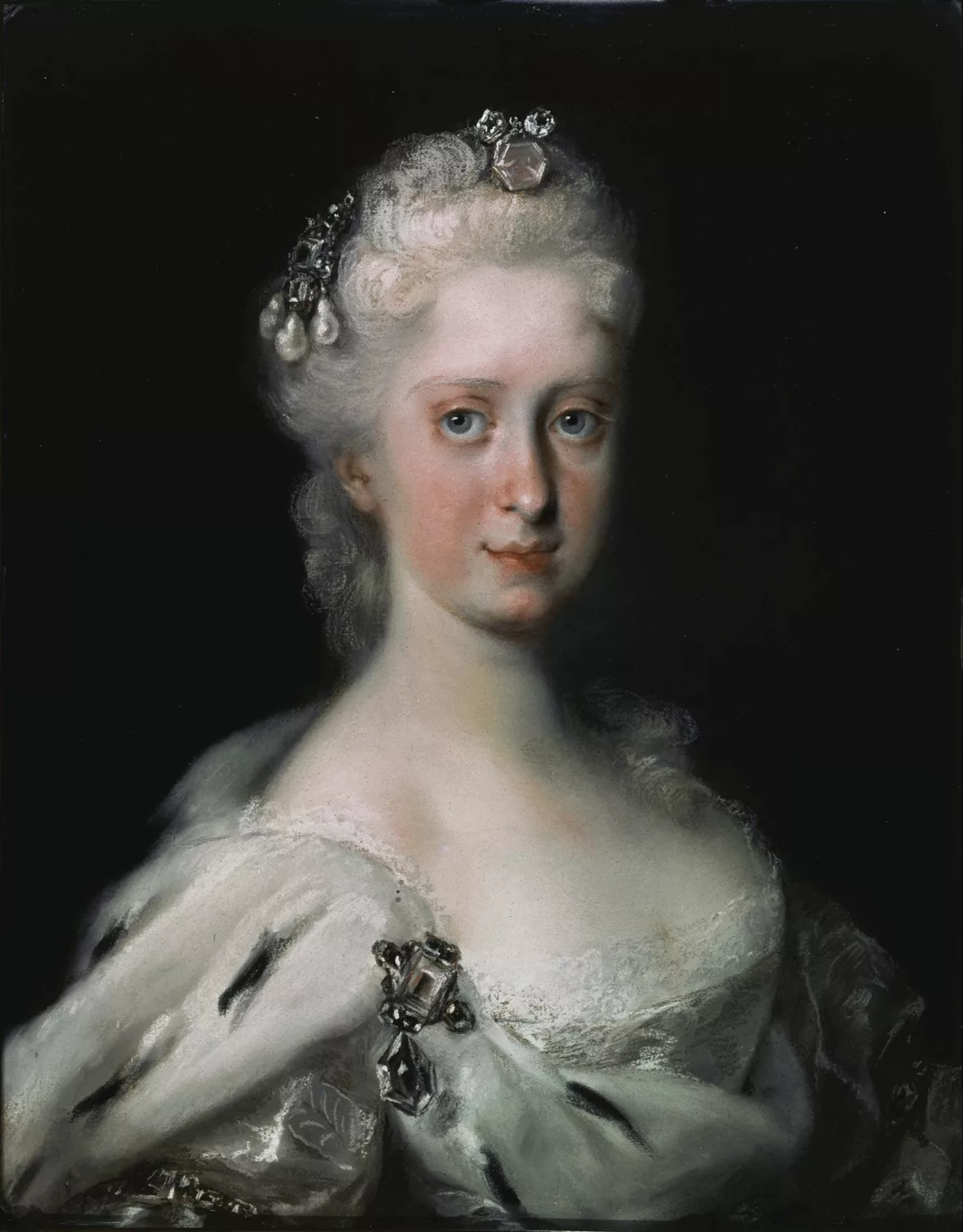
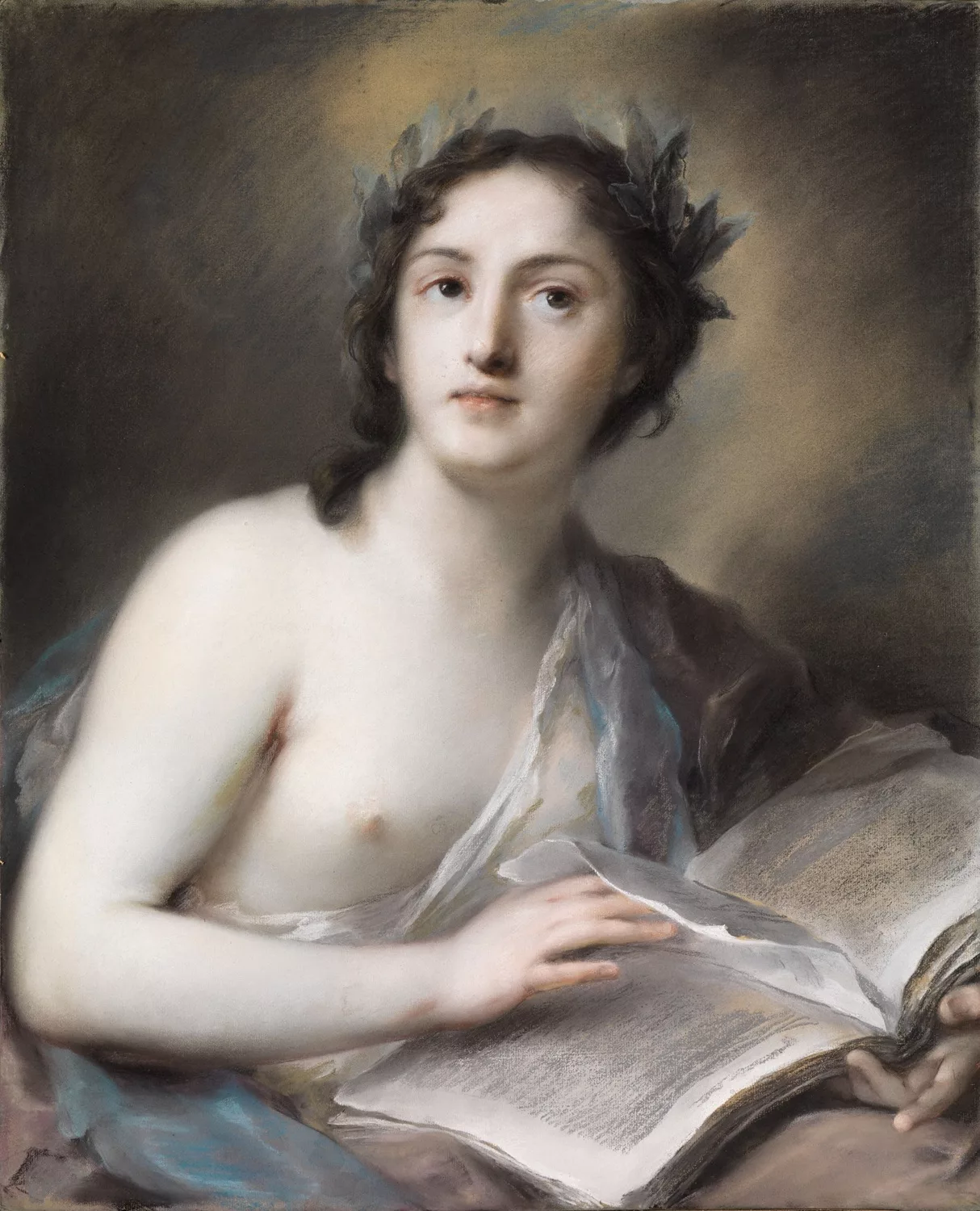
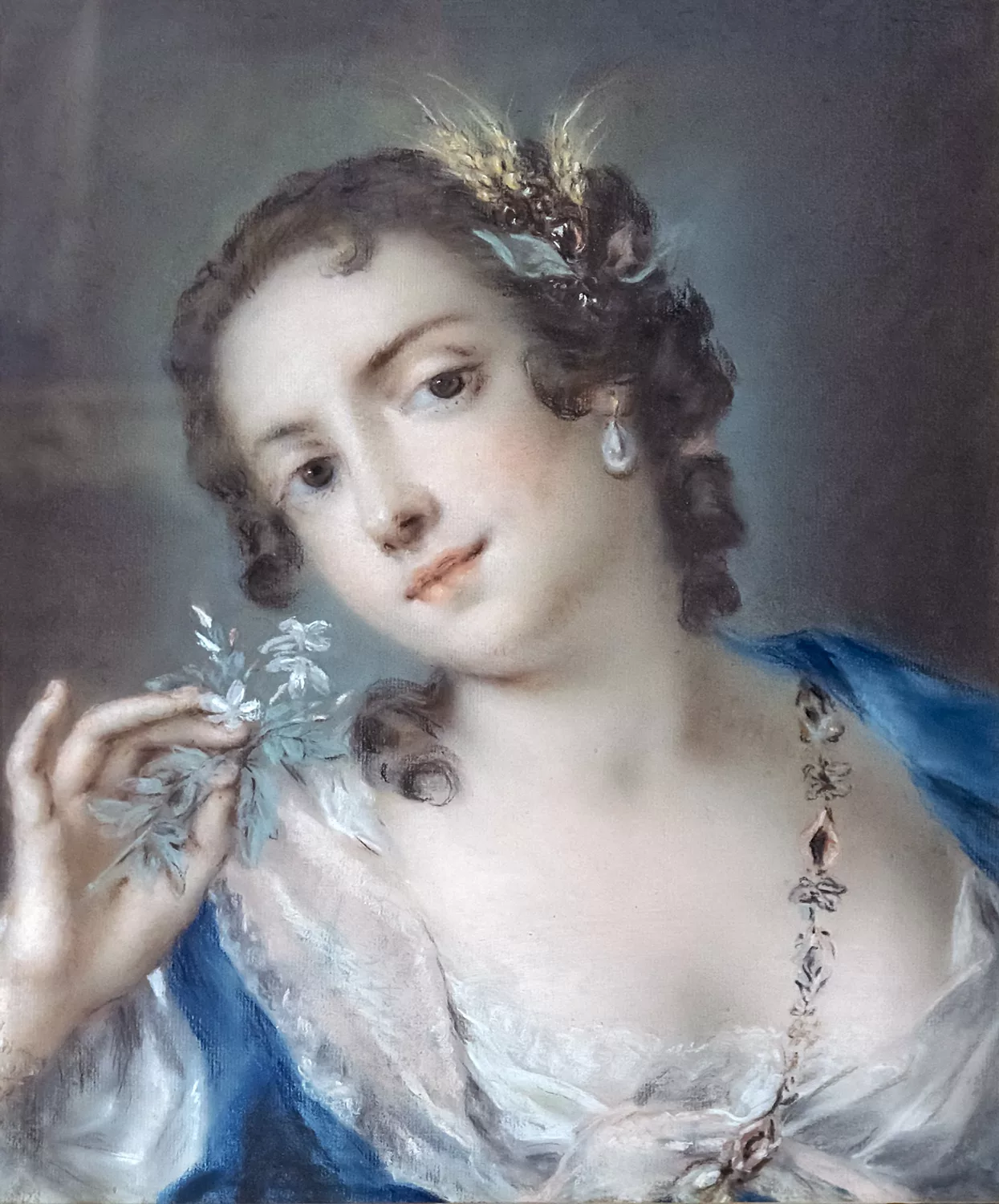
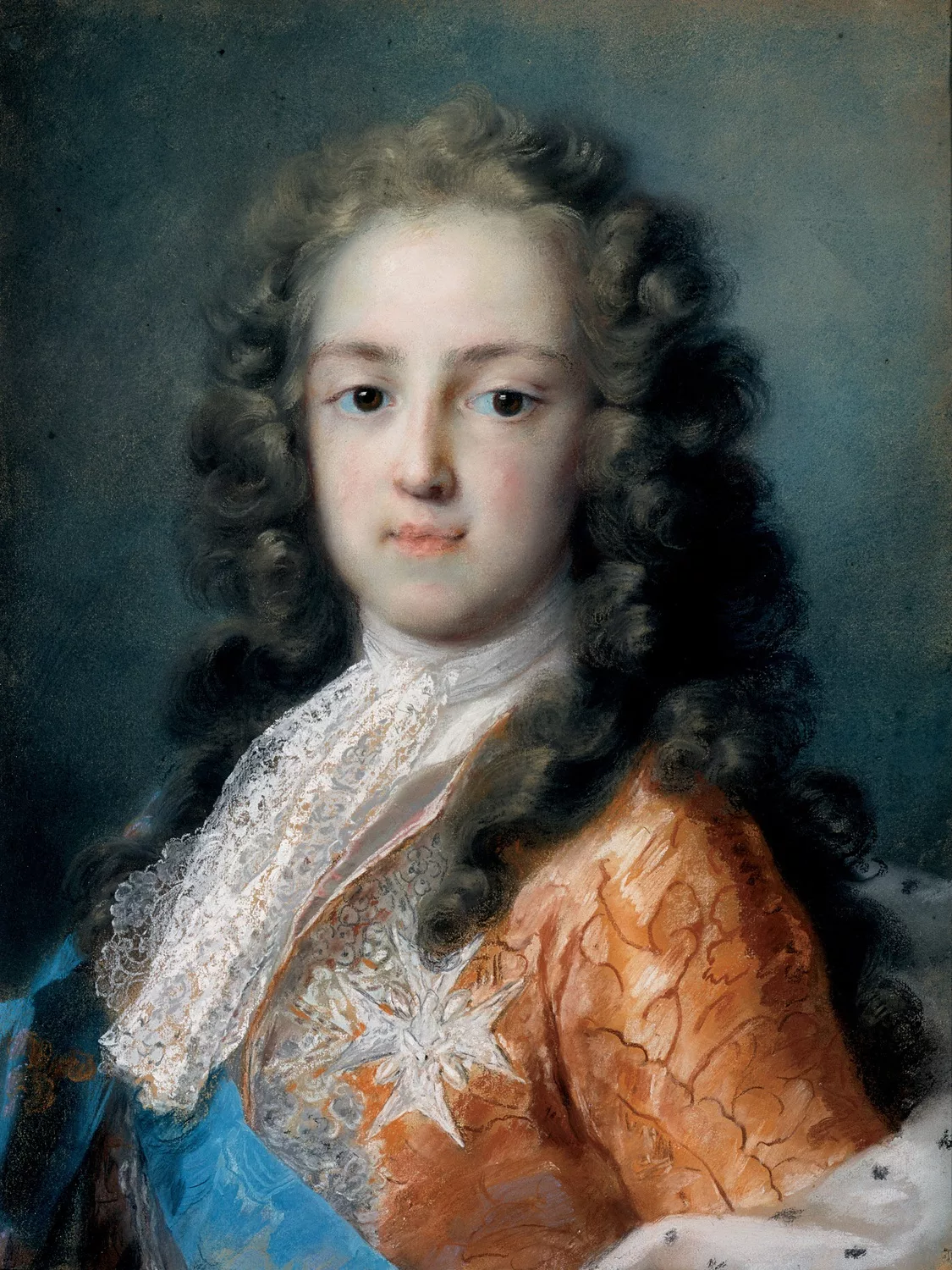
Considered one of the most renowned pastel painters of the eighteenth century, R. Carriera was the oldest of three daughters born to Andrea Carriera (1645–1719) and Alba Foresti (1655–1738), known in Venice for her embroidery and lace-making – skills she passed on to her daughters. Traditional biographies of the painter indicate that she was self-taught, but she is known to have had contact with artists such as Giuseppe Diamantini (1621–1705) and Antonio Balestra (1666–1740). She started out by making images for small snuff boxes, which eventually led her to produce miniatures, mainly on ivory. Her first forays into pastel date from 1700, when this technique was enjoying great popularity.
The celebrity she achieved during this period is attested to her early admission to the Accademia di San Luca de Roma in 1705, after which forged miniatures attributed to her appeared on the market, in testament to the appeal of the style she developed amidst the more widespread boom of Rococo art in Europe. Soon most of her commissions came from people connected to the continent’s royal counts, leading her to visit Paris, where she stayed between March 1720 and May of the following year, the Duchy of Modena in 1723, and a residence at the imperial court in Vienna in 1730. In France, she worked for King Louis XV (1710–74) and other French aristocrats, and was the only woman admitted to the Académie royale de Peinture et de Sculpture.
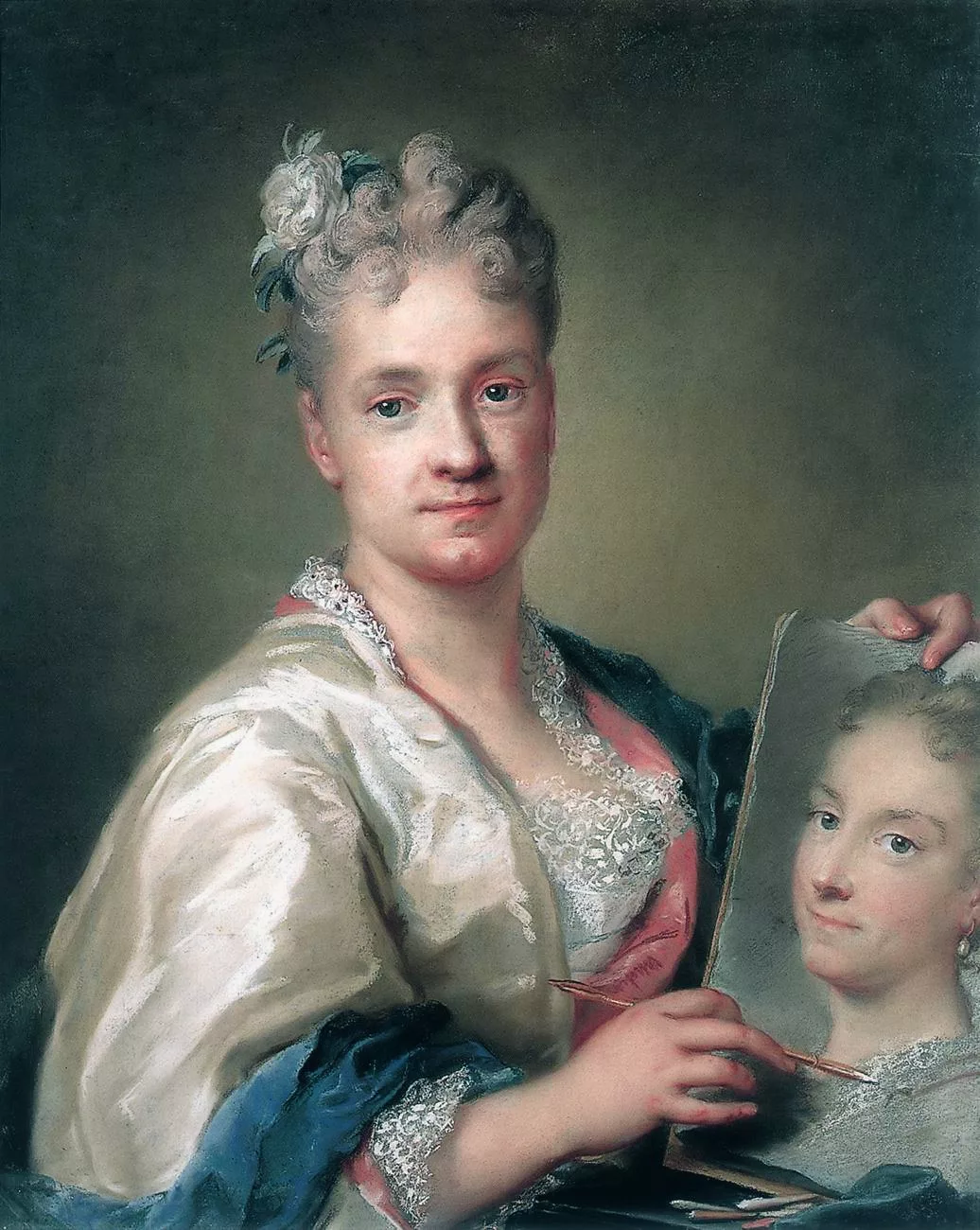
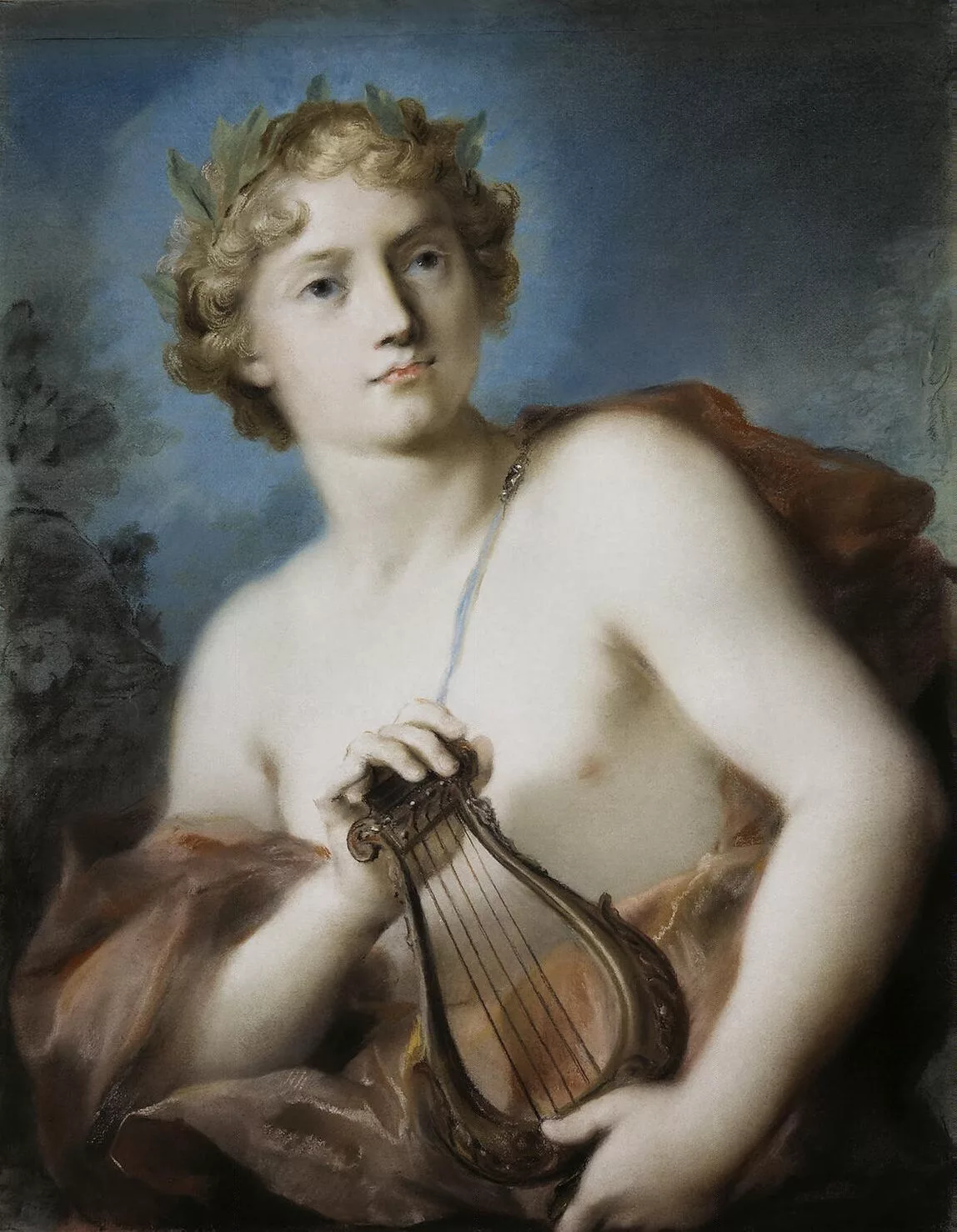
Although portraiture was the predominant genre in her artistic output, she also produced allegorical, religious and even erotic works. Some of her most renowned pieces include a 1715 pastel self-portrait held by the Uffizi in Florence and the painting A Young Lady with a Parrot (ca. 1730) now at the Art Institute of Chicago. The Dresden Gemäldegalerie Alte Meister acquired about seventy of her pastels in a collection initially assembled by Poland’s Augusto III.
Working in her studio in her home in Venice, for four decades R. Carriera closely collaborated with her sister Giovanna (1675–1737), who apparently produced copies of some of her pastels. Other women who worked or studied with her included Marianna Carlevarijs (1703–50), Felicita Sartori (ca. 1714–60) and Angelica Le Gru Perotti (1719–76). After her time in Austria, R. Carriera never left Venice again. Although she continued to work and maintained a voluminous correspondence with friends and clients, over the years she developed serious vision problems, which profoundly affected her professional development. She underwent a series of eye operations between 1746 and 1750. She died on 15 April 1757 at the age of 84.
A biography produced as part of the programme “Reilluminating the Age of Enlightenment: Women Artists of 18th Century”.