Sasha Huber


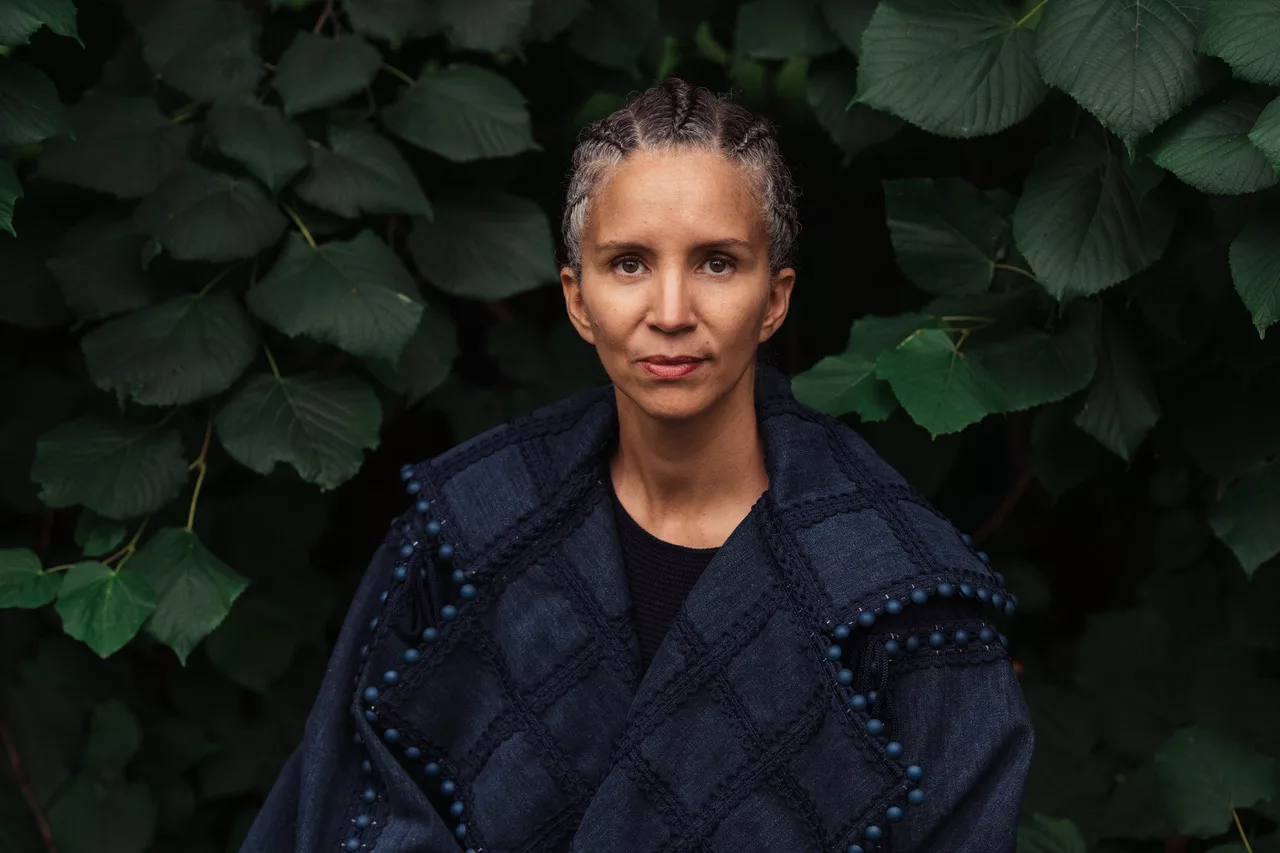
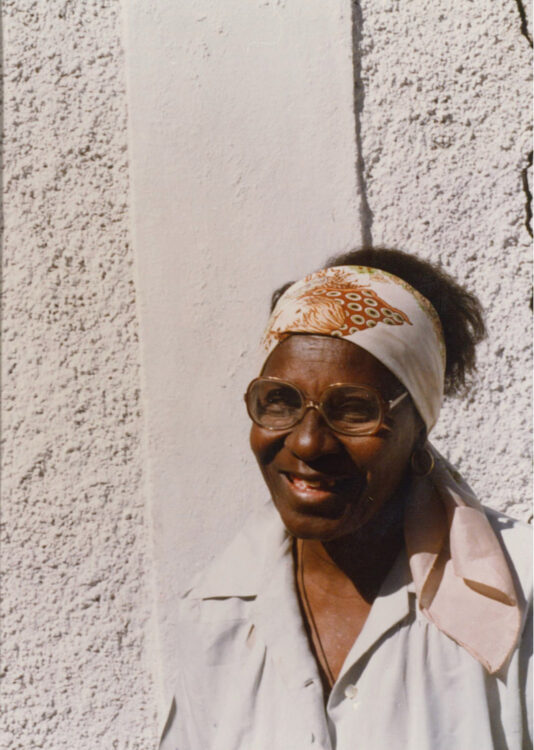
Portrait of Sasha Huber, © Kai Kuusisto, 2025
Mark Sealy and Gaëtane Verna (Eds), Sasha Huber: YOU NAME IT, exh. cat., The Power Plant Contemporary Art Gallery, Toronto (Canada) (February 4 – May 1, 2022), Mousse Publishing, 2023
→Mika, Kasia, “Sensing History, Seeking Justice: Affect, Solidarity and Wake Work, in Sasha Huber’s Shooting Back and Haïti Chérie”, Third Text, 36(6), 2022, p. 559–582
→Cheddie, Janice, “Sasha Huber’s Rentyhorn: Challenging Political Race-less-ness in Switzerland”, Third Text, 30(5–6), 2016, p. 368–387
YOU NAME IT, Autograph, London (United Kingdom), November 11, 2022 – March 25, 2023
→YOU NAME IT, The Power Plant Contemporary Art Gallery, Toronto (Canada), February 4 – May 1, 2022
→Sasha Huber, solo exhibition, Kunstinstituut Melly, Rotterdam (Netherlands), April 9 – September 12, 2021
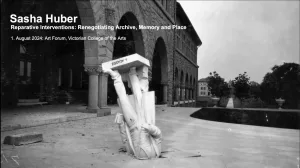 Sasha Huber, VCA Art Forum | Faculty of Fine Arts and Music, Melbourn, August 2024
 Installation, photography, video and performance artist.
Sasha Huber is a visual artist and researcher living in Helsinki. A graduate of Aalto University in visual culture, she is currently pursuing a doctorate in artistic research at the Zurich University of the Arts.
S. Huber connects the exploration of her dual Swiss-Haitian heritage to a broader constellation of postcolonial and diasporic narratives, asserting a stance of transnational solidarity. Her work addresses the politics of memory, epistemic violence and structural inequalities, which she investigates both in colonial archives and in contemporary landscapes. She confronts the coloniality of time to produce, in the words of scholar Kasia Mika, an “archive of affects”.
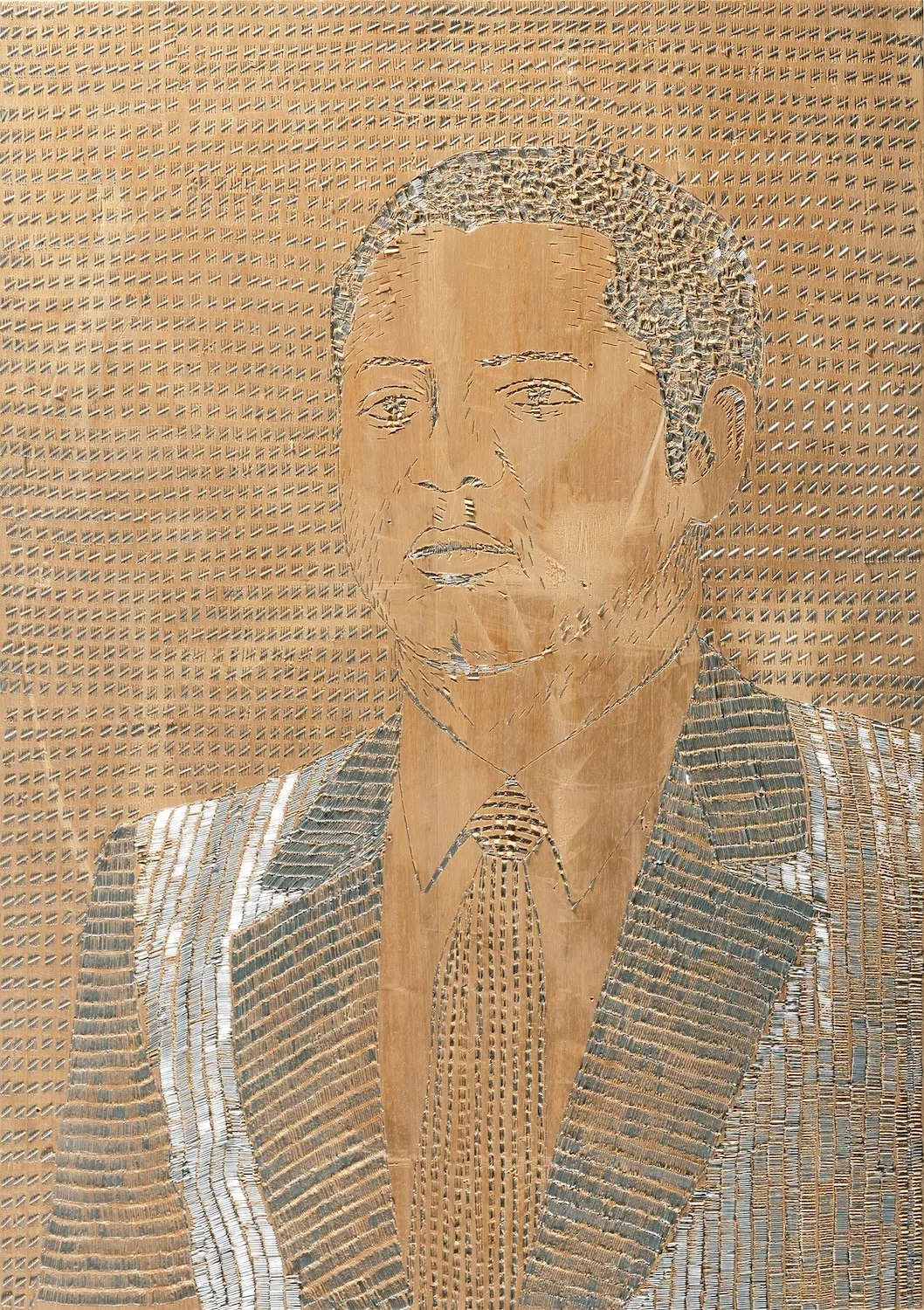
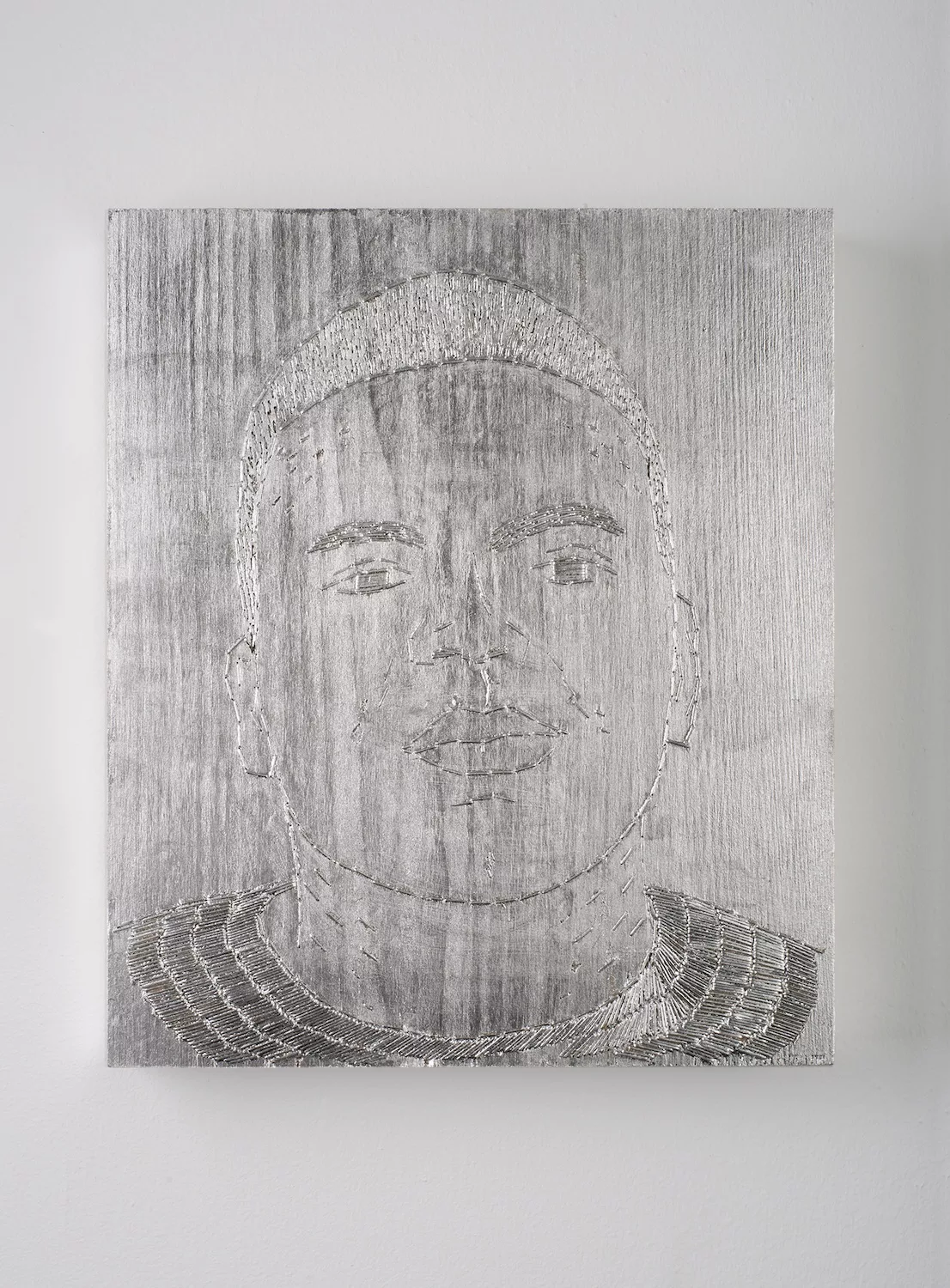
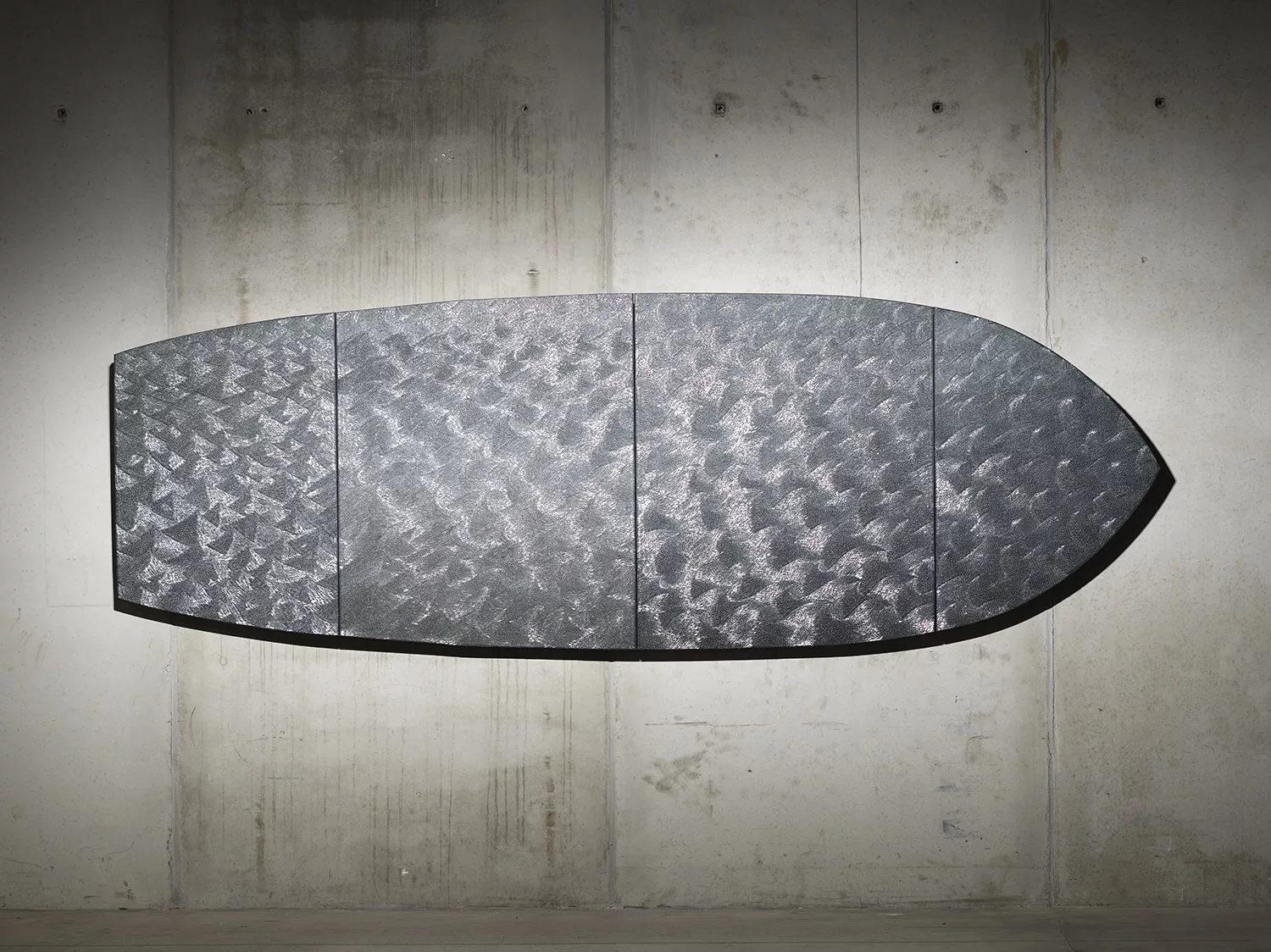
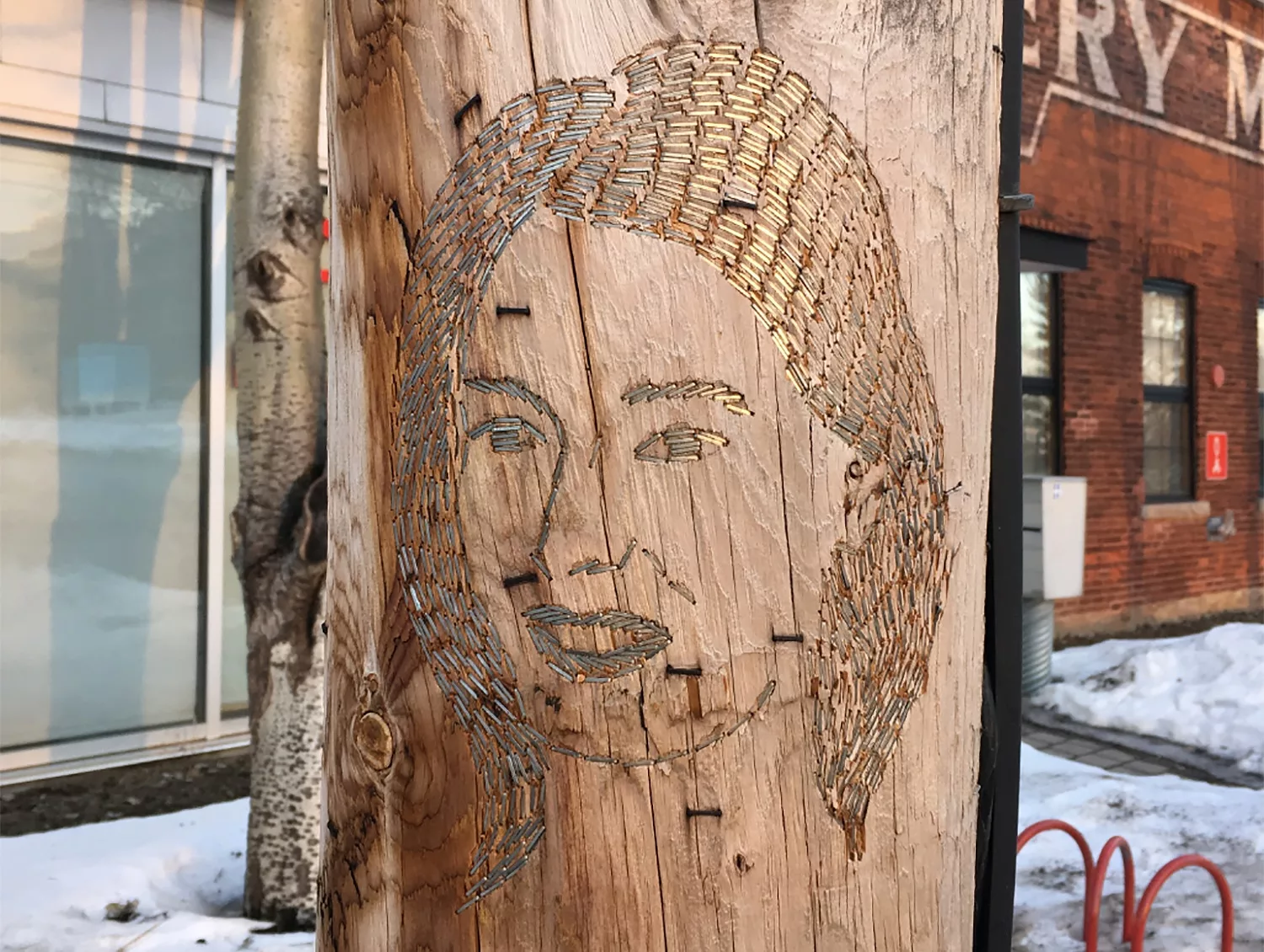
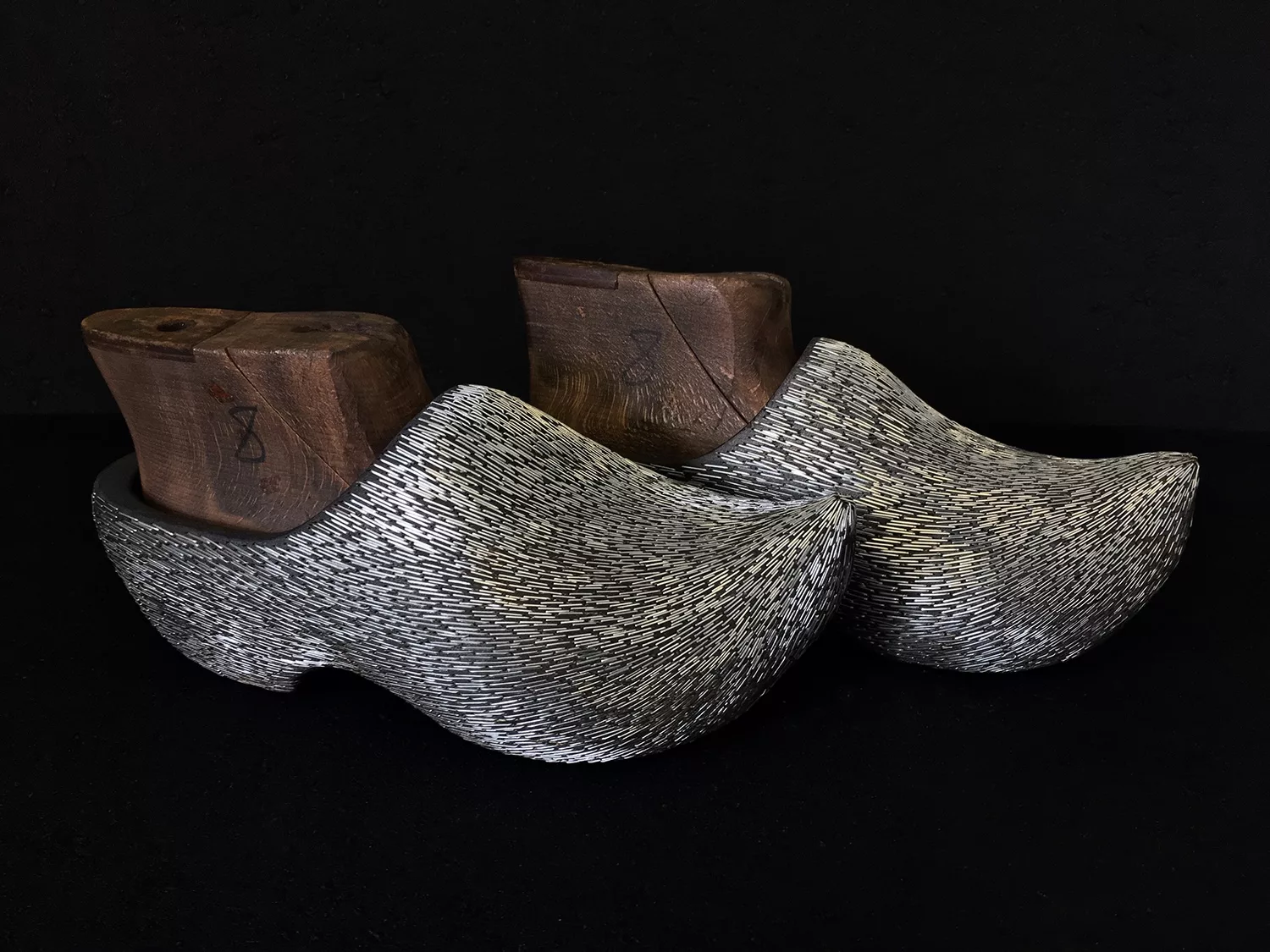
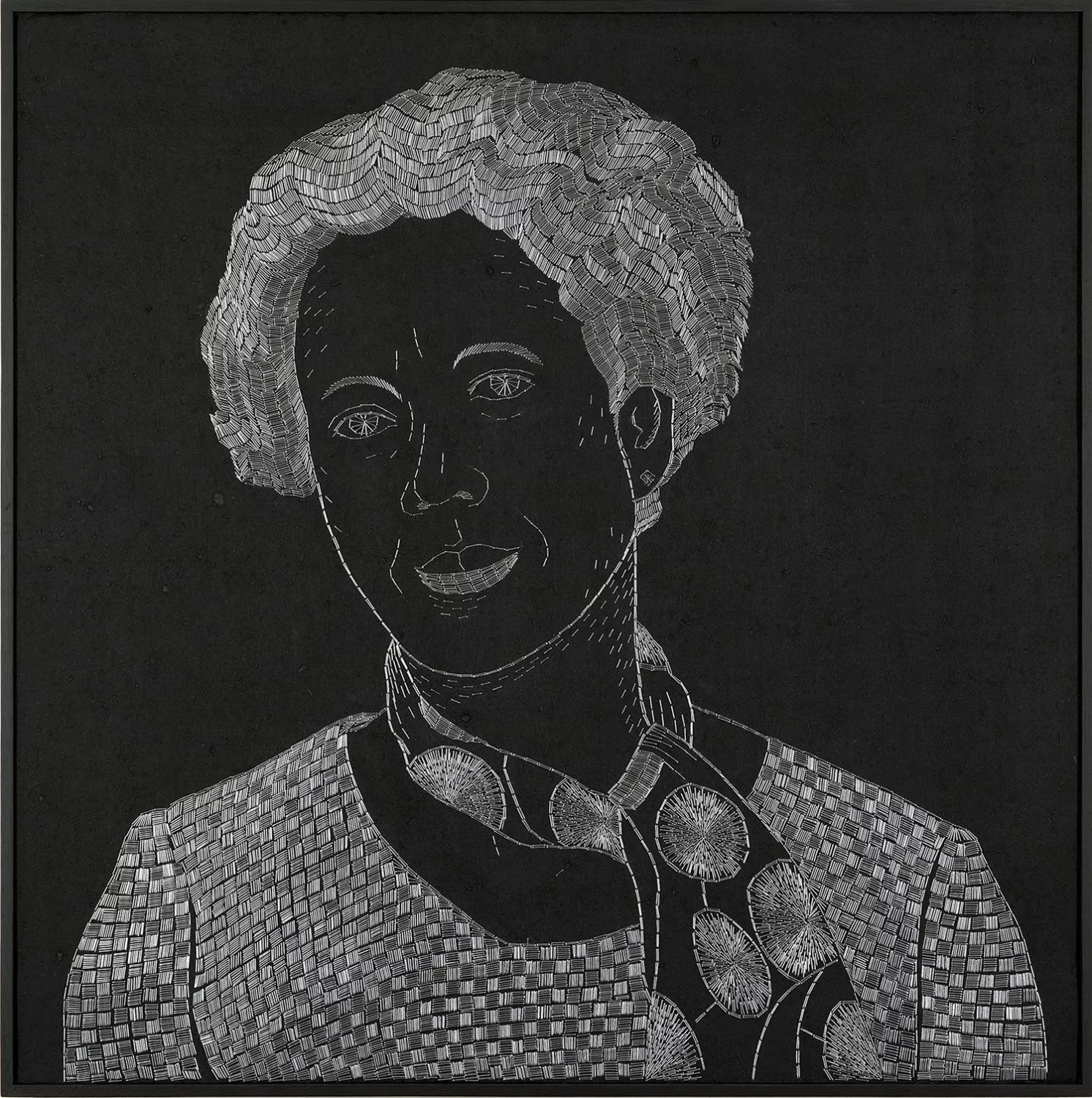
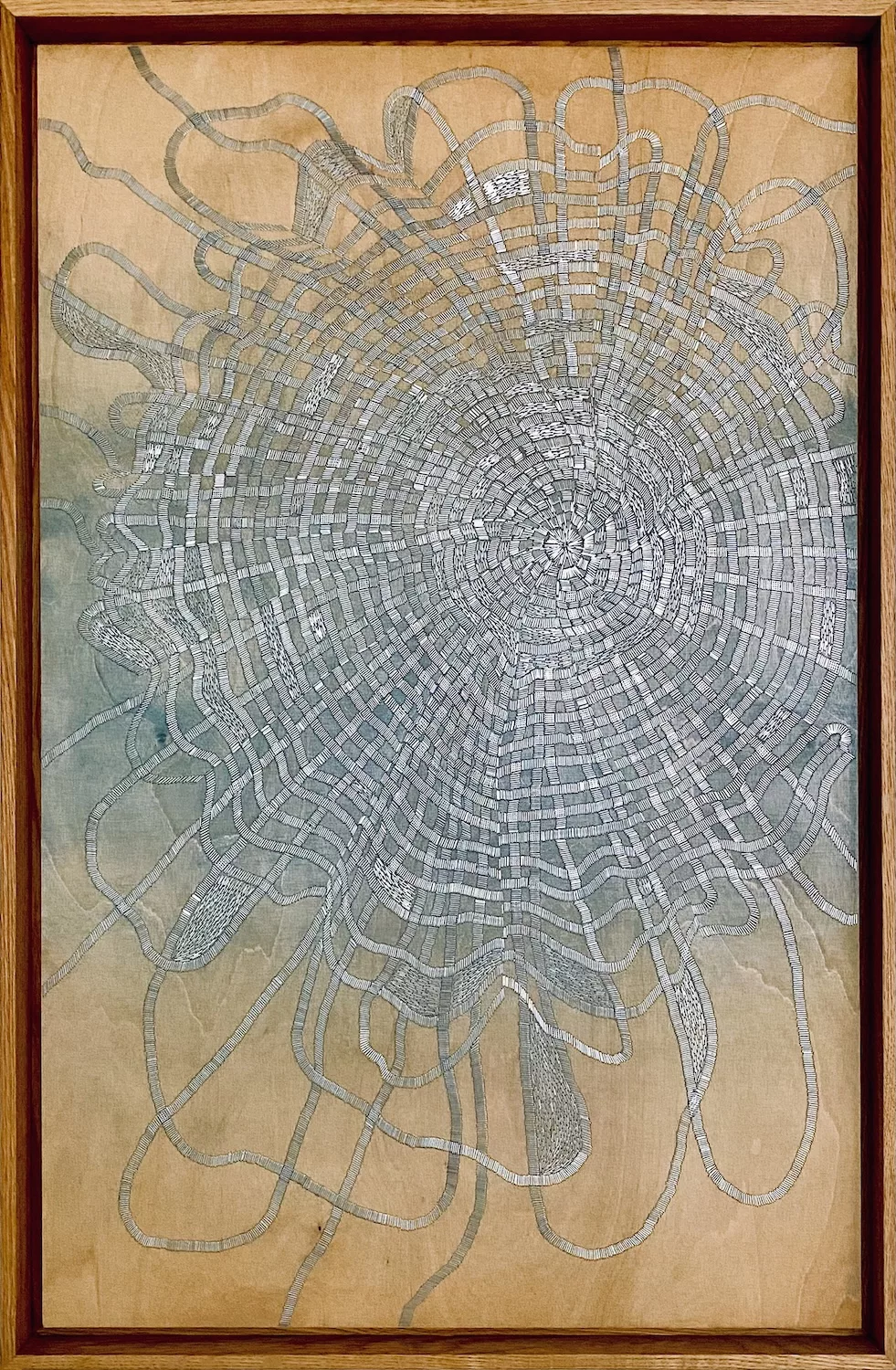
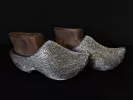
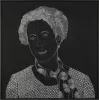
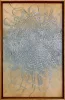
S. Huber’s artistic gesture is distinguished by her use of the air-pressured staple gun, which she wields both as a plastic tool and as a symbol of pain and healing. The series Shooting Back – Reflections on Haitian Roots (2004) is emblematic of this approach. The artist portrays Christopher Columbus and dictators François and Jean-Claude Duvalier – figures whose actions shaped Haiti’s social and political history. Through the sonic and visual repetition of the “tak-tak-tak” of the stapler, S. Huber makes audible a cadence of violence, where each impact becomes a mark, a rhythm and a perforated trace. With the series Shooting Stars, begun in 2014, she continues ‘shooting portraits’ with the aim of assembling a gallery of historically and geographically separated individuals whose sacrificed lives she honours.
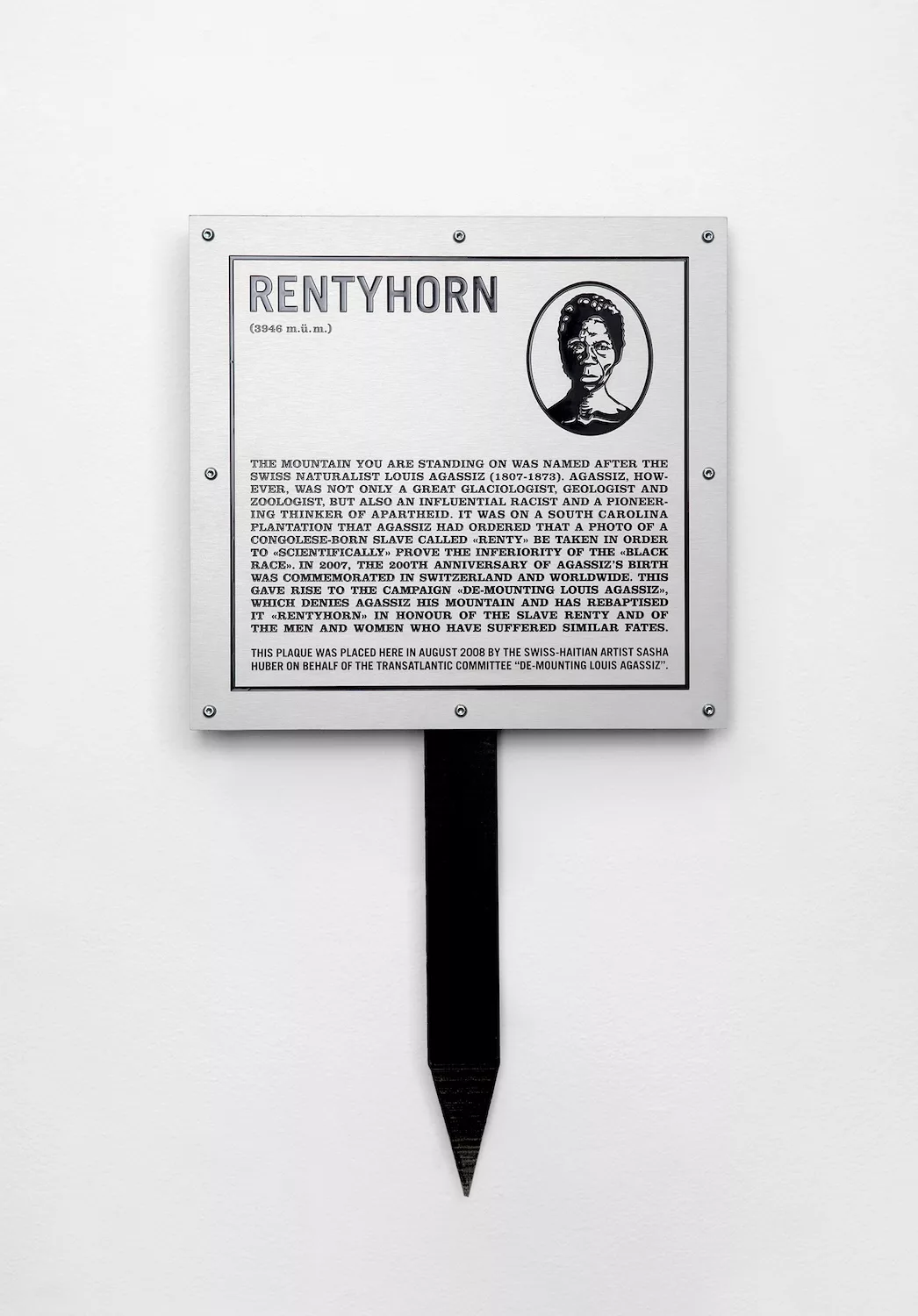
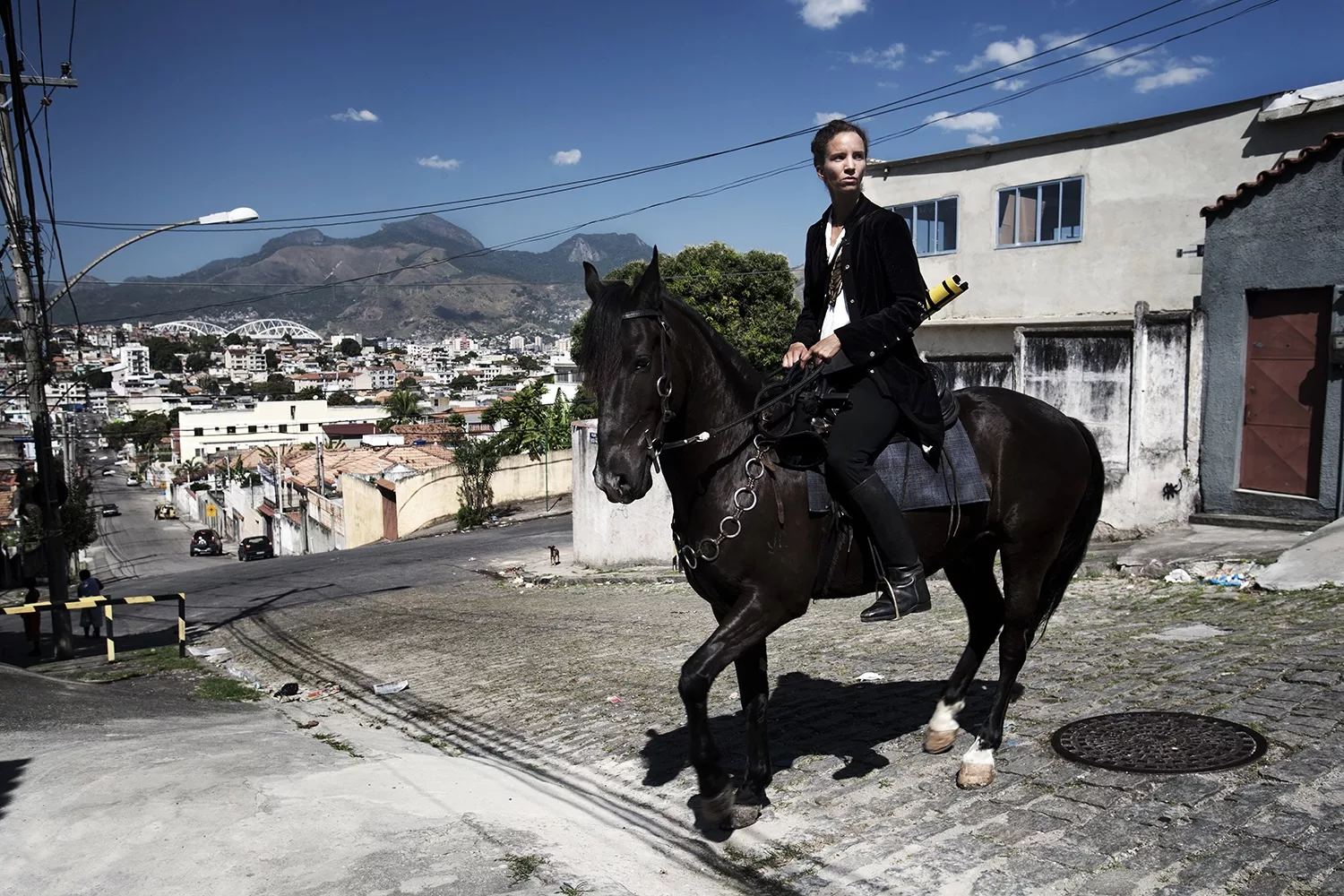
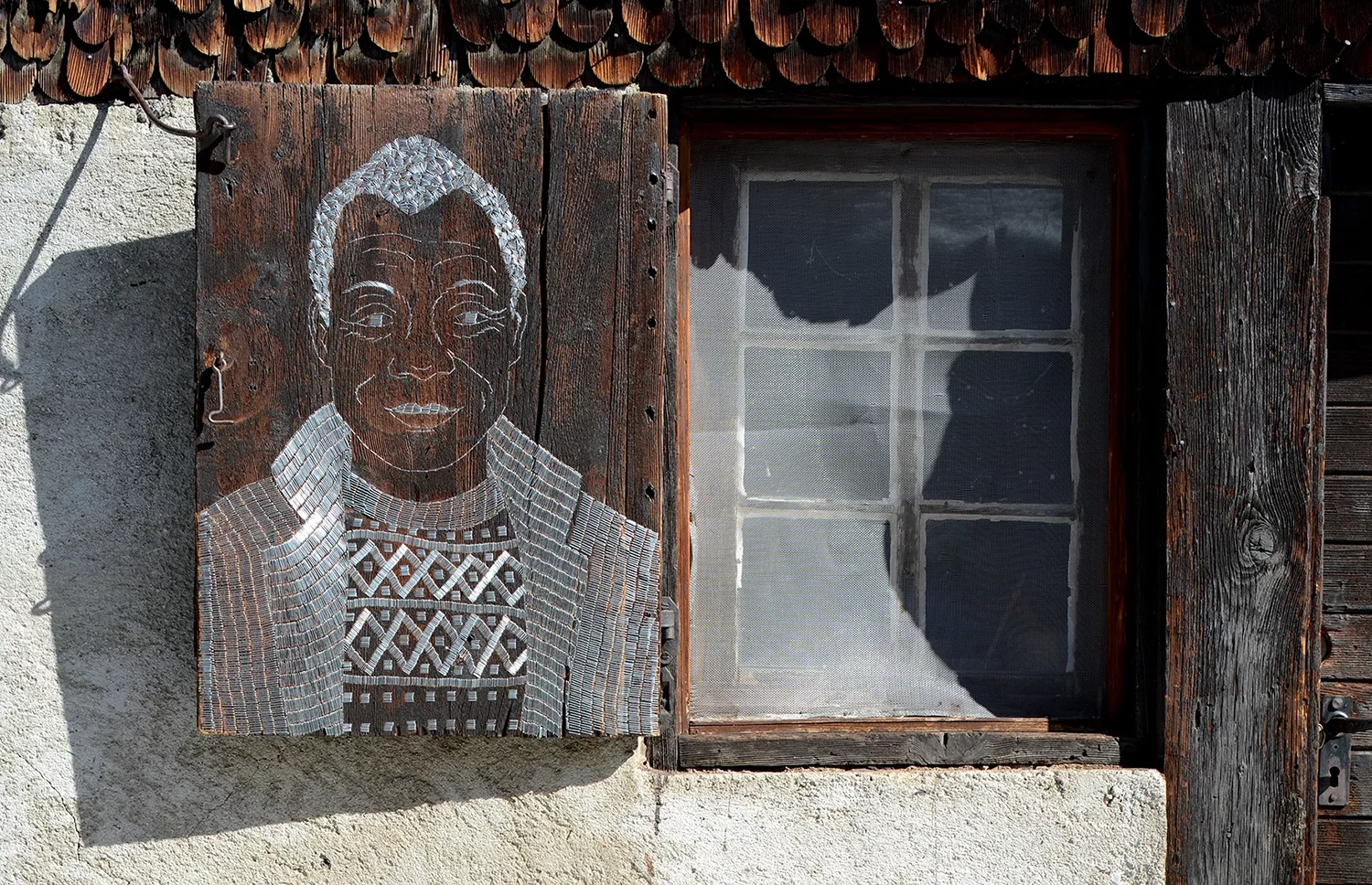
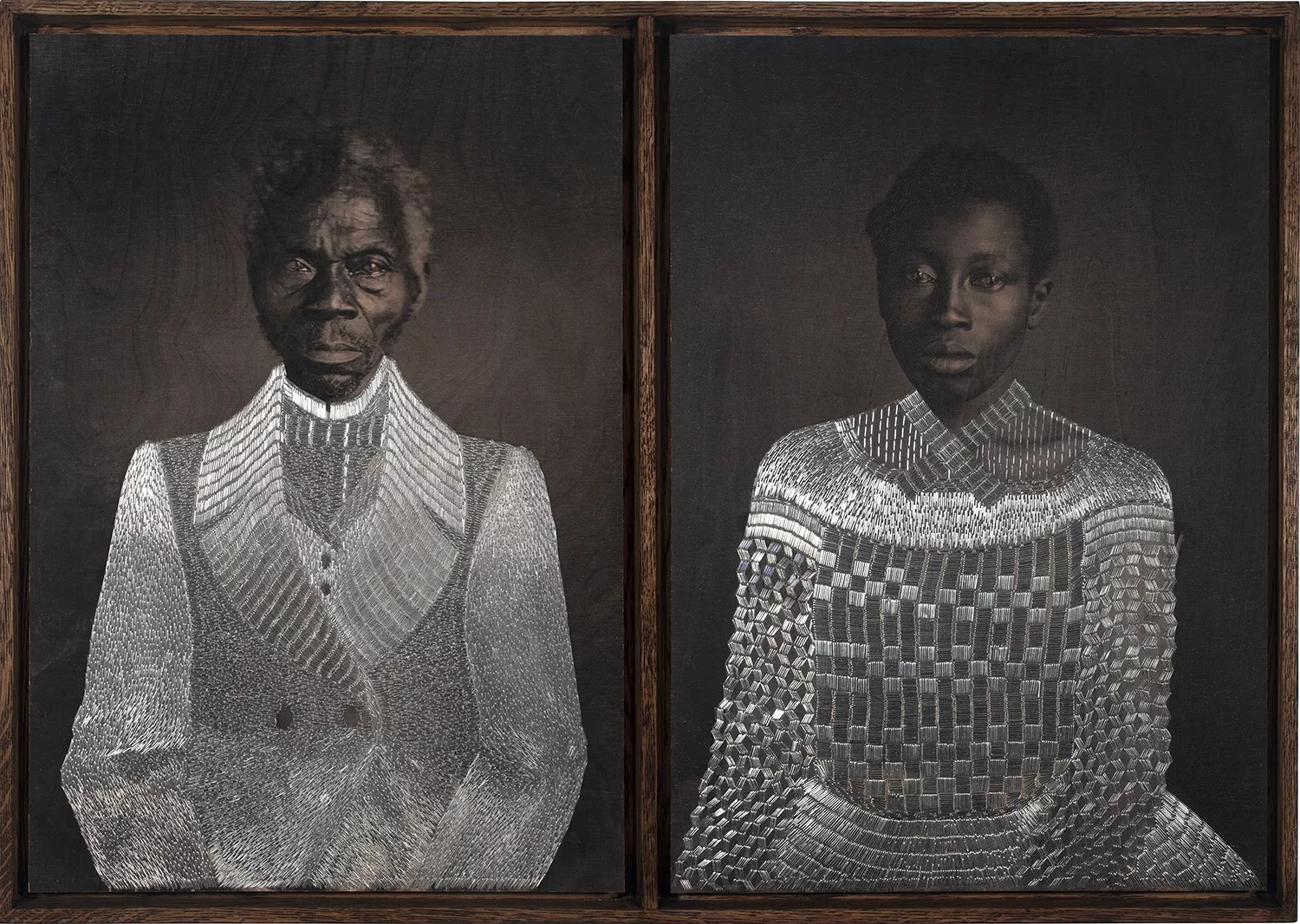
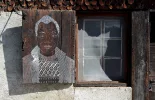
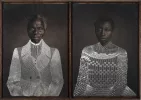
Since 2007 she has taken part as a committee member in the ‘Demounting Louis Agassiz’ campaign founded by Swiss historian Hans Fässler, advocating for the renaming of the Agassizhorn, a mountain named after the Swiss glaciologist and theorist of biological racism. The peak was symbolically renamed Rentyhorn in tribute to Renty, a Congolese man enslaved in the United States, whose portrait was part of a series commissioned by Agassiz for racial taxonomy. With the self-portrait series Agassiz: The Mixed Traces (2010 – 2023) and the video Louis Who? What you should know about Louis Agassiz (2010), made in Rio de Janeiro, the artist reterritorialises spaces marked by colonial toponymy, engaging and collaborating with local Indigenous peoples. Similarly, in the series Tailoring Freedom (2021-23), S. Huber printed on wood the portraits of enslaved people photographed on Agassiz’s commission, dressing them with staples inspired by the garments of abolitionists such as Harriet Tubman and Frederick Douglass.
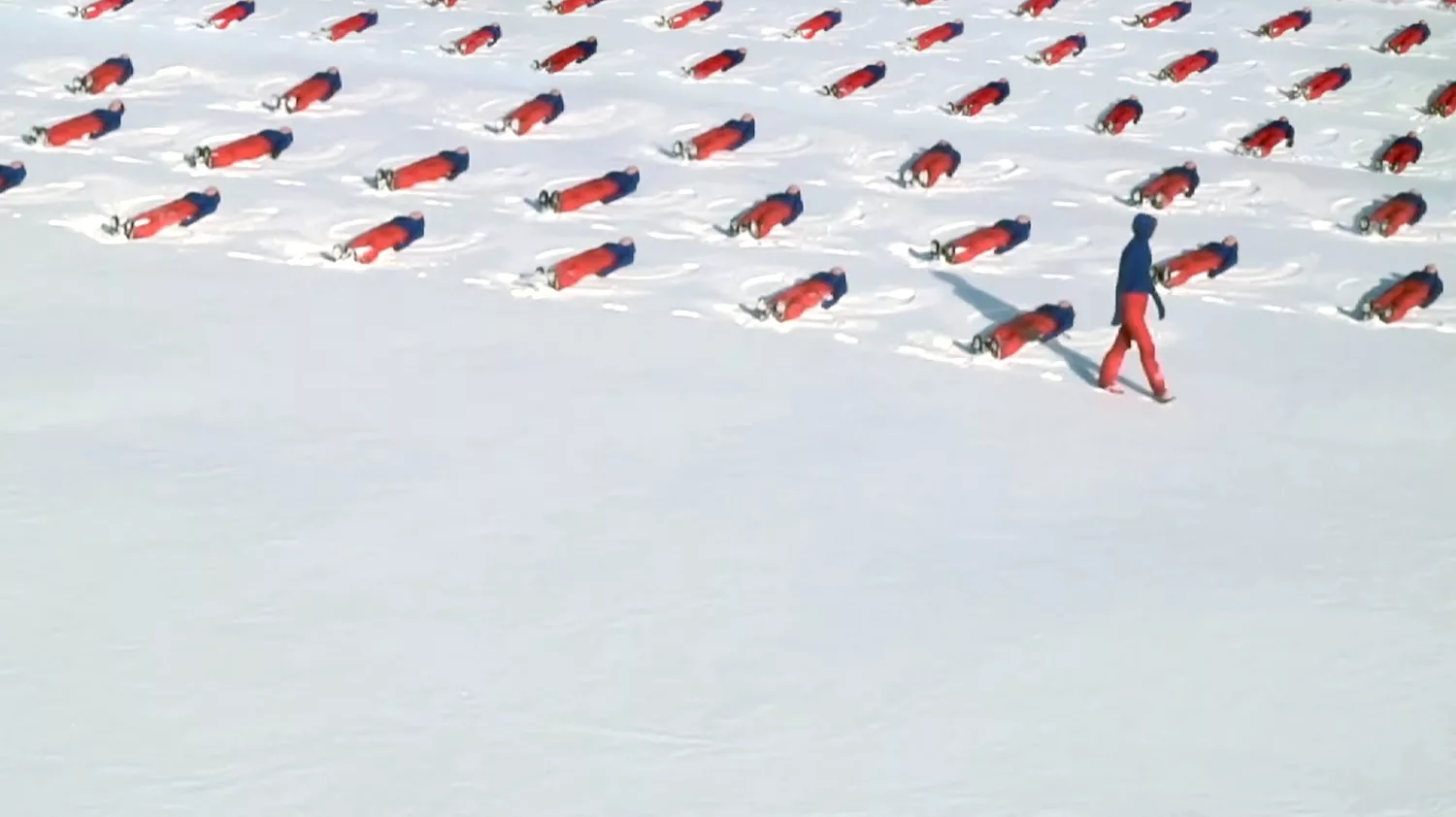
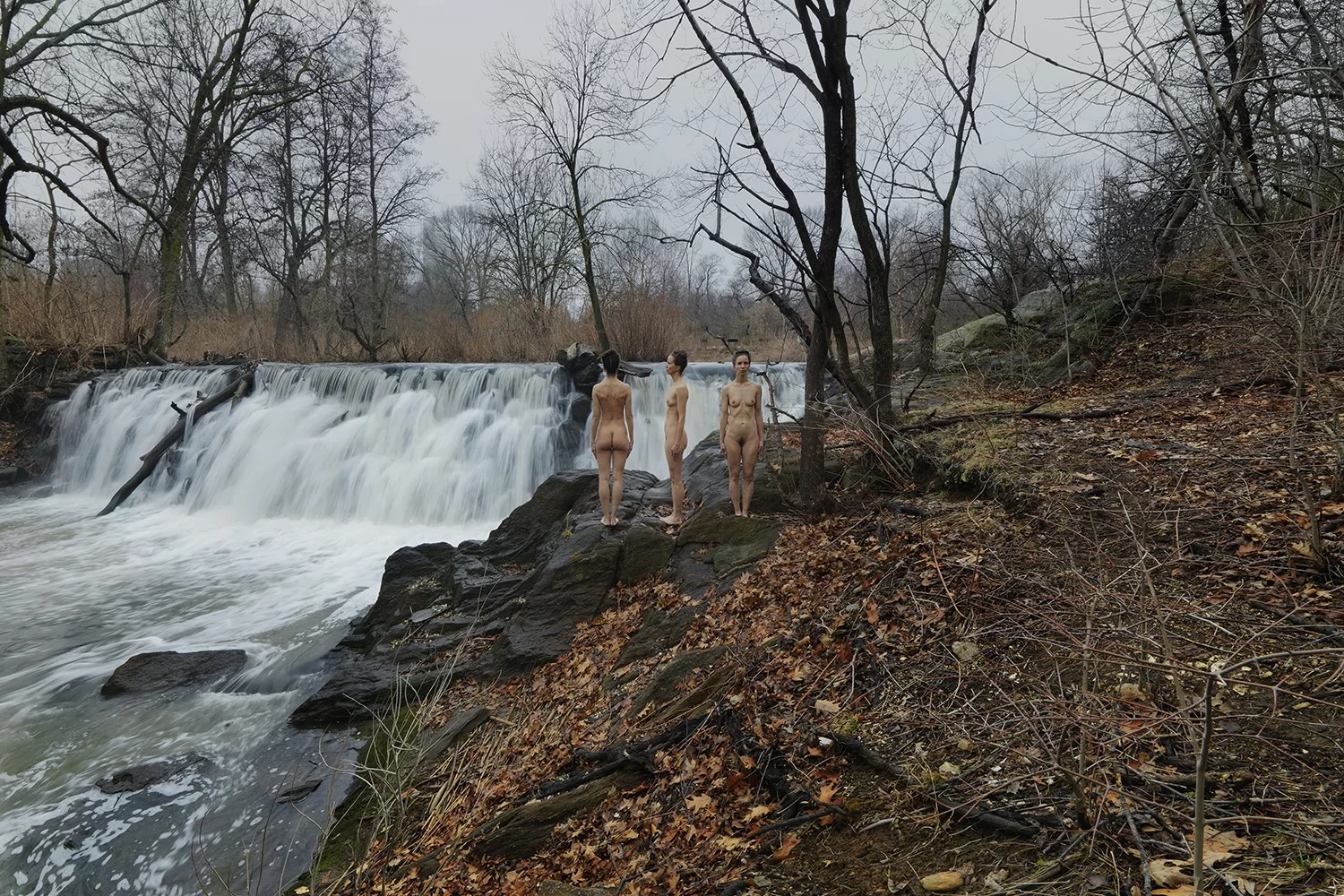
In 2010, following the earthquake in Haiti, S. Huber created the video-performance Haïti Chérie. Wearing a suit in the colours of the Haitian flag, she drew angels in the snow on the frozen Baltic Sea to commemorate the victims of a tragedy whose causes long predated the earthquake.
Her work forms part of a research practice that celebrates the plurality of histories and experiences without reducing them to a single narrative. Art is conceived as a critical space, responding to historical violence and judicial inaction. It unsettles the familiar, notably by questioning the participation of Switzerland and the Nordic countries in the imperial project –despite their claims of ‘colonial innocence’ – as well as by revising narratives that portray Haiti as a cursed anomaly.
In 2018 she was awarded the Finnish State Art Prize. She has received a long-term grant from the Arts Promotion Centre Finland (2022–2026). Her work has been presented at the São Paulo Biennial (2010) and the Sydney Biennale (2014).