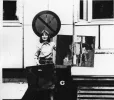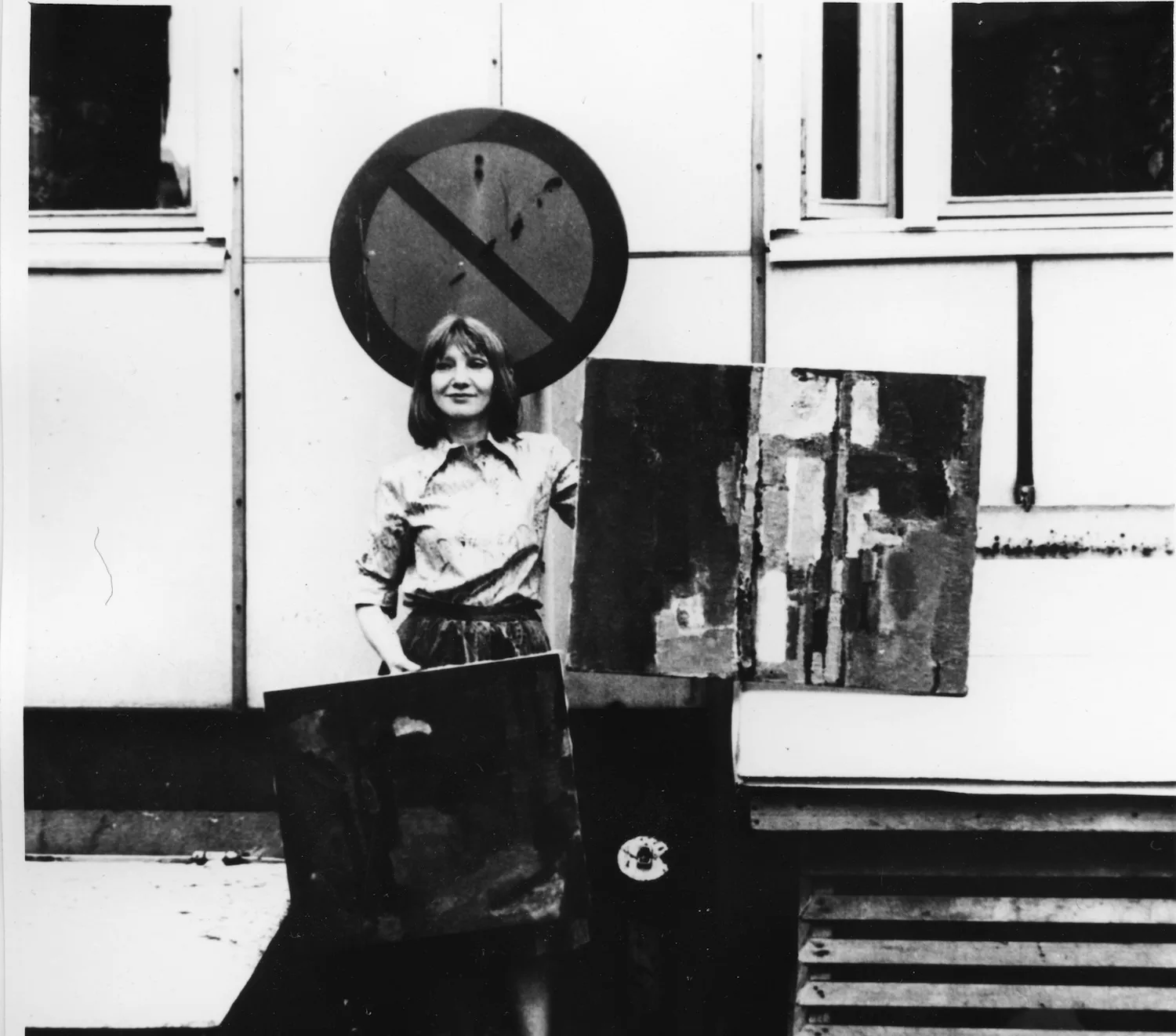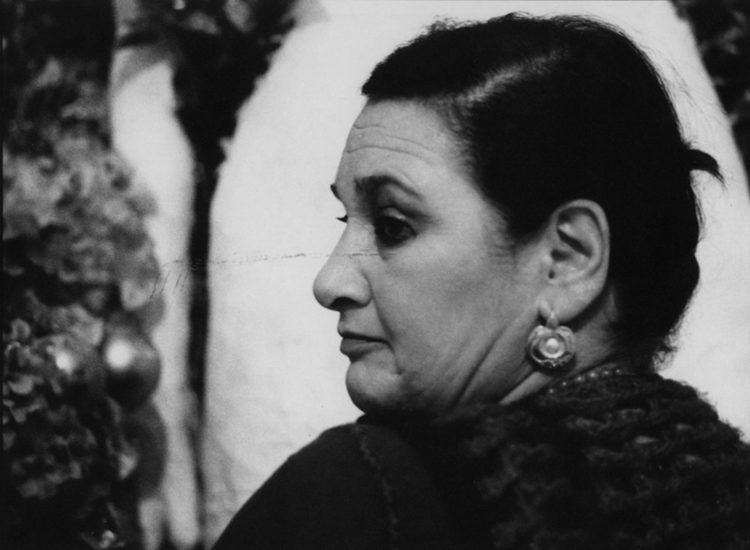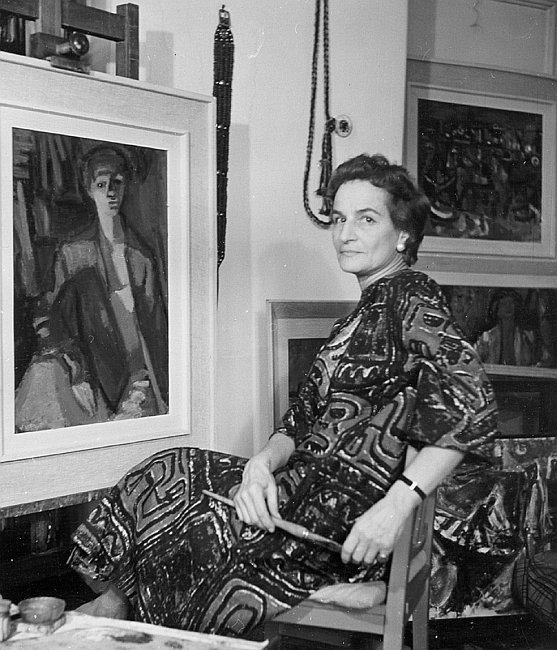
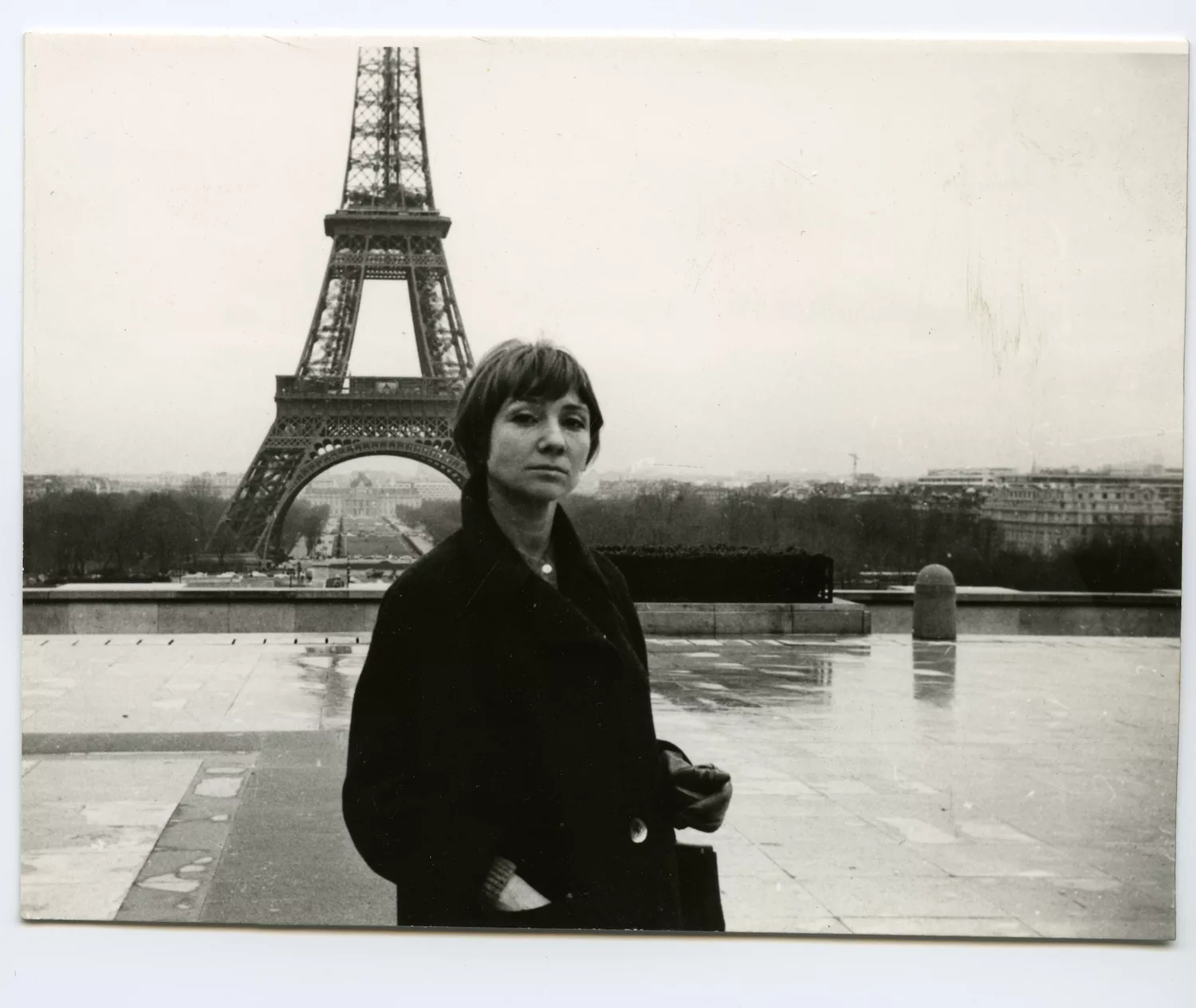
Portrait of Vessa Vassileva in Paris
Dzhurova, Aksiniya, „Вместо прощаване. С обич за Веса Василева (1926–2016)“ [Instead of saying goodbye. With love to Vesa Vasileva], Литературен вестник [Literary newspaper], № 37, November 2016, p. 7
→Popov, Kiril, „Изложбите на Веса Василева и Теодор Спиридонов в столицата“ [The exhibitions of Vesa Vasileva and Teodor Spiridonov in the capital], Литературен вестник [Literary newspaper], № 25, July 1997, p. 8
Vesa Vassileva, Krida Art Gallery, Sofia, July 1997
Bulgarian painter and graphic artist.
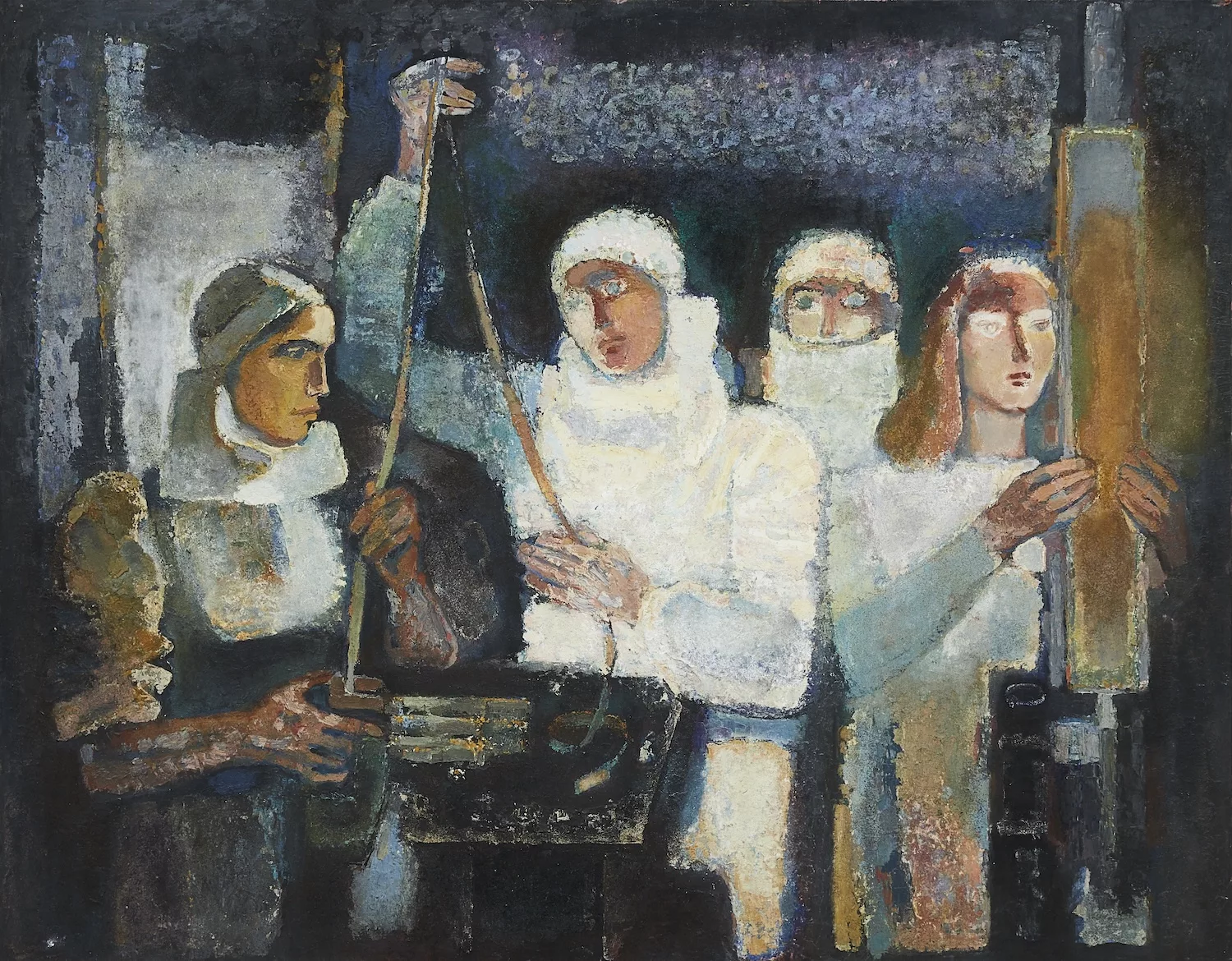
Vessa Vassileva is one of the most prominent and distinctive artists in modern Bulgarian painting, alongside Vera Nedkova (1908–1996) and Lika Yanko (1928–2001). She graduated from a high school specialising in classical languages in Plovdiv, and then studied painting under Ilia Petrov (1903–1975) at the Academy of Arts in Sofia, graduating probably in 1950.
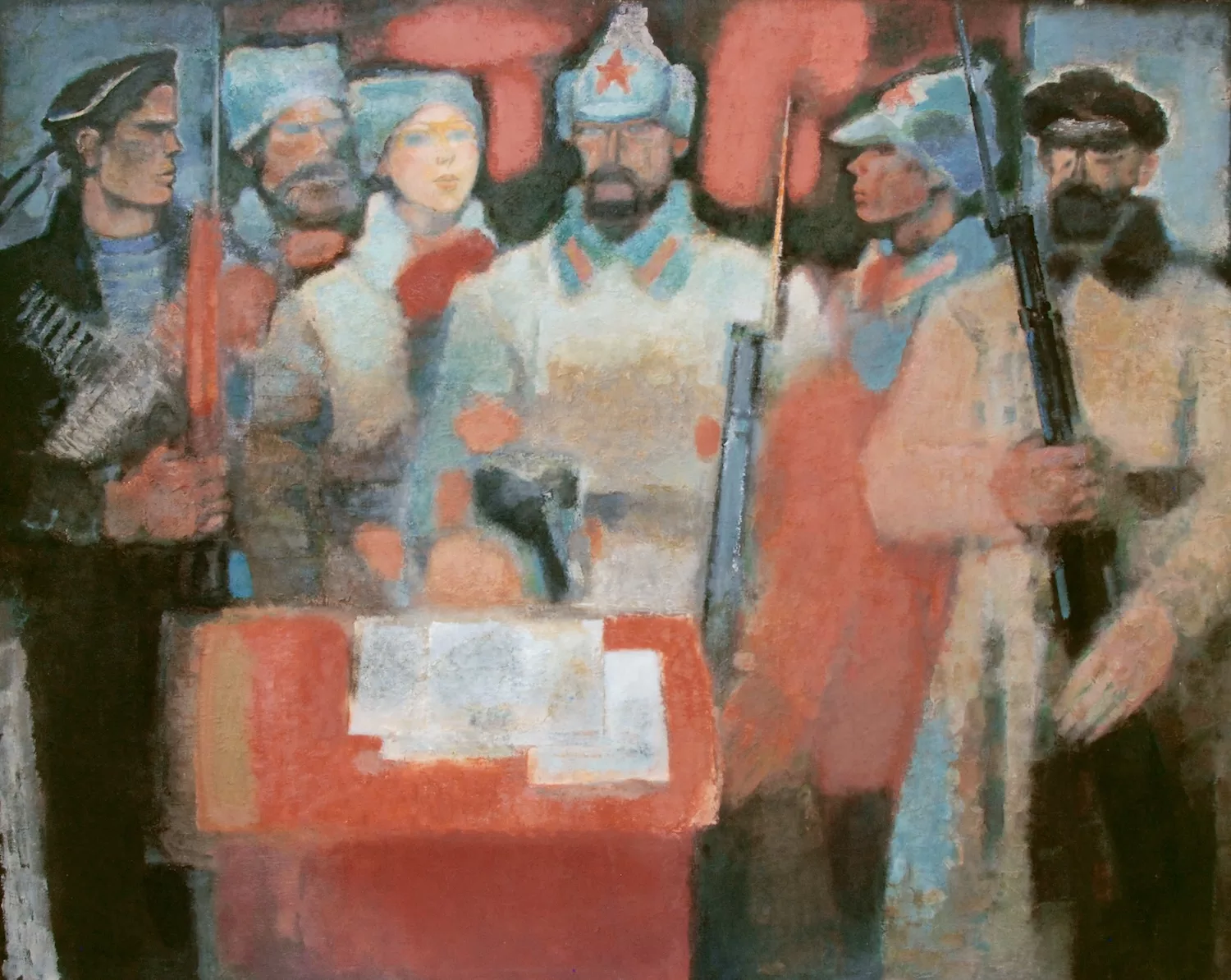
The artist’s character is described as boisterous, sarcastic, “dangerous” (sharp-tongued), and mischievous by her friend, art historian Aksiniya Dzhurova (1942–), curator of numerous exhibitions of V. Vassileva’s work. Pointillism, post-impressionism and abstractionism are noted as significant influences on her work; we could also add futurism and Mark Rothko’s abstract expressionism (1903–1970). V. Vassileva befriended some of the most original representatives of Bulgarian painting and graphic design, including Boris Angelushev (1902–1966), Stefan Kanchev (1915–2001), Milka Peykova (1919–2016), Georgi Kovachev (1920–2012), Georgi Baev (1924–2007), Alexander Denkov (1925–1972) and Genko Genkov (1926–2006). She worked for the printing houses Балкан [Balkan], Български писател [Bulgarian Writer] and Народна младеж [Narodna mladezh], and later began working full-time at the magazine Жената днес [The Woman Today] (1945–) the editor of which was her friend Sonya Bakish. At a later stage, probably between 1955 and 1964, she also began working for the newspaper Литературен фронт [Literary Front] (1945–1993) at the invitation of her close friend B. Angelushev, one of the most influential expressionists in Bulgaria. Here she was involved in the graphic work. Together with B. Angelushev, M. Peykova and A. Denkov, she created a series of highly valued postage stamps.
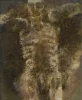
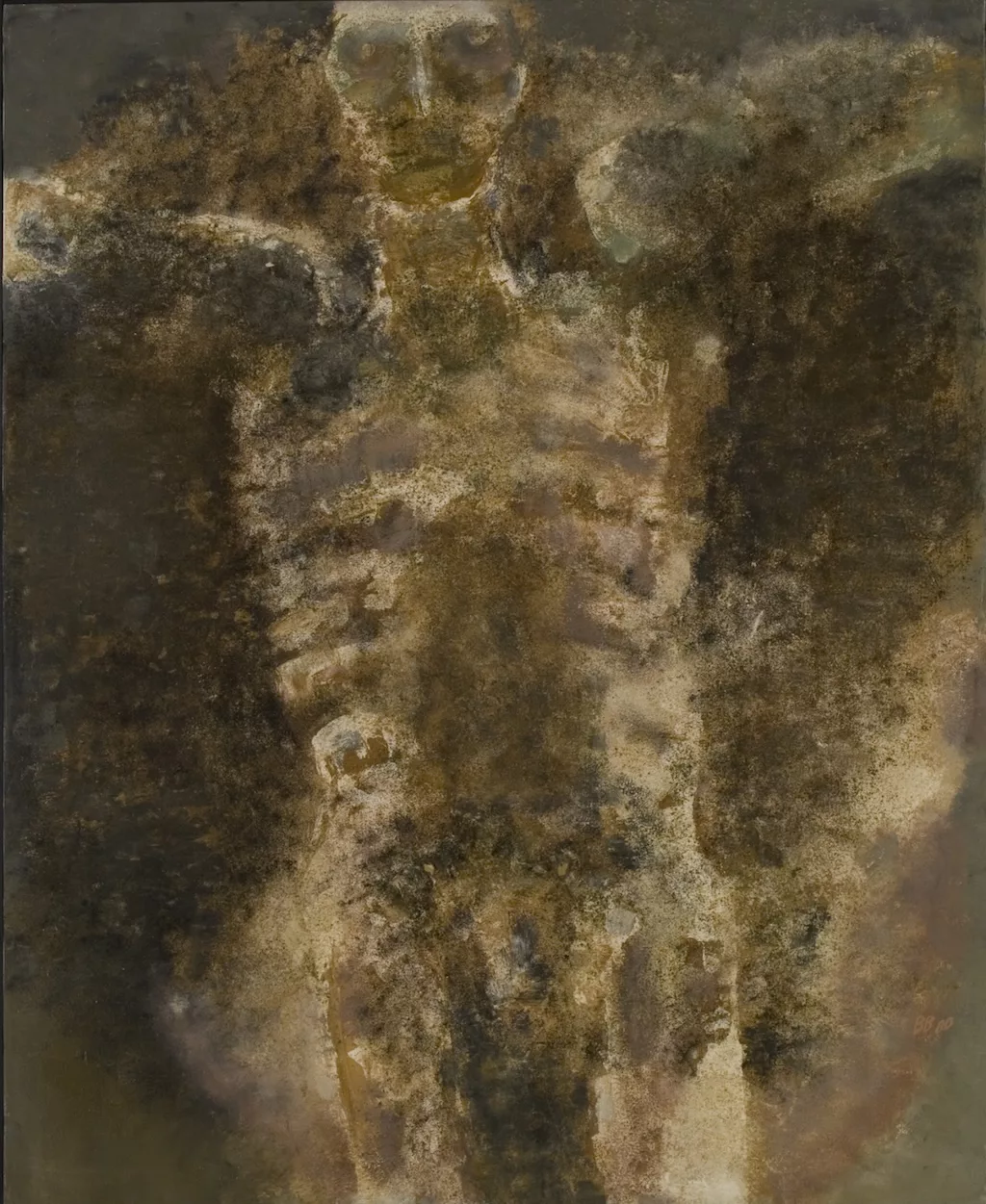
At the age of forty she married the famous Bulgarian footballer Panayot (Gatso) Panayotov, who was probably the inspiration for two of her most impressive series, especially in the local context – Мъже [Men] and Мъже II [Men II], developed in the 1970s and 1980s and presenting the male body as a pulsating, hyperbolised sensitive matter (as if degraded by aggressive chemicals) or as a skeleton, often reduced to a torso, which could also be read as a counterpoint to the patriarchal cliché of the man as paterfamilias or socialist realist norms (e.g. in the works Възвисяване [Elevation, 1979] and Монумент I [Monument I, 1978]).
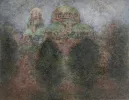
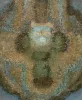
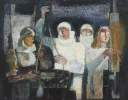
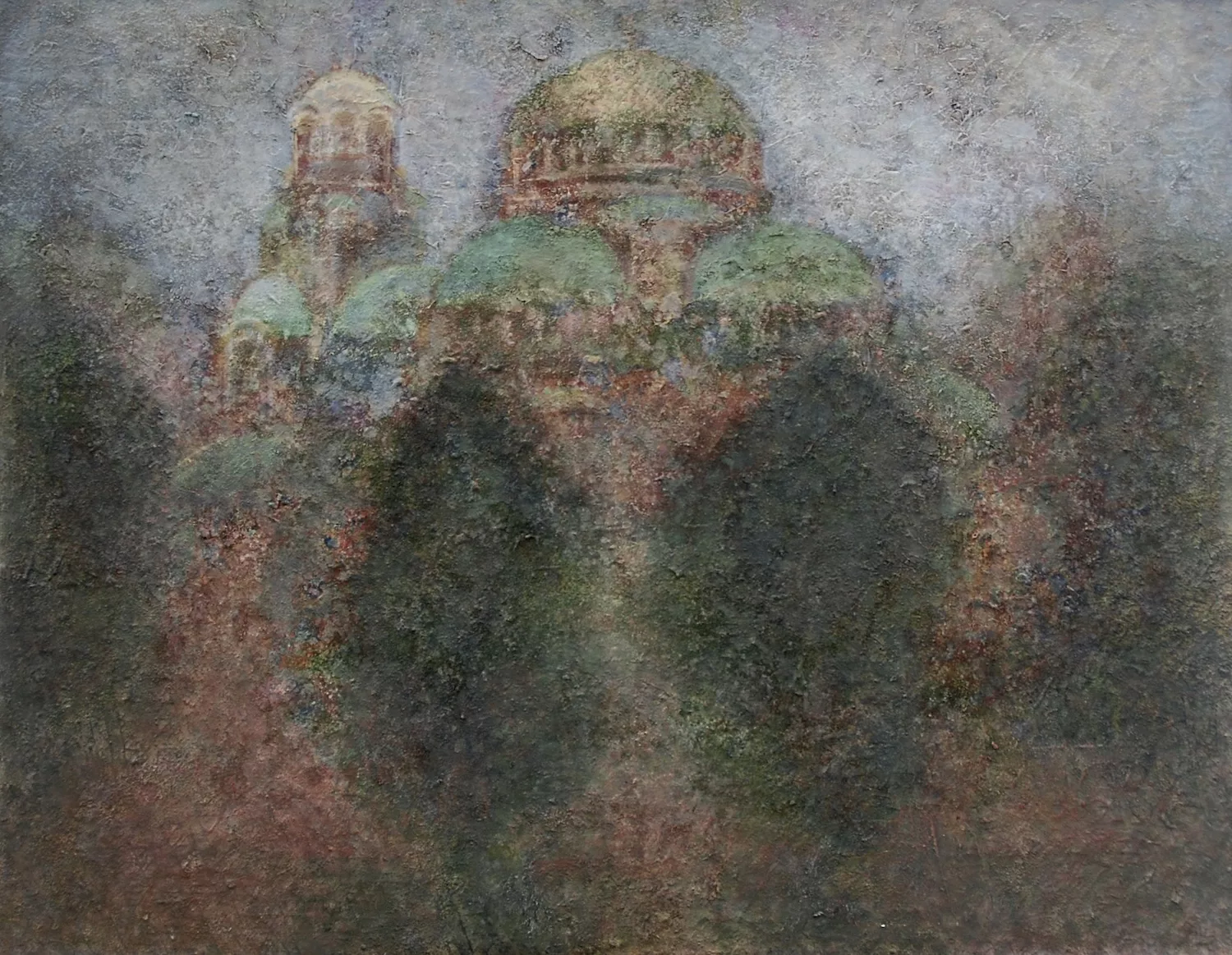
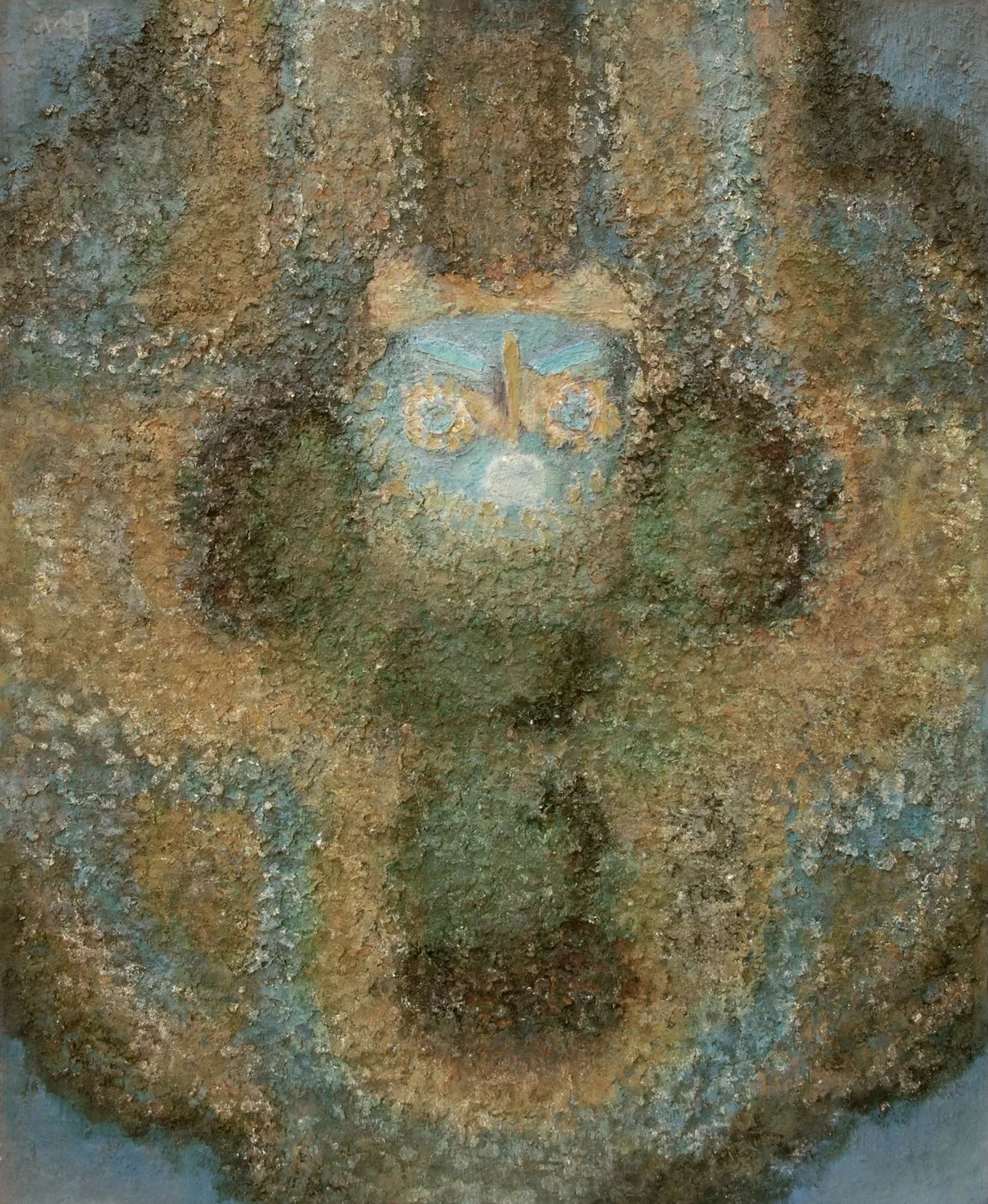
V. Vassileva develops an original poetics that borders on the abstract image in her works, also incorporating materials such as sand into the texture of the paint. Thematically her oeuvre could be grouped into series, amongst which Кукери [Kukeri] and Кукерски маски [Kuker’s Masks], Жени [Women], the aforementioned and Men II, and the pinkish Дървета [Trees] stand out. What distinguishes V. Vassileva’s poetics is not only the abstractness that is uncharacteristic of the local context (although we can point to several exceptions to the norm) but also the approximation of her pictorial image to the organic – the earth, the soil, the dryness of sand, the chemical process of corrosion of matter – a characteristic that seems to contrast with the explorations of her brush, this complex and delicate imagery that reaches us.
V. Vassileva has participated in exhibitions of the Union of Bulgarian Artists in Paris, Berlin, Prague, Moscow, Cannes and Mexico city, and has had solo exhibitions in Vienna, Berlin, Cyprus, Bremen, Sofia and Plovdiv. Her works are part of the collections of the National Gallery in Sofia, the Sofia City Art Gallery and regional galleries in major cities across the country, as well as in private collections in Europe.