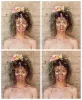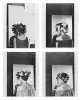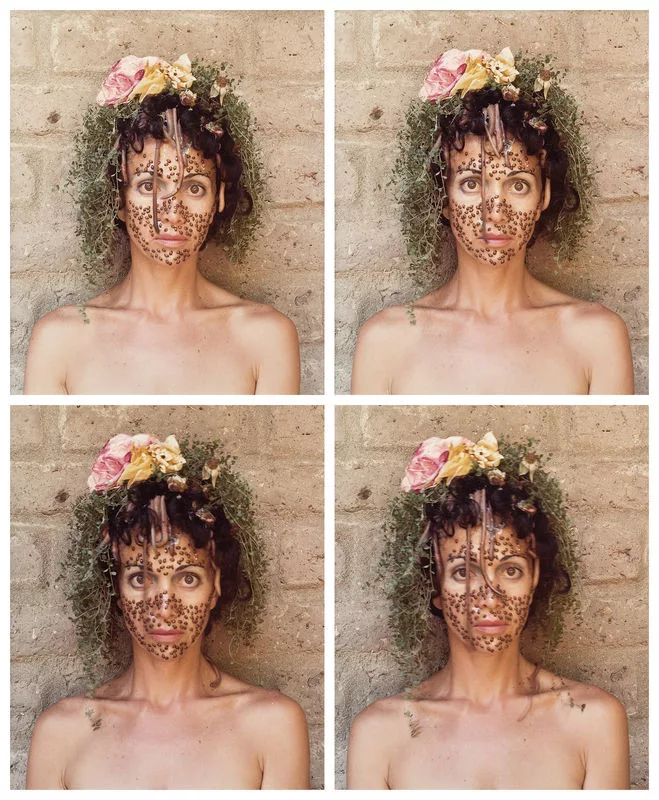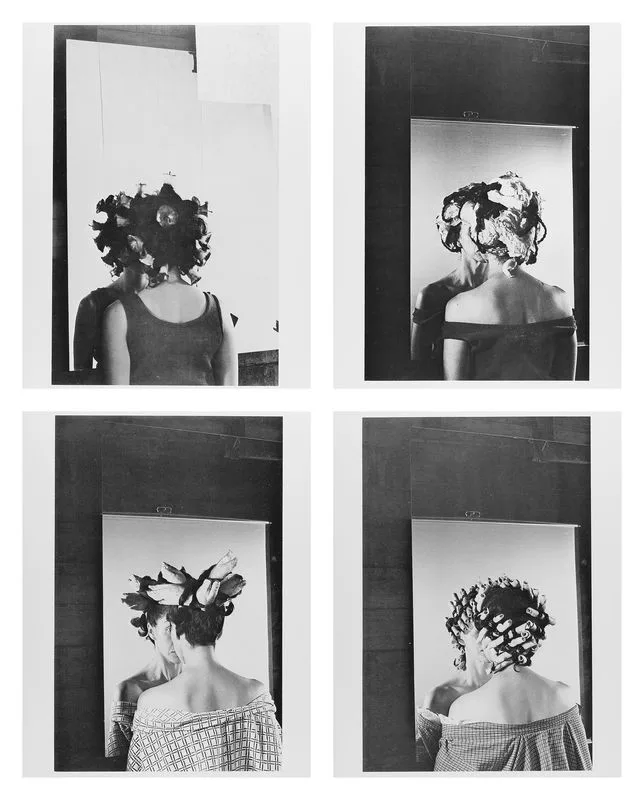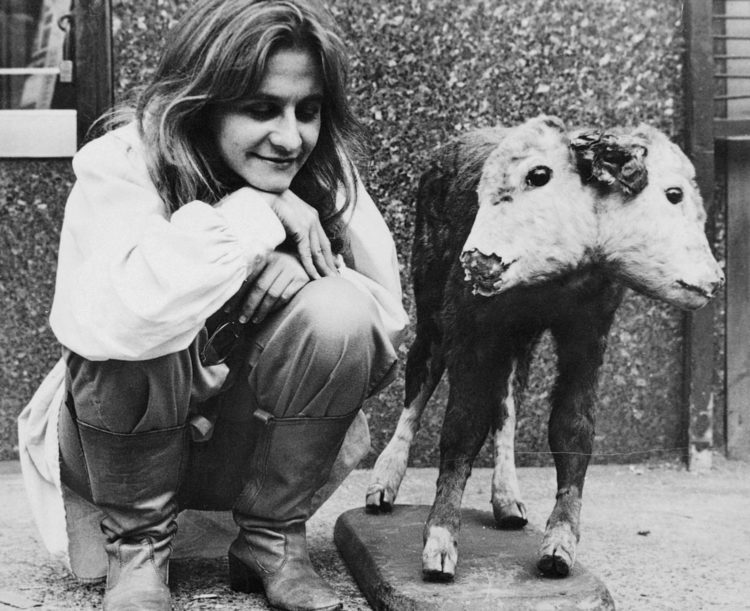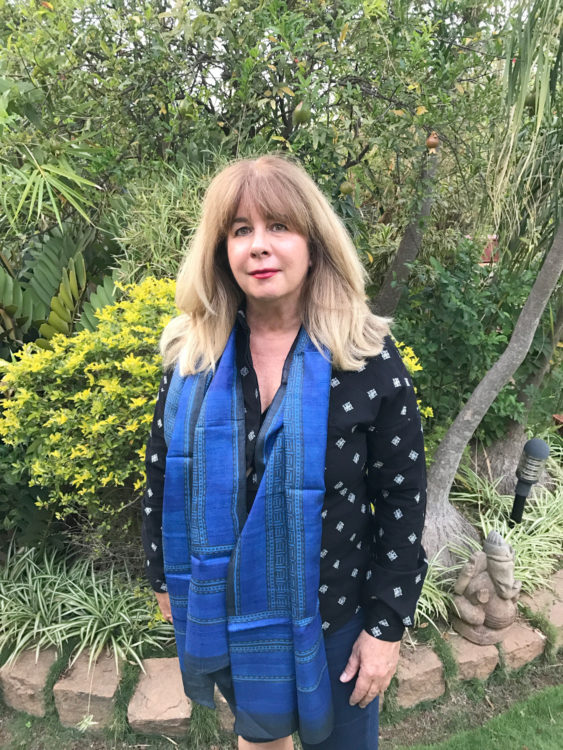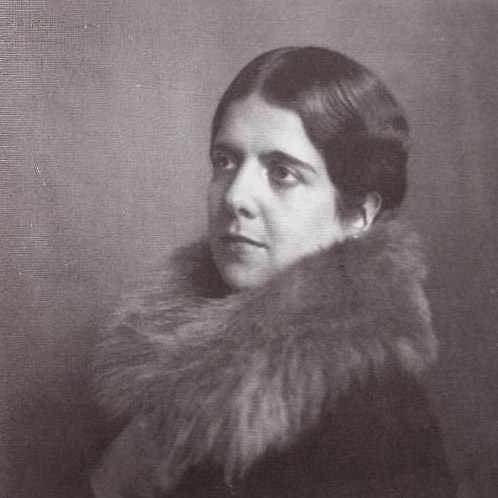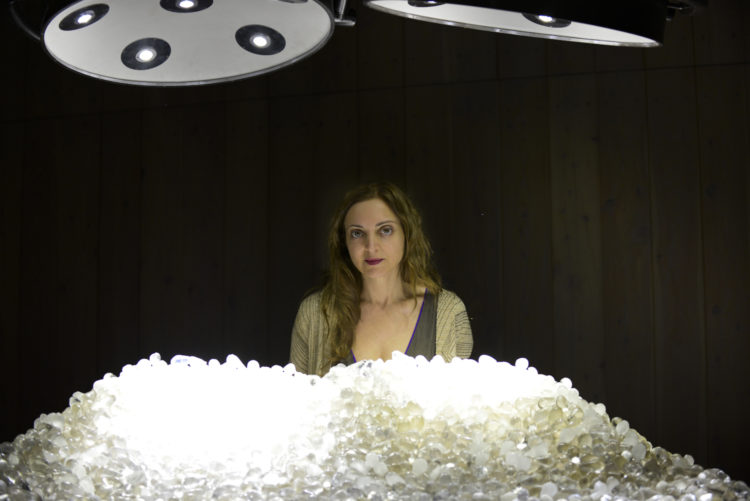
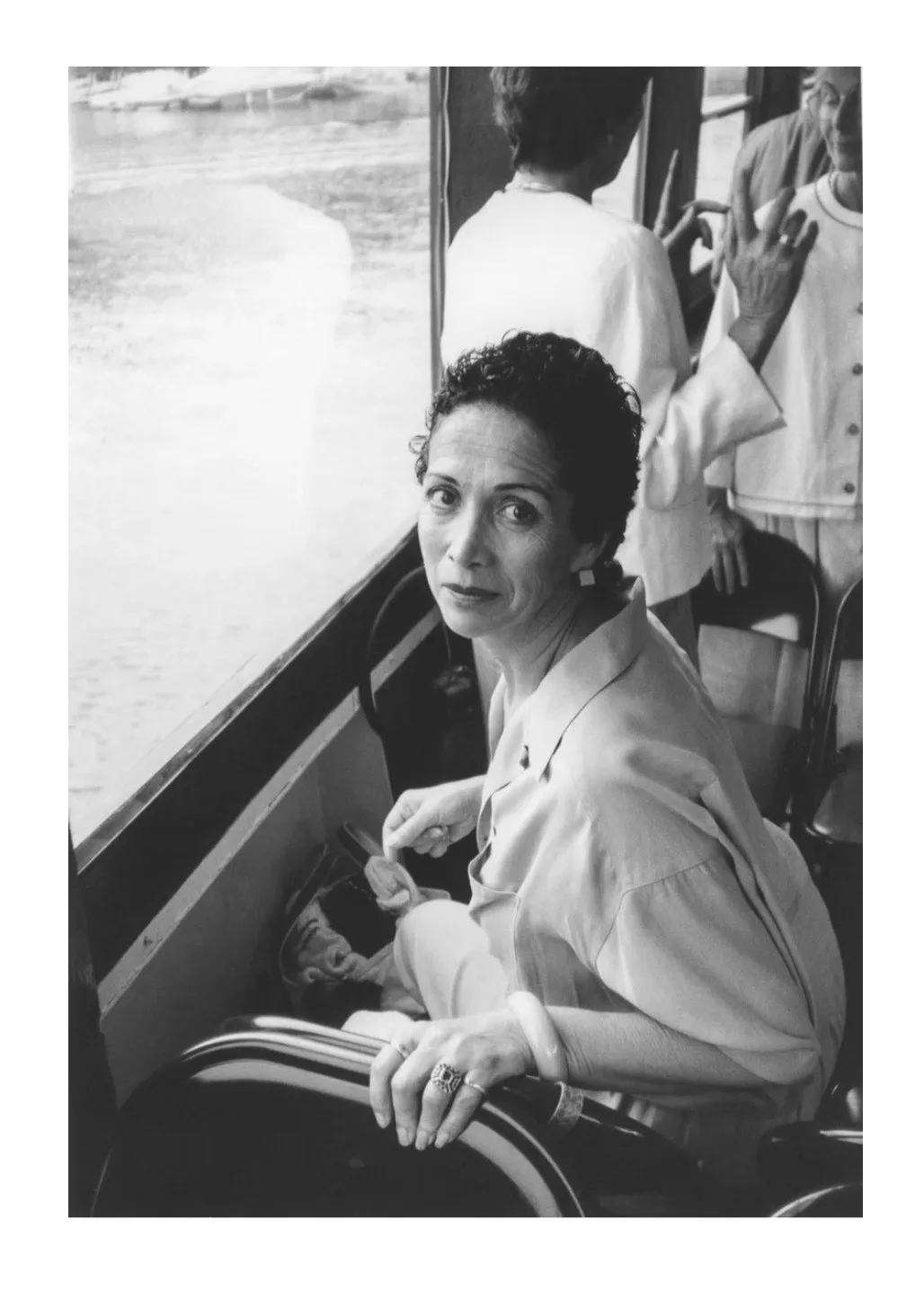
Portrait of Sylvia Salazar Simpson
Stellweg, Carla, “No son todas las que están ni están todas las que son,” in Fajardo-Hill, Cecilia and Butler, Connie (eds.), Radical Women: Latin American Art, 1960–85, exh. cat., Hammer Museum, Los Angeles (15 September–31 December, 2017), Los Angeles, Hammer Museum, 2017
→Martinez, Al, “Art Is Where You Throw It”, Los Angeles Times, 22 October, 1992, www.latimes.com/archives/la-xpm-1992-10-22-me-900-story.html
→Stellweg, Carla, “De cómo el arte Chicano es tan indocumentado como los indocumentados,” Artes Visuales, no. 29, June, 1981, p. 23–28
Xican-a.o.x. Body, The Cheech Marin Center for Chicano Art & Culture of the Riverside Art Museum, Riverside, 17 June, 2023–7 January, 2024; Pérez Art Museum, Miami, 13 June, 2024–30 March, 2025
→Radical Women: Latin American Art, 1960–1985, Hammer Museum, Los Angeles, 15 September–31 December, 2017; Brooklyn Museum, New York, 13 April–22 July, 2018; Pinacoteca de São Paulo, São Paulo, 18 August–19 November, 2018
→LA Women/Narrations, Mandeville Art Gallery, University of California, San Diego, 6–29 October, 1978
Mexican-American multidisciplinary artist.
Engaging with organic materials that are rooted in their own destruction, the work of Chicana photographer, installation, performance and book artist Sylvia Salazar Simpson locates the artistic and conceptual potencies of deterioration to blur the distinctions between art and life.
S. Salazar Simpson was born in Santa Fe, New Mexico, but she spent most of her early life in Mexico City and has retained a close connection with the country throughout her career. She returned to the United States in the mid-1960s and studied art at the Otis Art Institute (1966–1968) and the California Institute of the Arts (1968–1971). Here she became a part of the explosion of avant-garde and experimental artistic practices that intersected with the growing Chicano Movement throughout the 1970s. During this period she located food and the body as an interconnected visual language through which she could communicate with her audiences.
Her series Sylvia Salazar Simpson (1970s) features eighteen images of the artist staring closely into a mirror with food woven into elaborate headpieces in her hair. Here she draws together two traditional expectations for women – to cook and make themselves up, only to distort them with the grotesquely engaging images of pig’s feet, octopus and bananas entwined in her hair. The viewer never catches a glimpse of S. Salazar Simpson’s reflection, a frustrating denial of both voyeuristic pleasure and traditional feminine beauty that powerfully asserts her autonomy. The play between sensuality and repulsion was also evident in the artist’s live performances, as in one notable untitled piece at the opening of the exhibition LA Women Narrations, held at the San Diego Mandeville Art Gallery in 1978. Here, Salazar Simpson covered a man and woman in foodstuff, including peanut butter, pomegranates and dead fish, and posed them in a style reminiscent of the Etruscan Cerveteri sarcophagus as a humorous allusion to marriage and death.
In addition to her understanding of its conceptually impermanent and evocative qualities, S. Salazar Simpson’s interest in food as an artistic material is related to her role as a housewife and mother. Using these organic materials, which had a life of their own outside of and beyond the artist’s control, enabled her to blur the distinction between the art world and everyday life. These works are ultimately sensory, evident in installations such as Tortilla Curtain (1991), which consisted of long strands of sparkling decorative tinsel tangled with chicken feet, flowers and eggs, left to spoil over time. Her decomposing arrangements invade the viewer’s senses, erasing arbitrary divisions between object and place, art and self, and calling up the potential erasure of other conceptual divisions.
S. Salazar Simpson’s work is held in numerous private collections and archives, including the Arts, Design & Architecture Museum at UCSB, the Franklin Furnace Archive, the Otis Art Institute and UCLA Arts Library. In 2021 she published the book I Adopted a Friend.
A notice produced as part of the TEAM international academic network: Teaching, E-learning, Agency and Mentoring
© Archives of Women Artists, Research and Exhibitions, 2026