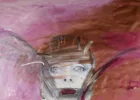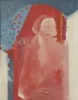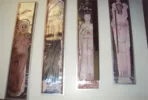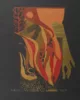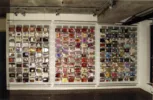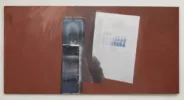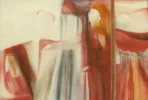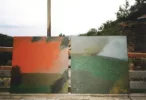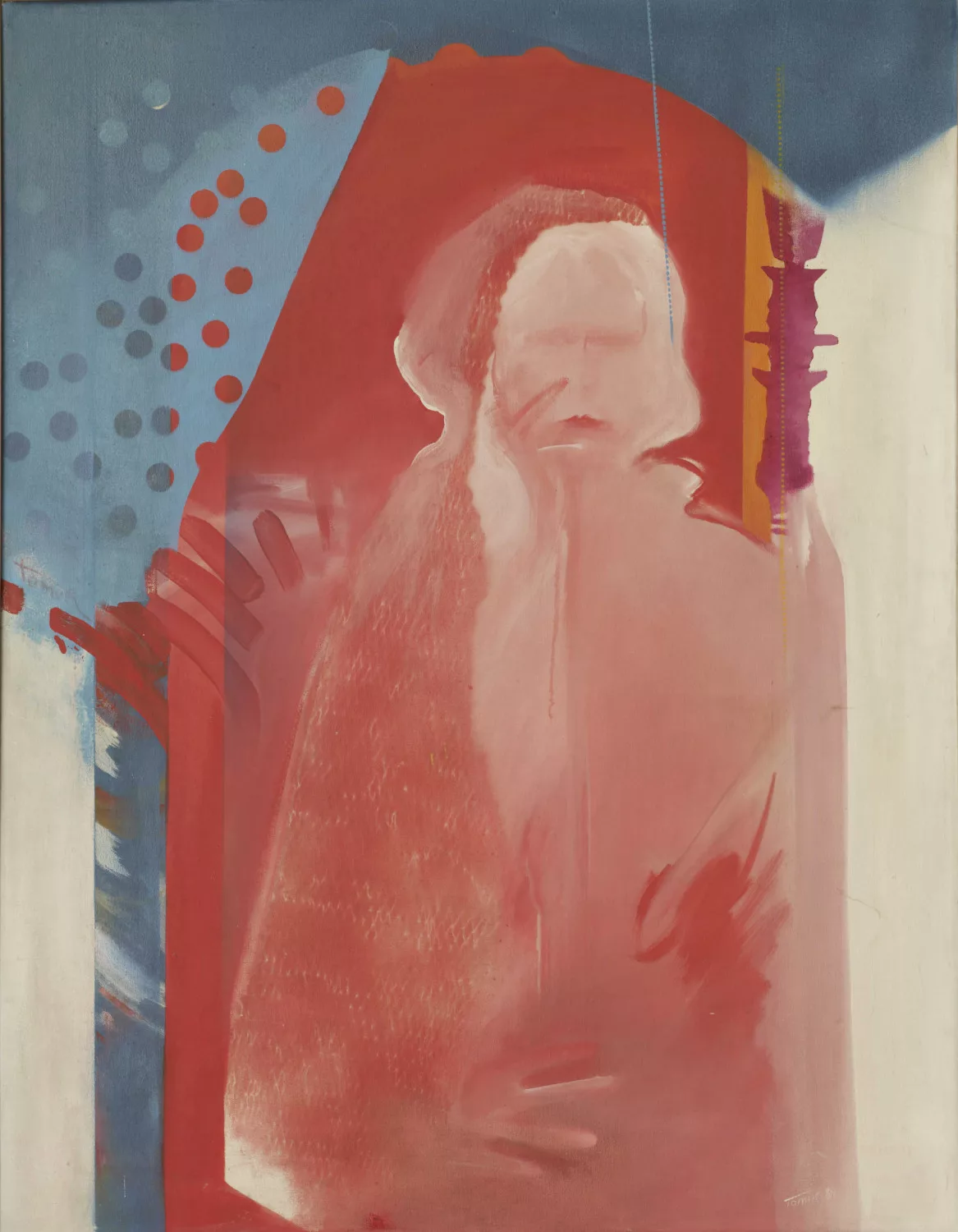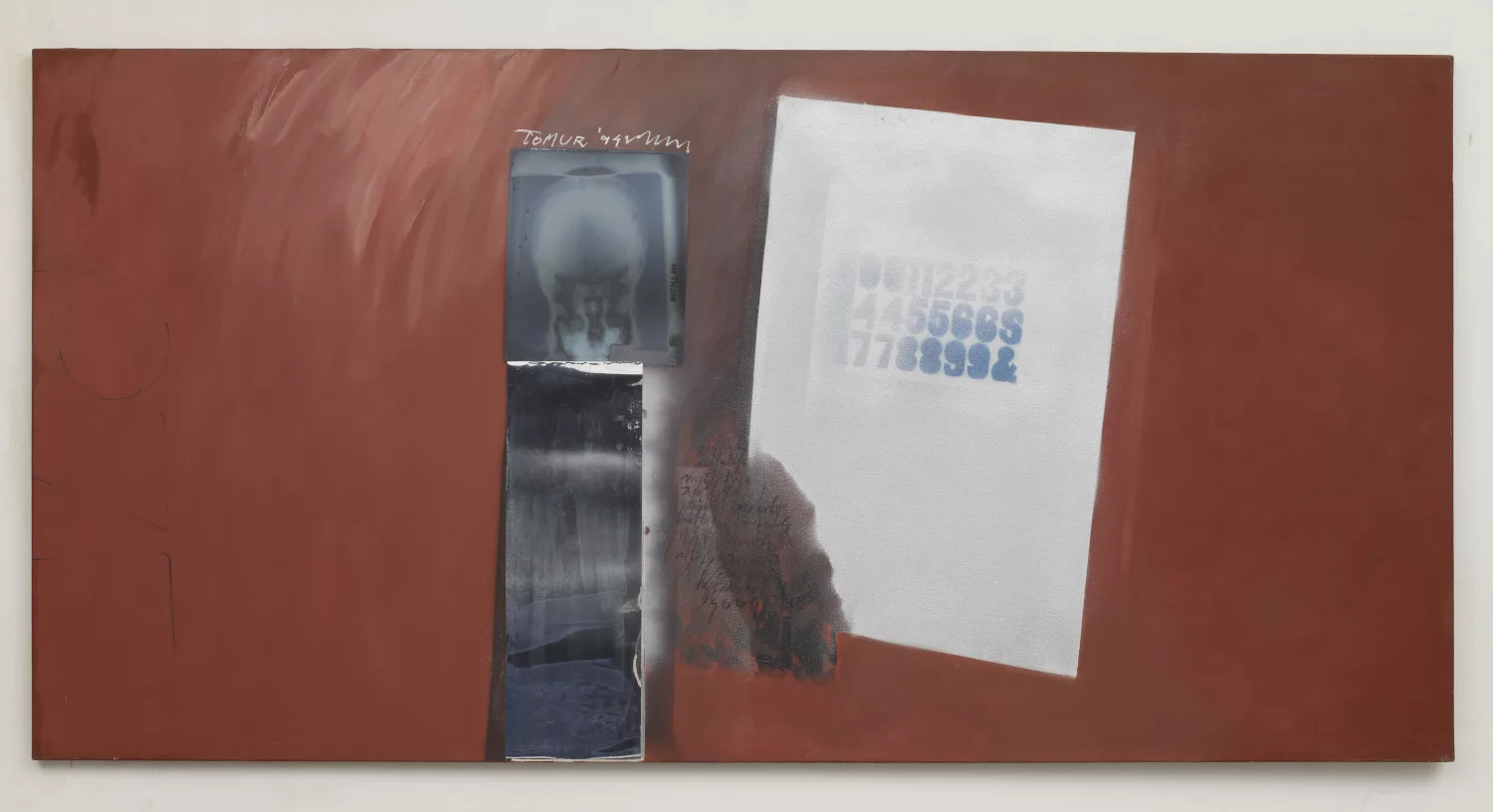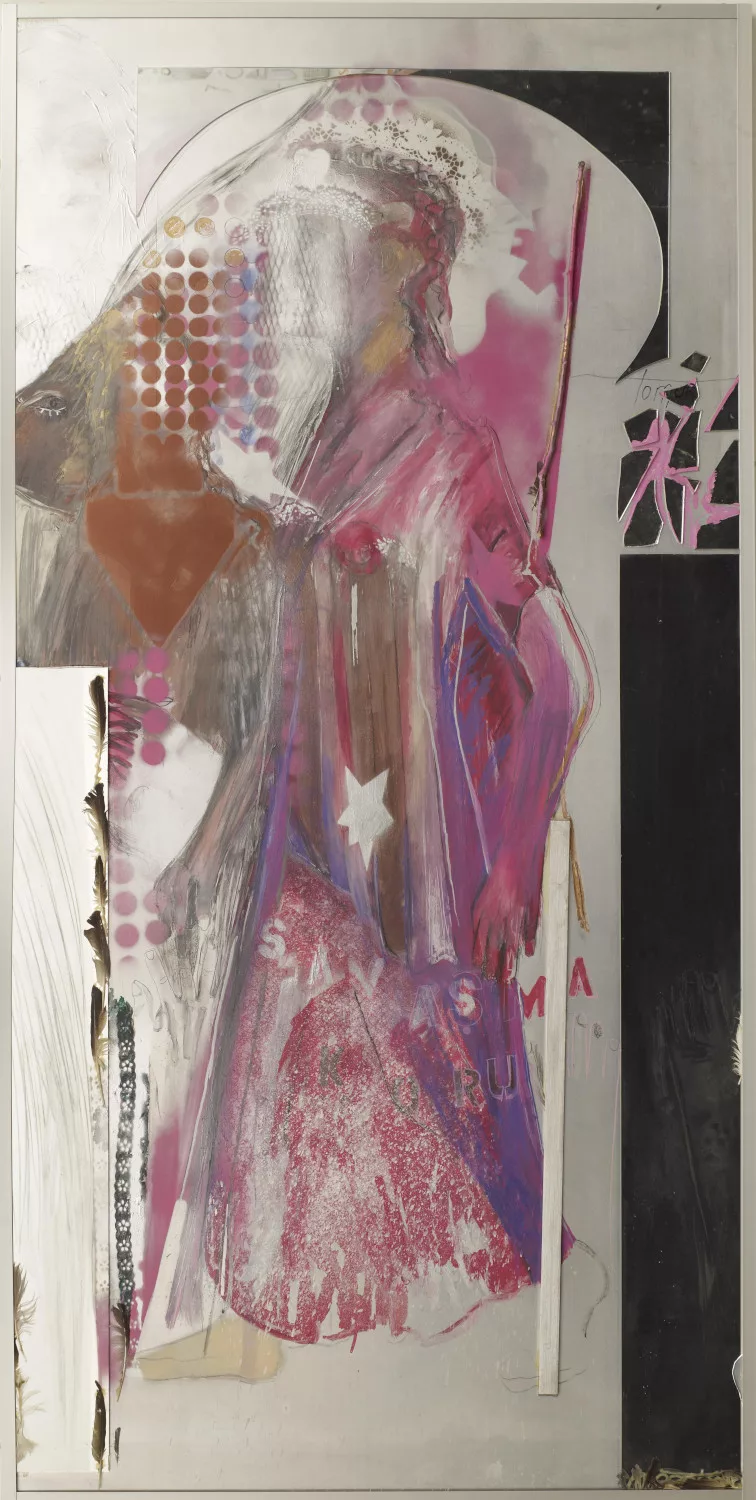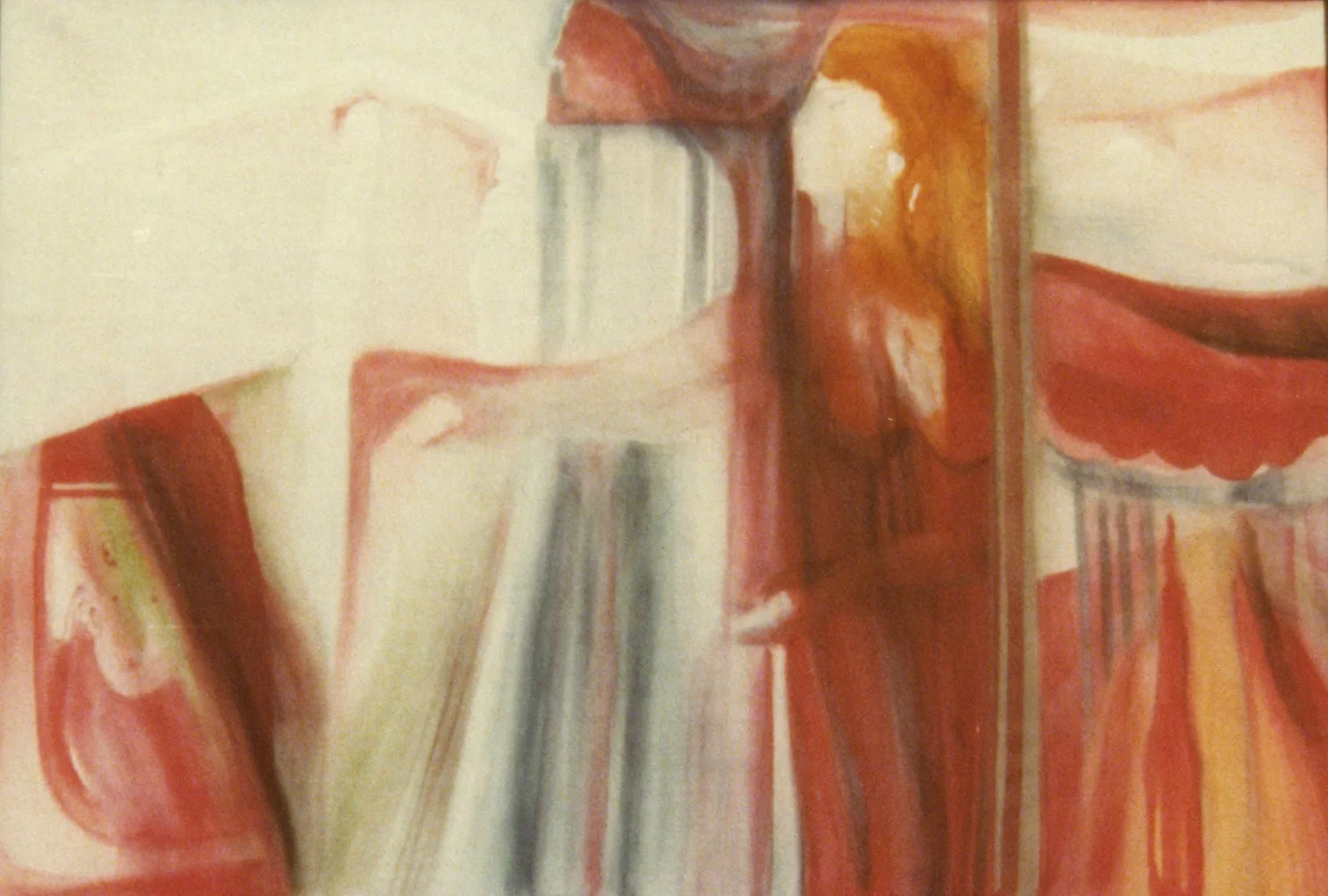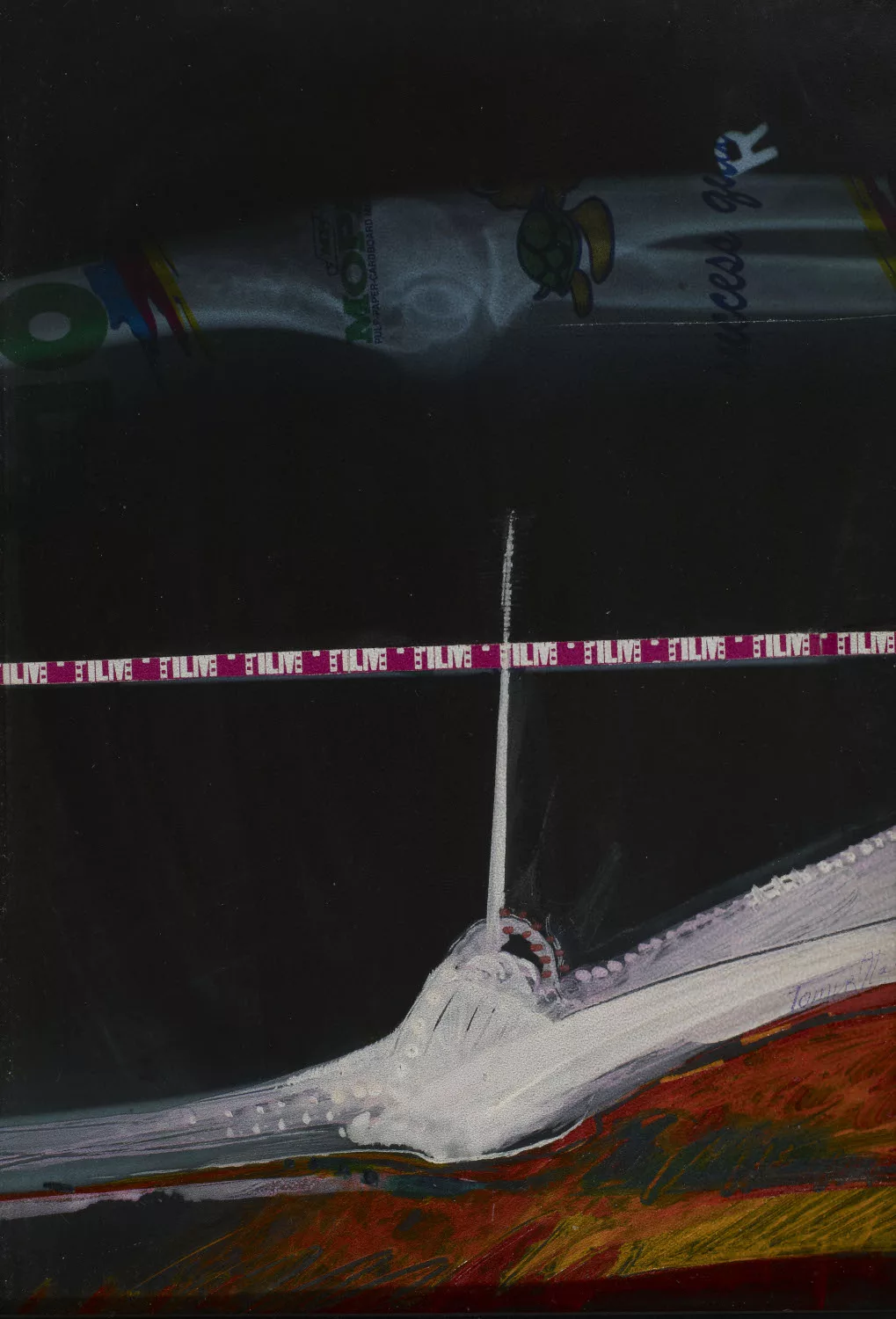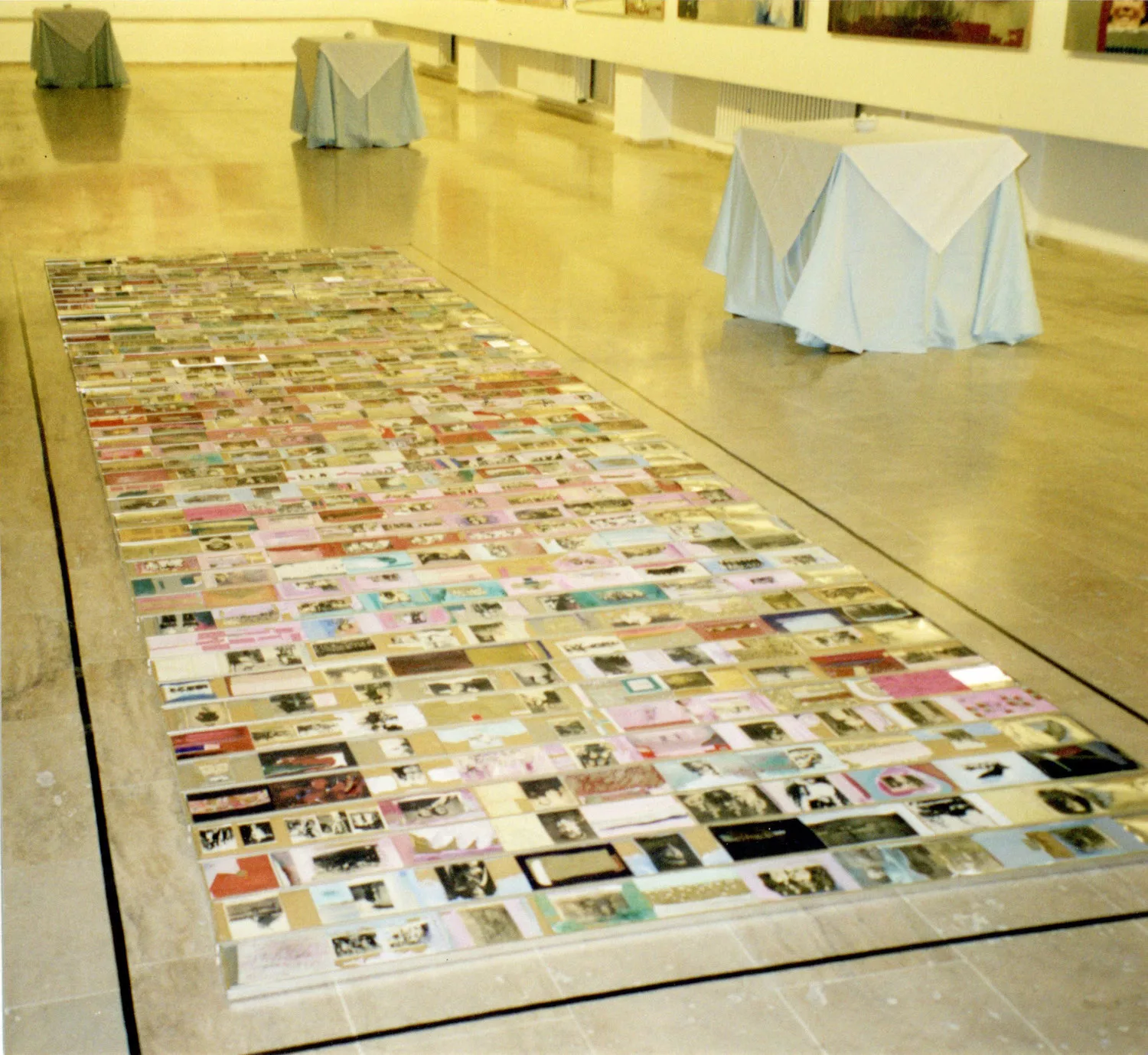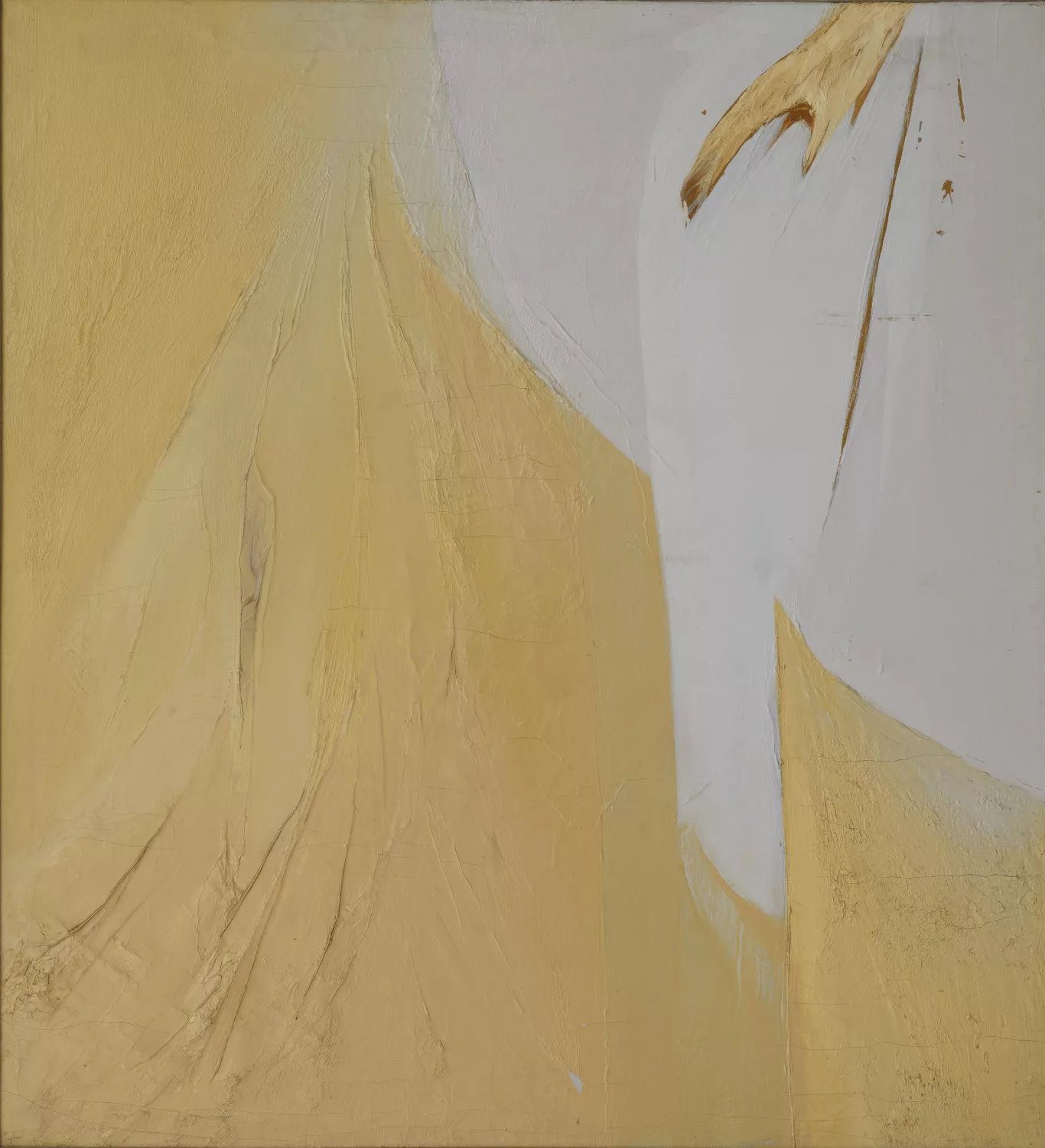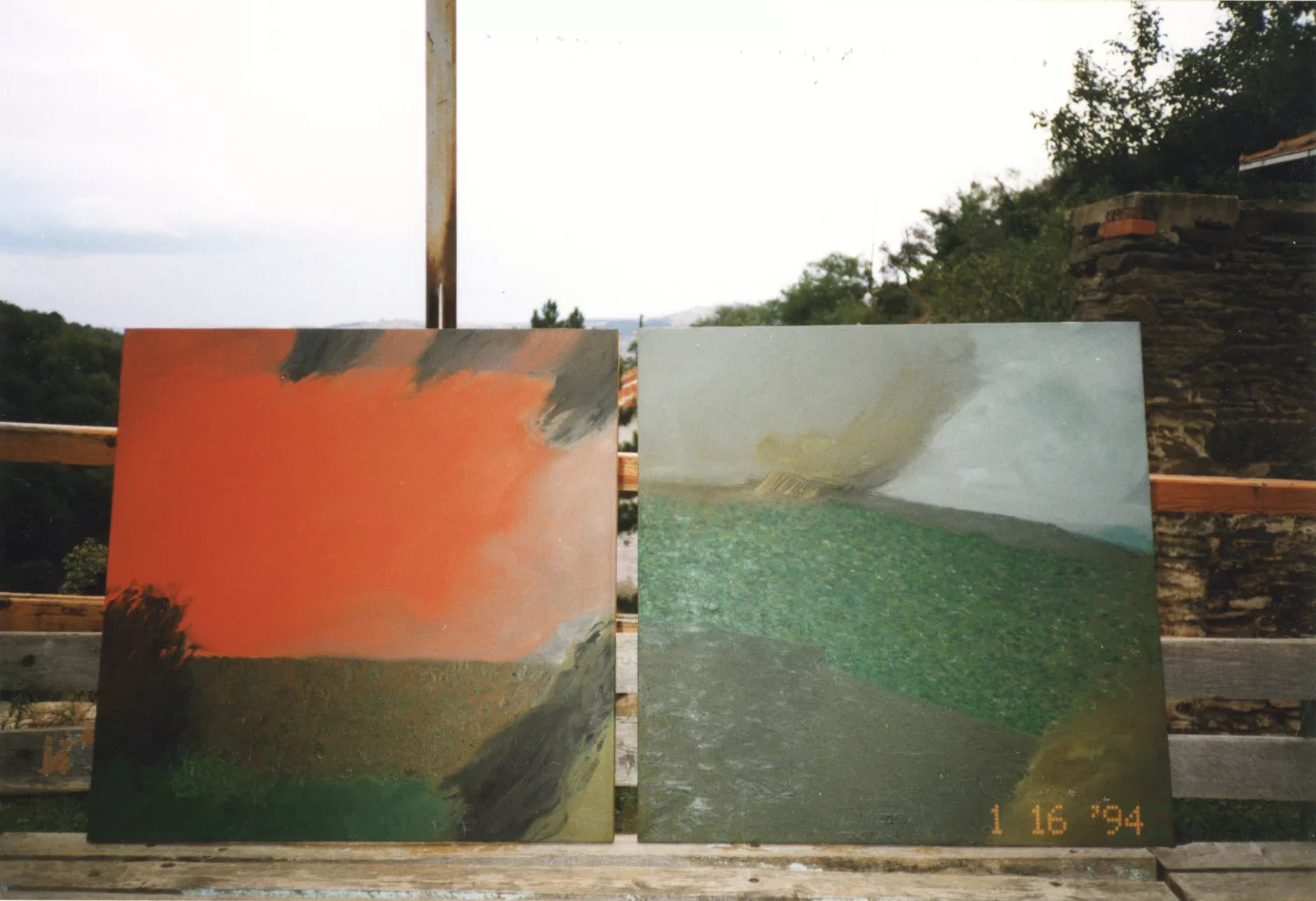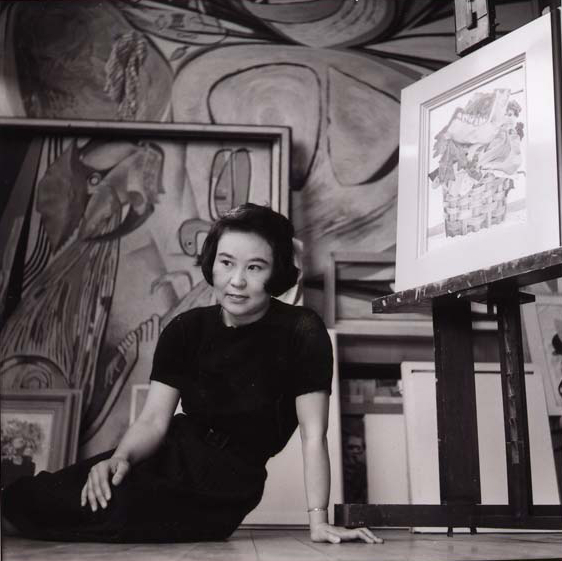
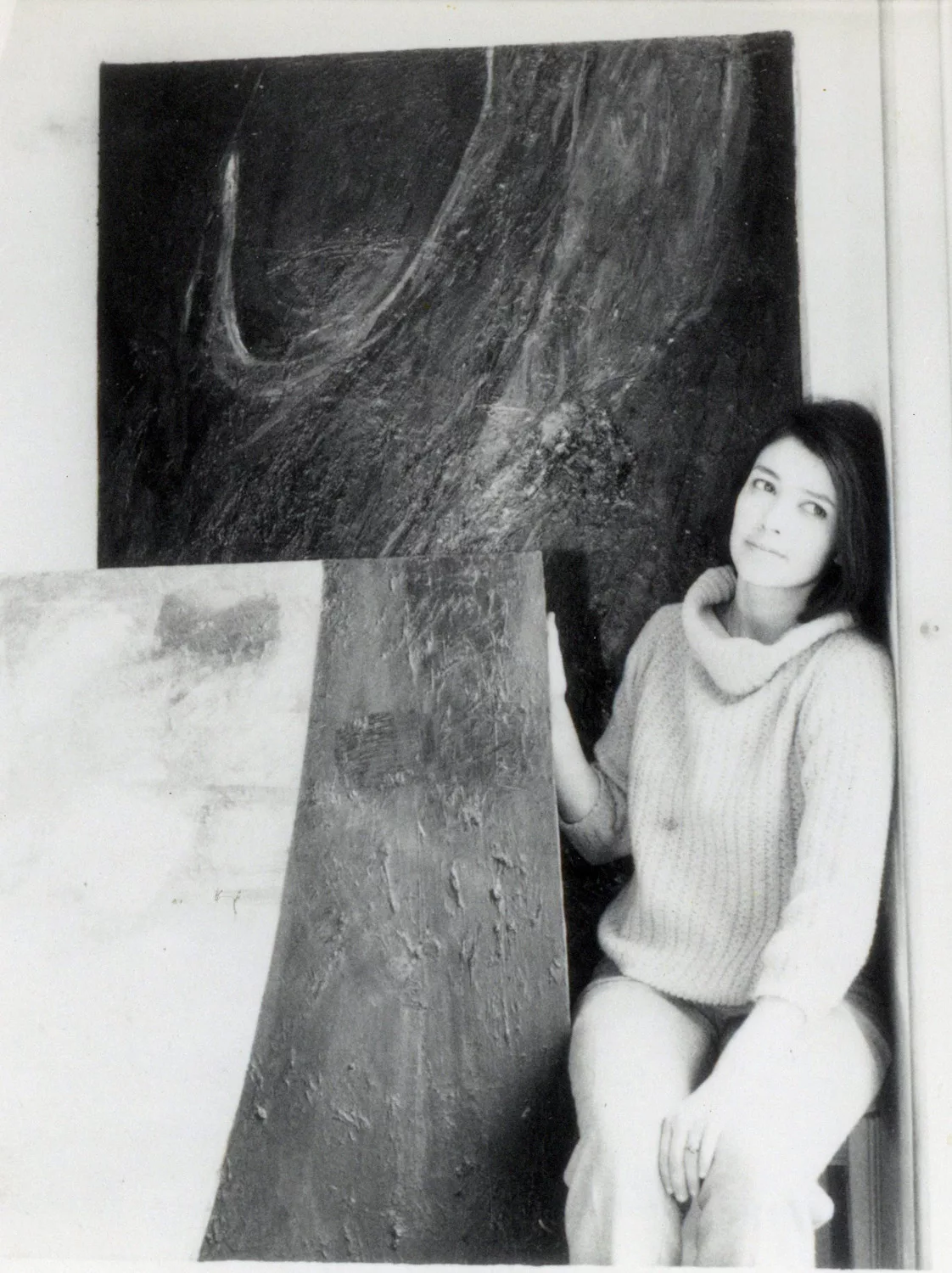
Atagök with her works Yeşil Ben [Green Ego, 1961] on the left and Karşılaşmayan [Never Meeting, 1963] on the back © Salt Research, Tomur Atagök Archive
Özpınar, Ceren, “Tomur Atagök’s Notes on Hale Asaf: Women’s Collaborations and Feminist Solidarity,” in Art, Feminism, and Community: Feminist Art Histories from Turkey, 1973-1998, Oxford, Oxford University Press, 2024, p. 149–183
→Pelvanoğlu, Burcu, “Final Words on Tomur Atagök,” in Tomur Atagök Retrospective Exhibition, exh. cat., Mustafa Kemal Cultural Centre (Besiktas Municipality), Istanbul (7 May–15 June, 2015), Istanbul, Besiktas Municipality, 2015, p. 238–240
→Atagök, Tomur, “In conversation with Gulsun Karamustafa, Inci Eviner and Nur Kocak: Turkish Women Artists and Feminism’’, N. Paradoxa, n° 10, 2002, p. 15–25
Tomur Atagök Retrospective Exhibition, Mustafa Kemal Cultural Centre (Besiktas Municipality), Istanbul, 7 May–15 June, 2015
→Tomur Atagök, Füsun Onur, Diary of Space, Map of Time, National Gallery, Skopje, Macedonia, 15–30 October, 1994
→Oil Paintings and Prints, Taksim Art Gallery, Istanbul, 11–25 May, 1974
Turkish painter, educator and academic.
Tomur Atagök was a prolific artist who explored gender inequality and social issues starting in the early 1970s, drawing inspiration from the 1960s American women’s liberation movement and feminist debates. She earned a fine art degree from California College of Arts and Crafts (1964), graduating with an MA from the University of California, Berkeley, in 1965. After returning to Turkey in 1973, she pursued her artistic career while also working in the museum sector. She received her PhD from Mimar Sinan Fine Arts University in 1984. In 1989 she established Turkey’s first MA programme in Museum Studies at Yıldız Technical University. In 1993 she became a Professor in Museum Studies at the same university.
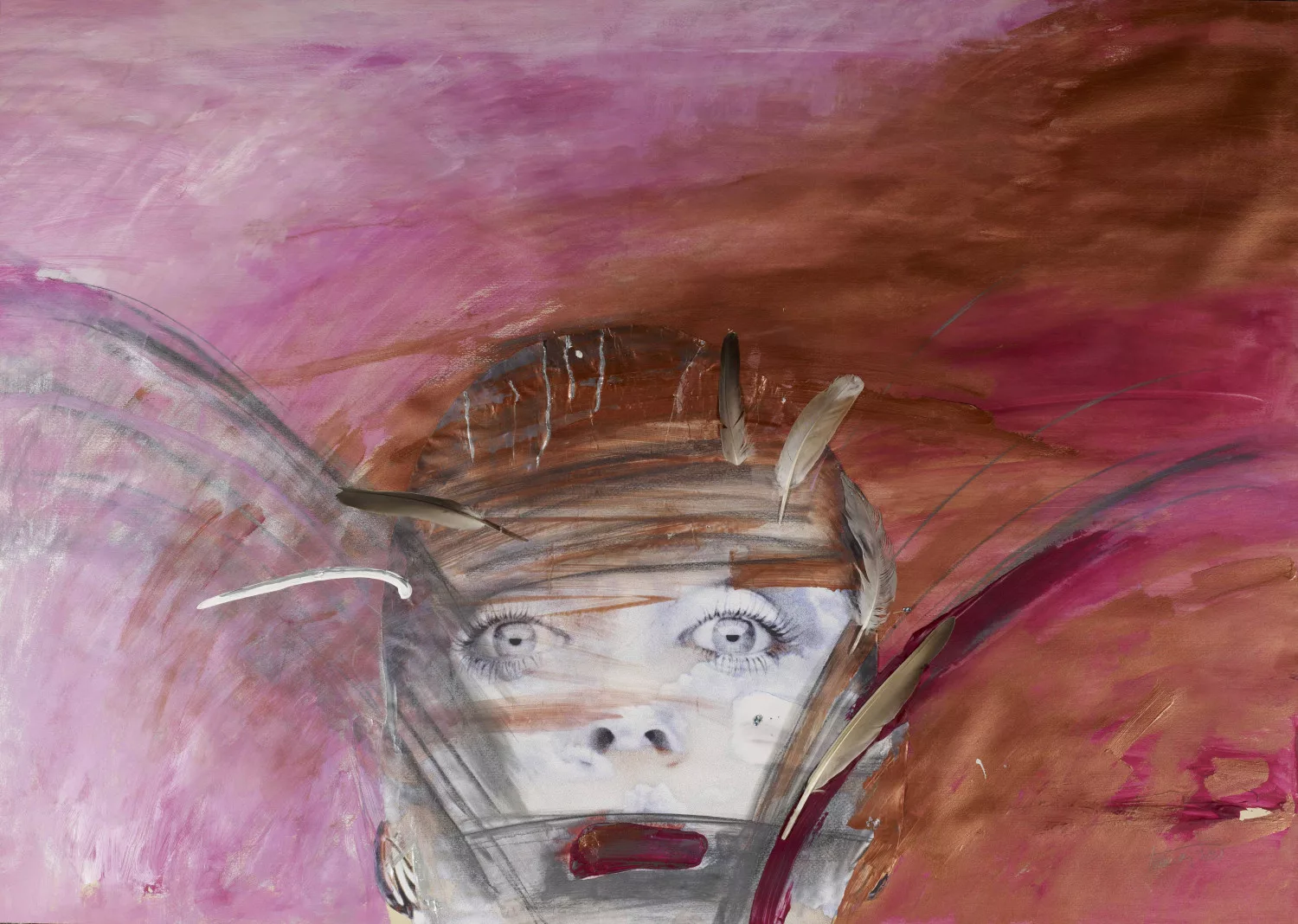
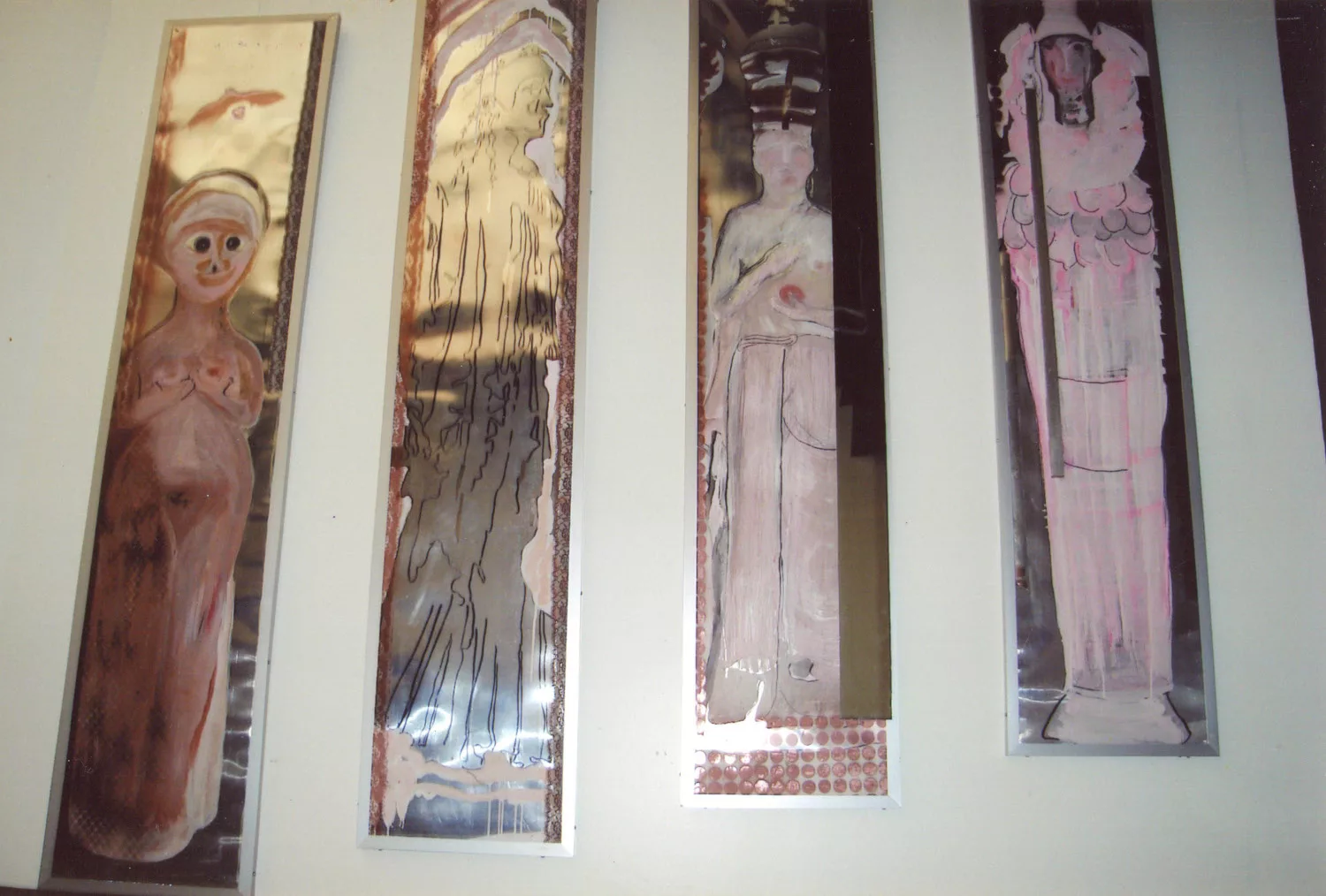
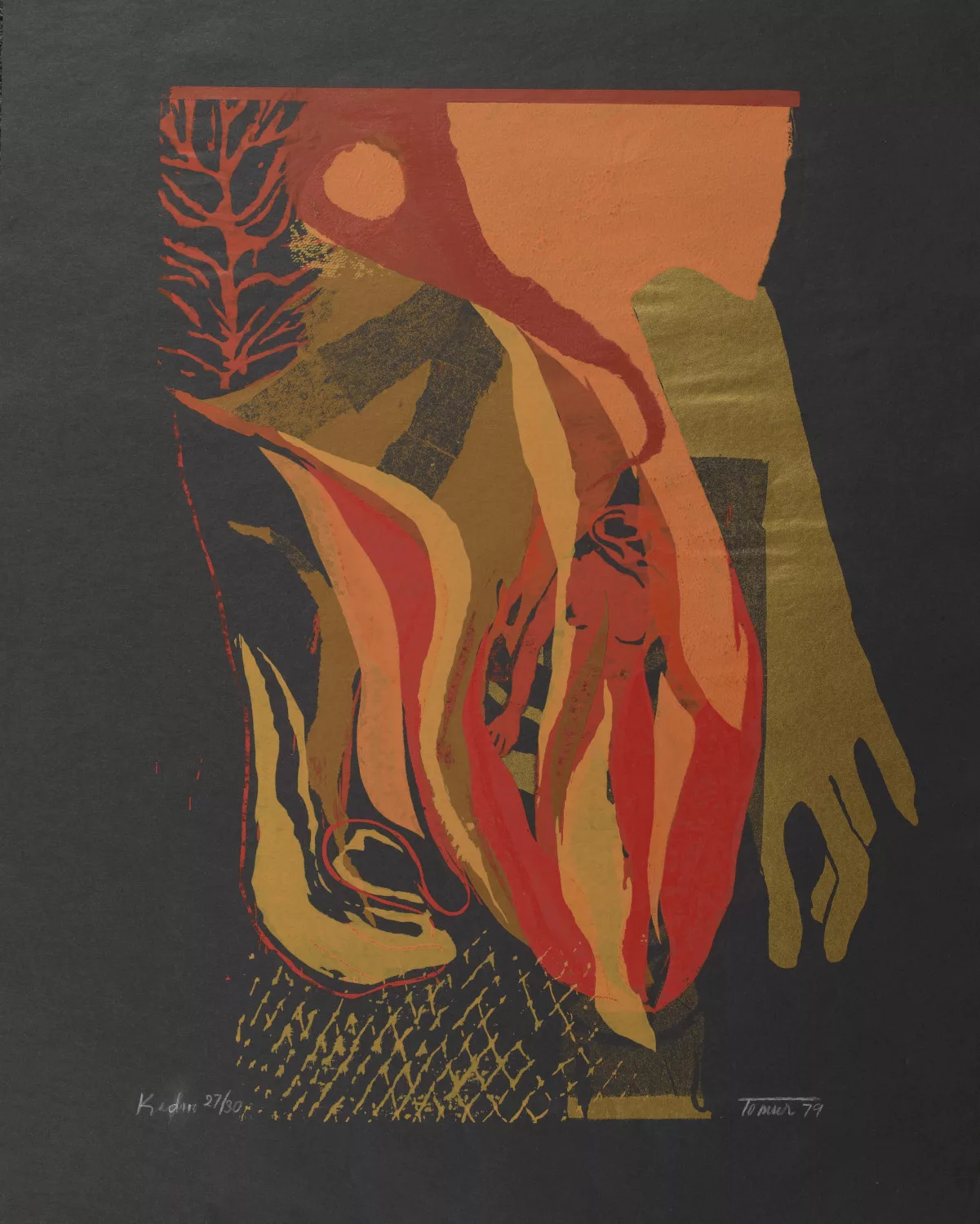
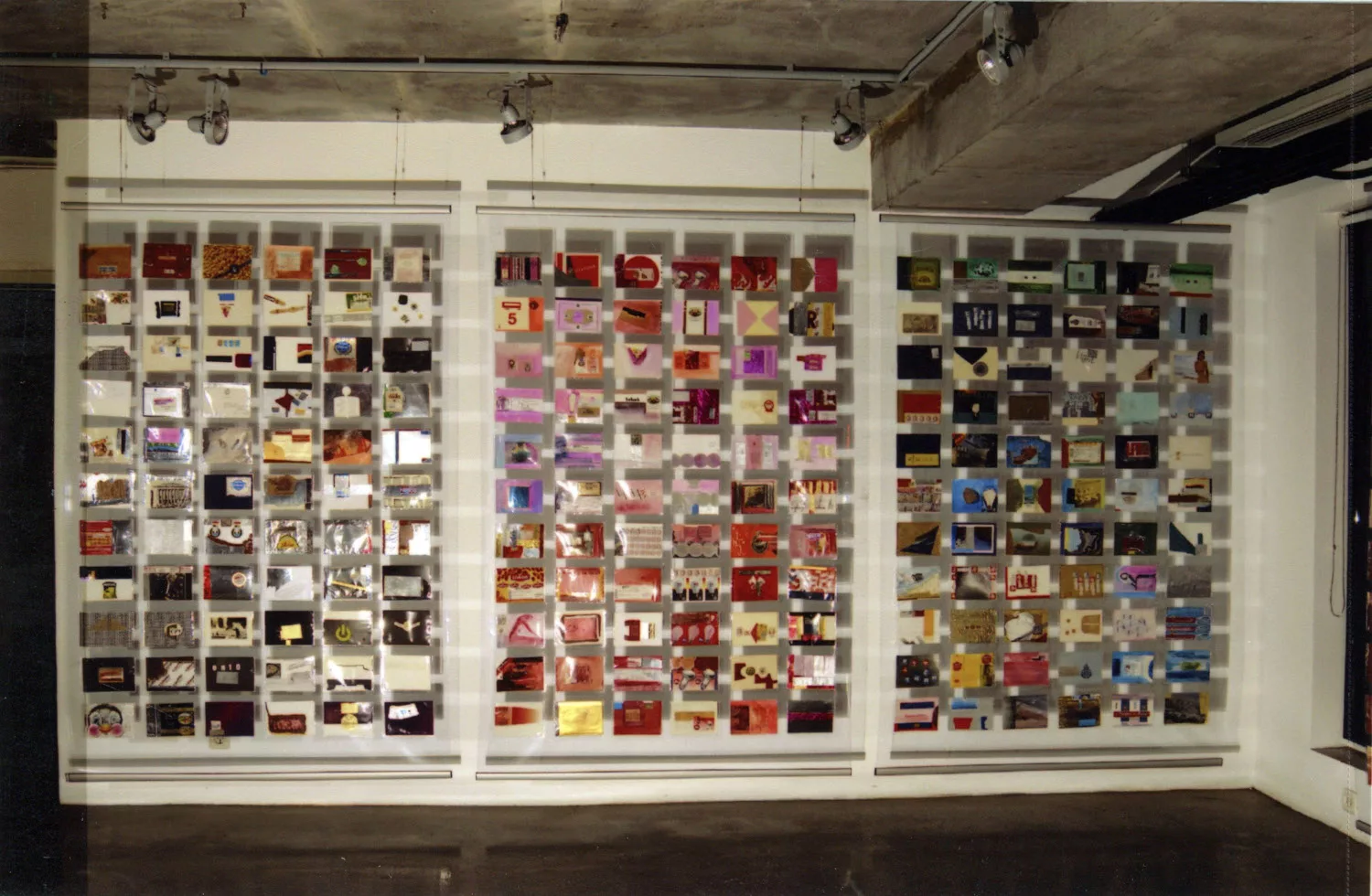
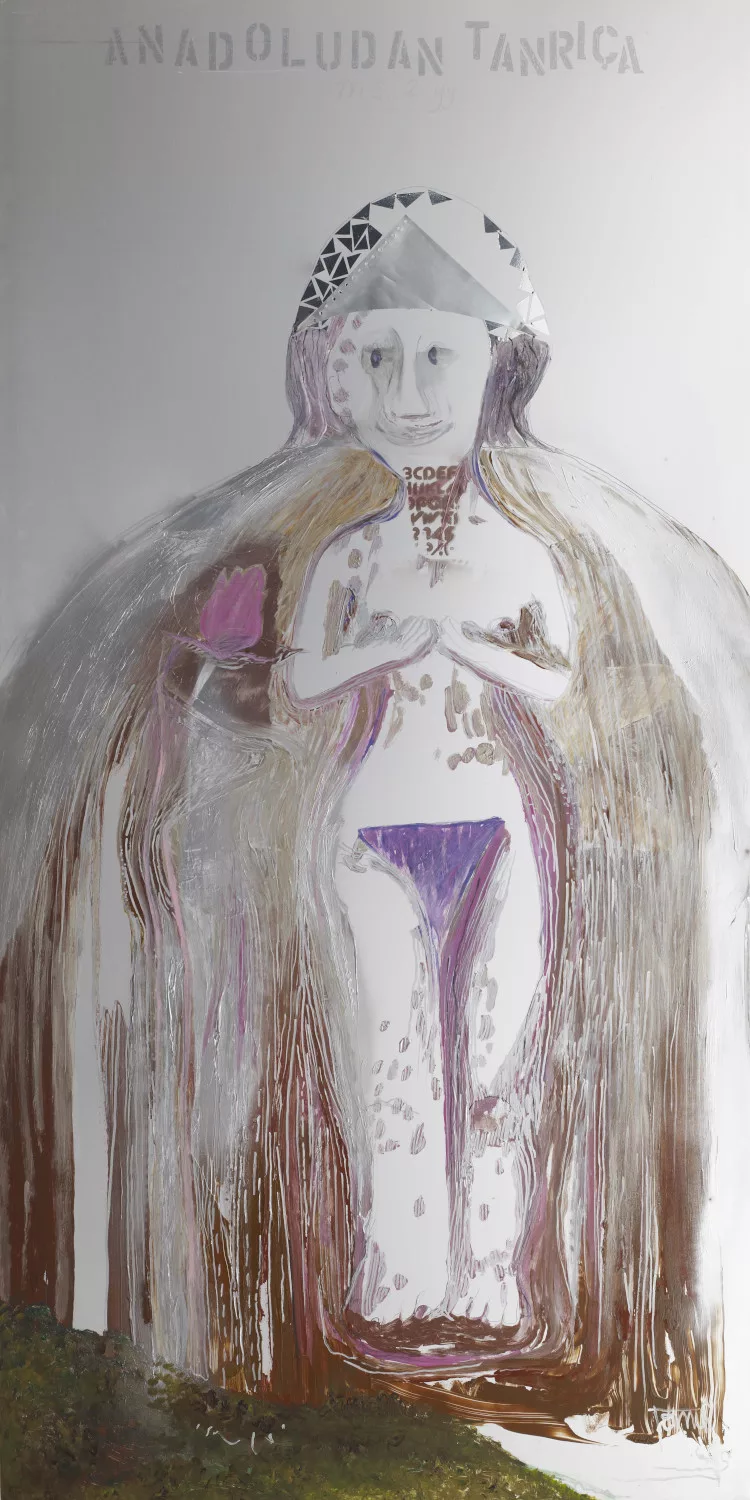
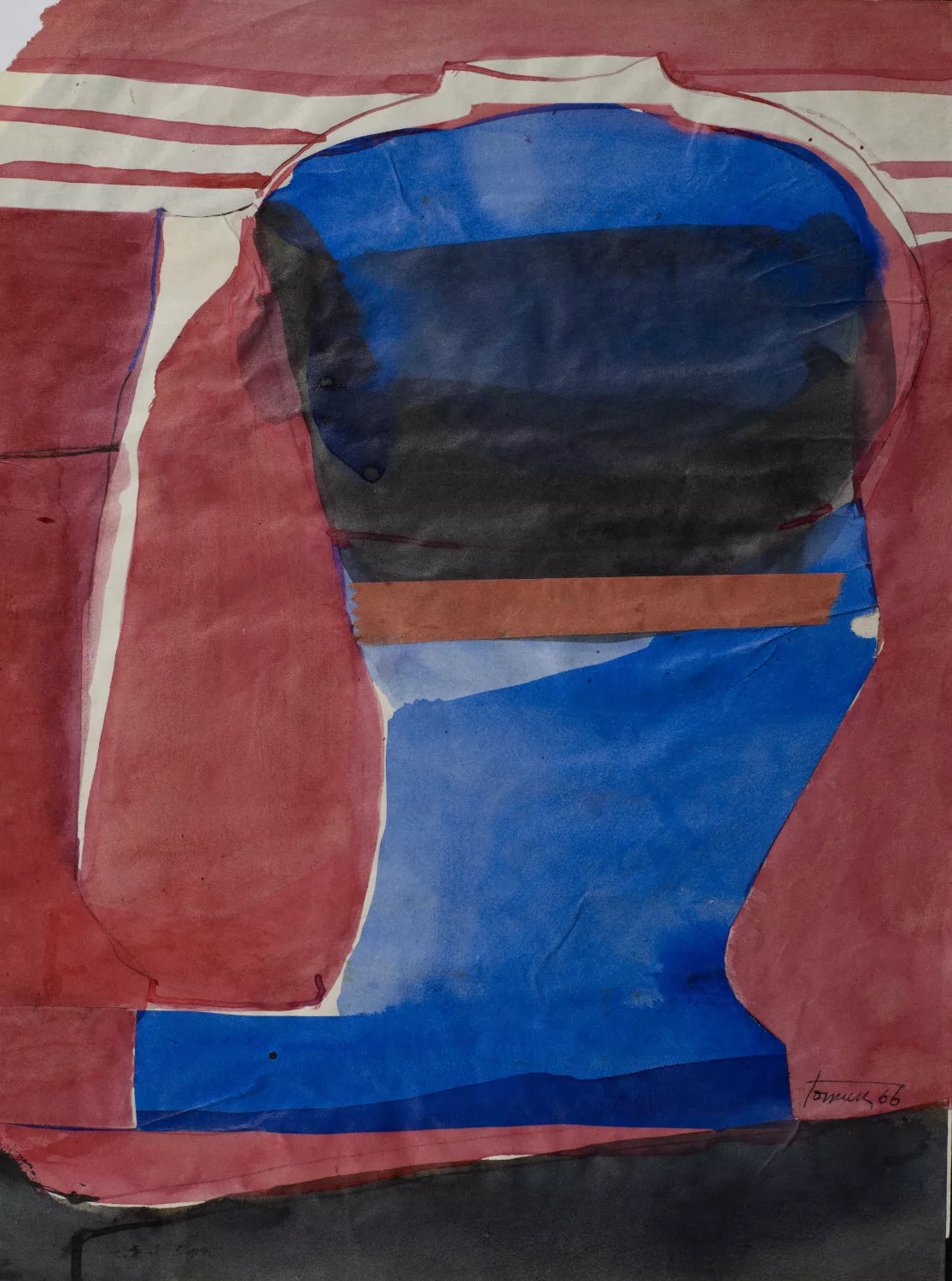
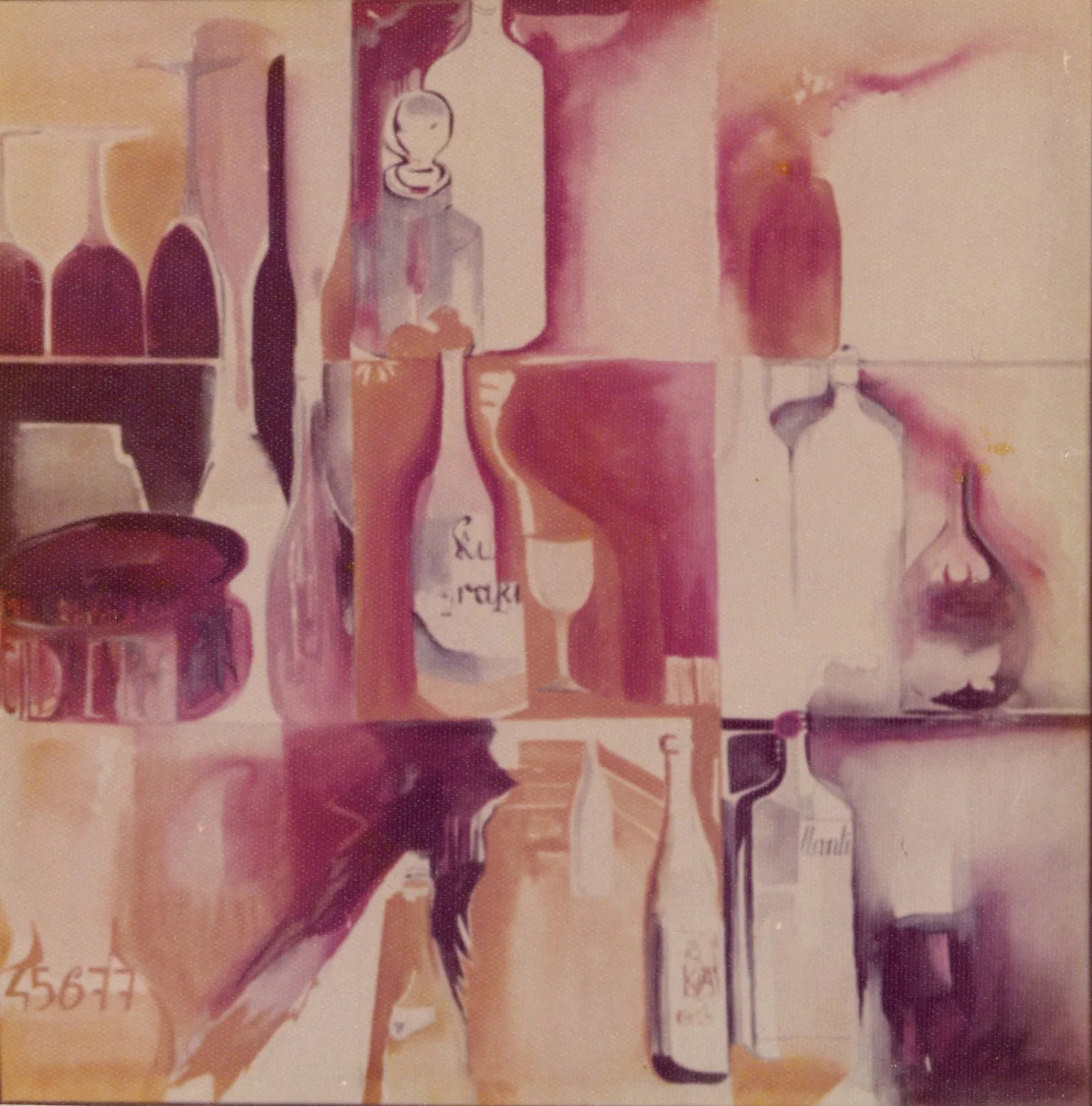
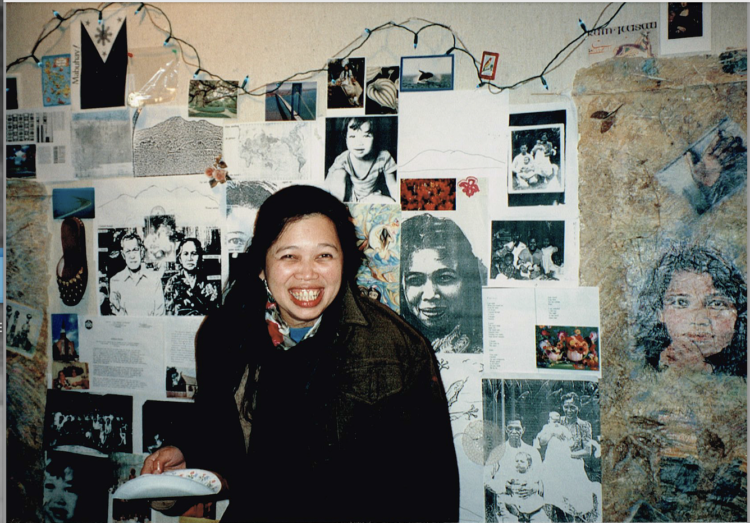
T. Atagök’s art prominently featured painting, alongside studies in collage, installation and printing, focusing on woman, exemplified in such works as Woman Coming Out (1975) and Pink Woman (1984). Her use of various materials, including metallic surfaces and mirrors, served as a self-reflective background for many series from the early 1980s onwards, particularly her mythical Goddesses series (1983–), showcasing several monumental goddess figures in search of a matrilineal heritage. T. Atagök began her Diaries in 1990, marking a new era as she integrated her artistic abilities with her lived experience. Motivated to capture memories from her Paris trip, she created card-sized collages using everyday materials such as metro tickets and confectionery packaging, blending them with drawings and paintings in a diary-like format. Diaries illustrated the changing self through paint and ephemera with subtle self-observation. Similarly, her Notes on Hale Asaf, a large wall panel she later started, originated from a greeting card designed by the Turkish painter Hale Asaf (1905–1938) in the 1930s. This work narrates H. Asaf’s story, merging research on her career and life with photographs of her family and herself, along with T. Atagök’s drawings. She saw the panel as a diary entry, where the images and materials documented activities that illustrated an (imagined) collaboration between the two artists.
Throughout her career, T. Atagök’s simultaneously embraced roles as an artist, curator and educator. She coordinated the annual Günümüz Sanatçıları İstanbul Sergisi [Contemporary Artists Istanbul exhibitions] from 1978 to 1983, advocating against discrimination towards women artists. She recognised the longstanding oversight of women in Turkish art history in her writing and curatorial projects, aiming to write women into the history of art. T. Atagök’s curated exhibitions, especially Contemporary Women Artists (1993) and Tracks: Women Artists and Generations (1995), fostered feminist organising and solidarity in the Turkish art world of the 1990s.
T. Atagök’s work was shown in various solo and group exhibitions, and in 2015 she was honoured with a retrospective exhibition and catalogue. Her art can be found in important Turkish collections, including Akbank, Garanti Bank and İstanbul Museum of Modern Art, as well as international collections, such as Macedonia’s National Gallery (Skopje), and the Jordan National Gallery of Fine Arts in Amman.
A notice produced as part of the TEAM international academic network: Teaching, E-learning, Agency and Mentoring
© Archives of Women Artists, Research and Exhibitions, 2026