Estelle Bourdet, La cordée, 2023, © Photo: Jonas Marget
Textiles occupy a paradoxical place in the history of design: while omnipresent in everyday uses, from clothing to interior architecture, they have been marginal in the canonical narratives of Western modernity. This marginalisation is not due to any lack of innovation, however, but to a historical hierarchy of material practices defined by gender.
This work has historically been assigned to women, both in the domestic sphere and in various forms of artisanal and ritual production.1 This association between textiles and the female gender stems from a social and symbolic construct that has helped render these practices invisible while making them indispensable to the functioning of societies.2 In many cultures, textiles transcend their utilitarian function to become a medium of knowledge, power and transmission, often embodied by mythological or cosmological female figures.3
As the nineteenth century drew to a close, the division between fine arts and decorative arts reinforced a dichotomy between structure, which was associated with intellectual mastery, and surface, which was linked to notions of excess and superfluity.4 The history of design was thus constructed around an emphasis on fields linked to engineering and architecture, to the detriment of disciplines seen as women’s work, and textiles were foremost in this latter group. Yet from the twentieth century onwards, textiles emerged as a major locus of material, structural and technological experimentation. By devoting themselves to a devalued field, women transformed a socially imposed role into an arena for innovation.
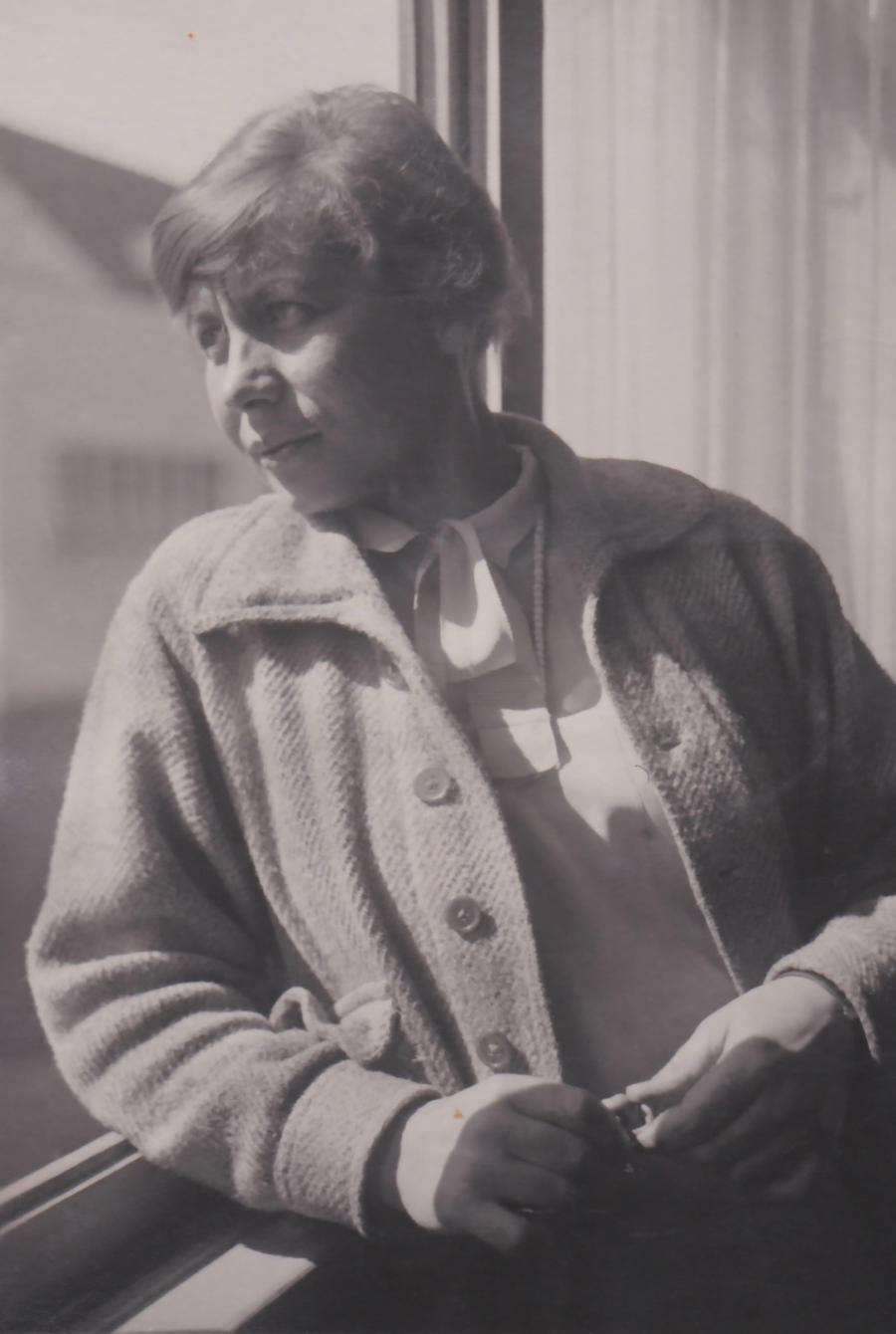
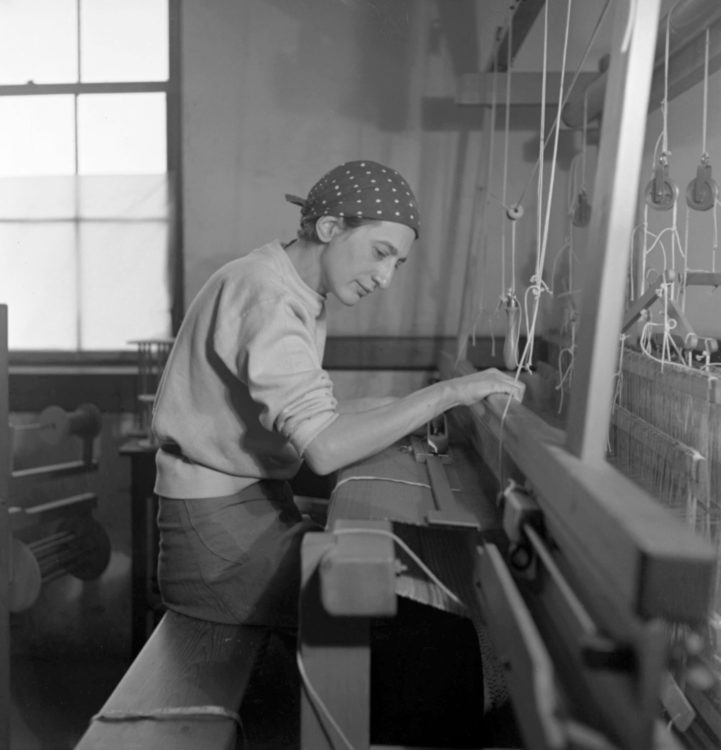
Gunta Stölzl, 1929, Courtesy Stölzl estate, © Monika photo
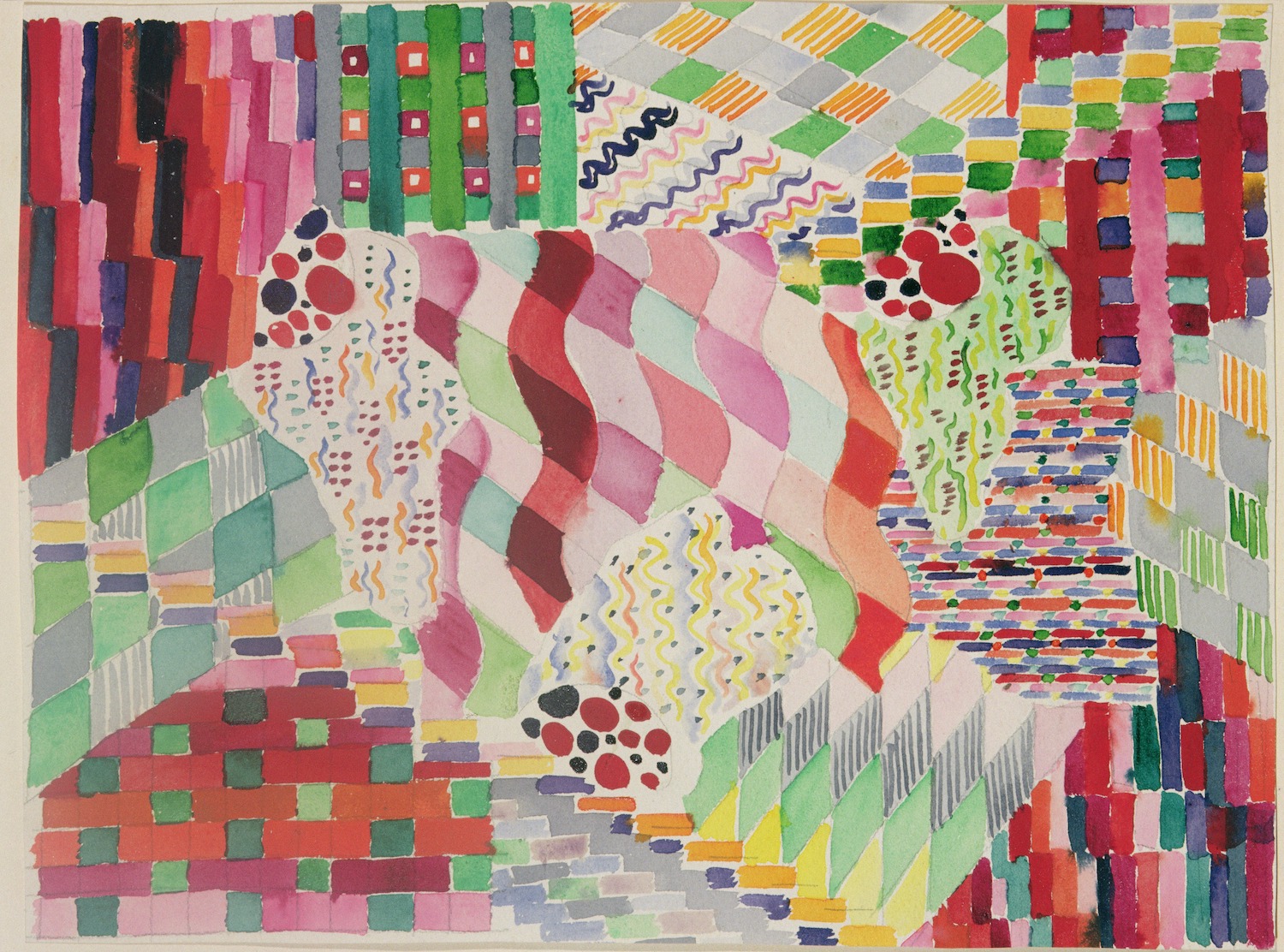
Gunta Stölzl, Design for a hanging tapestry, 1927-28, watercolor, Bauhaus, Bridgeman Images, © ADAGP, Paris
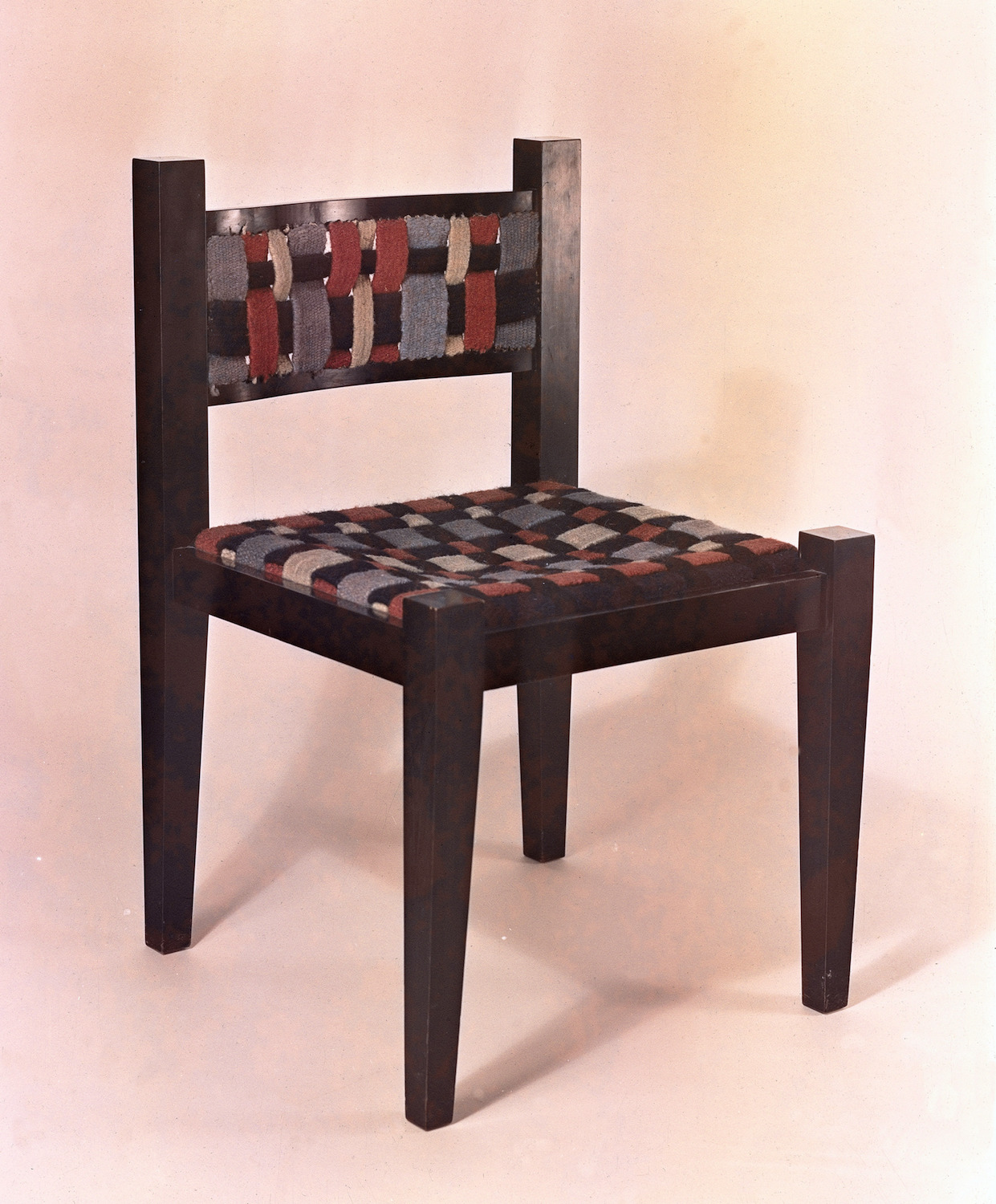
Gunta Stölzl, Chaise, 1922-1923, fabric seat, Klassik Stiftung Weimar © ADAGP, Paris, © Marcel Breuer
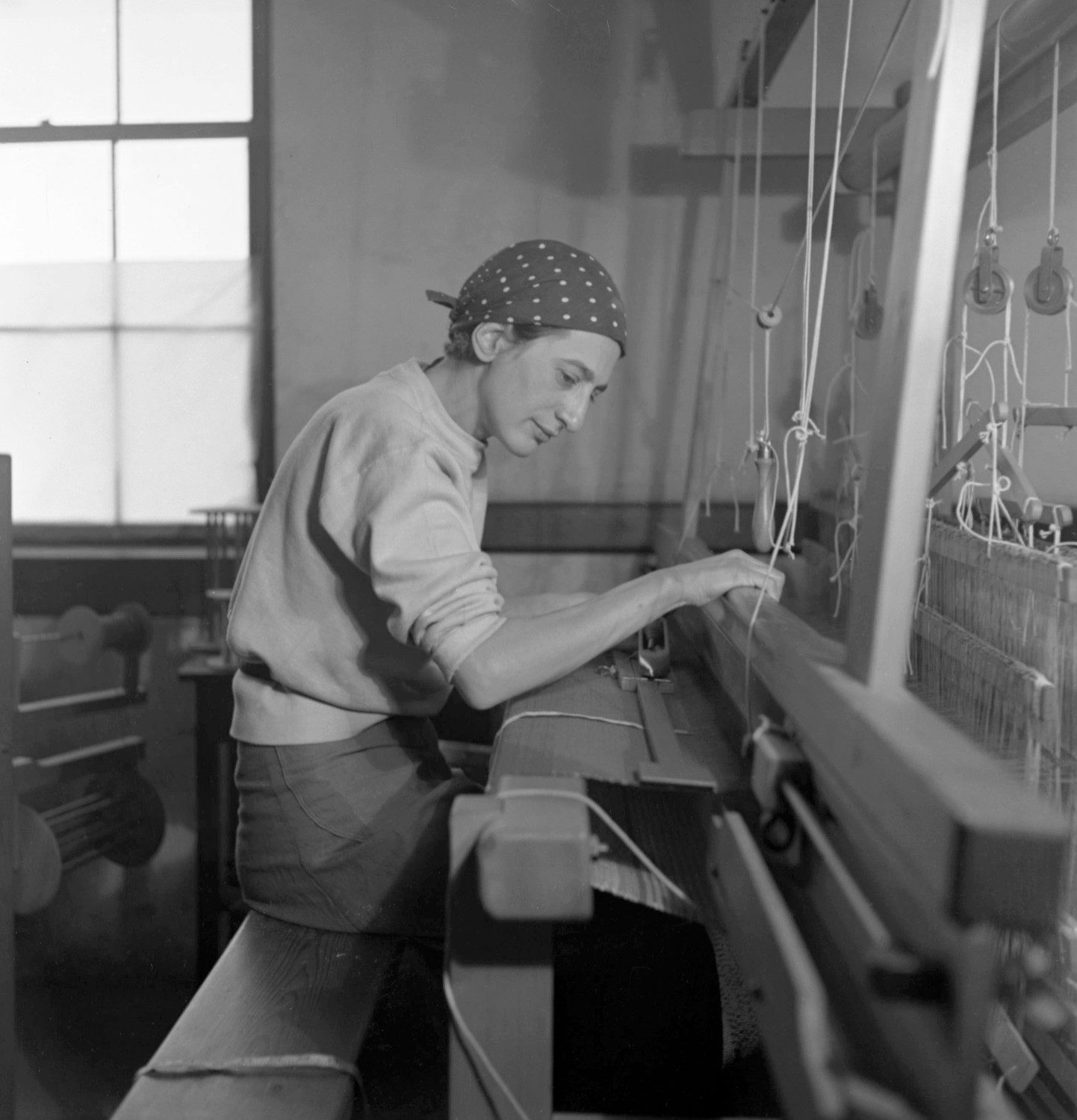
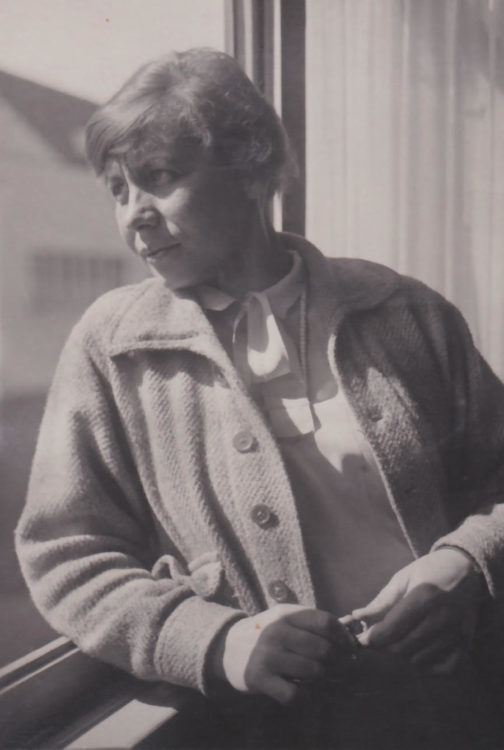
Portrait of Anni Albers, © The Josef and Anni Albers Foundation

Anni Albers, With Verticals, 1946, cotton and linen, 154.9 x 118.1 cm, 61 x 46 ½ in., © The Josef and Anni Albers Foundation, © Photo: Tim Nighswander, © ADAGP, Paris
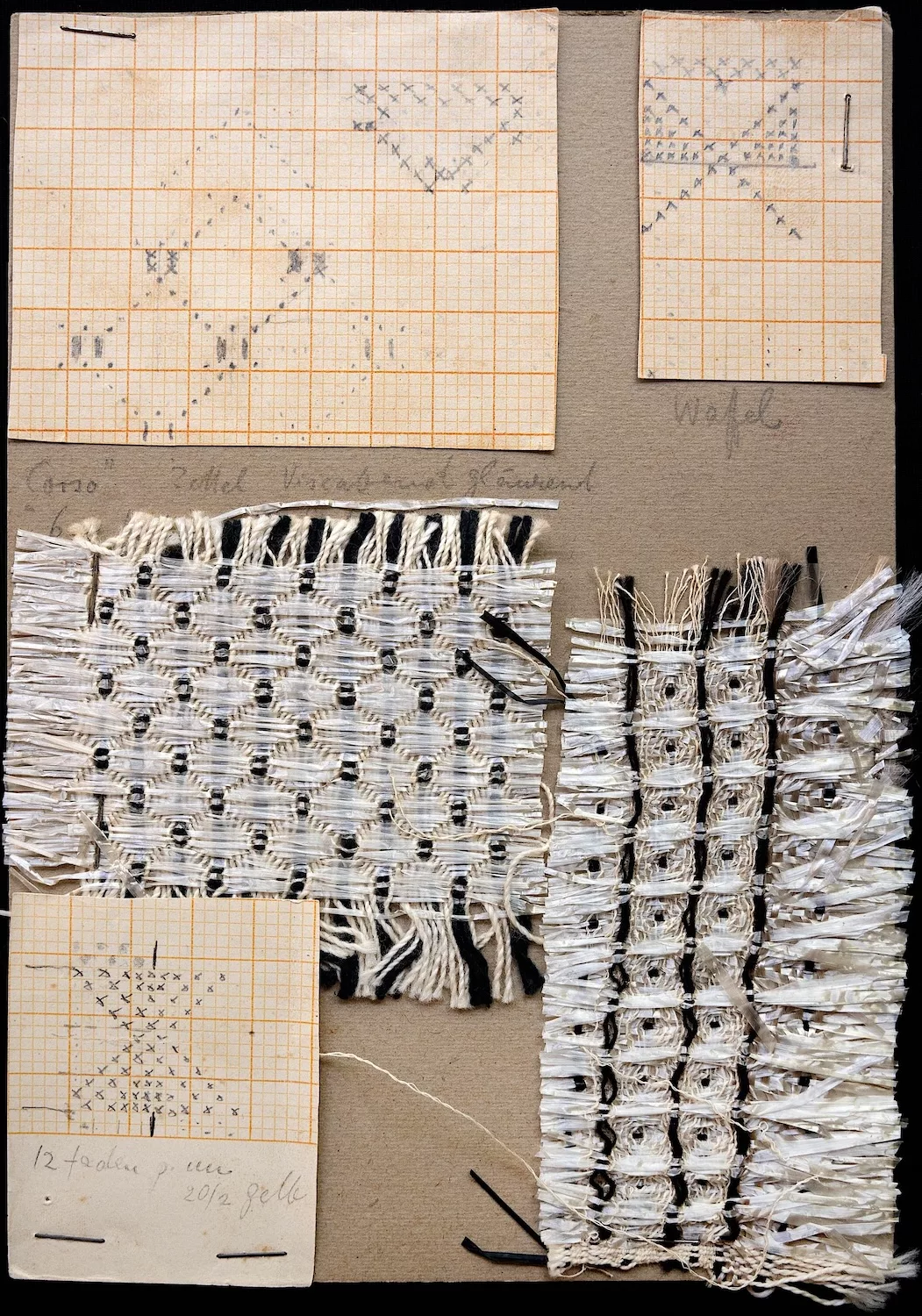
Gunta Stölzl, Theatre Corso, Zürich, Drapery – Cinema, 1933, cellophane, Made for architect Ernst Burckhardt, Theatre Corso, Zürich
The Bauhaus: theorising and transforming a feminised medium
The weaving workshop at the Bauhaus played a significant part in redefining how textiles were regarded. Although women were largely directed to it in keeping with the school’s gendered conception of labour, this workshop, initially regarded as secondary, became a major site for theoretical and technical experimentation. Under the direction of Gunta Stölzl (1897−1983), appointed the workshop’s director in 1927, weaving became part of a broader dialogue on the integration of textiles into modern architecture. Research focused on mechanical resistance, fibre stability, acoustic absorption and process streamlining. G. Stölzl experimented with fibre blends and semi-industrial processes; after leaving the Bauhaus, she notably developed fabrics combining cotton and cellophane for projects such as the Corso theatre in Zurich (1933) and the Kino Urban cinema in Berlin (1934), thereby demonstrating that textiles could adhere to specific technical constraints.5
Anni Albers (1899–1994) entered the Bauhaus in 1922 and took part in the workshop’s experiments before continuing her practice in the USA. In her book On Weaving (1965), the culmination of several decades of practice and teaching, she focused heavily on weaving’s internal logic, which she considered to be based on the structural relationship between warp and weft. For A. Albers, textiles were not ornamental but an autonomous system of construction; she described the loom as an analytical instrument that could reveal the intrinsic properties of materials and the structural relationships that organise them.6 In asserting this material specificity, she brought textiles into modernist debates on the autonomy of media and the definition of a discipline grounded in its own technical procedures.
With Otti Berger (1898–1944), this redefinition extended into the legal domain. Trained at the Bauhaus in the late 1920s, O. Berger developed technical textiles meant for mass production and took a particular interest in complex weaving structures. In 1932 she registered the first of several patents for upholstery textiles, including a double-weave fabric (Doppelgewebe).7 In this technique, two interconnected layers of textile are superimposed to create a reversible fabric with a different colour or pattern on each side. Double weaving thus offered new potentials for variation while optimising the material’s properties. By filing a patent, O. Berger established herself as an inventor and transformed a craft historically associated with domestic labour into a legally protected and marketable innovation. Textiles thus entered the realm of intellectual property, redefining women’s place in the economy of modern design.
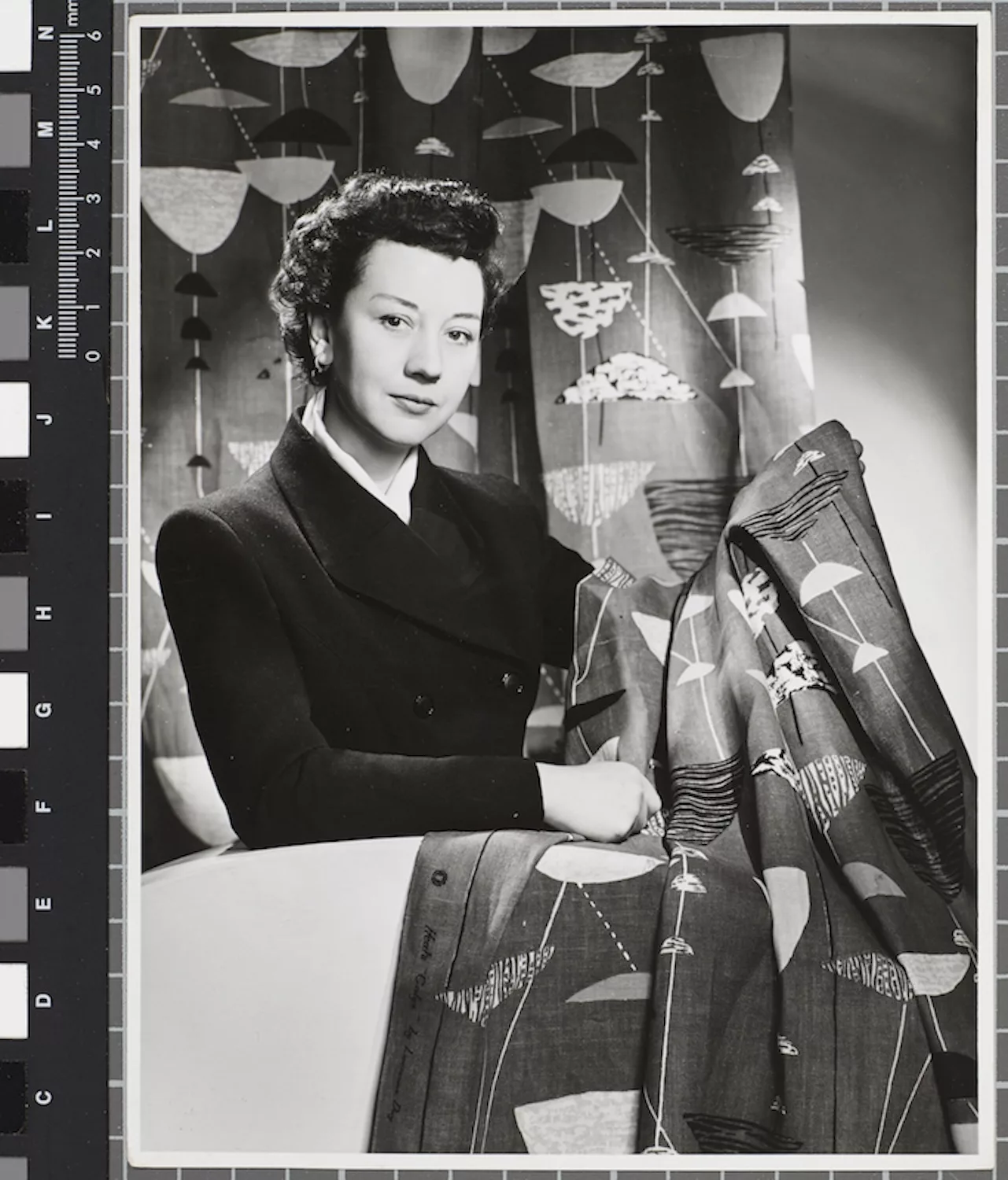
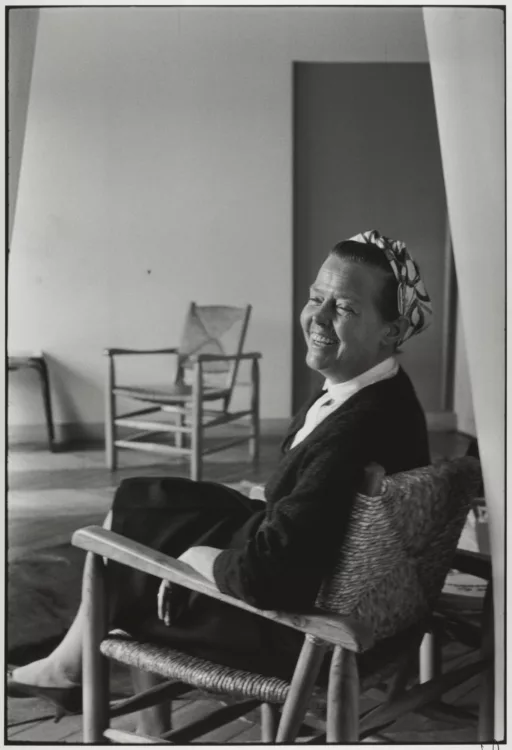
Lucienne Day with Calyx furnishing fabric, 1951, ©Robin & Lucienne Day Foundation, © Photo: Studio Briggs
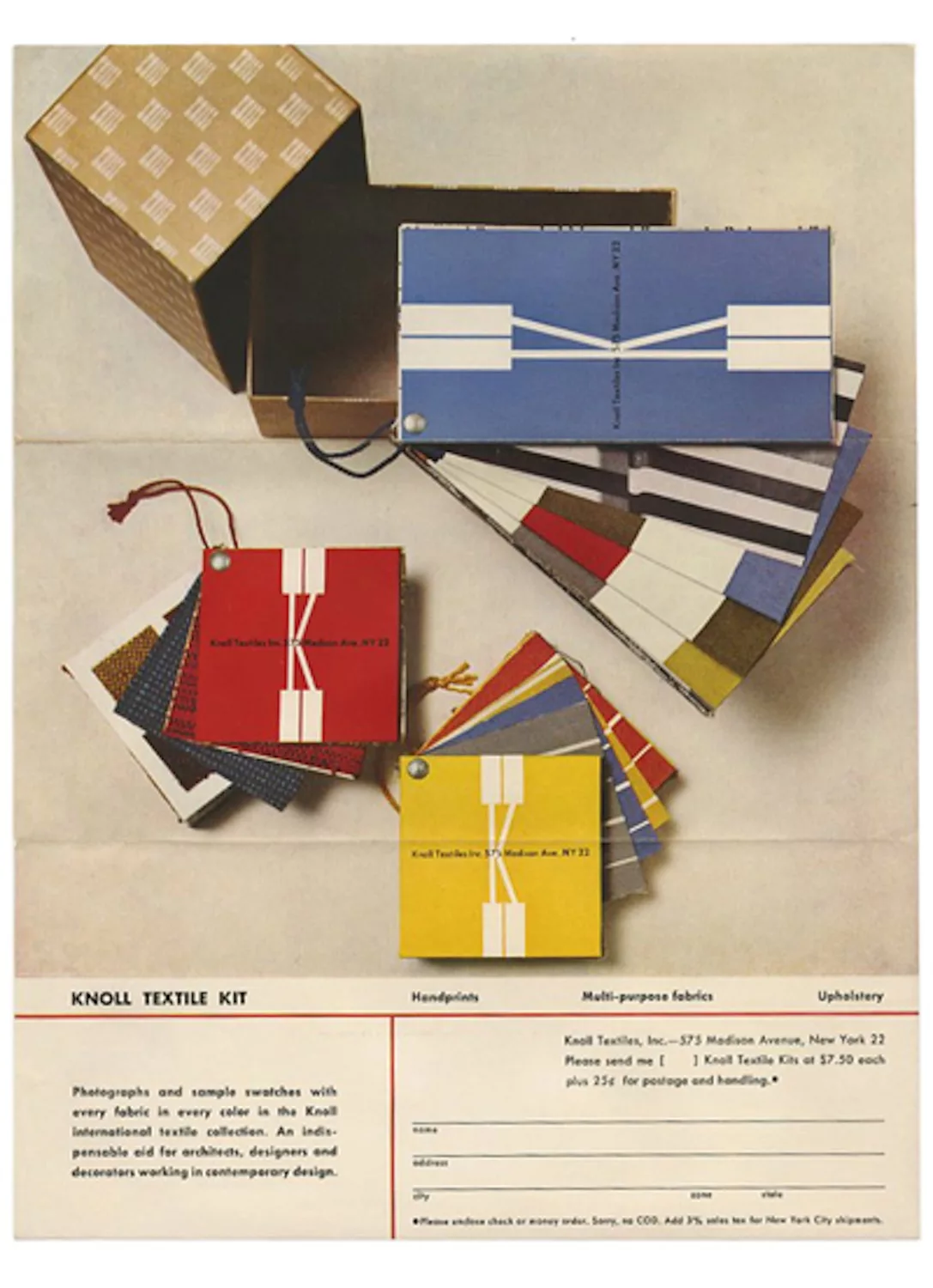
Florence Knoll, Archive of marketing materials, Knoll Textiles, Inc., Archive of original Knoll Textiles marketing material issued between 1955 to 1958
Industrialisation and dissemination: women designers in industrial production systems
Textile industrialisation was not a product of the twentieth century; it had already been a fixture in mass manufacturing systems since the nineteenth. What changed in the interwar period was the position certain women occupied in these production circuits: long confined to manual execution or creative labour absorbed by branding and thereby anonymised, they gradually emerged as recognised designers.
In the 1930s Marion Dorn (1896–1964) and Marianne Straub (1909–1994) were part of the British industrial landscape, notably through their collaboration with Warner & Sons. Based in London, M. Dorn founded her own company, Marion Dorn Ltd, which enabled her to sell her rugs and textiles directly to private clients. M. Straub spent some time advising the Welsh wool industry, then led design at Helios before joining Warner & Sons in 1950. She developed collections and, in the 1960s, also developed textiles for British public transport and institutional buildings.8 In these contexts, performance – strength, stability and durability – became paramount. Women designers were directly involved in technical innovation and its dissemination on a wide scale.The mass circulation of textile design found expression in the work of Lucienne Day (1917–2010). Educated at the Royal College of Art, she collaborated with Heal’s, Edinburgh Weavers and British Celanese to produce textiles for a wide consumer base. First shown in 1951, Calyx became one of the most iconic upholstery fabrics of post-war Britain. It was produced on a large scale and reprinted repeatedly, helping bring modernist abstraction into private interiors.9
In the USA, Florence Knoll (1917–2019) made a woman designer’s role central to corporate strategy. By founding the KnollTextiles department in 1947, she integrated textile design into a broader system combining interior architecture, furniture and graphic design; fabrics were presented in a standardised format that streamlined the selection process for clients. Textiles thus became a defining component of spatial coherence and brand identity – here, innovation concerned both the organisation of processes and the material itself.
This marked the gradual establishment of women designers as active contributors to industrial systems, both intellectually and in technical terms. By working on fabric structures and their circulation and standardisation, these women helped turn textile practices into key drivers of innovation in modern design.
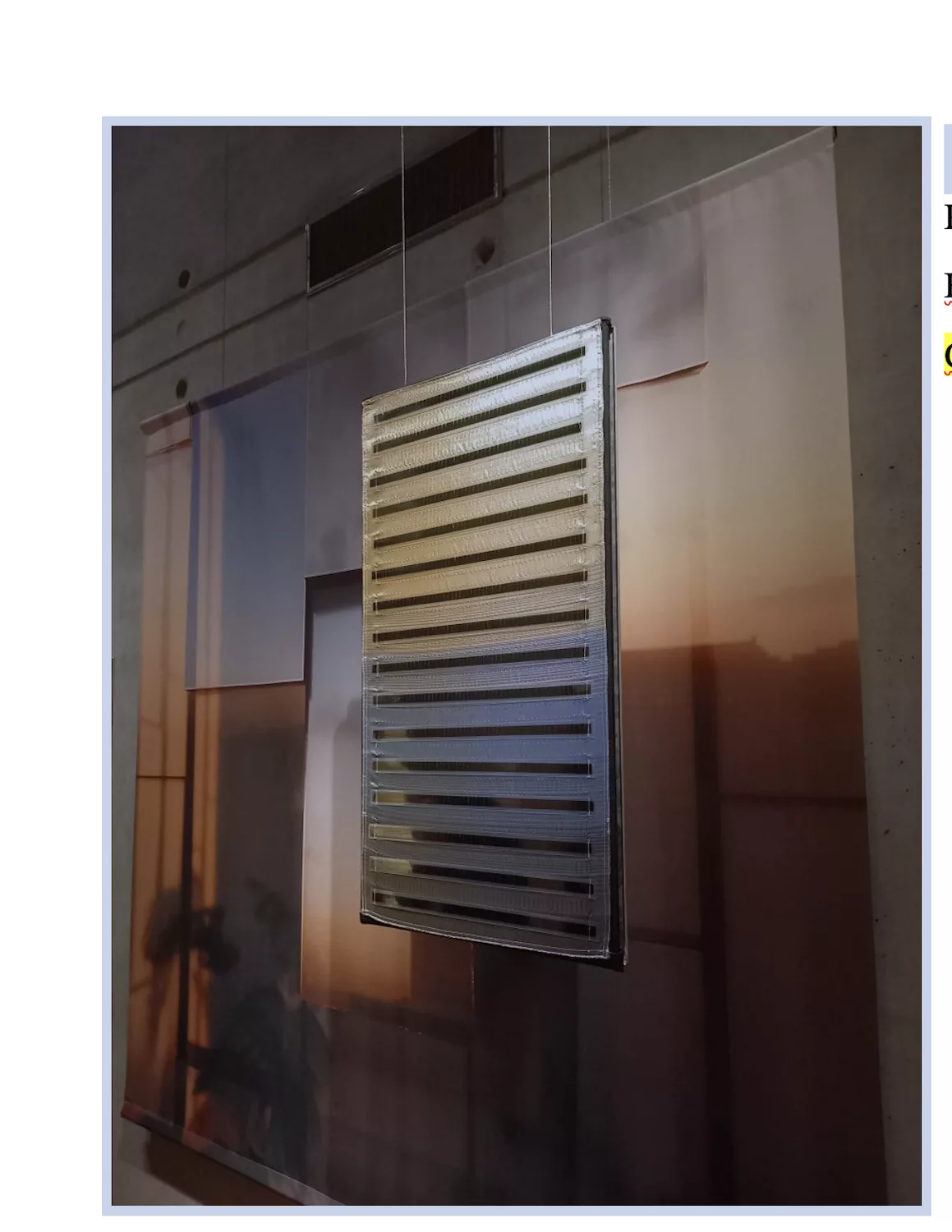
Pauline Van Dongen, Heliotex, 2022, Courtesy Studio Van Dongen
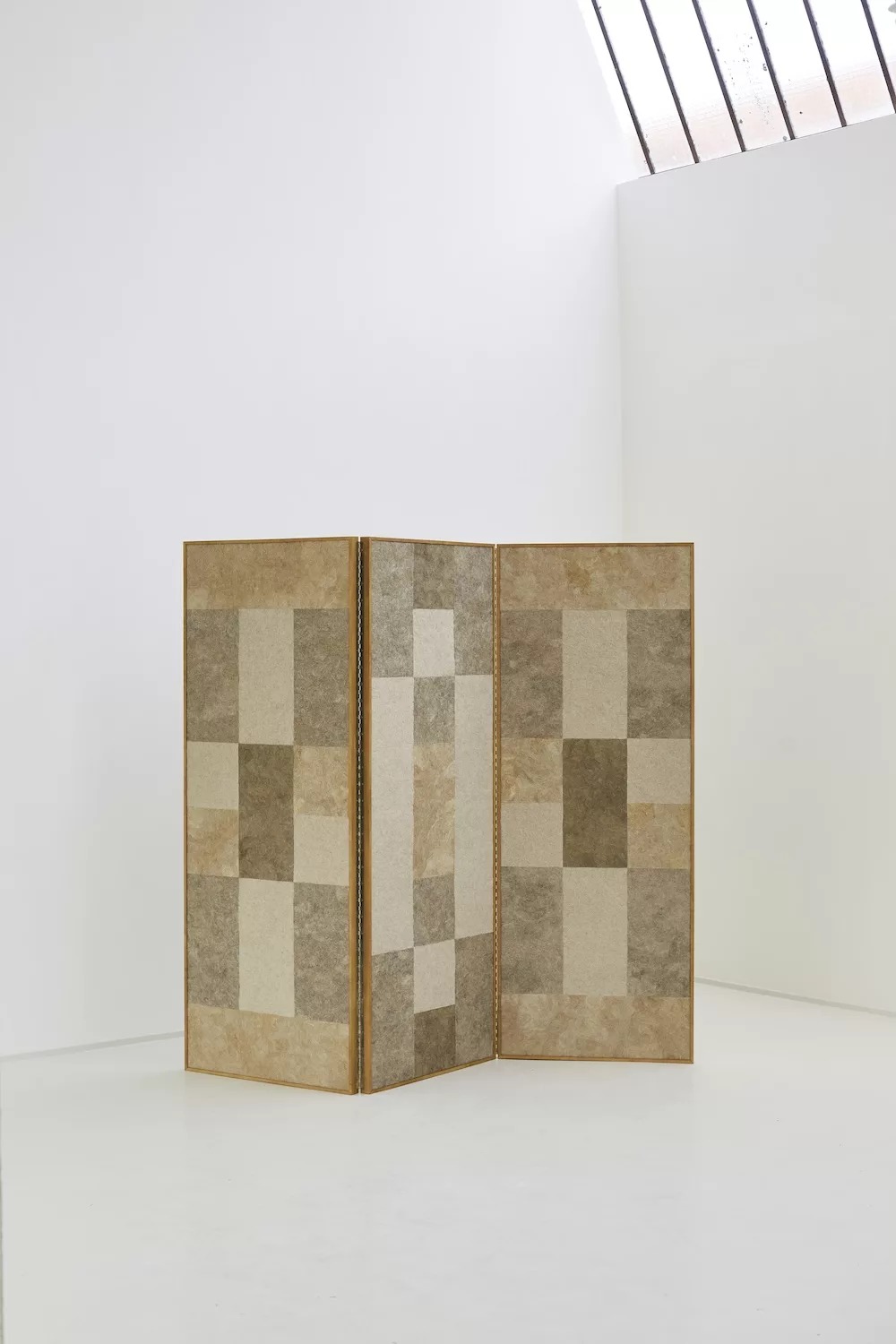
Pauline Esparon, L’écoucheur, 2022, © Photo: Stéphane Ruchaud
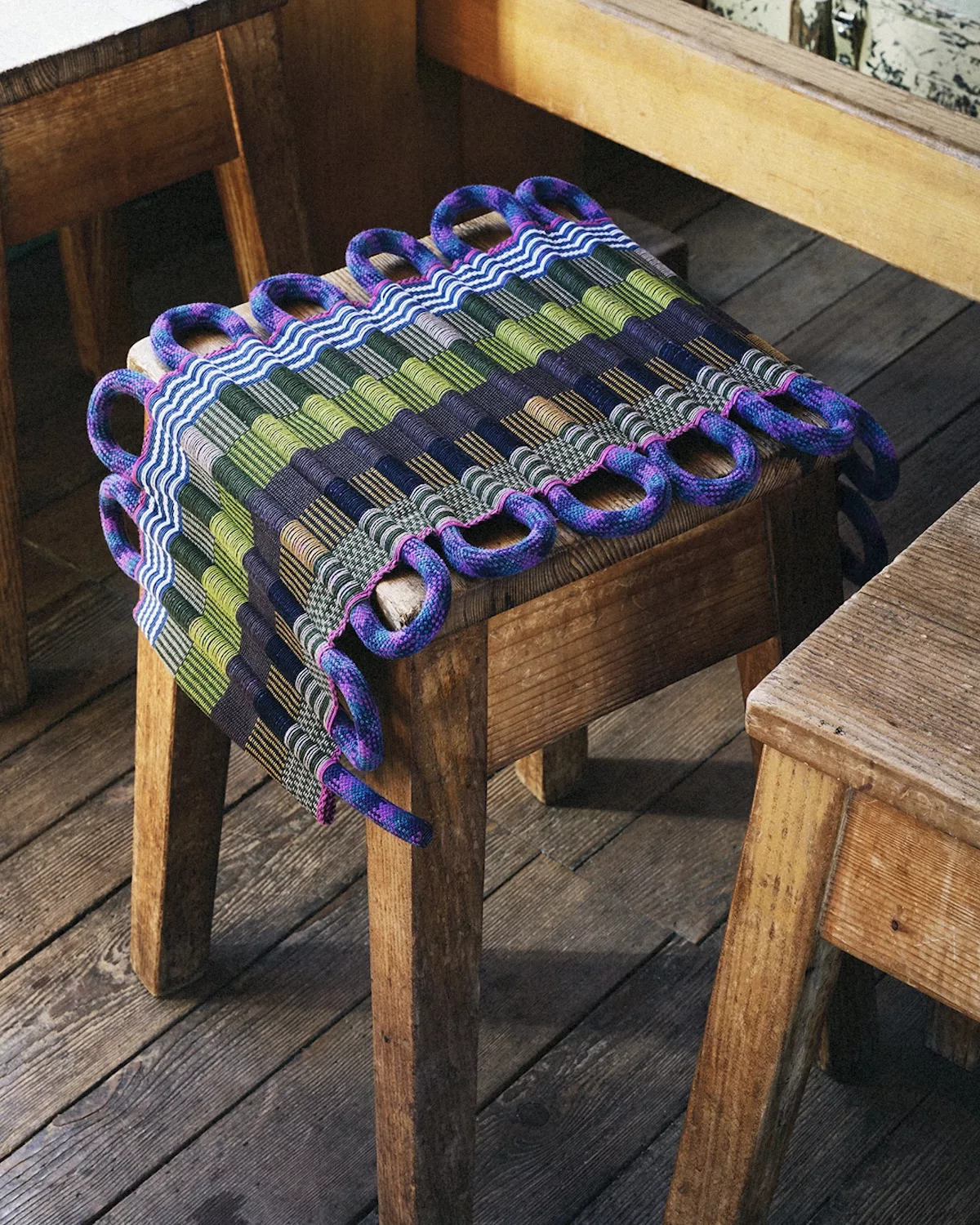
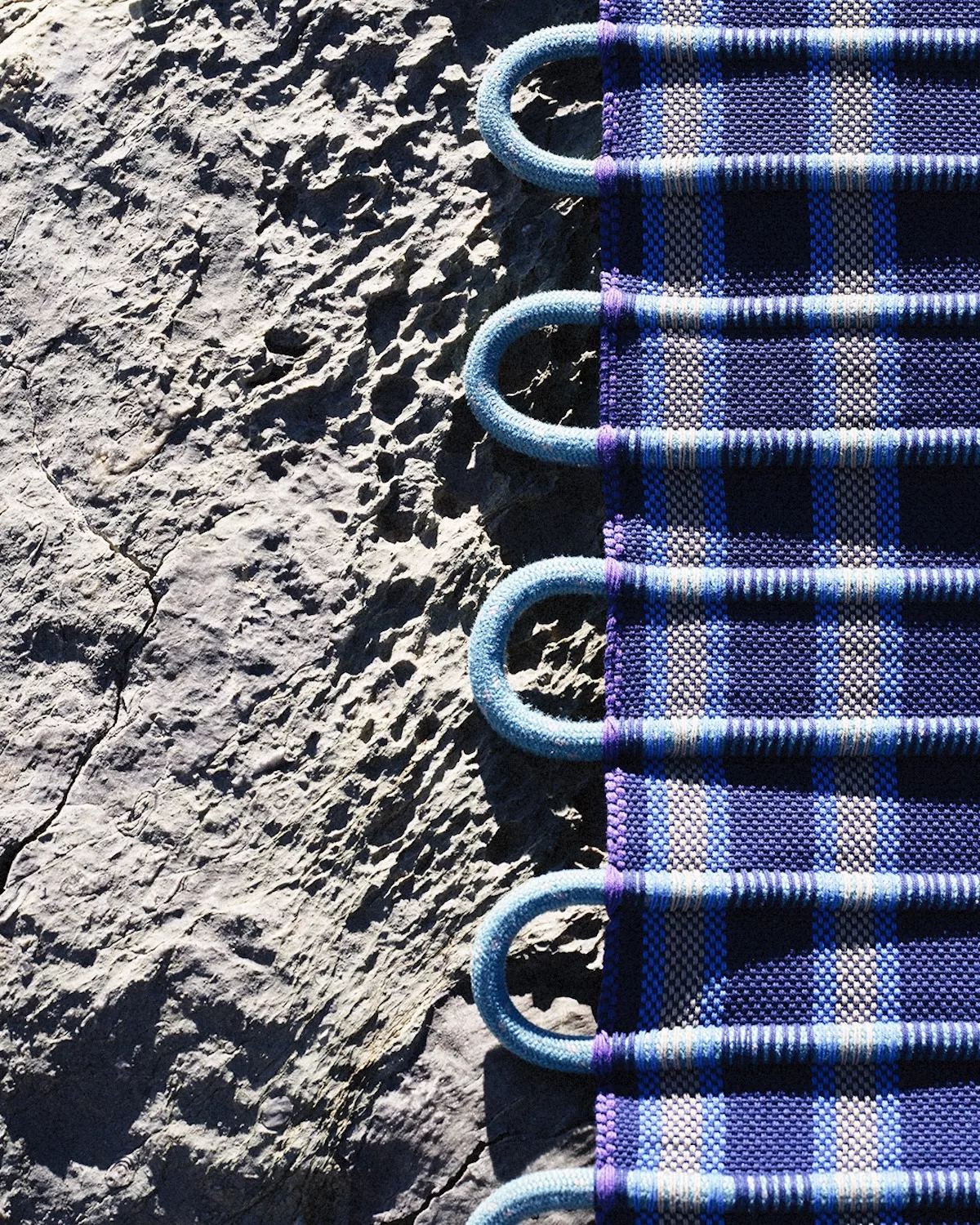
Estelle Bourdet, La cordée, 2023, © Photo: Jonas Marget
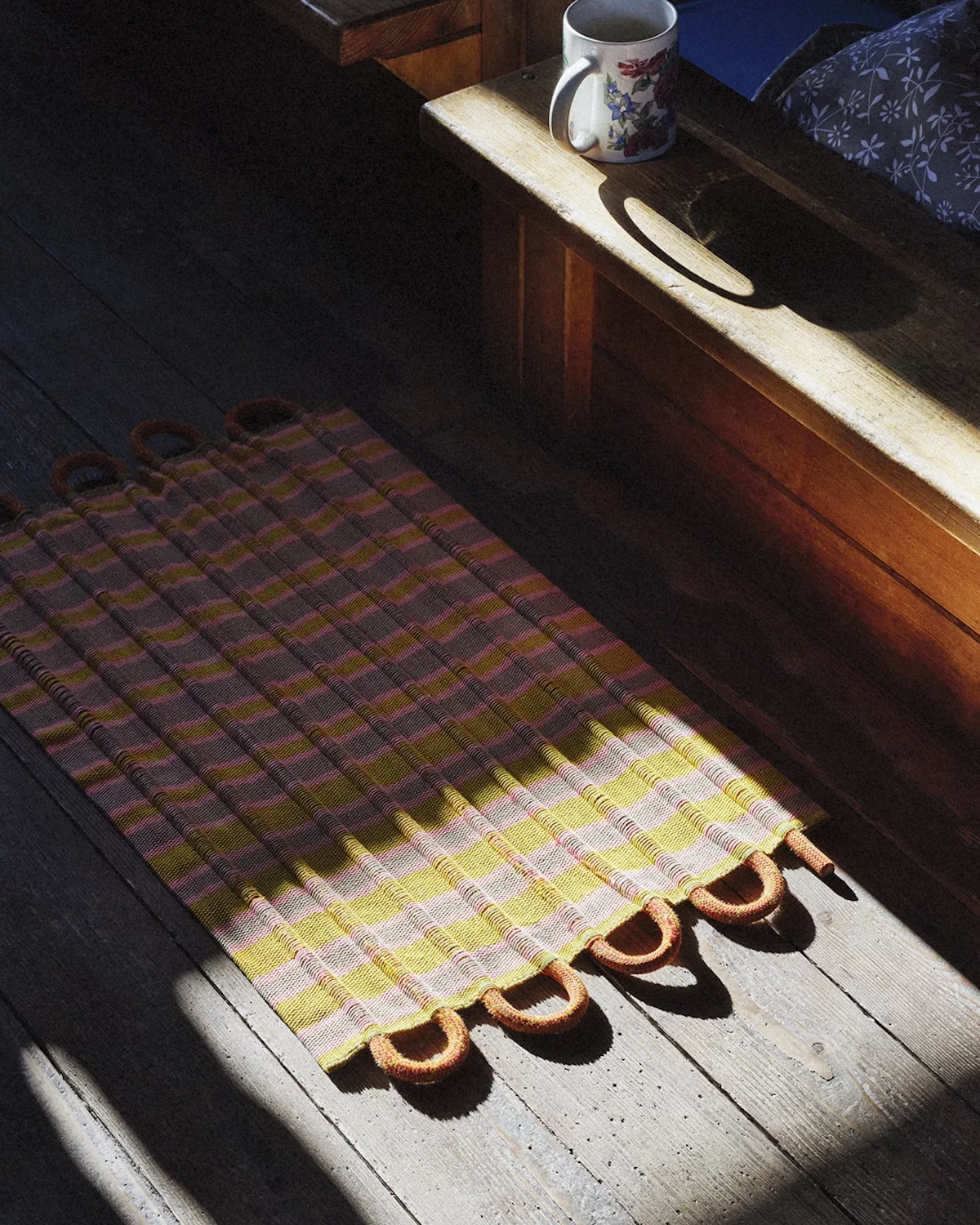
Estelle Bourdet, La cordée, 2023, © Photo: Jonas Marget
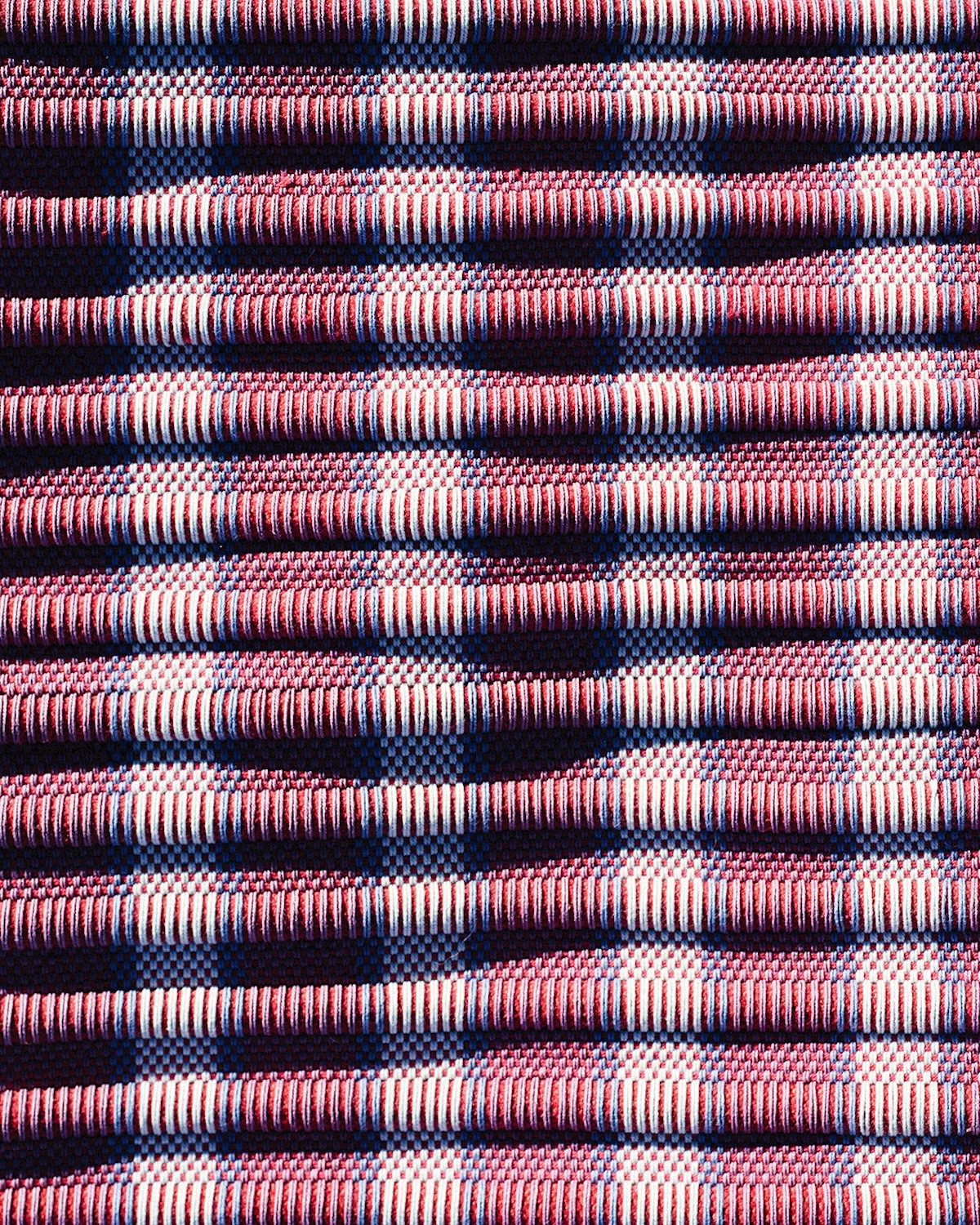
Estelle Bourdet, La cordée, 2023, © Photo: Jonas Marget
Contemporary practices: innovations and craft
Contemporary practices have shifted design’s focus towards a critique of production processes. Where industry has historically been organised around acceleration, resource extraction and standardisation, many women designers today are reconfiguring textiles as a medium for systemic experimentation. The goal is no longer mere formal innovation but has expanded to include a questioning of modes of fabrication, production circuits and consumption systems.
Hella Jongerius (1963–), a Dutch designer who came to prominence through Droog Design in the 1990s, occupies a central position in this critical shift. In collaborating with major manufacturers, she does not reject mass production but instead redefines its criteria. Her work on colour and nuance, for example, challenges the ideal of industrial uniformity. With Felt Stool (2000), she achieved the first translation of an experimental object into an industrialised version, the result distributed by Cappellini. Visible stitching, thick felt and an exposed structure preserve the presence of the production process in the series itself. In the 2010s, at Jongeriuslab, her research turned towards three-dimensional and digital weaving,10 and then towards the integration of experimental photovoltaic devices into woven structures. This energetic approach to textiles is also found in the work of Pauline van Dongen (1986–). With Heliotex(2022), she weaves organic photovoltaic (OPV) cells with recycled polymer yarns to produce a flexible material that can generate electricity. Intended for building façades, the textile can be a renewable infrastructure, directly integrating solar energy and recycled materials into the fabric’s very structure.
Critiques of production-centred models have also led to a requalification of materials. With her furniture series L’Écoucheur (2022), Pauline Esparon (1993–) explores raw flax fibres prior to their industrial standardisation. In France, flax is most often exported for processing and then reimported; by choosing to work with it locally, P. Esparon supports Normandy’s supply chain and promotes regional expertise. This attention to production circuits is also found in the work of textile designer Estelle Bourdet (1990–), who, with La Cordée (2023), transforms used bouldering ropes into woven rugs, revealing the potential for materials once dismissed as useless waste to form the structure of a new object. In these approaches, innovation no longer consists in producing a new fibre but in reconfiguring existing cycles.
Whether they involve solar energy, 3D weaving or upcycling, these practices belong to a single trend in which innovation is shifting towards a transformation of production systems. Contemporary textiles are thus a post-industrial laboratory in which technology, ecology and material responsibility intersect.
In short, restoring textiles to a more central role in design history also means recognising the important contributions of the women whose work has long been undervalued. While this medium is often regarded as secondary, it has proven to offer many opportunities for experimentation, expertise and involvement. Even today, textiles make it possible to challenge the ways in which we produce, consume and value labour. Through them, innovation can go beyond forms and techniques, extending to power dynamics and the models that underpin our society.
Anna Izard is a curator in the Design and Industrial Foresight collection at the Musée national d’art moderne. After studying architecture, she earned a master’s degree in the history of architecture from the Sorbonne. Her work focuses on the practices and uses underlying the history of design, particularly examining the connections between design, textiles, and architecture. She has co-curated several exhibitions, including Suivez le fil ! Design & textile (Hôtel des Arts, Toulon, 2026)—which explores textiles as a matrix for space and objects—as well as Petits Mondes (Hôtel des Arts, Toulon, 2025) and Designing Childhood (Design Museum, Brussels, 2026), both dedicated to the world of design for children.
An article produced in partnership with the Centre Pompidou.