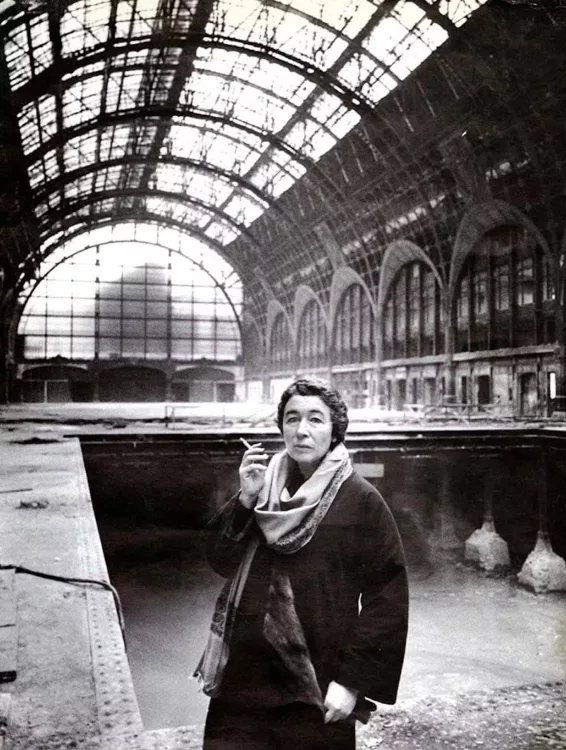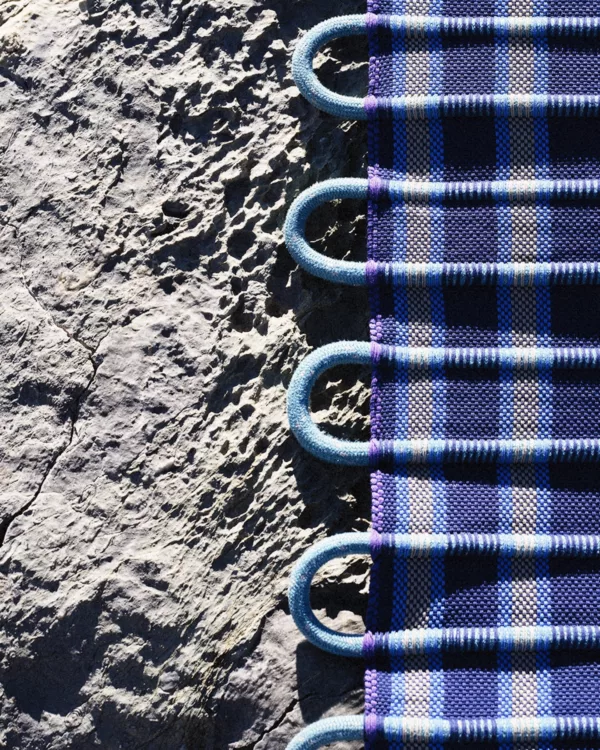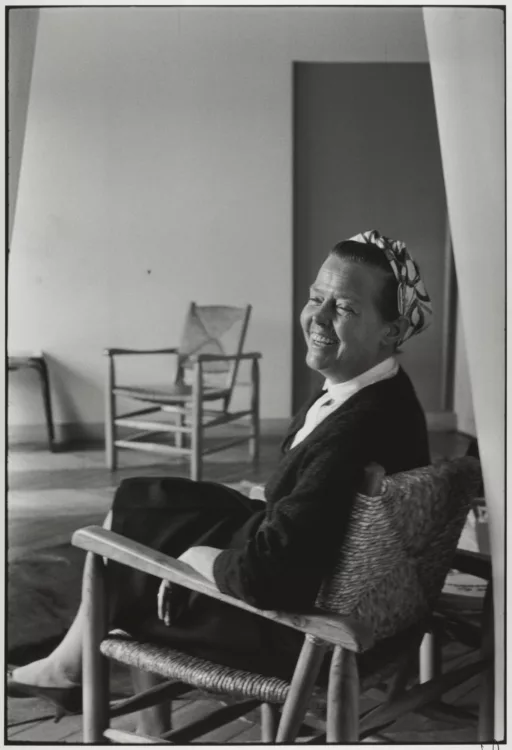

Portrait of matali crasset
Geneviève Gallot, matali crasset autrement, Paris, La Martinière, 2025
→Alexandra Midal, matali crasset works, Paris, Norma, 2012
→Emmanuelle Lallement, matali crasset. Spaces 2000-2007, Cologne, daab, 2007
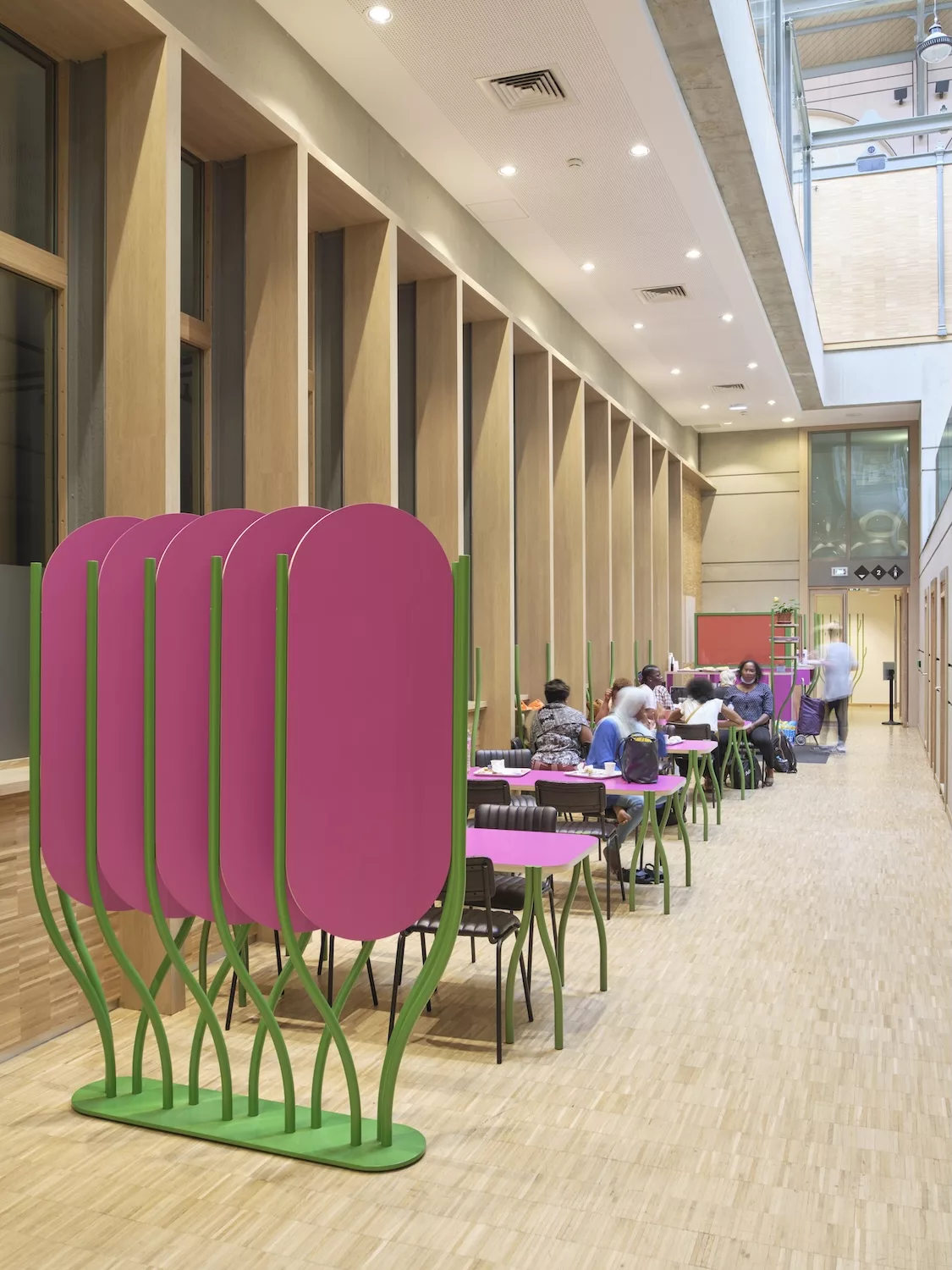
La Communauté des cratères, Paris, Transfo Emmaüs Solidarité, March 6 -April 26, 2025
→Solos : Matali Crasset, New York, Cooper Hewitt Museum, May 19 – September 24, 2006
→matali crasset, un pas de coté 91/02, Lausanne, mudac, September 18 – November 10, 2002
French designer.
Since the 1990s, matali crasset’s work has encompassed object and spatial design, scenography and interior architecture. After graduating from the École Nationale Supérieure de Création Industrielle – Les Ateliers in 1991 she continued her training in Milan with Denis Santachiara (1950–), then joined Tim Thom, the design department of Thomson Multimédia, in 1993. There, she developed an approach to technological objects aimed at humanising them and facilitating their integration into the user’s everyday life.
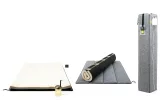
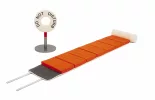
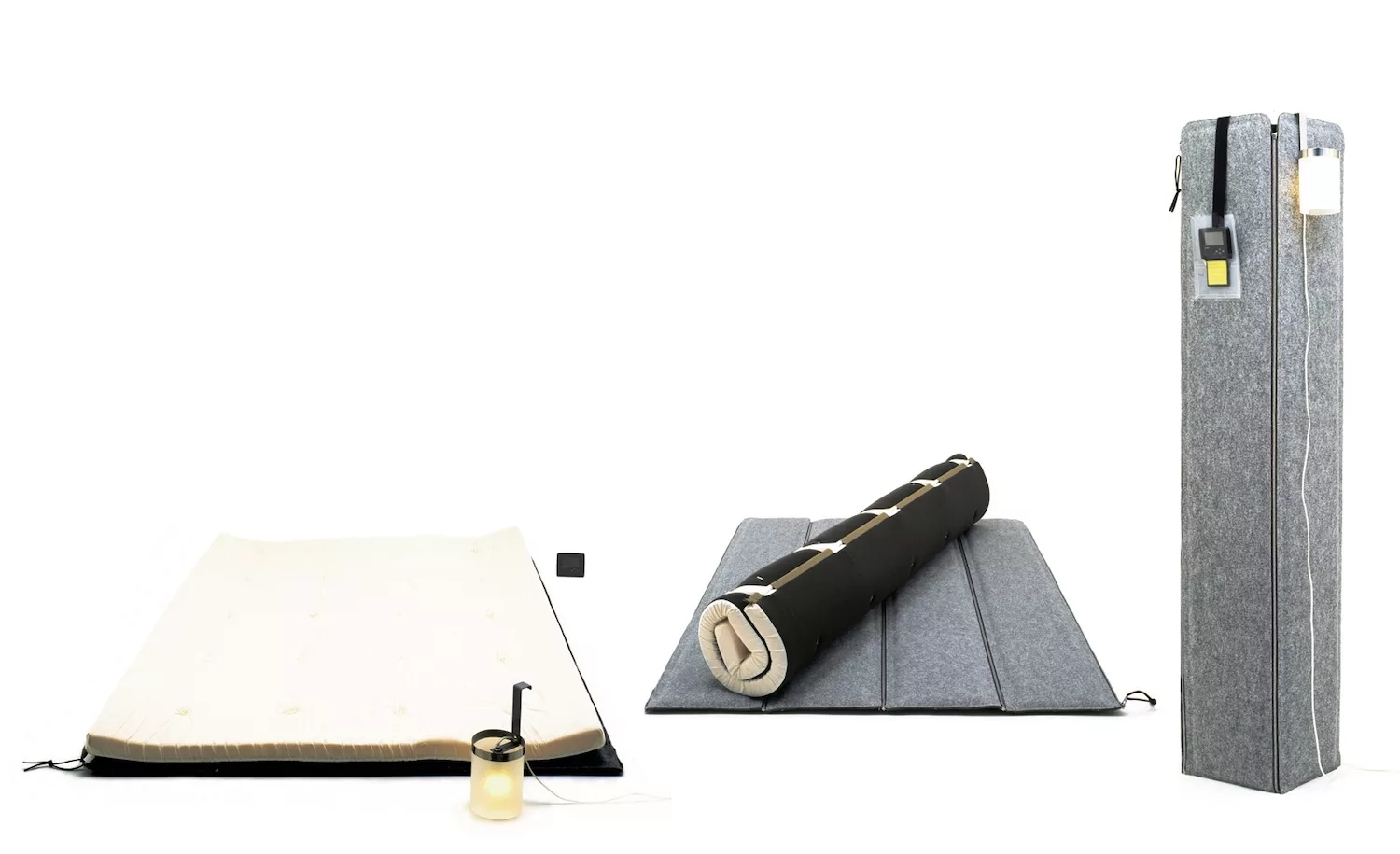
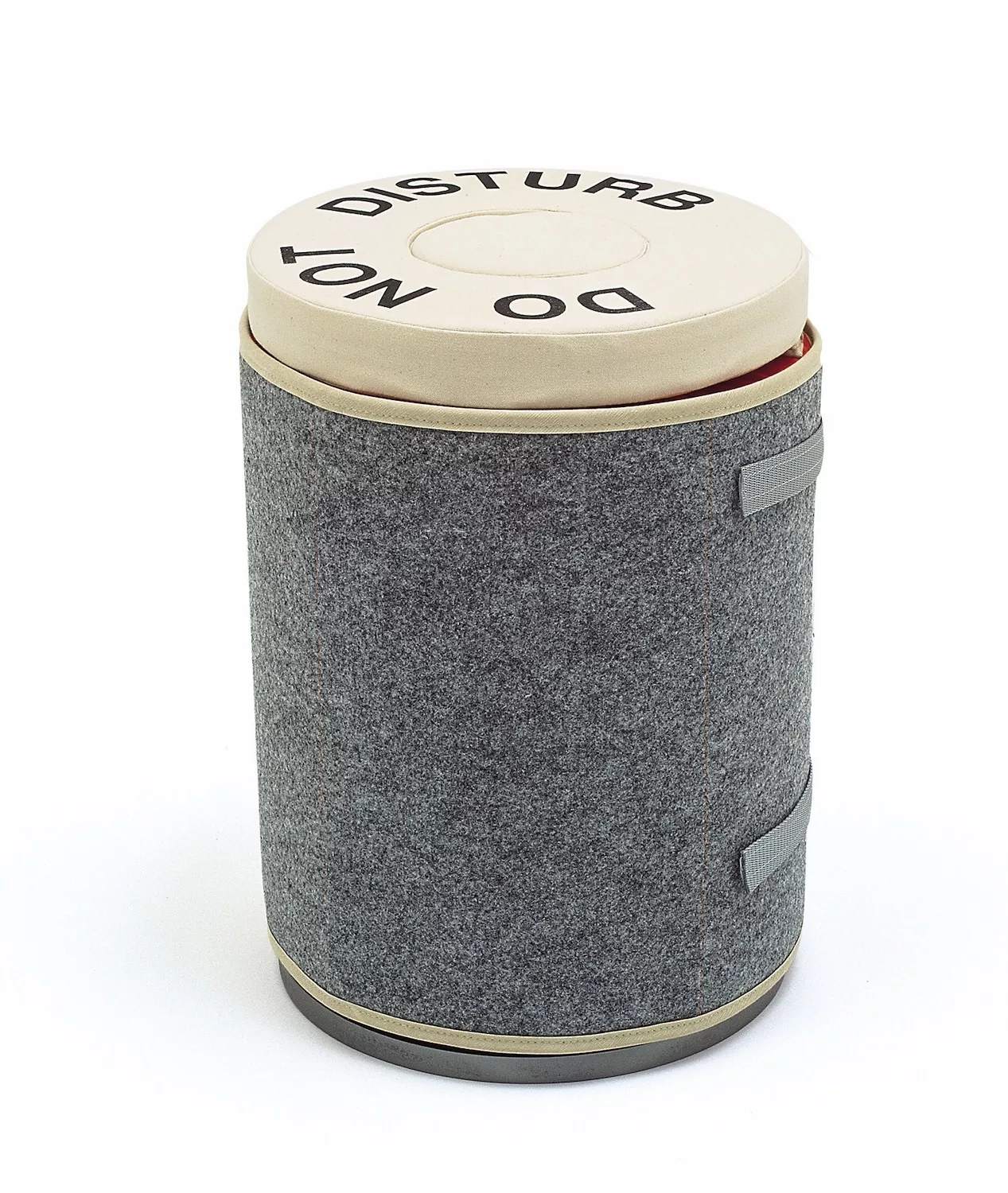
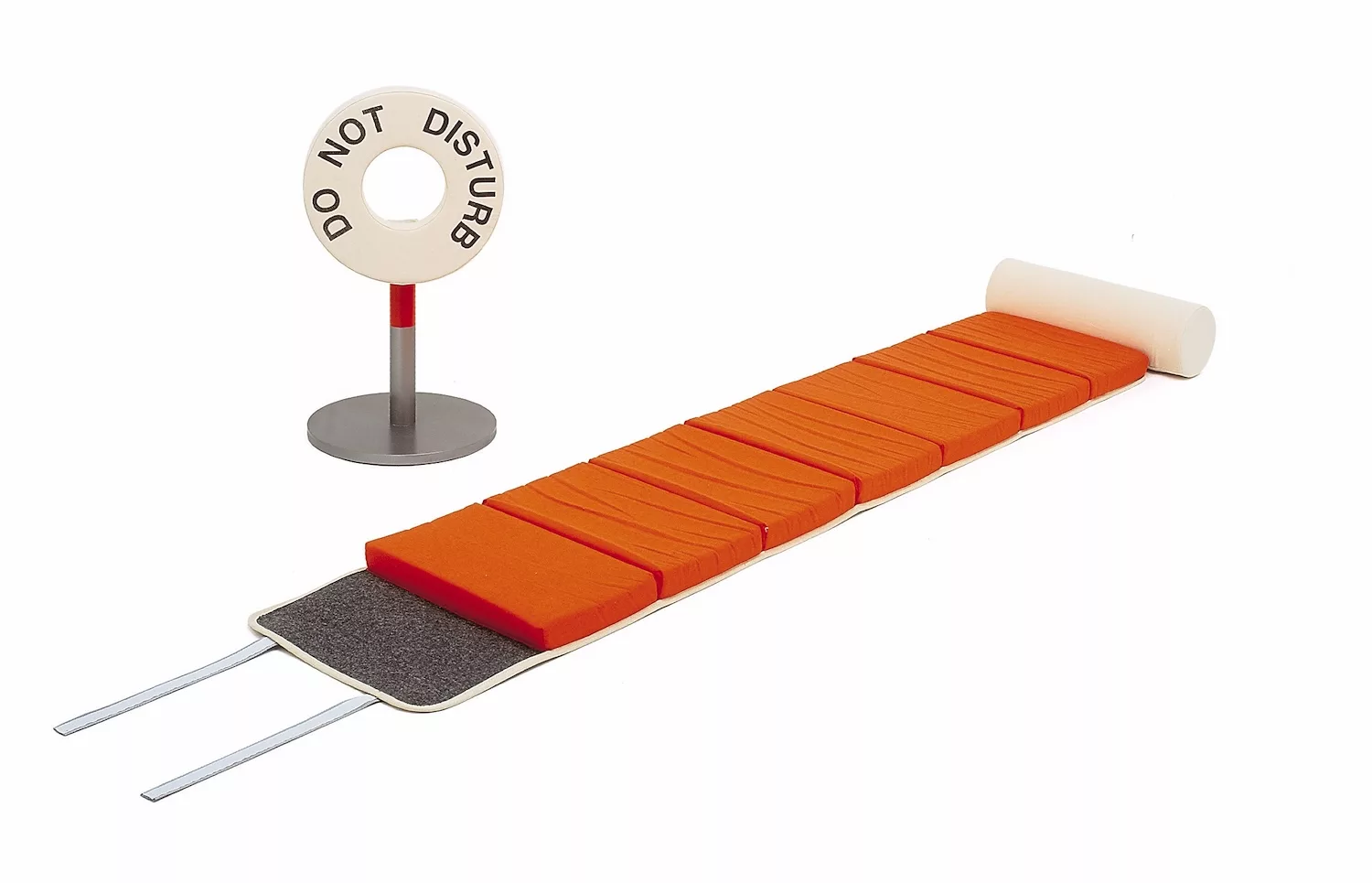
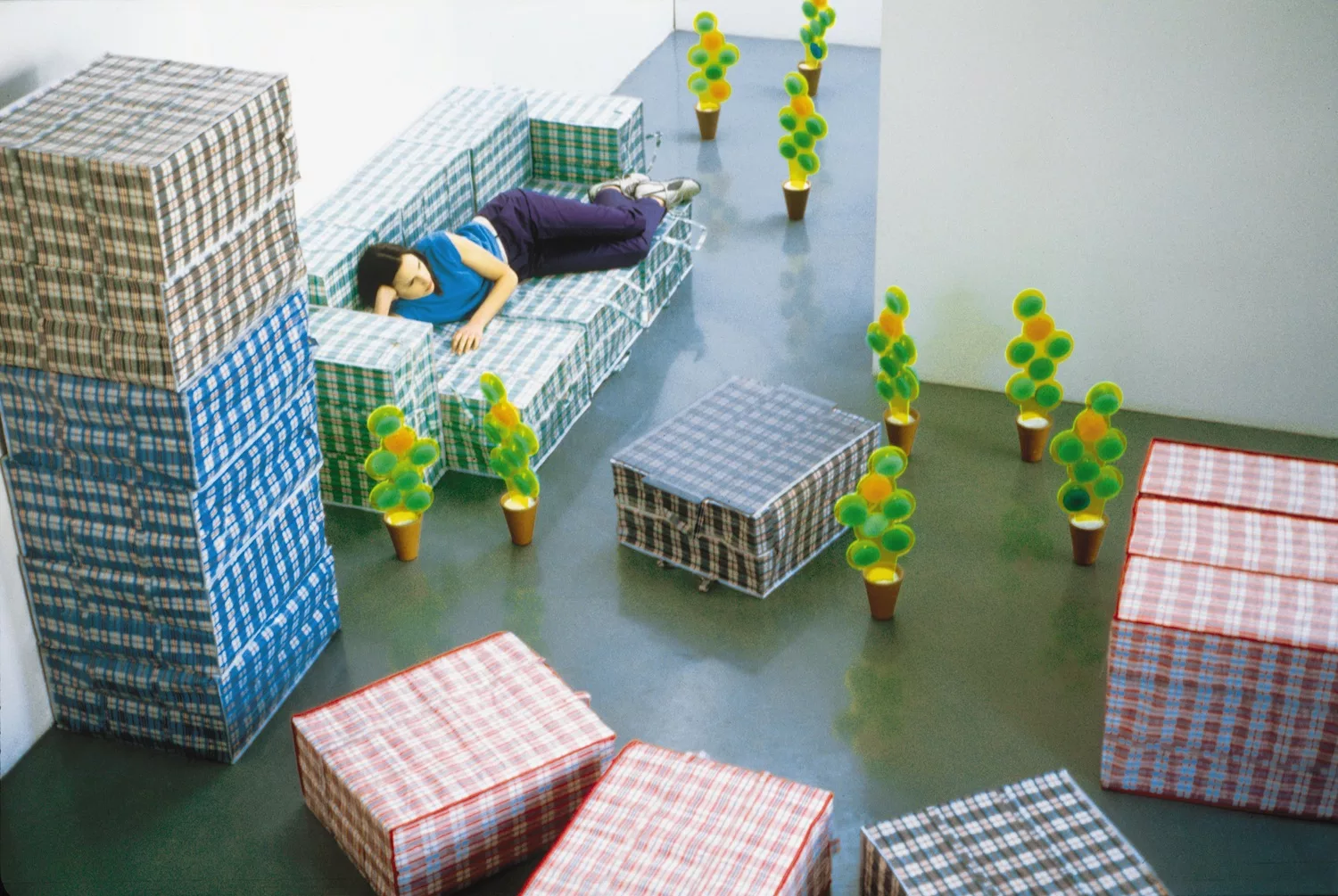
Domestic space has been one of matali crasset’s fields of experimentation ever since her graduation project (La Trilogie Domestique, 1991), which she exhibited at the Milan Triennale. Her W at Hôm ensemble, developed with the support of Valorisation de l’Innovation dans l’Ameublement (VIA)’s Carte Blanche programme in 1996, represents a vision of spatial organisation in which computing equipment is built into the furnishings, thereby anticipating the advent of working from home. The series of objects she designed for Domeau & Pérès between 1995 and 2000 are defined by their playful, multifunctional nature – the Quand Jim Monte à Paris fold-out bed (1995), the Téo de 2 à 3 nap stool (1998), the Oritapi play-rug (1999) and the Permis de construire modular-construction sofa (2000) – and invites user interaction. Designed in 1998 around the concept of low-cost carryall bags, the Digestion (Edra) ottoman reinterprets a universal everyday object to create a modular, welcoming environment.
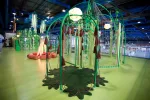
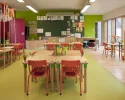
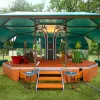
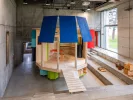
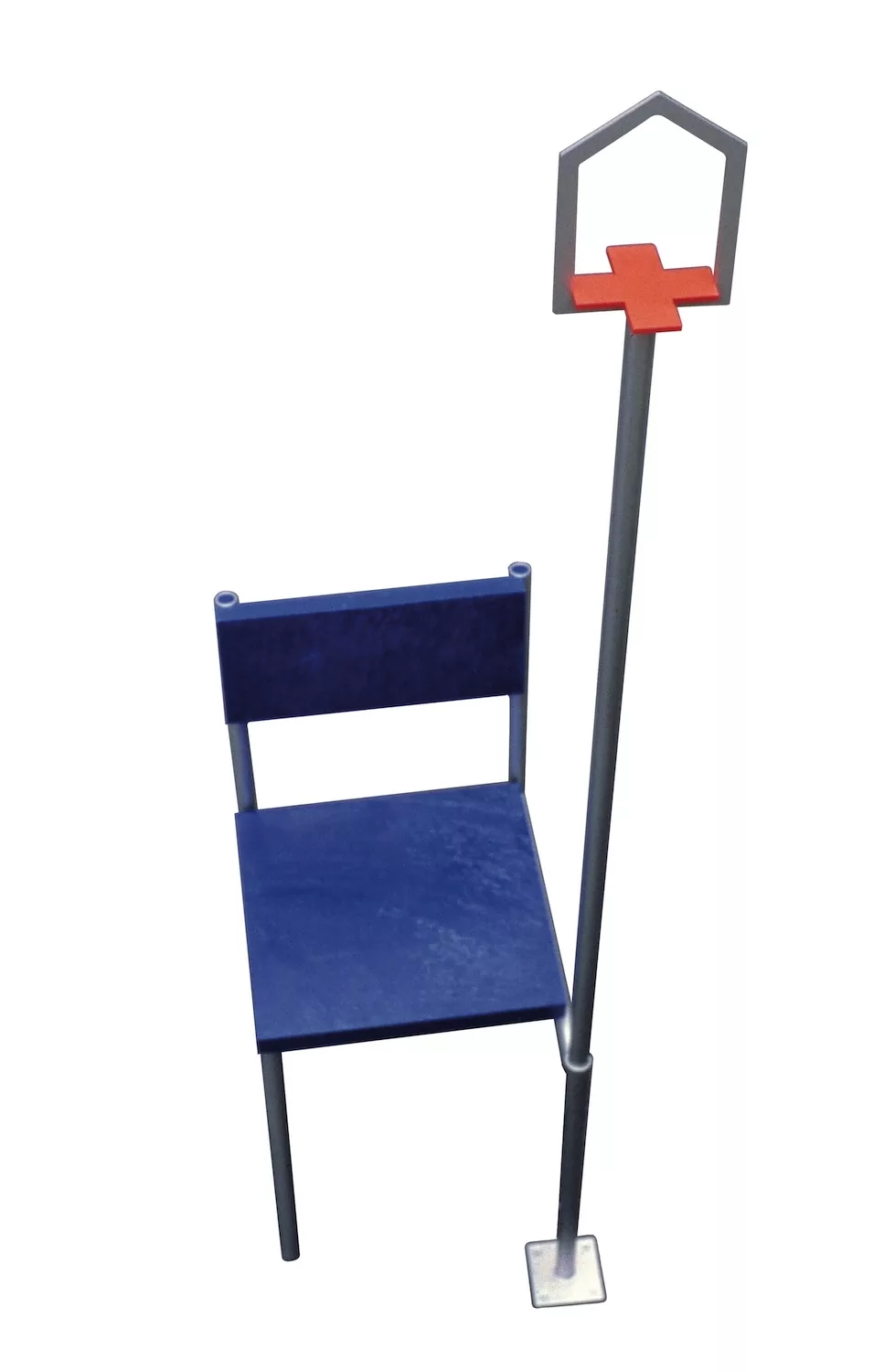
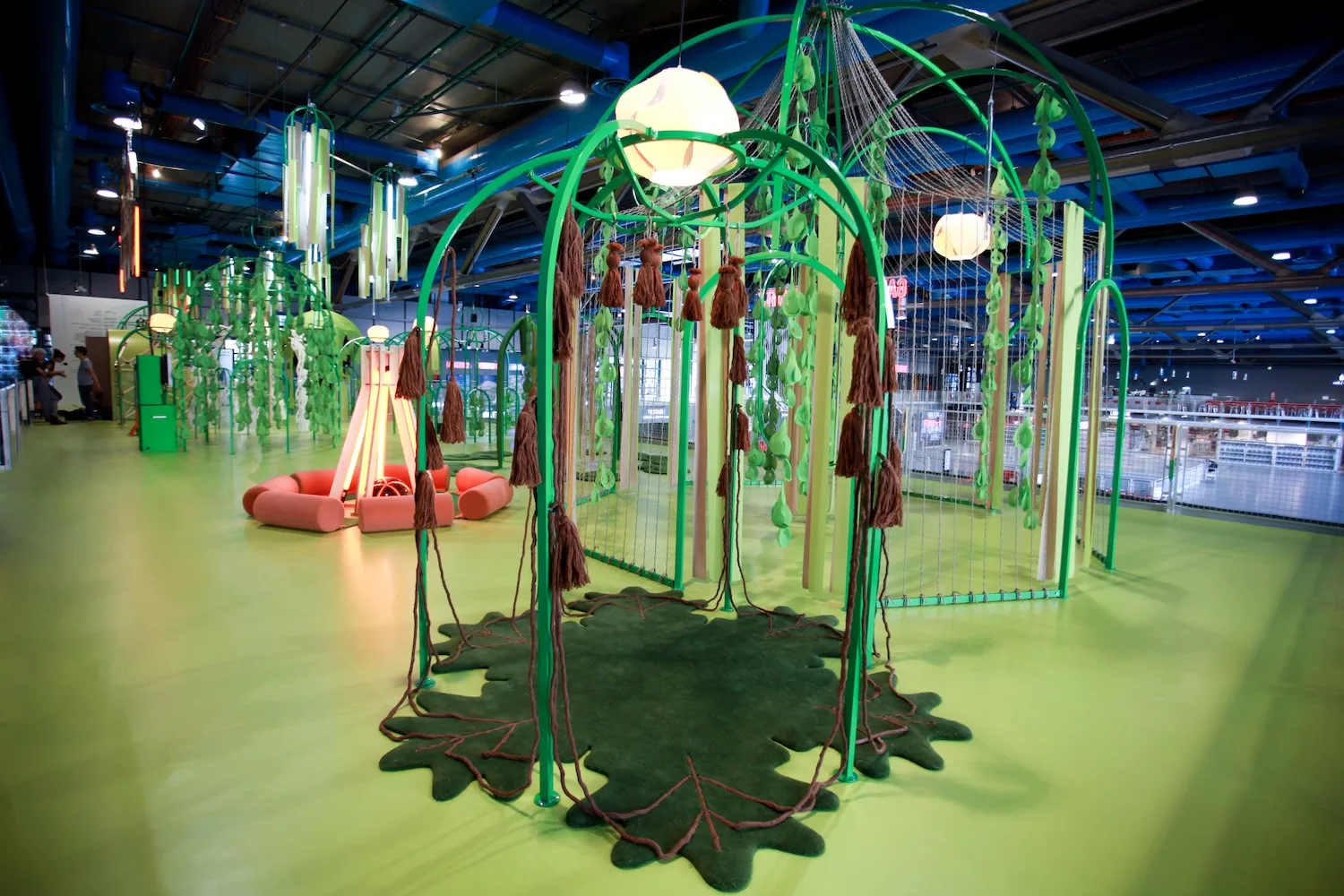
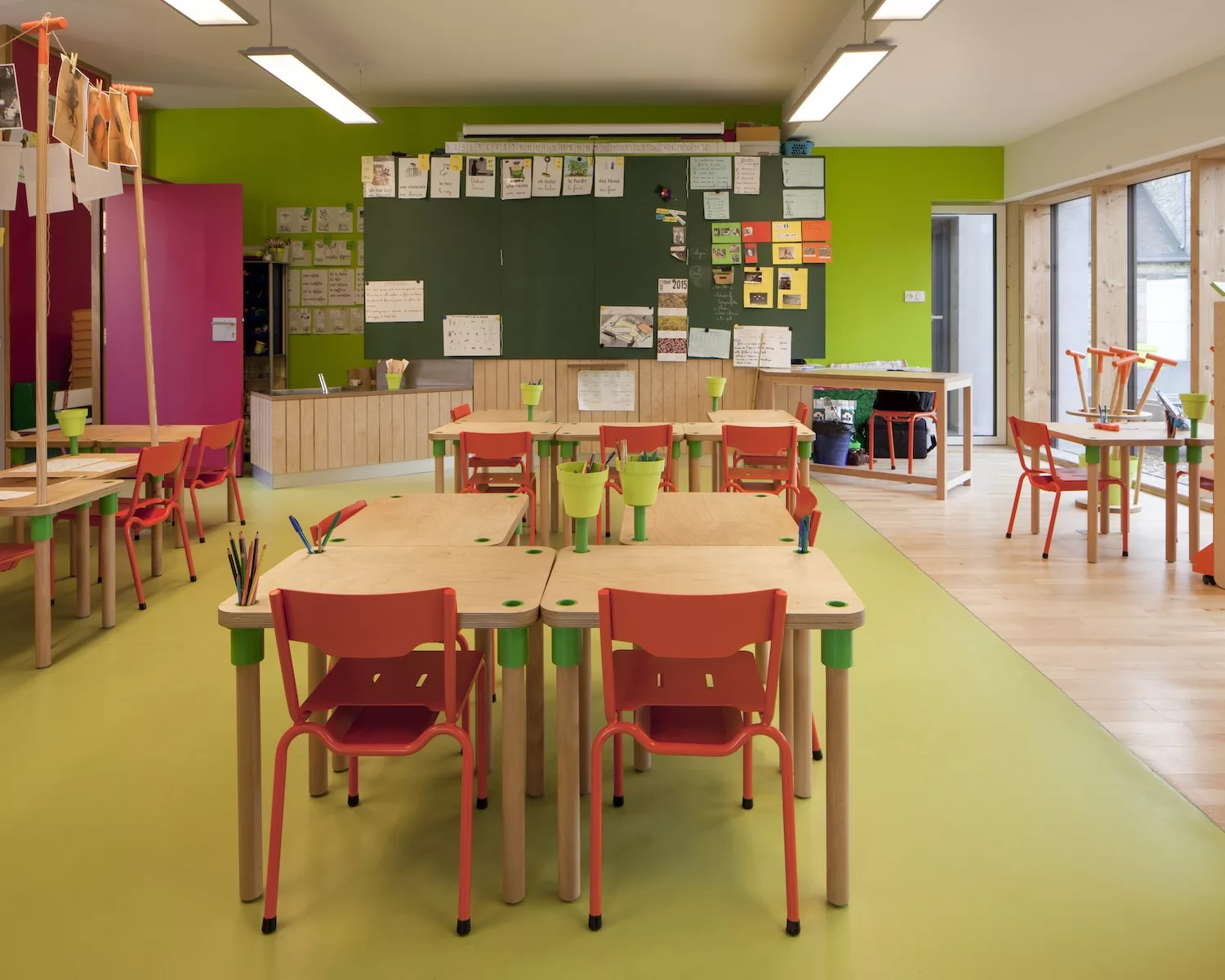
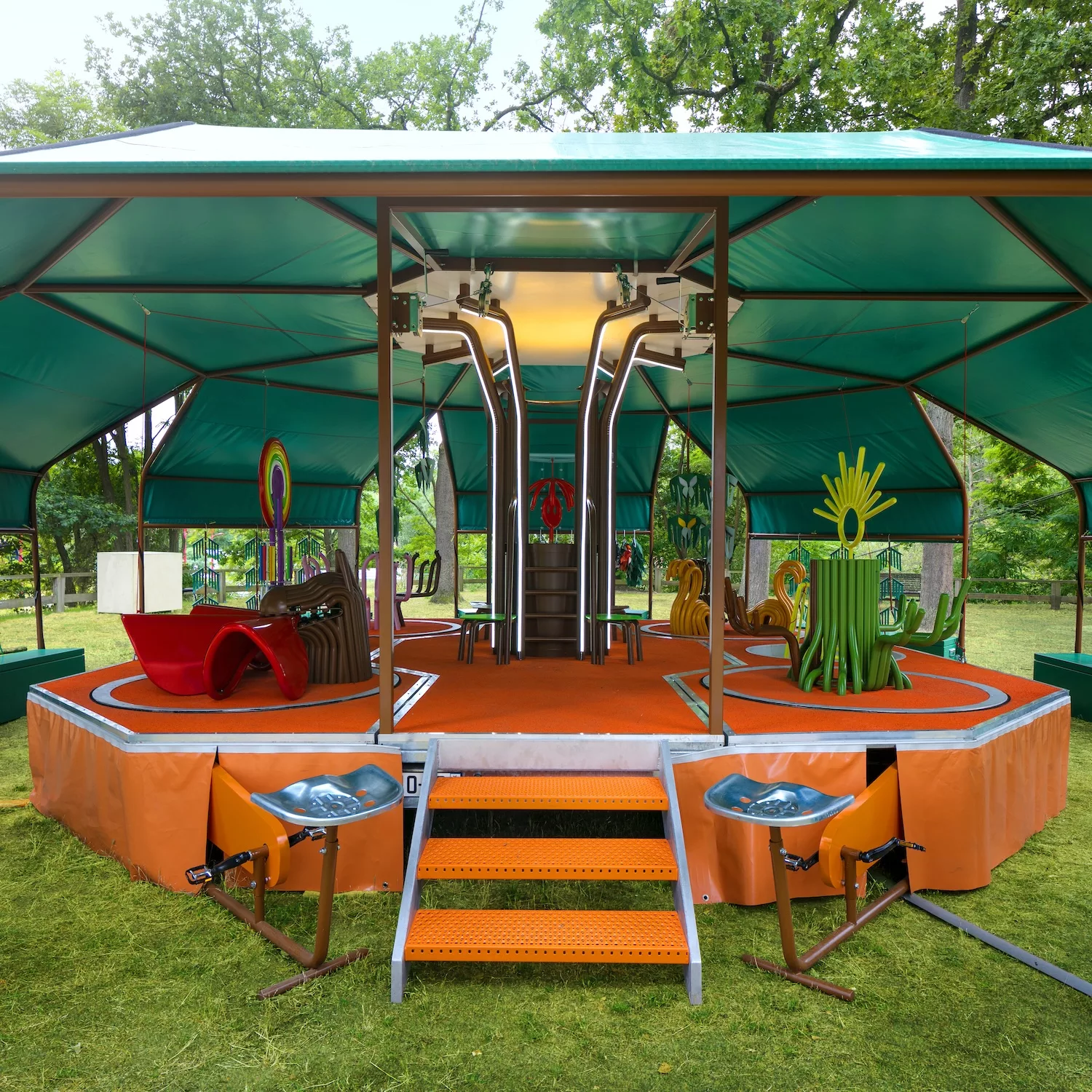
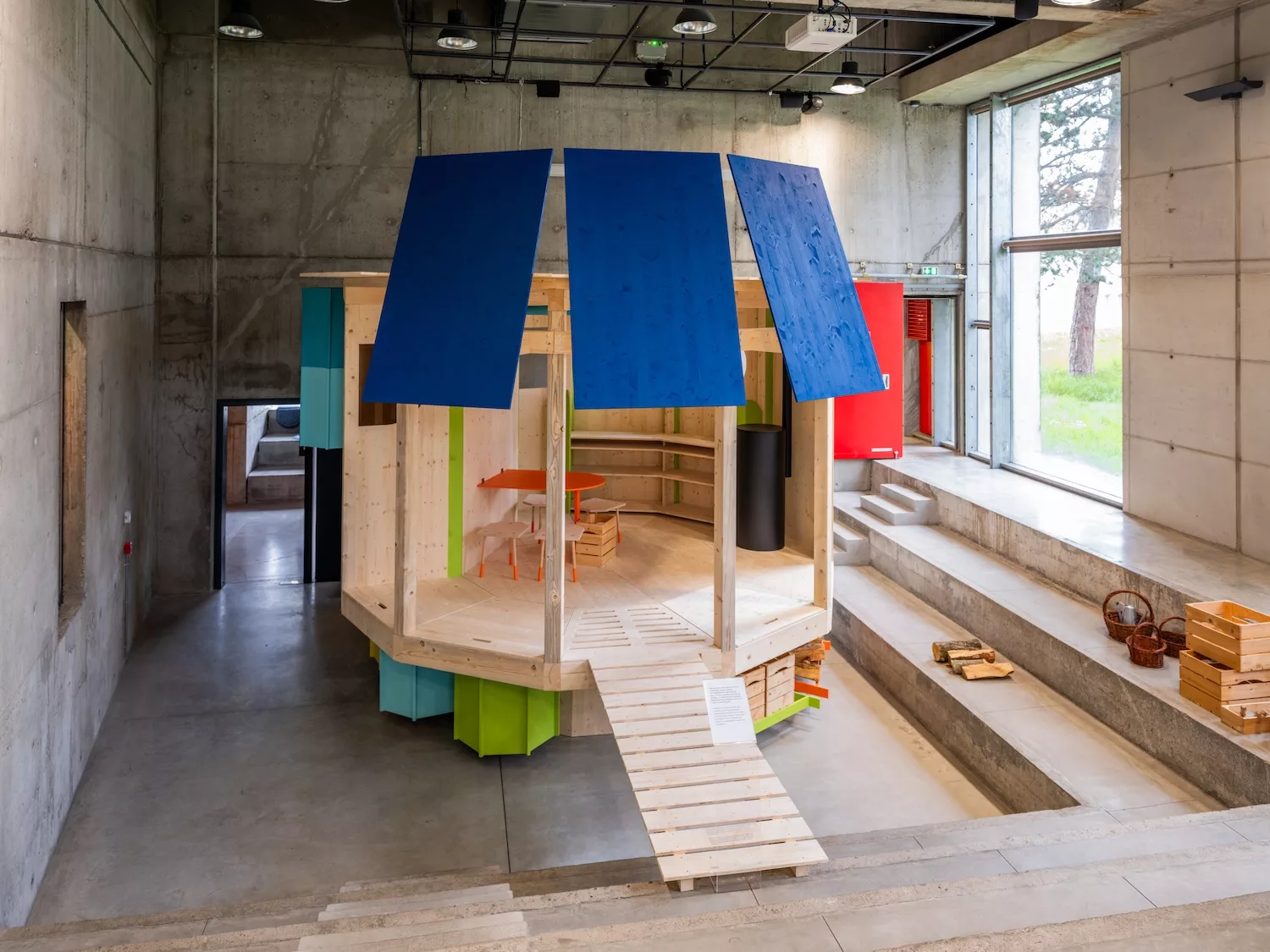
In 1994, with The Empathic Chair, an urban furniture project consisting of a modular seat equipped with extensions including a child’s chair and a perch for birds, matali crasset made cohabitation and empathy central to her design approach. Rethinking the individual’s relationship to their environment, she conceived Maison Empathique (exhibited at the 2013 Biennale du Design de Saint-Étienne) as a space in which the user’s everyday actions generate energy. For various commissions, matali crasset has designed microarchitectures, such as the dovecote Capsule (2002–2003), as well as play areas and huts, each of them inviting users to occupy public space. For children, she has created environments envisioned as protected and inhabited imaginary ecosystems. In 2015, at the elementary school Le Blé en Herbe in the northwestern French town of Trébédan, she produced a series of lightweight, adaptable furnishings intended to help the pupils learn about sharing and taking ownership of space.
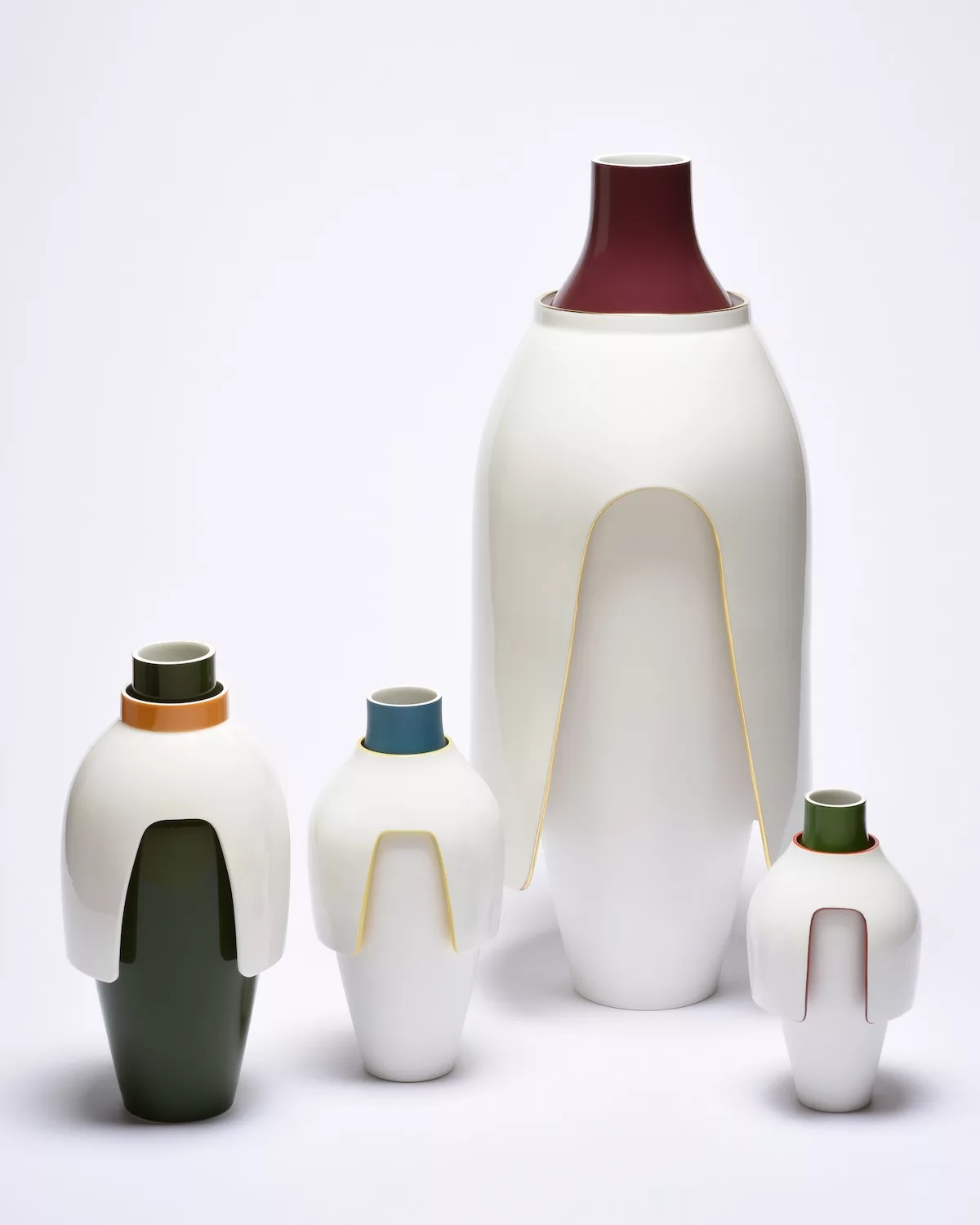
Over the years, matali crasset has received many commissions in France (CNAP, Mobilier National, Dijon Cathedral, Manufacture de Sèvres) and abroad (National Museum of Singapore, Power Station of Art in Shanghai). Her work belongs to the collections of various institutions including CNAP, the Centre Pompidou, MUDAC (Lausanne), the V&A and MoMA.
A biography produced in partnership with the Centre Pompidou.
© Archives of Women Artists, Research and Exhibitions, 2026