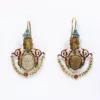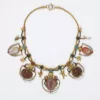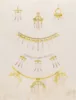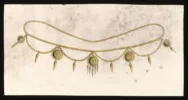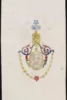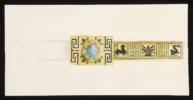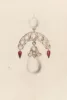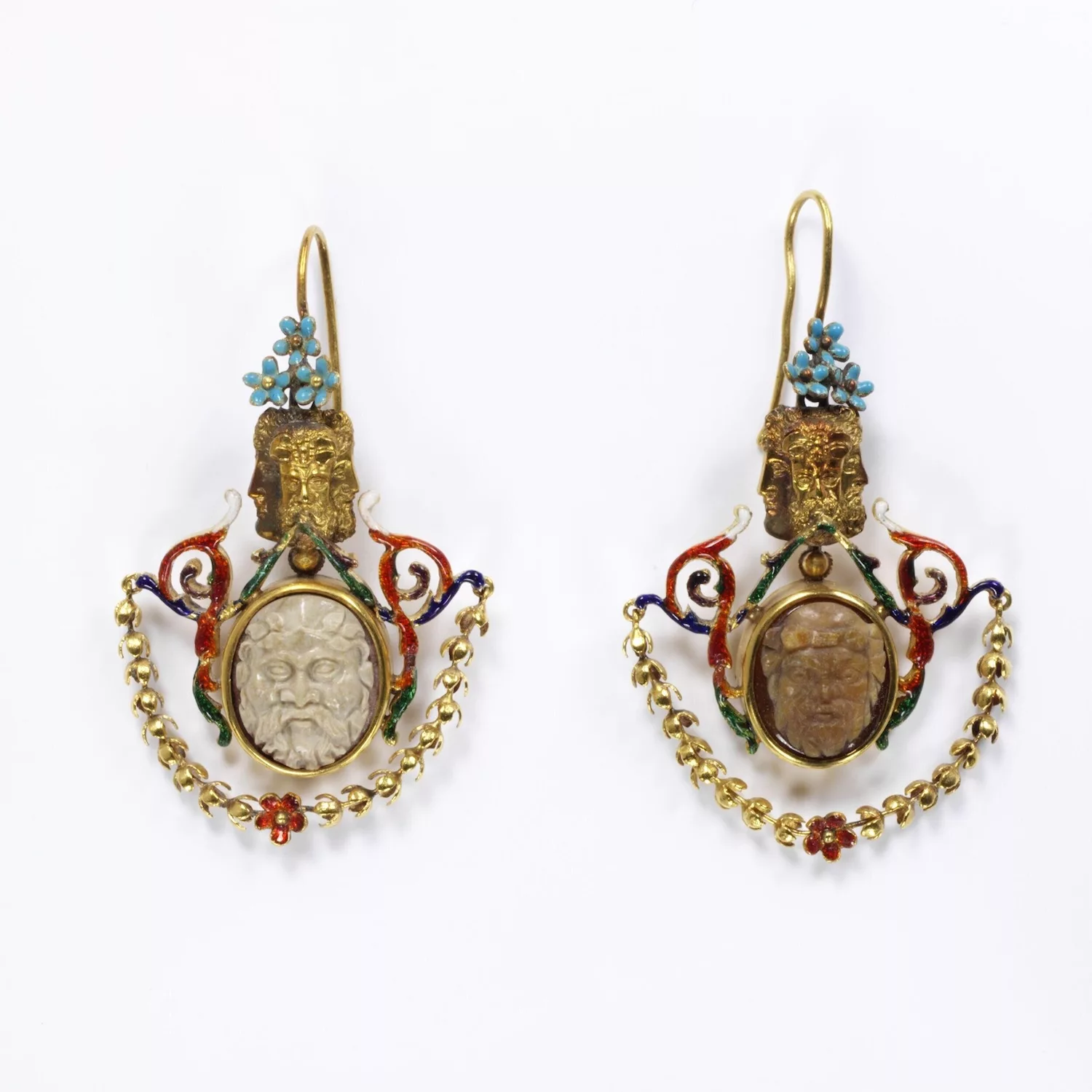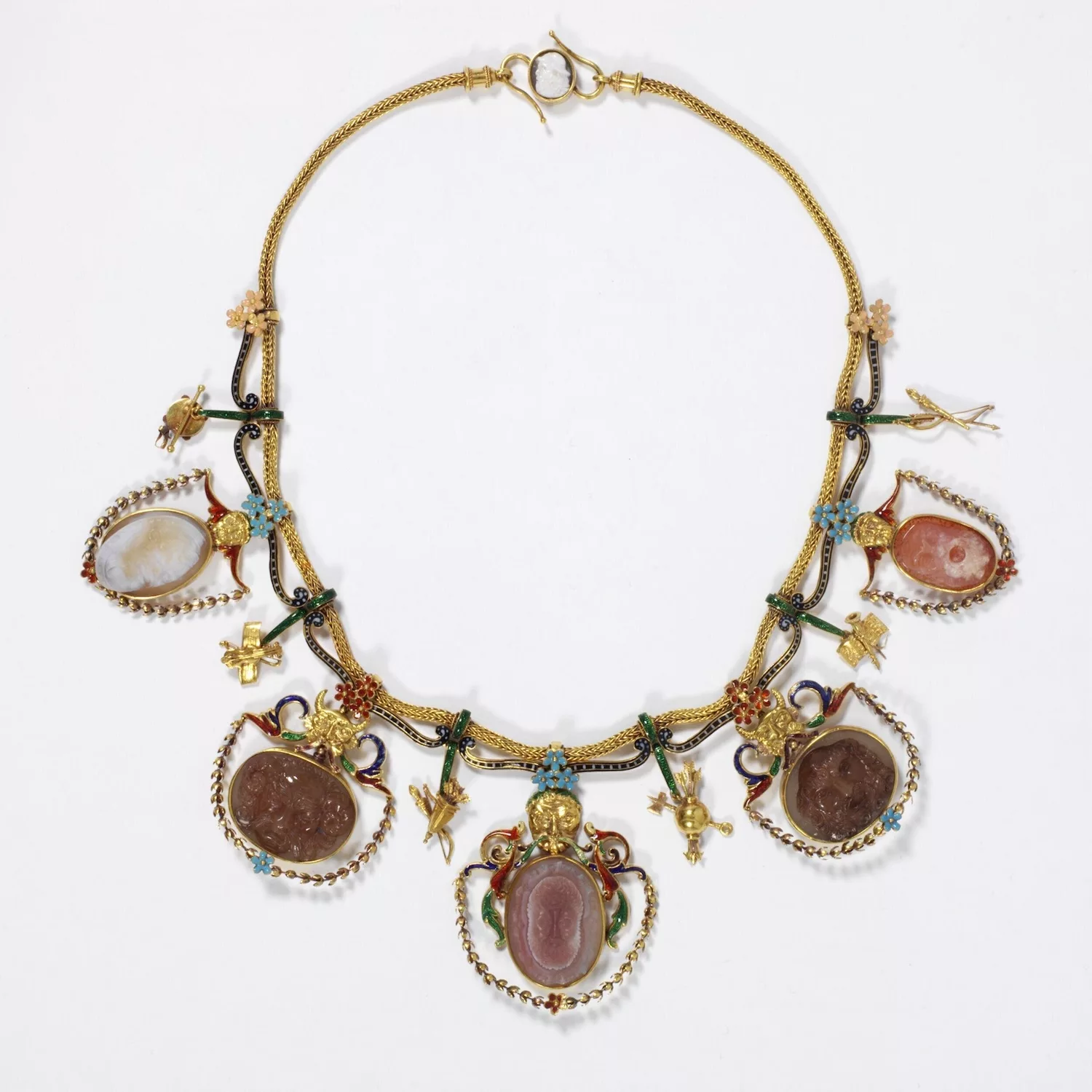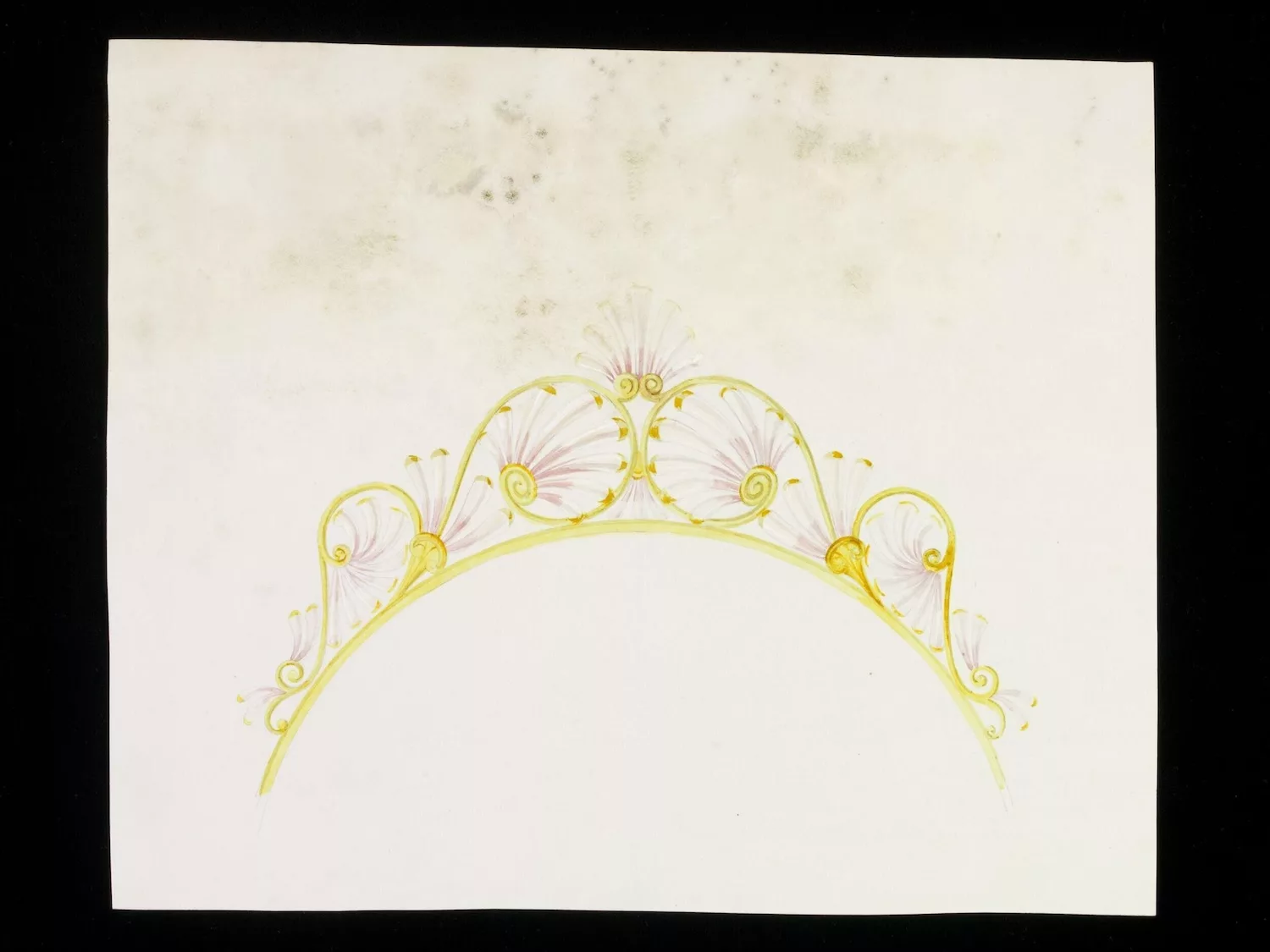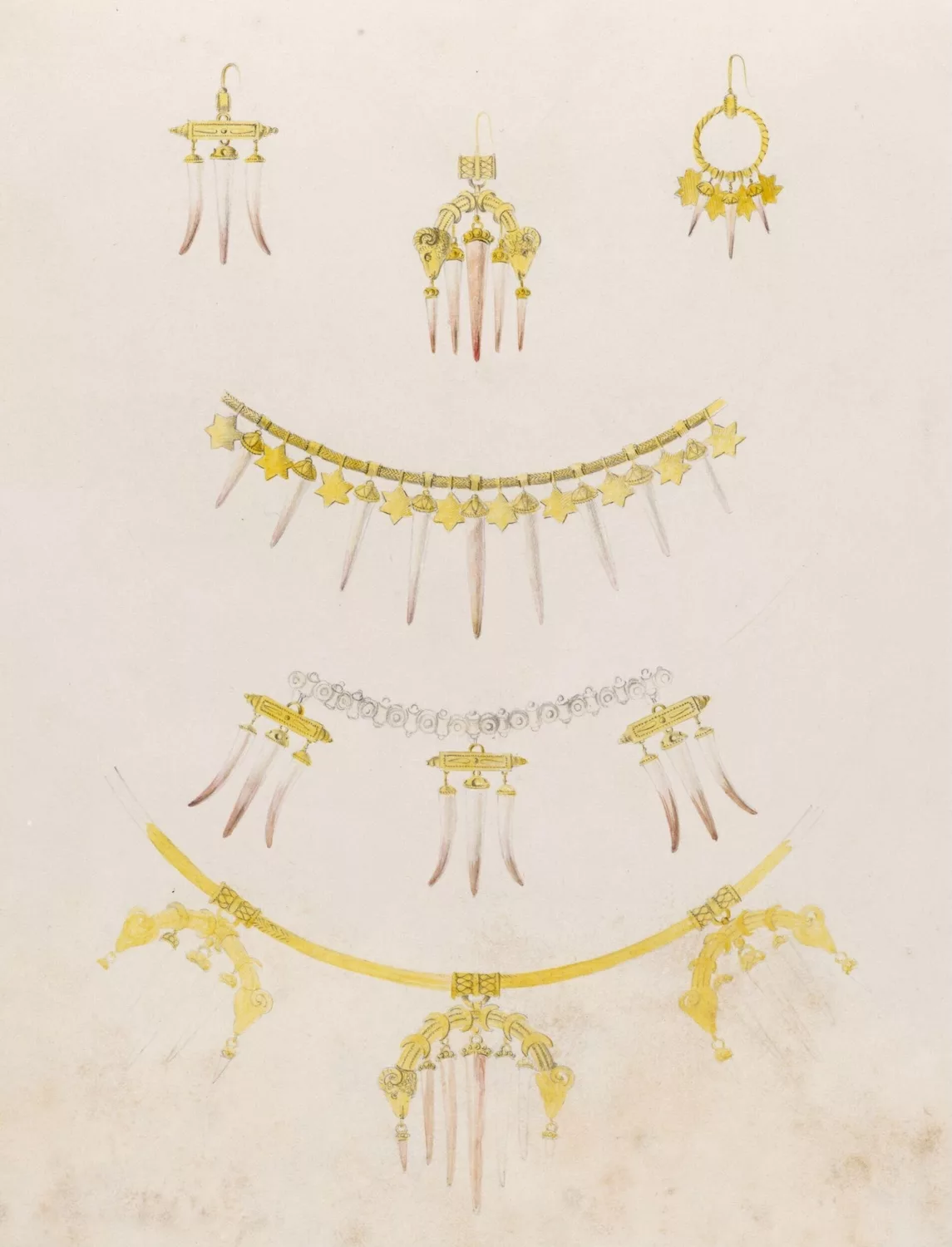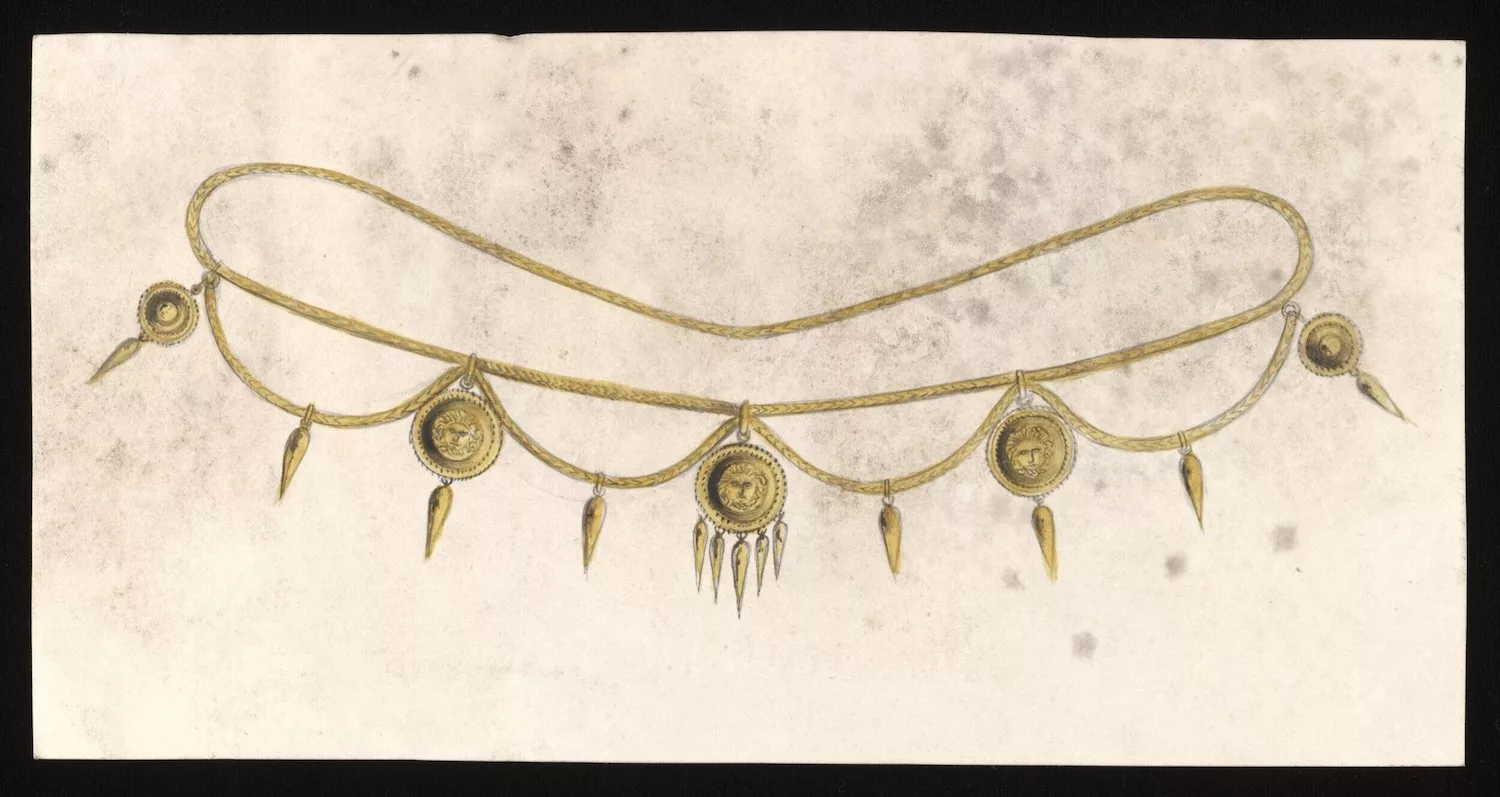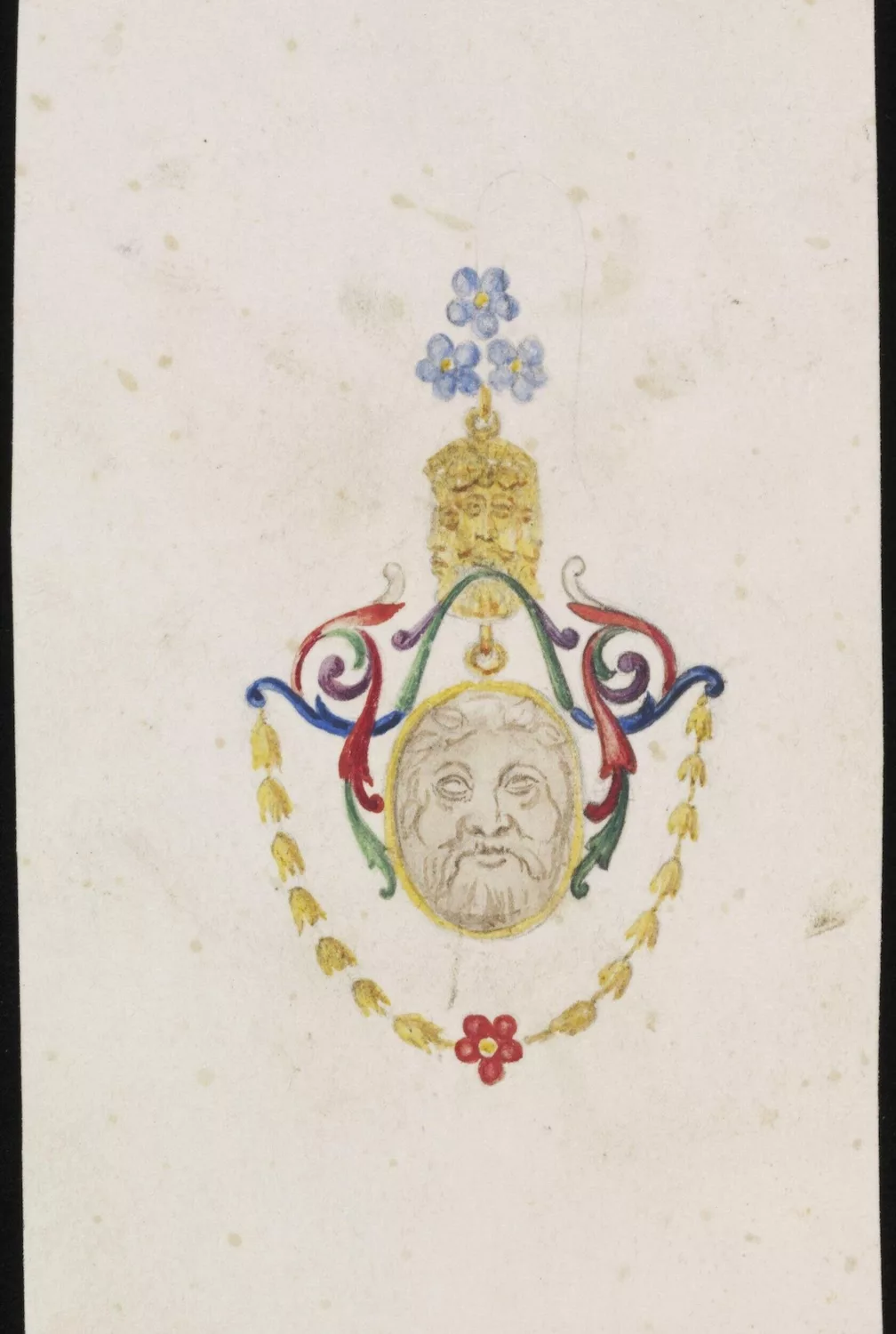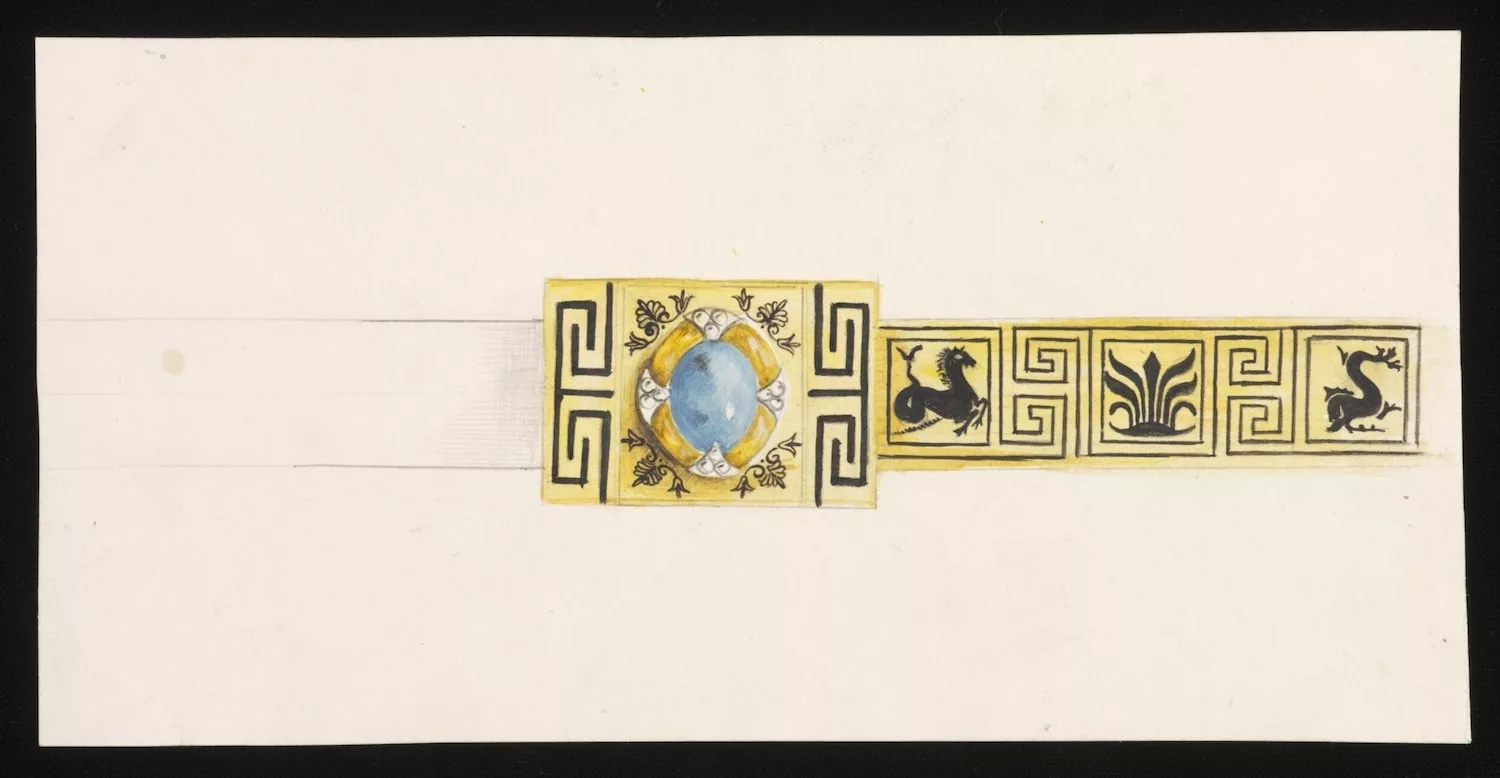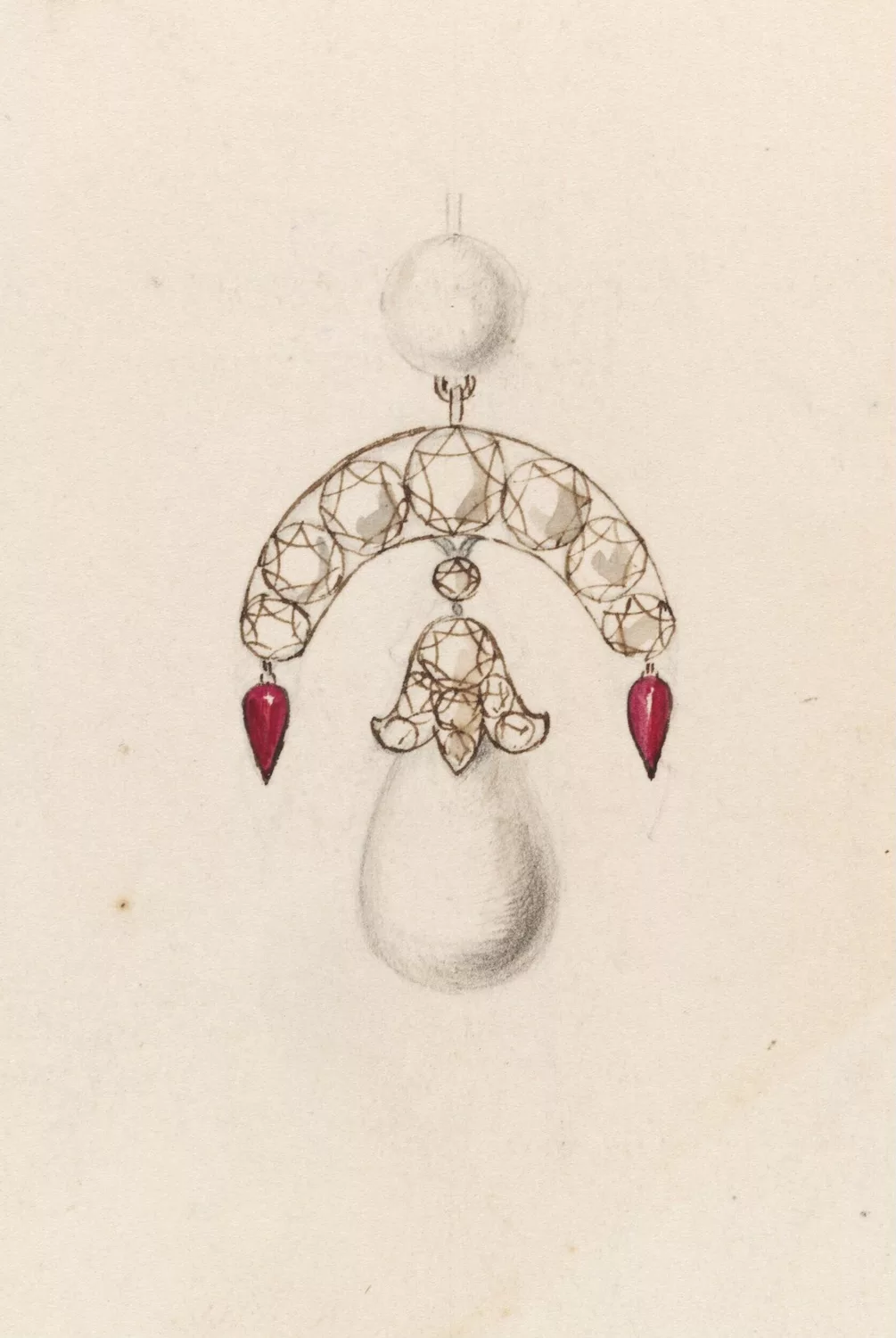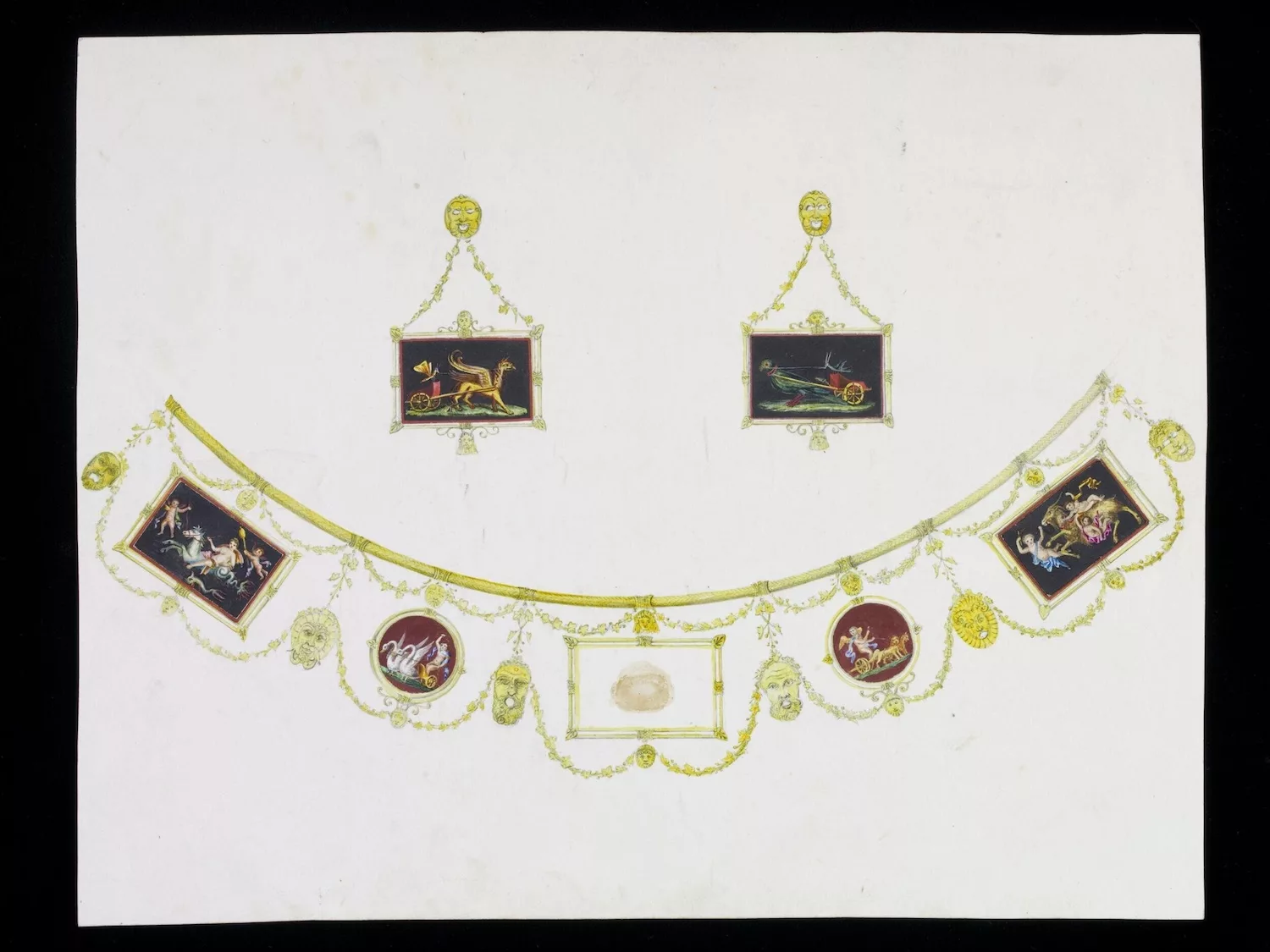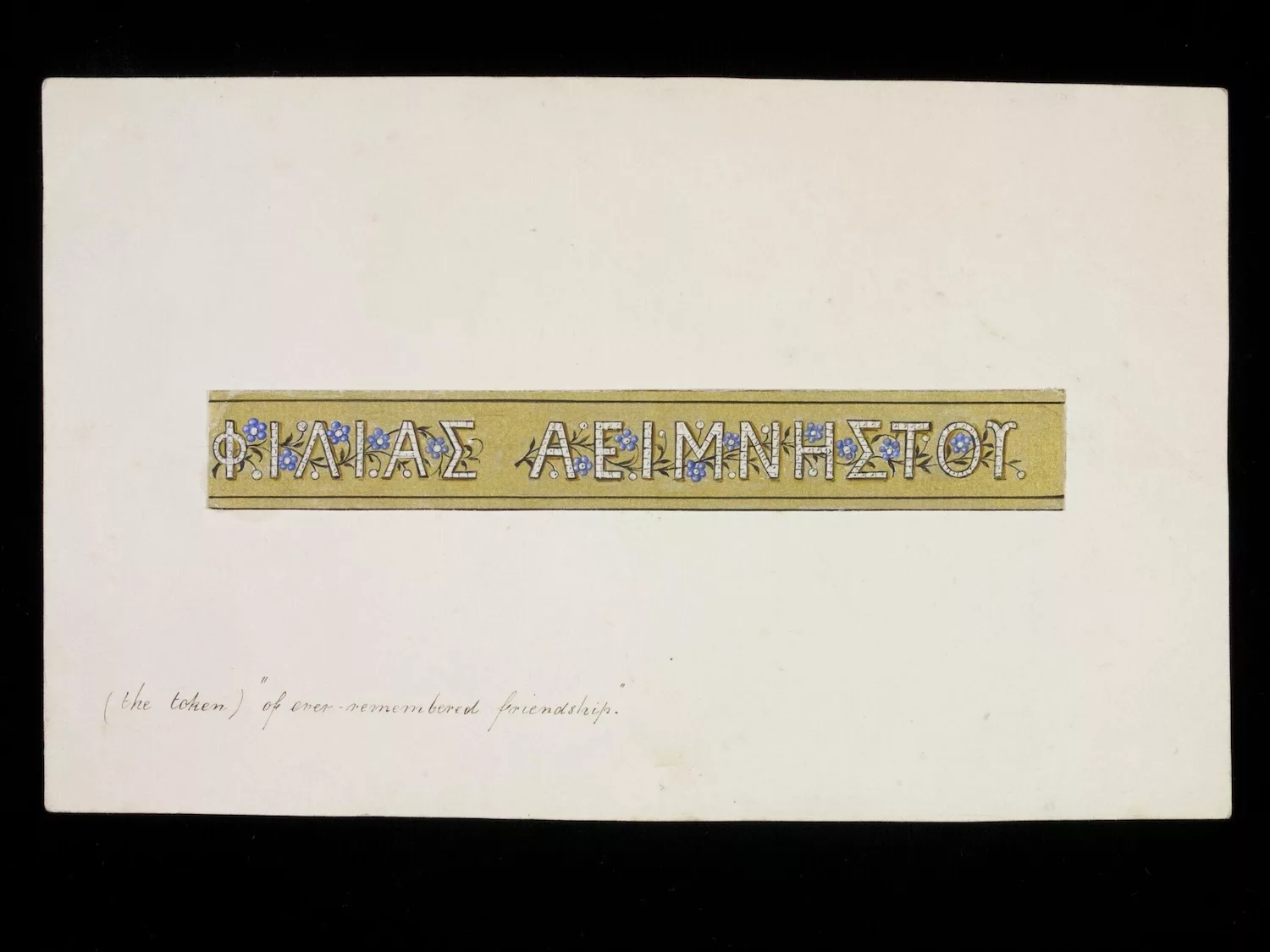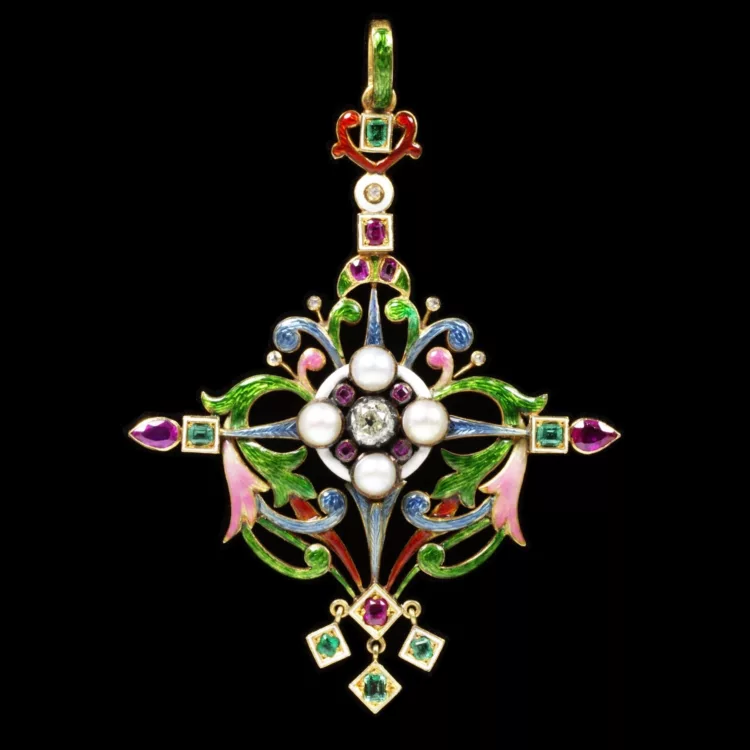
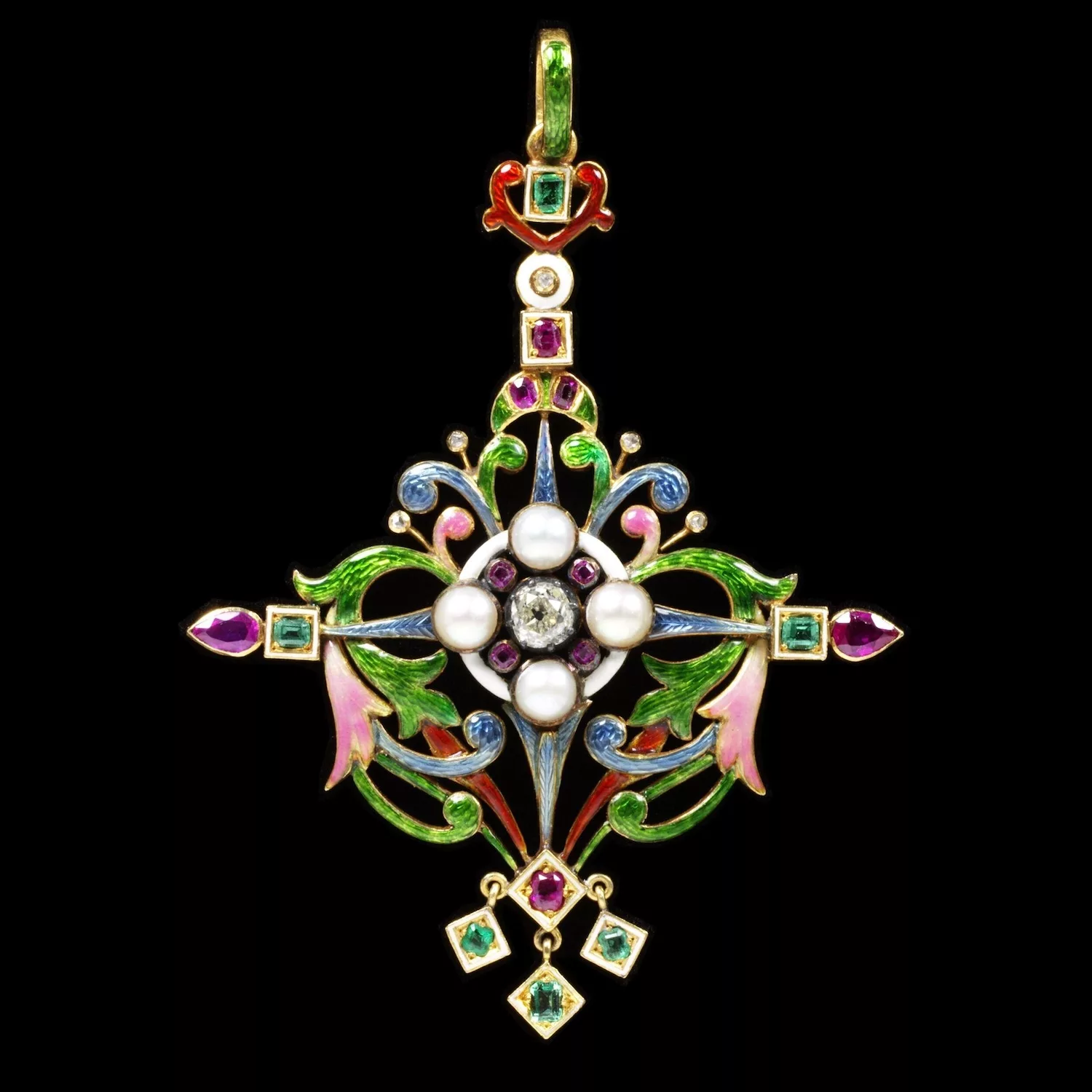
Charlotte Newman, Pendant, ca. 1890, gold, enamel, diamond, ruby, emerald and pearl, 8 × 5.7 × 1 cm, V&A
Thomas, Zoe, “Between art and commerce: women, business ownership and the arts and crafts movement”, Past and Present, vol.247 issue 1, 2020, p.151–96
→Thomas, Zoe Women Art Workers and the Arts and Crafts Movement, Manchester, Manchester University Press, 2020
→Karlin, Elyse Zorn, Maker and Muse: Women and Early Twentieth Century Art Jewelry, The Monacelli Press, 2015
Maker and Muse: Women and Early Twentieth Century Art Jewelry, The Richard H. Driehaus Museum, Chicago, February 2015 – January 2016
→World’s Columbian Exposition (Chicago World Fair), Chicago, May – October 1893
→Exposition Universelle, Paris, May – November 1878
British jewellery designer and goldsmith.
Charlotte Isabella Newman was the only woman qualified by experience and knowledge to call herself a goldsmith in Victorian England. She was also unique for being the only jeweller who manufactured her pieces on her shop premises.
Born in Mayfair, London in 1836, C. Newman attended the Government School of Design (now the Royal College of Art) from the age of 14. She continued her training there when it moved to the South Kensington Museum (now the Victoria and Albert Museum) where the founder of the museum, Sir Henry Cole, encouraged her career as a designer saying, “For the future, young lady, you must apply yourself entirely to designing” (see Tooley, 1895). Despite her preference to pursue a literary career, C. Newman spent the next few years producing designs for carpets, ceramics, paper-hangings and textile fabrics before marrying Philip Newman in December 1860.
Shortly after this, she met jeweller John Brogden (1819–1884), who happily took C. Newman under his wing as a designer for his company. They worked together for twenty years, and their partnership provided C. Newman with the opportunity to exhibit her work at the Paris Exposition Universelle in 1867 and again in 1878, where she was awarded the Médaille d’honneur as a collaboratrice. After producing a locket for Princess Louise, she worked her way up from designer to manager of the business.
C. Newman was known for the archaeological revival style, inspired by the excavations of Roman and Etruscan sites. Her distinctive work for J. Brogden’s firm created a recognition that rivalled Castellani. She was also a key figure in the early arts and crafts fashions, demonstrating an eye for detail in both design and production. ‘The Brogden Album’ (held in the V&A) is a rare record of the diverse, ever-changing style in jewellery tastes to which the firm catered, and includes seventy-five of C. Newman’s designs.
Following J. Brogden’s death in 1884, she took on his craftsmen and opened her own shop off Bond Street, named ‘Mrs Newman’s’ – the name she often went by. C. Newman hallmarked her pieces with ‘Mrs N’, and as a business owner she was one of the few women able to do this at the time. She was outspoken in her support for women artists through her memberships in the Women’s Guild of Arts and the Lyceum Club, both founded in response to women being excluded from male-dominated artistic organisations.
Producing exclusively singular designs, C. Newman said it was her own rule never to repeat a design, maintaining her customers’ confidence in buying one-of-a-kind pieces. She even refused to place any of her work in the shop window so it couldn’t be copied by passers-by, boasting that she was able to forgo this style of advertisement due to her acclaimed reputation.
In 1897, C. Newman moved her business to Savile Row and was appointed Court Jeweller. She stayed there until her retirement in 1910, when her daughter and granddaughter took over, running the business until the Second World War. Her name continues to attract attention today; her work fetches a high price at auction and can be found in renowned museums, such as the British Museum.
A biography produced in partnership with the V&A Museum.
© Archives of Women Artists, Research and Exhibitions, 2026