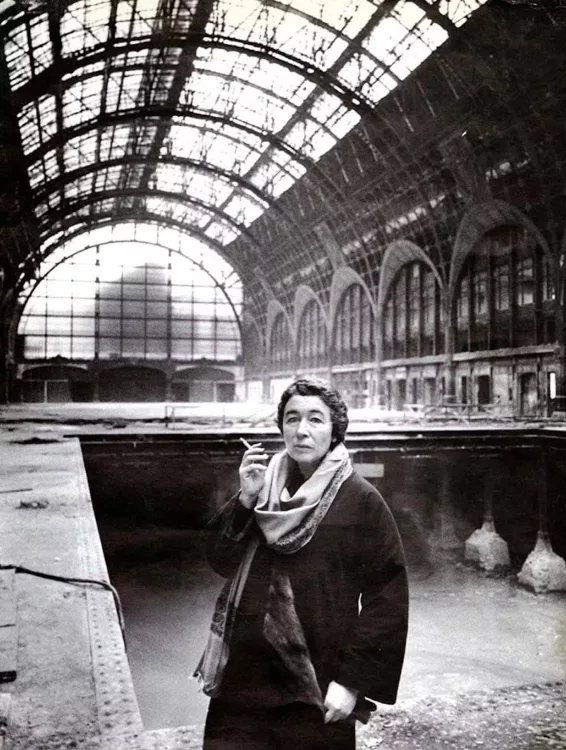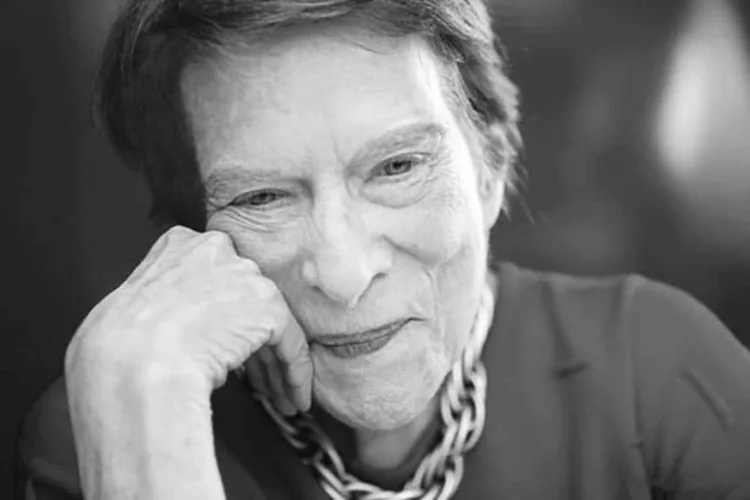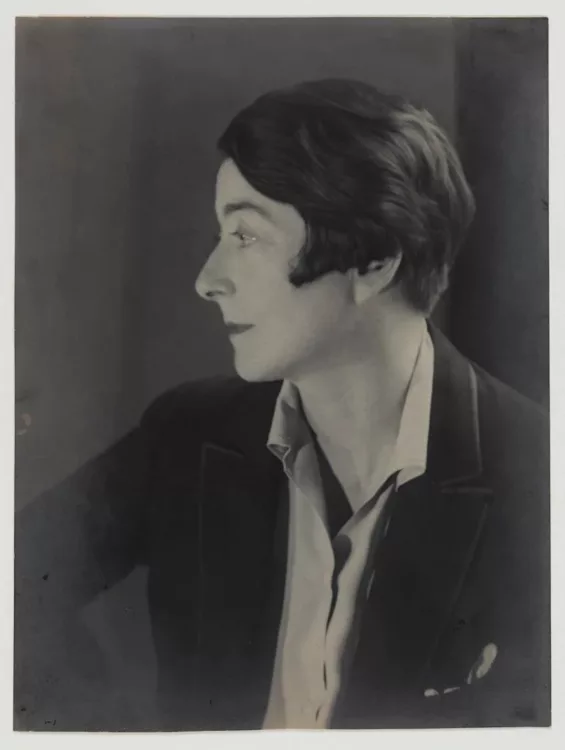
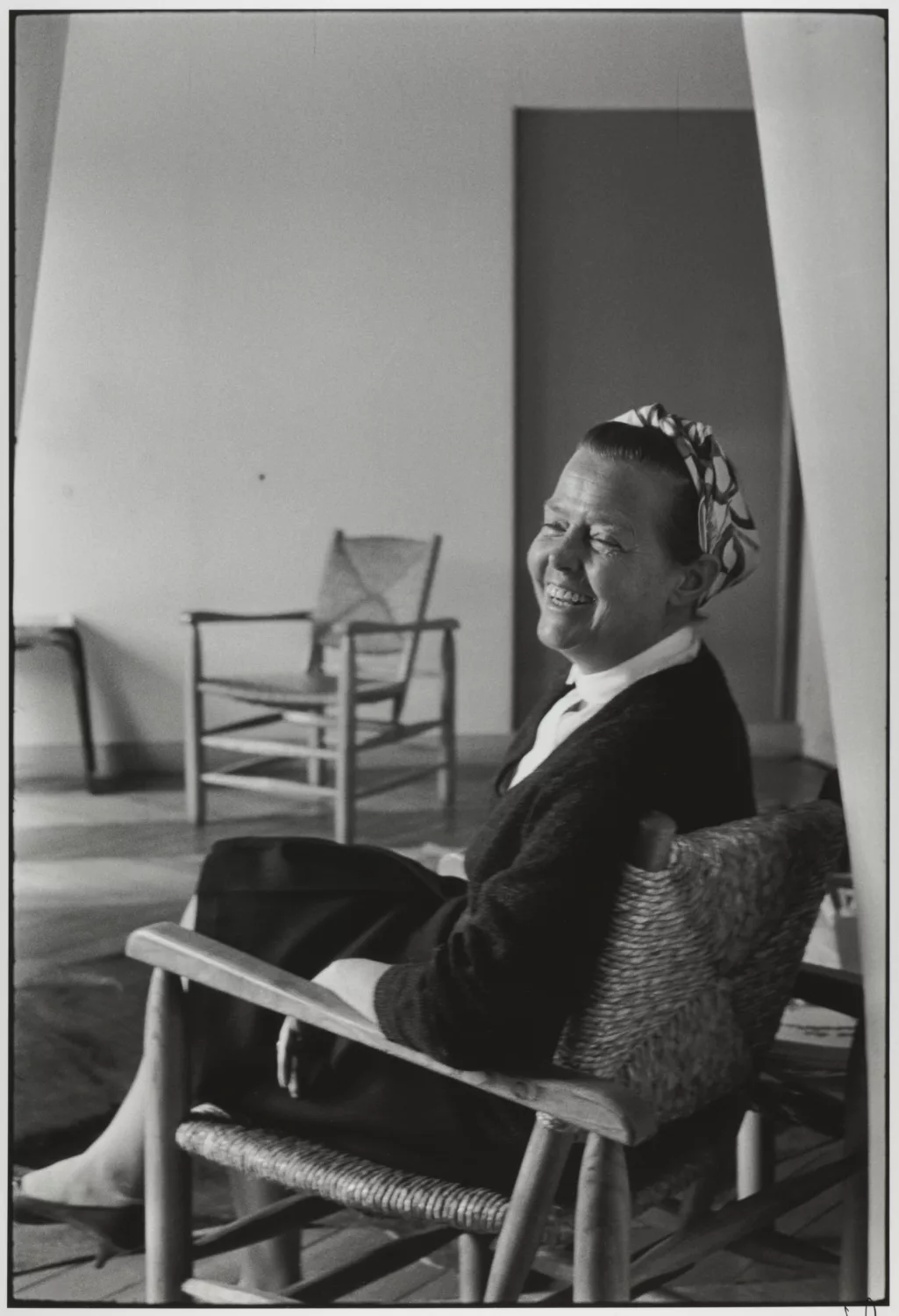
Jean Mounicq, Charlotte Perriand, 1963, © Ministère de la Culture – Médiathèque du patrimoine et de la photographie, Dist. GrandPalaisRmn / Jean Mounicq
Sébastien Cherruet and al., Le Monde nouveau de Charlotte Perriand, exh. cat. (Paris, Fondation Louis Vuitton, October 2, 2019 – February 24, 2020), Paris, Gallimard, 2019
→Jacques Barsac, Charlotte Perriand and Yvonne Brunhammer, Charlotte Perriand. Un art d’habiter (1903-1959), Paris, Norma, 2005
→Charlotte Perriand, exh. cat. (Paris, Centre Pompidou, December 7, 2005- March 27, 2006), Paris, Centre Pompidou, 2005
Charlotte Perriand. The Modern Life, London, Design Museum, June 2021-September 2021
→Le Monde nouveau de Charlotte Perriand, Paris, Fondation Louis Vuitton, October 2019-February 2020
→Charlotte Perriand, Paris, Centre Pompidou, December 2005-March 2006
French architect, industrial designer and urban planner.
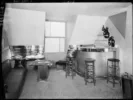
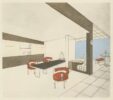
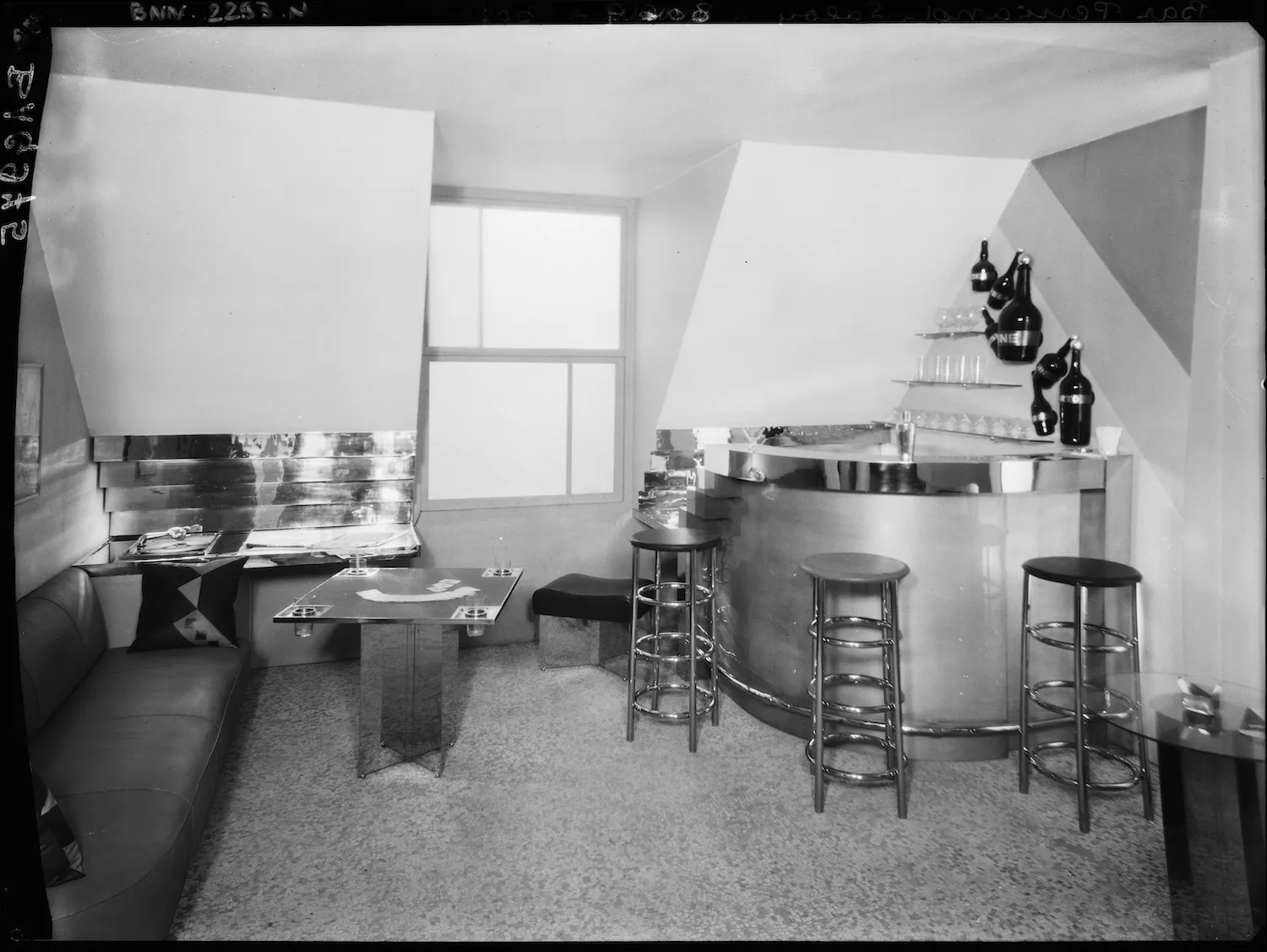
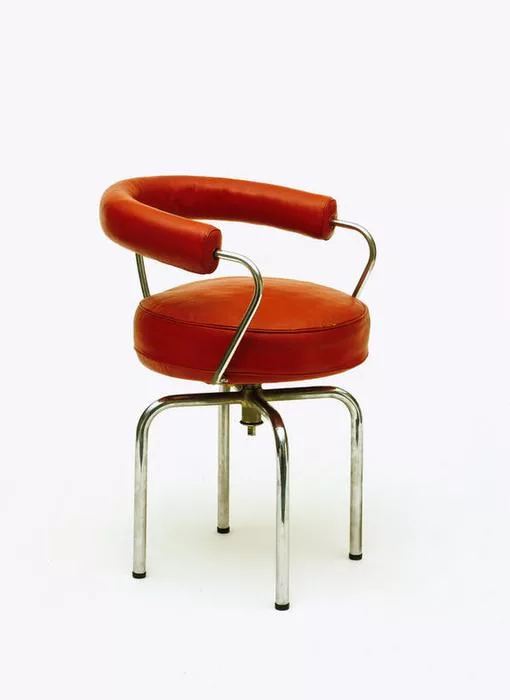
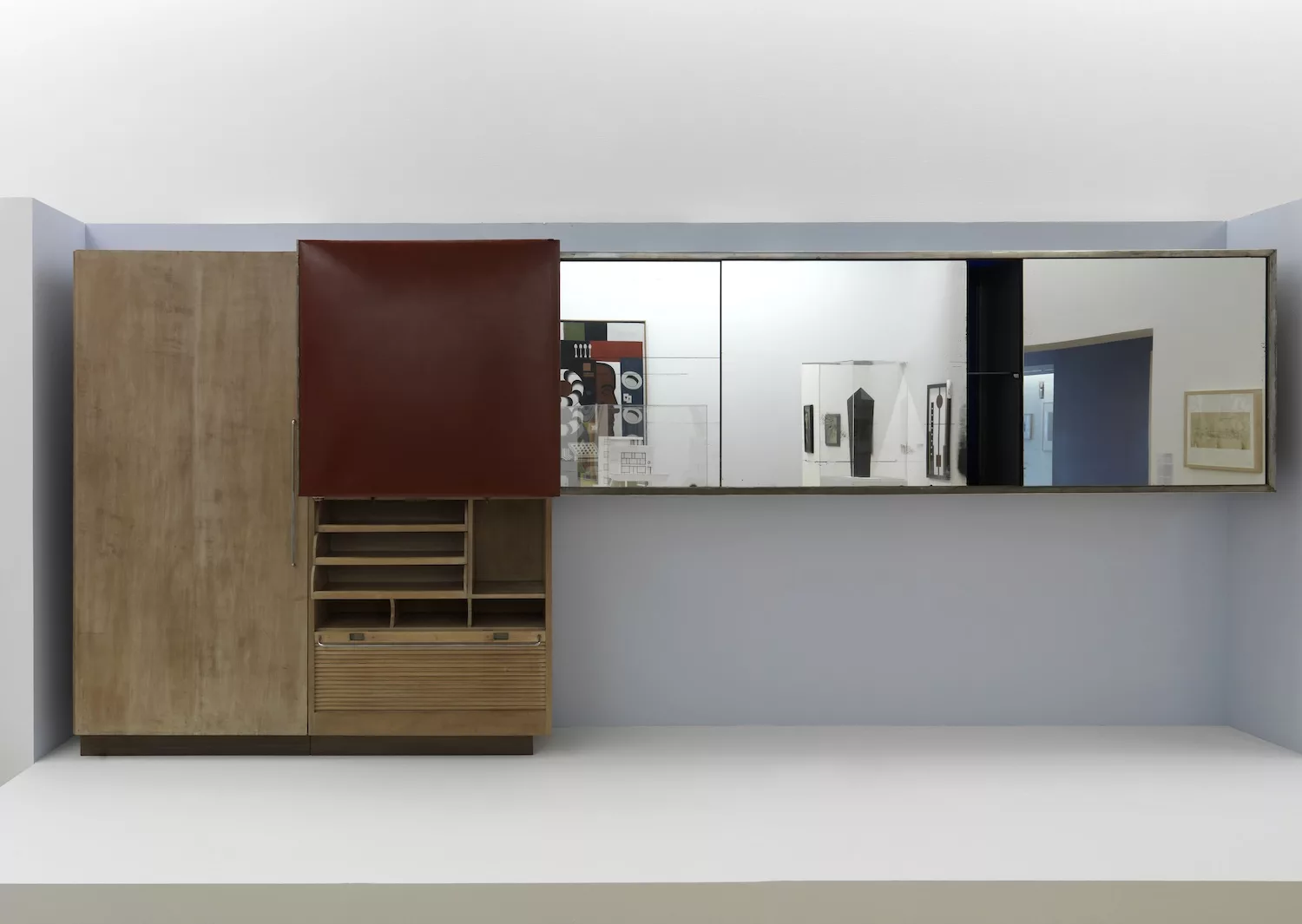
Charlotte Perriand grew up in Paris in a family of artisans who fostered her early interest in both manual handcrafts and materials and their uses. From 1921 to 1925, she attended the Union Centrale des Arts Décoratifs, studying art history and materials and their implementation, and acquired a strong foundation, especially in the fields of furniture and lighting. In 1927, her studio at Place Saint-Sulpice began to function as a kind of laboratory for her creations. There, she designed Le Bar Sous le Toit (1927), exhibiting it at the Salon d’Automne, as well as all the furnishings for her studio-flat, including Table Extensible (1927) and Fauteuils Pivotants (1927), which she showed at the 1928 Salon des Artistes Décorateurs. Inspired by the automotive industry, these chrome-plated steel and aluminium creations embody a radically functional vision of the modern home.
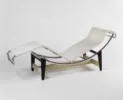
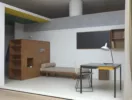
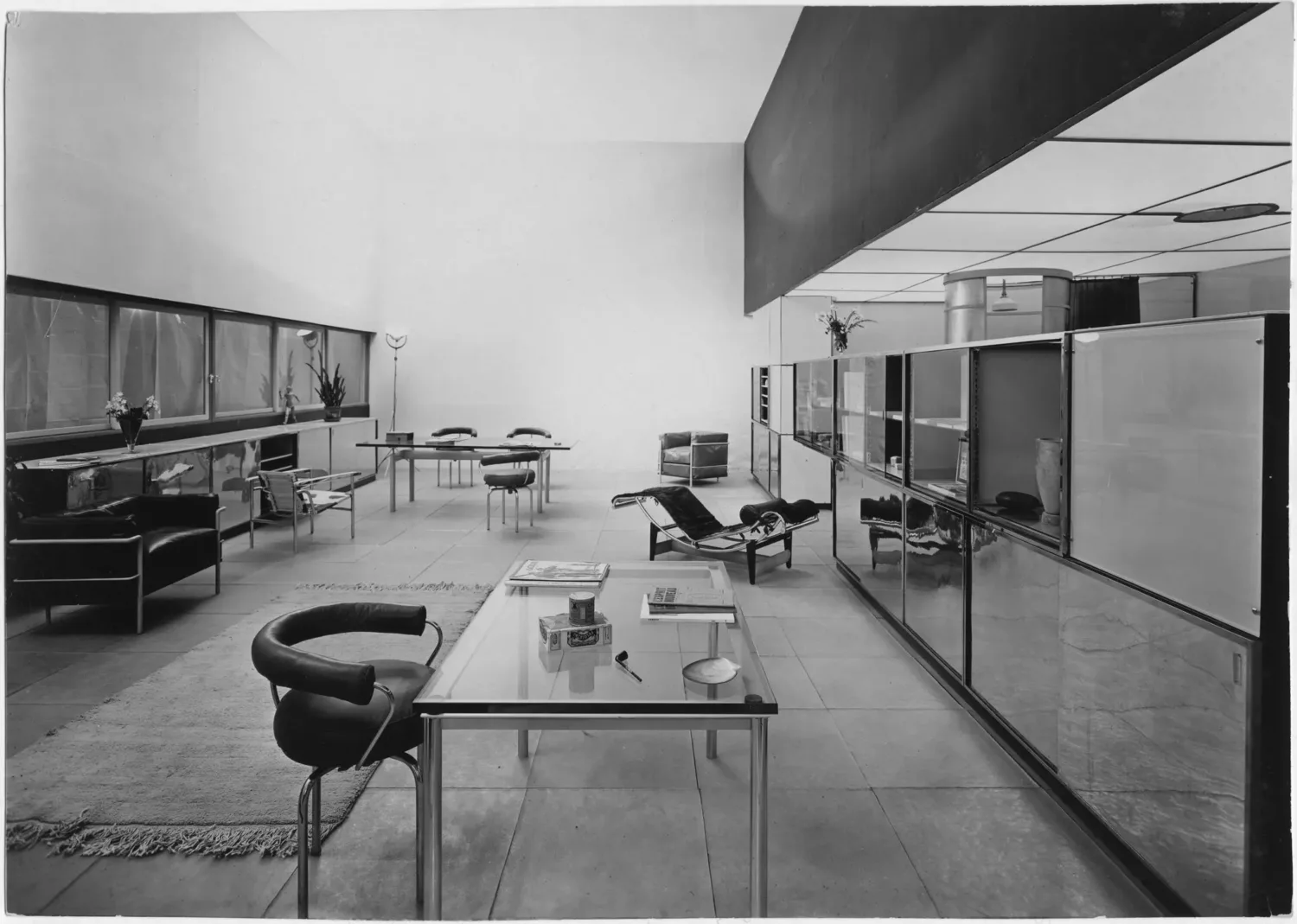
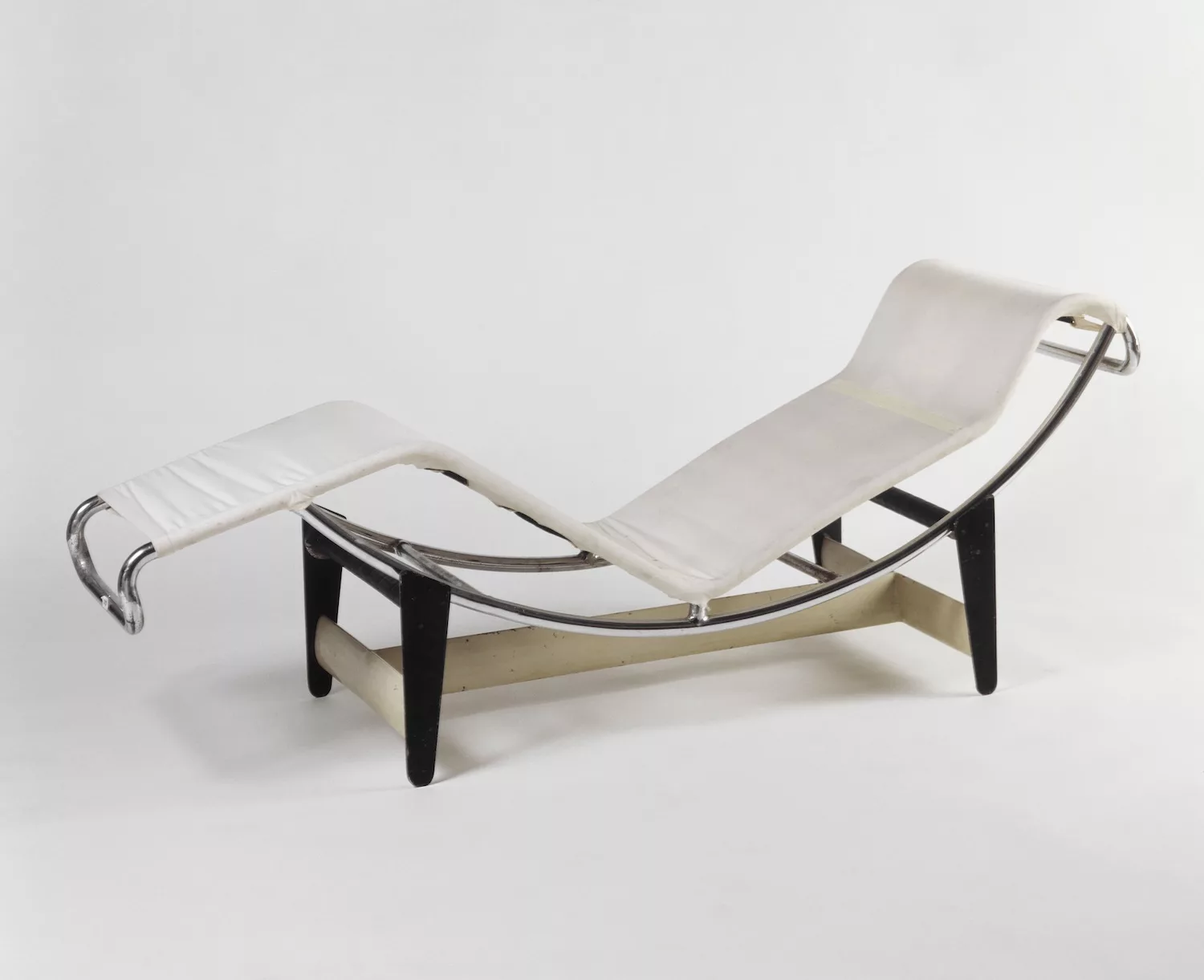
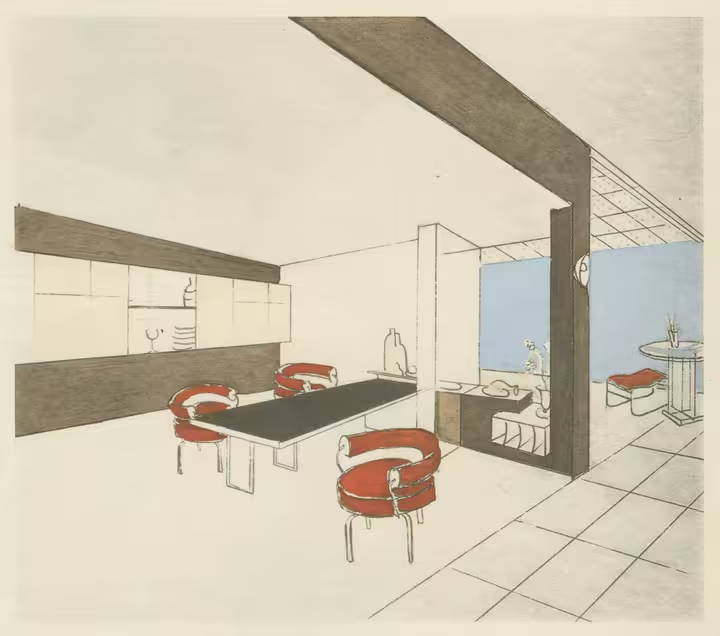
In 1928 C. Perriand partnered with Charles-Édouard Jeanneret-Gris (better known as Le Corbusier, 1887–1965) and Pierre Jeanneret (1896–1967), with whom she collaborated until 1937. For nearly ten years, she was responsible for the research, design and supervision of interior fittings, furniture and equipment. It was in this context that she designed several major works of modern industrial design: the Chaise Longue Basculante B306, the Fauteuil Grand Confort and the Fauteuil à Dossier Basculant B301 (all in 1928). Shown at the 1929 Salon d’Automne as part of the Équipement Intérieur de l’Habitation ensemble, they formed a streamlined, standardised living unit.
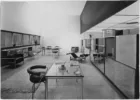
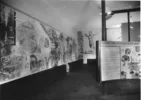
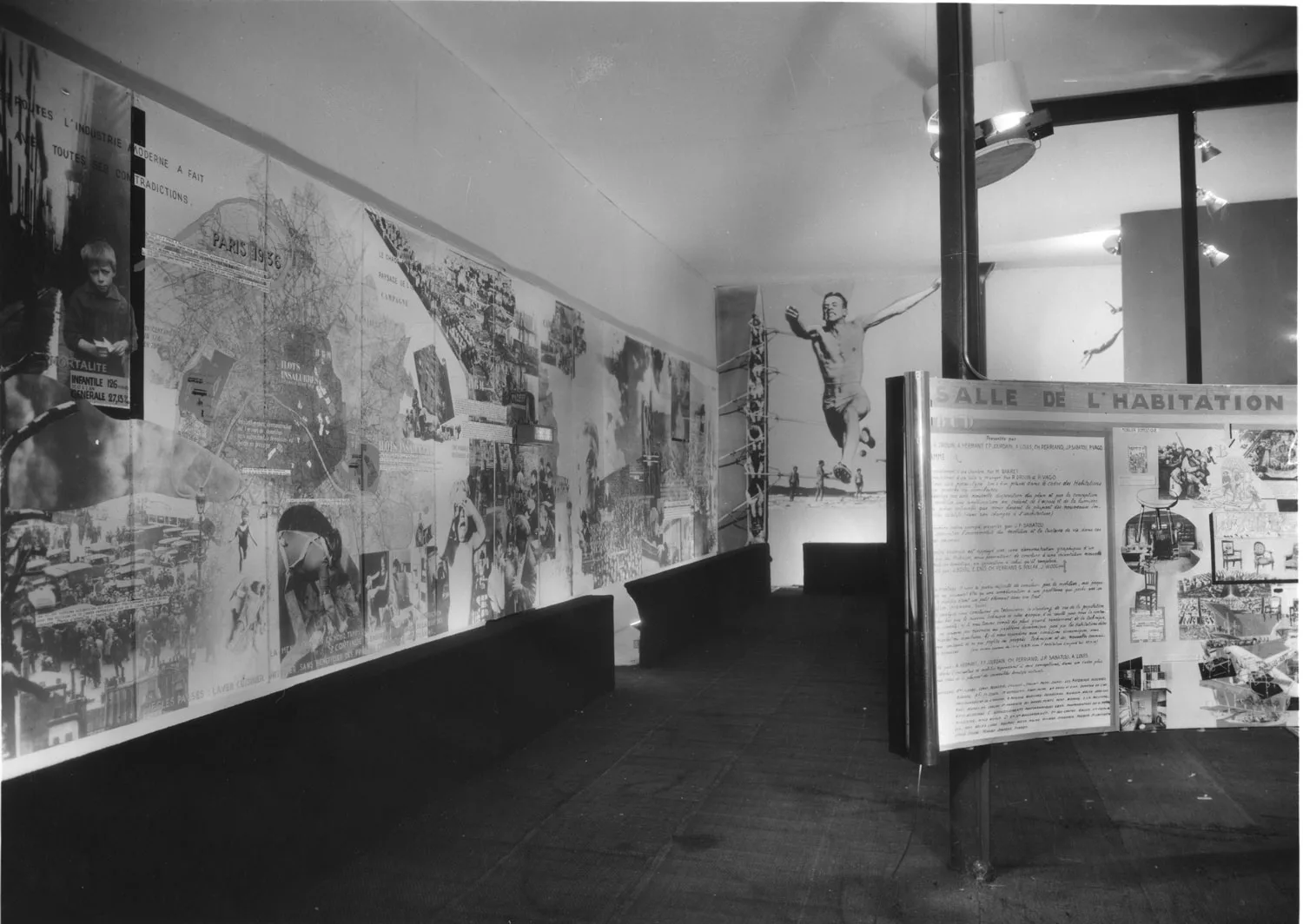
In 1929 she distanced herself from the conservative Société des Artistes Décorateurs and co-founded the Union des Artistes Modernes (UAM), which brought together designers including René Herbst (1891–1982), Hélène Henry (1891–1965), Pierre Chareau (1883–1950), Robert Mallet-Stevens (1886–1945), Jean Prouvé (1901–1984), Eileen Gray (1878–1976) and Sonia Delaunay (1885–1979). In the context of the 1930s crisis, C. Perriand became politically active. A member of the Association des Écrivains et Artistes Révolutionnaires (AEAR) from 1932, with ties to the Front Populaire, she advocated affordable designs aimed at the working classes. She designed the Studio-Bar (1930) for Jean Martel, and contributed to the projects for the Pavillon Suisse at the Cité Universitaire de Paris (1930–1932) and the Maison du Jeune Homme (1935). In 1936 she unveiled her photomontage mural La Grande Misère de Paris (1936), designed to raise awareness of unsanitary conditions and inadequate housing.
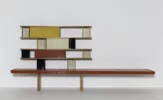
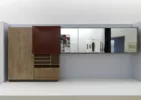
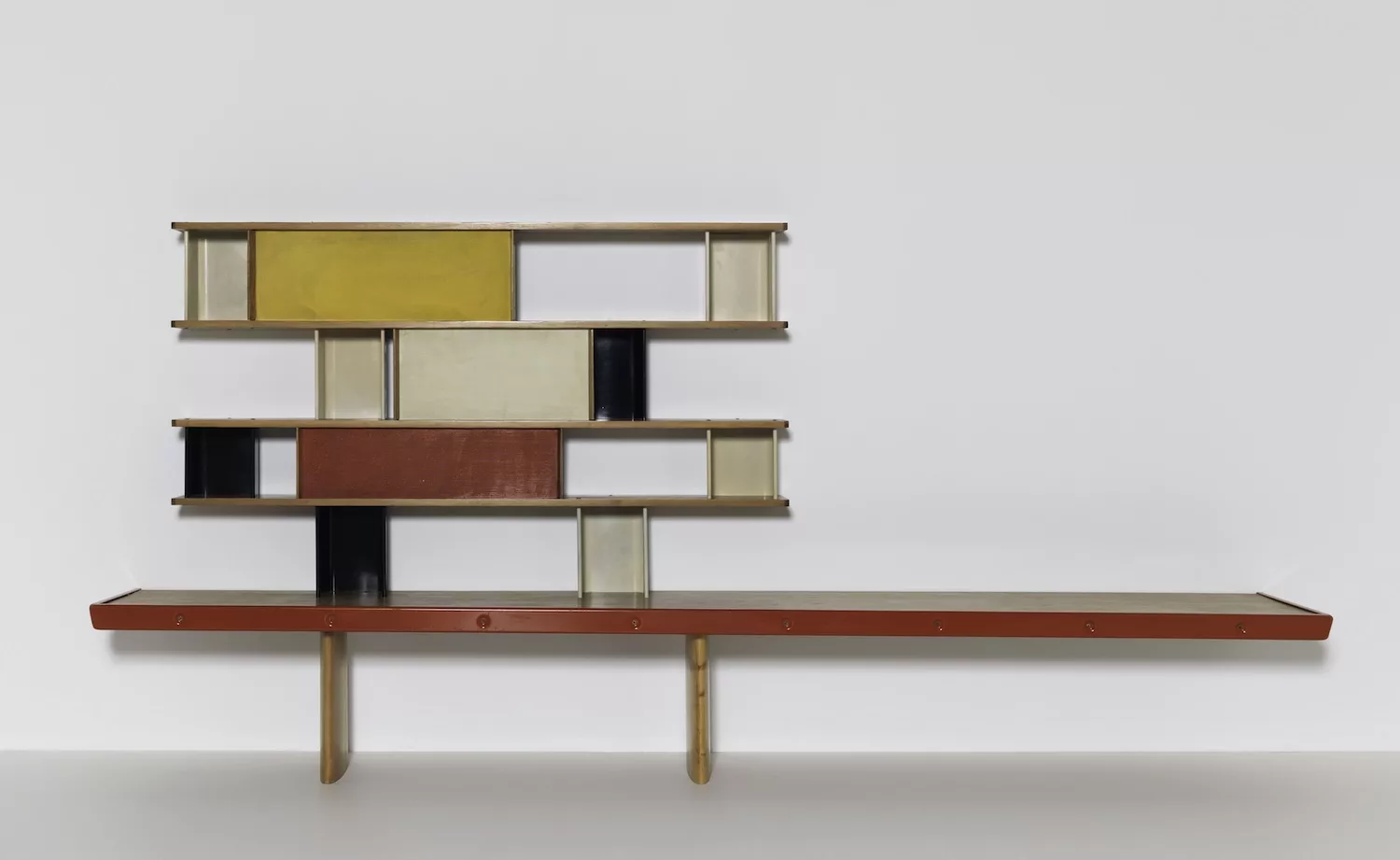
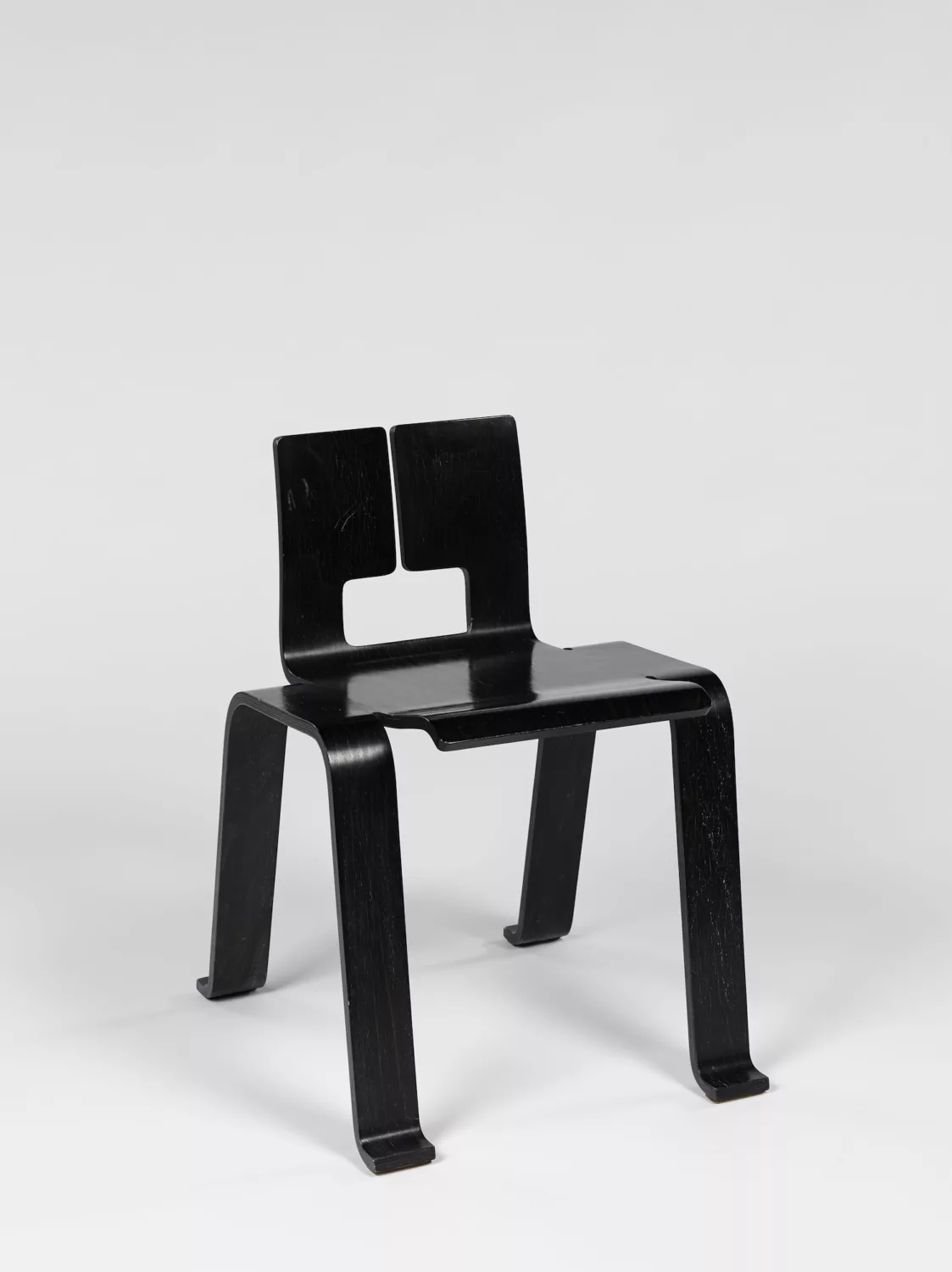
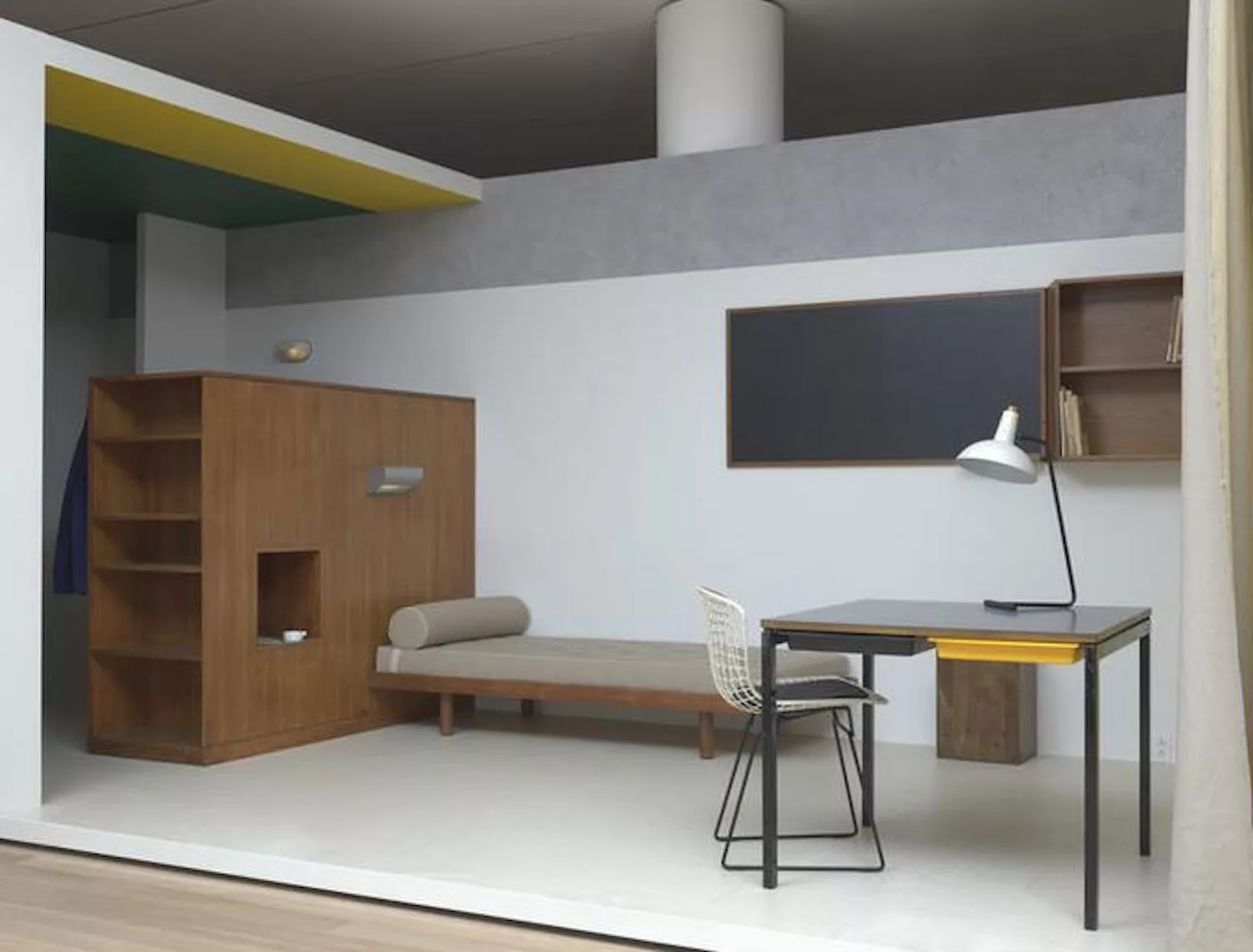
In 1940, upon her appointment as industrial art consultant in Japan, she encountered the Mingei movement through Soetsu Yanagi (1889–1961). This experience had a lasting impact on her practice, as demonstrated by the Chaise Longue en Bois (1940), notable for its use of natural materials. Returning to France in 1946, she developed modular interior architecture for the Cité Internationale Universitaire de Paris, in particular with the Bibliothèque de la Maison de la Tunisie (1952), manufactured by J. Prouvé, and designed works that continued this Japanese influence, such as the Chaise Ombre (1955). Starting in 1967, together with architect Gaston Regairaz (1930–2013), she developed the comprehensive plan for the Arcs station, a project that consolidated her research on communal living, cost minimisation and landscape integration. Until her death in 1999, C. Perriand championed a socially conscious modernity focused on practical use and social concerns, leaving behind a major 20th-century body of work now in the collections of the Centre Pompidou and the Musée des Arts Décoratifs in Paris and the MoMA in New York.