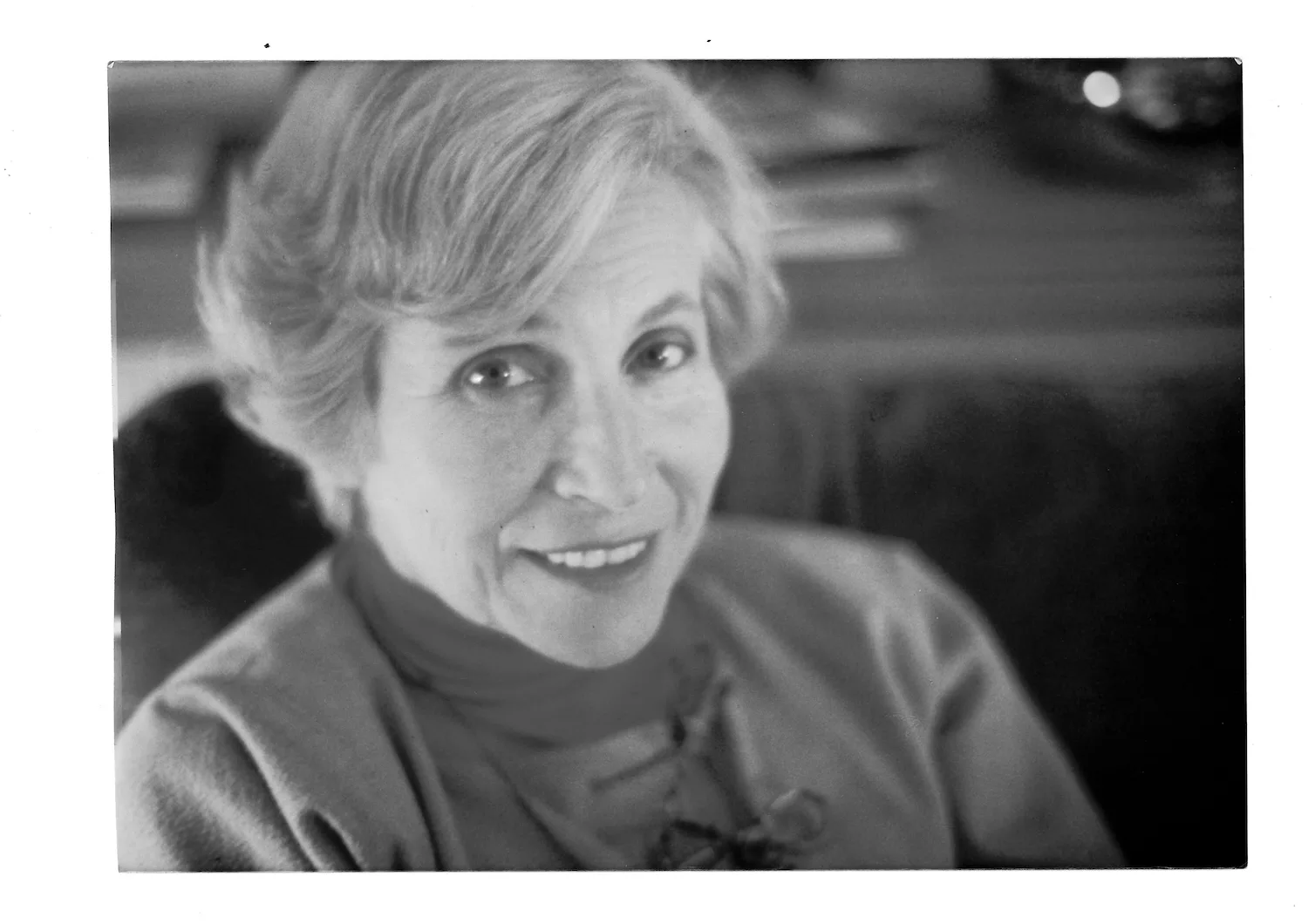
Portrait of Alix Rist
Rist, Laurence et Montaigu, René (de), Alix Rist, collages, Saint-Rémy-en-l’Eau, editions d’art Monelle Hayot, 1982
→Berne-Joffroy, André et Montaigu, René (de), Alix Rist : papiers collés, exh. cat., Musée d’Art moderne de la Ville de Paris (9 June-11 September 1988), Paris, Paris Musée,1988
Alix Rist : papiers collés, Musée d’Art moderne de la Ville de Paris, Paris, June-September 1988
→Alix Rist, galerie Craven, December 1978
→Alix Rist, galerie Barbizon, March 1972
French collage artist and painter.
Although she showed an early passion for painting, selling her first work at just fifteen, Alix Rist pursued her artistic education in an intermittent fashion. In 1940, when the Nazis occupied Paris, she fled to Toulon, where she enrolled at the École des Beaux-Arts, before marrying in 1942. Returning to the capital after the war, she wished to continue her studies, but creation took a back seat while she attended to her six children, born between 1945 and 1960.
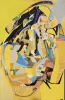
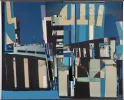
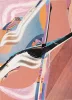
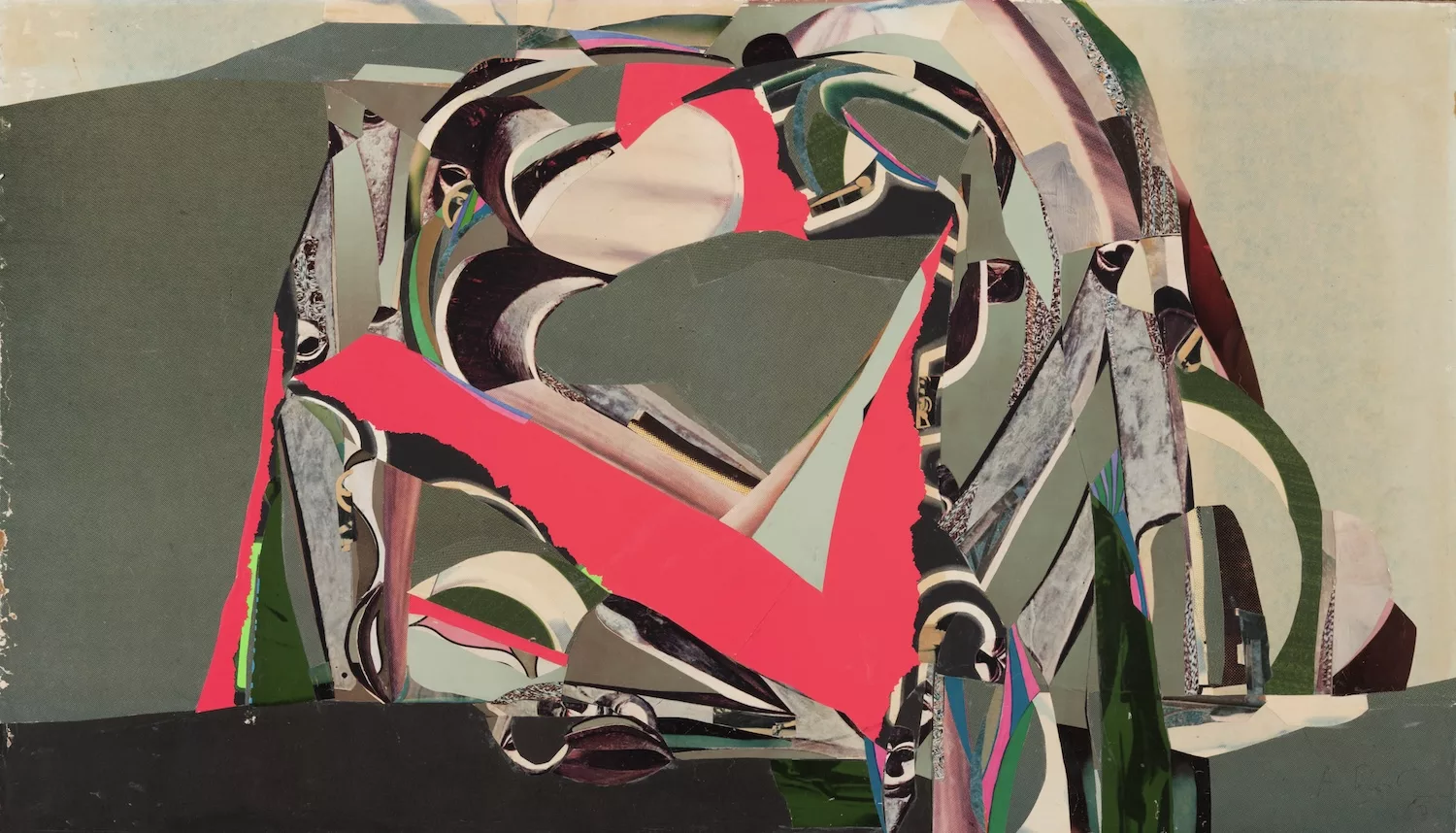
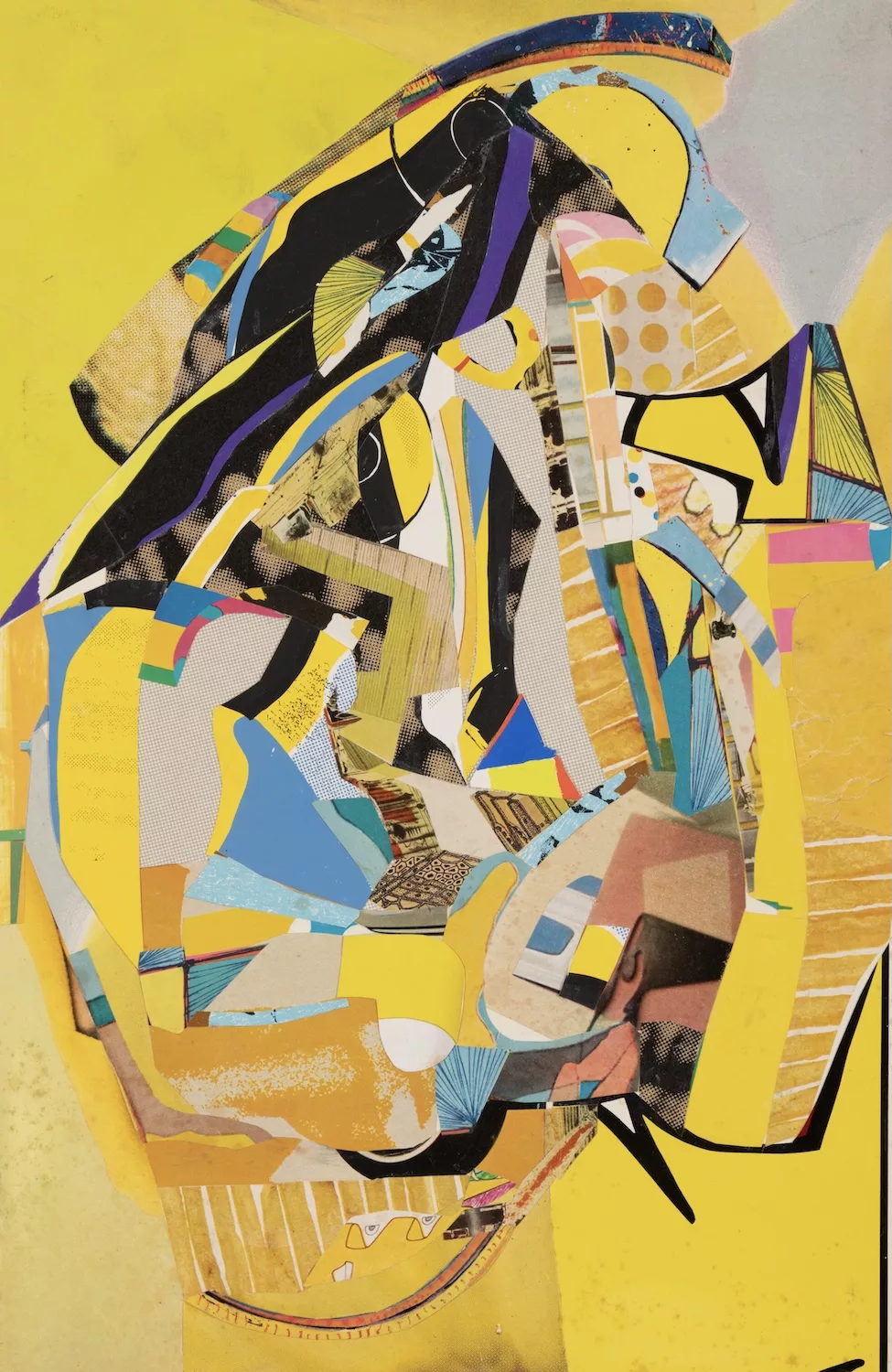
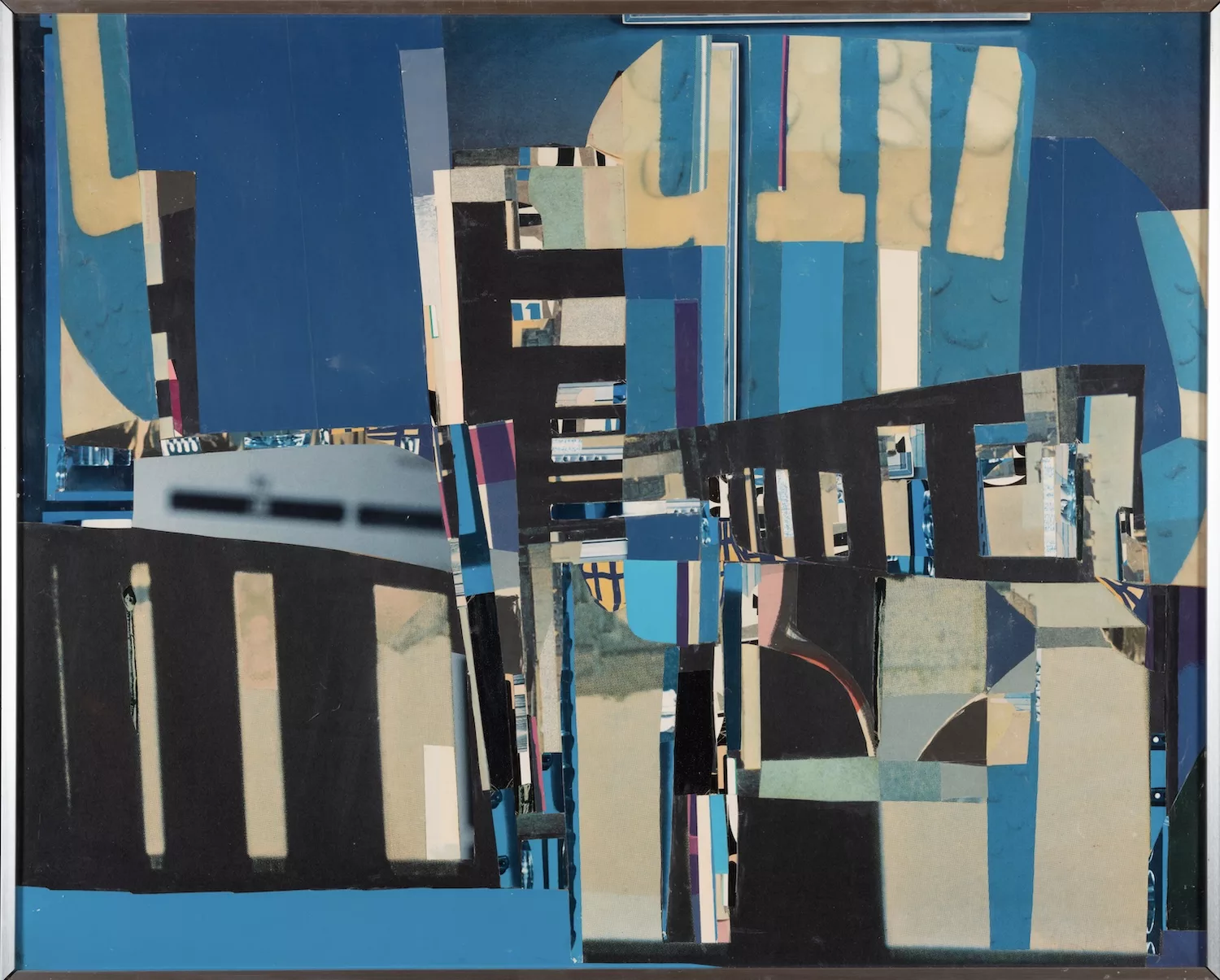
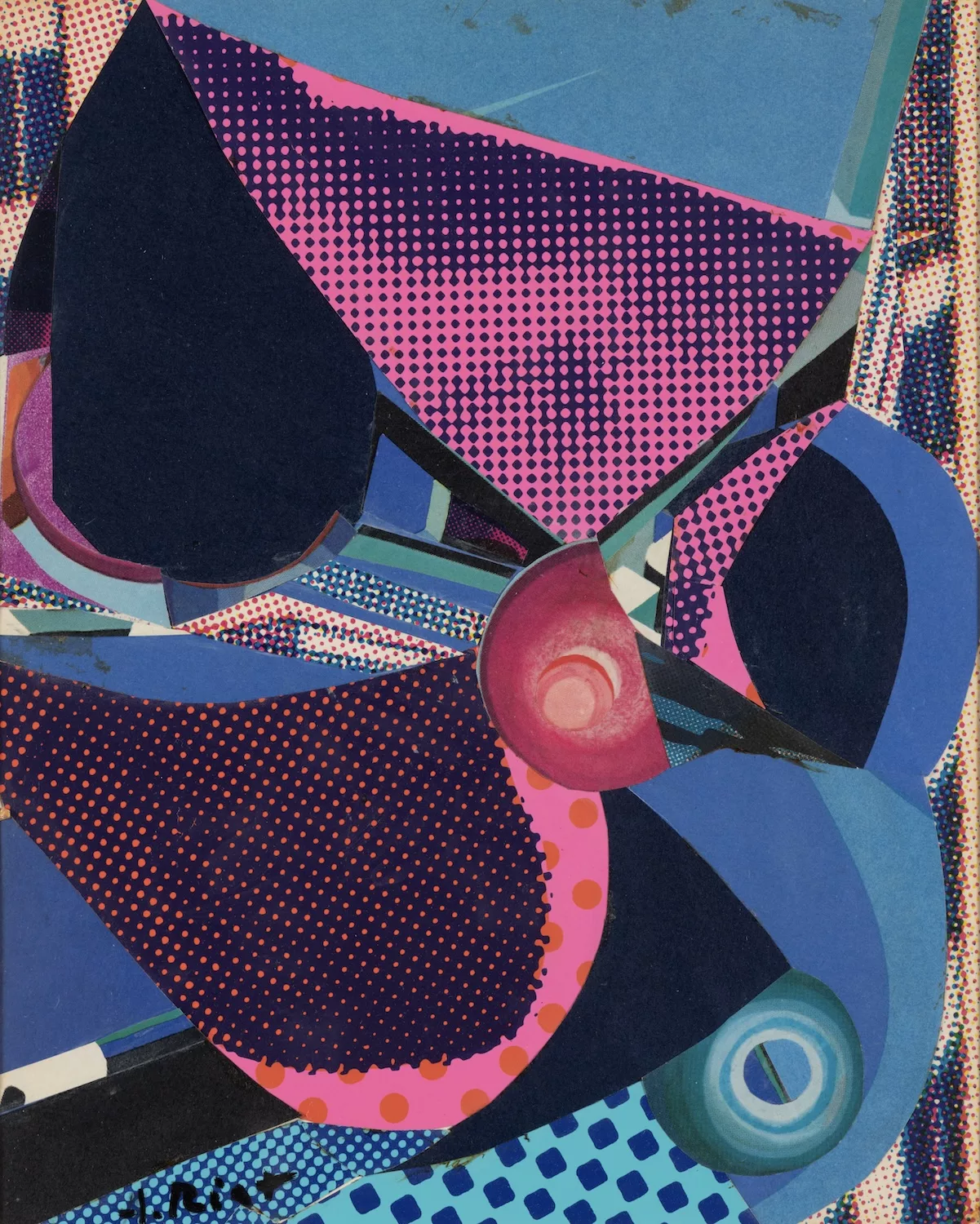
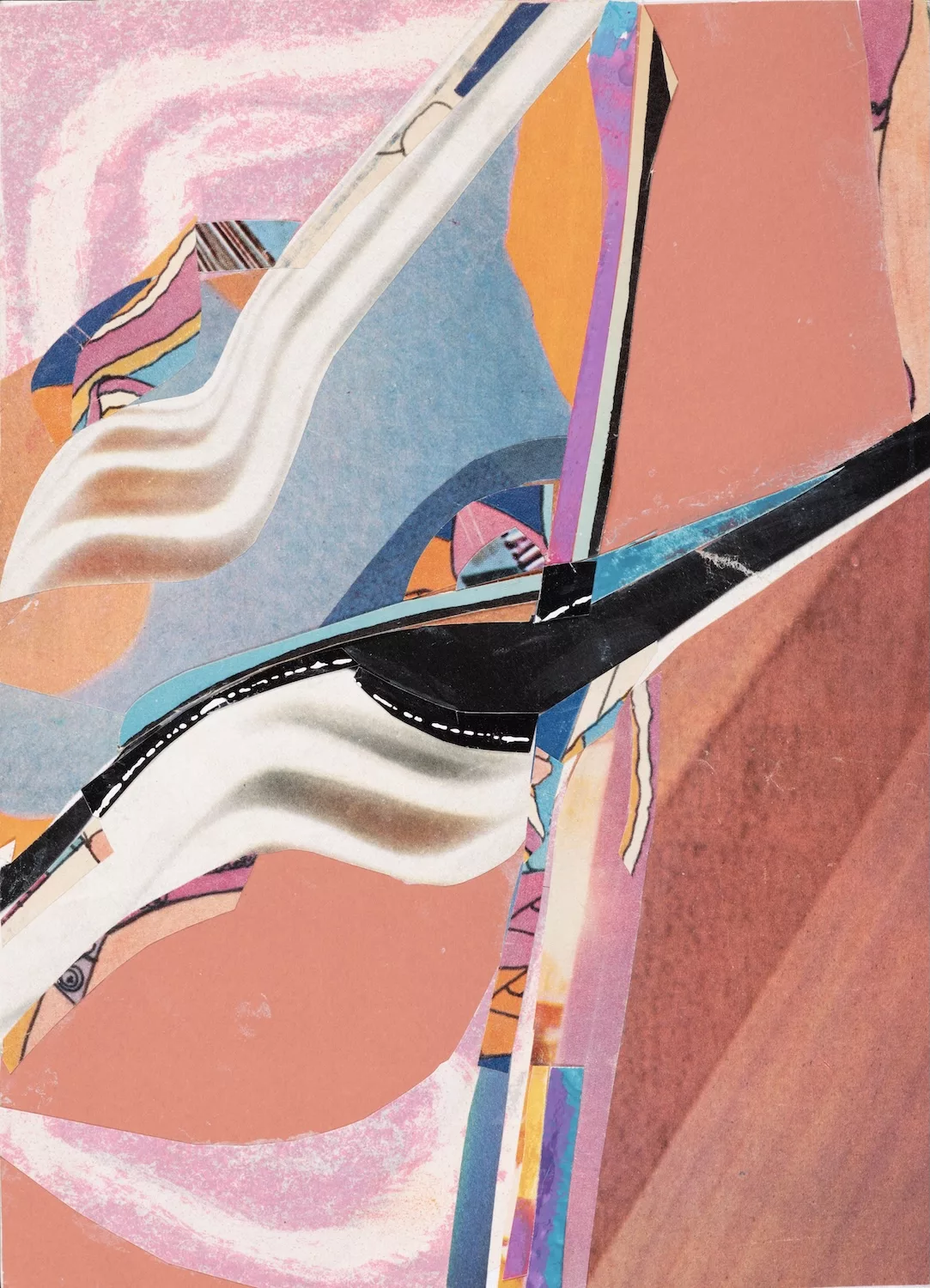
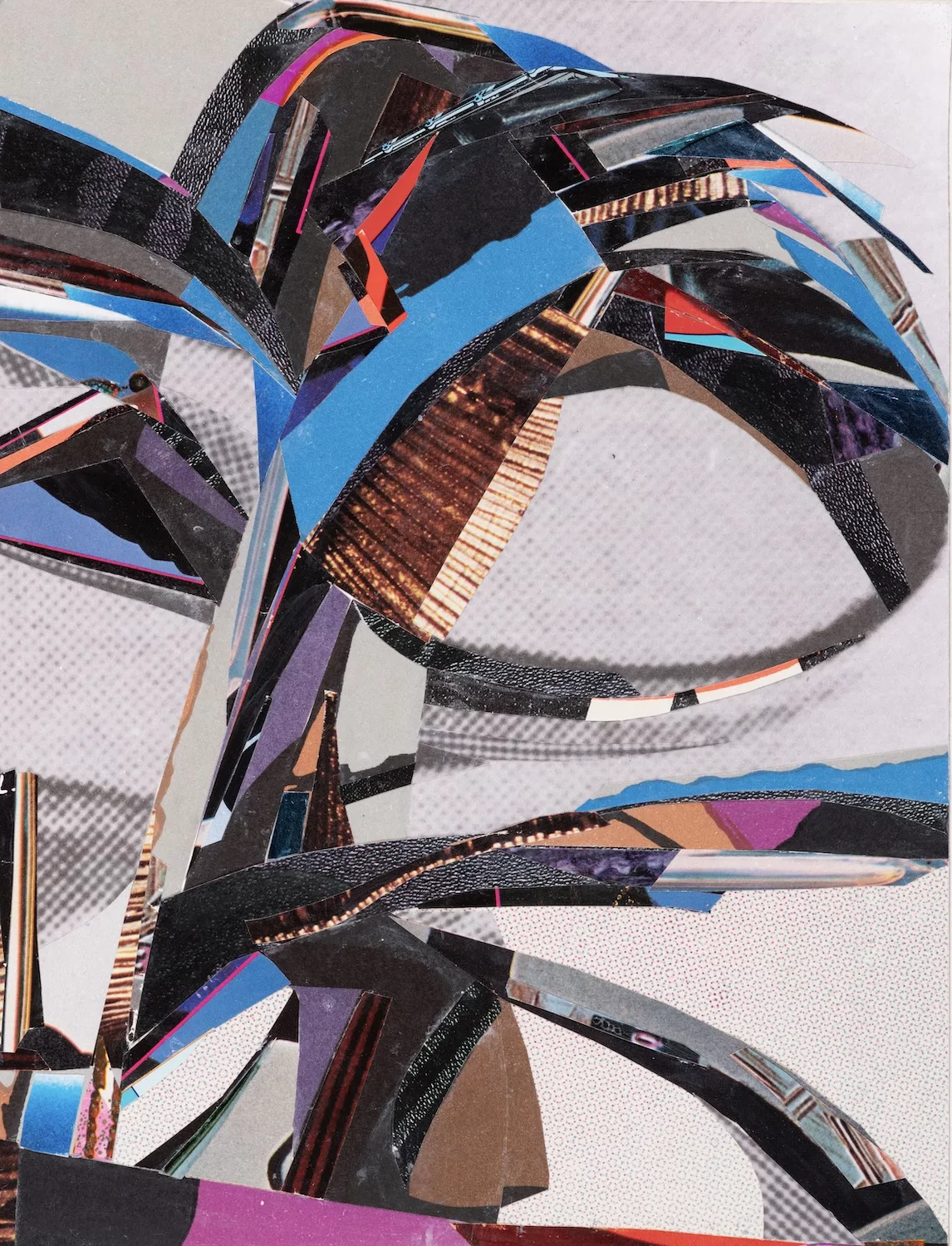
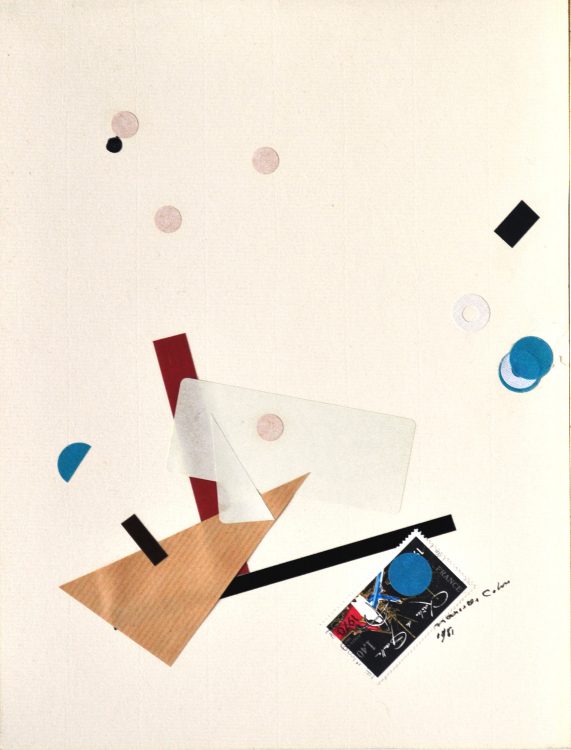
From 1955 onwards, influenced by the Nouvelle École de Paris and her father René de Montaigu’s emerging art collection, A. Rist abandoned landscapes and still lifes, which had to that point formed the bulk of her output, and turned to abstraction, though without finding fulfilment in it. But everything changed in 1965, when she set up a studio in the bedroom her eldest son had just vacated, and made her first collages. A new realm of artistic freedom opened for her at this point. She left oil painting behind and soon developed a pioneering visual language in the context of Pop Art and Nouveau Réalisme, drawing inspiration from the collages of Henri Matisse (1869–1954).
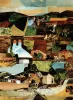
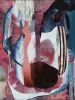
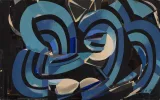
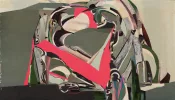
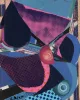
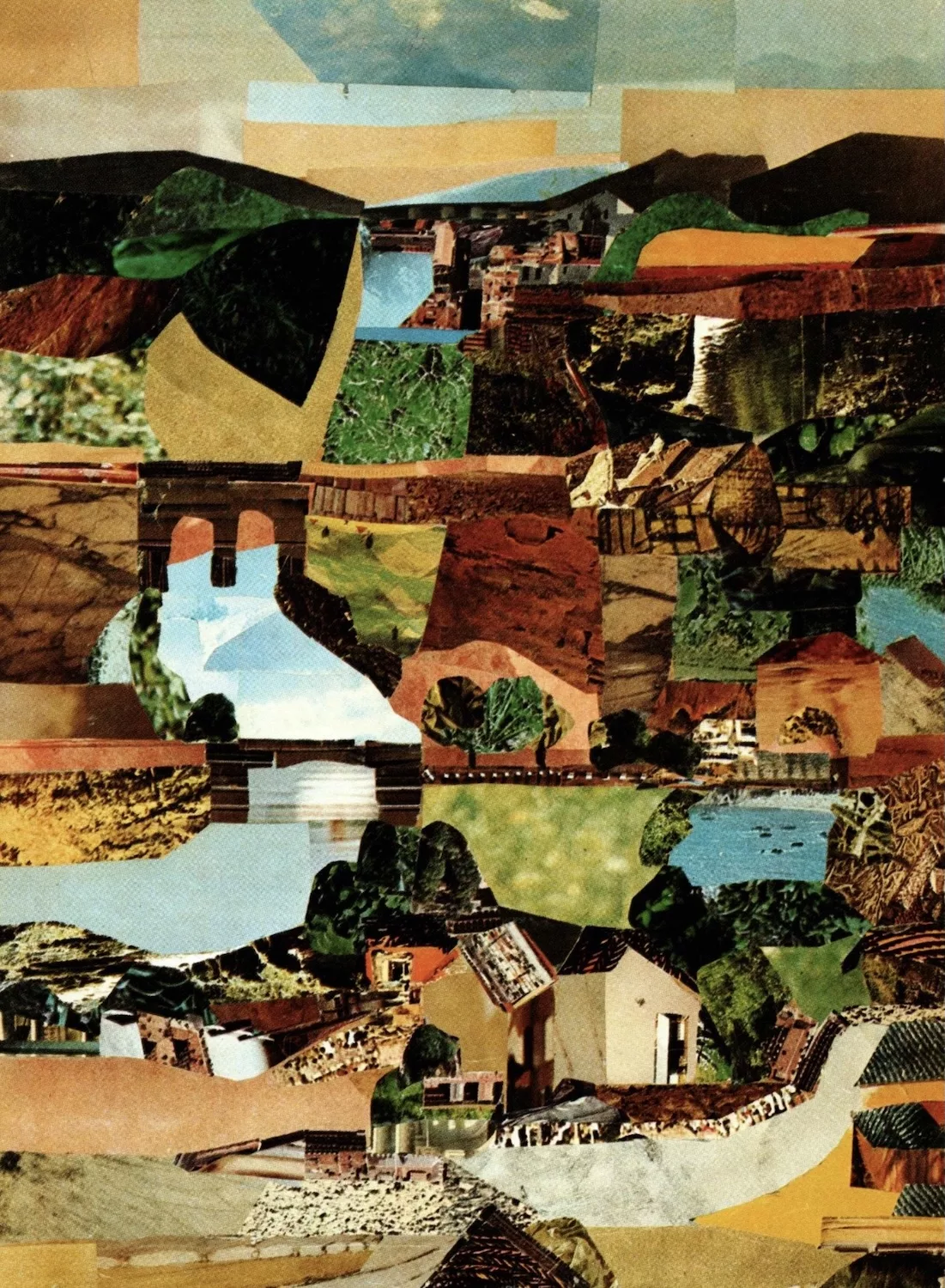
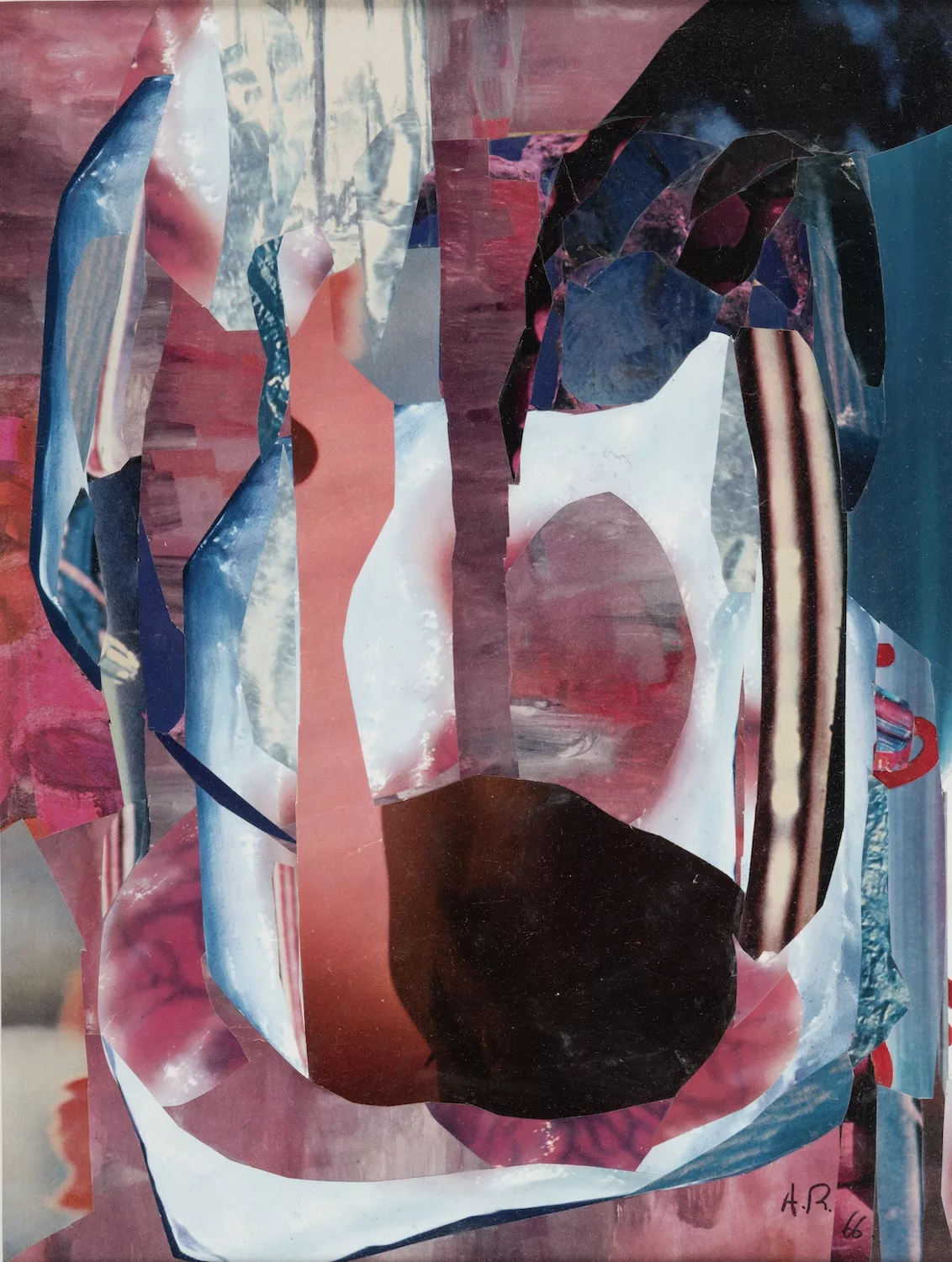
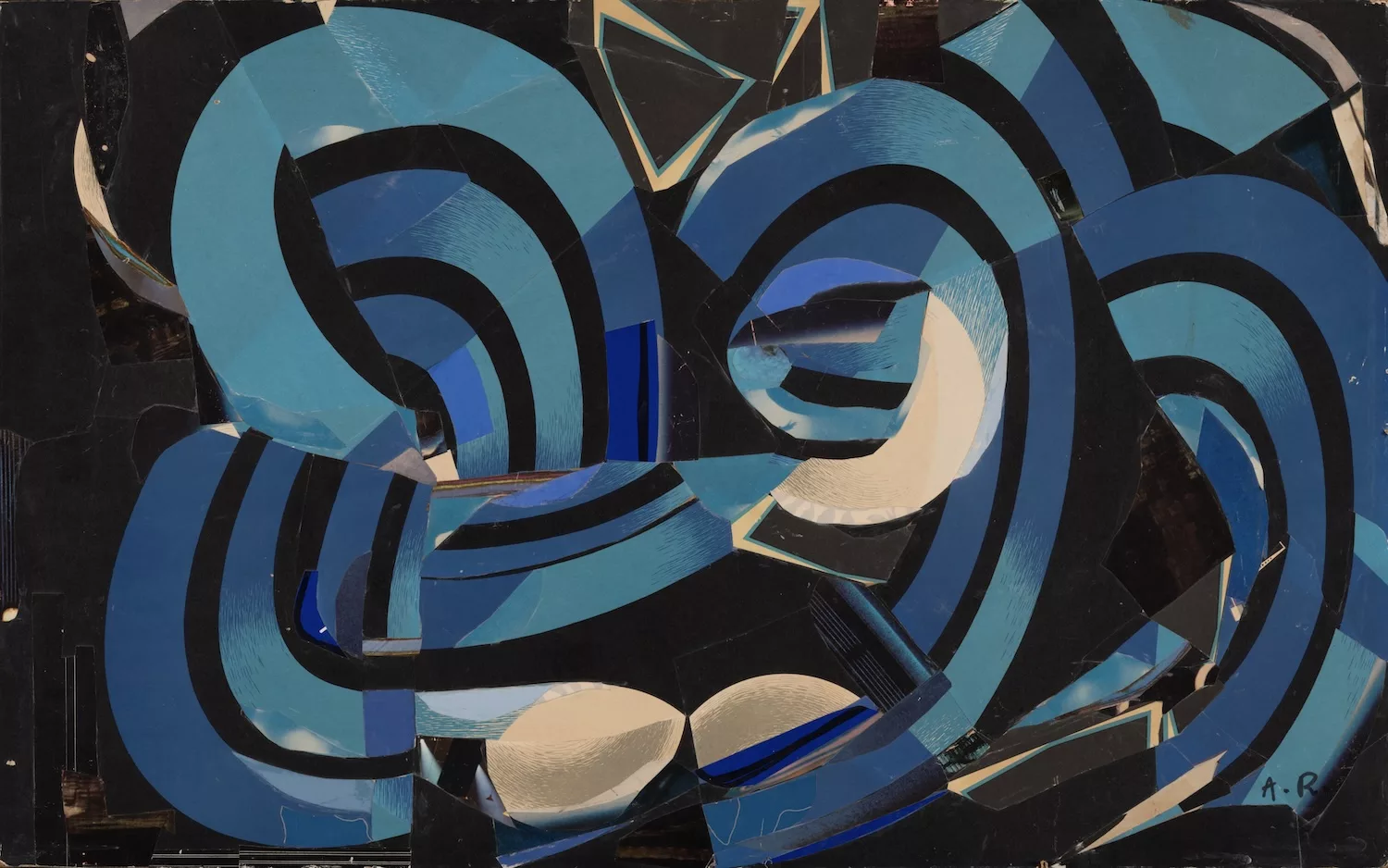
Her early assemblages are pastiches of traditional pictorial genres, reinterpreted using photographic reproductions cut from magazines (Promenez-vous en Auvergne !, 1965). But in 1966, A. Rist began moving away from this material in favour of posters, billboards and rolls of larger paper. Her collages broke from all representational references: on a background completed in a matter of hours, A. Rist arranged abstract forms into a complex and occasionally overpowering composition that she adjusted (or “refined”, as she put it) over several days. Until 1976, the titles of her works were mostly nicknames chosen out of necessity for an exhibition or used in family settings, following a collective game based on idea associations; afterwards, these titles would be abandoned entirely.
Over the fifteen years of her career as a collage artist, A. Rist developed a dynamic style of abstraction and ultimately fulfilled her artistic ambitions by moving beyond painting. She exhibited regularly in Paris (at the Zunini, Philadelphie, Barbizon and Craven galleries) and abroad (at the European Institute of Art History in Milan in 1968–1969, then in the United States shortly afterwards). Well received by critics, her work found its way into both private collections – even across the Atlantic – and public collections, with the City of Paris acquiring two collages in 1968 and 1971. A. Rist regarded her artistic practice as complementary to another professional path, pursued concurrently: around 1966, she began psychoanalysis and trained as a couples therapist, a role she practised, amongst other places, within the Association Française des Centres de Consultations Conjugales (AFCCC). The cancer that took her life in 1980 brought her career to an early end.
Eight years after her death, the Musée d’Art Moderne de la Ville de Paris (MAM) devoted a retrospective to her. Despite a positive reception, her work subsequently fell into obscurity. In 2023, the sale of her studio collection at Millon revived interest in her work, which then entered the collections of the Musée d’Art Moderne et Contemporain de Strasbourg (Nanteau, c. 1970) and the MAM (Allegro Barbaro, 1967 and Carrefour, 1970).