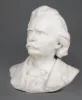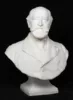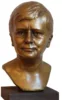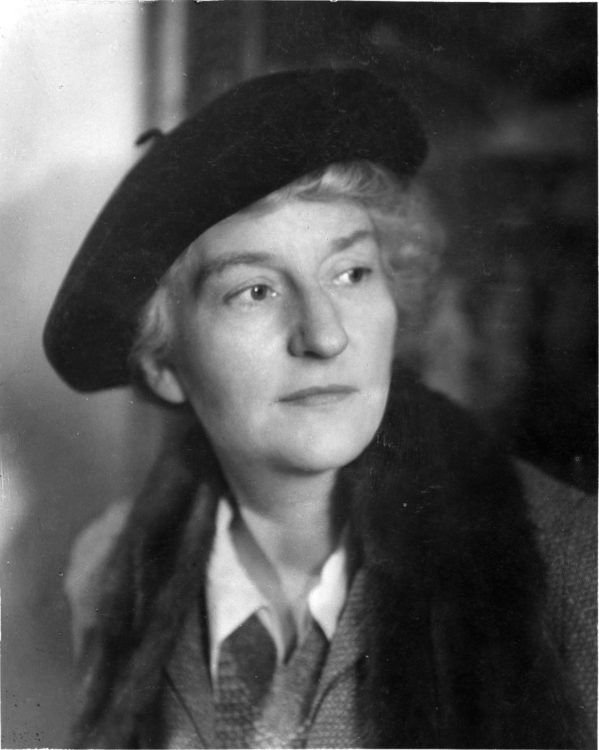
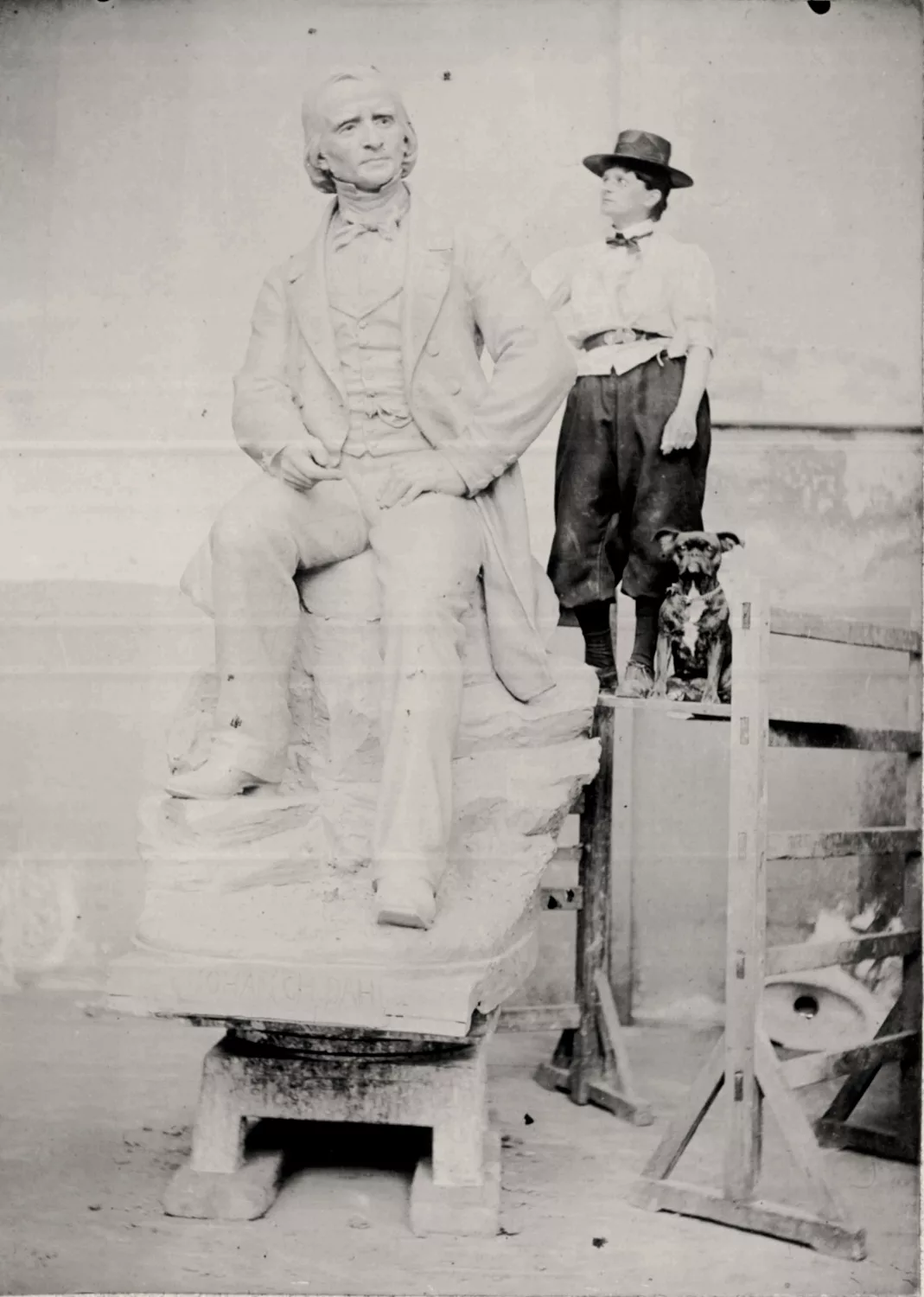
Portrait of Ambrosia Theodora Tønnesen posing next to her statue in clay of Johan Cristian Dahl, Paris, 1901
Veiteberg, Jorunn (ed.), Ambrosia Tønnesen Sculpture, exh. cat., Kode Art Museums and Composer Homes, Bergen (17 October, 2024–23 March, 2025); Vigeland Museum, Oslo (26 September, 2025–18 January, 2026), Bergen, Fagbokforlaget, 2024
→Veiteberg, Jorunn, “A Balancing Act – The Key to Success? Ambrosia Tønnesen (1859–1948)” in Hinners, Linda (ed.), Nordic Women Sculptors at the Turn of the 20th Century, Stockholm, Nationalmuseum, 2022
→Veiteberg, Jorunn, Ambrosia Tønnesen, “Stenhugger i det Fine”, Oslo, Pax Forlag, 2009
Ambrosia Tønnesen Sculpture, Kode Art Museums and Composer Homes, Bergen, 17 October, 2024–23 March, 2025; Vigeland Museum, Oslo, 26 September, 2025–18 January 2026
→Bildehoggaren Ambrosia Tønnesen 1859–1948, Bergens Kunstforening, Bergen, March, 1985
Norwegian sculptor.
Ambrosia Theodora Tønnesen was Norway’s first professional female sculptor. In her youth, she earned a living as a teacher, but at the same time studied drawing and modelling in the evenings at Bergen Polytechnic School (1880–1883). In 1882 she also attended Karl Uchermann’s (1855–1940) private painting school during her lunch breaks. In 1884 she travelled to Copenhagen to study under the painter Bertha Wegmann (1847–1926). A few months later the Norwegian-Danish sculptor Stephan Sinding (1846–1922) agreed to teach her until summer 1885, when she returned to Norway.
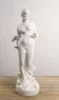
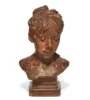
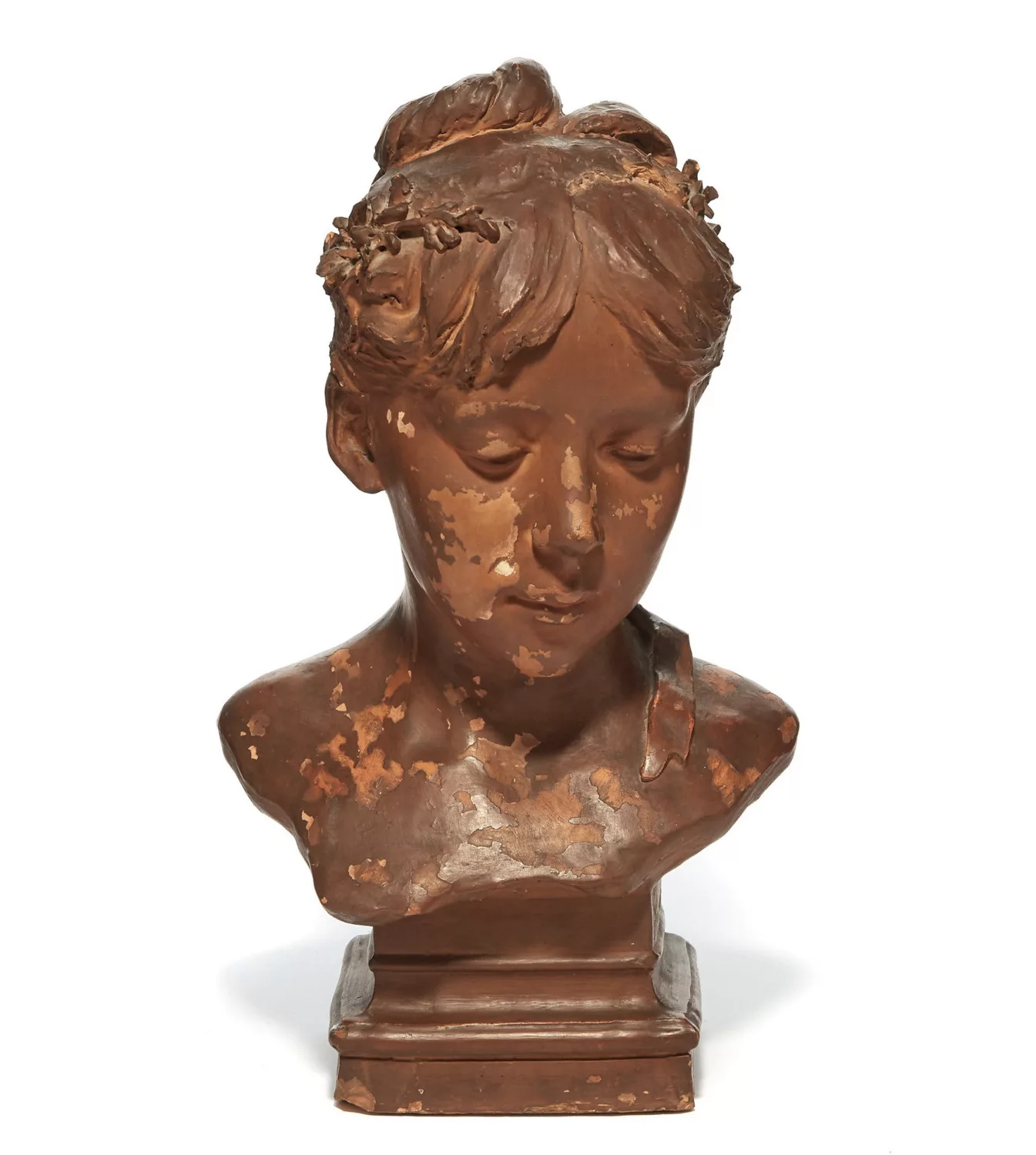
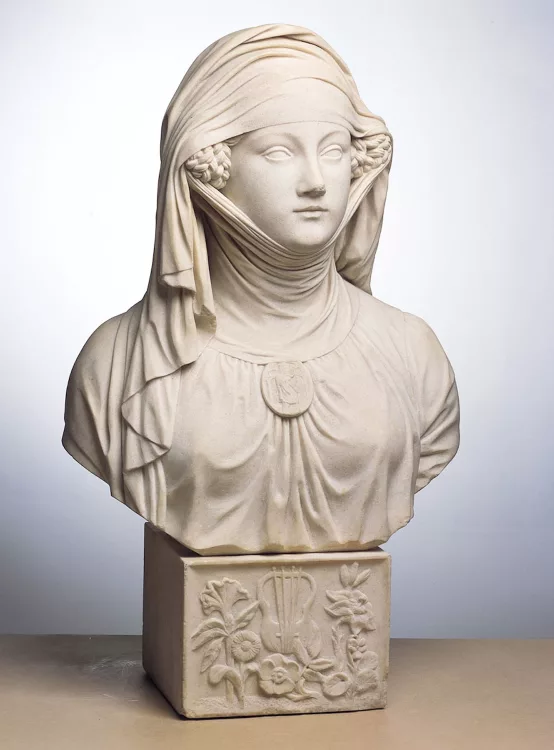
Her first freestanding sculpture, Spring (1885), was created in S. Sinding’s studio. The plaster sculpture depicts the bust of a young girl with a half-downcast gaze and a garland of flowers in her hair. In the autumn of 1885, A.T. Tønnesen travelled to Berlin to become a pupil of Albert Wolff (1814–1892). She was one of only three female sculptors at the major anniversary exhibition of the Akademie der Künste in Berlin in 1886, which attracted over a million visitors. A. Wolff was known for an idealised, late-Classical style, whilst A.T. Tønnesen gradually moved towards a more realistic style.
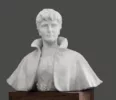
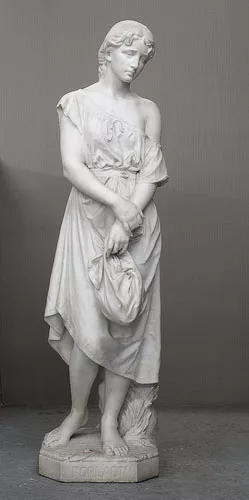
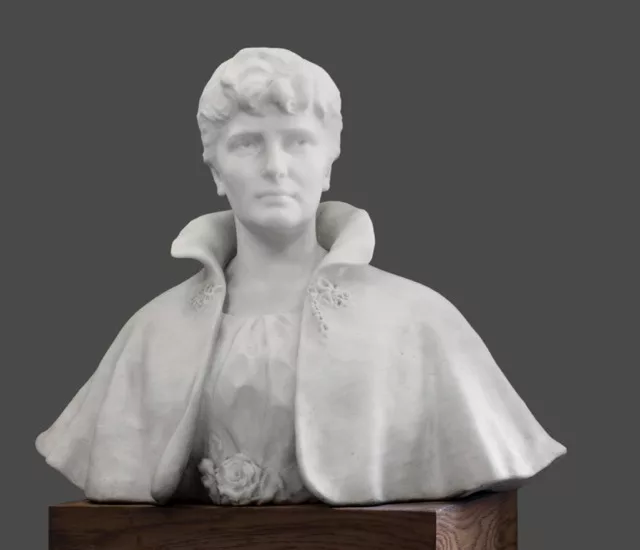
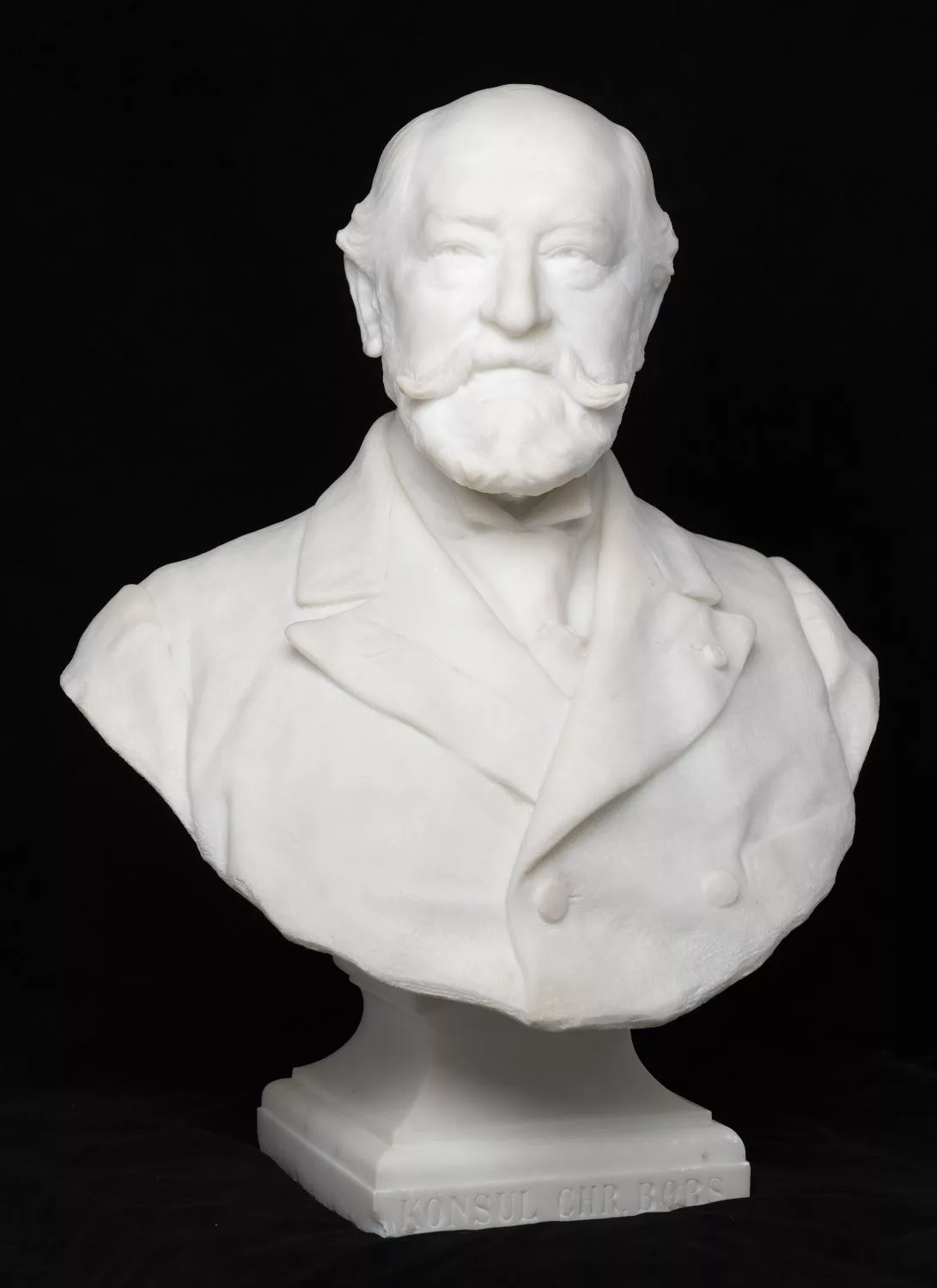
Her next destination was Paris, where she lived from 1888 to 1910. She took private lessons with René de Saint-Marceaux (1845–1915), and under his guidance she learnt to carve marble herself. In her first year in Paris, she had a statuette accepted for the Salon, Young Italian (1888), though in the catalogue she is listed as a man. In total, she exhibited at the Salon twelve times, and in 1903 she received a mention honorable for a portrait bust in marble of her patron consul general Christian Børs (1823–1905). In the 1890s, she studied the nude at the Académie Colarossi, where she was granted a free place in exchange for teaching the other students when Jean-Antoine Injalbert (1845–1933), the teacher, was absent.
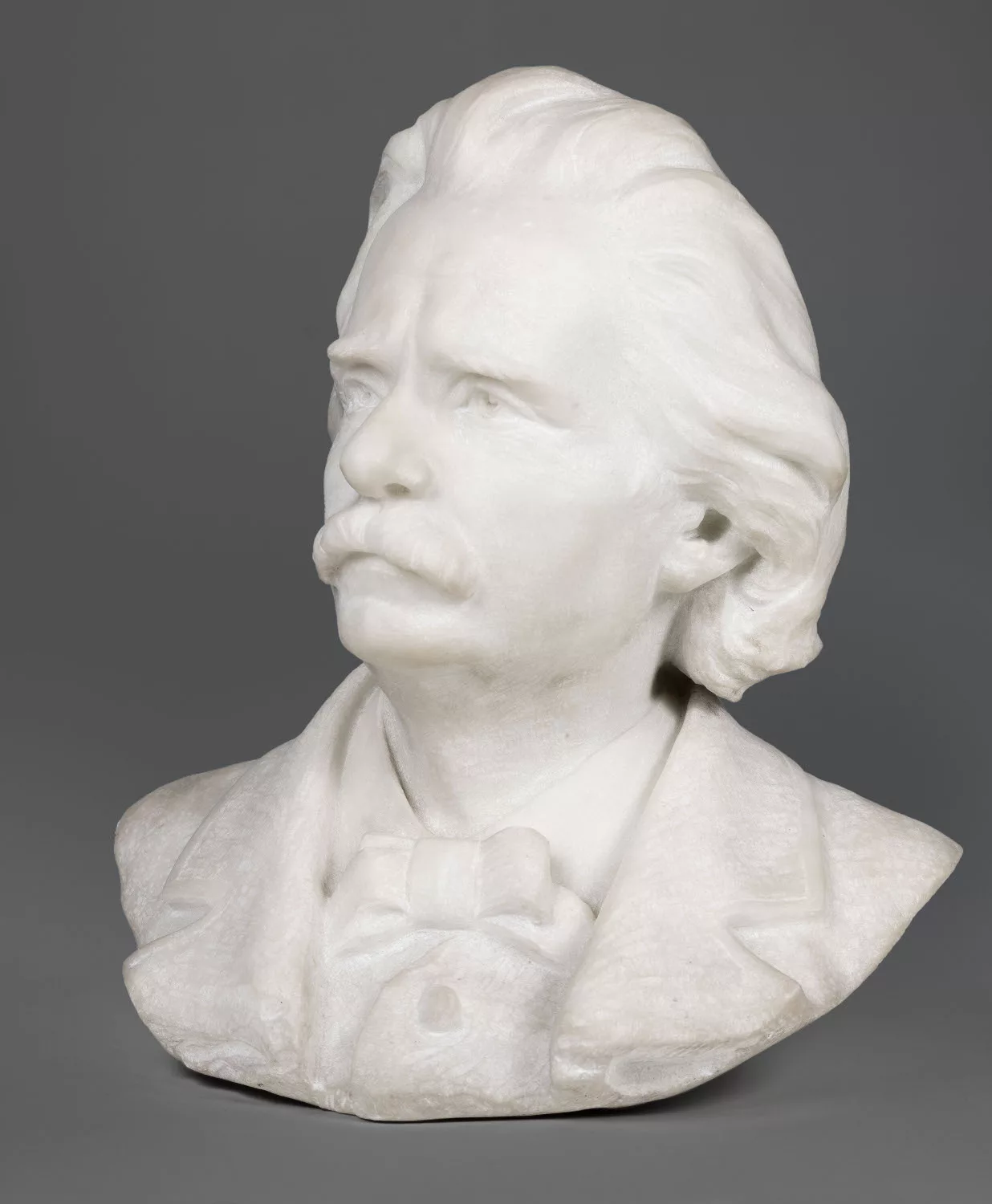
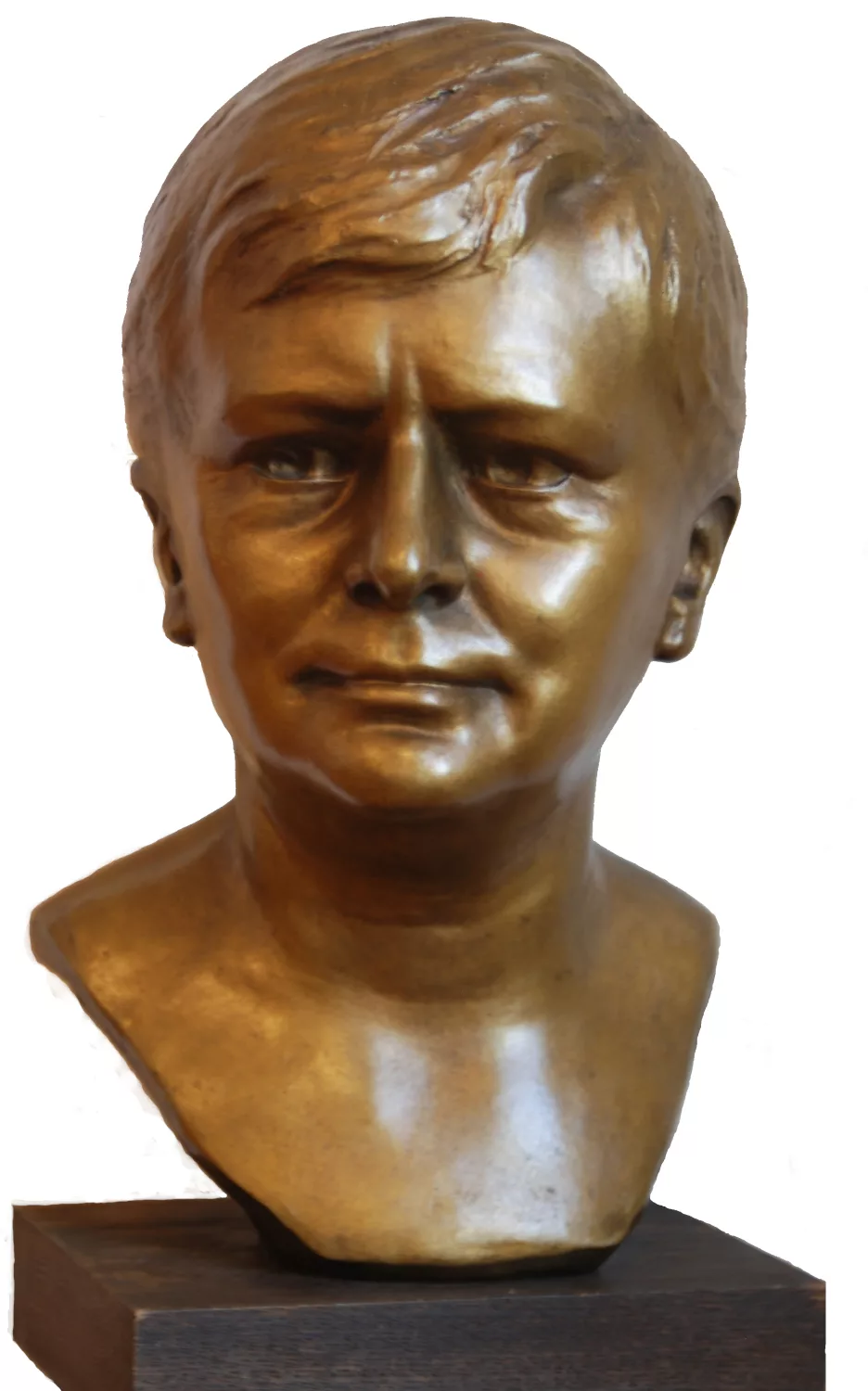
A.T. Tønnesen gradually received an increasing number of portrait commissions, especially in Norway, and this became her livelihood. These were mostly busts, but one of her major works is the 2.5-metre-tall statue of the painter Johan Christian Dahl (1788–1857) made in 1902. It is cast in bronze and situated in a niche on the façade of the Permanenten museum building in Bergen. For this work, she was awarded the Litteris et artibus medal of honour by King Oscar II of Sweden-Norway. The French state appointed her an Officer of the Order of Les Palmes Académiques in 1904, and in 1939 King Haakon VII of Norway gave her the King’s Medal of Merit in gold.
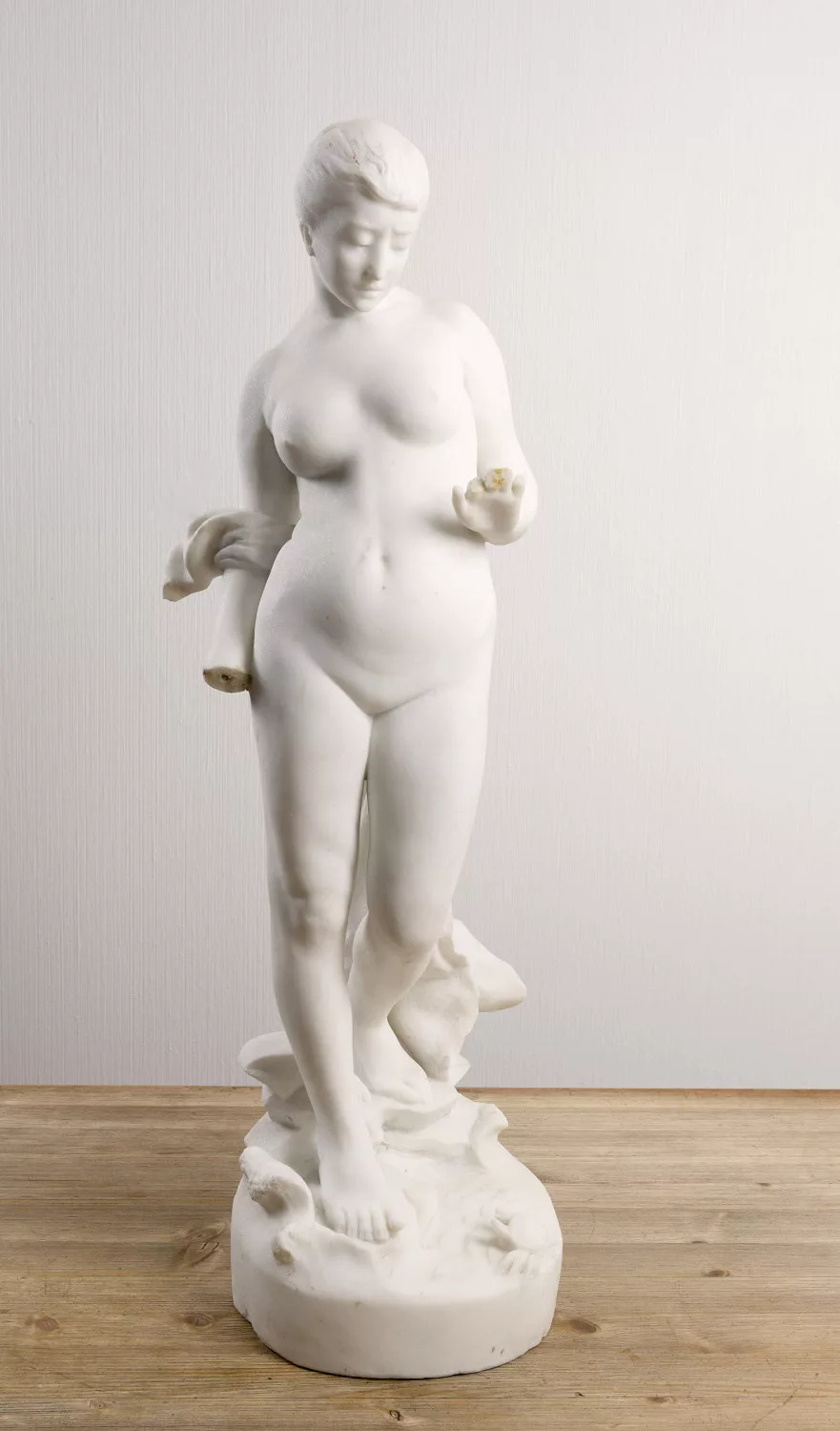
There are 187 recorded sculptures by A.T. Tønnesen created between 1884 and 1947. She participated regularly in group exhibitions, but did not hold any solo exhibitions during her lifetime. A renewed interest first emerged with the women’s movement in the 1970s, but the definitive breakthrough came with Kode Art Museum’s exhibition in 2024 (curated by Jorunn Veiteberg) and Bergen City Council’s dedication of a public monument to her in 2025. The monument was created by the Norwegian artist Anne-Karin Furunes and is based on a photo of A.T. Tønnesen aged 28.
A biography produced in collaboration with MUNCH
© Archives of Women Artists, Research and Exhibitions, 2026