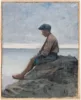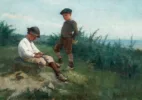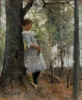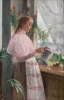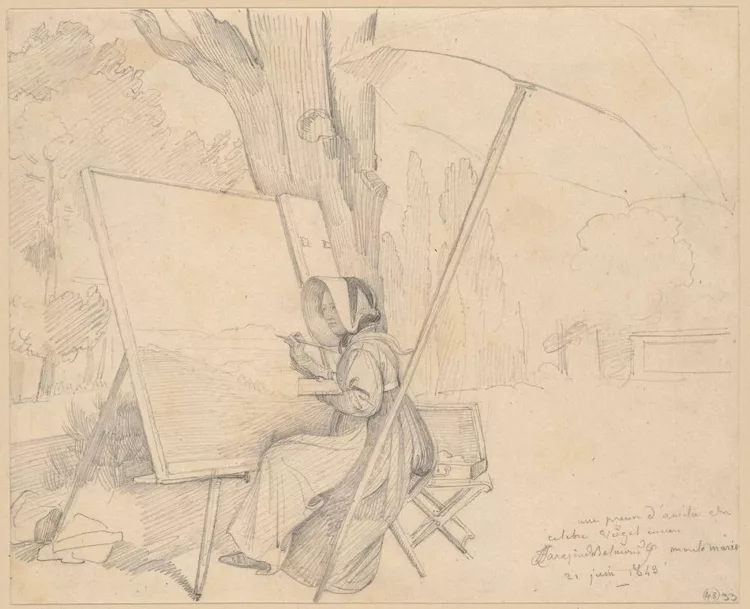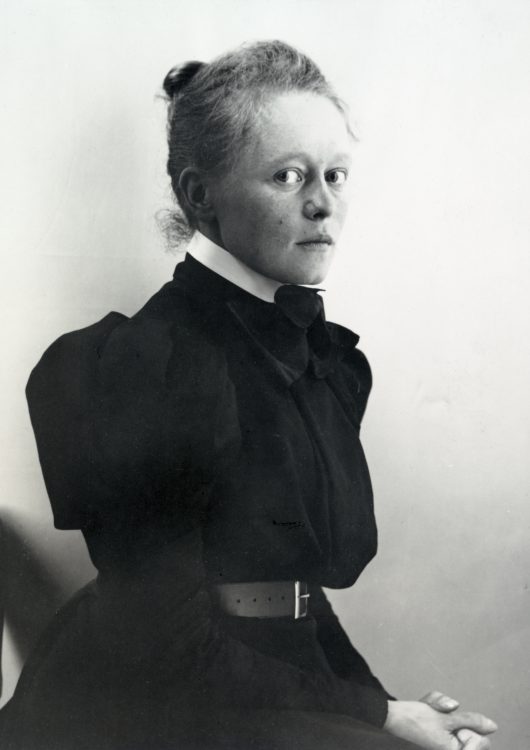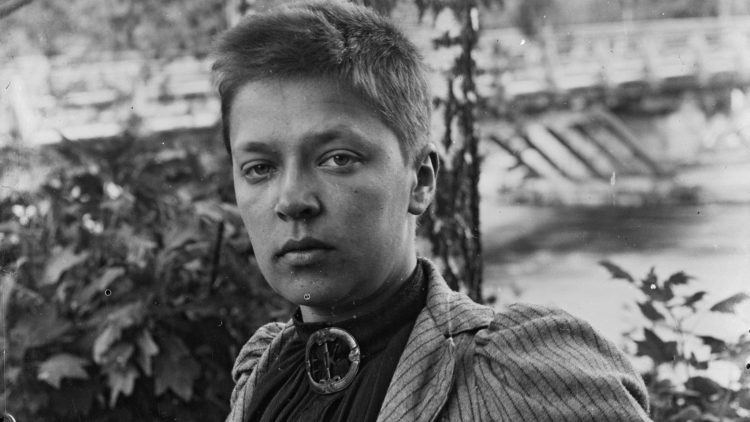
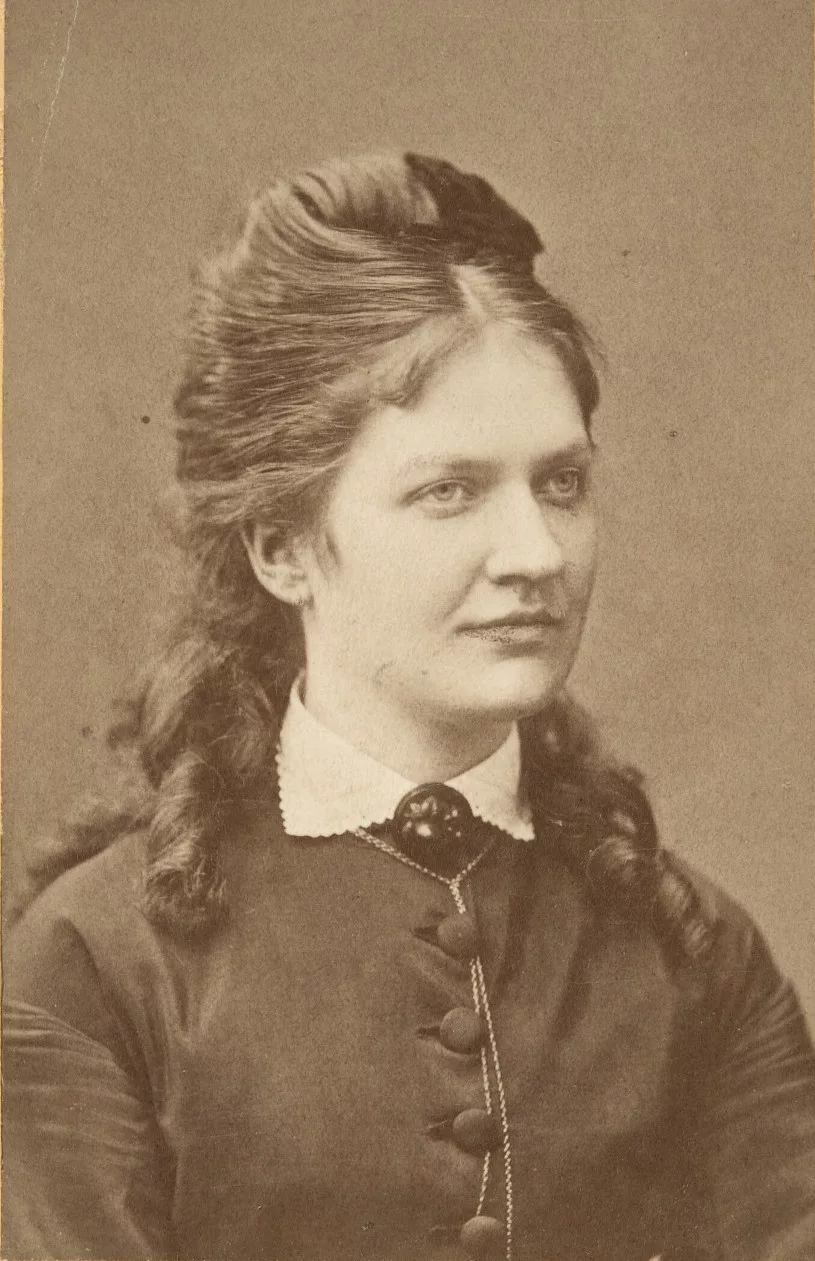
Portrait of Amélie Lundahl by August Roesler, 1880
Saabye, Marianne, Against All Odds. Historical Woman and New Algorithms, exh. cat., SMK – The National Gallery of Denmark, Copenhagen (31 August–8 December, 2024), Copenhagen, SMK, 2024
→
Ekström, Kjell, Ljus över hav och land – Önningebykolonin på Åland, exh. cat., Prins Eugenes Waldemarsudde, Stockholm (May 14, 2022–26 March, 2023), Stockholm, Prins Eugens Waldemarsudde, 2022
→Konttinen, Riitta, “Lundahl, Amélie”, Biografiskt lexicon för Finland, December, 2014, https://www.blf.fi/artikel.php?id=3436
Against All Odds. Historical Woman and New Algorithms, The National Gallery of Denmark -SMK, Copenhagen, 31 August–8 December, 2024
→Creating the Self: Emancipating Woman in Estonian and Finnish Art, Ateneum, Helsinki, 6 December, 2019–26 April, 2020
→Memorial exhibition, Galerie Hörhammer, Helsinki, 1919
Finnish painter.
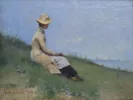
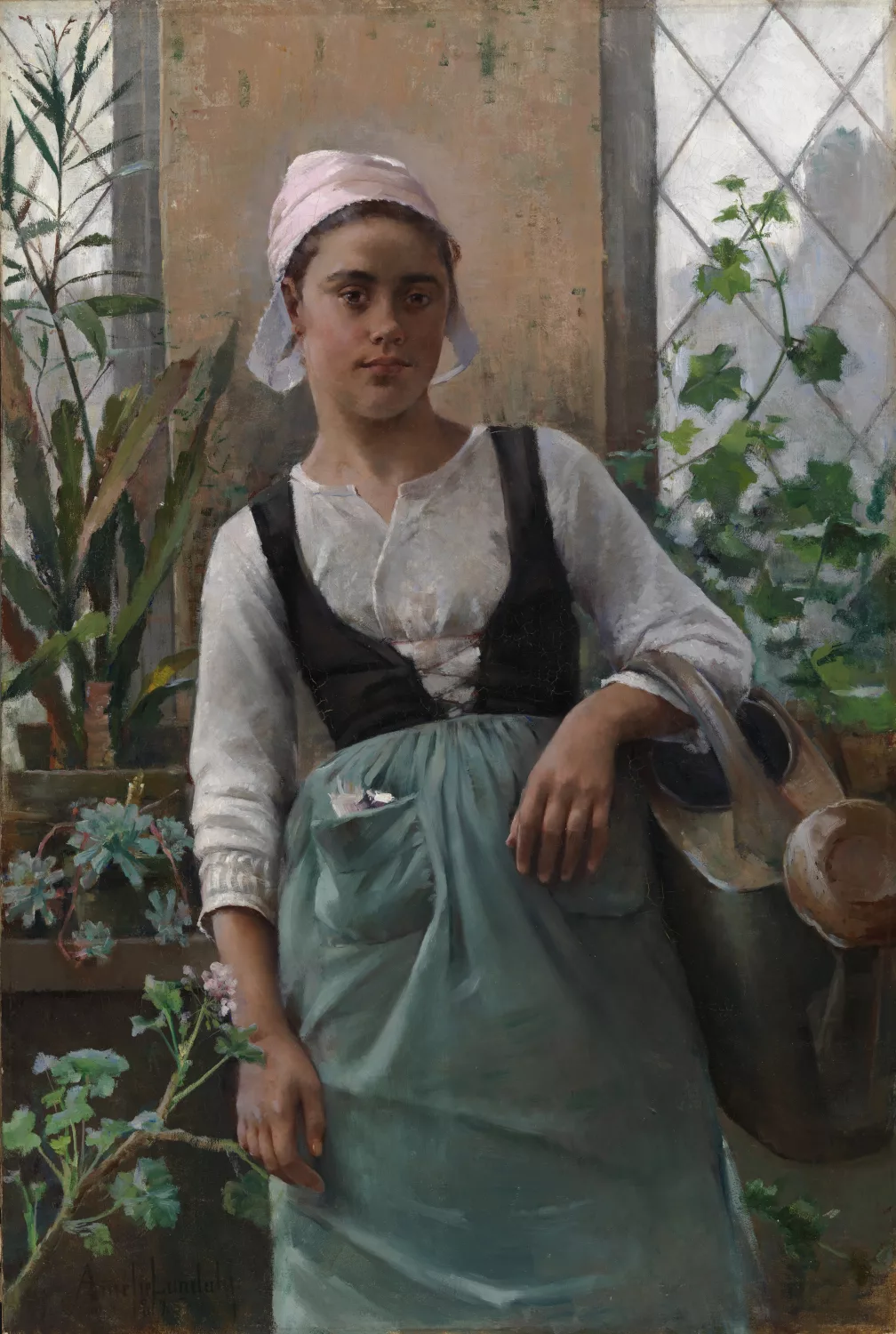
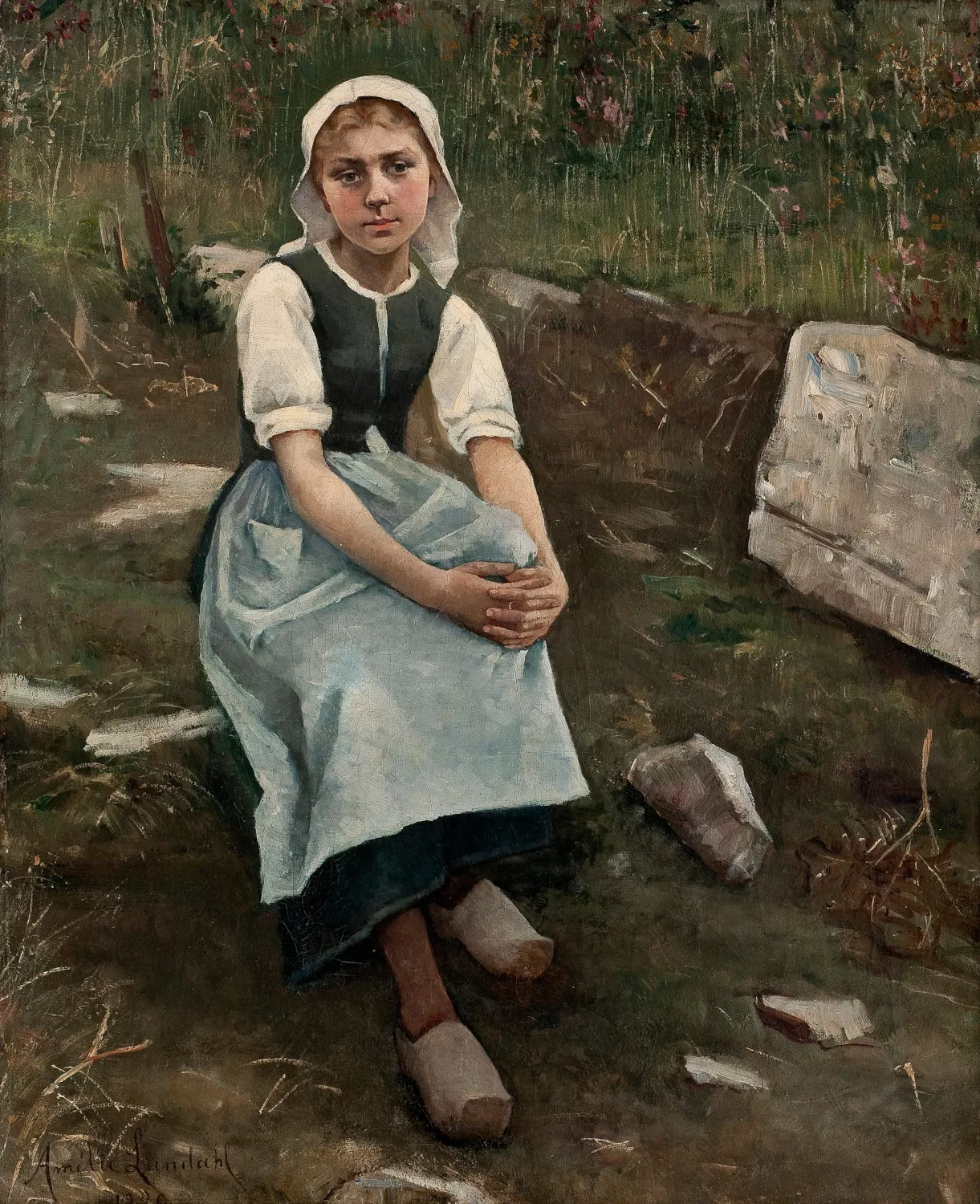
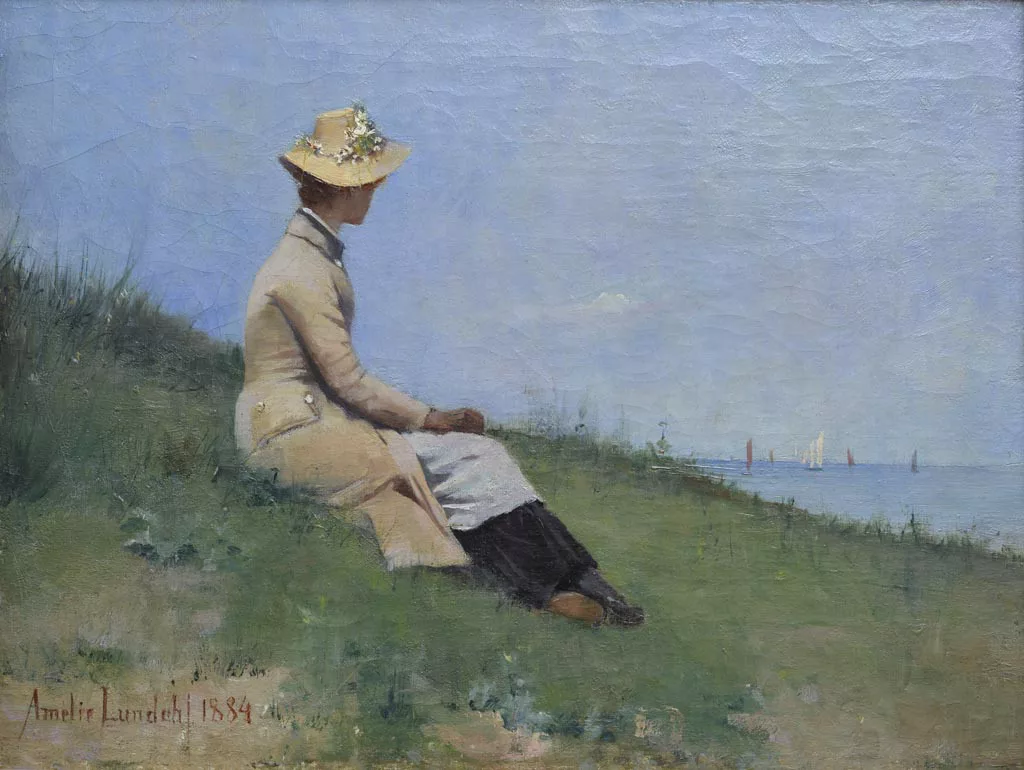
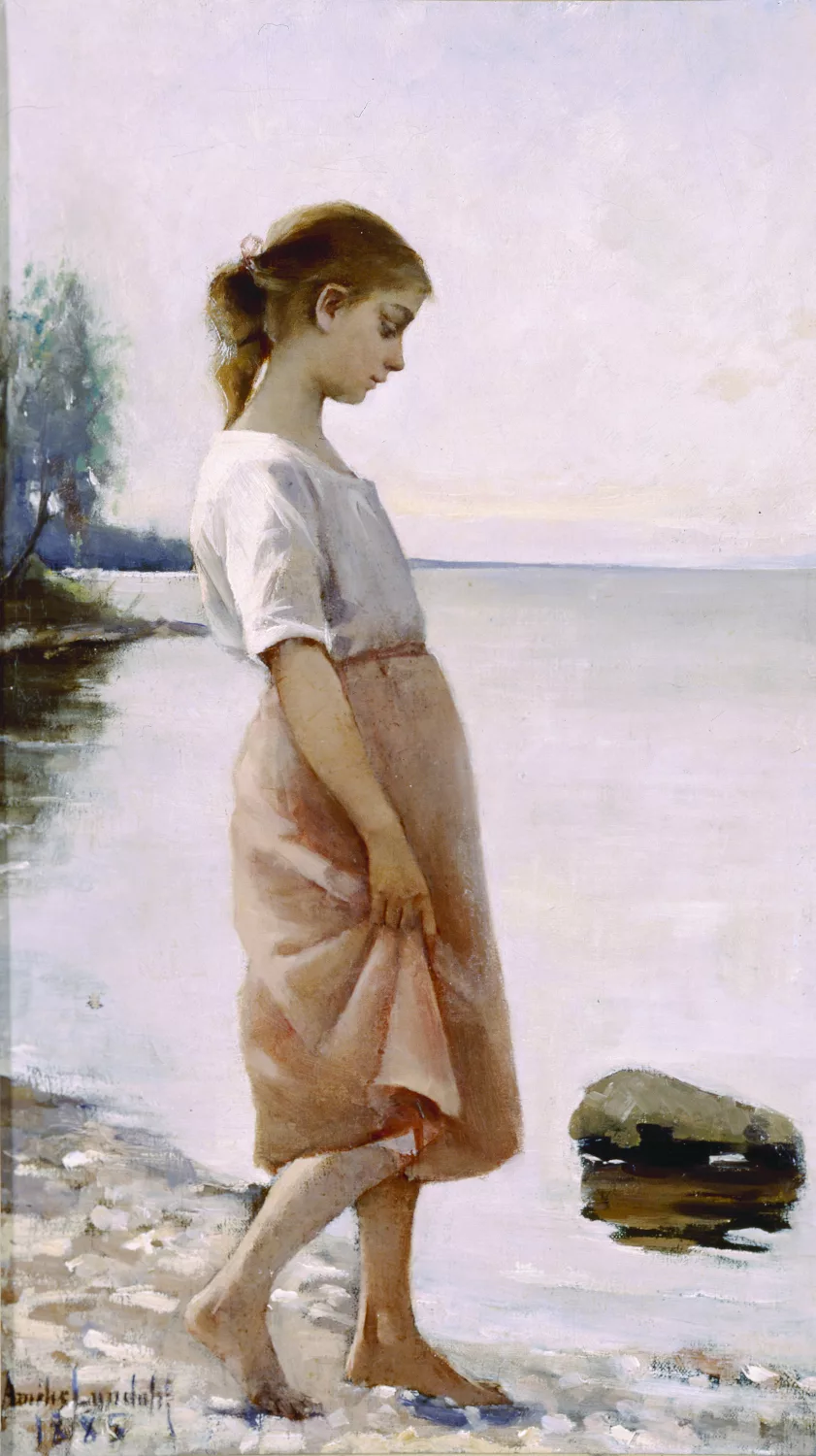
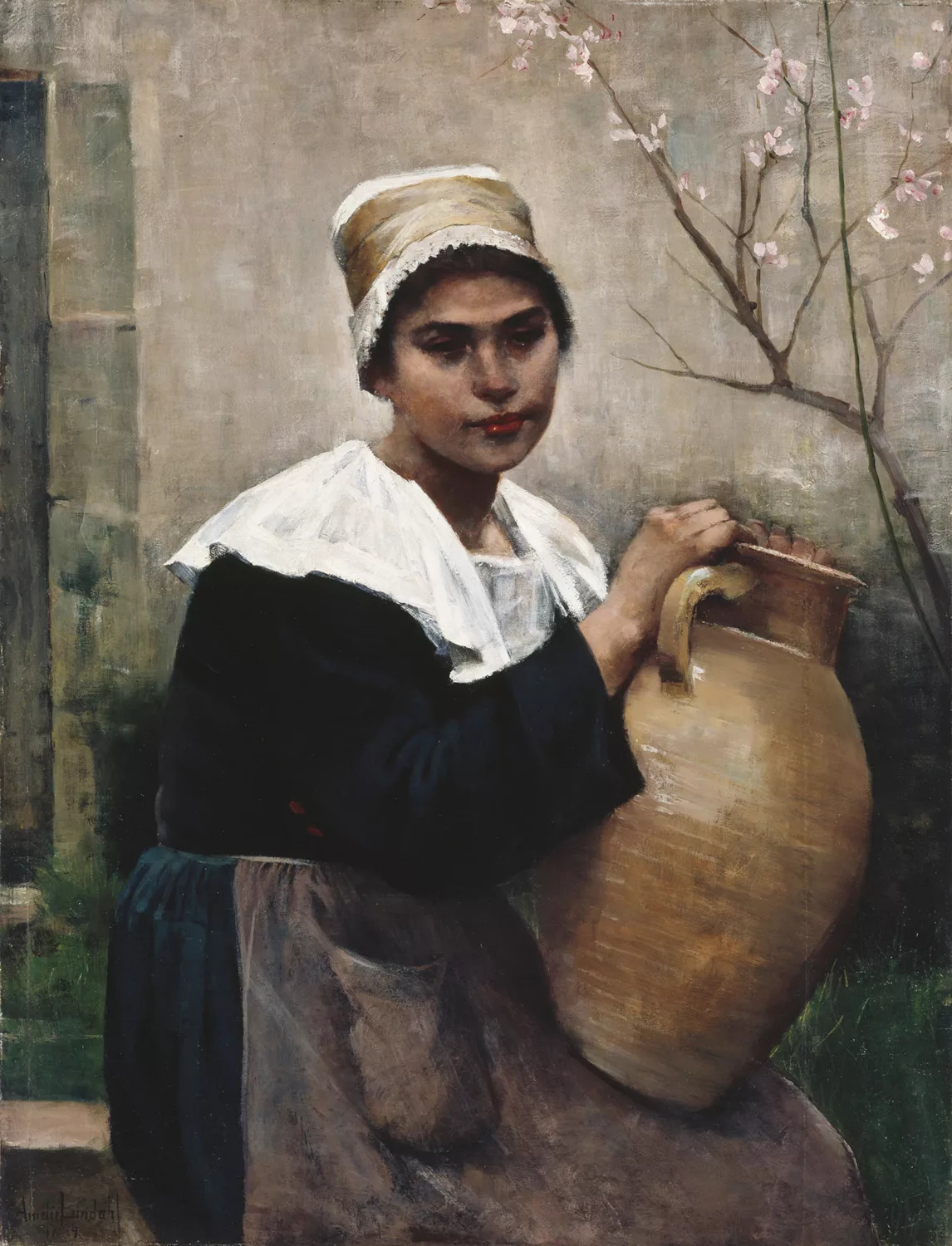
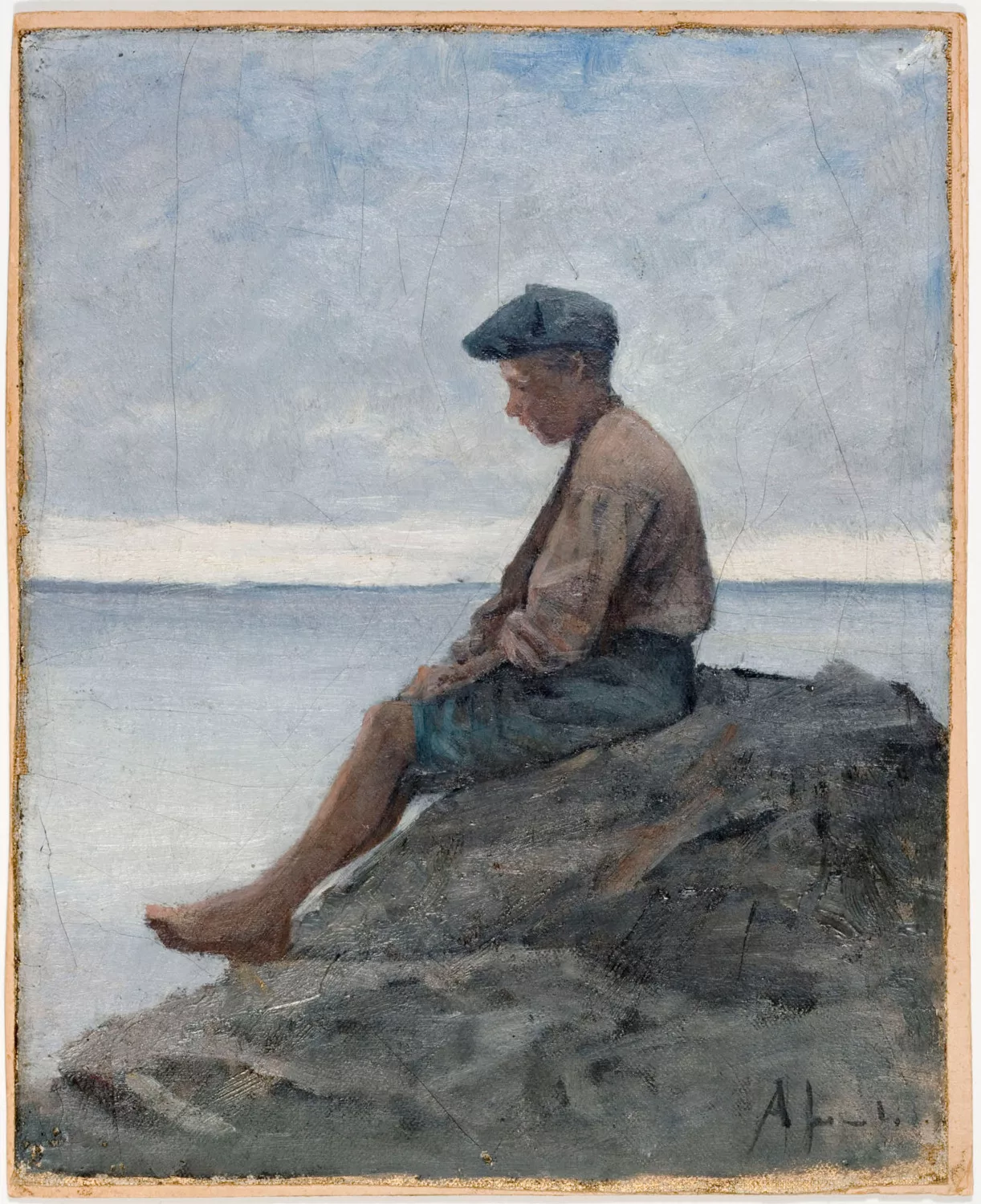
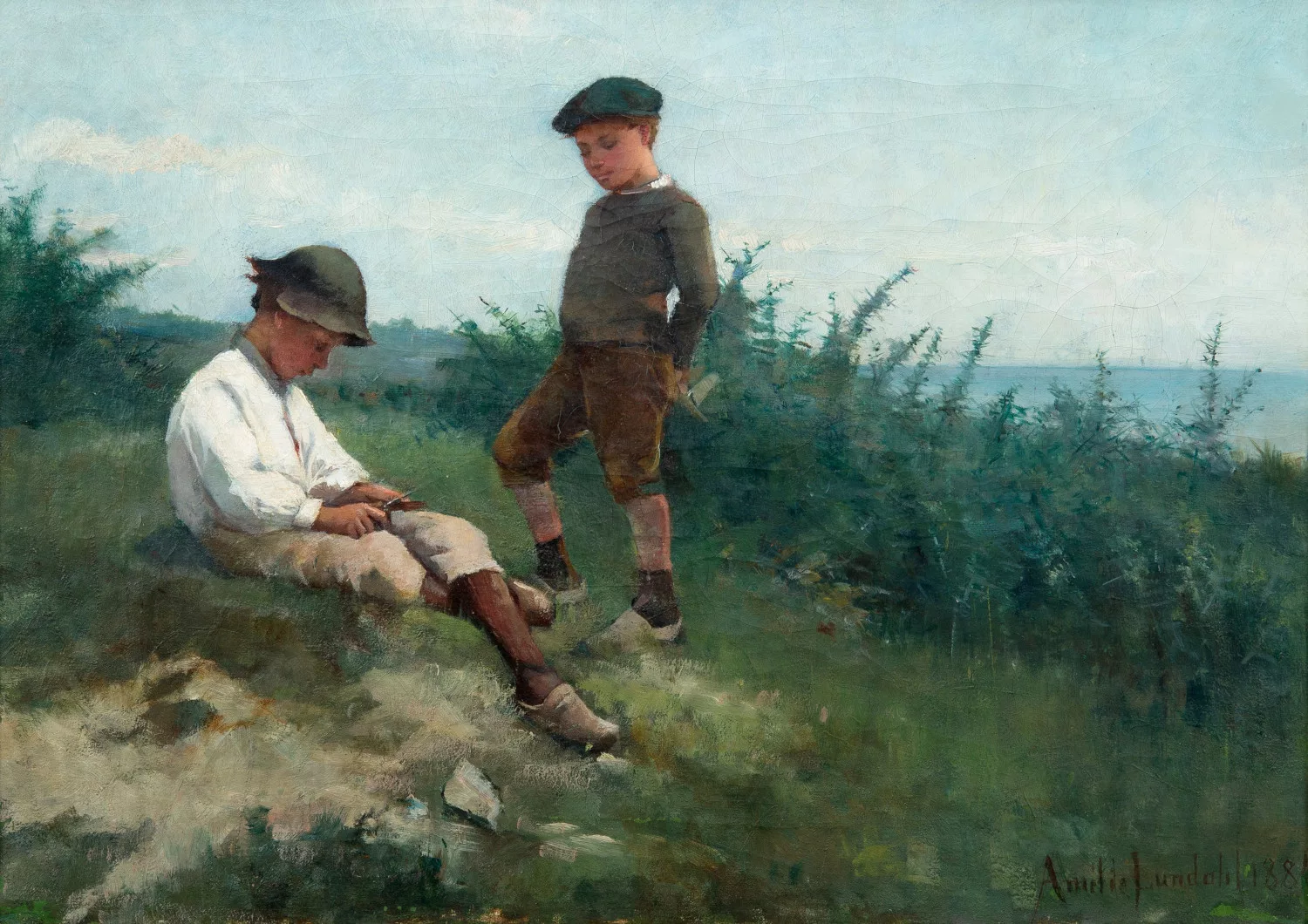
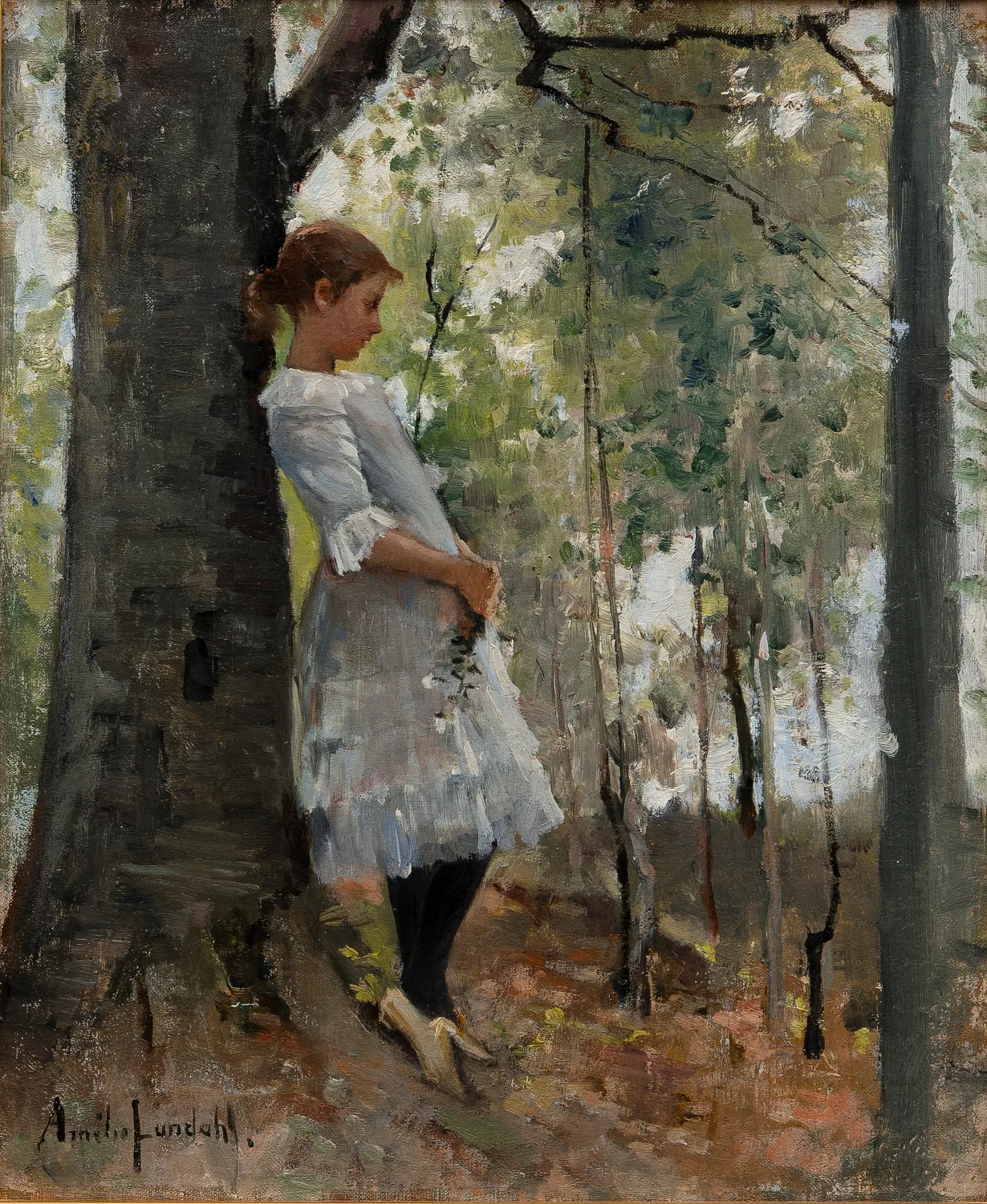
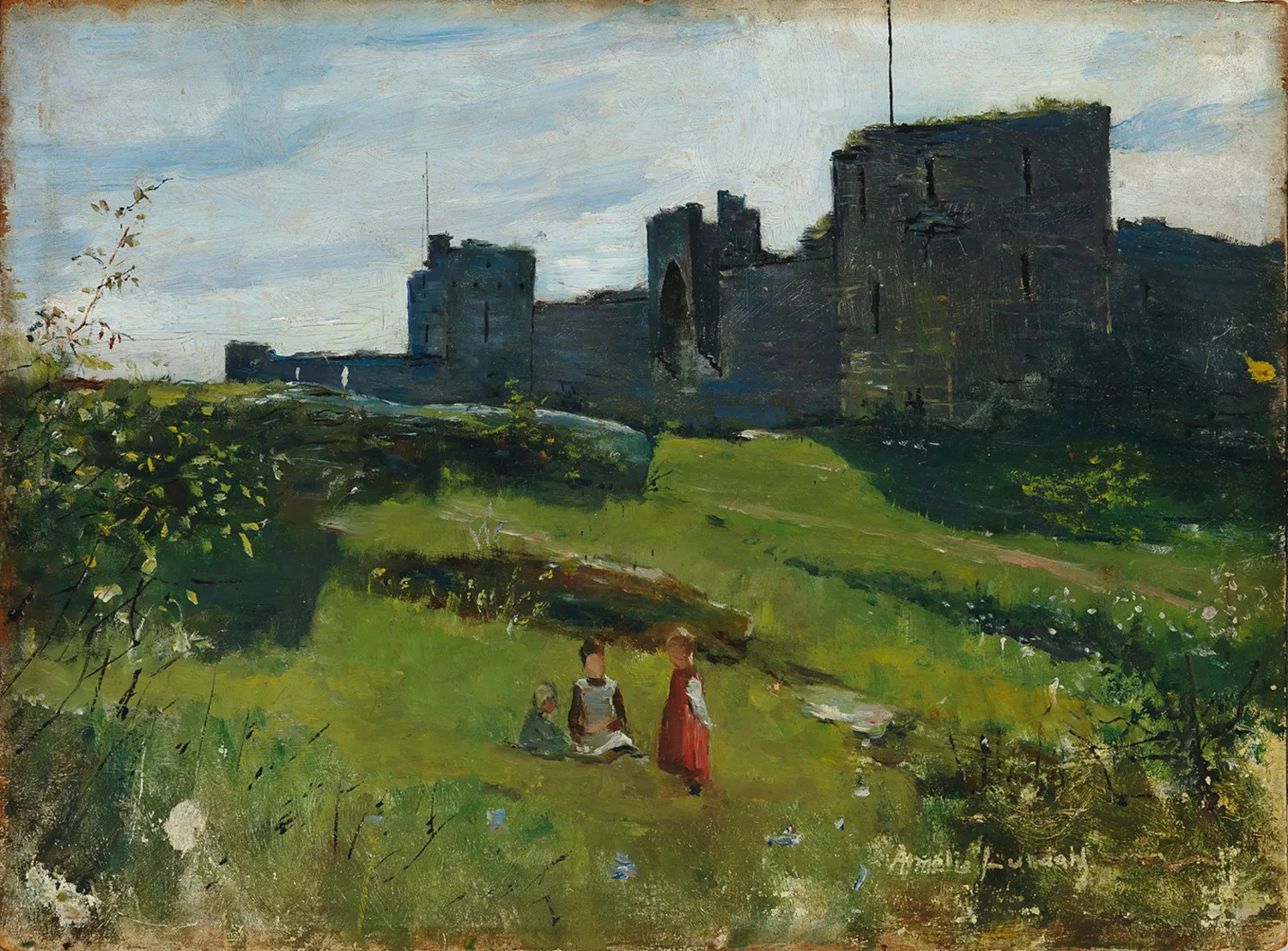
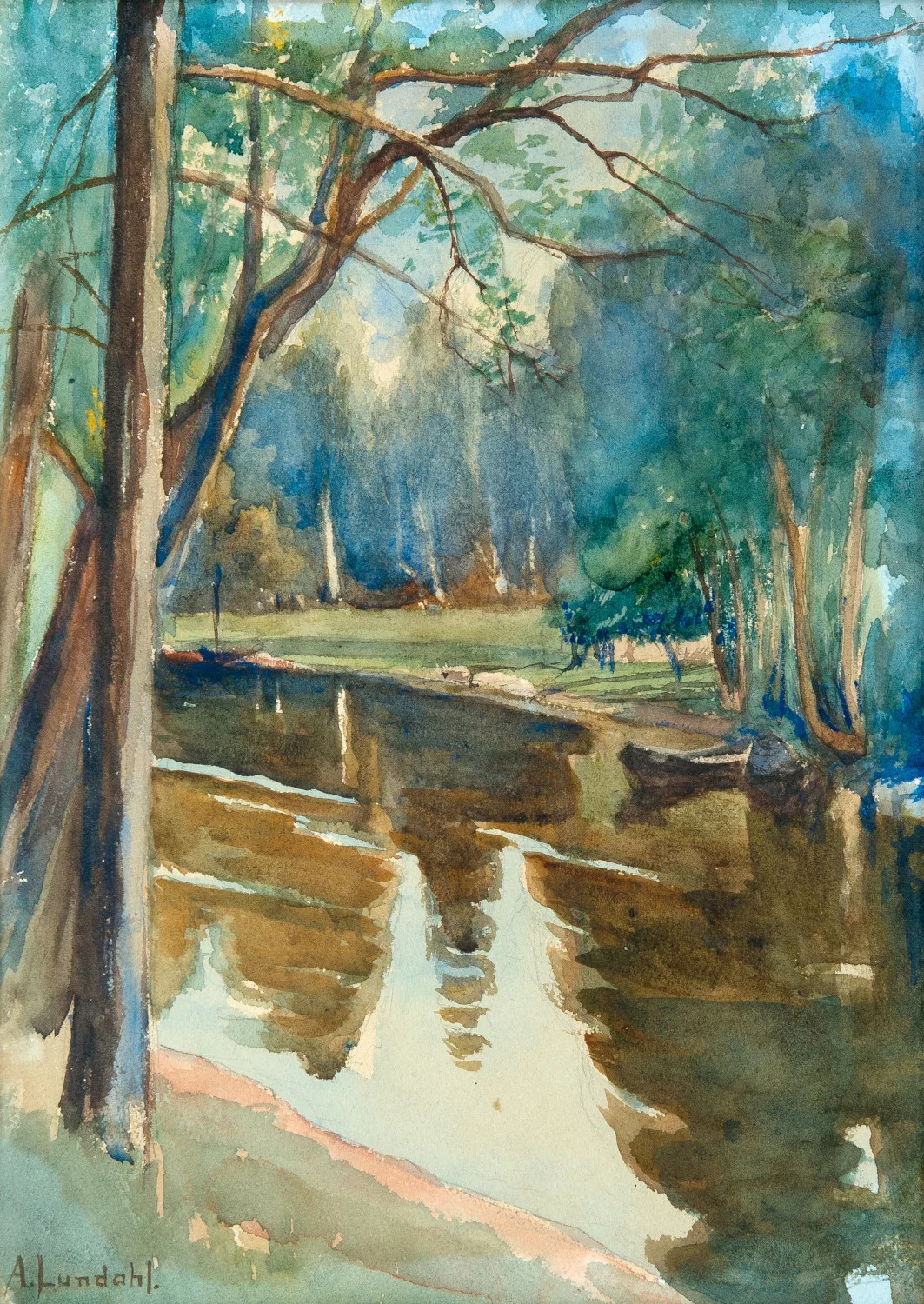
Amélie Lundahl is known for her portraits of women from Brittany and Normandy painted in the 1880s during her multiple travels to France. Influenced by the naturalistic plein air painting style, her work exemplifies the modern Parisian figure techniques of the time.
At an early age A. Lundahl lost her parents, and was raised by her siblings, all of whom shared an interest in art. In 1870 she began her training at the Finnish Art Society’s Drawing School in Helsinki. She was granted a scholarship at the Handicraft School in Stockholm in 1872–1873, for a profession in the industrial arts, but simultaneously attended oil painting classes under Bernhard Reinhold (1824–1892) and copied works at the National Gallery in Stockholm. After her return to Finland in 1873, she began teaching at the Finnish Art Society’s Drawing School. In 1877 she received a travel grant to Paris from the government to study painting. She travelled with Maria Wiik (1853–1928) and together they shared a studio on Rue de Seine, at the time housing several artists of different nationalities. From 1877–1881 A. Lundahl studied at Académie Julian under Tony Robert-Fleury (1837–1911).
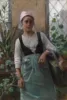
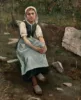
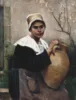
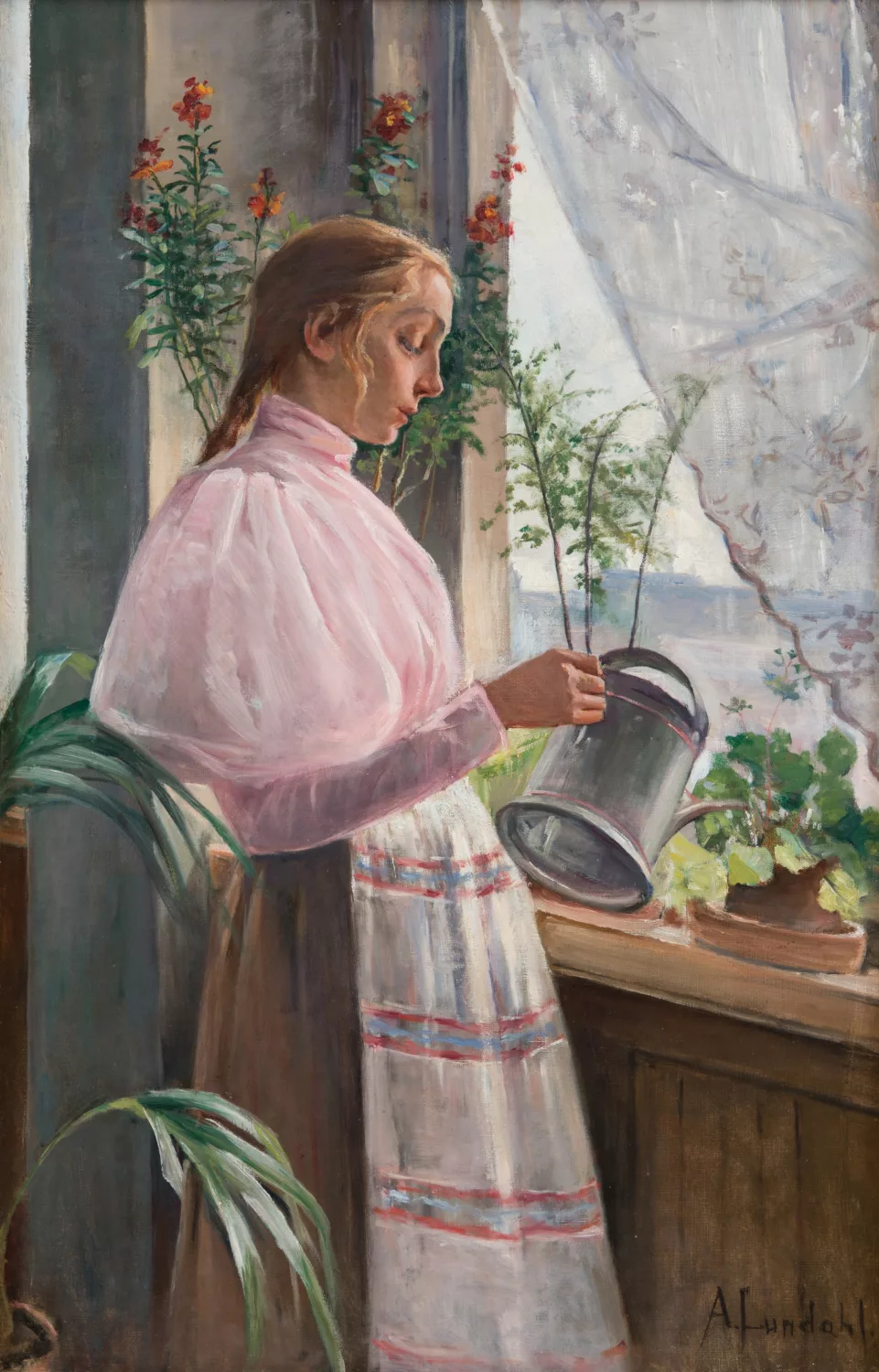
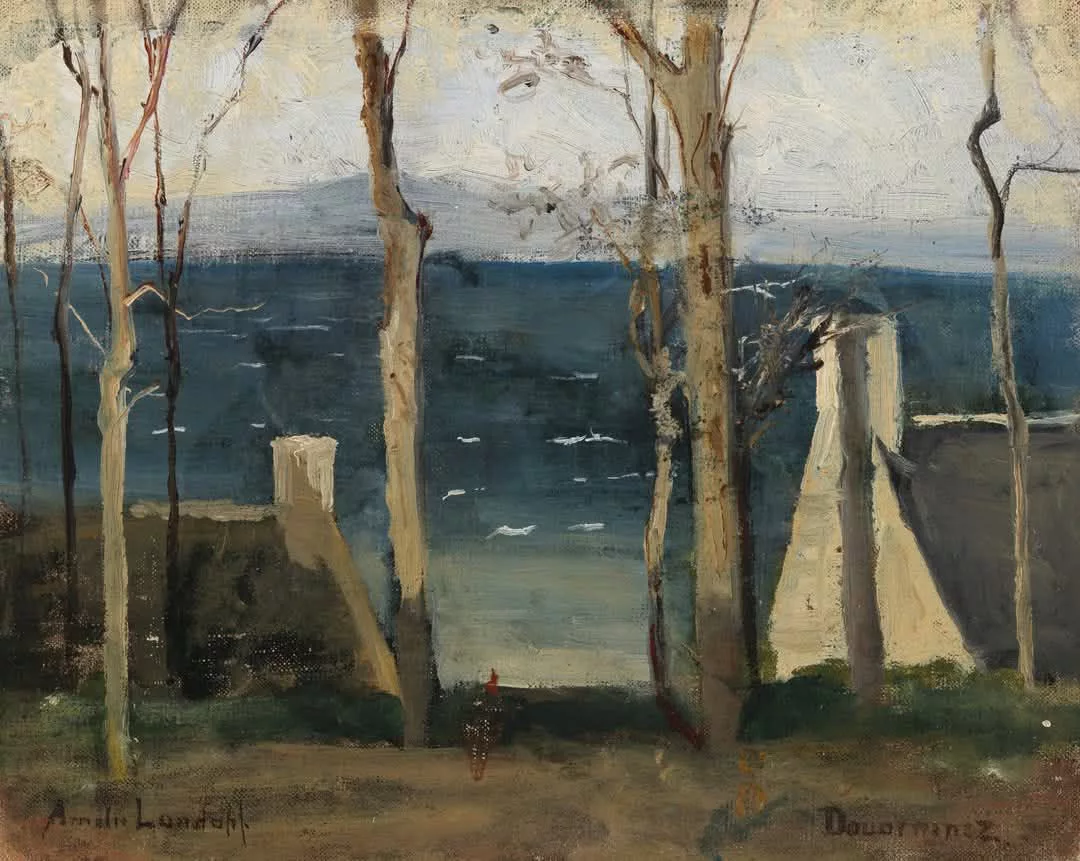
In the summers from 1880 to 1882, she went to Brittany to practice plein air painting, which had an important impact on her style. Due to financial reasons she had to return to Finland but in 1884 she left for Brittany again and stayed for the following years. She visited the small fishing communities at Dounarnenez, Concarneau and Pont-Aven, which were characterised by having rural societies unspoiled by modern culture. Here she painted Puutarhatyttö [The Garden Girl, 1885], which was exhibited at the Salon de Paris. With a plein air flourish for light, it depicts a peasant girl, who although she stands in the interior of a greenhouse, is infused with light from outside. Other examples characteristic of her naturalistic style are Tytön pää, Bretagne [Head of a Girl, Brittany, 1882], and Bretagnelaistyttö ruukku kädessä [Breton Girl Holding a Jar, 1884]. Today these works are part of Helsinki’s Ateneum Art Museum’s collection.
In the late 1880s A. Lundahl lived between Helsinki and Stockholm, also visiting the villages of Visby in Sweden and Önningeby on Åland, Finland, to paint. She was also one of the first female artists to join the Önningebykolonin, an artist colony in the middle of the Baltic Sea that helped introduce the new French-inspired plein air painting to Finland. In the following years A. Lundahl travelled abroad again, to Paris in 1900 and Italy in 1907. In the latter years of her life, her health and vision worsened and she almost lost the ability to paint altogether. Five years after her death, a memorial exhibition was held at Gallery Hörhammer in Helsinki. In 2024 her work was shown at the exhibition Against All Odds. Historical Women and New Algorithms at SMK – National Gallery of Denmark.
A notice produced as part of the TEAM international academic network: Teaching, E-learning, Agency and Mentoring
© Archives of Women Artists, Research and Exhibitions, 2026