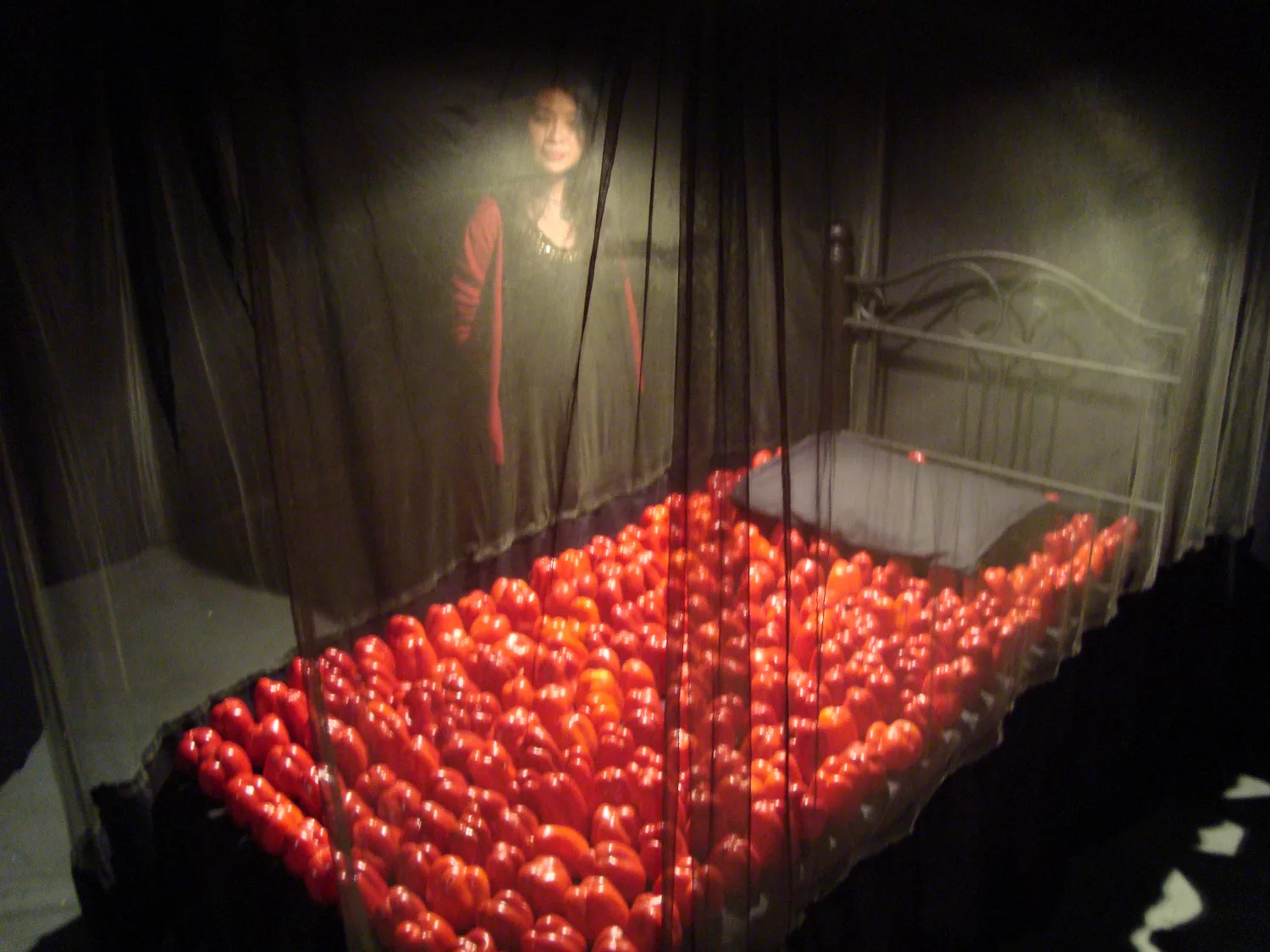
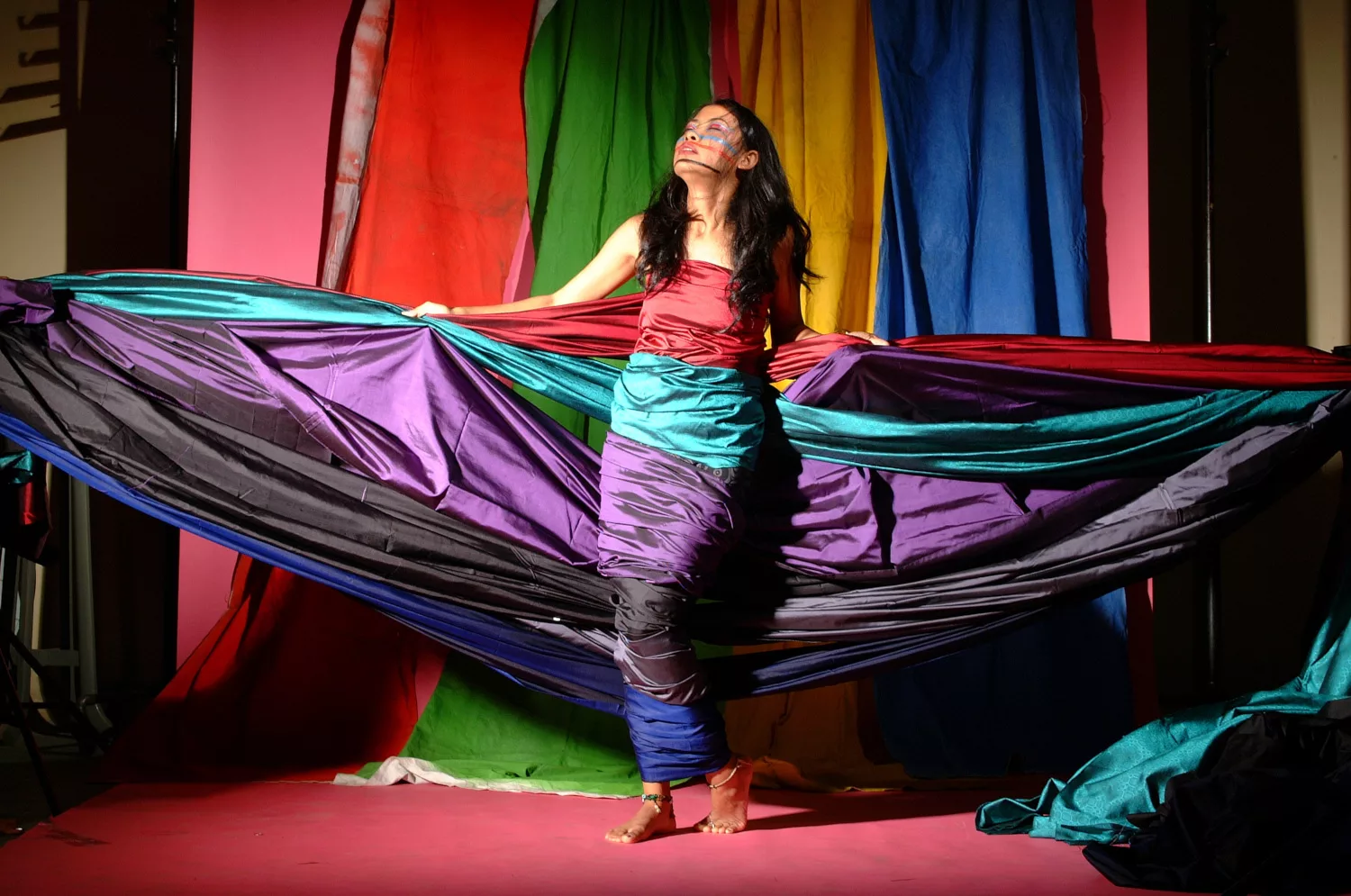
Chaw Ei Thein, MEs, 2004, silk, cloth © Courtesy Chaw Ei Thein
Hue, Emily L., Performing Vulnerability: Risking Art and Life in the Burmese Diaspora, Seattle, University of Washington Press, 2025
→Eisner, Rivka Syd, “Remember September: Re-Performing the Burmese ‘Saffron Revolution’ at the Singapore Biennale,” Theatre Research International, vol. 41, no. 1, 2016, p. 21–39
→Wu, Simon, “Modify Your Dissent: A Performance on the Streets of Yangon,” in MoMA Post: notes on art in a global context, 10 March, 2021, https://post.moma.org/modify-your-dissent-a-performance-on-the-streets-of-yangon/
13th Berlin Biennale, Berlin, 14 June 2025 – 14 September, 2025
→2nd Singapore Biennale, Singapore, 11 September–16 November, 2008
→Nippon International Performance Art Festival (NIPAF), Japan (multiple cities), 16 July–3 August, 2004
Burmese multidisciplinary artist.
Chaw Ei Thein graduated from the University of Yangon in 1994 with a Bachelor of Laws (LLB) degree, but chose to pursue artistic practice – as an artist and art teacher – following graduation. Her father, the established painter Maung Maung Thein (1938–), was her mentor, and had an important influence on her practice, particularly in her questioning of concepts and her project-based approach.
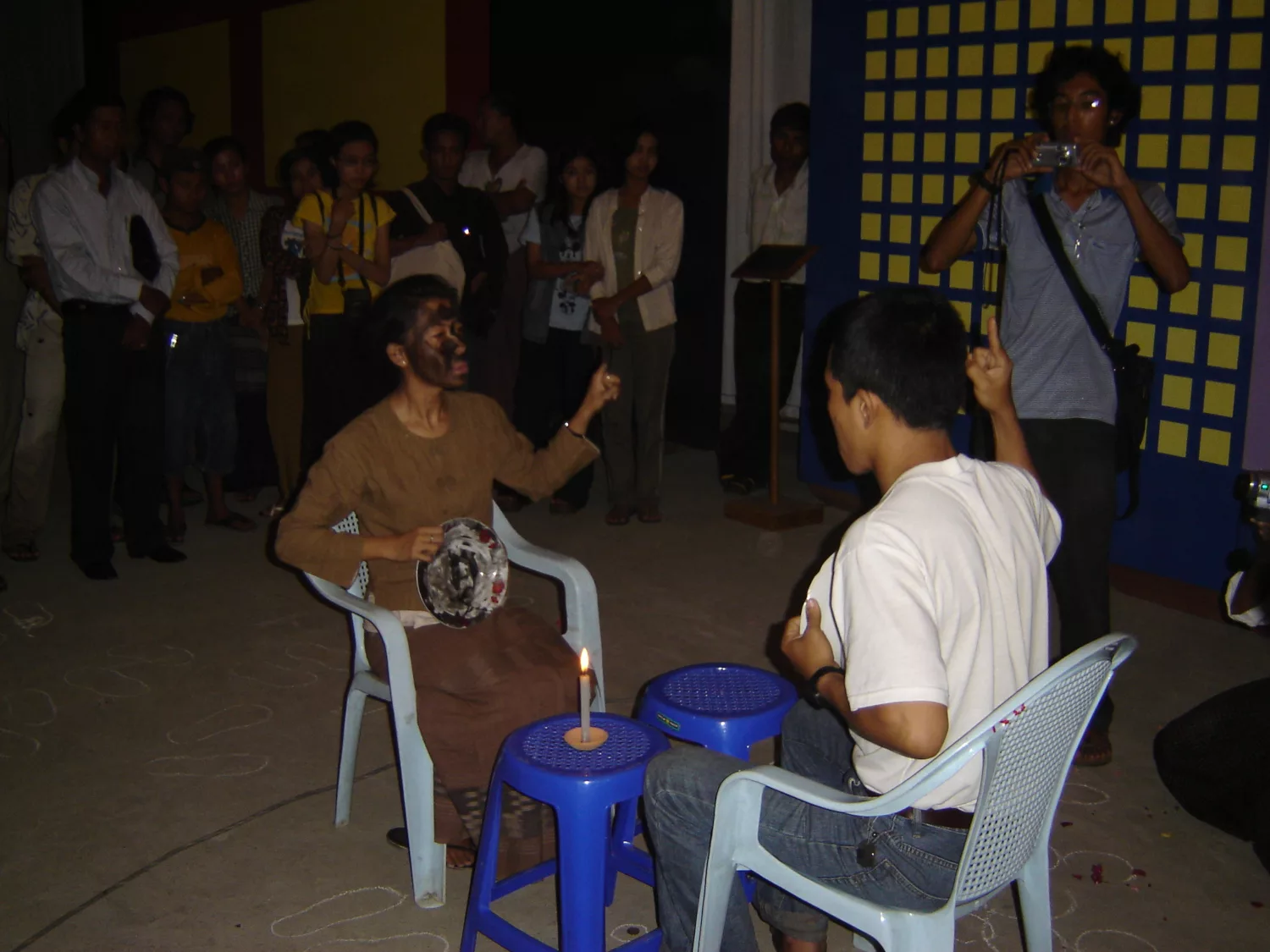
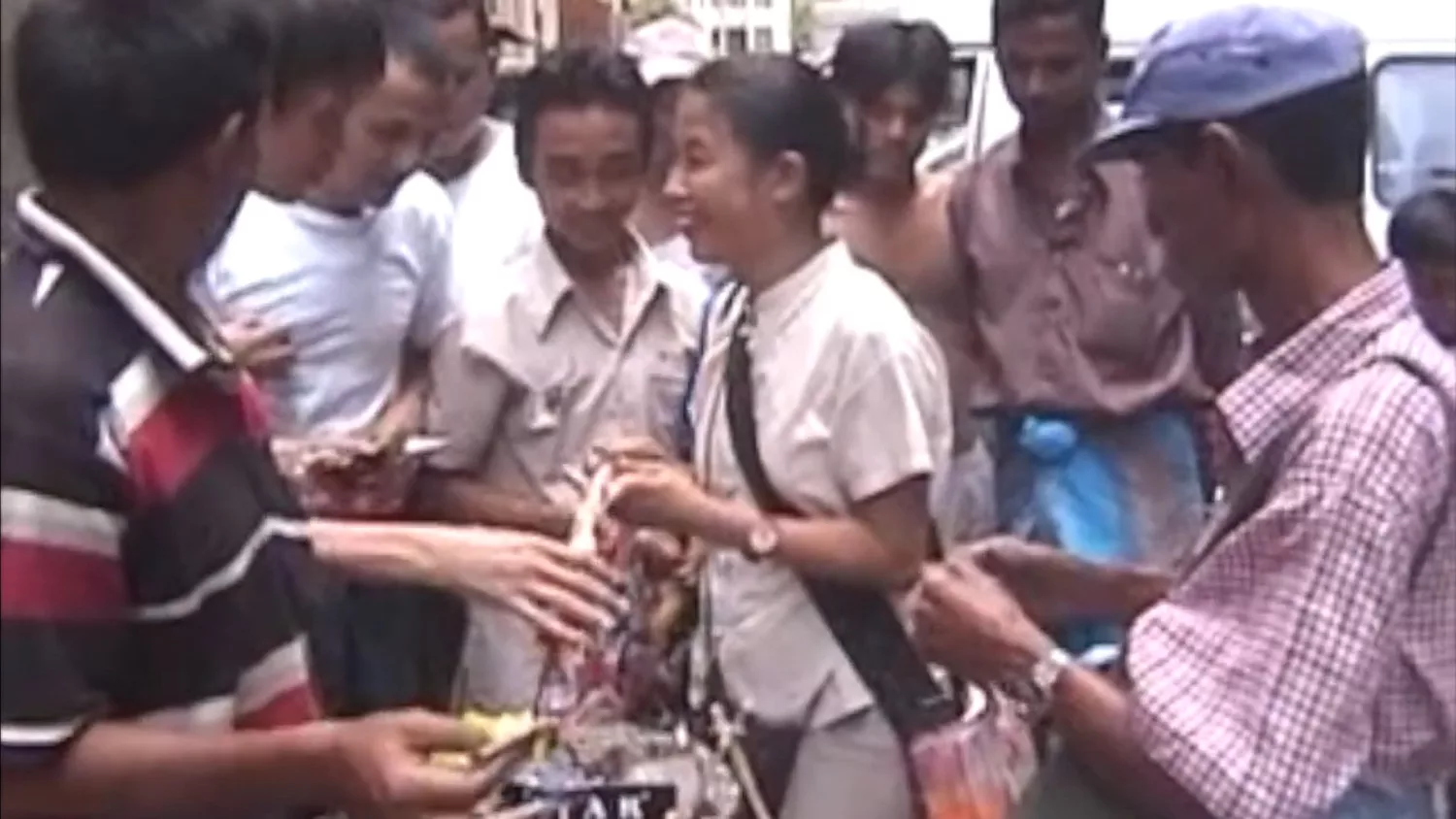
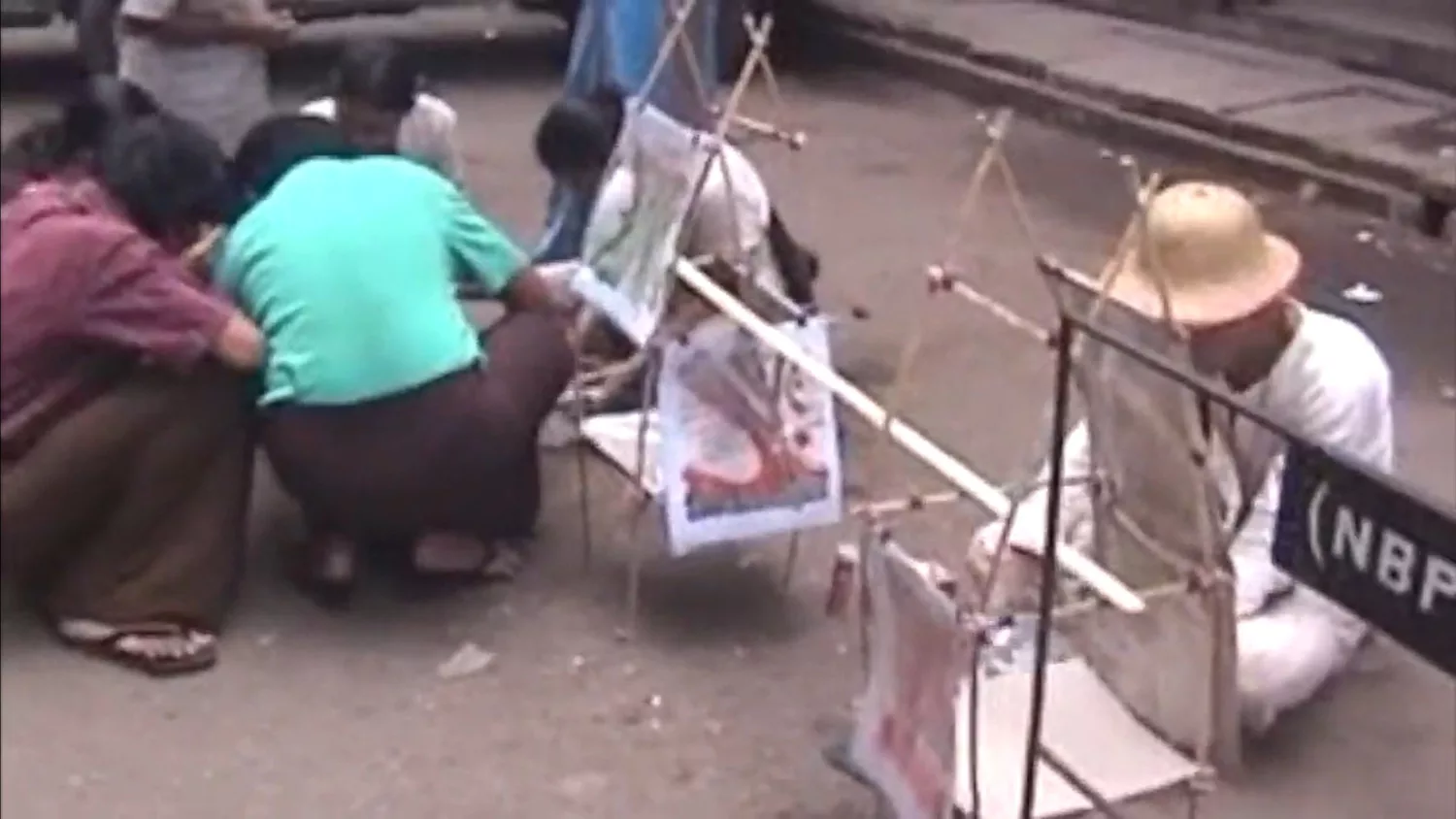
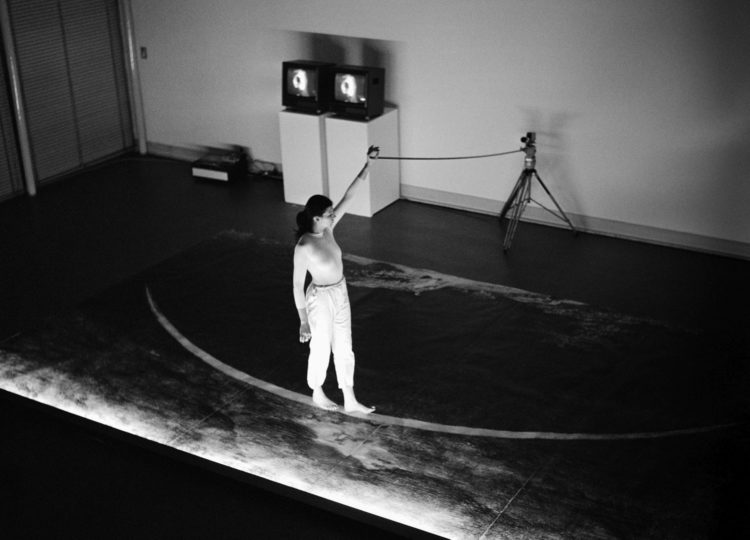
In 2004 she produced her first performance, titled MEs, in which her body was wrapped in long panels of silk and pulled in competing directions. In the same year she left Myanmar for the first time and participated in the Nippon International Performance Art Festival (NIPAF) at the invitation of Seiji Shimoda (1953–). She was inspired to pursue public performance in Myanmar upon her return, and collaborated with Htein Lin (1966–), following his release from imprisonment by the military junta, to perform Mobile Market / Mobile Gallery on 6 May 2005. The artists took on the guise of street vendors, frequently changing locations and selling convenience store items, art materials and artworks (such as drawings) at almost twenty-year-old pre-inflation prices. To give change for the money tendered for the transactions, they used obsolete coinage bearing the likeness of former democratic leaders such as General Aung San, the father of Aung San Suu Kyi. The project thus employed symbolic objects to subtly critique the military junta’s demonetisation policies and its attempts to suppress the historical consciousness of democratic movements. The artists were subsequently arrested and detained for five days for unlicensed street vending. H. Lin and C. E. Thein also collaborated on another public performance, On the Table (2005), in which they re-enacted the events following Aung San Suu Kyi’s 2002 prison release.
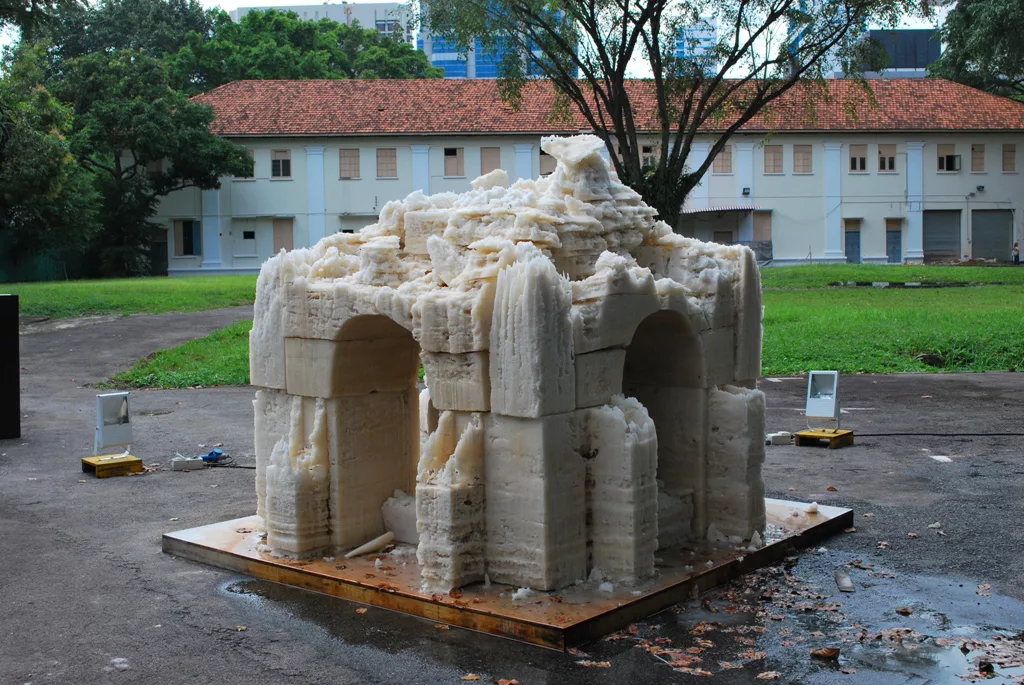
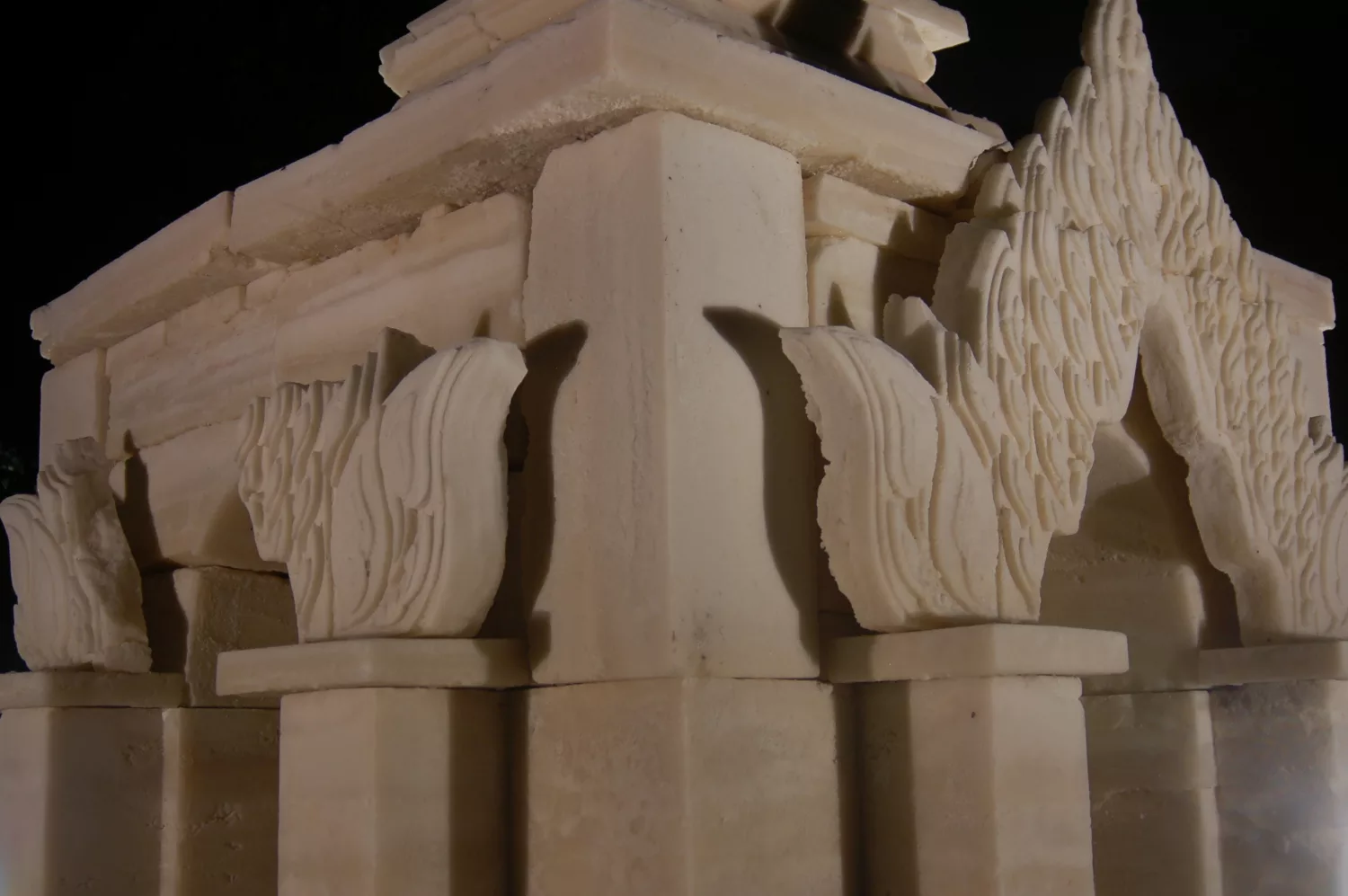
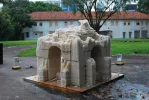
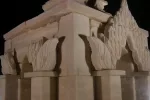
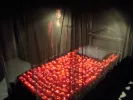
As a metaphor for the loss of hope in response to the Saffron Revolution, which had taken place a year earlier, C. E. Thein and Richard Streitmatter-Tran (1972–) produced the large-scale sculptural installation September Sweetness (2008) for the Singapore Biennale. Modelled after Burmese temple architecture styles and constructed from 5.5 tonnes of granulated sugar, the structure gradually deteriorated over the course of the biennale due to weather conditions and insect infestation. In 2009 C. E. Thein left for New York City for a residency supported by the Asian Cultural Council, during which time she created Bed (2009) and various performances. Following the residency, she successfully applied for political asylum and remained in the USA (in 2017 she left New York City and relocated to Santa Fe, New Mexico). She gave visual representation to her early experience of exile through the painting series Far Away in NYC (2010).
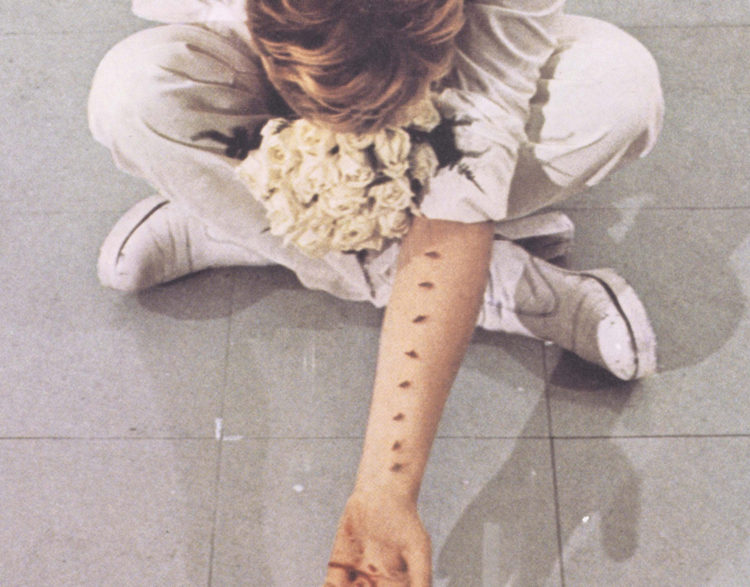
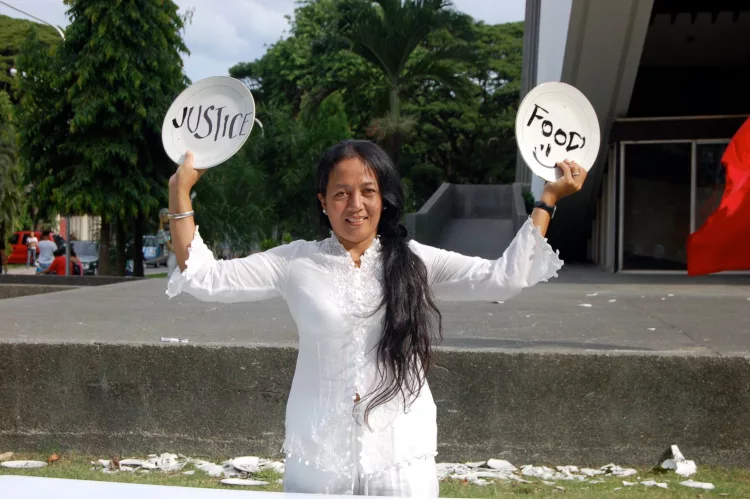
In the USA she continued to make work about political conditions in Myanmar and its human suffering. In the We Are Political Prisoners in Burma series (2010–2015) the artist called attention to the plight of Myanmar political prisoners by drawing on her skin and enacting torturous physical poses while bound and gagged. In a historiographical turn, Body to Body (2016) features her re-enactments of performance art by Burmese artists, centring the body as a locus of artistic and political expression. Similarly, Artist Streets (2025) tells the history of Myanmar performance art from the 1990s to 2021 in an ambitious installation with handmade dolls.
A biography produced as part of the programme The Flow of History. Southeast Asian Women Artists, in collaboration with Asia Art Archive
© Archives of Women Artists, Research and Exhibitions, 2026
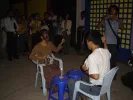
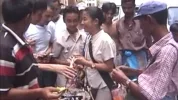


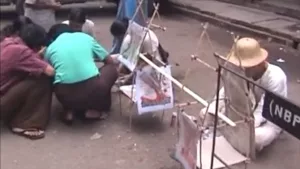 “Mobile Market & Mobile Gallery,” 31 May, 2019, Htein Lin’s YouTube channel