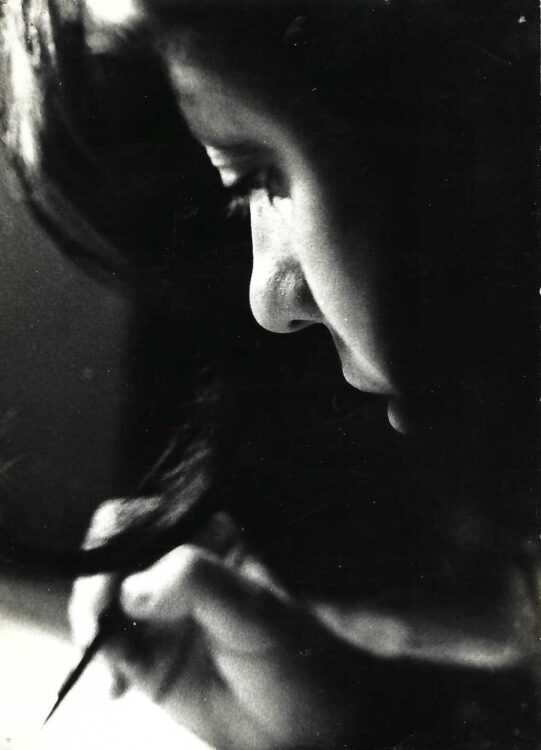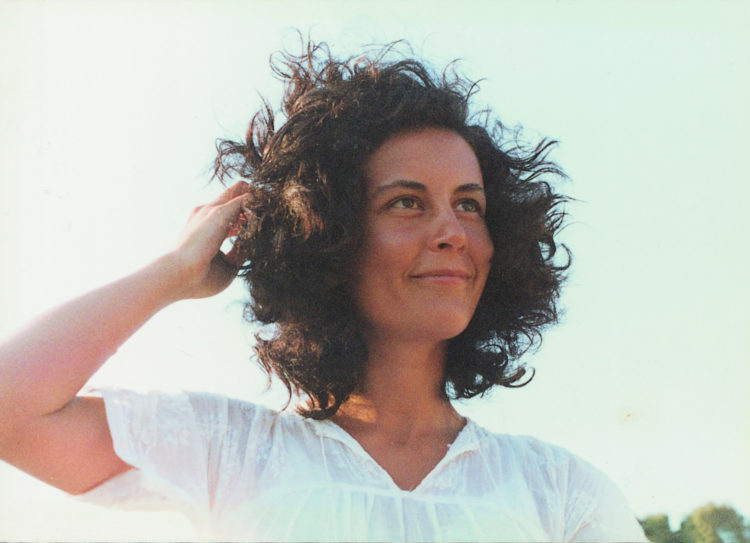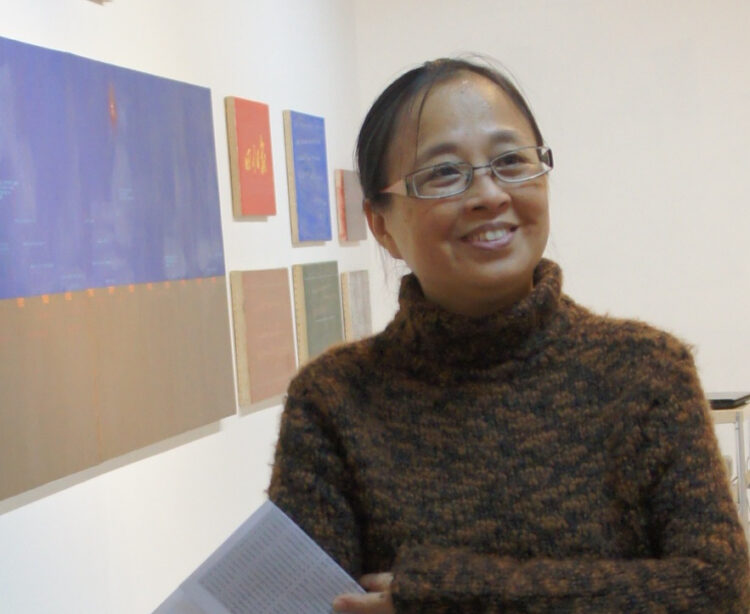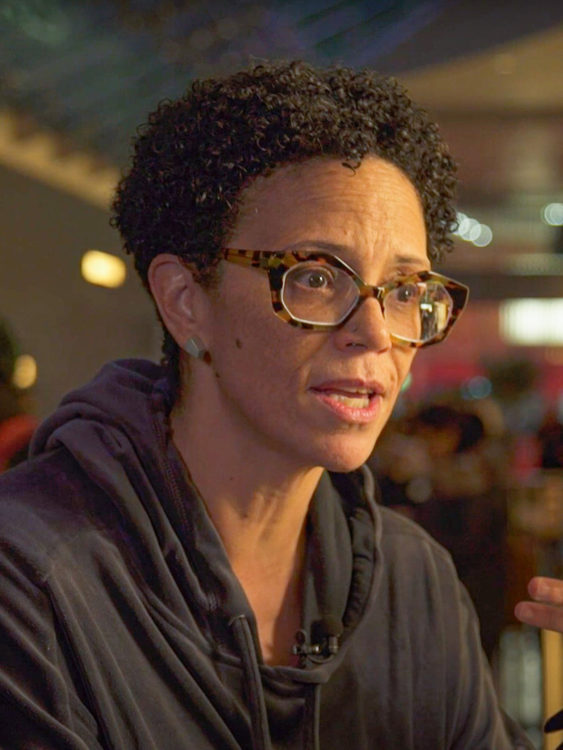

Portrait of Cristina Piffer
Nieto, Danila Desirée, “Barroco punzó: un abordaje a la obra de Cristina Piffer”, Revista Gramma, XXXIV, no. 70, 2023, n.p.
→Bustillo, Alejandro, March, Natalia, “Materiales biológicos en el Arte Contemporáneo: Alteraciones materiales y conceptuales en la obra de Cristina Piffer”, en Albizuri, Lucía et al. (ed.), Actas – Encuentro Nacional sobre Registro, Documentación y Conservación de Arte Contemporáneo, Ciudad Autónoma de Buenos Aires, Ministerio de Cultura de la Nación, 2021, p. 120-128
→Giunta, Andrea, Rethink Everything, Paris, Delpire & co, 2021
Cristina Piffer. Archivos pulsantes, imágenes intempestivas, supervivencias espectrales, Centro de Arte de la Universidad Nacional de La Plata, La Plata, 10 September–29 October, 2022
→La herencia indócil de los espectros, Espacio de Arte de Fundación OSDE, Buenos Aires, 10 October–14 Decemner, 2019
→Cristina Piffer, Encarnaduras y entripados, Museo de Arte Latinoamericano de Buenos Aires (MALBA), Buenos Aires, 29 April–20 June, 2011
Argentine interdisciplinary artist.
Cristina Piffer studied architecture at the Facultad de Arquitectura y Urbanismo de la Universidad de Buenos Aires from 1971 to 1976. 117 students and teachers from the university were disappeared between 1976 and 1983, under the country’s military dictatorship. These circumstances were to mark her life and artistic production. She also took history classes at Facultad de Filosofía y Letras, studying under Basia Kuperman (1927–2013) and Alejandro Puente (1933–2013).
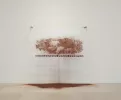
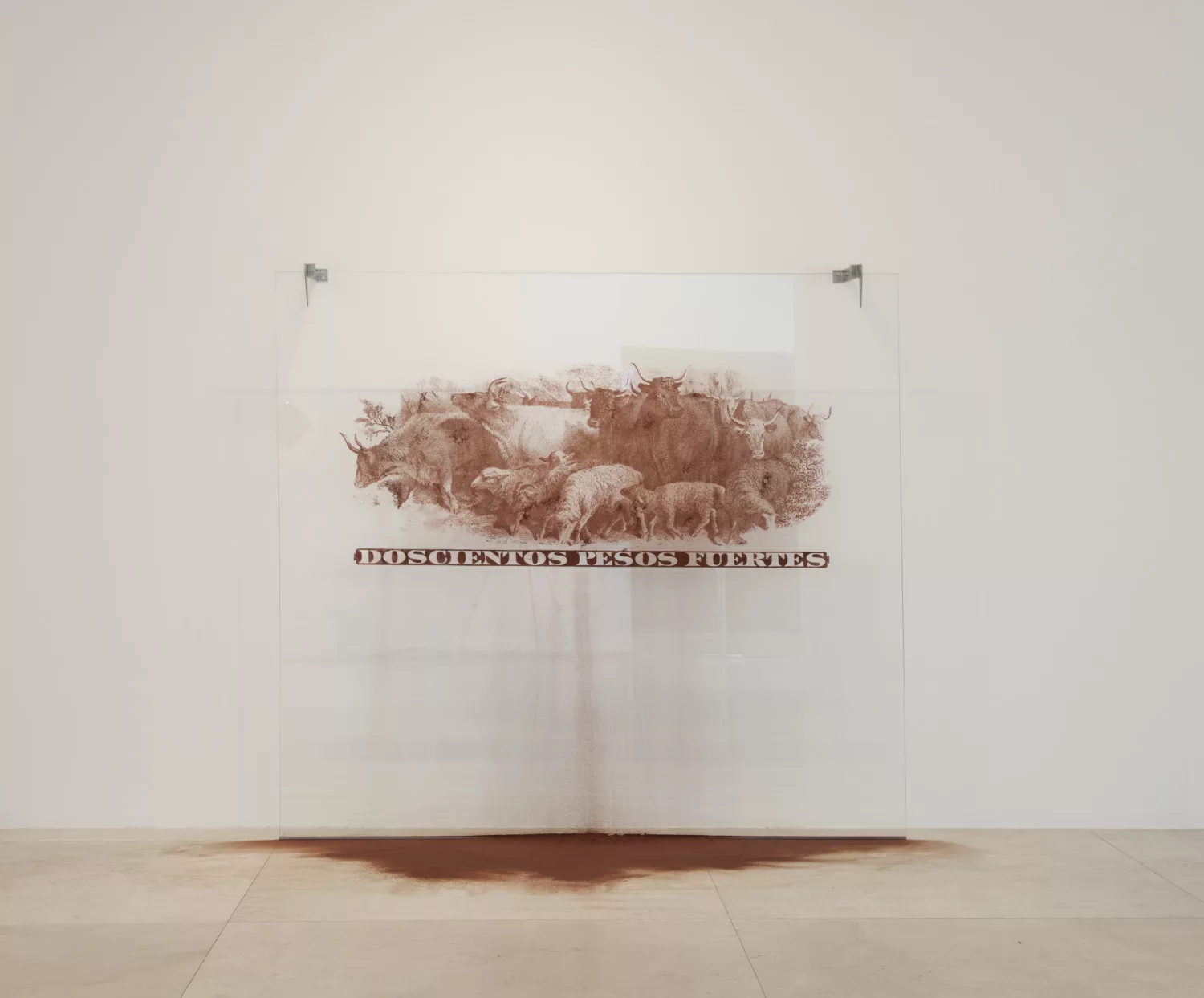
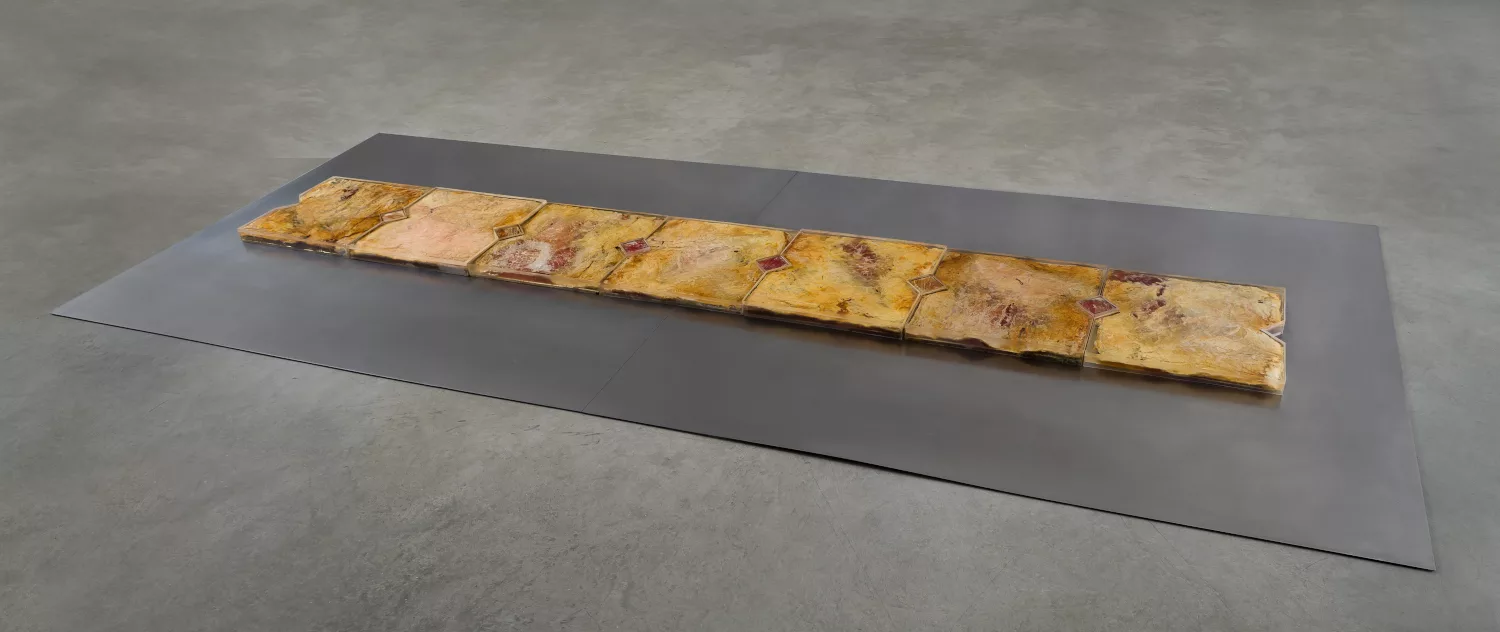
Her architectural training plays a fundamental role in the installations she designs. Since the 1990s her body of work has centred on artistic and historical investigation. For C. Piffer, making art is a profoundly political act. For instance, she addresses the issue of state violence in Argentine history based on revelations from literary and historical sources, experimenting with various materials and techniques, such as the use of blood, flesh, intestines and cow fat. These organic materials hold a powerful conceptual significance for this artist, as references to historical and political violent and sacrificial practices.
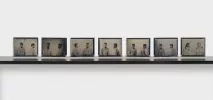
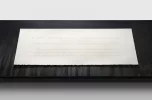
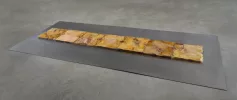
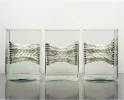
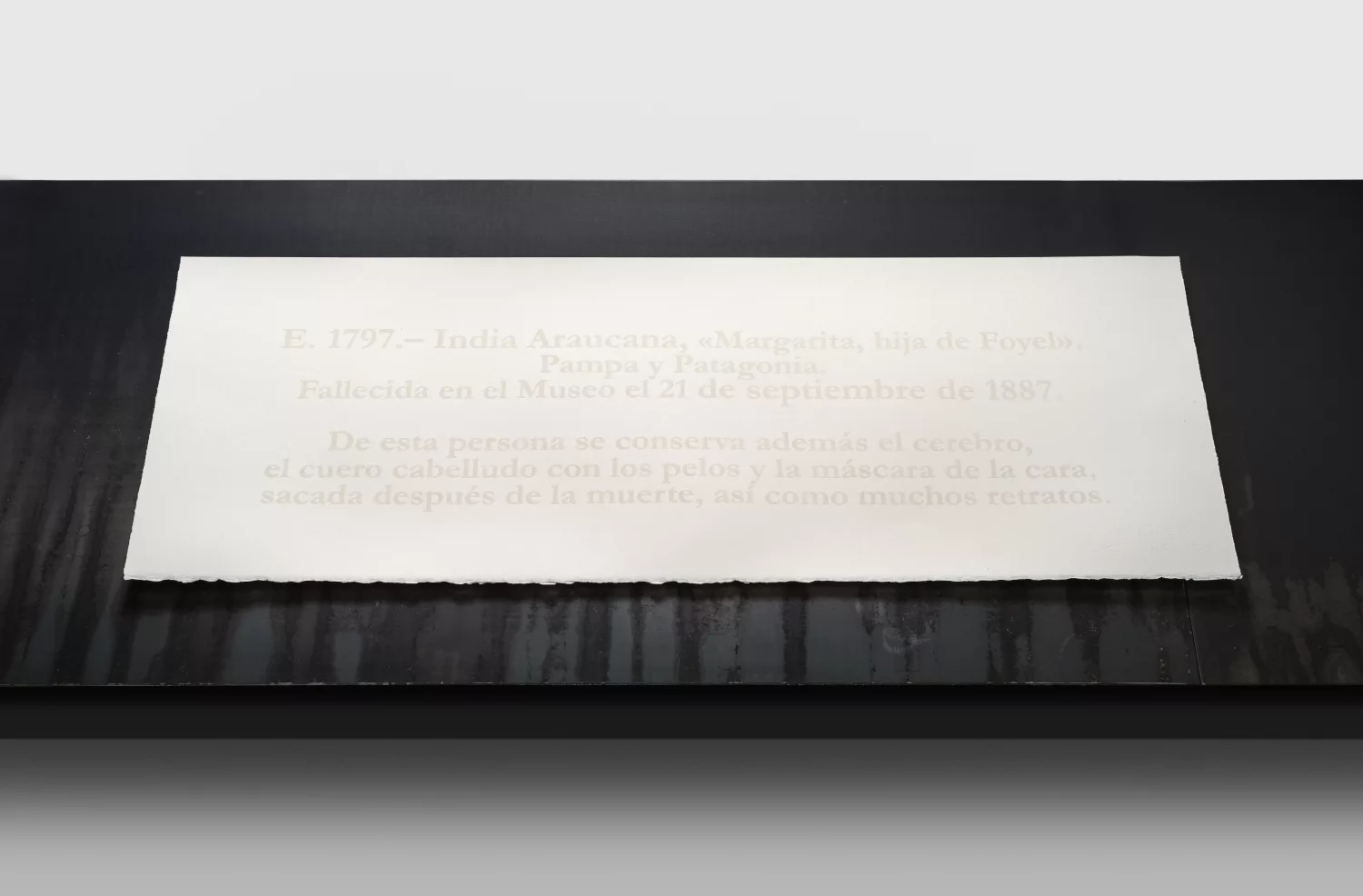
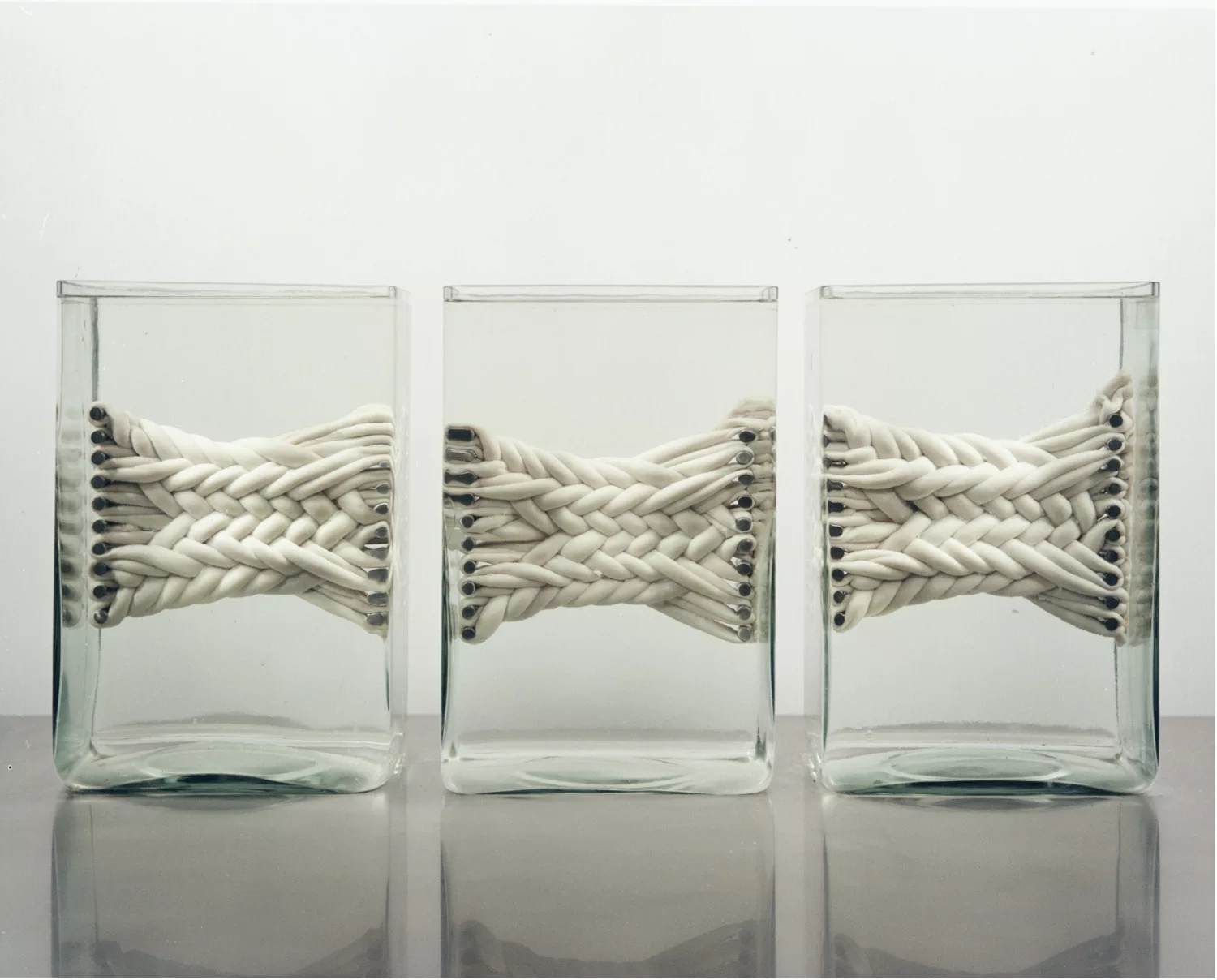
Throughout her artistic career C. Piffer has made pieces that interrogate what specifically characterises Argentina, using deliberately disturbing materials. Her work includes a powerful archival component and highlights the importance of materiality, on both the technical and conceptual levels. Her installations are usually presented in bare, white rooms with surgical lighting, which at first give the impression of orderliness and calm. Her works enter into a dialogue with this appearance. Sitting on steel work surfaces are glass containers that seem, initially, to be attractively shaped (Trenzados [Braids, 2002]), small-format portraits (Braceros [Labourers, 2018]) and milky-white plaques with texts spelled out in low-relief lettering (Mesadas [Countertops, 2002]). Nevertheless, a closer look reveals the use of unconventional and even off-putting materials. Everything invokes tragedies: the glass containers are filled with formaldehyde that preserves braided intestines, the words written in cow grease tell terrible stories, and the portraits are of indigenous people recruited to work their lives away in the La Esperanza sugarcane mill.
C. Piffer’s practice articulates two political/aesthetic resources – on the one hand the norms that regulate photographic inventories where images and labels are paired to create an historical record that permeate surfaces or are imprinted on them, and on the other the use of organic raw materials, like the sculptures in glass containers filled with formaldehyde displayed on steel surfaces. Everything reverberates in a sinister orderliness and neatness that, while making contemplation possible, activates the intuition.
Working with Hugo Vidal (1953–) she carried out intervention in spaces of memory, such as the secret detention centres filed with prisoners during the dictatorship. In 1999 her proposal for a sculpture to be installed in the Parque de la Memoria was shortlisted. Between 2013 and 2017 she was a member of the Artistas Solidarios group, together with Javier del Olmo (1972–), Ana Maldonado (1952–), Juan Carlos Romero (1930–2017) and H. Vidal. Since 2019 she has been active in the Cuatro group, with Lucía Bianchi (1981–), A. Maldonado and H. Vidal, with whom she has carried out graphic interventions and street actions in support of political and social movements.
A notice produced as part of the TEAM international academic network: Teaching, E-learning, Agency and Mentoring
© Archives of Women Artists, Research and Exhibitions, 2026