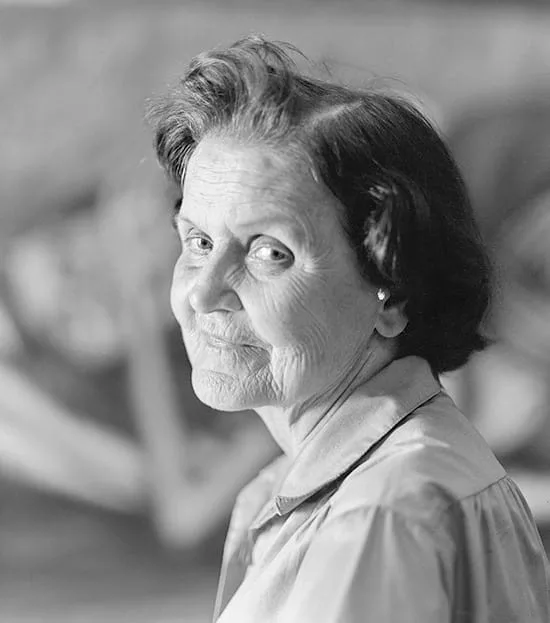
Portrait of Débora Arango Pérez by León Ruíz, Archivo Fotográfico Biblioteca Pública Piloto
Fernández Uribe, Carlos Arturo (ed.), Débora Arango, exh. cat., C.C.E.E. “Reyes Católicos”, Bogotá (3–25 March, 2006), Bogotá, Art Editions, 2006
→Museo de Arte Moderno de Medellín, Débora Arango. Patrimonio vivo, patrimonio artístico, Medellin, Museo de Arte Moderno de Medellín, 2001
→Londoño Velez, Santiago, Débora Arango. Vida de pintora, Bogotá, Ministerio de Cultura, 1997
Débora Arango. La vida con toda su fuerza admirable, Museo de Arte Moderno de Medellín, Medellín, 2 September, 2015–30 September, 2017
→Débora Arango Exposición Retrospectiva (1937-1984), Museo de Arte Moderno de Medellin, Medellin, 1984
→Solo exhibition, Instituto de Cultura Hispánica, Madrid, 1955
Colombian painter, watercolourist and ceramicist.
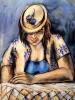
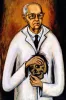
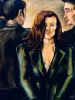
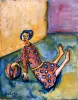
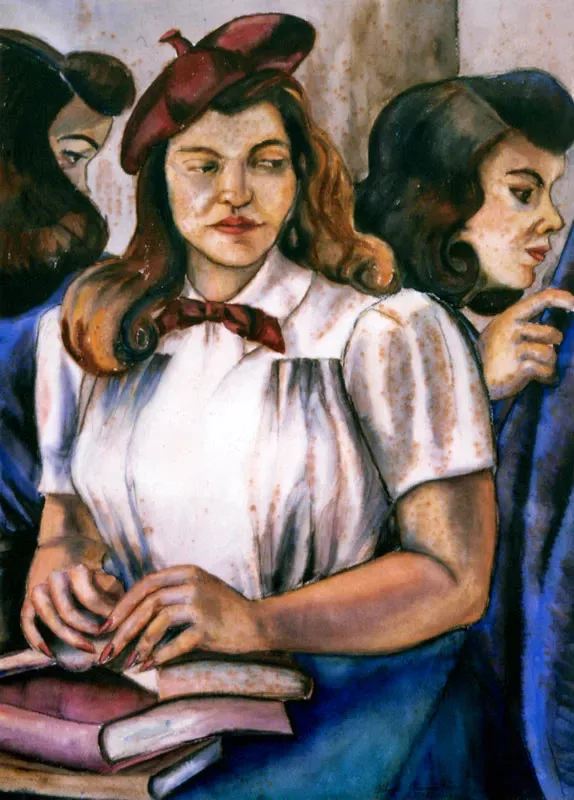
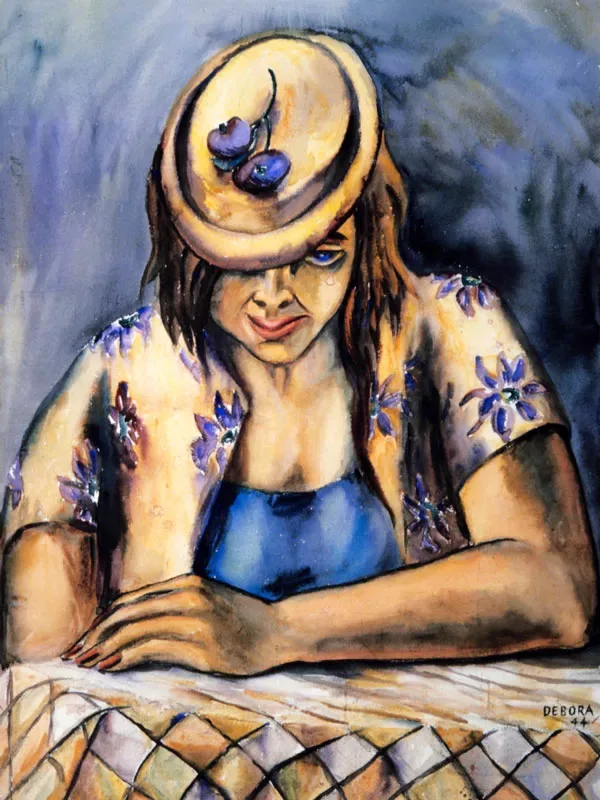
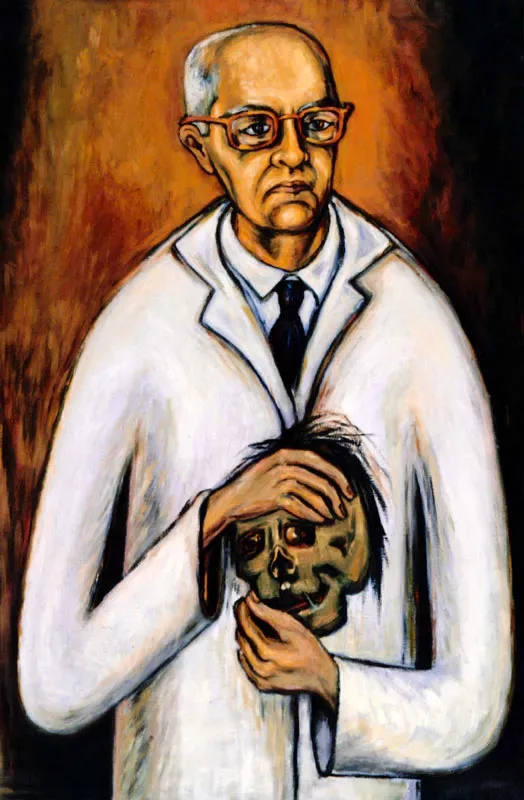
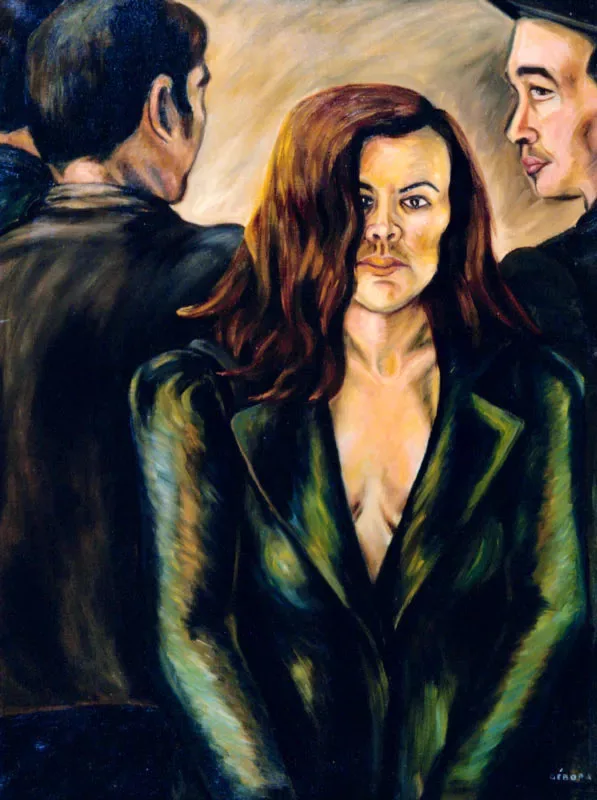
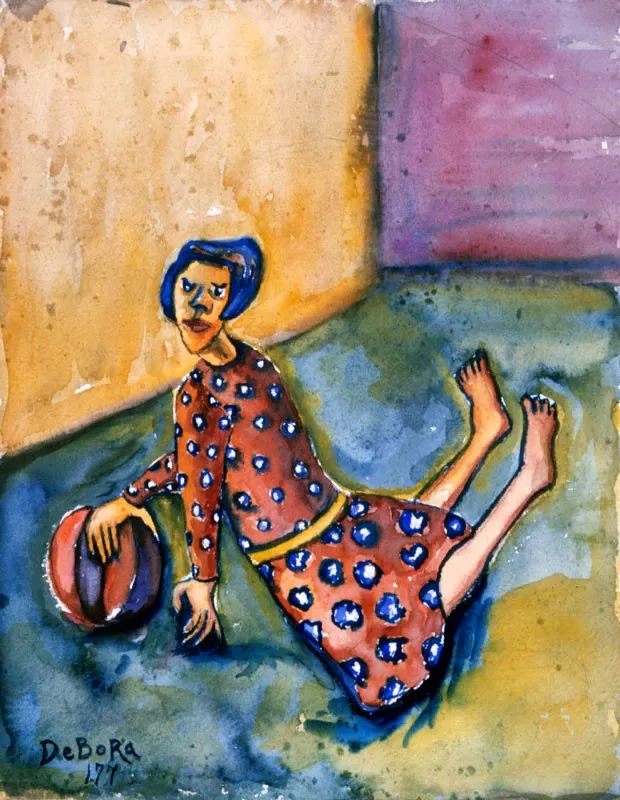
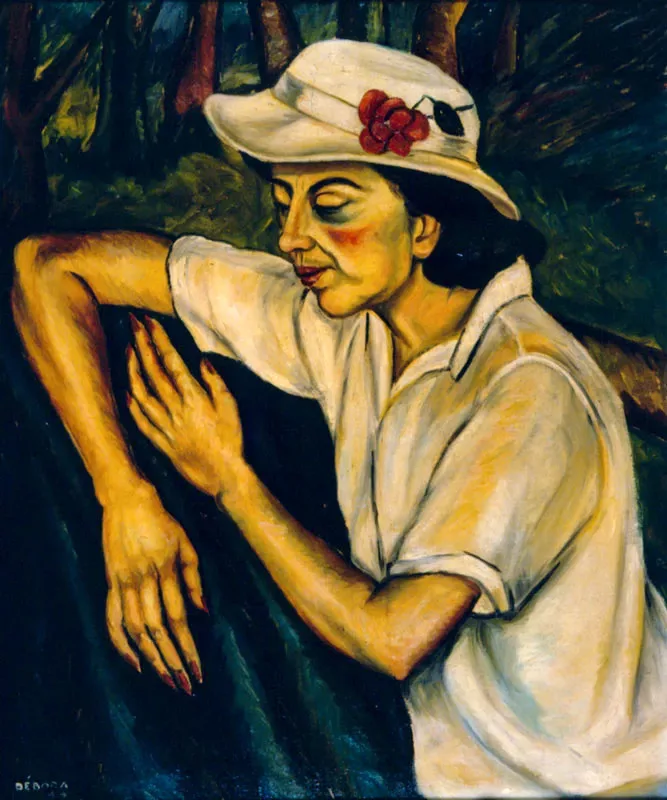
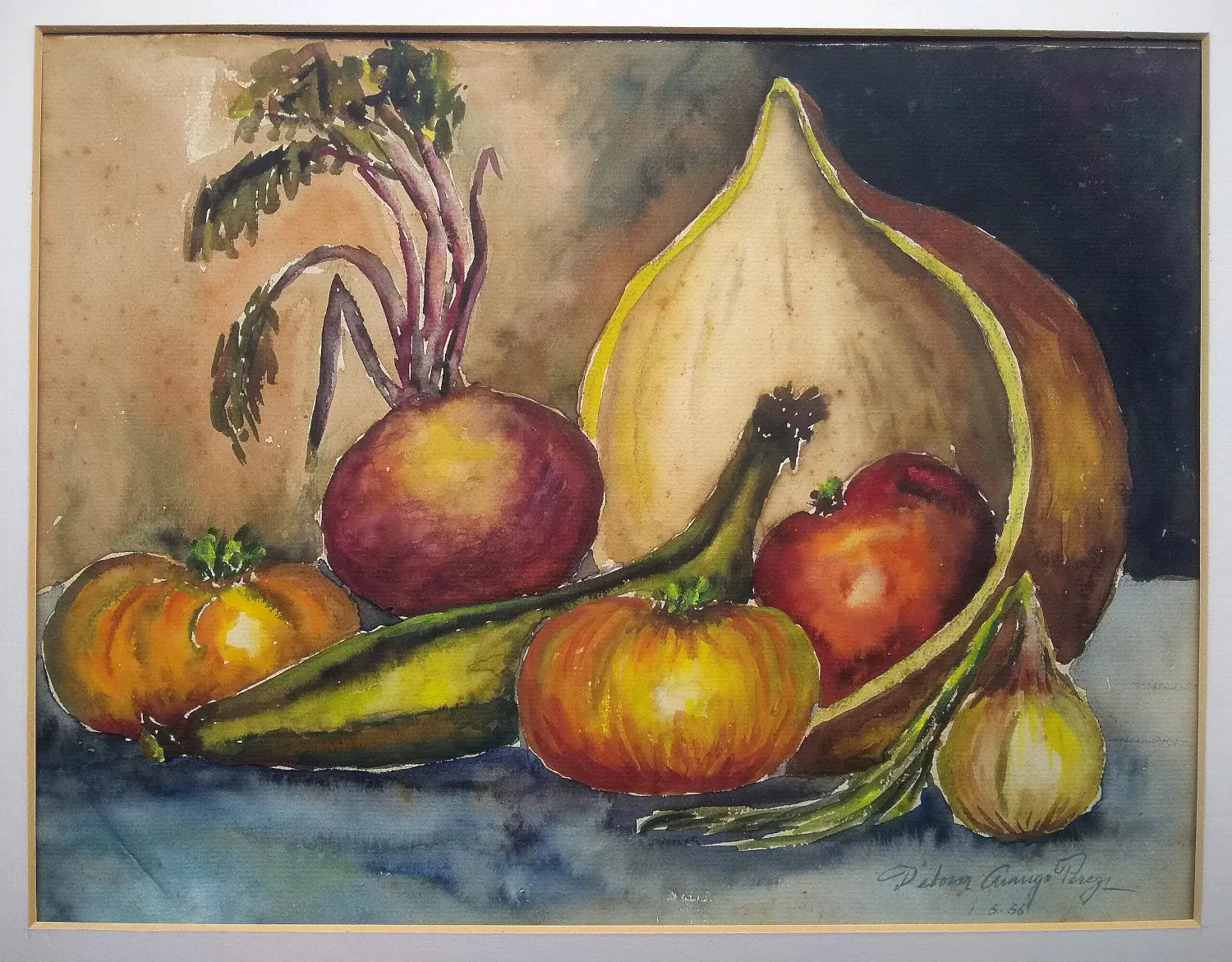
Débora Arango Pérez was one of the first Colombian women artists to experiment with painting nudes. She also portrayed aspects of Colombian reality, including its politics. Consequently, her works were sometimes censored and she was targeted by the conservative press of the times.
She first manifested her interest in painting during her college years, at a time when this discipline was considered inappropriate for young ladies. In 1932 she began her training at the studio headed by Eladio Vélez (1897–1967), and a year later enrolled in the Instituto de Bellas Artes de Medellín, where she continued studying under him. In 1935 she took classes with Pedro Nel Gómez (1899–1984), another teacher who influenced her artistic development. In 1938 she began working independently, moving away from the canons imposed by her teachers. She experimented with paintings of nudes and scenes from everyday life, sometimes using her best friend and sisters as models. In 1939 the Primer Salón de Artistas Profesionales awarded her its first prize for her watercolour Hermanas de la Caridad (Sisters of Charity, undated). Yet her nudes provoked great indignation because these naturalistic representations – including anatomical details and pubic hair, and women directly meeting the viewer’s gaze – broke with local tradition and the unreal ideals of beauty imposed by society and art history.
In 1946 she studied mural painting in Mexico, at the Escuela Nacional de Pintura, Escultura y Grabado ‘La Esmeralda’, under Federico Cantú (1907–1989). Six months later she returned to Medellin to take care of her sick father. In the wake of the social and political events that marked this period, especially the wave of violence unleashed by the 1948 assassination of Jorge Eliécer Gaitán, she began to produce political satire, including works such as Masacre 9 de abril [The 9 April Massacre, undated] and Rojas Pinilla (undated), which expressed her critical vision of her country’s situation.
She visited Europe for the first time in 1954, studying drawing and wall painting at the Academia de San Fernando in Madrid. During her stay, in 1955, an exhibition of her work opened at the Instituto de Cultura Hispánica, only to be shuttered the next day by order of the Franco dictatorship. Disappointment led her to return to Colombia, although in 1959 she began to travel again, this time to the UK, where she studied ceramics at the Technical College in Reading.
A year later she again returned to Colombia and retired from public life, although she continued making art. In 1984 she received belated recognition when the Secretaría de Educación de Antioquia awarded her its arts and letters prize. In the same year the Museo de Arte Moderno de Medellín held a career survey of her work. In 1987 she donated much of her lifetime production to this museum, an invaluable legacy that defied the reigning norms and contributed to the evolution of Colombian art.
At the time of D. Arango Pérez’s death in 2005, she had been recognised as ‘Colombia’s first outstanding modern woman painter’ by the Museo de Arte Moderno de Medellín. The works she donated to this institution, considered an enormously valuable cultural legacy, were declared ‘cultural assets in the national interest’ by the Ministerio de Cultura de Colombia in 2004.
A notice produced as part of the TEAM international academic network: Teaching, E-learning, Agency and Mentoring
© Archives of Women Artists, Research and Exhibitions, 2026