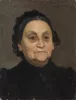
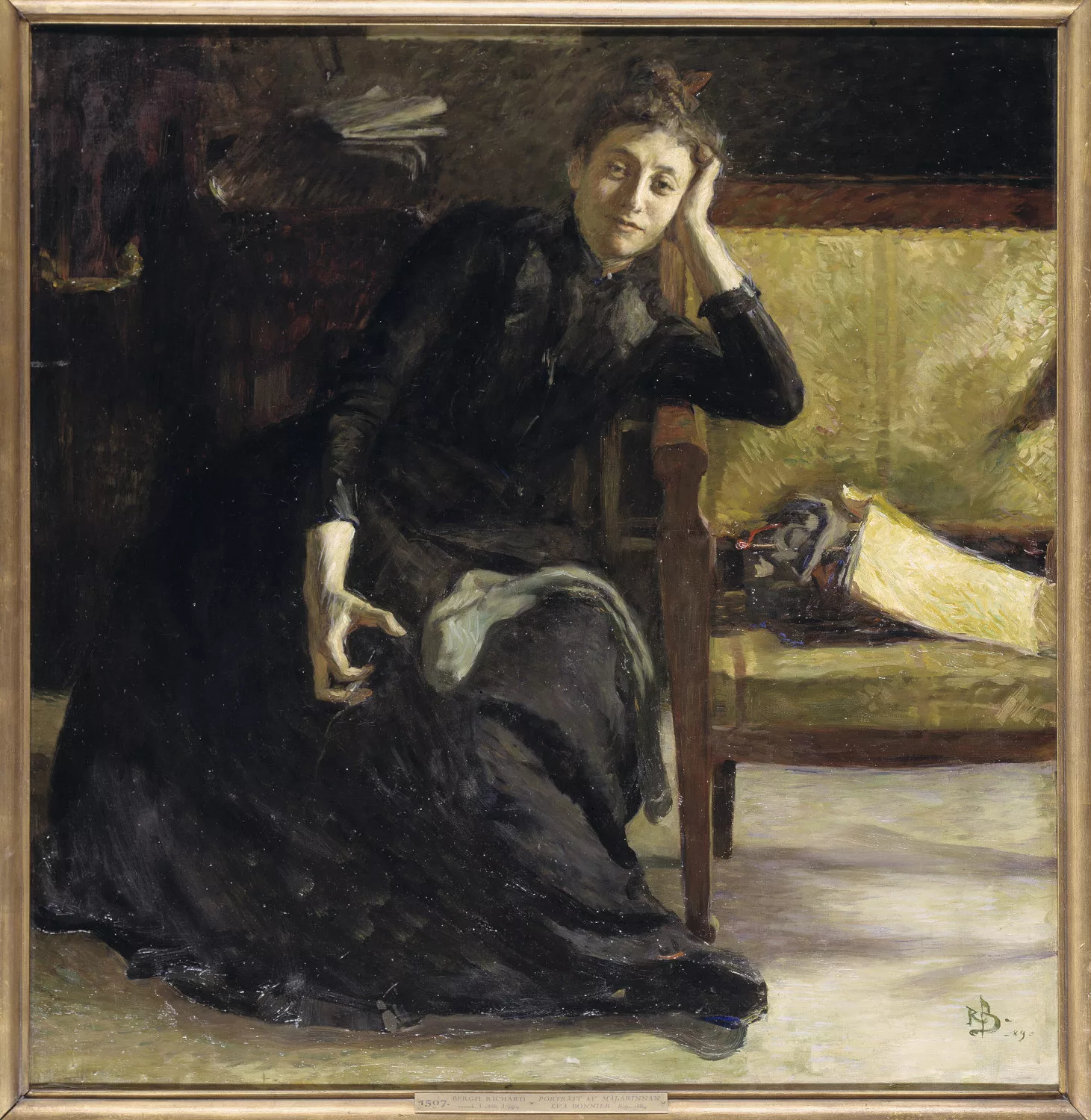
Portrait of Eva Bonnier by Richard Bergh, 1889, oil on canvas, 123 x 120 cm, Nationalmuseum, Stockholm
Cavalli-Björkman, Görel, Eva Bonnier, ett konstnärsliv, Stockholm, Albert Bonniers förlag, 2013
→Cavalli-Björkman, Görel, Sidén, Karin (ed.), Eva Bonnier, konstnär och mecenat, Stockholm, Prins Eugens Waldemarssudde, 2013
→Robbert, Louise, Fogelström, Lollo (eds.), De drogo till Paris: nordiska konstnärinnor på 1880-talet, exh. cat. Liljevalchs konsthall, Stockholm (16 September–6 November 1988], Stockholm, Liljevalchs konsthall, 1988
Salon de Paris, Palais de l’Industrie, Paris, 1887
→Exposition universelle, Champ-de-Mars, Paris, 5 May–31 October, 1889
→Chicago World’s Fair, The Womens Building, Chicago, 1 May–31 October, 1893
Swedish visual artist and patron.
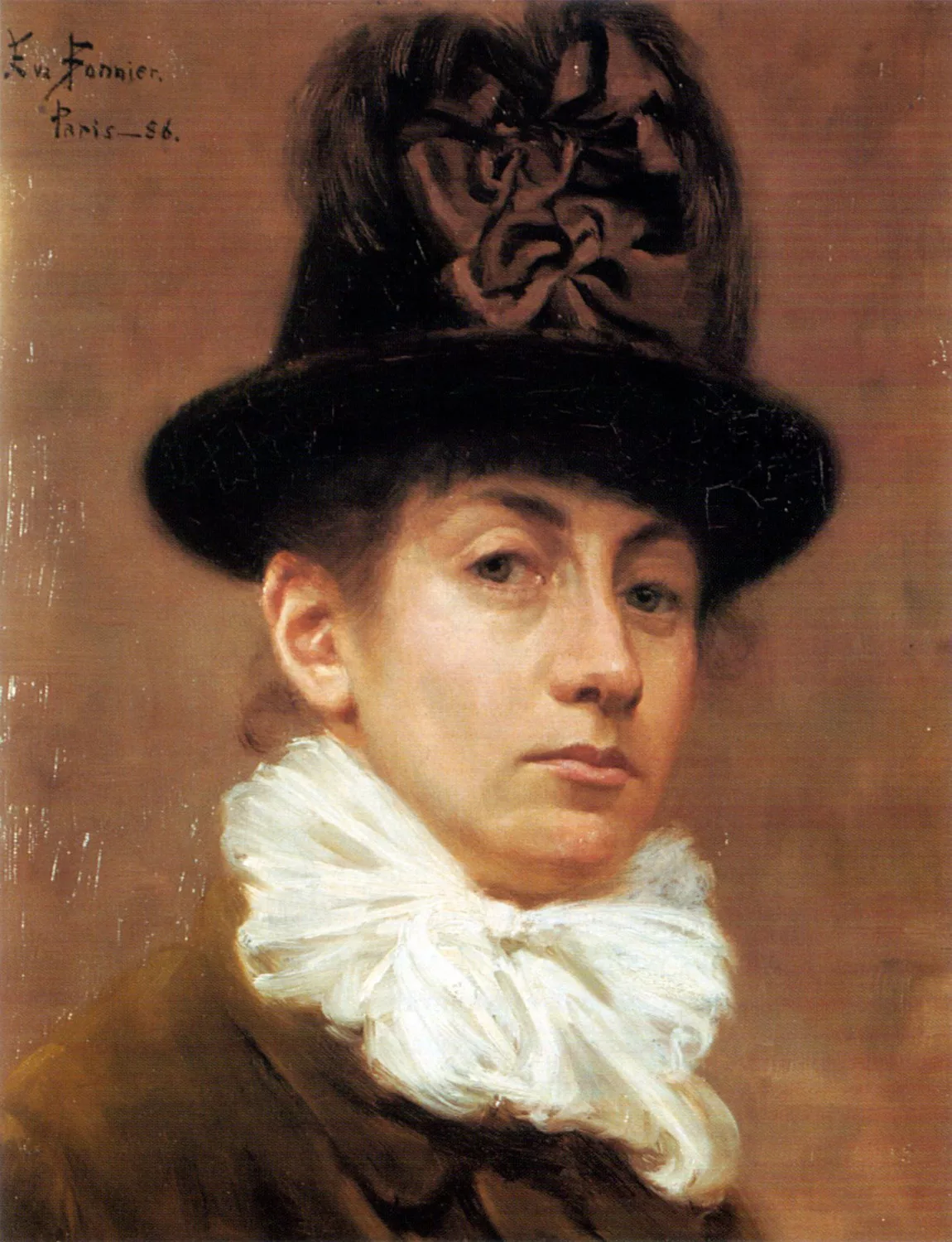
Born into a Jewish family in Stockholm, Eva Bonnier was the youngest of the four children of publisher Albert Bonnier (1820–1900) and his wife Betty Bonnier. In 1875 E. Bonnier began to study art at August Malmström’s (1829–1901) art school and in 1878 she enrolled at the Royal Swedish Academy of Fine Arts in the women’s section. Like many Swedish artists in the late nineteenth century, E. Bonnier was inspired by the French art scene, and in 1883 she left Stockholm for Paris.
The years in Paris (1883–1889) were her most productive period, and were decisive for her artistic development. There she continued her studies at the private Académie Colarossi, where she was trained in classic academy techniques, with particular inspiration from Impressionism and Realism.
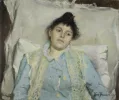
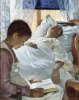
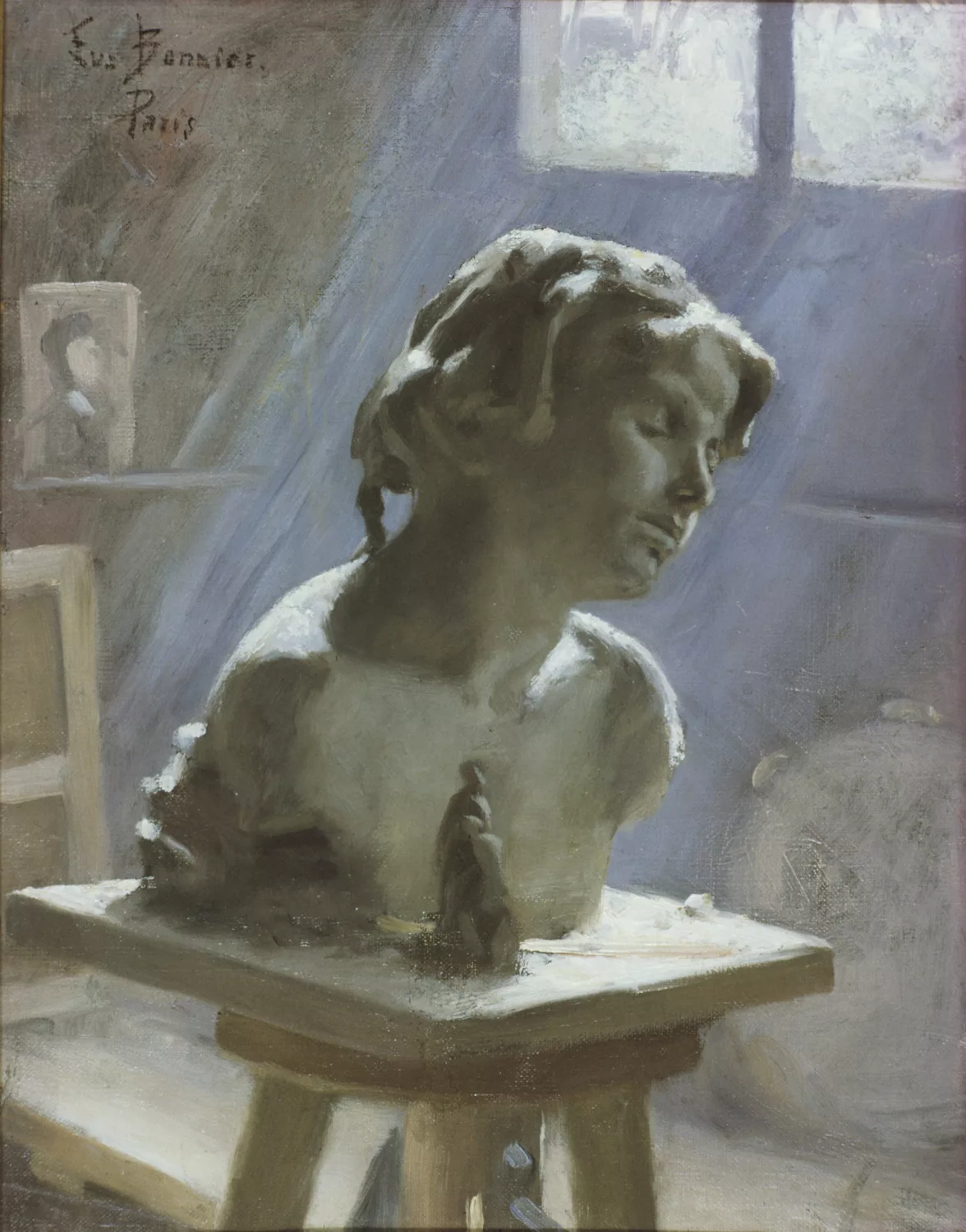
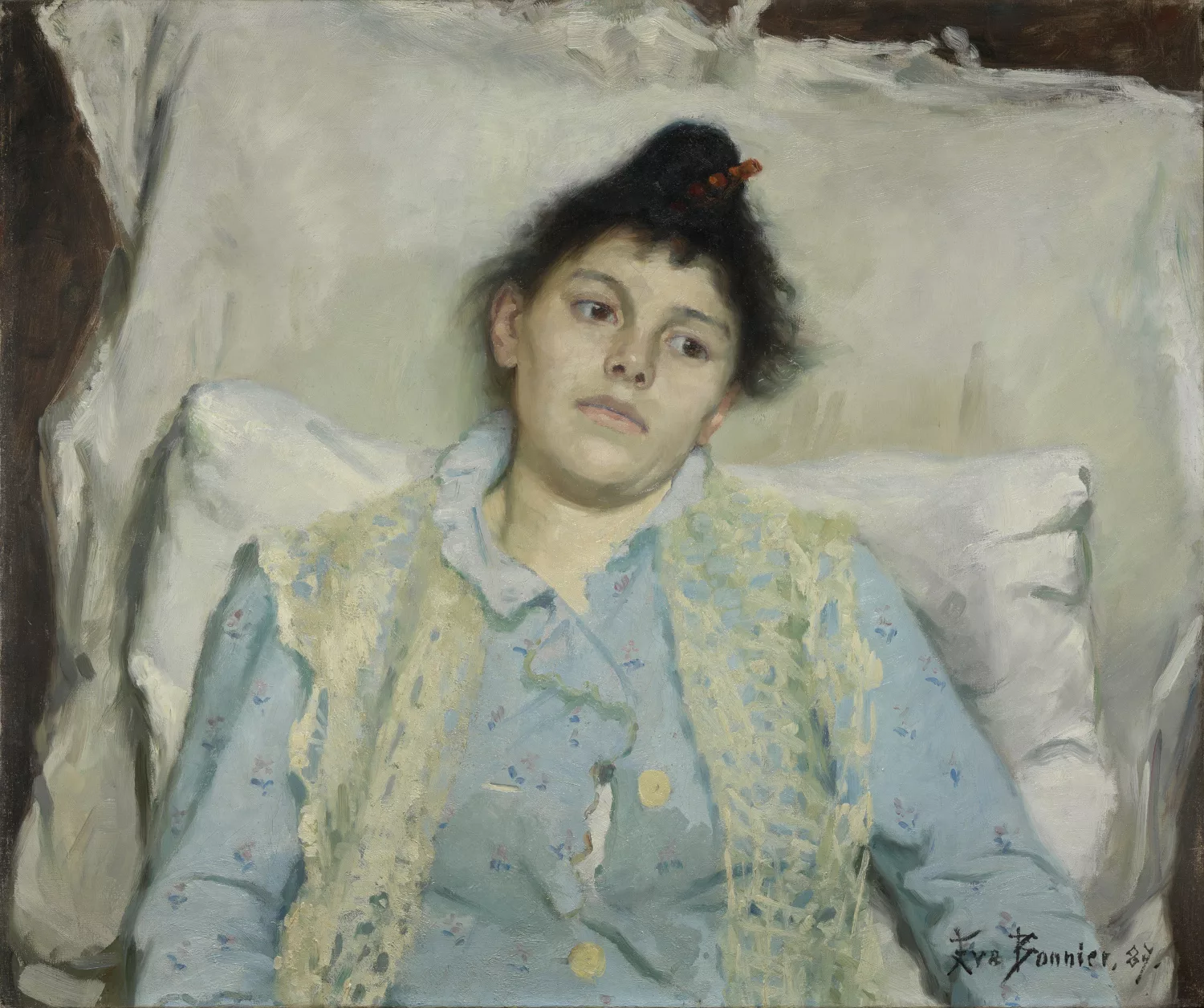
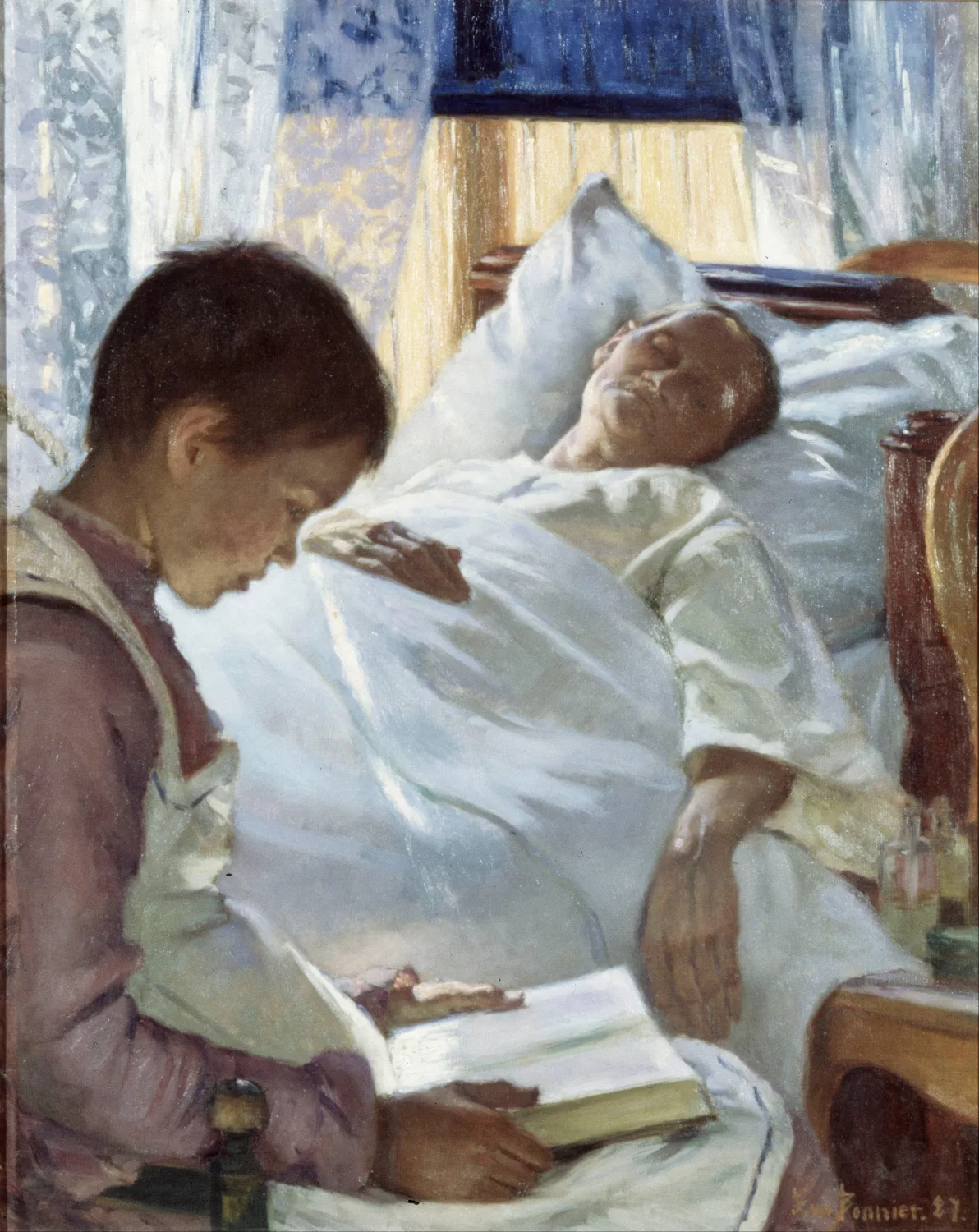
In 1886 she painted Interior of a Studio in Paris, depicting her own atelier. The work exemplifies the atmospheric effects she achieved through the use of light and brushstrokes. Illness is a recurring motif in E. Bonnier’s oeuvre, in line with the influence of Realism. In her painting Reflection in Blue (1887) an ill, aged woman lies in bed while a younger girl reads a book. The sunlight shines through the blue and white curtains, falling on the pale woman as yellow spots. Here, the rich colouring and sensitive use of light appear to be as central to the work as the actual subject.
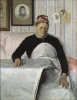
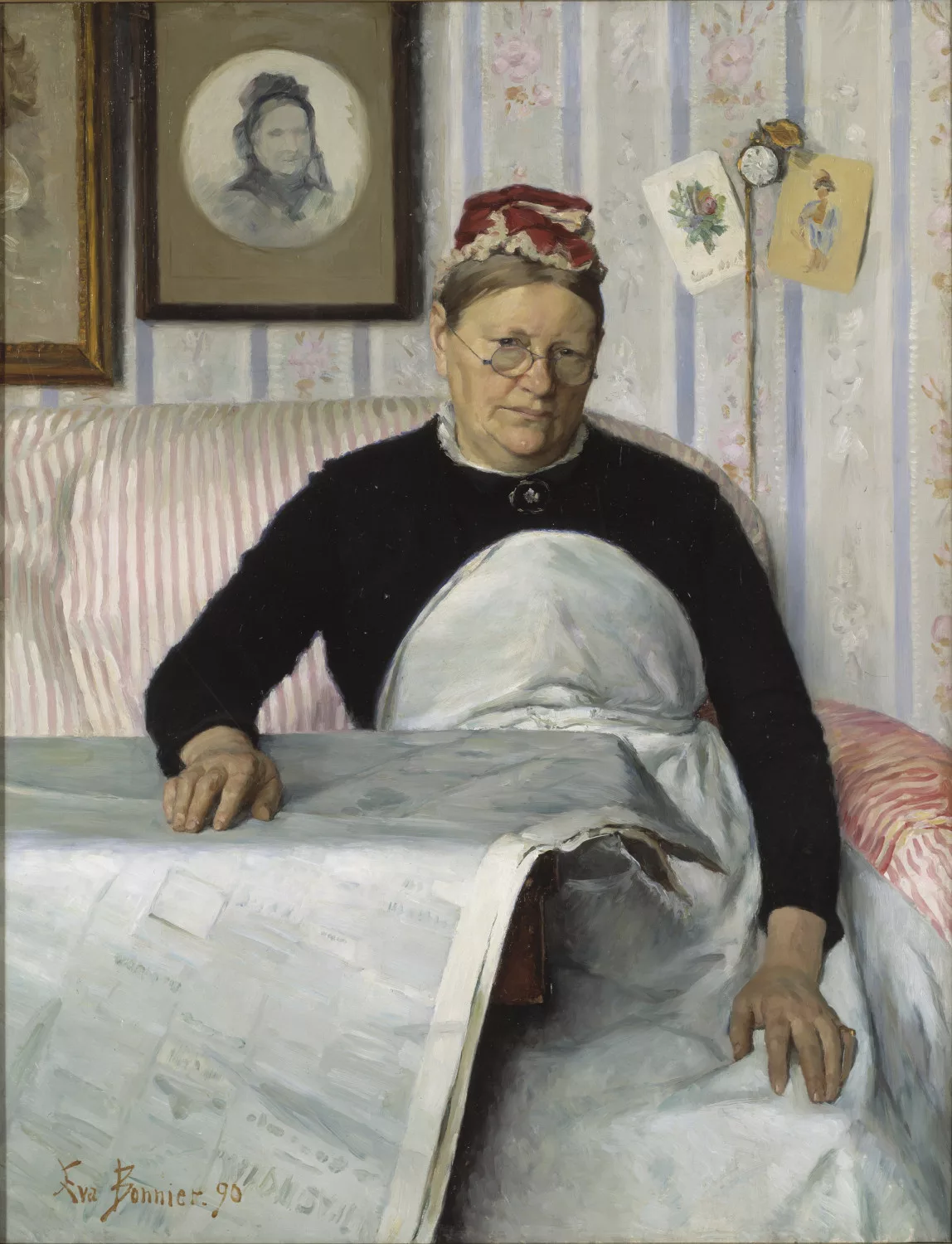
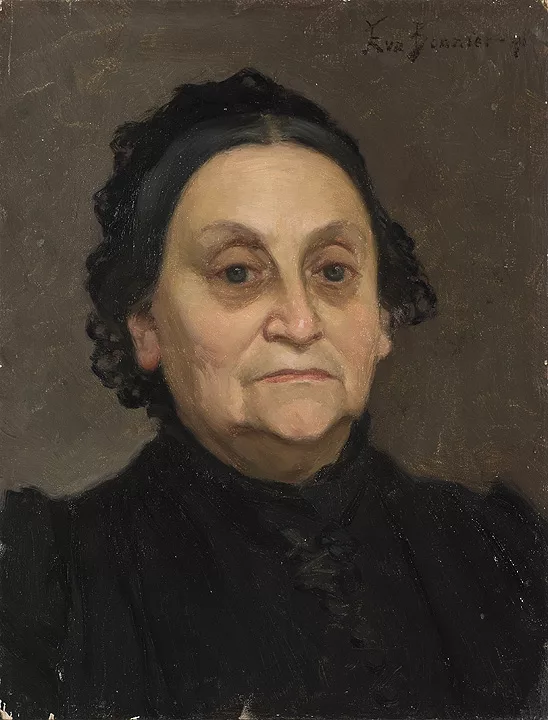
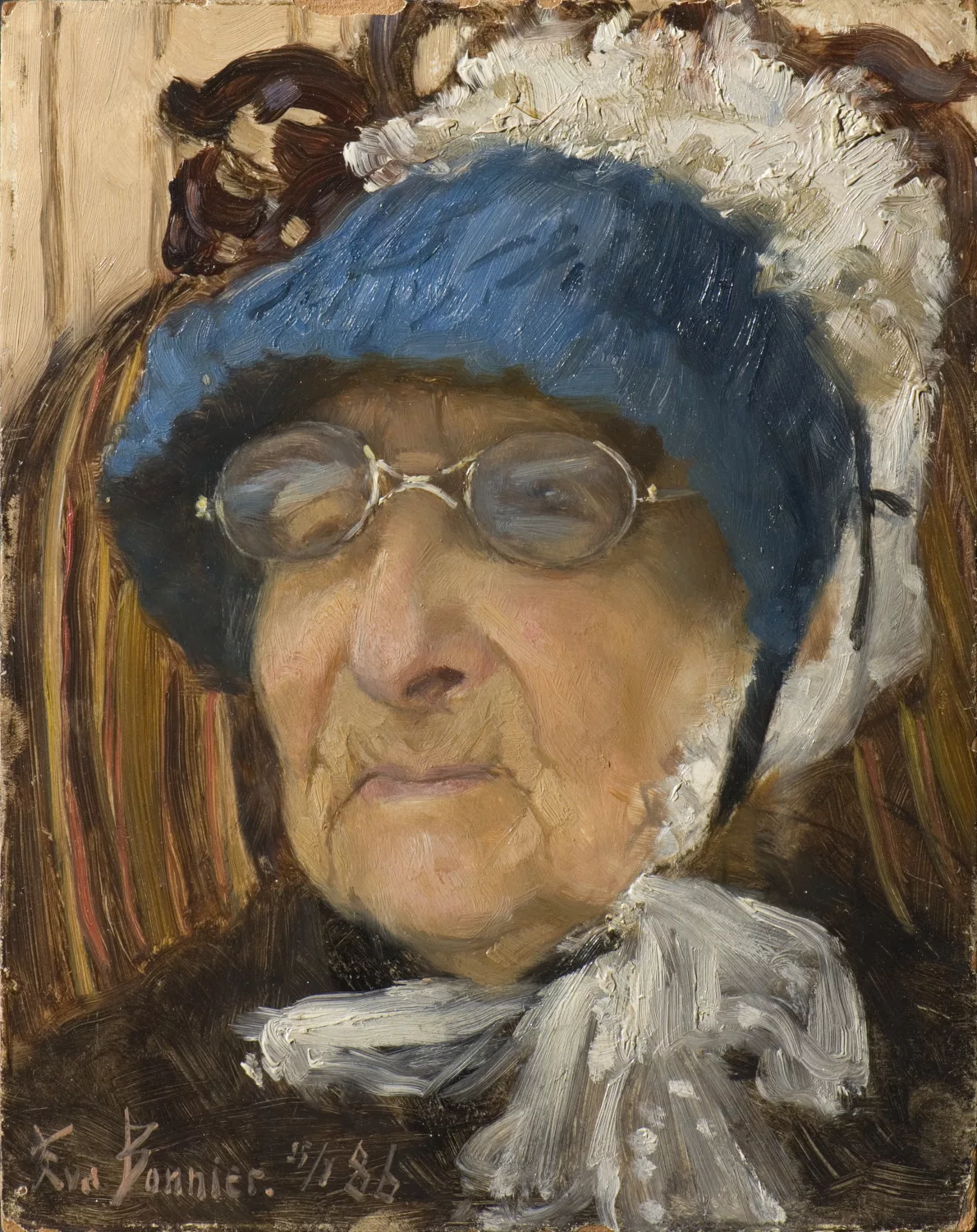
Portraits make up the majority of E. Bonnier’s oeuvre and she is considered as one of her generation’s leading portrait painters. She portrayed her relatives and acquaintances with psychological insight and sensitivity, often in their familiar surroundings. In Brita Maria (Mussa) Banck (1830-1906), Housekeeper (1890), E. Bonnier depicts the family’s housekeeper, sitting on the sofa with a newspaper, looking out at the viewer with a firm gaze.
In around 1894 E. Bonnier gradually ceased painting and became an influential art promoter. In the early years of the twentieth century, she became the patron of sculptor Carl Eldh (1873–1954) and painter Herman Norrman (1846–1906), amongst others. E. Bonnier died in 1909. In her will, she created a foundation and donated 385,000 SEK for public art in Stockholm. Two years later Eva Bonniers donationsnämnd [the Eva Bonnier Foundation Board] was established to initiate art and architecture projects in public spaces in Stockholm.
In 1887 she participated in the Paris Salon, and in 1889 and 1893 she participated at the World’s Fairs in Paris and Chicago. She is represented in collections including Nationalmuseum, Stockholm, Blekinge Museum, Karlskrona and Bonnier’s private portrait collection, Stockholm.
A notice produced as part of the TEAM international academic network: Teaching, E-learning, Agency and Mentoring
© Archives of Women Artists, Research and Exhibitions, 2026