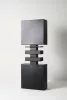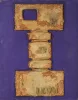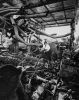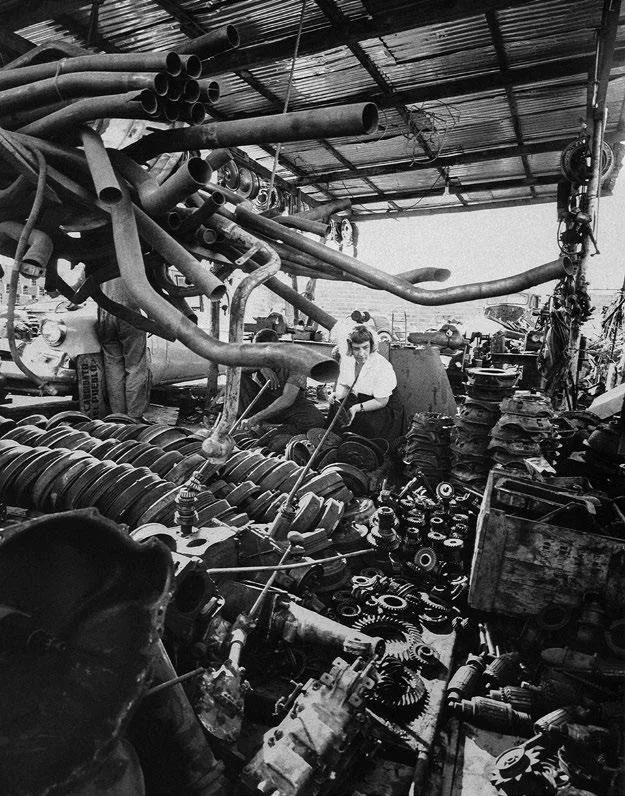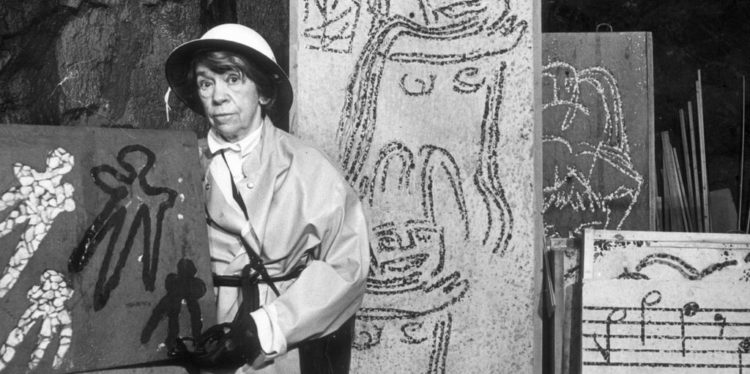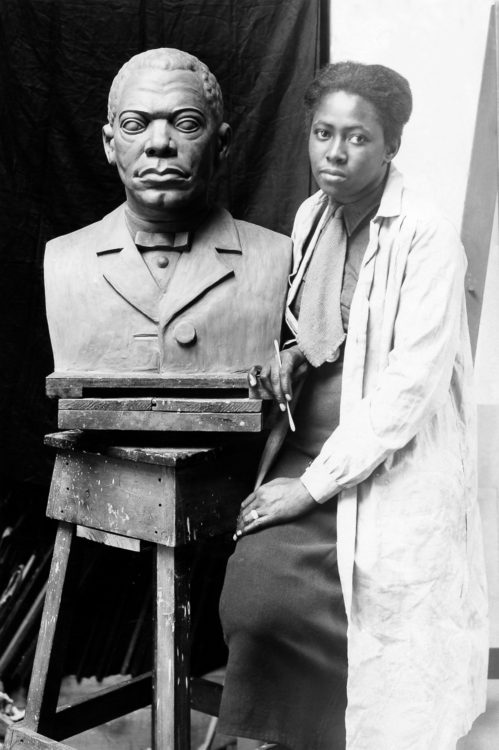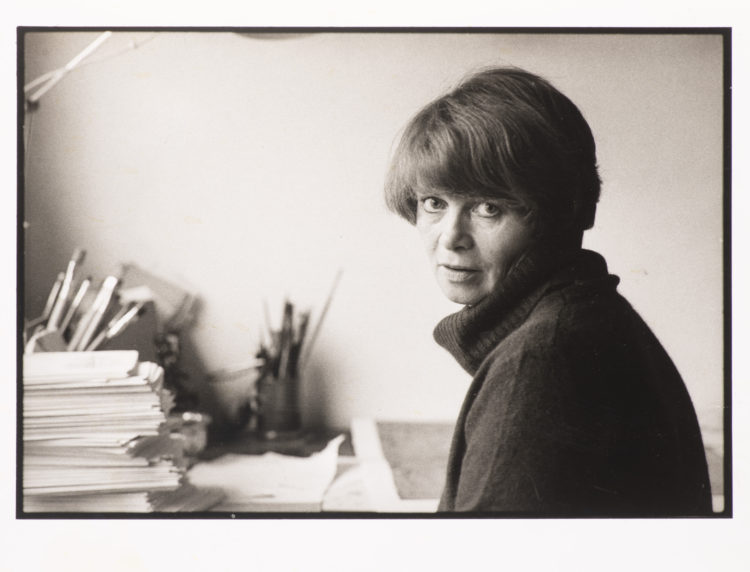
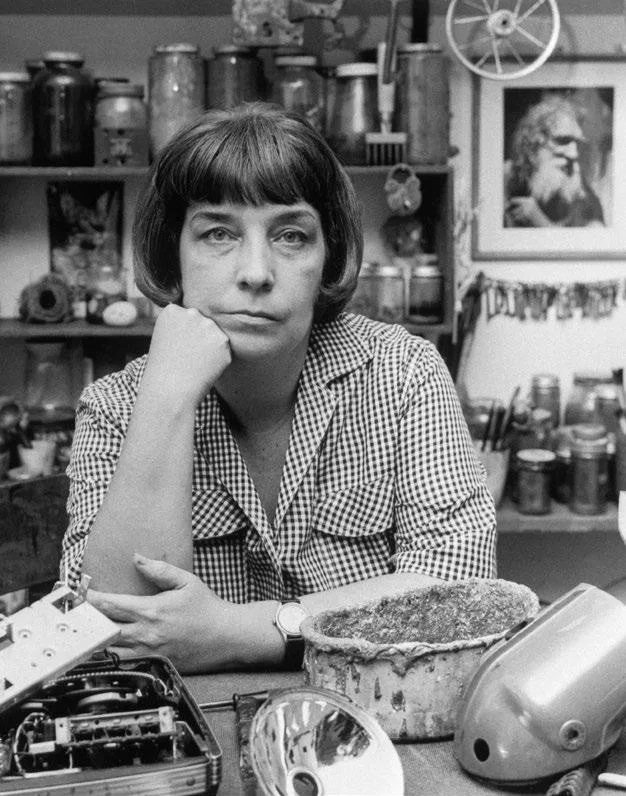
Portrait of Elsa Gramcko at her studio atelier by Carlos Puche, c. 1967 © Estate de Carlos Puche
Rangel, Gabriela (ed.), The Invisible Plot of Things, cat. exp., Sicardi | Ayers | Bacino, Houston (13 May–July, 2022); James Cohan, New York (6 January–15 February, 2023), New York, Sicardi | Ayers | Bacino / James Cohan, 2023
→
López Quintero, Juan Carlos (ed.), Elsa Gramcko, una alquimista de nuestro tiempo. Muestra antológica 1957-1979, exh. cat., Galería de Arte Nacional, Caracas (September–November, 1997), Caracas, Galería de Arte Nacional, GAN, 1997
→Sánchez, Carlos, Hacia Elsa Gramcko, Caracas, Galería de Arte Nacional, 1982
The Invisible Plot of Things, Sicardi | Ayers | Bacino, Houston, 13 May–2 July, 2022 ; James Cohan, New York, 6 January–15 February, 2023
→Elsa Gramcko, Geometría e Informalismo, Fundación Mercantil en la Feria Iberoamericana, Caracas, June, 2004
→Elsa Gramcko. Una alquimista de nuestro tiempo. Muestra Antológica 1957-1978, Galería de Arte Nacional, Caracas, September–November, 1997
Venezuelan painter and sculptor.
Elsa Gramcko grew up in Puerto Cabello, and in 1939 moved with her family to Caracas. In 1946 she enrolled at the Facultad de Humanidades de la Universidad Central de Venezuela, and in 1955 studied with Alejandro Otero (1921–1990) at the Escuela de Artes Plásticas y Aplicadas Cristóbal Rojas. She frequented the Librería Cruz del Sur and the Taller Libre de Arte, where discussions about geometric abstraction often took place during the construction of the Ciudad Universitaria. In 1947 she married the modernist photographer Carlos Puche (1923–1999).
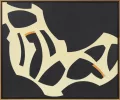
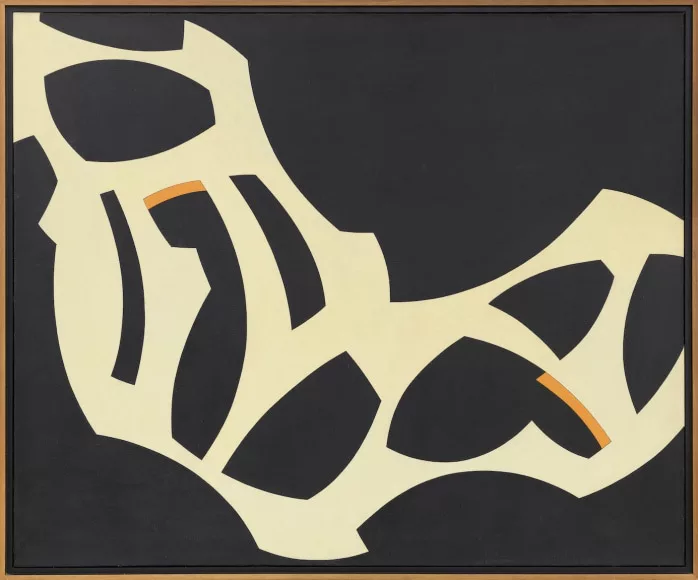
In her oil paintings (1954–1960), she contrasted flat-coloured, sharply outlined geometric and organic figures with uniform backgrounds.
Gradually her structures became more biomorphic and the colours less saturated (Nº 6, 1957). Her work was included in the Salón del Museo de Bellas Artes de Caracas (1957). José Gómez-Sicre invited her to show in a collective exhibition at the Houston Museum of Fine Arts (1956) and a solo exhibition at the Unión Panamericana in Washington (1959). She represented Venezuela at the Brussels Art Fair (1958) and the fifth Bienal de São Paulo (1959).
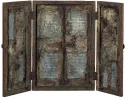
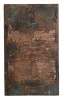
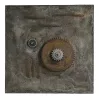
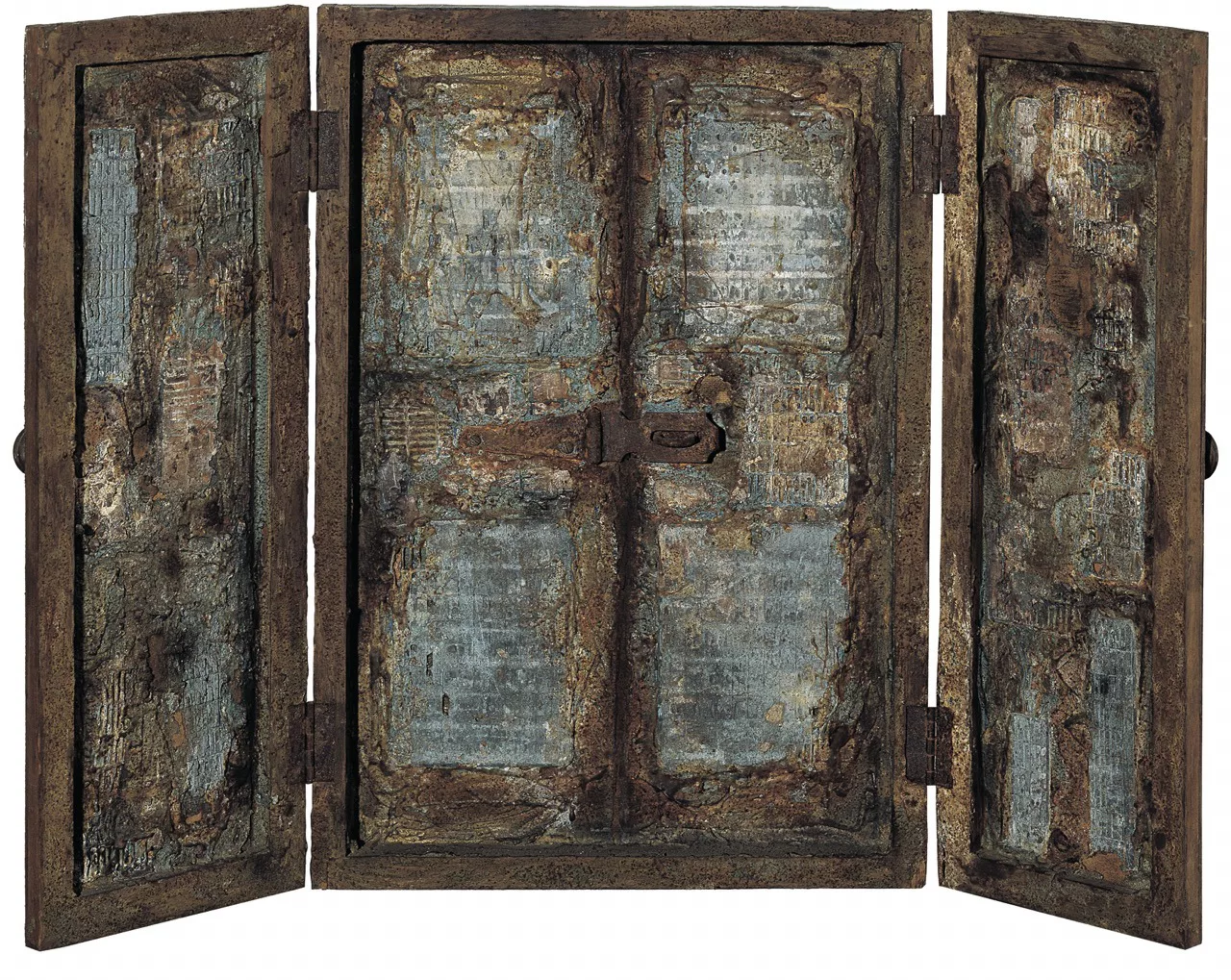
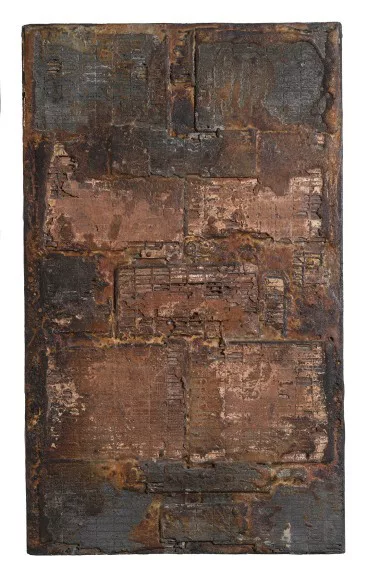
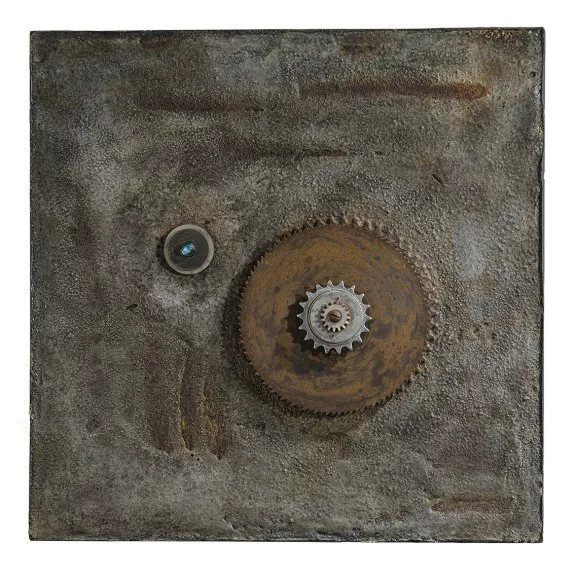
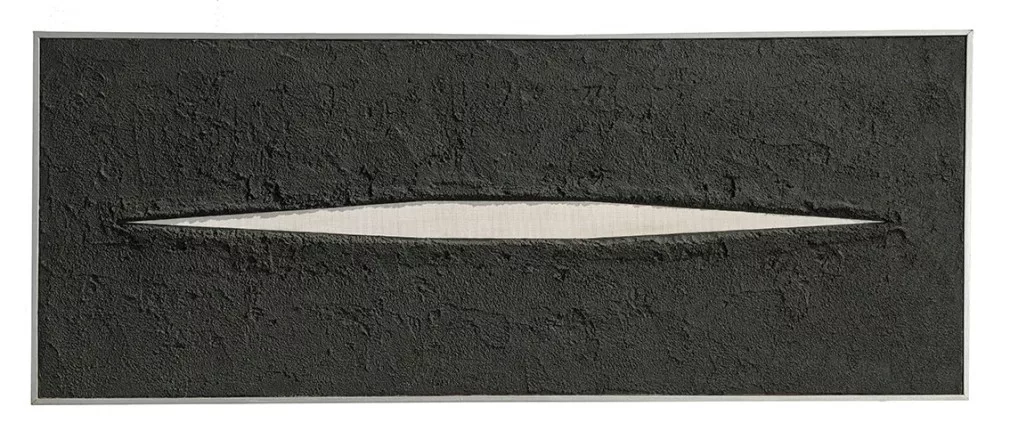
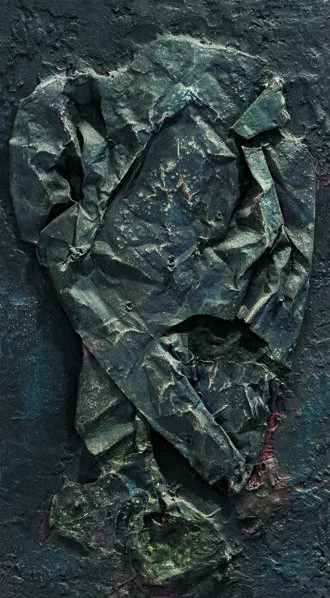
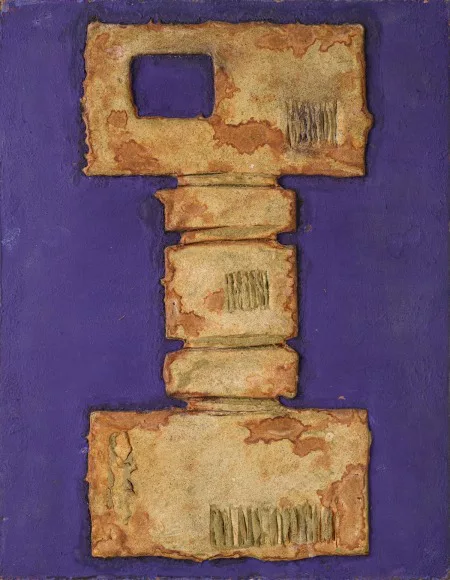
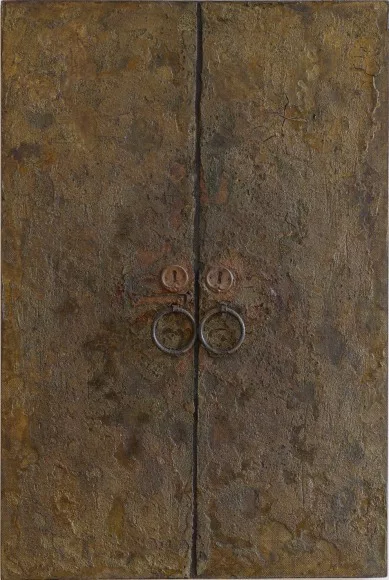
In the 1960s she produced densely textured ‘matter paintings’ with mixtures of acrylics, rust, pigment, sand and concrete (R-37, 1960). In 1963 she incorporated car parts into her poetics, using battery cells, gears and clutches – the kind of fragments of modernity celebrated by the Kinetic art movement and challenged by E. Gramcko by showing their corroded afterlife (Retablo, [Altarpiece], 1965).
She used industrial waste to bring out the poetics of detritus on which her compositions centred (Chatarra, [Scrap Metal], 1961). Although she was admired by members of the Venezuelan artistic and literary avant-garde group Techo de la Ballena, she did not consider her practice Informalist but rather an exercise in her own inner transformation unrelated to artistic movements, as evidenced by her titles: she quotes poems by her sister Ida Gramcko and poet friends, and texts by Martin Heidegger, Jean-Paul Sartre and Carl Jung.
She held three solo exhibitions at the Museo de Bellas Artes de Caracas, was the first woman to win the Salón D’Empaire in Maracaibo (1966), received the Premio Nacional de Escultura at the Salón Nacional (1968) and created a work at the Caracas Hilton Hotel (1969). She participated in the Venice Biennale (1964), the Segunda Bienal de Arte de Cordoba (1964), Venezuelan Painting Today (presented in Germany, Switzerland and the United States, 1965) and Evaluación de la Pintura Latinoamericana (Ateneo de Caracas, Cornell University and the New York Guggenheim, 1965).
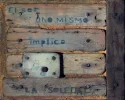
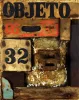
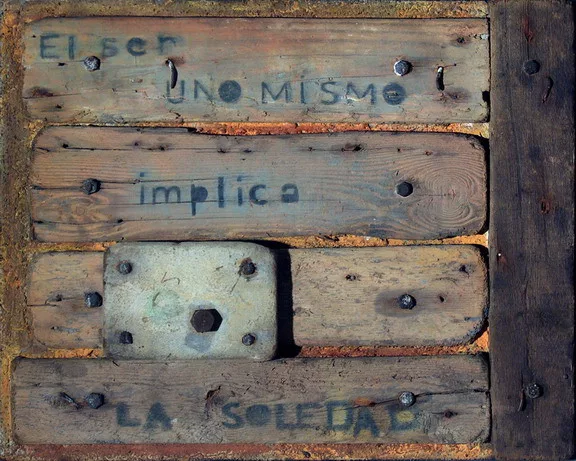
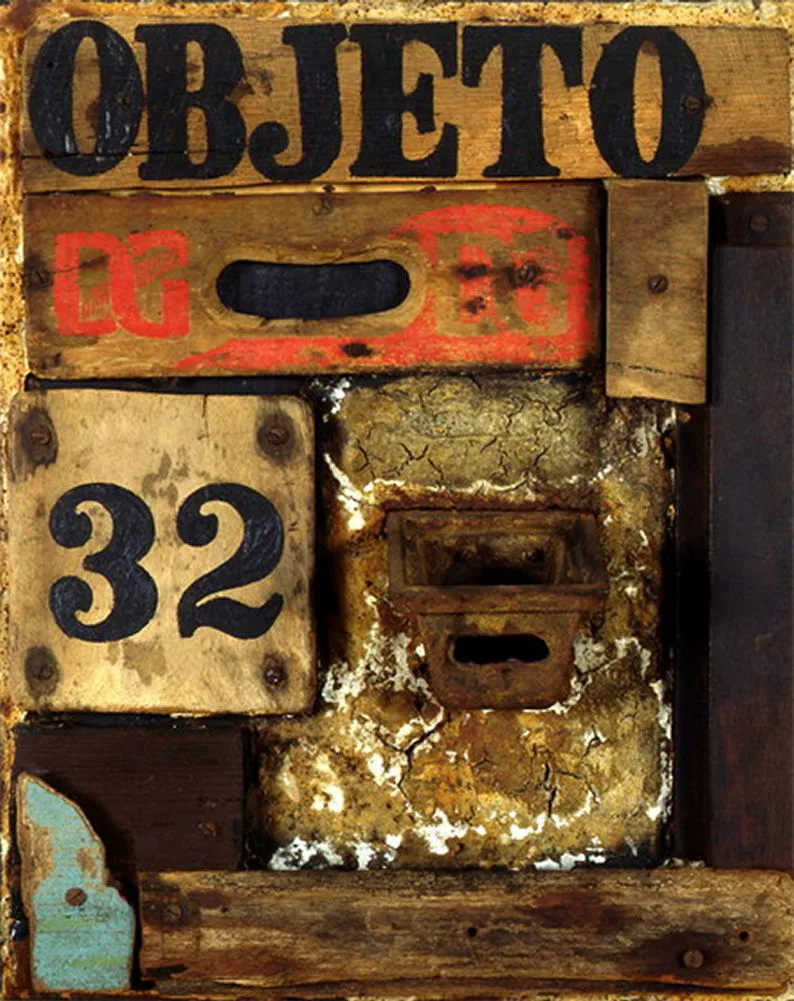
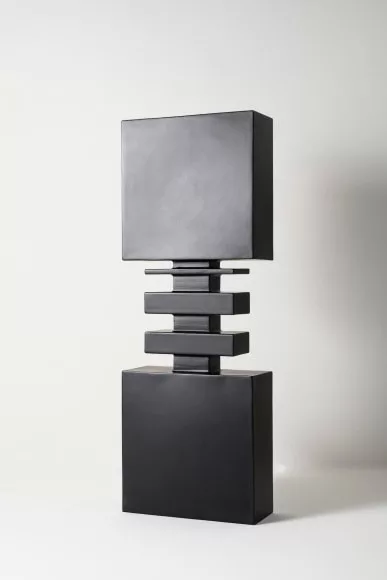
In her blackened iron sculptures, she fused ancestral and industrial forms (Untitled, 1969). She explored the Latin American indigenous imagination with totemic figures which, for economic reasons, she transcribed into two dimensions (Totem Nº 2, 1974). In the series Bocetos de un artesano de nuestro tiempo [Sketches of a craftsman of our times, 1974–1978] she used construction waste materials on which to write words and numbers about loneliness and discouragement, going so far as tautology, as in Objeto 32 [Object, 1977], where the word ‘object’ alone describes the objectual condition of her work.
E. Gramcko abandoned sculpture in the late 1970s due to financial difficulties. She focused on making what she called ‘painted sculptures’. She later retired to an austere environment with her husband and sister, where she made wooden assemblages using found objects and recycled materials.
A notice produced as part of the TEAM international academic network: Teaching, E-learning, Agency and Mentoring
© Archives of Women Artists, Research and Exhibitions, 2026