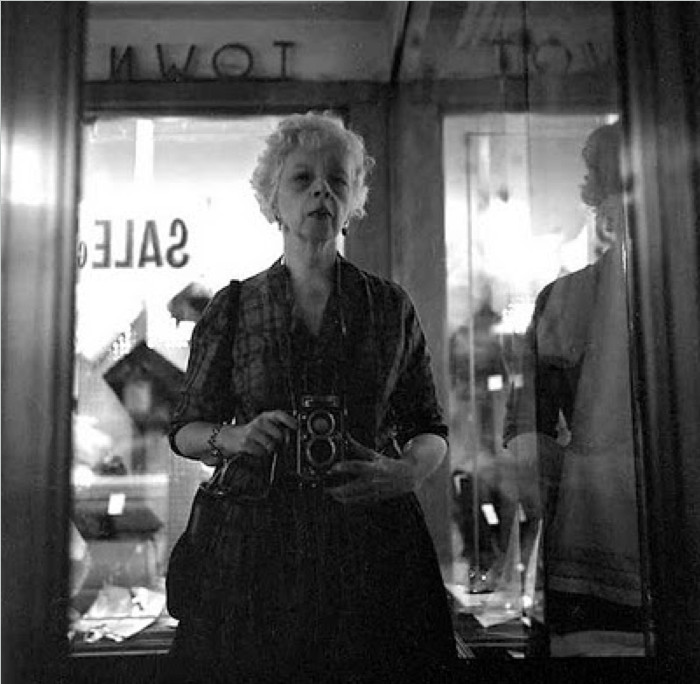
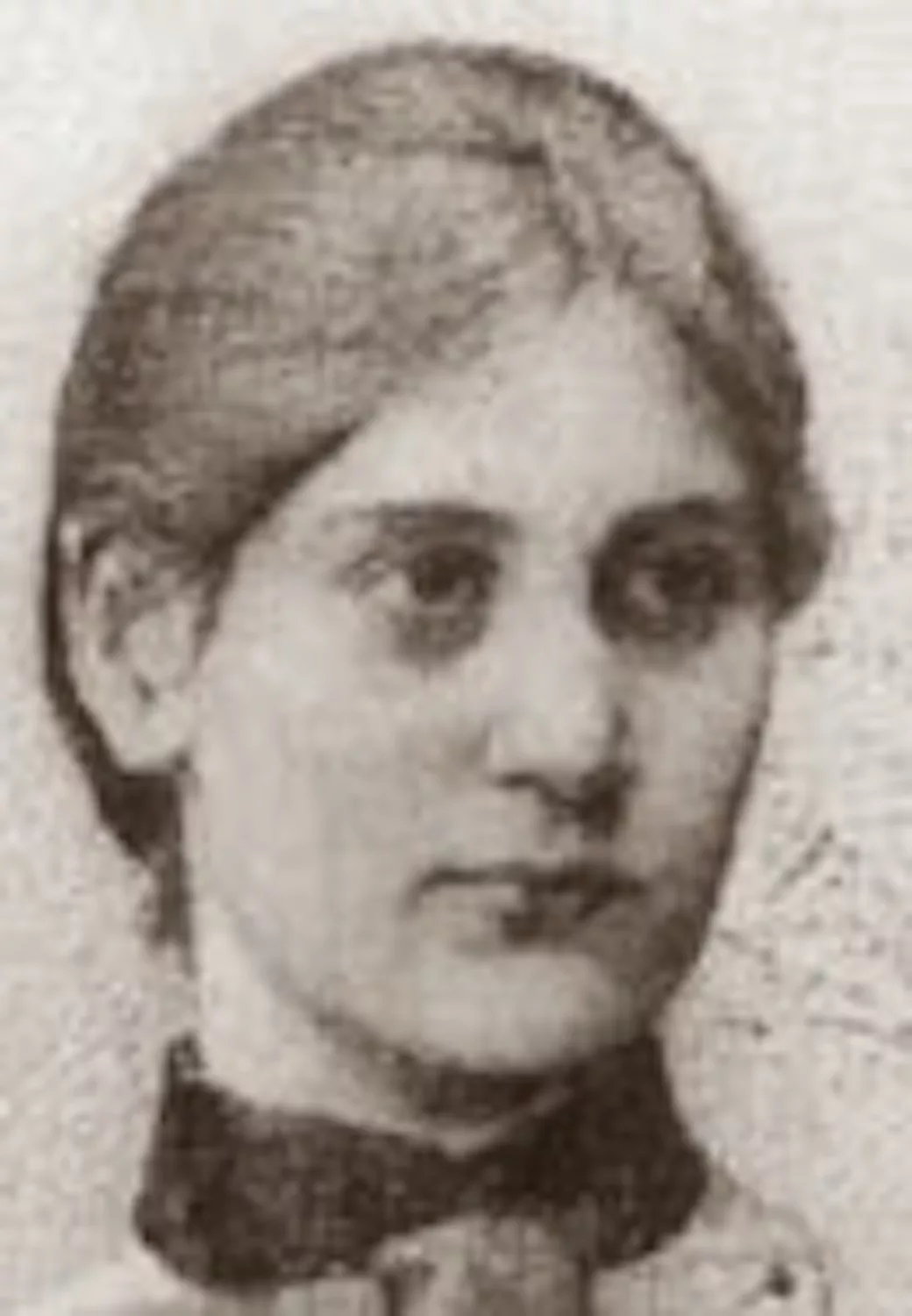
Portrait of Henriette Hahn-Brinckmann
Boe Bierlich, Emilie et al., Against All Odds – Historical Women and New Algorithms, exh. cat., SMK – National Gallery of Denmark, Copenhagen [August 31– December 8, 2024], Copenhagen, SMK Forlag, 2024
→Nielsen, Teresa, Pritzl, Regina, Henriette Hahn-Brinckmann, 1862-1934: farvetræsnit [Henriette Hahn-Brinckmann 1862-1934: color woodcuts], exh. cat., Vejen Kunstmuseum, Vejen, 2000
→Pritzl, Regina: ”Henriette Hahn-Brinckmann 1862-1934: en dansk kunstnerinde i Hamborg og Paris” [Henriette Hahn-Brinckmann 1862-1934: a Danish artist in Hamburg and Paris], Hrymfaxe: kunsttidsskrift [Hrymfaxe: art magazine],årg. 29, nr. 4, 1999, pp. 4-6
Against All Odds – Historical Women and New Algorithms, SMK – National Gallery of Denmark, Copenhagen, August 31– December 8, 2024
→Henriette Hahn-Brinckmann 1862-1934: farvetræsnit [Henriette Hahn-Brinckmann 1862-1934: color woodcuts], Vejen Kunstmuseum, Vejen, August 26– November 19, 2000
→Kvindelige kunstneres retrospektive udstilling [Retrospective exhibition of female artists], Den Frie Udstilling, 1920
Danish painter and printmaker.
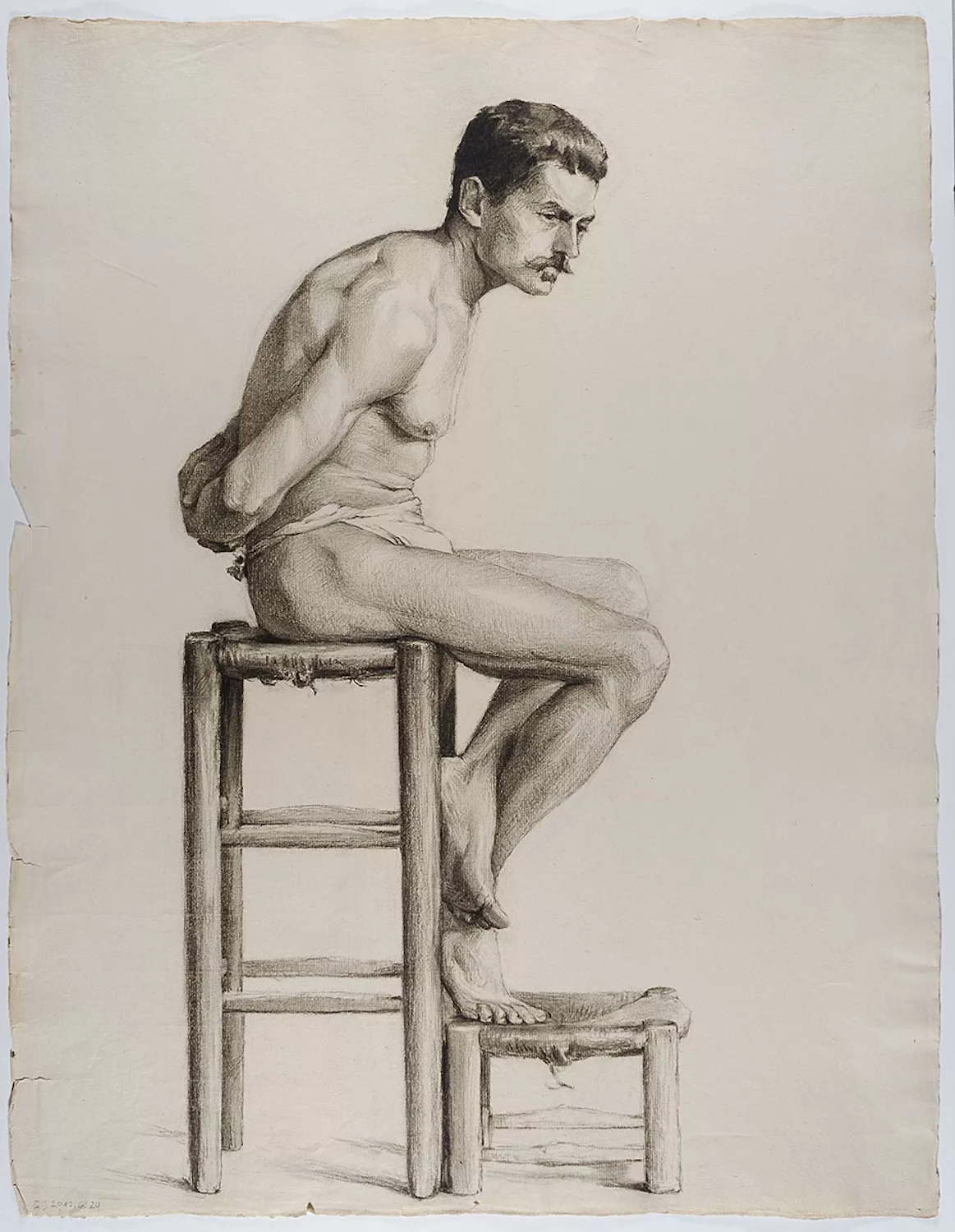
In 1877/78, Henriette Hahn-Brinckmann began her artistic training at the Tegne- og Kunstindustriskolen for Kvinder [School of Drawing and Art Industry for Women] in Copenhagen, where she was taught by the Danish painters Kristian Zahrtmann (1843–1917) and Pietro Krohn (1840–1905). She studied there until 1884 and continued teaching drawing after plaster cast models at the school until 1886.
In 1885 H. Hahn-Brinckmann debuted at an exhibition of the Royal Danish Academy of Fine Arts. Two years later, she was commissioned to copy a painting then known as Der Heiland [The Savior, 1505/06], attributed at the time to the Italian painter Giovanni Bellini (1430–1516). Today, the painting is titled Der Segnende Christus [The Blessing Christ] and attributed to the Italian Renaissance painter Cima da Conegliano (1459–1517). It was located at the Königliche Gemäldegalerie in Dresden and was to be copied for a new altarpiece in Buerup Church in Jyderup, Denmark. From 1887 to 1892, H. Hahn-Brinckmann worked as a drawing teacher at the Gewerbeschule für Mädchen [Craft School for Women] in Hamburg, where she taught plant and ornament drawing. She subsequently travelled to Dresden to further her artistic training, and then to Paris, where she studied at a private academy from 1892 to 1894. Upon her return to Hamburg, H. Hahn-Brinckmann was commissioned to illustrate a catalogue for the Dithmarscher Altertümer museum in Meldorf, the yearbook of 1896 from the Museum für Kunst und Gewerbe in Hamburg and a publication from the Thaulow Museum in Kiel in 1898. In addition to these illustration tasks, she taught drawing and painting in her own studio in Hamburg.
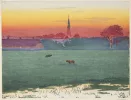
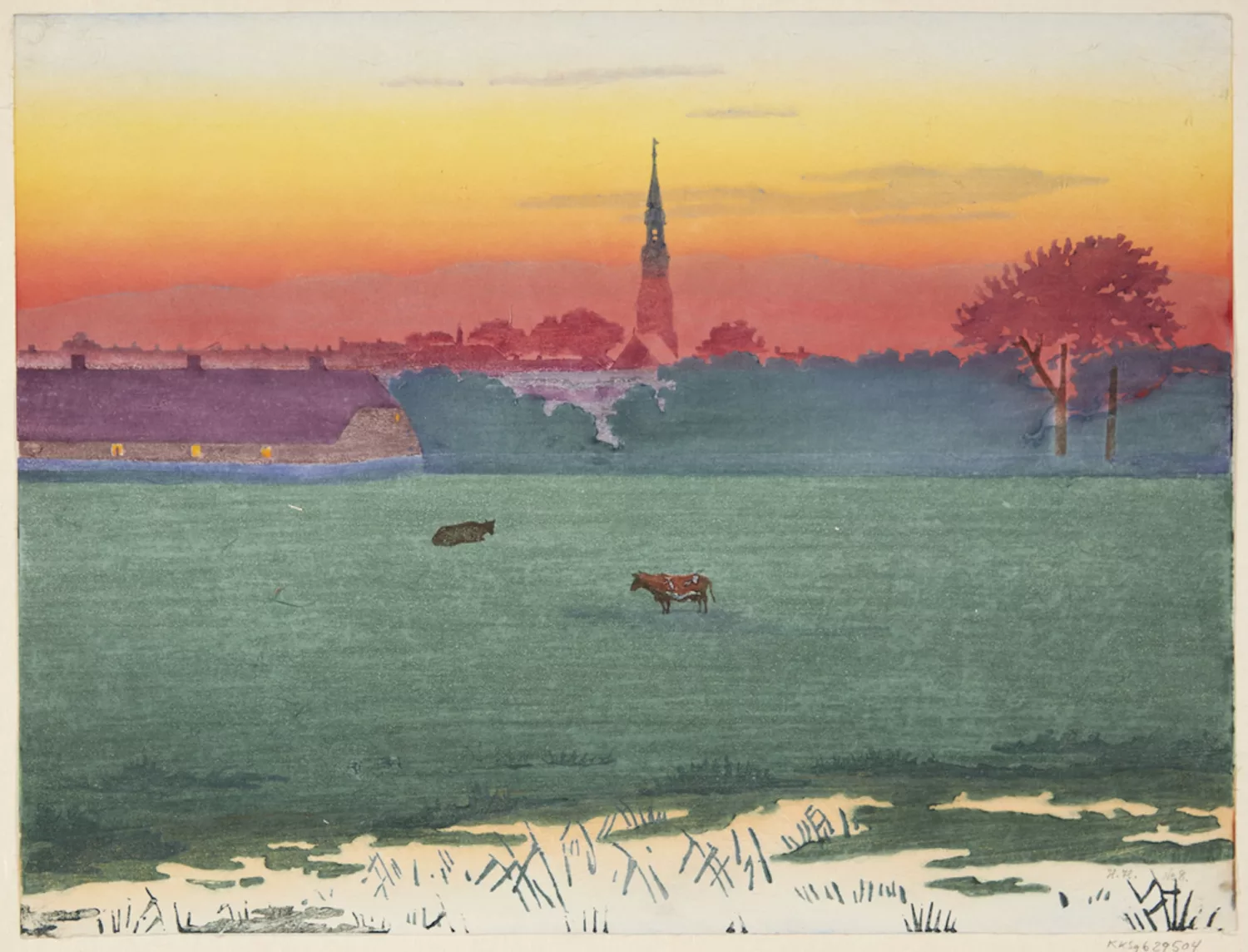
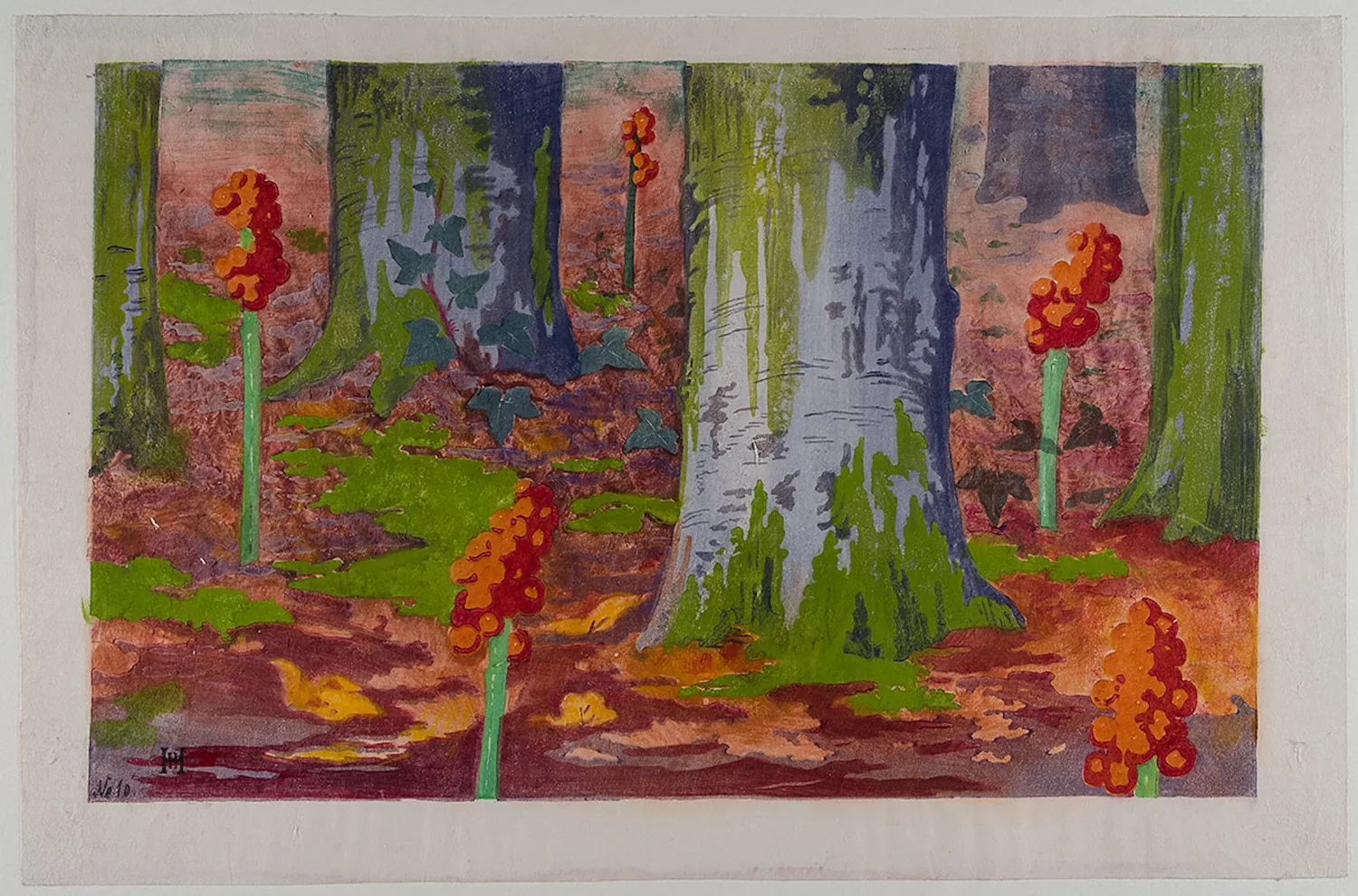
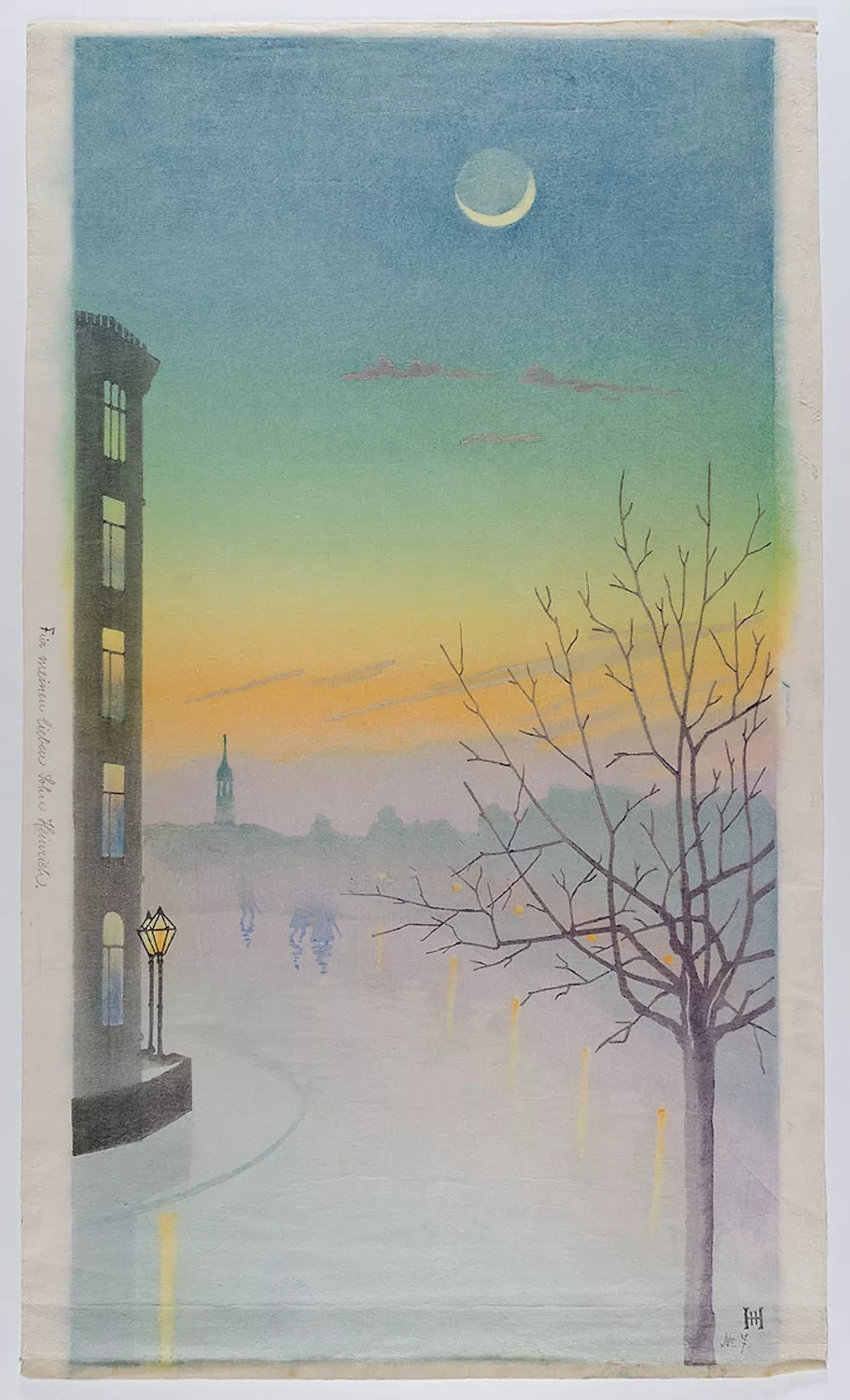
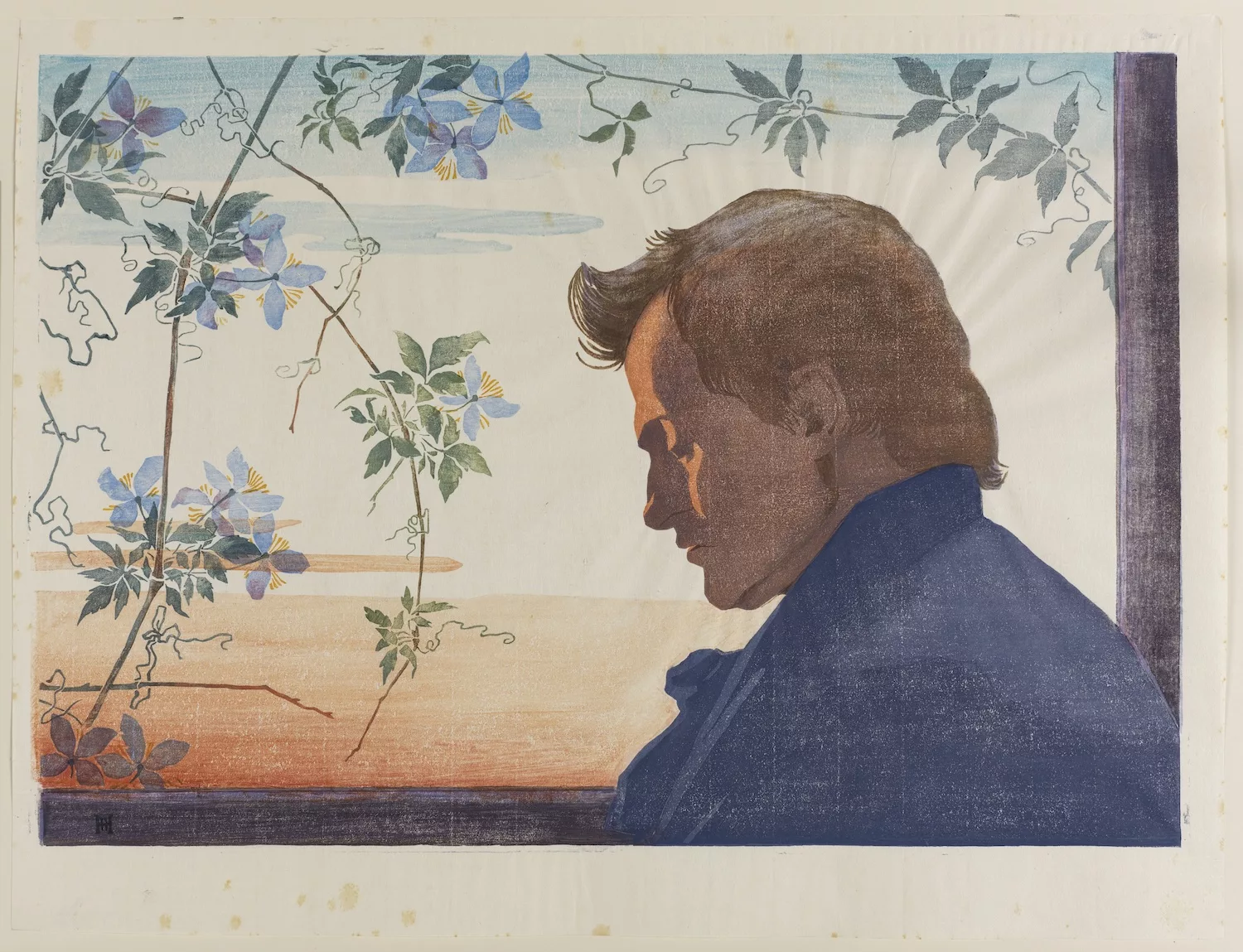
From 1897 to 1904, H. Hahn-Brinckmann produced large-scale colour woodcuts, suggesting a growing interest in her work, such as Schwanenwiek [Schwanenwiek, 1898] and Nach dem Regen [After the Rain, 1899]. In the summer of 1900, she visited Paris for a second time, where she exhibited at the Exposition Universelle, receiving a silver medal for her colour woodprints, among them Aftenstemning [Evening, 1900/04]. Two years later, she returned to Hamburg.
She retired from her artistic career upon marrying Justus Brinckmann, the director of the Museum für Kunst und Gewerbe. After his death in 1915, she received his pension for the first two years, but subsequently began travelling around German and Danish noble estates, painting miniature portraits on ivory as a means of earning a living. Today, H. Hahn-Brinckmann’s works are mainly found in the collection of the Museum für Kunst und Gewerbe in Hamburg, Germany, and Vejen Kunstmuseum in Vejen, Denmark, with a few works on long-term loan at SMK – The National Gallery of Denmark from Designmuseum Denmark.
Published in partnership with SMK – National Gallery of Denmark, as part of the exhibition Against All Odds: Historical Women and New Algorithms
© Archives of Women Artists, Research and Exhibitions, 2025