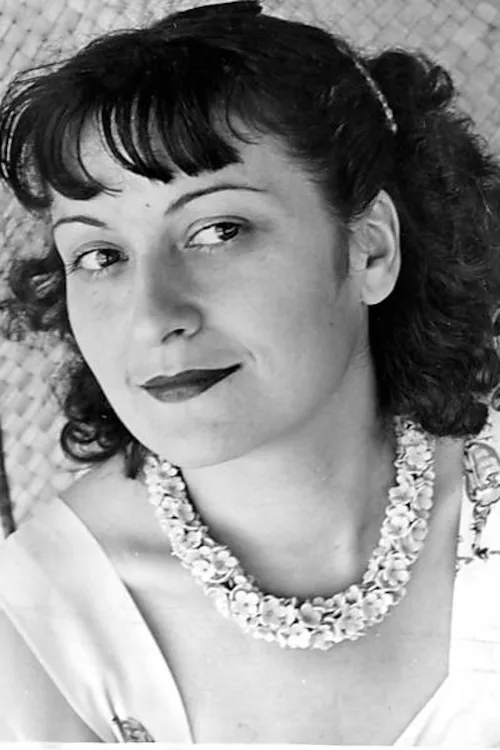
Ítala Fulvia Villa


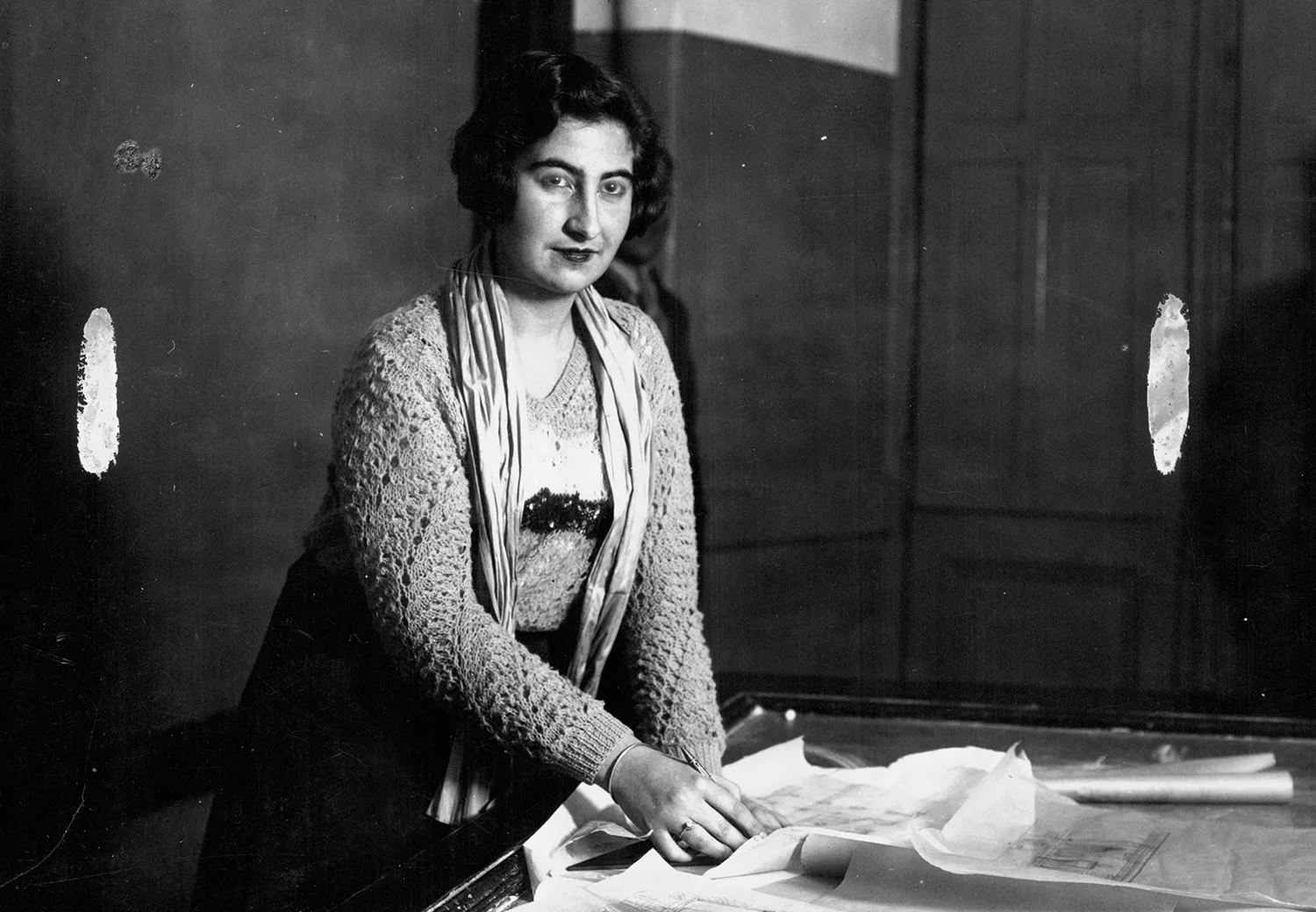
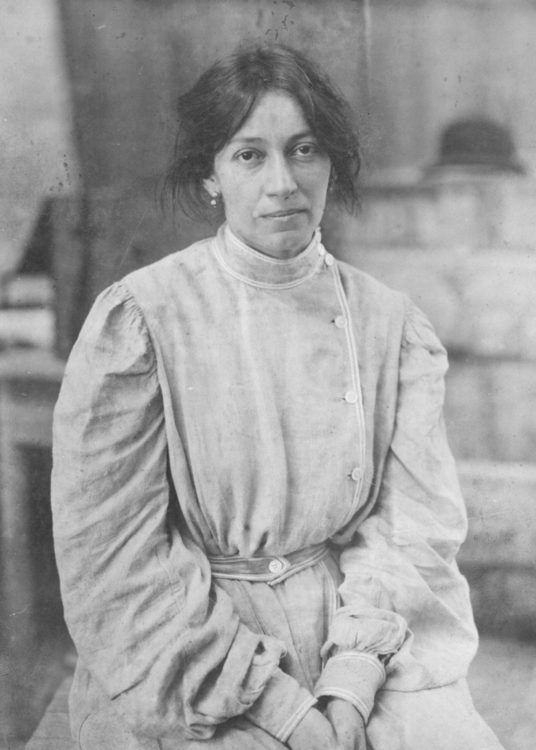
Ítala Fulvia Villa en 3ᵉ année à la faculté d’architecture de Buenos Aires, juillet 1932, Archivo General de la Nación, Departamento Documentos Fotográficos
Namer, Léa, Chacarita Moderna. La nécropole brutaliste de Buenos Aires, Paris, Building Books, 2024 (bilingual French-English ed.)
→Jebai, Soraya, Itala Fulvia Villa: uma mulher na arquitetura moderna argentina (1913–1991) [Itala Fulvia Villa: A Woman in Modern Argentine Architecture (1913–1991)], São Paulo, 2016
→Fuzs, Gonzalo, Austral 1938–1944: lo individual y lo colectivo [Austral 1938–1944: the individual and the collective], PhD, Universitat Politècnica de Catalunya (UPC), Barcelona, 2012
→« Panteones en dos cementerios porteños: Cementerios de la Chacarita y de Flores », Revista Nuestra Arquitectura, n° 375, Buenos Aires, July 1961
Arquitectura y paisajes. Musas de vanguardia en el territorio, ETSAM, Madrid, October – December 2024
→Chacarita Moderna, Disponible, Buenos Aires (AR), March – July 2023
→Territorio G, MARQ (Museo de Arquitectura y Diseño), Buenos Aires, April – June 2021
Argentine architect and urban planner.
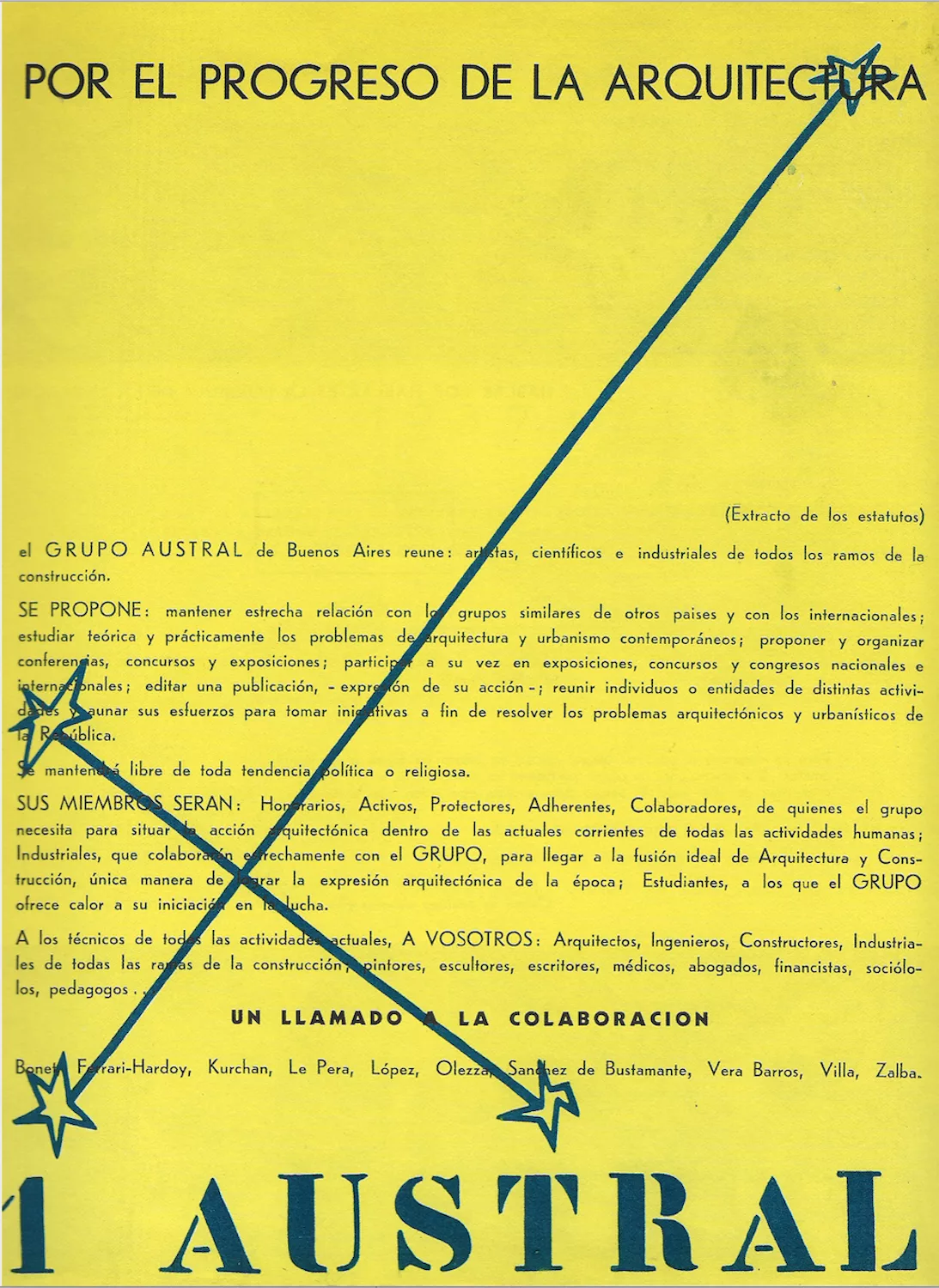
Born in Buenos Aires to Italian parents who had immigrated to Argentina in the late 19th century, Ítala Fulvia Villa belonged to the first generation of women graduates of Escuela de Arquitectura de la Universidad in Buenos Aires (since renamed Facultad de Arquitectura, Diseño y Urbanismo), earning her diploma in 1935. After training in an environment still influenced by Neoclassicism, she discovered European rationalist ideas during a 1937 study trip that decisively oriented her thinking towards Modernism. Later, back in Argentina, she worked alongside Jorge Ferrari Hardoy (1914–1977) and Juan Kurchan (1913–1972), who had remained in Paris after the study trip to work for Le Corbusier (Charles-Édouard Jeanneret-Gris, 1887-1965); her task was to help prepare the materials needed to resume work on the Buenos Aires master plan (1929). Not long after this, J. F. Hardoy, J. Kurchan and Antonio Bonet (1913–1989) founded Grupo Austral, a pioneering Argentine Modernist collective, and Í. F. Villa was the only woman to sign its manifesto.
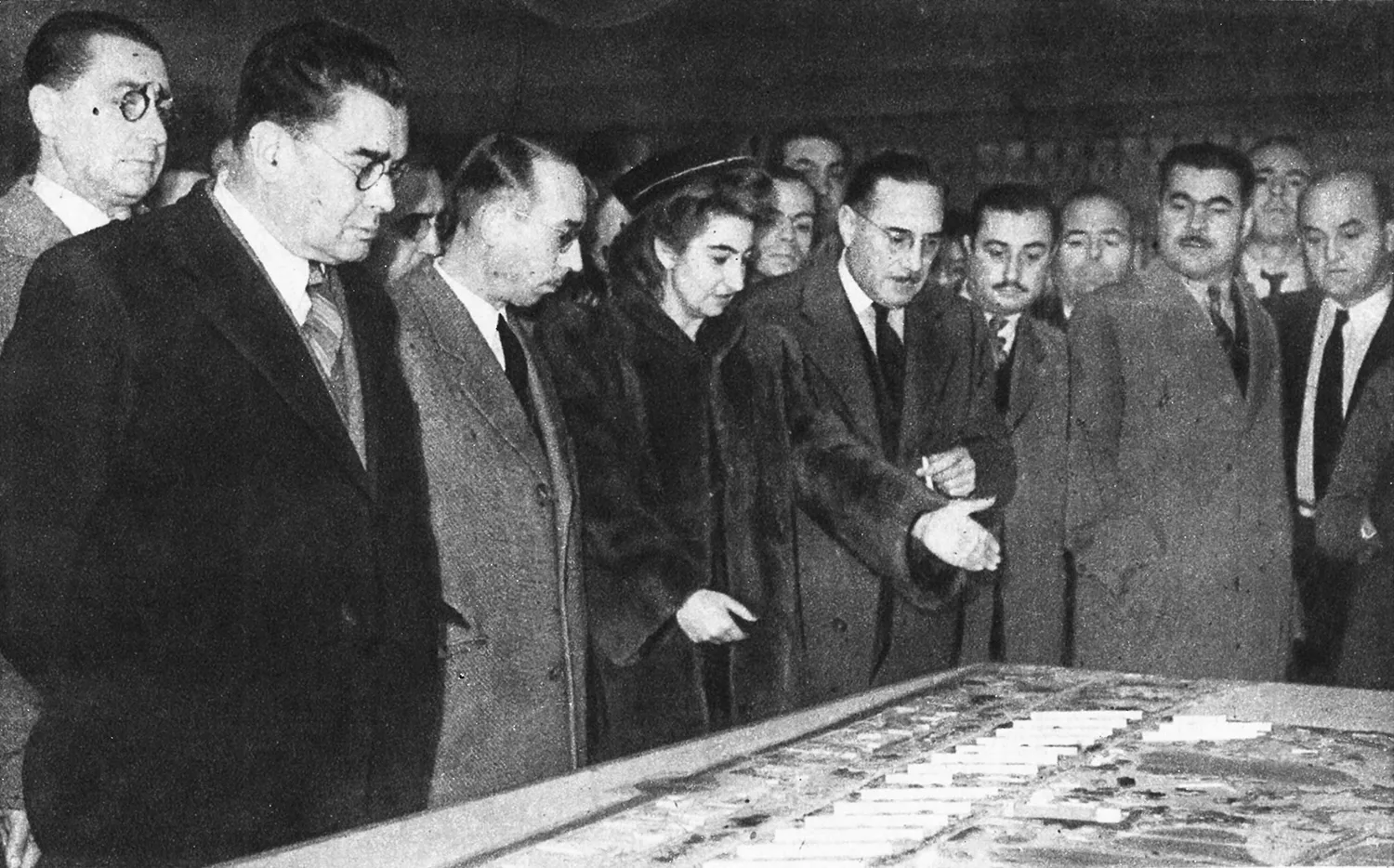
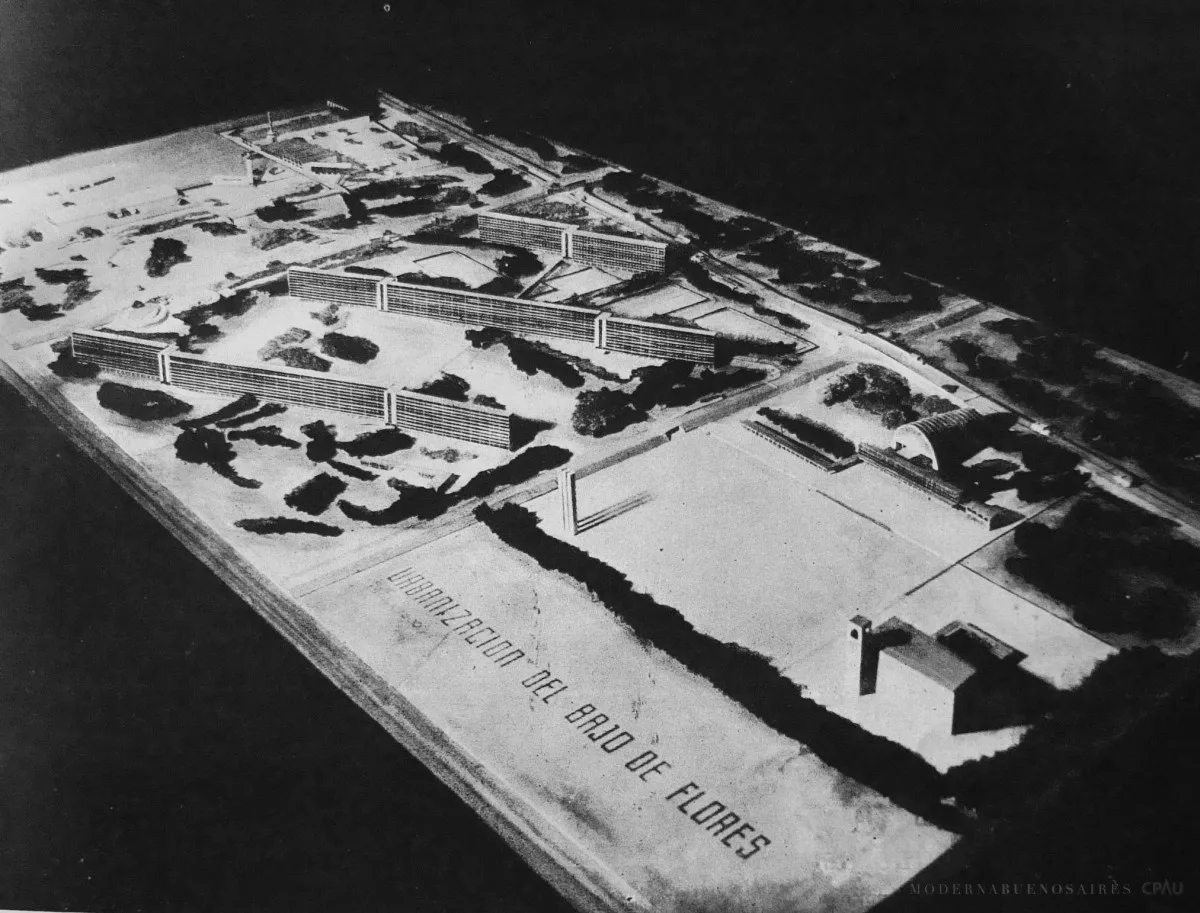
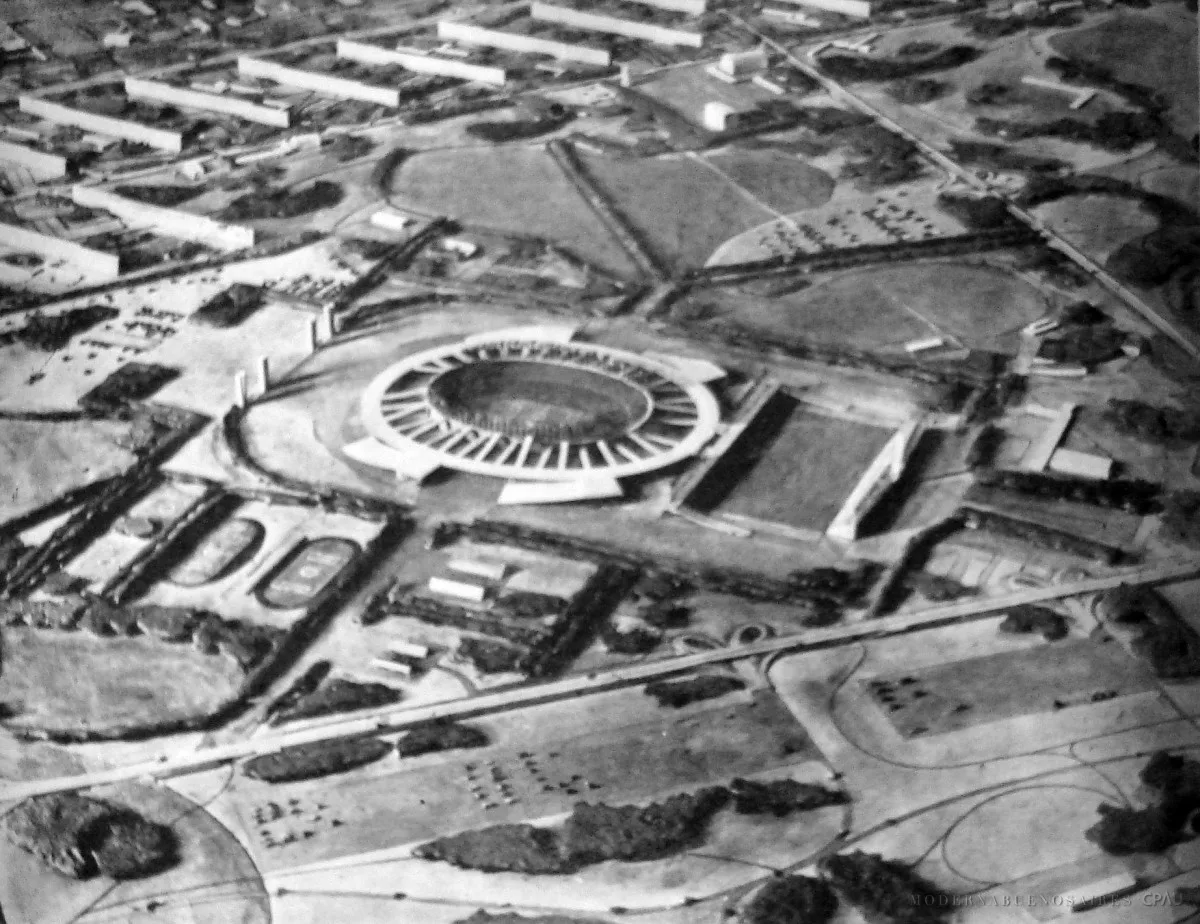
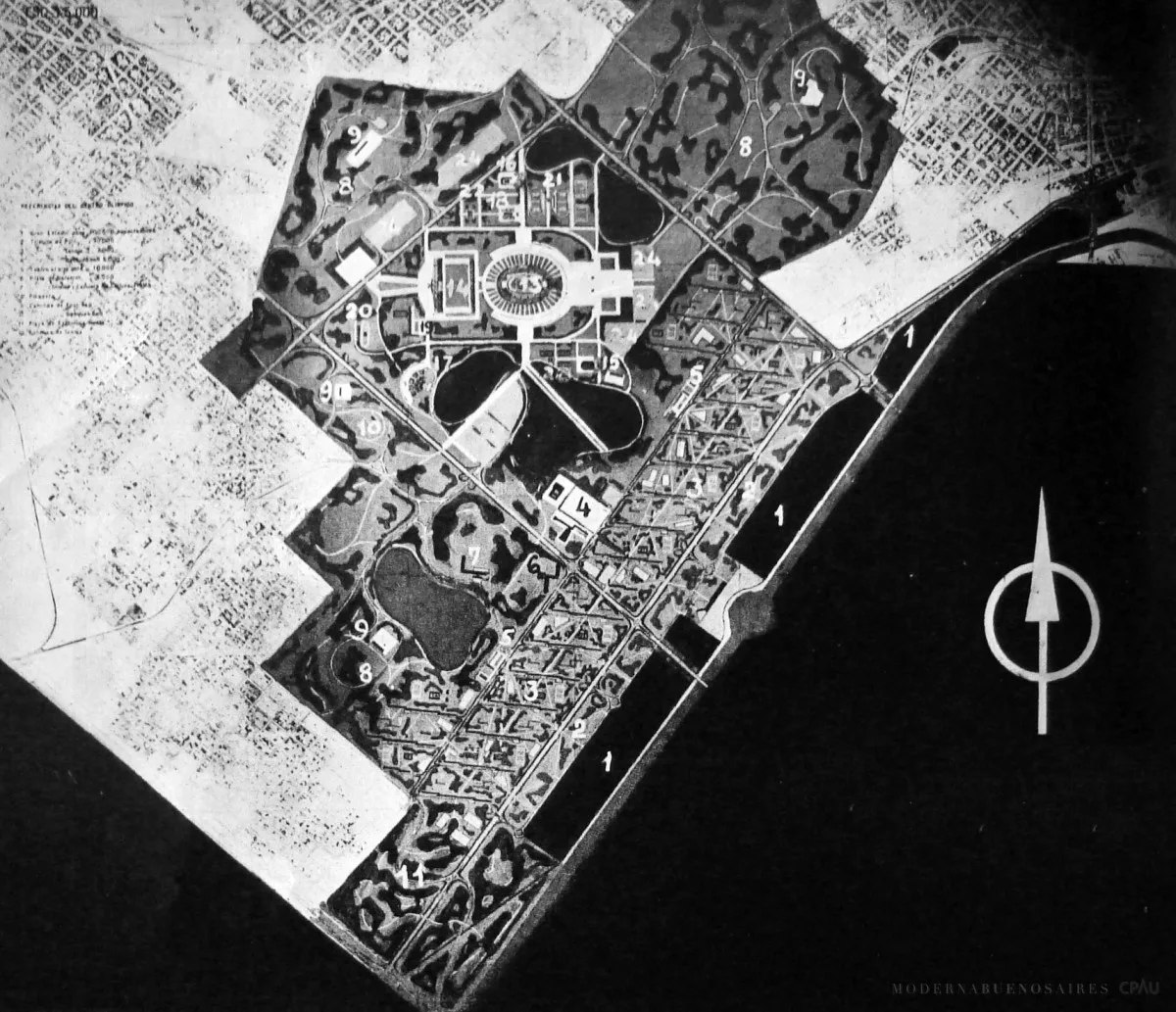
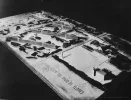
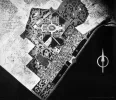
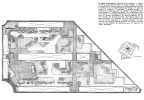
Having been educated under Carlos María Della Paolera (1890–1960), the first Argentine urban planner and the designer of the Avenida 9 de Julio project, Í. F. Villa easily chose urban planning as her own preferred discipline. In the early 1940s she joined the public institutions of Buenos Aires and devoted herself fully to urban planning. In 1945, with Horacio Nazar (1876–1955), she co-designed a plan for Bajo Flores aimed at revitalising this southern district; the plan received an award at the sixth Salón de Arquitectura. The project overview, created by photographer Grete Stern (1904–1999), illustrates the plan’s dialogue between architectural Modernism and avant-garde visual culture. Í. F. Villa later contributed to the Estudio del Plan de Buenos Aires, designed under the influence of Corbusian ideas, and directed the División de Información Urbana of the Dirección General de Obras Públicas y Planeamiento Municipal, developing an innovative approach to the city’s layout grounded in maps, diagrams and statistical graphics intended for both analysis and planning.
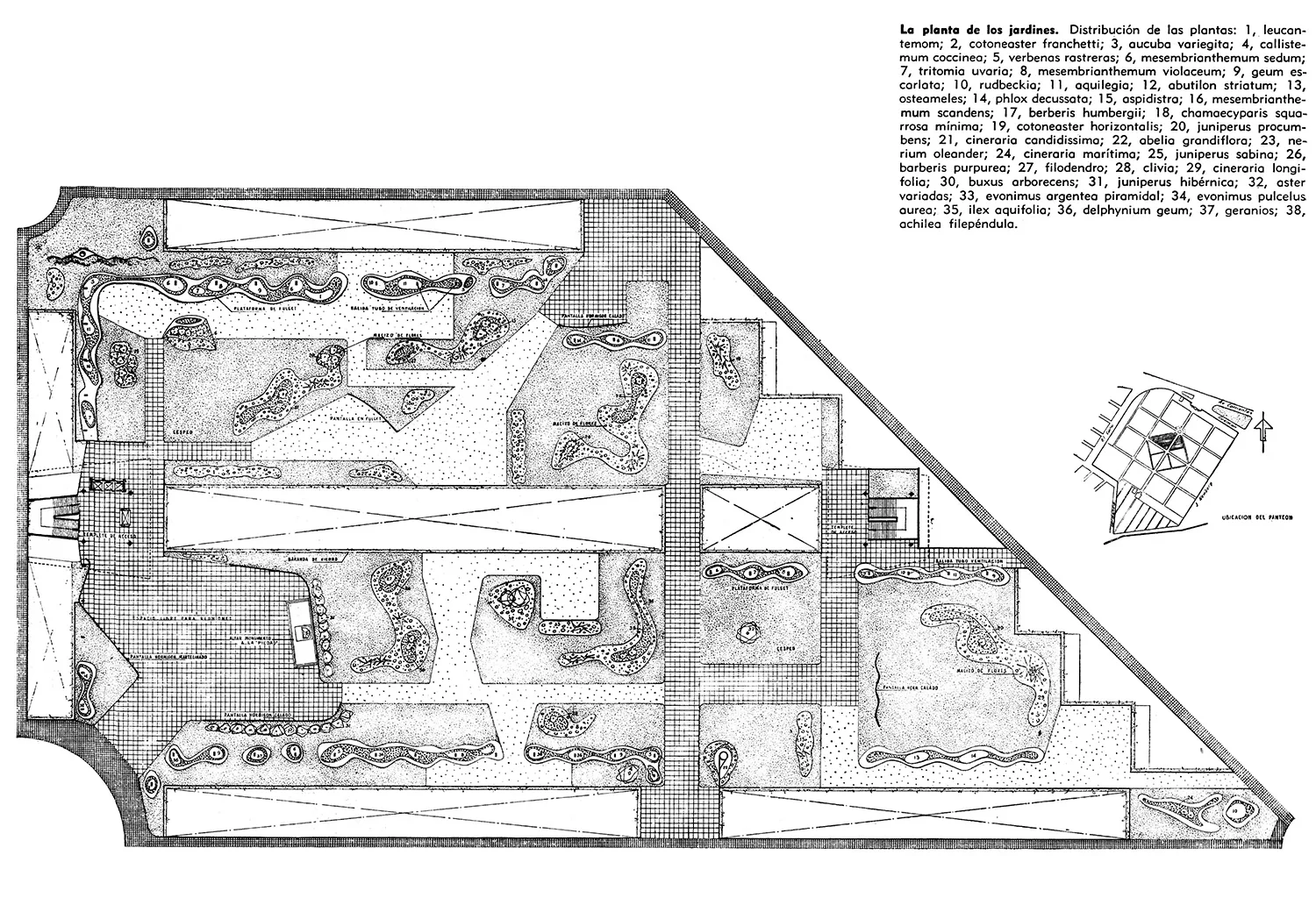
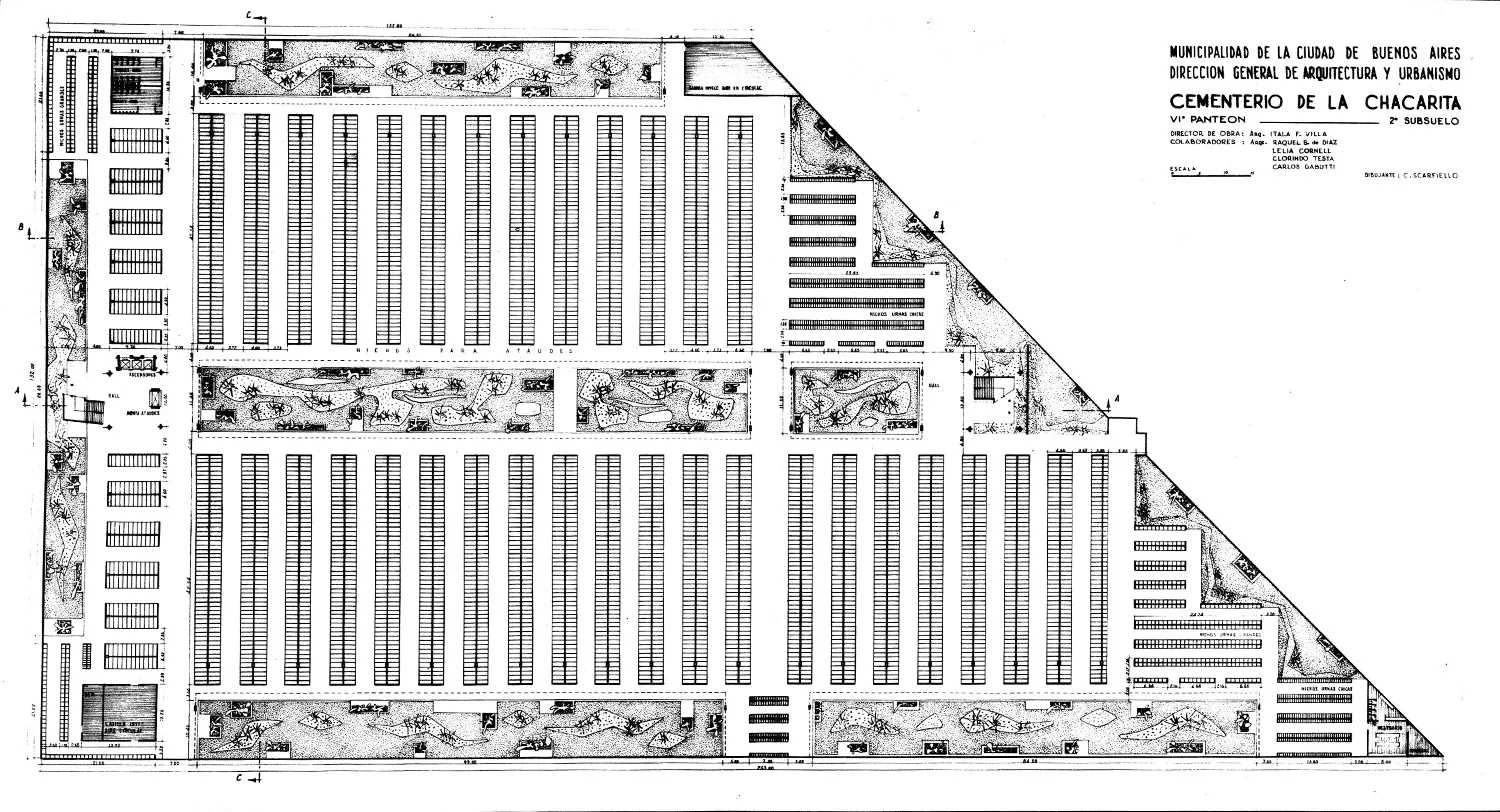
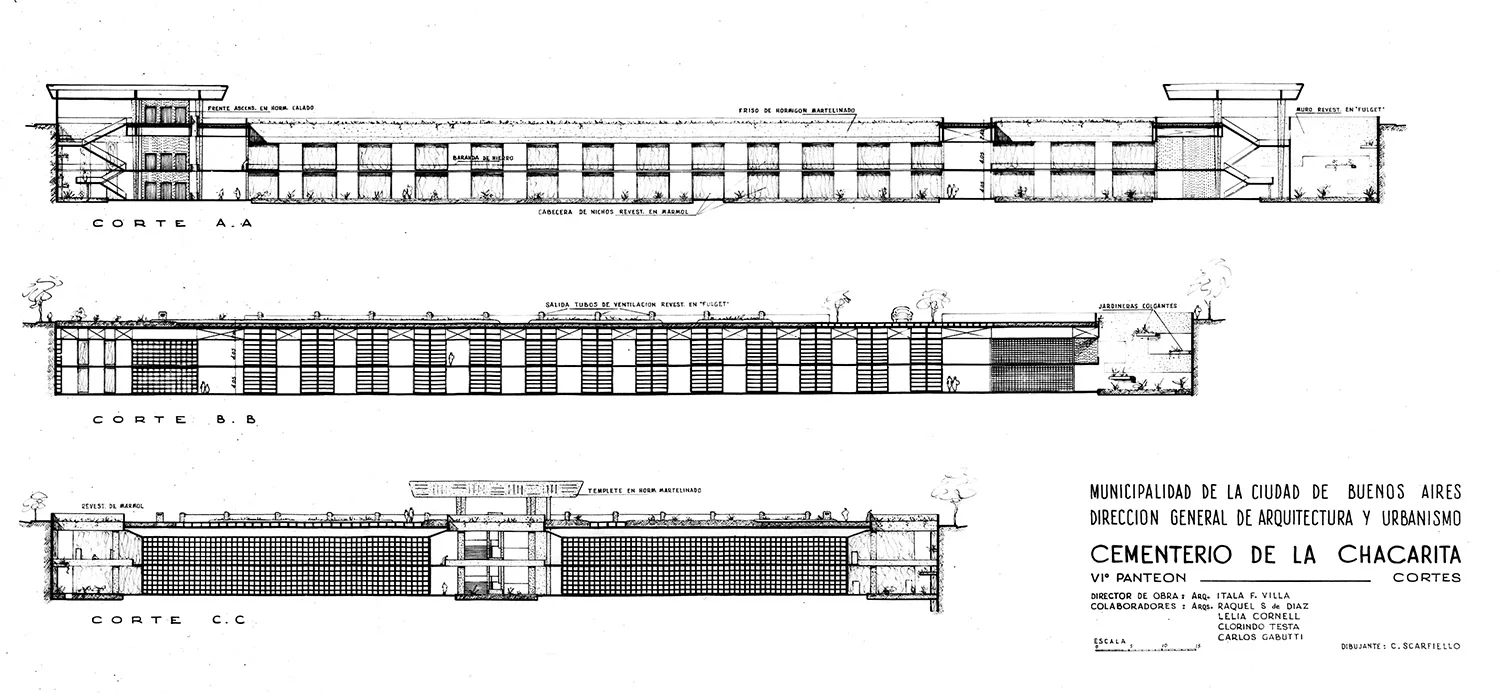
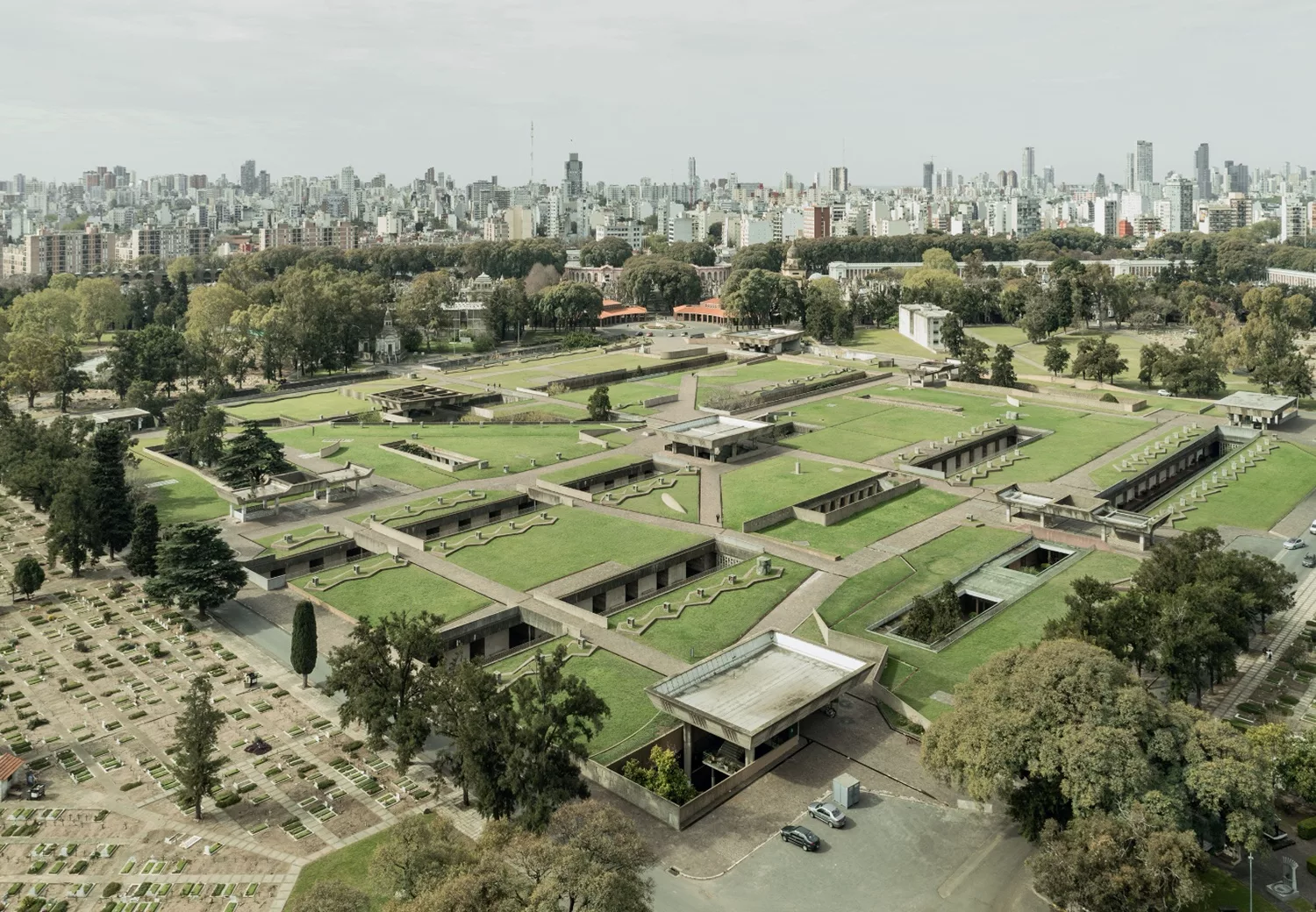
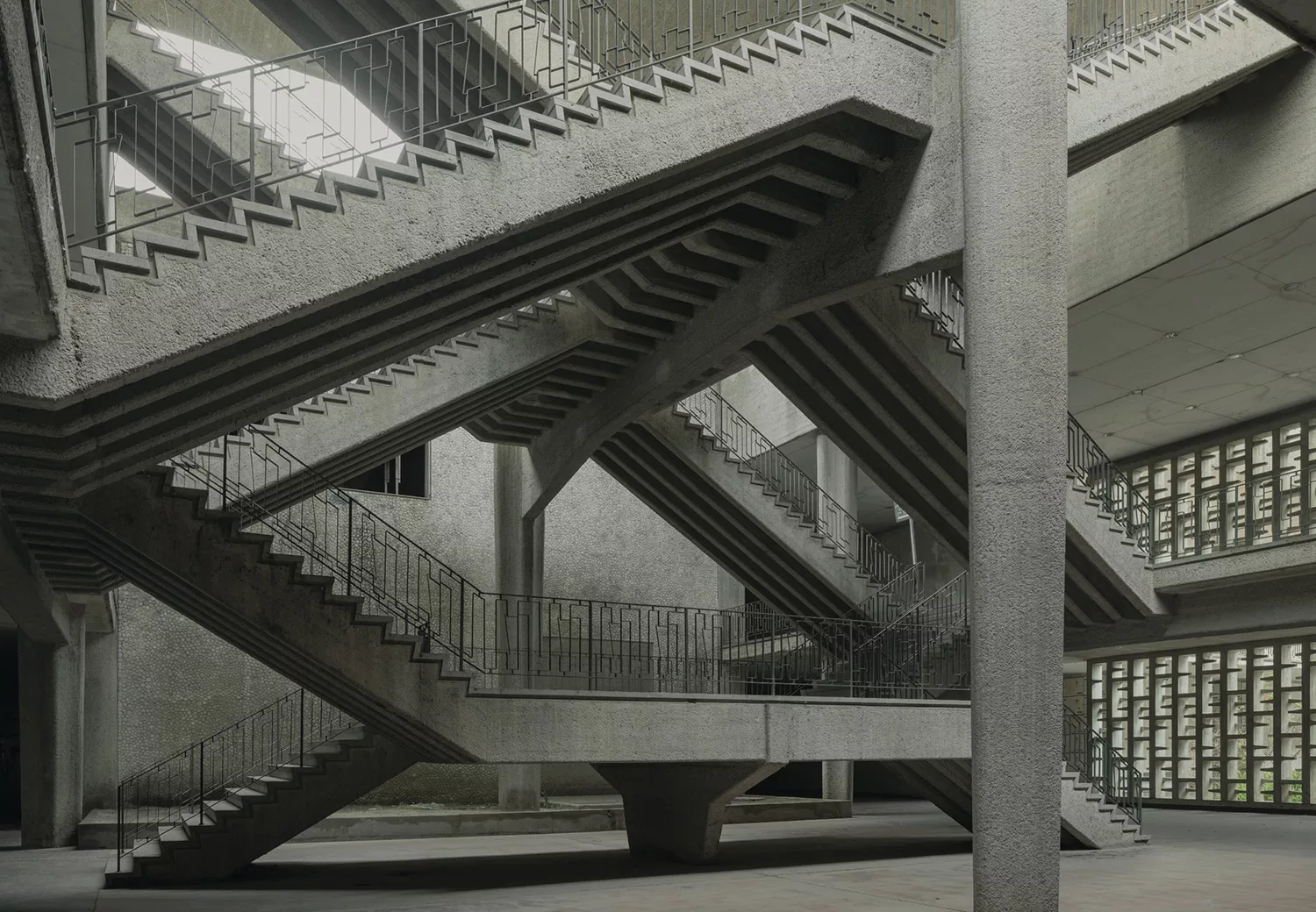
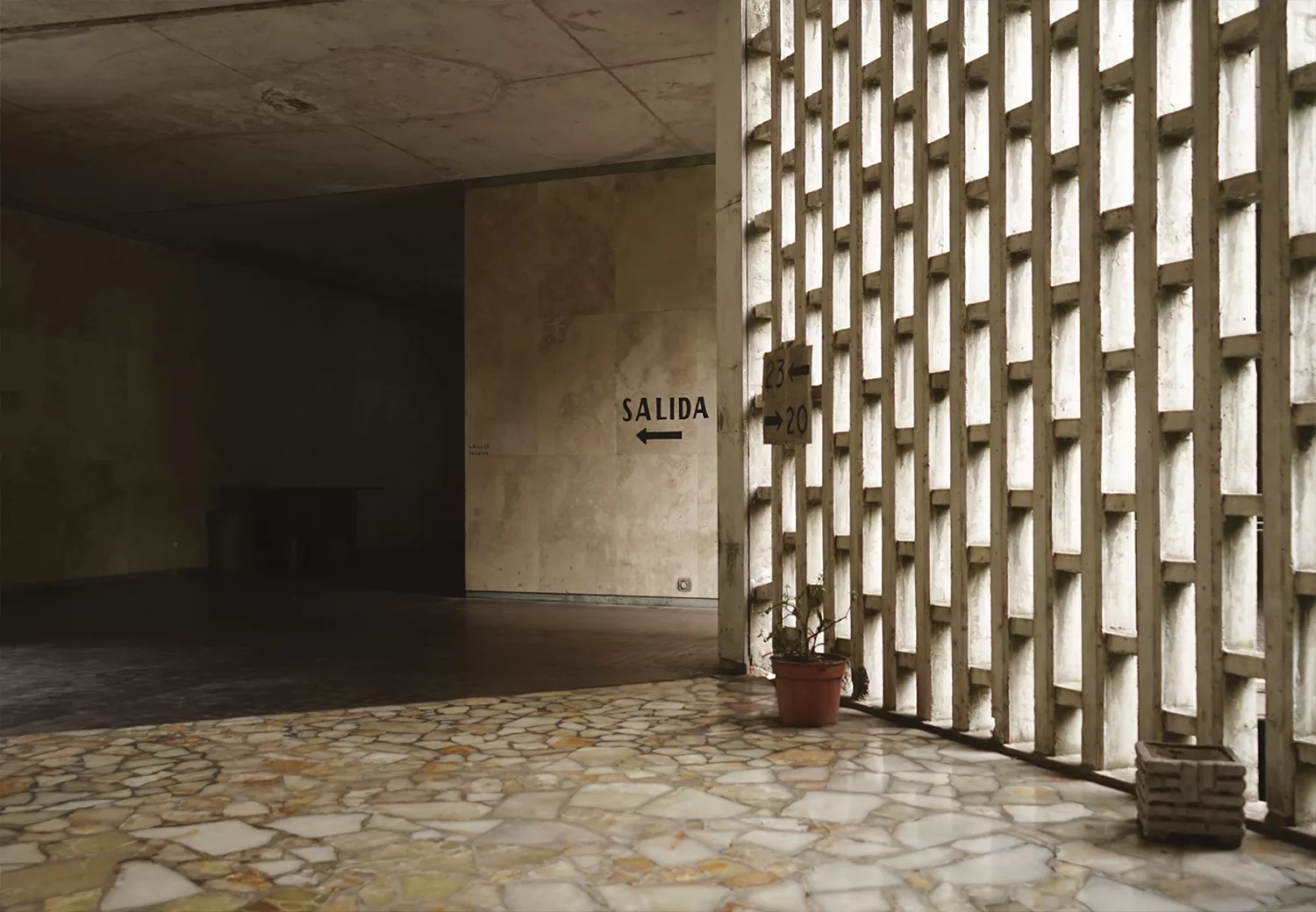
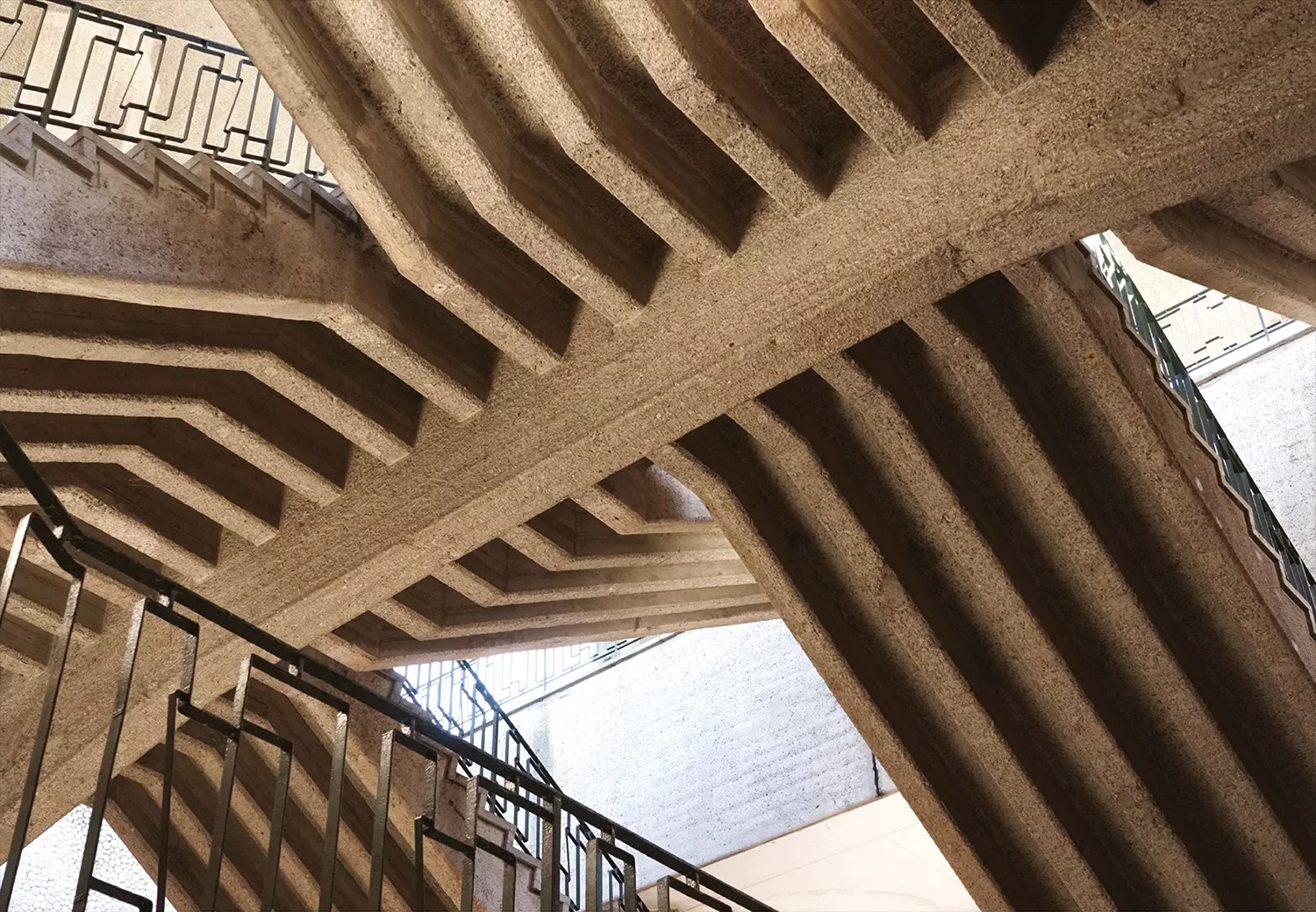
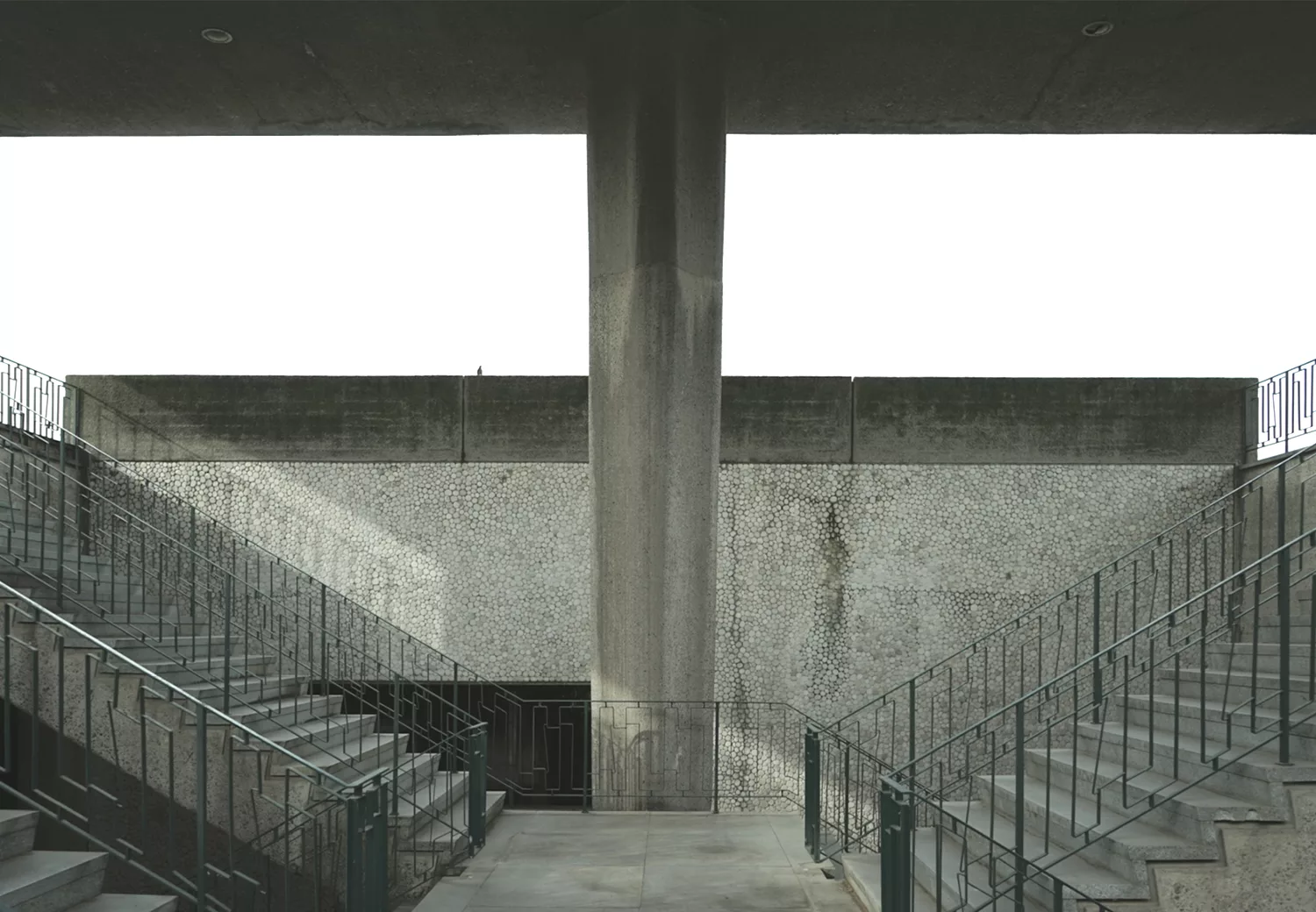
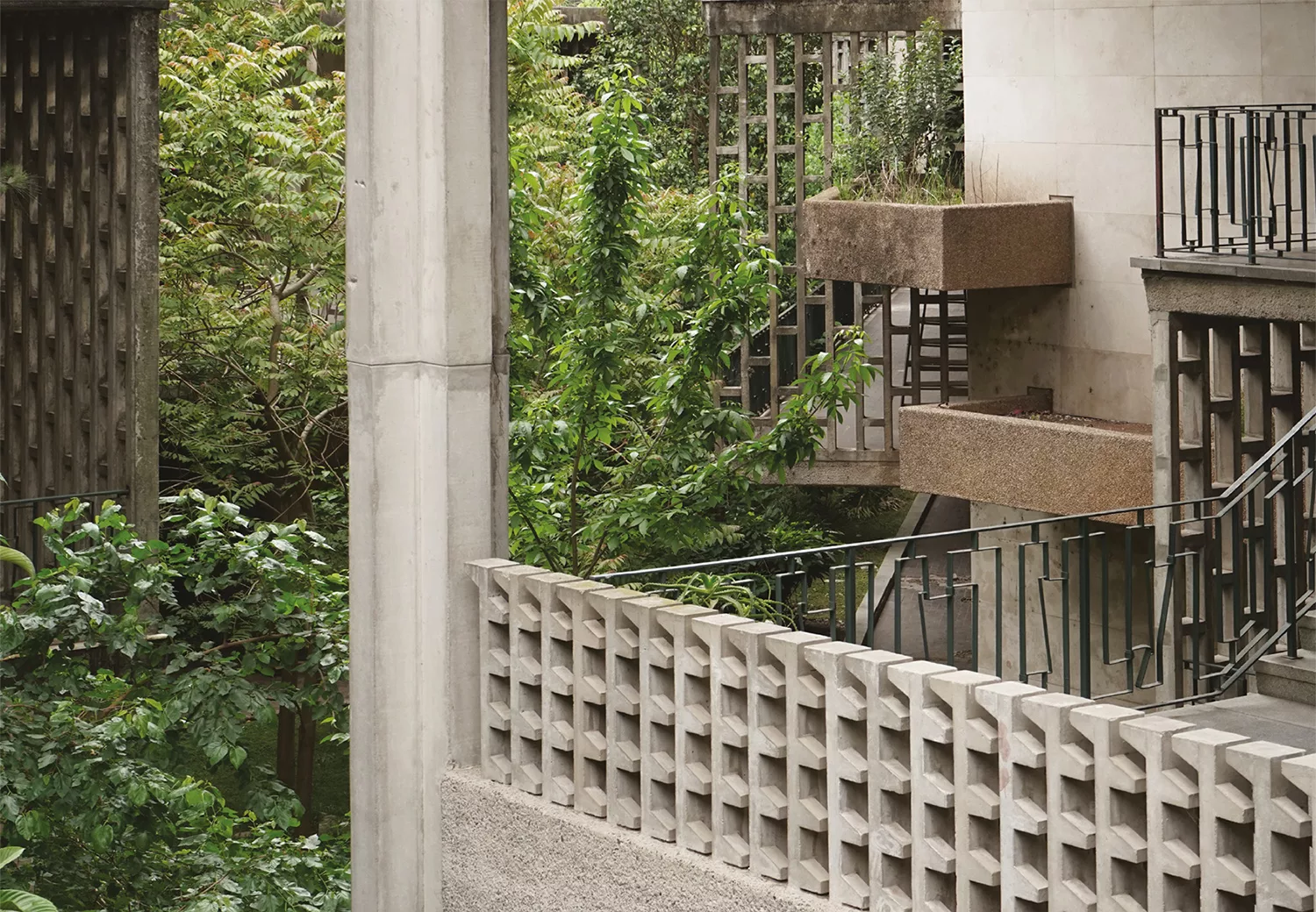
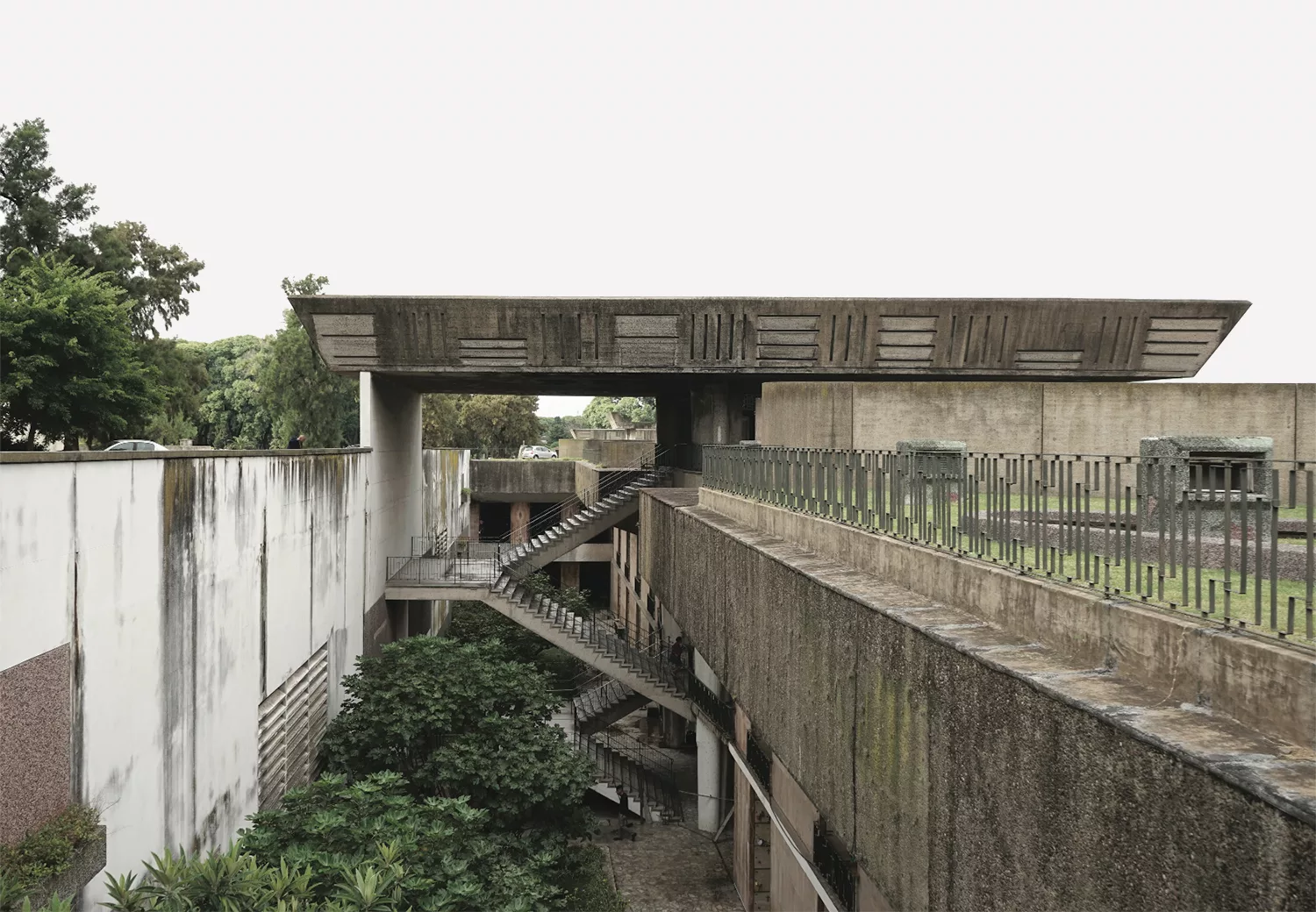
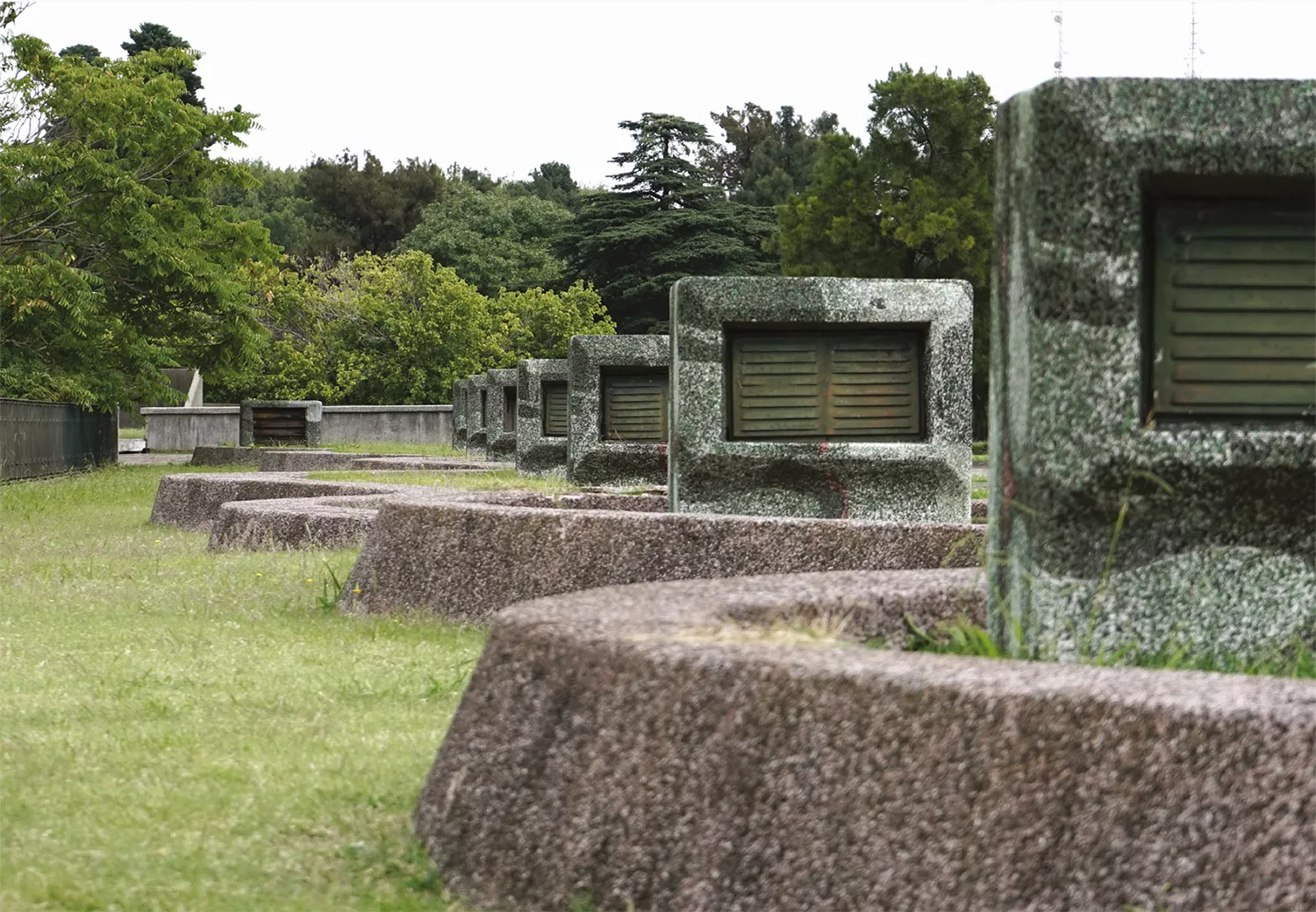
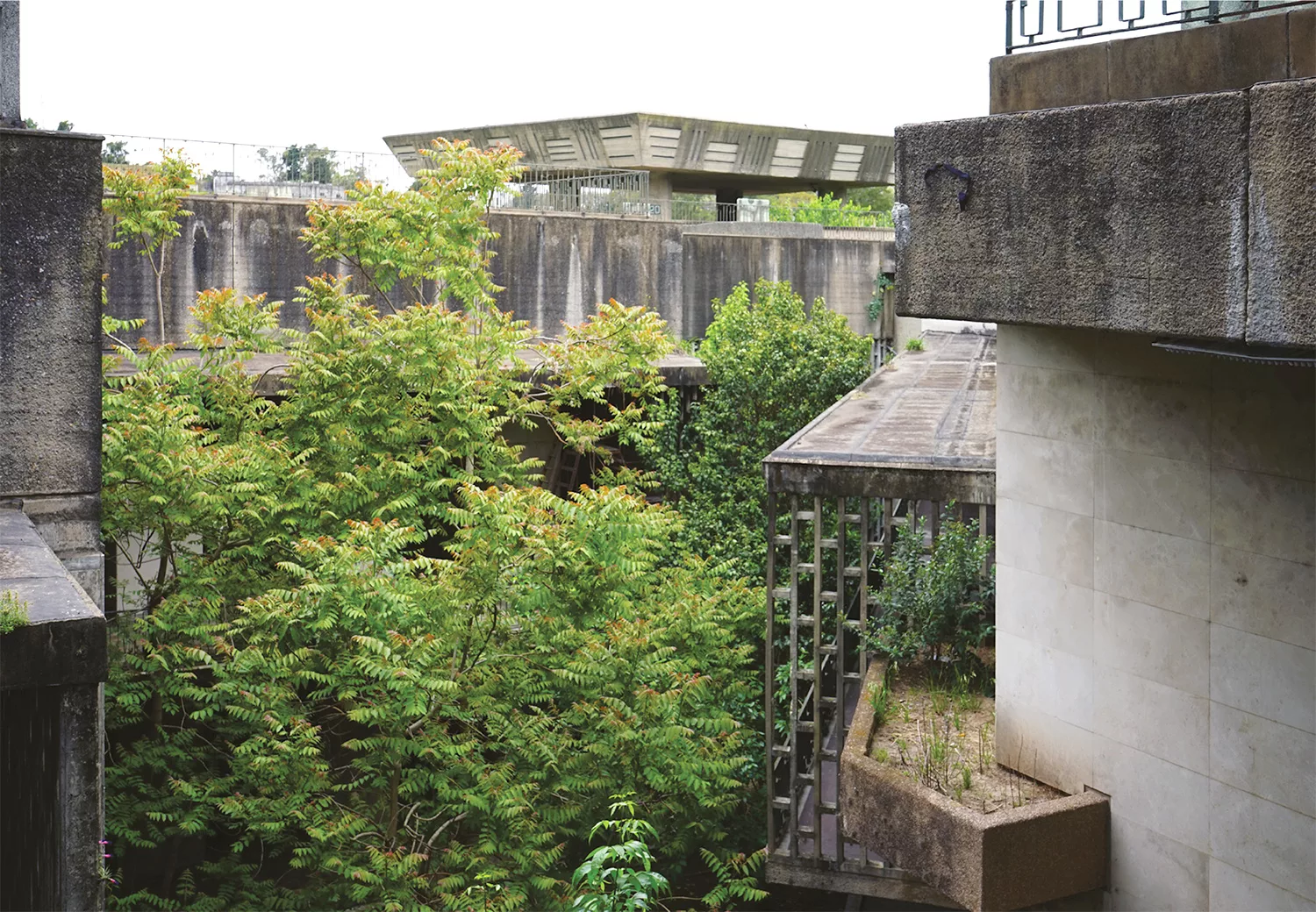
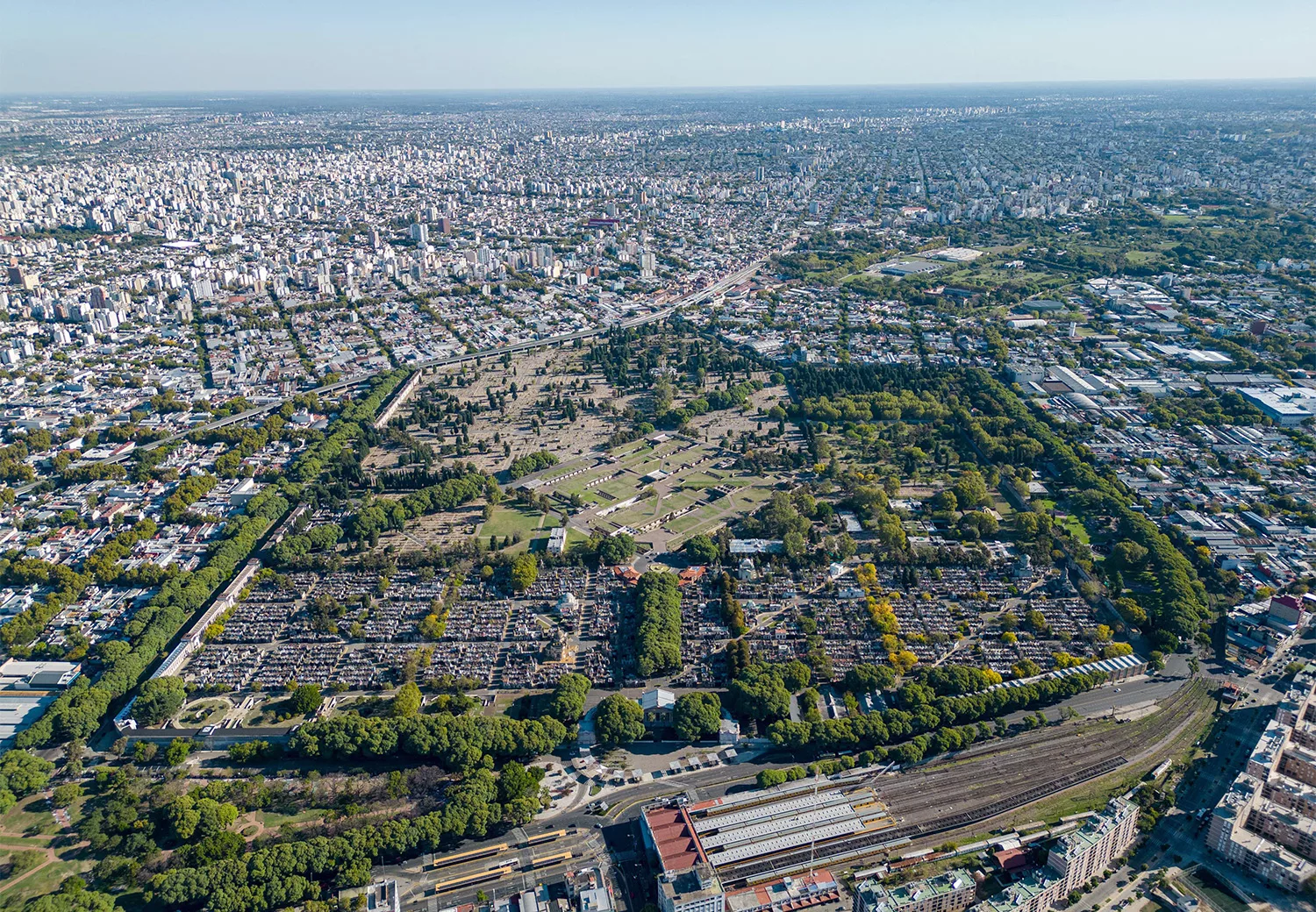
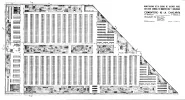
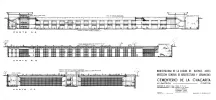
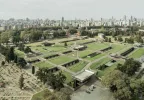
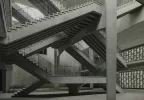
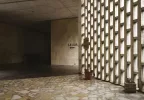
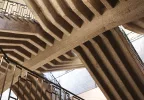
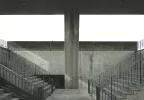
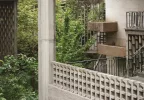
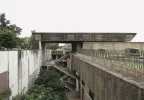
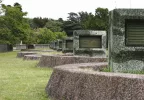
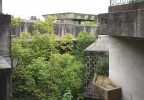
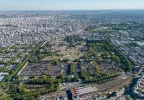
In the 1950s and 1960s, while at the Dirección General de Arquitectura y Urbanismo of Buenos Aires, Í. F. Villa designed and directed the construction of panteones [mausoleums] in the Chacarita and Flores cemeteries. Chacarita’s monumental subterranean Sexto Panteón is particularly impressive, having been designed to house over 150,000 burial chambers. Serving as both public infrastructure and a site of collective memory, it applies Modernist principles – streamlined construction, hierarchised circulation and monumental raw concrete structures – to cemetery design, marking Latin America’s first major experiment in modern funerary architecture. In 1960 Í. F. Villa was appointed advisor to the Plan Regulador of Buenos Aires, and in 1962 she became an advisor to the competition for the Mar del Plata cemetery-park, won by Horacio Baliero (1927–2004) and Carmen Córdova (1929–2011), while also teaching urban planning at Universidad Nacional de La Plata.
The remainder of her career, about which less is known, unfolded against a backdrop of political tension. She distanced herself from public institutions to work as a freelance architect for trade unions. In 1979, she became a representative for the Federación Argentina de Mujeres Universitarias in line with her commitment to the recognition of women in intellectual and technical careers. Long absent from official narratives, Í. F. Villa is now re-emerging as a key figure of Argentine Modernism. Her oeuvre’s legacy is a vision of architecture as a collective endeavour rooted in the concepts of public service and social change.