Lee Boon Ngan


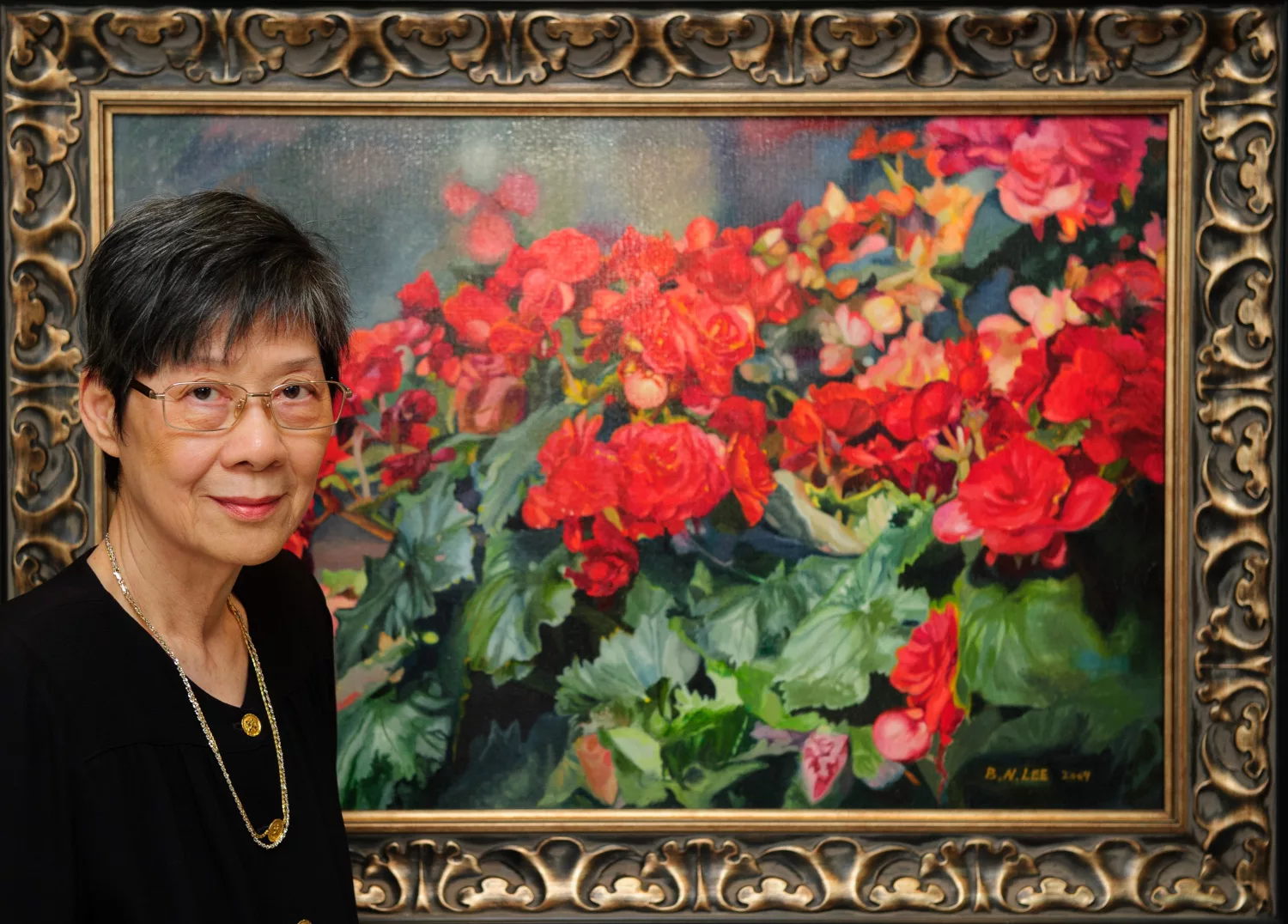
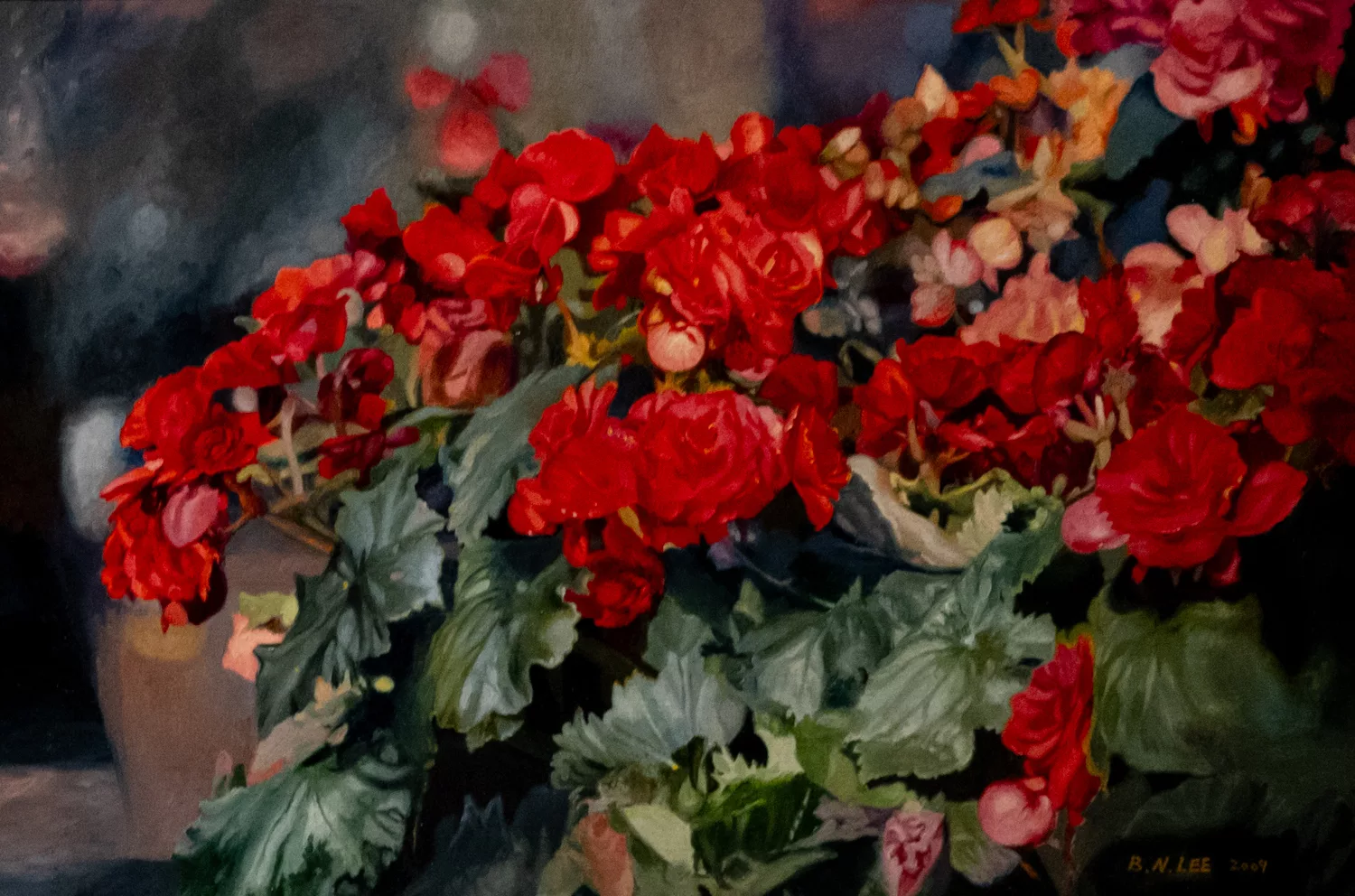
Portrait of Lee Boon Ngan in front of her painting, Red Begonia Hiemalis, 2009, photograph courtesy of the family of Lee Boon Ngan
The Art of Lee Boon Ngan: Celebrating 60 years of Singapore through the Love of Chua Mia Tee & Lee Boon Ngan, exh. cat., The Private Museum Singapore, Singapore (10 July–21 September, 2025), Singapore, The Private Museum, 2025
→Lee Boon Ngan, Lee Boon Ngan Painting Collection, Singapore, 1995
The Art of Lee Boon Ngan: Celebrating 60 years of Singapore through the Love of Chua Mia Tee & Lee Boon Ngan, The Private Museum Singapore, Singapore, 10 July–21 September, 2025
→An Exhibition of Paintings by Mr Chua Mia Tee & Mrs Chua (Mdm Lee Boon Ngan), for the 25th Anniversary Charity Fund Singapore Red Cross Society, Hilton Hotel, Singapore August, 1990
→Art Exhibition of Mr & Mrs Chua Mia Tee, Chinese Chamber of Commerce Exhibition Hall, Singapore, September, 1980
Singaporean oil painter.
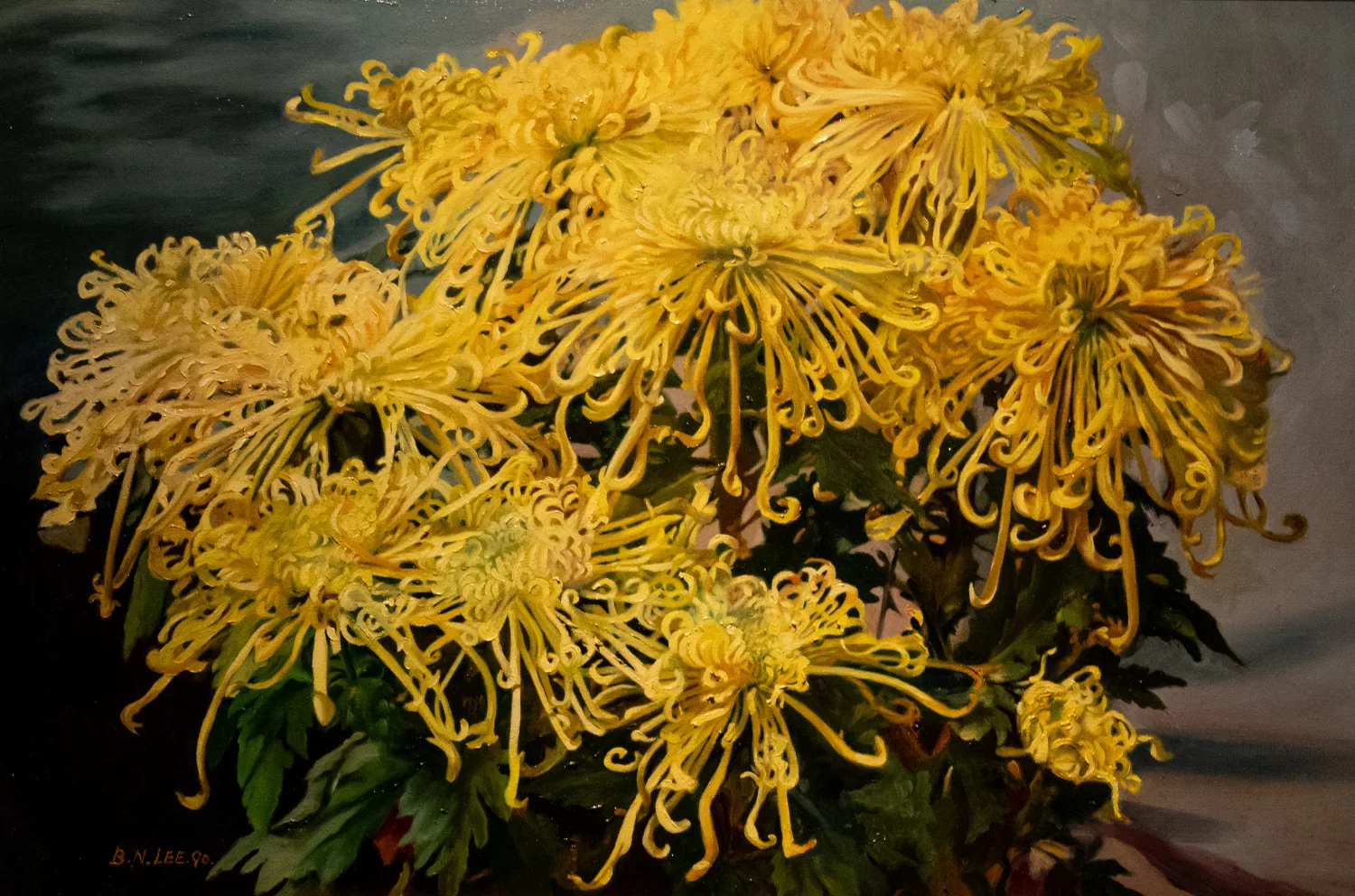
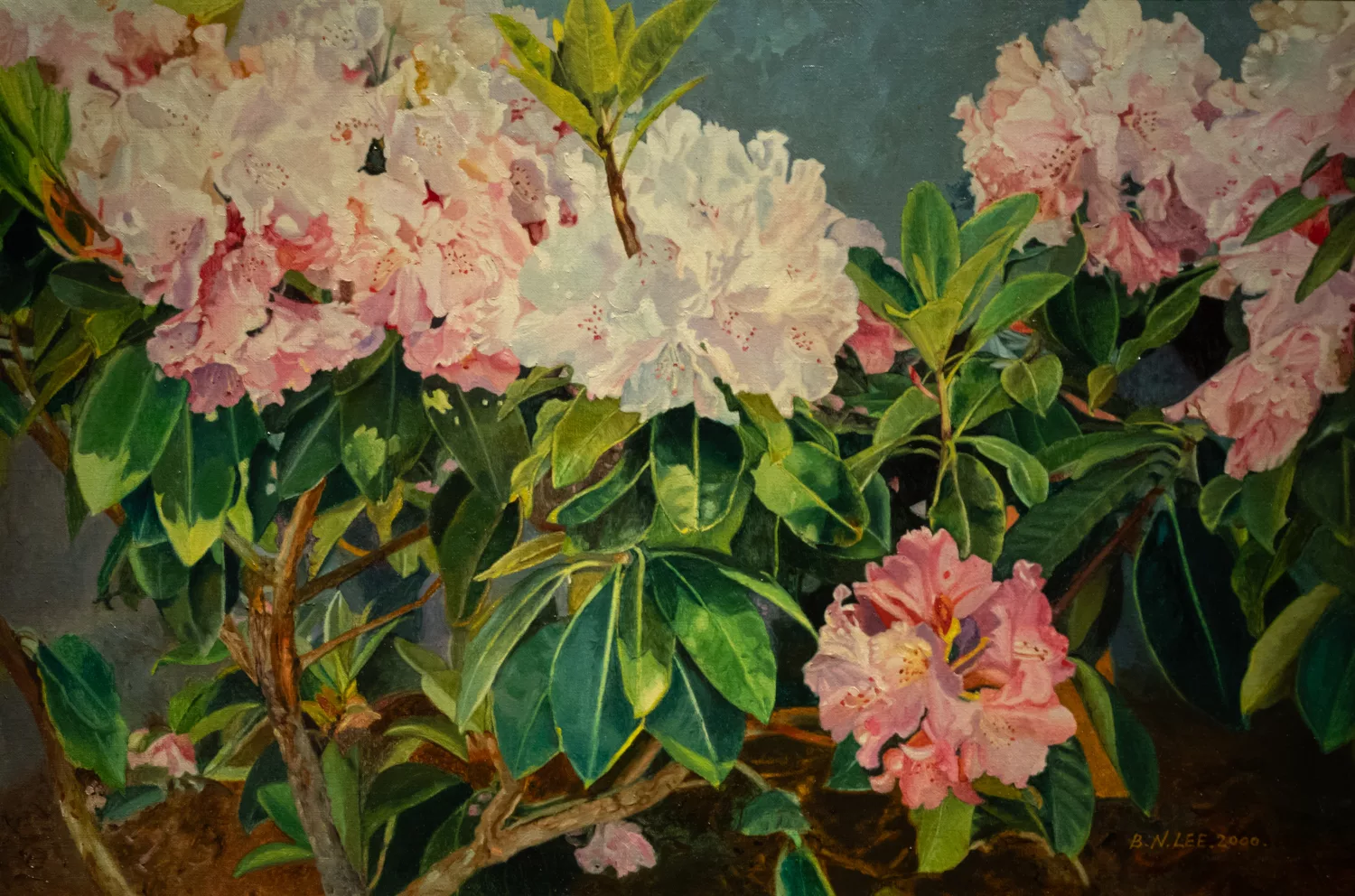
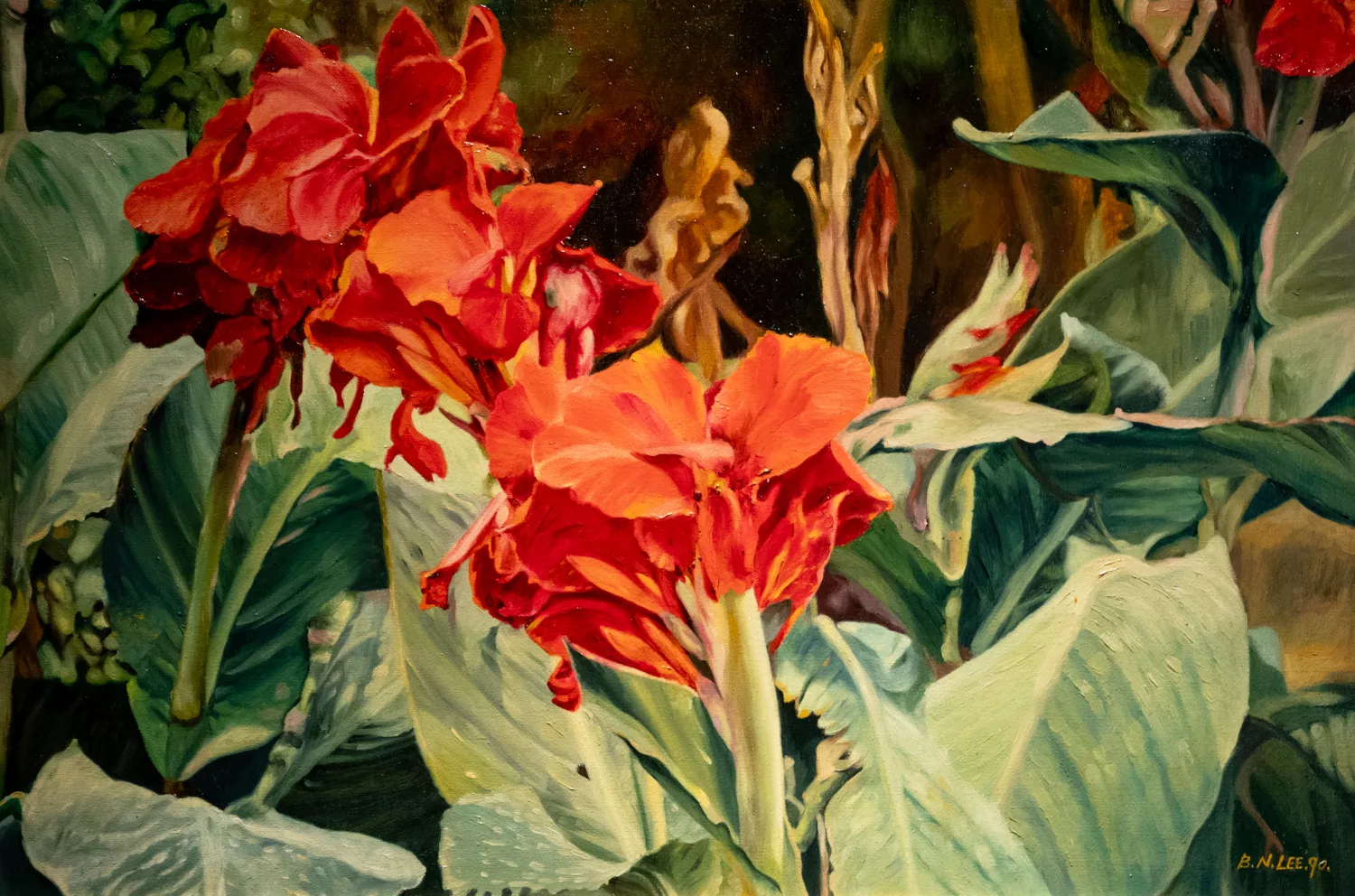
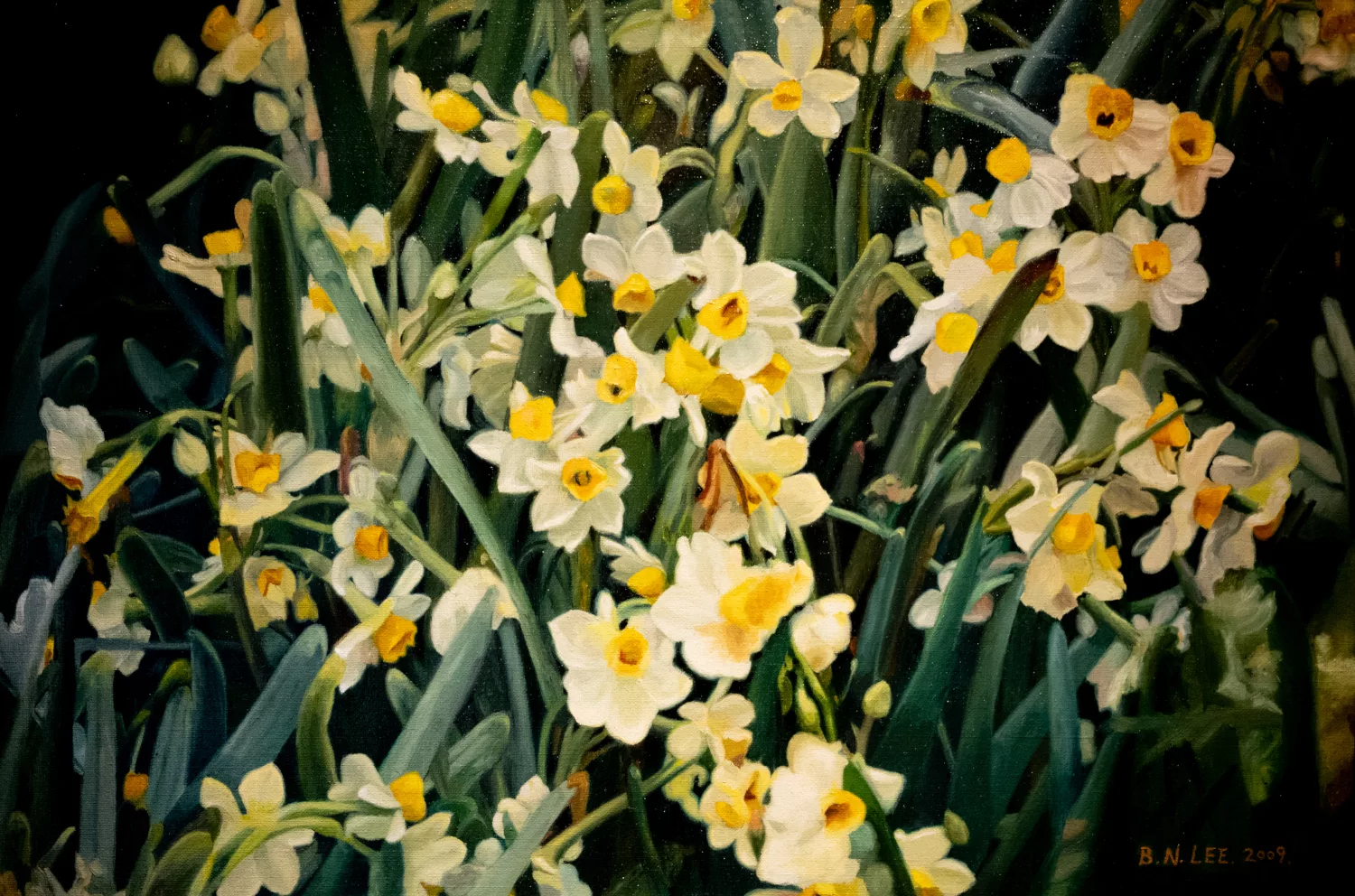
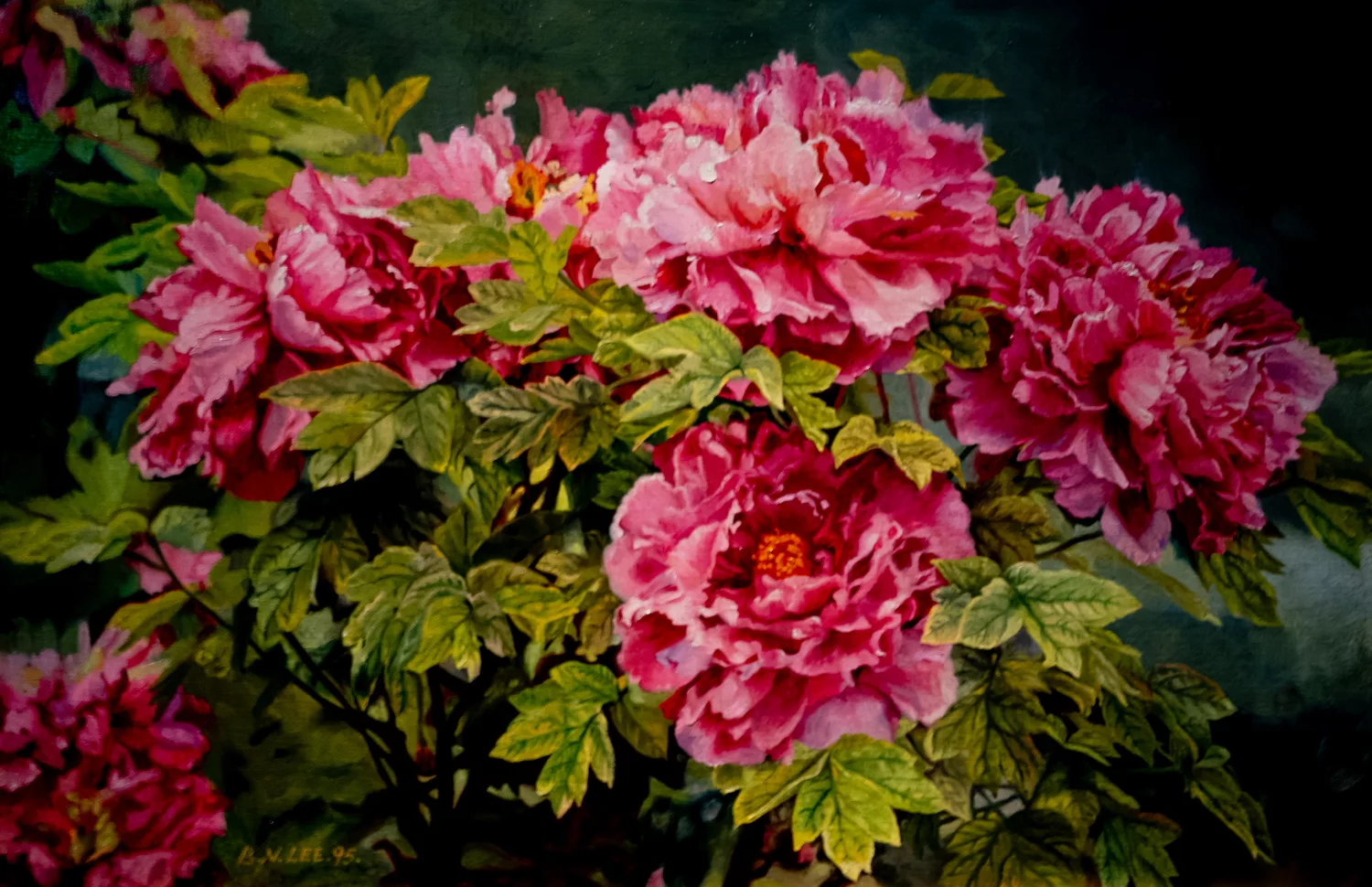
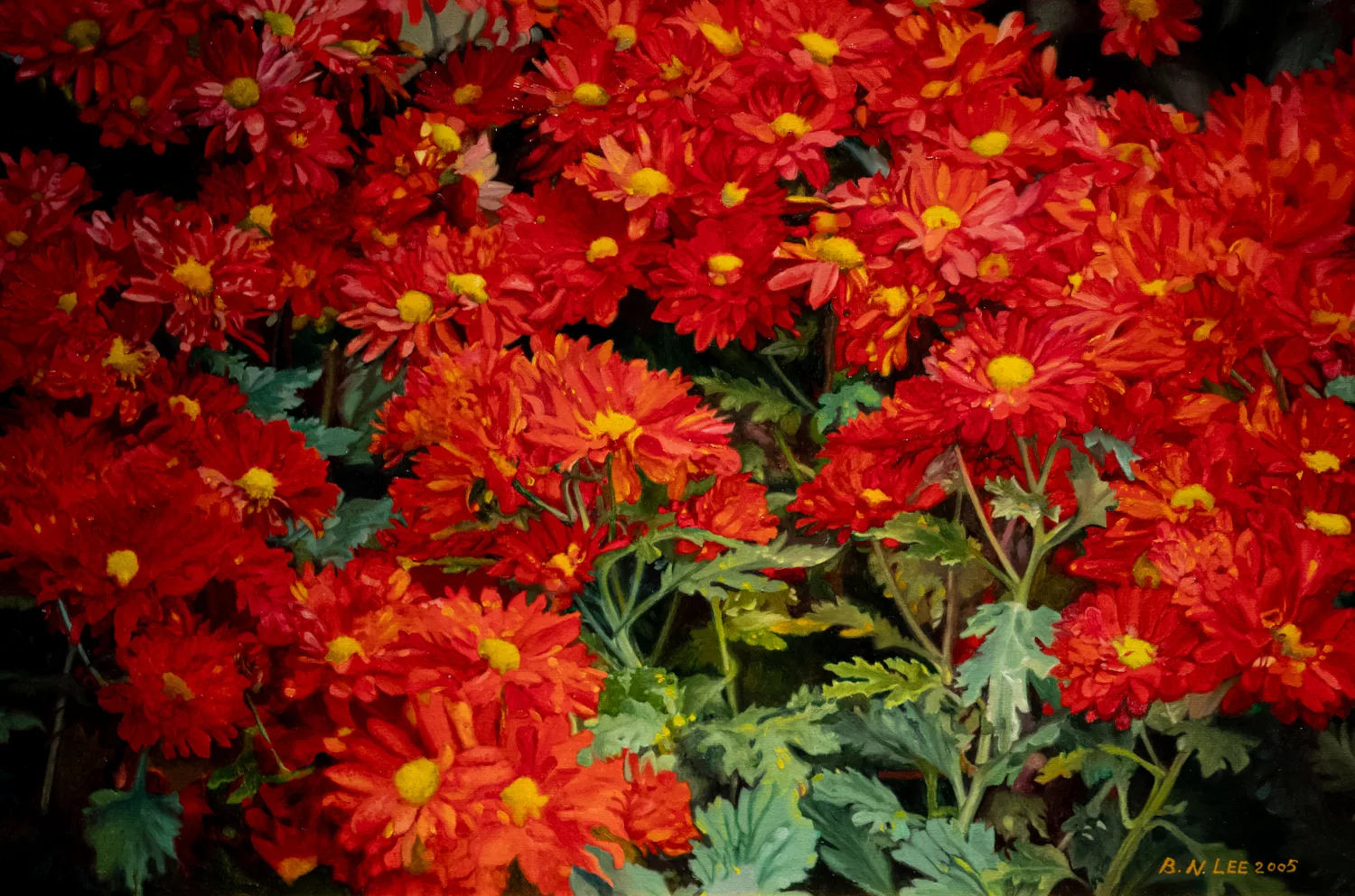
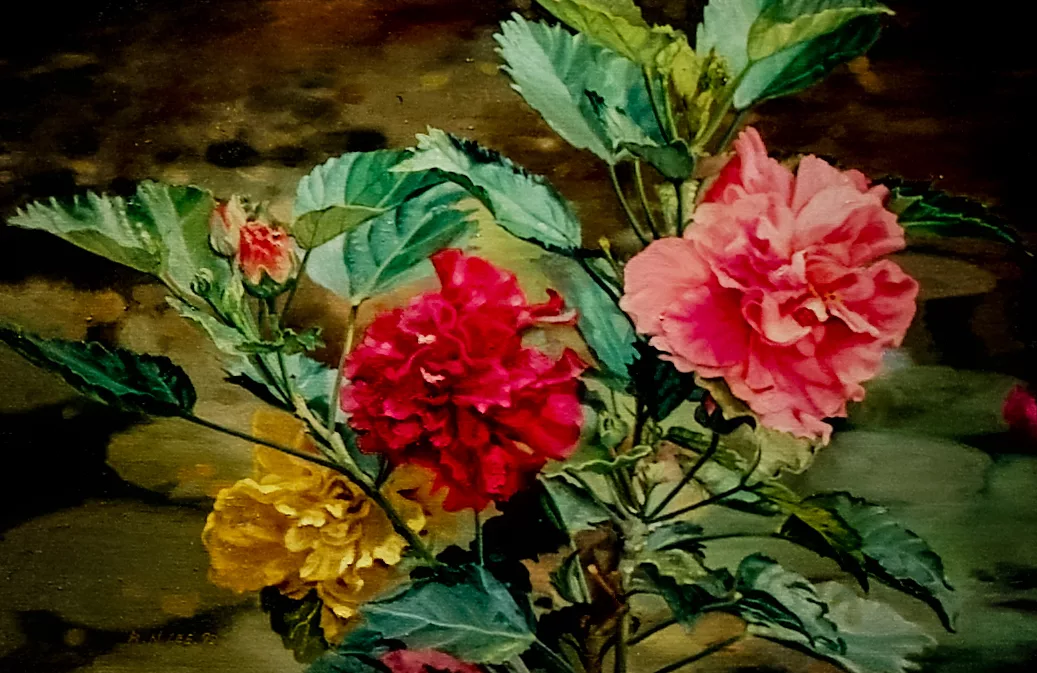
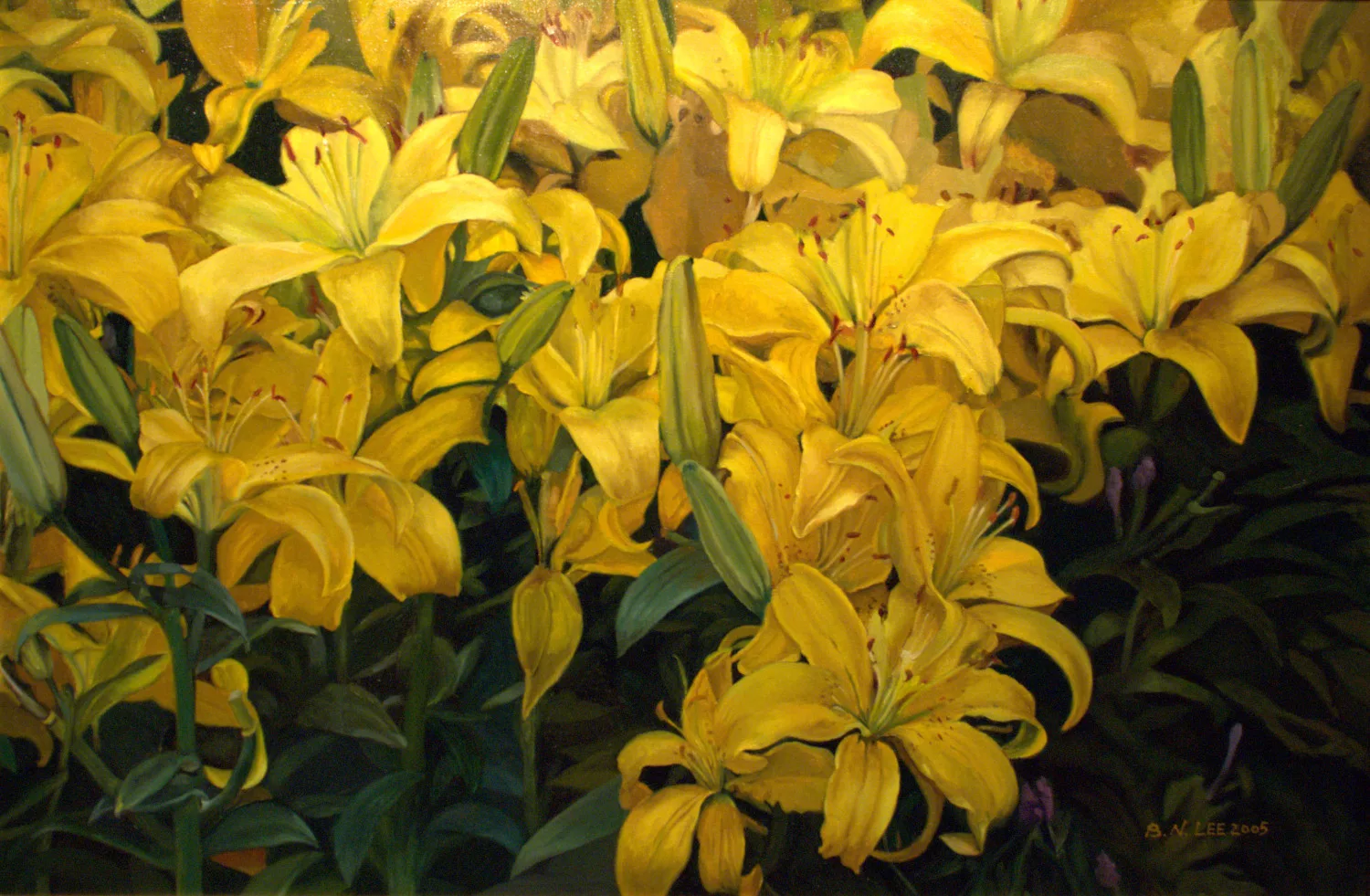
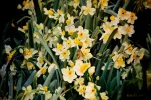
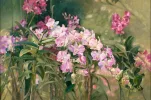
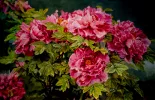
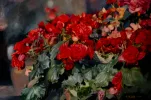
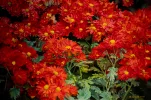
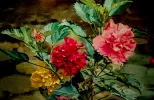
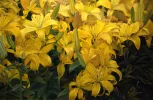
Lee Boon Ngan is known for her realistic flower paintings in oil. Despite close connections to prominent artists – her brother Lee Boon Wang (1934–2016) and husband Chua Mia Tee (1931–), both founding members of the Equator Art Society – her own artistic development began formally only in her twenties. Growing up in an immigrant Chinese-Teochew family as the only daughter, Lee spent her youth primarily in domestic roles and as a model for both artists. She appeared in numerous works including Chua’s National Language Class (1959), serving as a quiet observer and companion to their artistic activities.
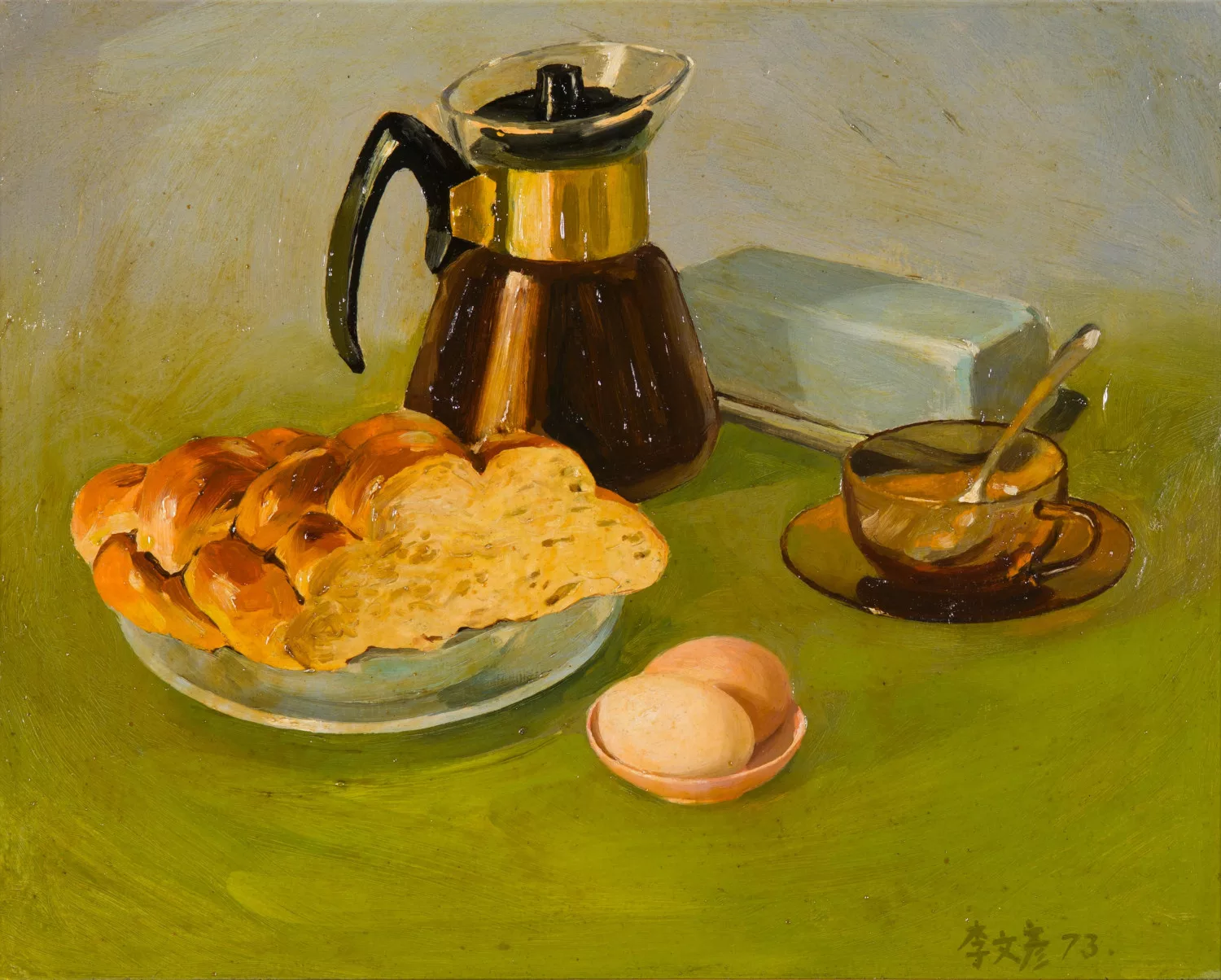
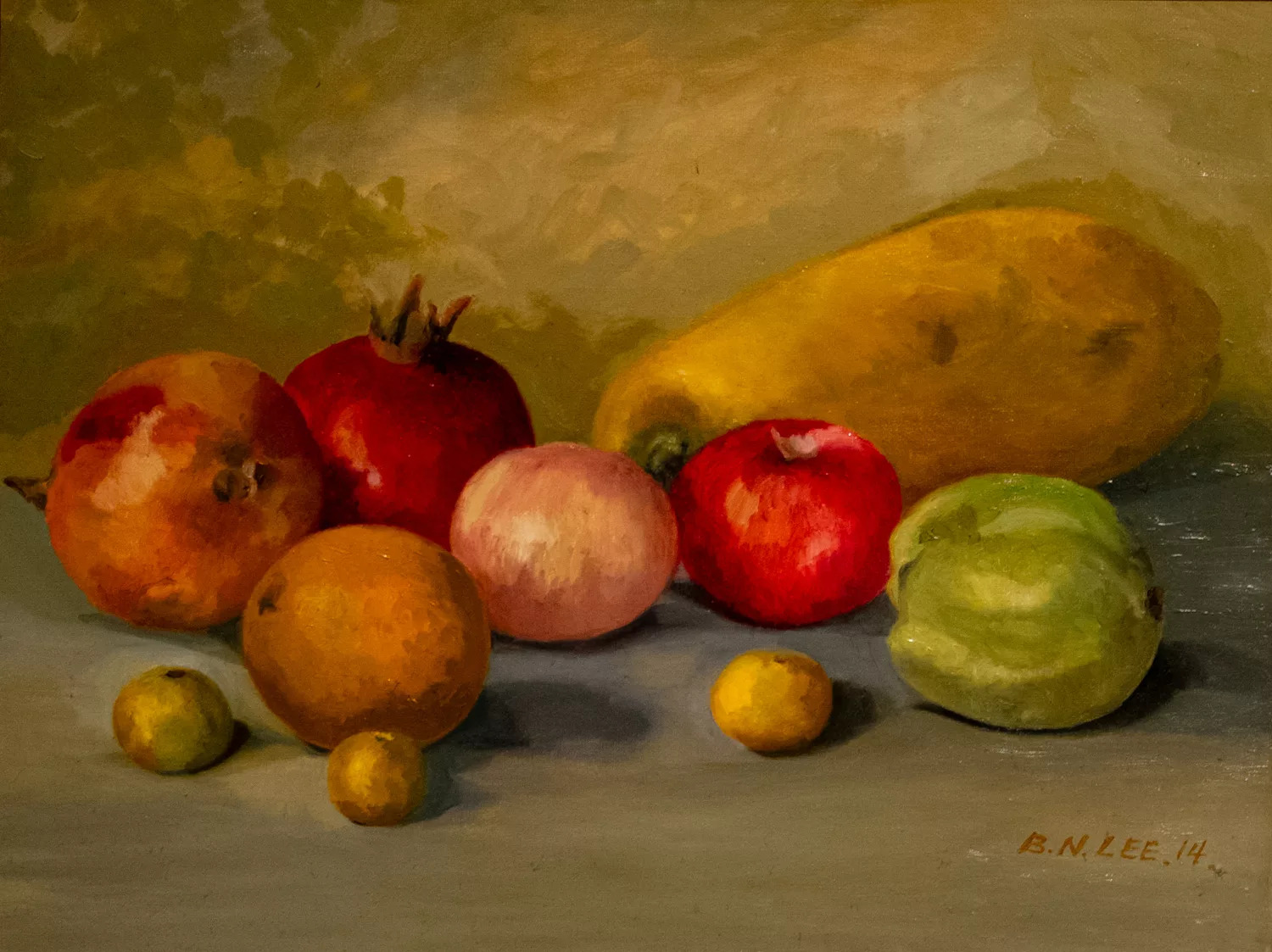
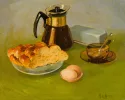
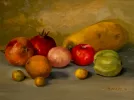
After marrying Chua in 1961, Lee enrolled at Nanyang Academy of Fine Arts (1962–1965) and received formal training in Western painting. As a full-time housewife looking after two children, Lee painted whenever she could. Working from a shared home studio, she initially painted on leftover canvases after her husband had cut what he needed, creating small still lifes of household objects such as vases, books and flowers. Her practice transformed significantly in the 1990s when she was in her fifties. As her children grew and required less attention, Lee began painting flowers from her garden and from photographs taken at flower shows during her travels or at the Singapore Botanic Gardens.
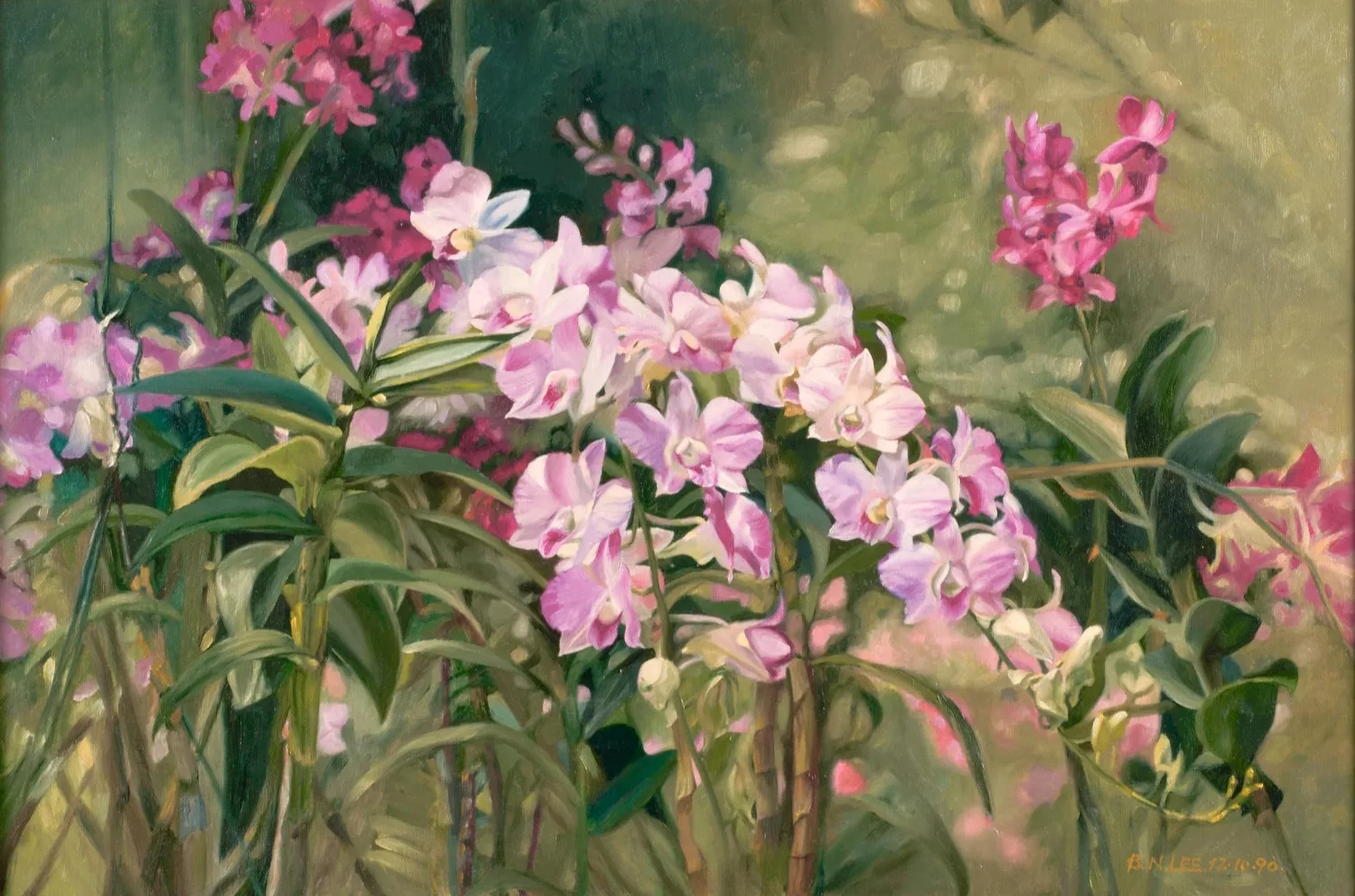
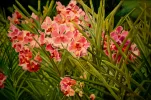
Lee began to push the boundaries of the Still Life genre, finding traditional frameworks increasingly limiting. Her paintings expanded dramatically in scale and ambition, with works like National Flower (1989) and Canna (1990), which are almost a metre long. She gradually experimented with a different style, highlighting a few flowers and blending the rest of the bouquet with the surroundings into an impressionistic mix of colours. Her painting Dendrobium (1987) exemplifies this innovation: the cascading orchids dominate the entire canvas in an outdoor setting, with the traditional table removed entirely. Lee maintained compositional coherence by juxtaposing different painterly approaches – rendering foreground flowers with high realism while treating the background more impressionistically.
This artistic evolution reflected more than technical experimentation; it embodied Lee’s contemplative practice, rooted in patient observation of botanical subjects – the seasonal cycles of flowering and growth, the daily patterns of light in her window-side studio and the sustained attention required to capture the liveliness she saw in flowers. She expressed particular admiration for French painter Jean-Baptiste-Siméon Chardin (1699–1779), known for transforming humble still life subjects into profound meditative experiences. Lee valued his insistence on the substantial look of objects and the sensation of atmosphere in his pictures – qualities she pursued in her own botanical paintings.
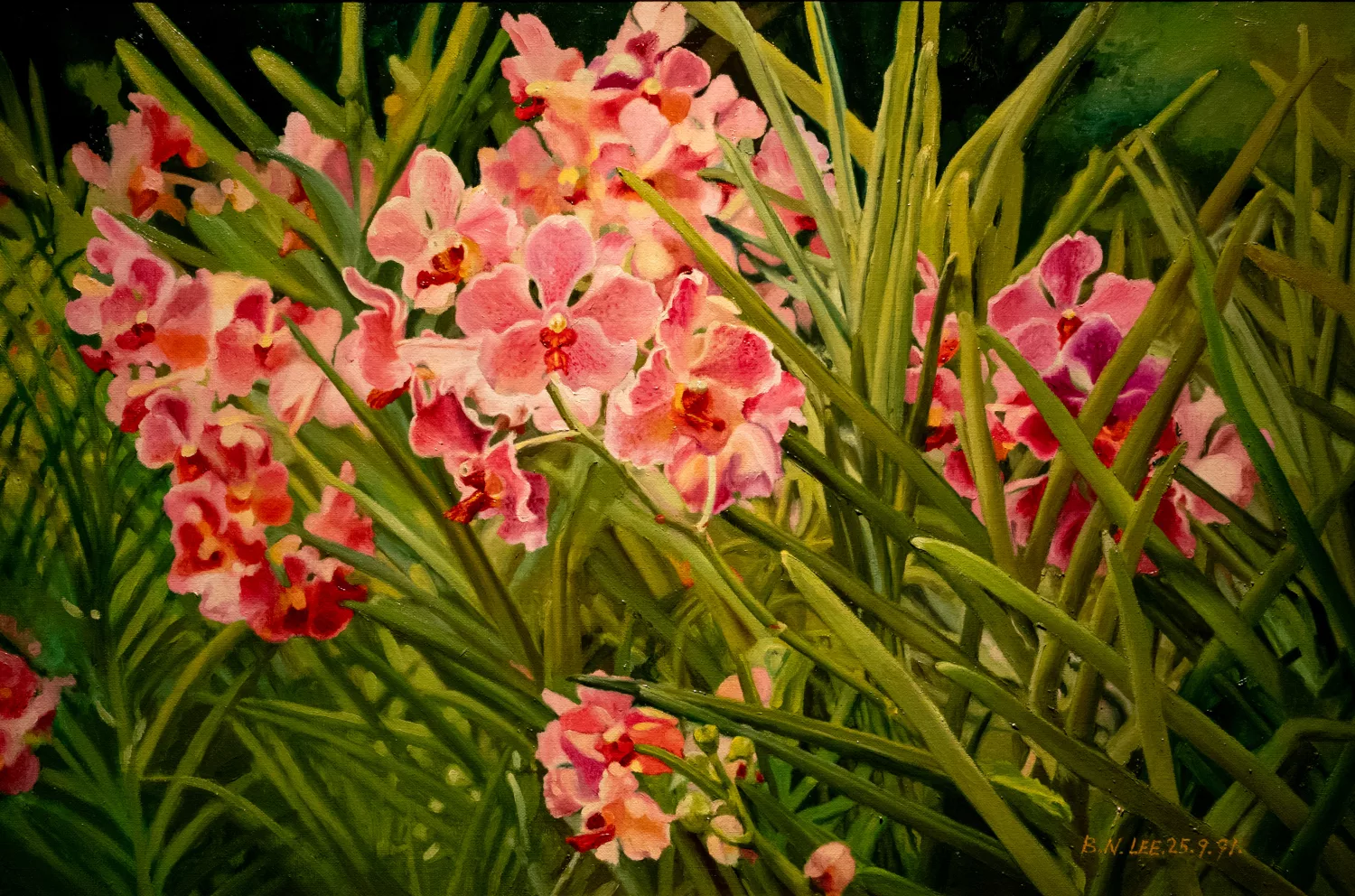
Recognition came gradually. The 1980 joint exhibition with Chua at the Chinese Chamber of Commerce, when Lee was forty-one, marked her public acknowledgment as an artist in her own right. Her works garnered official recognition. Her orchid painting, Vanda Miss Joaquim (1991), was selected as a state gift to the President of the Philippines. Lee exhibited regularly with art associations and at charity events, and her paintings were collected by major corporations and government boards.
A biography produced as part of the programme The Flow of History. Southeast Asian Women Artists, in collaboration with Asia Art Archive
© Archives of Women Artists, Research and Exhibitions, 2026