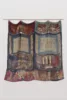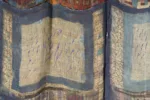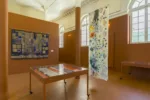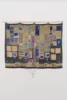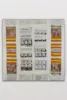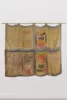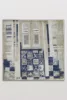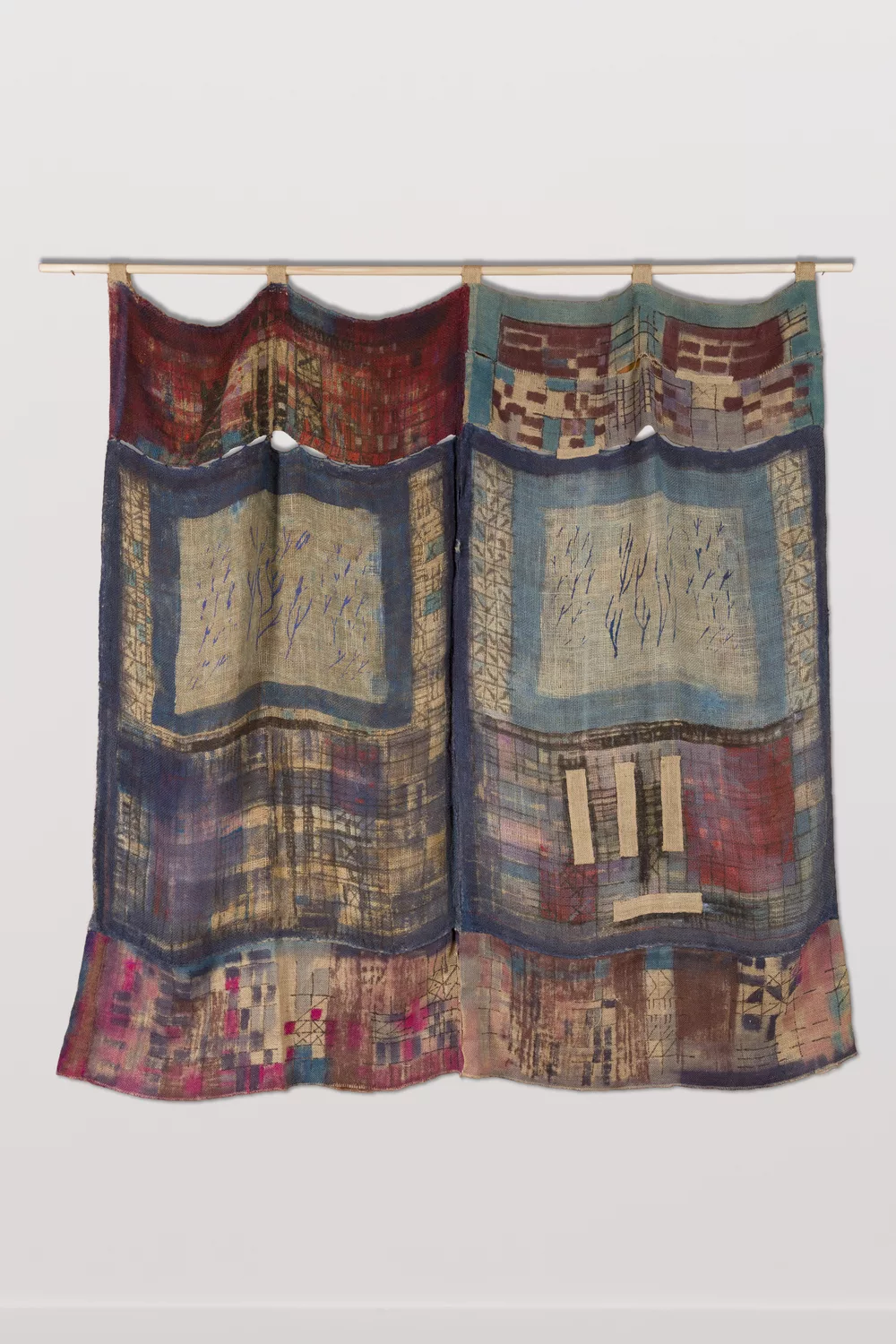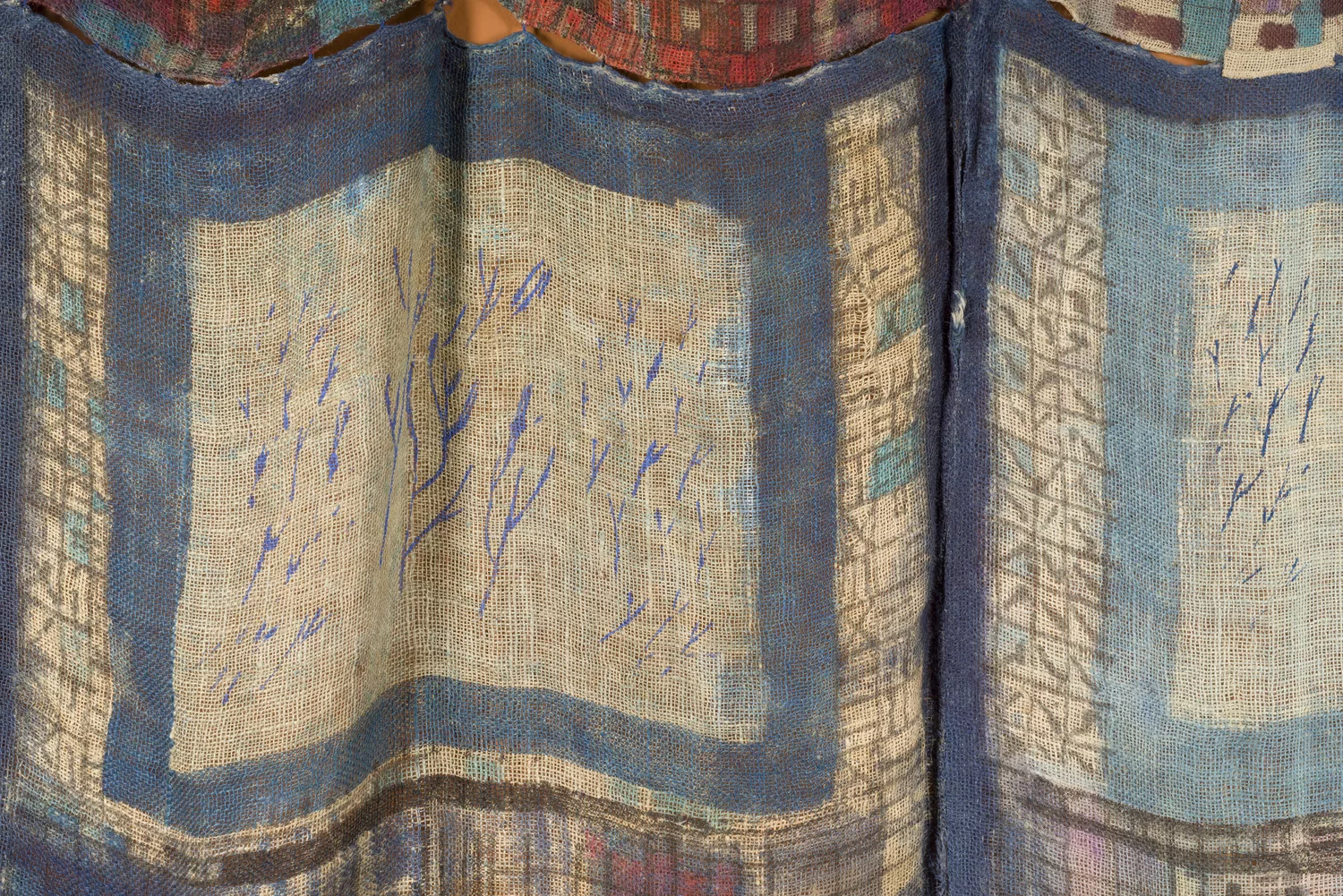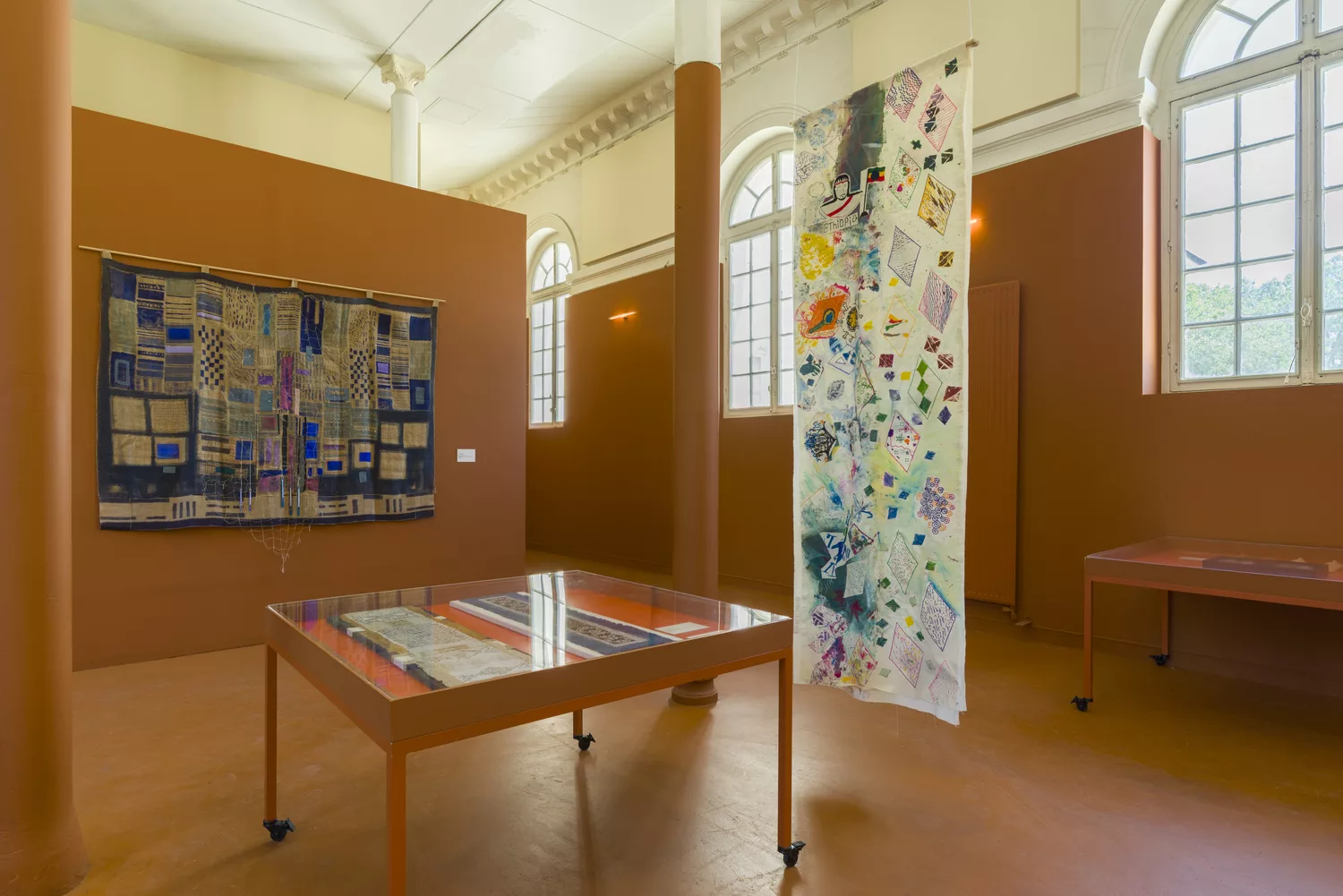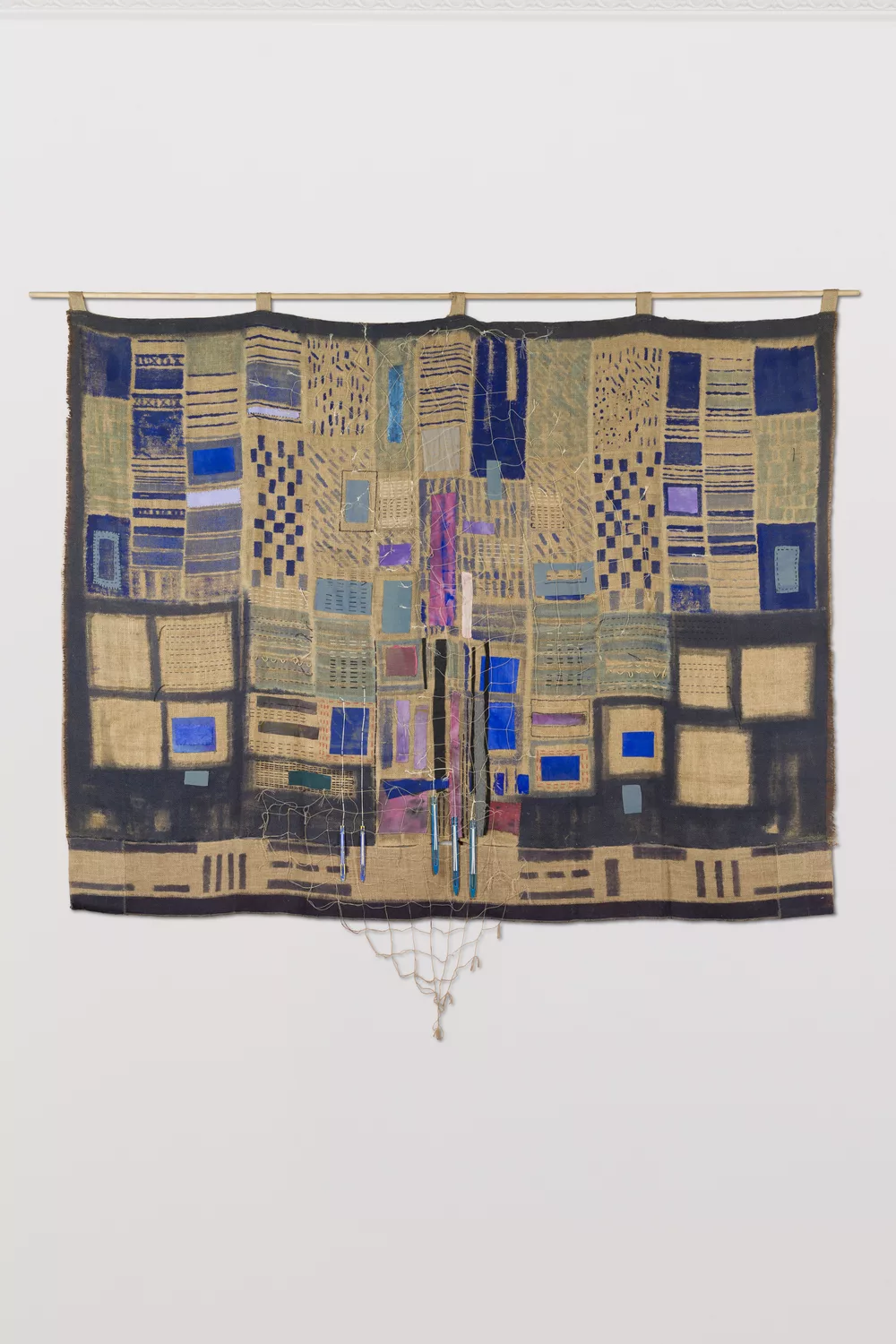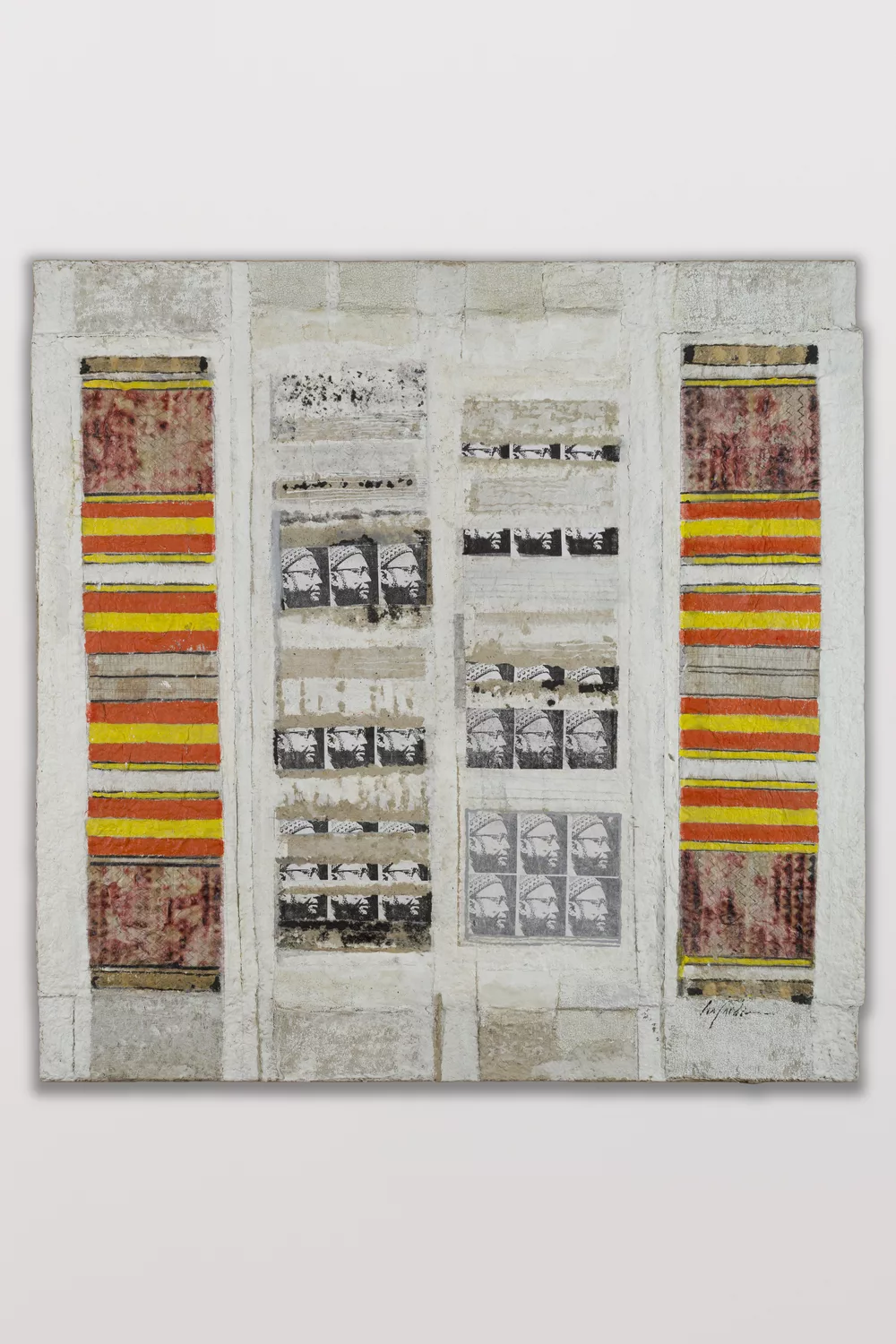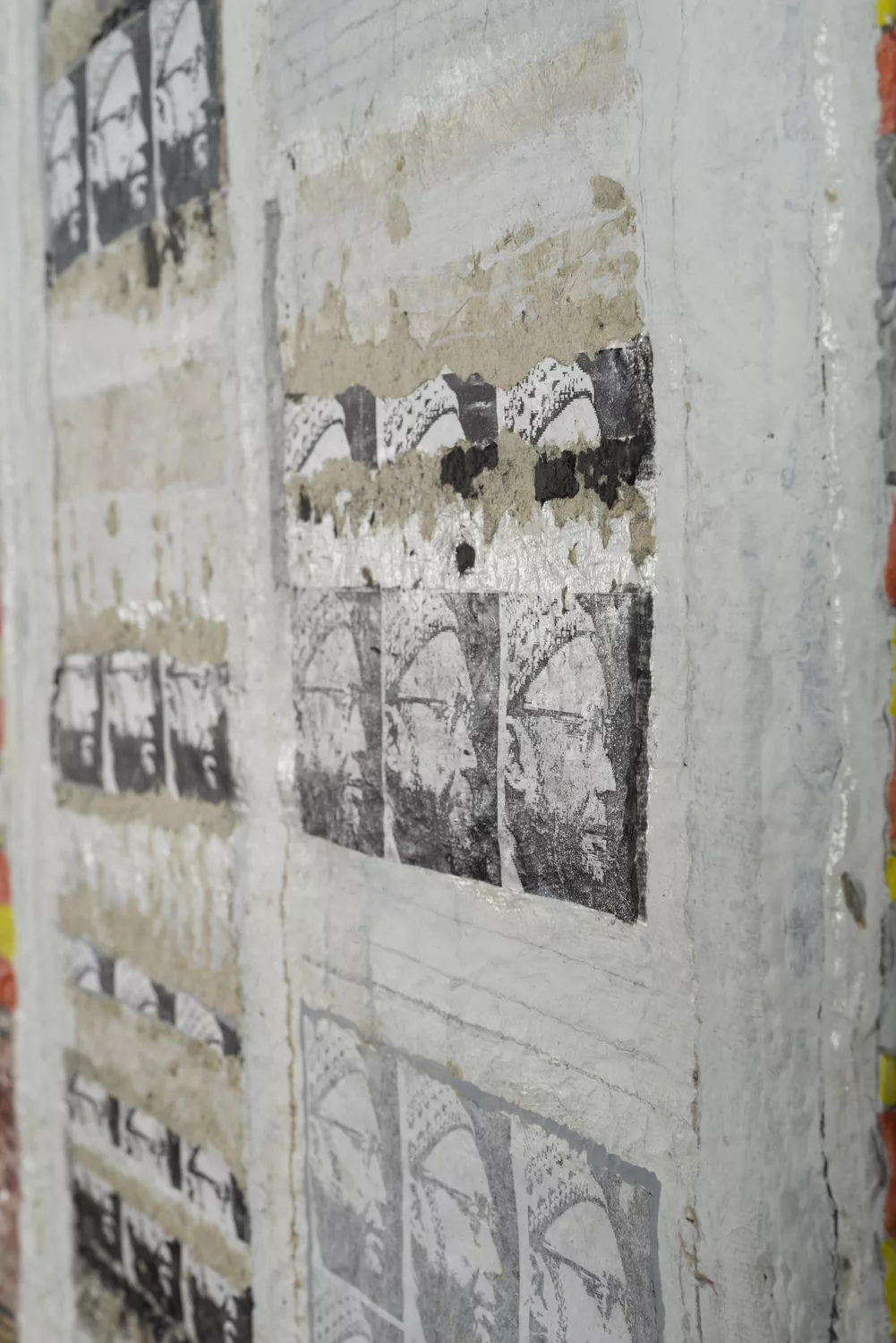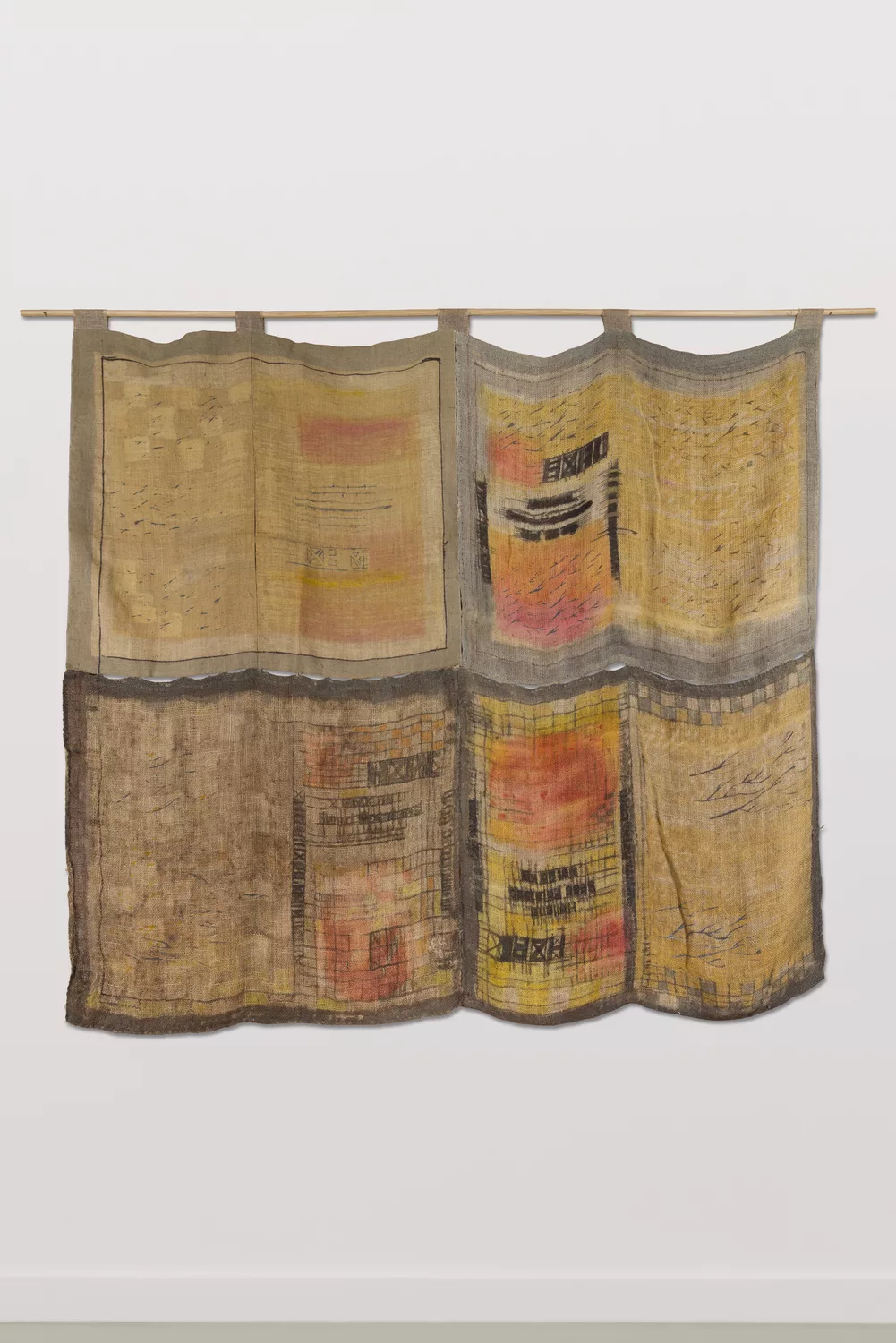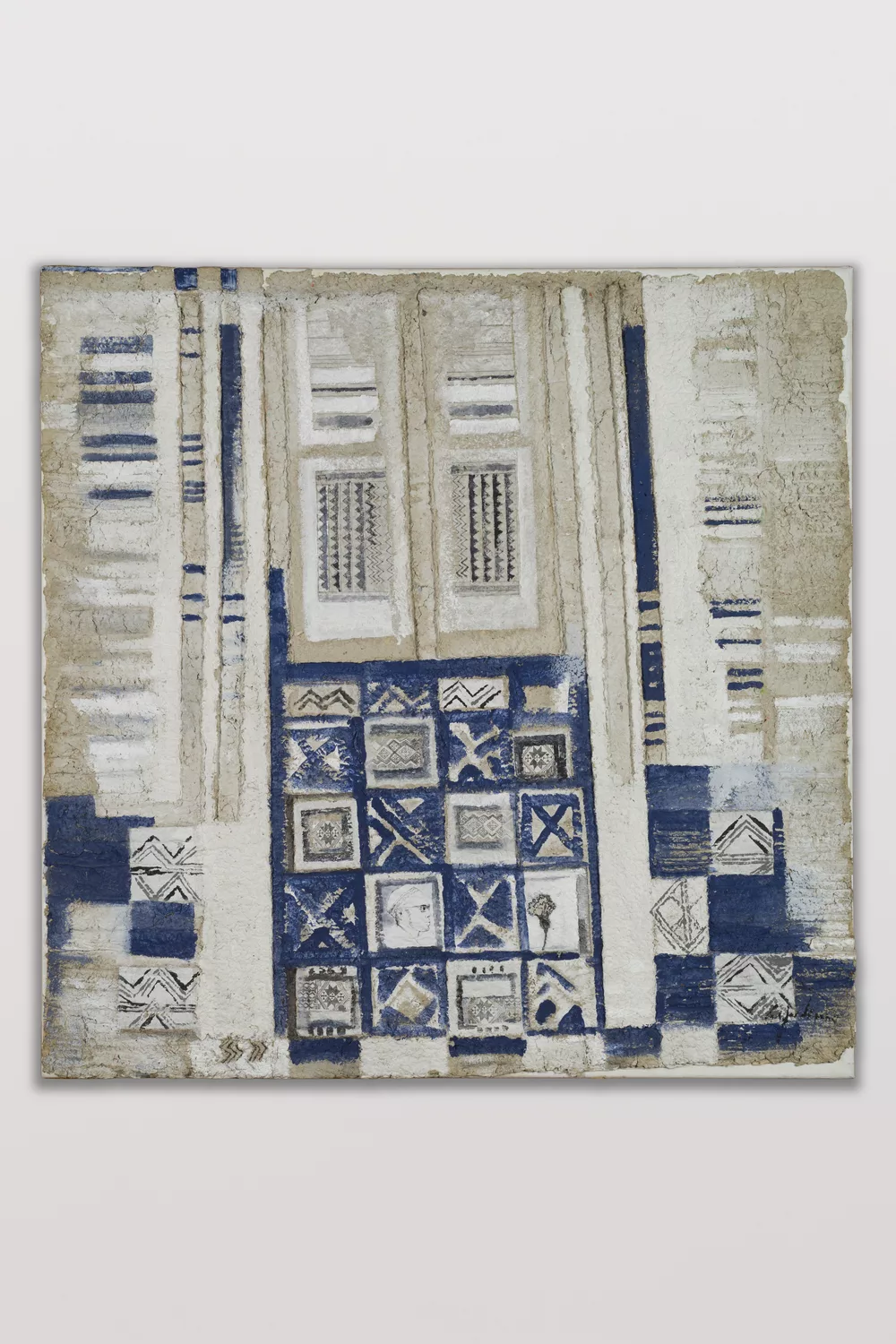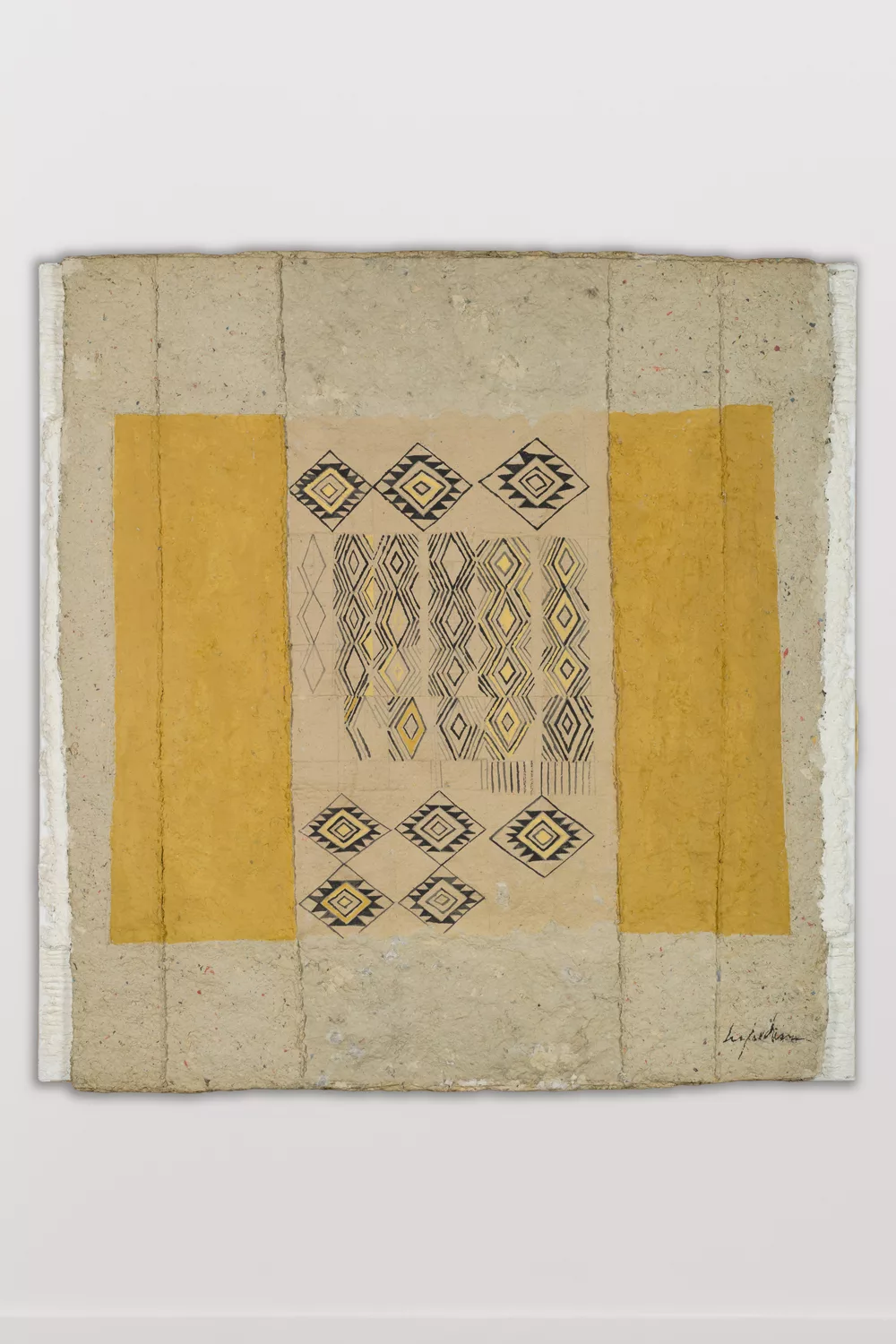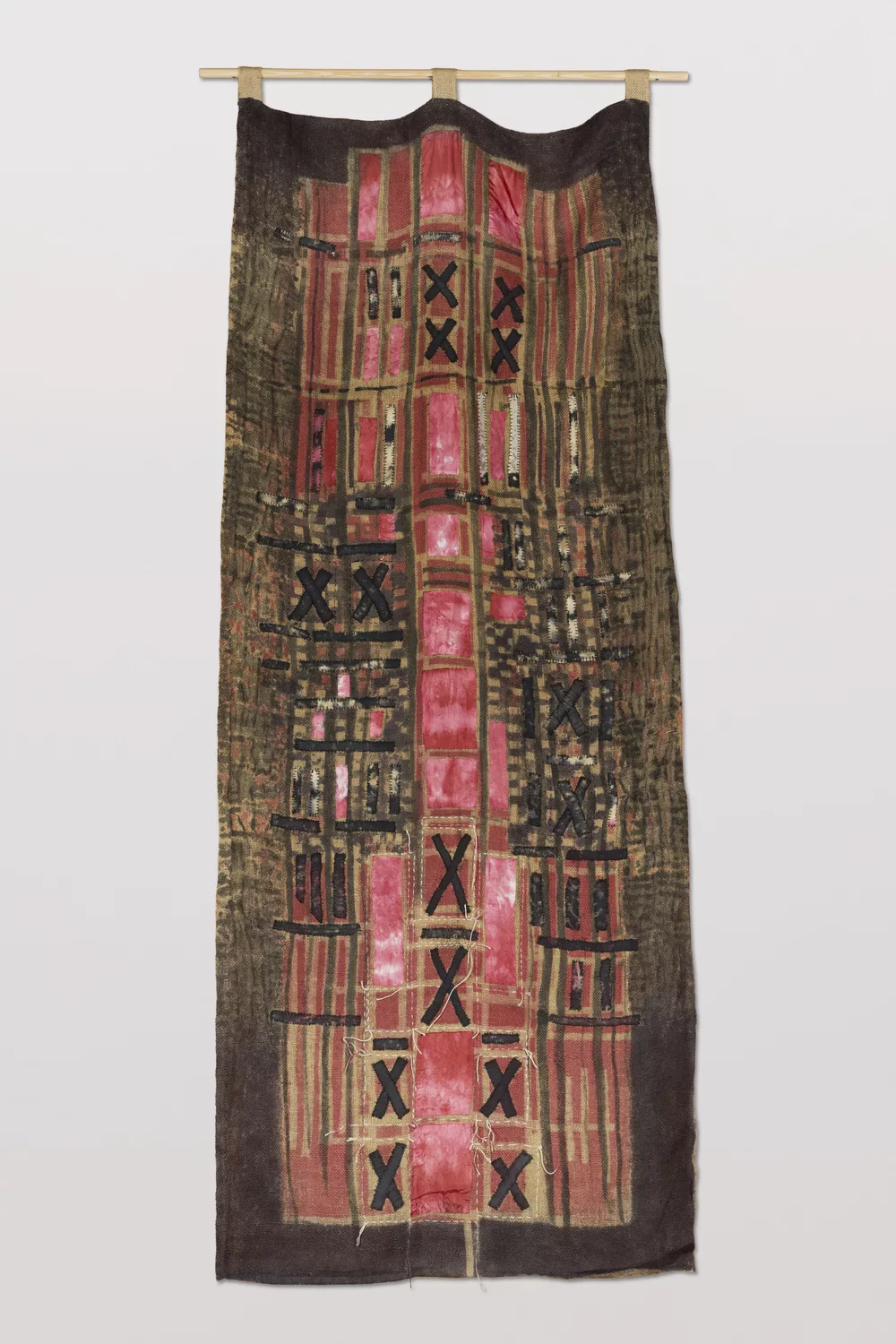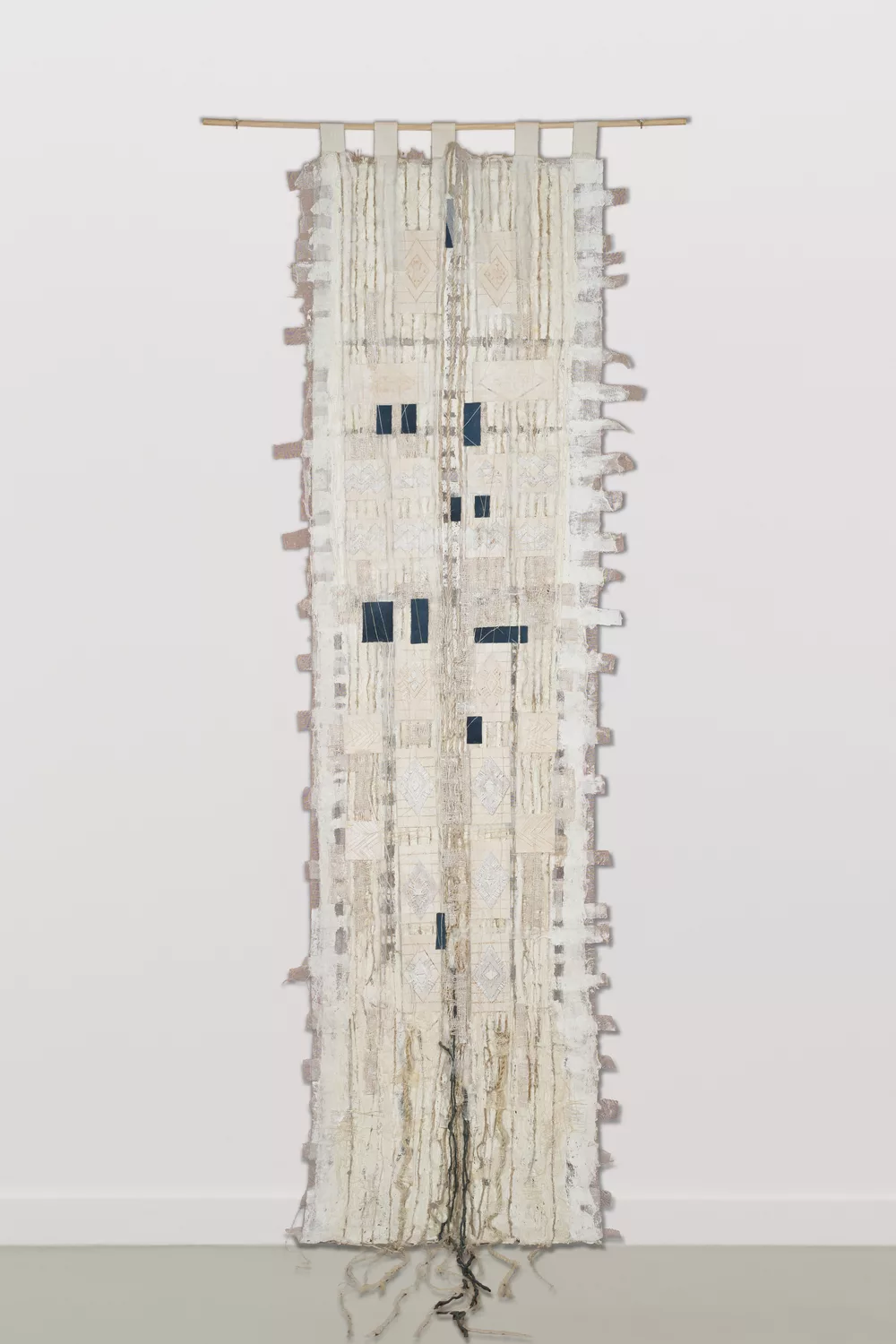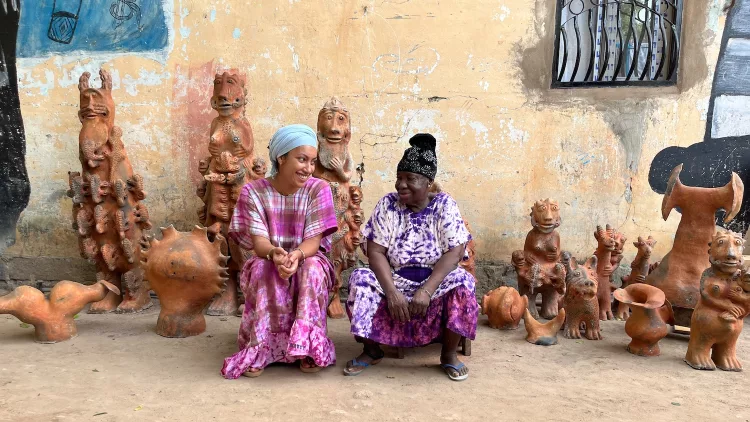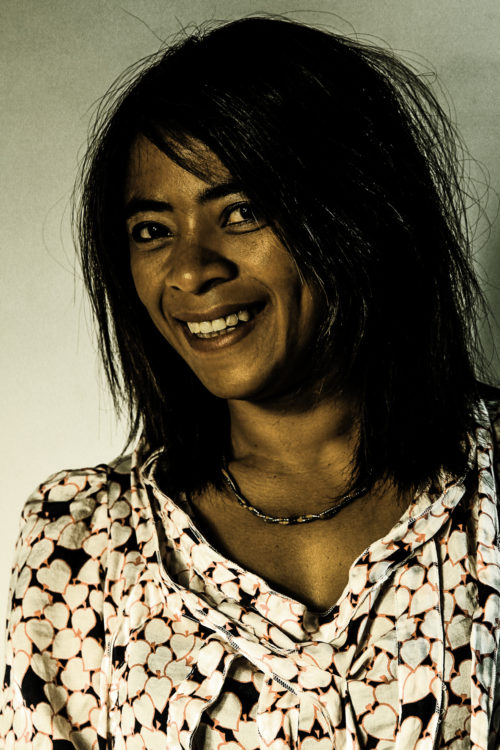
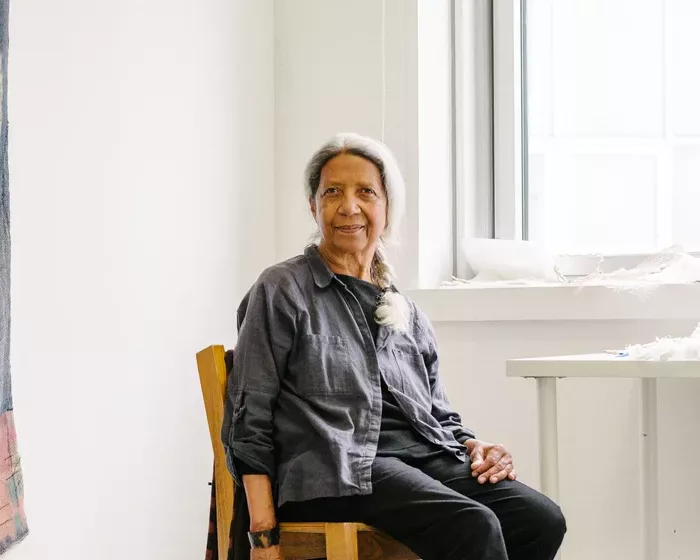
Manuela Jardim, IOTA Studios Avant Seine, 2026. Photo: Adrien Thibault, courtesy of Thanks for Nothing.
Fontinha, Susana, “Corantes naturais · Madeira”, in Jardim, Manuela (ed.), Na Rota da Urzela · Plantas Tintureiras [Along the Urzela Route: Dye Plants], exh. cat., Museu Etnográfico da Madeira, Funchal (8 August–9 September 2023), Funchal, DRC/DSMCC/Divisão Publicações, 2023
→Guedes, Maria Estela, “Manuela Jardim e a sua memória guineense”, Revista InComunidade, April–May 2017
→Pires, João Silvério, “O Ser e o Cosmos” [Being and the Cosmos], introductory text for the exhibition, Galeria da Secretaria Regional de Turismo e Cultura, Funchal, 2000
Construir Ideias/Construire des idées, La Roche, Paris, June 2026
→Na Rota da Urzela – Plantas Tintureiras], Museu Etnográfico da Madeira (MEM), Funchal, August–September 2023
→Através dos Panos, Museu Nacional de Etnologia, Lisbon, January 2005–2008
Bissau-Guinean and Portuguese visual artist.
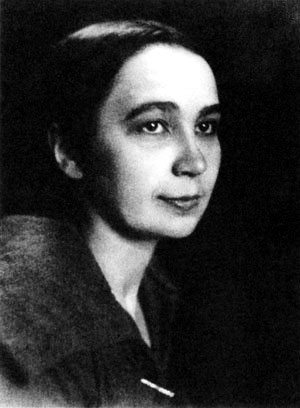
Manuela Jardim was born in 1949 on Bolama Island in Guinea-Bissau, then still under Portuguese colonial rule, to a Bissau-Guinean mother of Papel ethnicity and a Madeiran father serving in the military. At the age of six, following her mother’s death, she left the land of her ancestors, never to return, and settled in Tomar, Portugal with her father, who introduced her to painting.
In 1974 the Carnation Revolution put an end to the Estado Novo dictatorship that António de Oliveira Salazar had established in 1933. For M. Jardim, then a sculpture student at the Escola Superior de Belas-Artes de Lisboa, 25 April represented a dual liberation: that of a nation breaking free from the yoke of fascist identity-based politics and that of a woman becoming an artist in a new society. She directly addressed this colonial and postcolonial violence in her series of tributes to Amílcar Cabral (1924–1973), who had founded the Partido Africano da Independência da Guiné e Cabo Verde (PAIGC). After the revolution, she trained for a year in screen printing and printmaking before representing Portugal at the Biennale of Young Artists of Mediterranean Countries, first in Greece and then in Marseille. A summer stay at the Institut National de la Jeunesse et de l’Éducation Populaire (INJEP) in Marly-le-Roi, France, marked a turning point for her, as it allowed her to visit the newly opened Musée d’Orsay in Paris and, alongside other emerging artists from around the world, to understand the importance of collective practice in her art.
M. Jardim is accomplished in drawing, painting and sculpture, and places great emphasis on materials and their transformation. She works with recycled paper, which she makes herself from newspaper, and uses acrylic paint. She also models clay into statues draped in colourful pagne cloths reminiscent of those worn for important occasions, celebrations, weddings and funeral rites. She uses dye plants – dragon’s blood resin, madder and orchil – and conducts laboratory research with scientists including Portuguese biologist Susana Fontinha, thus combining artisanal expertise with contemporary art production.
In 2003, while working as a teacher, she took a sabbatical to join the Museu Nacional de Etnologia in Lisbon, where she led an educational project based on the fabrics and pagnes from Guinea and Cape Verde held in the museum’s collections. This collaboration continued with the opening of workshops that she ran for around ten years. For M. Jardim, creation is a collective practice driven by exchange – one fuelled both by her own studio activities and by the workshops she creates for others. The theme running through all her work is transmission, a relationship with memory oriented towards future generations. M. Jardim’s name is remarkably apt – it means “garden” and she is a gardener who generously sows seeds around her, viewing artistic practice as a process of liberation.
In May 2026 M. Jardim was selected for the second edition of the Résidence Gulbenkian & Thanks for Nothing – Création et Engagement, an artist’s residency that annually hosts one Lusophone artist from the African continent whose practice engages with activism as well as social and environmental issues. Her residency culminated in an exhibition at La Roche, a cultural and social venue in the former La Rochefoucauld Hospital in the fourteenth arrondissement of Paris. There, in a disused hospital ward, she expanded her artistic vocabulary to include lightweight gauze, a material made both for weaving and for healing – continuing, with her characteristic cheerfulness and curiosity, to mend memories and wounds alike.
A biography produced by AWARE: Archives of Women Artists, Research and Exhibitions, as part of the Gulbenkian & Thanks for Nothing Residency – Création et Engagement.
© Archives of Women Artists, Research and Exhibitions, 2026